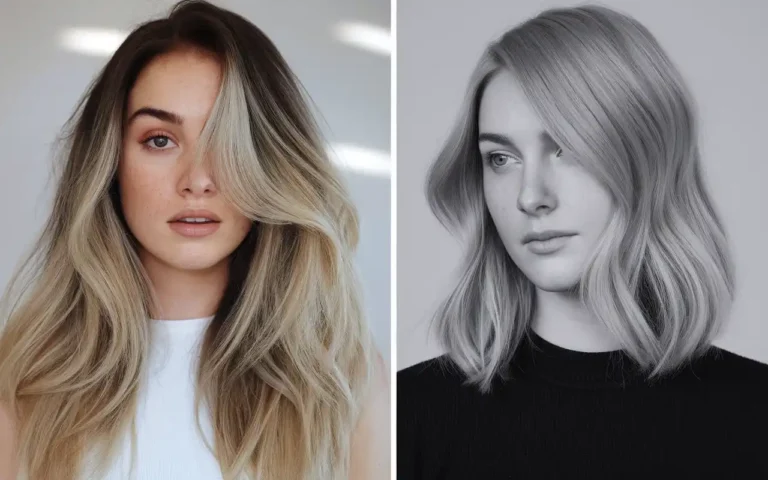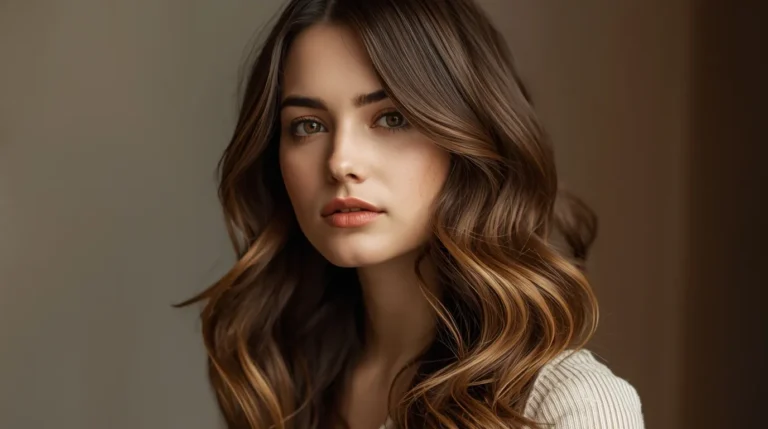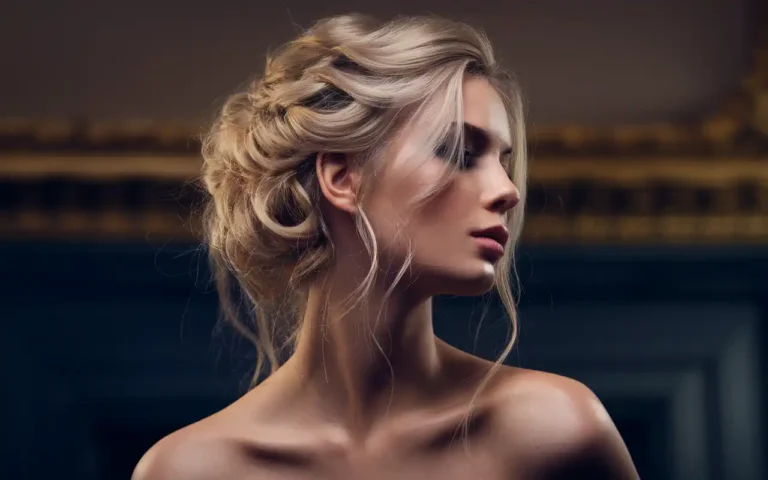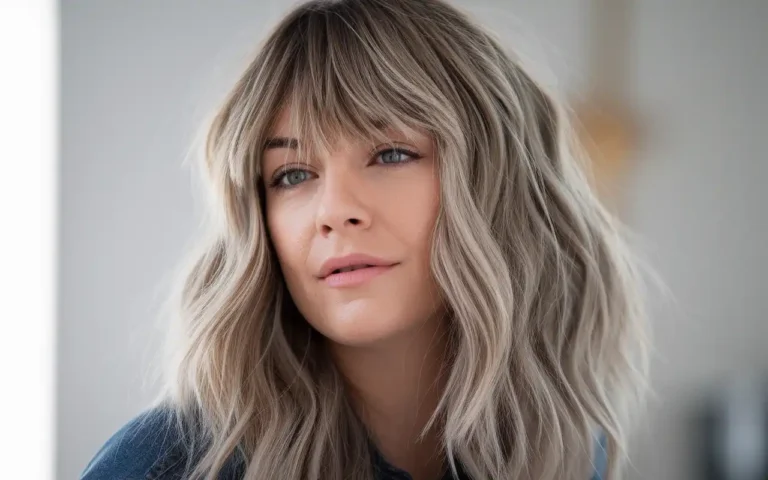
Easy Job Interview Hairstyles Under 10 Minutes
You have an interview in an hour and your hair is not cooperating. You do not need a salon appointment or a complicated routine. You need job interview hairstyles that take under 10 minutes, hold through a long wait, and let you focus on your answers instead of your appearance. This guide covers real, quick styles for long hair, short hair, curls, and braids, plus the small tricks that keep everything neat. Pick one, practice it once, and walk in knowing you look ready before you say a word.
Why Your Hair Sets the Tone Before You Speak
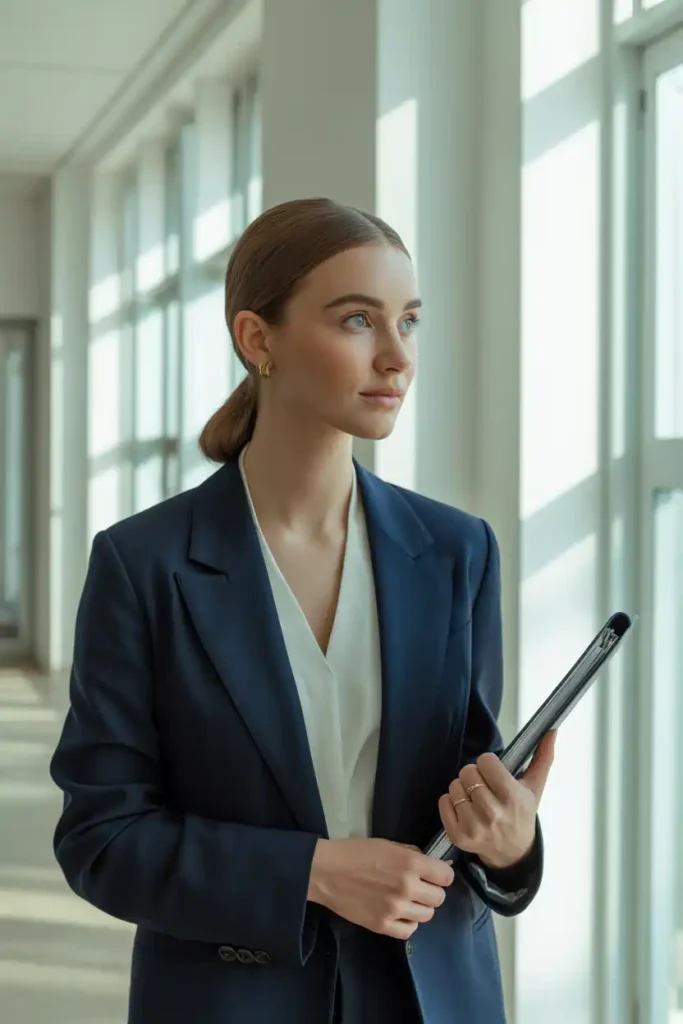
The person across the table forms an impression of you in the first few seconds. Your outfit matters, but your hair frames your face and carries a lot of that first read. Messy flyaways or a style you keep touching can pull attention away from your answers.
You want hair that stays put so you can focus on the conversation. Pick a style you have practiced at least once at home, not something new you try the morning of. Smooth the edges with a little serum, secure loose pieces, and give yourself a five second mirror check before you walk in. A style that holds through a handshake and a long wait in the lobby is worth more than one that only looks good for a photo.
The 10-Minute Rule for Interview Morning
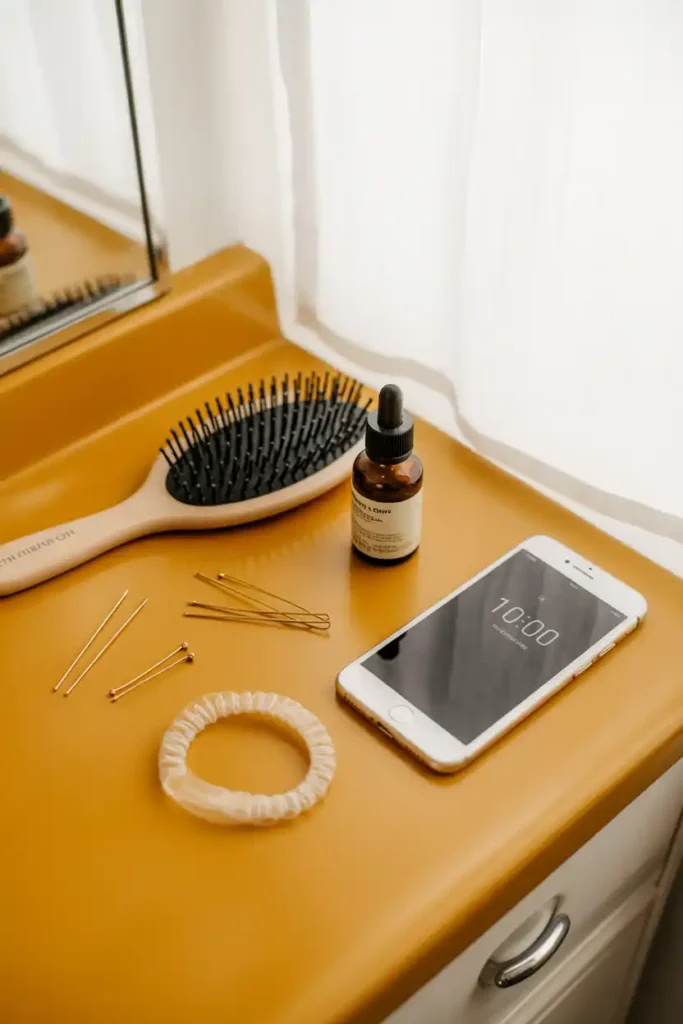
Interview mornings run tight. You are ironing a shirt, checking the address, and calming your nerves all at once. Your hair should take the least time of anything you do. Ten minutes is the ceiling, not the goal.
Build a short routine and stick to it. Here is a simple structure that fits the window:
- Minutes 1 to 3: brush thoroughly and part your hair where it falls naturally
- Minutes 4 to 7: shape the style, whether that is a bun, ponytail, or half-up
- Minutes 8 to 10: secure with pins, smooth flyaways, and add a light hold spray
An easy and quick hairstyle you can do half-asleep beats a complicated one you fumble under stress. Lay out your tools the night before so you are not searching for a single bobby pin at 7 a.m.
The Classic Low Bun That Never Looks Overdone
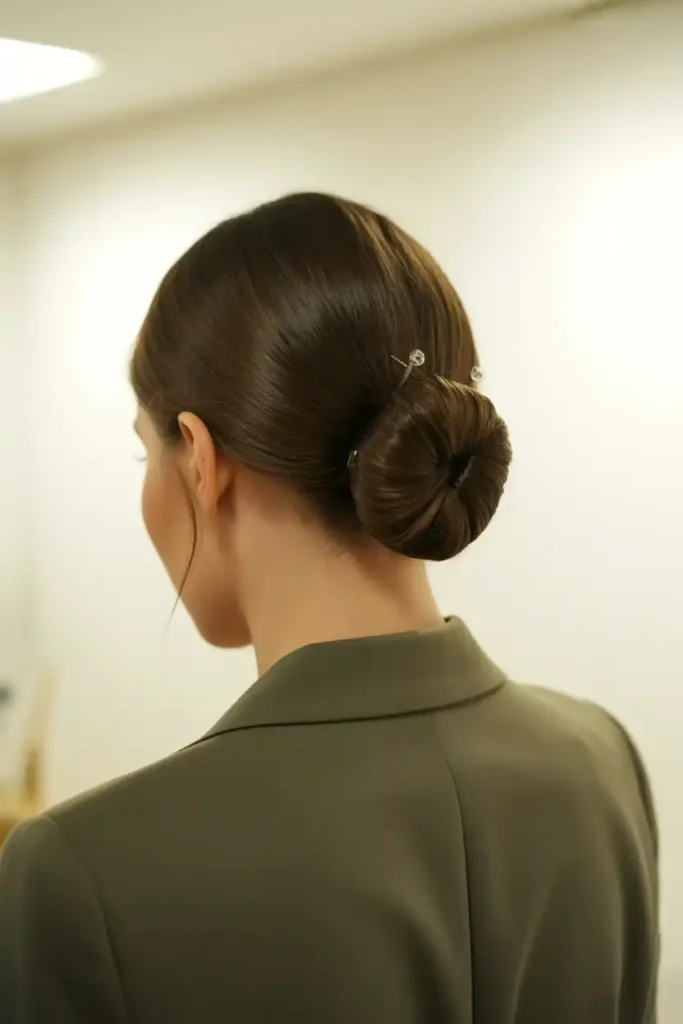
A low bun reads as calm and serious without trying too hard. It keeps your hair off your face and your collar, so nothing shifts when you move. Recruiters see it constantly because it works.
To get it in under five minutes: gather your hair into a low ponytail, twist the length into a coil, wrap that coil around the base, and pin it flat. Use two pins on each side and one at the bottom. If your ends slip out, tuck them under and pin again rather than adding more product. This is one of the most reliable business professional hairstyles for long hair because it holds through a full day of talking and gesturing. Keep a travel-size hairspray in your bag for a quick touch-up before you head in.
How to Style Long Hair for Interview Day Without Frizz
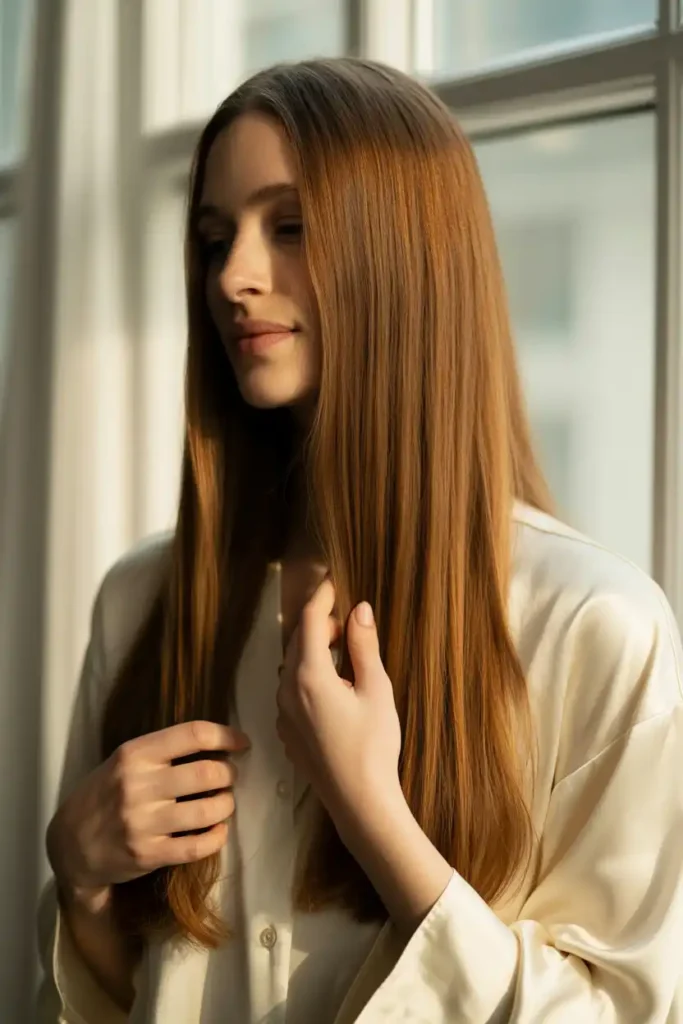
Long hair looks polished when it is smooth and a mess when frizz takes over. Humidity, a rushed blow-dry, or the wrong brush can undo your effort in minutes. You need control that lasts through your commute.
Start on damp hair with a smoothing cream, then dry with the nozzle pointing down the hair shaft to flatten the cuticle. Finish with a pea-size drop of serum on the ends only, never the roots. If you are learning how to style long hair for interview settings, wear it down and straight only if you can keep it neat for hours. Otherwise, pull it back. Frizz that creeps in during a long wait will pull at your confidence, so choose the option you can maintain.
Sleek Ponytail for a Sharp, No-Fuss Look
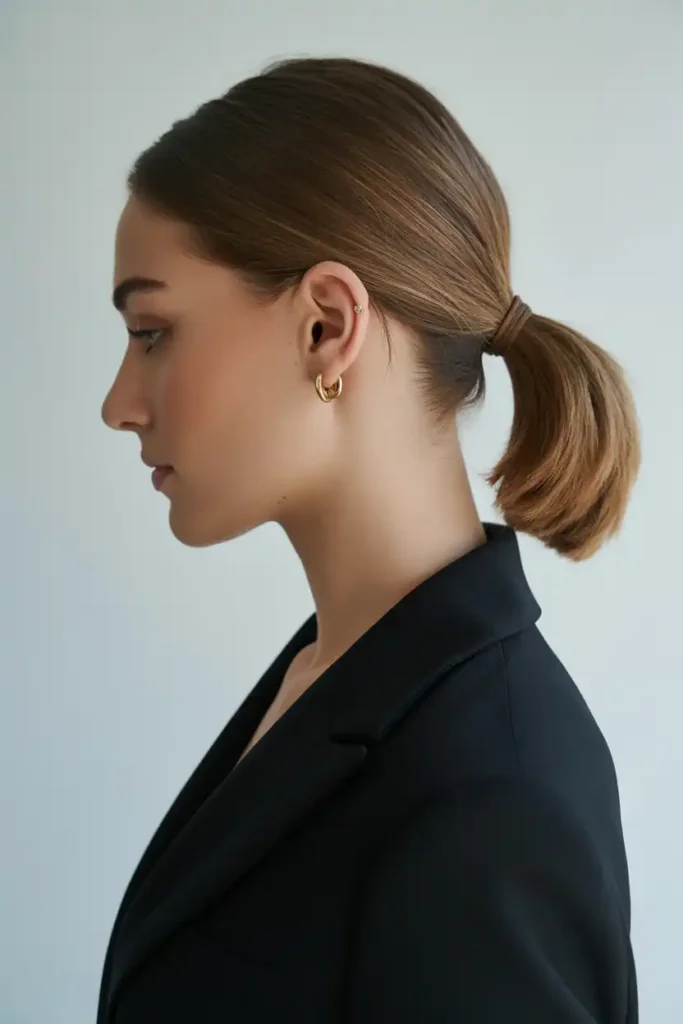
A sleek ponytail signals focus. It pulls everything back, shows your face, and takes almost no time. The trick is a smooth crown with no lumps.
Brush your hair back in sections, using a boar bristle brush to flatten the top. Secure it at the height that suits your face, then wrap a small strand around the elastic and pin it underneath to hide the band. Mist a comb with hairspray and run it over the top for a clean finish. This business casual hairstyle suits most workplaces and reads as tidy without feeling stiff. If your hair is fine and the ponytail looks thin, tease the base gently for a little more body before you smooth the surface.
Soft Waves That Still Look Professional
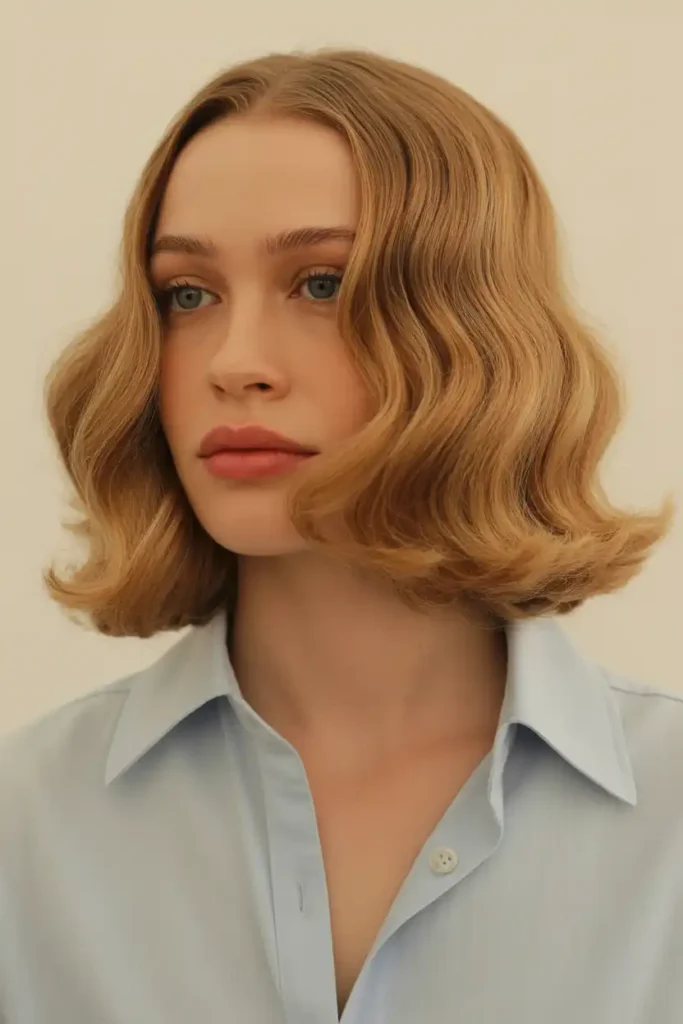
You can wear your hair down and still look serious. The key is control. Soft waves work when they are smooth and uniform, not when they look like you just came from the beach.
Use a one-inch curling iron and wrap sections away from your face, holding each for a few seconds. Once cool, brush through with your fingers to loosen the shape. Keep the waves starting below your chin so they do not add volume near your face. Soft waves give you a look that feels approachable while staying neat enough for a formal room. Set them with a flexible-hold spray so they last through the interview without going flat or falling out halfway through.
The Half-Up Style for Face-Framing Without the Fuss
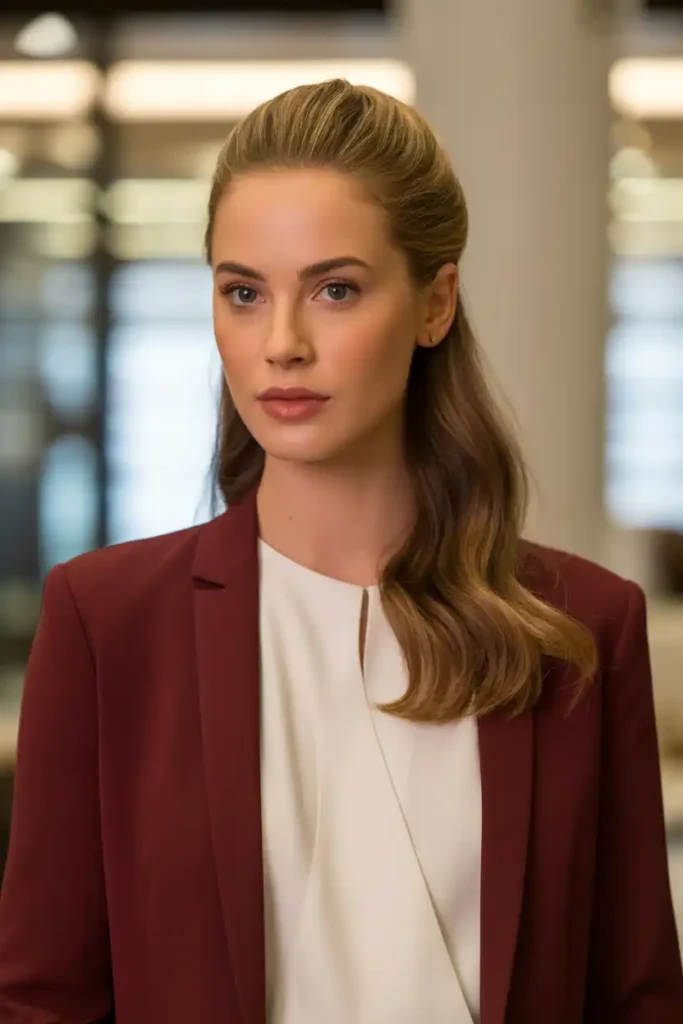
A half-up style keeps hair out of your eyes while letting you wear it down. It suits days when a full updo feels like too much but loose hair feels careless. You get the best of both.
Take the top third of your hair, from temple to temple, and clip or tie it back at the crown. Smooth the front so nothing falls forward when you look down at your notes. For a cleaner finish, twist the two side sections back before securing them. This works well as a business casual hairstyle in creative or relaxed offices. Test it in a mirror by looking down and back up a few times, since that is exactly what you will do while reading questions and answering them.
Managing Tight Curls So They Read Neat and Intentional
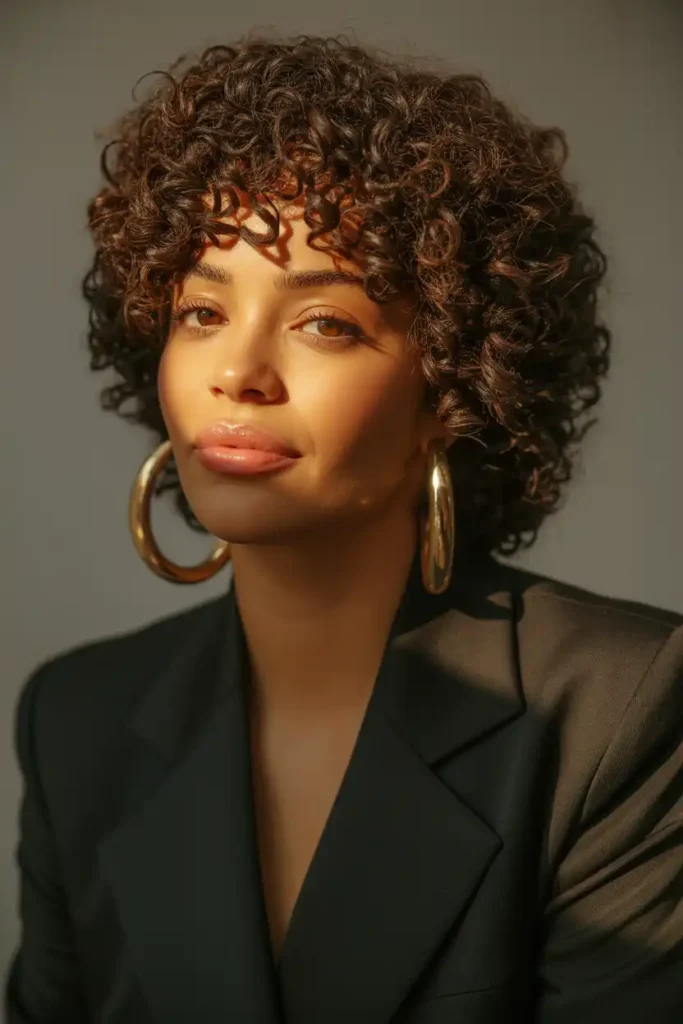
Tight curls carry their own kind of polish when they are defined and moisturized. The mistake people make is fighting the texture instead of shaping it. You do not need to straighten anything to look professional.
Refresh your curls with a water and leave-in mix, scrunch to bring back the pattern, and shape the perimeter so the outline looks clean. Pin one side back if you want your face more open. Tight curls that are hydrated and defined read as deliberate and confident, which is exactly the message you want in the room. Avoid heavy gels that leave a crunchy cast, since a soft, touchable finish looks more current and more you. A satin bonnet the night before keeps the shape crisp for morning.
The Twist Out for Definition That Lasts All Day
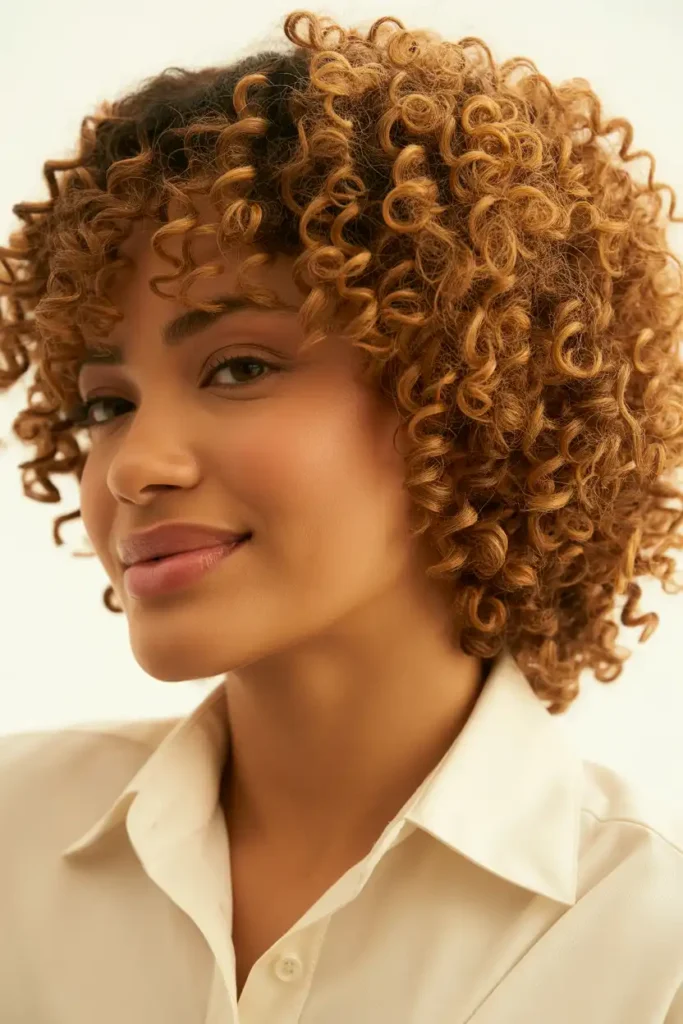
A twist out gives you shape and volume that holds for hours, which matters when your interview runs long or you have a second round the same day. Done right, it looks refined rather than undone.
Prep the night before. Twist your hair in medium sections on damp, moisturized strands and let it dry fully, or sit under a dryer if you are short on time. In the morning, unravel each twist gently, separate for fullness, and fluff the roots. A twist out you set the evening before saves you real time on interview morning and gives a cleaner result than rushing it fresh. Keep a small pick in your bag to lift the roots if the style flattens during your commute.
Low Bun on Braids for Protective, Polished Style
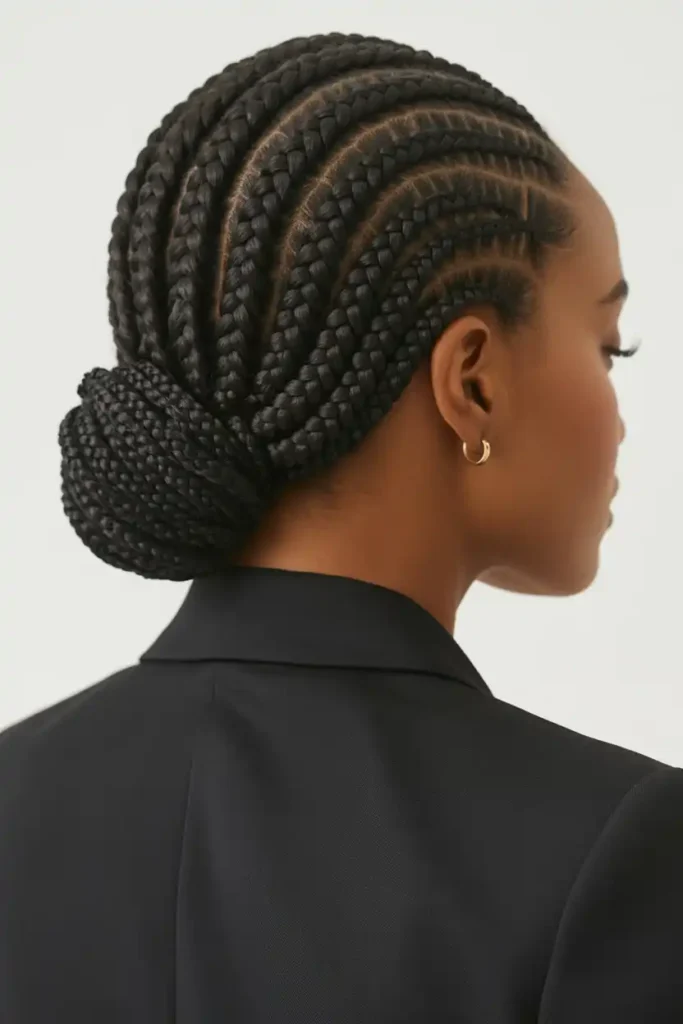
Braids give you a protective style that lasts weeks, and a low bun makes them interview-ready in minutes. You skip the daily styling and still walk in looking sharp. This is a smart choice when you have several interviews in one stretch.
Gather your braids into a low ponytail, wrap them into a bun, and secure with a few large pins or a hair tie that fits the thickness. Smooth any loose edges with a light gel and tie a scarf around your edges for a few minutes while you finish getting dressed. A low bun on braids keeps things neat without heat or product buildup. Choose a bun size that sits flat against your head so it stays comfortable through a long panel interview.
The Claw Clip Style That Looks More Put Together Than It Is
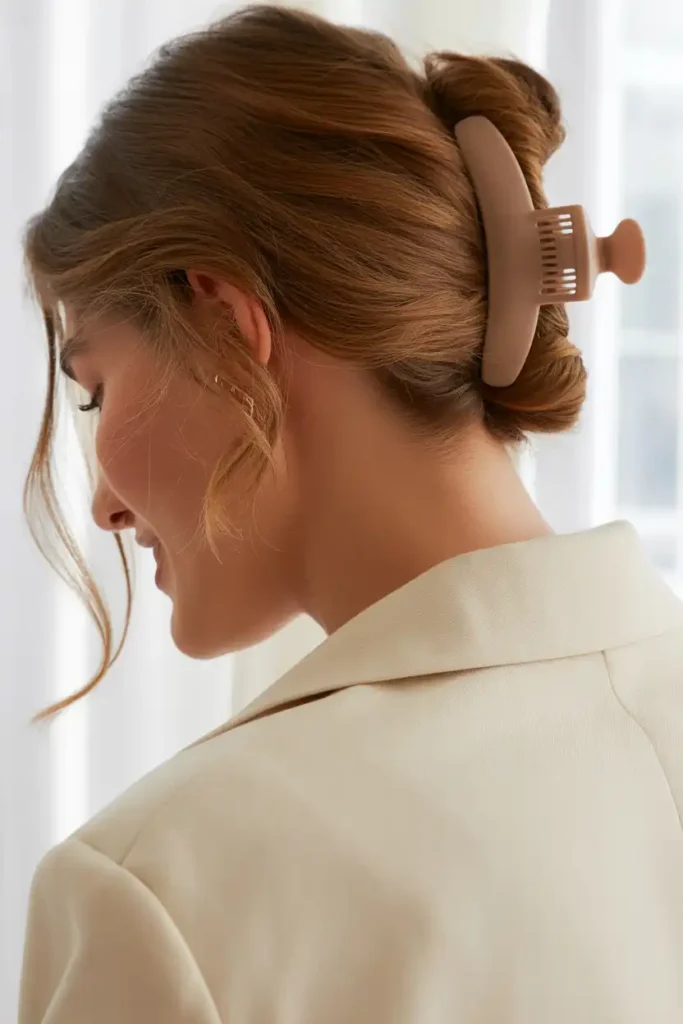
The claw clip stopped being just a lazy-day tool. A good claw clip style now looks intentional and current, which makes it perfect for offices with a modern, relaxed feel. It takes about thirty seconds once you get the twist right.
Gather your hair as if making a low ponytail, twist it upward toward your crown, then fold the twist under and clip it in place. Let a few face-framing pieces fall loose so it looks soft, not severe. Pick a clip in a neutral color that matches your hair or your outfit, and skip anything shiny or decorative. Test the hold by shaking your head lightly, since a clip that slips mid-interview is a distraction you do not want. Keep a backup clip in your bag just in case.
Styling Short Hair So It Looks Sharp, Not Flat
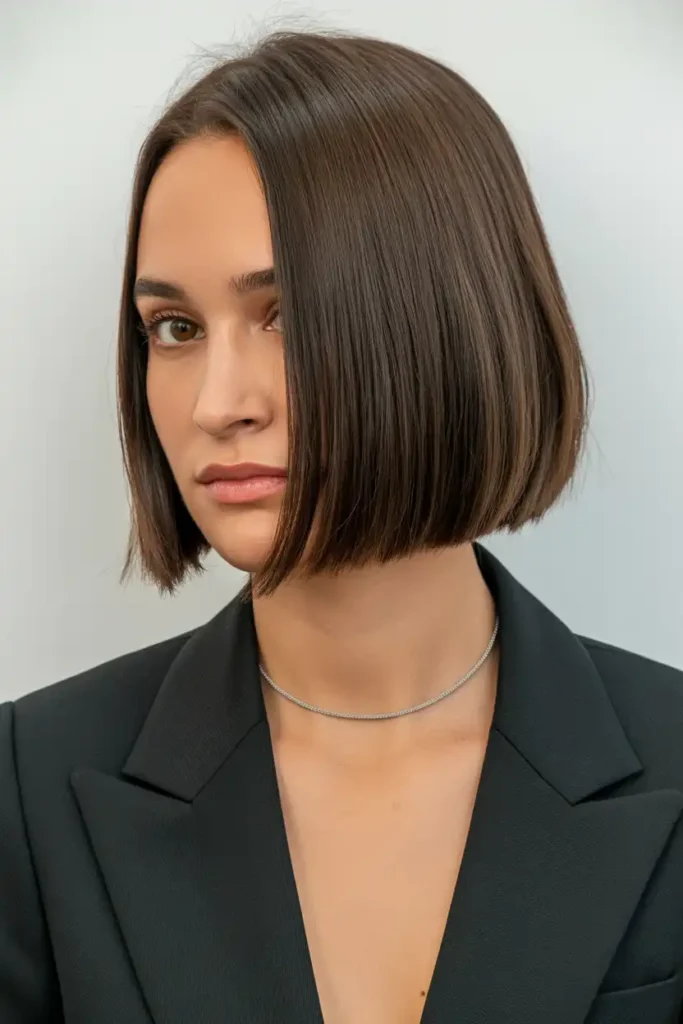
Short hair reads as confident and low-maintenance, but it can fall flat or stick up in odd places without a little shaping. You want it to look deliberate. A few minutes with the right tools does that.
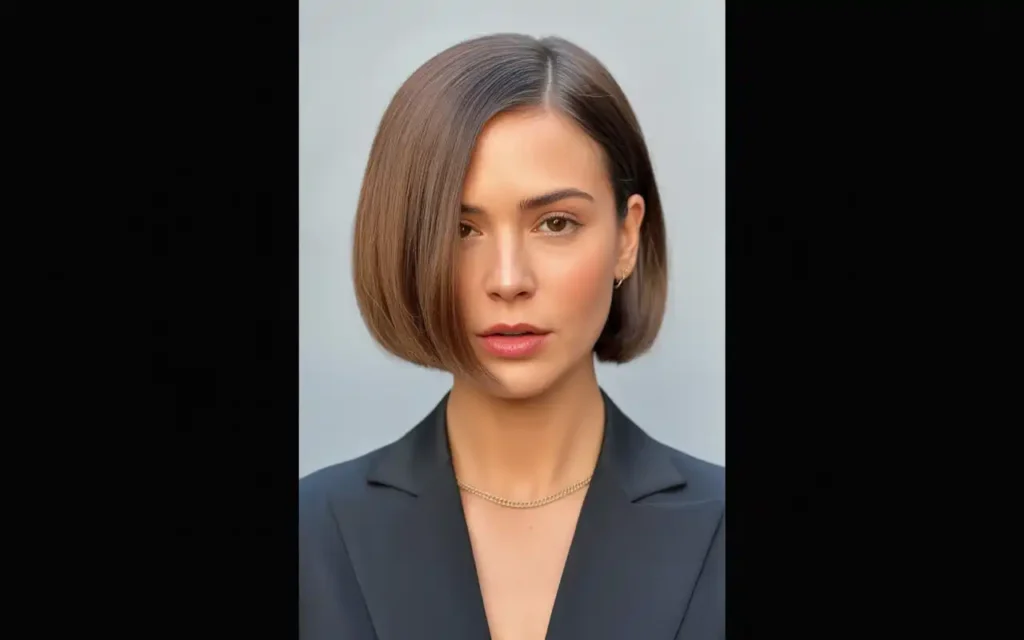
Blow-dry with a round brush to add shape at the ends, then use a flat iron on any pieces that need smoothing. Tuck one side behind your ear for a cleaner face and add a matte pomade to control texture without grease. Short hair suits fast-paced mornings because you can reset it in seconds if the wind messes it up on your way in. Skip the shine spray, since a matte finish looks more polished on short cuts and photographs better if the interview includes a badge photo.
Interview-Ready Hair for Corporate Women in Formal Offices
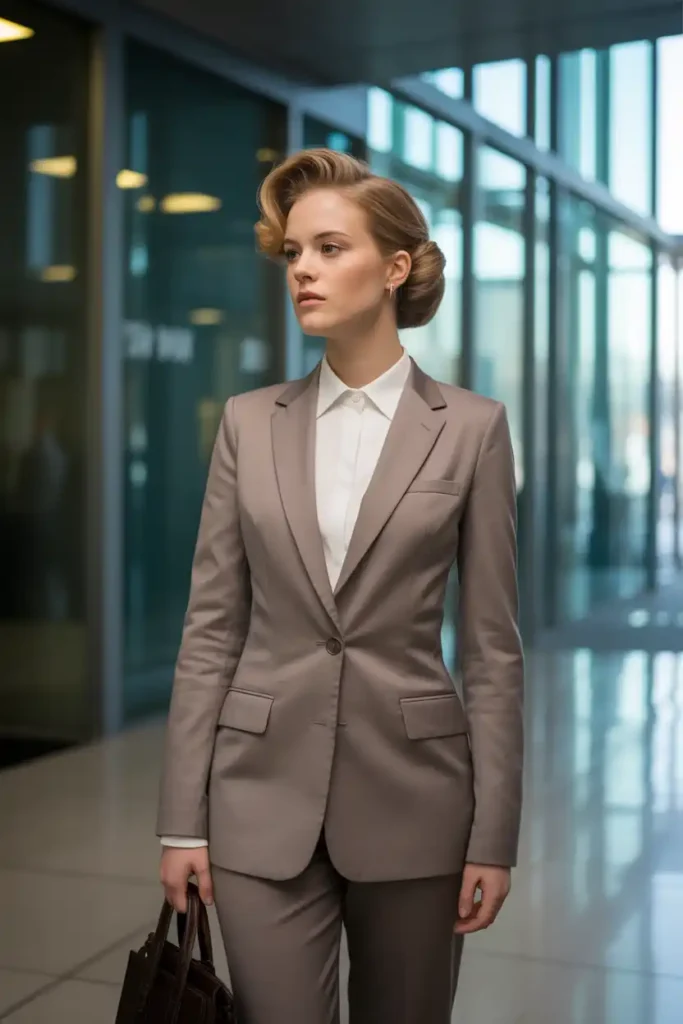
Formal offices call for hair that reads as steady and traditional. Banks, law firms, and consulting groups tend to favor conservative styles, so a neat updo or a smooth low bun sends the right signal. You want zero distraction from your credentials.
Choose a style with no loose pieces and a clean silhouette. Corporate women often keep a compact routine: a smooth base, a secured bun or twist, and a light hold spray that survives a full day of meetings. Match your hair to the tone of the company you are meeting, since a startup and a law firm expect different things. When in doubt for a formal role, go more polished rather than more relaxed. You can always soften your style once you know the culture from the inside.
Courtroom-Ready Hair for Law and Formal Interviews
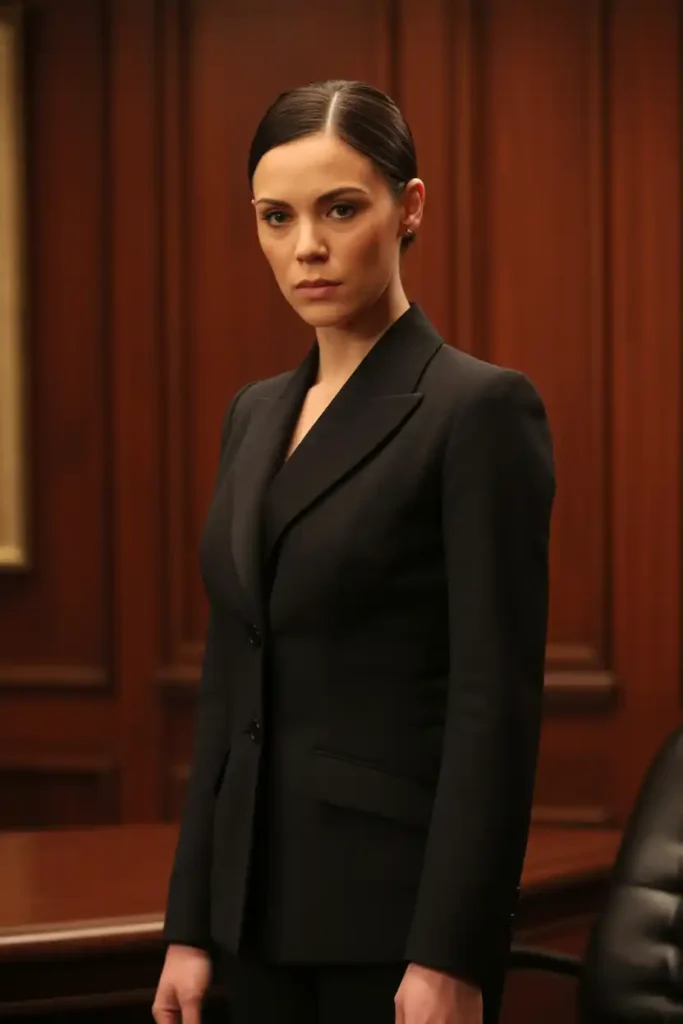
Some interviews carry extra weight. Law, government, and finance roles expect a look that matches a high-stakes environment. Courtroom hairstyles for women lean toward restraint: hair off the face, pulled back, and secured so it never needs adjusting.
A center-parted low bun is the safest choice here. It looks authoritative and stays put through long questioning. Keep accessories minimal and skip anything that catches light or moves. If your hair is layered and pieces fall out, use extra pins and a strong-hold gel on the edges. The goal is a look that says you are serious and detail-oriented before you say a word. Practice the style twice before the day so your hands know the steps and you are not fighting stray layers in a rush.
Taming Flyaways and Baby Hairs the Right Way
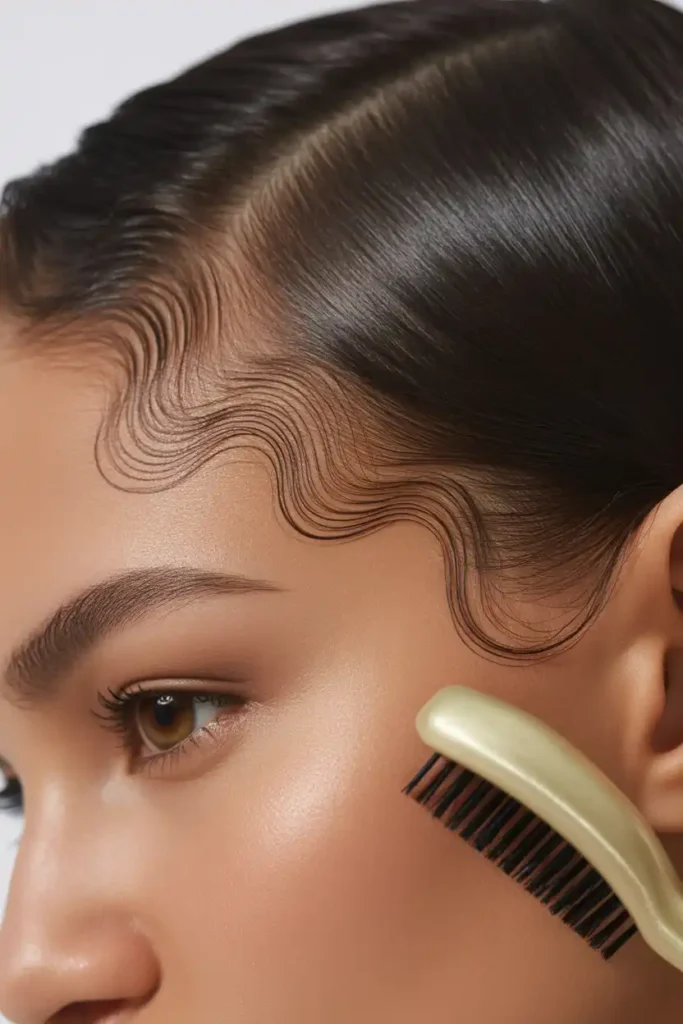
Flyaways can undo an otherwise perfect style. They show up under office lighting and in photos, and they make even a careful updo look rushed. You can control them in under a minute.
Spray a little hairspray or gel onto a clean toothbrush or edge brush, then smooth the flyaways down along your hairline. Work in small strokes and do not overload the brush, since too much product looks stiff and shiny. For stubborn pieces at the crown, press them down with a palm coated in a light smoothing cream. Neat edges pull a whole look together and make your style read as intentional. Keep a mini hairspray and a small brush in your bag for a fast fix right before you walk in.
Choosing a Style That Suits Your Face Shape
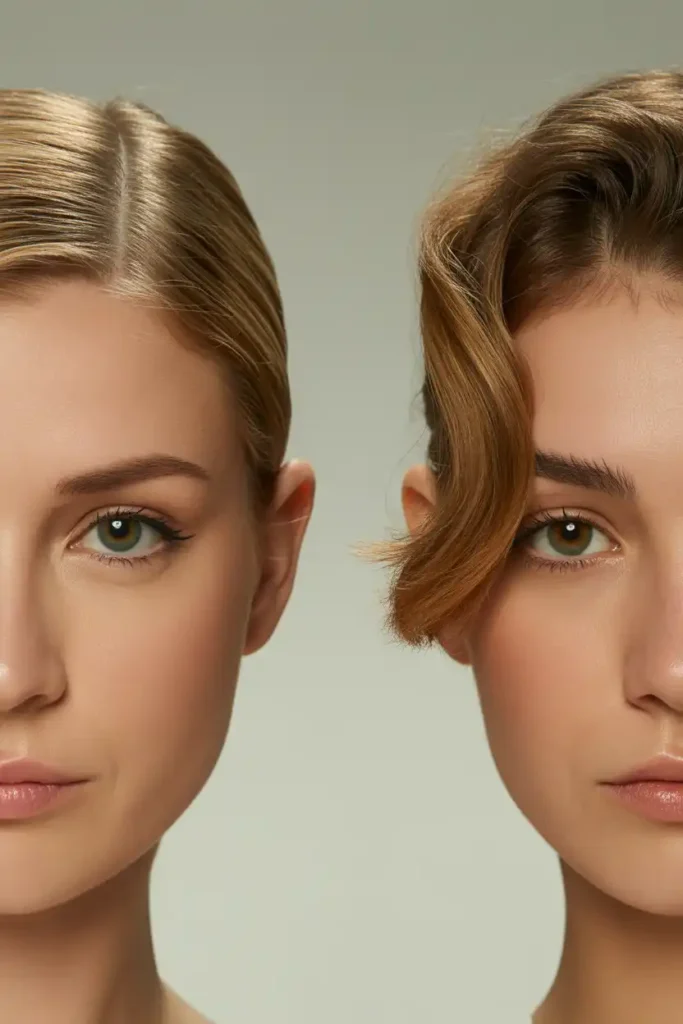
The most flattering style is the one that suits your face, not the one you saw on someone else. A part or volume in the wrong spot can throw off your whole look. A small adjustment makes a big difference.
Here is a quick guide:
- Round face: a little height at the crown and a side part add length
- Long face: soft waves or a middle part add width and balance
- Square jaw: loose pieces around the face soften strong angles
- Heart shape: a low bun or a style with fullness near the chin works well
Test your part on both sides in the mirror and go with the one that feels balanced. Once you find your best angle, keep using it. Consistency beats experimenting on a day when you already have enough to think about.
Keeping Your Style in Place Through a Long Day
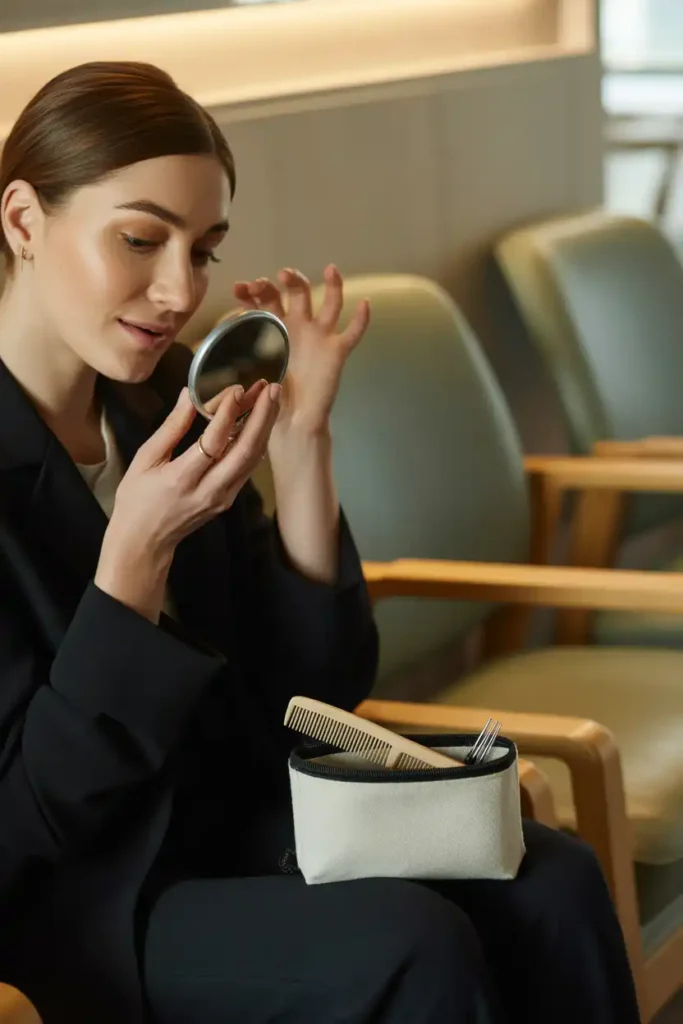
Interviews rarely run on time. You might wait forty minutes in a lobby or face three rounds back to back. Your hair needs to hold through all of it without constant fixing.
Pack a small kit: a few extra pins, a travel hairspray, a compact mirror, and a smoothing stick for edges. Choose a style that holds structurally, like a pinned bun, rather than one that relies only on product. Before you walk in, do a quick check in a private mirror and press down any pieces that moved during your commute. A style that survives a long wait keeps you calm, since you are not worrying about your appearance while you answer questions. Confidence in the room starts with knowing you look the way you planned.
Simple Accessories That Read Professional
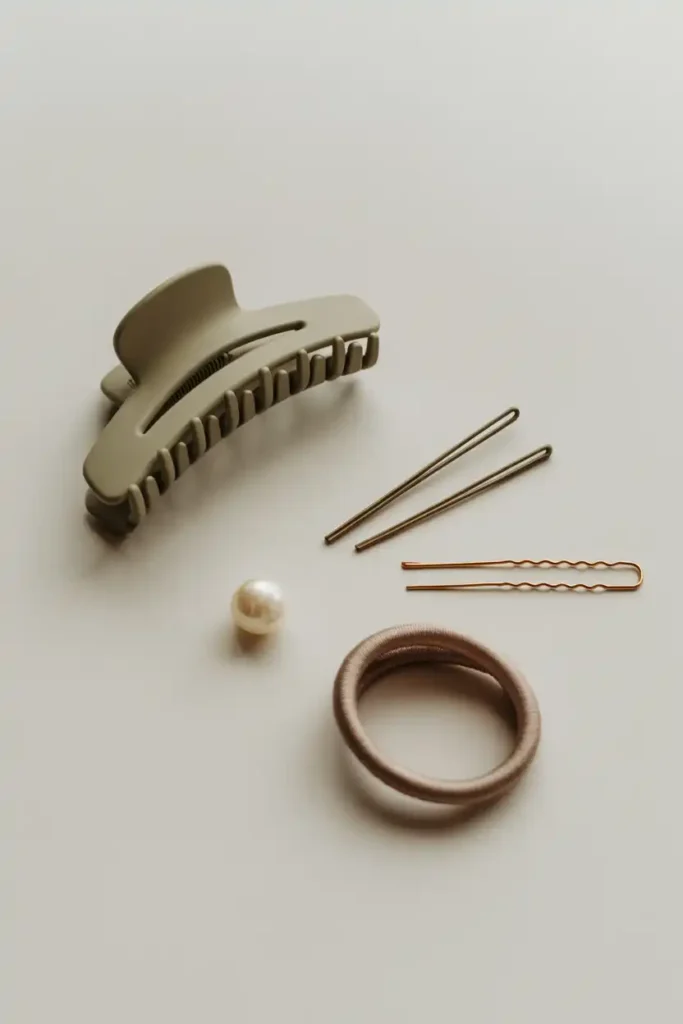
The right accessory holds your style and looks intentional. The wrong one distracts. In a formal interview, less is almost always better, so save the statement pieces for another day.
Stick to a few reliable options: a matte claw clip that matches your hair, thin pins that disappear into the style, and a single small pearl or plain pin if you want a subtle detail. Skip glittery clips, wide headbands, and anything that moves or makes noise. Professional fashion here means quiet, functional choices that support your look rather than compete with it. If you are unsure whether an accessory reads as polished, leave it out. A clean style with no accessory always looks appropriate.
Prepping the Night Before to Save Morning Stress
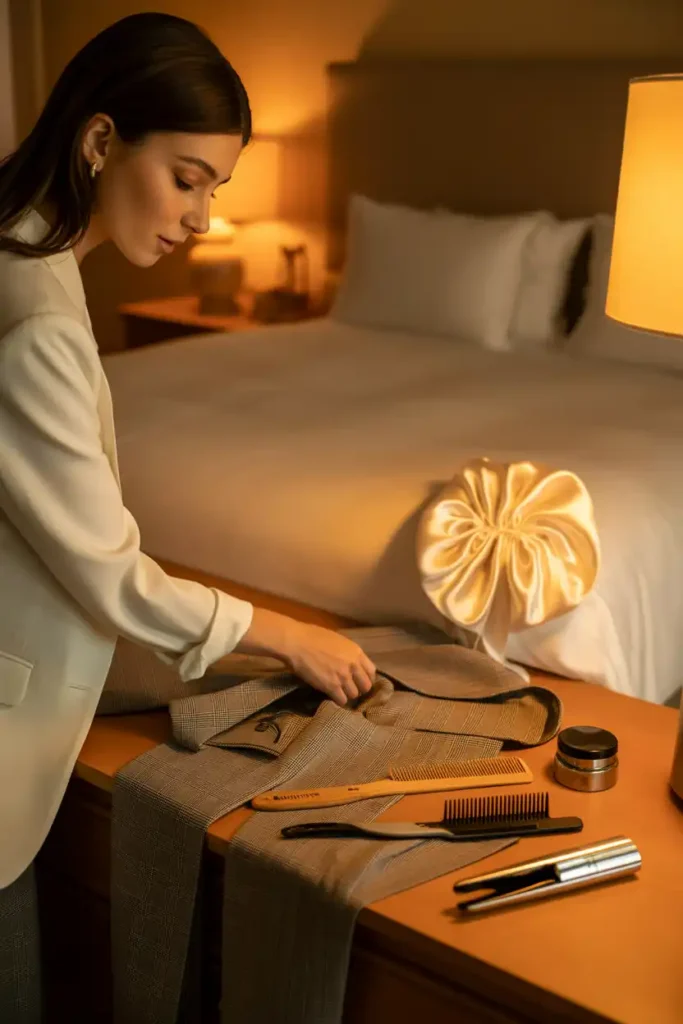
Half the stress of interview morning comes from doing everything at once. You can remove most of it the night before. A little prep the evening prior gives you a calmer, faster start.
Set out your tools, decide on your style, and do any prep that carries over, like twisting your hair for a twist out or washing and drying if your hair takes time. Sleep on a silk pillowcase or in a bonnet to protect the shape you set. Charge your phone, lay out your outfit, and put your hair kit in your bag. Walking into a prepared morning lets you focus on your answers instead of your appearance. The best job interview hairstyles start with the decisions you make the night before.
Matching Your Hair to the Job You Want
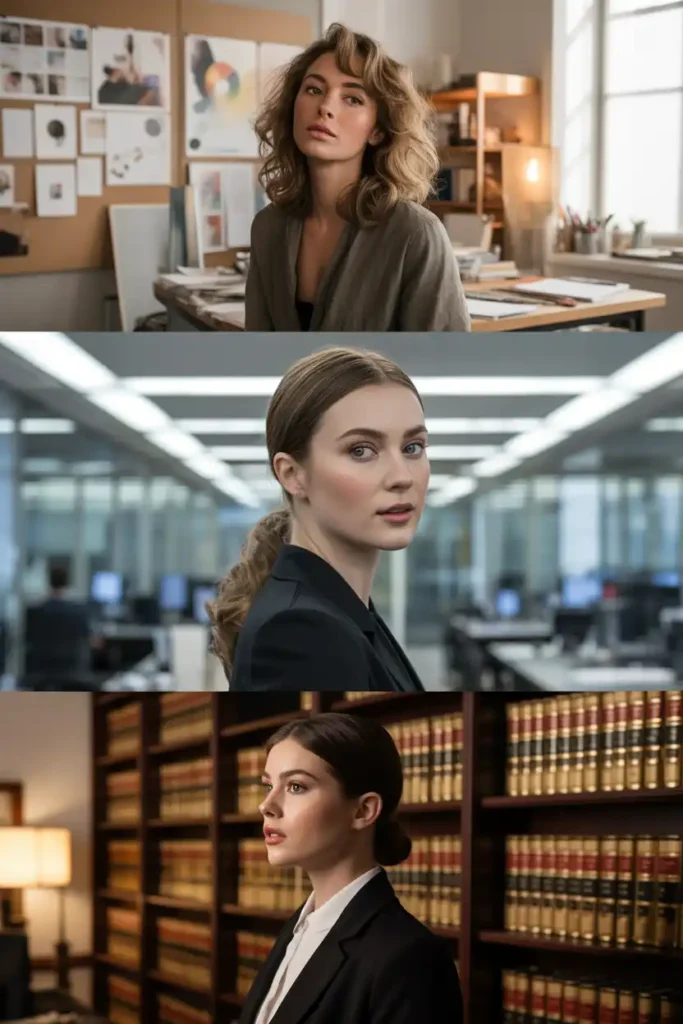
The best style depends on where you are interviewing. A creative agency, a bank, and a law firm all expect different things, and reading that correctly shows judgment. You want your hair to fit the room you are walking into.
Research the company culture before you choose. Look at their website photos, their social pages, and how their team presents. For a relaxed creative role, soft waves or a claw clip style feel right. For corporate or legal roles, lean toward a smooth bun or a classic updo. When you match your look to the environment, you signal that you understand the field and pay attention to detail. Pick the version of professional that fits the job in front of you, then walk in knowing your appearance backs up your words.
Conclusion:
The best job interview hairstyles are the ones you can do fast and trust to stay put. You do not need to spend an hour or learn something new the morning of. Pick a style that suits your hair type and the workplace you are meeting, practice it once the night before, and pack a few pins for touch-ups. When your hair holds and your edges are smooth, you stop thinking about it and put your energy where it counts, which is answering questions and showing them who you are.