Cool vs Warm Brunette With Highlights: Which Wins?
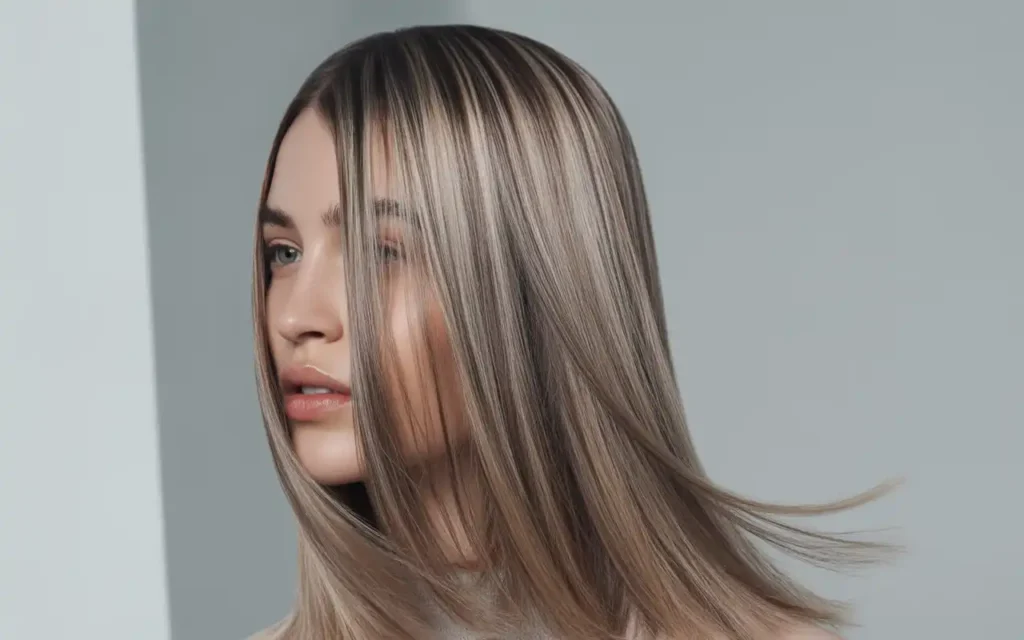
Picking between cool and warm can feel like a coin toss, and the wrong choice leaves you booking a fix a week later. A brunette with highlights looks completely different depending on your skin’s undertone, your lighting, and how much upkeep you can handle. This guide walks you through the quick tests, the shade options, and the real maintenance behind each direction. You’ll learn what to ask for, what to avoid, and how to pick a color you’ll still love in three months. Let’s find your match.
1. Start Here: Figure Out Your Skin’s Undertone
Before you pick any shade, you need to know your undertone. Look at the veins on your inner wrist in daylight. Blue or purple veins usually mean a cool undertone, and green veins usually mean a warm one. If you can’t tell, you’re probably neutral, which means both directions can work for you.
Skin undertone matters more than your natural hair color when you’re choosing between cool and warm. A cool base sits better against pink or ruddy skin, while warm shades like caramel brown hair color settle nicely into golden or olive skin. Do the vein check twice, once by a window and once outside. If you’re still unsure, take a bare-faced photo in sunlight and compare it to shade charts before you book anything.
2. Cool Highlights That Calm Pink or Ruddy Skin
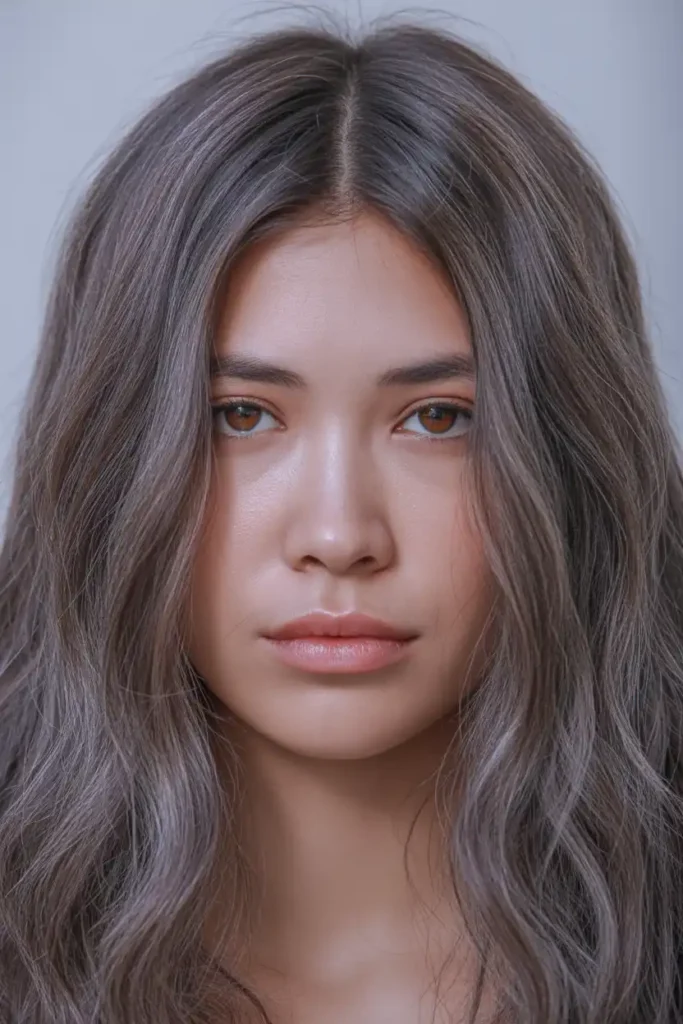
If your skin flushes easily or reads pink, warm gold sitting right next to your face can make redness look stronger. Cool tones do the opposite. They pull attention away from the flush and give your skin a more even look. Ashy and beige-based shades are your friends here.
For a brunette with highlights that suits pink skin, ask for ash-brown or beige placement rather than honey or copper. Keep the brightest pieces slightly away from your jaw so the coolness balances your face. A soft ashy result also hides regrowth better than bold gold. Bring a photo of ash-brown babylights to your appointment and tell your colorist you want to avoid any warmth in the finished tone.
3. Warm Highlights for Golden and Olive Skin
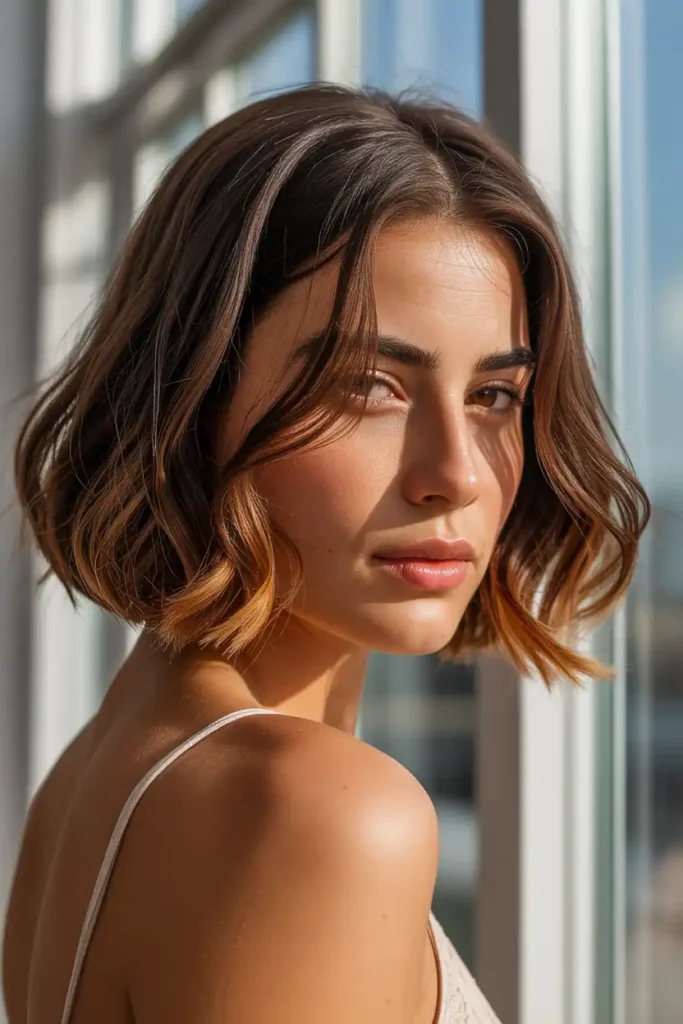
Warm skin and warm tones read healthy together. If your skin has a golden or olive cast, caramel, honey, and toffee pieces make you look lit from within rather than washed out. Cool ash can leave golden skin looking a little gray, especially in winter light.
Caramel brown hair color works well woven through a darker base so the warmth looks intentional, not brassy. Chocolate brown hair with caramel pieces is one of the easiest combinations to grow out because the contrast stays soft. Ask for a warm balayage kept a shade or two lighter than your base, and request that your colorist avoid going too orange near the ends. Save two or three warm reference photos and pick the one where the base color matches yours most closely.
4. The Quick Tests That Tell You Cool or Warm
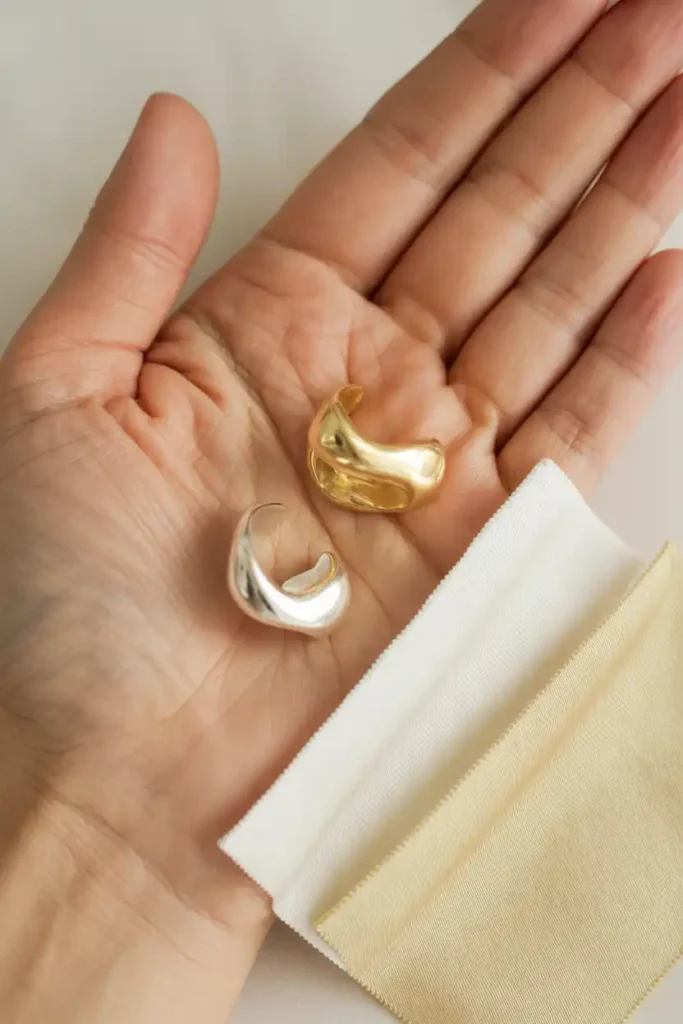
You don’t need a color expert to guess your direction. A few quick checks at home get you close.
- Jewelry test: Silver flatters cool skin, gold flatters warm skin. Whichever makes your skin look brighter points to your tone.
- White vs cream: Hold a pure white top under your chin, then a cream one. Cool skin looks fresh in white, warm skin looks better in cream.
- Sun reaction: Skin that burns before it tans usually leans cool. Skin that tans easily usually leans warm.
- Eye and hair flecks: Cool eyes often have gray or blue flecks, warm eyes lean gold or amber.
Run all four before you decide. If three point the same way, trust that direction. Note your results in your phone so you can show your stylist instead of guessing at the chair.
5. Ashy Shades That Cool Down Dark Hair
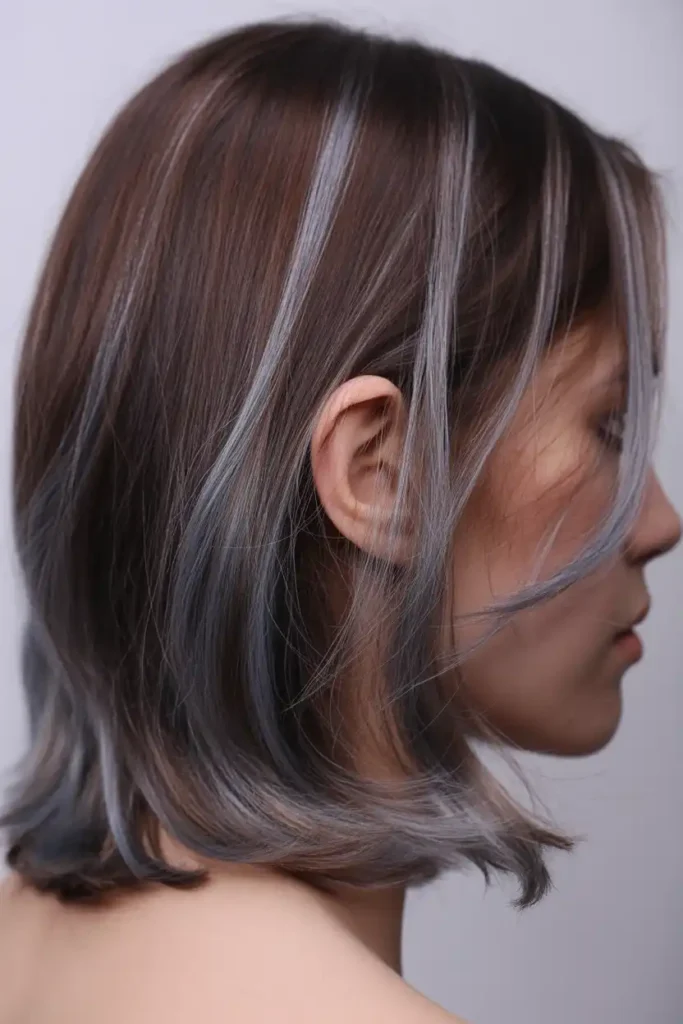
Dark hair loves to pull warm, which is why so many cool jobs fade to orange within weeks. The fix starts at the color, not just the toner. Ask for placement built on an ash or beige base, and keep the lift gentle so you don’t expose too much warmth underneath.
Low highlights for dark hair are a smart move here. Instead of lifting to a bright blonde that fights your natural pigment, your colorist adds soft ashy pieces only a few shades lighter. This keeps depth, reads expensive, and grows out without a harsh line. Mousy brown hair is actually a good candidate for this because its natural coolness holds ash tones longer. Book a toner refresh every four to six weeks and use a blue or purple shampoo once a week to keep the warmth in check.
6. Warm Caramel and Honey Without the Brass
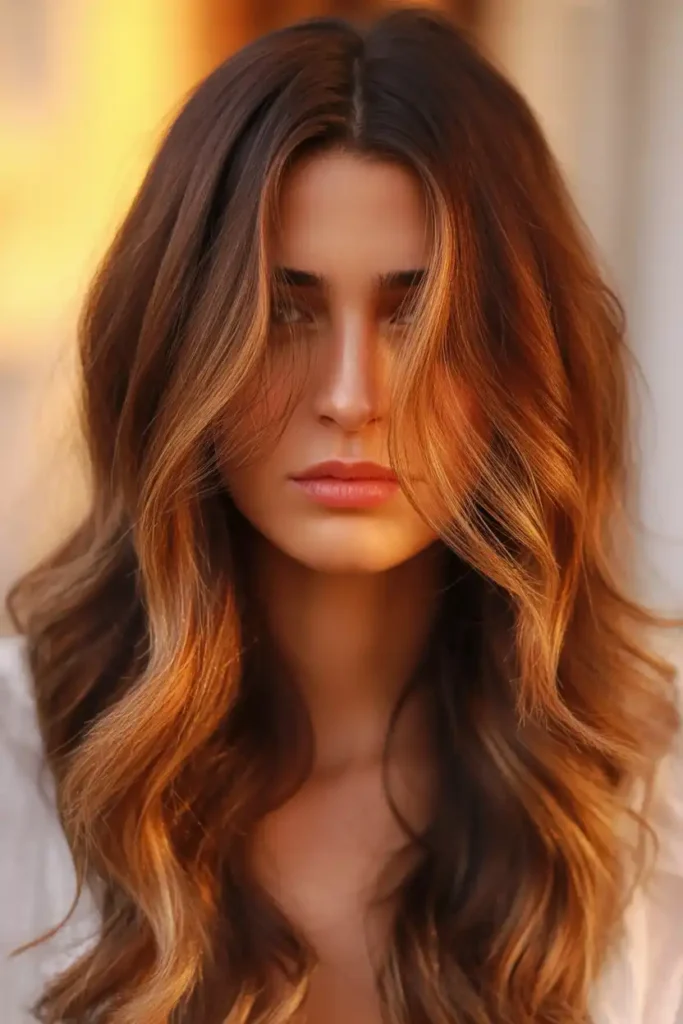
Warm doesn’t have to mean brassy. The difference sits in placement and the base shade your colorist chooses. Brass shows up when hair lifts unevenly or when the underlying warm pigment isn’t controlled. A skilled application avoids both.
For warm tones that stay flattering, ask for a chocolate brown base with caramel woven in through the mid-lengths and ends, not packed at the root. Brown balayage highlights keep the warmth soft and diffused. Dark golden espresso balayage is a good option if you want warmth with more depth and less lift. Tell your colorist you want warm but not copper, and ask them to tone toward gold-beige rather than pure gold. A gloss treatment every six weeks keeps the caramel rich instead of letting it turn orange.
7. Why Your Color Keeps Turning Brassy
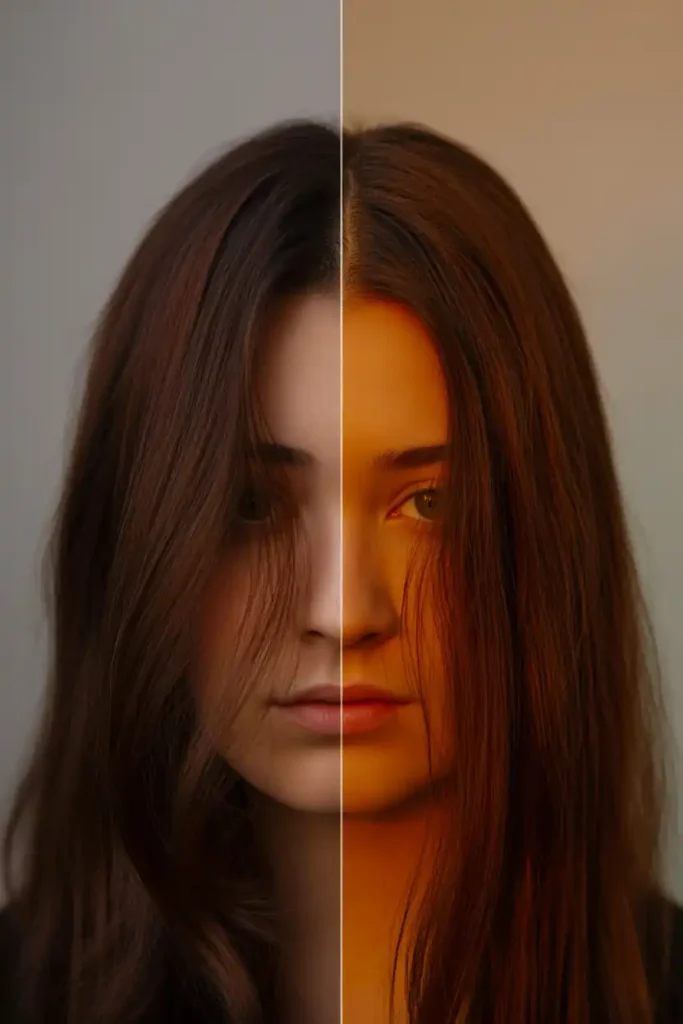
Brassiness is the number one complaint from brunettes who lighten. It happens because dark hair holds warm red and orange pigment underneath. When lighter pieces fade, that warmth surfaces. Hard water, sun, and hot tools speed it up.
Here’s how to slow it down:
- Wash in cooler water and cut back to two or three washes a week.
- Use a purple shampoo for gold tones or a blue shampoo for orange tones, once a week.
- Add a UV-protectant spray in summer.
- Book a toner or gloss every four to six weeks rather than waiting for a full color redo.
If your color turns warm within two weeks every single time, tell your colorist. They may need to start with a cooler formula or add more ash to the toner. Track how fast it shifts so you can give them exact timing at your next visit.
8. Balayage vs Foils: Which Fits Your Tone
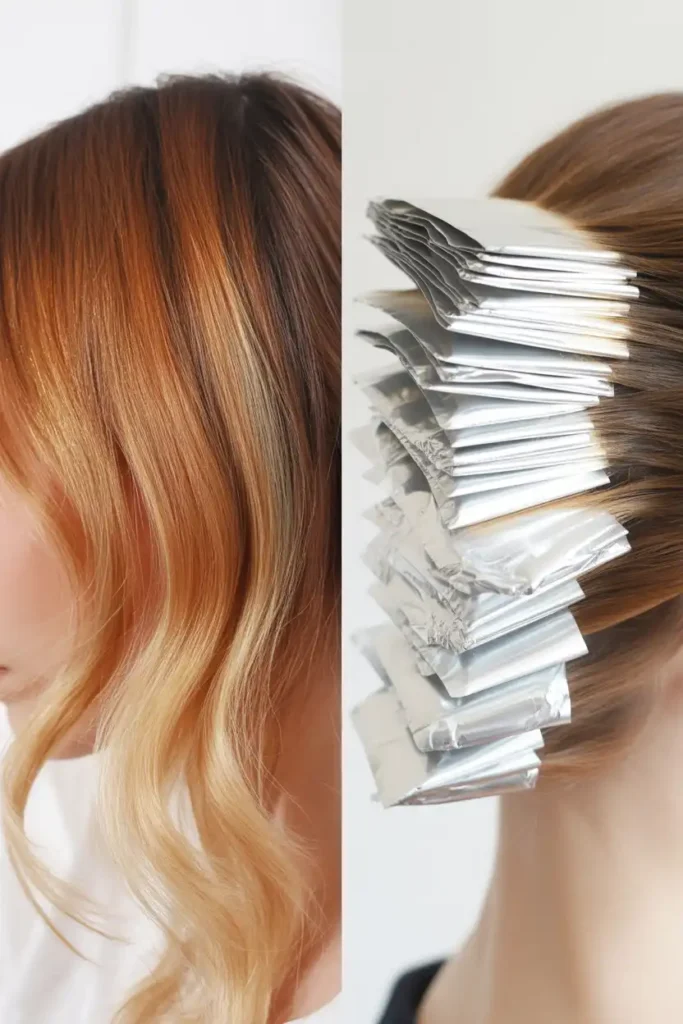
The balayage technique and foils give different results, and your tone goals should guide the choice. Balayage is hand-painted, so it lands softer and grows out with almost no visible line. It suits warm, sun-kissed looks and lower-contrast blends.
Foils lift more and stay more controlled, which helps when you want bright, cool pieces or higher contrast. If you’re chasing a clean ash finish, foils often hold it better because the heat and precision lift past the warm underlying pigment. Balayage hair brunettes tend to prefer the painted method for its easy upkeep, while anyone wanting a crisp cool result may need foils or a mix of both. Ask your colorist which technique matches the exact tone in your reference photos, and be honest about how often you can return for maintenance.
9. Root Placement That Grows Out Cleanly
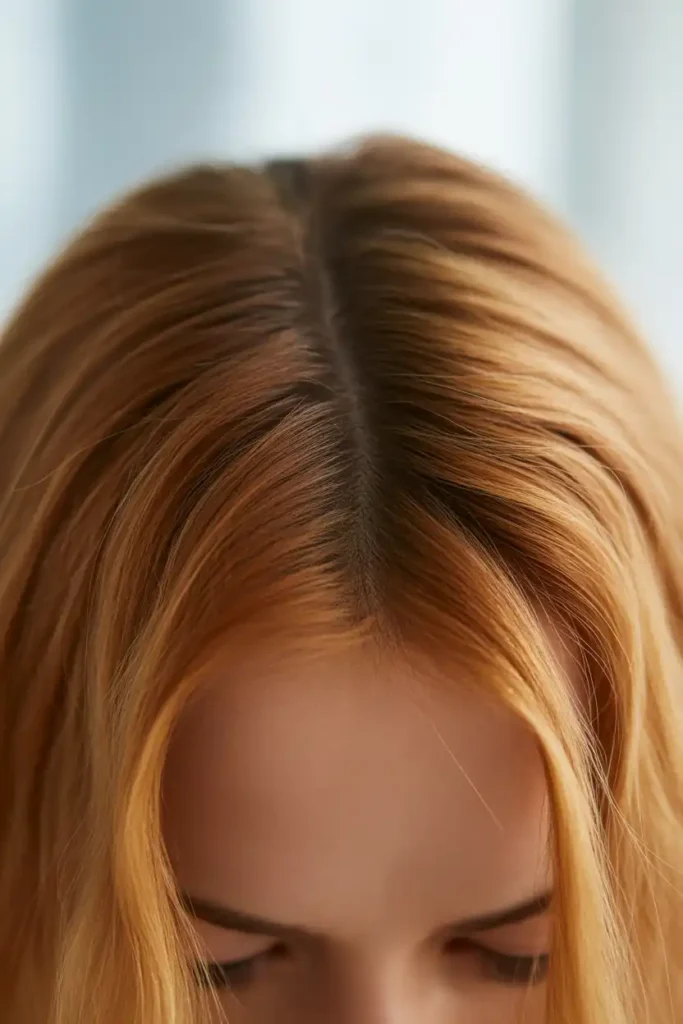
Nothing ruins a good color faster than a harsh regrowth line. The trick is where the lift starts. When lighter pieces begin right at the scalp, you get an obvious stripe in three weeks. When they start a little lower, growth stays soft for months.
Root highlights done as a smudge or shadow root keep that transition gentle. Ask your colorist to melt the root into the lighter sections so there’s no clear border. This works for both cool and warm directions and buys you extra weeks between appointments. Coconut bronde and cappuccino tones especially benefit because their softness hides new growth well. Tell your stylist you want low maintenance, and ask them to keep the brightest pieces at least an inch off the scalp.
10. Cool Shades Worth Trying in 2026
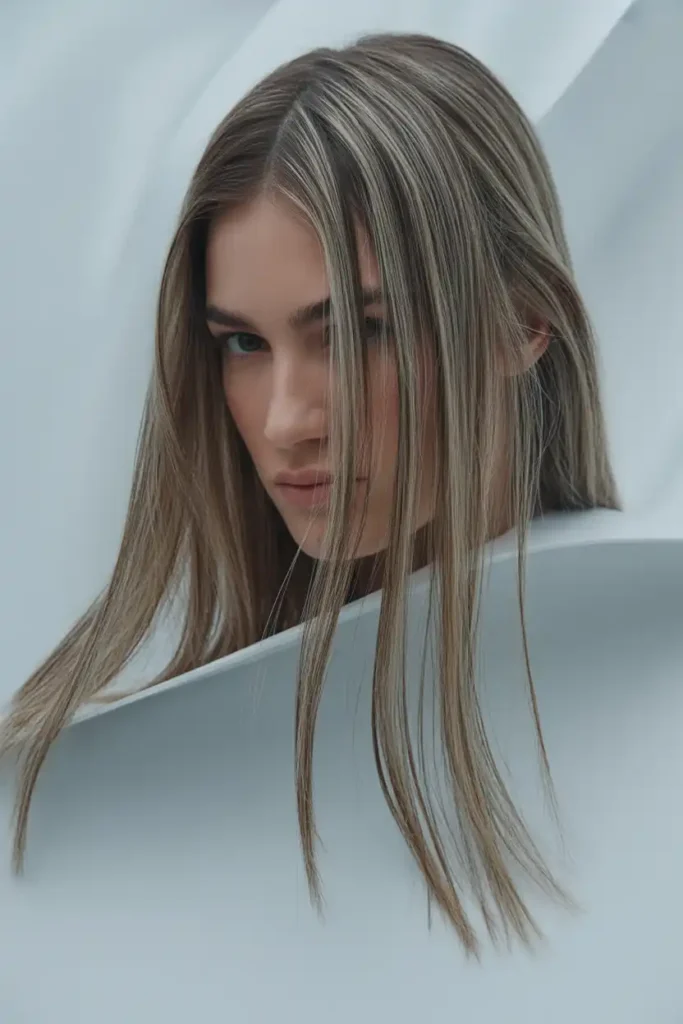
Cool tones are holding strong into the new year, and the current direction favors soft and lived-in over icy and flat. The balayage 2026 trend leans toward diffused ash and beige rather than heavy contrast. If you want something current and cool, this is the direction to ask for.
Look at ash-brown babylights, beige-toned balayage, and cool mushroom brown. Babylight cappuccino sits right at the neutral-cool line and flatters people who can’t fully commit to icy ash. These shades read expensive because the contrast is low and the finish looks natural. Bring in two or three cool reference photos and ask your colorist to keep the tone soft rather than stark. Book a gloss every six weeks to keep the coolness from fading warm.
11. Warm Fall Shades That Actually Suit You
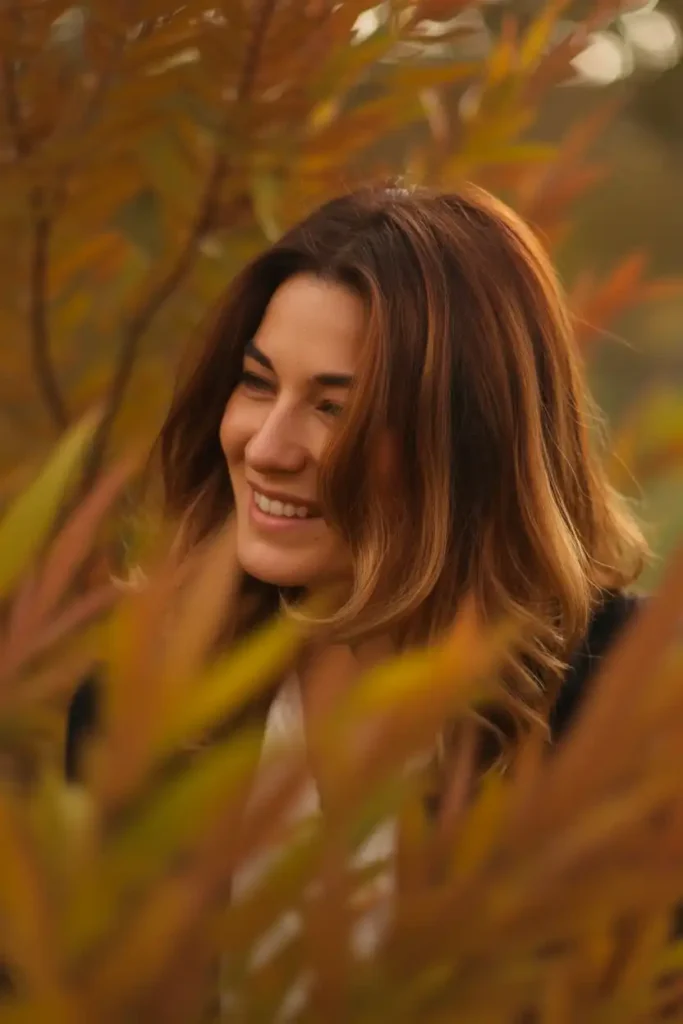
When the weather cools, warmer tones tend to feel right, and there’s real reason behind it. Warm shades read richer under gray winter light, which can leave cool ash looking dull. A warm fall hair color shade brings depth back.
Caramel, toffee, and dark golden espresso balayage are the reliable picks for autumn. Chocolate brown hair with warm woven pieces gives you seasonal richness without a full color change. If you usually stay cool, you can shift warmer for fall with just a gloss rather than committing to a full lift. Ask for a warm-leaning toner over your existing pieces, and tell your colorist you want to go back cooler in spring. This keeps your hair healthier and your budget lighter.
12. Matching Your Color to Medium Length Cuts
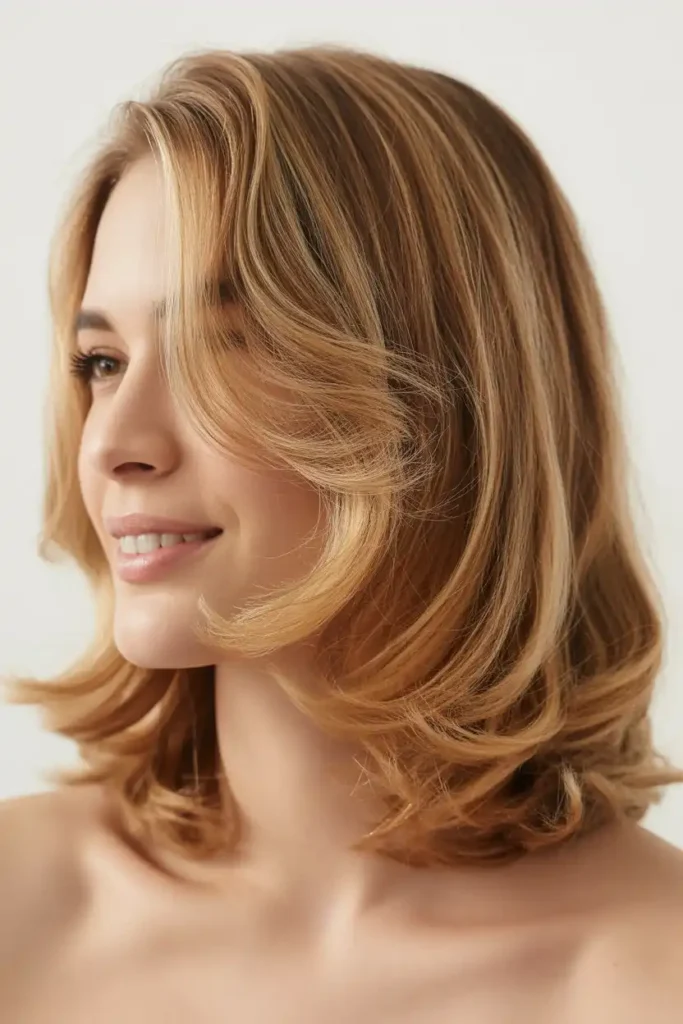
Length changes how color reads, and medium length hair is one of the easiest canvases to work with. There’s enough length to show a real gradient, but not so much that faded ends drag the whole color down. This is why so many balayage looks are built on mid-length cuts.
For this length, ask your colorist to concentrate the lighter pieces from the cheekbone down. This frames your face and keeps the color moving through your layers. Both cool and warm directions work here, so let your undertone decide. If you wave or curl your hair, the dimension shows off more, so mention your usual styling. Book your color and cut together when you can, since a fresh shape makes the placement look sharper.
13. Low Highlights That Add Depth to Dark Hair
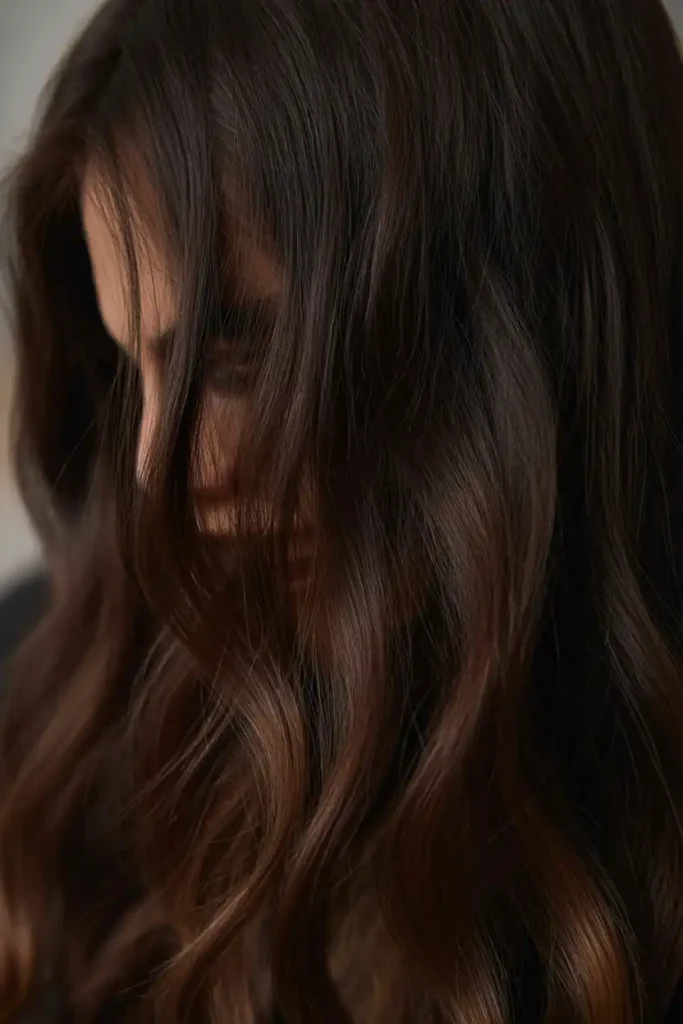
Not every improvement means going lighter. If your dark hair looks flat, adding depth rather than brightness can give it more movement. Low highlights for dark hair are darker or richer pieces placed to build dimension without lifting the whole head.
This approach suits anyone who wants shine and shape without commitment to bright color. Black highlights or espresso pieces woven into a slightly lighter base create contrast that reads glossy in photos. It also grows out with zero visible line, which makes it one of the lowest maintenance options available. If you’ve been overlightened and want to bring depth back, ask for low pieces to break up the brightness. Tell your colorist you want dimension, not lightness, so they build the color the right direction.
14. Neutral Blends for When You Can’t Decide
If your undertone reads neutral, or you flip between loving warm and cool, you don’t have to pick a side. Neutral blends give you the middle ground and tend to suit the widest range of skin tones.
Babylight cappuccino and coconut bronde both sit in this balanced zone. They carry a hint of warmth without going gold and a hint of cool without going ash. This makes them forgiving as they fade, since neither strong warmth nor strong coolness surfaces. A brunette with highlights kept in this neutral range also photographs well in almost any lighting. Ask your colorist for a balanced tone that leans neither strongly warm nor cool, and request a gloss that keeps it in that middle range as it grows.
15. Espresso Bases That Work Both Directions
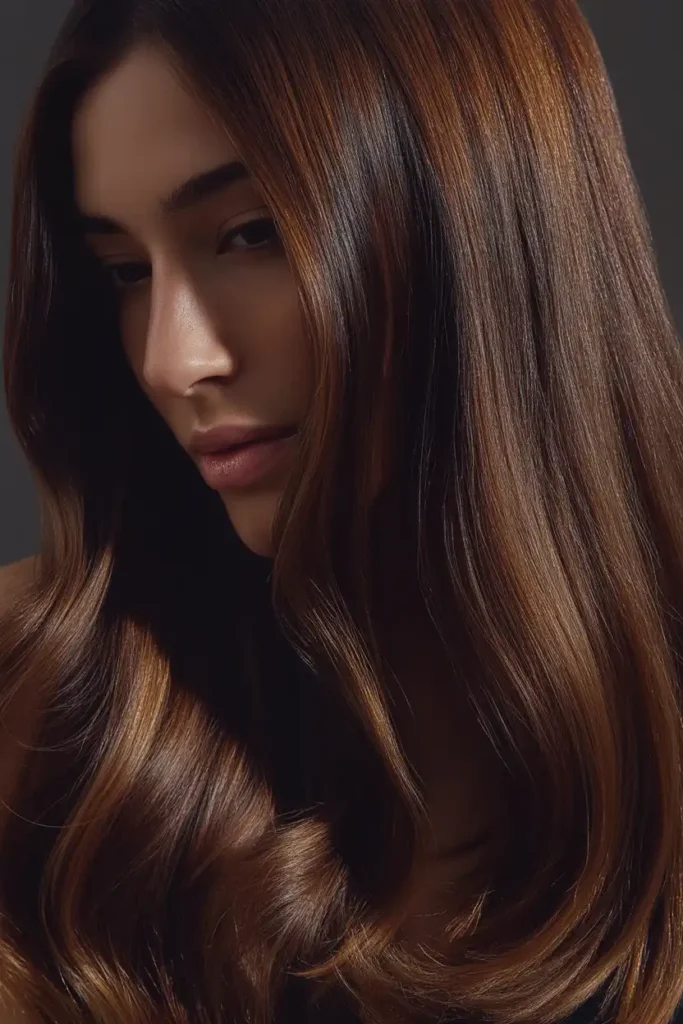
A deep base gives you flexibility. When your roots and base stay dark, the lighter pieces can lean warm or cool depending on the toner, and you can shift direction without a full color change. This is why espresso is a smart foundation.
Dark golden espresso balayage carries warmth in the pieces while keeping a rich, deep base. If you later want to cool it down, your colorist can adjust the toner rather than relift your whole head. Chocolate brown hair works the same way. Ask for a deep base with soft dimensional pieces, and treat the tone as adjustable. This setup saves you money over time because seasonal changes only need a gloss, not a rebuild.
16. Toner and Purple Shampoo: What You Really Need
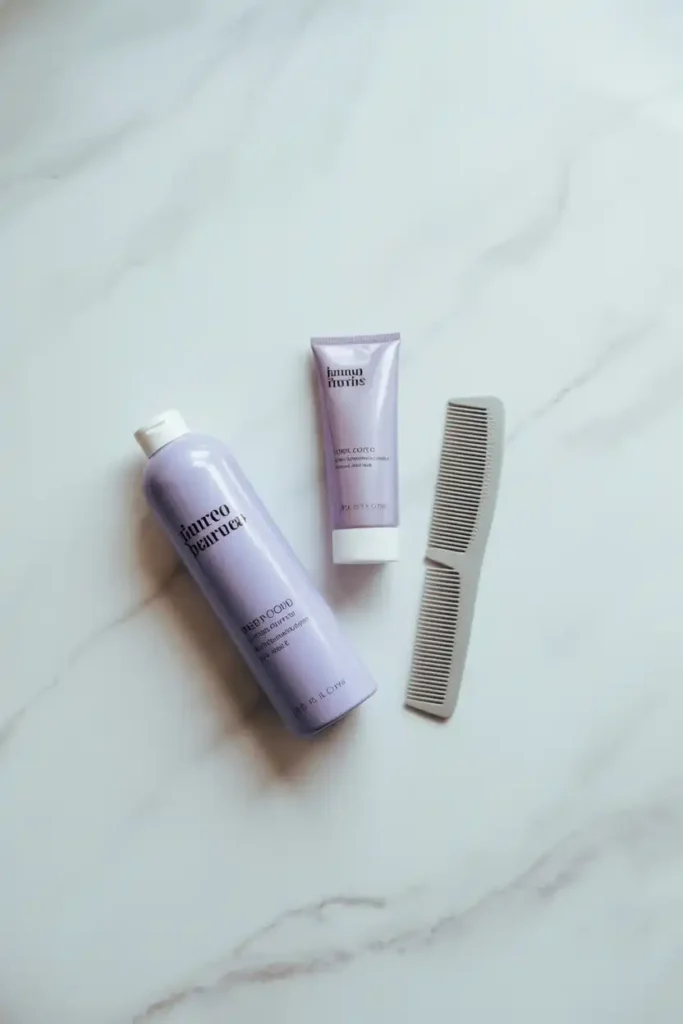
The maintenance aisle is confusing, so here’s the honest version. Toner is a salon or at-home step that shifts your overall tone, and it’s what keeps cool pieces cool and warm pieces from turning orange. Purple and blue shampoos are lighter touch-ups between toners.
- Purple shampoo cancels yellow and gold, so it suits cool blondes and beige tones.
- Blue shampoo cancels orange, so it suits brunettes fighting brassy warmth.
- Toning gloss lasts longer than shampoo and refreshes the whole color.
- Overusing purple or blue shampoo can leave a dull cast, so once a week is usually enough.
Match the product to your problem, not to the label hype. If you’re warm on purpose, skip the toning shampoos entirely. Ask your colorist which one fits your exact tone so you don’t buy the wrong bottle.
17. How Lighting Changes Your Color
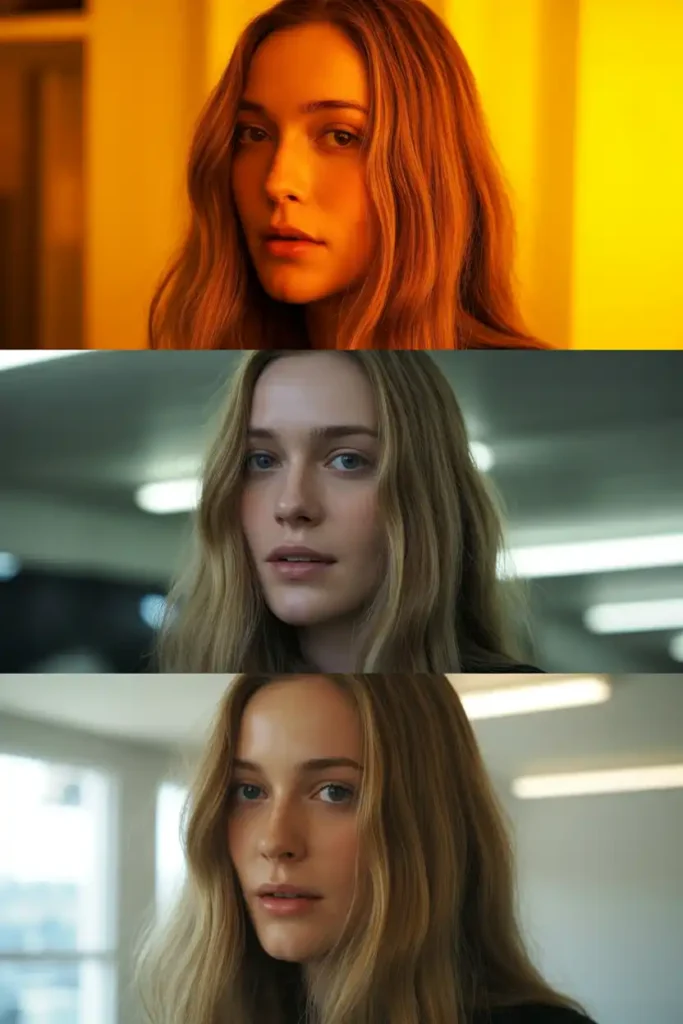
Your color never looks the same in every room, and that catches people off guard. Warm indoor bulbs pull your color golden. Cool office lighting can make warm tones look muddy. Daylight shows the truest version.
This matters when you choose a direction. If you spend most of your day under warm lighting, a cool color helps balance it. If you’re often in cool fluorescent light, warmer pieces keep you from looking washed out. Before you commit, look at reference photos in the same lighting you live in most. Snap a selfie in your kitchen, your office, and outside so you see how a shade might behave in your real environment. Share those with your colorist so they choose a tone that holds up where you actually spend time.
18. Photos to Bring to Your Colorist
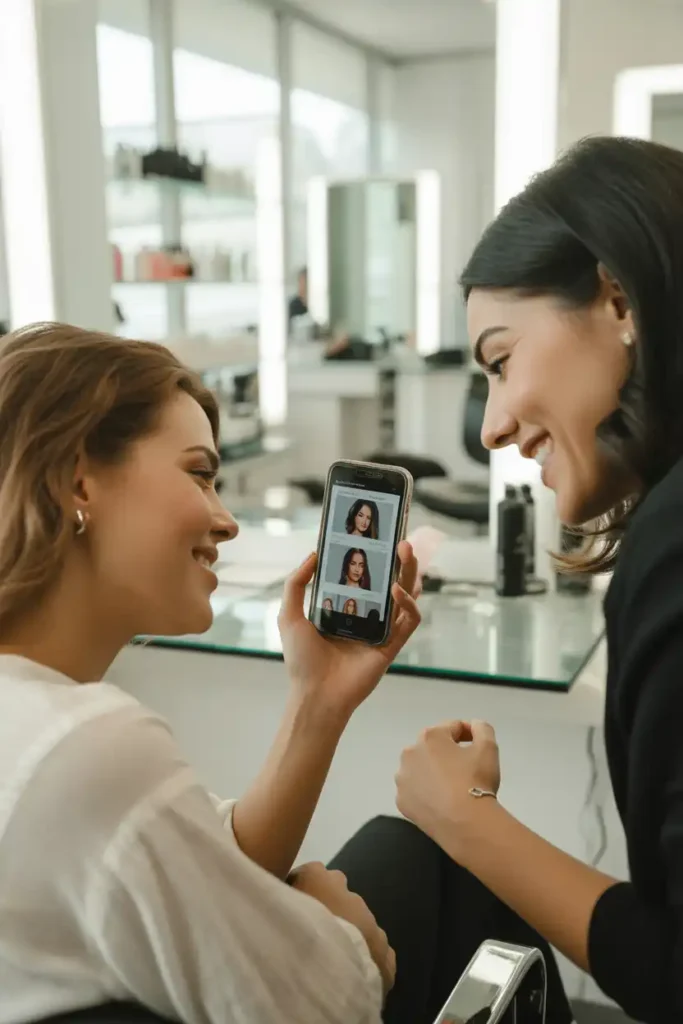
The gap between what you want and what you get usually comes down to communication. Words like “warm” and “ashy” mean different things to different people. Photos close that gap fast.
Bring three to five images that show the exact tone, contrast, and placement you want. Choose models whose base color and skin tone match yours as closely as possible, since the same formula looks different on different bases. Include one photo of what you want to avoid, like a specific brassiness or too much contrast. This is real hair inspiration your stylist can work from. Point out exactly what you like in each photo rather than saying “something like this.” A five-minute chat with clear references saves you weeks of regret.
Conclusion:
The winner comes down to two things: your undertone and your schedule. Cool tones suit pink and ruddy skin and read fresh, while warm shades flatter golden and olive skin and grow out softer. If you’re neutral, a balanced blend gives you room to shift either way. Run the undertone tests, be honest about how often you can return to the salon, and start with a lower-contrast version if you’re unsure. A brunette with highlights should fit your real life, not just a trend. Bring your reference photos, book that consultation, and let your skin tone decide.