20 Hair Layers Cuts That Work on Every Hair Type
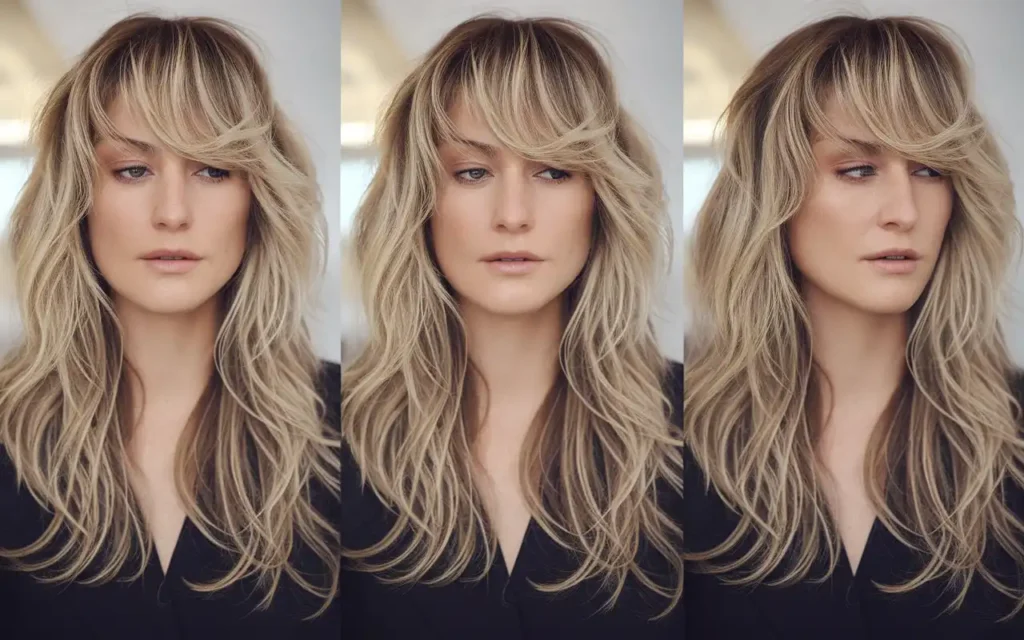
Not every layered cut works on every head of hair, and that’s exactly why so many salon visits end in disappointment. What flatters your friend’s fine, straight hair might fall flat on your thick, curly texture. This guide breaks down 20 hair layers cuts that work on every hair type, from fine and thick to curly and wavy, plus color-specific advice for blondes, brunettes, and redheads. You’ll also find face-shape guidance and current trends like the wolf cut and butterfly layers. Bring these details to your next appointment and skip the guesswork.
Best Hair Layers for Fine Hair
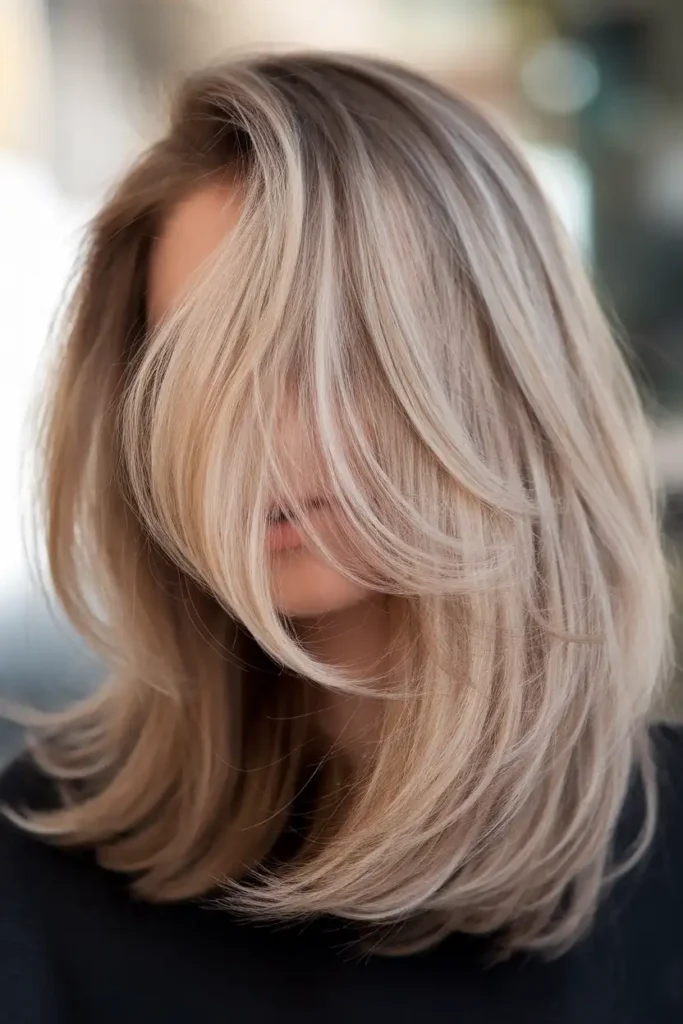
If your hair goes flat by noon, you already know the struggle. Fine hair needs layers that start higher up, closer to the chin or cheekbone, so the weight gets removed exactly where it’s dragging your hair down. Too many stylists cut layers starting too low, which just adds bulk without lift.
Ask for face-framing layers that begin around your jaw and blend into shorter pieces near the crown. This creates the illusion of density without thinning your hair further. Pair it with a round brush blowout for extra volume, and skip heavy conditioner on your roots.
Best Hair Layers for Thick Hair
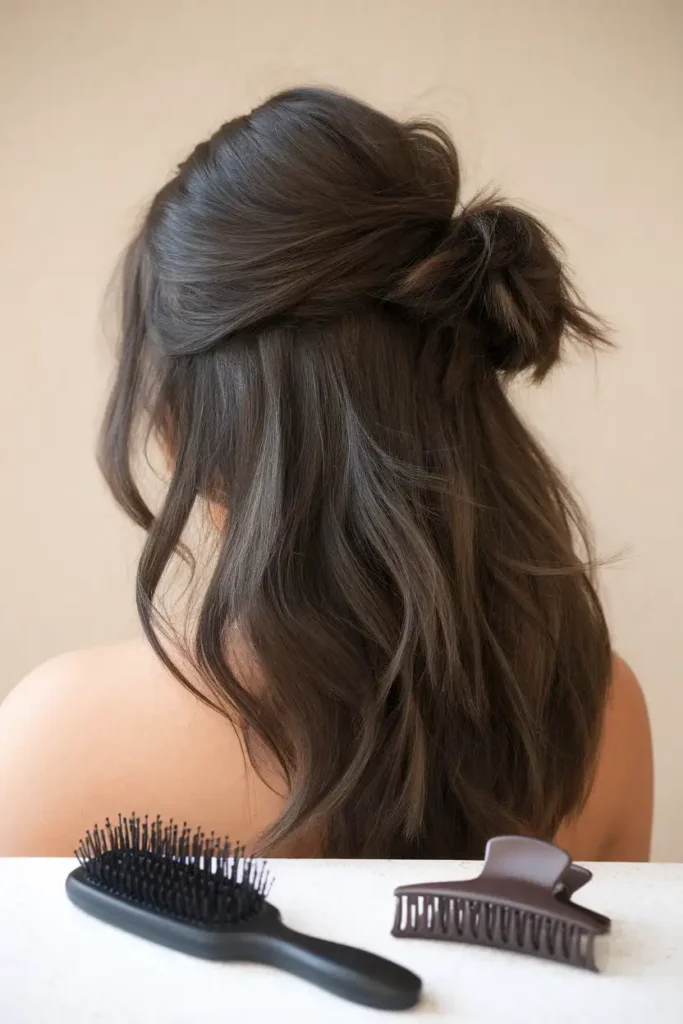
Thick hair holds shape well, but it can also feel heavy and hard to manage if it’s cut in one blunt line. Layers solve this by removing bulk from underneath, so your hair moves instead of sitting like a helmet.
Talk to your stylist about internal layering, where the cuts happen mostly on the underside and stay hidden when your hair is down. This keeps the outer shape smooth while thinning out the density. If you want extra texture, ask for point cutting on the ends instead of a blunt finish. It’s a small request, but it changes how your whole cut behaves day to day.
Best Layers for Curly Hair
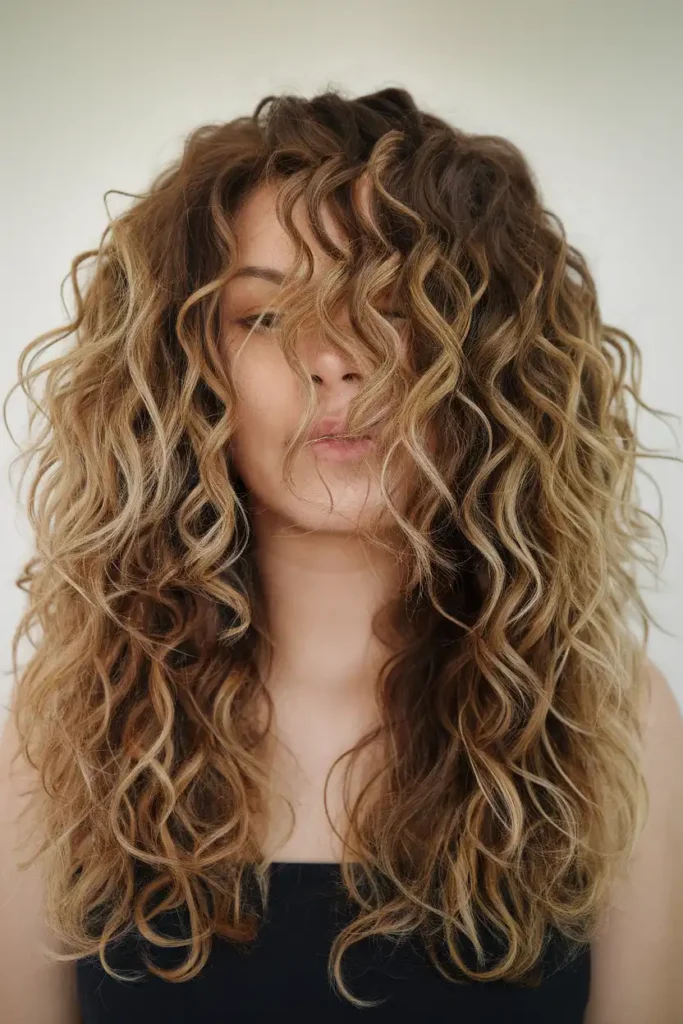
Curls shrink when they dry, so a cut that looks perfect wet can look completely different once it’s air-dried. This is the number one mistake with curly hair layers: getting them cut wet without accounting for shrinkage.
Find a stylist who cuts curly hair dry, or at minimum checks the shape after it dries. Ask for layers that follow your natural curl pattern instead of a symmetrical cut, since curls rarely fall evenly on both sides. This keeps your shape balanced once it settles into its natural state.
Layers for Wavy Hair
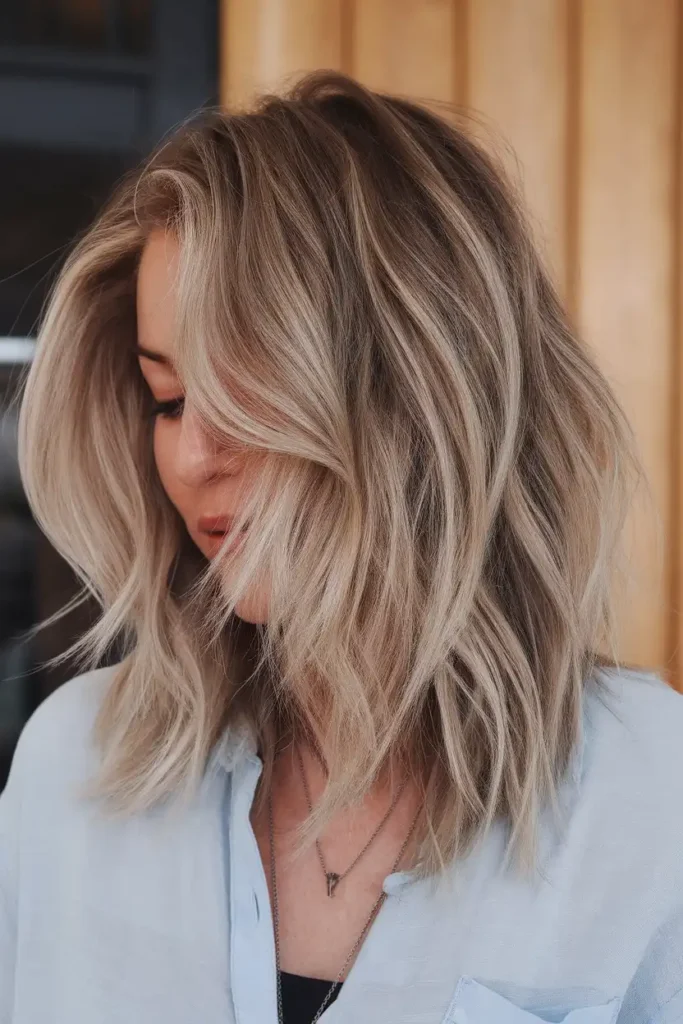
Wavy hair sits in an awkward middle ground. It’s not curly enough for curl-specific cuts, but not straight enough for a sleek layered look either. Layers that are too heavy can pull the wave out completely, leaving you with flat, stringy ends.
Ask for long layers with minimal thinning, since wavy hair usually has enough natural texture without extra work from thinning shears. A few soft layers around the face will enhance your wave pattern instead of fighting it. Style with a diffuser on low heat to keep the wave intact and avoid frizz.
Layered Straight Hair
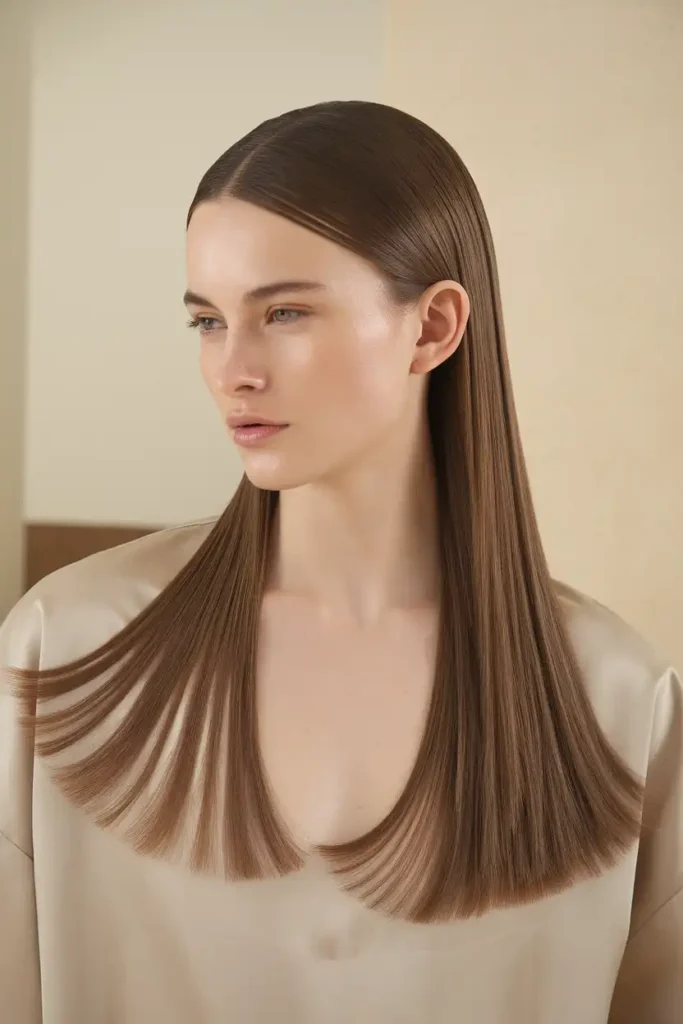
Straight hair shows every layer clearly, which is both a blessing and a curse. Uneven cutting is impossible to hide, so precision matters more here than with any other hair type.
Go for long layers with soft, blended edges rather than choppy or heavily textured ones, since straight hair tends to separate cleanly and reveal any inconsistency. A flat iron with a slight bend at the ends will show off the layers without looking too styled. If your ends look thin after a cut, ask your stylist to dust rather than heavily layer next time.
Long Hair Layers for Length and Movement
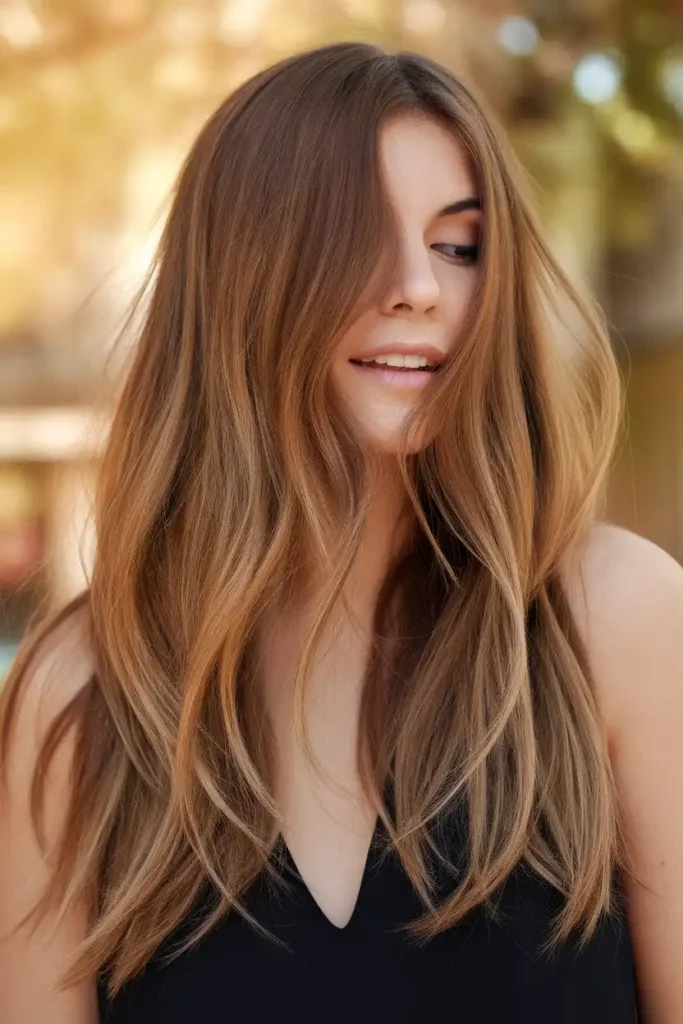
Long hair without any layers can look heavy and shapeless, especially past a certain length. But too many layers on long hair risk making it look thin at the ends, which nobody wants after months of growing it out.
The safest bet is asking for layers only in the bottom third of your hair, leaving the top mostly untouched for maximum length retention. This keeps your hair looking full while still adding shape and bounce. A light layer around 28 to 30 inches down works well for most long hair lengths without sacrificing thickness.
Short Layers for Low Maintenance Styling
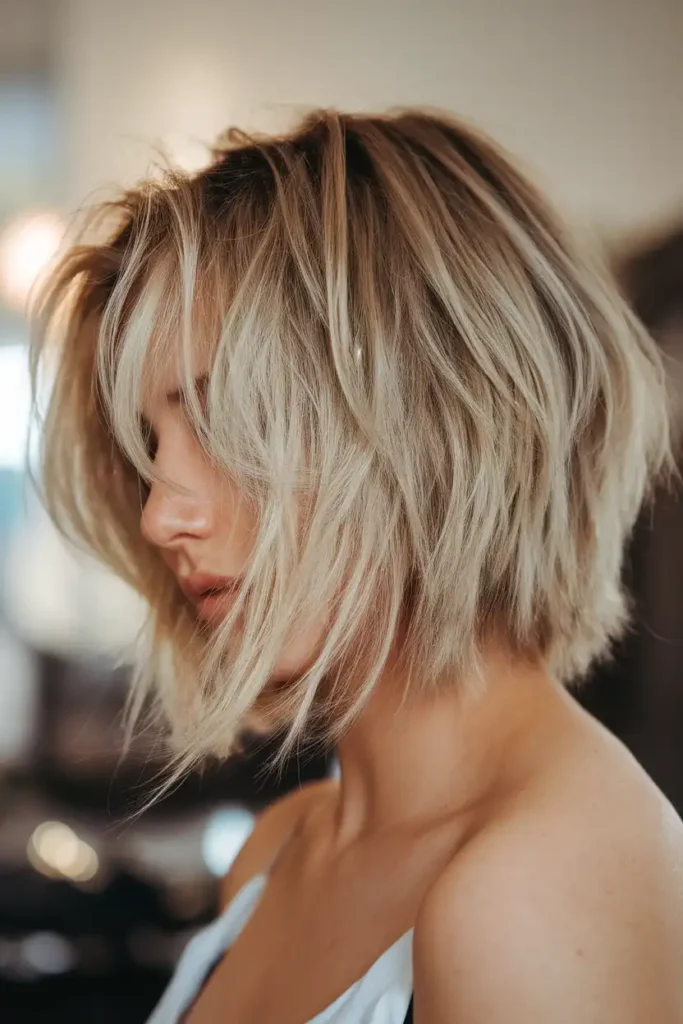
Not everyone wants to spend 20 minutes styling their hair every morning. Short layers solve this by adding shape that holds itself, so you’re not relying on a blow dryer and round brush every single day.
- Ask for layers that stop around chin length for the shortest pieces
- Request texturizing on the ends only, not throughout, to avoid a choppy look
- Keep face-framing pieces longer if you want flexibility for updos
This kind of cut air-dries into shape on its own most days. Book a trim every eight to ten weeks to keep the layers crisp and prevent the ends from looking stringy.
Dark Hair Cut Layers for Depth and Dimension
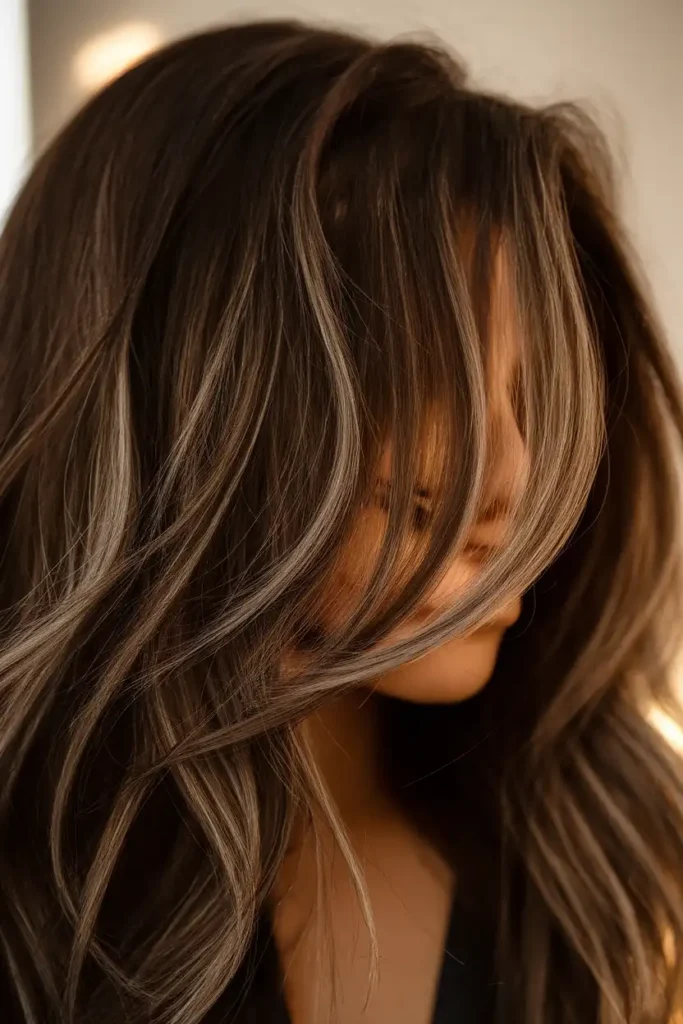
Dark hair can look one-dimensional if it’s all one length, since there’s no light or shadow variation to break it up. Layers change that by creating natural shadow lines throughout your hair.
A dark hair cut with layers, paired with a gloss treatment, adds shine exactly where the layers separate. Ask your colorist for a subtle balayage or babylights only on the layered pieces if you want extra dimension without a full color change. This combination makes even solid black or deep brown hair look more textured and less flat under everyday lighting.
Brunette Hairstyles That Work With Layers
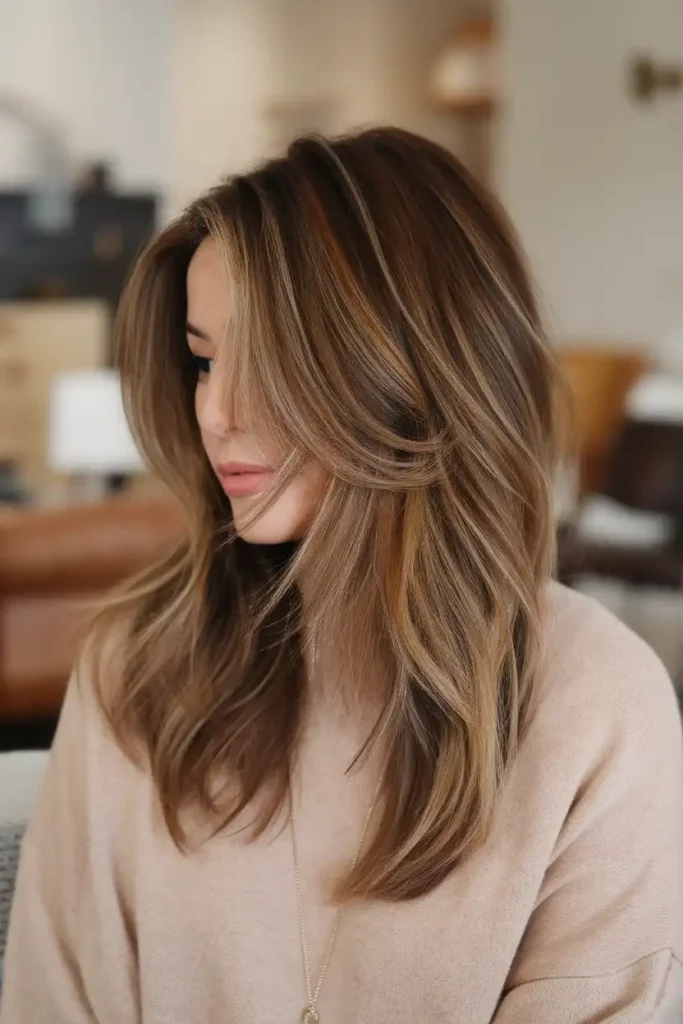
Brunette hair has a wide tonal range, from ash brown to warm chestnut, and layers interact differently depending on where your color sits. Warmer brunette tones show off layers more because the color catches light differently at each length.
If your brunette shade leans warm, ask for face-framing layers to highlight the color around your face. For cooler or ash brunette tones, longer, more subtle layers keep the color looking smooth instead of choppy. Either way, a semi-permanent gloss every six weeks keeps the brown looking rich instead of dull between salon visits.
Haircuts for Blonde Hair Layers That Add Shine
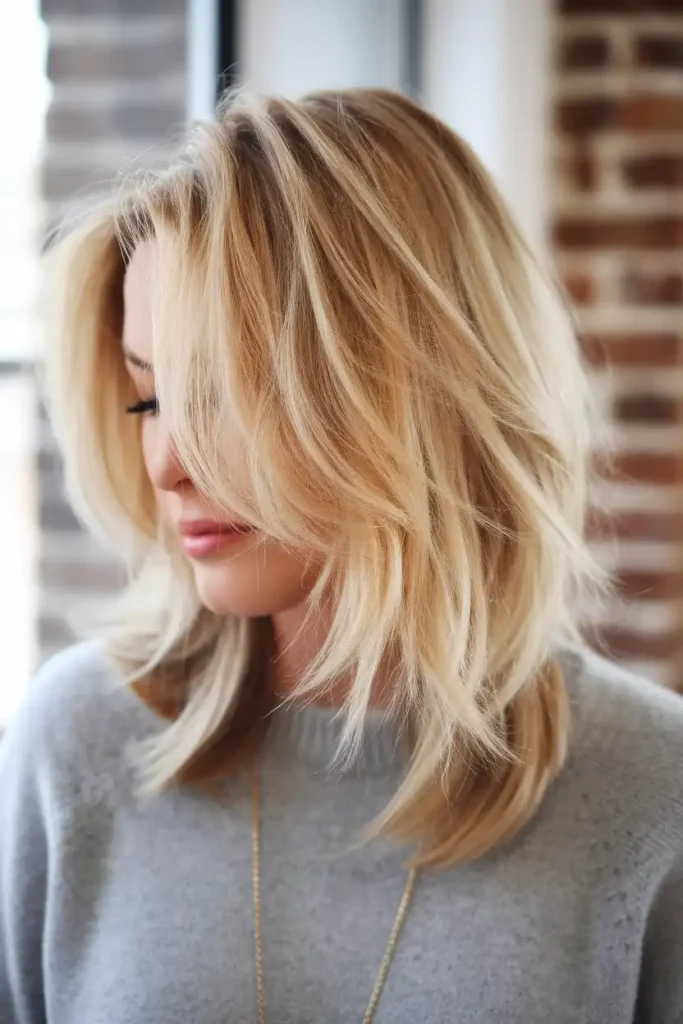
Blonde hair shows damage fast, and heavy layering on already-processed hair can leave your ends looking thin and fried. This is one of the most common complaints from blonde clients after a layered cut.
Before adding layers, get a bond-building treatment if your hair has been lightened more than once. Ask your stylist for softer, blended layers rather than sharp, choppy ones, since blonde hair tends to show texture more obviously. A purple shampoo once a week will keep brassiness down and help your layers look crisp instead of yellow-toned.
Ginger Hair Layers for Natural Texture
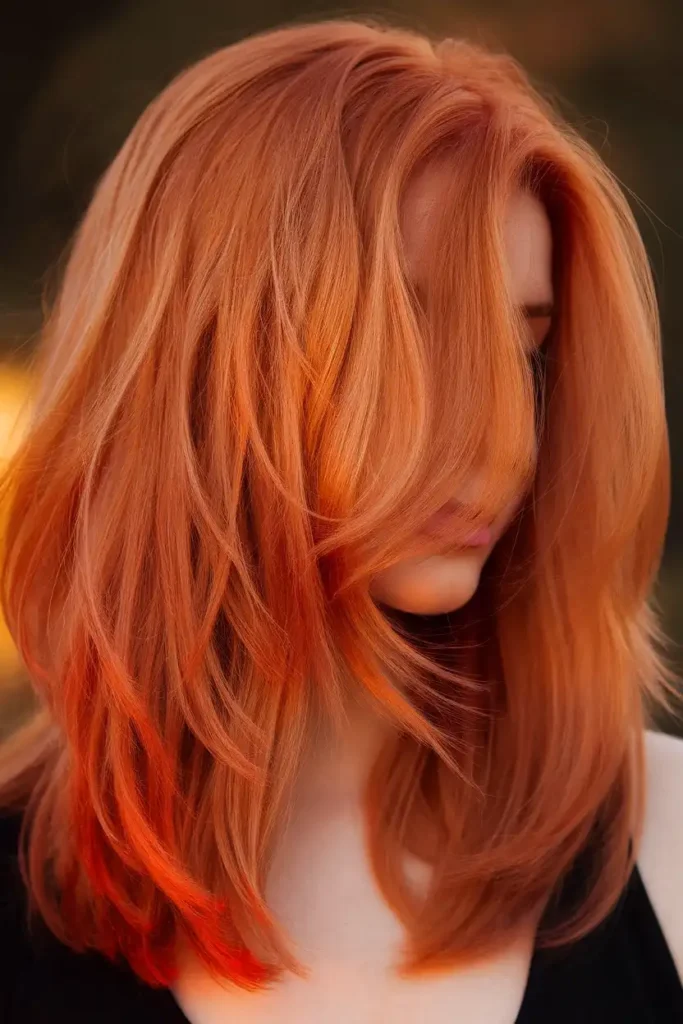
Ginger hair has a naturally coarser texture in a lot of cases, which means layers behave differently than they would on finer, straighter hair types. This texture actually works in your favor when it comes to layered cuts.
Ask for layers that start around the cheekbone to work with your hair’s natural body instead of against it. Ginger tones fade fast in the sun, so a color-safe UV protectant spray helps keep the copper vibrant between salon visits. Avoid heavy thinning shears here, since ginger hair can already have plenty of texture on its own.
Auburn Hair and Layered Cuts
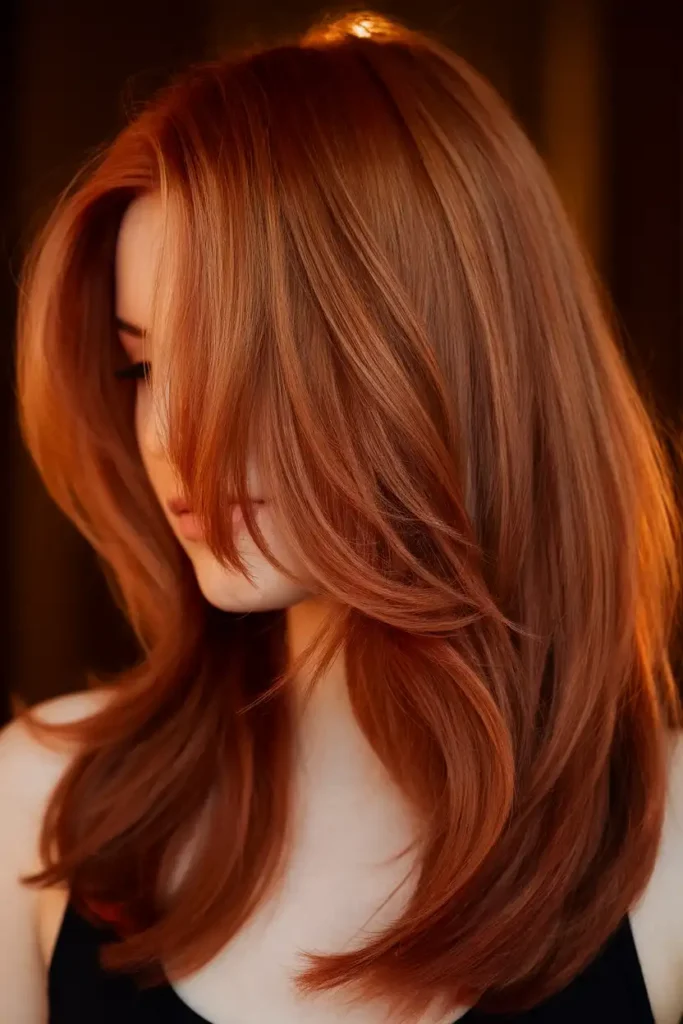
Auburn sits between red and brown, and layers can either enhance that complexity or wash it out depending on how they’re cut. Long, subtle layers tend to work best for keeping the tone rich instead of fragmented.
Request a glossing treatment alongside your layered cut to seal in the auburn tone and add shine. If you color your hair to achieve this shade, ask for a slightly deeper root to avoid harsh regrowth lines with layers this noticeable. Auburn hair with well-placed layers photographs beautifully in natural light, so keep that in mind if photos matter to you.
The Wolf Cut Trend Explained
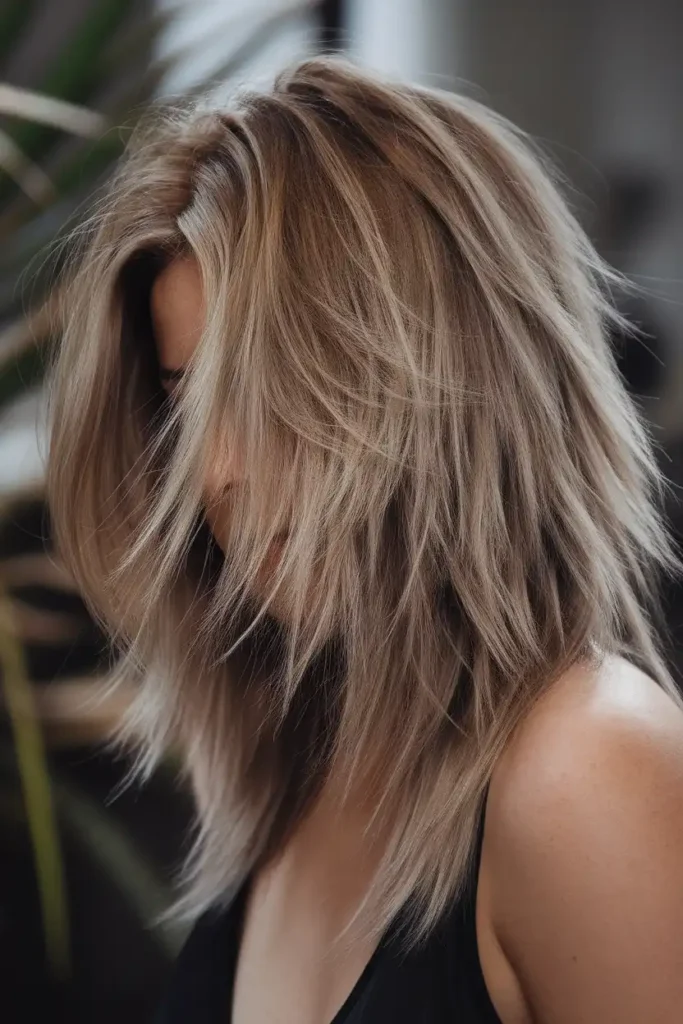
The wolf cut mixes shag energy with mullet structure, and it’s not for anyone who wants a low-maintenance, one-and-done style. It requires regular trims to keep the shape from growing out into something shapeless.
This cut works best on hair with some natural texture, since curls and waves fill in the choppy layers naturally. If your hair is straight, you’ll need a texturizing spray or dry shampoo to fake some grip. Talk to your stylist about how heavy you want the layering at the crown, since that’s what defines whether it reads as a wolf cut or just a shag.
The 90’s Haircut Revival
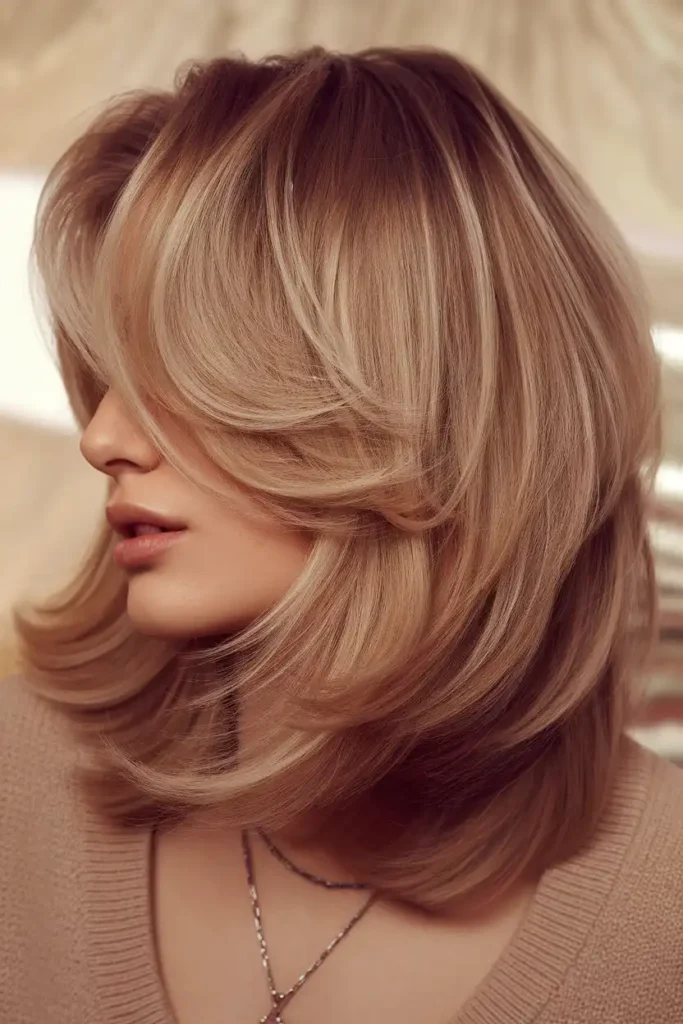
The 90s haircut is back for a reason. It’s flattering, versatile, and works on almost every face shape when done right. The key feature is the flipped, face-framing layers combined with volume at the crown.
To recreate this look, ask for layers cut with a slight outward flip and request a round brush blowout tutorial from your stylist if you’re not used to styling this way. This cut leans heavily on styling, so a good heat protectant and medium-barrel curling iron will help you maintain the flipped ends daily. It photographs well and pairs nicely with a middle or slight side part.
Butterfly Layers for Instant Volume
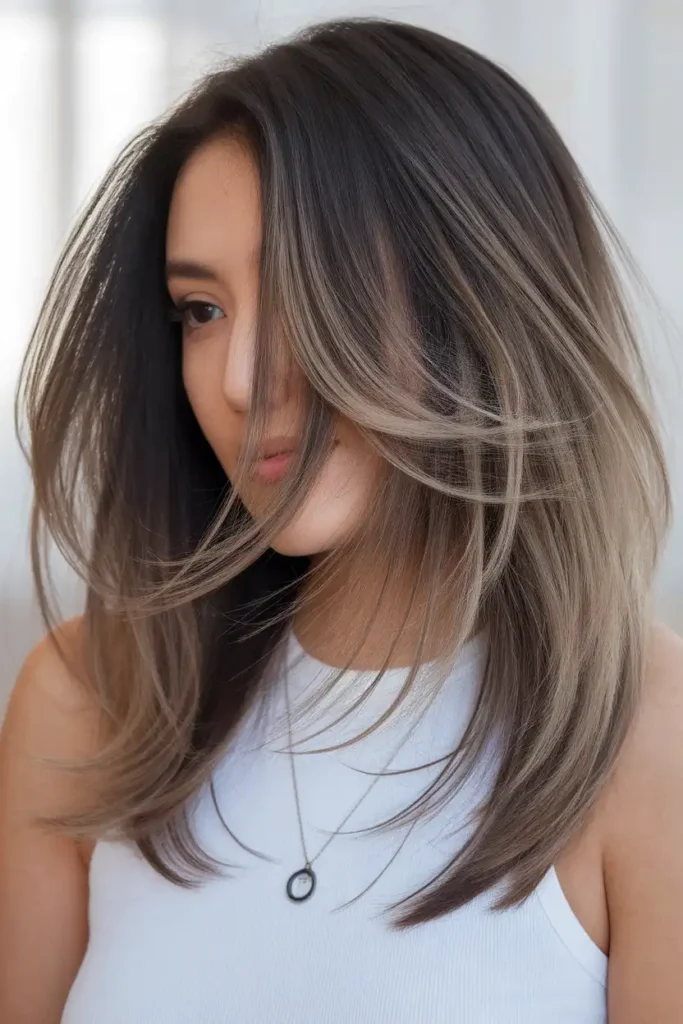
Butterfly layers are one of the more dramatic layering styles, cut heavily around the face and blending into longer pieces toward the back. If your hair looks stringy or lacks shape at the ends, this cut adds noticeable volume fast.
This works especially well on medium to thick hair, since finer hair might look overly thinned with cuts this aggressive. Ask your stylist to concentrate the shortest layers around your cheekbones and blend gradually toward the back for the classic butterfly shape. A volumizing mousse applied at the roots before blow drying will help the layers hold their fanned-out shape throughout the day.
Face Framing Layers for Every Face Shape
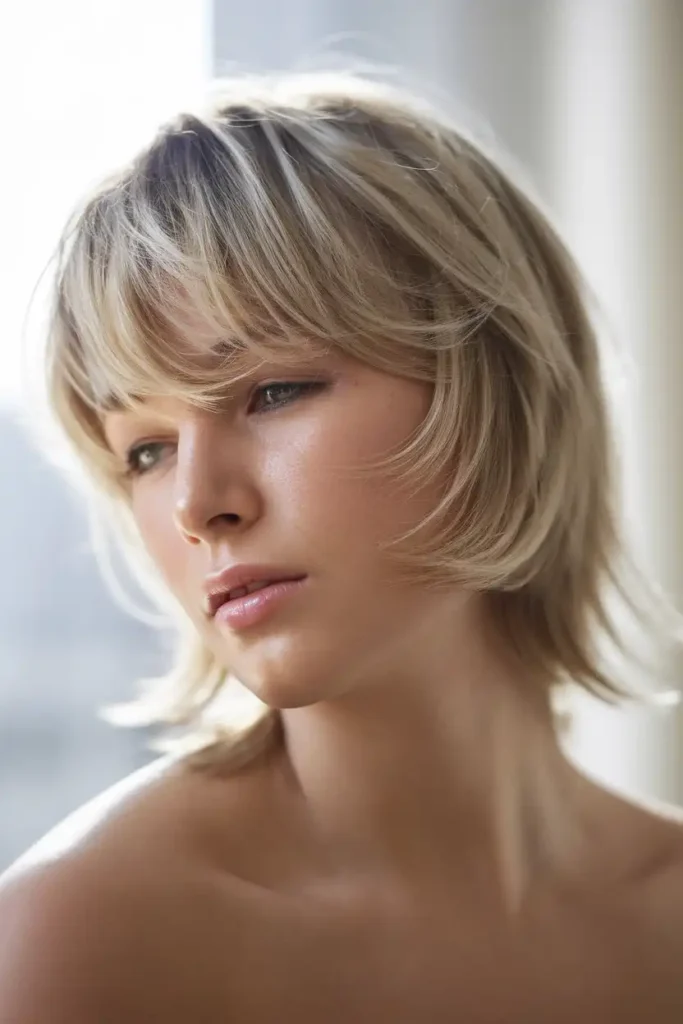
Face-framing layers get requested constantly, but they only work if they’re placed correctly for your face shape. A layer that starts too short can shorten a round face further, while one that starts too long won’t do much for a longer face shape.
For round faces, ask for layers starting at the chin to elongate. For longer face shapes, layers starting around the cheekbone add width where you need it. Bring a photo to your appointment, since face-framing layers are one of the easiest cuts to miscommunicate verbally. Small placement differences of even an inch change the entire effect.
Long Bangs and Layers Together
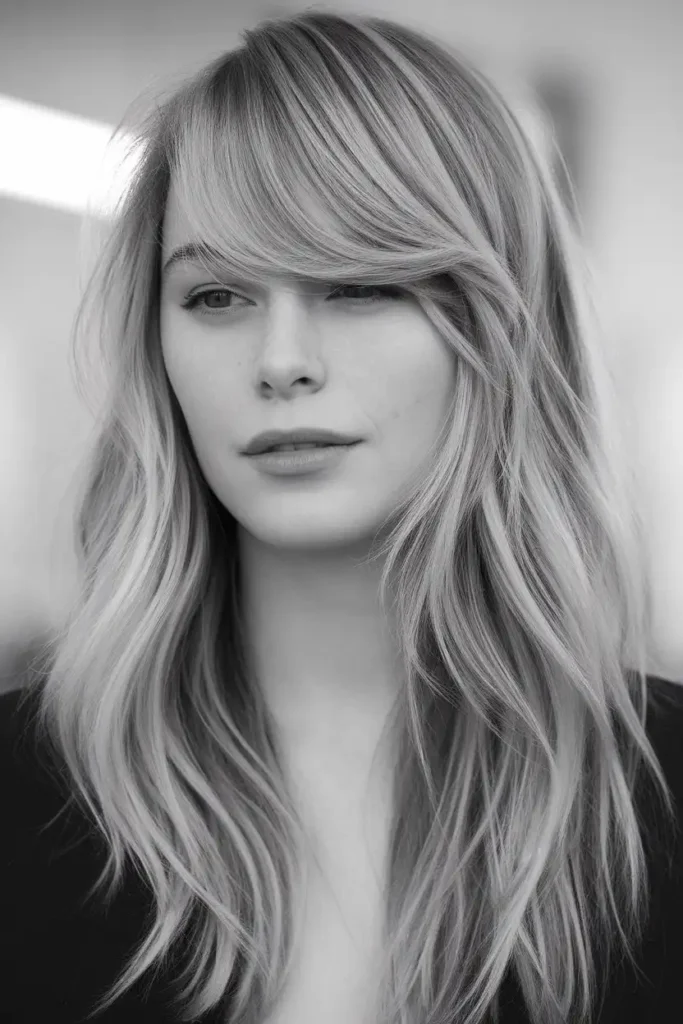
Bangs and layers can either work together seamlessly or fight each other, depending on how they’re cut. The most common complaint is bangs that look disconnected from the rest of the layers, sitting like a separate piece instead of blending in.
Ask your stylist to cut your bangs as an extension of your face-framing layers rather than a standalone piece. This creates a soft, blended transition instead of a hard line. Long, swept bangs work particularly well with layered cuts because they can be tucked back or worn forward depending on your mood that day. Grow-out is also easier to manage this way.
French Style Layered Cuts

French style haircuts lean into an undone, effortless look rather than anything overly polished or sleek. The layers here are usually softer and less structured, designed to look like you didn’t spend much time on your hair at all.
This style works well if you’re tired of heat styling every day, since it’s meant to be air-dried or lightly tousled. Ask for a low-maintenance cut with minimal thinning and soft layers that fall naturally. A light texturizing cream applied to damp hair, then air-dried, gets you close to this look without much effort.
Layered Hair Blowout Tips
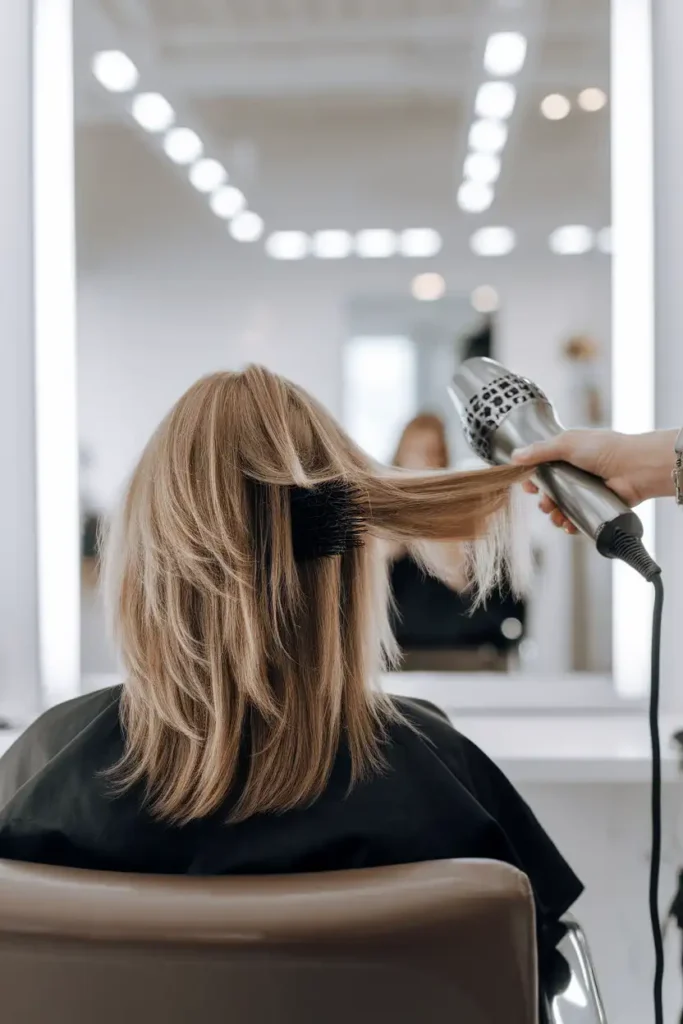
A good blowout can make layers look ten times better than they do air-dried, but most people don’t know how to replicate salon results at home. The trick is in the sectioning and brush size, not just the dryer itself.
Use a round brush sized to your hair length, larger for long layers and smaller for shorter ones, and always dry in the direction you want the layers to fall. Work in small sections, no wider than two inches, for the best control. Finish with a blast of cool air to lock in the shape. This one change alone will make your layers hold longer throughout the day.
Hair Layers for Round and Oval Face Shapes
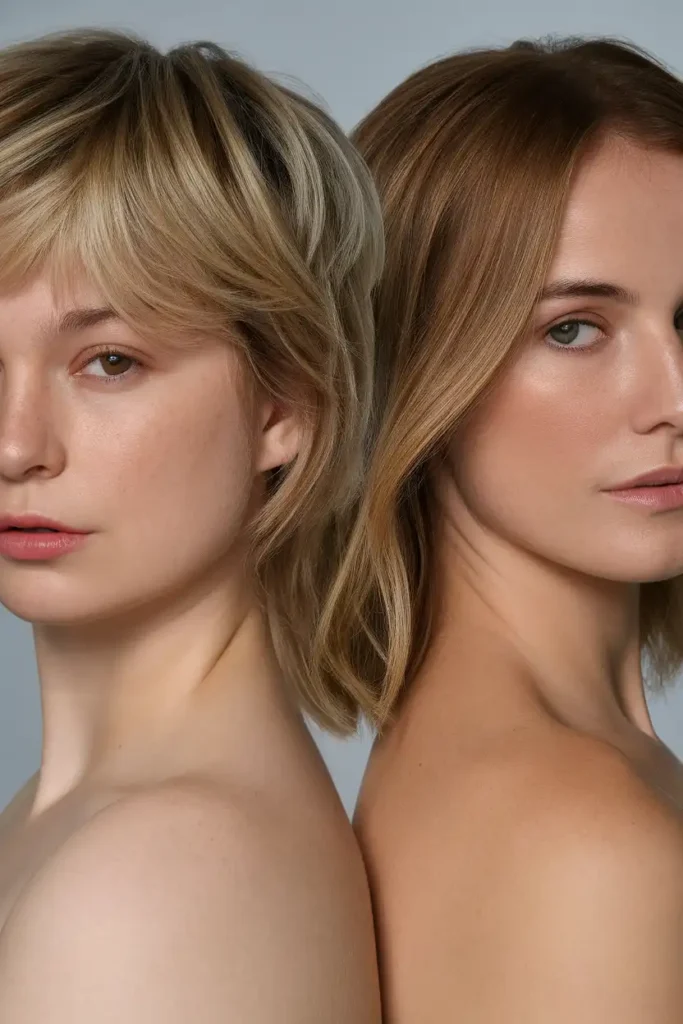
Not every layered cut flatters every face shape, and this is where a lot of salon visits go wrong. What looks great on your friend with an oval face might not do the same for you if you have a rounder face shape.
For round faces, ask for layers with more length and less volume at the cheeks, since added width there can make your face look wider. Oval faces have more flexibility and can handle shorter, bolder layers around the face. If you’re unsure which category you fall into, bring a few reference photos and let your stylist guide the length and placement from there.
FAQs
How do I know which hair layers will suit my hair type?
Start with your hair’s natural texture and density. Fine hair needs layers starting higher up for lift, thick hair benefits from internal layering to remove bulk, and curly hair should be cut dry to account for shrinkage. Bring reference photos of your specific texture, not just the general style you like.
Do layers make thin hair look thicker?
Yes, when placed correctly. Layers starting around the jaw or cheekbone remove weight exactly where fine hair tends to fall flat, creating the appearance of fullness at the crown. Layers cut too low on fine hair can backfire and make it look thinner instead.
How often do I need to trim layered hair?
Most layered cuts need a trim every eight to ten weeks to keep the shape sharp. Shorter, choppier styles like the wolf cut need more frequent visits, while long, subtle layers can stretch closer to twelve weeks between appointments.
Can I get layers if I have curly or wavy hair?
Absolutely, but the approach is different. Curly hair should be cut dry so your stylist can see the true shape after shrinkage. Wavy hair does best with long layers and minimal thinning, since too much thinning can pull the wave out completely.
Will layers work with bangs?
Yes, as long as your stylist cuts the bangs as an extension of your face-framing layers instead of a separate piece. This creates a soft blend rather than a disconnected line, and long, swept bangs are especially easy to integrate with layered cuts.
Are butterfly layers or wolf cuts high maintenance?
Both require more upkeep than a basic layered cut. Butterfly layers need regular trims to maintain the dramatic face-framing shape, and the wolf cut can grow out into something shapeless without consistent visits every six to eight weeks.