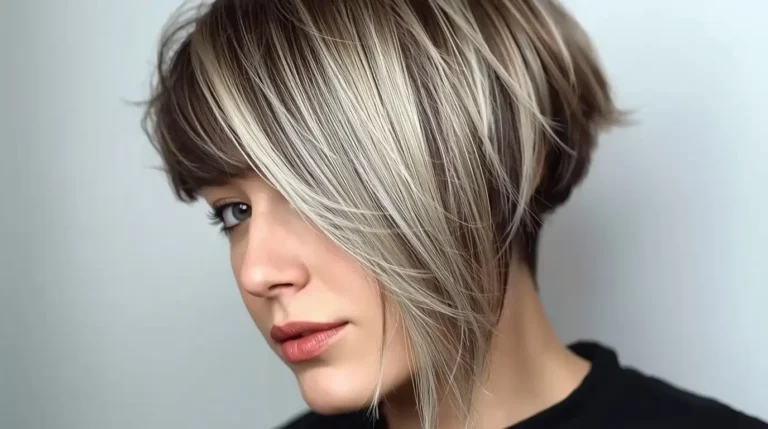
Layered Wavy Haircuts for More Volume and Movement

Your waves have potential. The problem is usually the cut, not your hair. Most people with wavy hair walk around with a style that fights their natural texture instead of working with it. Layered wavy haircuts fix that. The right layers remove weight, free up your wave pattern, and give your hair shape it holds through the day. This guide covers 20 layered styles across lengths, face shapes, and hair types, with practical advice you can take straight to your next salon appointment.
What Makes Layered Wavy Haircuts Different From Regular Cuts
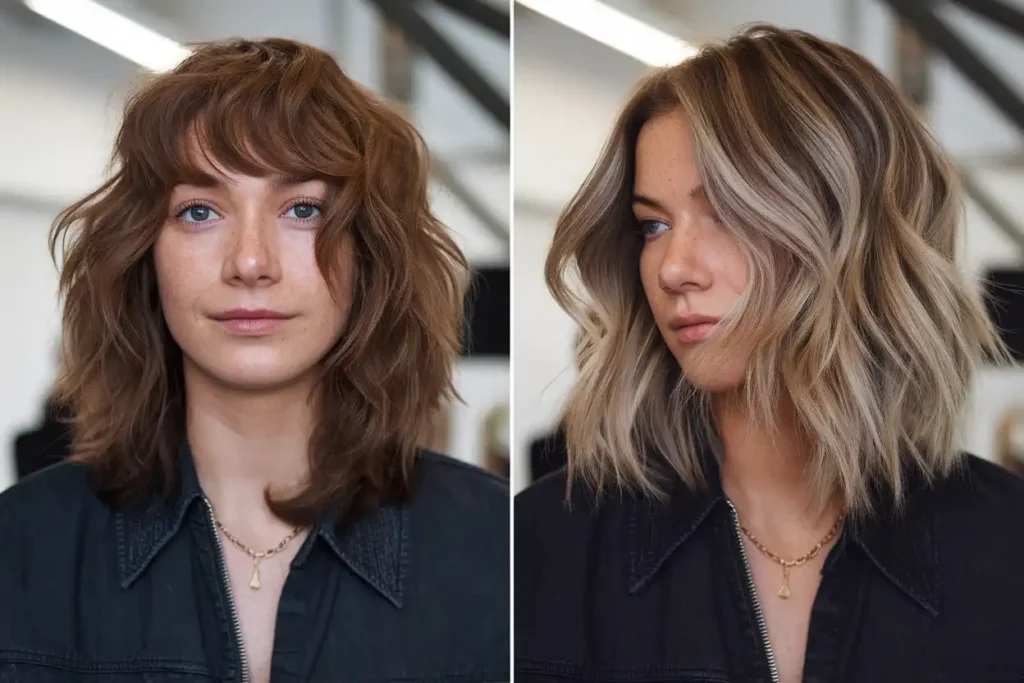
Most haircuts sit flat against your head and rely on styling tools to create any kind of shape. Layered wavy haircuts work differently. The layers are cut to work with your natural wave pattern, so the hair moves on its own without needing much product or heat.
The difference comes down to weight removal. When a stylist removes bulk at the right points, your waves spring up instead of pulling flat. If your current cut leaves your hair looking heavy and lifeless by midday, layers are almost always the fix.
How Layers Add Volume to Fine Wavy Hair

Fine wavy hair loses volume fast, especially around the crown. Without layers, the weight of even thin hair pulls waves down and leaves you with limp, flat ends by noon. Strategic layers change that by removing weight from the mid-shaft down, which lets the roots lift naturally.
Ask your stylist for long layers starting at the cheekbone, not above it. Layers cut too short on fine hair can leave it looking sparse. The goal is movement at the ends with enough density at the top to hold volume through the day.
The Best Layered Wavy Haircut for Thick Hair

Thick wavy hair has the opposite problem from fine hair. There is too much of it, and without layers, it turns into a heavy, triangular shape that no amount of product fully fixes. The right layered cut removes bulk from underneath and through the ends, so your hair moves instead of sitting in one stiff block.
Tell your stylist you want internal layers, not just surface ones. Internal layering thins the hair from underneath without shortening the top. This keeps the length while getting rid of the weight that makes thick wavy hair hard to manage daily.
Layered Wavy Bob: Volume Without the Length

The wavy bob works for almost every face shape, and when you add layers it stops looking like a helmet. A layered wavy bob sits anywhere between the chin and collarbone. The layers open up the shape and give it movement that a blunt bob just does not have.
If you want a wavy bob that air-dries well, ask for the layers to be point-cut rather than straight across. Point cutting creates soft, feathered ends that wave naturally without needing a curling iron. It is one of the most low-maintenance cuts you can walk out of a salon with.
Long Layered Wavy Haircut for Natural Texture

Long layered wavy haircuts are built to work with your natural texture, not fight it. The layers follow the natural fall of your hair and create a tapered shape that looks intentional even on a day you do nothing to it. This is the cut that actually looks better air-dried.
The key detail is face-framing layers. Ask your stylist to cut a few shorter layers around the face, starting at the jawline. These pieces catch the light and draw attention upward, which makes the whole cut look more polished. Pair it with a curl-enhancing cream and scrunch while damp for the best result.
Wavy Shag Haircut With Curtain Bangs

The wavy shag is one of the most texture-friendly haircuts available right now. It combines short layers at the crown with longer layers through the mid-lengths, which creates volume at the top while keeping movement through the ends. Curtain bangs add a face-framing element without committing to a full fringe.
This cut suits wavy hair because the choppy layers work with your texture rather than requiring you to style against it. If you have been avoiding bangs because they go frizzy, curtain bangs are the lowest-maintenance option. They blend into the sides as they grow out, so there is no awkward in-between phase.
How to Ask Your Stylist for a Layered Wavy Haircut

Walking into a salon and saying “I want layers” is not enough information. Stylists need specifics to give you the cut you are picturing. The more detail you bring, the better your result. Here is what to tell them:
- Show a reference photo where the movement and length match your hair type
- Say whether you want soft layers or more dramatic, choppy ones
- Tell them your styling routine (air dry, diffuser, or heat tools)
- Mention your problem area, whether that is flat roots, heavy ends, or frizzy mid-lengths
- Ask for a dry cut if your waves change shape significantly when wet
Bringing a photo removes guesswork on both sides. Choose images of people with a similar hair texture to yours, not just a similar length.
Layered Wavy Haircuts for Round Face Shapes

Round face shapes look best with cuts that add vertical length rather than width. Layered wavy haircuts do this naturally when the layers are cut to fall in a slight V-shape at the bottom. This pulls the eye downward and makes the face appear longer.
Avoid cuts that end at the widest part of your face, usually around the jaw or cheekbone. Instead, ask for layers that start below the chin and taper toward the collarbone. Side-swept waves rather than center-parted ones also help, since they break up the symmetry of a round face without requiring extra styling effort.
Wavy Haircuts With Layers for the Office

Wavy hair sometimes gets dismissed as too casual for professional settings, but that is about styling, not the cut itself. A layered wavy haircut can read as polished and intentional when the waves are defined and the shape is clean. The layers actually help here because they create structure without you needing to blow-dry everything straight.
For an office-appropriate wavy look, diffuse your hair instead of air-drying flat. Diffusing sets the wave pattern with volume at the roots, which looks more groomed than letting it dry on its own. A small amount of anti-humidity serum on the ends keeps frizz away through a full workday.
How to Style Layered Wavy Hair for a Night Out

Layered wavy hair already has the right foundation for a night-out look. You do not need to add much. The layers create natural movement that reads as intentional and styled, which saves you time when you are getting ready quickly.
To take it from day to evening, apply a small amount of hair oil to the mid-lengths and ends, then scrunch to revive the wave pattern. If the roots have gone flat, flip your head upside down and give the crown a gentle massage. Finish with a flexible-hold hairspray to keep the shape without making it stiff. The whole process takes under ten minutes.
Layered Wavy Haircut for Prom
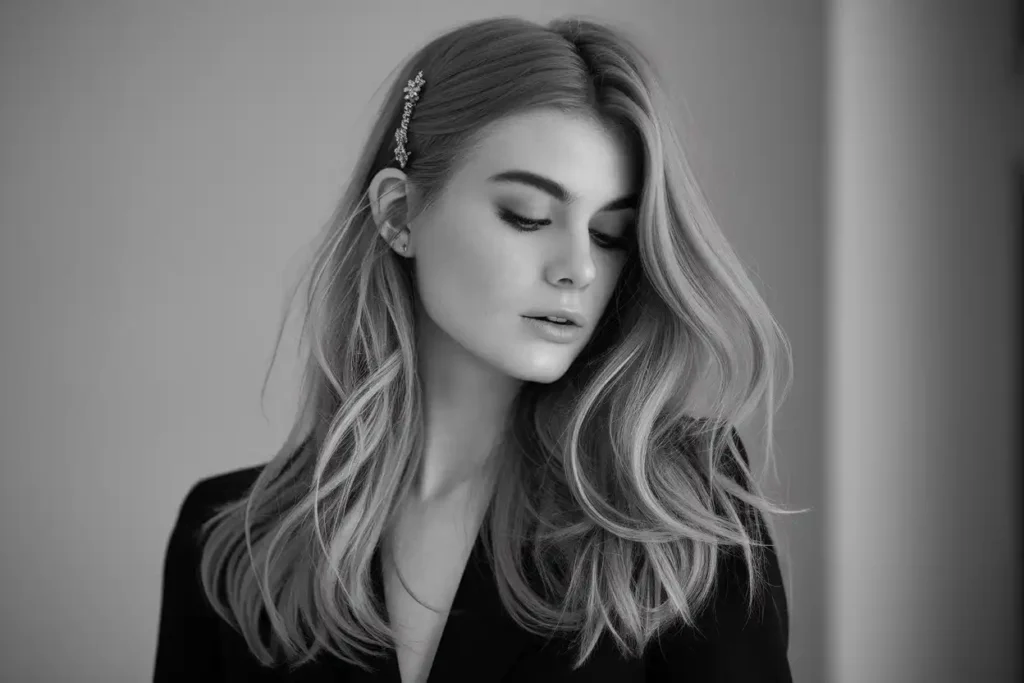
Prom hair does not have to mean a complicated updo. A layered wavy haircut worn down makes a strong statement on its own. The layers give the hair natural shape and movement, so even when worn loose it looks like you put effort in.
For prom, define your waves the night before using the plopping method: apply curl cream to damp hair, scrunch, then wrap in a microfiber towel for 20 minutes before air-drying. In the morning, separate the waves gently with your fingers and add a light-hold finishing spray. Pin a few face-framing pieces back if you want to show off your makeup.
The Difference Between a Soft Layer and a Choppy Layer
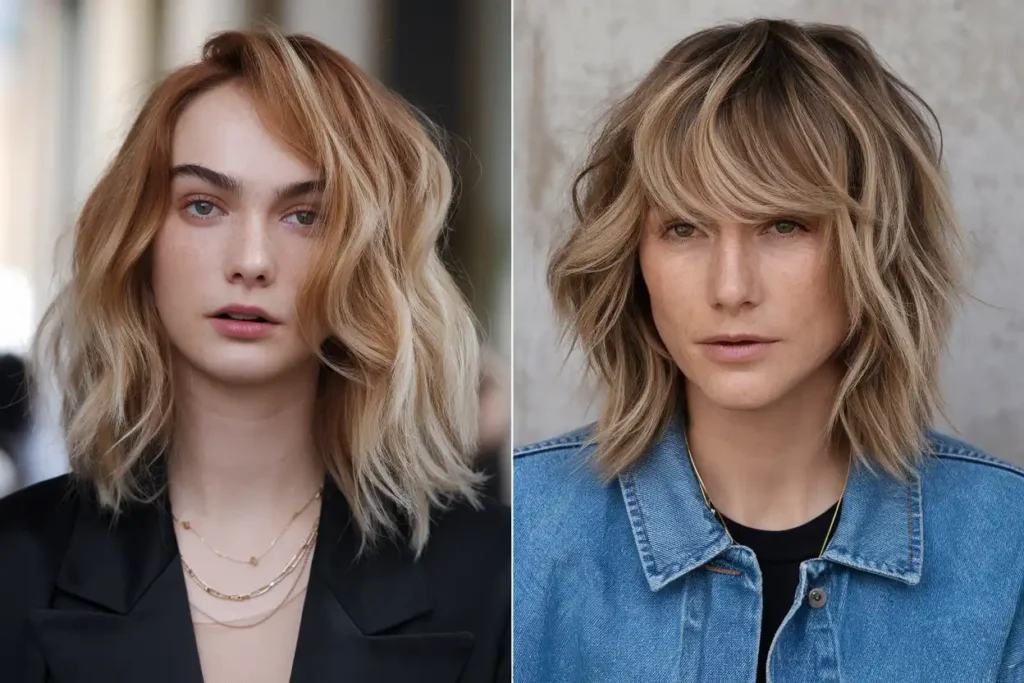
Content: Soft layers are cut with the scissors running parallel to the hair shaft, creating a smooth blend. The result is polished, the waves look controlled, and the overall finish feels refined. Choppy layers use point cutting or razor work to create irregular ends, which adds texture and a more casual, undone look.
Neither is better than the other. The right choice depends on your lifestyle and how much time you want to spend styling. Soft layers work well for fine wavy hair or anyone who prefers a cleaner finish. Choppy layers suit thick wavy hair and anyone who wants a wash-and-go result with visible texture.
How Often to Trim Layered Wavy Hair to Keep the Shape
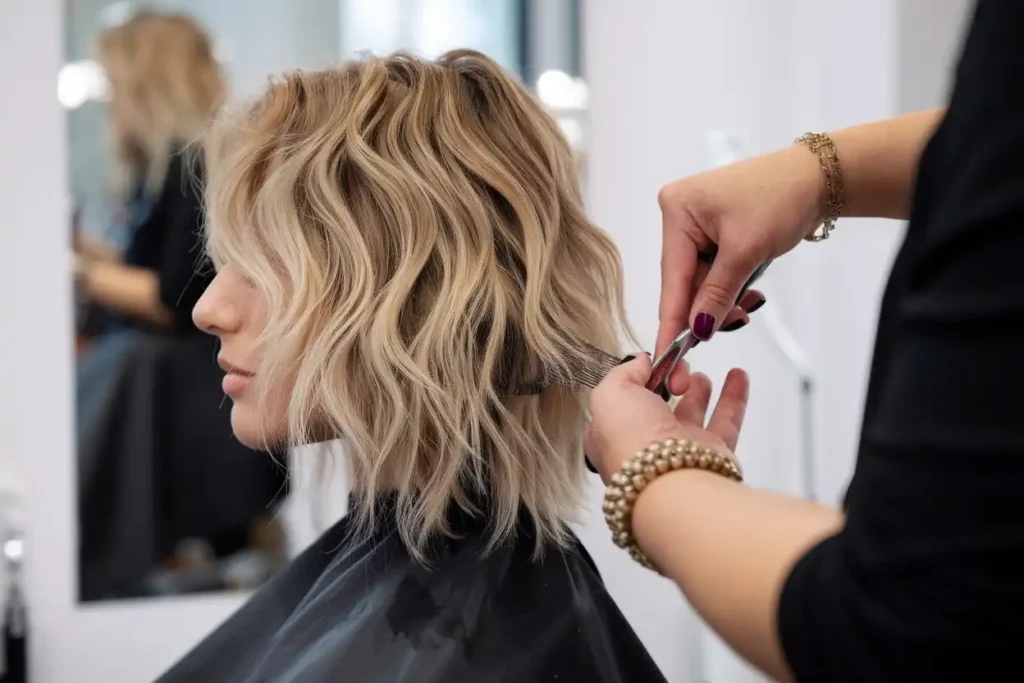
Content: Layers grow out unevenly, which is what makes them work while they are fresh and what causes problems when they are not maintained. Wavy hair tends to hide split ends better than straight hair, but the shape of the cut suffers first. Most stylists recommend a trim every 8 to 10 weeks to keep layered wavy cuts looking intentional.
If you are growing your hair out, you can stretch that to 12 weeks but ask for a dusting rather than a full trim. A dusting removes just the damaged ends without touching the length. Going longer than 12 weeks risks the layers losing their shape entirely, which means more has to be cut off to fix it.
Layered Wavy Haircut for Women Over 40

Wavy hair over 40 often becomes drier and loses some of its natural elasticity, which means the wrong cut can make it look frizzy rather than textured. A layered cut with longer layers addresses this by removing the weight that drags waves flat while keeping enough density for the hair to move smoothly.
Face-framing layers are worth prioritizing at this stage. Soft layers that start at the cheekbone and blend into the length add dimension around the face without requiring a shorter cut overall. Pair the cut with a hydrating leave-in conditioner applied to damp hair, and your waves will have the moisture they need to hold their shape.
Air-Drying a Layered Wavy Haircut the Right Way

Air-drying sounds simple but most people do it wrong and then blame their hair. Rubbing your hair with a regular towel creates frizz before the waves even have a chance to form. Start by gently squeezing out excess water with a microfiber towel or an old cotton t-shirt.
While the hair is still damp, apply a curl cream or wave-enhancing mousse and scrunch upward from the ends toward the roots. Flip your hair forward while it dries to encourage root volume. Once it is fully dry, scrunch out any crunch left from the product. The layers will separate naturally and the waves will look defined without looking done.
Using a Diffuser on Layered Wavy Hair
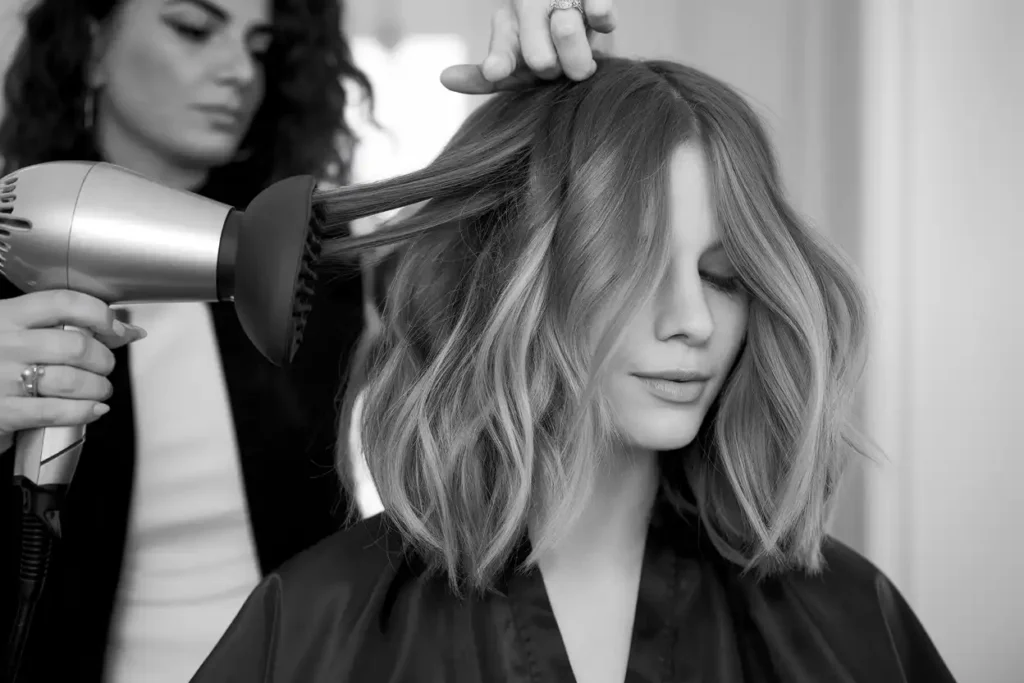
A diffuser is the one tool worth owning if you have layered wavy hair. It dries your hair with low, dispersed airflow that sets the wave pattern without blowing it apart. The result is more volume and better definition than air-drying alone, in significantly less time.
The technique matters more than the tool. Flip your head forward and cup sections of hair into the diffuser bowl, holding it in place for 20 to 30 seconds before moving on. Keep the heat on medium and the airflow on low. High heat on wavy hair causes frizz. Finish with a cool shot once the roots are dry to lock in the volume.
Layered Wavy Haircut for Humid Weather

Humidity turns wavy hair frizzy when the hair shaft absorbs moisture from the air and swells unevenly. Layers do not solve this on their own, but a well-cut layered style gives frizz less surface area to spread across compared to heavy, one-length hair.
The product step is what makes the real difference in humid conditions. Apply a curl cream with humectants like glycerin while your hair is soaking wet, not just damp. Humectants pull moisture into the hair shaft in a controlled way, which means it takes in humidity on your terms rather than randomly. Seal with a light anti-humidity spray once dry.
Growing Out a Layered Wavy Cut Without Losing Shape

Image Description: A woman with medium-length wavy hair that is in the process of growing out its layers. The cut still looks intentional and styled, not messy or in-between. The waves are loose and natural. Shot from a three-quarter angle showing the current length and shape.
Growing out layers can look awkward with straight hair, but wavy hair handles the process better. The wave pattern disguises uneven lengths, which buys you extra time between trims. The shape stays readable for longer, especially if the original cut was done well.
To grow out layers without losing your mind, ask for a trim every 12 weeks that only removes the shortest layers rather than all of them. This gradually evens out the length without cutting off your growth. In the meantime, a side part and loose waves do a good job of keeping the shape looking purposeful while everything catches up.
Products That Work Best With Layered Wavy Haircuts
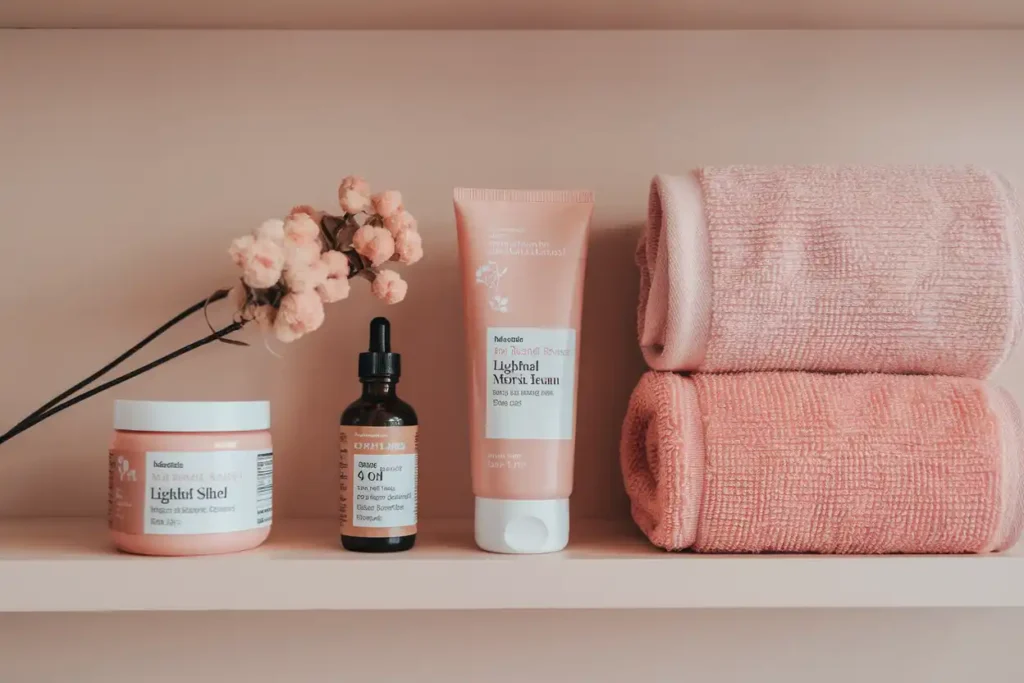
Layered wavy haircuts respond well to lightweight products that define without weighing the layers down. Heavy creams and thick oils flatten the wave pattern and cancel out everything the layers are supposed to do. Here is what actually works:
- Curl cream: apply to soaking wet hair for definition and frizz control
- Lightweight mousse: adds hold and volume without stiffness
- Hair oil: use on dry hair only, on the ends, to add shine and smooth flyaways
- Microfiber towel: reduces frizz during drying by cutting down on friction
- Leave-in conditioner spray: essential for dry or color-treated wavy hair
Avoid layering too many products at once. Pick two maximum for your wash-day routine and adjust based on how your hair responds over a few weeks.
When to Go Shorter: Cutting a Layered Wavy Bob
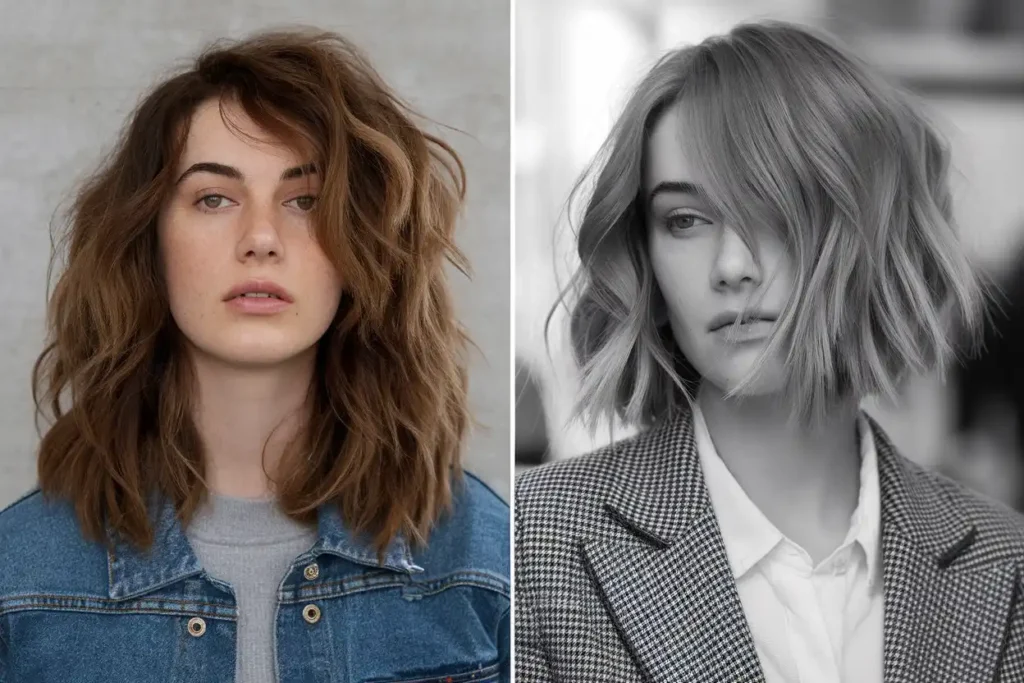
If your long layered wavy hair has stopped behaving despite regular trims and good products, going shorter might be the right move. Longer hair is heavier, and sometimes that weight simply overpowers the wave pattern, especially if your waves are loose to begin with. A layered wavy bob removes that problem entirely.
The collarbone to shoulder length is the sweet spot for wavy hair that wants volume. The hair is short enough to spring up at the ends but long enough to show the wave properly. Ask your stylist for internal layers and a point-cut perimeter. You will spend less time styling and get more shape with almost no effort.
Conclusion:
Layered wavy haircuts are not a trend. They are a practical fix for hair that sits flat, goes frizzy, or loses shape by midday. The right layers work with your texture, not against it. Pick the style that fits your length and hair type, bring a reference photo to your stylist, and pair the cut with the right products. Your waves do not need more effort. They need a better cut.