Everything You Need to Know Before Trying Calico Hair
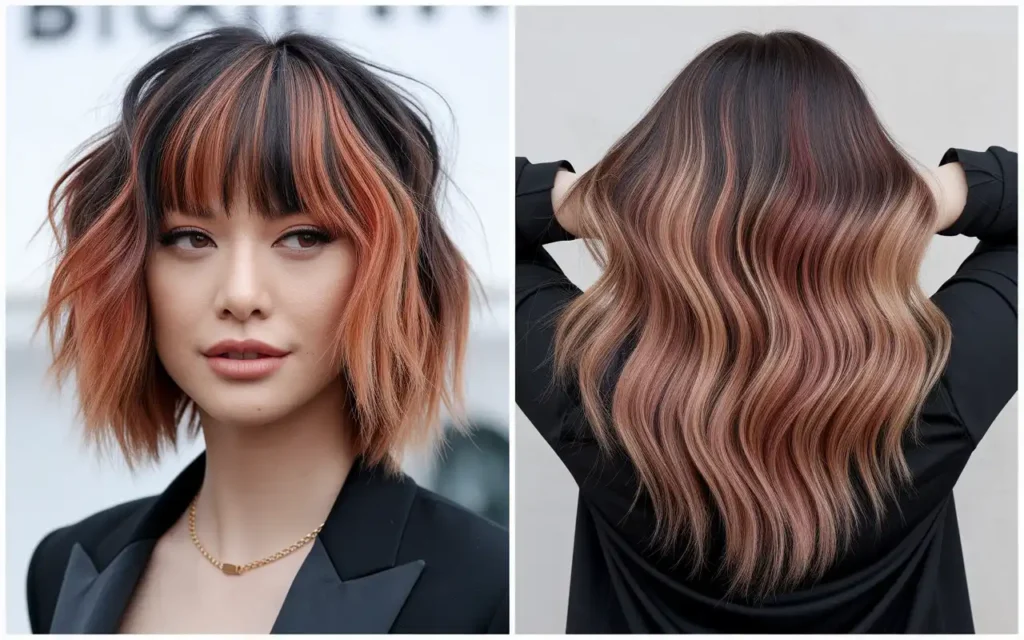
You have likely seen the bold, three-toned calico hair trend taking over your social media feeds, leaving you wondering if you can pull off such a striking look. Combining contrasting blocks of copper, deep brown, and bright blonde, this style breaks all the traditional rules of seamless blending. Before you book your salon appointment, you need a practical game plan to ensure your multi-toned investment looks intentional rather than messy. Let us break down everything you must consider to customize this high-contrast trend for your specific hair texture and lifestyle.
What is Calico Hair and Where Did the Trend Come From?
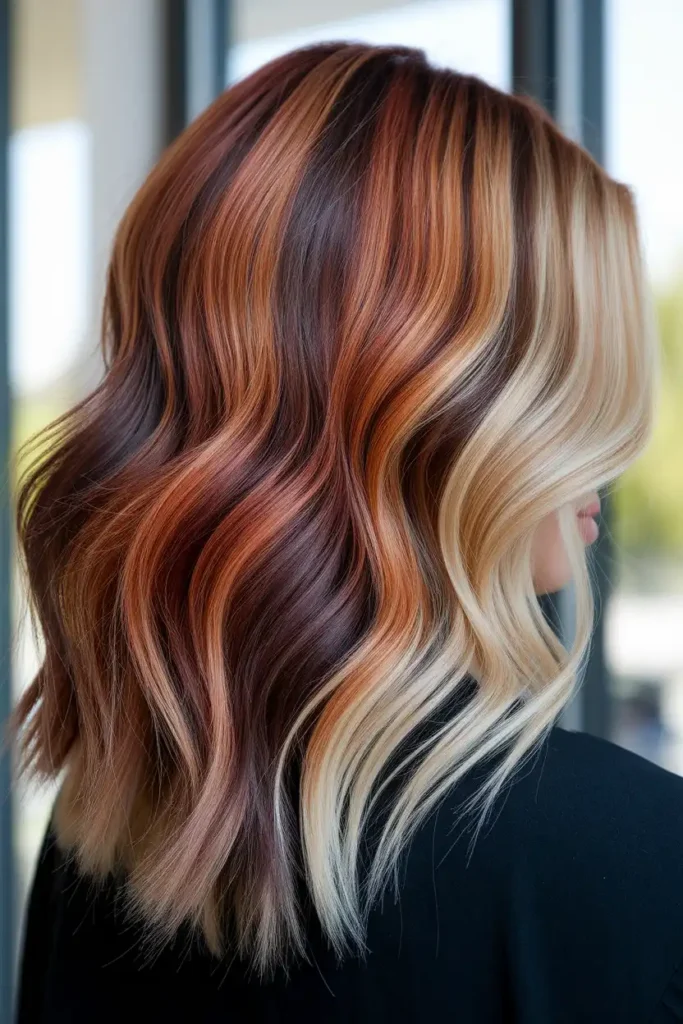
Calico hair takes inspiration from the distinct patches of a calico cat. This style blends three contrasting tones,usually a rich ginger, a deep brown or black, and a bright blonde, into one cohesive look. Unlike traditional balayage that aims for seamless transition, this trend embraces visible color blocks and starker contrasts. It emerged as a response to the quiet luxury aesthetic, giving people a way to express a bolder personality through their hair.
If you feel bored by subtle, blended highlights that fade into obscurity, this technique offers a clear solution. You get high-contrast dimensions that make your haircut pop instantly. Ask your colorist for distinct color zones rather than a soft melt. Start with a thorough consultation to ensure your stylist understands the level of separation you want between the three shades.
The Anatomy of a Perfect Calico Hair Color Palette
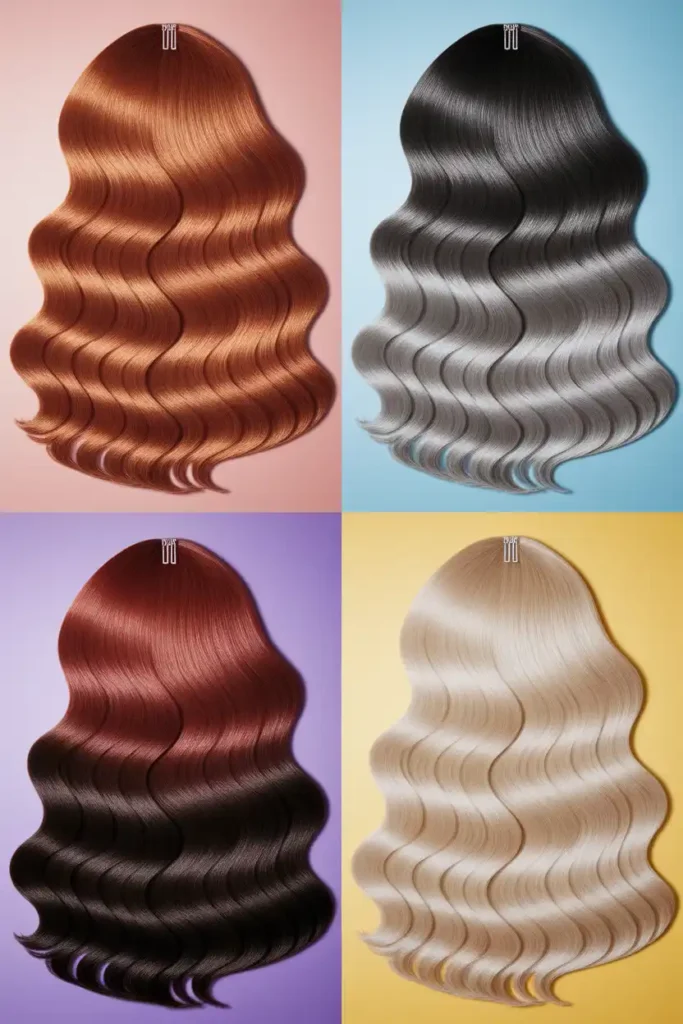
A successful calico look relies on choosing three shades that complement your skin undertones. The classic mix uses a warm copper, a dark espresso lowlight, and a pale buttery blonde. However, you can customize these tones to match cool or neutral skin types by swapping warm copper for an ash auburn or a cool burgundies. The key is maintaining a clear distinction between the dark, medium, and light sections of your hair.
Choosing the wrong tones can leave your hair looking muddy instead of intentional. You can avoid this by bringing photos of specific swatches to your salon appointment. Look closely at your jewelry preferences to determine your undertone before picking your three shades. If silver looks best on you, steer your palette toward cooler browns and icy blondes.
Is Calico Hair Right for Your Specific Hair Texture?

This high-contrast color technique adapts beautifully to various hair textures, though it behaves differently on each. On straight hair, the color blocks appear sharp, graphic, and highly intentional. On wavy or curly textures, the twists and turns of your strands naturally mix the colors, creating a softer but equally dimensional effect. Coils and curls actually benefit from the dark lowlights, which add visual depth to the shape of your haircut.
You might worry that your natural texture will make the color placement look messy. The trick lies in how your stylist sections your hair based on how you naturally wear it. If you swap between straight and curly styles often, tell your colorist beforehand. They will place the blocks so the pattern looks balanced whether your strands are sleek or bouncy.
How to Choose Your Base Shade for Calico Hair Dye
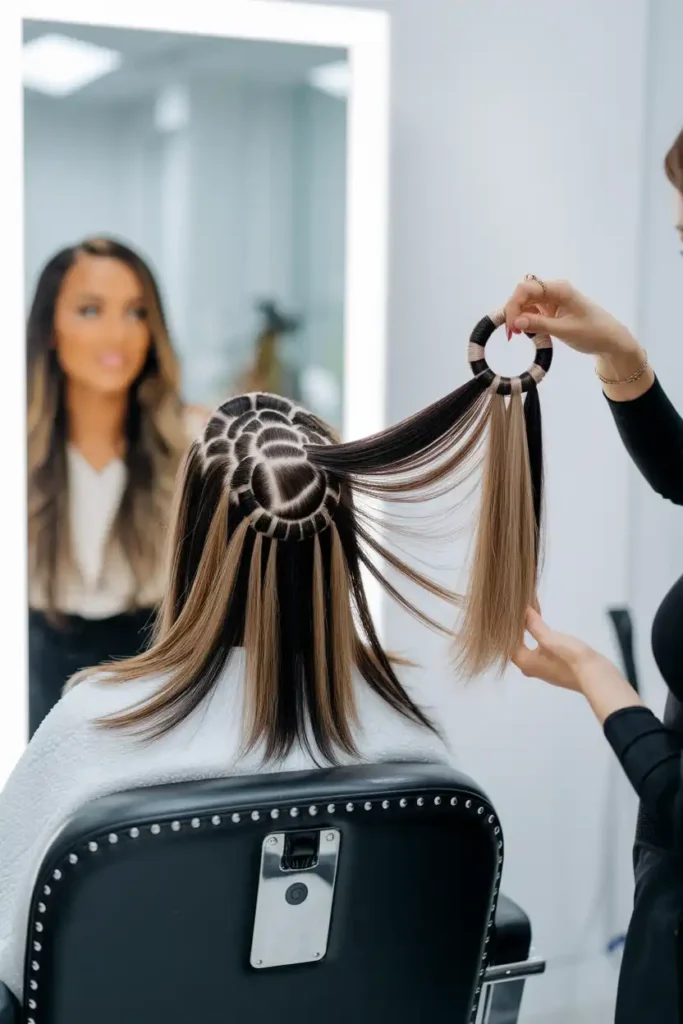
Your base shade serves as the foundation for the entire calico look and usually anchors the darkest parts of the style. Most people keep their natural root color as the base to minimize maintenance and avoid harsh regrowth lines. If your natural hair is a medium brown, you can deepen it to a rich chocolate or leave it as is, building the copper and blonde tones directly on top.
If you pick a base color that requires lifting your entire head of hair, your maintenance routine will double. Avoid unnecessary damage by sticking within two shades of your natural color for the base. This approach keeps your roots healthy and makes the growing-out process look like an intentional shadow root. Discuss your natural root level with your colorist to find the path of least resistance.
The Role of Calico Hair Extensions in Protecting Your Strands
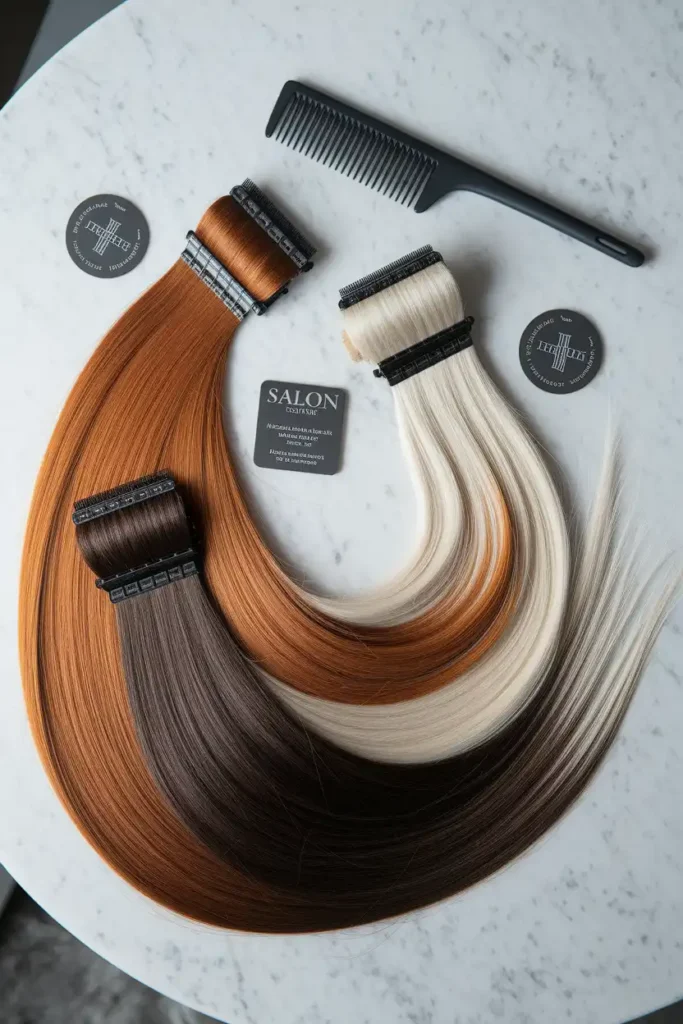
You do not need to bleach your natural hair to achieve this multi-toned trend. Calico hair extensions offer an excellent alternative for anyone who wants to experiment without committing to chemical processing. By purchasing pre-colored tracks in blonde and copper, you can clip them into your dark natural hair to create the look instantly. This method completely eliminates the risk of bleach damage to your own strands.
If you have fine or damaged hair, intensive bleaching can ruin your curl pattern or cause breakage. Using clip-in or tape-in extensions solves this problem while allowing you to test the style for a weekend. Buy high-quality human hair extensions so you can heat-style them to match your natural texture perfectly. Start with a few clip-in tracks to see how you like the color contrast against your face.
What to Ask Your Stylist Before the Bleaching Begins

Walking into a salon and asking for calico hair can lead to confusion because the trend is still evolving. You need to communicate the exact placement of your blonde, copper, and dark tones. Specify whether you want blocks of color, chunky 90s-style highlights, or a more diffused peek-a-boo effect underneath your top layers. Clear communication prevents you from walking out with a standard balayage that lacks the desired contrast.
Many salon visits go wrong simply because the client and stylist use different terminology. Avoid this frustration by bringing three reference photos that show the exact color distribution you desire. Point directly to the image to show where the blonde stops and the copper begins. Ask your stylist if your hair can handle the required lifting in a single session.
Step-by-Step Guide to Achieving Calico Hair at Home
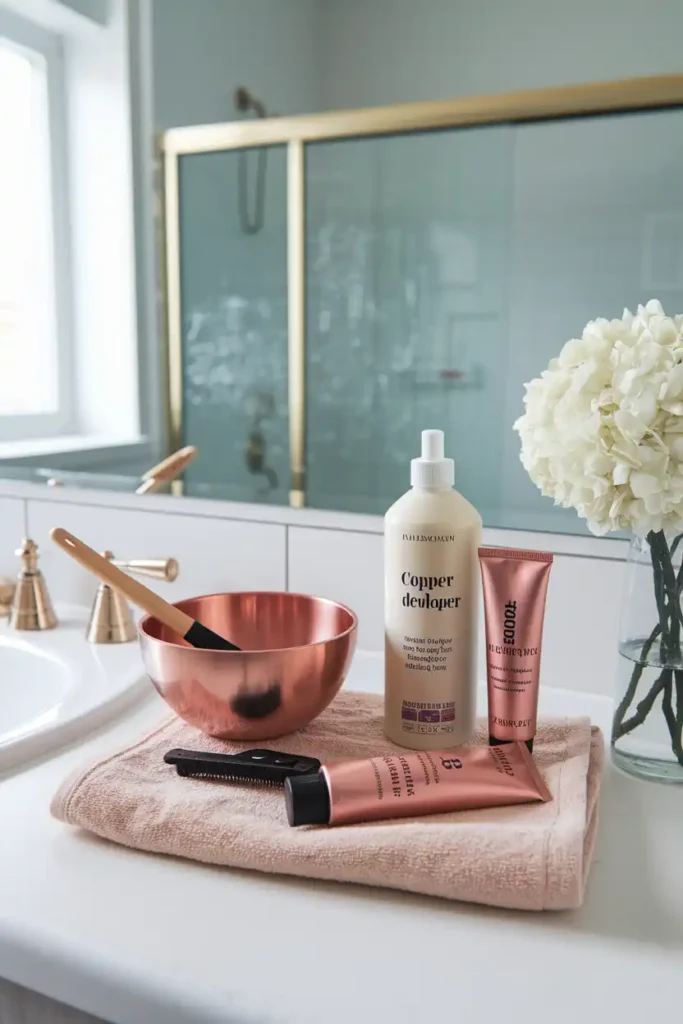
Dyeing your hair into a three-tone pattern at home requires extreme precision and careful sectioning. You must isolate each color zone using plastic clips and aluminum foil to prevent the dyes from bleeding into each other. Apply your darkest base color first, followed by the copper tones, and save the bleach sections for last. Working in a systematic order ensures that your blonde sections stay bright and unpolluted by the darker pigments.
Bleeding colors can turn your bright blonde sections into an accidental muddy orange. You can solve this by applying a thick barrier cream or petroleum jelly along the edges of your sections before applying the dyes. If you feel nervous about handling multiple formulas at once, consider doing the dark and copper sections first, washing them out, and then bleaching the accent pieces.
The True Cost of Maintaining Calico Hair Colors

Maintaining three distinct colors requires a dedicated budget and specific products. Because copper and blonde fade at different rates and react differently to washing, you cannot treat your hair with a standard single-process care routine. Copper molecules escape the hair shaft quickly, while blonde sections tend to turn brassy over time. You will need to invest in separate color-depositing products to keep each section looking fresh between salon visits.
Using the wrong shampoo can wash out your expensive copper tones while doing nothing to fix brassy blonde strands. Protect your investment by switching to a professional salon-grade shampoo immediately after getting your hair colored. Look for formulas specifically labeled for multi-tonal or highlighted hair to get the best results. Consider washing your hair with lukewarm water to keep the cuticle smooth.
How to Avoid the Dreaded Muddy Color Bleed
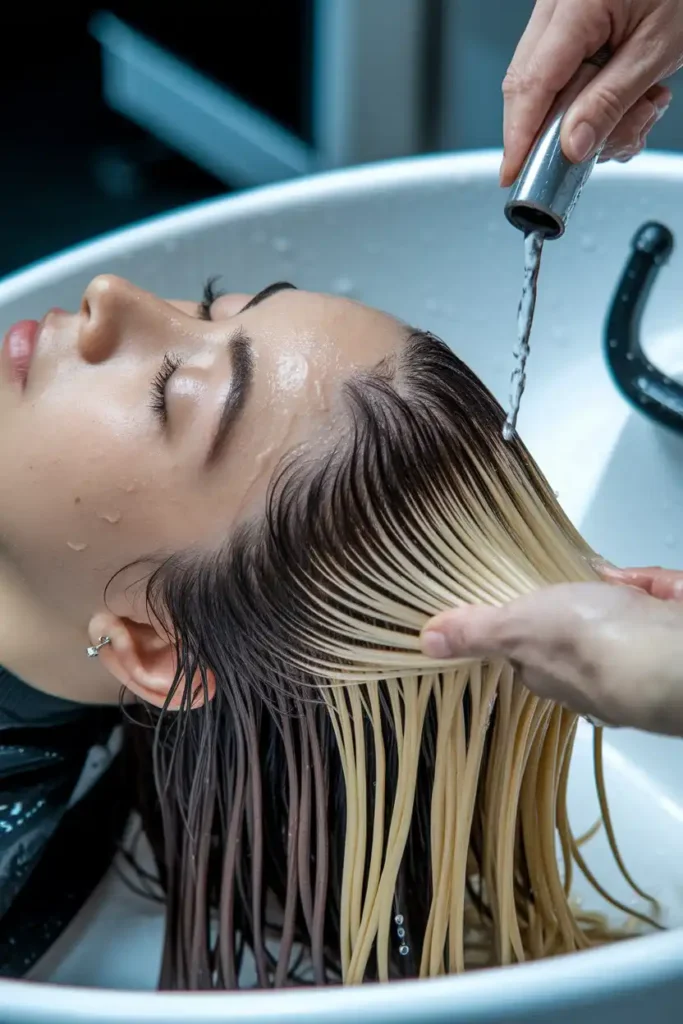
Color bleeding happens when dark pigments rinse over freshly bleached blonde hair during the washing process, staining the light strands. To prevent this during your first wash at home, use cold water exclusively. Cold water keeps the hair cuticle closed, which locks the pigments inside the hair shaft and prevents them from bleeding across different sections. Wash your hair as infrequently as possible to preserve the crisp boundaries between your three colors.
If you wash your hair with hot water, you will notice your blonde turning a dull, brownish-gray color within weeks. You can fix and prevent this by sectioning your hair even in the shower, rinsing the dark areas first before washing the blonde pieces. Try using a dry shampoo to extend the time between your wet washes and preserve your color integrity.
The Best Shampoos for Multi-Toned Calico Strands

Standard drugstore shampoos often contain harsh sulfates that strip away hair dye within a few washes. For calico hair, you need a gentle, sulfate-free formula that cleanses your scalp without disturbing the complex color placement. Look for shampoos infused with antioxidants and amino acids, which help shield the hair from UV rays and tap water minerals. A good formula preserves both the depth of the dark lowlights and the brightness of the blonde.
When you use a harsh shampoo, your vibrant copper can fade into a dull orange after just one week. Protect your investment by switching to a professional salon-grade shampoo immediately after getting your hair colored. Look for formulas specifically labeled for multi-tonal or highlighted hair to get the best results. Consider washing your hair with lukewarm water to keep the cuticle smooth.
Managing the Contrast: When Calico Hair Begins to Grow Out
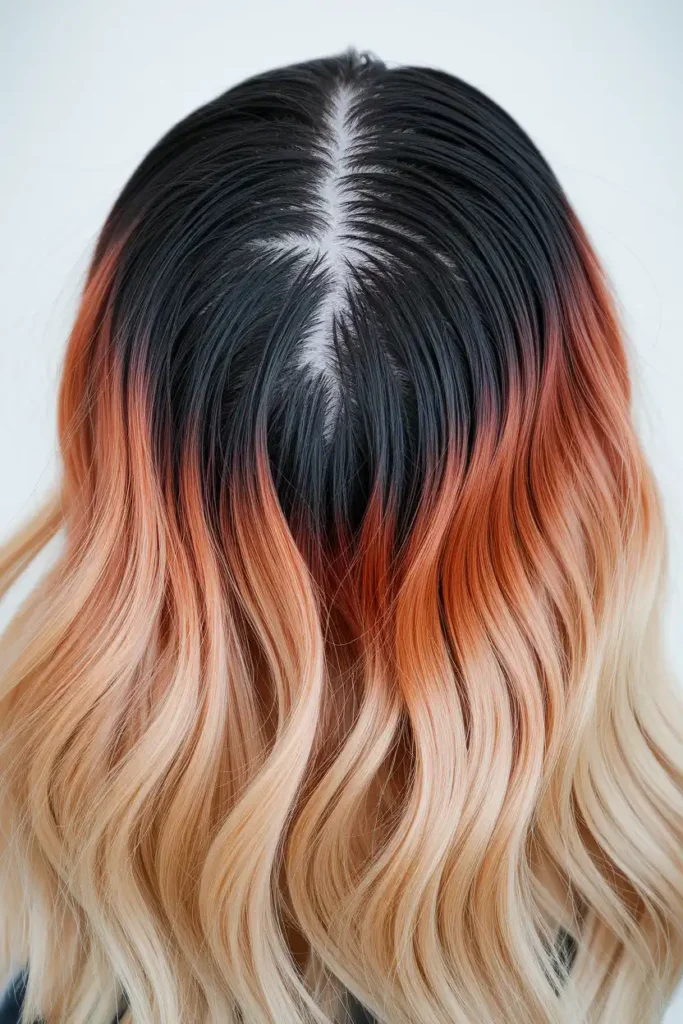
As your calico look grows out, the contrast at your root line will change depending on your natural hair color. If your base matches your natural roots, the regrowth process looks seamless and creates a lived-in, deliberate root shadow. However, if your natural hair is much lighter or darker than your chosen base, you will see a sharp line of demarcation within four to six weeks. This line can disrupt the intentional pattern of the calico style.
A stark root line can make your fresh style look unkempt rather than fashionable. You can solve this problem by asking your stylist for a root smudge or a micro-balayage blend during your initial appointment. This technique softens the transition zone so you can go longer between touch-up appointments without losing the overall aesthetic.
Short Hair vs. Long Hair: Tailoring the Calico Trend
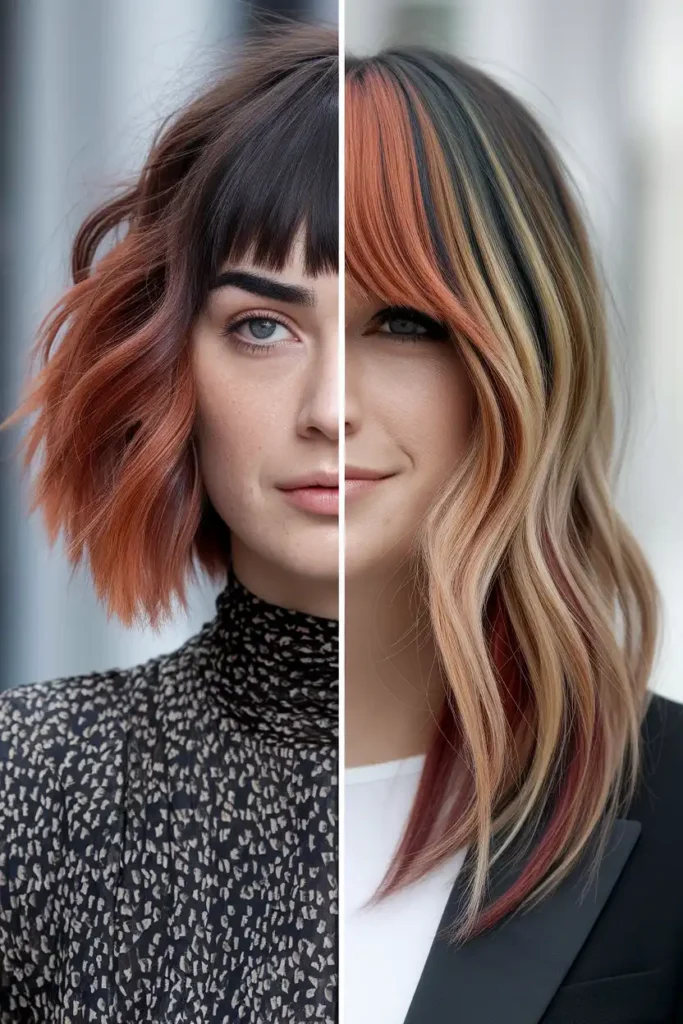
The length of your hair dictates how the three colors should be distributed for the maximum visual impact. Short haircuts, like bobs or pixies, look best with chunky, strategic blocks of color around the face or through the bangs. This placement highlights the lines of the haircut and adds a graphic edge. Long hair allows for a more expansive distribution, where the colors can flow from the mid-lengths to the ends in larger sections.
If you place large blocks of color incorrectly on a short haircut, it can look unbalanced or overwhelming. Avoid this by scaling the size of your color sections to match the scale of your haircut. Work with your stylist to place the brightest blonde pieces where they naturally catch the light when you style your hair.
How to Style Your Multi-Colored Hair to Show Off the Layers
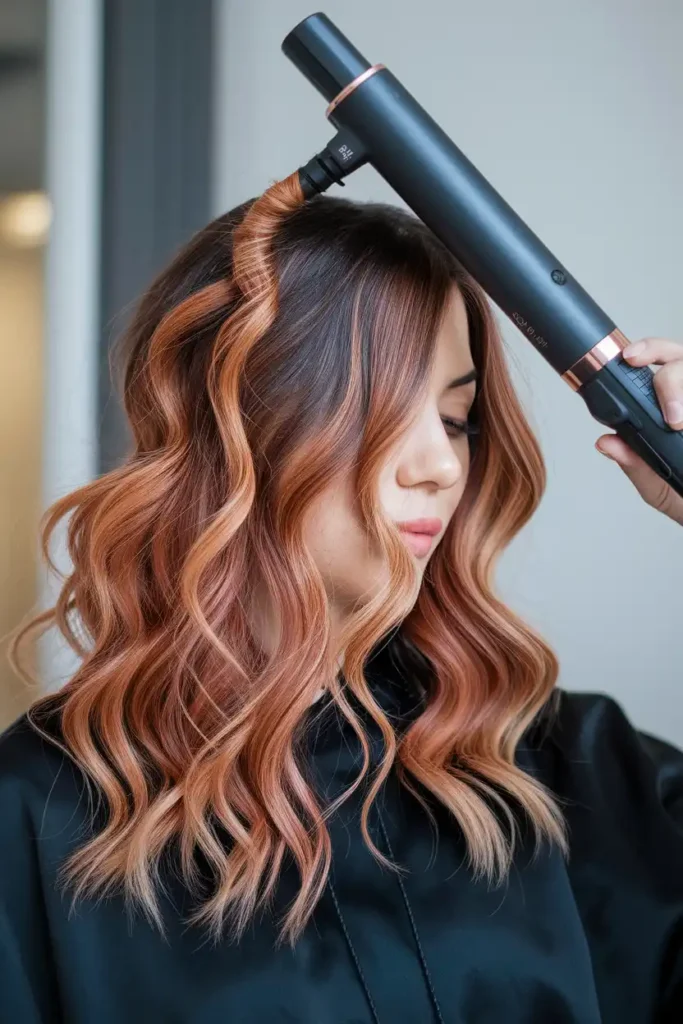
Flat, pin-straight hair shows off the graphic boundaries of calico coloring, but adding texture truly brings the three dimensions to life. To maximize your multi-tonal layout, consider these dynamic styling options:
- Loose Waves: Using a wide-barrel wand forces the different tones to cross over each other, highlighting the contrast between the dark lowlights and bright highlights.
- Dimensional Braids: French or fishtail braids weave the three distinct shades together, creating intricate, ribbon-like patterns.
- Textured Updos: Messy buns or half-up styles expose the hidden panels of color underneath your top layers.
If you style your hair completely flat every day, you might lose the sense of movement that makes this look special. Try using a texturizing spray or a wide-tooth comb after curling your hair to blend the waves naturally. This simple styling step prevents the color blocks from looking too heavy or static around your face. Always apply a generous layer of heat protectant before styling.
The Pros and Cons of Going Calico This Season
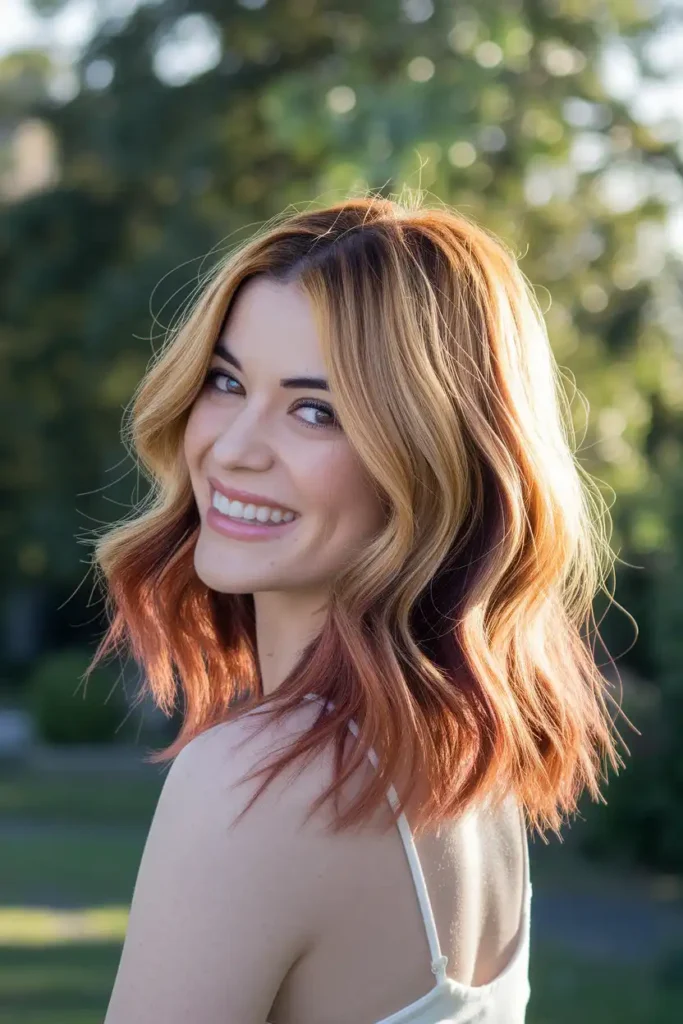
Every major hair trend comes with advantages and disadvantages that you should consider before booking a salon chair. Before committing to this high-contrast look, weigh these factors carefully:
- The Pros: You get a high-fashion, head-turning look that completely sets you apart from standard highlight trends, plus it is highly customizable to your wardrobe.
- The Cons: The process requires multiple chemical formulas if you are starting with a dark base, meaning longer salon sessions and increased maintenance costs.
- The Commitment: Because copper fades fast and blonde requires toning, your product routine will become much more hands-on.
You might feel torn between wanting a bold new look and fearing the upkeep involved. Weigh your options by assessing your morning routine and your monthly beauty budget realistically. If you enjoy visiting the salon and experimenting with different styles, the high-contrast reward is entirely worth the effort. Start with a less permanent option like clip-in pieces if you remain unsure.
Warm vs. Cool Calico Palettes: Finding Your Perfect Match
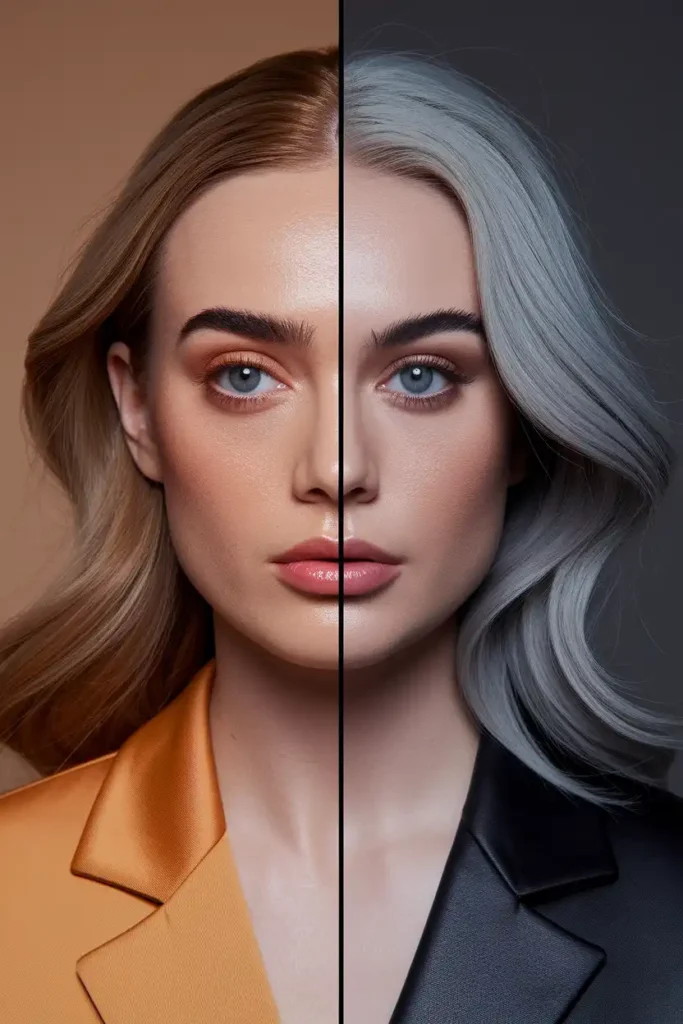
Choosing between a warm or cool color palette makes the difference between a look that flatters you and one that washes you out. Warm calico palettes feature golden blondes, rich coppers, and warm chestnut browns, which look beautiful on warm and olive skin complexions. Cool palettes utilize icy platinum, muted burgundy or plum tones, and true black bases, which complement cool skin tones with pink undertones. Matching the hair temperature to your skin temperature creates a balanced appearance.
Wearing the wrong palette can make your skin look tired or sallow in natural light. You can easily test your undertones at home by looking at the veins on your wrist or holding up gold and silver fabric to your bare face. Once you determine your tone, stick strictly to that category when selecting your three dye shades.
How to Transition from Standard Balayage to Calico Hair

If you currently have a standard blonde balayage, you are already halfway to achieving a calico look. Your stylist can use your existing blonde pieces as the light element of the style, saving you from a full head of fresh bleach. They will simply need to go back into your hair and add the deep lowlights and the vibrant copper sections around your existing color. This transition method minimizes fresh chemical damage and shortens your time in the salon chair.
Attempting to completely change your hair pattern can feel overwhelming if you do not know where to start. Tell your colorist that you want to repurpose your current highlights into a high-contrast three-tone pattern. This approach keeps your hair healthier because you only apply color-depositing dyes to the previously lightened sections rather than bleaching them again.
Dealing with Heat Damage on Multi-Processed Hair
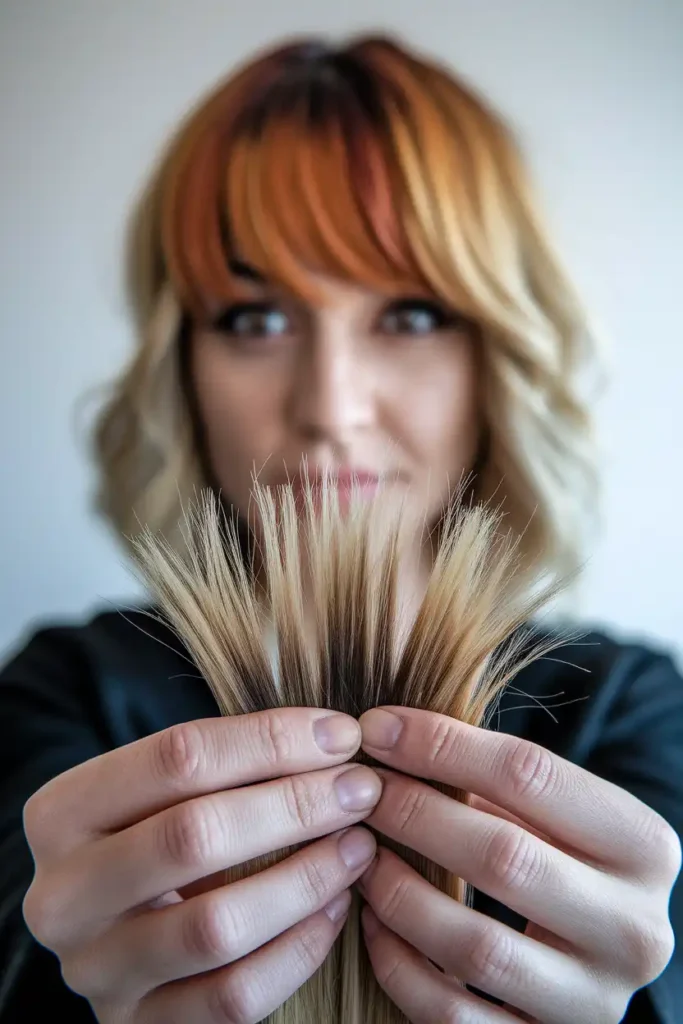
Because calico hair involves multiple processes, darkening some areas while bleaching others, different sections of your hair will have different levels of porosity and strength. The blonde sections will naturally be more fragile and prone to heat damage than the darker base sections. When you use hot tools like straighteners or curling wands, you must adjust your approach to protect these vulnerable lightened strands from snapping or frying.
Using a high heat setting across your entire head can melt the fragile cuticle of your bleached blonde sections. Fix this problem by using a styling wand with adjustable temperature controls, lowering the heat when you work on the blonde pieces. Always apply a generous layer of a professional heat protectant cream throughout your damp strands before blow-drying.
The Best Protective Hairstyles for Sleeping with Calico Hair

Friction from cotton pillowcases can rough up your hair cuticle overnight, leading to frizz, tangles, and accelerated color fading. To protect your multi-toned look while you sleep, switch to a silk or satin pillowcase immediately. You should also preserve the hair texture by putting your strands into a loose top knot secured with a silk scrunchie or wrapping it in a silk bonnet. This practice keeps the different color sections smooth and prevents mechanical breakage.
Waking up with tangled, frizzy hair forces you to use more heat styling tools in the morning, which ruins your color faster. Prevent this destructive cycle by adopting a nightly protective routine before your head hits the bed. A simple loose braid or bun keeps your strands contained and smooths the hair cuticle overnight.
Salon Care vs. At-Home Glosses: Keeping the Red and Blonde Vibrant
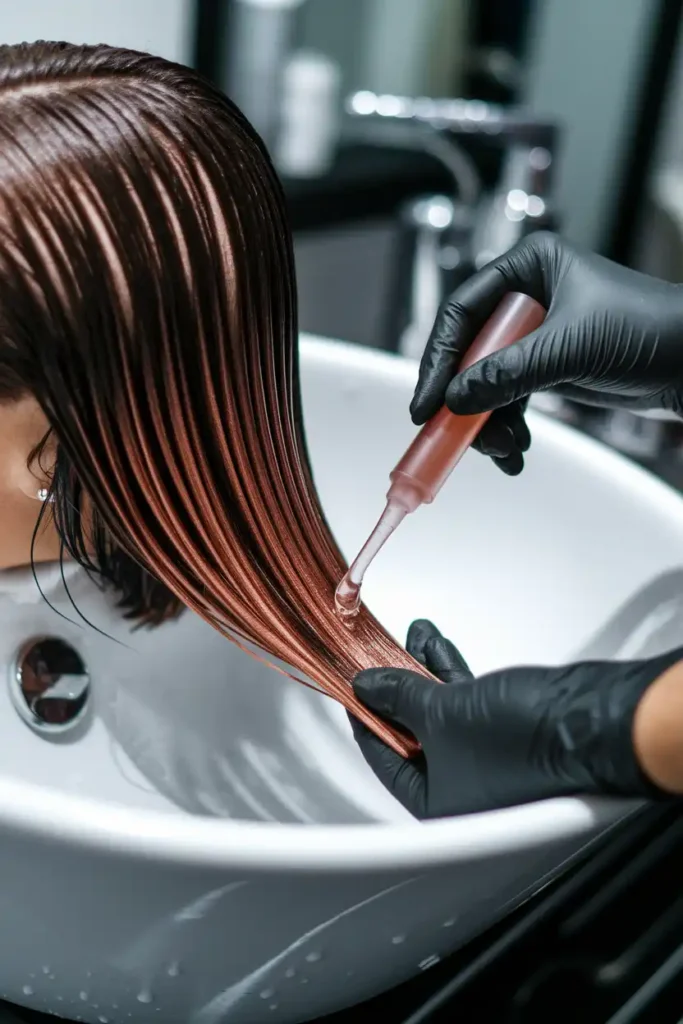
Both copper and blonde tones require frequent refreshing to keep from looking dull, but you can balance professional salon visits with at-home gloss treatments. Managing these needs requires a split approach to your calendar:
- In-Salon Care: Schedule a professional gloss every six weeks to coat the hair with a high-shine seal, balance your hair pH, and deeply refresh the dark lowlights.
- At-Home Maintenance: Use a tinted glossing cream or color-depositing conditioner once a week to directly restore lost pigment to the copper and blonde sections.
- Targeted Toning: Apply a purple mask strictly to the blonde panels to eliminate brassiness without dulling your copper zones.
Neglecting your color between major salon appointments will leave your hair looking washed out within a month. You can maintain the original vivid contrast by applying a clear or tinted gloss at home every three weeks. This simple step keeps the hair looking shiny and deepens the dark lowlights without requiring a full chemical redye.
Final Inspiration: Real-Life Calico Hair Lookbooks to Try

Seeing how real people wear this trend can give you the confidence to try it yourself. The calico style adapts to your wardrobe, whether you prefer a minimalist neutral look or a bold streetwear aesthetic. The contrast of the hair acts as an accessory itself, adding an automatic point of interest to simple outfits like a white t-shirt and jeans. Look for real-world styling examples that match your daily clothing choices to see how the hair fits your lifestyle.
It is easy to get overwhelmed by perfect salon photos that do not reflect everyday wear. Look for candid pictures of the trend in natural light to get an accurate idea of how the colors look day to day. Save your favorite images to a dedicated style board so you can share them with your stylist at your next appointment.
Final thoughts:
Stepping into a high-contrast style requires clear communication with your colorist and a commitment to targeted hair care. By selecting the correct warm or cool palette for your skin tone and mastering the art of cold-water rinses, you can easily maintain crisp boundaries between your three distinct shades. Bring your favorite lookbook images to your consultation and establish a manageable touch-up schedule right from the start. Take the first step by testing the colors with temporary clip-in extensions to preview your striking new transformation today.