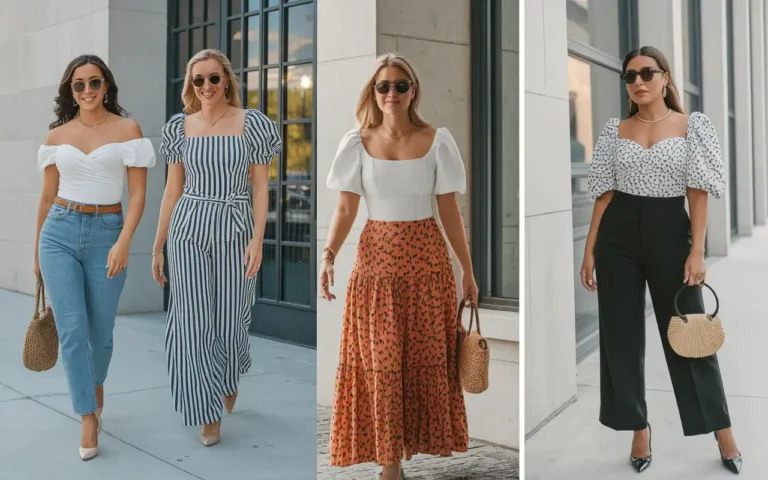
23 Summer to Fall Transition Outfits That Save You Money
Switching your wardrobe for cooler weather does not mean spending money you do not have. These 23 summer to fall transition outfits are built almost entirely from pieces you already own, a denim jacket, a long dress, a pair of sneakers. Instead of chasing new trends, you will learn how to layer, restyle, and rotate what is already hanging in your closet so it works for warm afternoons and cool mornings alike. From long dresses to market day looks, every outfit here solves a real styling problem without costing you a dime.
1. Why Your Closet Already Has Everything You Need
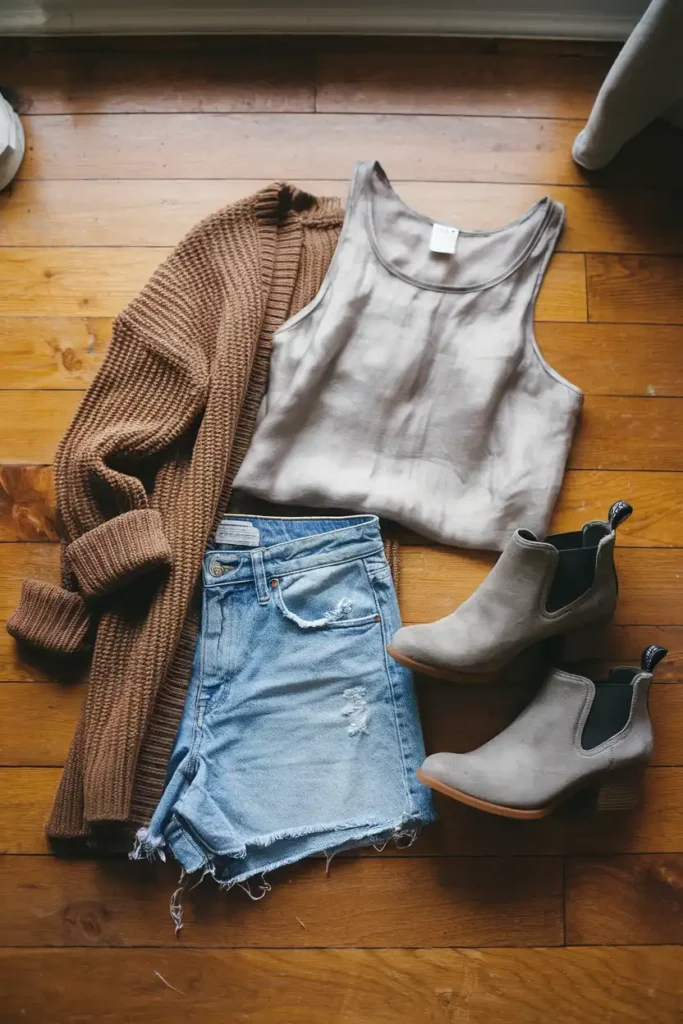
You do not need a new wardrobe to move through the seasons. Most closets already hold everything required to build solid summer to fall transition outfits, you just have not paired the pieces the right way yet. That tank top you wore every day in July can sit under a thin cardigan in September and instantly read as fall.
Start by pulling every piece that works in both warm and cool weather and laying it out on your bed. You will notice patterns fast, like how many neutral tops or straight leg jeans you already own. Pick three tops, two bottoms, and one jacket, then mix them until you count at least eight outfits. This exercise alone saves you from an unnecessary shopping trip.
2. Layering Without Buying a Single New Piece
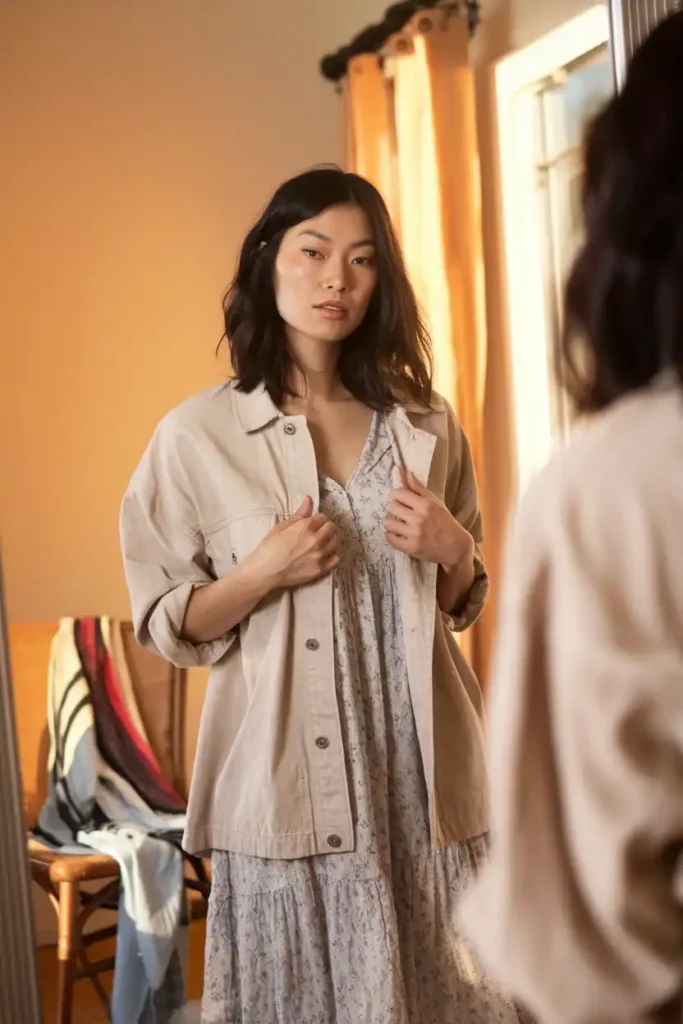
Layering gets treated like a skill you need to learn from scratch, but it really comes down to temperature math. A sundress plus a denim jacket plus ankle socks and sneakers covers a fifteen degree swing in weather without adding a single new item to your closet.
The trick is choosing layers that can come off easily during a warm afternoon and go back on once the sun drops. Think of your outfit in three parts, a base layer, a warmth layer, and a shoe choice. Keep a lightweight cardigan or flannel in your bag during early fall so you are never stuck sweating or shivering. This one habit makes summer to fall transition outfits feel effortless instead of like a puzzle every morning.
3. Long Dress Fall Outfit Ideas That Do Double Duty
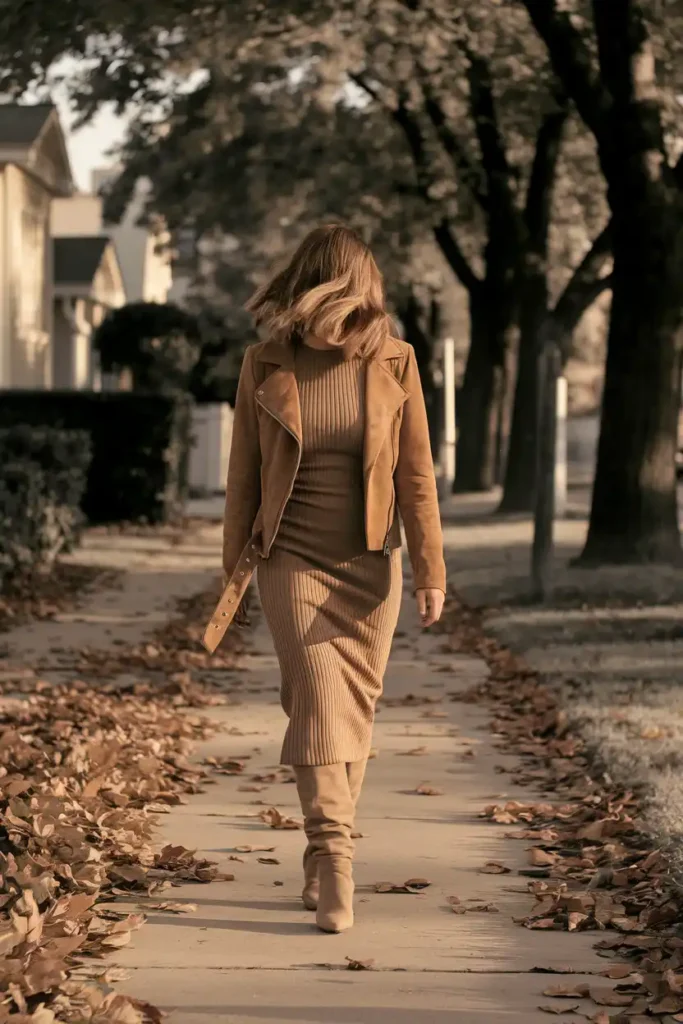
A long dress feels like a summer only piece until you learn how to work it into cooler months. The fabric and cut you already own can carry you well into fall with the right additions on top and on your feet.
Swap your sandals for knee high boots and add a structured jacket, and suddenly a long dress fall outfit looks intentional for the season instead of out of place. Choose dresses in deeper solid colors or small prints, since these transition better than bright summer patterns. Add a thin belt at the waist to break up the silhouette and keep the look from feeling shapeless once you add bulkier layers. This is one of the easiest wins in your fall rotation.
4. Maxi Dress Fall Outfit Casual Styling for Warmer Days
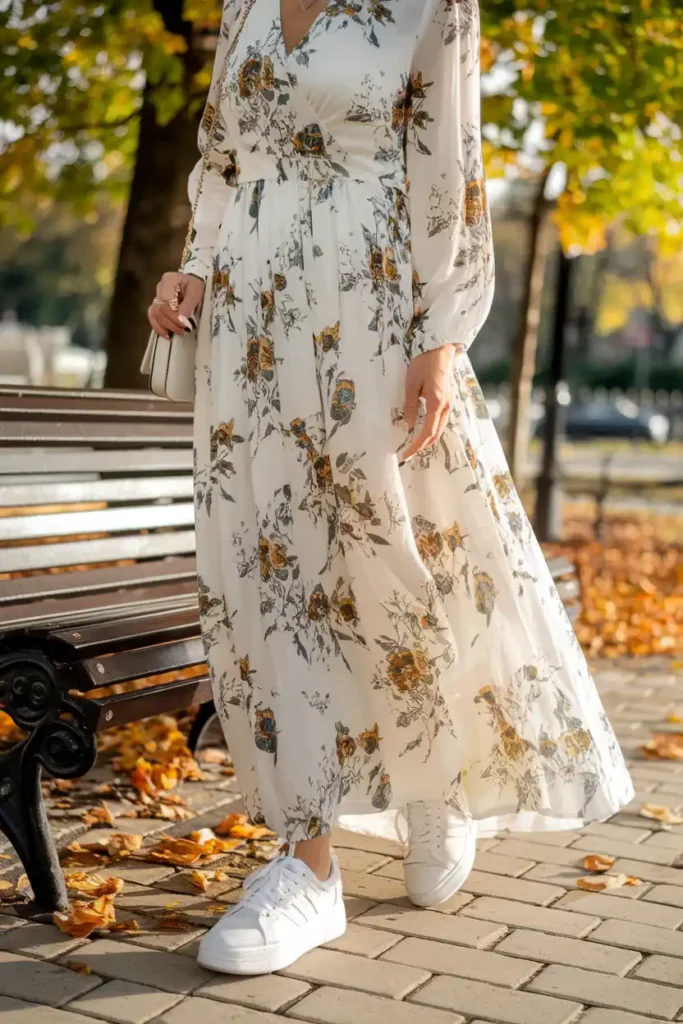
Not every fall day arrives cold, and your maxi dresses do not need to go into storage the moment September starts. On warmer afternoons, a maxi dress fall outfit casual look works with sneakers and a light jacket tied at the waist for later.
Choose maxi dresses with sleeves or a slight bit of structure so they read less like summer beachwear and more like a transitional piece. Pair with a straw bag early in the season, then switch to a woven or leather crossbody once temperatures drop further. Keep accessories minimal so the dress stays the focus. This approach stretches the life of pieces you already paid for.
5. Building a September Outfit That Actually Matches the Weather
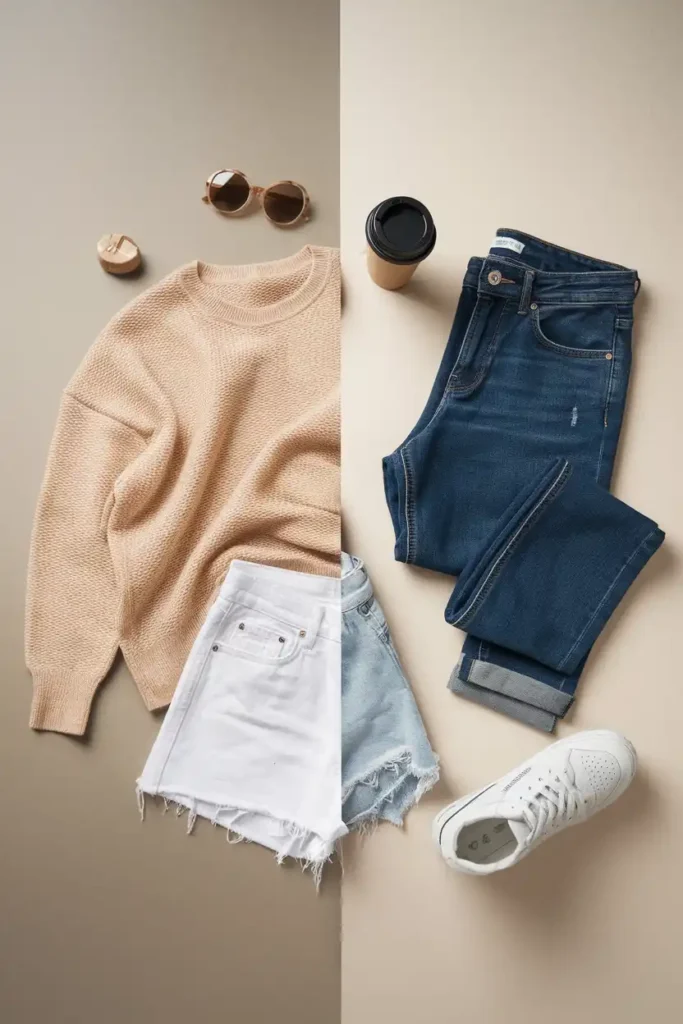
September confuses a lot of closets because mornings feel like fall and afternoons still feel like summer. A smart september outfit plan accounts for both without forcing you to change clothes twice a day.
Choose one anchor piece, like a lightweight sweater, that works over shorts in the morning chill and gets tucked into jeans by evening. Keep a pair of sunglasses and a light scarf in your bag so you can adjust on the go. This kind of flexible dressing removes the guesswork every single morning. If you only make one change this month, build two or three outfits around this exact formula and repeat them through the week.
6. Sunny Fall Outfits for Days That Do Not Feel Like Fall
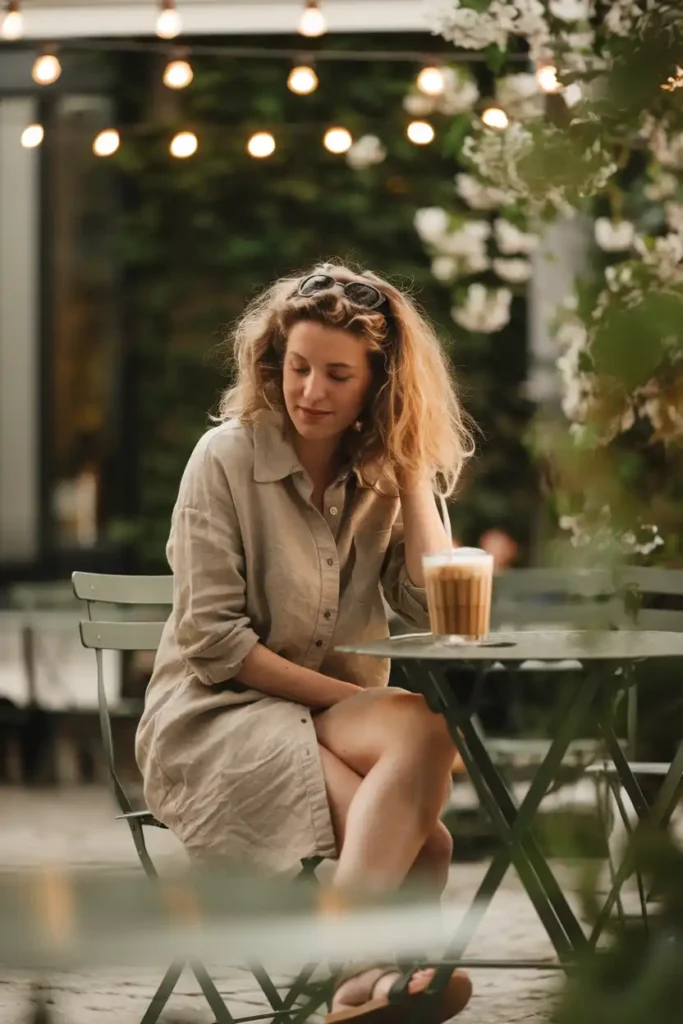
Some regions hold onto summer heat well into October, and forcing yourself into boots and sweaters before the weather cooperates only leaves you sweating through the day. Sunny fall outfits let you honor the season on the calendar without ignoring the thermometer.
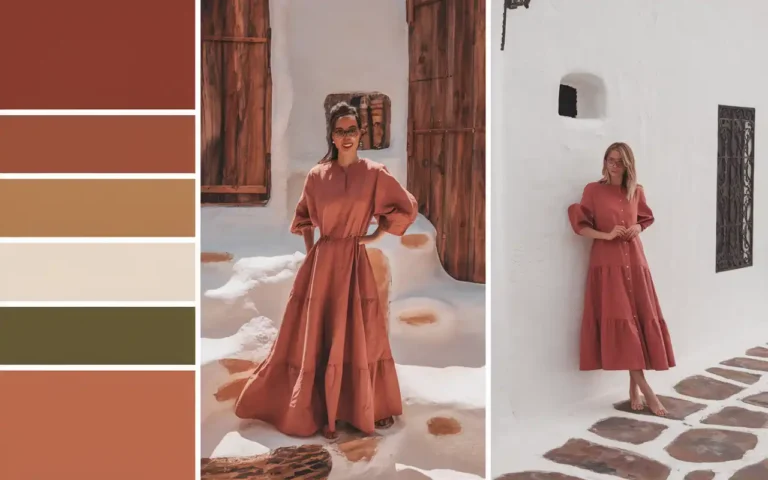
Reach for linen and cotton pieces in deeper fall tones like rust, olive, or chocolate brown instead of bright summer colors. This small color shift signals the season even when the fabric weight stays light. Sandals are still fair game here, just choose a pair in a richer leather tone rather than a beachy strap sandal. Dress for the actual weather outside your window, not the date on the calendar.
7. Comfy Street Style for Everyday Errands
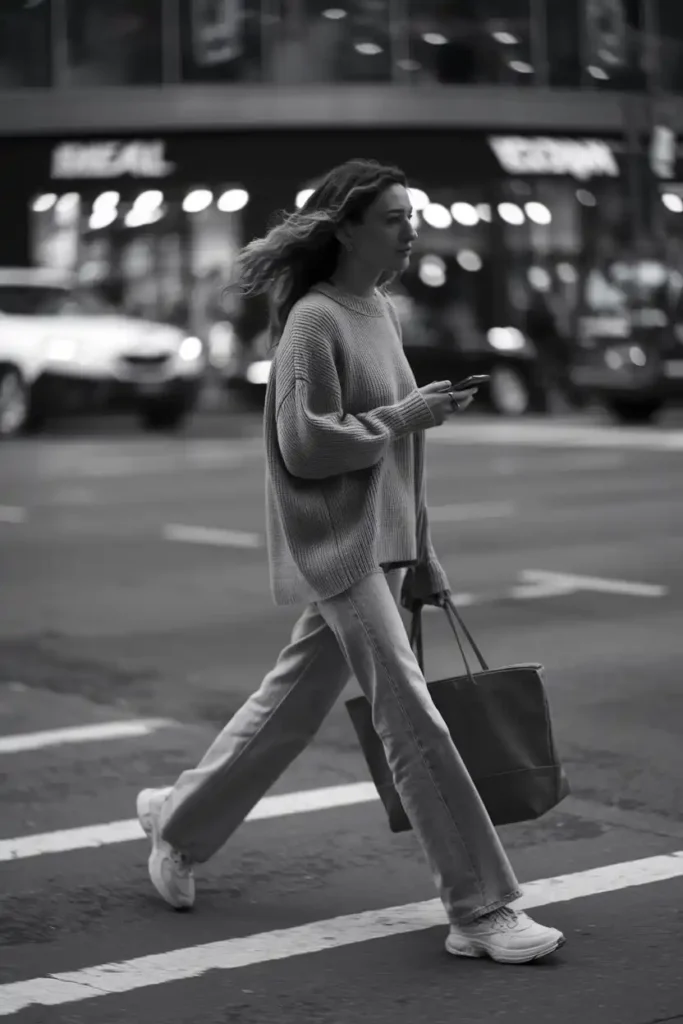
Not every outfit needs to be photo ready. Comfy street style covers the days you are running errands, grabbing coffee, or picking up kids, and it deserves just as much thought as your dressier looks.
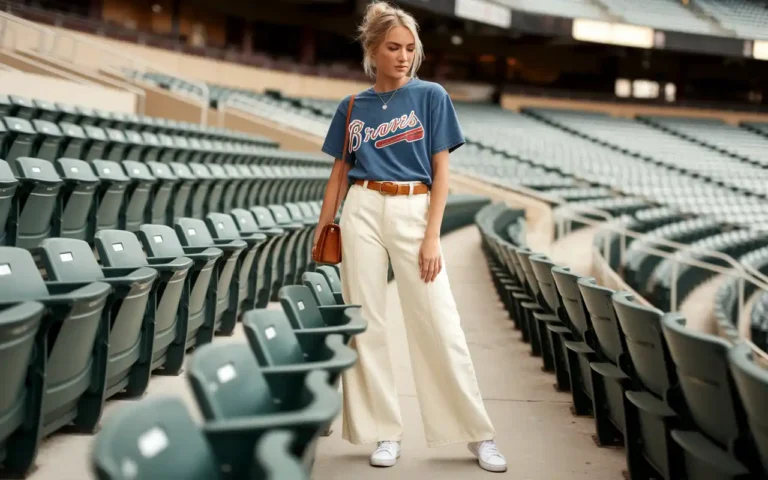
Build this look around one oversized piece, like a sweater or jacket, paired with a fitted bottom so the proportions stay balanced. Sneakers keep the whole outfit functional without sacrificing style. Add one small detail, like a crossbody bag or a baseball cap, to keep it from looking thrown together. This formula works on repeat because it takes almost no thinking once you have it memorized.
8. The Minimalist Look That Simplifies Your Mornings
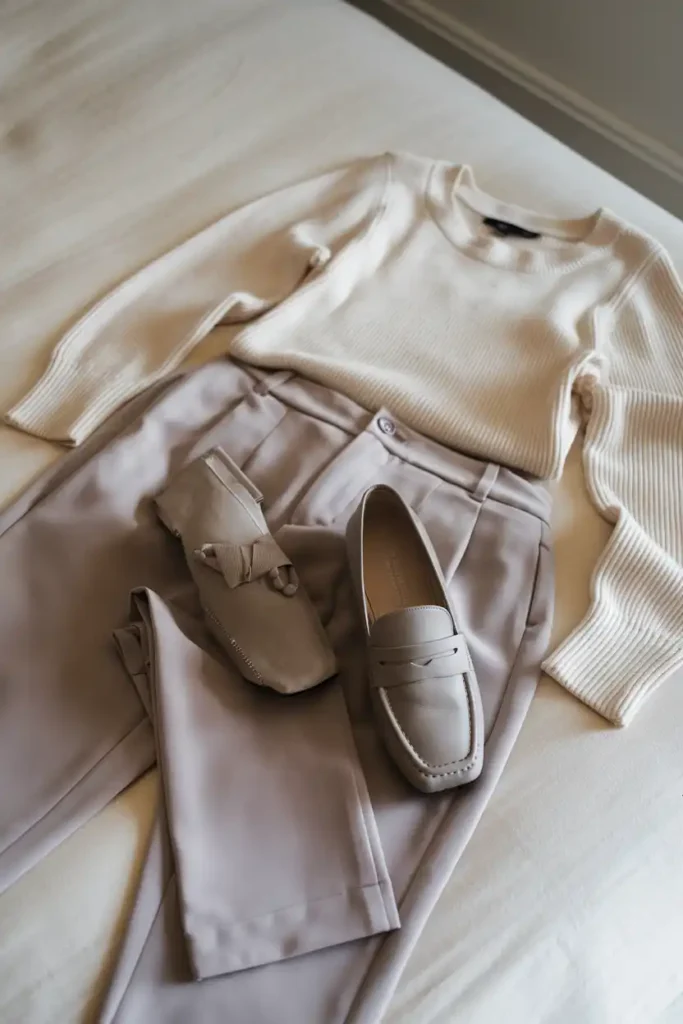
A minimalist look removes decision fatigue from your closet. When every piece works with every other piece, getting dressed for fall stops feeling like a daily negotiation.
Stick to three or four core colors, like cream, camel, black, and olive, and build every outfit from that palette. Choose simple silhouettes over trendy cuts so the pieces stay useful for years instead of one season. A single statement earring or belt is enough to keep the look from feeling flat. Once your base wardrobe follows this rule, you will find yourself reaching for the same reliable outfits without overthinking them.
9. Western Styles for a Fall Look With Personality
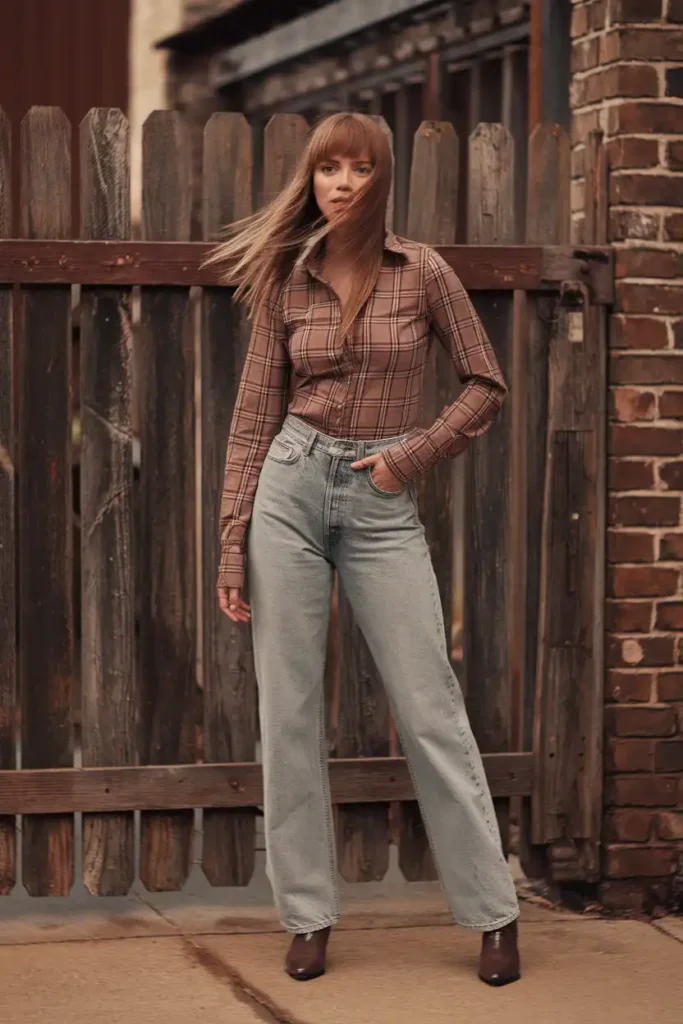
Western styles have moved from a niche trend to a fall staple, and the pieces work harder than most people expect. A pointed boot or a suede jacket adds instant personality to an otherwise plain outfit.
Start small if this style feels new to you. One pair of boots paired with jeans and a plain top is enough to test the look before committing further. Add a leather belt with a simple buckle for extra detail without going overboard. Keep the rest of the outfit understated so the western pieces stand out instead of competing with busy patterns elsewhere.
10. Fall Transition Outfits That Flatter a Curvier Figure
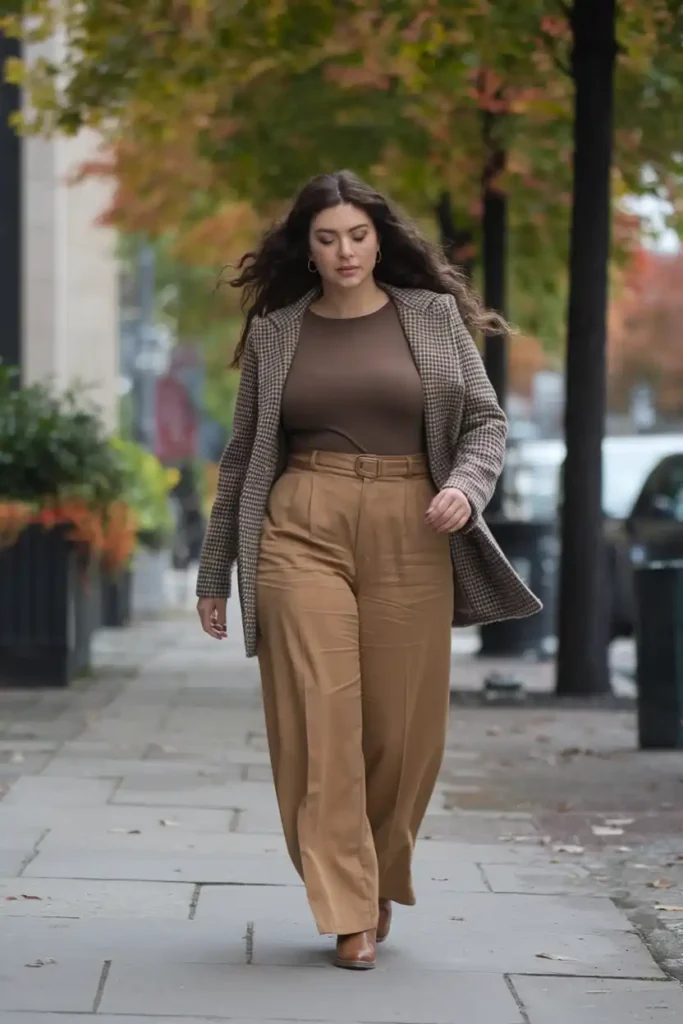
Outfit styling for big butts often gets reduced to a handful of tired rules, but the real key is proportion and fit rather than avoiding certain pieces altogether. A well fitted waistband changes how an entire outfit falls.
High waisted trousers or jeans with a bit of stretch smooth the transition between top and bottom without adding bulk. Pair with a top that is fitted through the shoulders but not clingy at the hip, and let a structured jacket add shape on top. Avoid anything too stiff through the seat, since fabric with a little give moves with your body instead of pulling. These small fit adjustments make a bigger difference than trend chasing ever will.
11. Ruffle Details That Add Softness Without Trying Too Hard
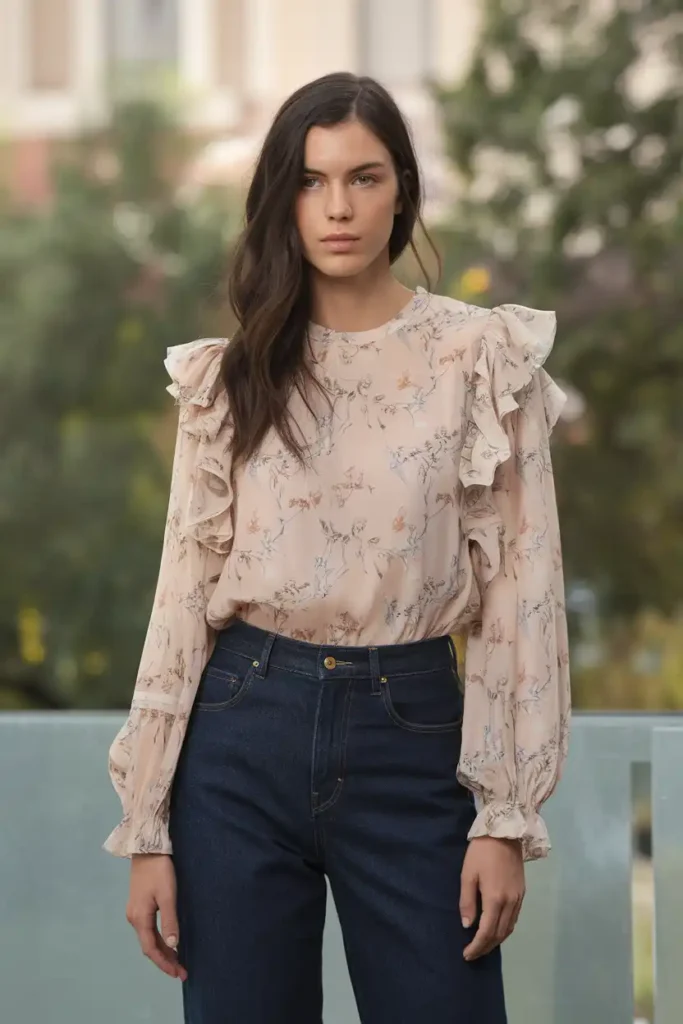
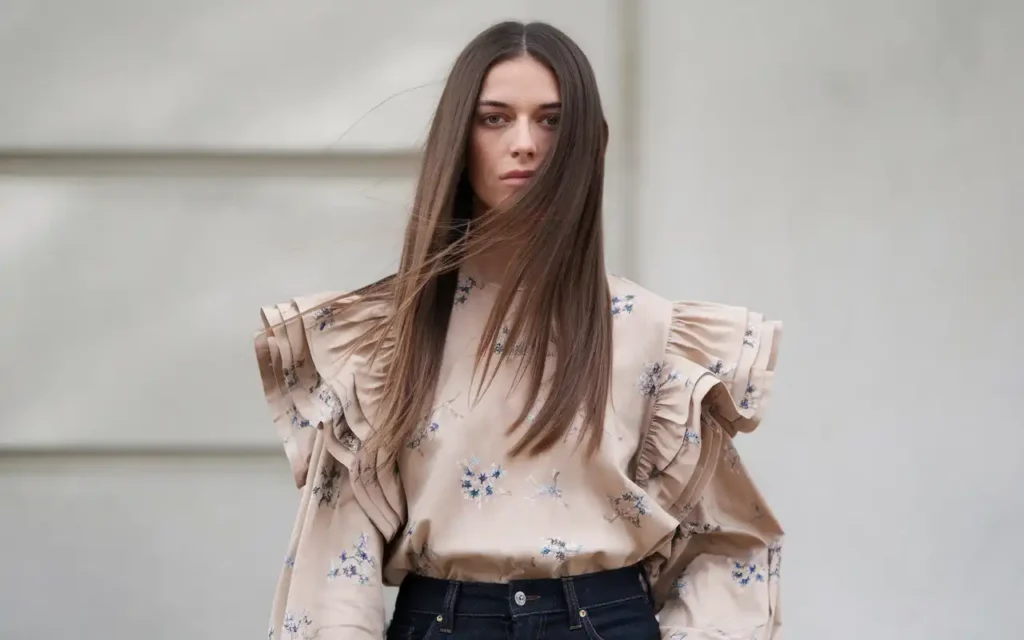
A little ruffle goes further than people expect. One detail, like a ruffled sleeve or hem, adds softness to an outfit without requiring you to commit to a full romantic aesthetic you might not usually wear.
Keep the ruffle to one area of the outfit, either the top or the bottom, never both at once. Pair it with something structured, like straight jeans or a blazer, so the look stays balanced instead of overly sweet. This detail works especially well transitioning summer blouses into fall by adding a jacket or cardigan over top. It is a small styling choice that photographs beautifully and feels fresh without much effort.
12. Trendy Modest Fall Outfits That Still Feel Current
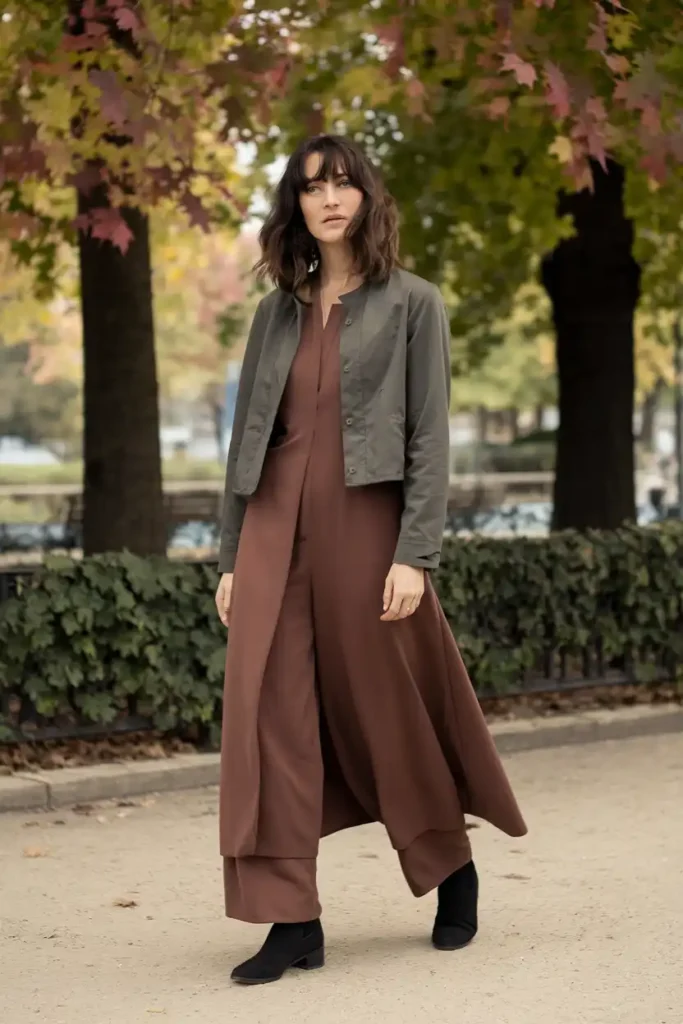
Modest dressing does not mean sacrificing style, and fall makes this easier than any other season. Trendy modest fall outfits lean naturally into longer hemlines, higher necklines, and layered pieces that already suit the weather.
Look for maxi skirts, long sleeve tops, and oversized blazers as your building blocks. Layer a long cardigan over a fitted turtleneck for warmth and coverage without bulk. Choose one current trend, like a wide leg trouser or a structured tote, to keep the outfit feeling current rather than dated. Modesty and style are not opposites, and fall’s natural layering makes the balance simple to achieve.
13. Fall Dress Outfit Europe Style for Travel or Everyday
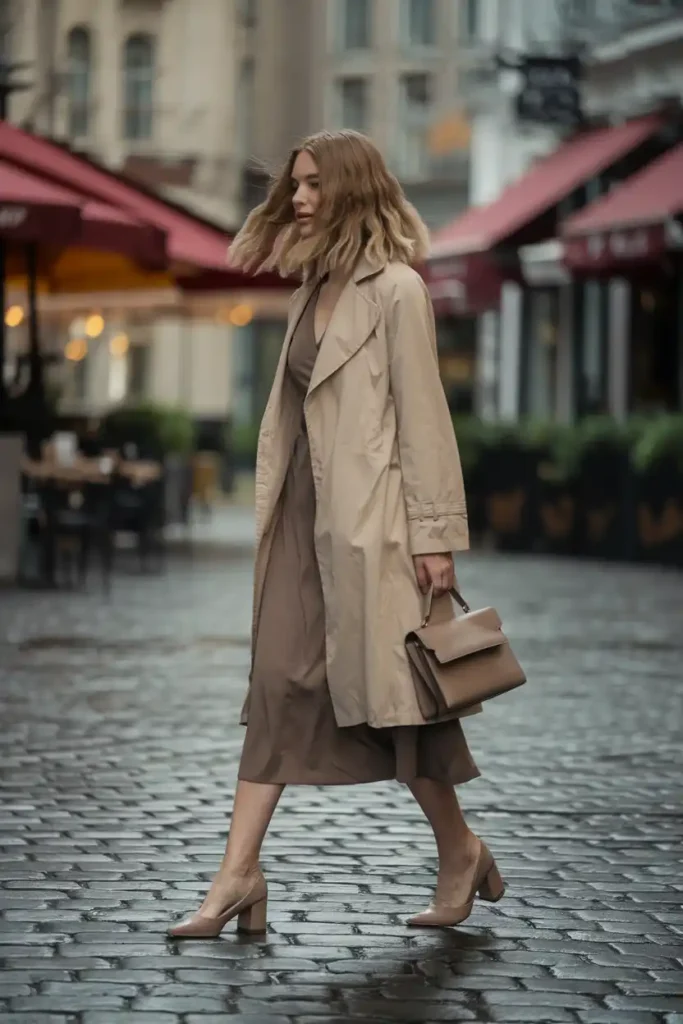
European street style photos flood Pinterest boards every September for a reason, the outfits look put together without appearing overdone. A fall dress outfit Europe look relies on quality basics rather than trendy statement pieces.
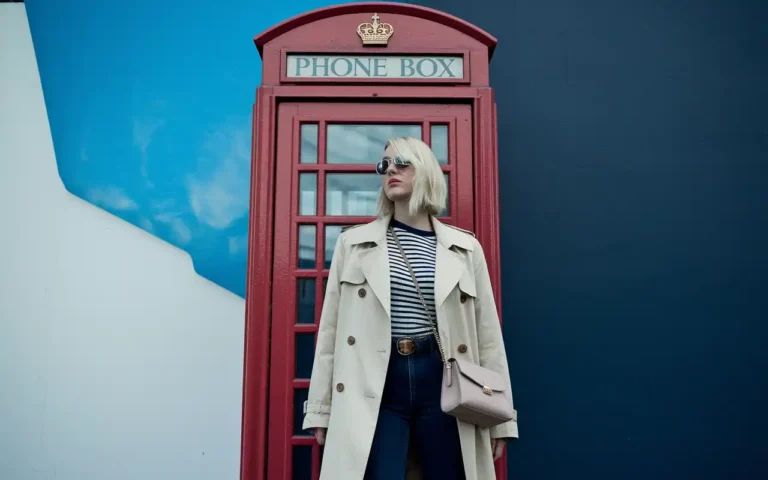
A trench coat, a midi dress, and low heels or loafers form the entire foundation. Choose muted colors like camel, navy, or charcoal, since these read as elevated without effort. Add a structured bag instead of a casual tote to pull the whole look together. Whether you are traveling or just running weekend errands, this formula gives you a polished outfit in under five minutes of thinking.
14. Casual Fall Outfits Europe Locals Actually Wear
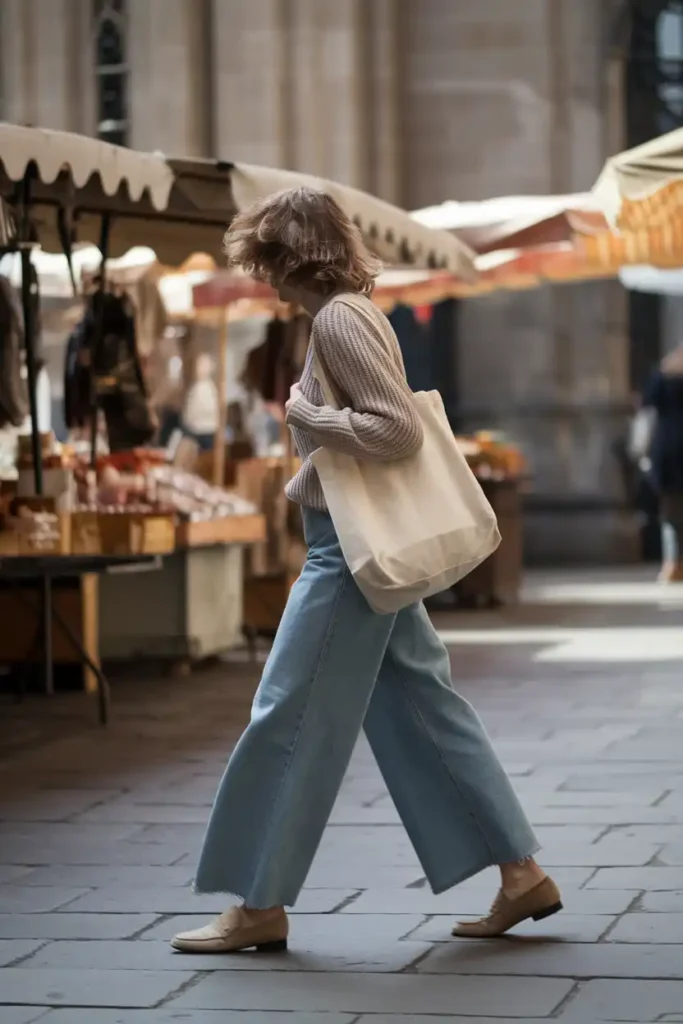
Not every European inspired outfit needs a trench coat and heels. Casual fall outfits Europe locals wear day to day rely on comfortable, well fitted basics rather than anything fussy or overly styled.
Wide leg jeans, a fitted knit sweater, and loafers or sneakers make up the core. Add a scarf tied simply around the neck for warmth and a small detail of interest. Keep jewelry minimal, just a single pair of earrings or a thin necklace. This kind of dressing photographs well because it looks natural, not performed, and it works whether you are abroad or just want that same effortless feel at home.
15. Market Outfit Fall Looks for Weekend Errands
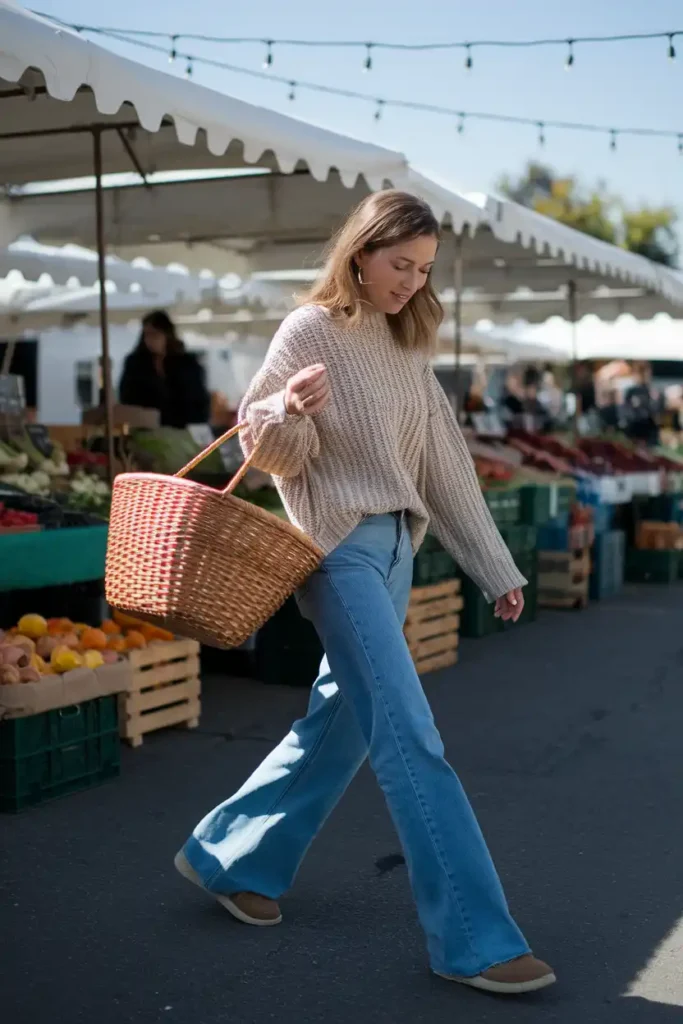
Weekend market trips call for an outfit that handles walking, carrying bags, and unpredictable weather all at once. A good market outfit fall look prioritizes comfort first, then style second.
Choose slip on shoes or sneakers over anything with laces or straps that dig in after an hour of walking. A chunky sweater layered over a plain tee keeps you warm without overheating once the sun comes out. Bring a canvas tote or basket bag that can hold your purchases without straining your shoulder. This outfit works because it solves a real problem, comfort during a long outing, rather than chasing a look for its own sake.
16. November Styling for the Coldest Stretch of Fall
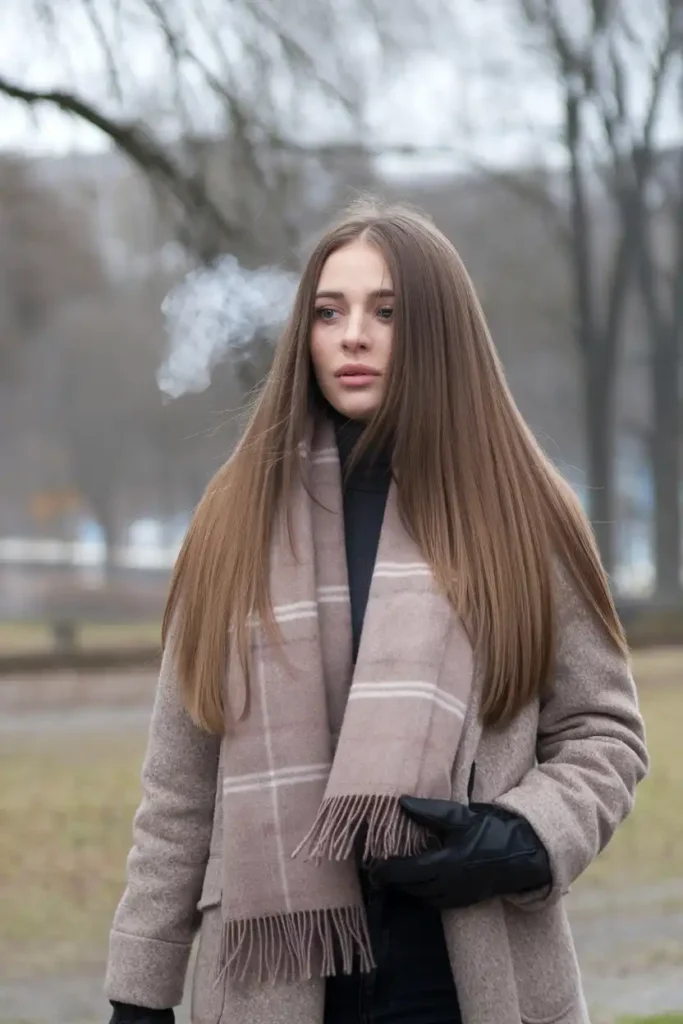
By the time november styling rolls around, the transition period is mostly over and true cold weather dressing takes over. Layers become less optional and more necessary for actually staying warm through the day.
Build from the inside out, starting with a thermal or turtleneck base, then a sweater, then a wool coat as the outer layer. Dark denim or wool trousers hold up better against wind than lighter fabrics. Add a scarf and gloves as functional pieces, not just decoration, since exposed hands and necks lose heat fastest. This is the point in the season where warmth has to come before style, though the two are not mutually exclusive with the right pieces.
17. Turning One Denim Jacket Into Five Outfits
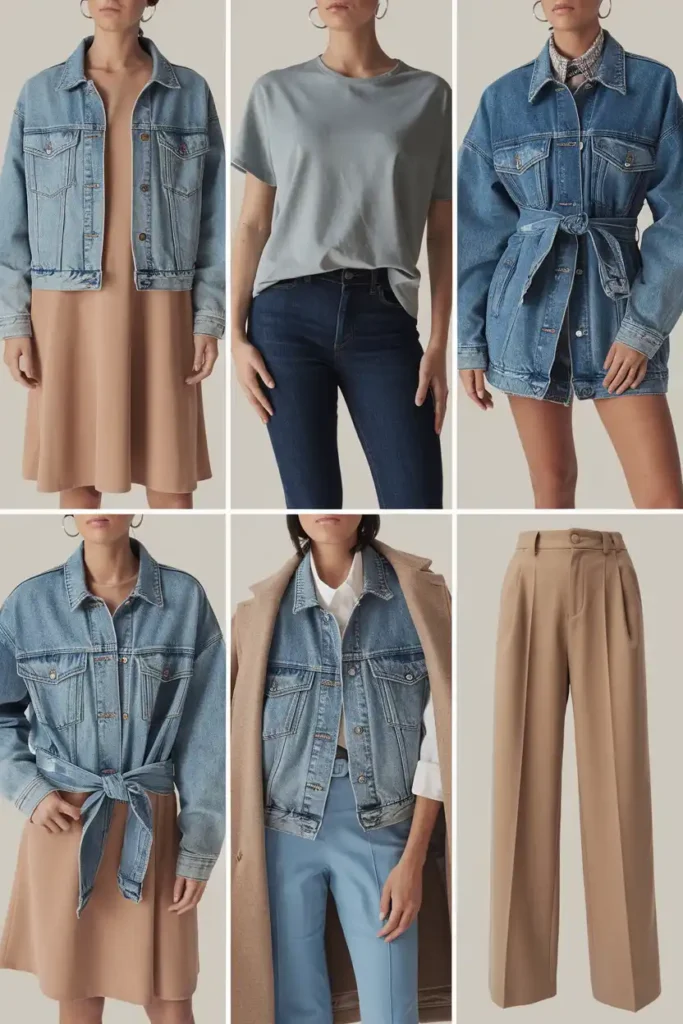
A denim jacket might be the hardest working piece in your closet during the shift from warm to cool weather. It looks equally at home over a summer dress or under a heavier coat once temperatures drop further.
Try it over a slip dress with sneakers for an early fall look, then switch to layering it under a wool coat for extra warmth in late October. Tied around your waist, it doubles as a styling detail even when you are not wearing it. This single piece proves you do not need a packed closet to build a full week of outfits, you just need pieces that flex across temperatures.
18. Scarves as the Easiest Fall Upgrade

A scarf solves two problems at once, it adds warmth on cooler mornings and instantly elevates a plain outfit without any real effort. This makes it one of the most useful accessories for the season.
Keep a lightweight scarf in your bag for unpredictable afternoons, and a thicker knit version at home for genuinely cold days. Try different knots, a simple loop, a loose drape, or a small neckerchief style, to change the entire feel of one outfit. Neutral or plaid patterns pair with almost everything you already own. This is the single cheapest way to make an old outfit feel new again.
19. Shoe Rotation From Sandals to Boots
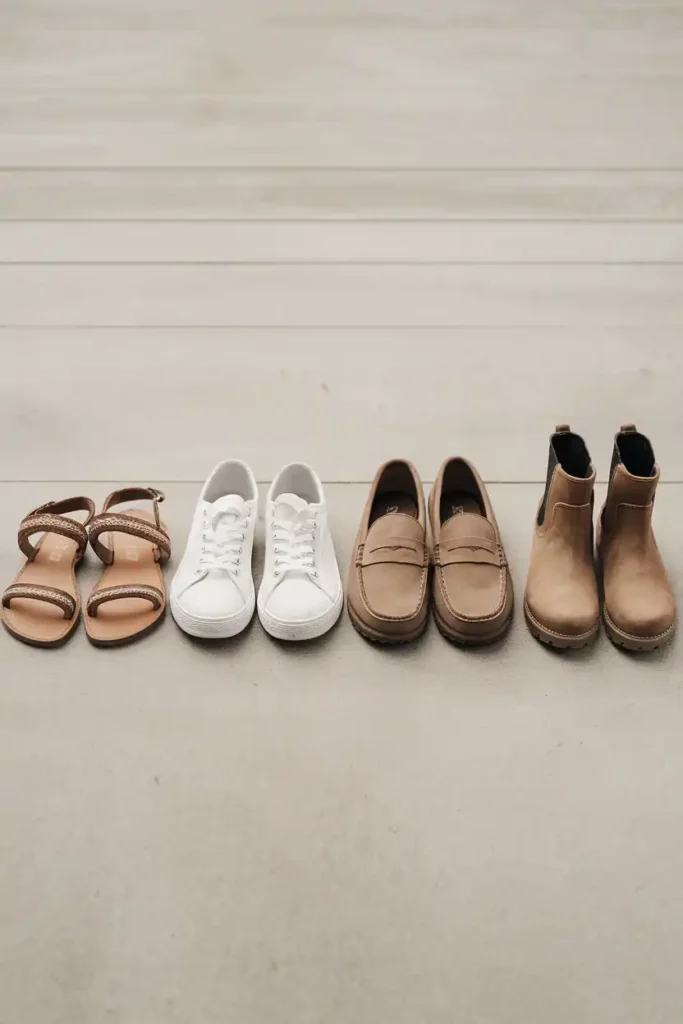
Your shoe rotation tells the real story of a shifting season, often more than anything else you are wearing. Moving strategically from sandals to boots stretches your existing outfits further into fall.
Keep sandals in rotation on warm afternoons, then shift to sneakers as your everyday default once mornings turn cool. Loafers work well for anything slightly dressier without committing to full boots. Save boots for the days that actually call for them, since overusing them early in the season limits how special they feel later. This staggered approach means you get more wear out of every pair you own.
20. A Neutral Color Palette That Never Feels Boring
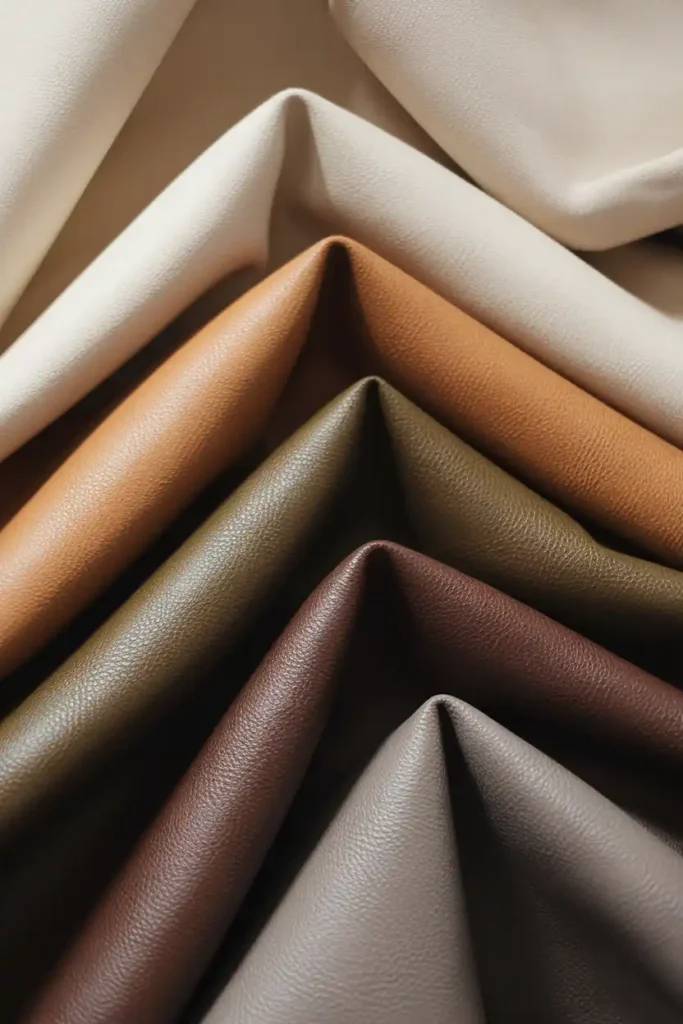
Neutral does not have to mean boring, and building your fall wardrobe around a tight color palette actually makes getting dressed easier, not harder. Every piece works with every other piece by default.
Choose five core colors, cream, camel, olive, chocolate, and charcoal, and shop or style exclusively within that range for the season. Texture becomes your main tool for adding interest once color is simplified, so mix knits, suede, and denim within the same outfit. A single pop of color, like a burgundy scarf, stands out more against a neutral base than it would in a busy outfit. This approach saves money because everything you already own likely fits somewhere in the palette.
21. Thrifting Your Way Into a Fall Wardrobe
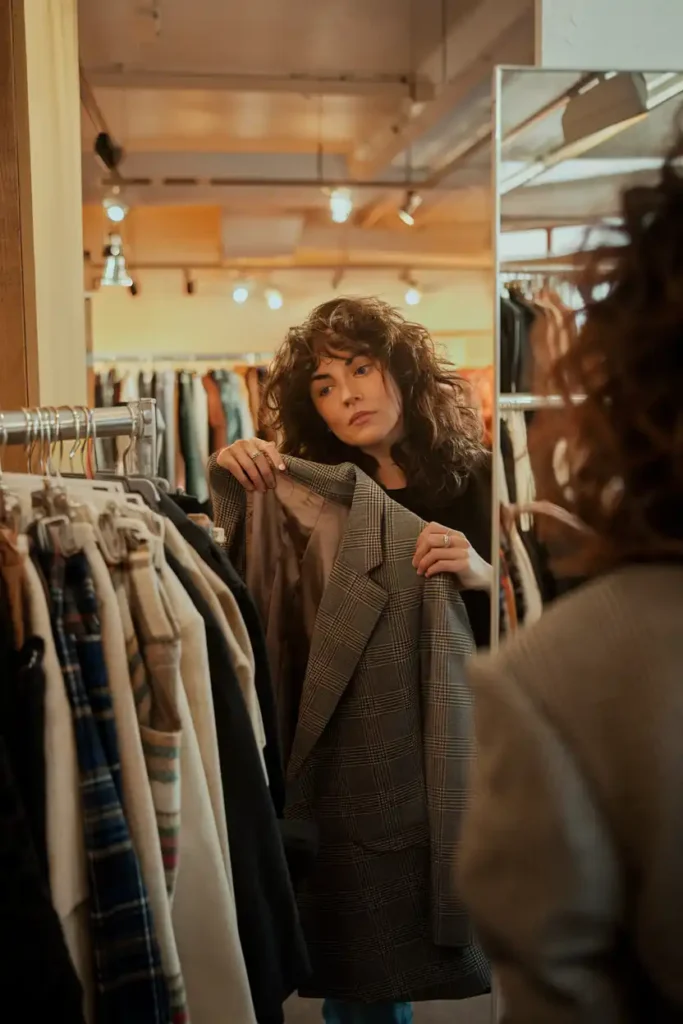
You do not need new pieces to round out your fall closet, and secondhand shopping often turns up better quality basics than fast fashion versions of the same item. A wool blazer or leather bag from a thrift store frequently outlasts anything bought new at the same price.
Focus your search on classic pieces first, blazers, denim, and leather goods hold up best over time and rarely go out of style. Check seams and fabric composition before buying, since natural fibers like wool and cotton tend to wear better long term. Set a small budget before you go so you are not tempted to overbuy just because prices are low. This is one of the most practical ways to build a fall wardrobe without spending much at all.
22. Accessorizing Old Pieces to Make Them Feel New
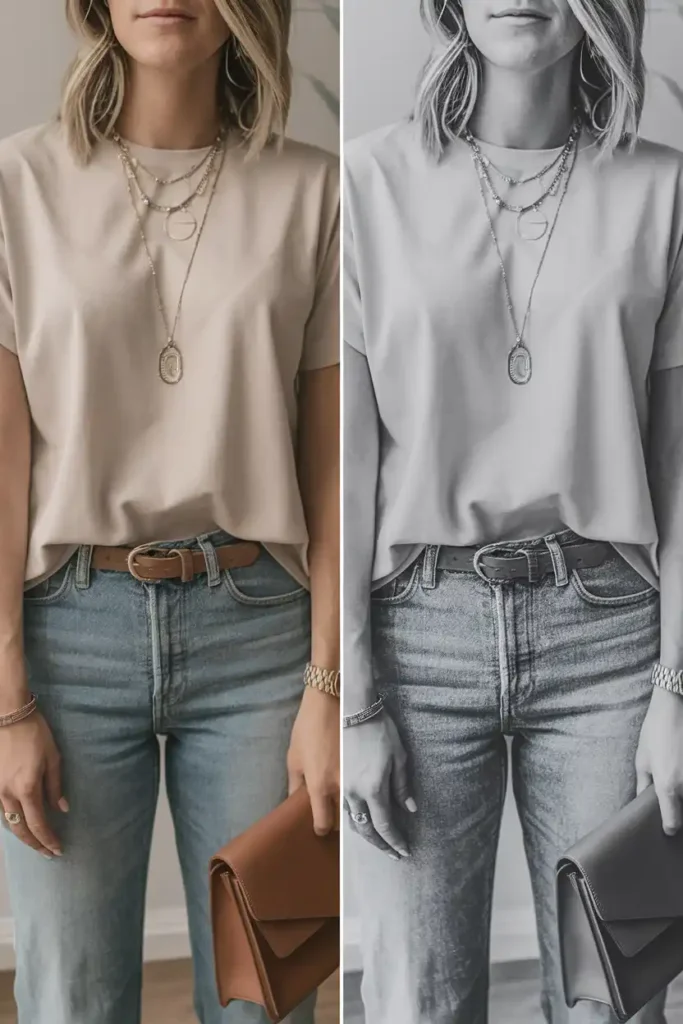
The fastest way to refresh a tired outfit costs nothing if you already own the accessories. A belt, a layered necklace, or a structured bag changes the entire read of a basic top and jeans combination.
Cinch a belt over an oversized sweater to add shape where the fabric would otherwise hang flat. Layer two necklaces of different lengths instead of wearing one, since the height variation adds visual interest without much cost. Swap a casual tote for a structured bag when you want the same outfit to feel more put together for an evening plan. These small additions do more work than buying an entirely new piece ever could.
23. Putting It All Together for a Full Fall Rotation
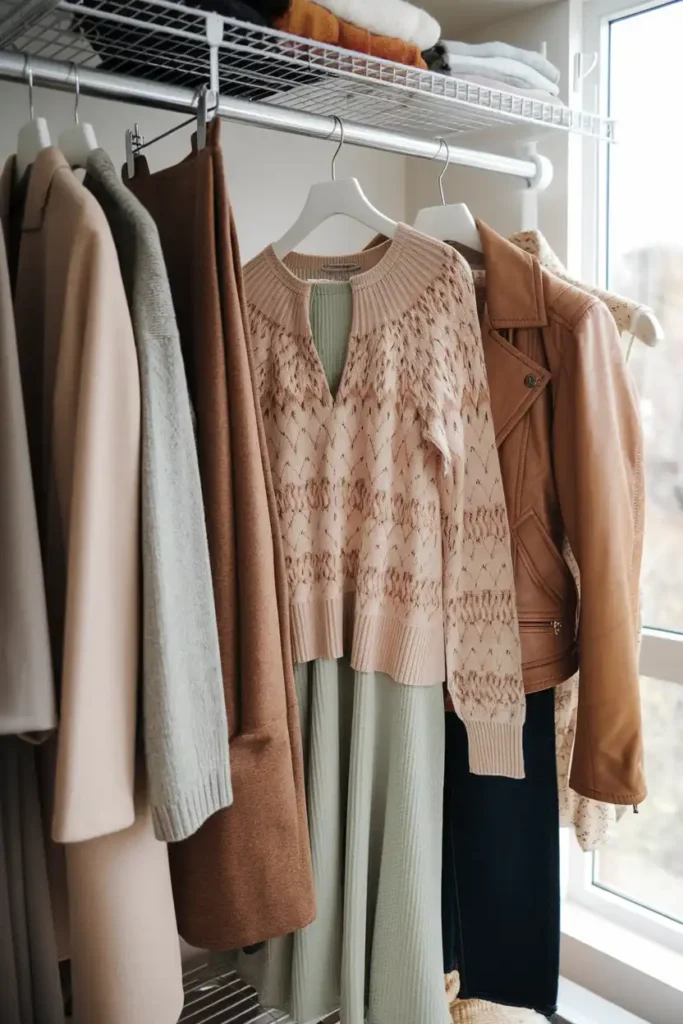
Building a full season of outfits does not require a shopping trip, it requires a plan. Once you gather your best transitional pieces in one place, the summer to fall transition outfits you need start to assemble themselves.
Lay out your chosen tops, bottoms, layers, and shoes together and count how many combinations you can create, aiming for at least fifteen distinct outfits from a small set of pieces. Rotate through them intentionally instead of reaching for the same three items out of habit. Revisit this pile every few weeks as the temperature shifts further into fall, swapping in heavier layers as needed. A little planning now saves you both money and decision fatigue for the entire season ahead.
FAQs
How do I transition my summer clothes into fall without buying new pieces?
Start by layering what you own, add a cardigan, denim jacket, or scarf over your summer basics, and swap sandals for sneakers or boots as temperatures drop.
What colors work best for fall transition outfits?
Deeper tones like olive, rust, camel, and chocolate brown read as fall even in lightweight summer fabrics, so you do not need new fabric weights right away.
What shoes should I wear during the summer to fall transition?
Keep sandals for warm afternoons, sneakers or loafers for everyday wear, and save boots for when the weather actually turns cold, this stretches every pair further.
How can I style a summer dress for cooler fall weather?
Add a structured jacket, knee-high boots, and a thin belt at the waist, this turns a summer dress into a complete fall-ready outfit in minutes.
What is the easiest way to save money when dressing for fall?
Focus on accessorizing and layering pieces you already own, like belts, scarves, and jackets, before buying anything new for the season.