No Makeup Makeup for Acne Skin Without Looking Cakey
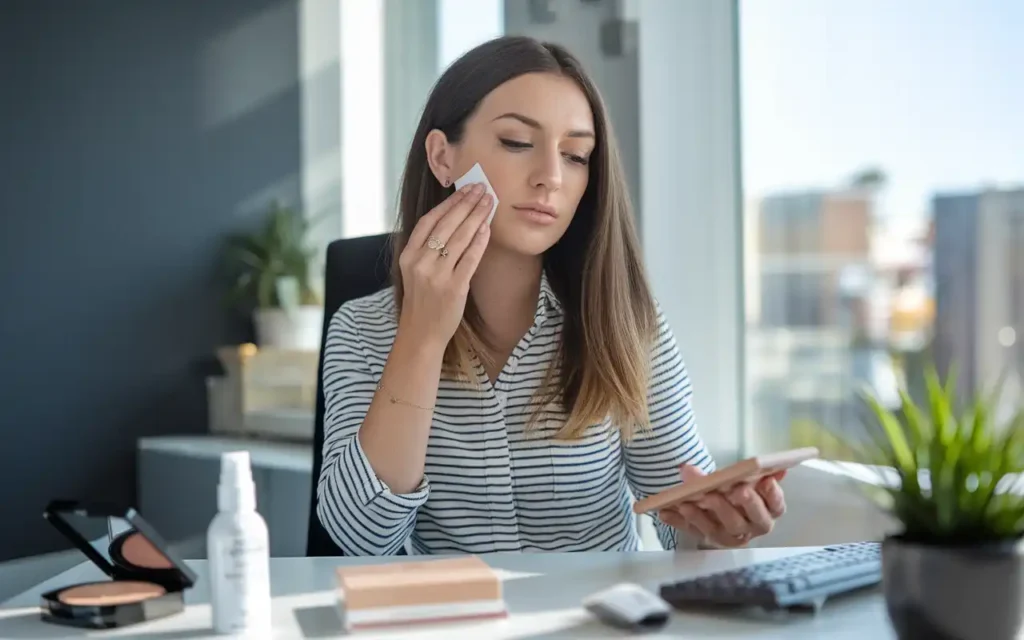
Acne-prone skin and minimal makeup feel like they do not belong in the same sentence. But they do. The no makeup makeup look is actually one of the most forgiving approaches for textured, breakout-prone skin, when you know which products to use and how to apply them. This guide walks you through every step, from skincare prep to the final spritz. No heavy layers. No cakey finish. Just your skin, looking calm, even, and genuinely like you.
1. What Does No Makeup Makeup Actually Mean for Acne-Prone Skin?
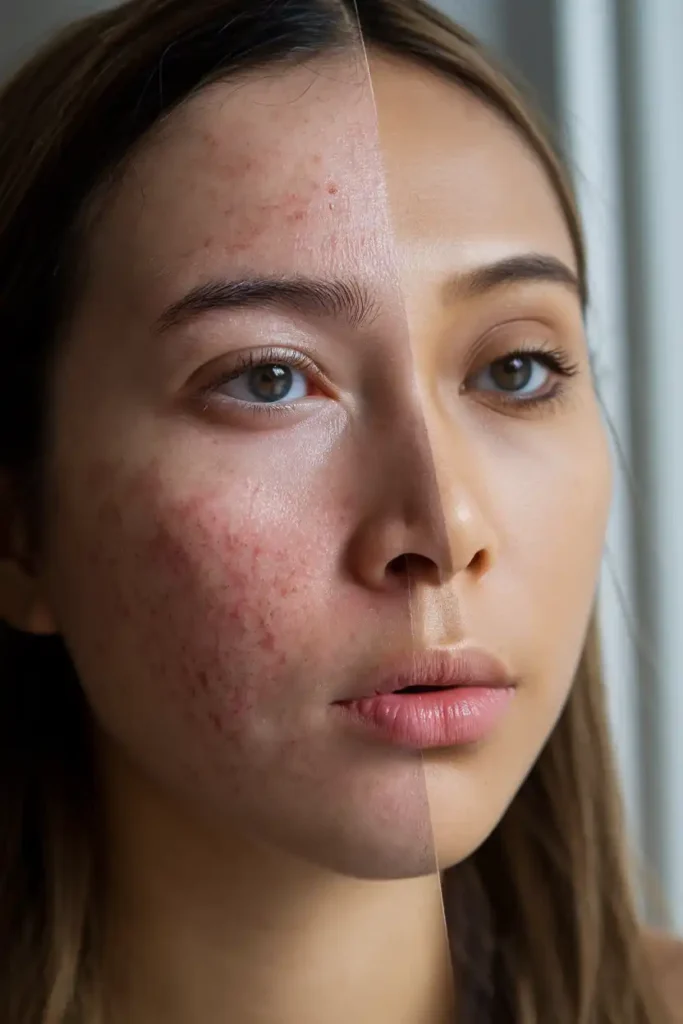
No makeup makeup is not about hiding your skin. It is about making your skin look like its best version; calm, even, and real. For acne-prone skin, that means working with your texture instead of trying to erase it completely. The goal is skin that looks like skin, not a mask.
When you have active breakouts or post-acne marks, the instinct is to pile on coverage. That usually backfires. Heavy product settles into texture, catches in dry patches, and makes skin look worse under light. A lighter, more deliberate approach almost always photographs and wears better than full coverage.
2. Should You Treat Your Skin Before Applying Any Makeup?
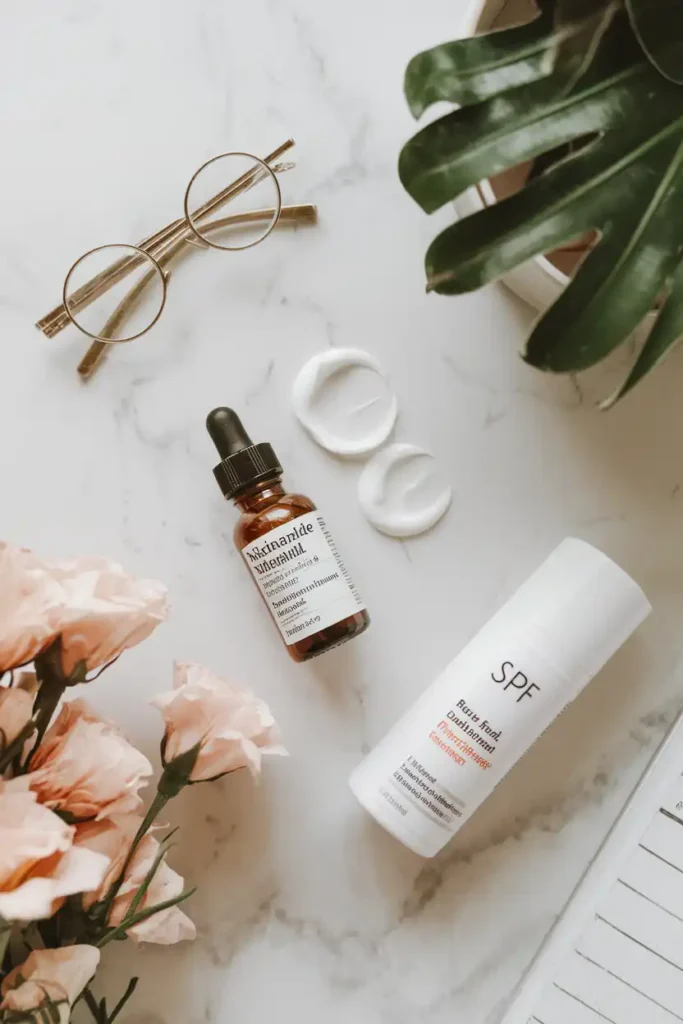
Makeup sits better on skin that is properly hydrated. If you skip skincare before applying foundation, your skin pulls product unevenly, especially around dry patches that often appear alongside acne. A simple routine; serum, moisturiser, SPF, takes three minutes and makes a measurable difference.
Look for a moisturiser that is gel-based or oil-free if your skin tends to get oily by midday. Niacinamide as an ingredient in your serum helps with redness and post-acne marks over time, which means you need less makeup to begin with. Start here before you open a single makeup product.
3. Which Primer Actually Works on Acne-Prone Skin?
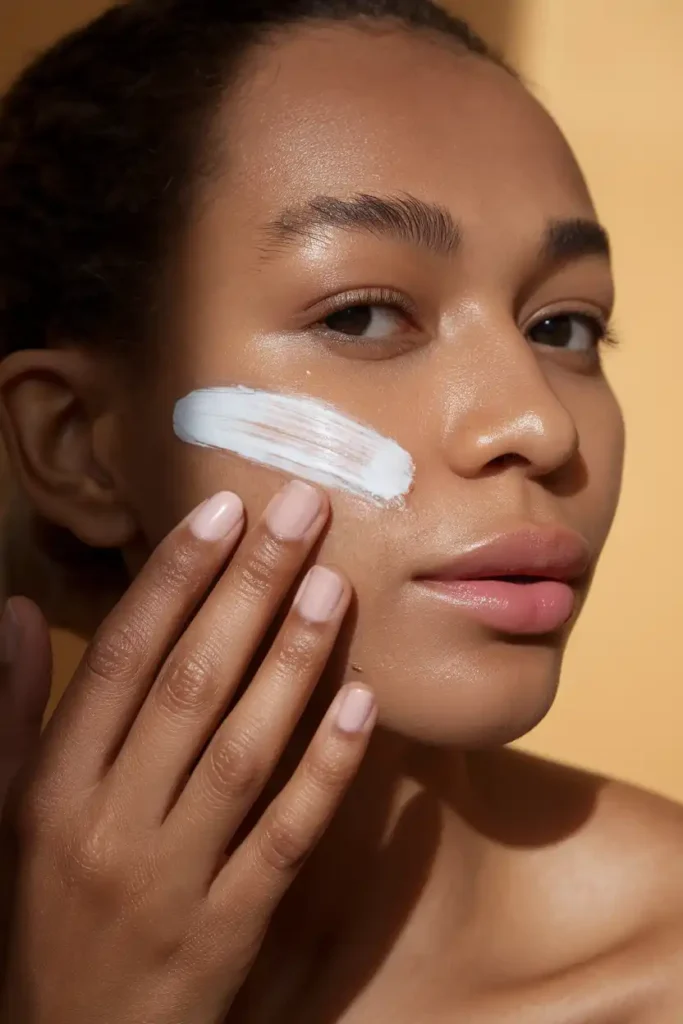
Not all primers are built the same. Silicone-heavy formulas can trap bacteria and contribute to clogged pores over time, which is the last thing acne-prone skin needs. What you want is a water-based or niacinamide-infused primer that smooths surface texture without sealing in breakout-causing ingredients.
- Apply primer with your fingers, pressing lightly rather than dragging it across skin
- Focus on areas with the most texture; usually the nose, chin, and cheeks
- Let it set for 60 seconds before applying foundation
A thin, even layer of the right primer means your foundation stays put without going patchy and your skin does not feel suffocated by lunchtime.
4. What Kind of Foundation Is Best for Acne Skin?
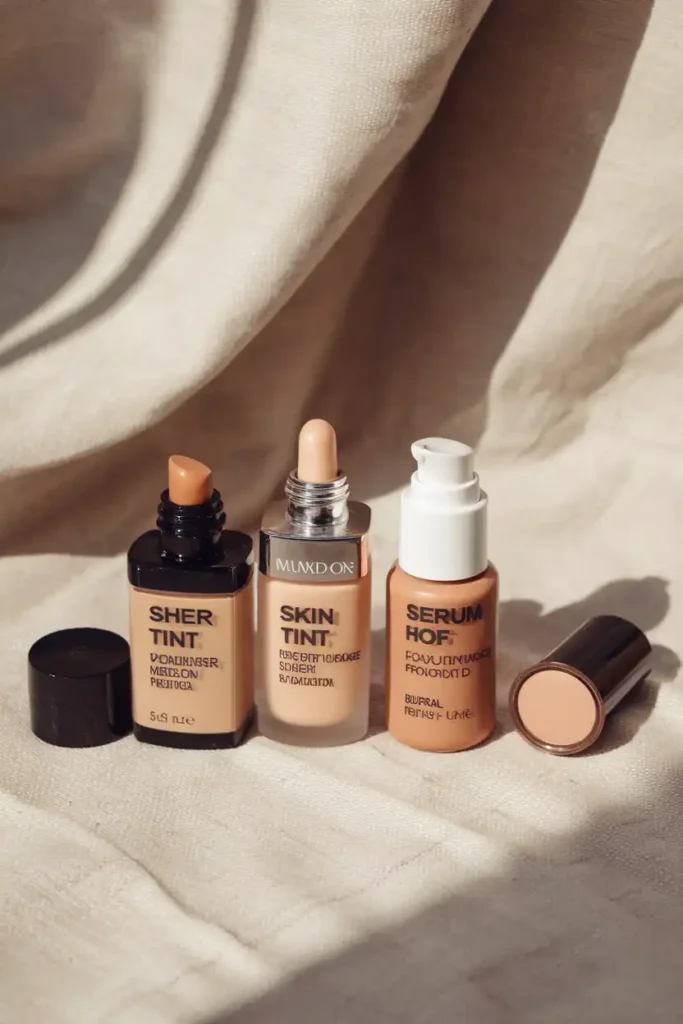
The word “coverage” means something different when you have acne-prone skin. Full-coverage foundations tend to look thick, crease around texture, and oxidise by midday. What actually works better is a skin tint or serum foundation at a lighter coverage level that you can build in specific spots.
- Skin tints and tinted moisturisers give a barely-there finish with SPF
- Serum foundations hydrate while providing light-to-medium coverage
- Buildable foundations let you add a second layer only where you need it
Choose a formula labelled non-comedogenic and oil-free. Those are not just marketing words, they indicate the formula has been tested to avoid blocking pores, which matters when you are dealing with active skin.
5. How Do You Apply Foundation Without It Looking Cakey?
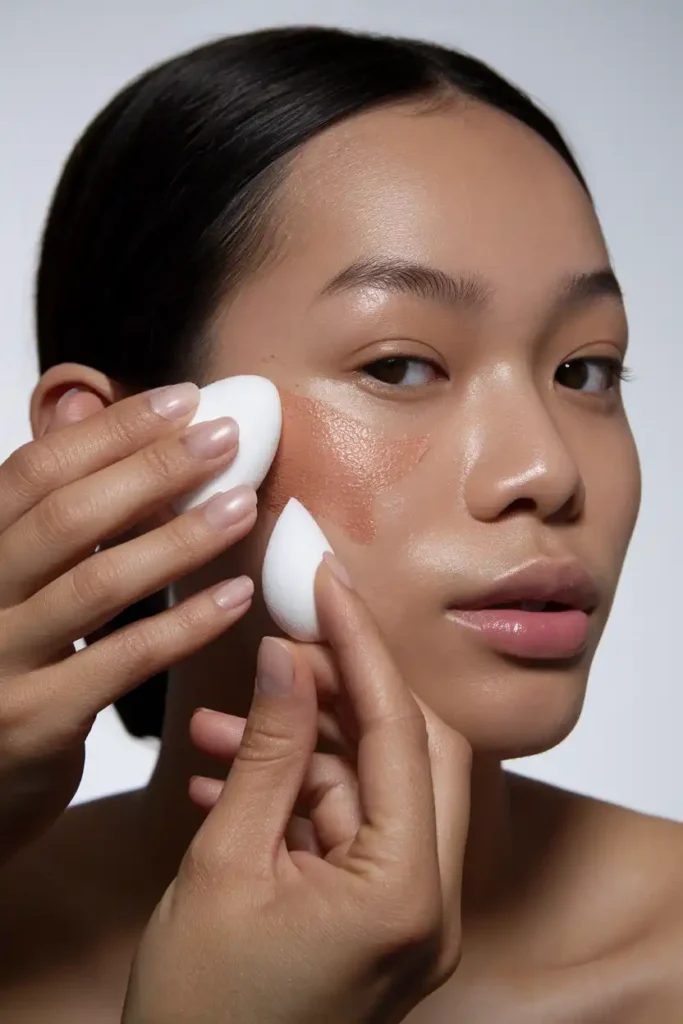
The way you apply foundation changes everything. Rubbing or swiping product across skin drags it over texture and creates that patchy, uneven finish. The method that works consistently on acne-prone skin is pressing and stippling — either with a damp sponge or your fingertips.
- Dampen your sponge before use so it absorbs less product
- Press the sponge into skin with a bouncing motion, not a wiping one
- Build coverage in layers, one thin coat at a time
- Blend outward toward the hairline and jawline so there is no visible edge
Less product, applied correctly, always outperforms more product applied quickly. Give yourself an extra two minutes here and the rest of the look comes together faster.
6. Where Should You Actually Use Concealer on Acne Skin?
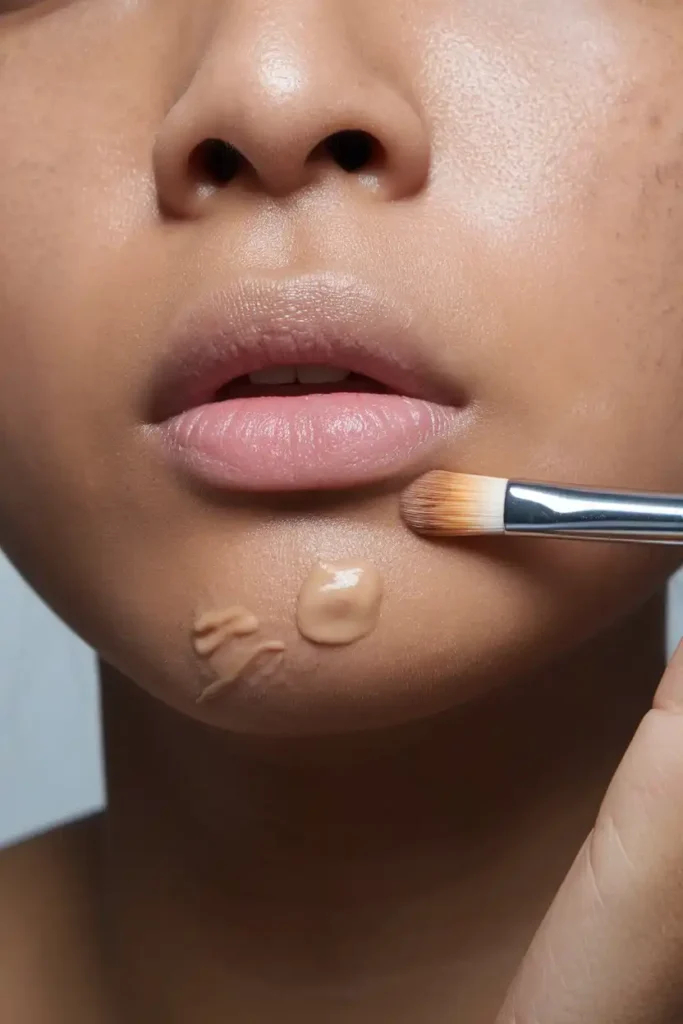
Concealer is your precision tool, not your base layer. Applying it all over the face before foundation is one of the most common mistakes that leads to a cakey finish. It creases, it moves, and it draws more attention to the texture you are trying to minimise.
- Apply foundation first, then assess what still needs cover
- Use a small flat brush to dab concealer directly onto spots and marks
- Choose a formula one or two shades lighter than your foundation for under-eye, and an exact match for blemishes
- Press a clean sponge lightly over the concealer to set it into the skin
Target only what needs it. Your skin will look far more natural and the product will last longer.
7. Does Setting Powder Make Acne Skin Look Worse?
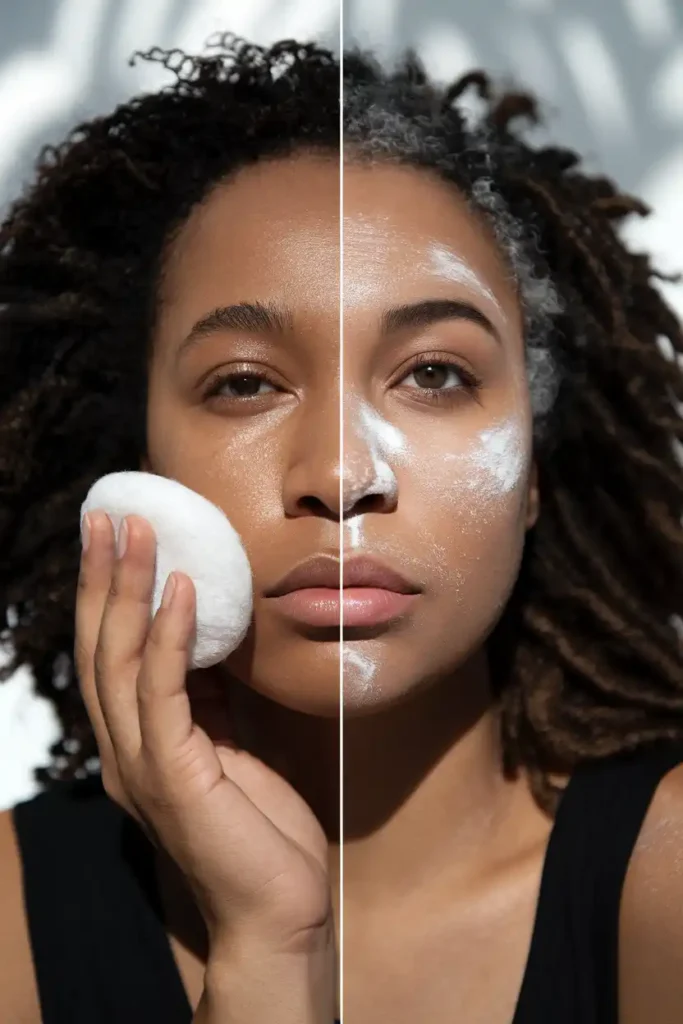
Powder gets a bad reputation on textured skin because most people use too much. A thick layer of setting powder does settle into pores, sits on top of dry patches, and turns a natural finish chalky. But skipping powder entirely means your foundation slides off oily areas within an hour.
The fix is to powder lightly and only where you need it. Oily T-zone, around the nose, and the chin are usually the areas that need help. Use a small, flat powder puff or a dense brush, press rather than sweep, and use a powder that is finely milled and translucent. Less is always more with this step.
8. How Do You Cover Redness Without Looking Overdone?
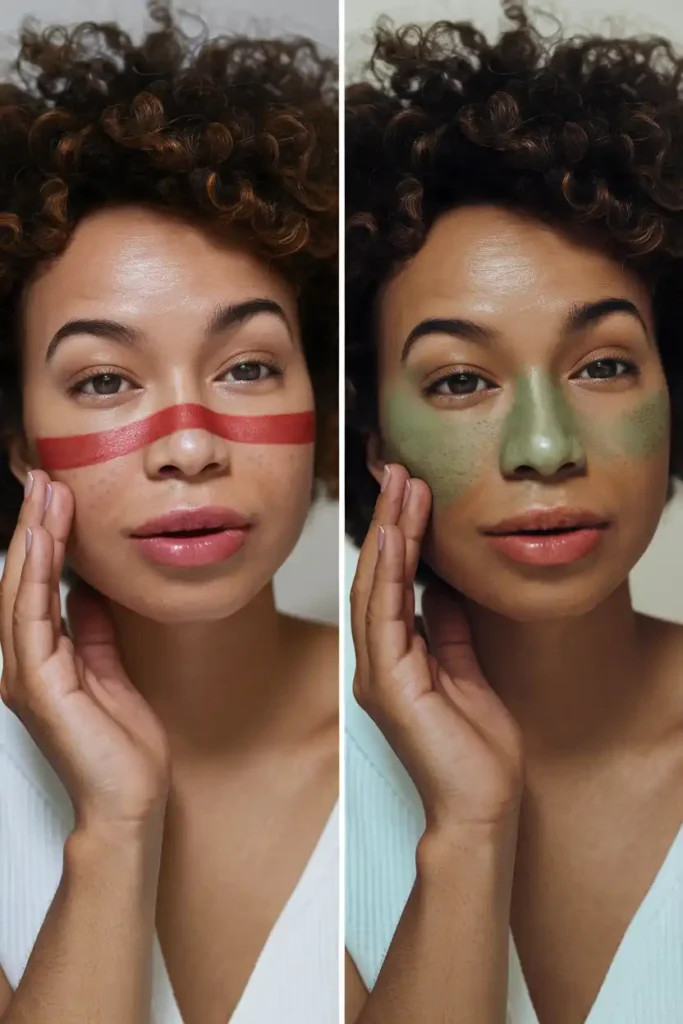
Redness around active breakouts, the nose, and cheeks is one of the hardest things to cover without adding layers of product. The solution is colour correction before foundation rather than more foundation on top. A peach or green colour-correcting product placed only on the reddest areas neutralises tone at the base level.
- Green corrects red and pink tones
- Peach corrects darker post-acne marks, especially on deeper skin tones
- Apply corrector with a small brush and pat to blend edges
- Follow with your lightest layer of foundation on top
You use less product overall and the skin reads as naturally calm instead of heavily made-up.
9. What Blush Formula Works Best on Textured Skin?
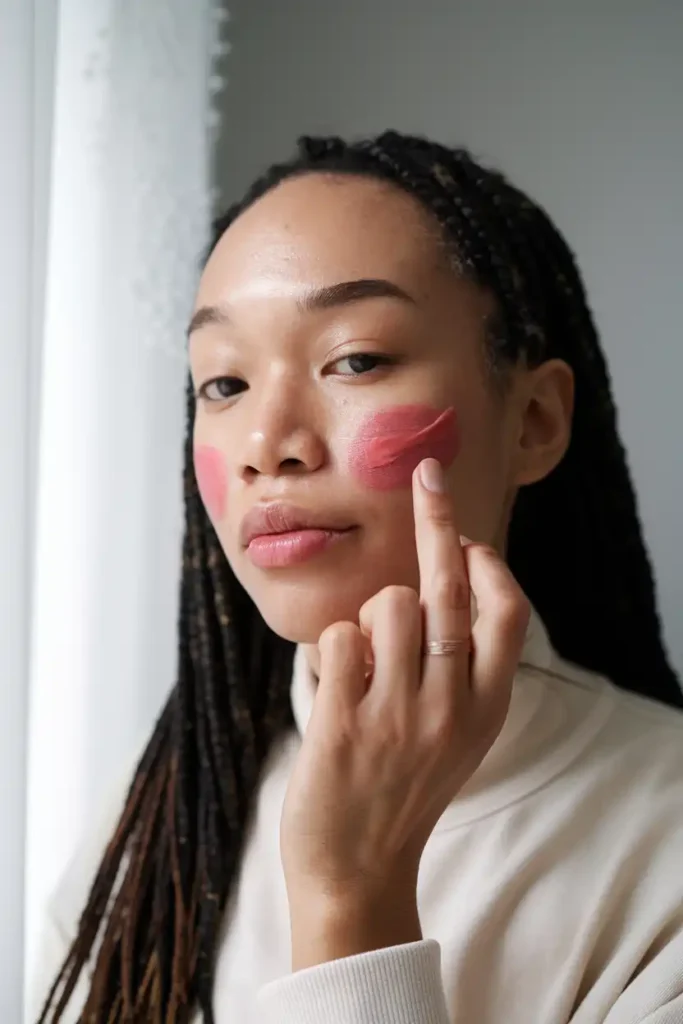
Powder blush on top of powder foundation on top of textured skin can look dry and dusty, especially if you have any flaky patches. A cream or liquid blush applied before setting powder keeps the look fresh, and it does not catch on texture the way powder formulas do.
- Cream blush works best when pressed in with fingertips or a damp sponge
- Apply to the apples of your cheeks and blend upward lightly
- Keep the colour close to your natural flush tone for a no-makeup effect
- Set lightly over the top with a small dusting of translucent powder if needed
A small amount goes further than you think. Start with less and build if the colour fades.
10. Are Eyebrows Important in a No Makeup Makeup Look?
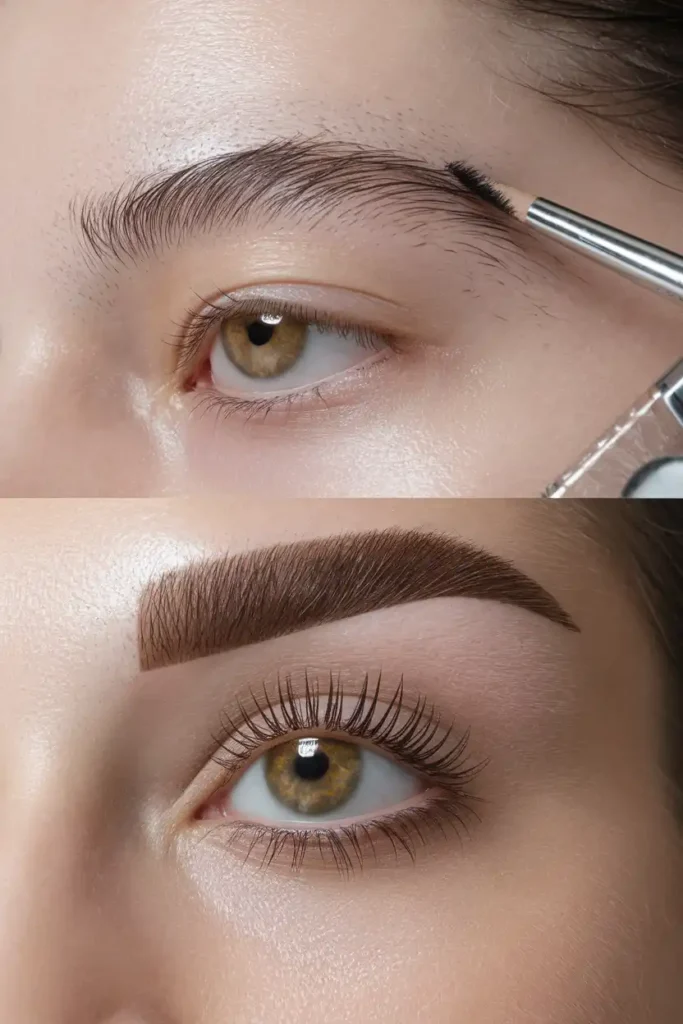
Brows frame your face more than any other feature. In a minimal look where you are not wearing heavy eye makeup, filled brows carry a lot of visual weight. Under-groomed or uneven brows make a no-makeup look appear unfinished rather than intentional.
- Use a tinted brow gel for the most natural result
- Sparse areas can be lightly filled with a micro brow pencil using short, hair-like strokes
- Avoid a heavy, blocked-in brow shape,
- keep the edge soft
- Brush brows upward and outward for a modern, lifted effect
You do not need much here. Thirty seconds on your brows makes the rest of your face look more put-together without any extra effort.
11. What Eyeshadow Works for a No Makeup Makeup Eye?
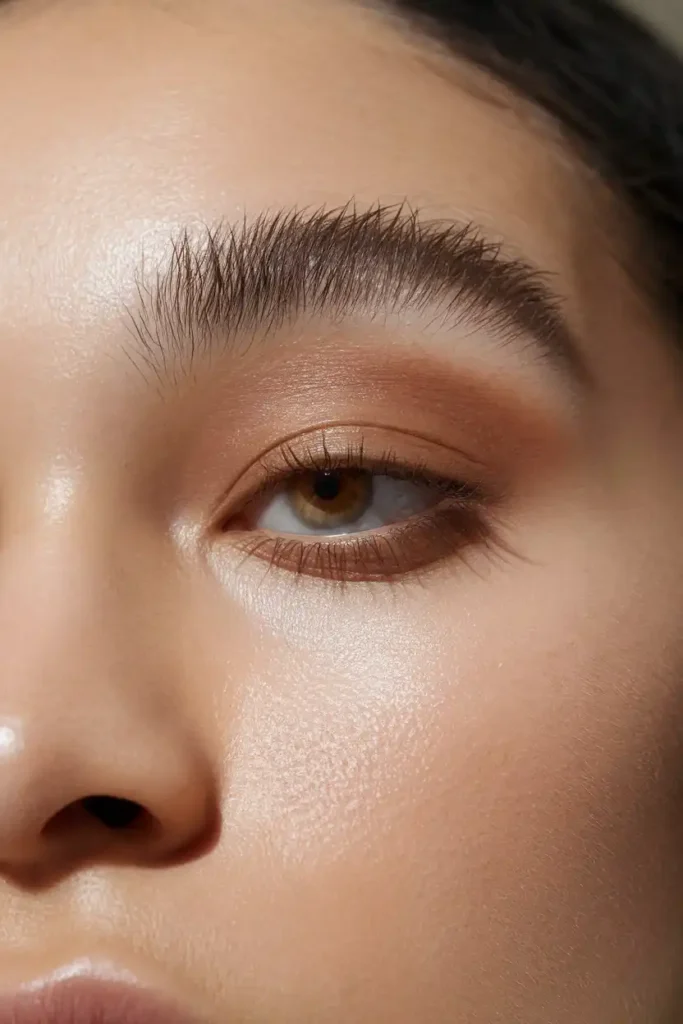
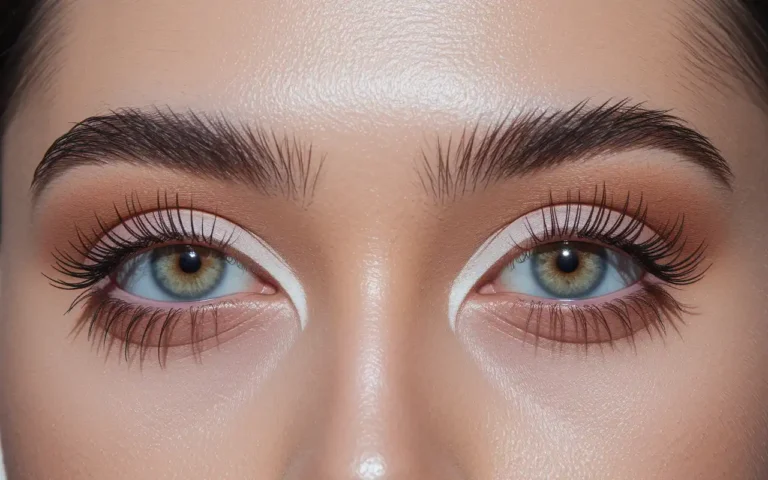
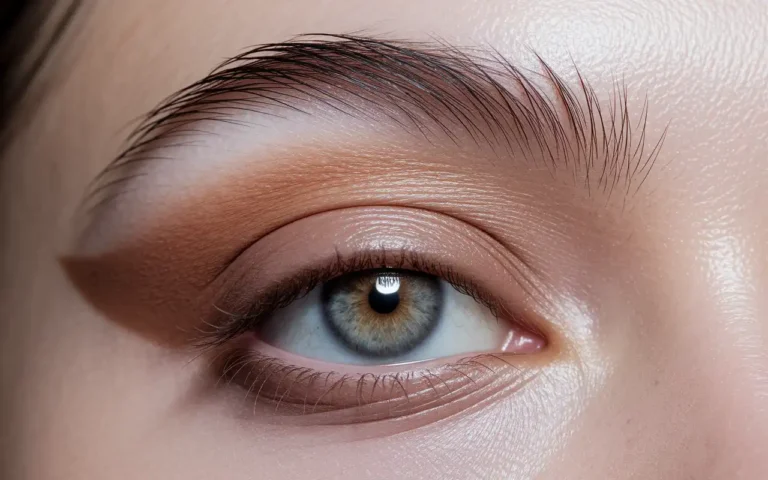
The no-makeup eye is built on neutral matte shades that mirror your skin tone. A wash of a beige or soft brown on the lid with a slightly deeper shade pressed into the crease creates natural depth without looking like you are wearing shadow at all. No shimmer, no cut crease, nothing dramatic.
- Use a flat brush to press colour onto the lid rather than sweeping it on
- Blend the crease shade upward with a fluffy brush so there is no hard line
- Buff any edges so the transition between shades is seamless
- Tight-line your upper lash line with a soft brown or nude pencil if you want added definition
This takes the eye from flat to defined without adding any noticeable product.
12. Should You Wear Mascara in a No Makeup Makeup Look?
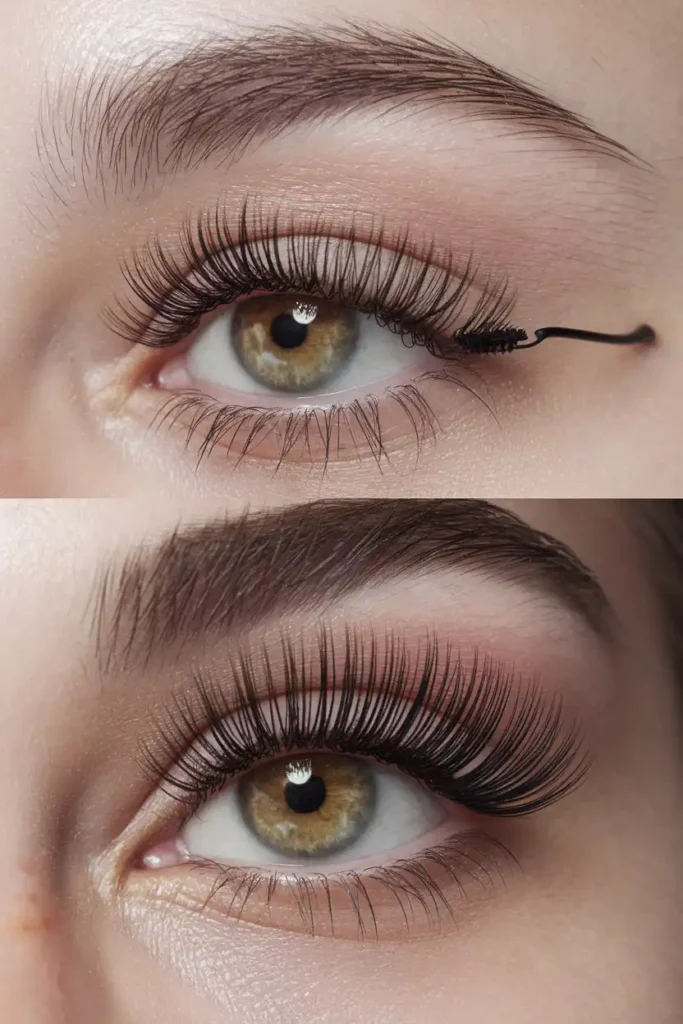
A single coat of mascara pulls the whole look together without tipping it into full makeup territory. The key is choosing a mascara that lengthens and separates rather than volumises and clumps. Black-brown shades read more natural on the lash line than full black, particularly for lighter skin tones.
- Curl lashes before applying mascara for lift without extra product
- Apply one coat only, wiggling the wand from root to tip
- Use a clean spoolie to separate any lashes that stick together
- Avoid waterproof mascara if your skin is acne-prone around the eye area, as removal requires heavier cleansers
One coat is always enough for this look. Resist the urge to add more.
13. How Do You Make Skin Look Healthy Without a Heavy Glow Product?
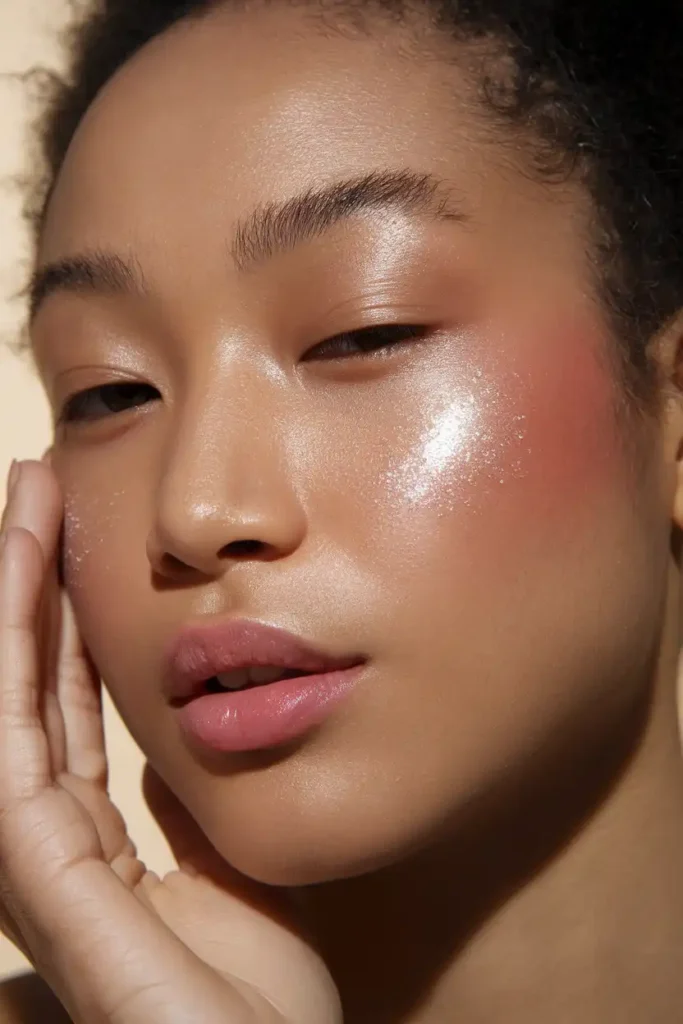
Healthy-looking skin in a no-makeup look comes from skin prep, not from adding a highlighter on top of powder. When skin is hydrated and primed correctly, it holds its own glow. If you want a little extra luminosity, a cream or liquid highlighter pressed only to the high points, cheekbones and the inner corner of the eye, works without looking overdone.
Avoid powder highlighters in this look. They sit on top of texture rather than melting into skin, and under any kind of light, they read as glitter rather than glow. Less product at this stage always looks more expensive.
14. What Setting Spray Does on Acne-Prone Skin
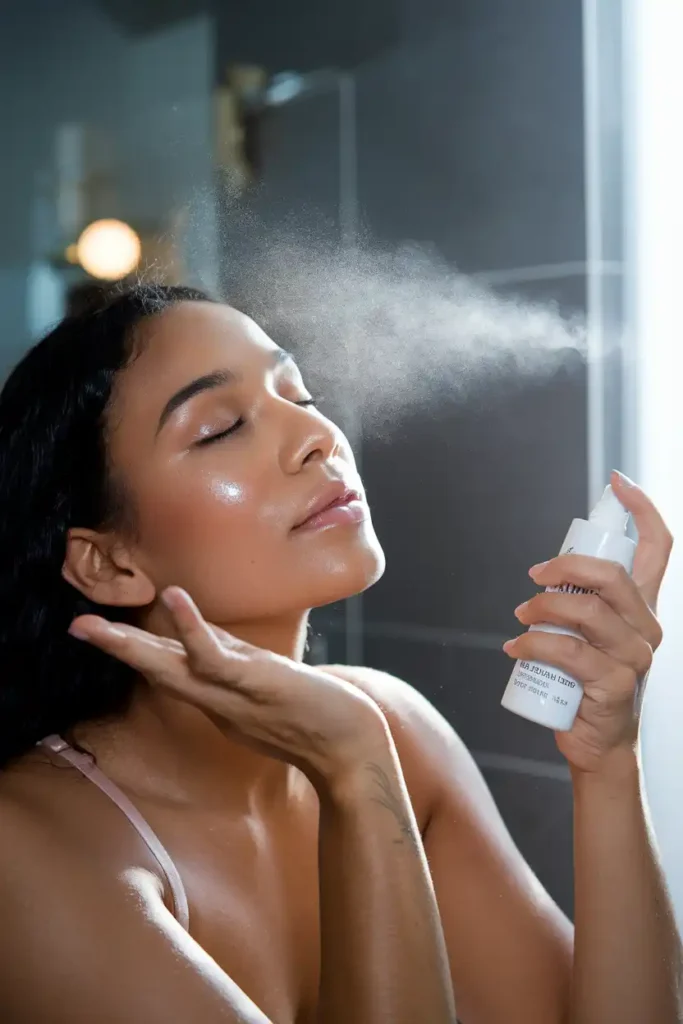
Setting spray does two things on acne-prone skin. It melts product layers together so they stop sitting on top of each other, which removes that powdery, separated look. It also locks moisture into skin so your base does not dry out and crack around breakouts as the day goes on.
- Hold spray 20 to 30 centimetres from your face
- Mist in a cross pattern or light circular motion
- Let it dry completely before touching your face
- Choose an alcohol-free formula to avoid stripping skin
This is the last step and one that most people skip. It makes a visible difference to how long your makeup stays looking fresh and natural.
15. Can You Wear Lip Colour in a No Makeup Makeup Look?
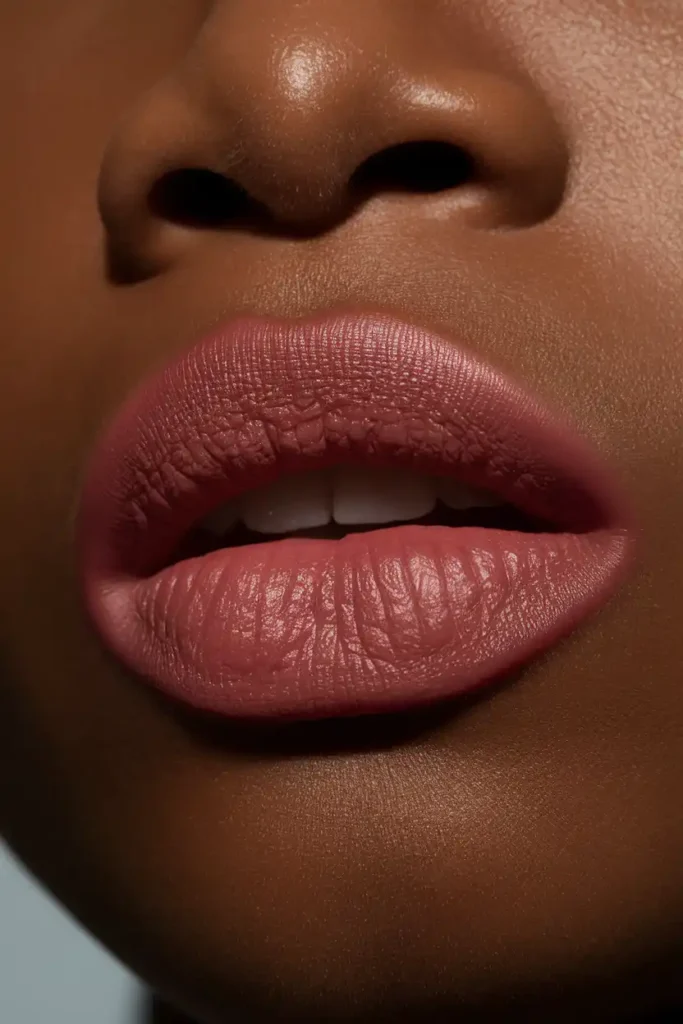
Lip colour works in a no-makeup look as long as the formula is sheer and the shade is close to your natural lip tone. A lip tint, tinted lip balm, or sheer gloss adds colour without a defined edge, which keeps the overall look low-key. Heavy lipstick in this context reads as mismatched with the rest of the face.
- Lip tints stain the lip rather than sitting on top, so they last longer and look more natural
- A tinted balm adds moisture and a barely-there colour in one step
- Choose shades within the red-brown to rose family, these sit closest to natural lip pigment
- Blot once with a tissue if the colour lands too bright on your lips
A little lip colour brings the whole face to life without adding a step that feels high-maintenance.
16. How Do You Keep This Look Fresh With Acne Skin Throughout the Day?
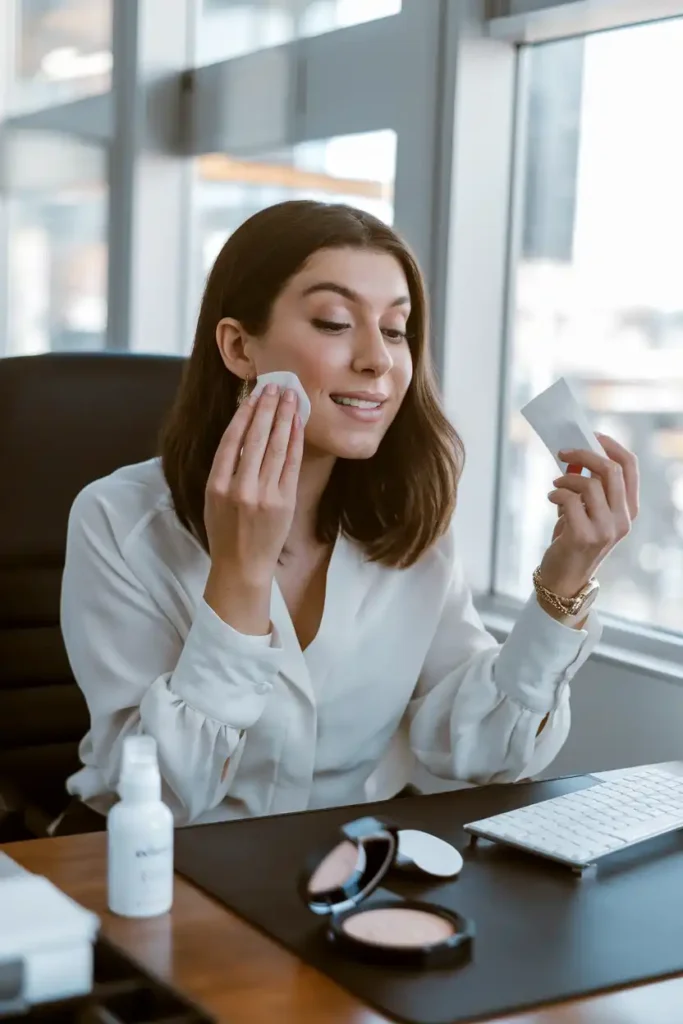
By midday, oily skin breaks down product around the nose, chin, and forehead. Instead of patting on more powder, which builds up and looks cakey, blot first. A blotting paper removes oil without disturbing the makeup already sitting on skin.
- Blot before you add any product
- Follow with a light press of translucent powder only on the oiliest areas
- A small travel-size setting spray re-fuses the look and refreshes skin
- Avoid touching your face throughout the day — oils from your fingers transfer directly onto skin
Keeping your touch-up kit minimal means you are less likely to overdo it and more likely to stay looking natural until evening.
17. What Ingredients Should You Avoid in Makeup If You Have Acne-Prone Skin?
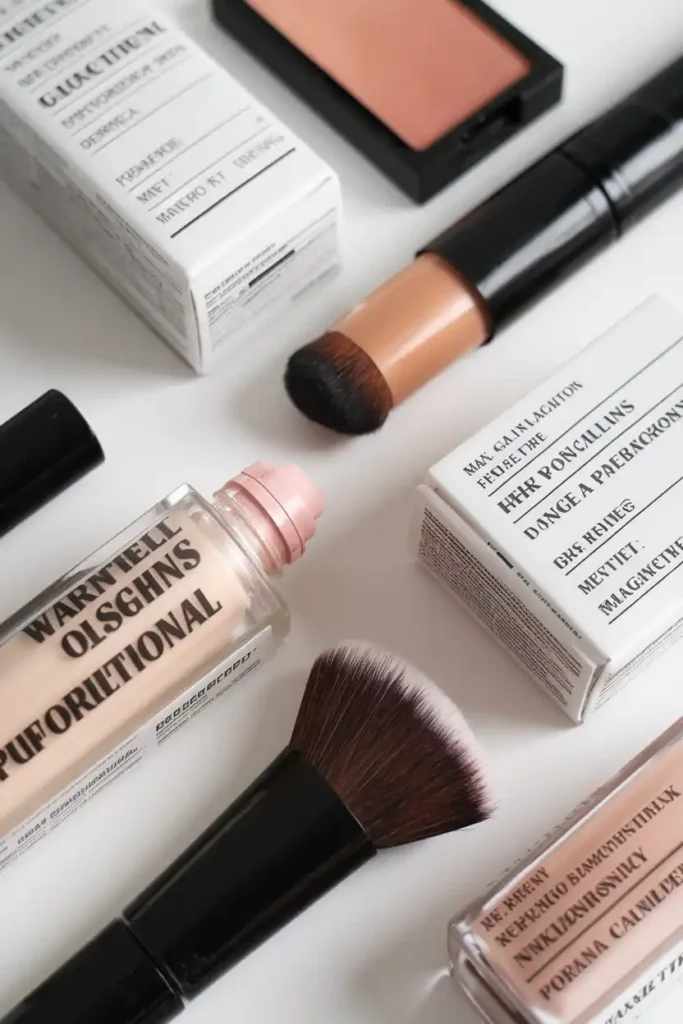
Some makeup ingredients actively trigger breakouts in acne-prone skin. Knowing what to avoid when you are reading labels saves you from buying products that look great in reviews but cause problems on your specific skin.
Ingredients to watch out for:
- Isopropyl myristate: a common emollient found in foundations that clogs pores
- Coconut oil: used in many natural products but highly comedogenic
- Sodium lauryl sulphate: found in some primers and cleansers, can irritate active skin
- Heavy silicones like dimethicone in large concentrations:can trap bacteria
Look for “non-comedogenic” on the label as a starting filter. Then cross-reference the ingredient list on a site like CosDNA or INCIdecoder before buying.
18. What Is a Simple Morning Routine for This Look on Acne Skin?
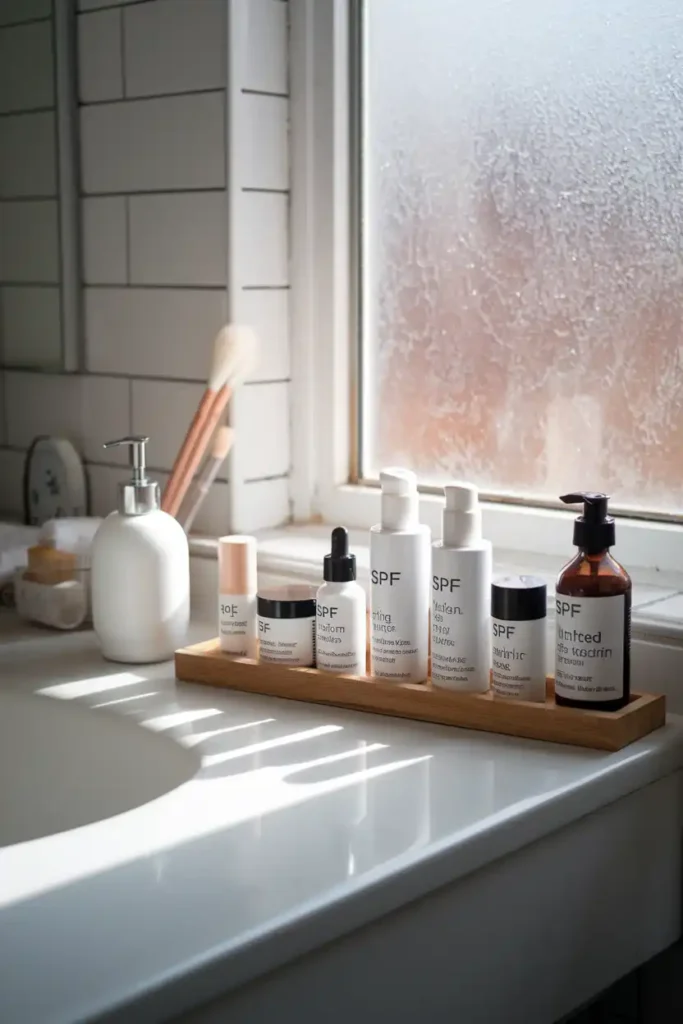
The whole point of no makeup makeup is that it should be fast. A morning routine for acne-prone skin does not need to be complicated to work. You need products that do their job without adding unnecessary steps or layers.
A simple order that works:
- Cleanser suited to acne-prone skin
- Niacinamide serum pressed into skin while damp
- Oil-free or gel moisturiser
- SPF 30 minimum — this also acts as a base layer
- Skin tint or serum foundation, applied with a damp sponge
- Cream concealer only where needed
- Tinted brow gel
- One coat of mascara
- Tinted lip balm
That is nine steps that take under fifteen minutes. Start with this and remove anything that feels unnecessary for your skin on a given day.
Conclusion:
Getting the no makeup makeup look right on acne skin comes down to two things — the right products and a lighter hand. You do not need to cover everything. You just need to know where to focus. Start with one or two changes from this guide and see how your skin responds. Small adjustments make a bigger difference than a full routine overhaul. Your skin deserves a routine that works with it, not against it.