22 Caramel Brown Hair Ideas for Natural Hair Textures
Caramel brown hair on natural textures looks different from anything you see on straight hair guides. The color moves with your curls, catches light in your coils, and sits differently on every pattern. That is what makes it worth doing right. Whether you have tight 4C coils, loose 3A waves, or anything in between, there is a warm brown shade that works for your hair. This guide covers 22 real ideas built specifically for natural textures, with advice you can actually use at your next appointment.
1. Light Balayage on Dark Brown Natural Hair
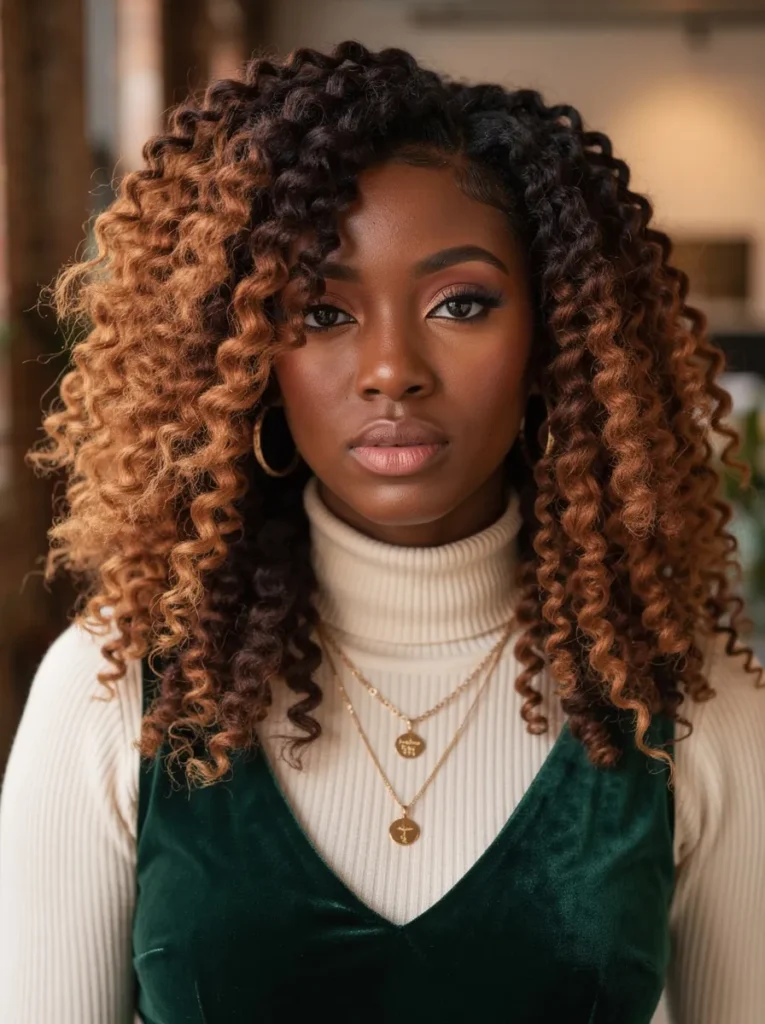
If you have dark brown natural hair and want color without commitment, light balayage is one of the most forgiving options. It works with your natural growth pattern, so as your hair grows out, the color blends instead of creating a harsh line. You get warmth without the maintenance pressure.
The key is placement. Ask your colorist to focus the lighter tones on the ends and mid-lengths, especially where your curl pattern stretches. This keeps your roots intact and reduces how often you need touch-ups. Every 4 to 6 months is usually enough to keep it looking intentional.
2. Brunette Baby Highlights on Coily Hair
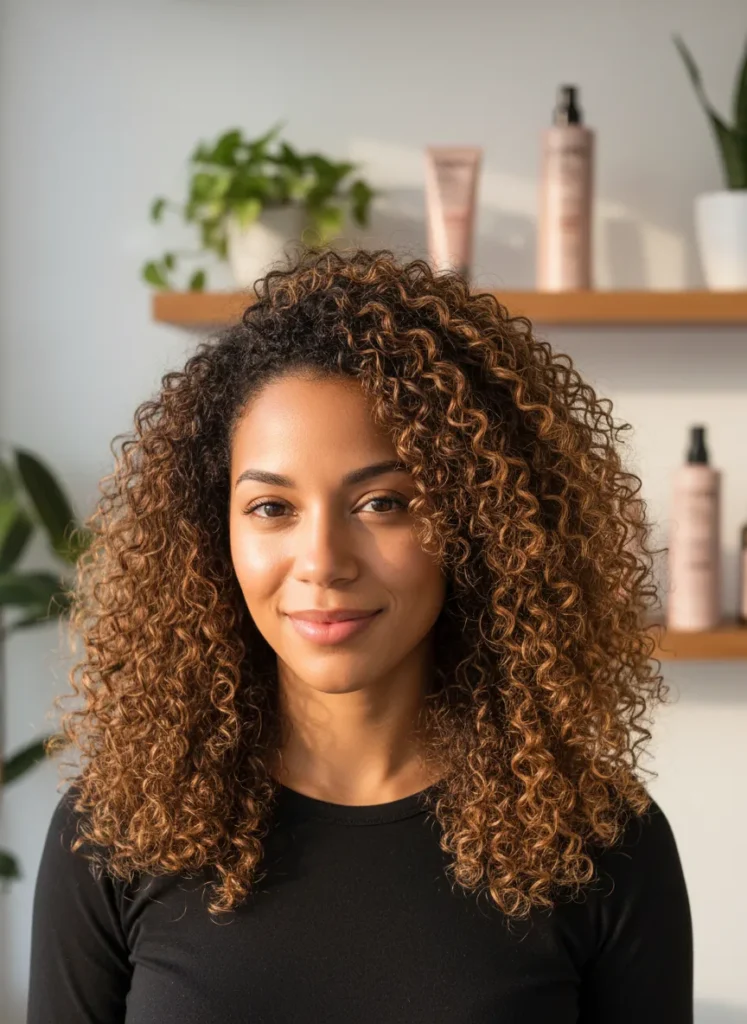
Baby highlights on coily hair solve a real problem: you want dimension, but chunky highlights look unnatural on tight curl patterns. The thinner the highlight, the more it moves with your curl and reads as natural. When done right, most people won’t even realize it’s color.
For coily textures, request foils no wider than a pencil. Your colorist should weave rather than slice sections to keep the placement random and soft. Pair the color with a protein treatment the same day to keep your curl integrity strong after the lightening process.
3. Chocolate and Caramel Hair Color on Type 3 Curls
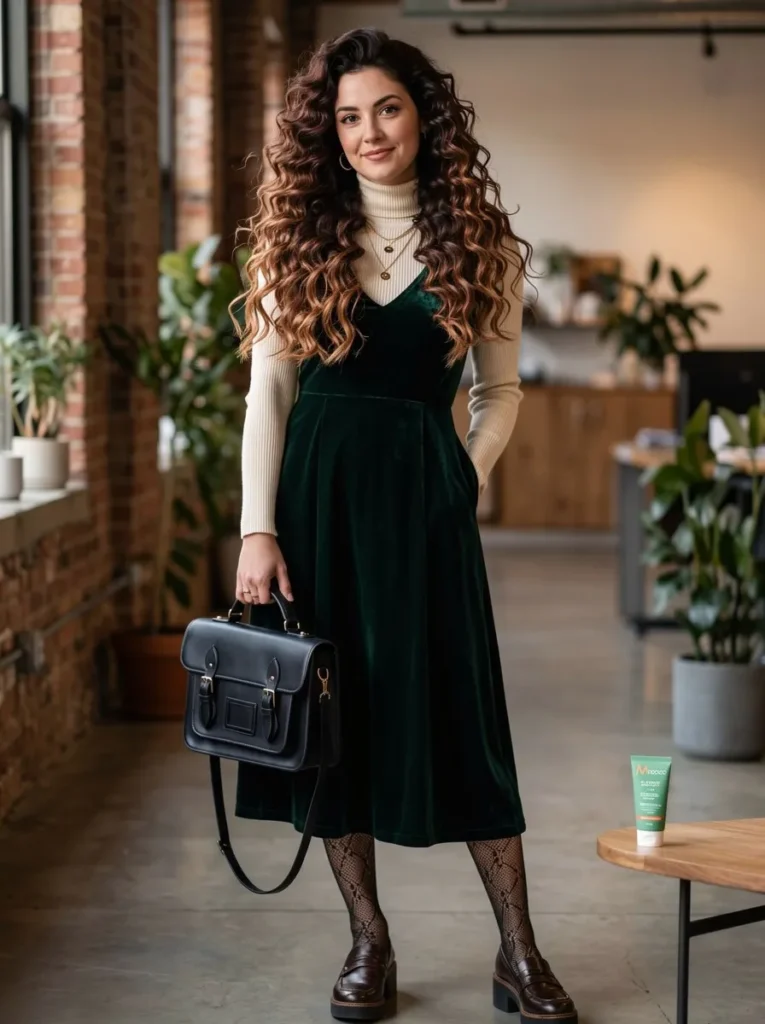
Chocolate and caramel hair color together create natural-looking depth that works especially well on Type 3 curl patterns. The darker base makes your curls look fuller, while the caramel pieces add brightness around your face and through the lengths. It photographs beautifully on textured hair.
If your hair is already a medium brown, you might only need the caramel pieces added rather than a full color application. Talk to your colorist about a partial highlight instead of a full service. It costs less, takes less time, and often looks more natural on curly hair anyway.
4. Honey Brown Hair on Natural Locs
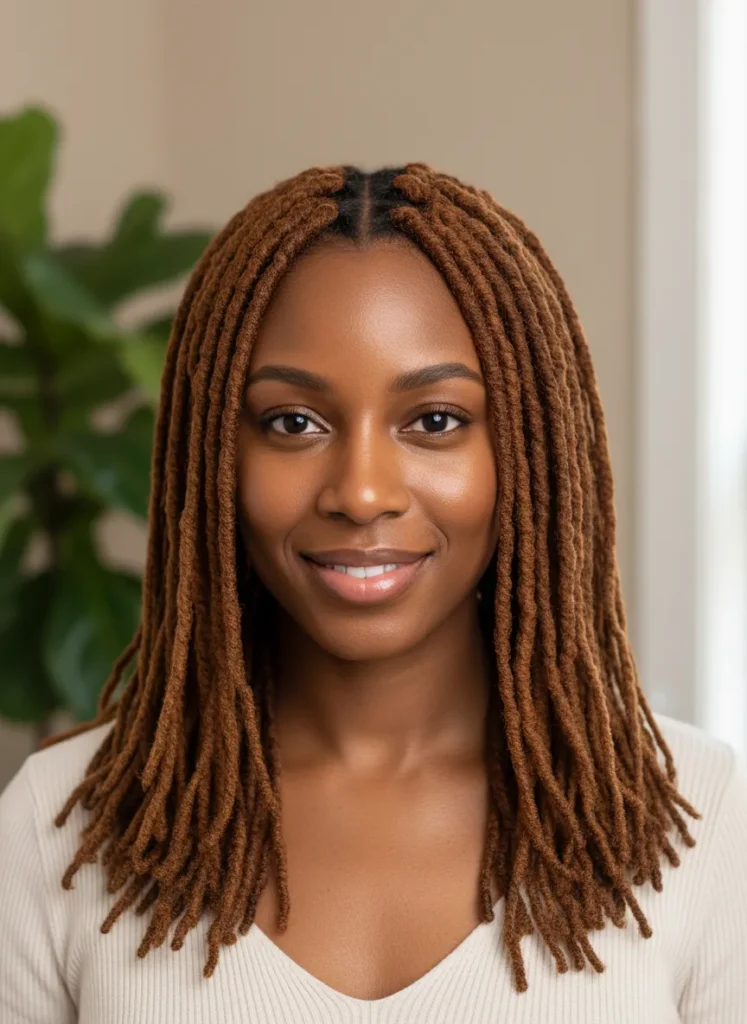
Honey brown on locs gives you warmth without going fully blonde, which is a common concern for people with locs who want color for the first time. The tone works across most skin shades and does not require you to lift your hair as much as a true blonde would. Less lift means less damage to the loc structure.
The best approach for locs is a dip-dye or tip coloring technique, where the color is applied only to the bottom half or the ends. This protects your roots and keeps your color looking deliberate. Madison Reed and Overtone both make at-home color products that work well on locs without requiring professional application.
5. Chestnut Light Brown Hair on Kinky Textures
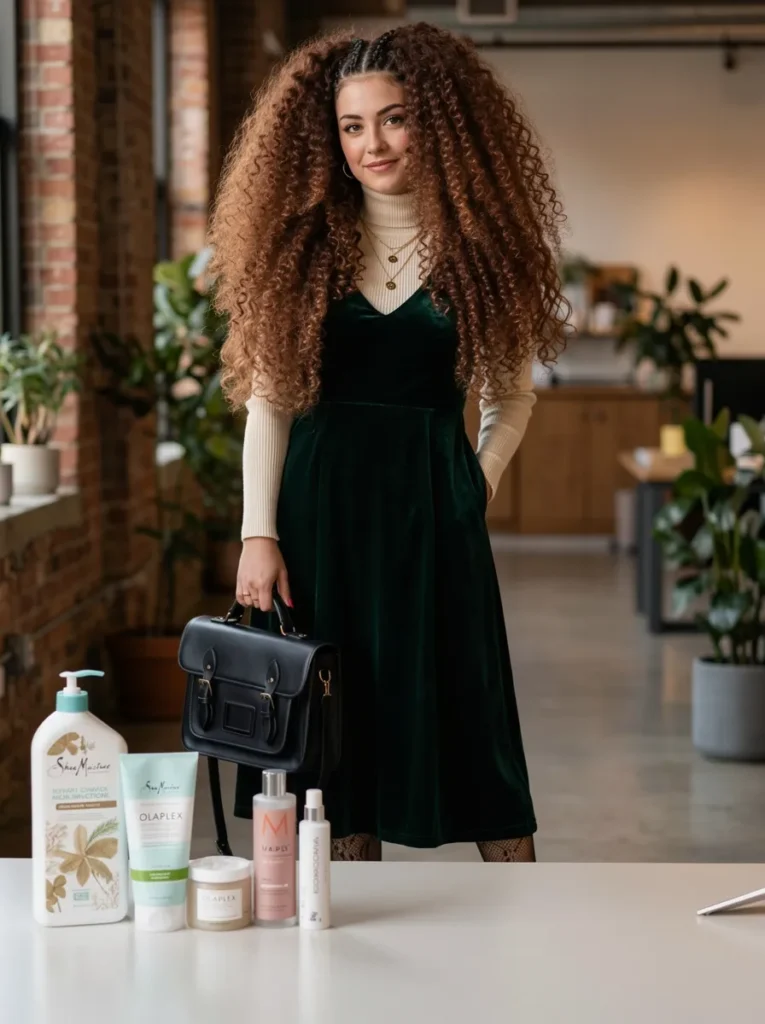
Chestnut light brown is one of the most flattering shades on kinky textures because it reads as a natural color, just with more warmth than your base. It does not scream “color” which a lot of people with natural hair prefer. The result looks like your hair grew that way.
For 4A and 4C textures, this shade works best applied as a single-process color rather than highlights. The even tone across your strands will make your curl pattern look more uniform and defined. Brands like SheaMoisture and Mielle Organics have color-safe product lines specifically formulated for high-porosity natural hair, which is worth using post-color.
6. Caramel Brown Hair on a TWA (Teeny Weeny Afro)
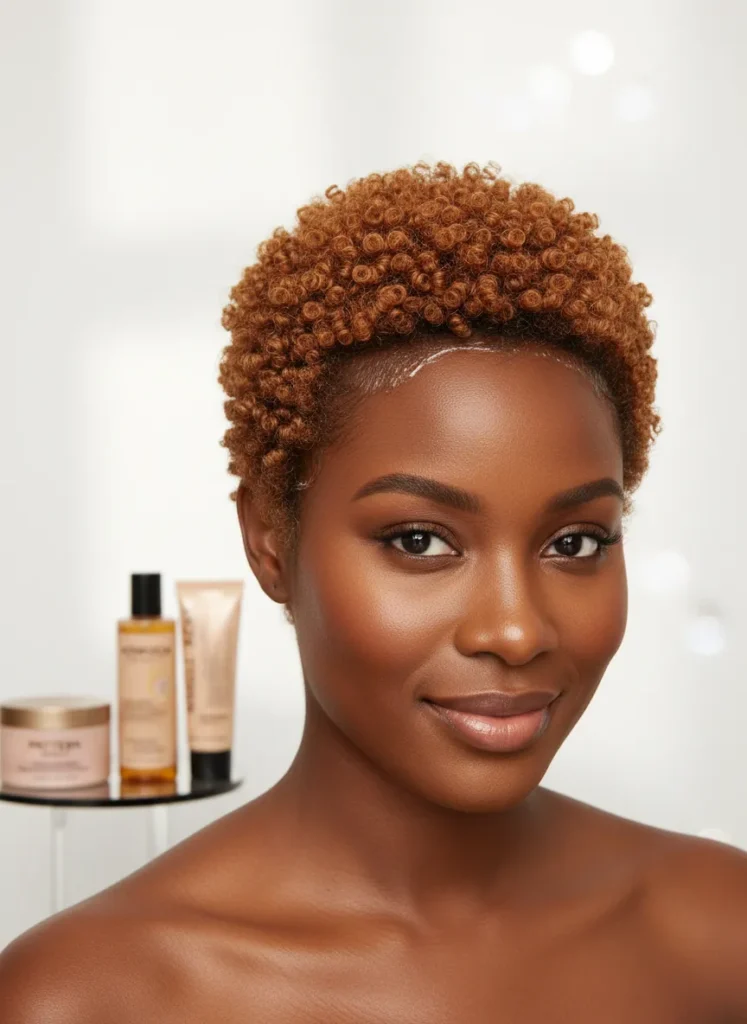
A TWA is actually one of the best lengths to experiment with color. There is less hair to process, which means less risk of damage, and the color result is immediately visible. Caramel brown on short natural hair gives the look of warmth and definition without needing any styling products to make it show.
Because TWA hair is short, the color grows out fast. Plan for a refresh every 8 to 10 weeks if you want to maintain the vibrancy. In between, use a color-depositing conditioner in a warm brown shade to extend the life of the color. Overtone’s Vibrant Brown is a popular option that works without stripping your moisture.
7. Balayage on Protective Styles: What to Know Before You Color
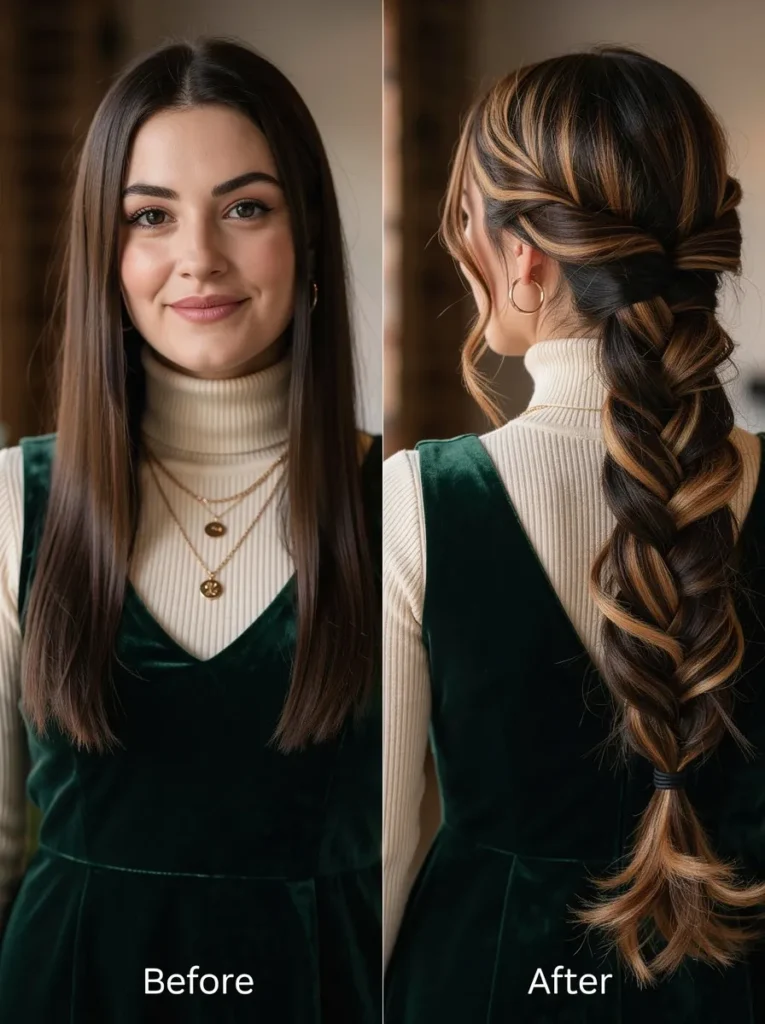
A lot of women want to color their natural hair but are nervous about how it will interact with protective styling. The good news is that balayage specifically is one of the safest options because it does not touch your roots or scalp, which means your new growth stays healthy while your ends carry the color.
Before you color and plan to go back into a protective style, make sure your hair is in strong condition first. Color on already-stressed hair will lead to breakage inside braids and twists where you cannot monitor it.
- Deep condition at least twice before your color appointment
- Wait 2 weeks after coloring before installing any tight protective style
- Use a lightweight oil like jojoba or argan on your ends weekly while in the style
- Avoid styles that put too much tension on color-treated ends
8. Honey Brown Highlights for Low-Porosity Natural Hair
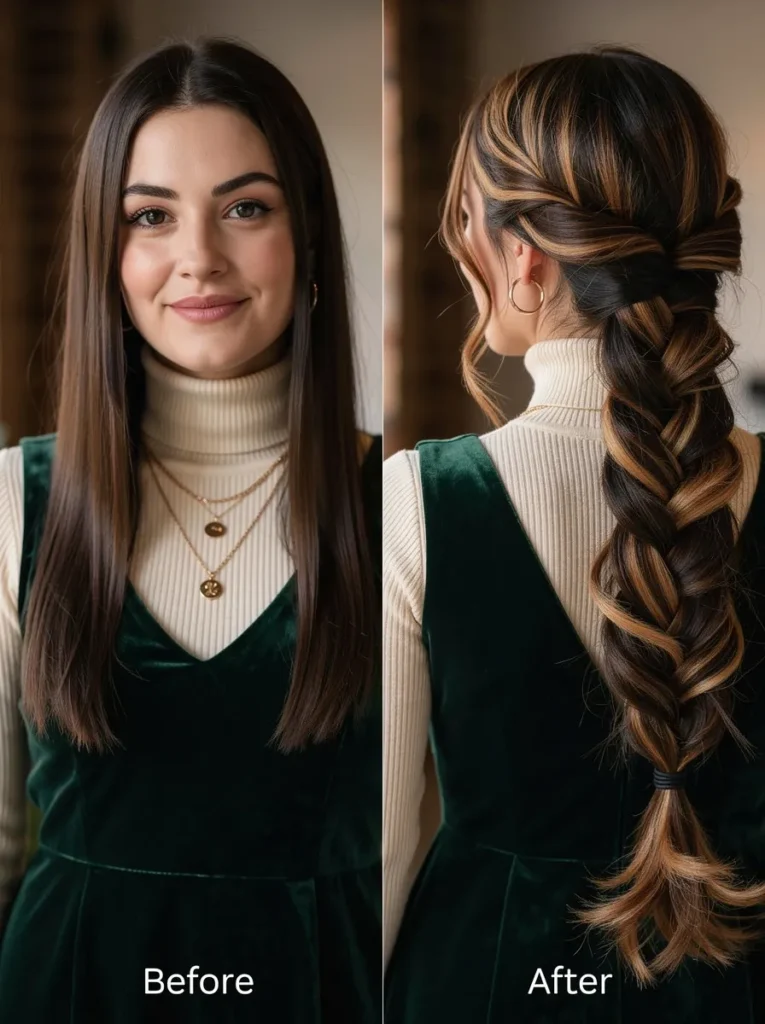
Low-porosity hair resists color because the cuticle is tight and does not absorb product easily. This means your color might process unevenly or fade faster than expected. Knowing this ahead of time helps you plan better and set realistic expectations with your colorist.
Here is what actually works for low-porosity hair:
- Use heat during the color process (a hooded dryer or steamer helps open the cuticle)
- Choose a colorist who has experience with low-porosity or resistant natural hair
- Ask for a strand test before the full application
- After coloring, use a light leave-in rather than heavy creams to prevent product buildup on color-treated strands
- Rinse with cool water to re-seal the cuticle after washing
The goal is to get the color to actually penetrate, not just coat the outside of the strand.
9. Chocolate Brown Ombre on Stretched Natural Hair
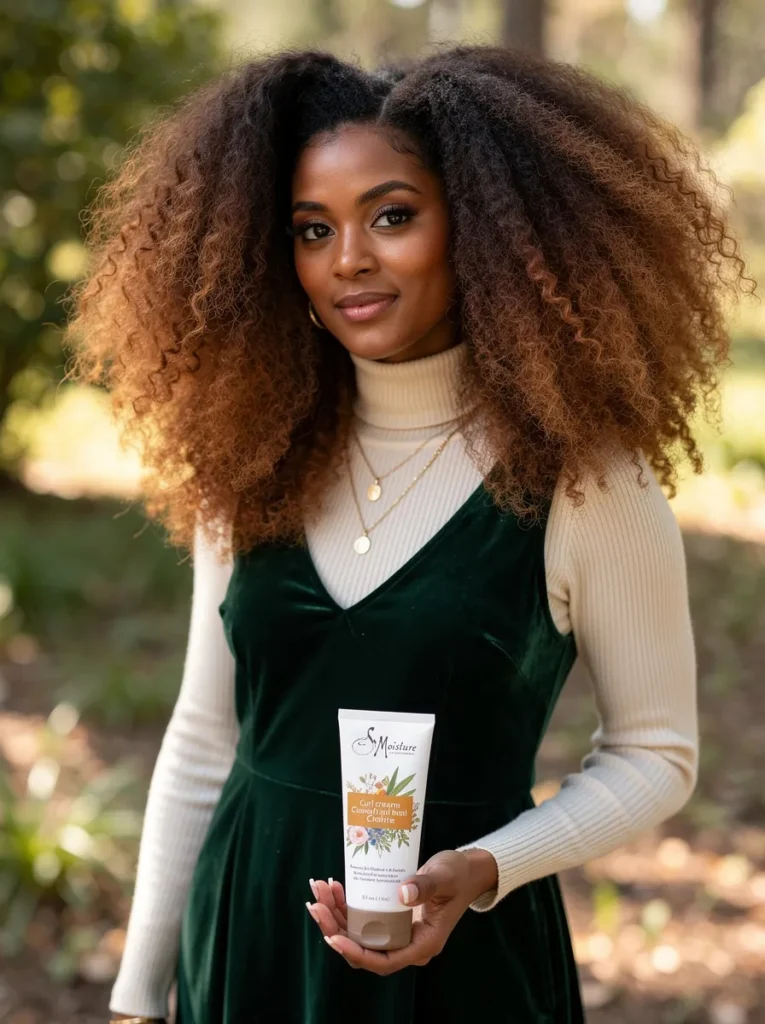
Ombre works well on natural hair when the transition is gradual. A hard line between dark and light looks unnatural on textured hair and tends to emphasize damage at the line of demarcation. A smooth gradient from your natural base into a chocolate or warm brown is much more flattering.
Stretched styles like twist-outs, braid-outs, or blowouts are the best way to actually see your ombre color. When your hair is in its shrunken state, the color disappears into the coils. If you want to wear your ombre visibly, you will need to stretch your hair regularly. Plan your styling routine around that before committing to the look.
10. Using Box Color vs. Salon Color on Natural Hair
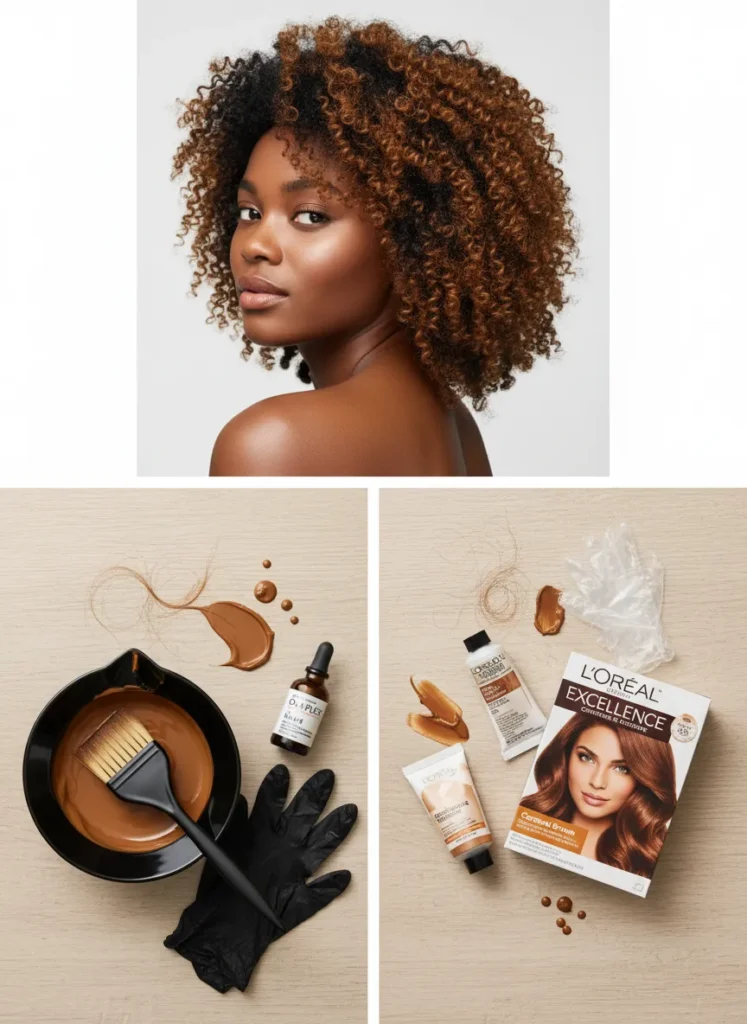
Box color is not automatically off-limits for natural hair, but it does carry more risk than salon color. The developer strength in most box kits is fixed, usually at 20 or 30 volume, which can be too strong for fine or high-porosity natural hair. A colorist can adjust developer strength to match what your specific hair actually needs.
That said, if your budget does not allow for a salon visit, there are better box color options than others:
- Garnier Nutrisse and L’Oreal Excellence are both gentler formulas that work on natural hair
- Avoid anything that says “maximum lift” or “ultra-light” on the box
- Do a patch test and strand test before applying to your full head
- Follow the application with a deep conditioning treatment immediately
- If your hair is already color-treated, skip box color entirely and see a professional
The condition of your hair before you color matters more than the product you use.
11. Warm Brown Tones on 3C Curl Patterns
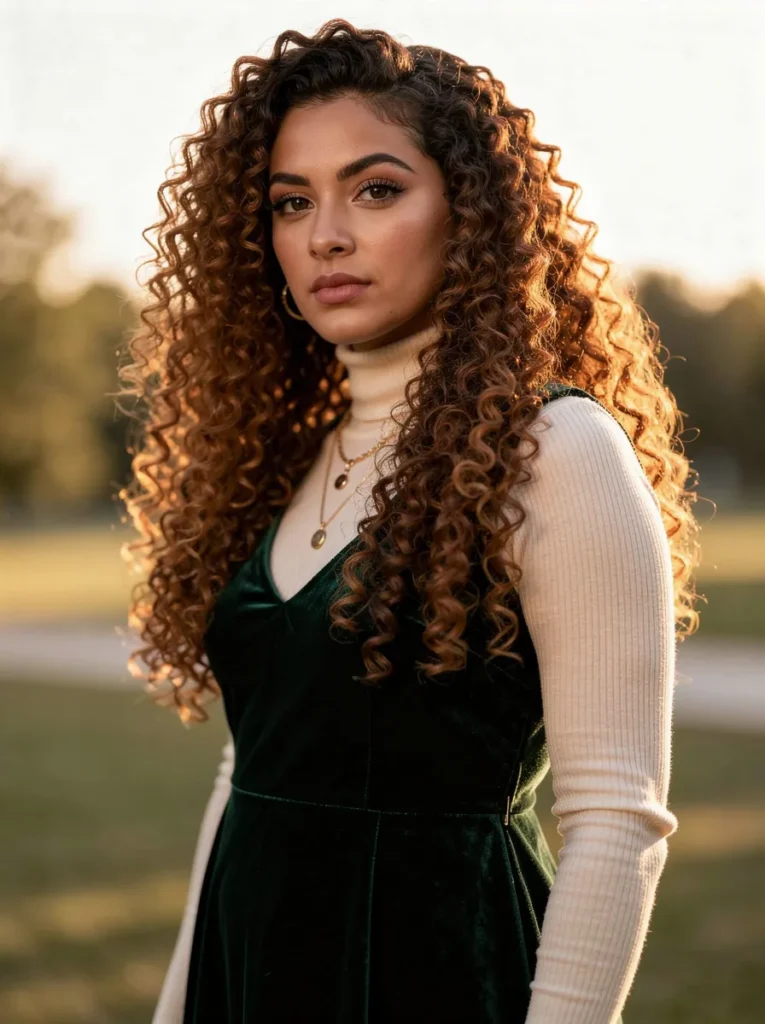
Warm brown tones on 3C curls create a naturally sun-touched effect that is hard to achieve with cool or ashy shades. The warmth in the color mirrors the warmth in the curl pattern itself, making everything look cohesive. Cool tones can sometimes make curly hair look dull or dry even when it is in good condition.
If your skin has warm or neutral undertones, go with golden or honey-based browns. If you have cool undertones, a chestnut or slightly cooler brown will still look warm on your curls without clashing with your complexion. Ask your colorist for a shade that is no more than two levels lighter than your natural base for the most believable result.
12. Protecting Color-Treated Natural Hair at Night
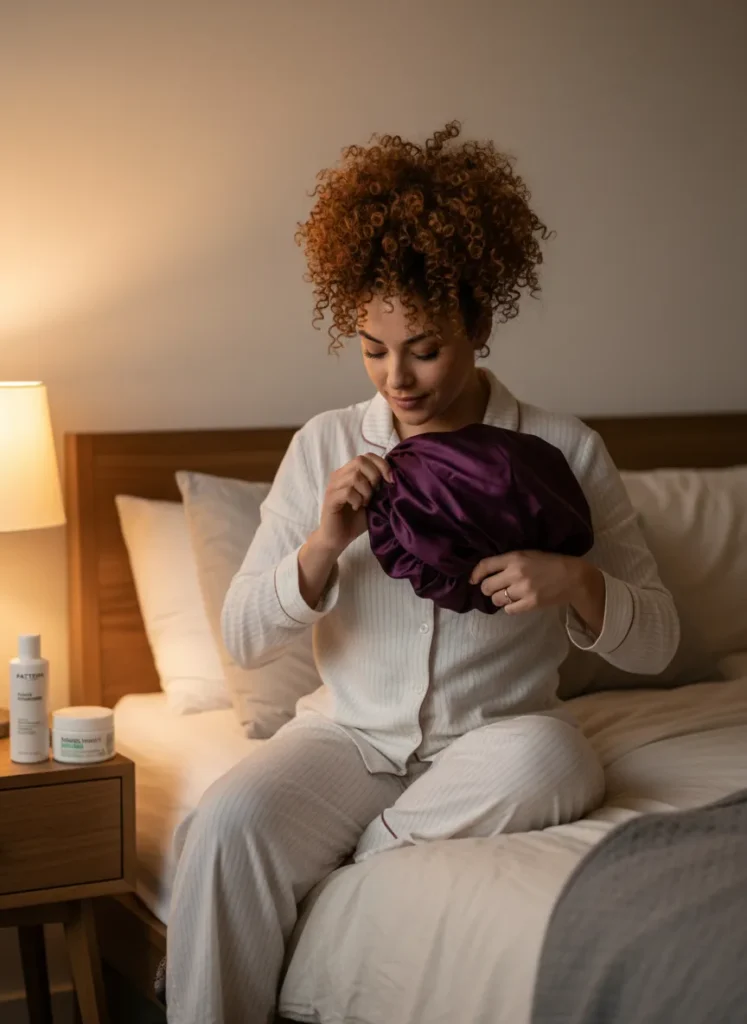
Color-treated natural hair needs more moisture than your pre-color routine gave it. The lightening process raises the cuticle and makes your strands more porous, which means moisture escapes faster. Your nighttime routine is actually where most of your color care happens.
What works consistently for color-treated natural hair at night:
- Pineapple your hair or put it in two loose twists before bed
- Sleep on a satin pillowcase or use a satin bonnet every night without exception
- Apply a small amount of a sealing oil to your ends before covering your hair
- Avoid tight styles overnight, they cause breakage at the most fragile points of color-treated strands
- Refresh with water and a light leave-in in the morning rather than re-styling from scratch daily
These habits extend your color life and reduce the breakage that happens between salon visits.
13. Brunette Baby Highlights on 3A Waves
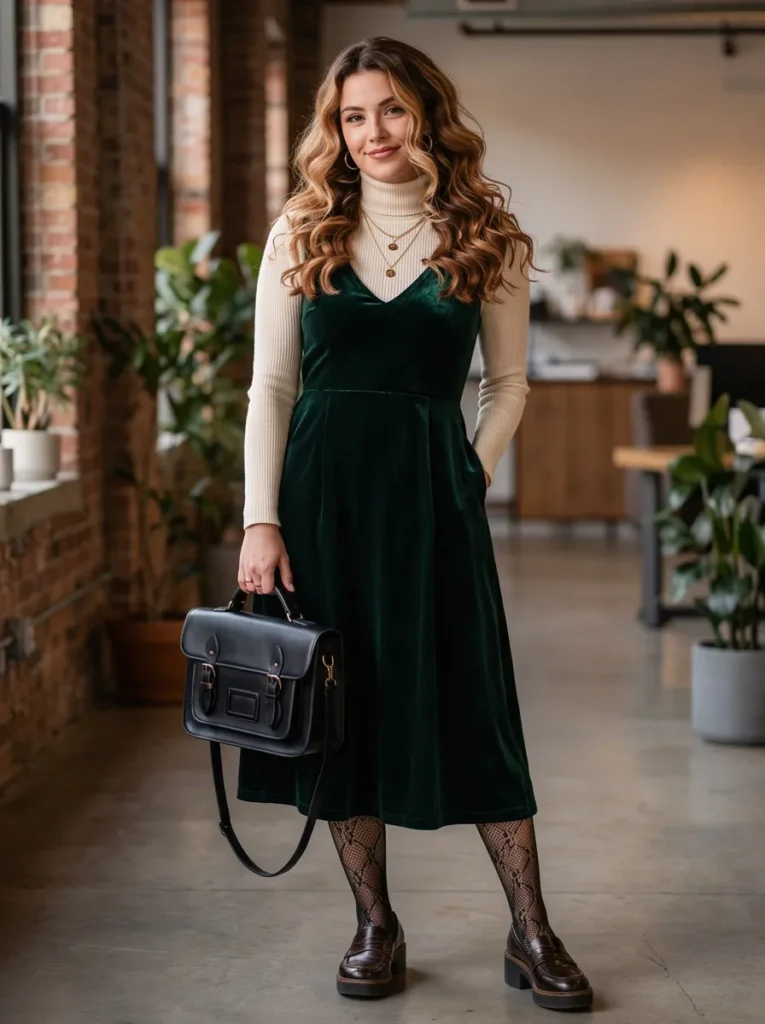
Baby highlights on wavy hair are one of the most low-maintenance color options available. Because the highlights are fine and scattered, they blend as your hair grows. You do not need a root touch-up the way you would with full highlights or a single-process color, which makes this a smart choice if you want color without a demanding upkeep schedule.
For 3A waves, the highlights should be placed at the surface layers of your hair where the waves catch the most light. Deep internal highlights will not show much in a wavy pattern. A good colorist will know this, but if you are not sure, bring a reference photo of exactly what you want and specifically mention that you want the highlights to be visible in your natural wave pattern.
14. Color Maintenance Between Salon Visits
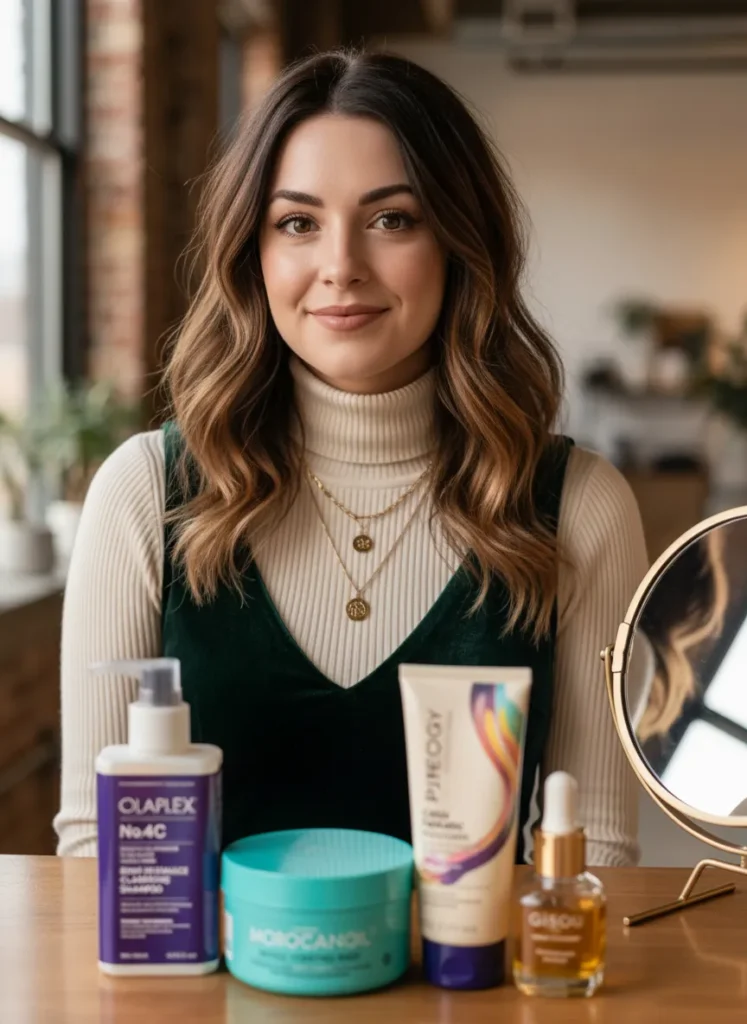
The way you wash your hair has a direct impact on how long your color lasts. Hot water fades color faster than anything else. Switching to lukewarm or cool water for your rinse step alone can add two to three weeks to your color life. It is a small change that makes a real difference.
Beyond washing temperature, a few other habits matter:
- Wash hair no more than once a week if possible, or use co-washing between wash days
- Use a sulfate-free shampoo specifically labeled color-safe
- Apply a deep conditioning mask every wash day, not just occasionally
- Avoid direct sun exposure when possible, UV rays fade color faster on natural hair
- Use products with UV protection built in if you spend a lot of time outdoors
Brands like Aunt Jackie’s, Mielle, and Carol’s Daughter all have color-safe lines that work well on natural textures.
15. Caramel Pieces Around the Face for Natural Hair

Face-framing pieces are one of the most effective ways to brighten your look without coloring your entire head. Just two or three lighter sections at your hairline and temples change how the color interacts with your face and skin tone. It is a targeted technique that uses minimal color with maximum visual impact.
For natural hair, face-framing pieces work best when they are painted on loosely rather than applied in tight foils. Ask your colorist for a freehand technique on your front sections so the color blends with your natural curl movement. This keeps the result soft rather than stark, which tends to look better on textured hair than a precise, sharp placement would.
16. Chestnut Brown on High-Porosity Natural Hair
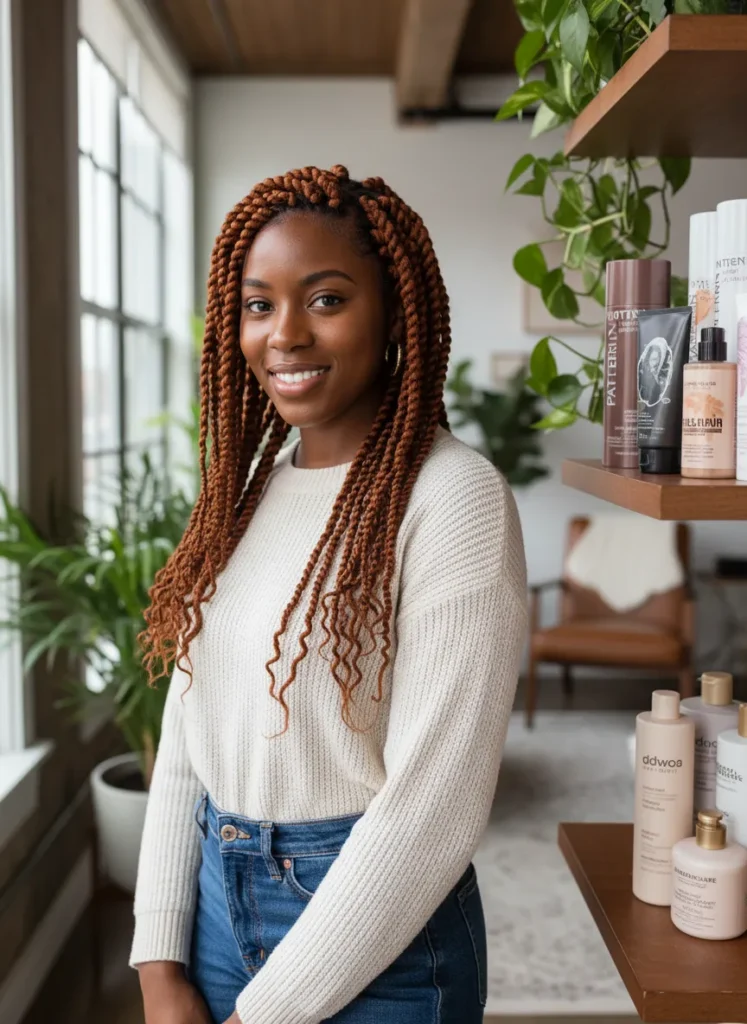
High-porosity hair grabs color quickly and releases it just as fast. This means your chestnut brown might look stunning the first week and noticeably faded by week three. Understanding this before you color helps you build a maintenance routine that keeps up with your hair’s behavior rather than fighting it.
Protein treatments are essential for high-porosity color-treated hair. The color process removes protein from your strands, and high-porosity hair has less structural integrity to begin with. Use a light protein treatment every four weeks, not a heavy one, heavy protein on natural hair can cause stiffness and breakage. Aphogee Two-Step and Kenra Platinum Silkening Mist are both reliable options that do not leave natural hair feeling brittle.
17. How Skin Tone Affects Your Warm Brown Shade Choice
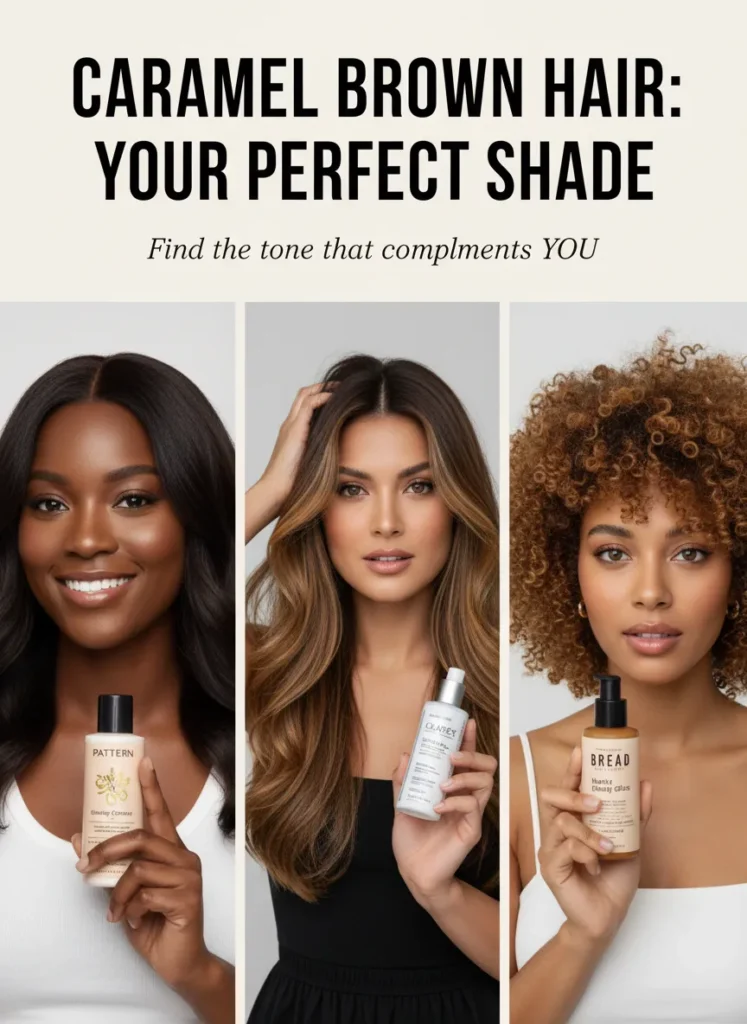
Warm brown is not one shade. It spans from golden caramel to deep chocolate, and the shade that looks best on you depends heavily on your skin’s undertone, not just your depth. Getting this wrong is one of the most common reasons people leave the salon feeling like the color is “off” even when the application was technically correct.
A general guide that works:
- Deep skin with cool undertones: rich chocolate brown or mahogany-tinted brown
- Deep skin with warm undertones: golden brown or bronze brown
- Medium skin with olive undertones: chestnut or copper-brown
- Medium skin with warm undertones: honey brown or caramel
- Fair to light skin: golden caramel or light chestnut
Bring your shade reference photo and also a photo of your bare face in natural light to your consultation. A good colorist will use both to recommend the right formula.
18. Going Darker: Transitioning to Chocolate Brown From Lighter Color
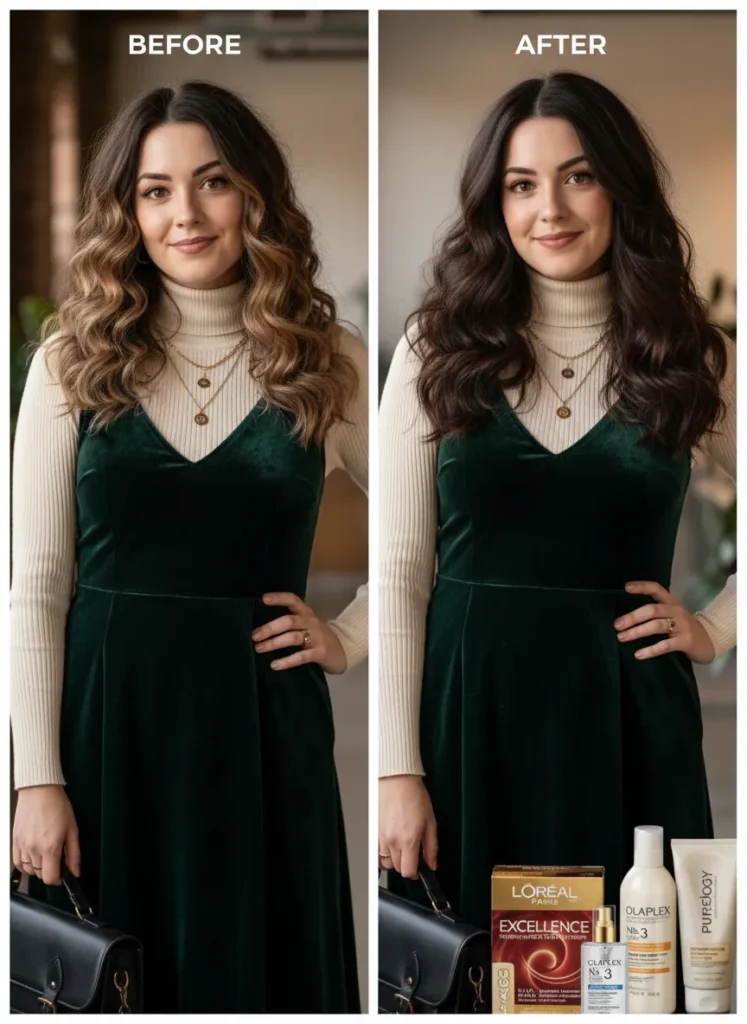
Going darker on color-treated natural hair is actually safer than going lighter, but it still requires some care. If you are transitioning from highlights, balayage, or a lighter color back to a deeper brown, you may need a color filler first. Skipping this step often results in the new dark color looking flat or fading to an unexpected warm or greenish tone.
A color filler adds back the missing pigment at the mid-tone level before the final dark shade is applied. Your colorist should know to recommend this, but if they do not bring it up, ask directly. It adds one step and sometimes a bit of cost, but it is what gives the final chocolate brown result its depth and longevity on previously lightened natural hair.
19. Diffusing Color-Treated Curls Without Fading Them Fast
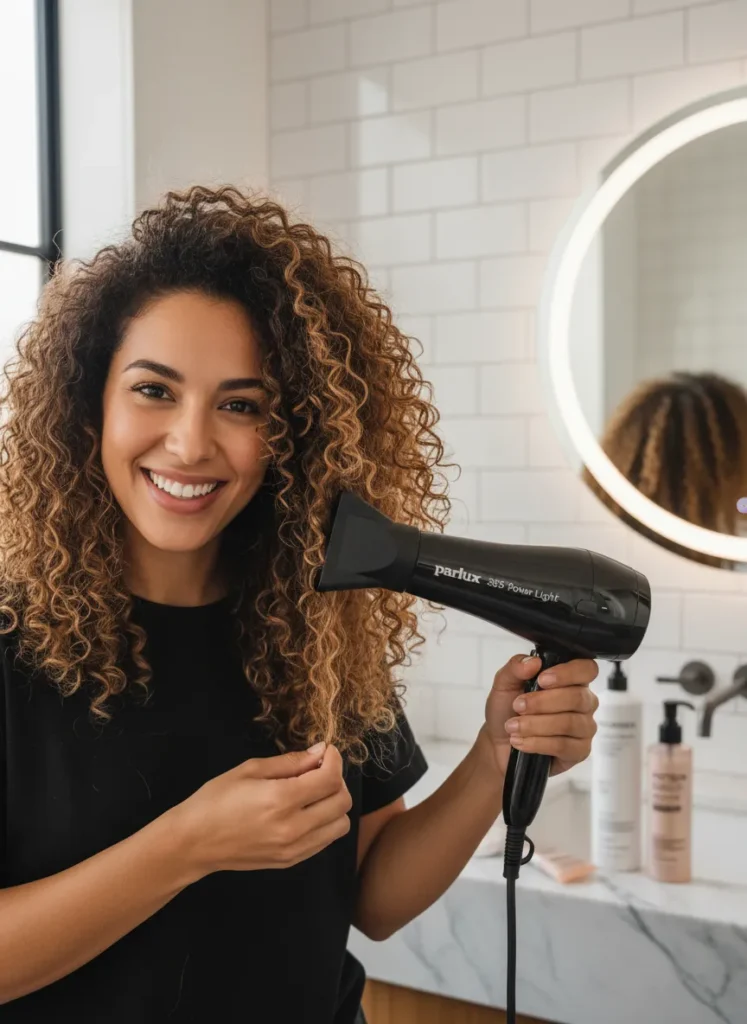
Heat styling fades color faster than almost anything else in your routine. Using a diffuser is better than direct heat, but it still contributes to color fade over time if you use it on high heat every wash day. The goal is to get your hair dry without over-processing the color you just paid for.
Practical adjustments that actually help:
- Always use a heat protectant on color-treated curls before diffusing, even on low heat
- Diffuse on medium or low heat, never high, for the first six weeks after coloring
- Stop diffusing before your hair is completely dry, the last 20% can air dry
- Apply a color-sealing product like a curl cream with UV protection before you start
- Wash and diffuse less frequently, every five to seven days is enough for most curl types
20. Balayage vs. Full Color on Natural Hair: Which Is Right for You
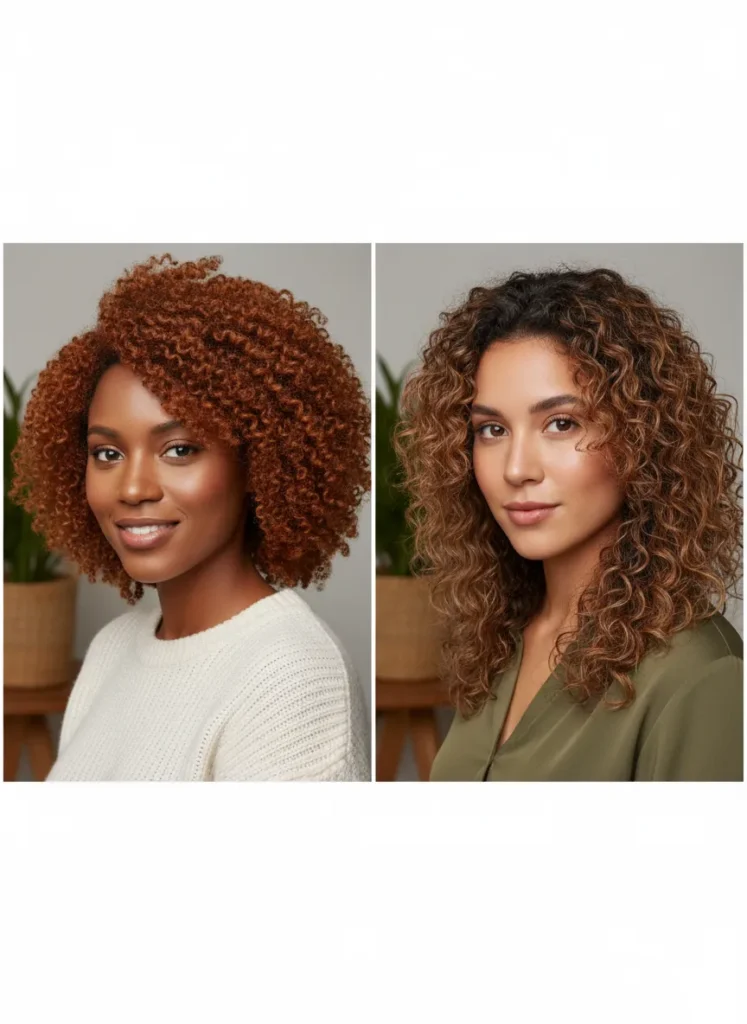
The choice between balayage and full color comes down to your maintenance tolerance, your hair’s current condition, and what result you actually want. Full color gives you an even, consistent tone all over, which works well if your natural base is uneven or you want a clean, polished look. Balayage gives you dimension and a grow-out that blends naturally.
For natural hair specifically, balayage is often the lower-risk option because it avoids the scalp and leaves your roots untouched. But if your goal is to change your entire hair color, balayage will not give you that result. Be honest about what you want before your appointment so your colorist can steer you in the right direction rather than defaulting to whatever they do most often.
21. Best Color-Safe Products for Natural Hair in 2026
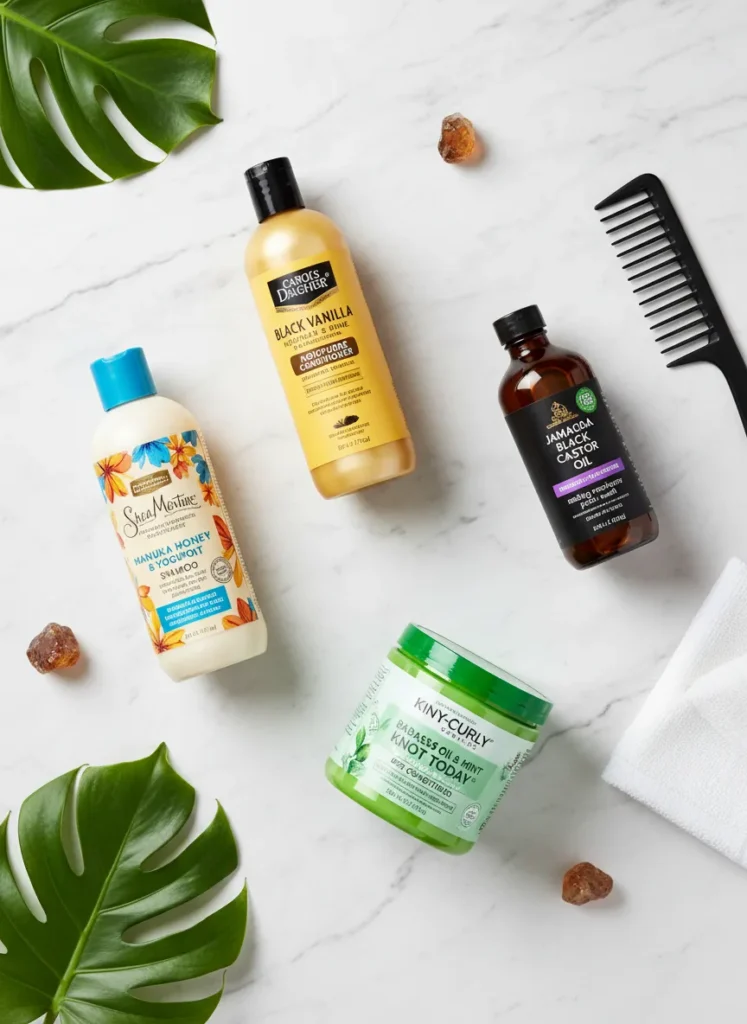
Using the right products after coloring makes a measurable difference in how long your color stays vibrant and how healthy your hair feels. For natural hair, color-safe does not just mean sulfate-free. It also means the formula has to be moisturizing enough to compensate for the dryness that comes with the color process.
Products that consistently perform well for color-treated natural hair in 2026:
- Shampoo: SheaMoisture Manuka Honey & Yogurt Color-Safe Shampoo
- Conditioner: Carol’s Daughter Black Vanilla Moisture & Shine Conditioner
- Deep conditioner: Mielle Organics Babassu Oil & Mint Deep Conditioner
- Leave-in: Kinky-Curly Knot Today Leave-In Conditioner
- Oil/sealant: Jamaican Black Castor Oil for sealing moisture post-wash
- Color refresher: Overtone Vibrant Brown Coloring Conditioner for tone maintenance between appointments
Rotate your deep conditioner with a protein treatment monthly to keep your color-treated strands strong.
22. Knowing When Your Natural Hair Is Ready for Color
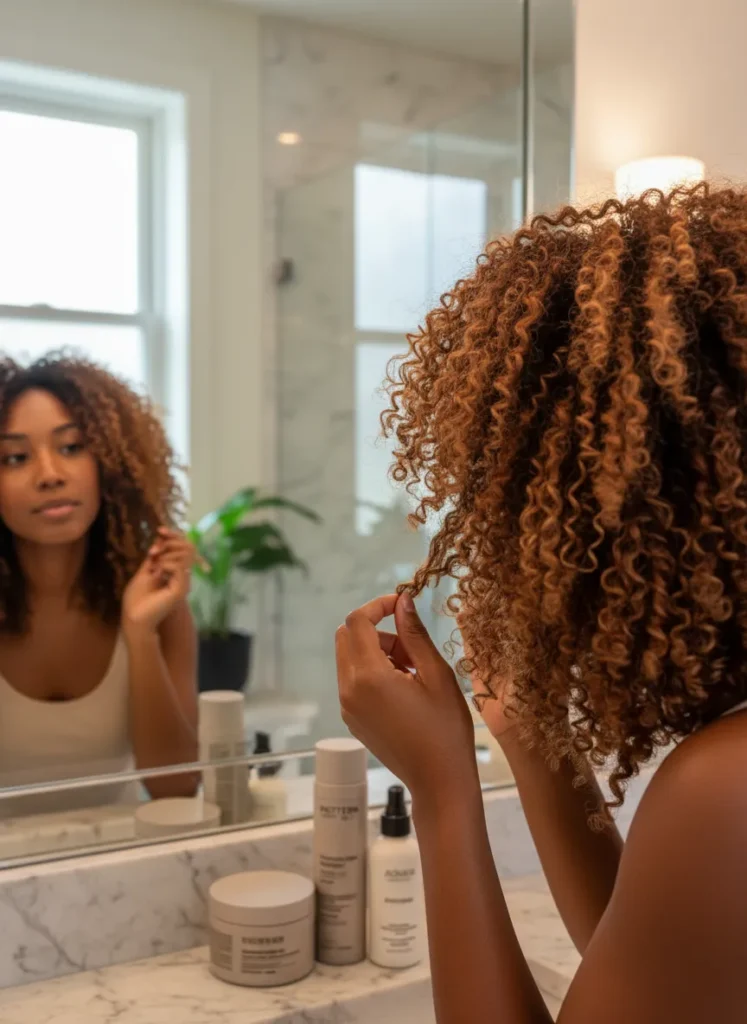
A lot of people color their hair when it is already stressed and then blame the color for the damage that follows. The truth is that color does not ruin healthy hair. It damages hair that was already fragile. Before you book your appointment, your hair needs to pass a basic readiness check.
Signs your natural hair is ready for color:
- Your strands have good elasticity: they stretch and return without snapping
- You have not had significant breakage or shedding in the past six weeks
- Your hair feels moisturized, not brittle or dry to the touch
- You have not done a relaxer, texturizer, or heavy keratin treatment in the last three months
- You can detangle your hair without excessive breakage
If your hair does not meet these points, spend six to eight weeks rebuilding strength with protein and moisture before coloring. The color result will be better, and your hair will be in a position to handle the process without setbacks.
Conclusion:
Natural hair takes color well when it is healthy and the shade is right for your texture. Caramel brown hair gives you warmth and dimension without needing to go dramatically lighter. Start with one technique, whether that is face-framing pieces, baby highlights, or a full balayage, and build from there. The most important step is getting your hair in strong condition before you sit in that salon chair. The rest follows.