24 V Cut Hair Ideas for Short, Medium, and Long Lengths

Not every haircut works across every length, but v cut hair comes close. Whether your hair sits at your chin, your shoulders, or your lower back, the right V shape adds structure, movement, and a finished look that blunt cuts often miss. This list covers 24 real ideas across short, medium, and long lengths, so you can find something that works for your hair type, texture, and styling routine, not just the most popular version you keep seeing everywhere.
1. The Classic Deep V Cut for Long Straight Hair
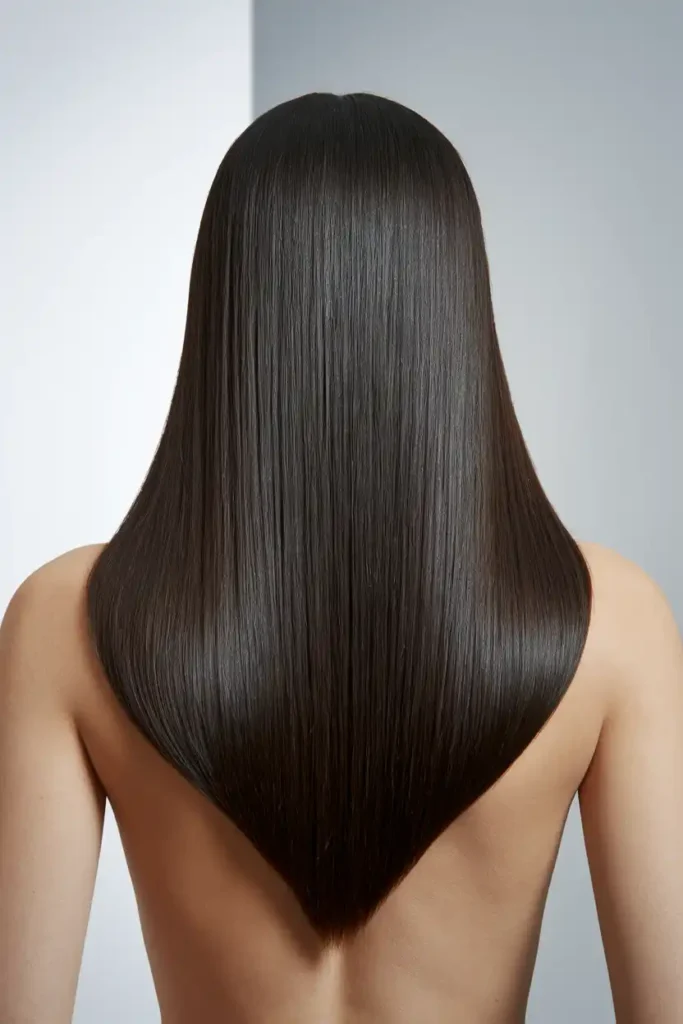
If you have long straight hair and want a cut that actually shows off your length, a deep V is one of the most flattering options out there. The longer layers frame the back beautifully, and the pointed center creates a visual line that makes hair look thicker and more intentional. It photographs exceptionally well from behind, which is part of why this style has stayed relevant for years.
The key to making this work is having a stylist who cuts with precision. A sloppy V on straight hair shows every imperfection. Ask for a deep V with no layers if you want that sleek, uniform look. If your hair is naturally shiny, this cut will do all the work for you with minimal styling effort.
2. Soft V Cut on Medium-Length Wavy Hair
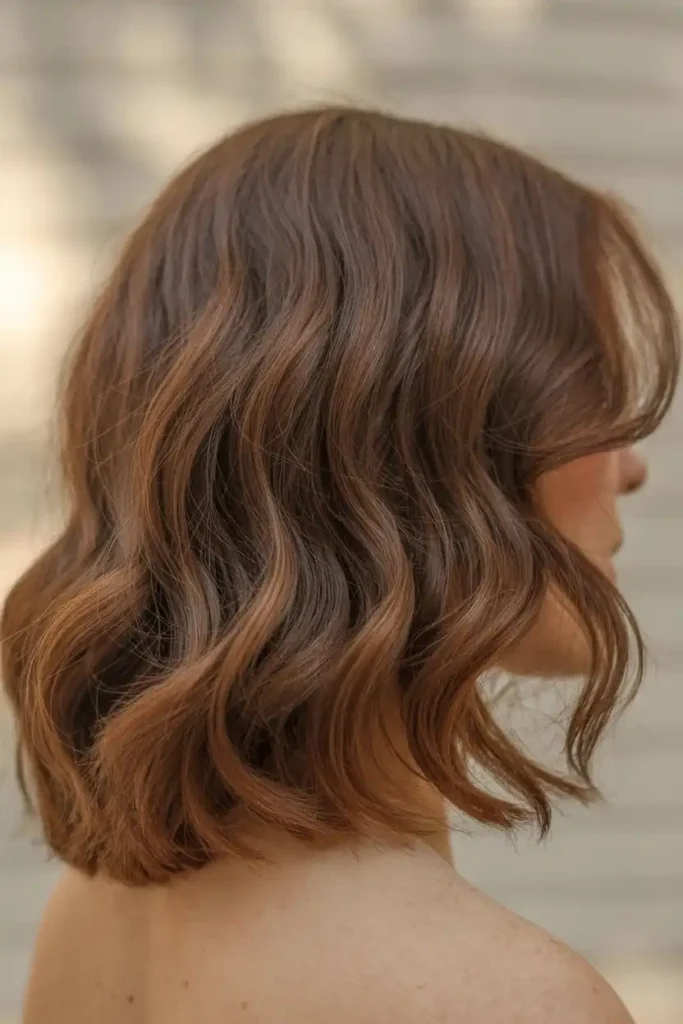
Wavy hair and a soft V cut are genuinely one of the best combinations in hairstyling. The natural texture of the waves softens the V shape, so it reads as movement rather than a structured line. This is the version to request if you want shape without anything too dramatic.
For medium lengths specifically, this cut prevents the hair from looking boxy or heavy at the ends, which is a common issue with blunt cuts on wavy textures. Ask your stylist to keep the V subtle, about two to three inches of difference between the shortest and longest point, and you will have a style that air-dries beautifully.
3. Short V Cut Bob With a Modern Twist
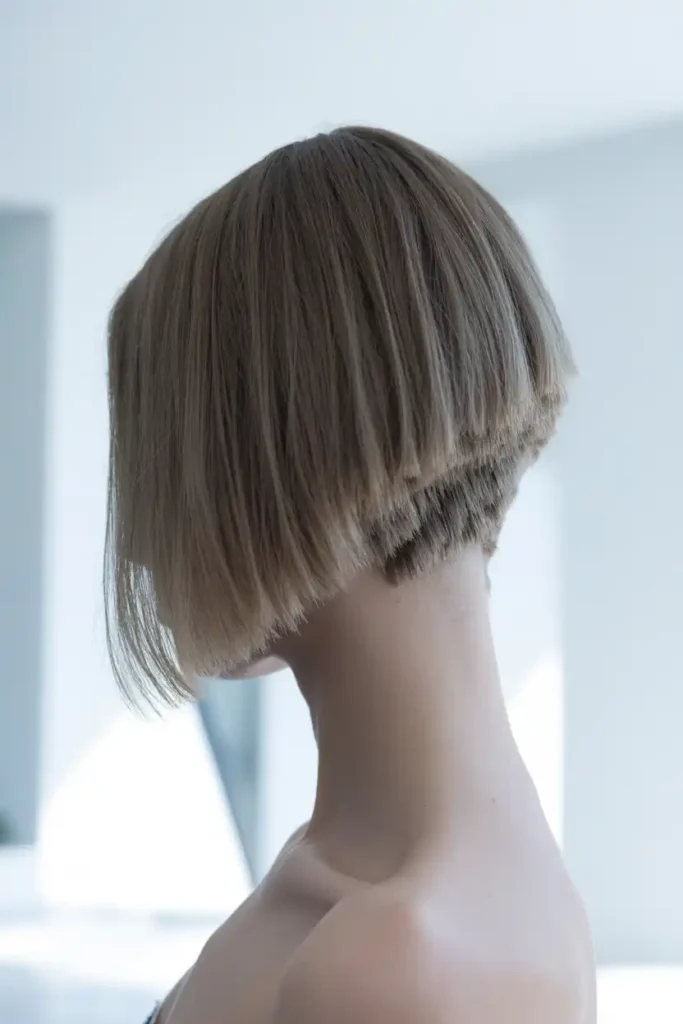
The V cut bob is an underrated haircut. Most people associate V cuts with long hair, but bringing that pointed shape to a shorter length creates something much more modern and unexpected. The back becomes the focal point, especially when you are wearing a low neckline or your hair up.
This works especially well for people with thick hair who want a short style that still has personality. The V shape at the nape removes bulk and gives the cut a refined finish rather than a blunt, heavy line across the back. It is a small detail that makes a significant difference in how polished the haircut looks overall.
4. Long Layered V Cut With Face-Framing Pieces
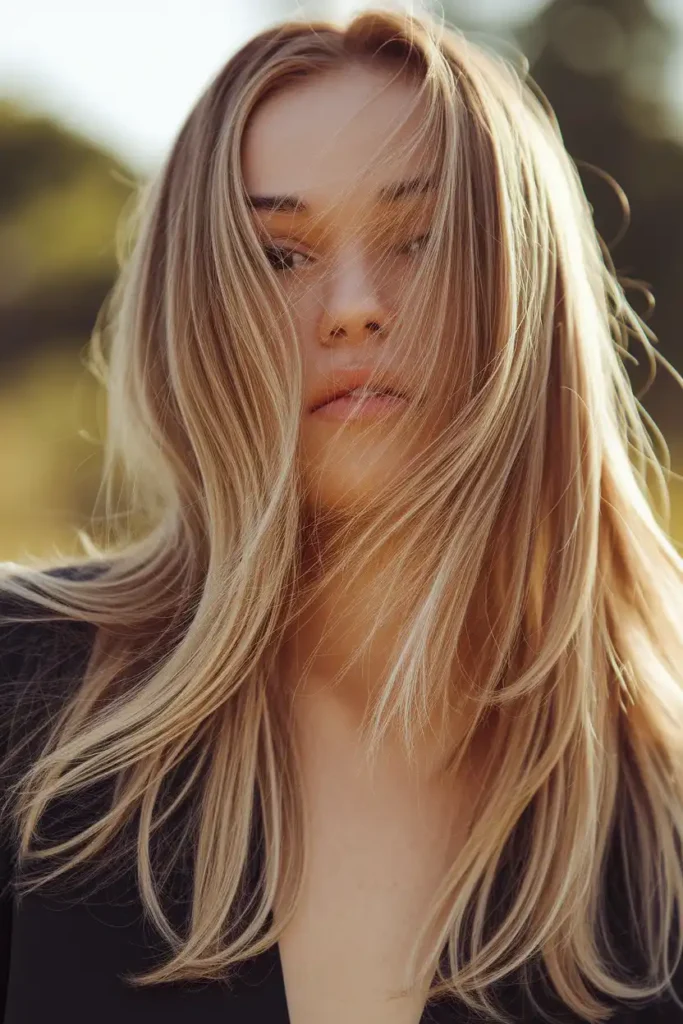
If you want long hair that actually moves, a V cut with layers and face-framing pieces is the answer. The layers give the hair body without sacrificing length, and the face-framing pieces draw attention to your features rather than letting the hair dominate. This is one of the most requested styles in salons for a reason.
The combination of a V at the back and strategically placed front layers creates a balanced look that works with or without styling. On days you air-dry it, the layers give natural movement. When you add a blowout, the whole thing gets lifted and full. It is genuinely versatile in a way that a simple V cut without layers is not.
5. Medium V Cut With Curtain Bangs

Curtain bangs paired with a medium V cut became popular for good reason. The bangs add a retro softness to the front while the V at the back gives the cut structure. Together, they create a style that feels intentional without looking overdone.
This combination works across a wide range of face shapes. The curtain bangs open up the forehead area and draw attention to the eyes, while the V shape at the back keeps the ends from looking flat or shapeless. If you are growing out your hair and want something to do with it at the in-between stage, this is a genuinely useful option.
6. V Cut Hair on Natural Curly Texture
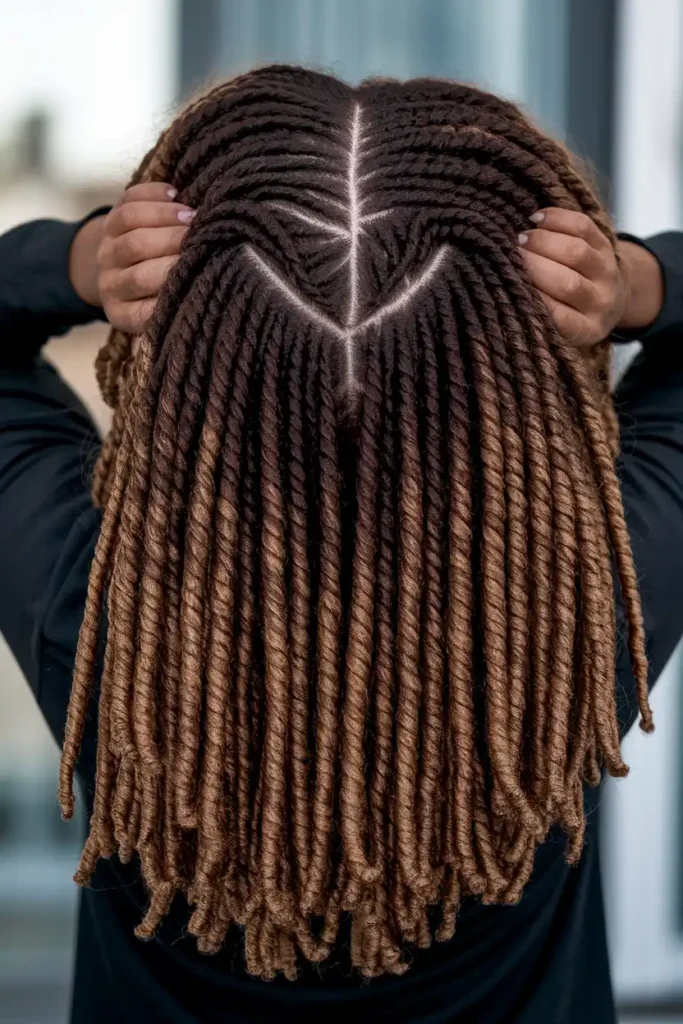
Getting a V cut on curly hair requires a stylist who understands how curl shrinkage affects the final shape. What looks like a subtle V when wet can become a more dramatic one once the curls spring up. A good curl specialist will cut with that in mind and dry-cut the ends to get the shape right.
When done properly, a V cut on natural curls adds definition to the shape of the hair without removing any volume. The pointed center guides the eye and prevents the hair from looking like an unstructured mass, which can happen when curly hair is cut bluntly or without thought to shape. The result is structured curls that look like a deliberate style rather than a default.
7. Subtle V Cut for Fine Hair
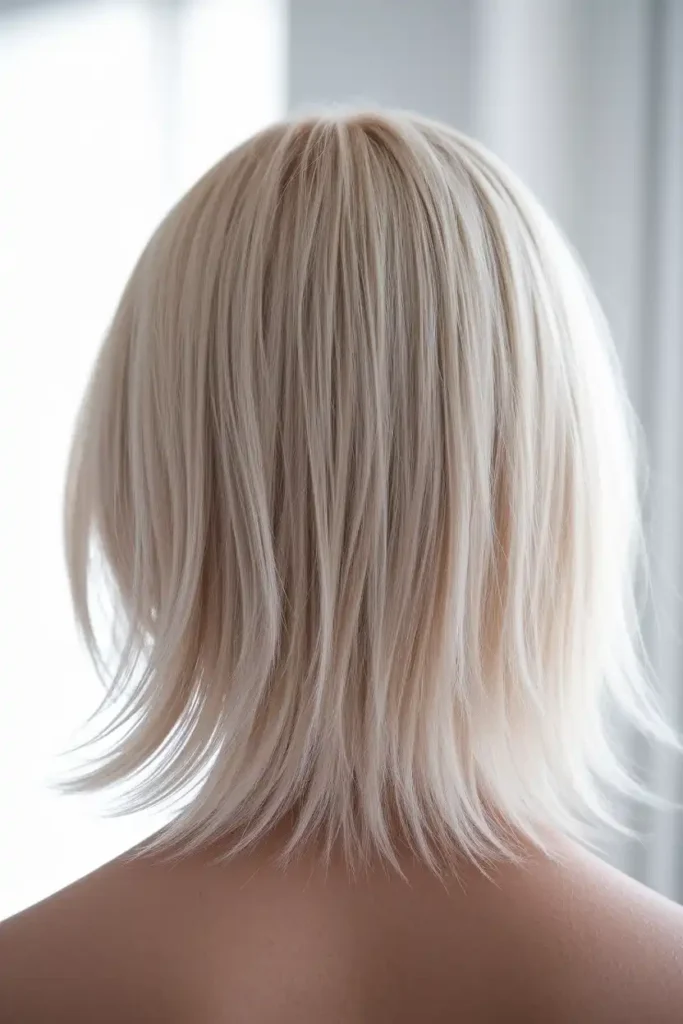
Fine hair and dramatic V cuts do not always work well together. The more extreme the angle, the more the thinner outer pieces can look stringy or sparse. A subtle V, where the difference between the shortest and longest point is about one to two inches, gives shape without exposing how fine the hair is at the ends.
To add the illusion of thickness, pairing a gentle V with soft waves makes a real difference. The waves add texture and visual density, so the V reads as a style choice rather than a result of the hair thinning out. Ask your stylist to keep the layers minimal and the V gentle, and you get all the shape benefits without the downsides.
8. Dramatic V Cut on Ombre-Colored Hair
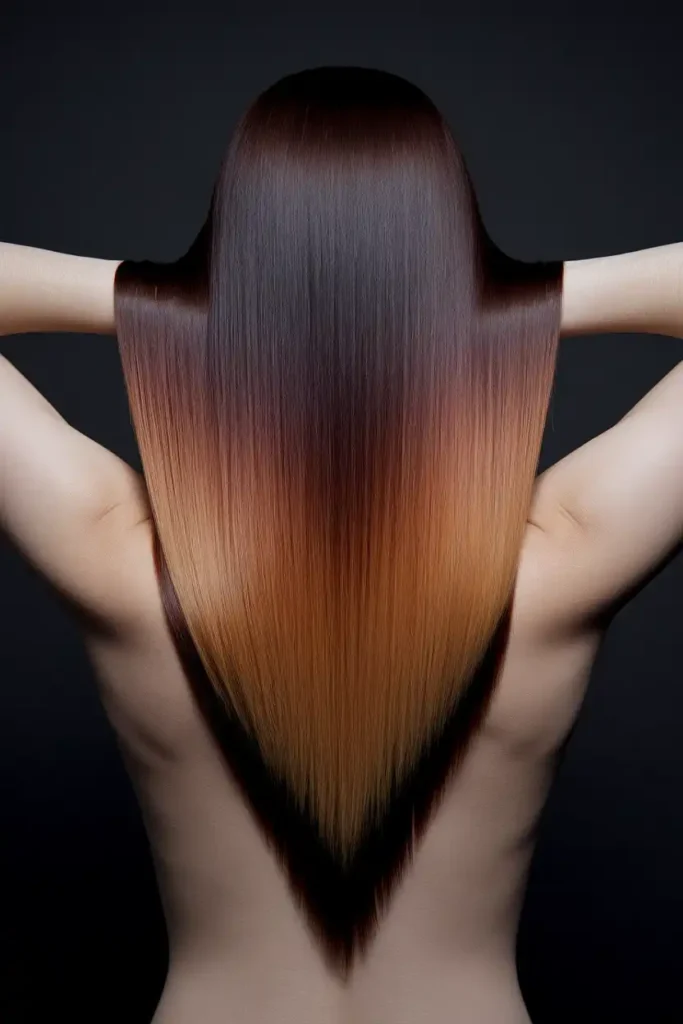
When ombre color meets a deep V cut, the two elements amplify each other. The color transition draws the eye downward, and the V shape gives it a clear destination. If you already have ombre hair or are thinking about getting it, asking for a V cut at the same time is one of the better double-impact decisions you can make.
This combination also has a practical benefit. As the ombre grows out, the V shape helps frame the color transition rather than letting it become a blurry, undefined gradient. The structure of the cut keeps the color looking purposeful even as it naturally fades and shifts over time.
9. V Cut With Money Piece Highlights
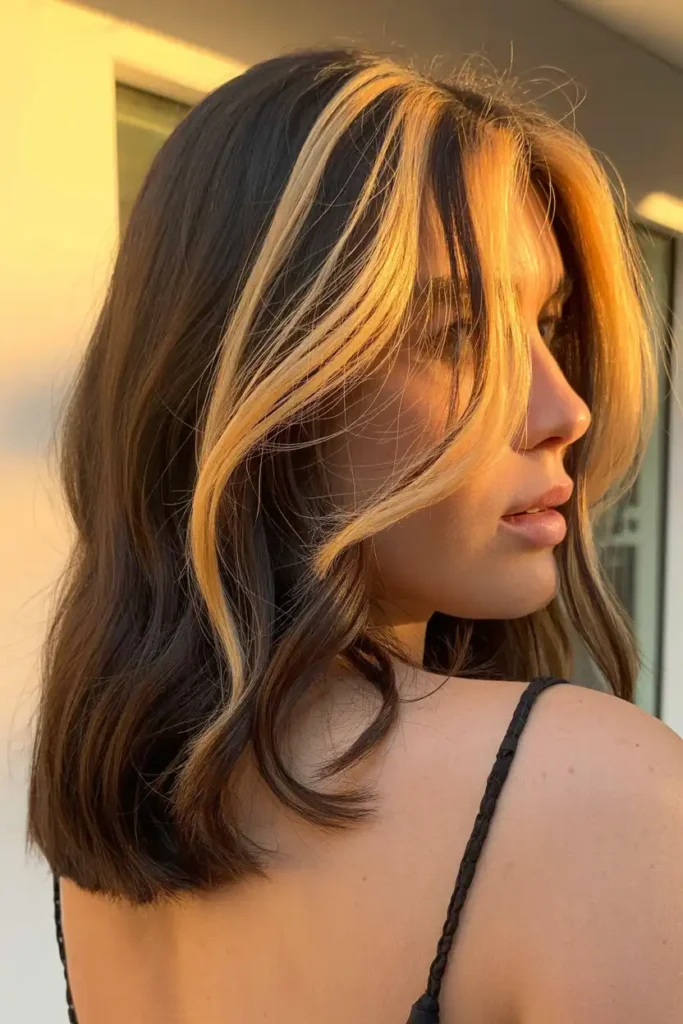
Money piece highlights sit at the very front of the hair, framing the face in a block of lighter color. When you add a V cut to the back, you create a hairstyle that has something interesting happening at the front and back simultaneously. From every angle, there is something worth looking at.
This is a style that photographs well and photographs often, which is part of its ongoing popularity. The V cut gives the hair shape from behind, and the money piece highlights draw attention to the face from the front. If you are going to invest in a color service and a cut at the same time, this combination gives you the most visual impact for what you spend.
10. Short Shag With a V-Shaped Perimeter
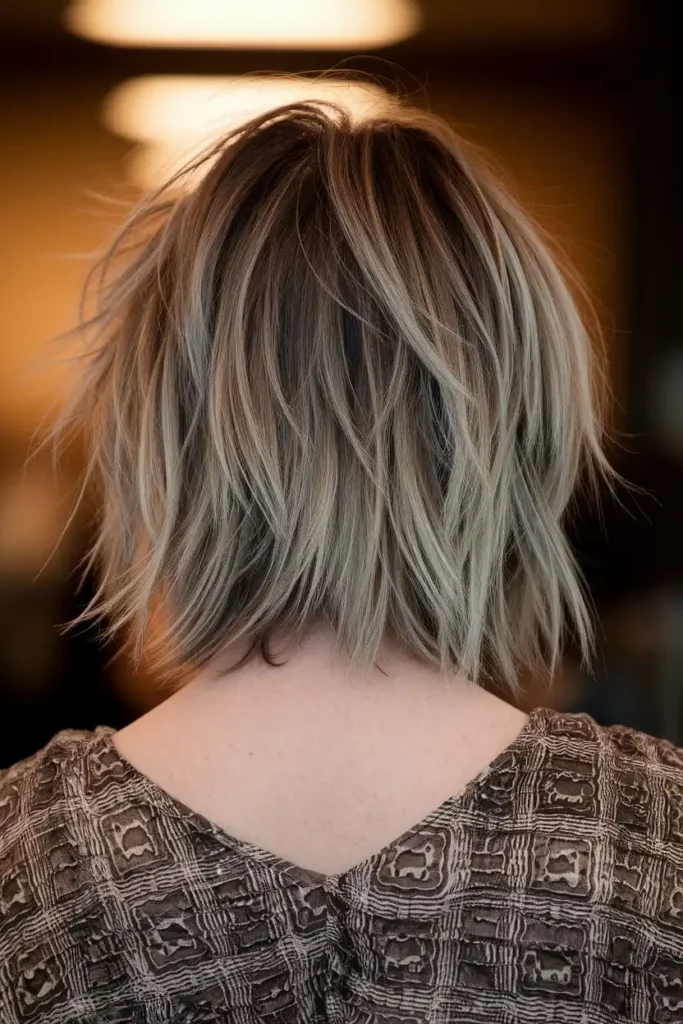
The shag haircut has gone through multiple revivals, and the version that keeps getting requested is one where the perimeter is V-shaped rather than straight across. It gives the cut a softer, more feminine finish while keeping all the texture and lived-in energy that makes shags appealing in the first place.
For shorter hair specifically, this small adjustment to the perimeter makes the cut look more custom and considered. It avoids that blocky, unfinished look that some shags can develop when the ends are left straight. Pairing it with a dry texture spray or light curl cream gives the layers the definition they need to show up properly.
11. V Cut on Thick, Heavy Hair
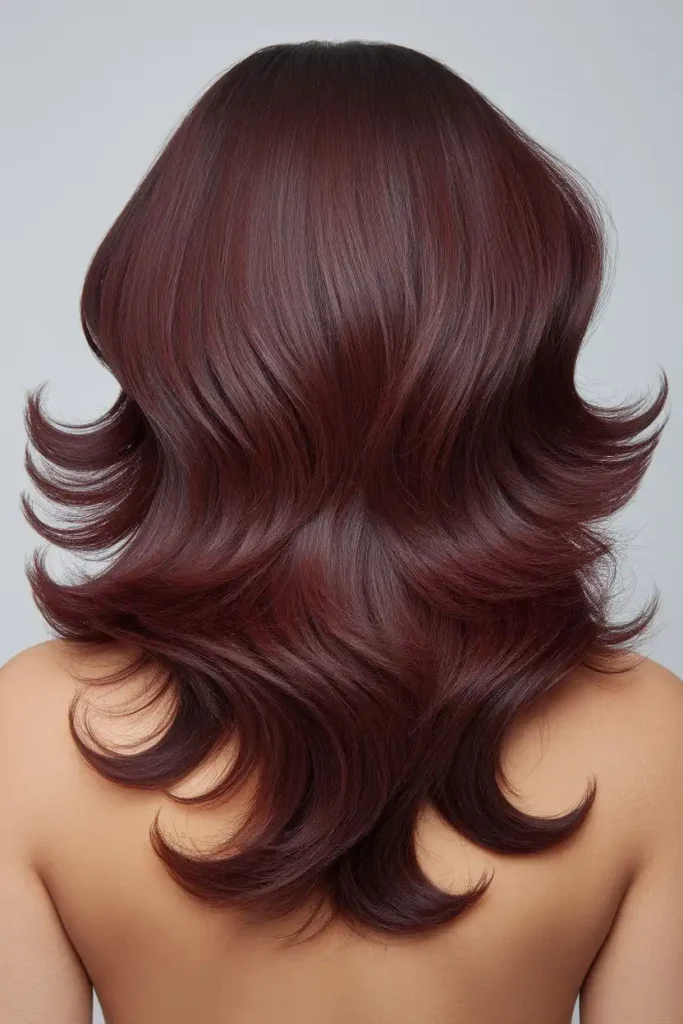
Thick hair is one of the best hair types for a V cut because the shape holds well and the ends do not look sparse. The challenge with thick hair is that without proper layering, the outer lengths can become heavy and pull the V shape down unevenly. Asking for internal layers alongside the V perimeter helps redistribute the weight.
A stylist who works well with thick hair will know to thin through the interior without touching the surface layers, which preserves the shape of the V while removing the heaviness underneath. The result is hair that moves properly instead of sitting flat and heavy, and a V cut that looks intentional rather than like the hair just tapered to a point on its own.
12. V Cut for Shoulder-Length Hair
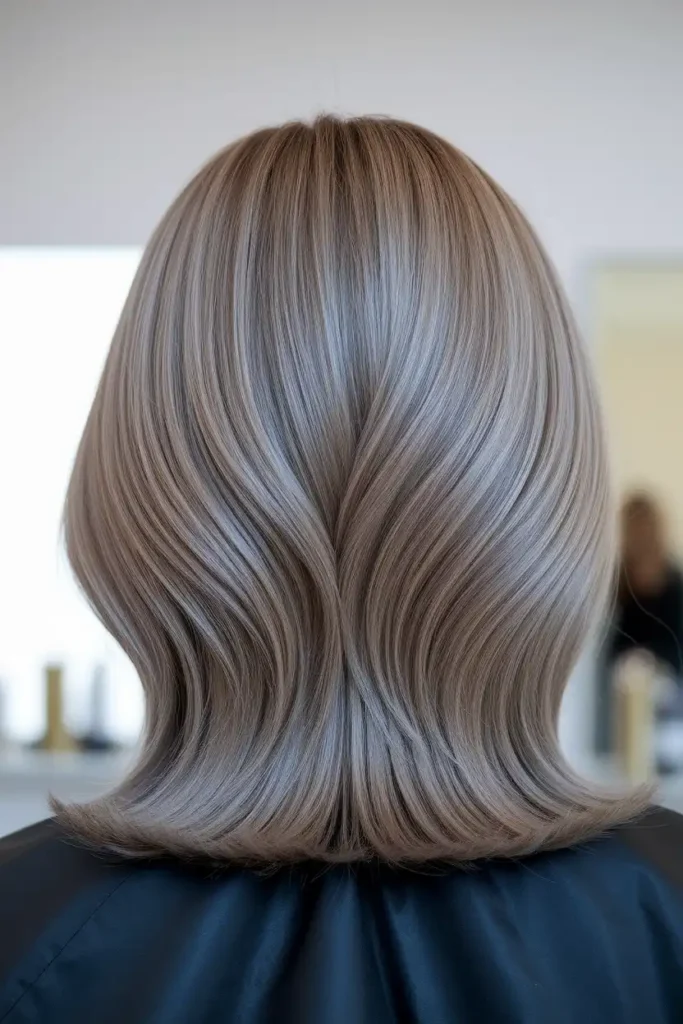
Shoulder-length hair sits in a tricky spot. Too blunt and it can look choppy. Too layered and it loses shape. A V cut is often the right middle ground, giving the ends direction without breaking up the length with too many layers.
For this length specifically, keep the V moderate. A two-to-four-inch difference between the shortest and longest point is usually enough to add shape without making the outer pieces so short that they look awkward. This is a low-maintenance cut that grows out well and stays looking intentional even as it lengthens over time.
13. V Cut With Beach Waves
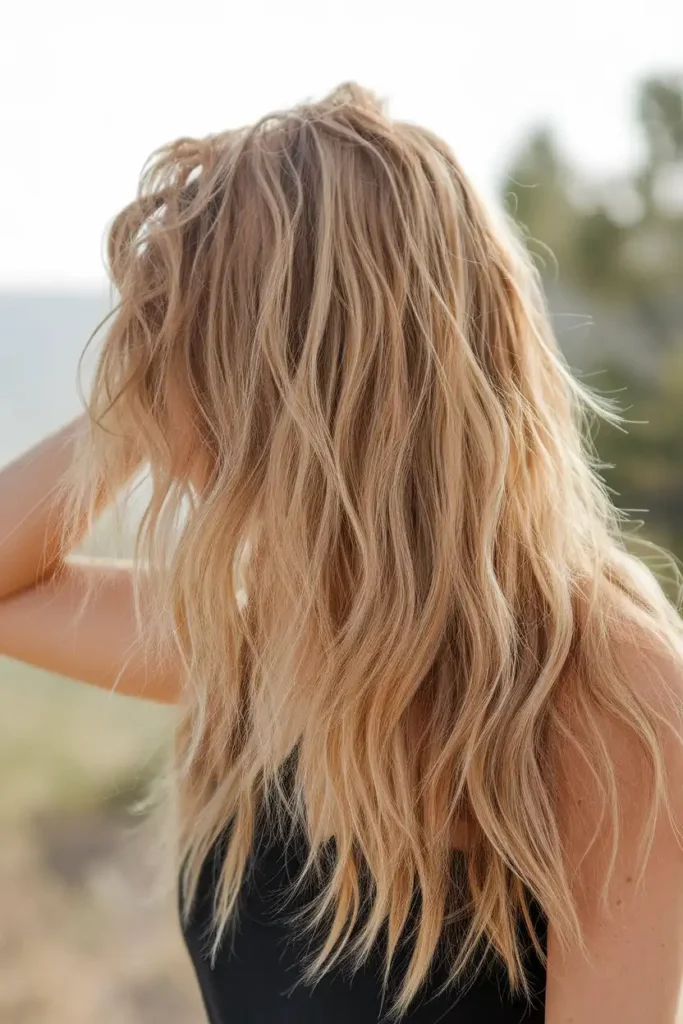
Beach waves and a V cut are a classic pairing because the waves add movement that makes the V shape look organic rather than technical. Instead of the cut looking like a sharp design element, it blends into the texture of the waves and reads as part of the overall style.
For people who wear beach waves regularly, a V cut also helps the waves look more defined at the ends. Without shape at the perimeter, heavily waved hair can look blurry and undefined, especially toward the bottom. The V gives the waves a clear direction to fall in, and the result is a style that looks put-together even when it is meant to look effortless.
14. Blunt V Cut on Chemically Straightened Hair
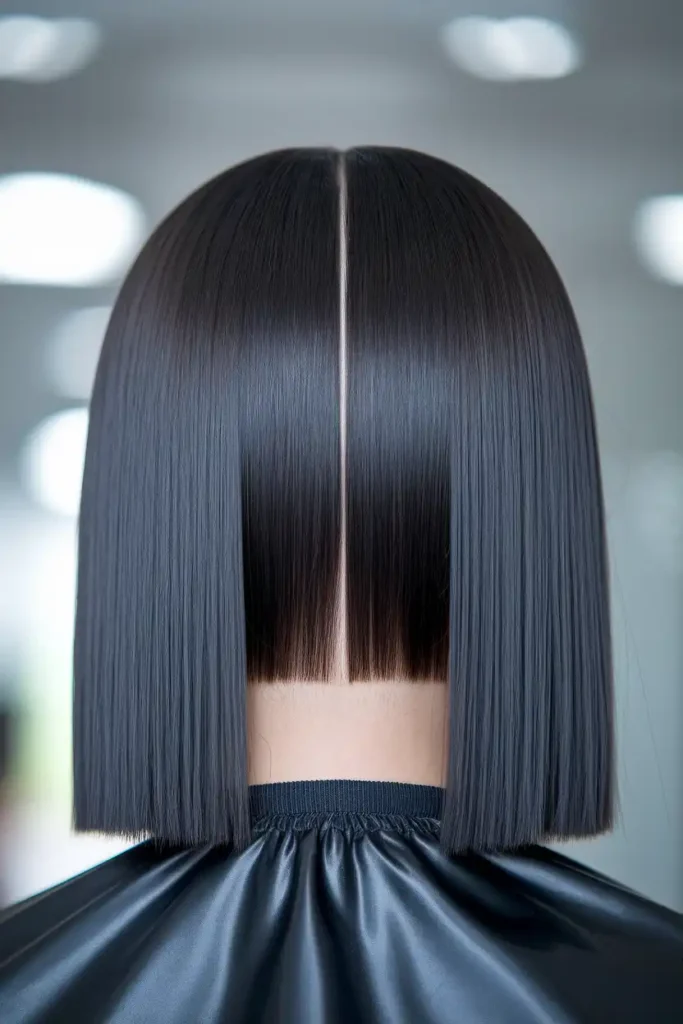
Chemically straightened hair, whether keratin-treated or relaxed, is some of the most rewarding hair to cut into a V because it holds the shape perfectly. There is no curl pattern or wave to distort the line, so the V reads exactly as the stylist intended. The result looks graphic and intentional in a way that is difficult to achieve with textured hair.
The care requirement here is keeping the ends healthy. Chemically processed hair can become dry and prone to splitting at the ends, which makes a blunt V cut look rough rather than sharp. Regular trims every eight to ten weeks, combined with consistent deep conditioning, keep the ends looking like the cut is fresh even when some time has passed.
15. V Cut on Highlighted Blonde Hair
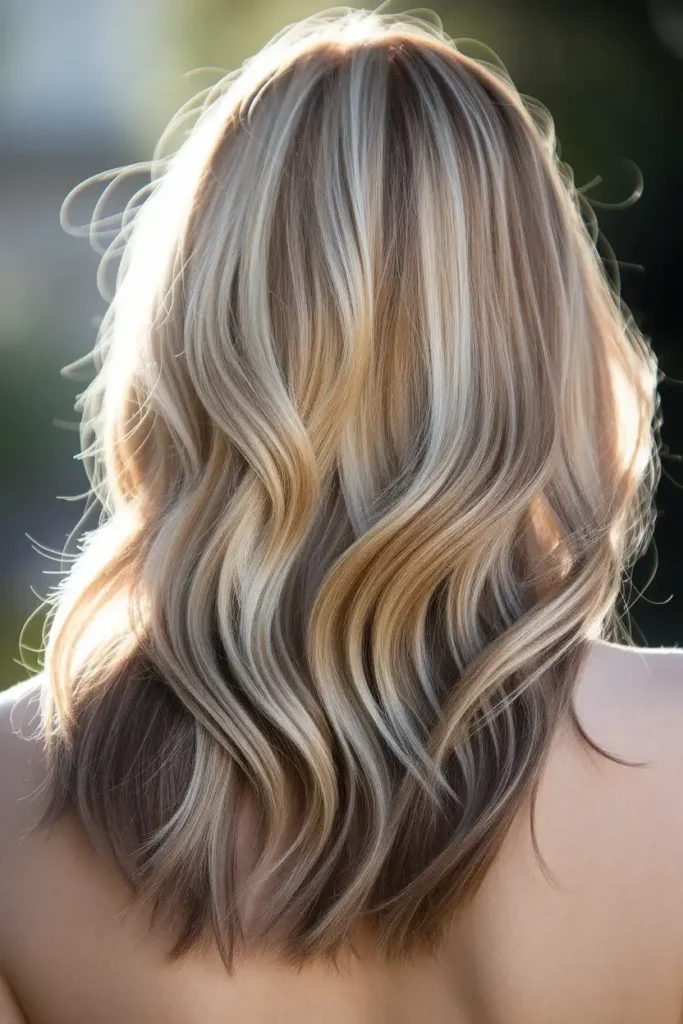
Highlighted blonde hair and a V cut share something in common: they both work best when they look natural and uncontrived. Heavy, uniform highlights with a sharp V can look overdone, but a multi-tonal blonde with a soft to moderate V reads as genuinely effortless.
The V cut also benefits highlighted hair structurally. As highlights are typically lightest at the ends, where the color is oldest and most lifted, a V cut removes some of that over-processed length while maintaining the look. You lose the most damaged parts of the hair and keep the healthy mid-lengths, which is a genuinely practical reason to pair this color with this cut.
16. V Cut on Red or Copper-Toned Hair
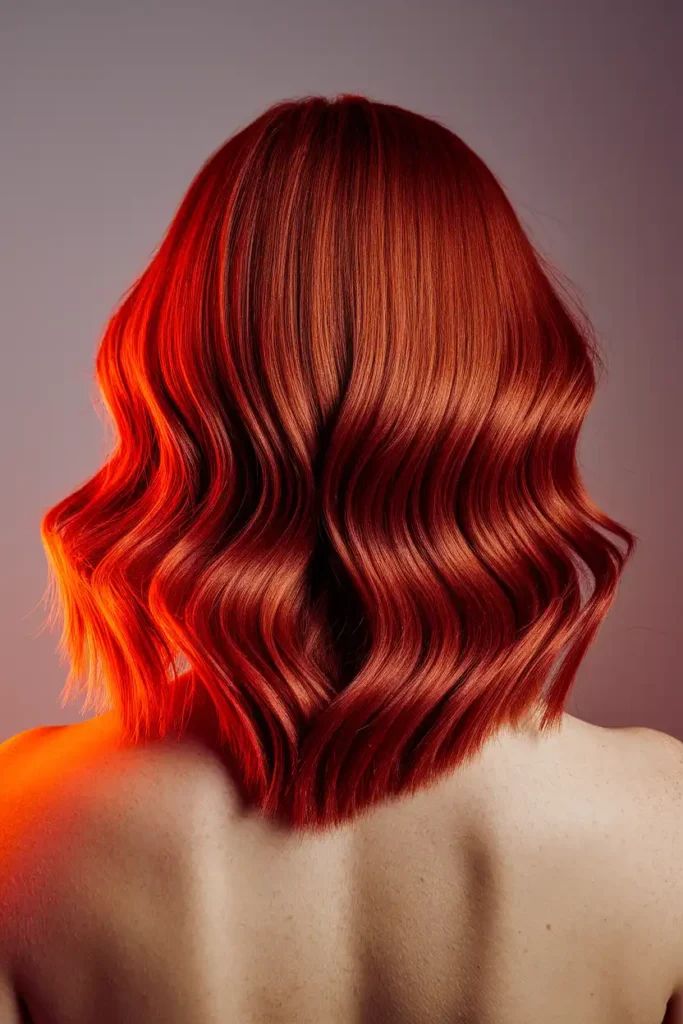
Copper and red hair colors have directional movement built into the tone itself. Warm reds naturally catch the eye and draw it downward, and a V cut takes advantage of that by giving the eye somewhere to land. The result is hair that looks alive and directional in a way that cooler or more neutral colors do not always achieve.
From a practical standpoint, red hair fades faster than most other colors, and the fading often looks most obvious at the ends where the color oxidizes first. A V cut regularly removes the oldest, most faded ends, which helps the color stay vibrant between coloring appointments. It is one of those styling choices that is both aesthetic and genuinely functional.
17. V Cut on Lob Length Hair
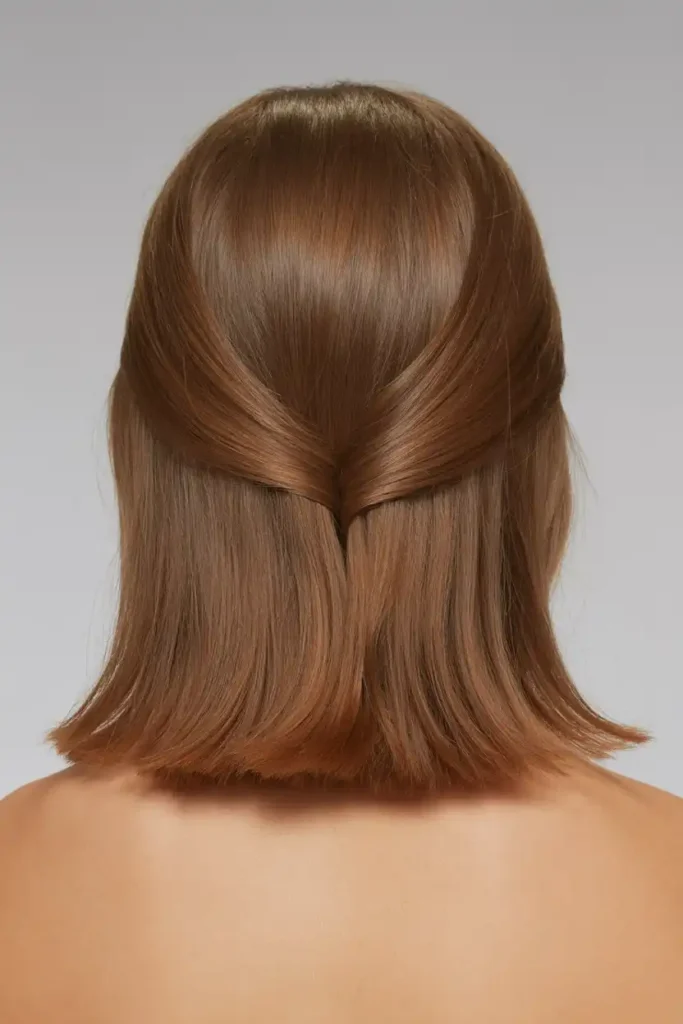
The lob is one of the most popular lengths in modern hairstyling, and adding a V cut to it is a simple way to make it feel less generic. Most lobs are cut straight across or with a very slight U shape, so a defined V immediately sets the style apart from the standard version.
For people who have been wearing a lob for a while and want something slightly different without committing to a major change, asking your stylist to add a V to your existing length is a genuinely low-risk refresh. It changes the silhouette without changing the length, and it grows out in a way that looks intentional rather than like the haircut is just getting longer.
18. V Cut on Natural Hair With Defined Coils
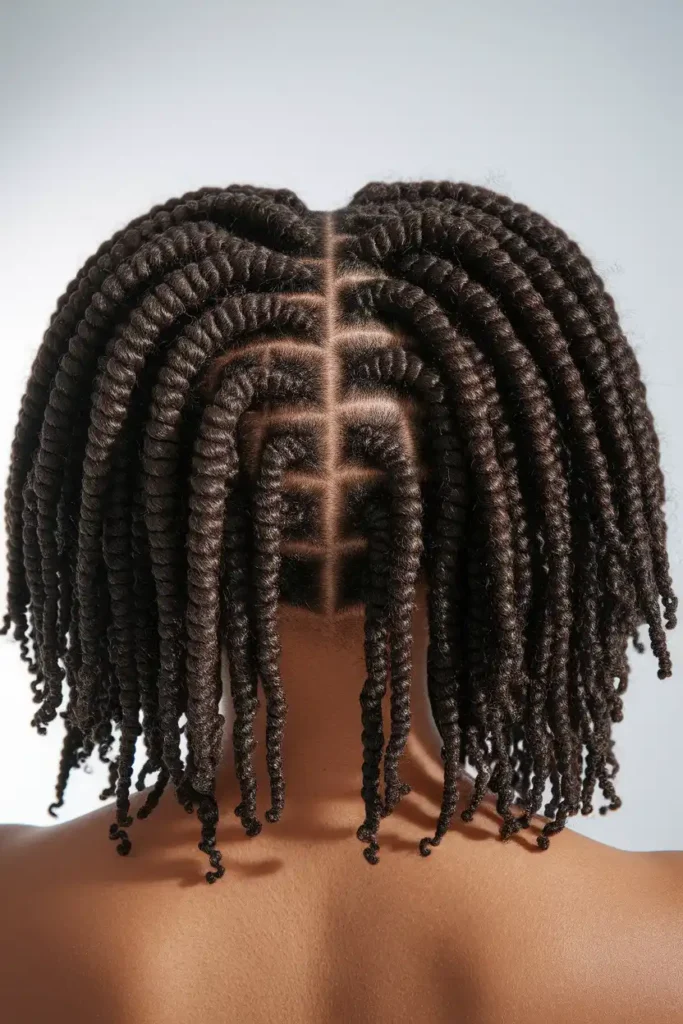
Natural hair with tightly coiled or kinky texture presents a real challenge when it comes to cut shapes because shrinkage can make even a dramatic V look minimal once the hair dries. A stylist who specializes in natural hair will typically dry-cut the ends to account for shrinkage, which gives a much more accurate final shape than cutting while wet.
A V cut on natural coils adds definition to the overall silhouette without requiring heat or manipulation. The pointed center gives the hair a deliberate shape that reads even through dense texture, which is something a straight-across cut does not always achieve. If you have been wearing your natural hair in a round or undefined shape, a V cut is one of the simplest ways to add visual structure.
19. V Cut With a Center Part
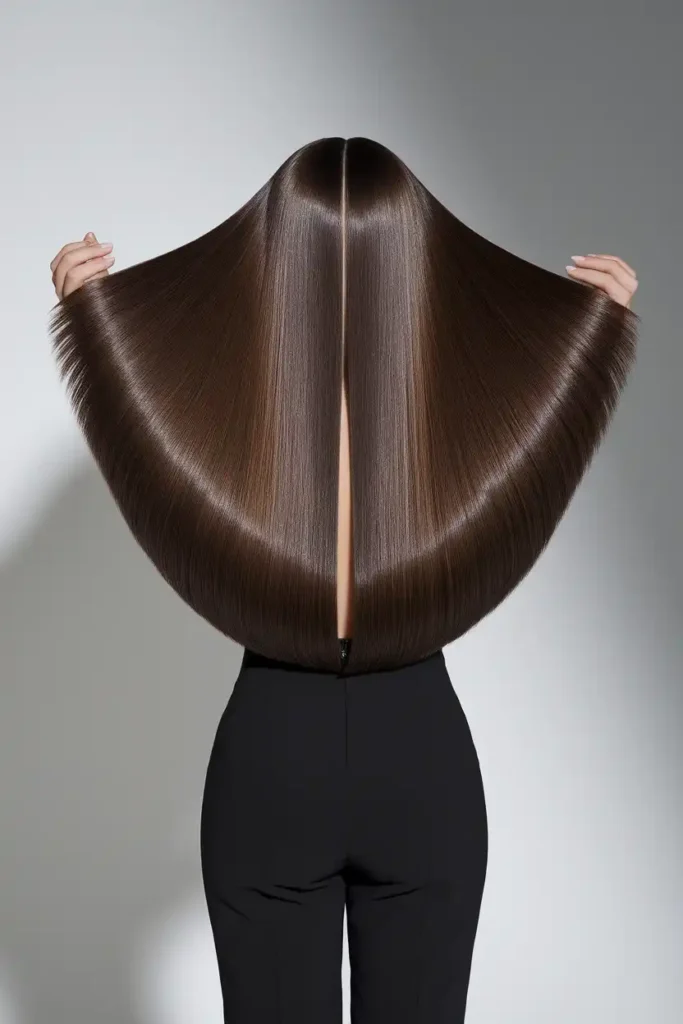
A center part and a V cut are made for each other. The symmetry of the center part sets up the V shape perfectly, so the two elements reinforce each other visually. When the part is off-center, a V can look slightly uneven or asymmetrical even when it is technically cut correctly. A center part eliminates that entirely.
This combination also photographs extremely well from the back, which is part of why it appears regularly as a reference photo. The clean line of the part leading down to the pointed V creates a strong, symmetrical composition that is visually satisfying in a way that is hard to replicate with a different part placement.
20. V Cut for Growing Out a Pixie
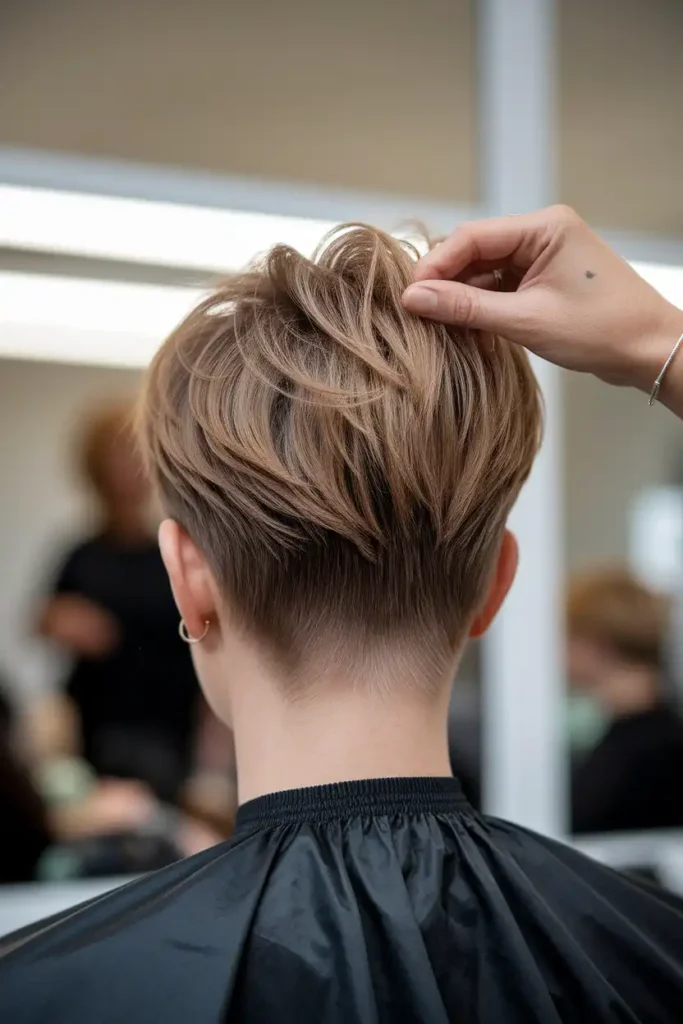
Growing out a pixie cut is one of the most frustrating experiences in hairstyling. There is an inevitable awkward period where the hair is too long to look like a pixie but too short to behave like a proper length. A subtle V cut during this phase gives the back of the hair a shape to work toward rather than just existing as an uneven, in-between mess.
This is not a dramatic transformation. It is a practical styling decision that makes the grow-out feel more managed. Having a small V shaped into the back every six to eight weeks throughout the process means that by the time your hair reaches your target length, it already has structure and direction rather than arriving at the goal length shapeless and uneven.
21. V Cut on Textured Extensions
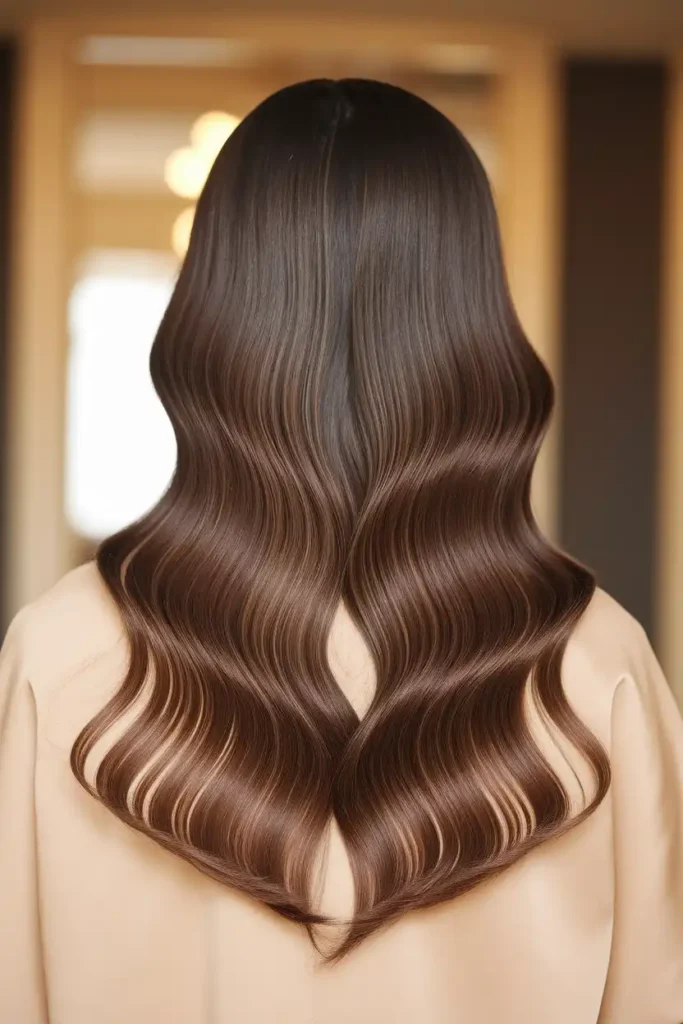
Extensions open up length options that are not always possible with natural hair, and shaping them with a V cut makes them look more natural than extensions cut straight across. A blunt, uniform length on long extensions can look artificial, while a V cut creates variation in length that more closely mimics how natural hair actually grows.
If you are getting extensions installed, ask the stylist or extension specialist to shape the ends into a V before or after installation. This is a simple adjustment that takes minimal time but significantly improves the finished look. The V gives the extensions direction and movement, so they behave more like natural hair and less like a uniform block of length.
22. V Cut on Gray or Silver Hair
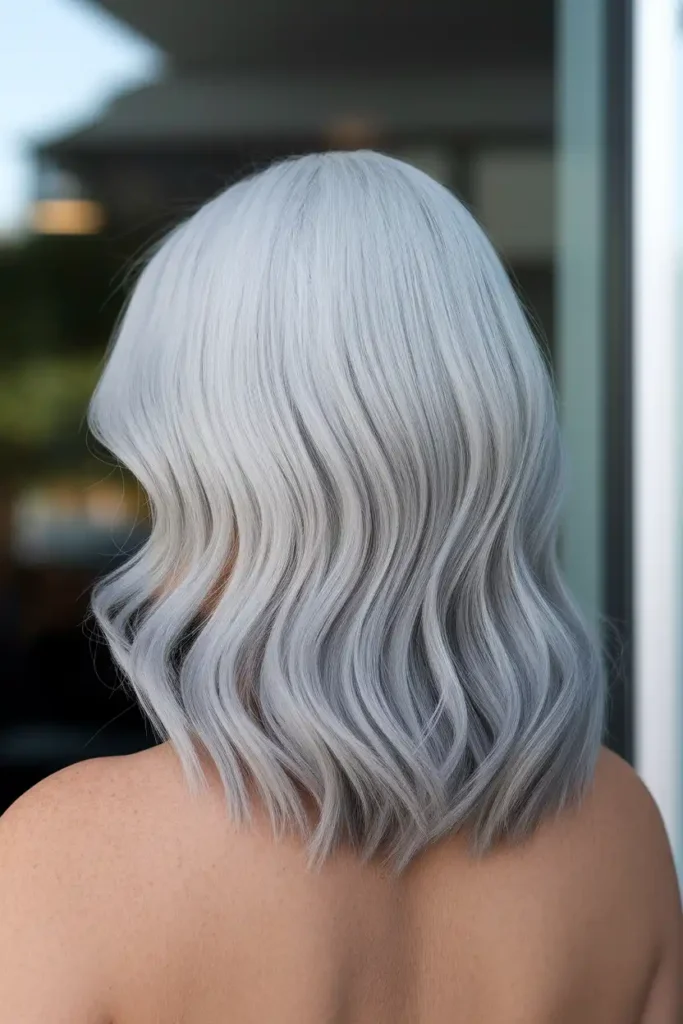
Gray and silver hair has had a significant cultural moment over the past several years, shifting from something people tried to hide to something actively chosen and styled. A V cut on gray hair gives the silver tones a frame to work within, and the movement created by the V shape shows off the variation in tone that makes gray hair so visually interesting.
One specific benefit is that gray hair can sometimes look flat or heavy, particularly when it is left in a blunt shape with no movement at the ends. A V cut, even a subtle one, gives the ends direction and prevents the hair from looking like a solid, unvaried block. Paired with a simple wave or blowout, gray hair with a V cut looks intentional and very current.
23. V Cut After a Big Chop
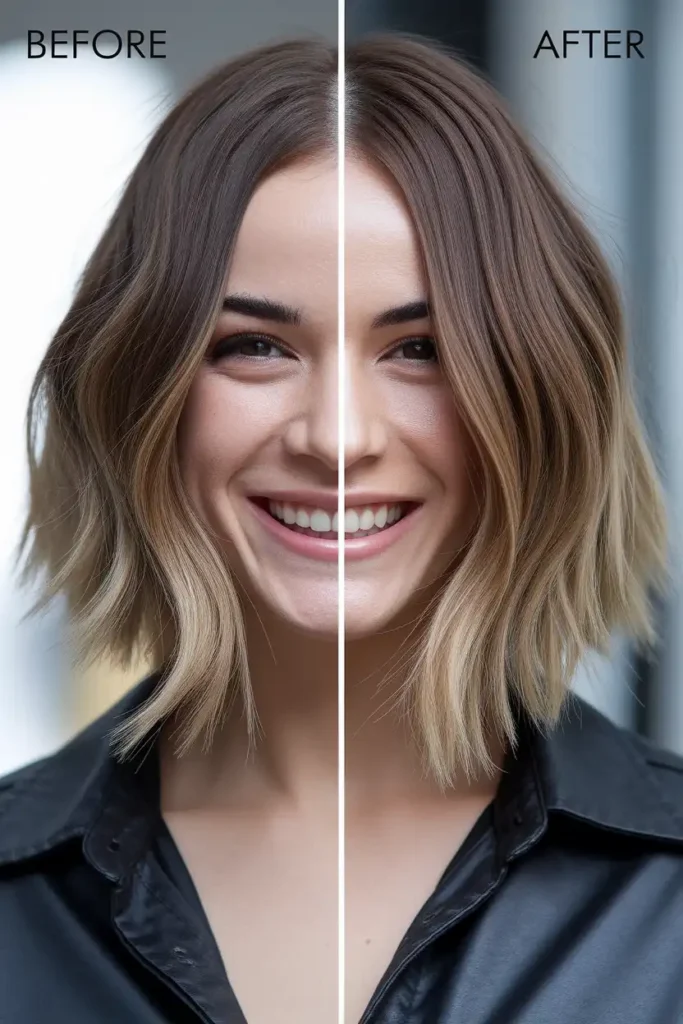
Cutting off significant length is a real commitment, and choosing what shape to leave the ends in is one of the most important decisions in the process. A V cut after a big chop gives the new length an immediate sense of style, so it does not just look like someone cut off a lot of hair. It looks like a deliberate choice.
For people who are nervous about cutting off length, specifying a V cut as part of the plan can be reassuring. It gives the haircut a clear visual result to work toward, so the process feels more controlled. Knowing that the finished cut will have a specific, flattering shape makes the decision to cut feel less like losing something and more like gaining a new style.
24. V Cut Maintenance and How Often to Trim
One of the most common questions about a V cut is how often you need to trim to maintain it. The honest answer is every eight to twelve weeks, depending on how fast your hair grows and how sharp you want the V to stay. Hair grows an average of half an inch per month, which means the shape can start to look undefined after about two to three months without a trim.
The good news is that a V cut is forgiving as it grows out. Unlike a very structured cut where every millimeter matters, a V that has grown out a little still looks like a V. If you are someone who stretches time between trims, this is one of the more low-maintenance shapes to maintain. A small trim every few months is all it takes to keep the shape looking intentional rather than like your hair just happened to grow that way.
Conclusion:
V cut hair works because it adapts. Fine or thick, curly or straight, short or long, there is a version of this cut that fits your hair rather than fighting it. The 24 ideas here cover real lengths and real textures, so take what applies to your situation, save the ones that match your hair type, and bring a clear reference to your next salon appointment. A good stylist will handle the rest.