23 Boho Wedding Dress Trends Every Bride Should Know
Choosing a boho wedding dress feels exciting until you’re standing in a fitting room surrounded by options that all look different on the hanger than on your body. This guide covers 23 real trends worth knowing, including silhouettes, fabrics, sleeve styles, and details that actually photograph well and feel comfortable for a full wedding day. Whether you’re drawn to flowing chiffon, vintage lace, or something minimal and clean, you’ll find specific, practical direction here to make your decision easier.
1. What Makes a Boho Wedding Dress Different From Other Styles
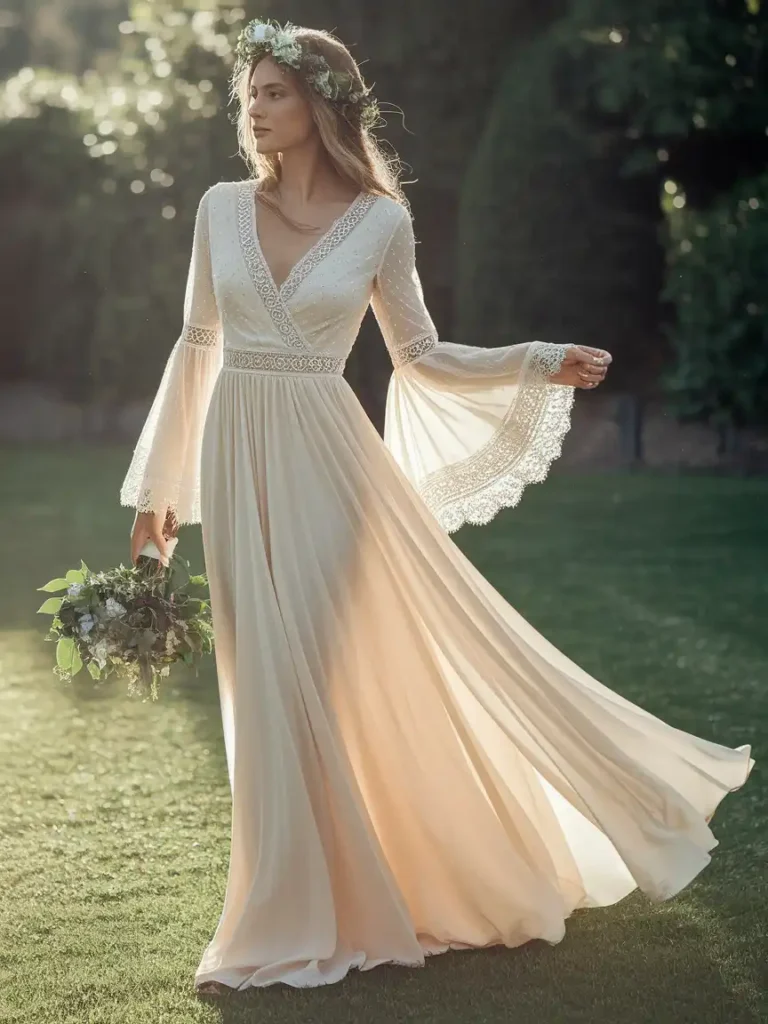
Boho wedding dresses prioritize movement and texture over structure. You won’t find boning, heavy underlining, or rigid corset construction in most of these gowns. Instead, they rely on lightweight fabrics like chiffon, crepe, and lace to create a soft, lived-in look that feels relaxed without being casual.
The defining features typically include flowy skirts, natural fabrics, and handcrafted details like crochet or embroidery. If you’re drawn to outdoor ceremonies, garden weddings, or rustic venues, this style naturally fits that setting. Start by identifying which specific elements appeal to you most, whether that’s the sleeve style, fabric weight, or neckline, so you can narrow your search before stepping into a boutique.
2. Flowy Chiffon Gowns That Move With You
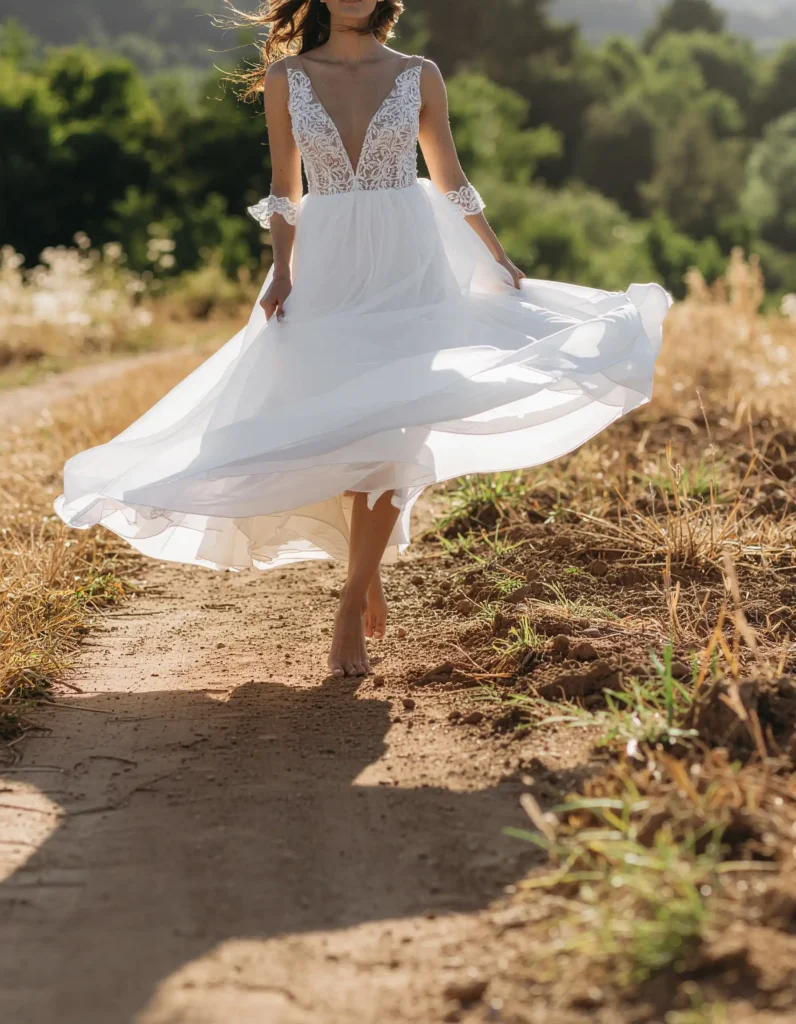
Chiffon is the most common fabric choice in boho bridal design, and for good reason. It’s lightweight, drapes beautifully, and photographs well in natural light. If you’re planning an outdoor or destination wedding, chiffon holds up better in heat than heavier fabrics like satin or mikado.
One thing to know: chiffon wrinkles easily during travel, so always steam your dress on the wedding day, not the night before. Look for gowns with multiple chiffon layers if you want more coverage without adding weight. Single-layer styles work well for summer or beach weddings but may feel too sheer for some brides. Ask your boutique to show you the dress in natural light before committing.
3. Lace Boho Wedding Dress Options for a Romantic Look
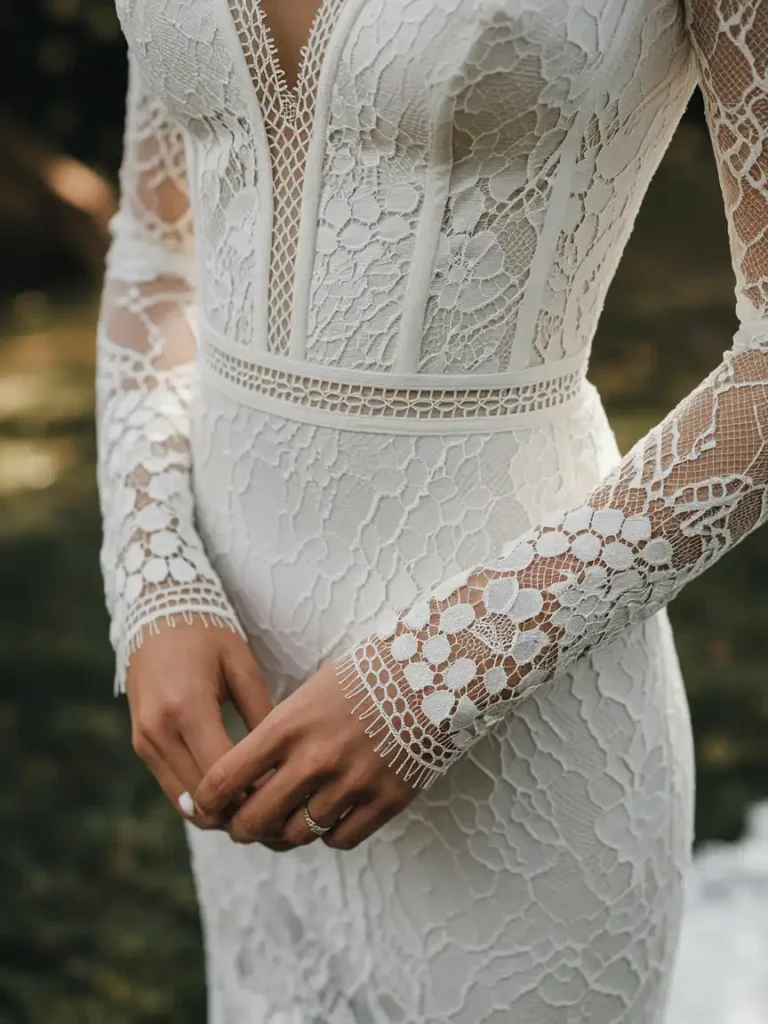
Lace adds texture and visual interest without requiring extra embellishment. In boho bridal fashion, it’s used across bodices, sleeves, and overlays to create a handcrafted feel. The key is knowing which lace weight works for your body and comfort level. Heavy Chantilly lace feels more formal. Lighter stretch lace moves with you and works better for full-day wear.
If you want lace without committing to a fully lace gown, look for styles with lace bodices and chiffon skirts. This combination gives you the romantic detail on top while keeping the skirt lightweight and airy. Eyelash lace trim along hems and sleeves is a subtler option if you prefer minimal texture. Always check how the lace feels against your skin before purchasing, especially for long-sleeved styles.
4. Bell Sleeves and What They Work Best With
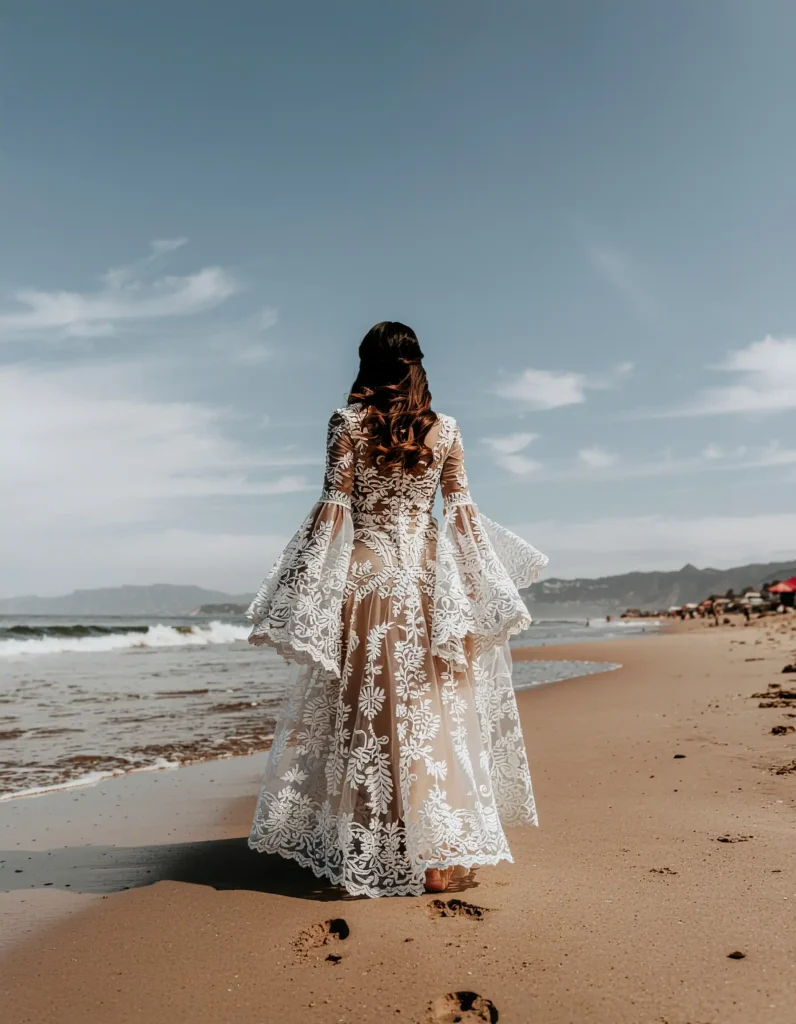
Bell sleeves are one of the most recognizable elements in boho bridal wear. They photograph beautifully in motion and add visual drama without requiring a heavily embellished gown. The challenge is that they can feel bulky if the rest of the dress is also voluminous.
For balance, pair bell sleeves with a fitted or semi-fitted bodice and a skirt that isn’t too full. Flowy A-line skirts work well here. If you have a petite frame, opt for sleeves that hit at or just below the elbow rather than full-length styles, which can visually shorten your arms. Try the dress with movement before deciding. Walk, raise your arms, and sit down to make sure the sleeves don’t feel restrictive on a day that’s already full of activity.
5. Deep V-Necklines: How to Style Them Modestly
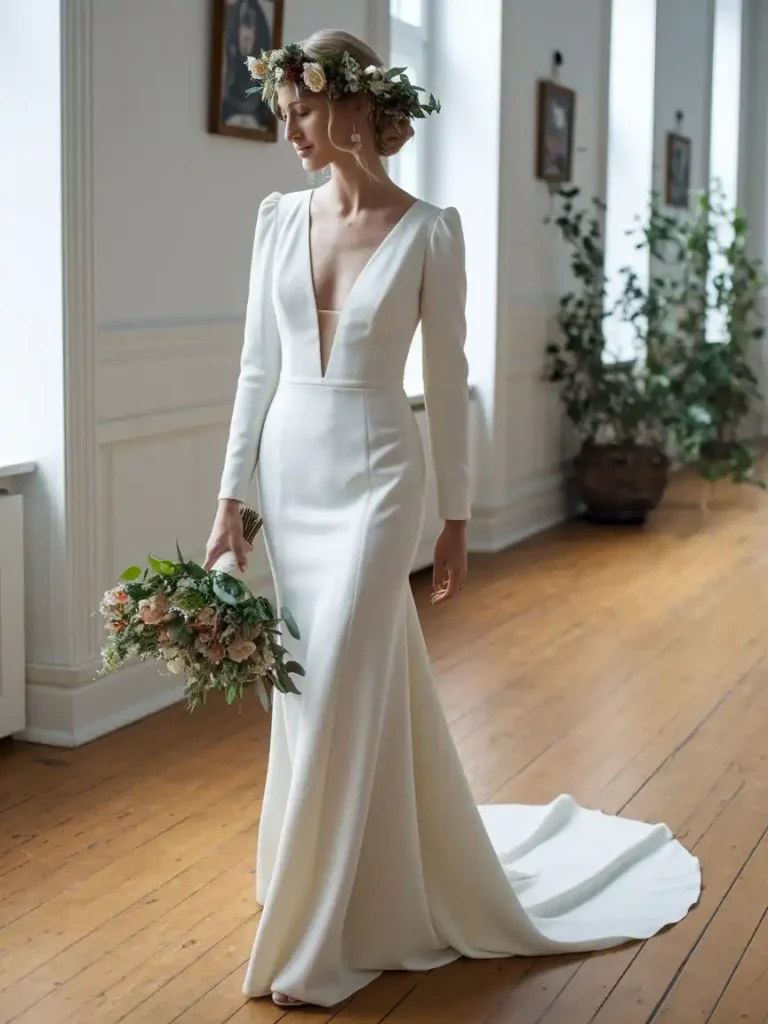
A deep V-neckline is one of the most common features in boho bridal design, but it doesn’t work for every bride’s comfort level or dress code. If you love the look but want more coverage, ask your seamstress about adding a sheer mesh or chantilly lace modesty panel. Most reputable bridal boutiques can do this alteration affordably.
The depth of the V also affects how the dress photographs. A V that sits too low can become the focal point of every photo. If that’s not what you want, have the alteration done before your engagement shoot so you can see how it looks on camera. Double-sided fashion tape is a short-term fix for the wedding day itself, but it’s not a reliable solution for a full day of movement. A proper alteration will always serve you better.
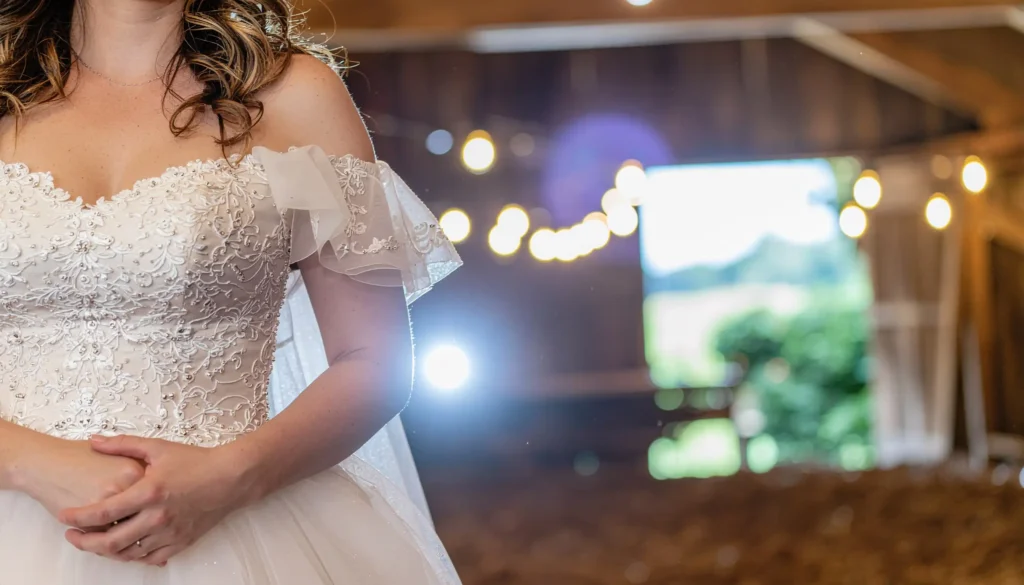
6. Off-Shoulder Necklines for an Effortless Bridal Look
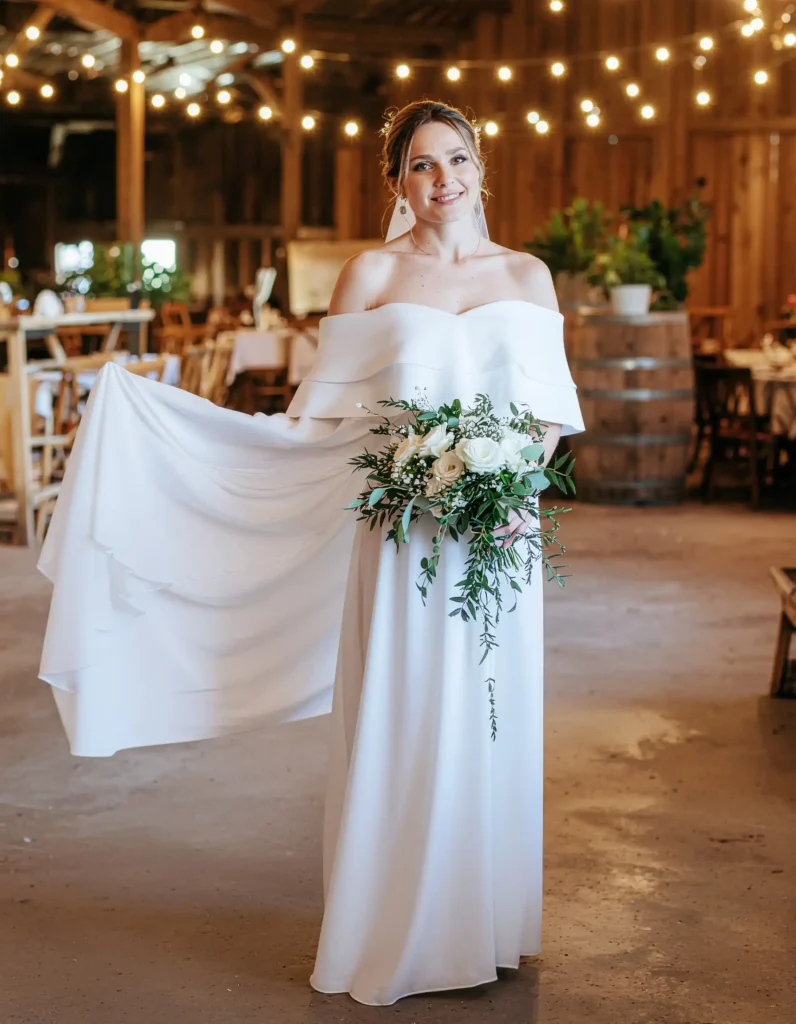
Off-shoulder necklines are consistently popular in boho bridal collections because they frame the collarbone and shoulders without being overly revealing. They work across multiple body types, but fit is critical. If the neckline doesn’t stay in place as you move, it becomes distracting rather than elegant.
When trying on off-shoulder styles, dance, hug someone, and bend forward. If it shifts or requires constant adjusting, the fit isn’t right. Ask about boning or elastic in the bodice construction to keep the neckline stable throughout the day. Some designers build a hidden wire into the top band for this reason. Structured off-shoulder styles with a fitted bodice tend to stay in place better than fully unstructured ones.
7. Bohemian Wedding Dresses With Sleeves for Modest Brides
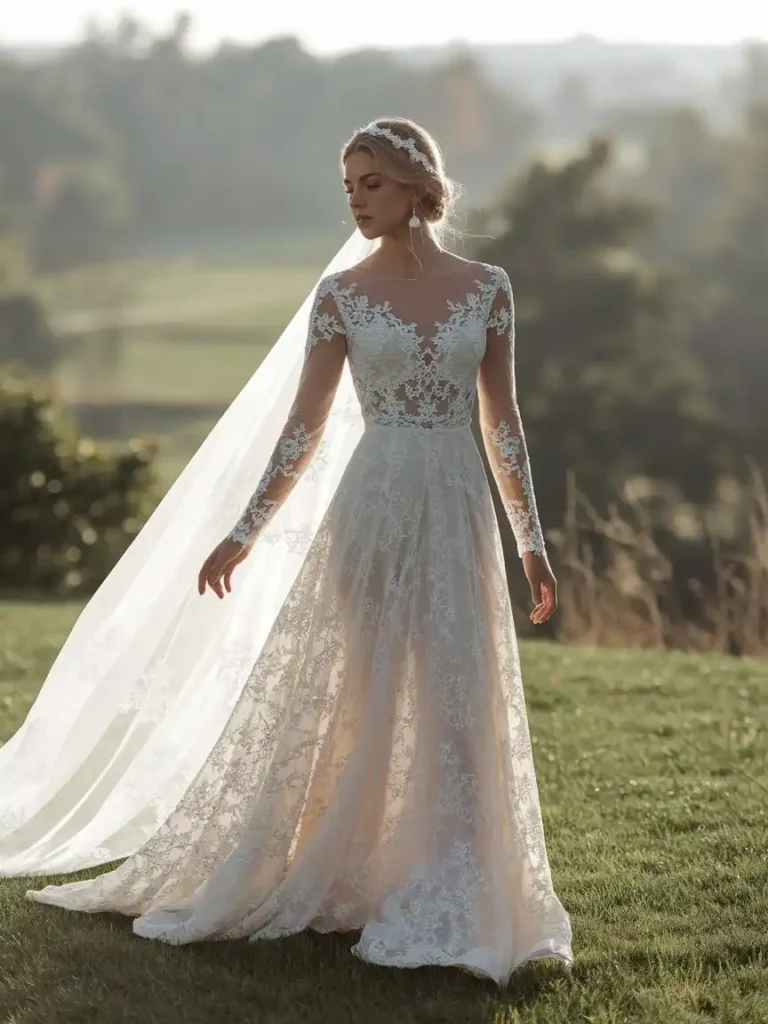
Sleeved boho wedding dresses have grown significantly in demand, especially among brides who want modest coverage without giving up style. The most flattering options combine sheer or lace sleeves with a structured bodice so the dress maintains shape through the torso.
Key sleeve styles to consider:
- Long sheer sleeves with lace applique: Gives coverage while keeping the look light and airy
- Three-quarter sleeves: Practical and comfortable, works well for fall or indoor ceremonies
- Flutter sleeves: Minimal fabric, adds detail without warmth, good for summer
- Bishop sleeves: Full through the arm and fitted at the wrist, adds a romantic, vintage quality
If you’re getting married in a warm climate, opt for sleeves made from stretch lace or chiffon rather than heavier fabrics like satin or thick lining. Always confirm sleeve construction with your seamstress before alterations begin.
8. The Best Boho Wedding Dress Silhouettes for Every Body Type
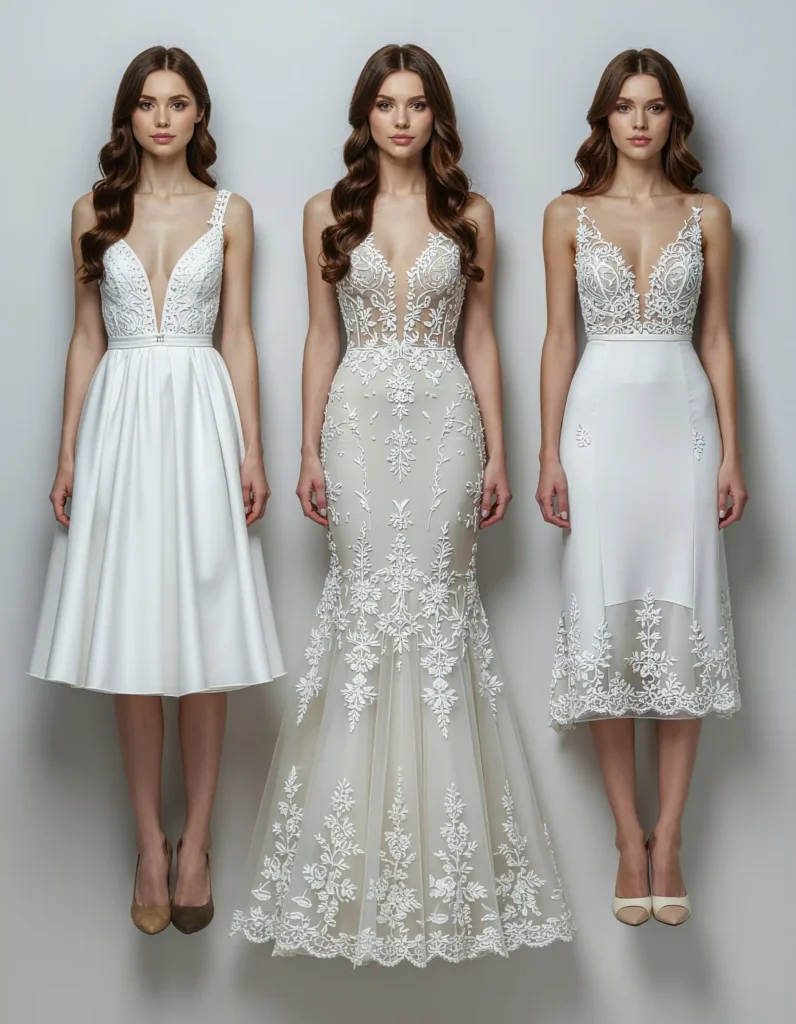
Silhouette is the most important decision you’ll make when choosing your dress. No amount of lace or embroidery will make you feel confident if the shape of the dress works against your body. In boho bridal design, the most universally flattering silhouette is the A-line because it skims the waist, flares gently over the hips, and works across most body types.
Here’s a quick guide by body type:
- Pear shape: A-line or fit-and-flare with a defined waist and open skirt balances wider hips
- Apple shape: Empire waist styles that flow from below the bust reduce focus on the midsection
- Petite: Avoid heavy volume at the skirt; opt for lighter layers and minimal train length
- Tall and straight: Column or slip-style dresses work well; tiered skirts add curve
- Full bust: Look for structured bodices with wider straps or a supportive built-in bra
Try styles outside your initial preference before deciding. Many brides are surprised by what actually looks best in person.
9. Tiered Skirts and When They Work for Your Wedding
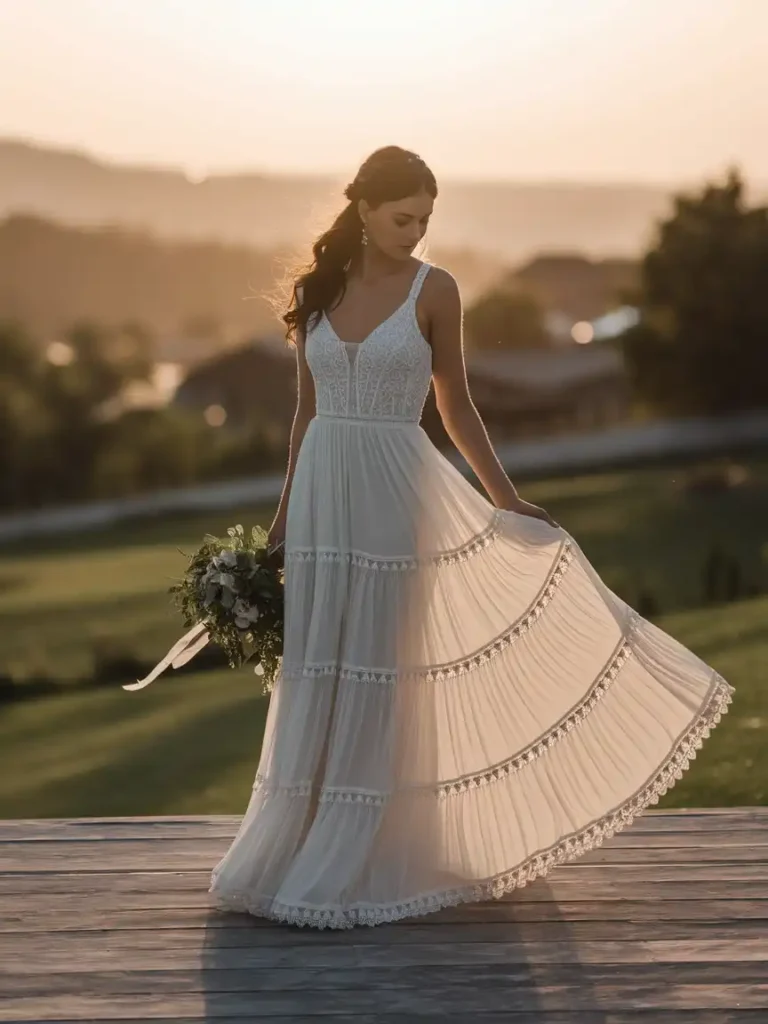
Tiered skirts are a defining feature in boho bridal fashion right now. They add volume without structured underlining, which means the dress stays lightweight while still having visual presence. If you want drama in your silhouette but don’t want a ballgown, a tiered style gives you that without the bulk.
The number of tiers and the cut of each layer affect the final look significantly. Straight-cut tiers give a more modern, minimal finish. Circular-cut tiers create more flare and movement. For petite brides, fewer tiers in a lighter fabric keep the proportions balanced. For taller brides, deeper tiers with circular cuts add excellent visual balance. If you’re shopping online, always check the tier construction details in the product description before ordering.
10. Embroidery and Floral Applique as Statement Details
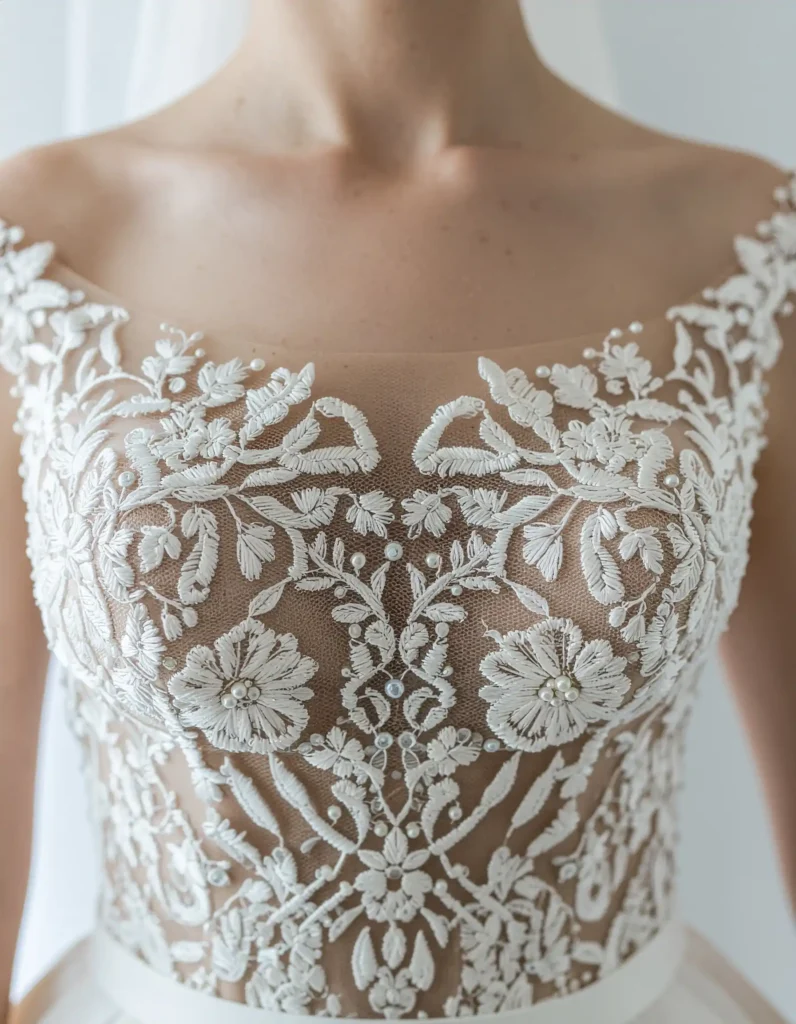
Embroidery and floral applique are two of the most distinctive details in boho bridal design. They add texture and visual interest without relying on rhinestones or heavily beaded construction. If you want a dress that photographs well in natural light without looking overly formal, these details are a strong choice.
The placement of embroidery matters. Concentrated detail at the bodice draws the eye upward, which works well for most silhouettes. All-over embroidery adds weight to the dress, which can be uncomfortable for full-day wear. If you prefer lighter construction, look for styles where embroidery sits only at the neckline, sleeves, or hemline. Ask to see the dress in person if possible, since embroidery depth and quality vary significantly between price points.
11. Corset Backs vs. Zipper Backs: What to Choose
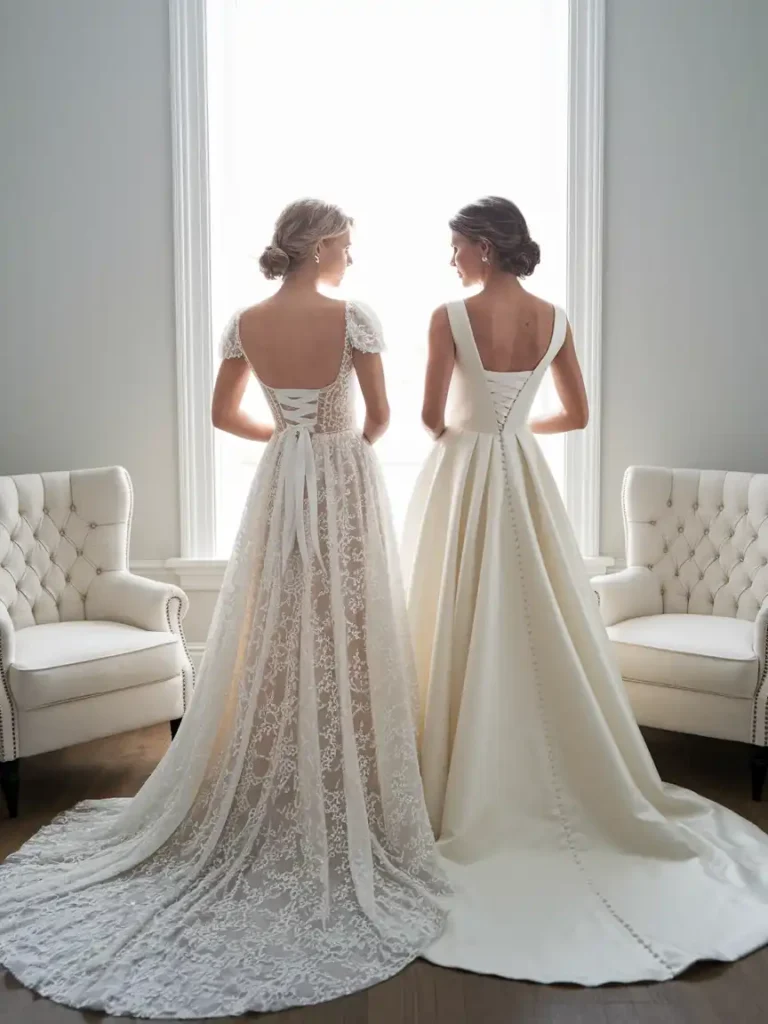
The back closure affects both fit and ease of dressing. Corset backs are adjustable, which is useful if your body changes between now and the wedding. They also allow for easier alteration if you gain or lose weight. The downside is that they take longer to lace up on the wedding day, which adds time to your getting-ready schedule.
Zipper backs look cleaner and are faster to get into, but they require precise alterations. If your measurements change, the zipper may not close or may pull. For brides with fluctuating weight concerns, corset backs provide more flexibility. If you want a streamlined look and are confident in your measurements by the time of final alterations, a zipper is perfectly reliable. Either way, schedule your final fitting no more than four to six weeks before the wedding date.
12. How Fabric Weight Affects Comfort on Your Wedding Day
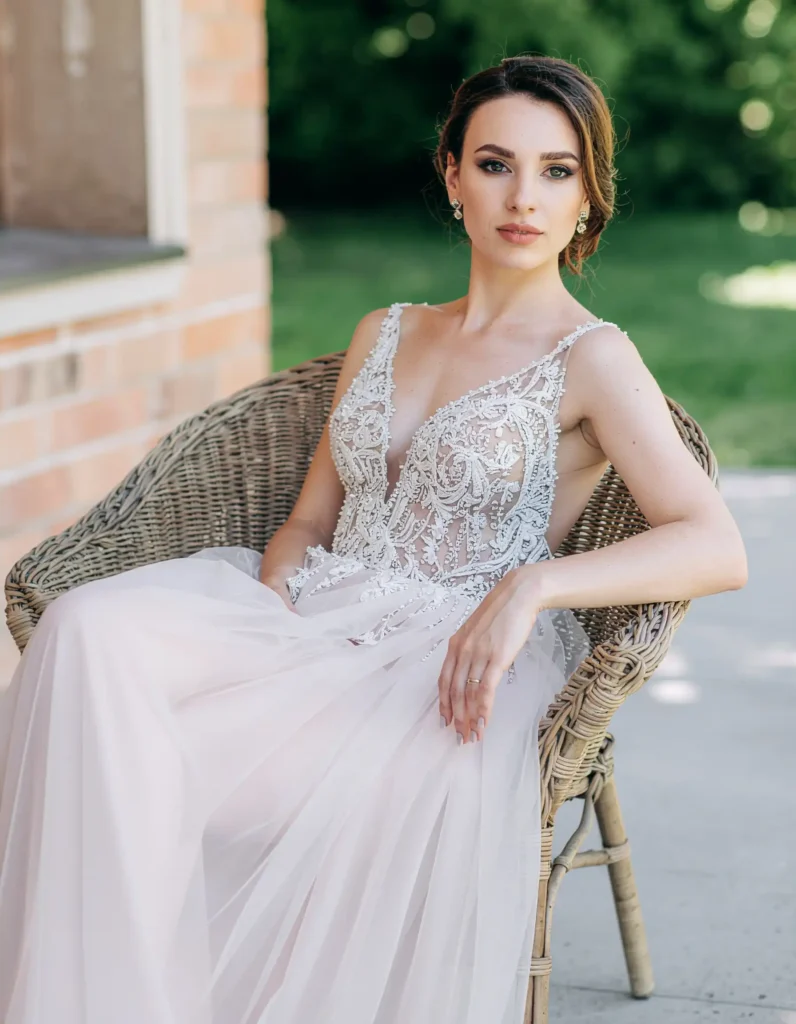
Brides often focus on how a dress looks standing up, but you will sit, walk, eat, and dance in it for eight to twelve hours. Fabric weight directly affects all of those things. Heavier fabrics like duchess satin and structured mikado look formal and hold shape well, but they can feel restrictive in warm weather or during extended movement.
For boho styles specifically, chiffon, crepe, and lightweight lace are the most practical choices. They breathe, drape without stiffness, and pack reasonably well for destination weddings. If you’re buying a dress that feels heavy during your fitting, it will feel heavier by the end of your reception. Try sitting in the dress for at least five minutes during your appointment. Notice whether the fabric bunches at the waist or pulls across the hips before committing.
13. Barefoot-Friendly Wedding Dresses and Hem Lengths
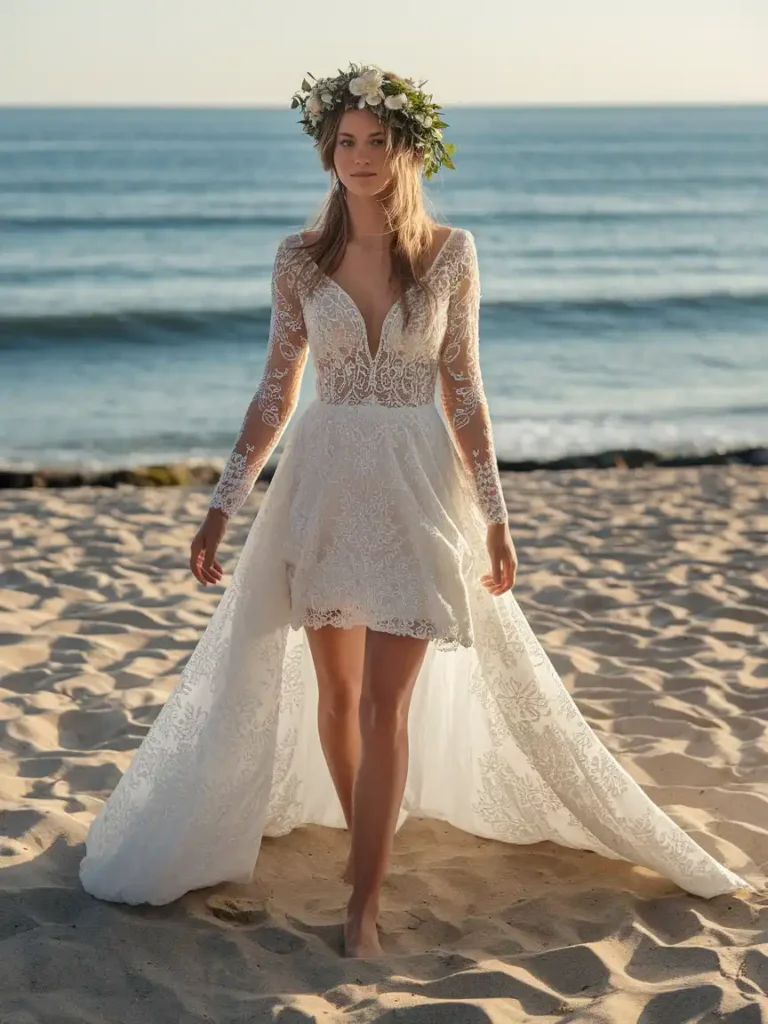
Going barefoot is a real consideration for outdoor, beach, or destination weddings. Hem length becomes critical in this case. A standard floor-length hem is cut for a specific heel height. If you remove your shoes mid-reception, the hem drags. Plan for this during alterations rather than dealing with it on the day.
Options worth discussing with your seamstress:
- High-low hem: Shorter in front, longer in back; practical for walking and dancing
- Tea-length hem: Falls below the knee; works well barefoot and with flat sandals
- Floor-length with a bustle: Allows you to secure the train during the reception
- Raw-edge bohemian hem: Intentionally unfinished; absorbs minor length variations naturally
Tell your seamstress upfront whether you plan to go barefoot or wear flats. The hem alteration is one of the last things done, so it’s easy to adjust if you communicate early.
14. Boho Wedding Dresses for Outdoor and Garden Ceremonies
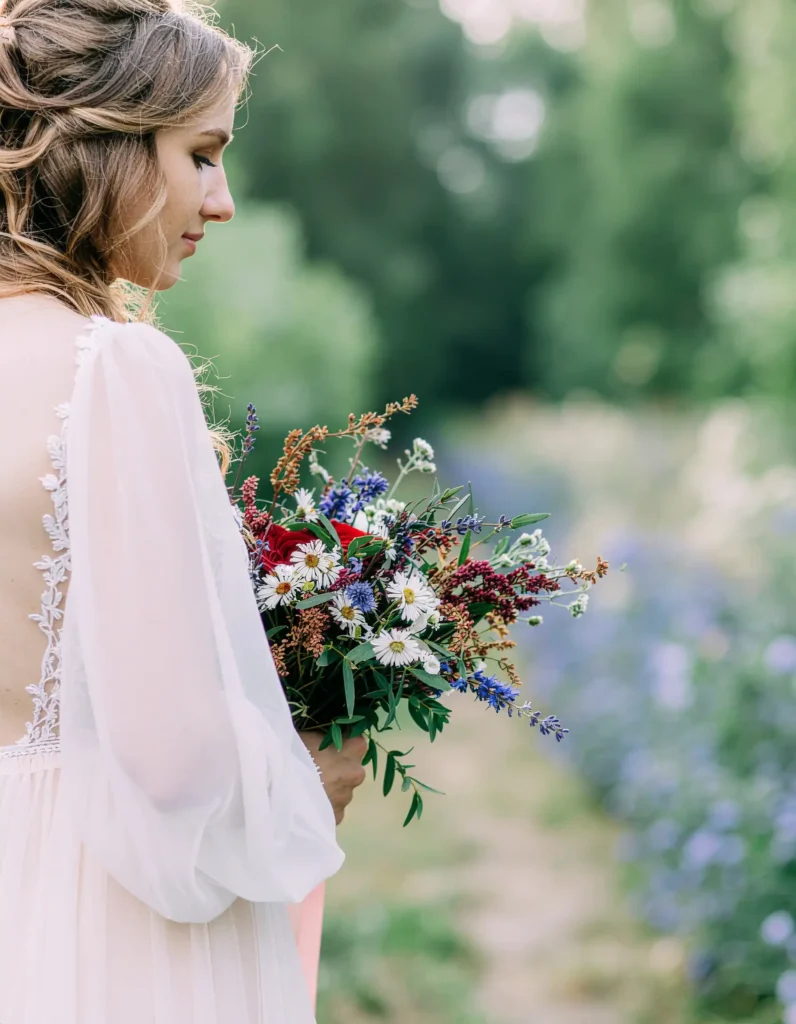
Outdoor weddings create specific practical challenges for dress selection. Wind, uneven ground, and natural lighting all affect how a dress looks and functions. Lightweight fabrics catch the wind beautifully in photos but can be frustrating to manage if the venue is particularly exposed.
For garden or outdoor ceremonies, avoid heavily structured crinolines under the skirt, which can invert in wind. Choose dresses with natural drape that moves with you rather than against you. Consider the ground surface too: long trains are romantic on grass but pick up dirt and moisture quickly. A chapel-length train is a reasonable compromise if you want some length without the impracticality of a cathedral-length style. Always visit your venue before finalizing your dress choice so you can make decisions based on the actual space.
15. Vintage-Inspired Bridal Styles With a Modern Cut
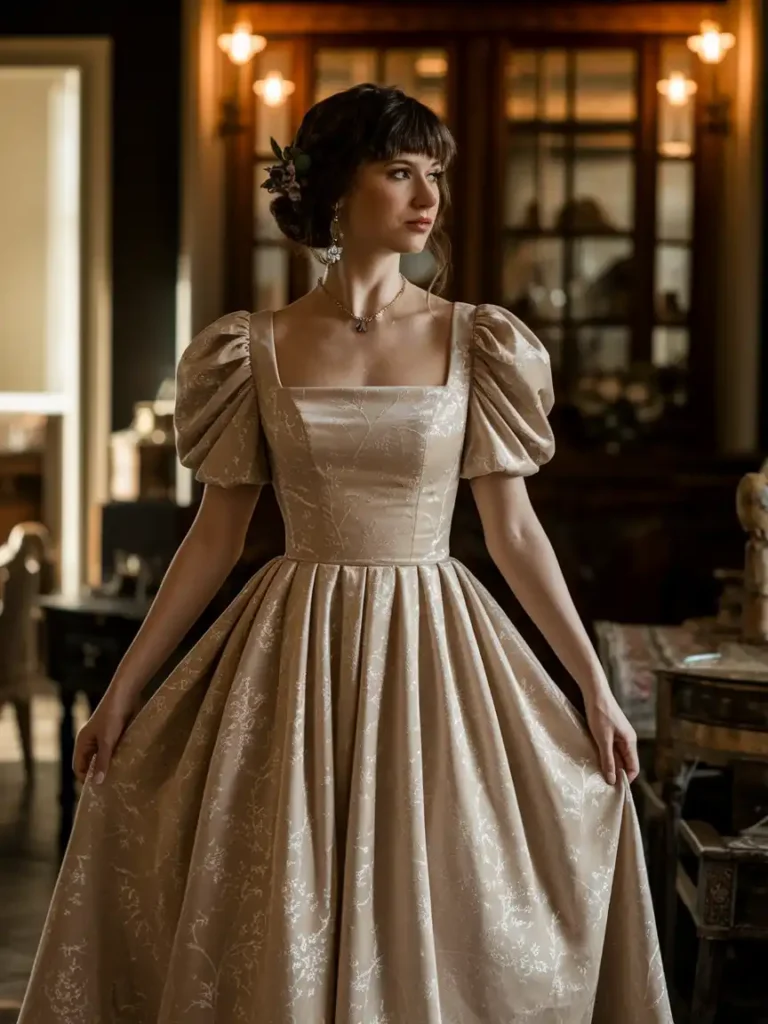
Vintage-inspired doesn’t mean costume-like. The best modern vintage bridal looks take one or two historical references and apply them to a contemporary silhouette. Puff shoulders, square necklines, and buttoned sleeves are the most common vintage touches appearing in current boho bridal collections.
If this style appeals to you, focus on the silhouette first. A vintage-inspired detail on a well-fitting modern cut will always look more intentional than a fully period-inspired dress that doesn’t suit your body. Designers like Rue de Seine and Lillian West consistently do this balance well if you want a reference point. Before you search, define which era you’re drawn to. 1930s bias cuts, 1970s prairie sleeves, and 1990s minimalism all fall loosely under “vintage” but look completely different on the body.
16. What to Know About Wedding Dress Trains
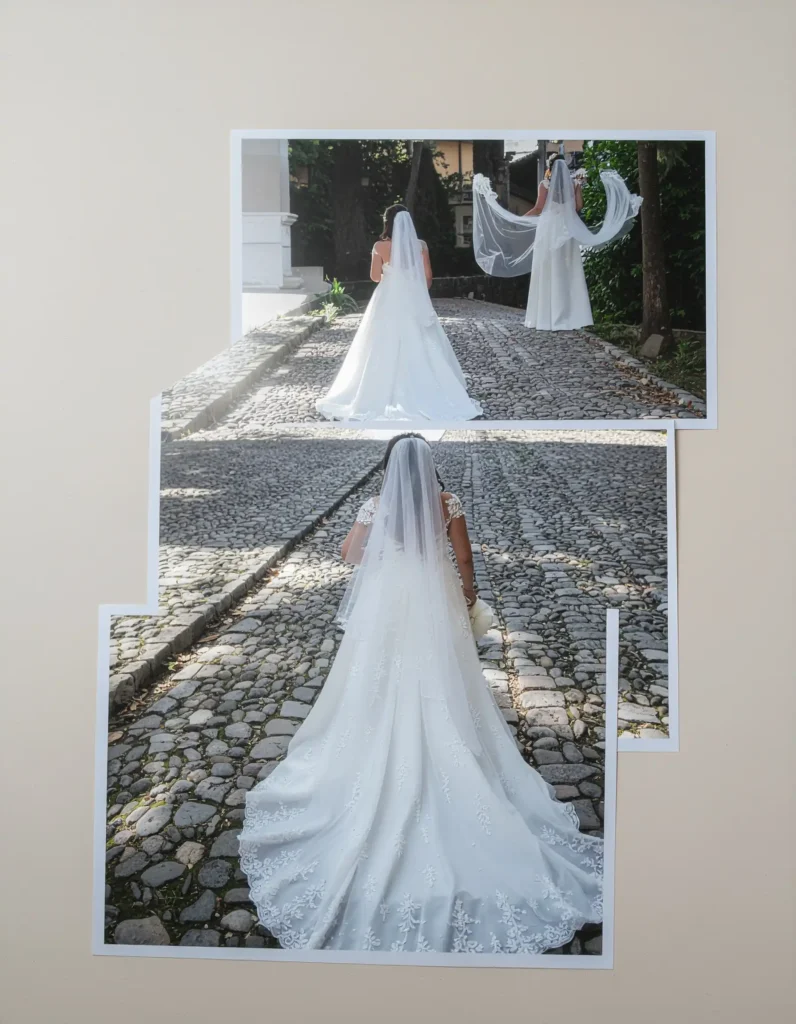
Train length affects both the look of the dress and how functional it is throughout your wedding day. Many brides choose a train for the ceremony and photos but struggle with it during the reception. Understanding the options before you shop saves time and avoids regret.
Train length guide:
- Sweep train: Extends 6 to 12 inches past the hem; barely noticeable but adds elegance
- Chapel train: Extends 3 to 4 feet; the most popular choice for balance of drama and practicality
- Cathedral train: Extends 6 to 8 feet; formal, requires a bustle or someone to carry it
- Detachable train: Attached at the waist; can be removed for the reception entirely
If you want a train for photos and a cleaner silhouette for dancing, a detachable option is a practical solution. Ask your boutique whether the specific style you’re considering offers a detachable version before ordering.
17. Boho Wedding Dress Trends in Color: Beyond Ivory and White
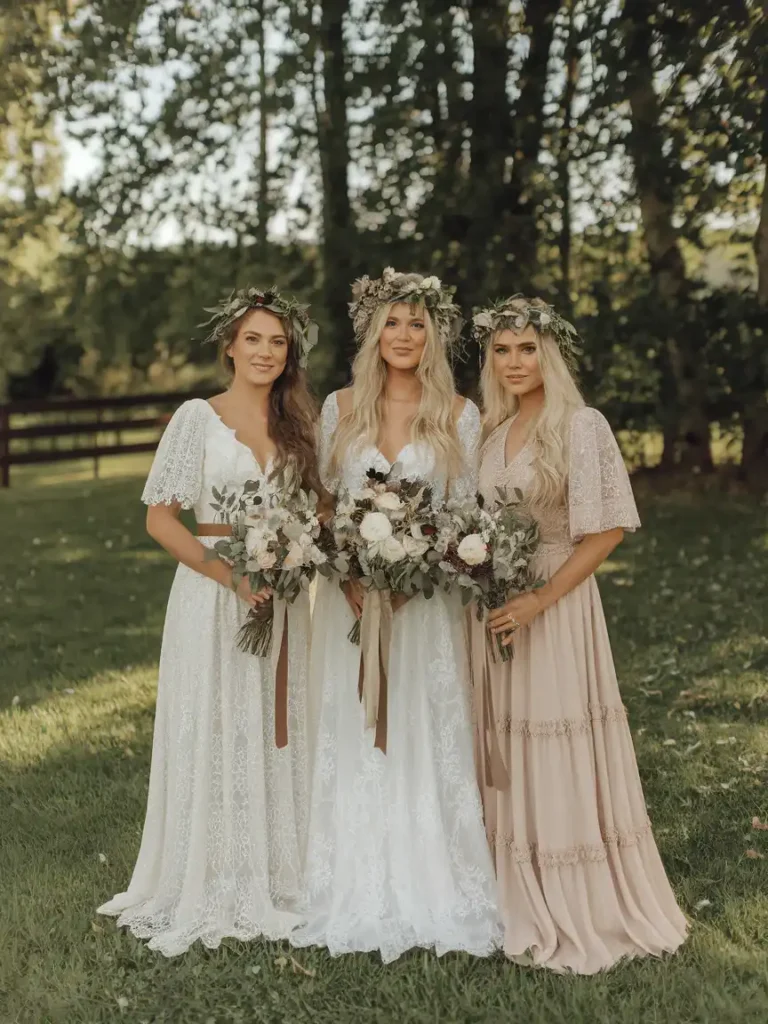
White and ivory are traditional, but boho bridal collections regularly feature champagne, blush, sand, and even soft sage or dusty blue. If you’re drawn to a non-white gown, the most important consideration is how the color works against your skin tone.
Cool, fair skin tones usually suit true white or pale blush better than warm champagne. Warm or olive skin tones often look better in ivory, champagne, or light gold. The easiest way to test this is to hold fabric swatches against your jawline in natural light, not under boutique lighting, which is typically warm and flattering by design. Blush gowns photograph differently depending on the light source, so check how the color appears in both indoor and outdoor settings before committing. Non-traditional bridal colors are completely acceptable; just make sure the choice works for you specifically, not just in the photo you saved online.
18. How to Style a Boho Wedding Dress for a Fall Wedding
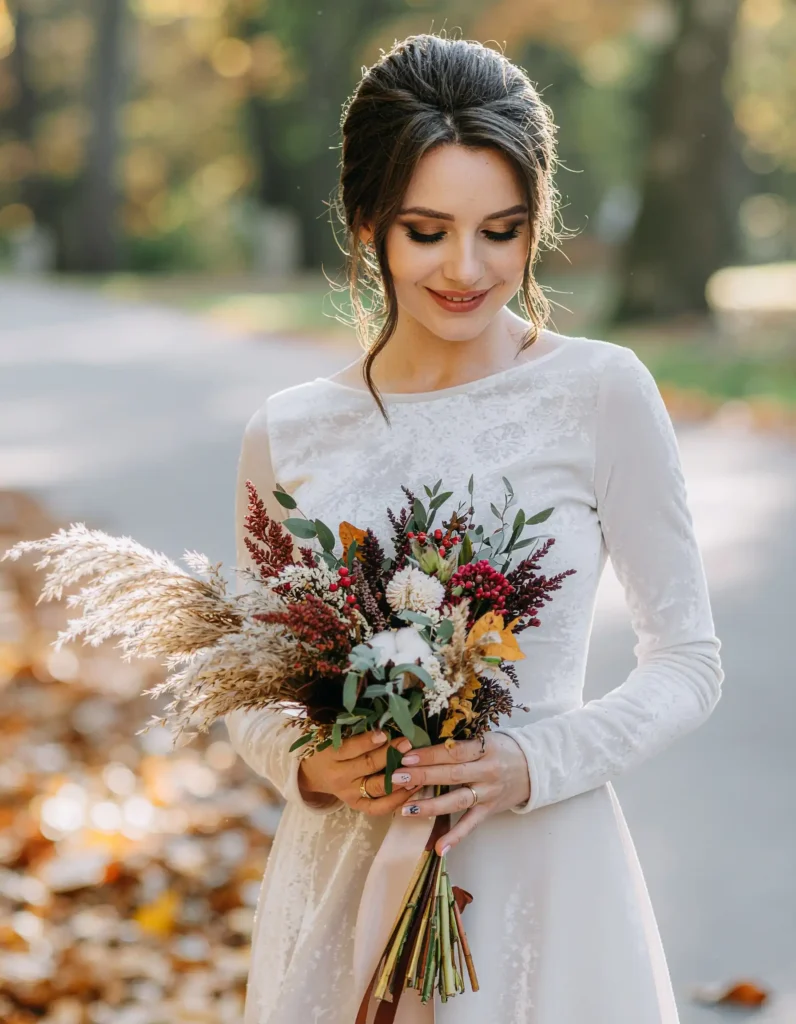
Fall weddings allow for richer fabrics and warmer styling choices that don’t work as well in summer. Velvet, heavier crepe, and lace with a thicker knit weave are all appropriate for cooler temperatures and photograph well in the lower, golden light of autumn.
For practical warmth without compromising your look, consider these options:
- Long sleeves in lace or velvet: Adds coverage and warmth without needing a cover-up
- A bridal cape: A removable layer that works well over a sleeveless gown during the ceremony
- A tailored bridal blazer: Less traditional but increasingly common and very functional
- Thermal undergarments: Surprisingly wearable under looser boho silhouettes if the ceremony is outdoors
Plan your footwear for fall terrain. If your venue has grass, gravel, or uneven flooring, block heels or flat boots hold up significantly better than stilettos.
19. Minimalist Boho Dresses for Brides Who Don’t Want the Fuss
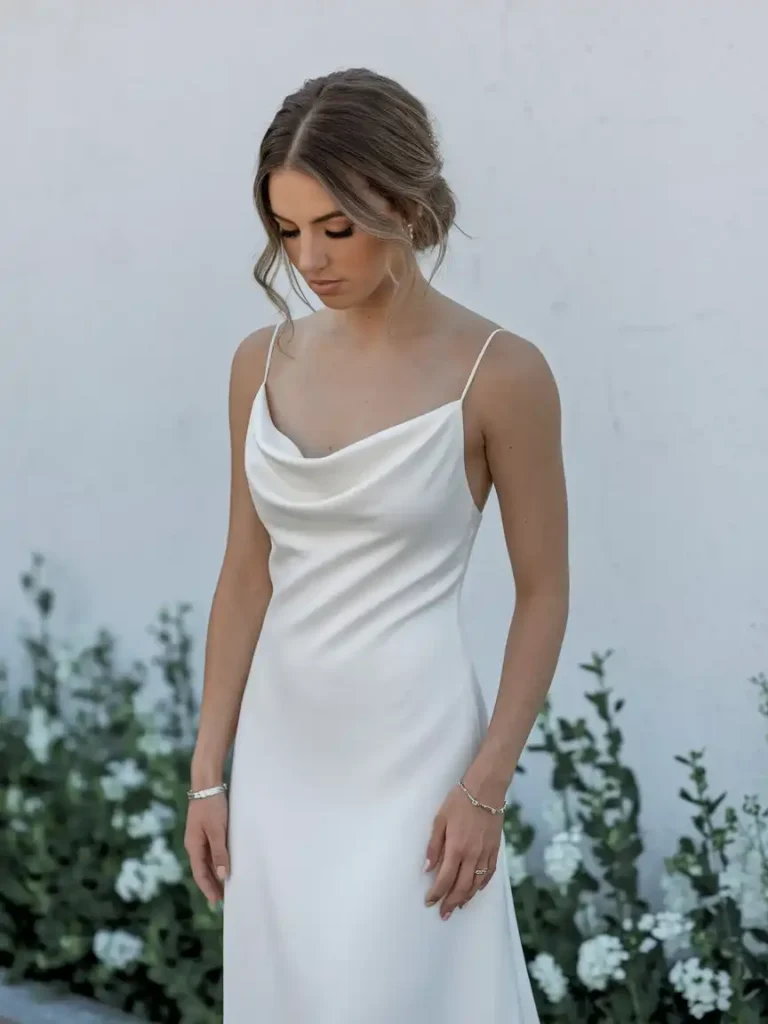
Not every boho bride wants lace, embroidery, and layered chiffon. Minimalist bridal styles have carved out a strong presence in the boho category, particularly slip dresses, column silhouettes, and clean crepe gowns with simple lines.
If you’re drawn to this aesthetic, fabric quality matters more than in embellished styles because there’s nothing to distract from construction. Heavier crepe and silk-like satin hold shape and drape better than polyester alternatives, which can look cheap under photography lighting. Minimalist dresses also respond well to accessorizing. A statement belt, a simple veil, or well-chosen jewelry can define the look without changing the dress itself. If your budget is limited, this style is often more affordable because it requires less labor and material than embellished alternatives.
20. Bridal Jumpsuits and Two-Piece Sets as an Alternative
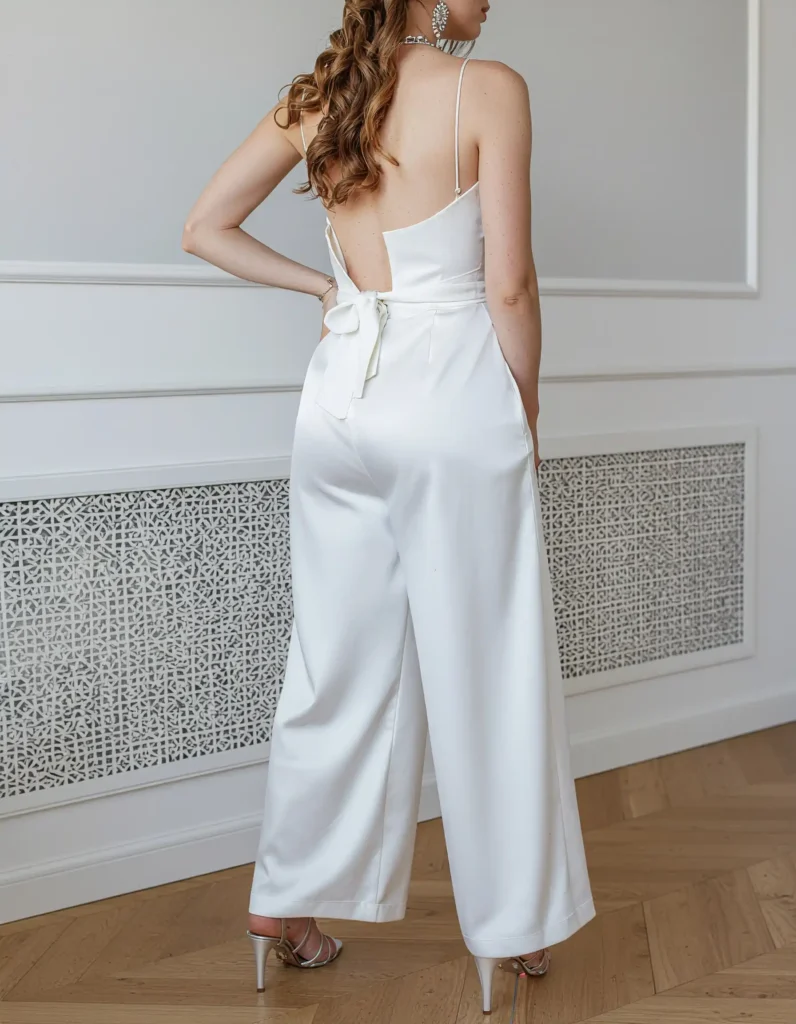
Jumpsuits and two-piece bridal sets are a legitimate choice for brides who want something different. They work especially well for casual, outdoor, or non-traditional ceremonies. The practical advantage of a jumpsuit is that it’s easier to move in during the reception, easier to manage in restrooms, and often more comfortable for extended wear.
The most common concern brides have with jumpsuits is formality. Wide-leg styles in heavier crepe or silk feel more formal than slim-cut versions in lighter fabric. If you want the silhouette but also want to look dressed up, choose a structured fabric with tailored proportions and keep accessories elevated. Two-piece sets with a flowing skirt and a fitted top offer a middle ground: you get the versatility of separates with a look that’s closer to a traditional gown. Both options are widely available across bridal price points now.
21. What Accessories Work With a Boho Wedding Dress
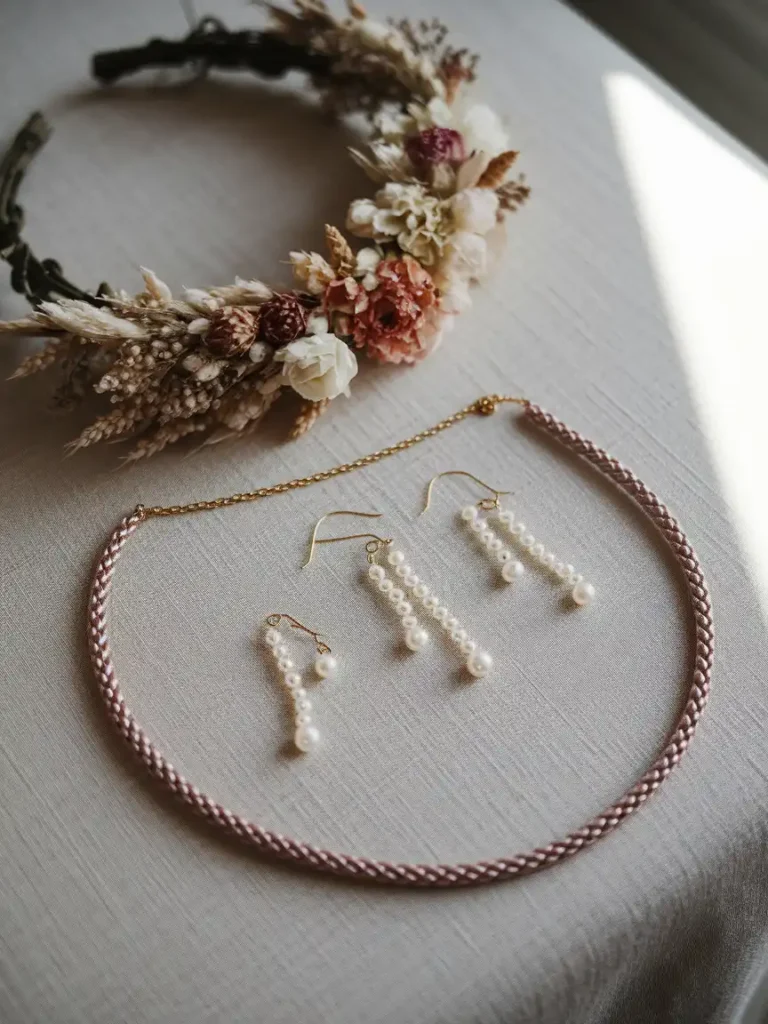
Accessories can define or disrupt a boho bridal look depending on how you approach them. The general rule is to match the weight of your accessories to the dress. A heavily embellished gown needs minimal jewelry. A simple slip dress can support a statement headpiece or bold earrings.
Accessories that consistently work with boho bridal styles:
- Floral crowns: Fresh or dried flowers; dried arrangements hold up better through a full day
- Dainty gold or silver headbands: Add detail without competing with the dress
- Drop earrings: Pearl, crystal, or hammered metal all work; avoid overly heavy chandelier styles
- Layered delicate necklaces: Work better than a single statement piece for most boho necklines
- Thin belts: Ribbon, braided leather, or delicate chain; useful for defining the waist on flowy silhouettes
Avoid mixing too many statement pieces. Pick one focal accessory and build around it simply.
22. How to Find a Boho Wedding Dress on a Realistic Budget
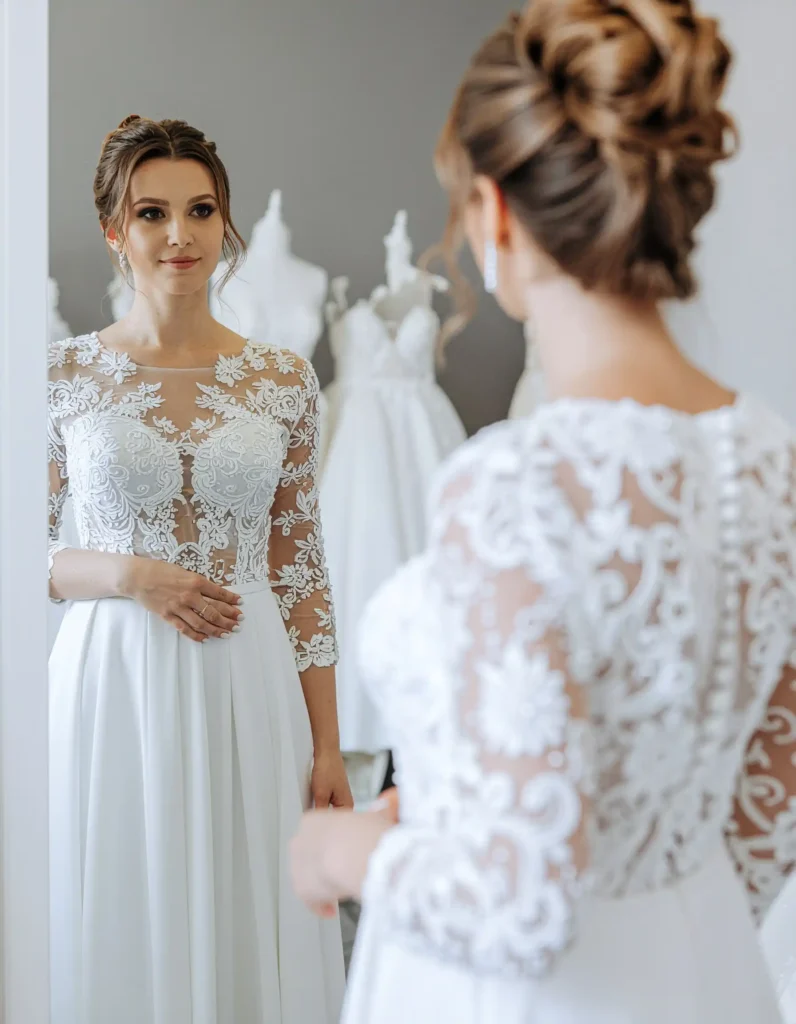
Bridal pricing is inconsistent and often based more on brand recognition than construction quality. A $500 dress from a lesser-known designer can be better made than a $2,000 dress from a well-marketed label. The key is knowing what to look for rather than relying on price as a proxy for quality.
Practical steps for budget-conscious boho brides:
- Set a firm budget before you start trying dresses. It’s easy to stretch once you’re emotionally attached to something.
- Try on dresses above your budget for fit reference, not to buy them. Use them to identify what silhouette and details you actually want.
- Look at brands like BHLDN, Ever Pretty, and Grace Loves Lace for quality at lower price points.
- Consider sample sales. Many boutiques sell sample dresses at 40 to 70% off, and alterations can address most fit issues.
- Buy early. Rushing an order increases cost through rush fees and express shipping.
Alterations are almost always necessary and should be factored into your total budget from the start. Budget roughly 10 to 15% of the dress price for alterations.
23. Questions to Ask Before You Buy Your Boho Wedding Dress

Walking into a boutique without a plan costs you time and mental energy. Knowing what to ask before you go means you leave with real information rather than a vague sense of whether a dress is right for you.
Questions worth asking every boutique or designer:
- What is the production timeline? Most made-to-order dresses take four to six months. Confirm this against your wedding date.
- What does the alteration process look like, and do you do it in-house?
- What is the return and cancellation policy?
- Can I see the dress in natural light? Boutique lighting is designed to flatter. Natural light gives you a more honest view.
- What size range does this style come in? Not all styles are available in extended sizes, and some silhouettes require specific construction for larger cup sizes.
- Is there a sample of this exact fabric I can feel? Photos don’t communicate fabric weight or texture accurately.
Going in with these questions also signals to the consultant that you’re a serious buyer, which typically results in more focused, useful service.
Conclusion:
Your boho wedding dress should work for your body, your venue, and your comfort, not just for the mood board you saved six months ago. Use the sections in this guide as a checklist. Narrow down your silhouette first, then your fabric, then your details. Book appointments with a clear shortlist rather than starting from scratch each time. The right dress exists. You just need the right information to find it.