Y2K Aesthetic Candy Outfits: Cute or Costume?
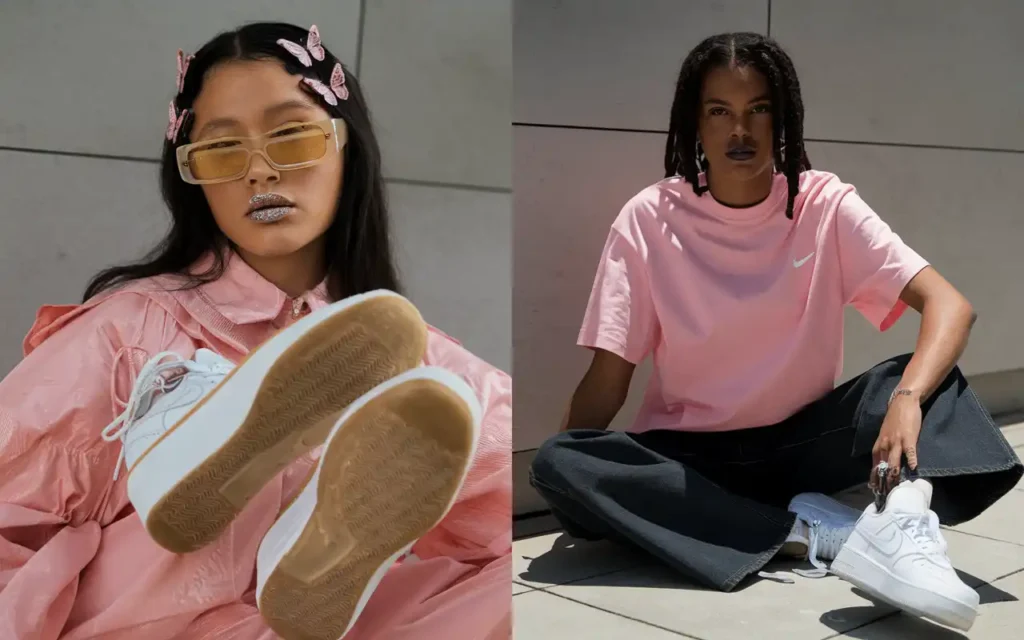
You put the outfit together, you liked it, and then something felt off by lunchtime. That gap between cute and costume trips up almost everyone trying the y2k aesthetic with candy colors, and it usually comes down to one thing: too many loud pieces fighting each other. The good news is that this is a fixable problem, not a body problem or a taste problem. Below are 18 specific adjustments covering color, fabric, fit, and accessories, all of them things you can test with clothes you already own before spending anything.
1. The Line Between Cute and Costume
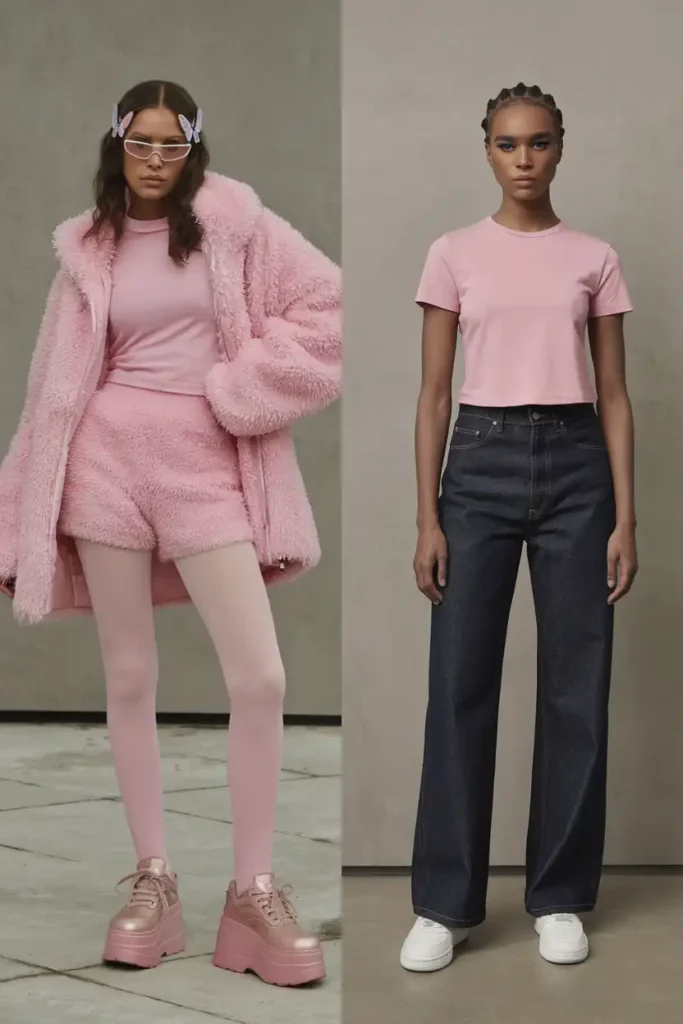
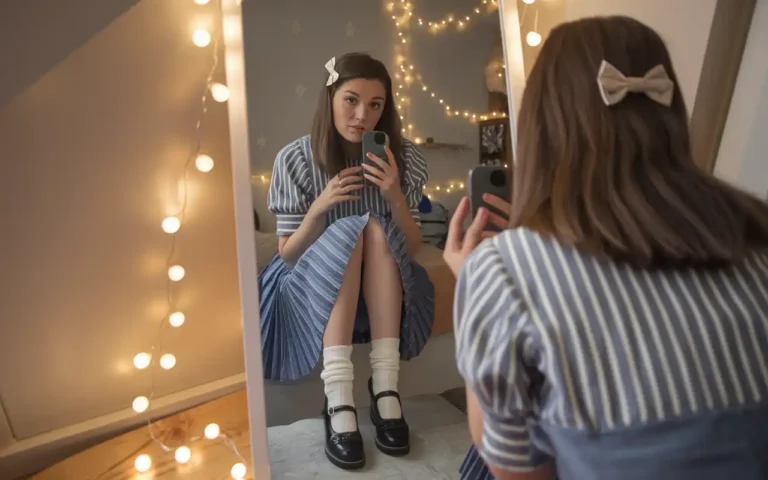
You know the feeling. You get dressed, you like what you see in the mirror, then you catch your reflection in a shop window an hour later and realize you look like you are headed to a themed party. That gap usually comes down to saturation. When every single piece on your body screams 2003, your outfit stops reading as personal style and starts reading as a costume rental.
The fix is simpler than most styling advice makes it sound. Keep two candy-colored elements maximum and let everything else stay quiet. A pink cropped cardigan works with plain black trousers. A lilac mini skirt works with a gray tee. The moment you add the third loud piece, you cross the line. Try photographing your outfit before you leave the house. Your camera catches what the mirror hides, and you will spot the imbalance in two seconds.
2. Why Candy Colors Read Younger Than You Want
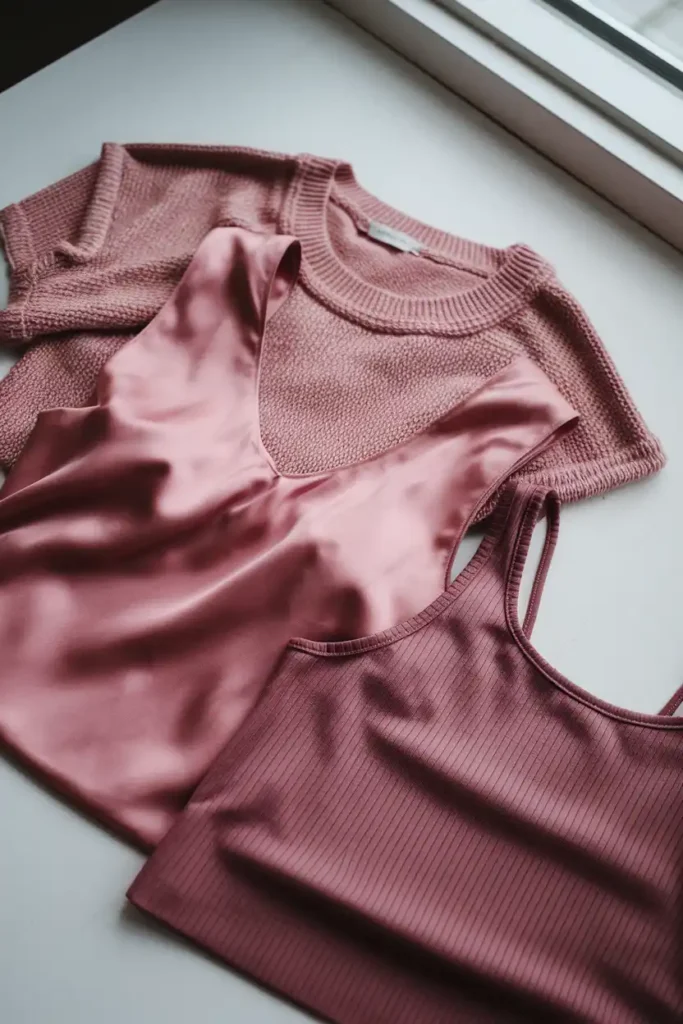
Pastel candy tones sit at the center of the color pink aesthetic, and they carry a real risk. Very light, very sweet pinks read as childlike on almost everyone, especially in soft fabrics like fleece, terry cloth, or brushed knit. Combine a baby pink hoodie with a mini skirt and pigtails and you have built something closer to a dress-up box than an outfit.
Push your pinks darker or cooler and the problem disappears. Fuchsia, raspberry, and dusty rose all keep the sweetness without the nursery association. Fabric matters just as much as tone. Satin, leather, and dense cotton hold their shape and read as deliberate. Fleece and velour slump. If you already own a baby pink piece you love, wear it in a heavier fabric next to something structured, like a stiff denim jacket or a tailored trouser. Buy your next pink piece one shade deeper than instinct tells you.
3. Building a Mood Board Before You Buy Anything
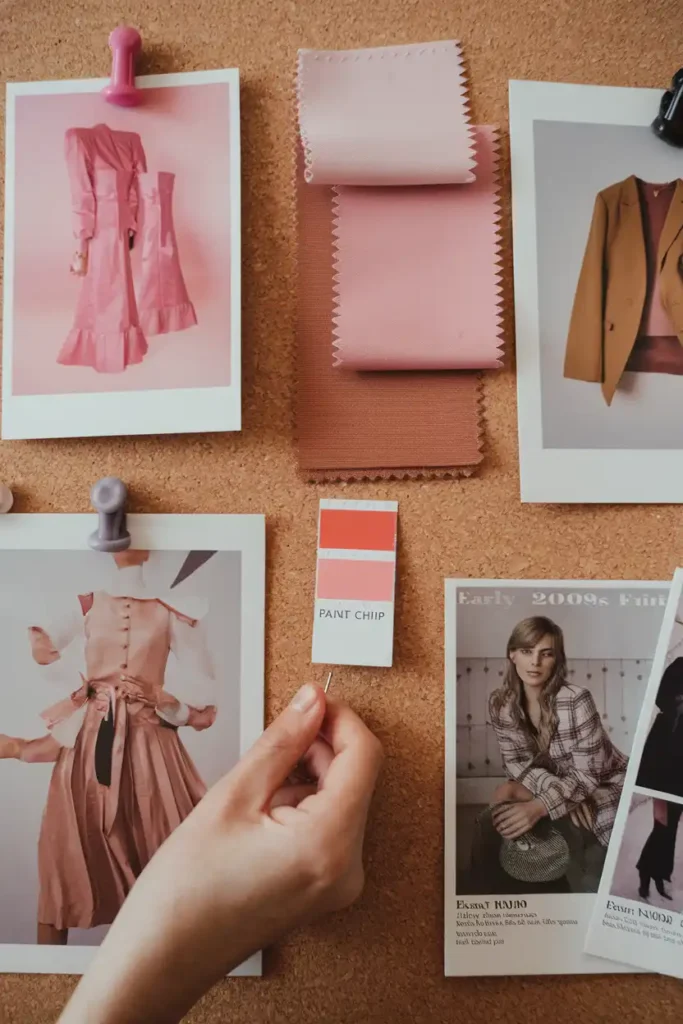
Most bad purchases happen because you liked one photo and bought one item without knowing where it fits. A mood board fixes that. Collect fifteen to twenty images you actually respond to, then look for what repeats. You will usually find you gravitate toward one specific tone rather than the whole candy spectrum.
Good pink mood board ideas group by function, not just prettiness:
- One row for tones you will actually wear near your face
- One row for silhouettes you already own something similar to
- One row for accessories, since those carry most of the era signal
- One row for outfits you like but know you would never leave the house in
That last row matters most. It tells you where your personal limit sits. Keep the board on your phone and open it before you check out any cart. If a piece does not match at least three saved images, skip it.
4. Brown and Pink: The Combination That Ages Up Instantly
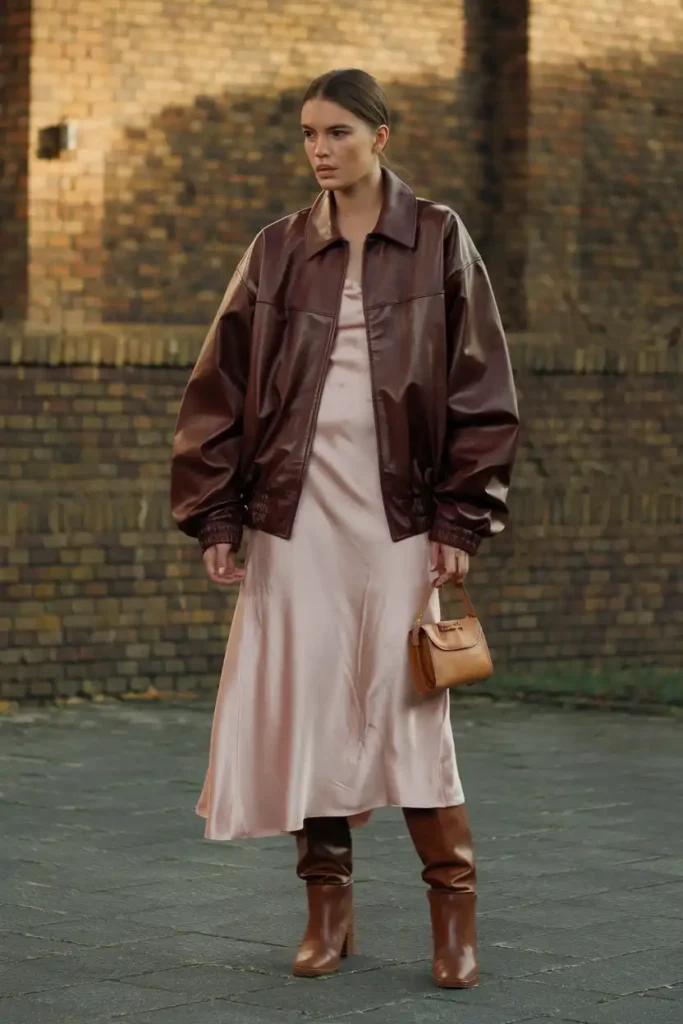
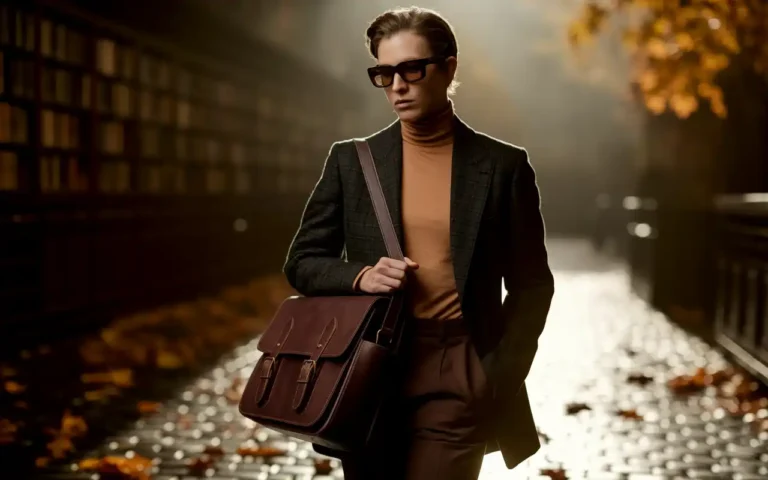
Brown and pink y2k pairings solve the costume problem faster than any other color trick I know. Brown grounds the sweetness. It reads as adult, slightly retro, and completely intentional. Chocolate, camel, and espresso all work, though deep chocolate does the most for bright pinks.
Start with whatever pink piece you already own and add brown at two points, usually shoes and outerwear, or a bag and a belt. The repetition makes it look planned rather than accidental. A hot pink mesh top under a brown suede blazer works for dinner. A pink knit tank with brown wide-leg cords works for a Saturday. Both keep the era reference without announcing it. If you own one pink item and nothing brown, a brown leather belt for around twenty dollars is the cheapest upgrade available to you.
5. Where the Y2K Aesthetic Actually Came From
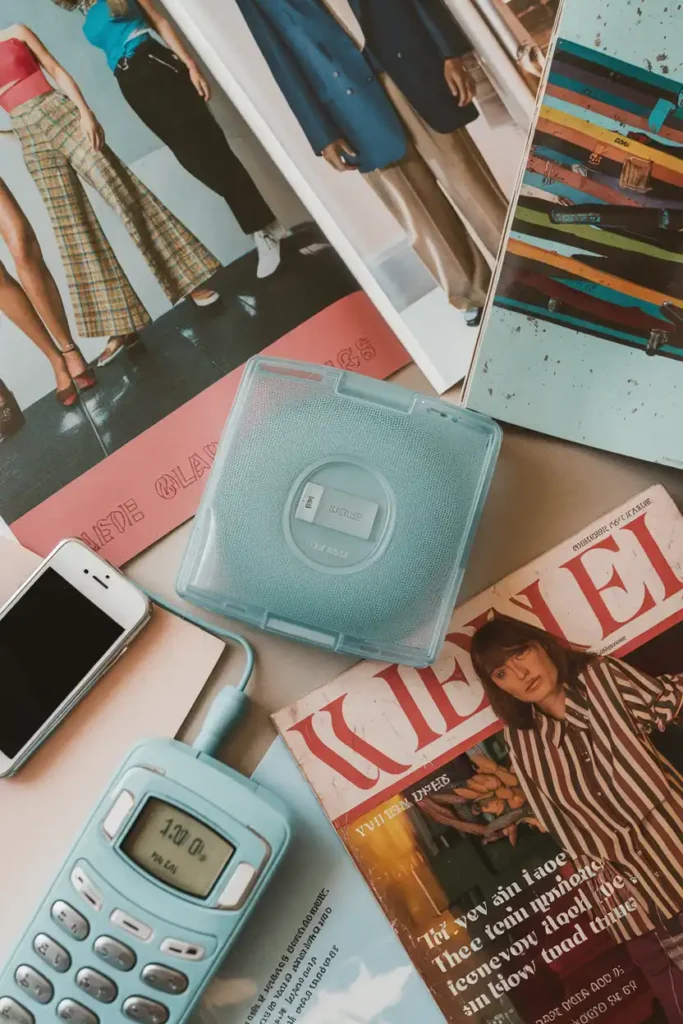
The y2k aesthetic pulled from three separate places at once. Pop stars drove the candy colors and low-rise cuts. Club culture brought the mesh, the metallics, and the tiny bags. And consumer technology gave everything that translucent, frosted plastic quality you still see in bag hardware and sunglasses today.
Knowing this changes what you buy. When you understand that the tech aesthetic side is what made the era feel futuristic rather than just girly, you start reaching for holographic finishes, silver hardware, and clear vinyl instead of adding another bow. That single shift keeps your outfit from tipping into costume territory, because it reintroduces the edge the original era actually had. Look at photos from 2001 rather than photos from last month’s trend roundup. The real references are cooler and stranger than the recycled versions.
6. Reading Celebrity Looks Without Copying Them
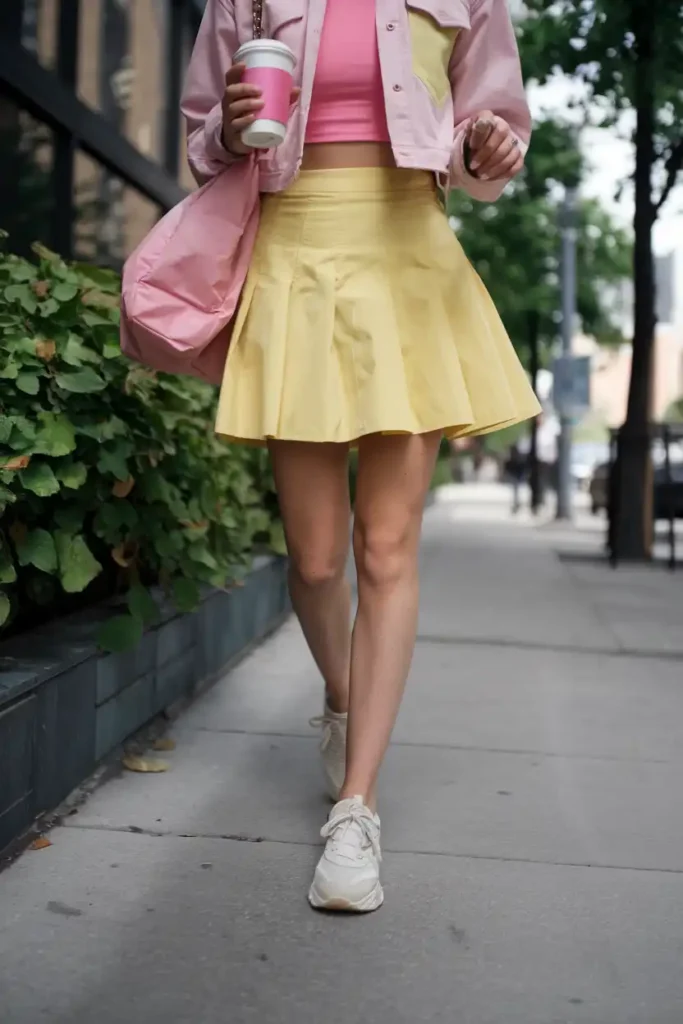
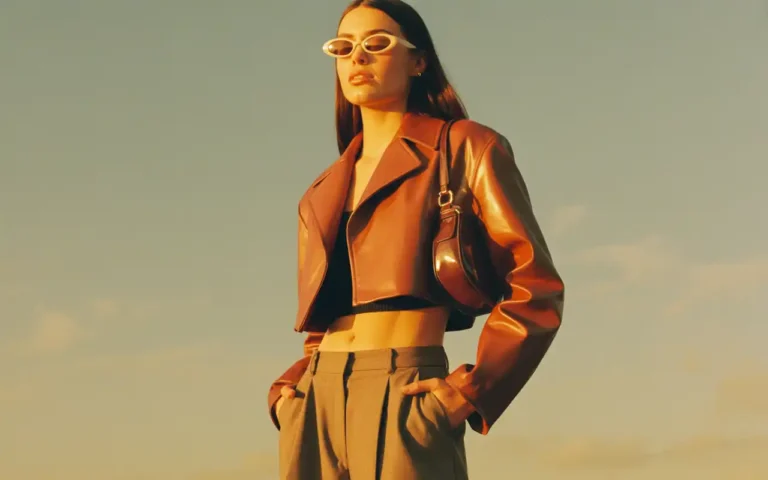
Celebrities aesthetic references are useful for one thing: silhouette. They are almost useless for everything else, because those outfits get styled for cameras, not for sidewalks, and half of them were pinned in the back. Copy the proportion and ignore the rest.
When you find a celebrity look you like, break it into parts:
- What is the top-to-bottom ratio, cropped over long or fitted over loose
- Where does the color sit, near the face or below the waist
- How many pieces are actually in the look, usually fewer than you think
- What single accessory does the era signaling
Then rebuild it with things you own. A hot pink cropped top with low-slung wide trousers gives you the same line as a look that cost four figures. Save three reference photos and rebuild one this week before you buy anything new.
7. Making Candy Colors Work With an Edgy Wardrobe
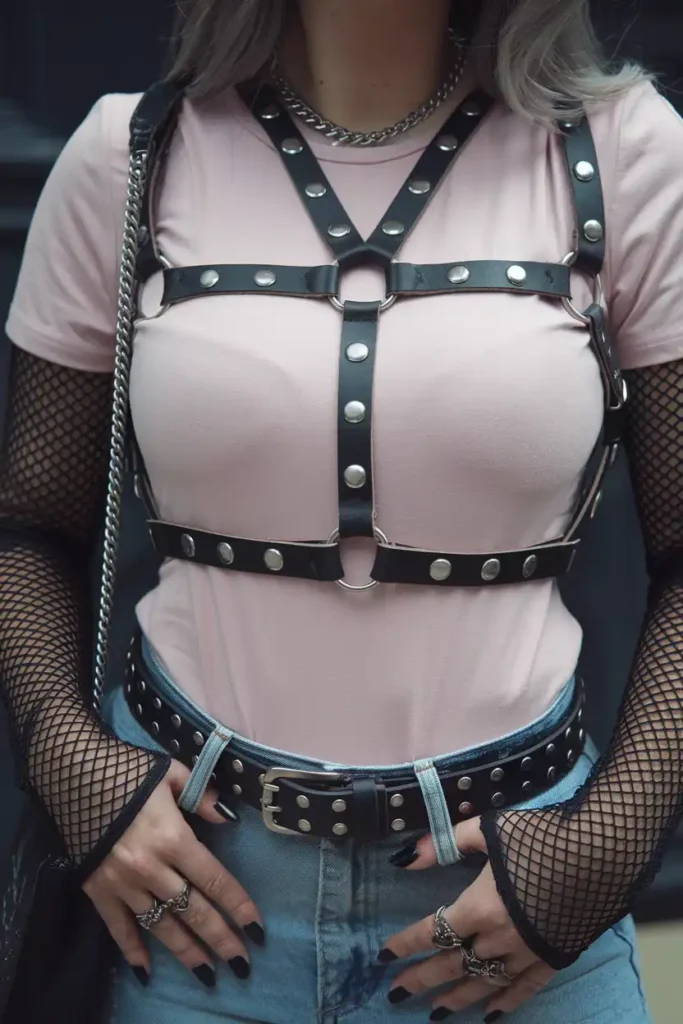
If your closet leans black, candy tones feel like a foreign language. They do not have to be. The edgy pink aesthetic works by treating pink as an accent color rather than a theme. One pink piece inside an otherwise dark outfit reads as confident. Three pink pieces inside a dark outfit reads as confused.
Silver hardware does most of the connecting work here. Chains, grommets, studs, and buckles all bridge candy tones and alt vibes without any effort from you. A bubblegum mini skirt with black tights, chunky black boots, and a silver chain belt lands on the right side of the line. Add distressed textures if you want more edge, since damage in the fabric cuts the sweetness immediately. Start with one pink item you already own and build the darkest possible outfit around it.
8. Fixing Low-Rise Bottoms That Feel Wrong
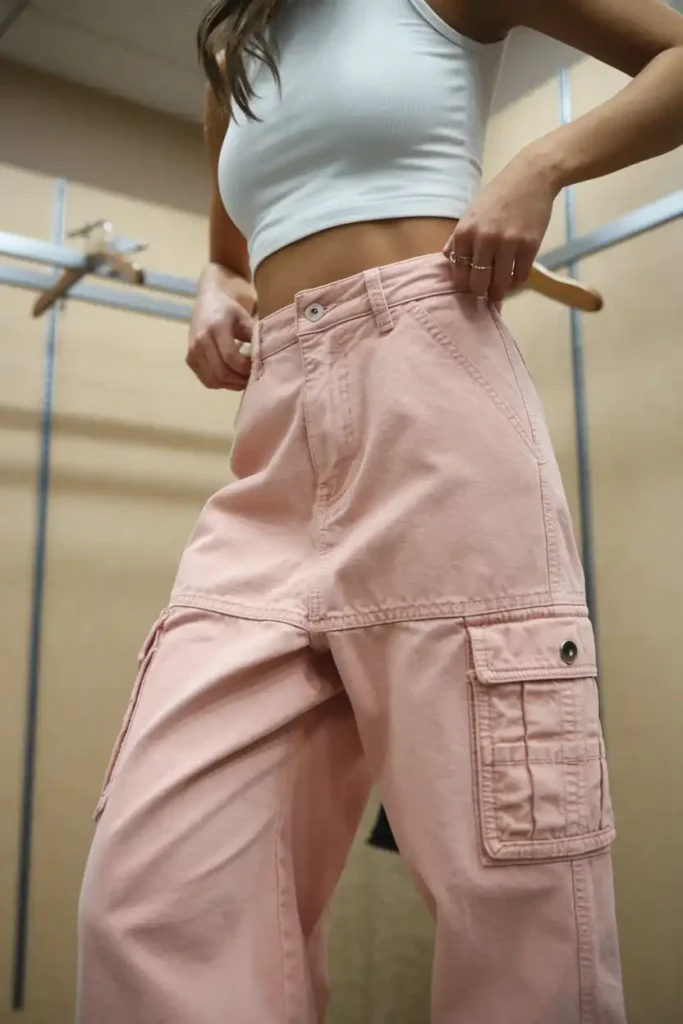
Low-rise is the single piece of this era that makes most people abandon it entirely. The cut is unforgiving, the sizing is inconsistent, and a lot of what sells online sits at a rise that only works on one body type.
Three adjustments make it wearable:
- Look for a rise between eight and nine inches rather than the six-inch versions
- Choose a bottom with structure, like twill or denim, since jersey clings and shifts
- Pair with a top that ends at or just past your natural waist, not above it
That last one matters most. The exposed midsection is what makes the whole outfit read as costume, and covering it changes nothing about the silhouette. If low-rise still feels wrong after those fixes, mid-rise wide-leg trousers give you nearly identical proportions with none of the discomfort. Try that route first.
9. Accessories That Signal the Era Without Overdoing It
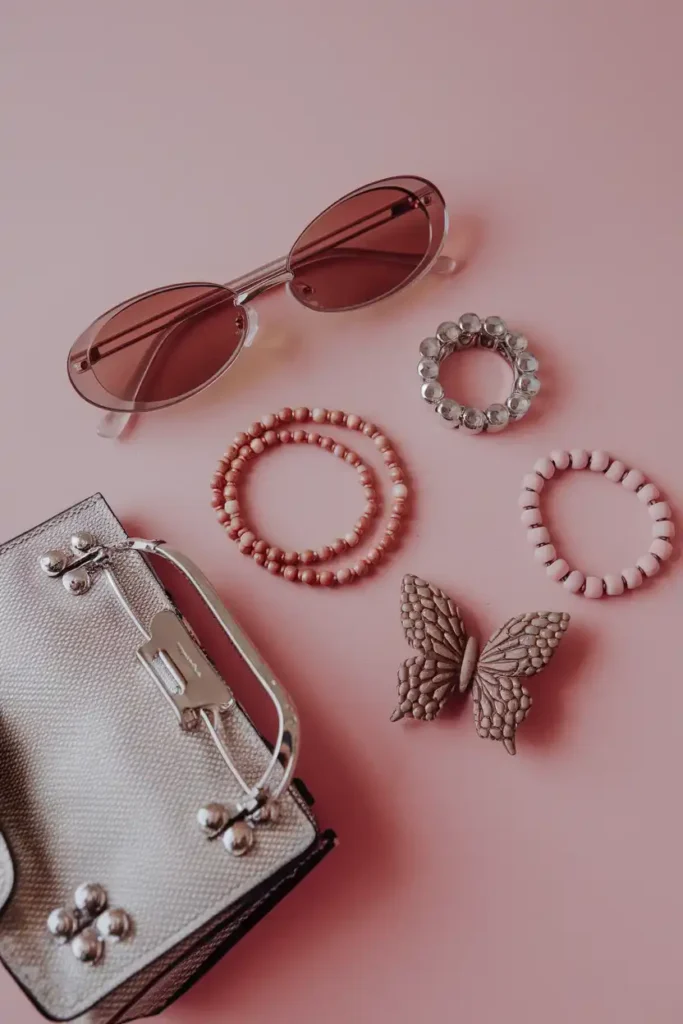
Accessories carry more era signal per item than clothing does, which is exactly why they push outfits over the edge. One butterfly clip is a reference. Six butterfly clips plus a tiara plus a boa is a costume. The ratio you want is one obvious accessory per outfit.
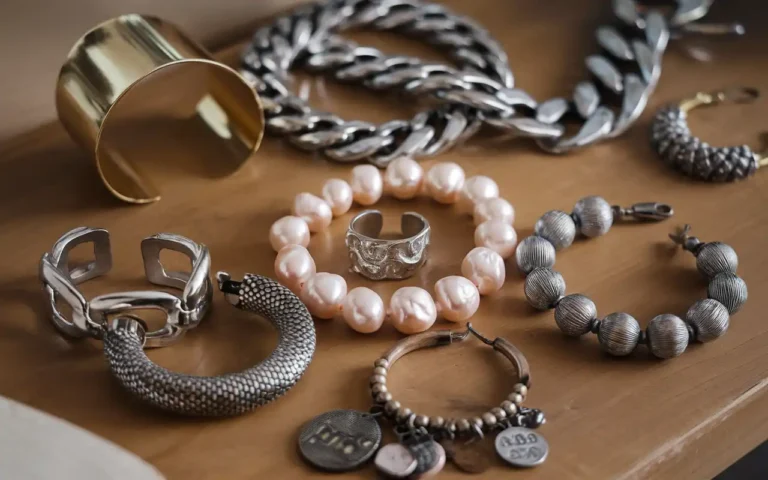
Pick your one based on where you are going. Tinted sunglasses work for daytime and read as fashion rather than nostalgia. A small structured bag with silver hardware works everywhere. Beaded jewelry works at night. Hair clips carry the strongest nostalgic y2k aesthetic signal, which makes them the riskiest choice and the most effective when you want the reference to land clearly. Lay everything out before you get dressed, then remove half. You will not miss what you took off.
10. Choosing Fabrics That Do Not Look Cheap
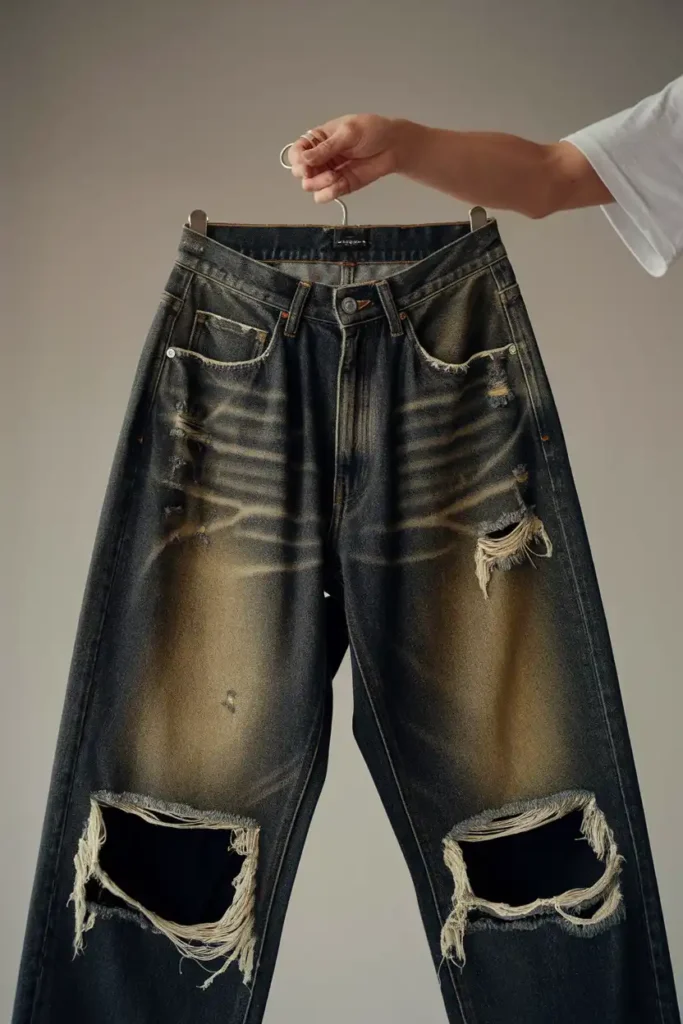
Fabric ruins more candy-colored outfits than color ever does. Bright tones expose cheap material because saturated dye on thin polyester looks flat and slightly plastic under any real light. That flatness is what people register as costume, even when they cannot name it.
What to look for when you shop:
- Satin with a soft sheen rather than a mirror shine
- Cotton with weight, meaning you cannot see your hand through it
- Mesh with finished seams and a bit of stretch recovery
- Anything lined, since lining doubles the perceived quality instantly
Skip anything with a stiff, papery hand feel or a color that looks slightly different in the photo than in person. If you are buying online, search the item name plus a review video before checkout. Two minutes of watching someone move in a garment tells you more than any product description. Spend more on the piece closest to your face.
11. Glamor Details Worth Borrowing
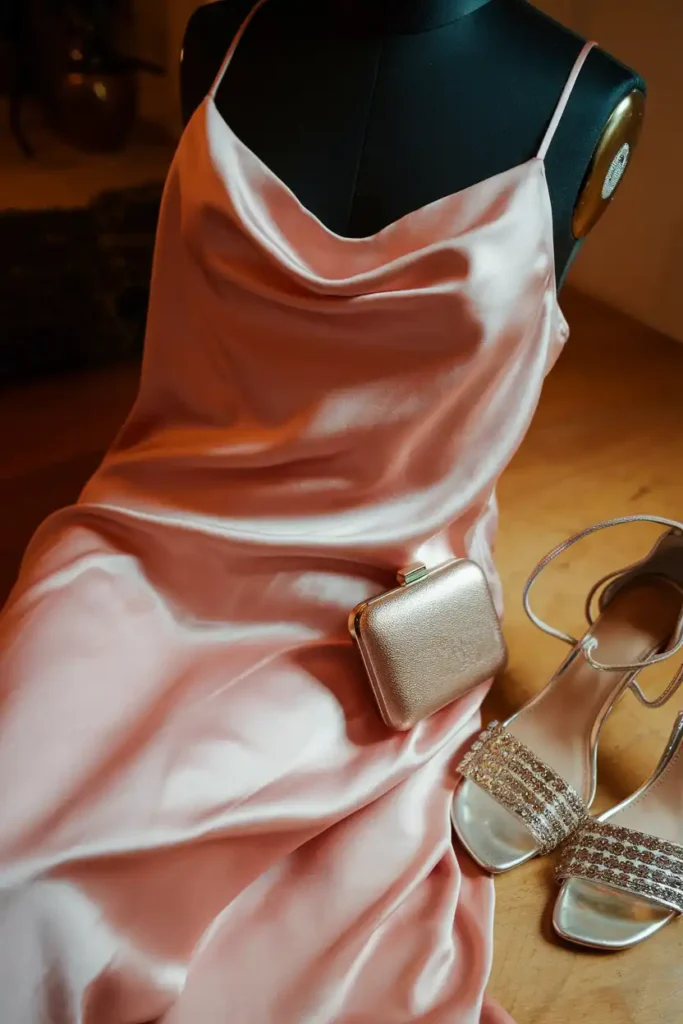
There was real glamor in this era, and most current interpretations skip it entirely in favor of the casual stuff. Satin slip dresses, metallic finishes, and body-skimming cuts all belong here, and they solve the costume problem on their own because grown-up fabrics do not read as dress-up.
Build one evening look and keep it in rotation. A candy-toned satin slip, a structured jacket, and a single metallic accessory covers most nights out and reads as intentional in every photo. The satin does the era work while the shape stays timeless, which means the outfit still looks good in two years. If a full slip dress feels like too much, a satin camisole under a blazer gives you the same effect at a much lower price. Look secondhand first, since satin from real vintage stock often has better weight than new fast fashion versions.
12. Layering for Cooler Weather Without Losing the Look
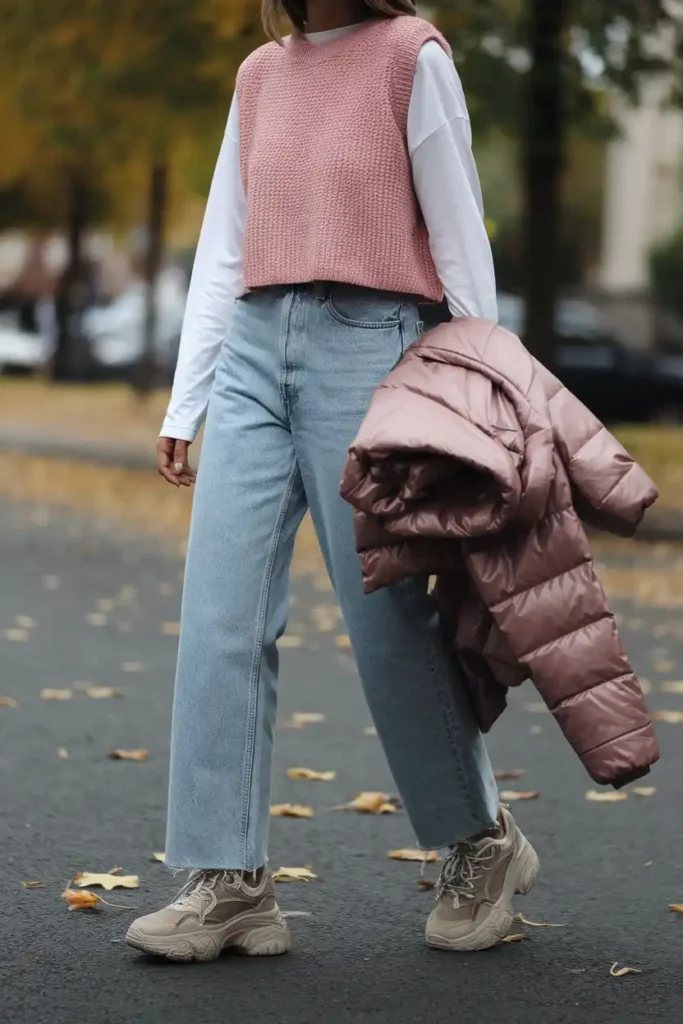
Most candy-toned pieces are cut for summer, which leaves you stuck for eight months of the year. Layering solves it, but only if you keep the layers in the right order. Longest layer underneath, shortest on top. Reverse that and everything looks bunched.
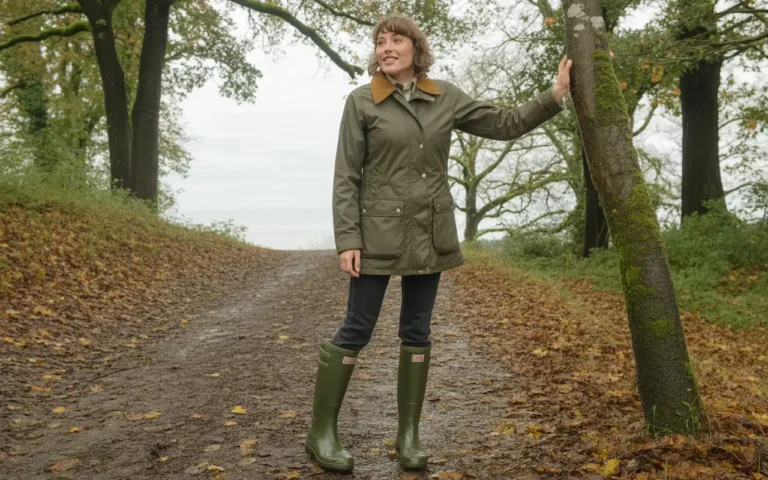
A long-sleeve white tee under a cropped knit gives you warmth and keeps the era proportion intact. A fitted turtleneck under a slip dress does the same for evening. For outerwear, a cropped puffer or a bomber keeps the shape, while a long coat swallows it. Tights under skirts work if you go opaque and match them to your shoes rather than your top. Pull one summer piece out of storage this week and test it with two layers before you decide it is unwearable in the cold.
13. Shopping Secondhand for Real Pieces
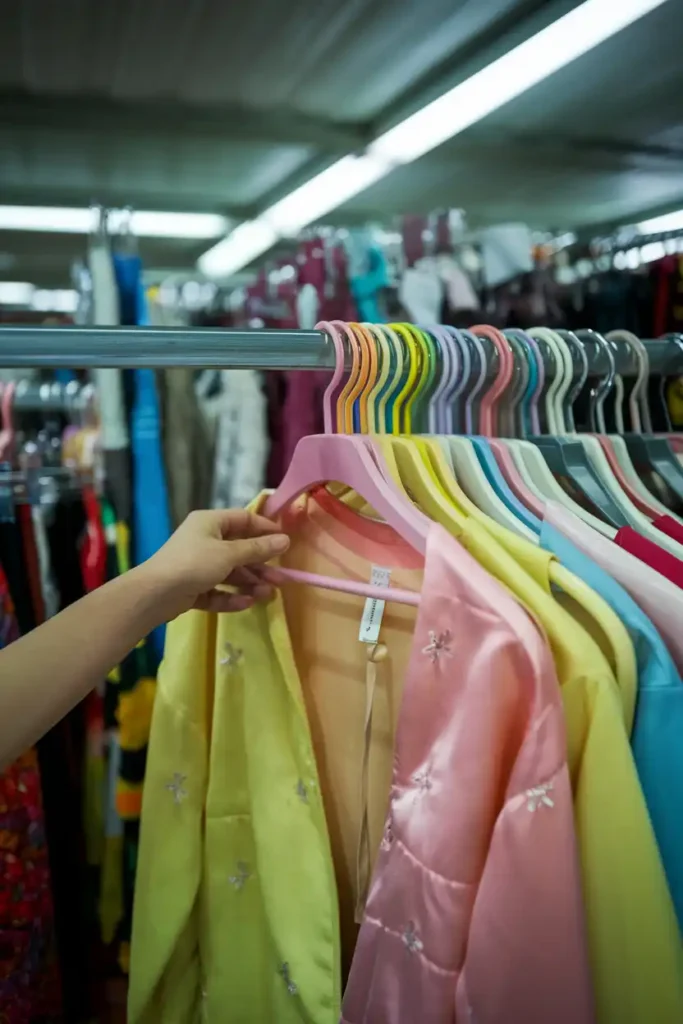
Original pieces beat reproductions almost every time, and they usually cost less. The construction is better, the colors have faded into something softer, and nothing about them looks mass produced for a trend cycle. That vintage look is what separates an outfit that feels personal from one that feels ordered from the same three websites everyone else uses.
Search these terms specifically when you browse resale apps:
- Butterfly print, rhinestone, mesh overlay
- Bootcut, capri, low rise, hip hugger
- Terry, velour, satin, slinky
- Brand names from the era rather than the word y2k, which is now a marketing tag
In physical stores, check the sportswear and formalwear sections rather than the trend racks, since staff rarely sort by era correctly. Set a weekly reminder to check one resale app for ten minutes. Consistency beats long browsing sessions.
14. The Tech Detail That Makes It Feel Authentic
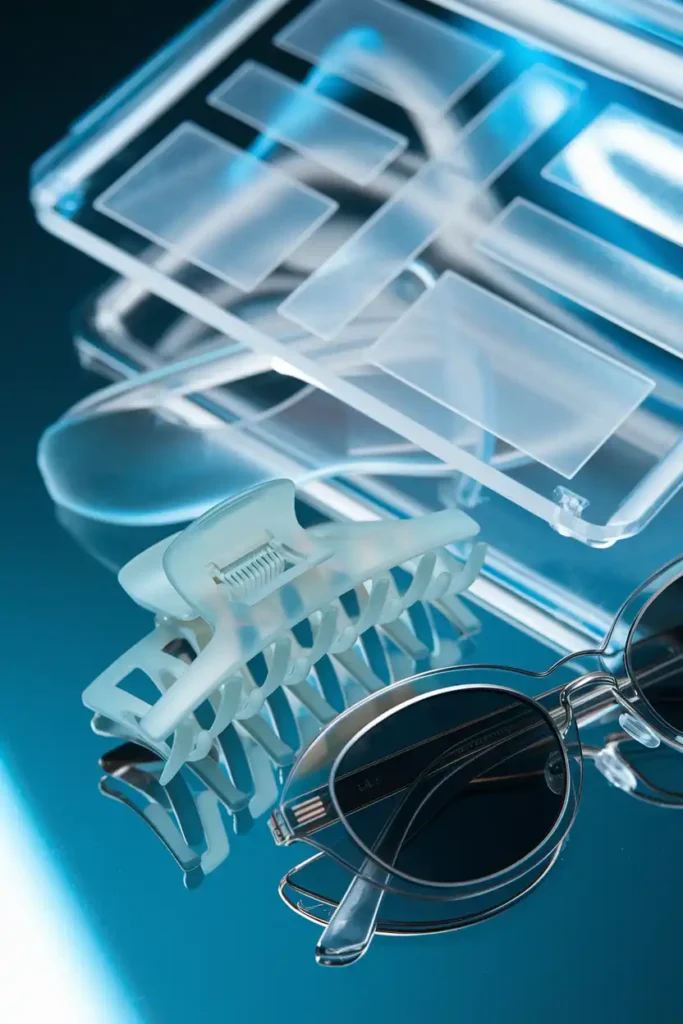
The frosted plastic and brushed metal finishes of the era came directly from consumer electronics, and reintroducing that tech aesthetic is the fastest way to make a candy outfit feel referenced rather than costumed. Clear vinyl, silver hardware, holographic finishes, and translucent plastic all pull from the same source.
Add one of these to any sweet outfit and watch it shift. A pale pink dress with a silver metallic bag reads completely differently than the same dress with a fabric tote. The cool tone cuts the warmth and creates contrast where there was none. This trick also works in reverse, since a heavily silver outfit softens with one candy-toned piece. Look for small metallic accessories first, since they cost the least and change the most.
15. Photographing Your Outfits So You Can Judge Them
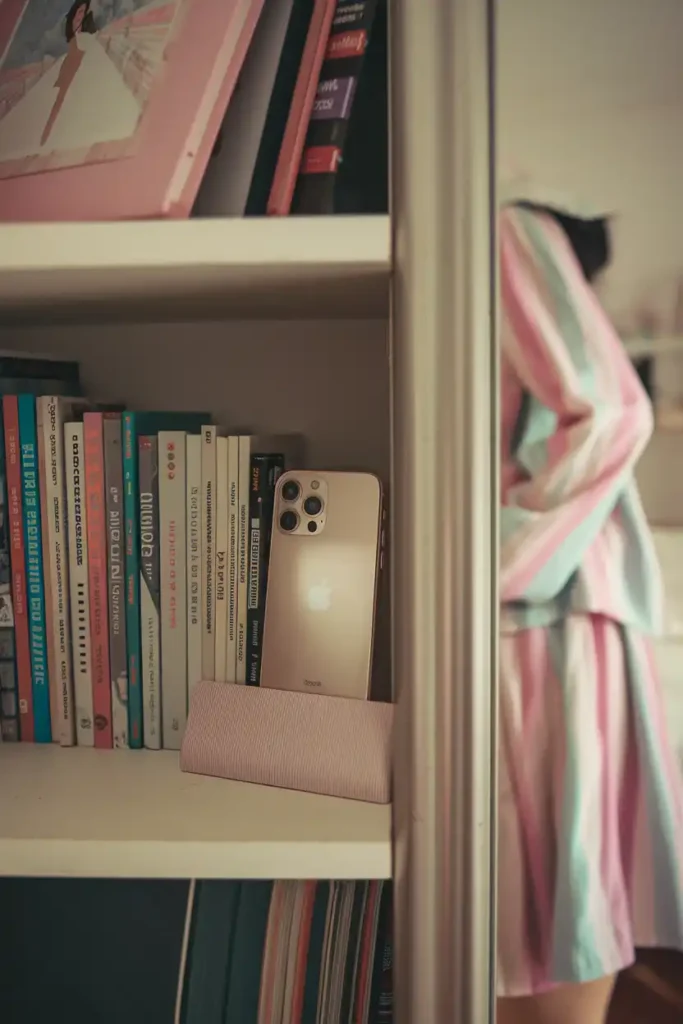
You cannot see your own outfit clearly in a mirror. Your brain edits. A photo does not, which is why one shot before you leave the house catches problems you would otherwise wear all day. Take it in the same spot each time so you can compare across weeks.
What to check in the photo:
- Does one color dominate more than you intended
- Do the accessories outnumber the clothing pieces
- Where does your eye land first, and is that where you wanted it
- Does the outfit read as an outfit or as a set of references
Save the good ones in a dedicated album. Over a few weeks that album becomes far more useful than any mood board, because it shows what actually works on your body rather than someone else’s. Start the album today with whatever you are wearing.
16. Hair and Makeup That Support the Outfit
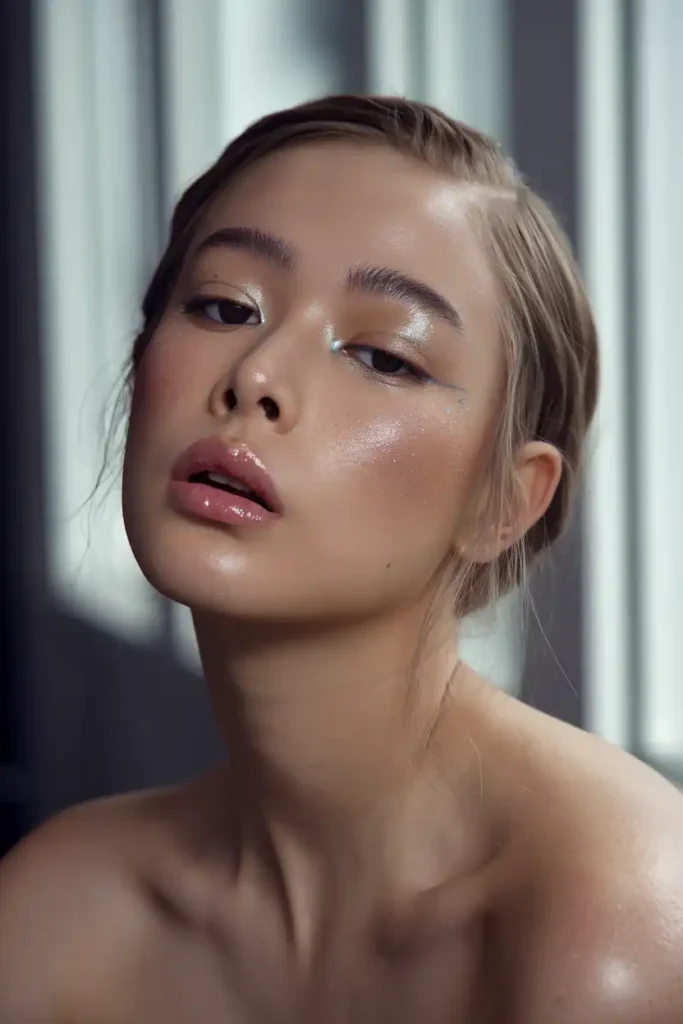
Full period hair and makeup is where most people lose the argument. Frosted blue eyeshadow, thin drawn brows, and crimped hair together turn any outfit into a costume regardless of what you are wearing. Pick one beauty reference and keep everything else current.
Gloss is the safest choice. It signals the era immediately, suits every skin tone, and looks modern on its own. A single thin front section of hair clipped back gives you y2k vibes without committing to the full look. Skip anything that requires you to change your brow shape, because that is the point of no return. If you want more, add a light shimmer on the lid and stop there. Test the beauty look separately from the outfit first, so you can tell which element is doing too much.
17. Building Three Outfits From Six Pieces
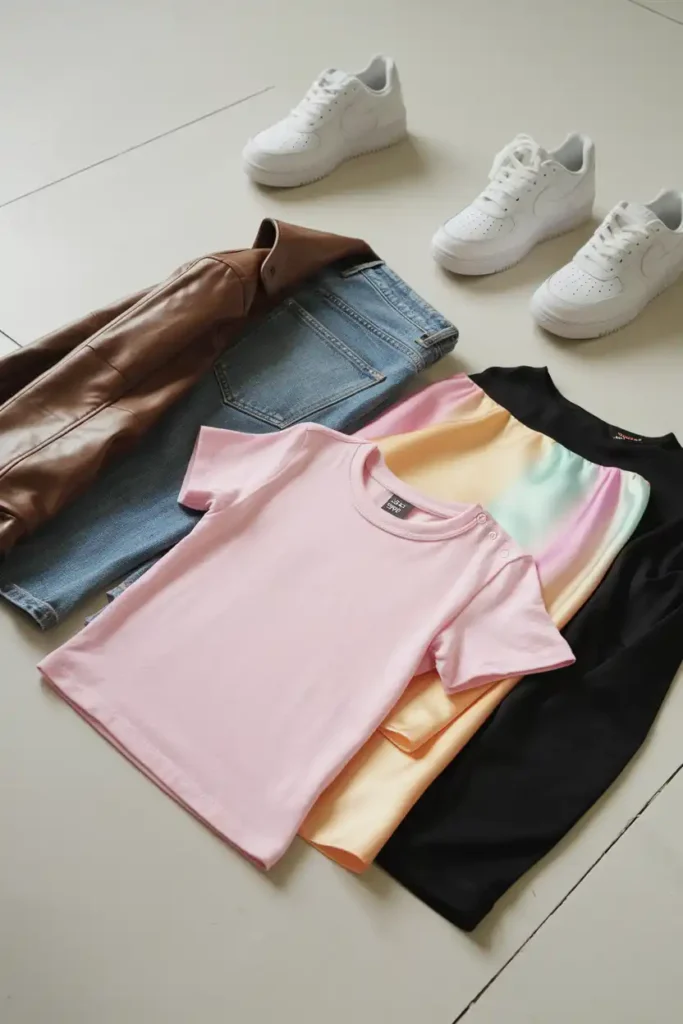
You do not need a full wardrobe rebuild. Six pieces produce enough combinations to cover most of what your week requires, and buying fewer better items solves the cheap-looking problem at the same time.
Here is the math with the pieces above:
- Pink tee, jeans, sneakers, brown jacket for daytime
- Black long sleeve, satin skirt, sneakers for a casual evening
- Pink tee tucked into the satin skirt with the brown jacket for dinner
Each outfit uses at most two candy-colored elements, which keeps every version on the right side of the costume line. Notice that the brown jacket appears in two of the three. That is what a hardworking piece looks like. Audit your closet against this list and buy only the gap. Most people already own four of the six.
18. Deciding If This Style Is Actually Yours
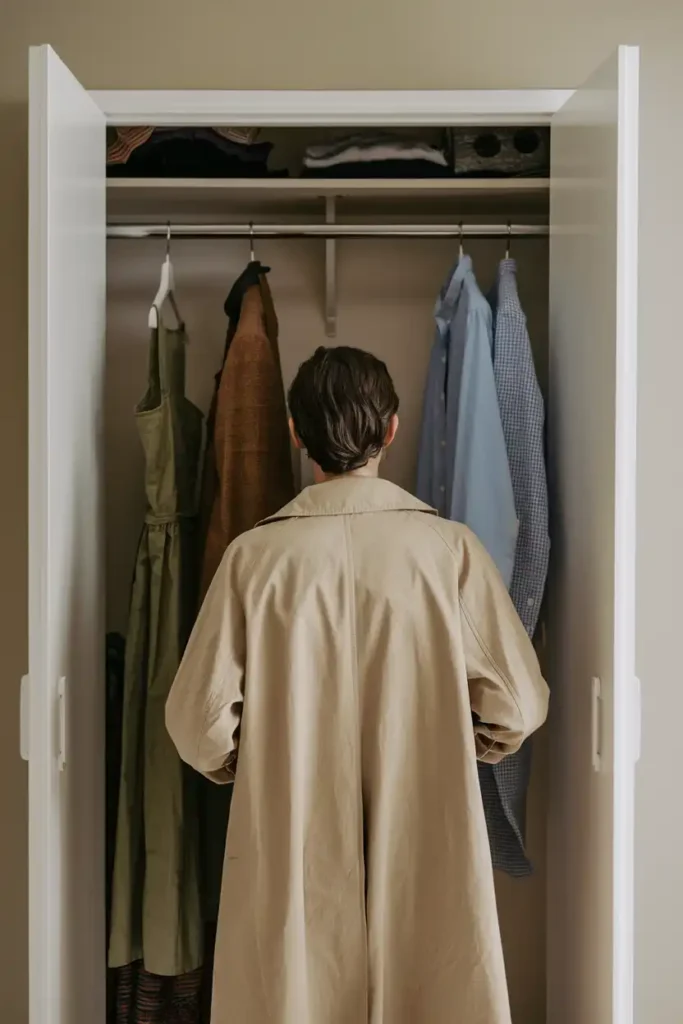
Not every trend suits every person, and the pressure to participate makes people spend money on clothes they wear twice. Before you invest further, ask whether you like these clothes or whether you like the photos of these clothes. Those are different things, and the second one costs a lot more.
A useful test: wear one candy-colored piece for a full week in your normal life. Not to an event, not for a photo. If you reach for it again on day six, the style suits you. If you feel self-conscious by day three, you have learned something valuable for the price of nothing. Plenty of people take one element, usually the color or a single silhouette, and leave the rest. That is a legitimate outcome. Give yourself a week before your next purchase.
FAQs
How do I wear candy colors without looking like I’m in a costume?
Keep it to two candy-colored elements per outfit and let the rest stay neutral. One pink top with dark jeans works. A pink top, pink skirt, and pink clips together do not. Adding brown or black grounds the brightness fast.
Are low-rise pants the only option for this look?
No. Mid-rise wide-leg trousers give you nearly the same proportion with none of the discomfort. If you do want low-rise, look for an eight to nine inch rise in a structured fabric like twill or denim rather than jersey.
What colors work best if pastel pink washes me out?
Go deeper or cooler. Fuchsia, raspberry, and dusty rose carry the same era reference without the childlike read. Brown and pink together is the easiest combination to wear if you want something more grown up.
Can I wear these pieces in cold weather?
Yes, with the layers in the right order. Longest underneath, shortest on top. A long-sleeve white tee under a cropped knit works, and a cropped puffer or bomber keeps the proportion where a long coat would swallow it.
Is it better to buy new or shop secondhand?
Secondhand usually wins on price and quality. Original pieces have better construction and softer, faded colors. Search terms like bootcut, mesh overlay, velour, and rhinestone rather than the word y2k, which is now just a resale marketing tag.