Timeless Winter Coat Styles That Never Date
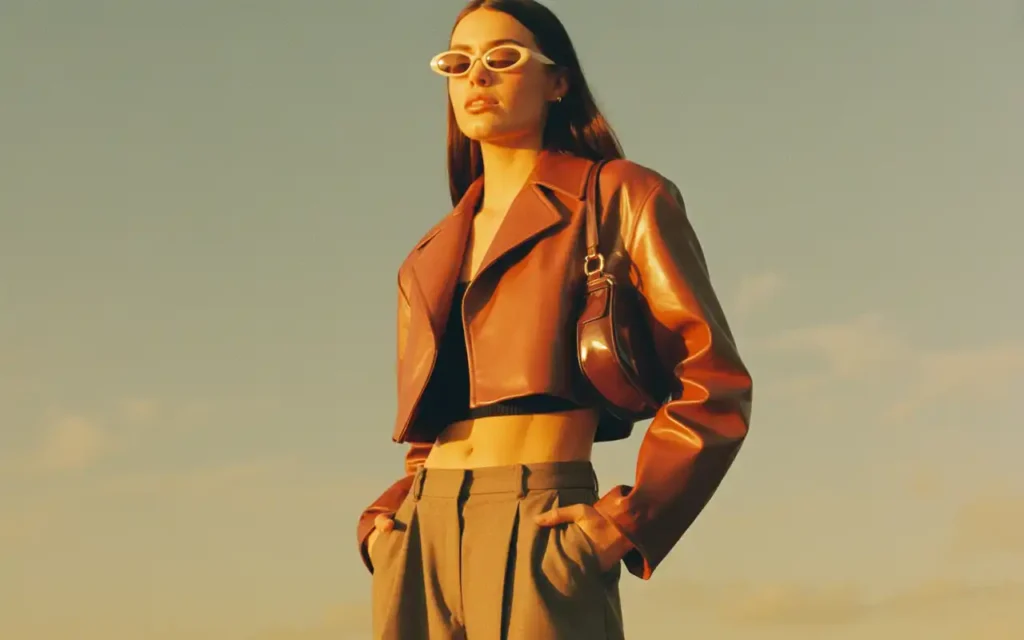
You buy a coat, love it for one season, then watch it fall out of style by spring. That cycle wastes money and closet space. The fix is choosing a winter coat built on shape, color, and fabric that hold up year after year. These are the styles that look right in your first winter and your fifth. Below you’ll find the classic cuts, colors, and fits worth your money, plus honest tips to help you pick pieces you’ll actually reach for every cold morning.
Why Timeless Style Wins Over Fast Trends

You buy a coat for the winter, wear it twice, then it feels dated by spring. That cycle drains your money and your closet space. A timeless winter coat skips that problem because the shape, color, and fabric were never tied to one season’s hype. You reach for it in year one and year five, and it still looks right.
Focus on three things when you shop: a clean silhouette, a neutral color, and a fabric with real weight. Wool, cashmere blends, and dense down hold their look far longer than novelty materials. Skip anything with loud hardware or a cut that only works with one type of outfit. Start by pulling the pieces you already wear most, then match a coat to that honest picture of your life.
The Wool Pea Coat That Outlasts Everything
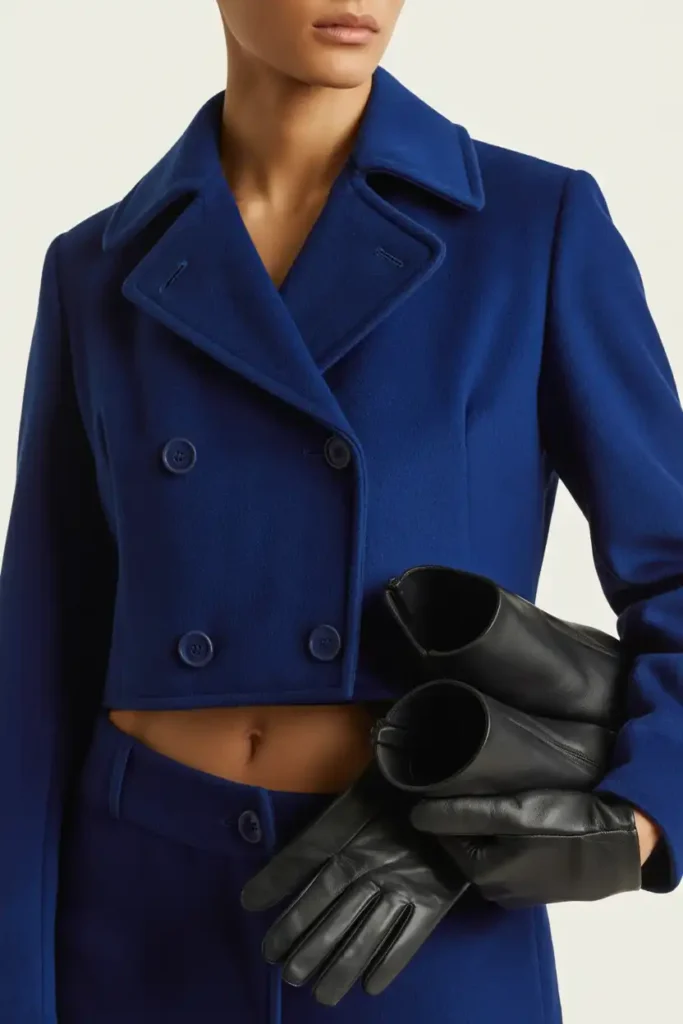
A pea coat earns its keep because the design barely changes. The short length keeps you mobile, the double-breasted front adds warmth across your chest, and the tailored waist reads sharp with almost anything. You can wear it over a blazer for work or a hoodie on a Saturday, and both look intentional.
If you want one piece that feels quietly expensive, look at a Luxury White Pea Coat or a soft Ivory Coat. Light neutrals photograph beautifully and pair with denim, gray trousers, or a black dress. They do show marks faster, so buy one with a treated finish and keep a fabric brush handy. For your first pea coat, pick navy or charcoal, then add a lighter tone once you know you love the fit.
A Trench Coat You Can Wear Three Seasons
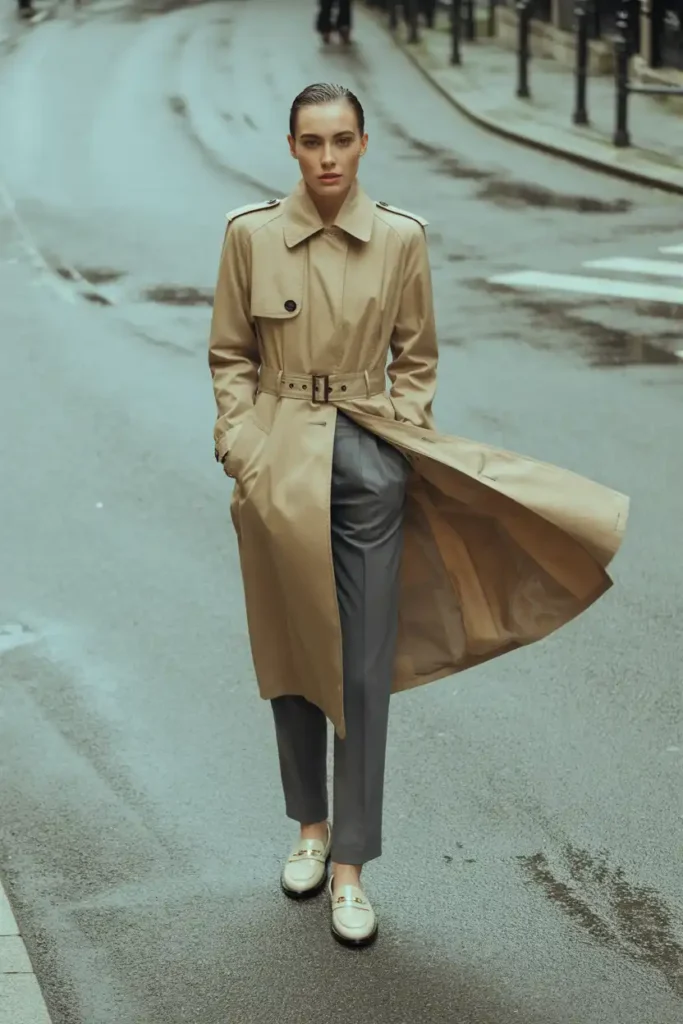
The trench never really leaves. It handles spring rain, fall wind, and mild winter days, which makes it one of the smartest coats you can own. A Trench Coat Buttoned To The Top instantly looks more polished and shields your neck when the wind picks up. Tie the belt instead of buckling it for a softer waist.
Here is how to keep a trench from looking flat:
- Pop the collar and fasten the top button for a put-together finish
- Knot the belt at the back if the front bulk bothers you
- Wear it open over wide trousers for an easy weekend look
- Stick to beige, stone, or black so it works with everything
Reach for a trench when you want one layer that carries you through changing weather without a second thought.
The Camel Overcoat Every Closet Should Have
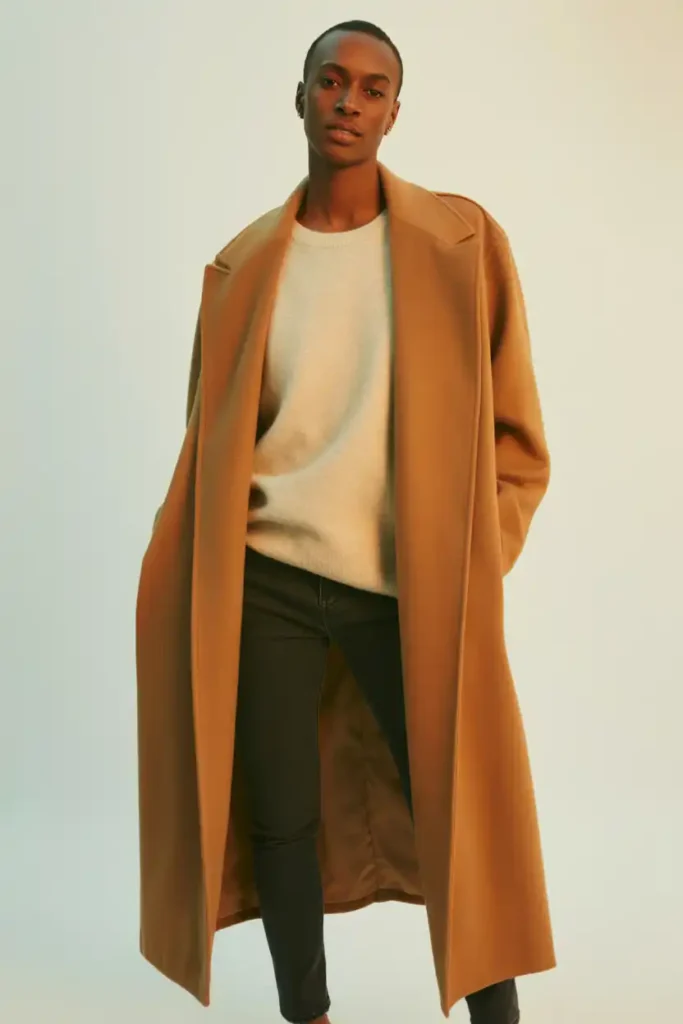
A camel overcoat does something rare. It looks refined without trying, and it flatters nearly every skin tone and body shape. The long, straight cut adds height and drapes cleanly over both slim and relaxed outfits. Wear it open for a soft line or belted for structure.
Color matters most here. A true camel sits between tan and caramel, and it should read warm, not yellow. Pair it with cream, gray, chocolate brown, or black. Avoid matching it to bright shades that fight for attention. If you tend to spill or commute in crowds, choose a wool blend with a tight weave that resists pilling. Try it over your simplest outfit first, a tee and jeans, so you can see how much the coat alone does the work.
Puffer Coats That Stay in Rotation
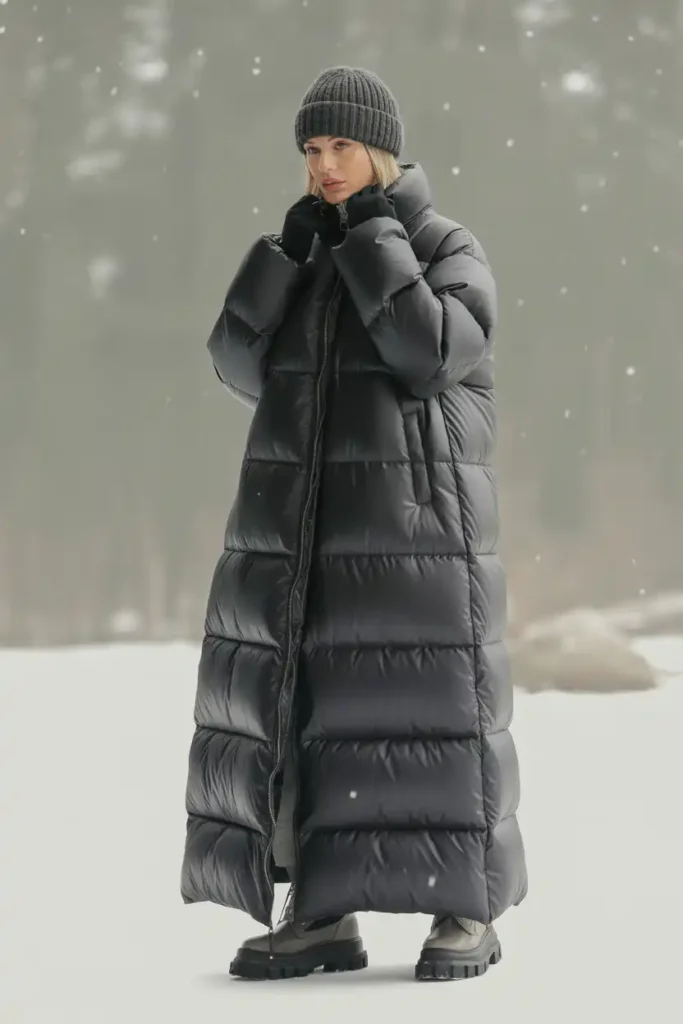
A puffer used to feel purely practical. Now the right one looks considered, especially in a long cut. A Maxi Down Puffer Coat wraps you from shoulder to shin, which means you skip the extra layers on brutal mornings. The matte finish reads more grown-up than a shiny surface.
When you want serious warmth for freezing days, a Big Winter Jacket with a high fill power keeps heat in without adding weight. Look for baffles that are stitched cleanly and a hood that actually covers your ears. Stick to solid dark colors like black, charcoal, or deep green so the volume looks sleek instead of bulky. Choose a longer length if your commute leaves you standing in the cold, and size up just enough to layer a sweater underneath.
The Half Coat Length That Flatters Most Frames
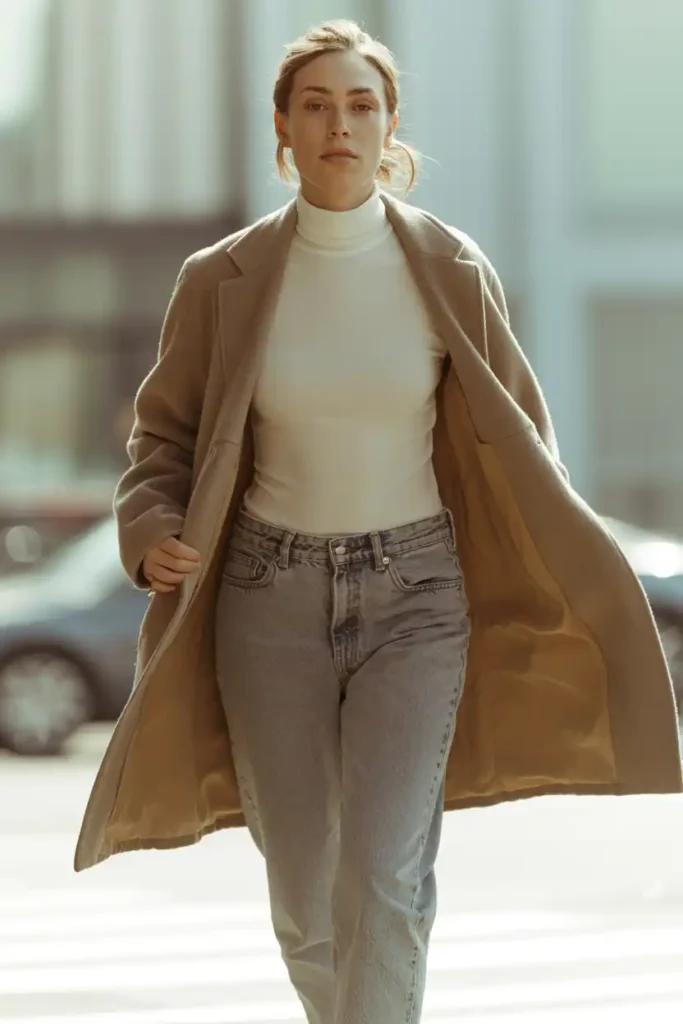
Full-length coats can overwhelm a shorter frame, and cropped ones leave your legs cold. A half length lands in the middle, and that balance is why it works for so many people. It covers your hips, keeps the line long, and still lets you move.
Half Coat Outfits look best when you keep the proportions clear:
- Pair a roomy half coat with slim or straight pants to balance volume
- Tuck your top so the waist stays visible under an open coat
- Add ankle boots to keep the leg line uninterrupted
- Keep the coat neutral so busier pieces underneath can breathe
If you have struggled to find a length that suits you, start with a mid-thigh wool style in a solid color. It sits comfortably with jeans, dresses, and trousers alike.
Fur Hooded Parkas Built for Real Cold
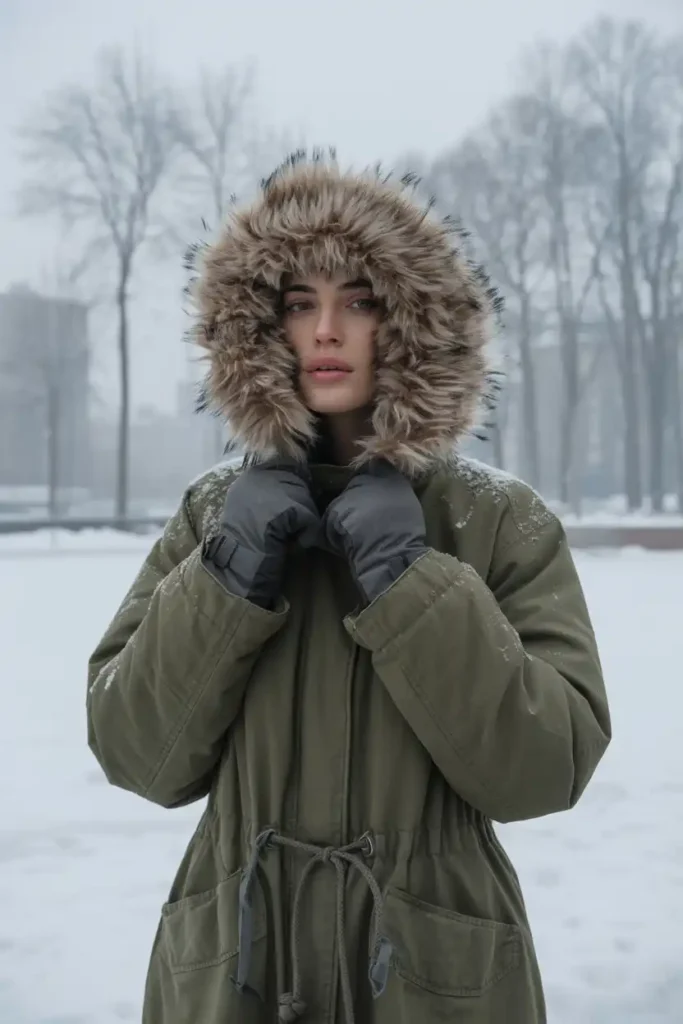
When the temperature drops hard, style has to earn its place next to warmth. A parka with a fur hooded trim does both. The trim blocks wind off your face, and the longer body shields your hips and thighs. You stay warm without piling on three scarves.
Look for a Waterproof Parka if you deal with sleet or wet snow. A treated shell keeps you dry, and a drawcord waist stops cold air from sneaking in. Faux fur trim is easy to detach and clean, so you can wash the coat without ruining the collar. Choose a muted color like olive, navy, or black so the practical shape still looks refined. For anyone facing a genuine winter, this is the coat you wear when comfort has to come first.
Snow-Ready Layers Without the Bulk
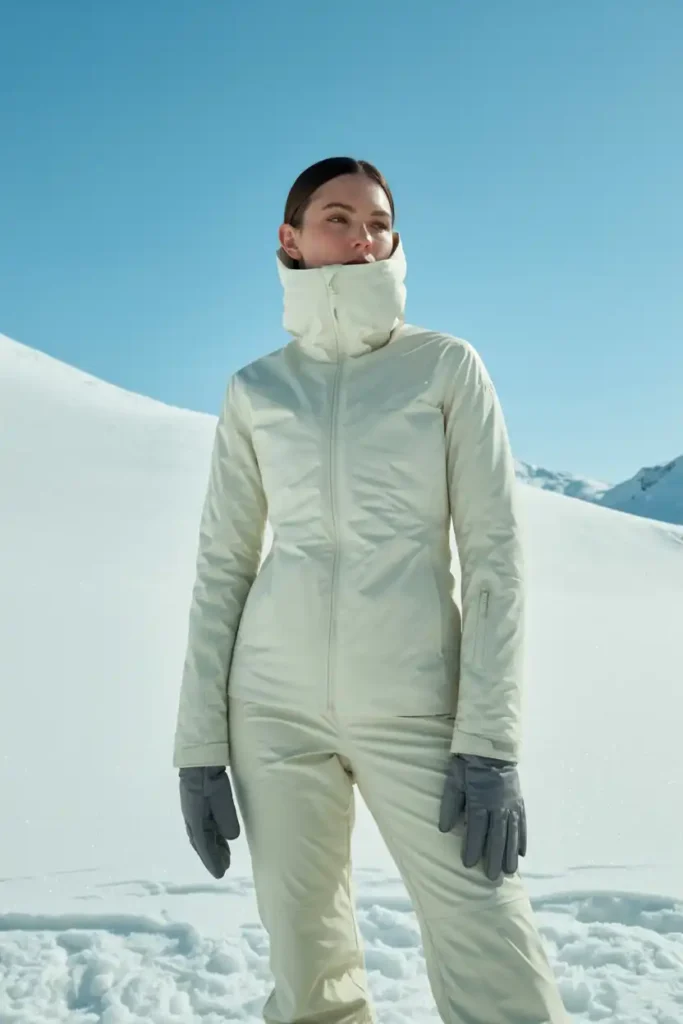
Cold-weather gear often makes you look twice your size. It does not have to. A modern snow jacket uses thin, high-performance insulation that traps heat while keeping the profile trim. You get the warmth of an old ski coat without the marshmallow shape.
Watch for a few details that separate a good one from a bulky one. A high collar and a snug cuff seal in heat at the points where cold leaks in most. Sealed seams and a water-resistant shell handle wet snow. A slightly fitted cut through the waist keeps the silhouette clean. Pale shades like ivory, dove gray, and soft blue look fresh against snow and pair easily with darker pants. If you spend real time outdoors in winter, invest in insulation quality first, then worry about color.
The Ivory Coat That Reads Expensive
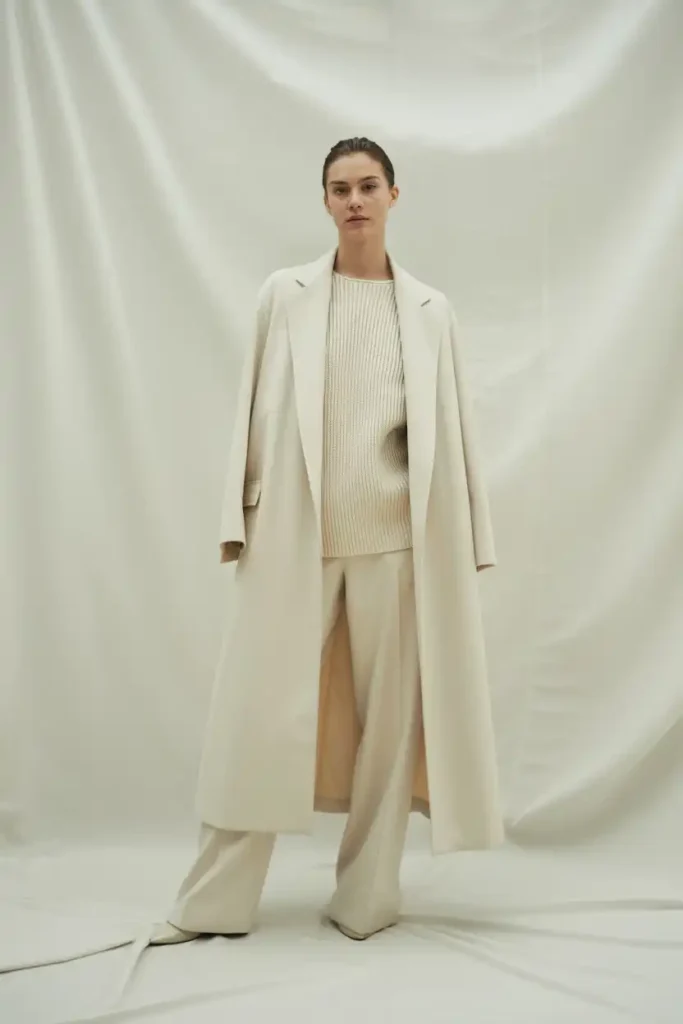
Light neutrals have a quiet power. An Ivory Coat looks polished with almost no effort, and it lifts even a plain outfit underneath. The trick is keeping the tone clean, because a dingy cream reads cheap fast.
Choose a fabric with a tight weave and a slight sheen, like a wool blend or a brushed cashmere mix. Those hold color and resist the gray cast that ruins pale coats. Wear it as a monochrome look with cream, oatmeal, or soft camel for a rich effect, or break it up with black trousers for contrast. Keep a suede eraser and a fabric brush on hand for quick cleanups. If you love the color but worry about upkeep, choose a treated finish and save the ivory for days you are not carrying an ink pen or a coffee cup everywhere.
Y2K Coat Shapes Coming Back Around
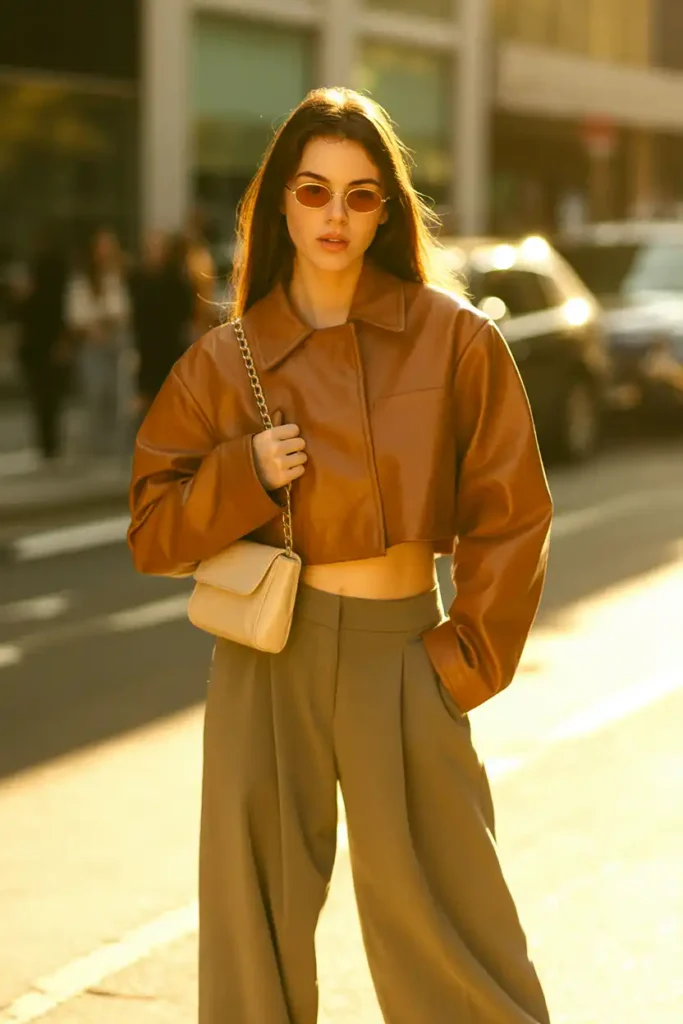
Some old shapes come back because they actually worked. Y2k Coats bring shorter, boxier cuts and cozy textures that feel fresh again next to today’s oversized fits. A Vintage Hollister Coat, with its soft lining and relaxed shape, sits right at the center of that revival.
Wear these pieces with modern proportions so the look feels current, not costume. Pair a cropped coat with high-waisted wide pants to balance the shorter length. Keep the color palette earthy, brown, cream, or faded denim, so it reads intentional. Skip loud logos if you want a cleaner version of the trend. If you find one secondhand, check the zipper and lining before you buy, since those wear out first. For a nostalgic look that still feels grown-up, let one Y2K piece lead and keep the rest of the outfit simple.
Coats That Carry You From Fall Into Winter
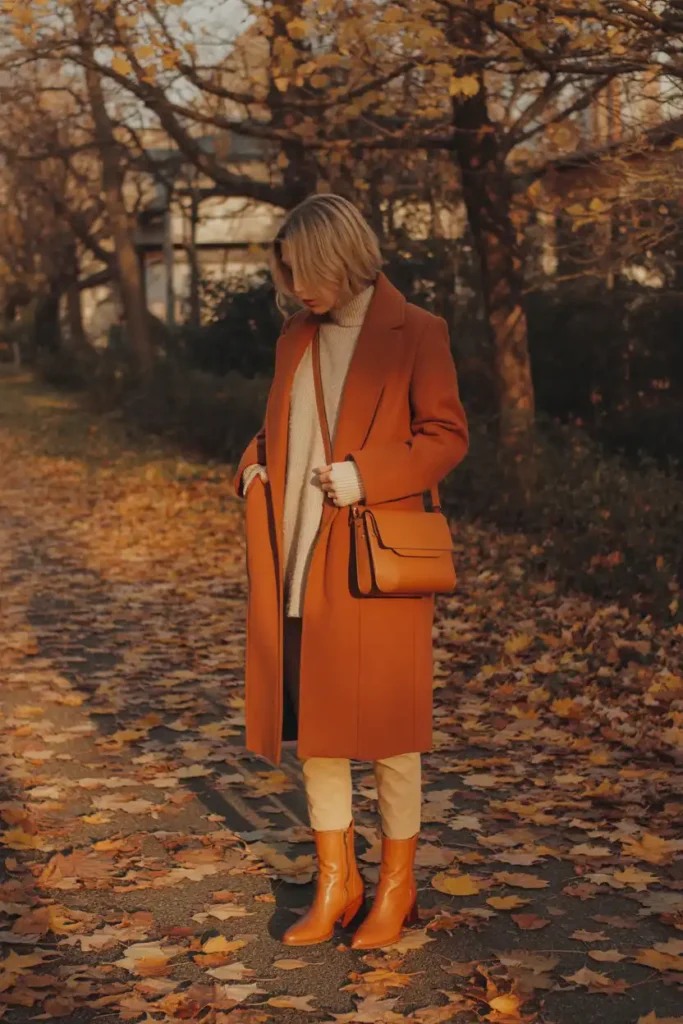
The tricky stretch is late fall, when it is too cold for a jacket and too mild for heavy down. The right Coats For Autumn fill that gap. A medium-weight wool or a lined trench keeps you comfortable through swinging temperatures without overheating on the walk home.
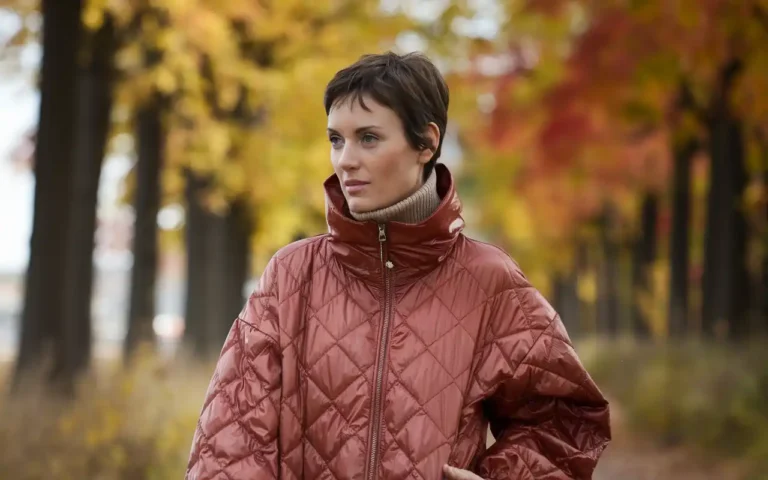
Trendy Fall dressing leans on warm, earthy colors and easy layering. Rust, olive, camel, and chocolate all work with the season and carry into winter. Choose a coat you can wear over a light sweater now and a thicker knit later. That flexibility saves you from buying a separate piece for every ten-degree shift. If your winters start slow, a transitional coat is the smartest first purchase of the season, and you can add heavier layers as the cold sets in.
Styling Wide-Leg Pants Under Longer Coats
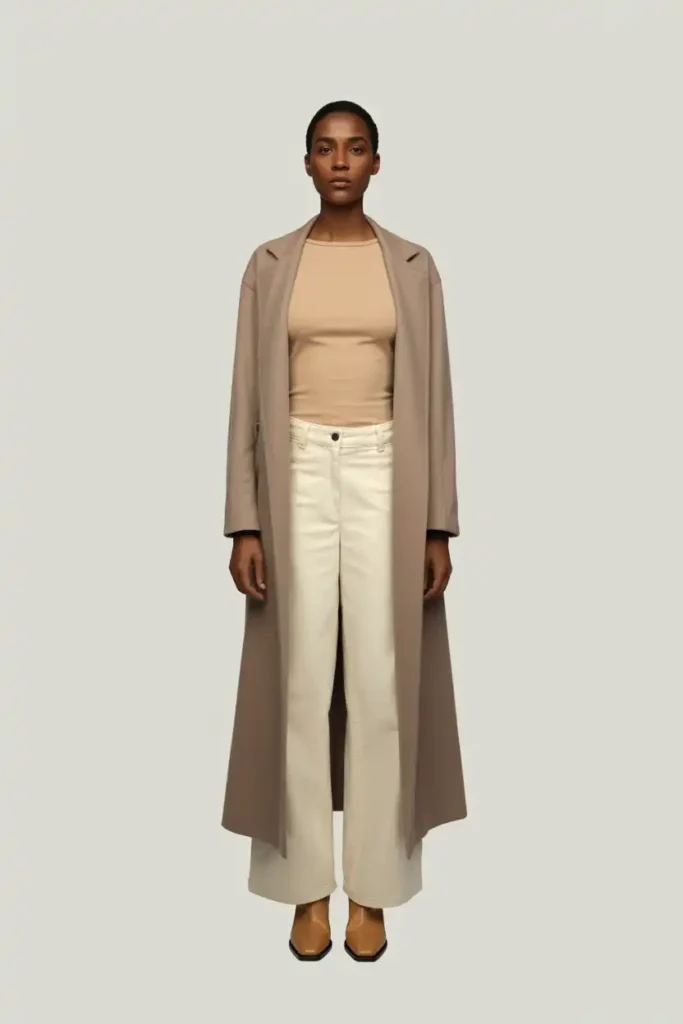
Wide pants and long coats can turn into a shapeless block if you are not careful. The fix is proportion. Keep one part of the outfit fitted so the eye has a place to rest. A tucked top under an open coat does exactly that.
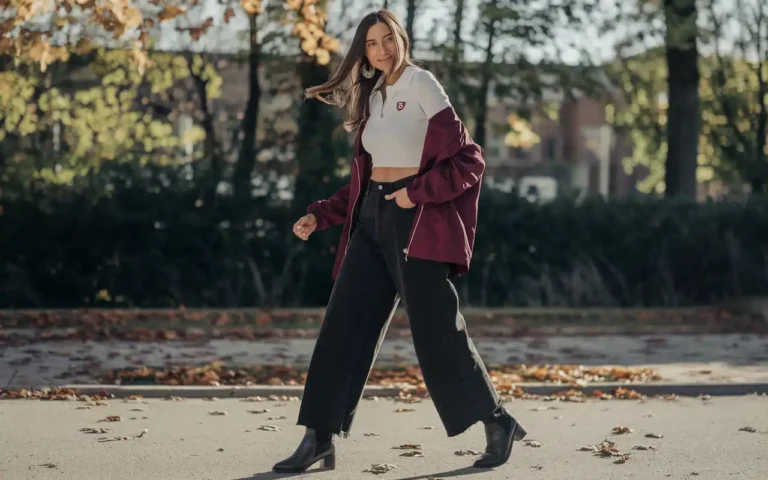
Casual Wide Leg Pants pair beautifully with a long, straight coat when you follow a few rules:
- Tuck or half-tuck your top to keep the waist defined
- Choose pants and coat in tones that are close but not identical
- Pick a pointed or sleek boot to lengthen the leg
- Let the coat hang open so it frames the outfit instead of hiding it
If you love comfort but worry about looking swamped, start with pants and coat in the same color family and add a fitted knit. The result looks long, easy, and deliberate.
Color Choices That Never Look Dated
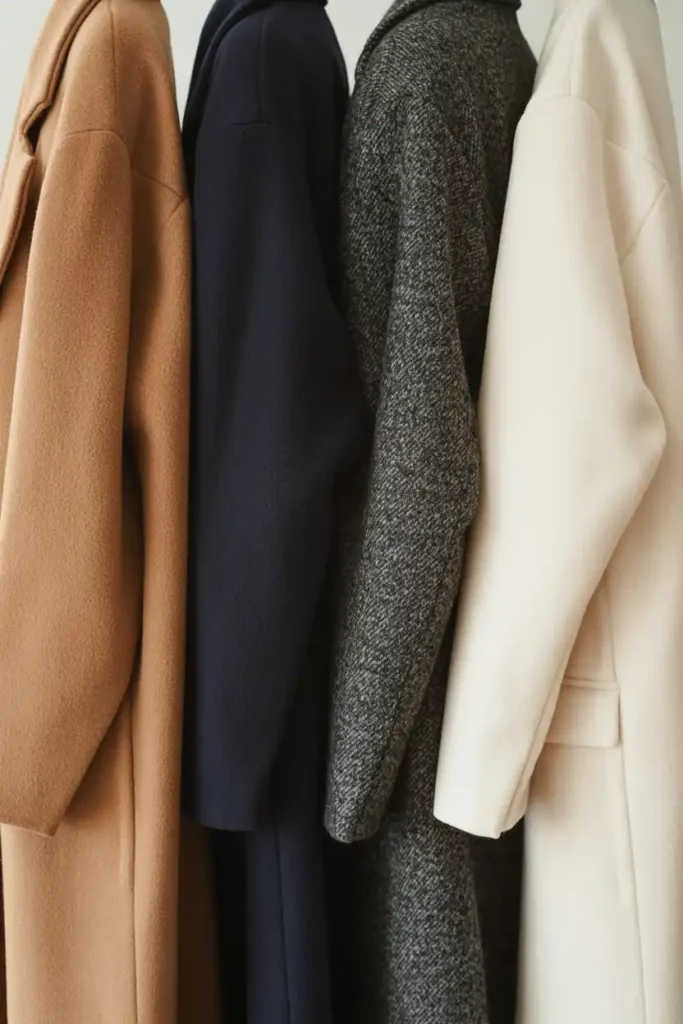
Trendy colors feel exciting in the store and tired by next winter. Neutrals do the opposite. Camel, navy, charcoal, black, and cream carry across years and pair with everything already in your closet. That is why the coats you keep longest are almost always neutral.
This does not mean your winter has to look plain. Add color through scarves, knits, and bags, where a trend costs less and matters less if it fades. A camel coat over a berry sweater gives you the season’s shade without committing your biggest purchase to it. When you shop, spend your money on a neutral coat and save the bold tones for the pieces you replace often. Your outfits stay fresh, and your coat stays relevant far longer.
Matching Coats to Your Everyday Dress Codes
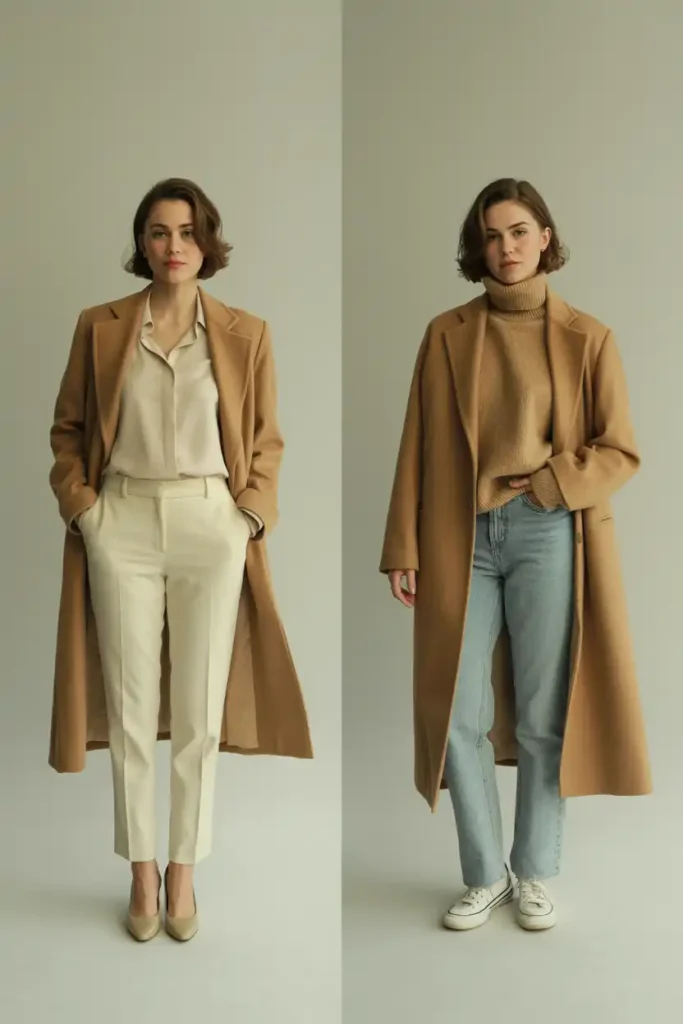
Your coat has to work for the places you actually go. If you dress for an office three days a week, a structured wool style covers you for meetings and weekends alike. Think about your real routine before you buy, not the fantasy version.
Different Dress Codes ask for different shapes:
- Business or smart settings suit a tailored pea coat or a clean overcoat
- Casual days work with a parka, a puffer, or a relaxed trench
- Mixed schedules do best with one neutral coat that dresses up or down
- Formal evenings call for a longer, sleeker cut in a dark color
If you can own only one coat this year, pick the shape that matches where you spend most of your time. A single versatile piece beats three coats you rarely reach for.
Fabric Quality Checks Before You Buy
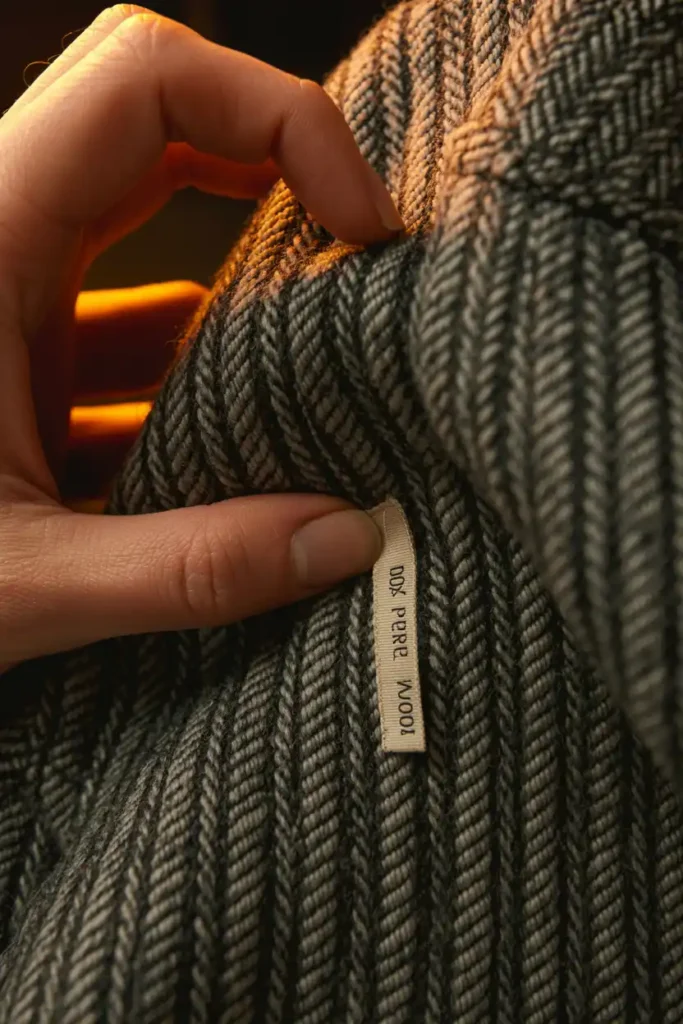
A coat lives or dies by its fabric. The prettiest shape falls apart if the material is thin or loosely woven. Before you fall for a color, check what the coat is actually made of and how well it is built.
Run through this quick list in the store:
- Check the label for a high wool or down content, not mostly synthetic filler
- Hold the fabric to the light. A dense weave blocks it; a cheap one lets it through
- Feel the weight. A good winter coat has heft without feeling stiff
- Look at the seams and buttons. Loose threads and flimsy buttons signal poor construction
Spend a few minutes on these checks and you avoid a coat that pills, sags, or thins out by February. Quality fabric is the difference between a coat you keep for years and one you replace next season.
Fit Rules for Coats You Will Keep for Years
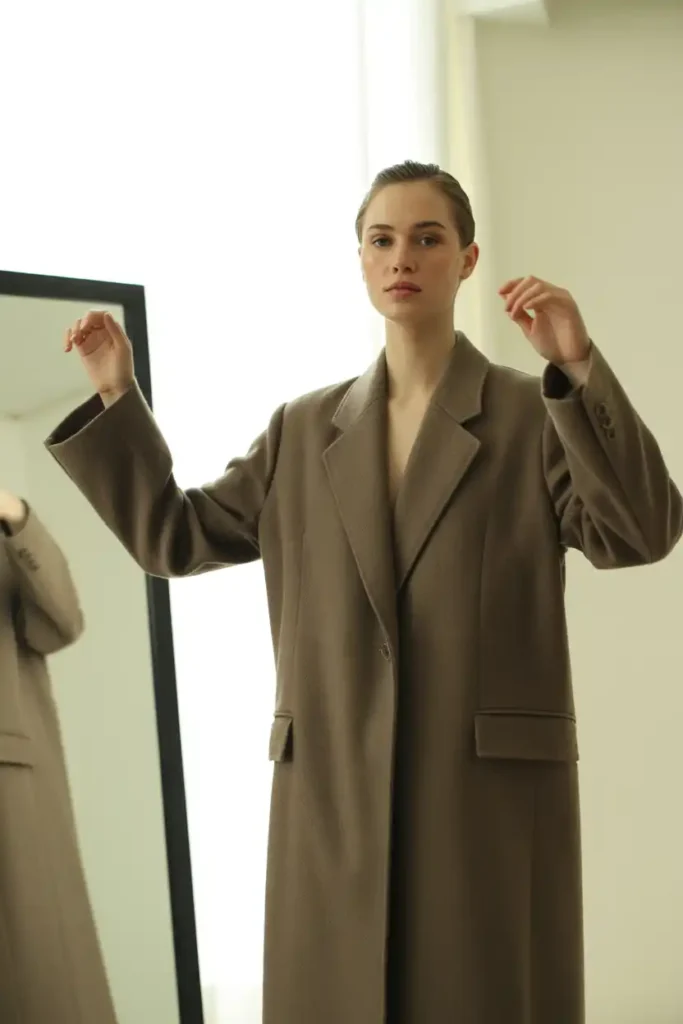
Fit decides whether a coat looks sharp or sloppy, and it matters more than any trend. Start at the shoulders, because that is the one thing a tailor cannot easily change. The seam should sit right at the edge of your shoulder, not halfway down your arm.
Check these points before you commit:
- Shoulders sit flat with the seam at your natural edge
- Sleeves reach your wrist bone, even with a sweater underneath
- You can layer a knit without the coat pulling across the back
- The length flatters your height, longer for tall frames, shorter for petite
If the shoulders fit and the length suits you, small tweaks like sleeve or waist adjustments are easy for a tailor. Buy for the shoulders first, and let everything else follow.
Winter Jacket Inspiration for Cold Commutes
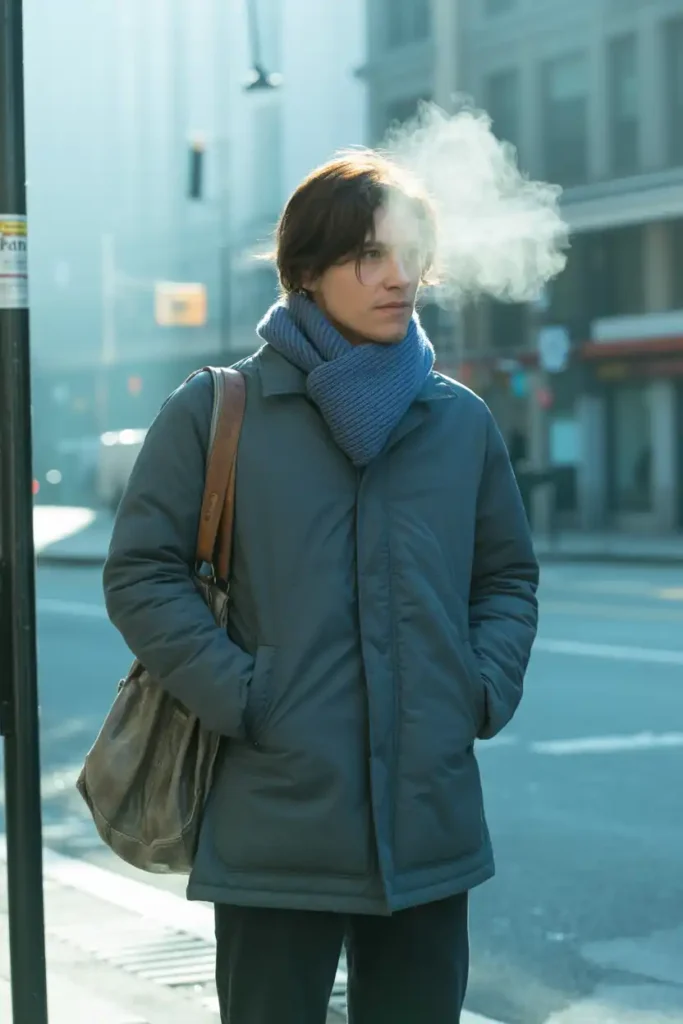
If you commute in real cold, your coat has to earn its place every single day. The best pieces balance warmth, movement, and a look you feel good in on the platform. Practical does not have to mean dull.
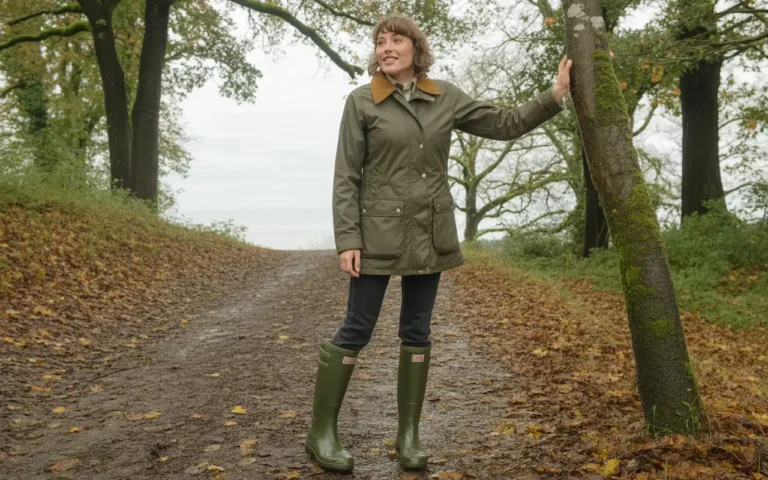
For solid Jacket Inspo Winter mornings, look for an insulated mid-length style in a dark neutral. It covers your hips, layers over work clothes, and hides the wear that a daily commute brings. Add a large scarf you can wrap high and gloves that let you use your phone. Choose a jacket with deep pockets and a hood for the days the forecast turns. If your mornings are cold and rushed, prioritize a coat you can throw on over anything and still look pulled together. That reliability is worth more than any single trend.
Caring for Wool and Down So They Last
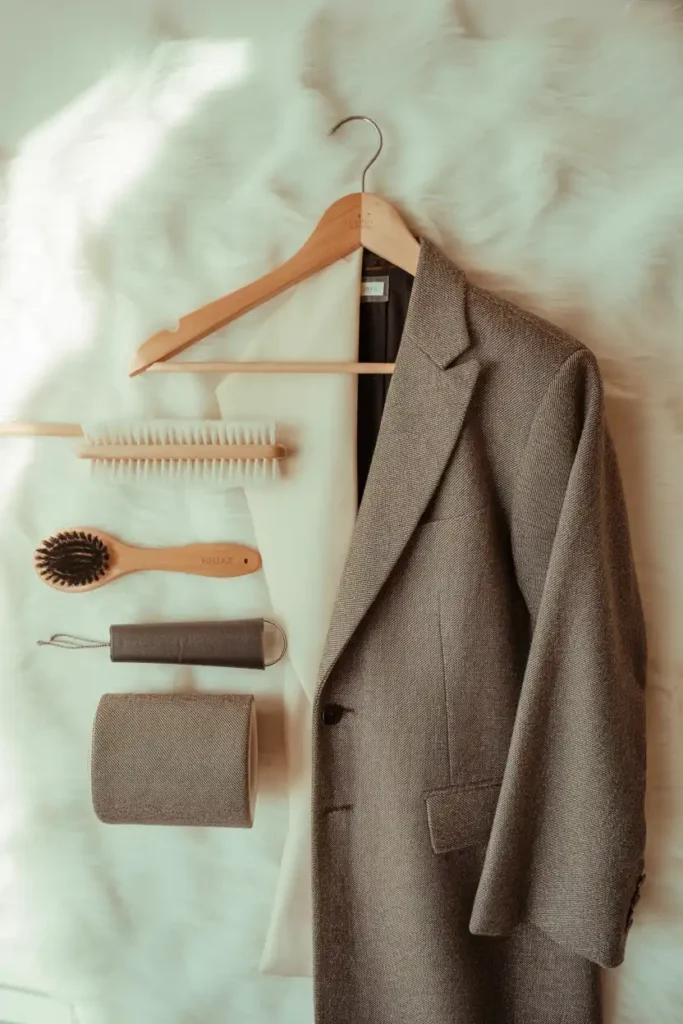
A good coat only lasts if you treat it well. Most people wear a coat all winter, then shove it in a closet and wonder why it looks tired next year. A little care keeps your best pieces sharp for a decade.
Follow these habits and your coats hold up:
- Hang wool on a wide wooden hanger so the shoulders keep their shape
- Brush wool weekly to lift dirt before it settles into the fibers
- Air out down after wet days instead of packing it away damp
- Store everything in a breathable garment bag, never plastic, over summer
Spot clean small marks right away and save dry cleaning for once or twice a season, since too much strips the fabric. Treat the coat as an investment, and it will look the part far longer.
Building a Small Coat Capsule
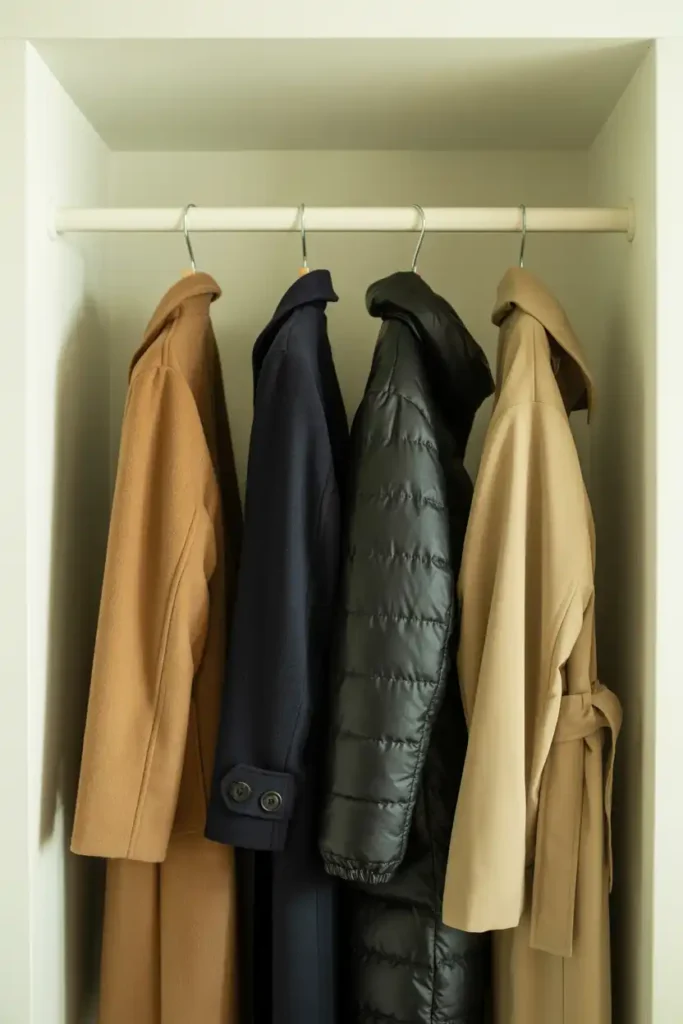
You do not need ten coats. You need a few that cover every situation you actually face. A small, well-chosen set saves money, closet space, and the daily decision of what to grab.
A reliable capsule usually looks like this:
- A neutral overcoat for work and dressier days
- A warm puffer or parka for the coldest, wettest weather
- A trench for rain and transitional months
- One lighter or standout piece, like an ivory or camel style, for variety
Build it slowly. Start with the shape you reach for most, then fill the gaps as your budget allows. Buy quality over quantity, since four coats you love beat ten you tolerate. Once your capsule is set, getting dressed on a cold morning takes seconds.
The One Winter Coat Worth Saving For
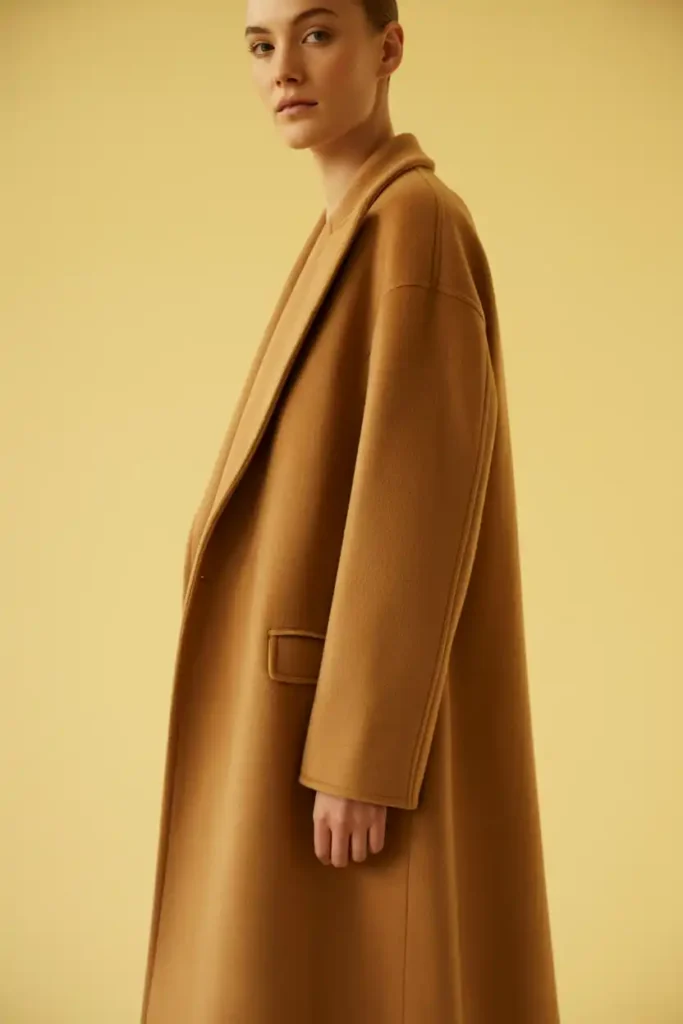
If you save for just one piece this season, make it a coat that does everything. The right winter coat pulls an outfit together on days you have no energy to think about style. It is the item you wear most, so it deserves the biggest share of your budget.
Look for a tailored shape in a neutral color, made from dense wool or a quality wool blend. It should fit your shoulders, cover your hips, and layer easily over sweaters. That combination works for the office, dinner, travel, and everyday errands. Skip the urge to buy three cheap coats and put the money toward one great one instead. When you find a coat that fits well and feels right every time you wear it, that is the piece worth every dollar.
Conclusion:
The coats worth keeping are the ones you stop thinking about because they simply work. A well-made winter coat in a neutral color and a flattering fit carries you through years of cold mornings without looking dated. Skip the urge to chase every trend and put your money toward quality shapes that fit your real life. Start with the style you reach for most, care for it well, and build slowly from there. Choose pieces you love, and getting dressed on a cold day gets easier.