This San Francisco Outfit Works From Brunch to the Bay
San Francisco does not give you a straightforward dressing day. The morning fog, shifting temperatures, and long stretches of walking mean your outfit has to do real work. This guide breaks down one San Francisco outfit that moves with you through it all, from a relaxed brunch in the Mission to an evening walk along the bay. No outfit changes, no backup bags stuffed with alternatives. Just one well-built look that holds up.
1. Why San Francisco Dressing Is a Different Kind of Challenge
Dressing for San Francisco is genuinely different from packing for any other American city. The weather does not follow rules. You can walk out of your hotel in 65°F sunshine, hit a wall of cold wind at the Embarcadero, and then feel warm again by the time you reach a heated restaurant patio. Most people underestimate this until they are already underdressed and regretting it on the waterfront.
The good news is that once you understand the pattern, getting dressed here becomes almost intuitive. The city rewards practical choices, and the local style reflects that. People here do not dress to impress in the traditional sense. They dress to move, to eat well, to walk long distances, and to feel good while doing all of it. That mindset is actually a useful starting point.
2. The Brunch Look That Sets the Tone for the Day
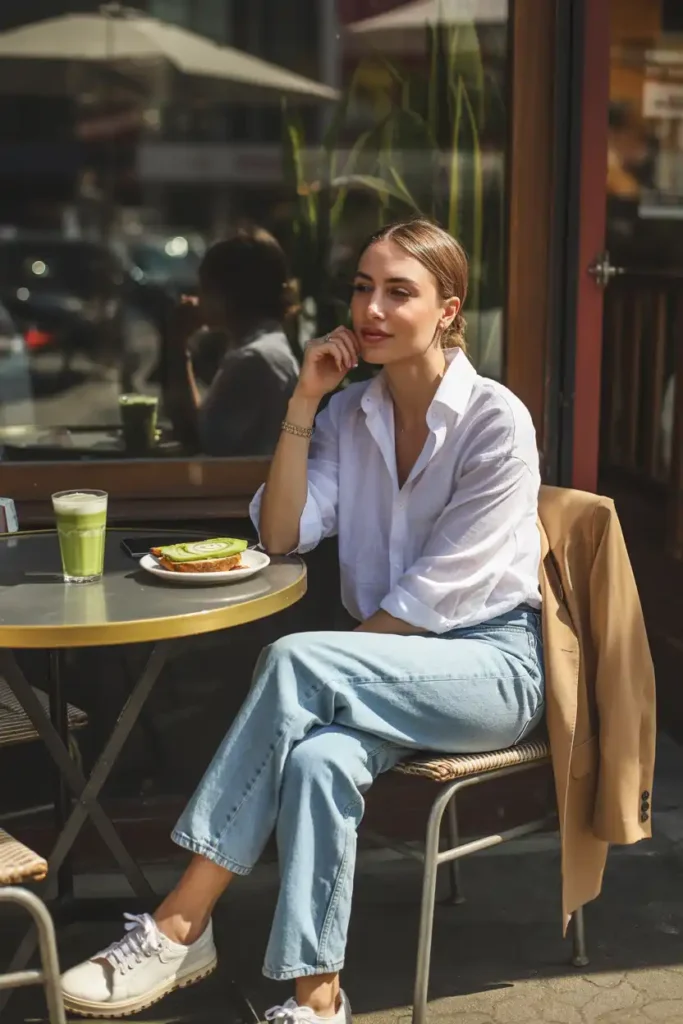
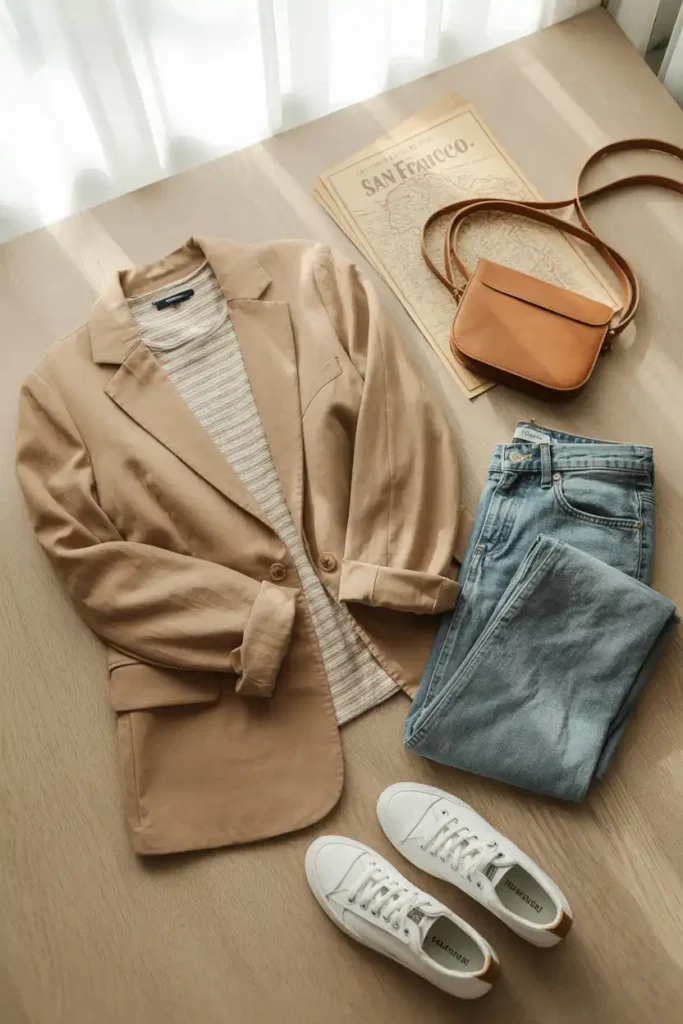
Brunch in San Francisco, especially in neighborhoods like the Mission or Hayes Valley, has a particular vibe. It is casual but thoughtful. People show up in outfits that look considered without being overdone. A linen shirt tucked into high-waisted jeans with clean white sneakers hits exactly the right register. It reads put-together without feeling stiff, and it photographs well in natural light.
The key with brunch dressing here is that your outfit needs to carry you past the meal. You are probably going to walk after. Maybe to a bookstore, a market, or just through streets you have never been on before. Stiff shoes or a structured bag that digs into your shoulder will start to bother you by 11am. Keep things comfortable at the base layer, and let your jacket or top do the styling work.
3. Layering Logic That Actually Makes Sense in This City

Layering in San Francisco is not about aesthetics first. It is about function. The city has microclimates, and some neighborhoods are noticeably colder or windier than others, even on the same afternoon. Wearing a tank under a button-down under a cardigan sounds like a lot, but it gives you three real options throughout the day without carrying an extra bag full of backup clothes.
What makes this work visually is keeping your layers in the same color family or at least the same temperature of tone. Warm neutrals layer well together. Cool blues and grays do too. Where people go wrong is mixing a bold statement piece in a layer that ends up tied around their waist by noon. Save the bold pieces for your outermost layer or your shoes, where you can commit to them fully.
4. Shoes That Survive the Hills and Look Good Doing It
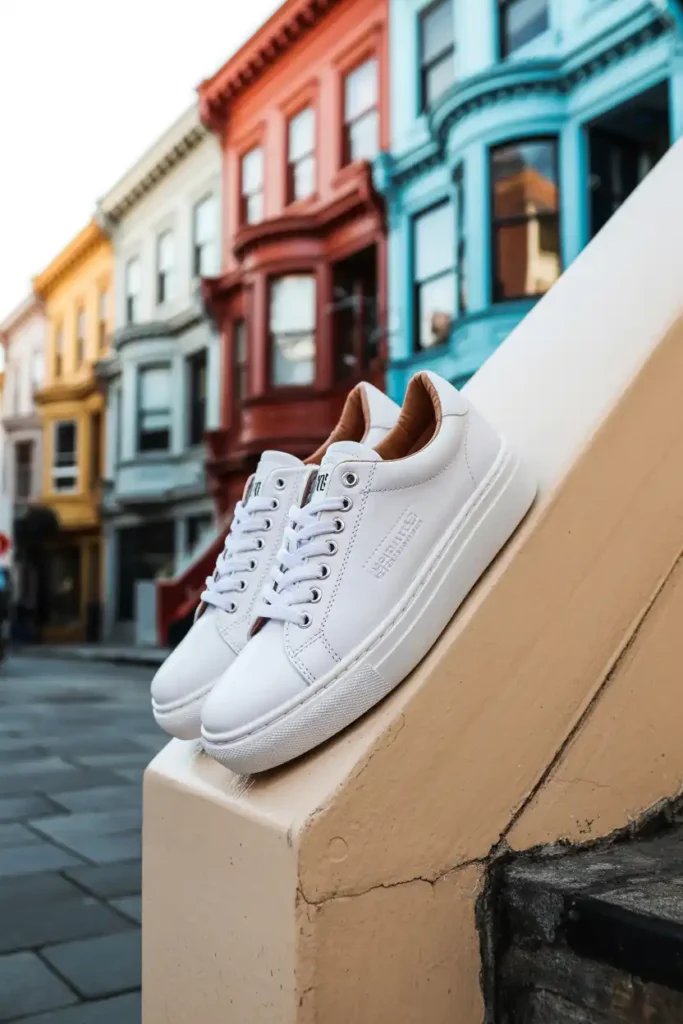
Nobody warned me about the hills until I was already halfway up one in shoes I thought were comfortable. San Francisco streets are steep in ways that satellite images do not convey. Your footwear choice matters here more than in almost any other American city. Flat sneakers, low-heeled boots, and well-cushioned loafers are the practical anchors of most outfits that actually hold up over a full day.
That said, looking good is still part of the equation. The city has a strong visual culture, and the streets themselves are worth dressing for. White leather sneakers work with almost every casual outfit here. They are clean, versatile, and give even a basic jeans-and-tee combination a finished look. A chunky-soled loafer in cognac or black gives slightly more polish for a dinner-to-waterfront transition without sacrificing your knees on the way back down the hill.
5. The Right Jeans for a Day That Covers Multiple Stops
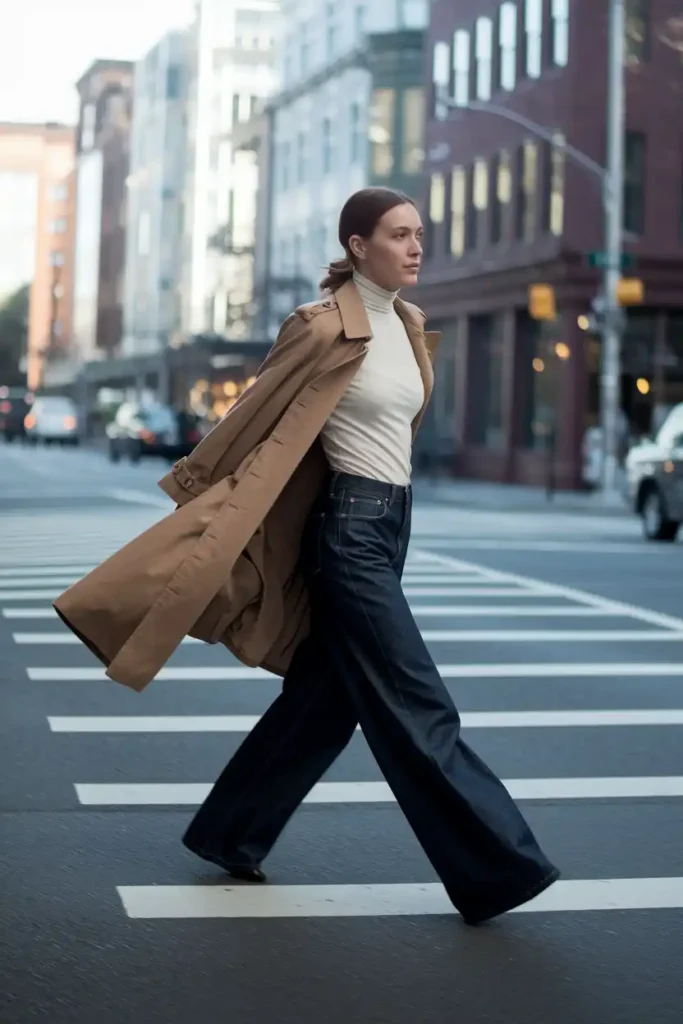
Jeans do a lot of heavy lifting in a multi-stop San Francisco day. The question is which cut actually travels well from brunch through afternoon walking to a waterfront dinner. Wide-leg and straight-leg jeans both work, but for different reasons. Wide-leg gives you comfort on the hills and a slightly more current silhouette. Straight-leg is easier to tuck into boots or style with a longer blazer.
The color matters more than people think. Dark indigo keeps things versatile and slightly elevated. Light wash looks great in photos but can look worn out in the city’s foggy afternoon light. A medium wash is the middle ground, relaxed enough for daytime but still intentional enough for an evening transition. Avoid rigid or overly embellished denim here. San Francisco crowds do not go in for that, and practically, it just does not move as well on hills.
6. How a Trench Coat Became the City’s Unofficial Uniform
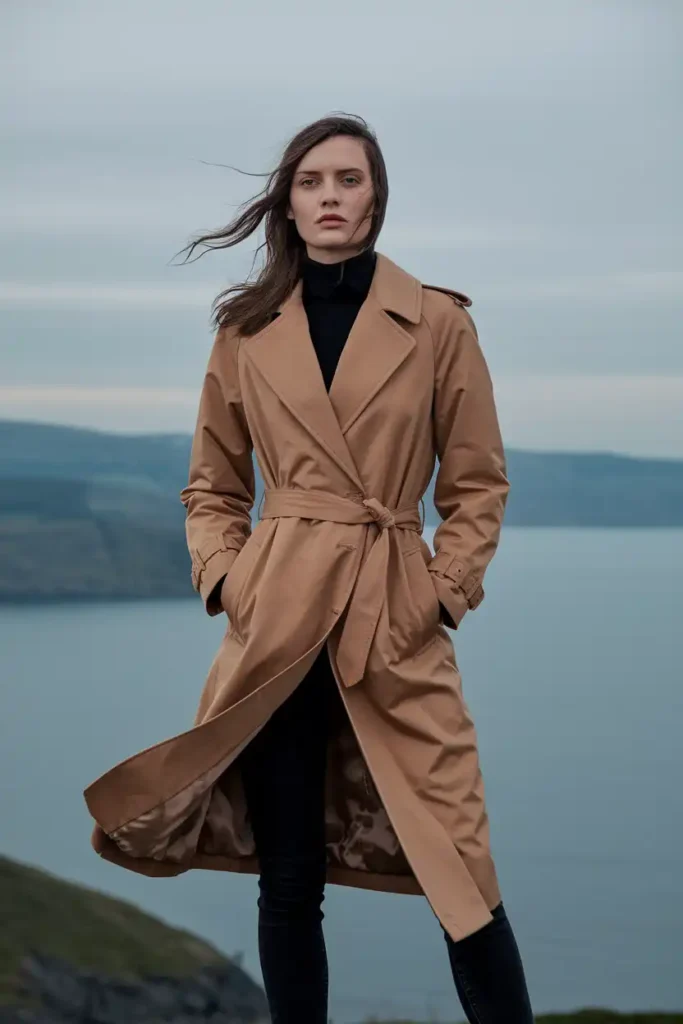
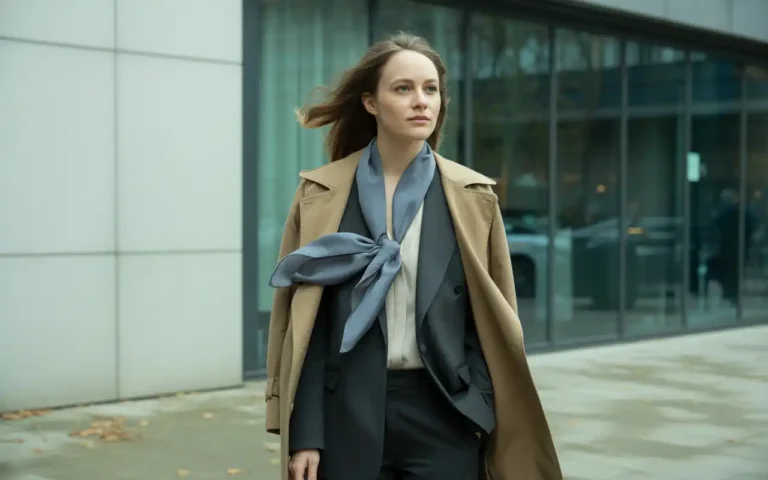
If there is one piece that SF residents have collectively agreed on without any official vote, it is the trench coat. It works against the wind. It layers over anything. It looks good in fog. It does not wrinkle badly when you stuff it into the back of a booth at brunch. And unlike a puffer jacket, it transitions easily from a morning café to an evening restaurant without looking like you came from a hike.
The camel or khaki trench is the default, and for good reason. It goes with every color family and reads as both casual and polished depending on what is underneath. A black trench gives a more urban, graphic edge if you are the kind of person who leans that way. What you want to avoid is a trench that is too structured or too long for walking. A mid-thigh length gives you the best range of motion for a day that involves real distance.
7. The Bag That Works From Ferry Building to Fisherman’s Wharf
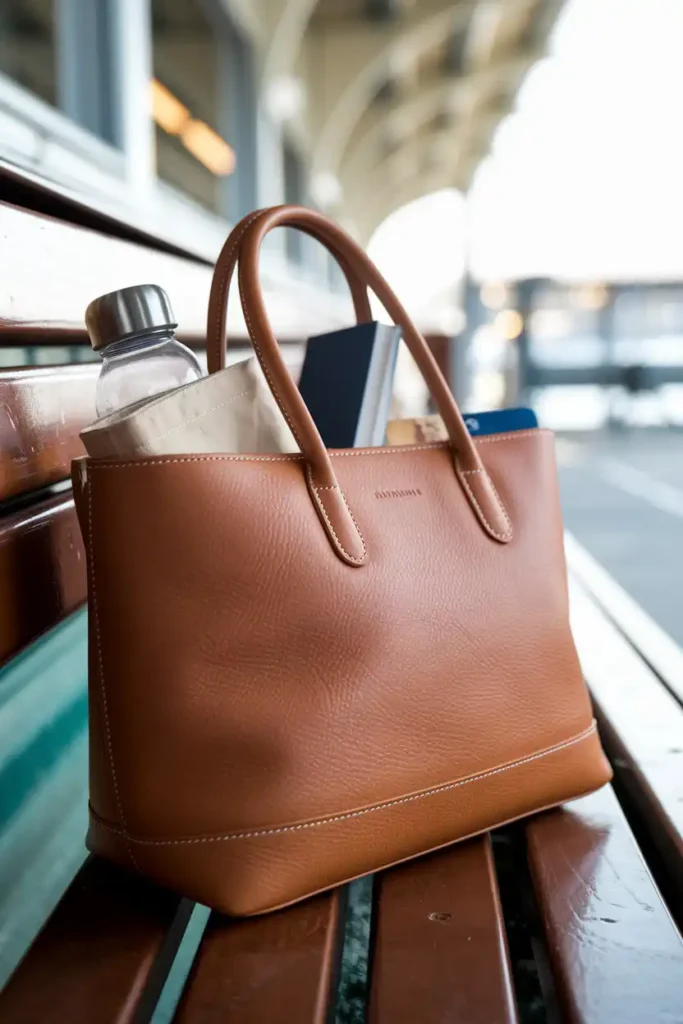
Your bag choice matters more on a San Francisco day than most cities because you are often walking a long time without a car or a locker. A bag that sits awkwardly or shifts on your shoulder becomes a problem by hour three. A medium-sized structured tote hits the best balance. It carries what you need without looking like a backpack, and it sits flat against your body without bulk.
Leather or leather-look totes in tan, cognac, or black read well against the textures of the city, brick, concrete, painted wood, and weathered waterfront boards. If you are going to the Ferry Building or the Embarcadero, a bag with a top zip is smart. The wind there is real, and an open tote becomes an adventure. A crossbody with a wide strap is the alternative for lighter days when you do not need to carry much.
8. Styling a Turtleneck for That Signature SF Cool
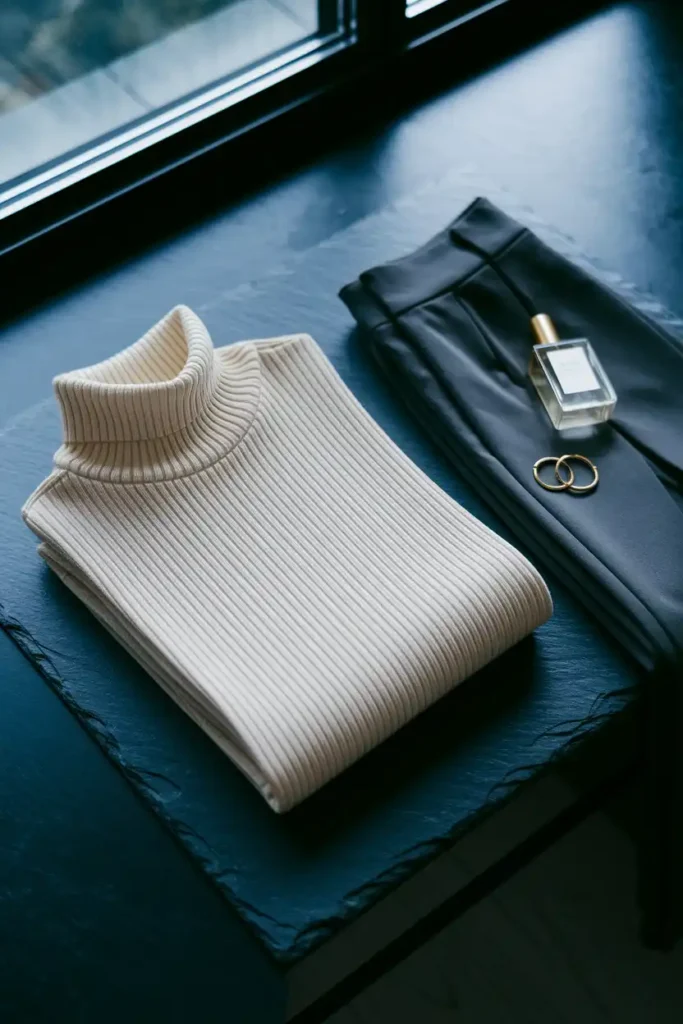
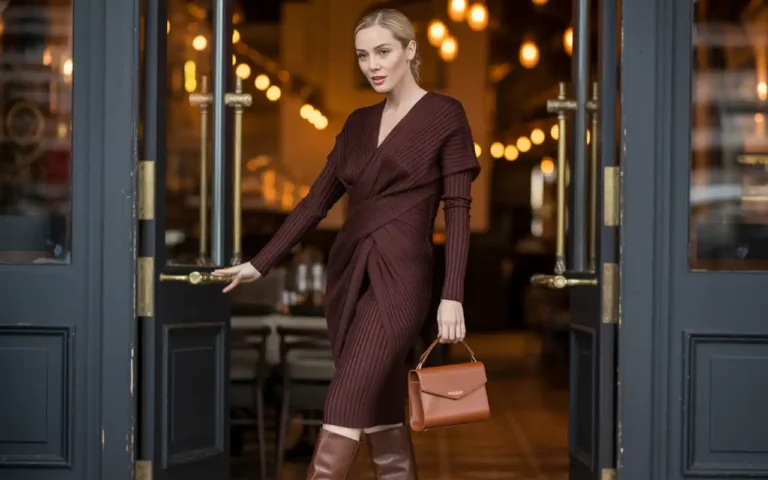
The turtleneck has been a San Francisco wardrobe staple for a long time, and it is not going anywhere. It solves the wind problem at the neck, which is often the first place cold air finds you. A fitted ribbed turtleneck in cream, black, or oatmeal is one of the most versatile pieces you can build an outfit around here. It goes under blazers, inside overalls, with high-waisted trousers, or just with jeans and sneakers.
What makes the turtleneck work beyond function is the way it simplifies the rest of the outfit. When your top half is clean and streamlined, your coat or jacket becomes the focus. Your shoes get more visual attention. The overall look feels considered without requiring much effort. That is the San Francisco aesthetic in a nutshell: things that work hard without looking like they are trying.
9. What to Wear to the Ferry Building Without Looking Like a Tourist
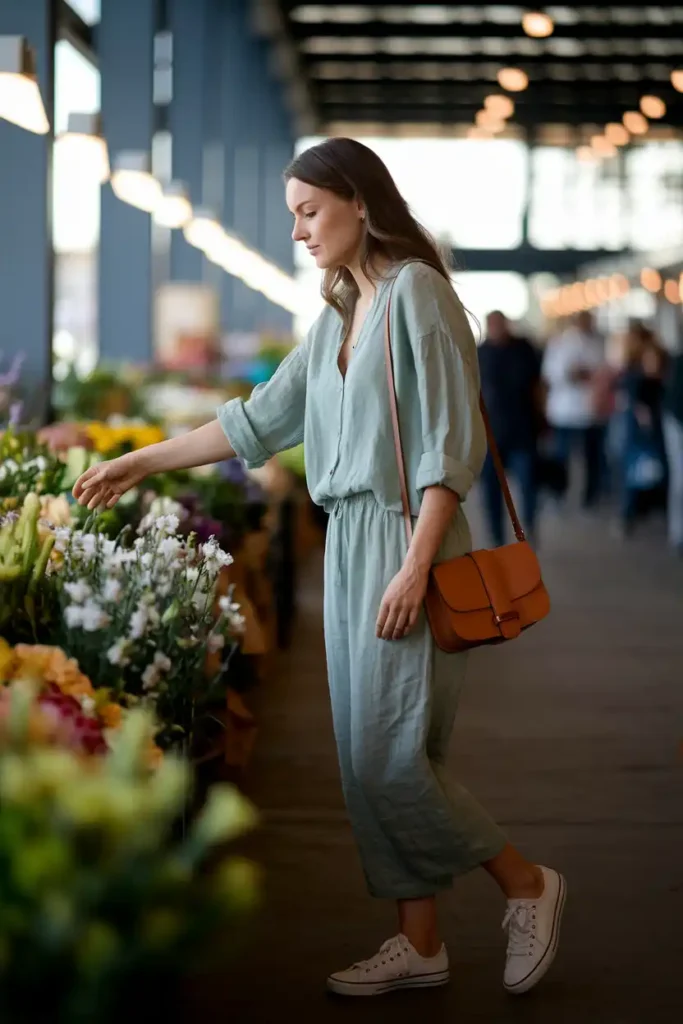
The Ferry Building is one of those places where locals and visitors exist in the same space but somehow look completely different. Locals are in comfortable linen sets, broken-in sneakers, and totes already half-full of sourdough and stone fruit. Visitors are in the jeans-and-branded-hoodie combination that reads as “I packed for a different trip.” Neither is wrong, but one photographs better and moves through the crowd more easily.
If you are going to the farmers market on a Saturday, dress for the experience of actually being there. A loose linen set or a casual midi dress gives you comfort for standing and browsing. Flat shoes are essential. You will be on your feet for at least an hour, possibly longer if you stop for coffee and end up sitting by the water for a while, which is the natural outcome. The goal is to look like you belong there, not like you planned to be there.
10. How to Dress for Fisherman’s Wharf Without Freezing
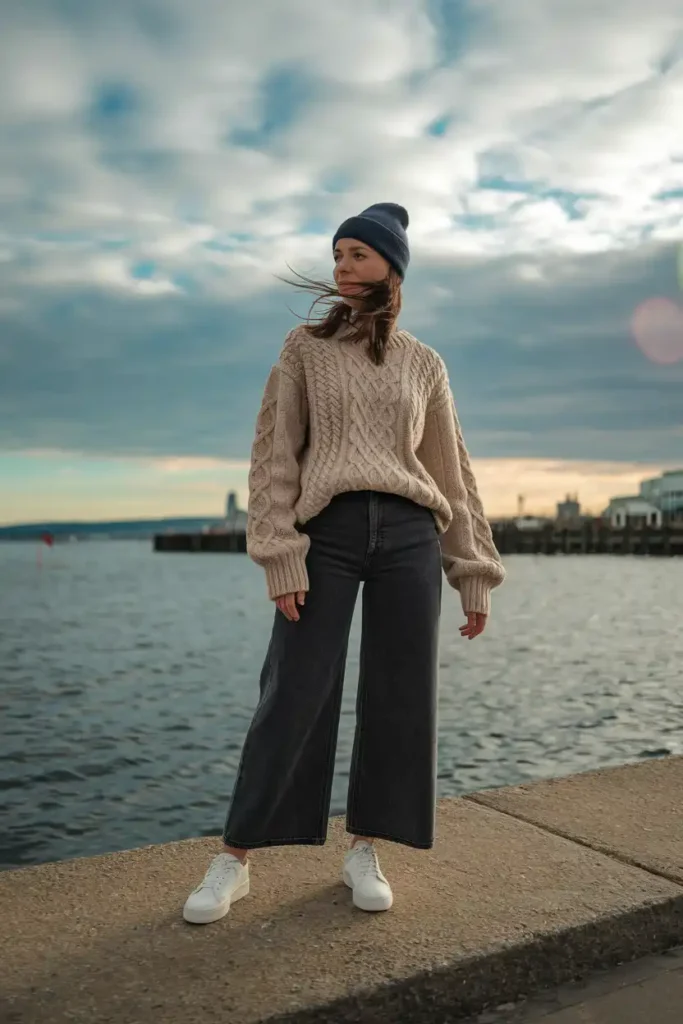
Fisherman’s Wharf is cold. Even on what passes for a warm day in San Francisco, the wind off the water makes it feel at least ten degrees colder than whatever your weather app told you this morning. A knit sweater that looks good but actually provides insulation is not optional here. Chunky wool or a heavyweight ribbed knit in a neutral gives you warmth without the bulk of a winter coat.
The practical details matter here too. A beanie is not unfashionable in this context, and anyone who tells you otherwise has not stood at Pier 39 in late afternoon. A beanie in a classic color, navy, charcoal, camel, extends your outfit rather than fighting it. Tuck your hair in, wear your wind-resistant layer, and accept that you will look more put-together than most of the crowd regardless because you thought about it before you left.
11. Denim Jackets and Why They Pull Everything Together
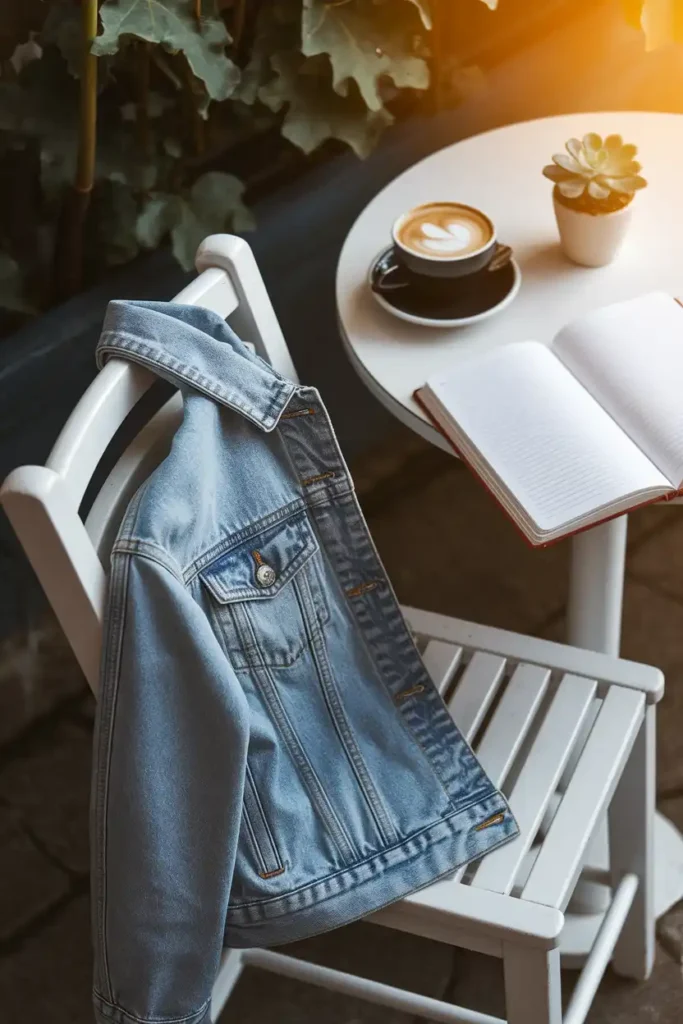
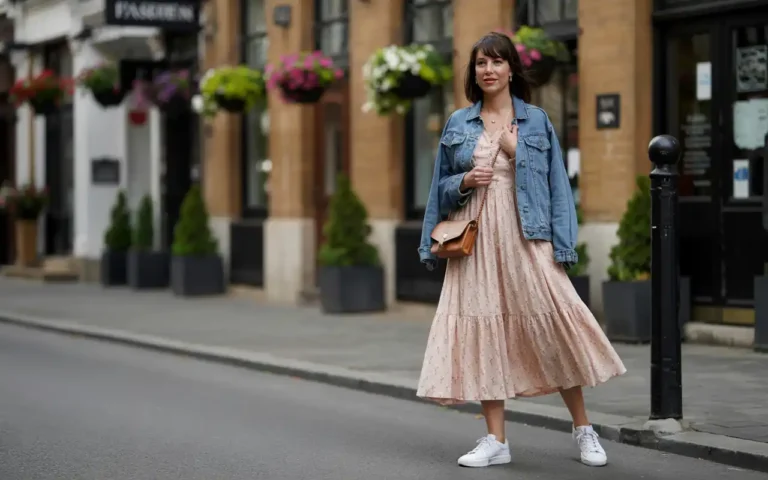
The denim jacket is one of those pieces that has refused to leave for good reason. It adds just enough warmth for a breezy San Francisco morning without the commitment of a full coat. It also works as a middle layer when the temperature really drops, worn under a trench or an oversized blazer. A medium-wash classic cut in a relaxed fit is the most versatile version, not too short, not too oversized, and easy to move in.
What the denim jacket does visually is give a casual outfit a point of texture and context. A plain white tee and straight-leg jeans look like a more intentional outfit with a denim jacket on top. It also softens more structured pieces. A silk blouse and tailored trousers become more approachable and citylike with a denim jacket draped over the shoulder. That adaptability is exactly what a long, multi-stop day requires.
12. Midi Skirts and How They Handle the Wind
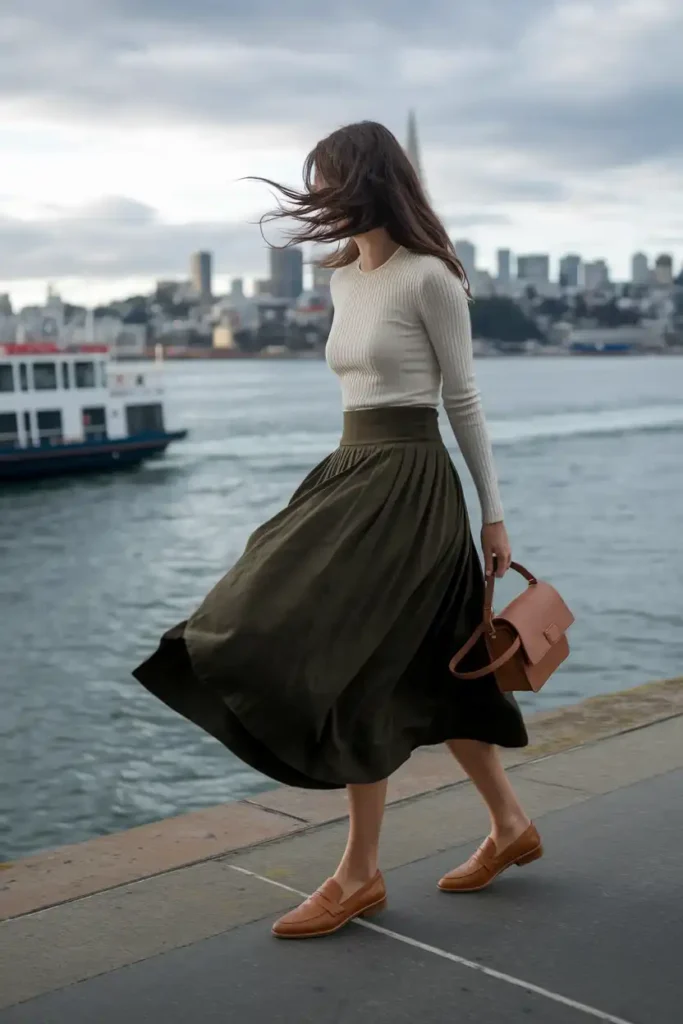
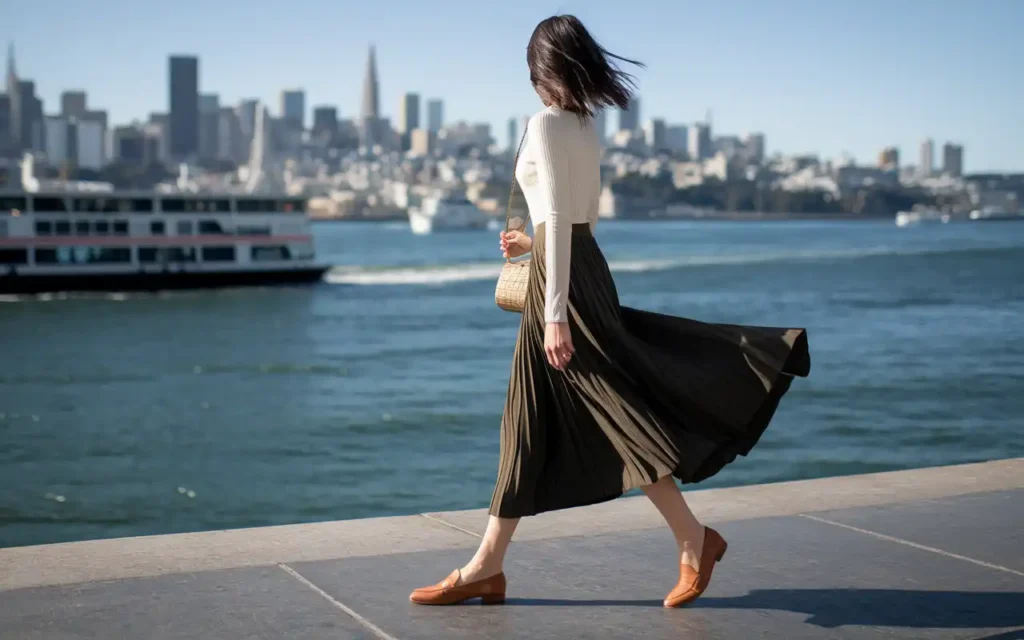
The midi skirt in San Francisco is a slightly complicated proposition because of the wind, particularly near the water. A heavy or structured fabric like denim, thick cotton, or suede handles the Embarcadero breeze far better than anything flowy or chiffon-based. Olive, rust, caramel, and charcoal are the most useful colors here because they work against the gray-blue visual palette of the bay and the city’s architecture.
When a midi skirt does work, it works very well. It gives a full-day outfit a slightly more dressed-up quality than jeans, which helps if you are going from a brunch in the Mission to a dinner at a waterfront restaurant without going back to your hotel. Pair it with a tucked-in knit or a ribbed long-sleeve and loafers, and you have an outfit that photographs beautifully by the water and keeps you comfortable for the walk back.
13. The Role of Knitwear in a Wardrobe Built for This City
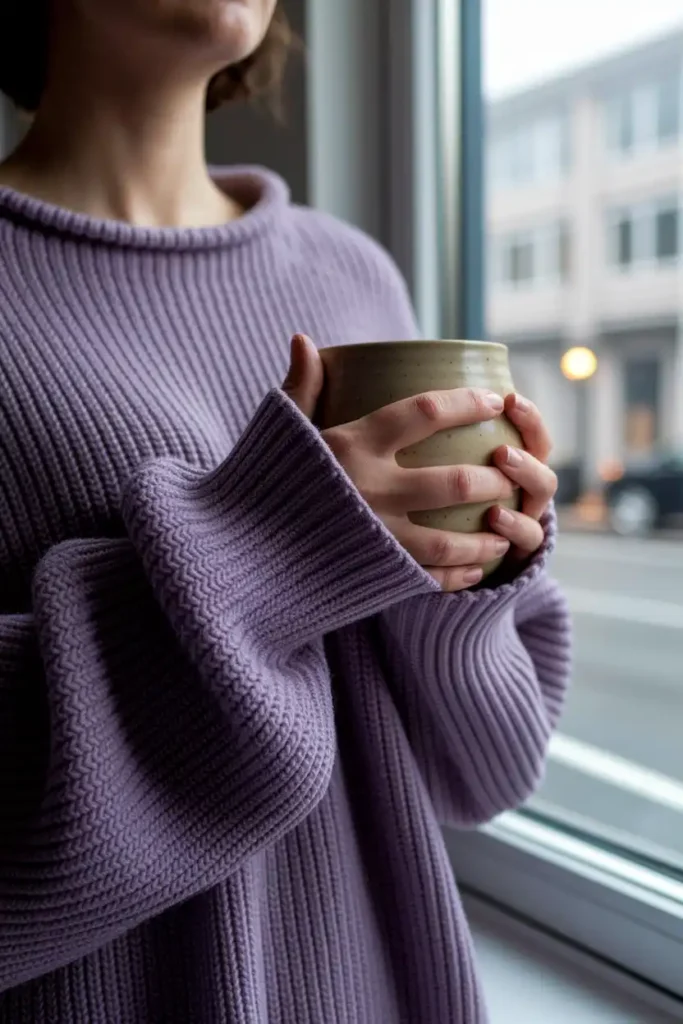
Knitwear in San Francisco is not a cold-weather-only thing. A lightweight knit sweater belongs in your rotation for most of the year. Summer mornings here can be 55°F with a marine layer that does not burn off until noon. A knit is the piece that makes the transition from cool morning to warmer afternoon manageable without requiring you to carry an awkward extra layer.
The color palette for knitwear here skews naturally toward soft neutrals. Oatmeal, dusty rose, sage, and pale lavender look particularly good in the city’s diffused foggy light, which flatters cool-toned and muted colors in a way that direct sun does not. Oversized fits with straight-leg jeans or a midi skirt balance proportions without adding visual heaviness. A fitted rib knit works under a blazer or trench for a more polished combination.
14. Going From Afternoon Sightseeing to Evening Dining Without Changing
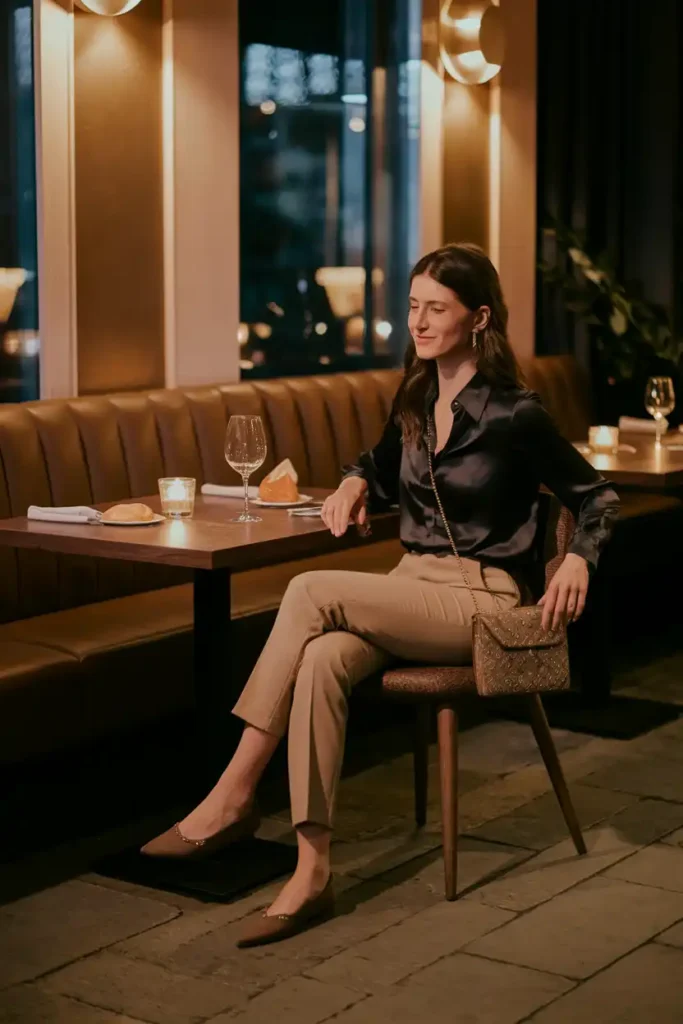
This is the actual challenge of dressing for a San Francisco day: getting from a 10am brunch to a 7pm dinner in one outfit without looking like you ran out of options. The key is choosing pieces that carry enough structure for evening without sacrificing the comfort you need for daytime walking. A silk or silk-look blouse tucked into tailored trousers with pointed flats is the most reliable formula. It reads casual in daylight and polished by candlelight.
Swapping out one piece when you are back at the hotel briefly helps too. A daytime tote becomes an evening shoulder bag. A casual blazer comes off, and a silk blouse underneath does the work for dinner. If you are not going back to the hotel, a statement earring in your bag is a fast upgrade that costs nothing in terms of weight or bulk. Small adjustments make a bigger difference than a full outfit change.
15. Accessories That Add Polish Without Adding Weight
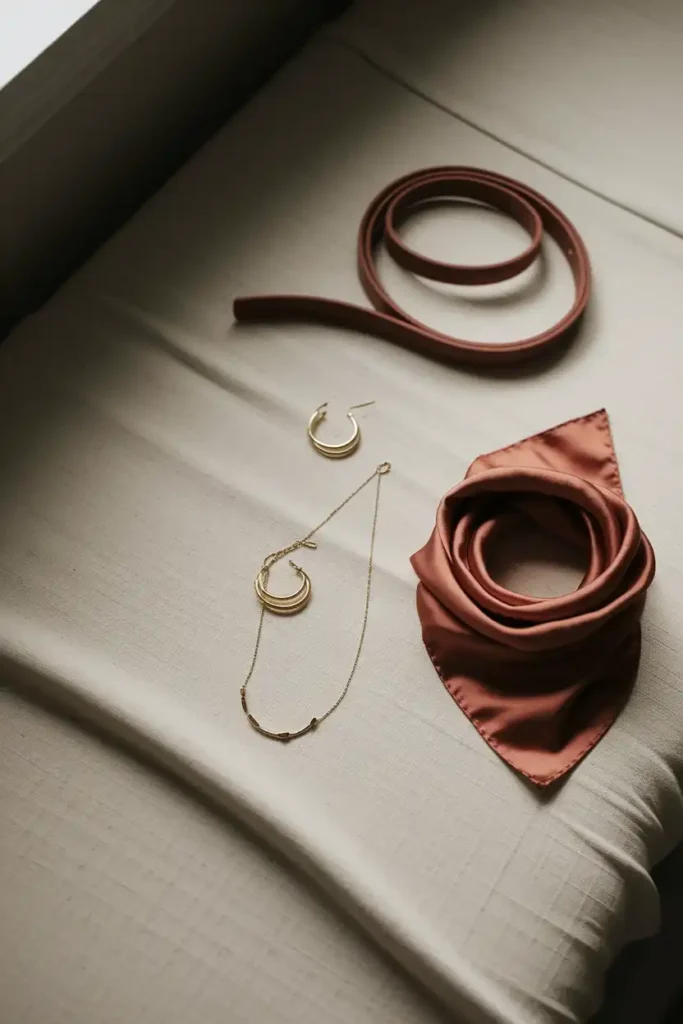
In a city where you are carrying your outfit on your body all day, accessories that add weight or require adjustment every 30 minutes become a problem fast. Simple gold hoops, a delicate chain necklace, and a clean watch are the accessories that people who dress well in San Francisco tend to reach for. They add enough detail to make the outfit feel finished without creating the kind of distraction that clashes with a relaxed, well-thought-out look.
A silk scarf is worth mentioning specifically because it doubles as a functional piece here. Tied around the neck, it blocks the wind at the collar. Worn as a headband or tied to a bag, it adds color to an otherwise neutral outfit. A scarf in a warm terracotta, forest green, or classic blue print works well against the city’s color palette and photographs beautifully in both indoor and outdoor light. It is one of those small choices that punches above its weight.
16. What Colors Actually Work in San Francisco Light
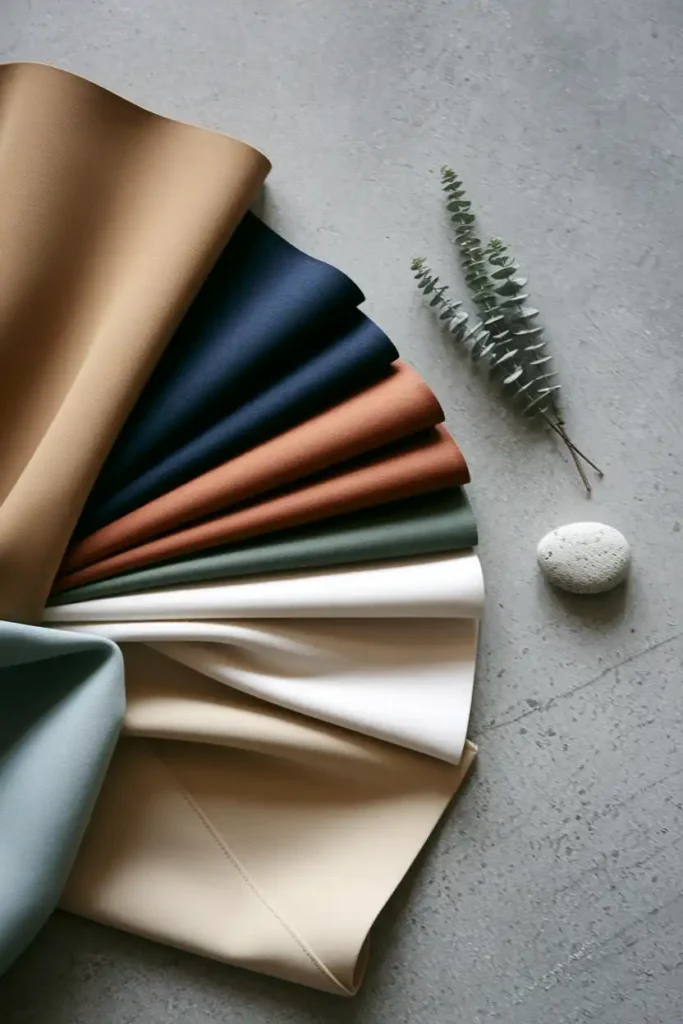
San Francisco has a particular quality of light. On foggy mornings, which are common, colors look more saturated and deeper than they would in direct sun. This means that muted and earthy tones look especially good here. Camel, warm rust, sage, deep navy, and soft terracotta all come alive in diffused light in a way they might look flat or dull in a sunnier city. Bright whites and pastels can wash out in the fog, which is worth keeping in mind when packing.
Contrast works well here visually. A dark navy base with a warm camel coat reads strongly and photographs well against the city’s gray-and-blue visual backdrop. A rust-toned top with dark denim gives the same effect. What tends to look less successful is a fully monochromatic head-to-toe neutral when the light is already neutral, it flattens everything. One warm or contrasting element in the outfit gives it definition.
17. The Flat Shoe Options Worth Packing
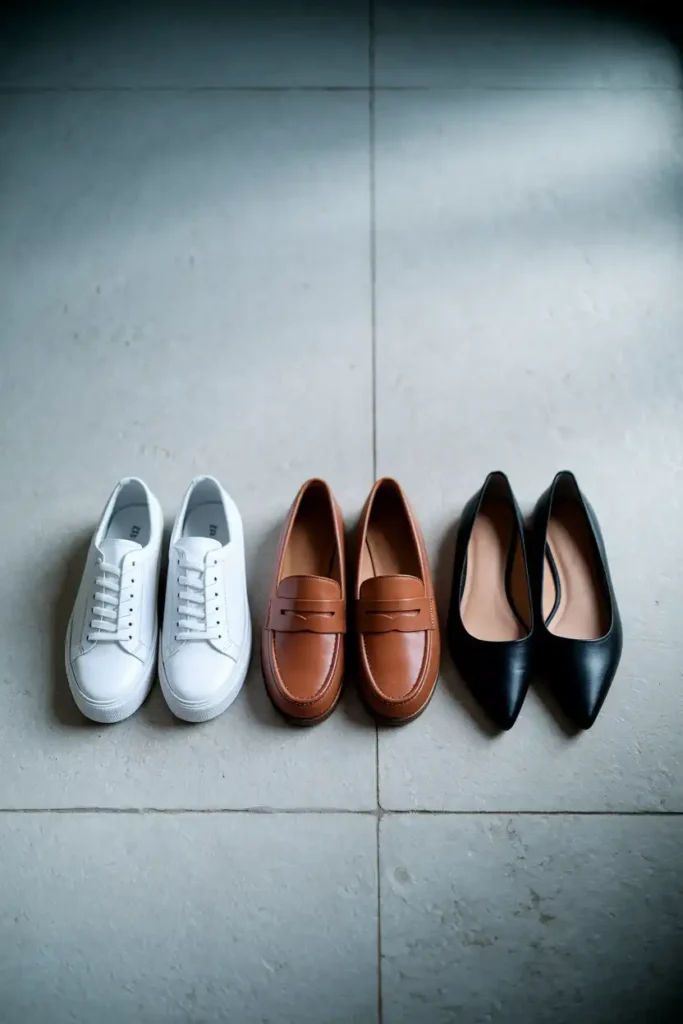
Heels are not incompatible with San Francisco, but they are challenging. The hills, the uneven brick sidewalks in some neighborhoods, and the sheer amount of walking involved make anything above a low block heel genuinely difficult to manage over a full day. Most people who live here have made their peace with flats, and the options within that category are good enough that you do not lose much style-wise.
White sneakers cover casual to smart-casual. A cognac leather loafer with a slight platform covers smart-casual to dinner. Black pointed-toe flats bridge the gap between daytime and evening most effectively. If you pack those three and nothing else on the shoe front, you will be covered for every scenario a day in San Francisco is likely to put in front of you, brunch tables, waterfront walks, restaurant dinners, and everything in between.
18. Styling Tips for the Embarcadero Specifically
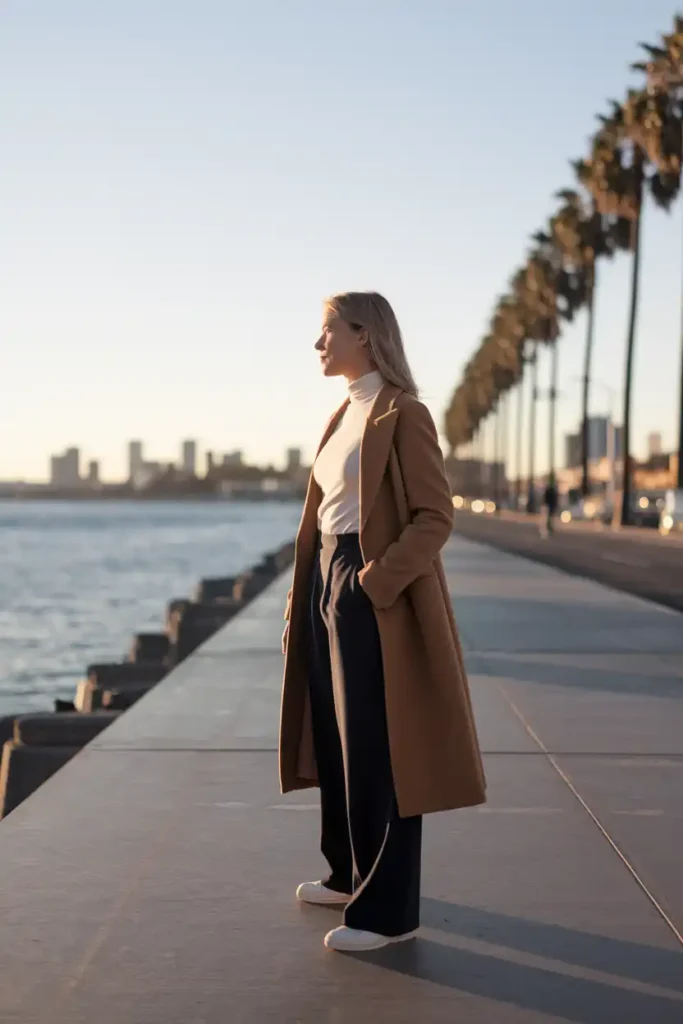
The Embarcadero is one of the most visually striking stretches of walkway in the city, and it deserves an outfit that holds up in that environment. Wide-open waterfront spaces tend to flatten or overwhelm small, detailed outfits. Structured pieces and clear silhouettes read better in wide-open environments because they hold their visual weight. A camel coat over dark trousers gives a clean, defined outline that photographs well against the bay.
The practical reality is that the Embarcadero is also consistently windy and cooler than inland neighborhoods, even in summer. An outfit that looks good here needs to account for that. A coat that stays closed or belts comfortably, shoes with enough grip for the textured promenade, and a bag that closes securely are the three practical non-negotiables. Style comes after those are handled.
19. What a Local’s Everyday San Francisco Outfit Actually Looks Like
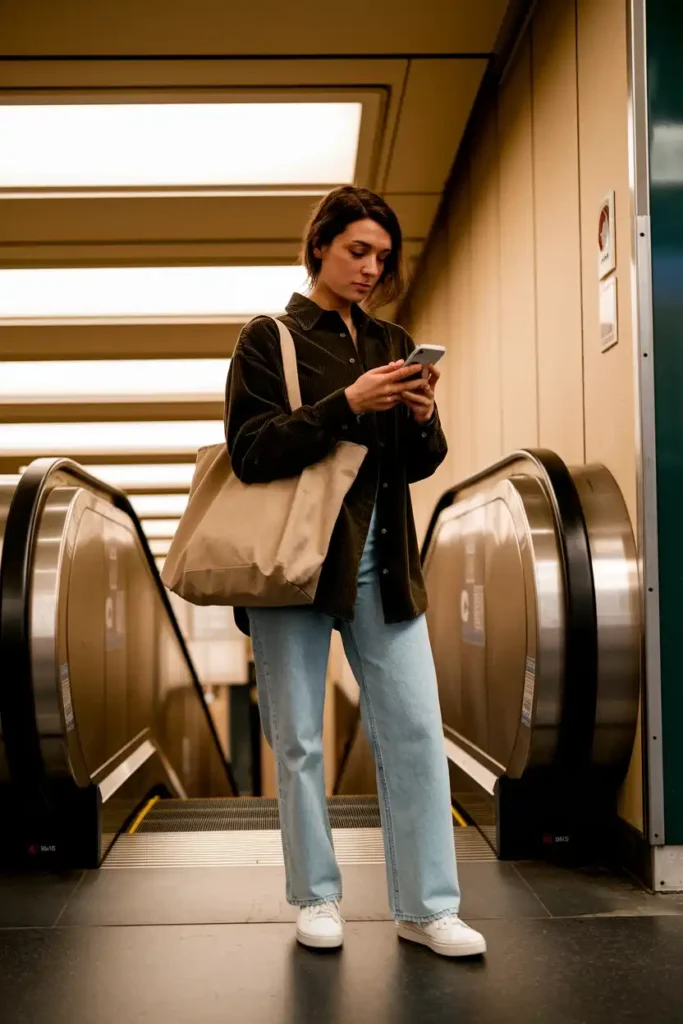
The stereotype of San Francisco style is either tech-casual fleece vests or full hippie-market-aesthetic, and neither is quite accurate for the majority of people who actually live and move through the city daily. Real everyday style here is a lot of corduroy, canvas totes, clean denim, and well-worn sneakers. It is practical but not without thought. People pick quality basics and invest in a few good outerwear pieces rather than rotating through trends.
The most important thing about a local outfit is that it does not announce itself. Nobody here is dressed to be looked at in an obvious way. The style is confident but quiet. A well-fitted pair of jeans, a quality knit, and a good coat are the entire formula. It is not complicated, but it is intentional, and that difference shows. When you are putting together your own version of a San Francisco outfit, taking that low-key intentionality as your reference point tends to lead to better results than overthinking it.
20. How to Photograph Your Outfits in San Francisco (Practically)
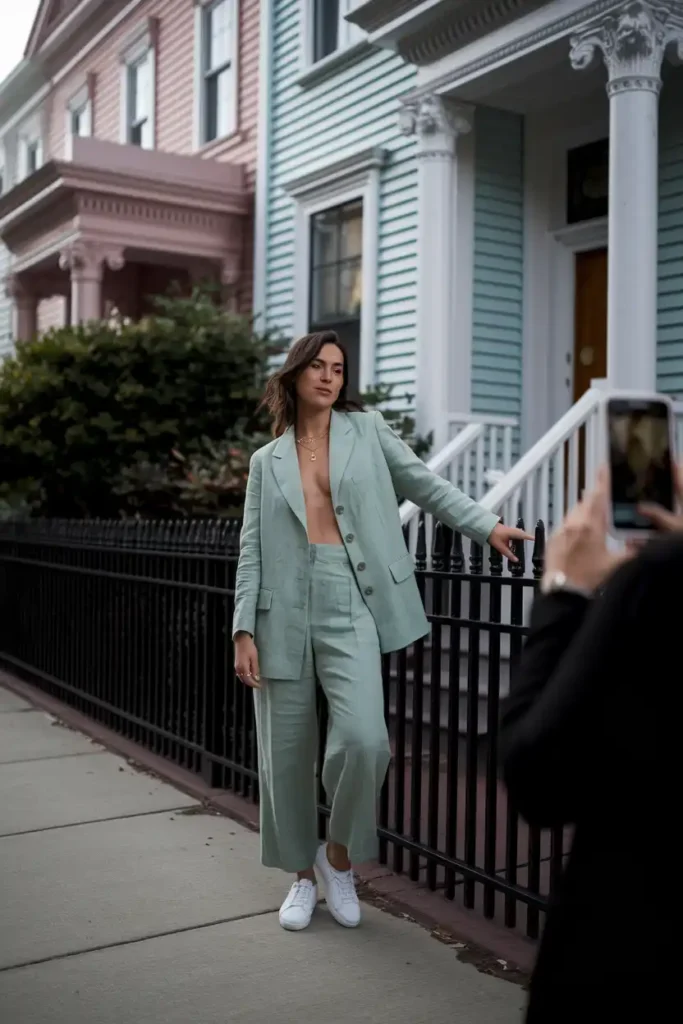
San Francisco is a photographer’s city and a content creator’s challenge in equal measure. The fog and overcast mornings that define much of the year actually produce excellent soft, diffused light for outfit photos. Mid-morning, roughly 9am to 11am, tends to give the most even light before shadows get harsh in the rare full-sun situations. If you are shooting near the painted ladies or on a Victorian-lined street, that soft morning window is ideal.
Street photography and outfit content work best here when they use the city as context, not just backdrop. The interesting texture of a weathered building, the angle of a hill, or a quiet doorway in the Mission all give photos a sense of place that a plain white wall does not. Dress in colors that contrast with the architectural palette of wherever you are shooting. Warm tones against blue-gray bay backdrops, neutral tones against the colorful painted facades, and darker outfits against pale concrete all create natural visual separation.
21. The Final Outfit That Earns Its Way From Brunch to the Bay
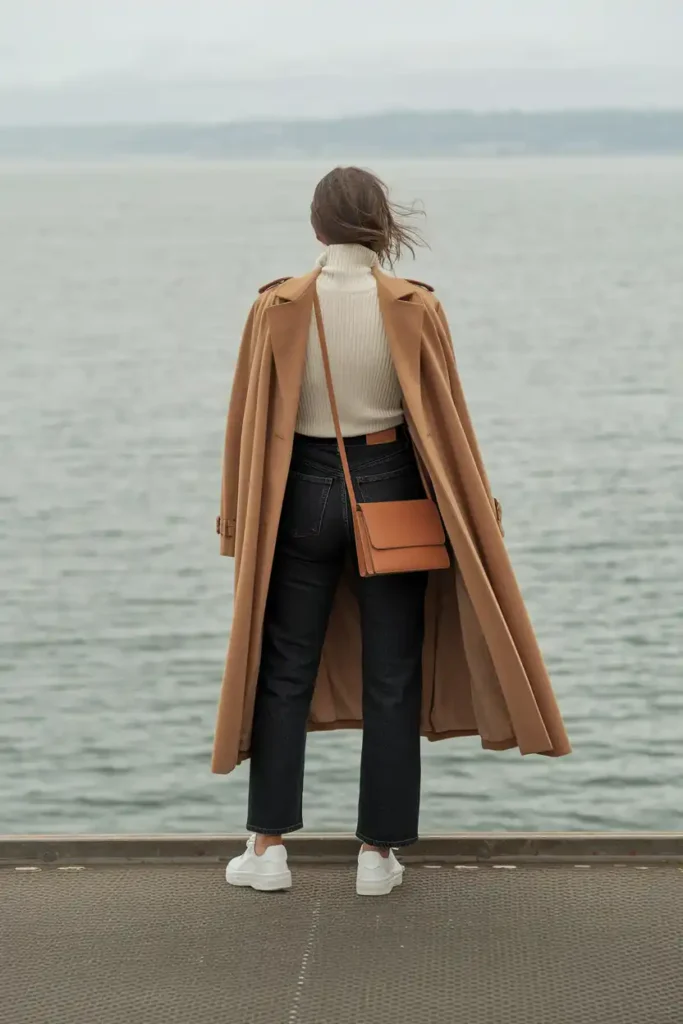
After a full day in San Francisco covering multiple neighborhoods, meals, and a waterfront walk, the outfit that actually worked is usually the one you did not overthink. A base layer that breathes and moves. A mid-layer with warmth. A coat that handles wind without fighting you. Jeans or trousers that felt comfortable at hour seven as they did at hour one. Shoes that got you up the hills and back down without protest. That combination is what a genuinely functional San Francisco outfit looks like in real life.
The brunch-to-bay formula is not about looking like a fashion editorial, although a good outfit does photograph well against this city. It is about moving through the city without your clothes working against you, which is what most wardrobe failures in San Francisco come down to. Dress with the day’s full arc in mind, not just the first stop, and you will not need to compromise between looking good and feeling like yourself by the time the afternoon fog rolls in.
Conclusion:
A great San Francisco outfit comes down to three things: layers that actually work, shoes you can walk in for hours, and pieces that transition without effort. Get those right and the city stops feeling like a packing puzzle. Whether you are here for a weekend or planning your first trip, building around versatility will always serve you better than chasing a look that only works for one stop.