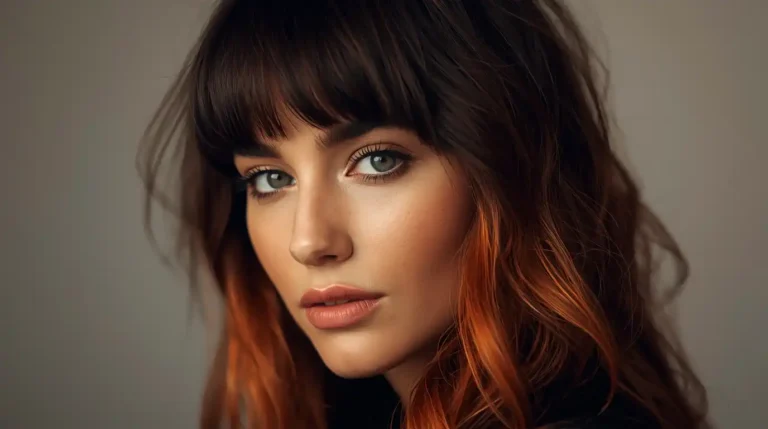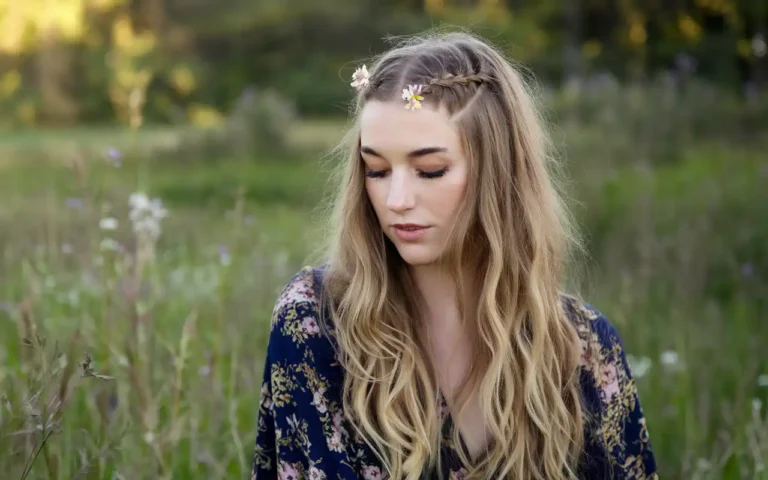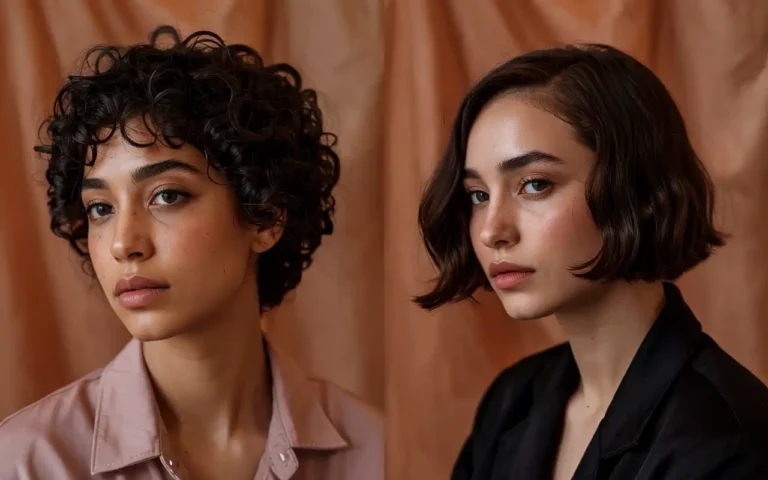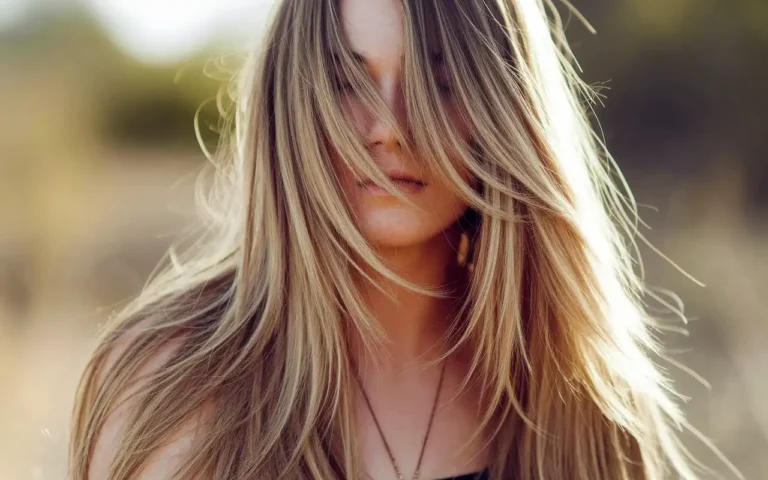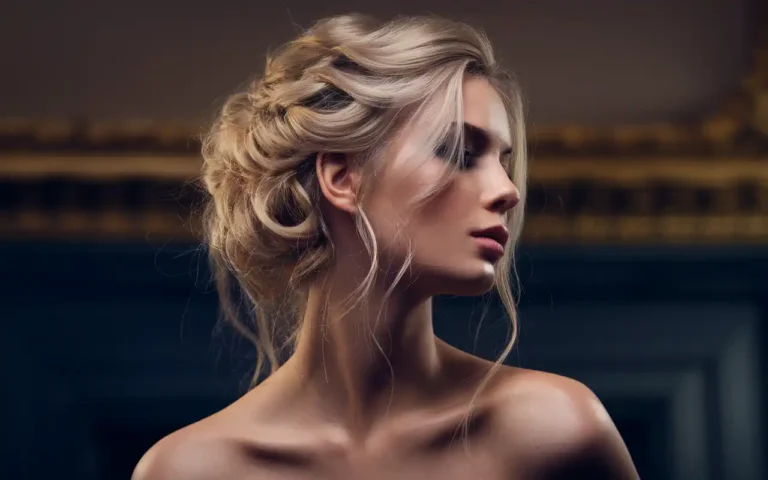
23 Brown Hair with Light Brown Highlights for Short Cuts
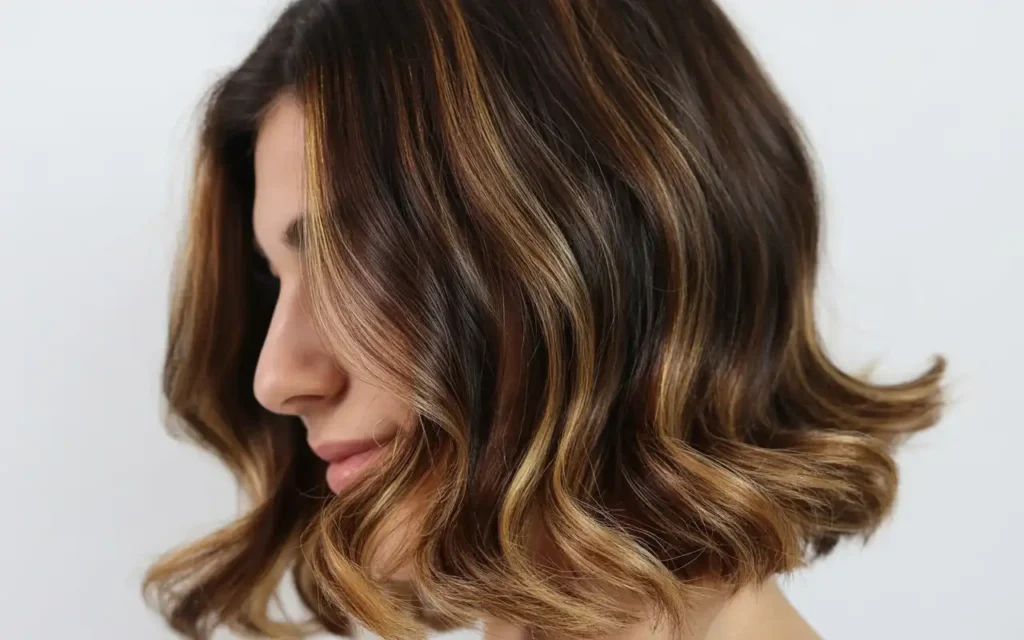
Short hair shows your color faster than long hair does, so getting it right matters more. Brown hair with light brown highlights gives short cuts the depth they need without heavy maintenance or a harsh grow-out line. Whether you have a blunt bob, a pixie, or thick hair you want to soften, the right tone changes everything. Below you will find 23 short cuts, each matched to a specific problem: fine hair, cool skin, grays, regrowth, and more. Find the one that fits, then take it to your stylist.
1. Short Cuts That Wear Brown Hair with Light Brown Highlights Best
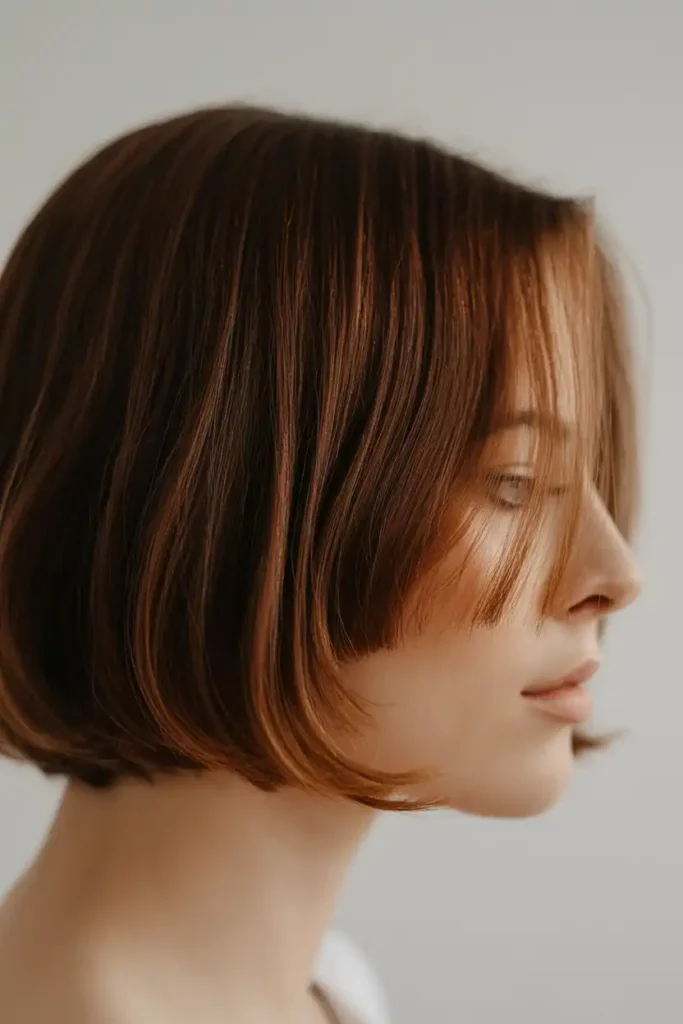
Short hair shows color faster than long hair does. There is less length for the eye to travel, so every tone sits right at face level where people actually see it. That is why the base and the lighter pieces have to work together instead of fighting each other.
If you want the color to read as expensive, keep the base solid and place the lighter strands where the cut moves most. On a bob, that means the front sections and the underneath layer. Ask your stylist for a soft transition, not a hard line. Bring a photo to your consultation so you both agree on how light “light brown” actually goes.
2. Pixie Cuts With a Money Piece That Frames Your Face
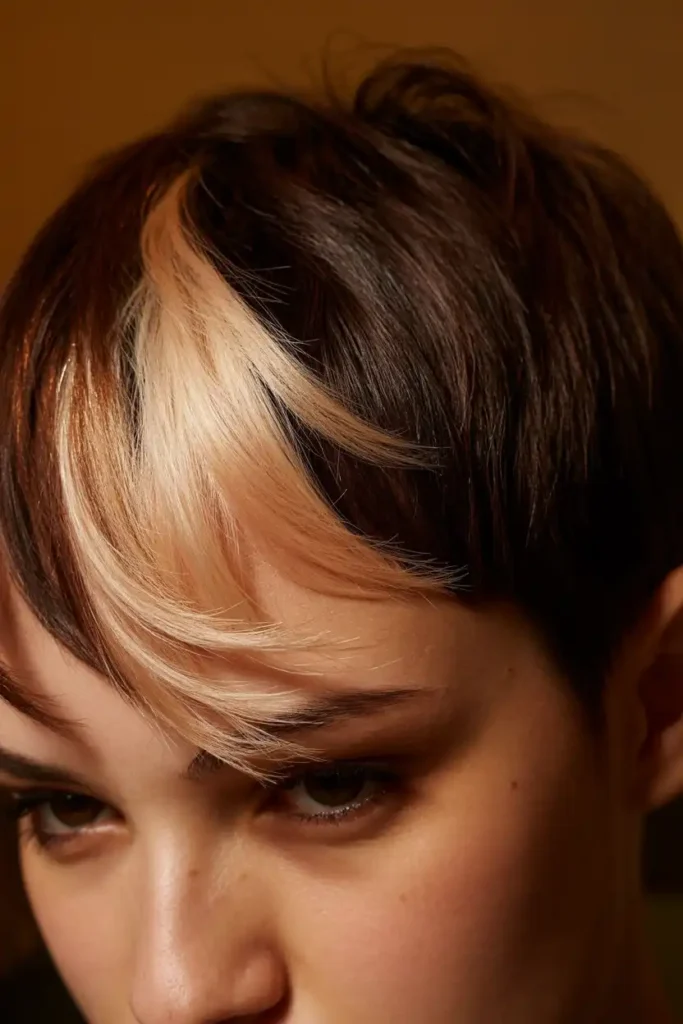
A pixie leaves you with almost nothing to hide behind, so placement matters more than volume. The money piece solves that. Two lighter sections at the front pull attention toward your eyes and cheekbones, which softens a very short cut.
Keep the rest of the head your natural depth and let those front pieces do the lifting. Ask for a warm beige or honey brown so the contrast stays gentle. A stark platinum money piece on a pixie can look harsh in person, especially under office lighting. Book a gloss refresh every six weeks to keep the front pieces from turning brassy.
3. Textured Bob Loves Caramel Brown Hair
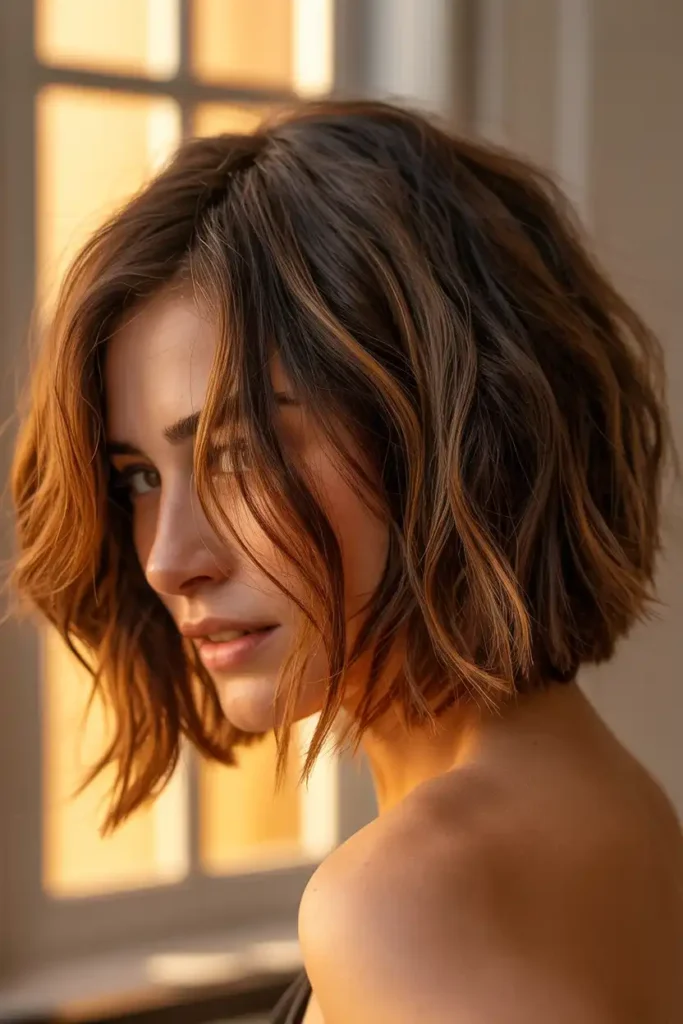
Texture and warm color feed each other. A blunt, flat bob can look heavy, but adding choppy ends plus a caramel brown melt gives the cut dimension without any styling effort. The color moves as the hair moves.
For this to work on short hair, ask for the warmth to sit mid-length and lower, not at the root. That keeps regrowth soft. A few pointers before your appointment:
- Bring photos in natural light, not filtered selfies
- Ask for a root shadow so grow-out stays easy
- Request a caramel tone, not orange, if your skin runs cool
Style it with a texturizing spray and scrunch. Skip the flat iron. If you want the color to last, use a sulfate-free wash and cut back to two or three washes a week.
4. Blunt Bobs and Tiny Blonde Highlights Done Right
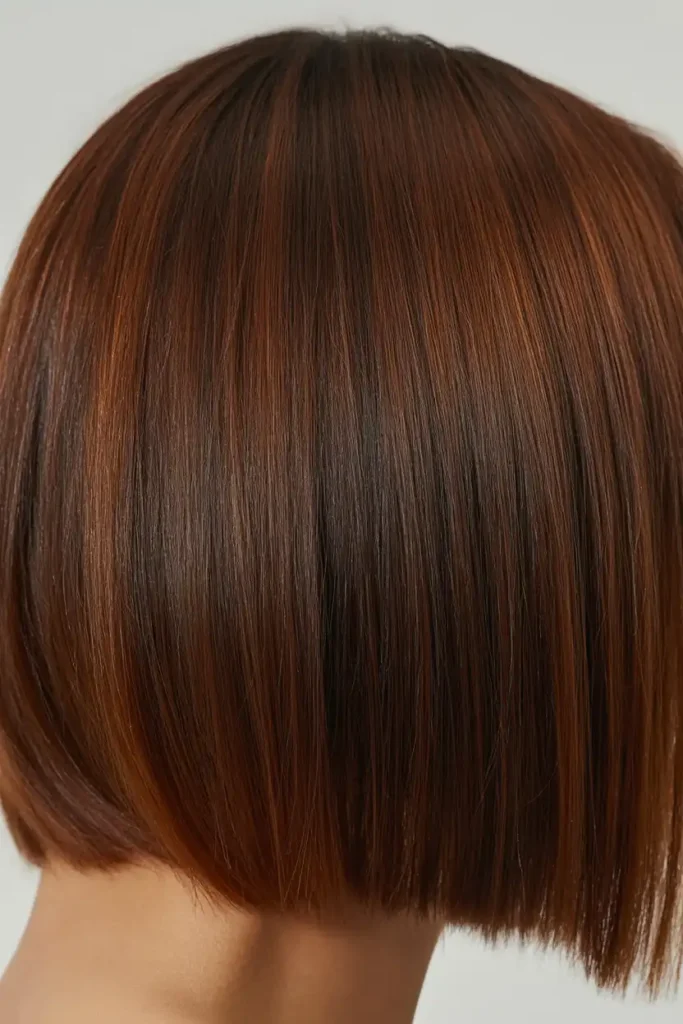
A blunt bob is bold on its own, so the color underneath should stay quiet. This is where tiny blonde highlights earn their place. Fine, scattered pieces add a lit-from-within look without breaking up that clean shape you paid for.
Go too chunky and you lose the sharp edge that makes a blunt bob look intentional. Ask your colorist for a fine foil pattern with minimal contrast, roughly two to three levels lighter than your base. This reads as depth, not stripes. If your bob is very dark, a soft coffee brown lift keeps things natural while still adding shine.
5. Long Pixie Cuts With Honey Brown Warmth
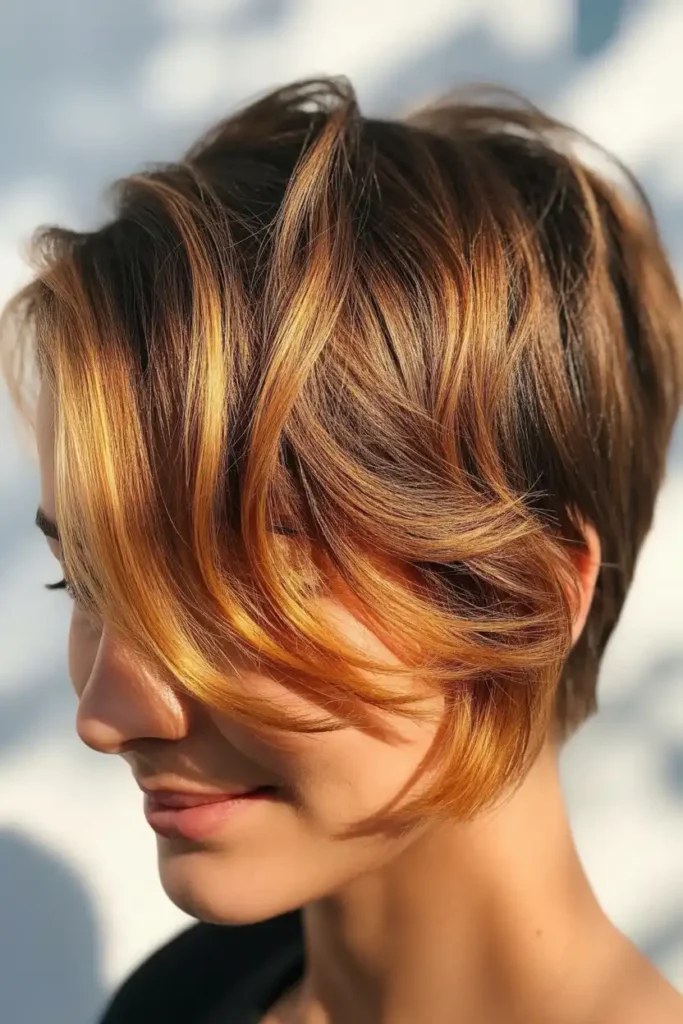
The long pixie gives you the most room of any short cut, since the top stays long enough to move. That extra length is where honey brown shines. Placed on the longer top pieces, warm tones add softness to what can otherwise feel like a very structured cut.
Keep the nape and sides closer to your natural depth so the growth stays low-maintenance. Ask for the honey brown to concentrate where you sweep your hair, usually the front and crown. Style with a small amount of pomade on dry hair to separate the top pieces. Trim every four to five weeks so the shape holds.
6. Chin-Length Lobs With Foils On Brown Hair
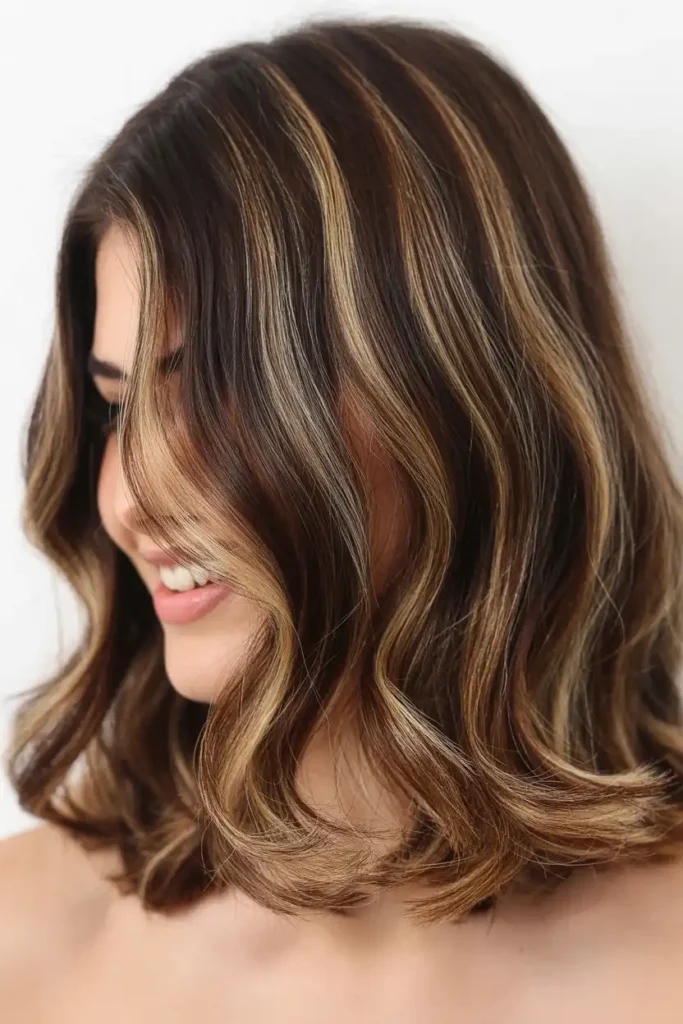
Foils give you control that freehand painting cannot always match. On a short lob, that precision matters because there is less hair to correct if placement goes wrong. Foils on brown hair let your colorist lighten specific sections cleanly, which is ideal for a defined cut like this.
Ask for foils placed around the part and the face, since those are the areas most visible at chin length. Request a lower-contrast result if you want an everyday look, or a brighter lift if you want the waves to pop. Add a light wave with a one-inch iron to show the pattern. Book a partial foil touch-up every eight to ten weeks instead of a full head to save money.
7. How Cinnamon Brown Hair Suits Short Layers
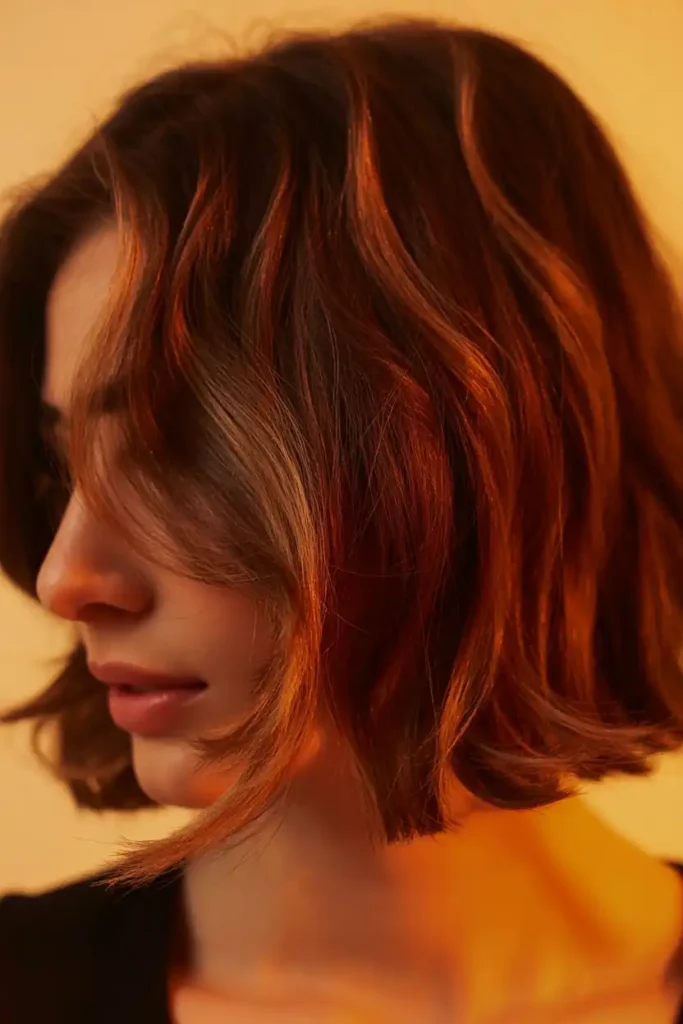
Cinnamon brown brings warmth that flatters most skin tones, and short layers give that color somewhere to sit. The layers catch light at different depths, so a single warm tone looks like several. This is a smart pick if you want richness without adding lighter pieces everywhere.
Keep the lighter accents minimal here. A few soft strands through the ends add just enough lift. If your skin runs warm, cinnamon will make it glow. If you run cool, ask your colorist to pull the tone slightly toward a neutral chestnut so it does not skew orange. Refresh the warmth with a color-depositing conditioner between salon visits.
8. Stacked Bobs With Coffee Brown Highlights
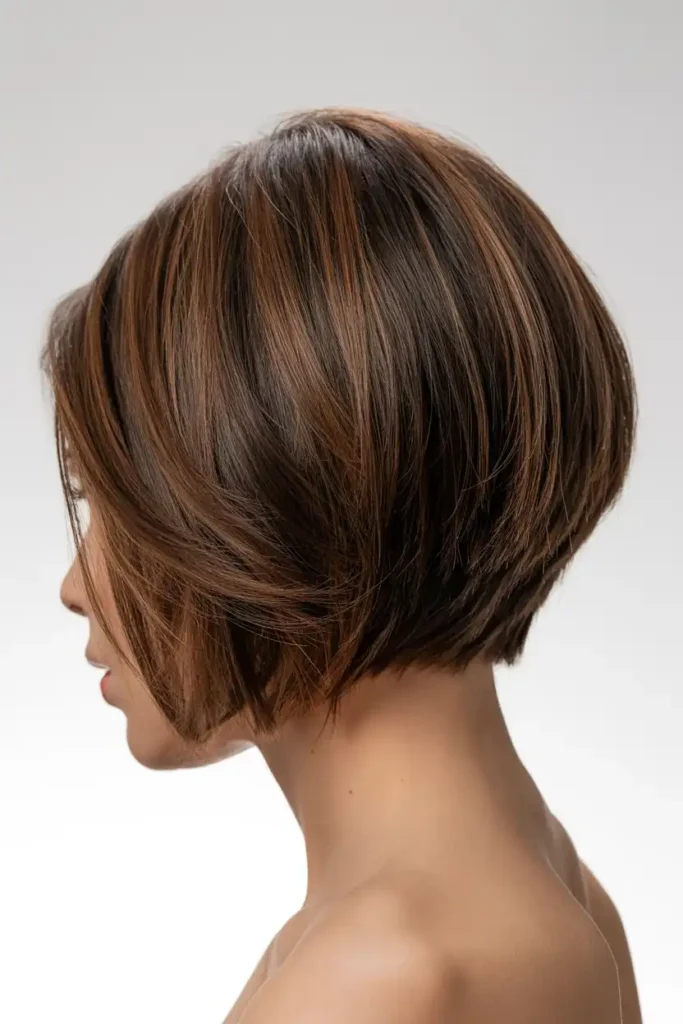
A stacked bob has a lot going on structurally, so loud color can make it look busy. Coffee brown highlights fix that. They sit close to your base, adding quiet dimension that follows the stacking without competing with it.
Ask for the highlights to run vertically through the stacked layers so they trace the shape of the cut. This makes the back look fuller and more intentional. Keep contrast low, one to two levels, for that grown-in richness. Style with a round brush blow-dry to show off the stack, and use a shine spray to make the coffee tones read glossy rather than flat.
9. French Bobs With Gentle Highlights on Brown Hair
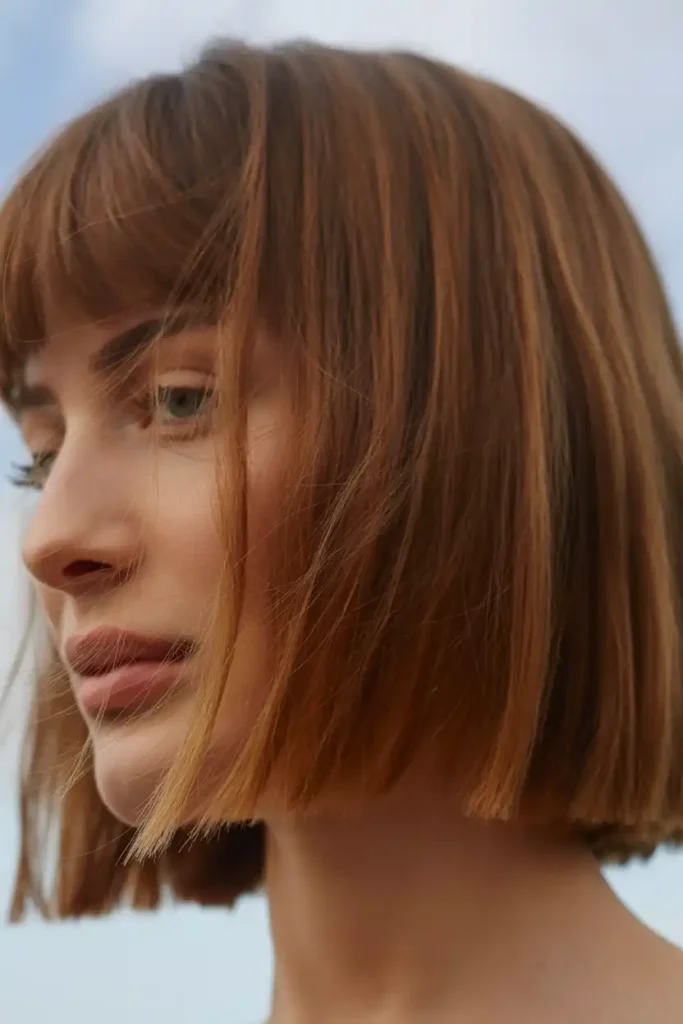
The French bob is meant to look effortless, almost undone. That means the color should whisper, not announce itself. Gentle highlights on brown hair keep the cut feeling natural and lived-in, which is the whole point of this style.
Skip anything high-contrast here. Ask for a few soft, fine pieces around the fringe and cheekbones only. This adds brightness where your face needs it while keeping the rest low-key. Air-dry with a light cream for that soft texture, and resist the urge to over-style. A quarter-head of subtle color is usually all this cut needs.
10. Short Curly Cuts With Hazelnut Highlights
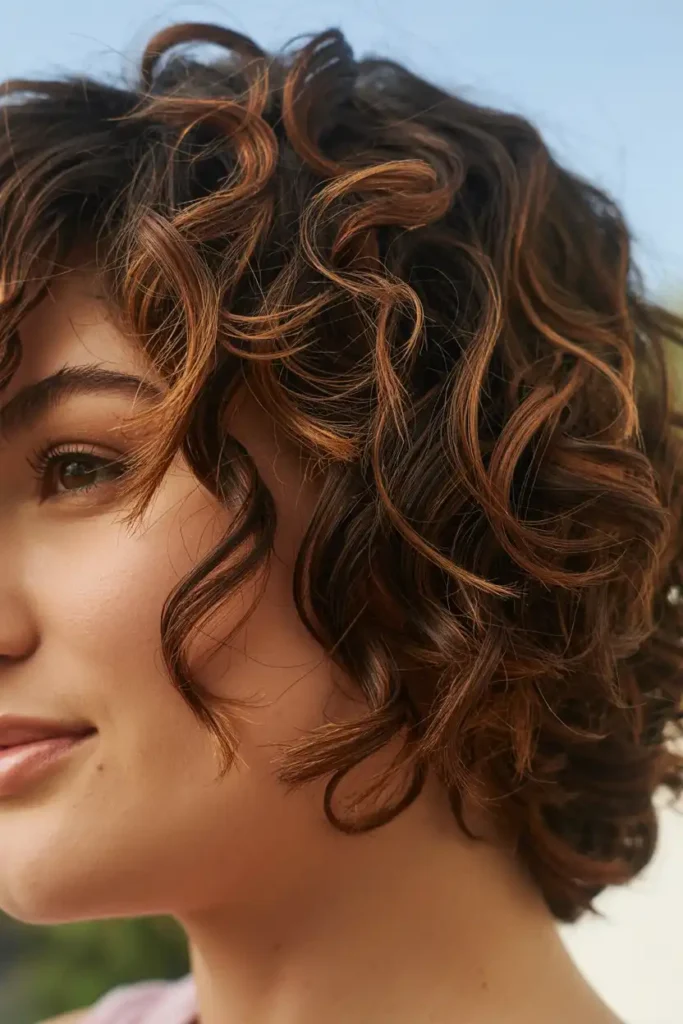
Curls create their own shadow and light, so color behaves differently on them. Highlights that look bold on straight hair often read soft once curled, because the curl wraps the color and hides half of it. That is why hazelnut highlights work so well on short curls. The warm mid-brown tone shows up on the curl peaks and disappears in the valleys, giving natural-looking depth.
Ask your colorist to place color with your curl pattern in mind, not against it. Foils placed section by section will look more even once dry. Avoid heavy bleaching, since curly hair is more prone to dryness. Use a curl cream and a diffuser, and keep a bond-repair mask in rotation once a week.
11. Bixie Cuts That Play With Beige Shades
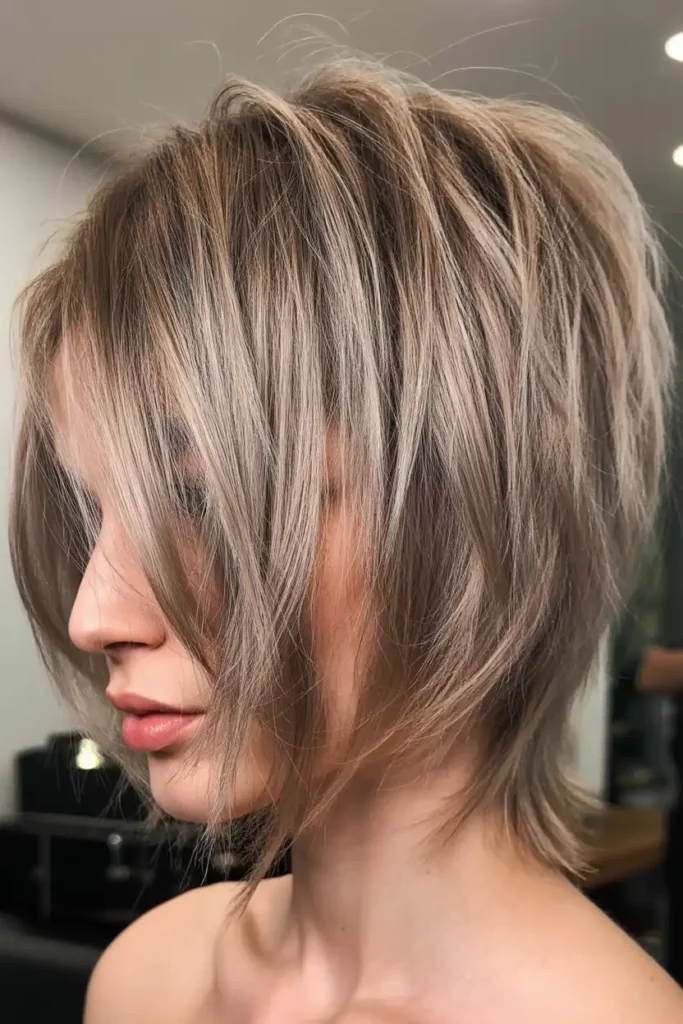
The bixie is having a real moment, and beige shades suit its modern edge. These cooler, muted tones keep the cut looking current rather than sweet. If you want short hair that feels fashion-forward, this pairing does it.
Beige works best when your base is a neutral to cool brown. Ask your colorist to check your natural undertone first, because beige over a very warm base can turn muddy. Keep the placement soft and diffused, no hard lines. Style with a matte paste worked through dry hair for that piecey finish. This is a good direction if you are bored with warm tones and want something crisper.
12. Brown Hair with Light Brown Highlights Ideas for Fine Hair
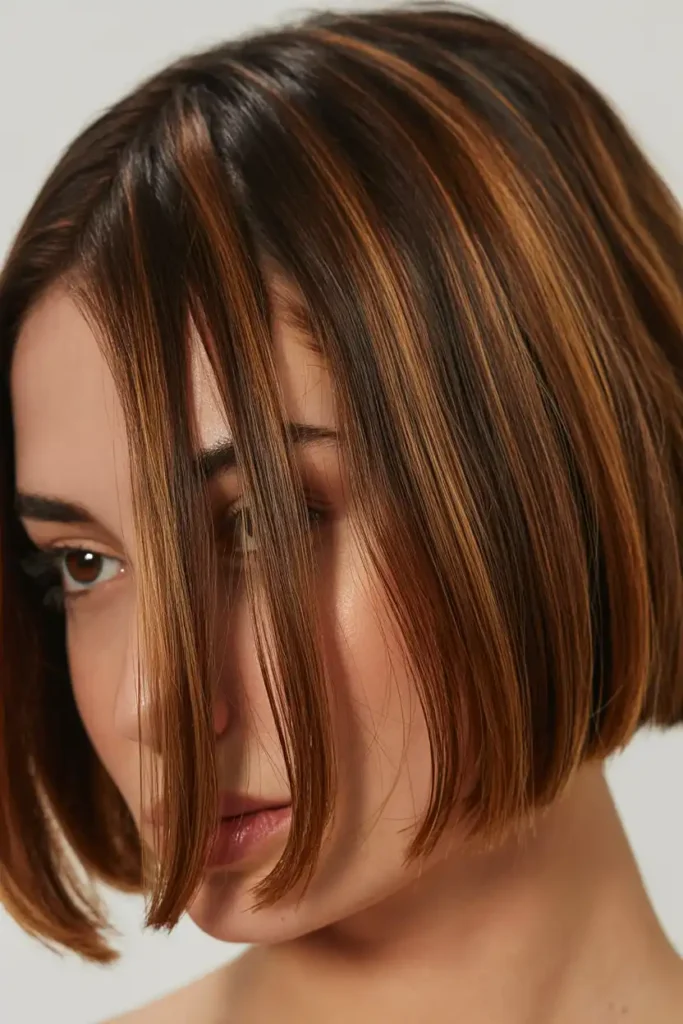
Fine hair has a real problem with flat, single-tone color. One solid shade makes thin hair look even thinner because there is no dimension to catch light. This is the exact situation where light brown highlights on a brown base pay off.
The trick is contrast in the right spots. A few things that actually help fine, short hair:
- Place lighter pieces underneath to create the look of a shadow and a top layer
- Keep the root darker to give the illusion of density
- Avoid all-over lightening, which makes fine hair look thinner and more see-through
Ask for a low-contrast, dimensional color rather than uniform highlights. Style with a volumizing mousse at the root and a blow-dry flipped upside down. This adds body the color alone cannot.
13. Short Cuts That Hide Regrowth With Half-Head Highlights
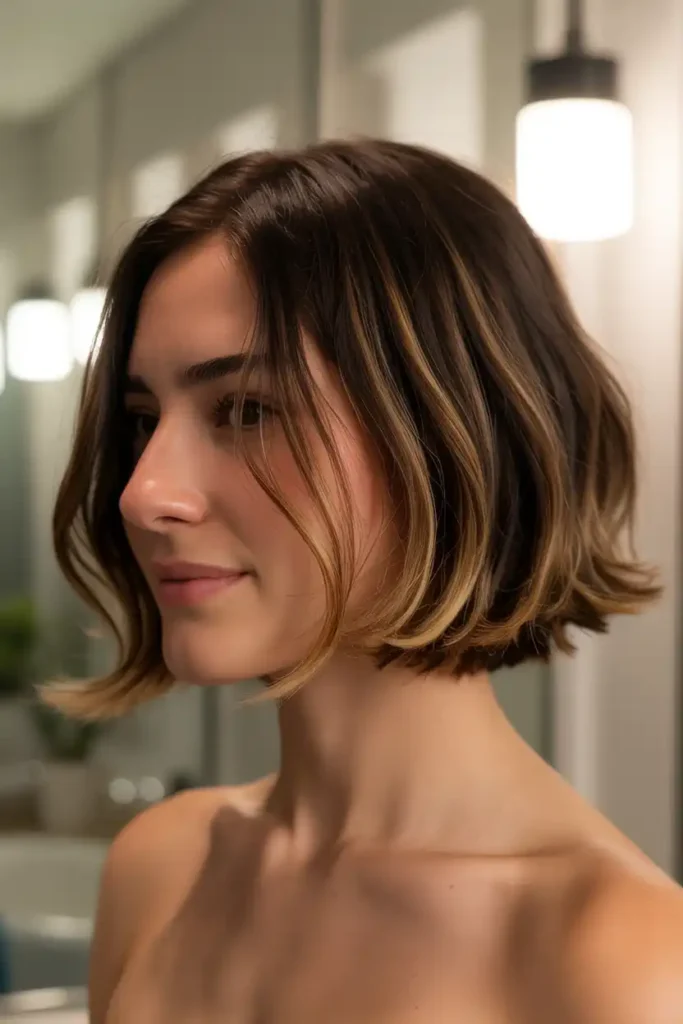
Regrowth is the number one reason people abandon a color they love. Short hair makes it worse, since the root sits so close to your face. A half-head highlight setup, focused on the top and front, buys you weeks of easy grow-out.
Because the lower back sections stay closer to natural, there is less obvious line as your roots come in. Ask your colorist for a root shadow or a soft root melt to blur the transition further. This is one of the best hair dye ideas for anyone who cannot commit to salon visits every month. Stretch appointments to ten or twelve weeks and touch up the front only if needed.
14. Balayage on Dark Brown Base for Short Hair
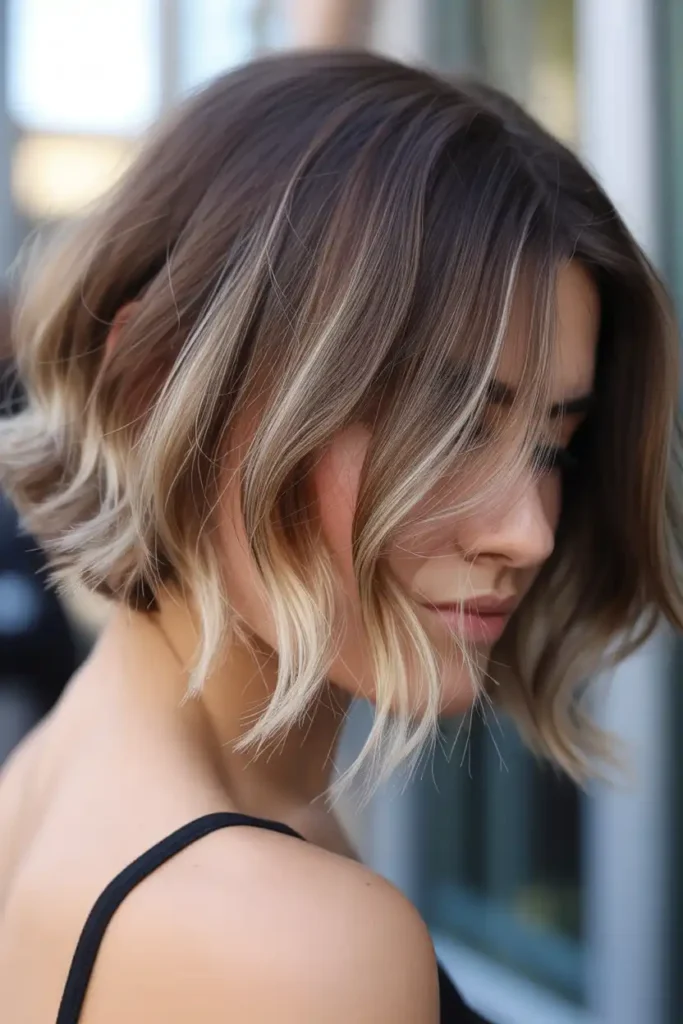
People assume balayage needs length. It does not. Balayage on a dark base works beautifully on short hair when your colorist adjusts the placement for less length to paint. The freehand technique means no harsh regrowth line, which is exactly what short hair needs.
Because short hair swings more, ask for the lightness to start higher than it would on long hair, otherwise the painted sections may sit too low to be seen. Keep the root dark and natural for contrast. Style with a loose wave to show the melt. This is a strong pick if you hate the maintenance of foils but still want a sun-kissed effect.
15. Warm Caramello Tones for Short Autumn Styles

Caramello hair, that blend of caramel and cream, reads as pure warmth. It suits fall and winter especially well, when you want something rich against darker clothes and grayer skies. On a short cut, the warmth stays right at face level where it flatters your complexion.
Ask for the caramel to sit through the mid-lengths and a creamier tone toward the very ends. This gives a soft gradient without heavy lightening. Warm skin tones will glow; cooler tones should ask their colorist to pull it toward a neutral caramel. Maintain the warmth with a golden-toned gloss every few weeks so it does not fade to a flat beige.
16. Short Cuts for Cool Skin Tones and Beige Brown Blends
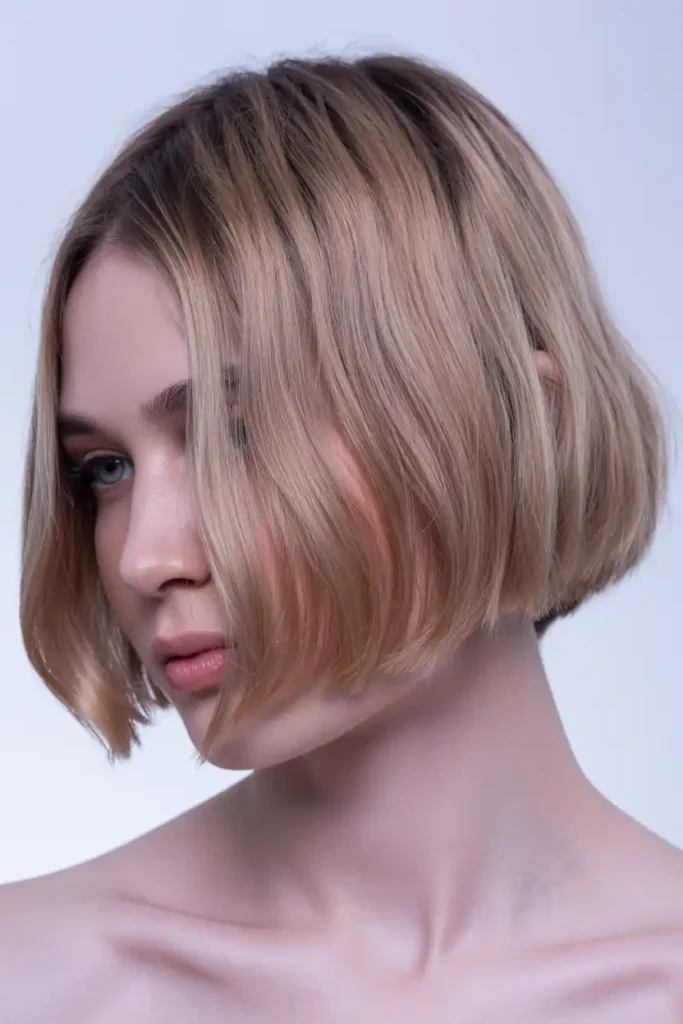
Warm colors do not flatter everyone. If your skin has pink or blue undertones, gold and copper can make you look flushed or tired. Cool skin needs cool color, and beige-brown blends are built for exactly this.
Ask your colorist to keep the highlights ashy, with no gold pulled through. A beige or neutral light brown against a cool brown base keeps everything balanced against your complexion. Skip toning products that add warmth. Use a purple or blue-based gloss to control any brassiness that creeps in over time. If you have always been told warm tones “wash you out,” this cooler direction is likely your fix.
17. Short Cuts for Warm Skin and Honey Brown Depth
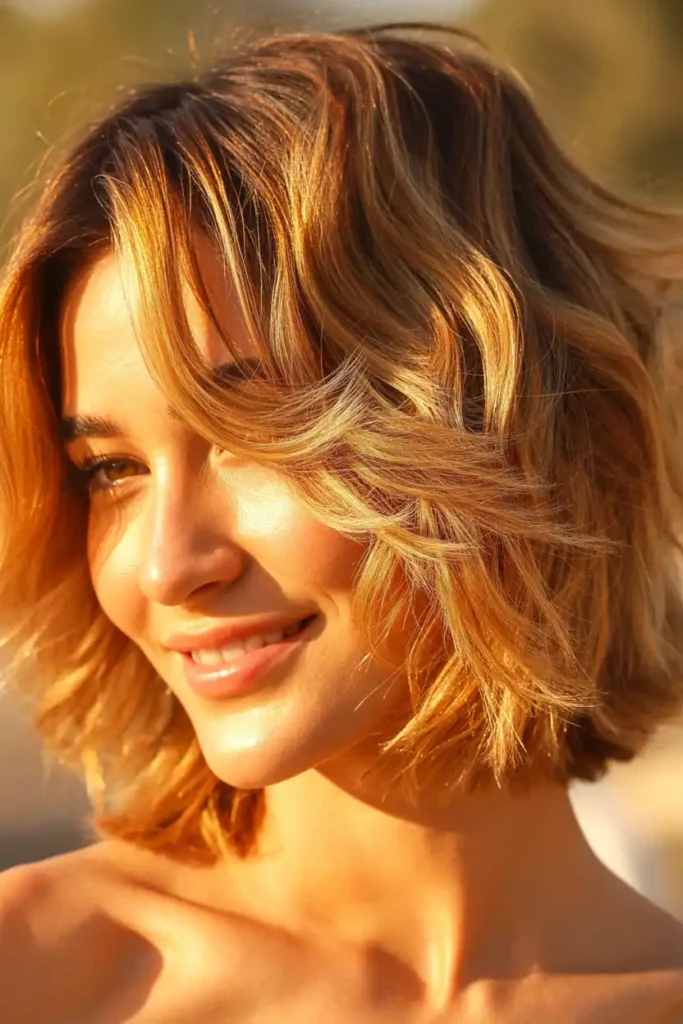
Warm skin loves warm color. If your complexion has golden or olive undertones, honey brown and soft golden pieces will make your skin look lit from within. Fighting your undertone with ashy color is what leaves warm-skinned people looking dull.
Lean into the warmth here. Ask for a honey brown base with golden accents through the layers. The short cut keeps that glow close to your face. Avoid ashy toners, which will fight your natural warmth and gray you out. A gold-depositing conditioner keeps the tone rich between visits. This is your lane if cool colors have never quite looked right on you.
18. Short Cuts That Grow Out Gracefully With Natural Dye Ideas
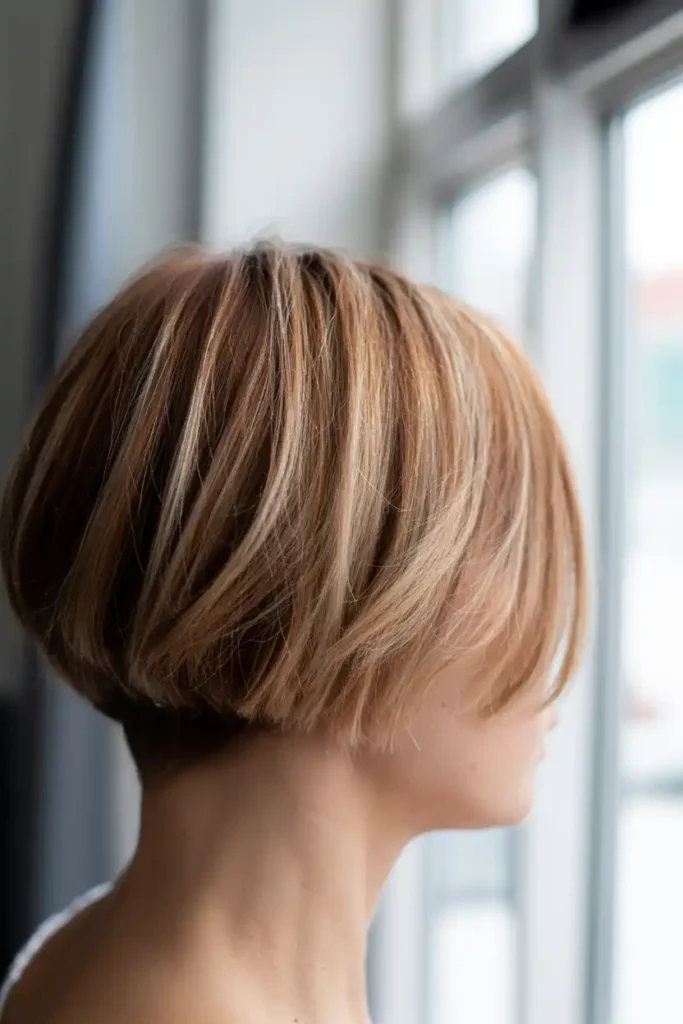
The kindest color is one that looks good even when you skip your appointment. Natural hair dye ideas center on working with your base rather than lightening it dramatically. The closer your color sits to your natural depth, the softer the grow-out.
Ask for low-contrast, natural-looking placement and a root that melts into the color. Avoid solid all-over lightening, which creates a stark line the moment roots appear. This approach costs less over time because you can stretch appointments without looking unkempt. If you are tired of chasing your roots every four weeks, this is the direction to ask for.
19. Short Cuts With a Bright Money Piece and Blondish Highlights
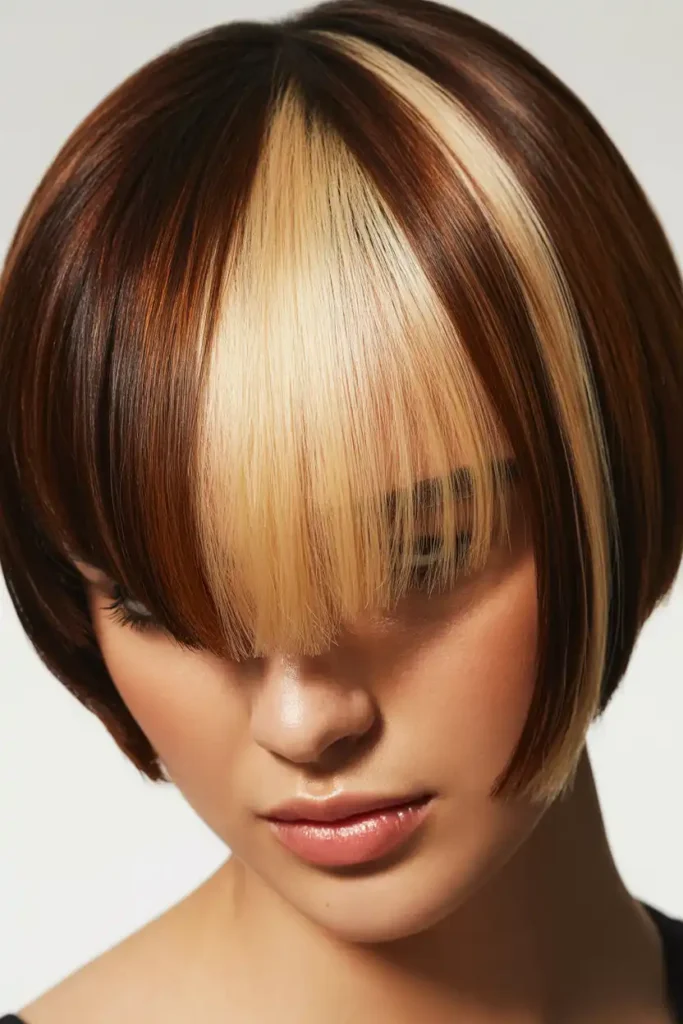
If you want more drama than a subtle blend, a brighter money piece paired with soft blondish highlights gives you two levels of impact. The front pieces make a statement while the rest stays wearable. This suits short cuts because the face-framing sections sit exactly where a short style draws the eye.
Ask for the money piece to be noticeably lighter than the scattered highlights, so there is a clear focal point. Keep the base dark for contrast. Style the front pieces forward to feature them. This is a good choice if you want your color to look styled and deliberate rather than natural. Book a money piece touch-up on its own, since the front lightens and fades faster than the rest.
20. Short Cuts With Caramel Mousse Warmth and Definition
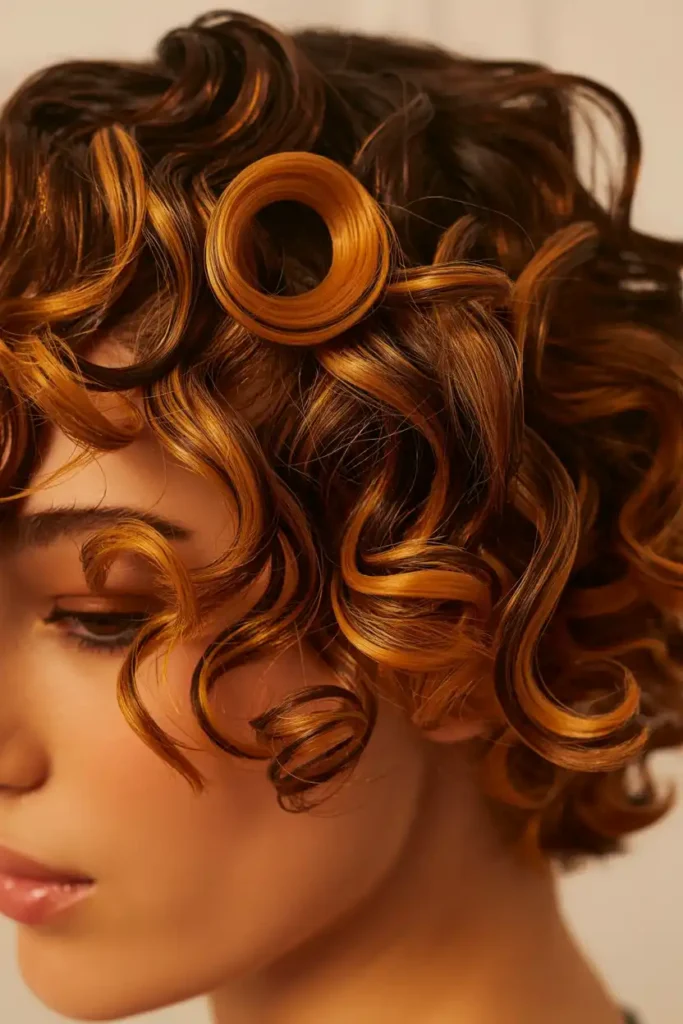
Warm caramel tones and defined texture are a strong pairing on short hair. A caramel mousse adds both color depth and hold, which is useful when short waves or curls fall flat by midday. The warmth adds richness while the product adds structure.
For short textured cuts, definition is everything. Work a caramel-toned mousse through damp hair and scrunch, then diffuse. This holds your shape and refreshes warmth between color visits. Keep salon lightening minimal so your texture stays healthy. This trick works especially well if your short curls tend to look dry or undefined by afternoon.
21. Short Cuts for Thick Hair Without the Bulk
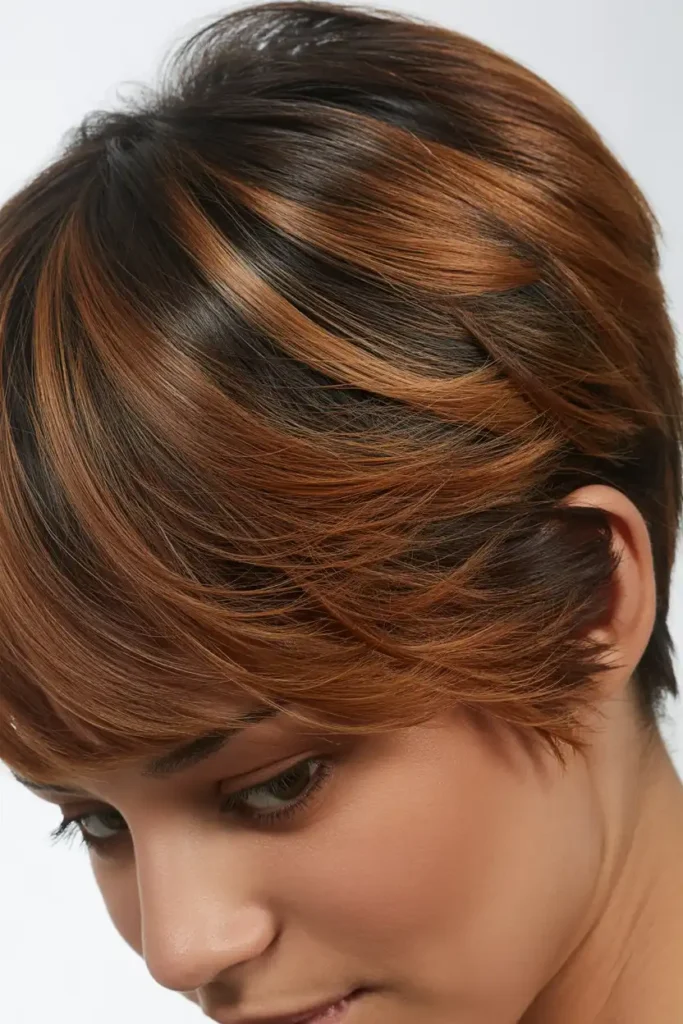
Thick hair in a short cut can turn into a triangle shape if the layers and color are not planned. Solid dark color on dense hair reads as a heavy block. Lighter pieces break up that visual weight and make thick hair look more manageable.
Ask for internal layering to remove bulk, then color placement that adds movement through the ends. Lighter strands through the perimeter make dense hair look lighter and softer. Style with a smoothing cream and a flat brush to keep it controlled. If your thick hair has always felt too heavy in short cuts, dimension in the color is half the solution.
22. Short Cuts That Cover Grays With Soft Highlights
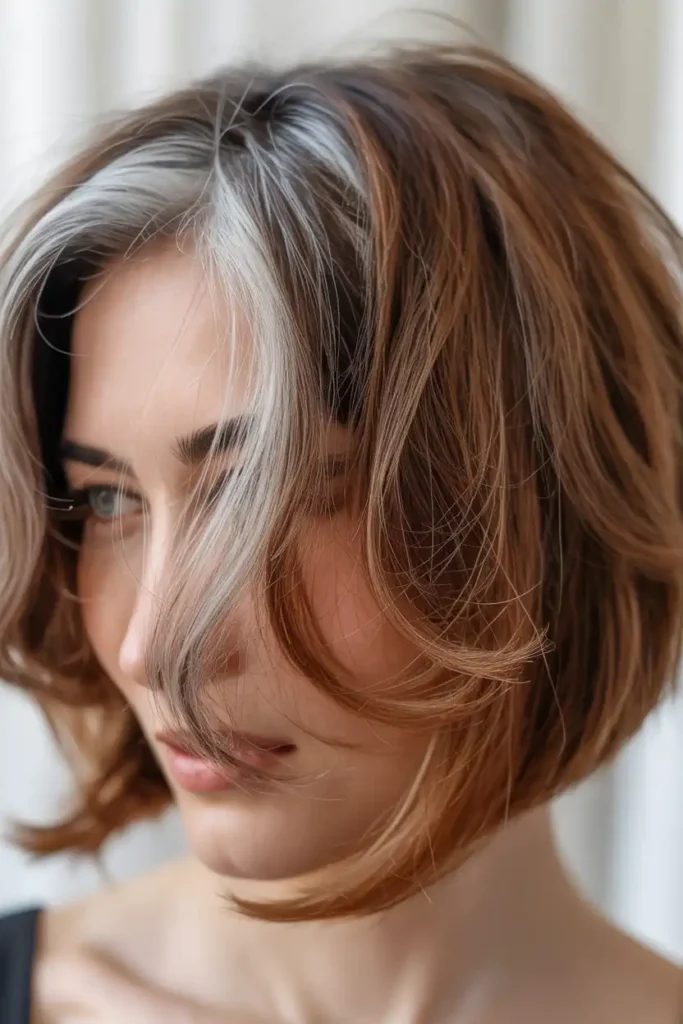
Gray hair does not always mean full coverage. On short cuts, soft light brown highlights can blend early grays so they look like intentional dimension instead of regrowth. This buys you time between full color sessions.
Ask your colorist about a gray-blending approach, where lighter pieces are placed to camouflage the gray rather than cover every strand. This looks more natural as it grows and costs less to maintain. Choose a warm brown base if your grays are stubborn, since warmth grabs better. If you are not ready for all-over dye but want to soften the grays, this is a gentle place to start.
23. How to Ask Your Stylist for the Right Short Cut and Color
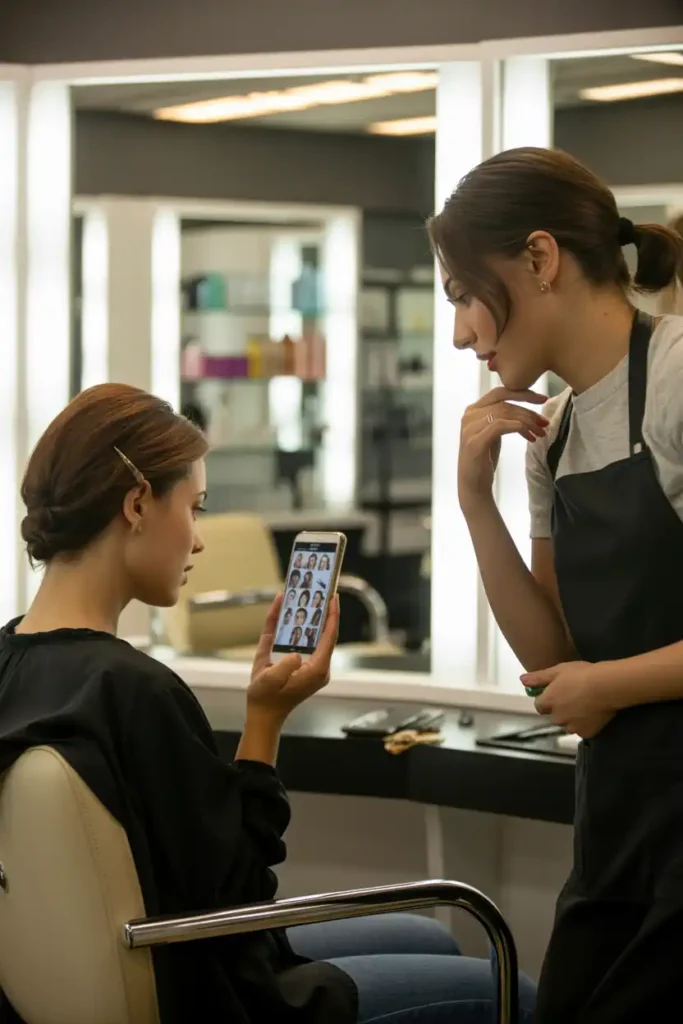
The best color goes wrong when the consultation is rushed. Short hair leaves little room to fix a miscommunication, so the conversation before the appointment matters as much as the appointment itself. Come prepared and you will walk out with what you pictured.
Bring three or four reference photos in natural light, and one photo of a result you dislike so your stylist knows your limits. Be honest about how much upkeep you will actually do. If you wash daily and never style, say so, because that changes what your colorist recommends. Ask about maintenance cost and timing before they start. A good stylist would rather have this talk up front than deal with a color correction later.
Conclusion:
Short hair leaves nowhere to hide, which is exactly why the right color pays off. Brown hair with light brown highlights adds the depth and movement short cuts need, whether you want a bright money piece or a soft grow-out you can stretch for weeks. Pick the cut that solves your actual problem, not just the prettiest photo. Match your tone to your skin, be honest with your stylist about upkeep, and bring reference pictures to every appointment. Start with one look from this list, book a consultation, and build from there. Your best short cut is closer than you think.