22 Formal Dress Finds That Look Expensive
You do not need a big budget to look like you spent one. The right formal dress can read rich and refined even when it cost you very little, as long as you know what to look for. Fabric, fit, and color do most of the work. Over years of styling clients for weddings, galas, and proms, I have learned which small details separate a cheap-looking gown from a costly one. Use these 22 finds and tricks, and your next dress will look far more expensive than the receipt suggests.
1. Start With Fabric, Not Price Tags
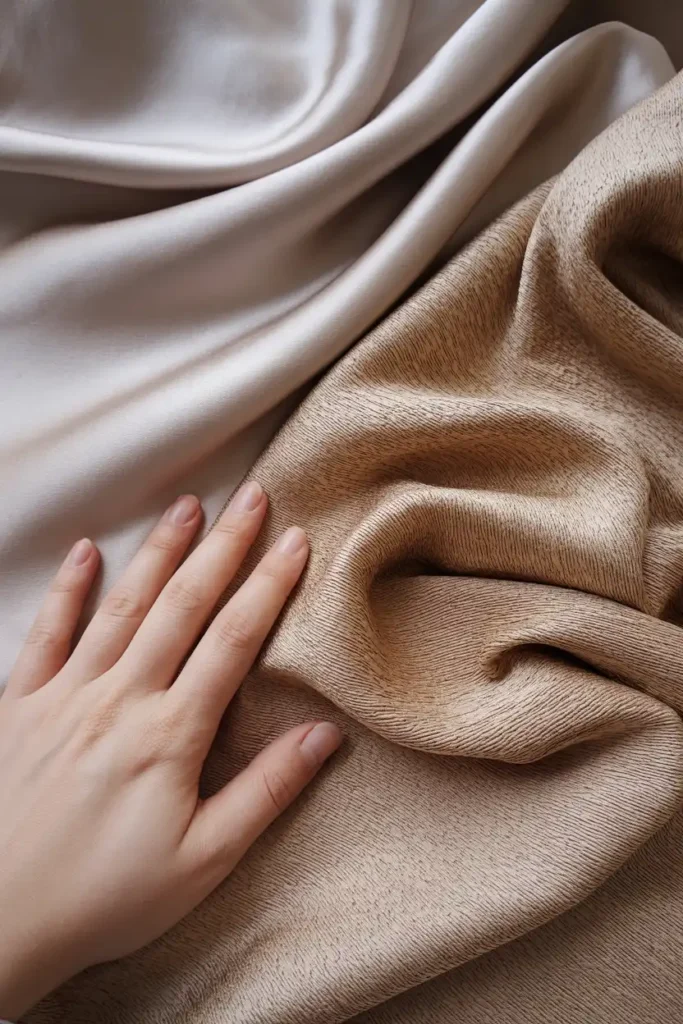
The reason some dresses look costly and others look thin comes down to fabric before anything else. Shiny, flat polyester catches light in a way that reads inexpensive on camera and in person. Heavier fabrics like crepe, thick satin, and structured taffeta drape better and hold their shape through a long night.
Run the fabric between your fingers before you buy. If it feels papery or slips too easily, put it back. Look for weight and a slight resistance when you scrunch it. A crepe midi that costs $60 will almost always look richer than a $120 dress in flimsy charmeuse. Check the care label too, since acetate and viscose blends tend to sit better on the body than pure cheap poly. Once you train your hand to feel the difference, you will stop wasting money on dresses that photograph flat.
2. A Strapless Gala Dress That Actually Stays Up
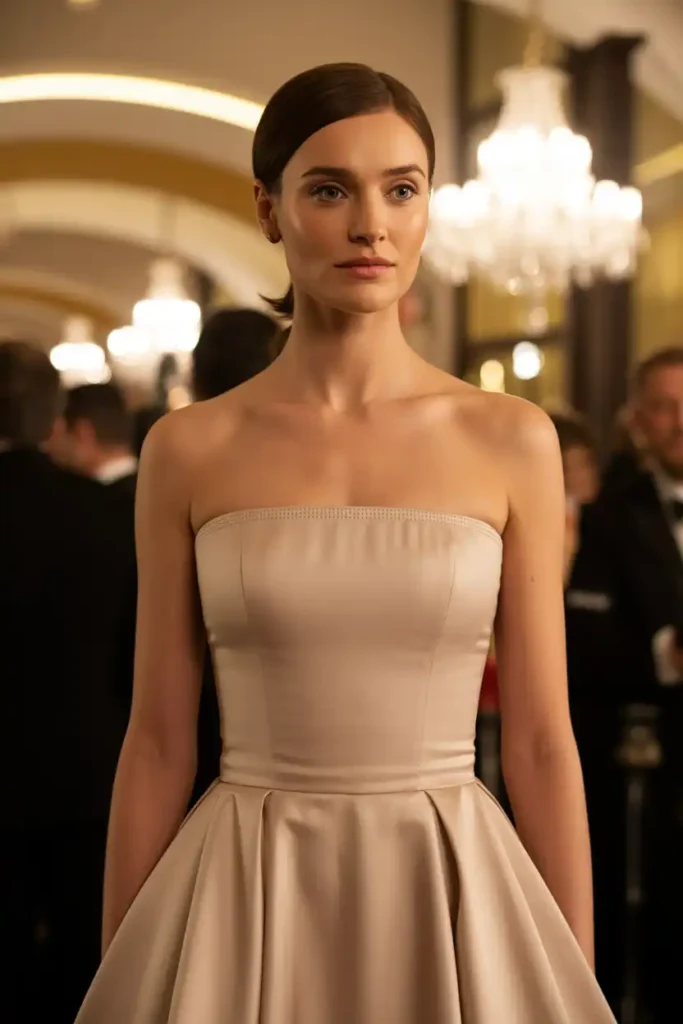
A strapless gala dress fails the moment it slips or gaps at the top. The expensive-looking versions have an internal corset, boning, or a silicone grip strip that keeps everything flat and secure. Cheaper ones rely on the fabric alone, which means constant tugging all night.
Before you commit, do the arm test. Raise both arms over your head. If the dress rides up or the top rolls down, the construction is weak. Look for these signs of a well-built bodice:
- Visible boning channels sewn into the lining
- A grip strip or silicone band along the top edge
- A back closure that lies flat, not a stretchy pull-on band
If you already own one that slips, sew in a few bra cups or add fashion tape as a backup. For a big event, a bodice with real structure is worth the extra $30. You want to dance, not adjust your neckline every ten minutes.
3. Pick One Standout Color and Commit
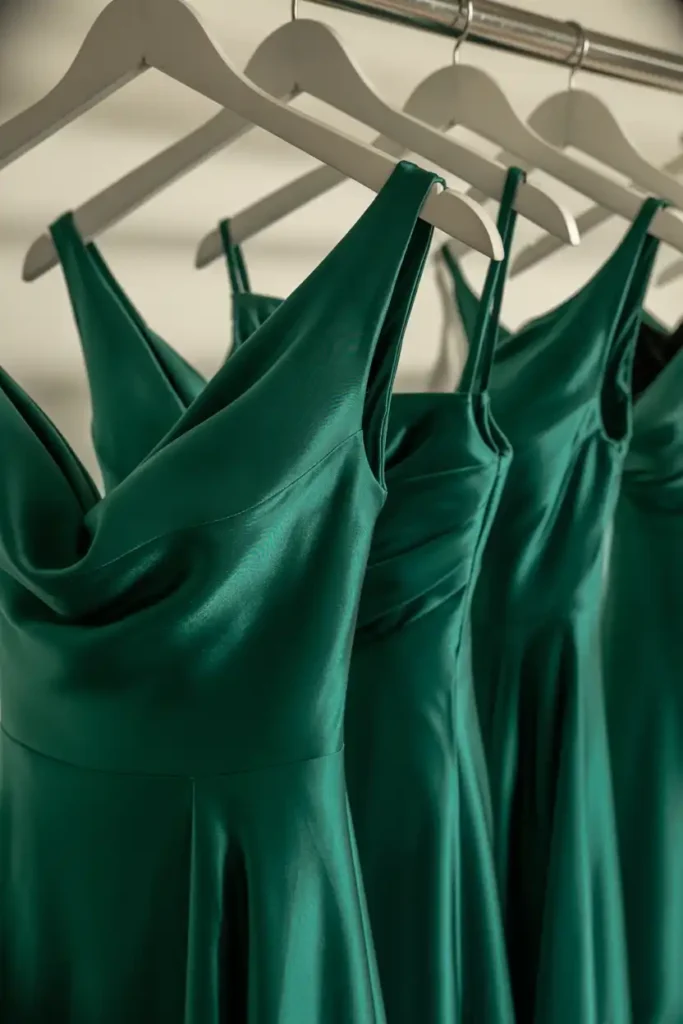
Muddy, washed-out colors are one of the fastest ways a dress looks cheap. Rich, saturated tones like emerald, deep plum, and true navy read as expensive because the dye job is even and deep. Pale imitations of designer shades often come out dull or patchy.
Hold the dress up to natural light and check for color consistency across the whole panel. Streaky dye is a red flag. If you photograph well in bold shades, lean into one clear color rather than a busy print, since solid jewel tones tend to look more polished in event photos. A single deep color also makes accessorizing easier, because you only have to match one thing. Try a saturated tone next time you shop and see how much richer it reads than a soft pastel.
4. The High Fashion Wedding Guest Formula
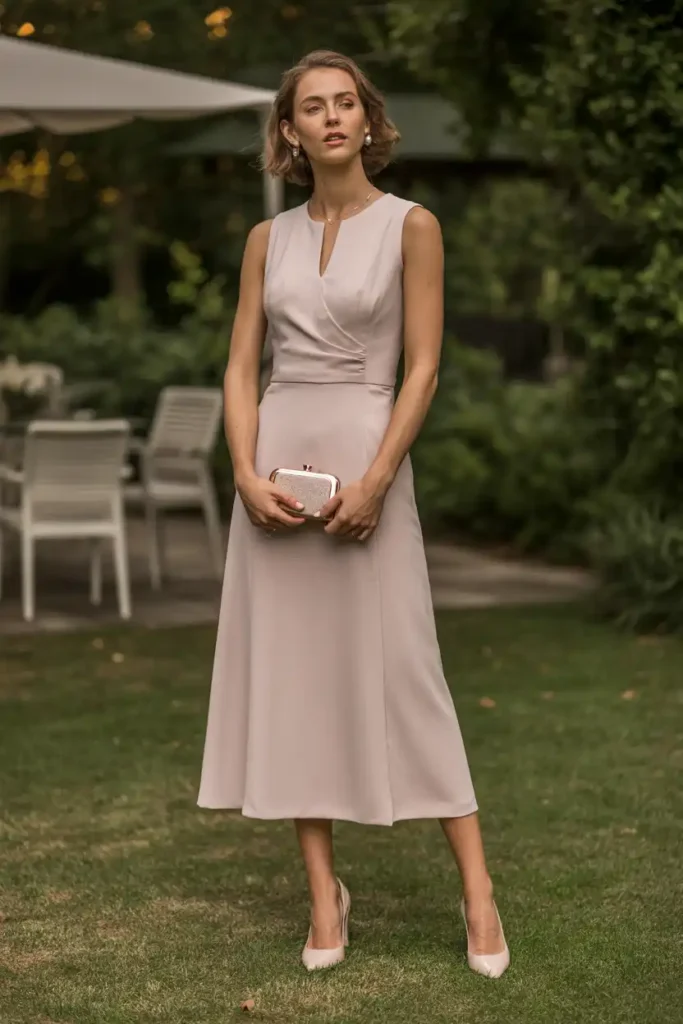
Dressing as a high fashion wedding guest means looking put-together without pulling focus from the couple. The trick is fit and restraint. A dress that skims your waist and hits at a flattering length beats anything loud or heavily embellished.
Build your look around three anchors:
- A dress with a defined waist, either through a seam, a belt, or a wrap
- One metal tone across your jewelry, bag hardware, and shoe buckle
- A structured clutch instead of a slouchy bag
Skip anything white, cream, or heavily sequined for a daytime ceremony. If the invite says cocktail, a tailored midi in a solid color does more work than a fussy gown. Steam it the night before so you arrive crisp. When you keep the styling clean and the fit sharp, you look intentional rather than overdressed.
5. A Prom Dress Maxi That Reads Grown-Up
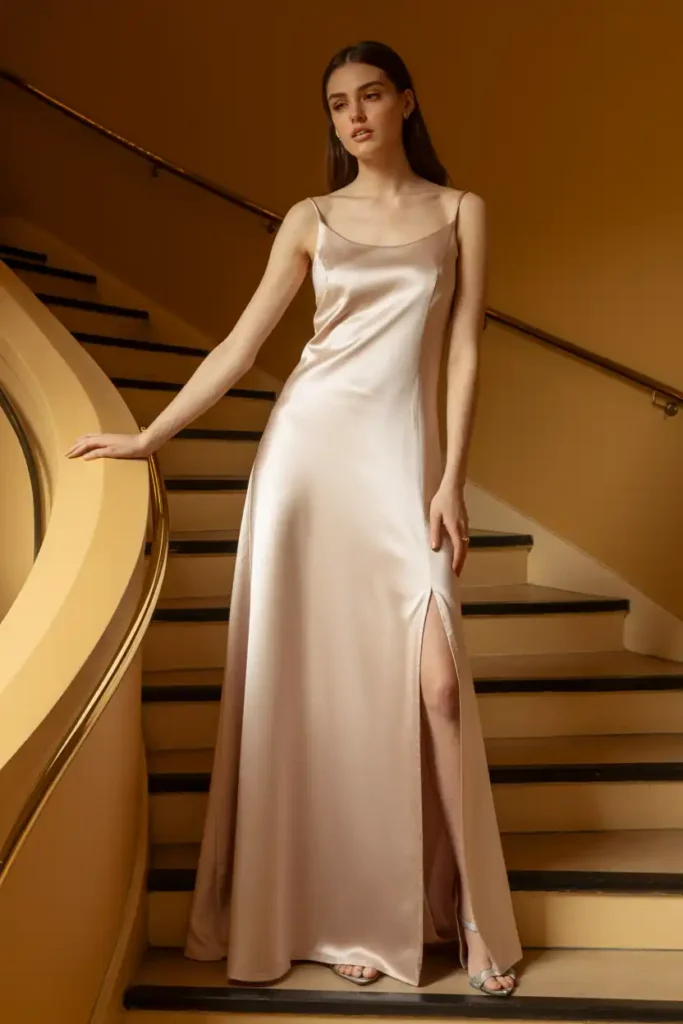
A prom dress maxi can slide into costume territory fast when there is too much glitter or tulle. The versions that look expensive keep the silhouette simple and let one detail do the talking, like a clean slit or an open back. Matte fabrics photograph more elegant than all-over sequins.
Choose a length that just kisses the floor in your heels, then get it hemmed if it pools. Pooling fabric drags the whole look down. Pick one focal point, a slit, a cowl neck, or a low back, and keep the rest quiet. A champagne or dusty blue satin maxi with a single slit will look far more refined than a bright sequin ballgown. Book a quick tailoring appointment two weeks out so the fit is right on the night.
6. Bridesmaid Ball Gown With a Fitted Bodice
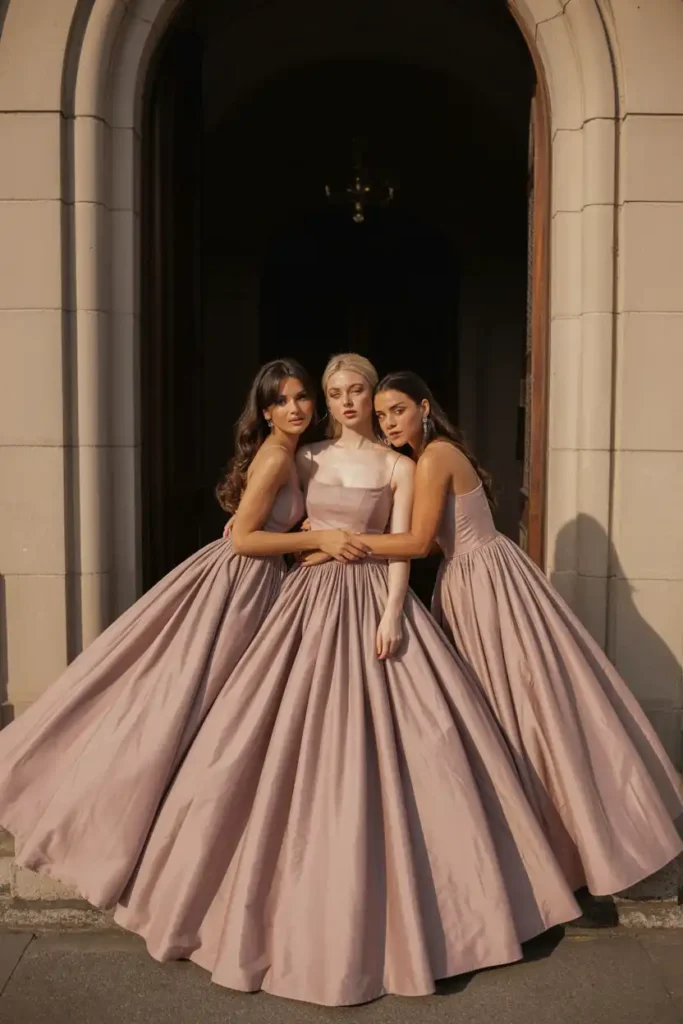
A bridesmaid ball gown lives or dies on the bodice. When the top is loose, the whole gown looks like a rental that never got altered. A fitted bodice with boning holds your shape and makes even an inexpensive skirt look custom.
Ask for these when you order or alter:
- A boned or lined bodice that sits flat against your ribs
- Straps or sleeves if you want more security than strapless offers
- A skirt length hemmed to your specific heel height
Order early, because group orders often run tight on time and rushed alterations show. If the bride picked a synthetic satin, steam out every wrinkle before photos, since creases read cheap on camera. Confirm your fitting date the moment you get the dress so nothing gets left to the last week.
7. An Elegant Long Dress You Can Rewear
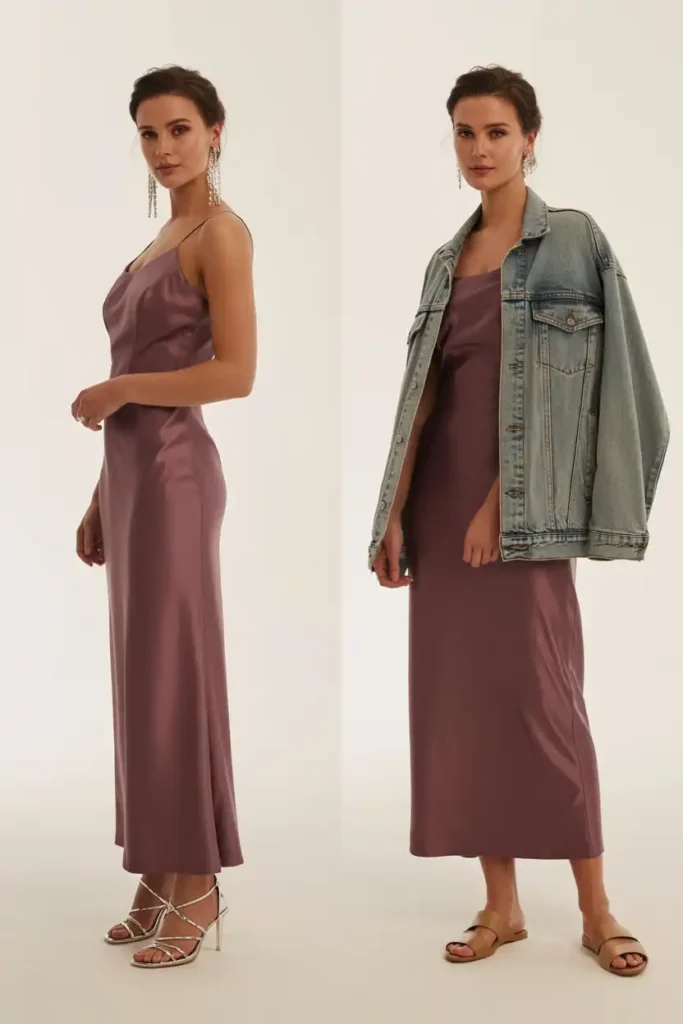
An elegant long dress earns its cost when you can wear it more than once. A simple column or A-line in a solid color works for a wedding, a work gala, and a nice dinner, which spreads the price across several events. Heavily themed or seasonal pieces sit in your closet.
Look for a clean silhouette with no trend-heavy details that date fast. Solid colors travel between events better than busy prints. To restyle the same dress:
- Swap heels for flats to dress it down
- Add a blazer or denim jacket for a casual setting
- Change the jewelry weight, delicate for day, bold for night
A versatile long dress in navy, black, or berry pays for itself by the third wear. Next time you shop, ask yourself where else this could go before you buy.
8. Formal Maxi Dresses in the Right Length
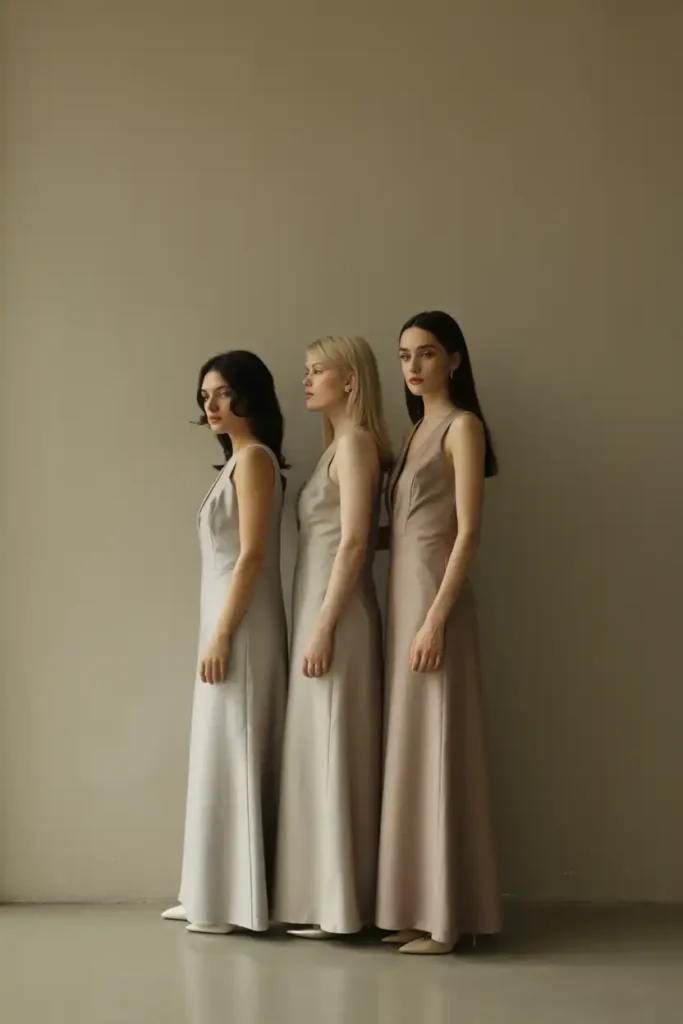
Length is the detail people skip, and it quietly ruins otherwise good formal maxi dresses. Too long and you trip or the hem frays. Too short and it looks accidental. The floor-grazing sweet spot, where the hem just touches the top of your shoe, is what makes a gown look tailored.
Buy for your tallest planned heels, then hem down if needed. It is easier to shorten than to add length. If you are petite, expect to take several inches off almost every long dress, so budget for tailoring. A $50 alteration on a $90 dress still lands cheaper than most ready-to-wear that fits off the rack. Measure your heel height at home and bring those exact shoes to your fitting so the hem lands right.
9. A Navy Blue Dress for a Winter Wedding
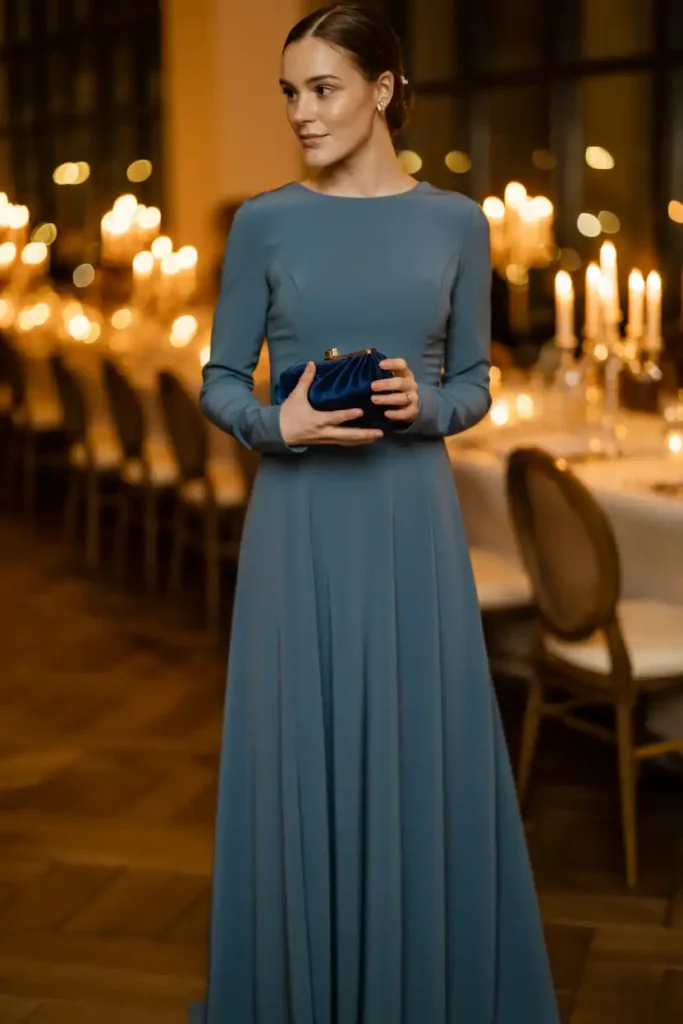
A navy blue dress for a winter wedding gives you the depth of black without looking severe under warm reception lighting. Navy also photographs beautifully next to candlelight and greenery, which is why it reads so refined in December event photos. It works for almost every skin tone too.
Reach for long sleeves or a higher neckline for cold-weather ceremonies, since bare arms can look out of season. Pair navy with:
- Gold or warm-toned jewelry for contrast
- A velvet or satin clutch for winter texture
- Closed-toe heels or elegant boots for warmth
Steam the fabric so it looks smooth in low light, where wrinkles show more than you expect. A well-fitted navy gown will carry you through several winter weddings without anyone noticing it is the same dress. Book your tailoring early, because winter is packed with events and alteration shops get busy.
10. Satin Long Dress Without the Cheap Shine
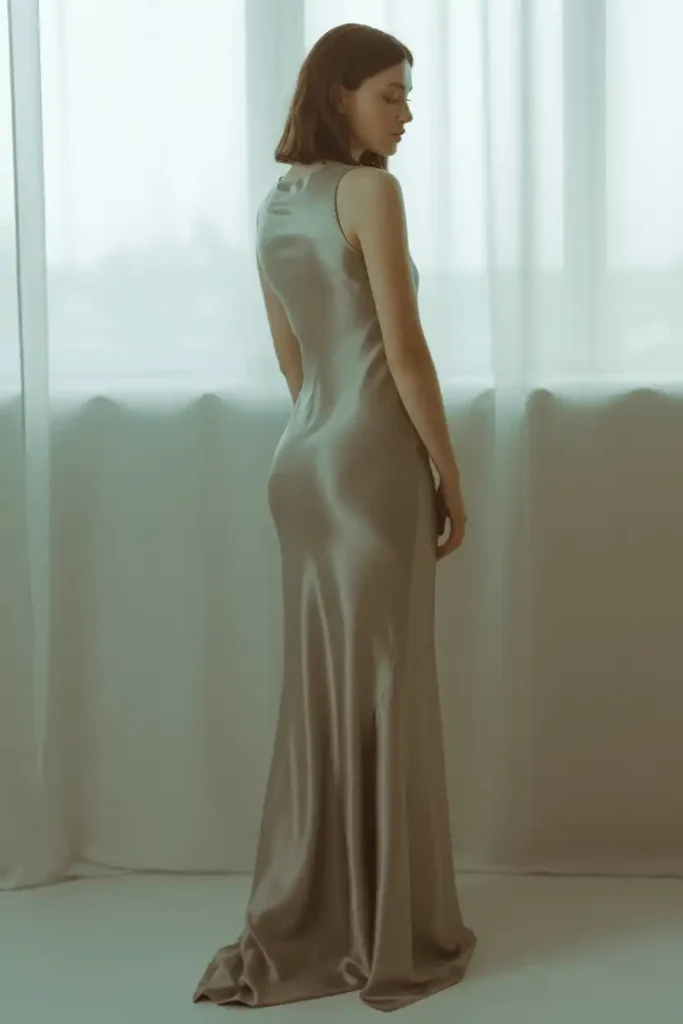
A satin long dress can look either luxe or plasticky, and the difference is the finish. High-shine, stiff satin bounces light like a costume. Matte or bias-cut satin drapes softly over the body and reads expensive because it moves. The cut matters as much as the fabric.
Choose a bias cut, which falls on the diagonal and skims your curves instead of clinging to every lump. Watch out for these satin traps:
- A stiff, board-like hand that will not drape
- Visible seam puckering along the sides
- A finish so shiny it glares under flash
If you want satin that photographs well, go for muted tones like sage, mauve, or slate over bright candy colors. Try the dress under a phone flash in the fitting room to check how it handles light. When the satin drapes and the sheen stays soft, even a budget dress looks like something you saved up for.
11. Classic Evening Gowns That Never Date
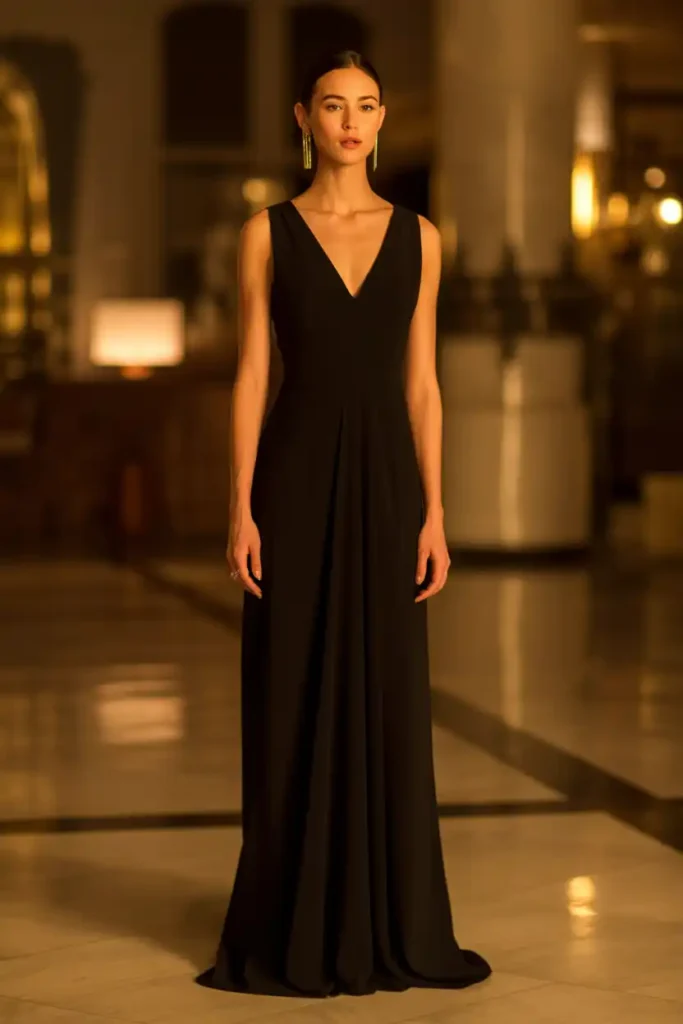
Trend-driven gowns look tired within a season, while classic evening gowns keep working for years. The clean lines of a simple V-neck or a bateau neckline in a solid color never fall out of style. That longevity is what makes them a smart buy even at a higher price.
Skip the details that scream a specific year, like cutout patterns or novelty sleeves. Instead, invest in cut and fabric. A black or deep-toned crepe gown with a flattering neckline becomes your go-to for galas, holiday parties, and formal dinners. Let one accessory do the talking, such as a bold earring or a metallic clutch, and keep the rest simple. When you find a classic gown that fits well, have it altered precisely, because a perfect fit is what separates timeless from forgettable.
12. A December Wedding Dress Guest Look
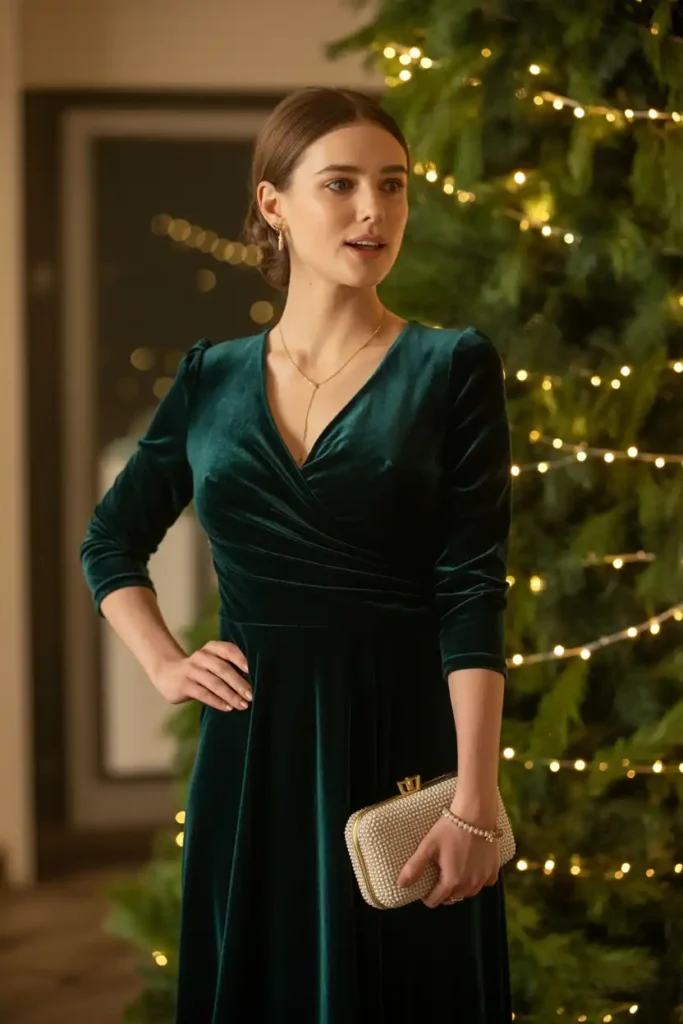
As a December wedding dress guest, you want fabric that suits the season and the low winter light. Velvet, heavy satin, and crepe all photograph richer in candlelit rooms than thin summer materials. A deep jewel tone in one of these fabrics looks intentional and warm.
Cover up a little more than you would in summer. Sleeves or a wrap keep you comfortable and seasonally appropriate. Good winter-guest picks include:
- Emerald or burgundy velvet for texture
- Three-quarter or long sleeves for warmth
- Closed-toe heels you can walk to the car in
Bring a coat that actually matches the formality of your dress, since a puffer over a gown ruins the entrance. Steam velvet gently and hang it so it does not crush. Plan your outer layer at the same time as your dress so the whole look holds together from door to dance floor.
13. A Tea Length Prom Dress With Retro Polish
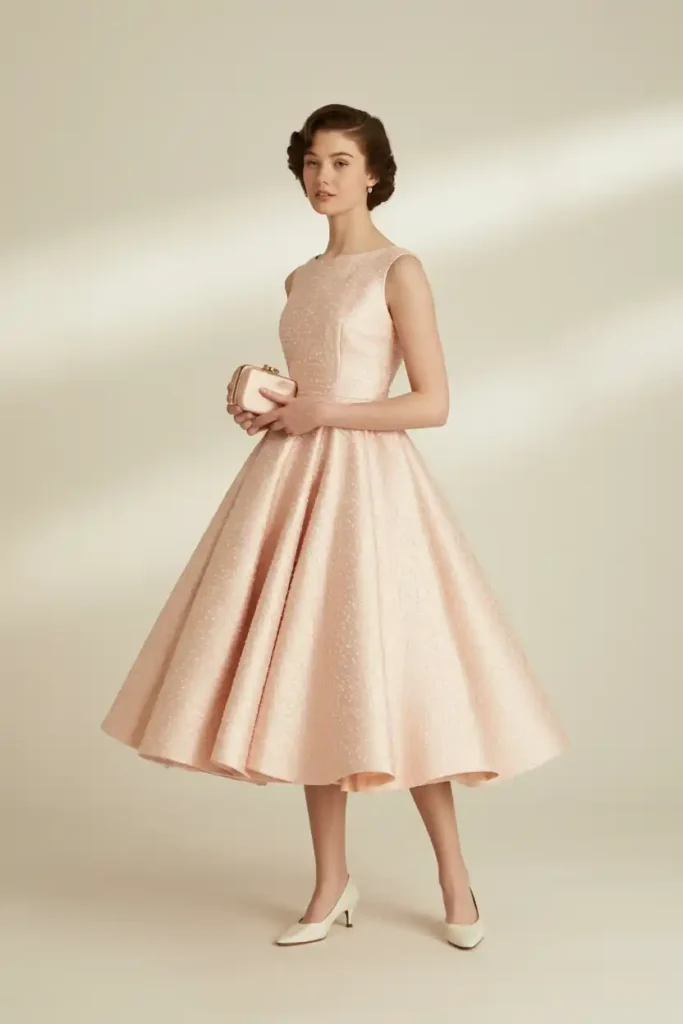
A tea length prom dress skips the floor-length crowd and looks more polished than most minis. Ending mid-calf, it has a retro, tailored feel that reads expensive when the fit is clean. It also lets your shoes show, so you get more styling range.
Choose a structured A-line or fit-and-flare, since these hold their shape and flatter most figures. A soft, textured fabric photographs better than flat, shiny material at this length. Because the hem sits higher, your shoes matter more, so pick a heel that pulls the look together. A blush or navy tea length dress with a defined waist looks refined without the fuss of a full gown. Try one on if you have always defaulted to maxi styles, because the shorter hem often photographs more elegant than you expect.
14. A Short Cocktail Dress That Punches Above Its Price
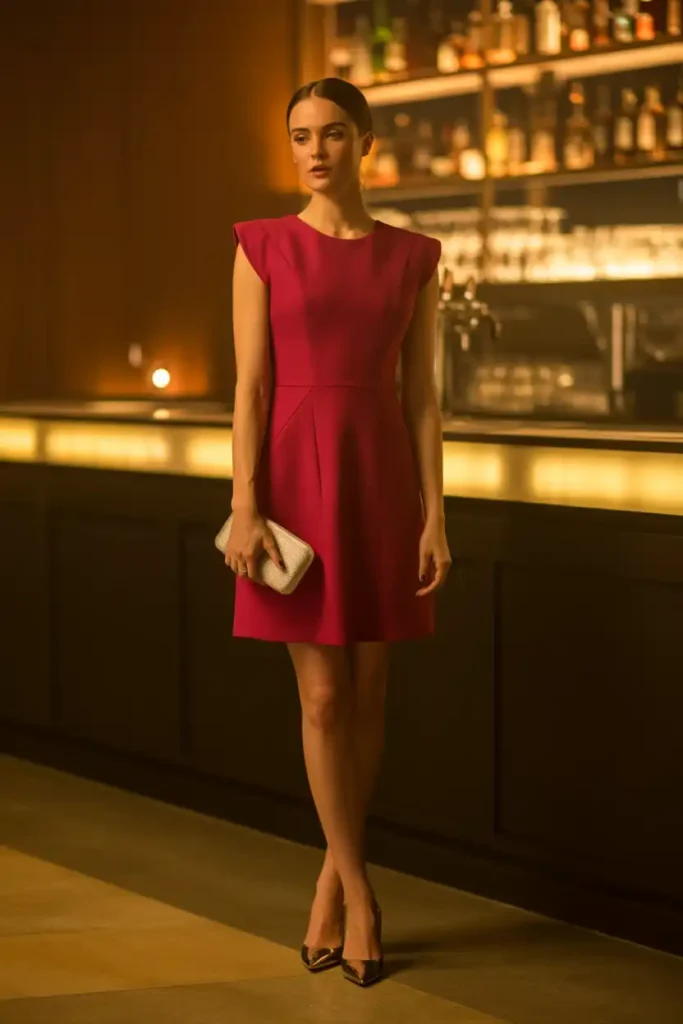
A short cocktail dress is where you can spend less and still look expensive, as long as the fit and fabric are right. A clean, knee-length sheath in a solid color reads far more refined than a fussy, over-detailed mini. Structure at the shoulder or waist is what gives it shape.
Look for a slightly heavier fabric that holds its form instead of clinging. Watch for these details that keep a short dress from looking cheap:
- Clean, flat seams with no puckering
- A lining so the fabric does not cling or show through
- A hem that sits straight all the way around
Steam it and check the fit at the shoulders, where cheap dresses usually pull. A deep red or black cocktail dress with a good lining will carry you through work parties and dinners for years. Have the shoulders tailored if they gape, since that one fix changes everything.
15. Red Prom Looks That Feel Custom
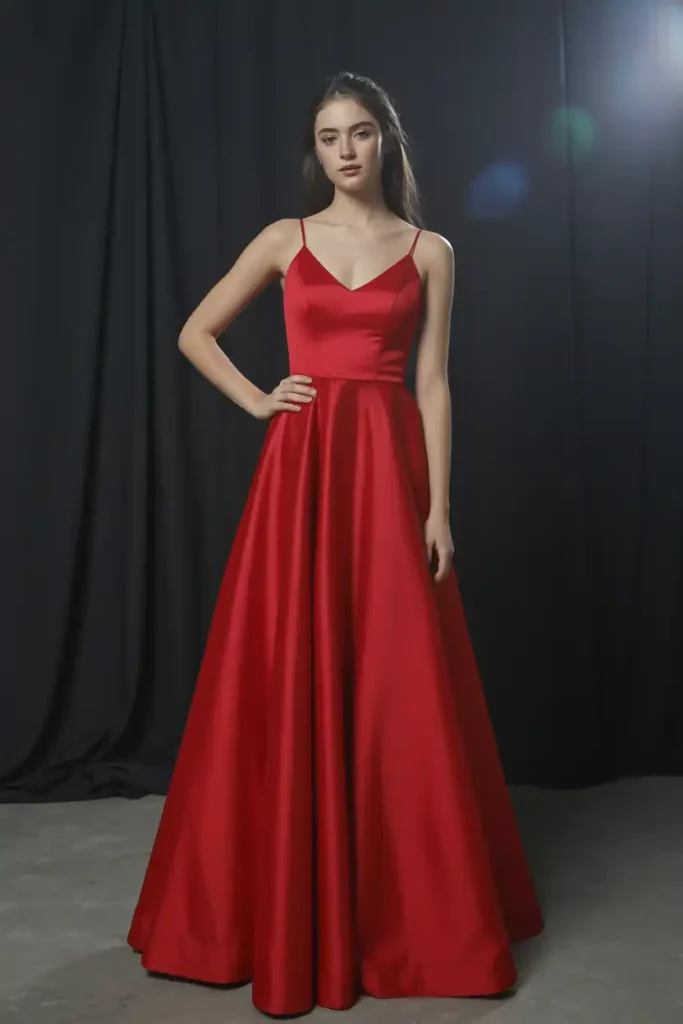
Red prom looks can go from stunning to costume depending on the shade and fit. A true, deep crimson reads elegant, while an orange-red or a neon can look cheap under bright lights. The bodice fit is the other half of the equation.
Pick a red with a blue undertone for a richer, more expensive look. Then focus on the waist. A dress with a defined waist seam or subtle boning gives you shape and keeps the fabric from bunching. Keep your accessories quiet so the color leads, with simple studs and a neutral shoe. A well-fitted crimson gown needs almost nothing else. Try the dress under different lights before you buy, because reds shift color dramatically between daylight and event lighting.
16. Borrow From the Met Gala Theme Without Going Costume
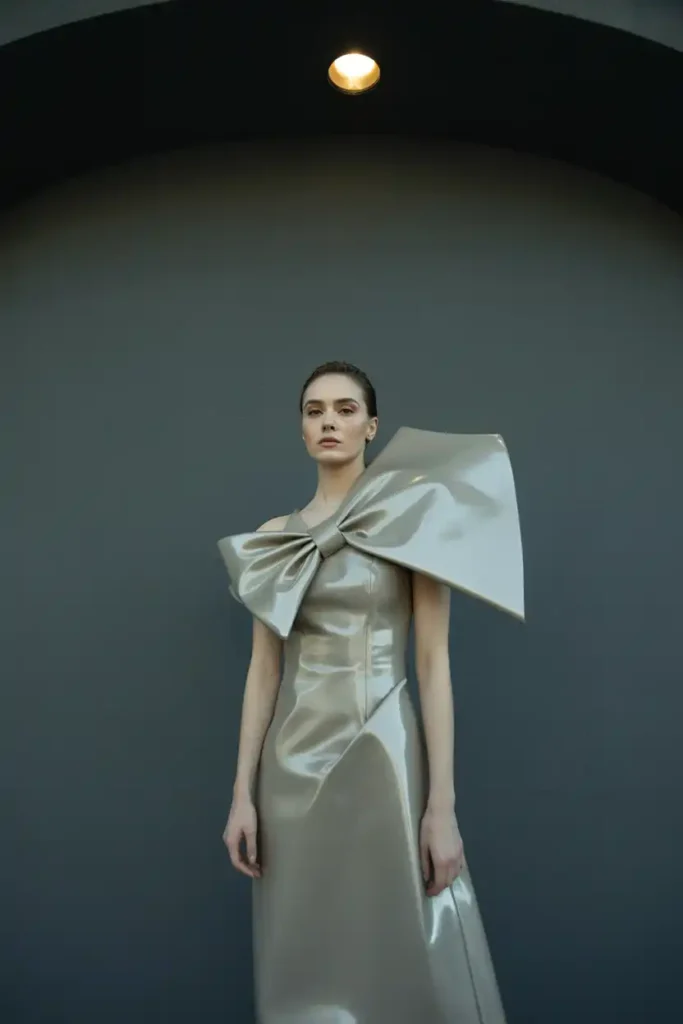
A Met Gala theme can inspire your formal wear if you borrow the mood, not the full spectacle. The red-carpet looks that translate to real life keep one dramatic idea and drop the rest. Think a single sculptural shoulder or one bold color, not head-to-toe theatrics.
Pick one statement element and build a clean look around it. Good ways to borrow the energy:
- One architectural detail, like a structured shoulder or a draped back
- A single metallic or high-impact color instead of a busy mix
- A sleek, pulled-back hairstyle to keep the focus on the dress
Keep the rest minimal so the look feels intentional, not like a themed party costume. A silver column gown with one strong detail nods to the runway while still working for a real event. Choose your one showpiece element first, then strip everything else back.
17. Burgundy Dresses That Read Classy
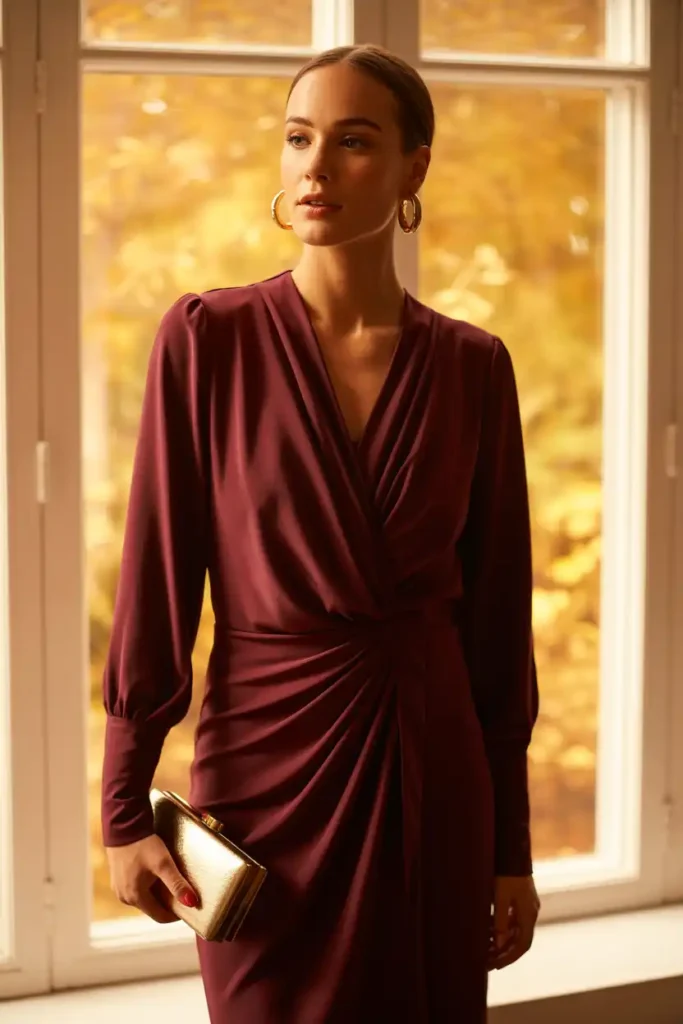
Burgundy dresses look classy because the color carries built-in depth and works across seasons. Deep wine tones flatter most skin colors and photograph richer than brighter reds. The key is an even, saturated dye and a fit that skims rather than clings.
Choose a matte fabric like crepe or a soft satin for the most refined finish. A wrap front or a defined waist adds shape without effort. Pair burgundy with:
- Gold jewelry for warmth
- Nude or matching-tone heels to lengthen your legs
- A neutral clutch so the color stays the star
Burgundy suits fall and winter events especially well, next to warm lighting and seasonal decor. Steam the fabric so the color reads deep and smooth. If you want one formal dress that works for multiple events, a well-fitted burgundy piece is a reliable place to start.
18. A Classy Red Dress for Any Formal Event
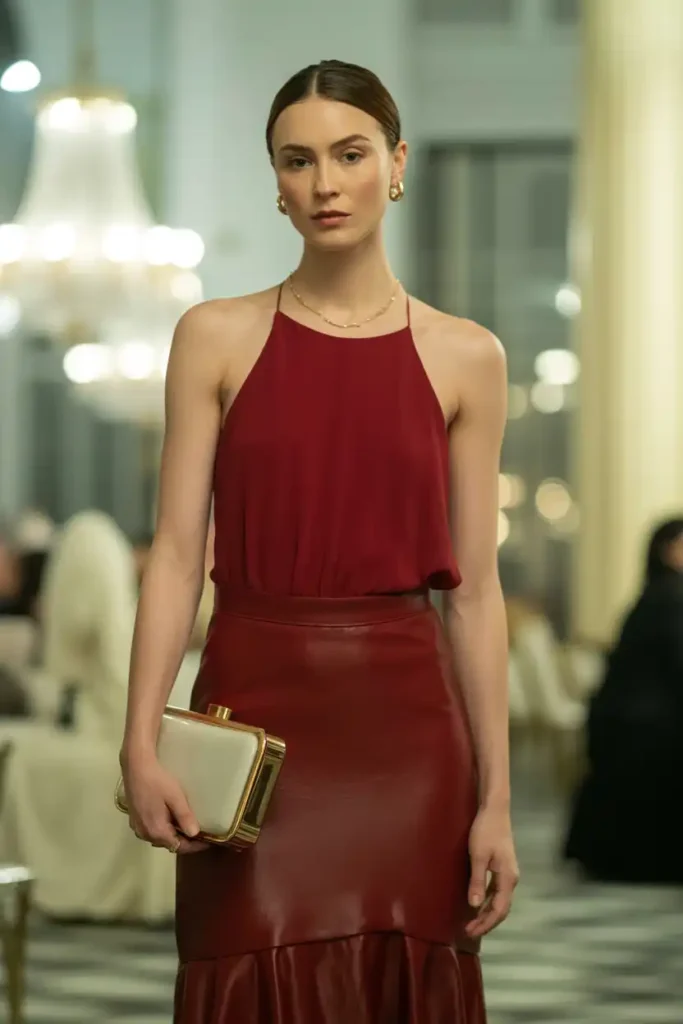
A classy red dress works for almost any formal occasion when you get the shade and cut right. A deep, blue-based red looks expensive, while a flat or overly bright red can cheapen the whole look. A clean silhouette keeps it timeless.
Go for a simple neckline, like a halter or a V, and a matte fabric that drapes. Skip heavy embellishment, since red already commands attention on its own. Let the color lead and keep accessories minimal, with gold or nude tones that do not compete. A well-cut red gown photographs beautifully and suits weddings, galas, and holiday parties alike. Have it fitted through the waist and bust, because a precise fit is what makes red look intentional rather than loud.
19. Nail the Fit Before You Spend on Anything Else
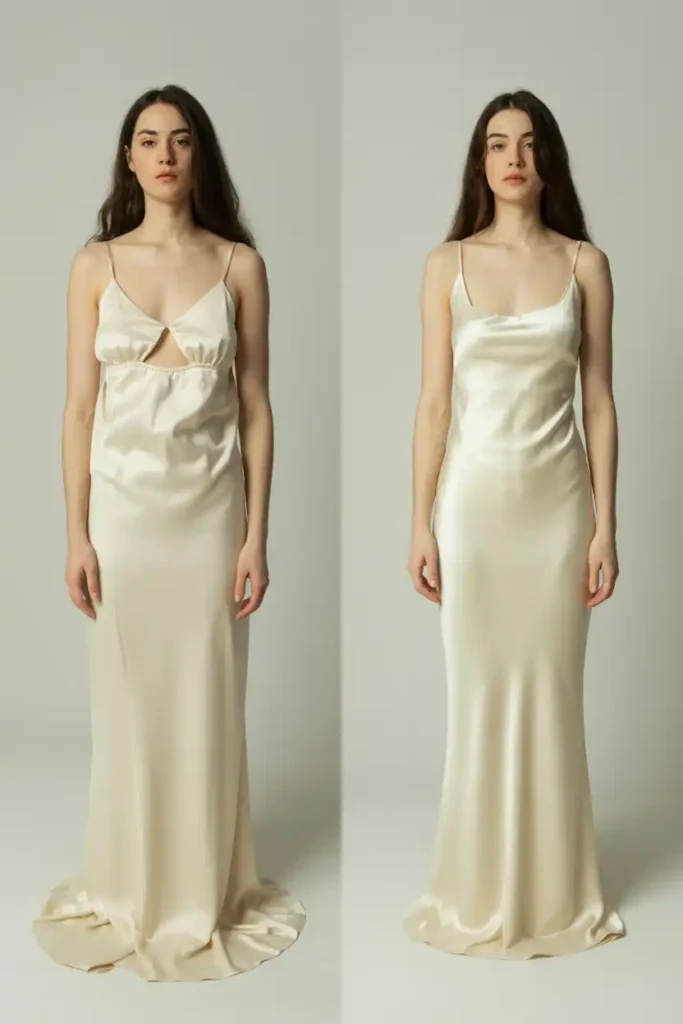
Fit is the single biggest factor in whether a dress looks expensive. A $500 gown that gapes or bunches looks worse than a $70 dress tailored to your body. Off-the-rack sizing rarely matches real proportions, so plan to alter almost everything.
Focus your tailoring budget on the areas that show most:
- The bust and shoulders, where gaping is obvious
- The waist, where a nip creates instant shape
- The hem, so the length hits right over your shoes
Bring your event shoes and undergarments to every fitting so the tailor gets the length and fit exact. Book at least two weeks out, more during wedding season, since rushed jobs cost more and turn out worse. A good tailor turns a cheap dress into something that looks made for you. Find one you trust before you need them.
20. Kill the Wrinkles and Loose Threads
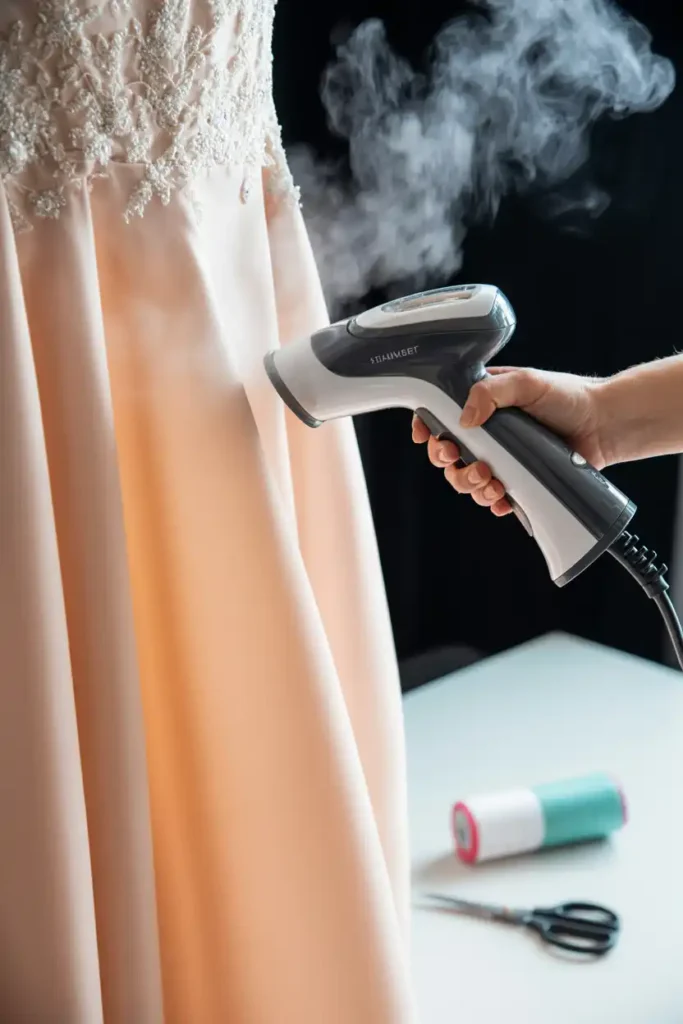
Nothing gives away a cheap dress faster than wrinkles and stray threads. A gown can be beautifully cut, but if it looks slept-in, the whole effect drops. Ten minutes of prep changes how expensive your dress reads.
Steam every dress before you wear it, since steaming is gentler than ironing on delicate fabrics. Then run through this quick checklist:
- Snip any loose threads at the seams and hem
- Roll off lint and stray hairs with a sticky roller
- Check that all zippers and hooks close smoothly
Keep a small steamer and a travel lint roller in your event bag for touch-ups. Wrinkles set fast in a car or a coat check, so a quick pass on arrival helps. This is the cheapest upgrade you can make, and it works on every dress you own.
21. Let Accessories Do the Heavy Lifting
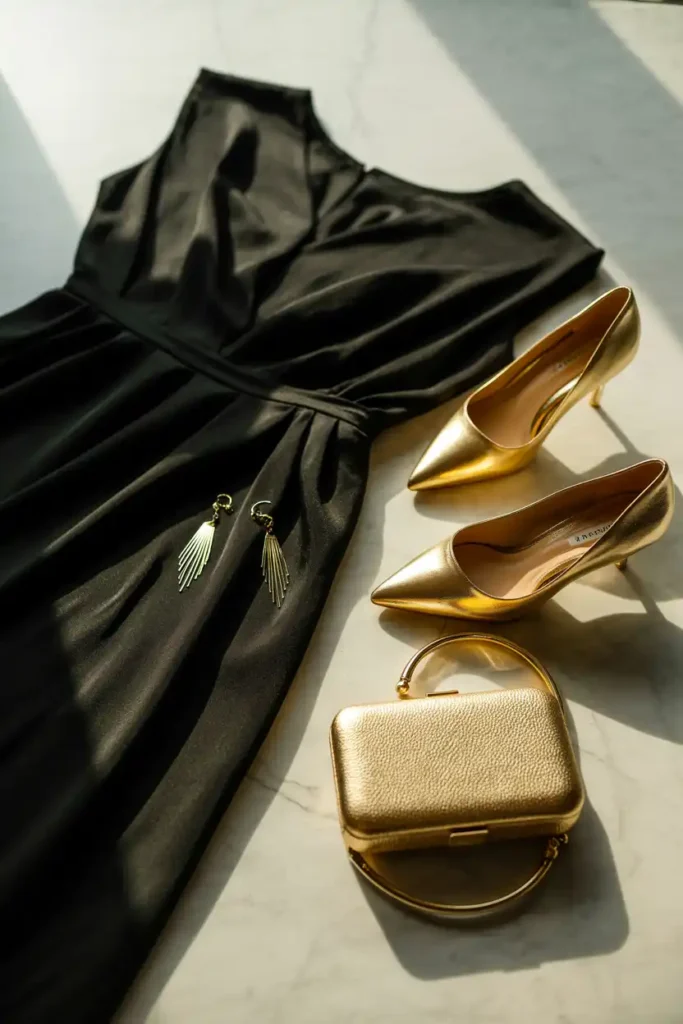
The right accessories can make an inexpensive dress look far more polished. A simple gown plus one strong pair of earrings and a structured bag reads more expensive than a busy dress with cluttered styling. Restraint is what sells the look.
Match your metals so your jewelry, bag hardware, and shoe details share one tone. Then pick one focal accessory instead of piling on. Keep these principles in mind:
- One statement piece, usually earrings or a cuff
- A structured clutch over a slouchy or logo-heavy bag
- Heels in a neutral or matching tone to lengthen your line
Skip anything with visible cheap logos, which pull the eye and cheapen the outfit. Build a small kit of quality neutral accessories you can reuse across dresses. Invest once in good gold or silver basics, and they will lift every formal dress you wear for years.
22. Shop Smart and Time Your Purchase
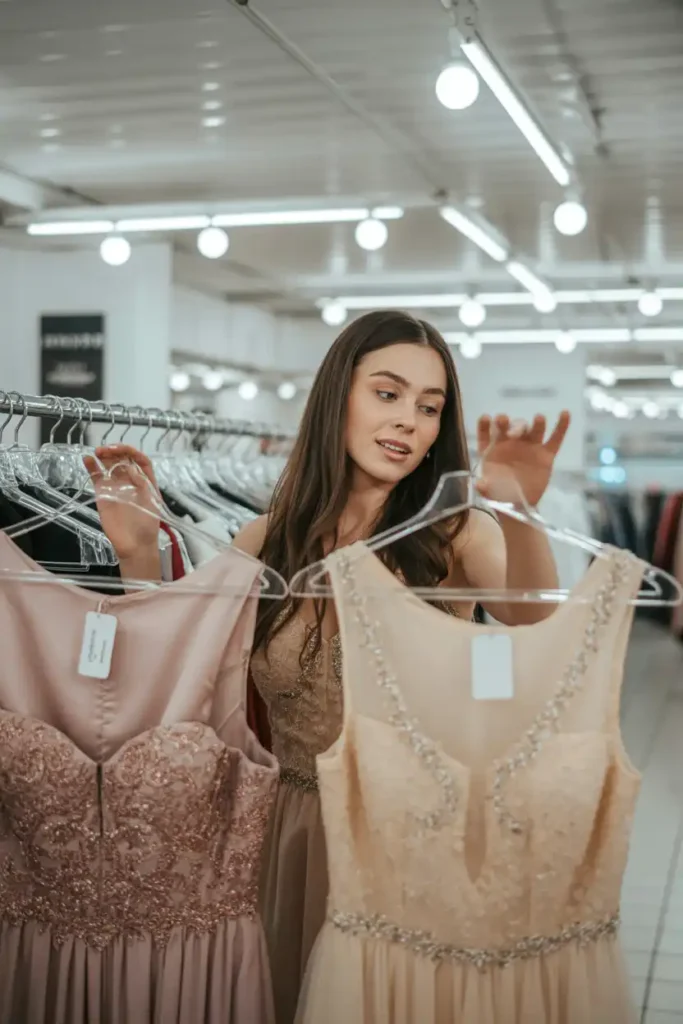
Timing and where you shop decide how much you pay for that expensive look. Buying a gown the week of an event pushes you toward panic purchases at full price. Planning ahead opens up sales, secondhand finds, and rental options that stretch your budget.
Watch for end-of-season markdowns, when formal pieces drop significantly. Consider these routes before paying full retail:
- Resale sites for barely-worn designer gowns
- Rental services for one-time events
- Off-season sales, right after prom or wedding peak
Set your budget before you shop so you do not overspend on a single-wear dress. Read return policies carefully, especially online, so a bad fit does not cost you. Start looking at least a month before your event, and you will find something that looks costly for a fraction of the price.
Conclusion:
Looking expensive has almost nothing to do with your budget and everything to do with your choices. Pick fabrics with weight, get the fit tailored to your body, and lean into one deep, saturated color. Steam out the wrinkles and let a few good accessories carry the look. Do those things, and any formal dress can pass for something that cost far more. Start with the pieces that fit your next event, build a small kit of neutral accessories, and you will always have something that looks costly ready to go.