Simple Makeup Looks That Survive 12-Hour Shifts
A 12-hour shift doesn’t wait for your makeup to catch up. By hour six, foundation slides, blush fades, and mascara flakes under your eyes. Simple makeup looks work better here, since there’s less product to break down. This isn’t about wearing less for the sake of it. It’s about picking products and techniques that hold through standing, sweating, and twelve hours on your feet. Below are the exact products, order of application, and small fixes that keep your face looking put together from your first hour to your last.
Simple makeup looks that hold up for 12-hour shifts
If you work a long shift, your makeup needs to survive standing, sweating, and forgetting about your face for eight hours straight. Heavy layers crack by hour four. Simple makeup looks work better because there’s less product to break down in the first place.
Start with a lightweight base, cream blush, and one coat of mascara. Skip anything that needs constant blotting. Add a setting spray at the end and you’re set until your break.
Which brands make it easy to grab a full look in one box
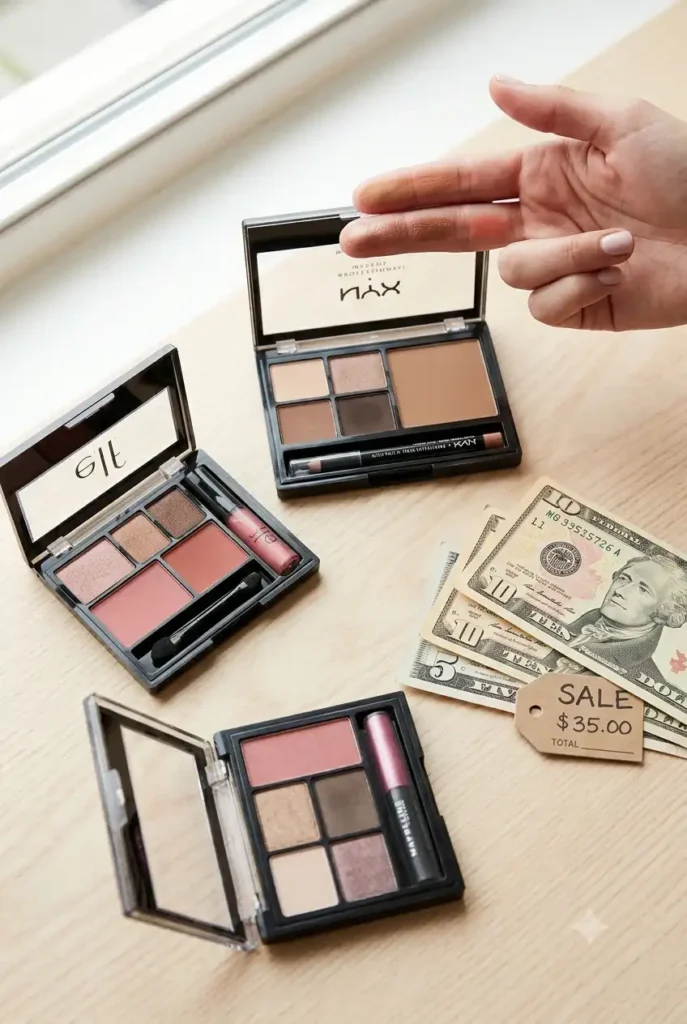
Not everyone wants to build a routine product by product. If you’re short on time, a pre-built set saves you decision fatigue on a busy morning.
e.l.f. Cosmetics makes some of the most budget-friendly bundles, usually between $10 and $20, and they cover face, eye, and lip in one box. NYX sits a bit higher, around $15 to $25 for a similar range. Maybelline’s kits run $12 to $18 at most drugstores. If you want cleaner formulas, Ilia and Rare Beauty sell smaller multi-use sets between $25 and $40. Ulta’s in-house brand is worth checking too, since their basics start under $15. Pick one based on your skin type, not just the price tag.
Simple makeup looks for beginners who don’t know where to start
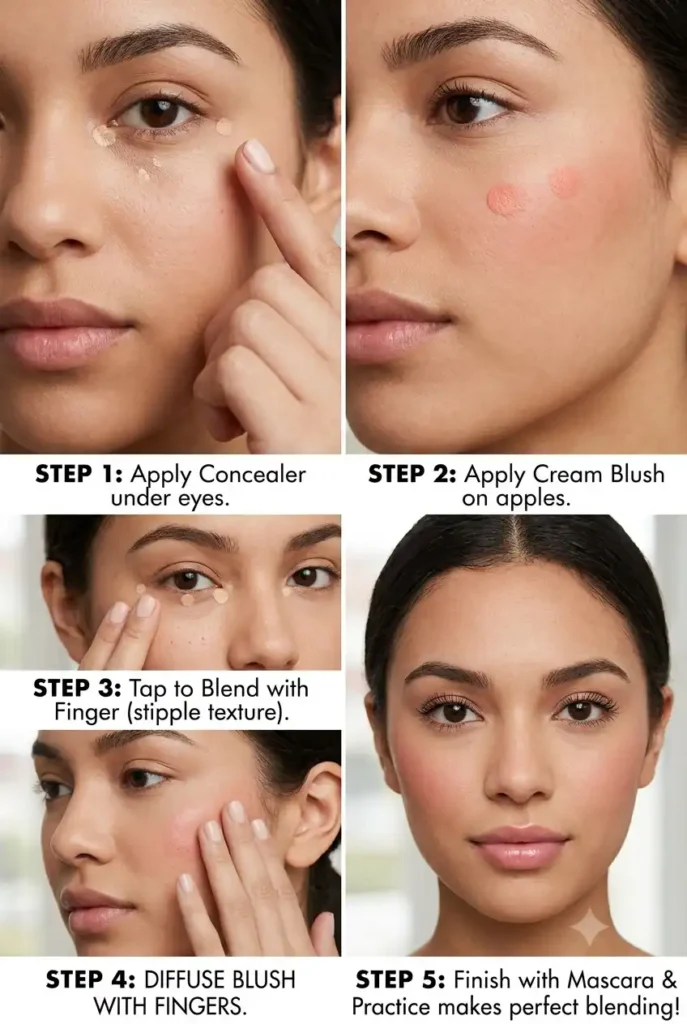
If you’re new to makeup, too many products create more confusion than confidence. You don’t need ten steps to look put together.
Start with concealer under your eyes, a cream blush on the apples of your cheeks, mascara, and a tinted lip balm. That’s it. Practice blending with your fingers before you buy brushes. Once that feels easy, add one product at a time. You’ll learn faster this way than watching a 20-step tutorial and trying to copy it all at once.
Building a five-minute routine with almost nothing
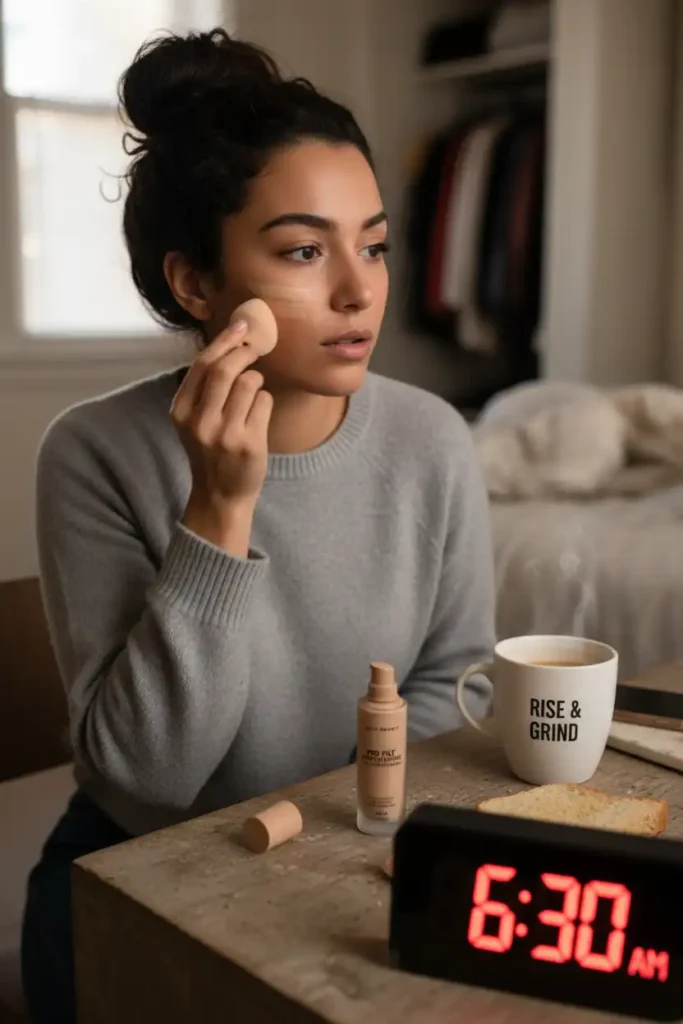
Some mornings you get five minutes, not fifteen. A routine that requires ten products isn’t realistic on those days, so build one that doesn’t depend on time you don’t have.
Use a tinted moisturizer instead of separate foundation and moisturizer steps. Swipe cream blush on with your fingers, no brush needed. Curl your lashes and add mascara. Finish with a lip tint you can reapply without a mirror. Keep these four items together in one pouch so you’re not hunting for them when you’re already running late.
A subtle makeup look for days you can’t touch up
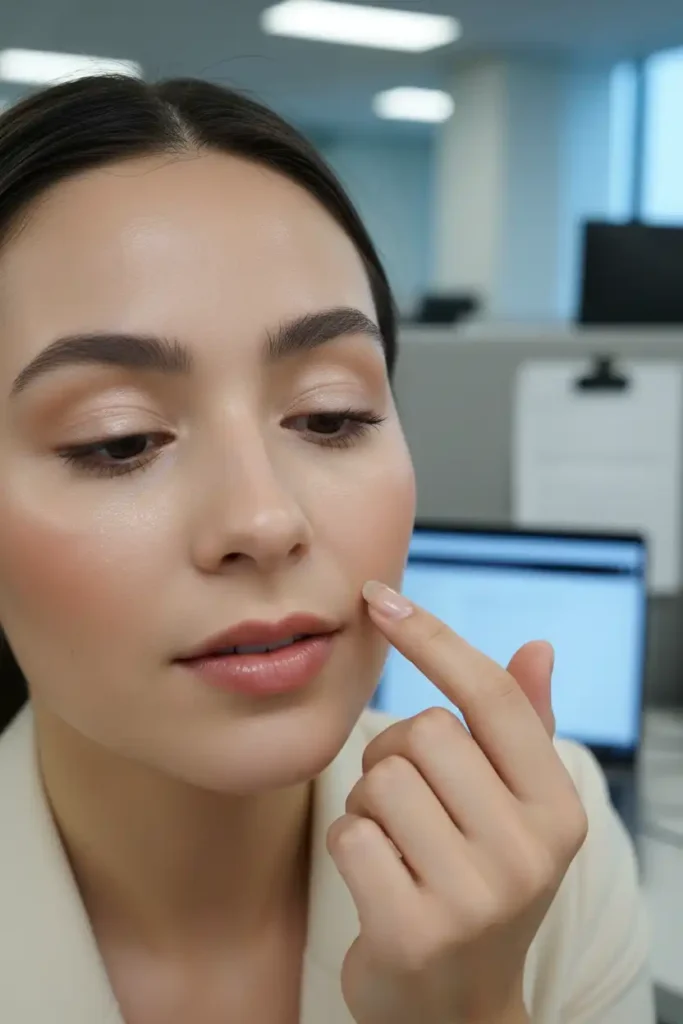
On shifts where you can’t step away to fix your face, subtle wins over bold every time. Bold eyeliner smudges. Bright lipstick fades unevenly. A subtle look doesn’t show wear the same way.
Stick to browns and soft pinks on your eyes, blended with your finger or a small brush. Skip harsh lines. A cream bronzer on your cheekbones adds shape without needing a touch-up later. This kind of look ages gracefully through a long day instead of looking patchy by hour six.
Dewy makeup that doesn’t turn oily by noon
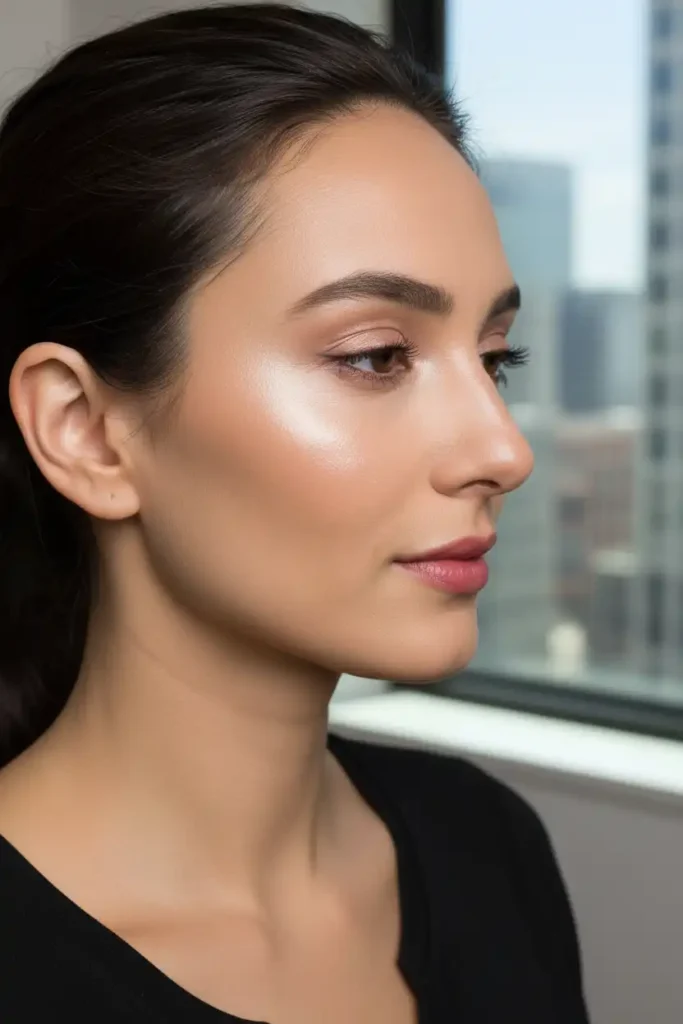
Dewy makeup gets a bad reputation because people confuse “dewy” with “oily.” The difference is where you place your products and what base you use underneath.
Use a hydrating primer only on your cheeks and the center of your face, not your T-zone if you run oily there. Choose a lightweight, dewy foundation and set only your oil-prone areas with a translucent powder. Add cream highlighter on your cheekbones last. This keeps the glow without letting your whole face slide by lunch.
Getting ready for school without losing sleep
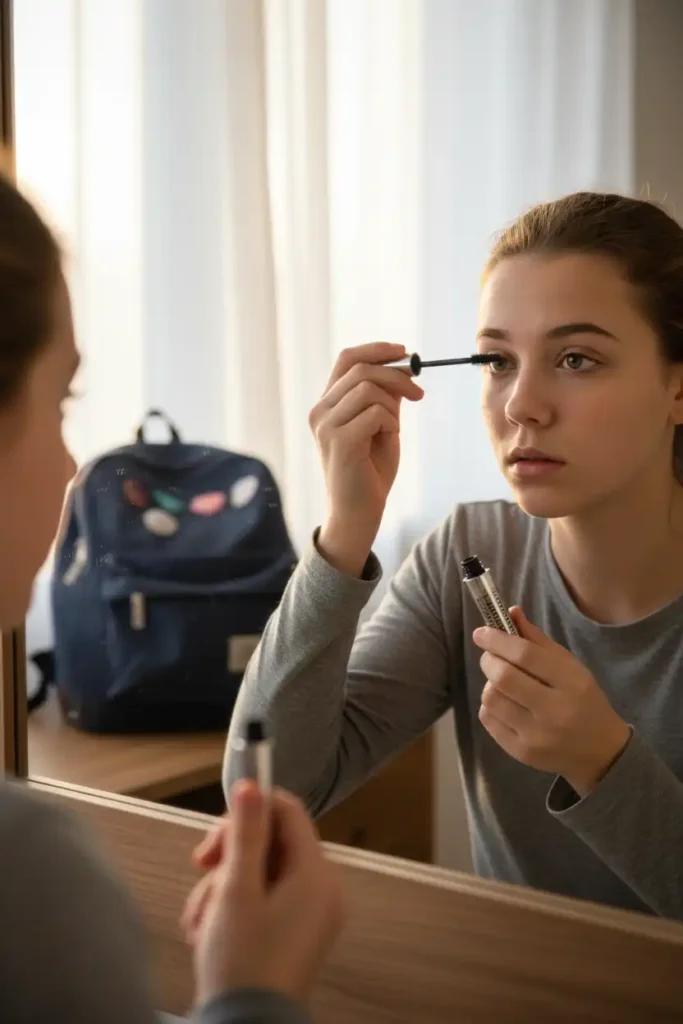
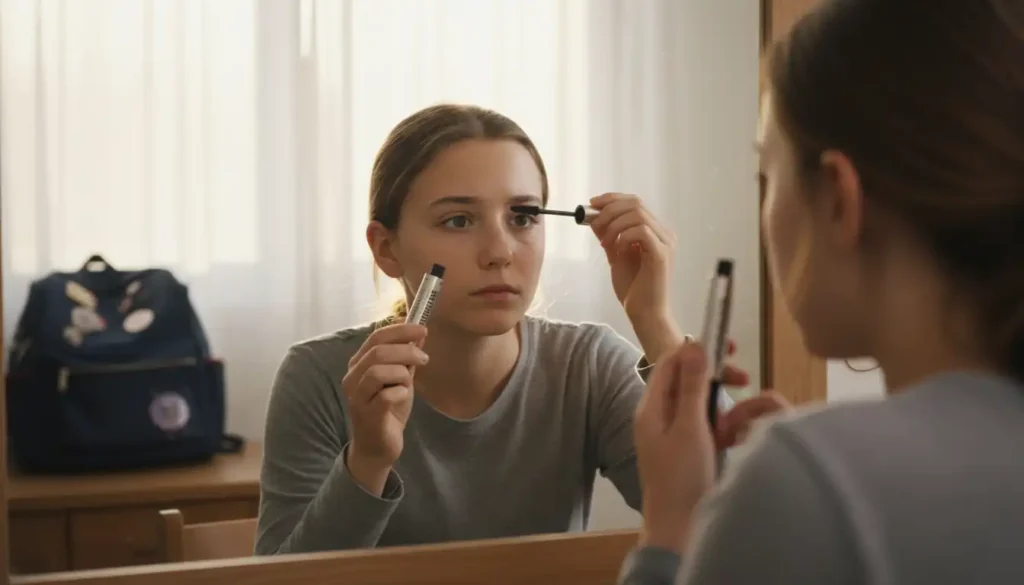
School mornings don’t leave room for a ten-step routine, and honestly, you don’t need one at your age. A few well-chosen products go a long way and won’t get you in trouble with a strict dress code either.
Concealer, mascara, and a lip balm with a hint of color cover most of what you need. Skip foundation if your skin is already clear, it just adds time you don’t have. Keep your products in a small bag you can grab on the way out the door instead of digging through a drawer every morning.
Nose makeup nobody talks about but everyone needs
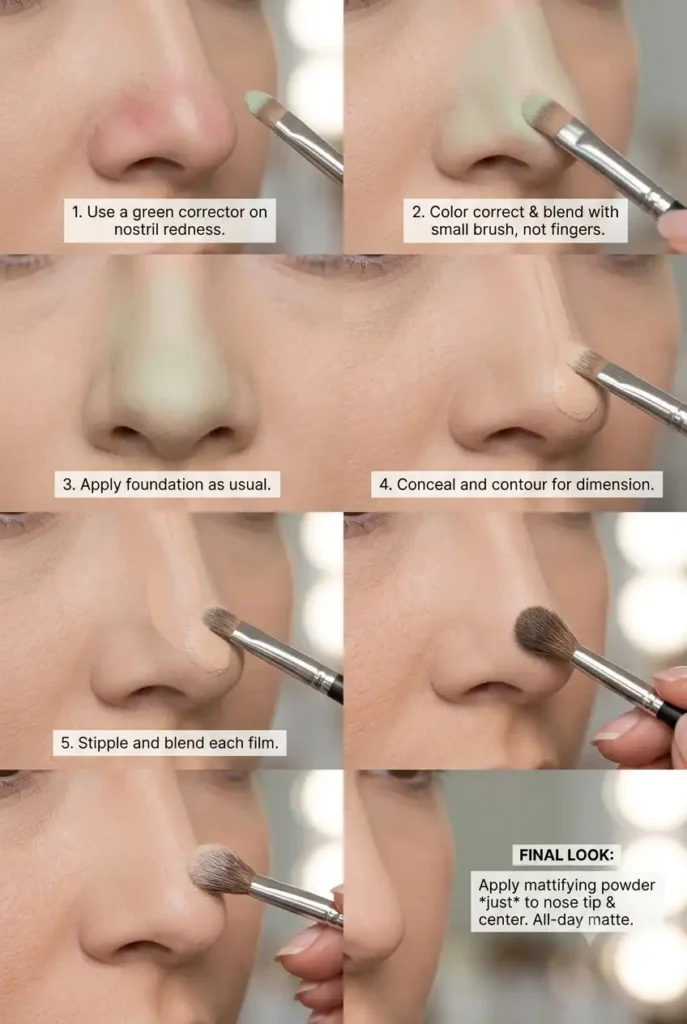
Your nose holds oil, redness, and shine differently than the rest of your face, but most routines skip it entirely. If your nose looks shinier than everywhere else by afternoon, that’s a product placement problem, not a skin problem.
Use a small amount of mattifying powder just on your nose after foundation. If you deal with redness around your nostrils, a color-correcting concealer in green or peach tones fixes it fast. Blend it in with a small brush, not your finger, since your finger tends to push product into your pores instead of on top of them.
Building a base that actually lasts your whole shift
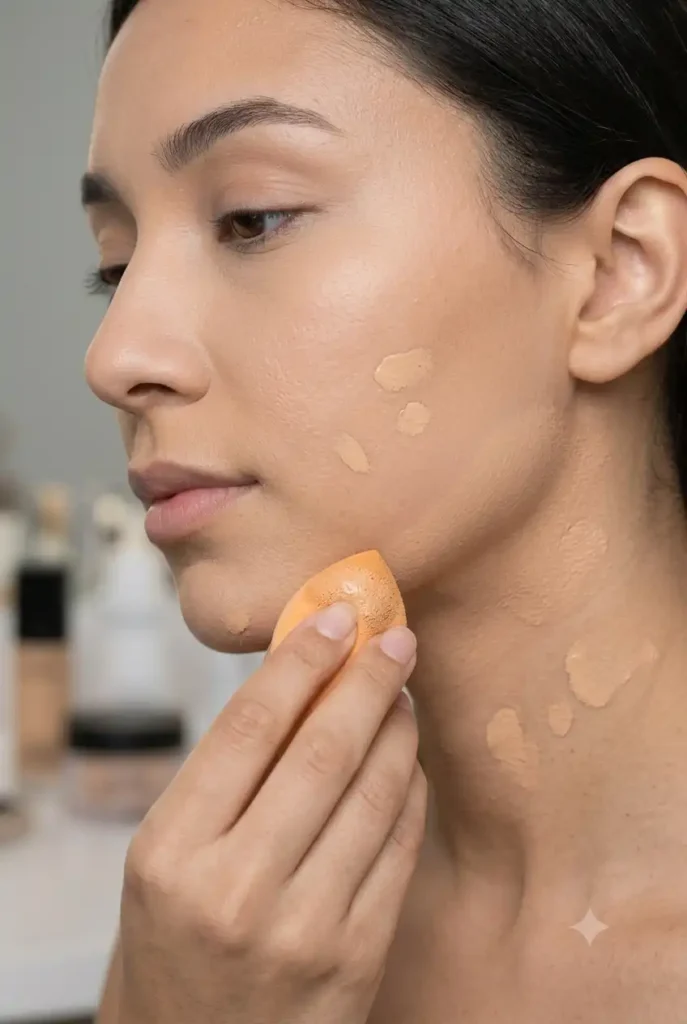
Your face base decides whether the rest of your makeup holds up or falls apart. Skip this step or rush it, and everything you put on top wears off faster.
Start with a primer suited to your skin type, gel-based if you’re oily, hydrating if you’re dry. Apply foundation with a damp sponge for the most natural blend, patting instead of dragging. Set only the areas that get shiny first, usually your forehead and nose. This base holds through hours of talking, moving, and sweating better than a heavy, all-over powder application ever will.
Getting your fresh look back after hour eight
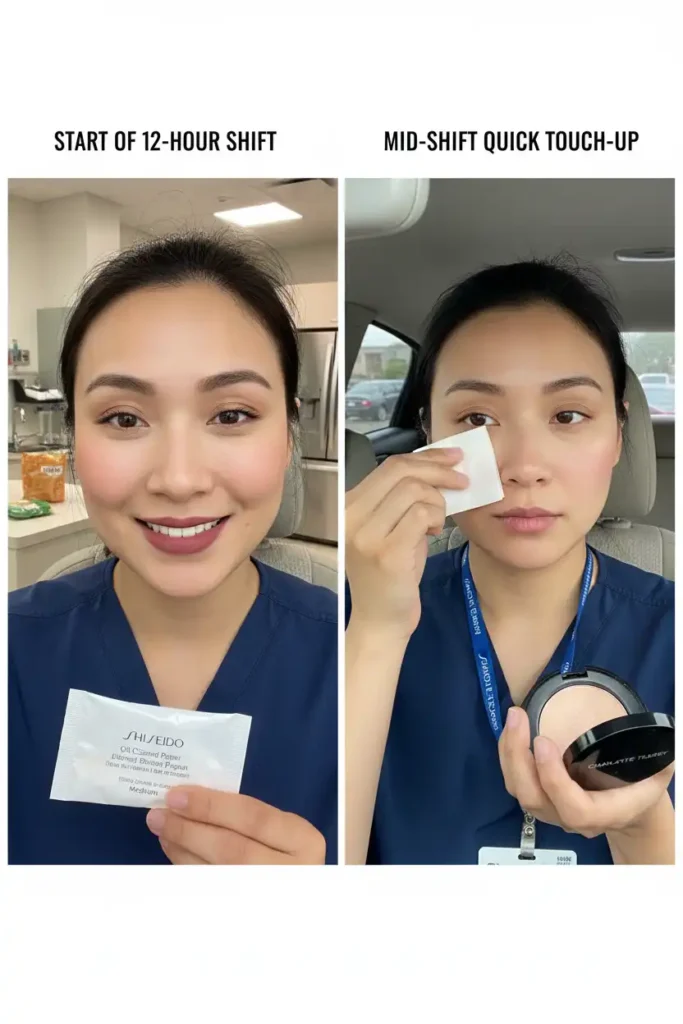
By the middle of a long shift, your face doesn’t look bad, it just looks tired. Oil builds up, blush fades, and your under-eyes lose their brightness. You don’t need to redo your whole face to fix this.
Blot oil first with blotting paper, not powder, since powder on top of oil just gets cakey. Dab a little concealer back under your eyes and add a swipe of cream blush. This two-minute reset brings your face back without adding more layers on top of what’s already there.
Matte makeup that stays natural, not flat
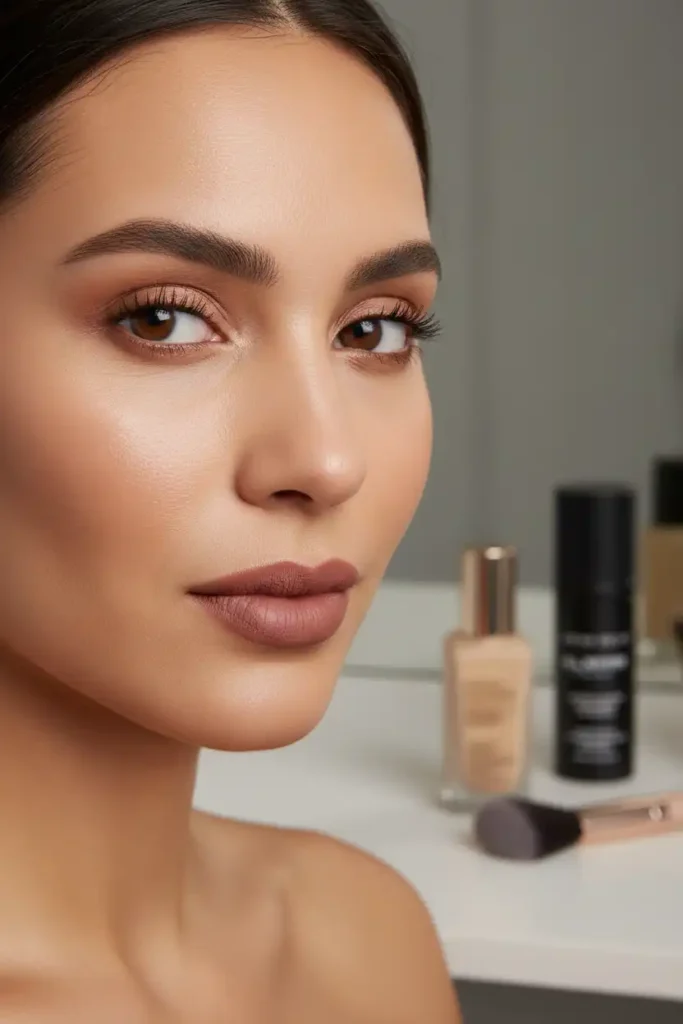
Matte doesn’t have to mean flat or cakey. A lot of people over-apply powder trying to control shine, and it ends up looking heavier than intended.
Choose a foundation labeled matte or long-wear instead of piling powder on top of a dewy one. Set with a light dusting only where you actually get oily, not your whole face. A tinted powder over a bare-skin base also works if you want minimal coverage with a matte finish. Less product, applied where you need it, always looks more natural than more product everywhere.
Skipping eyeliner without losing definition
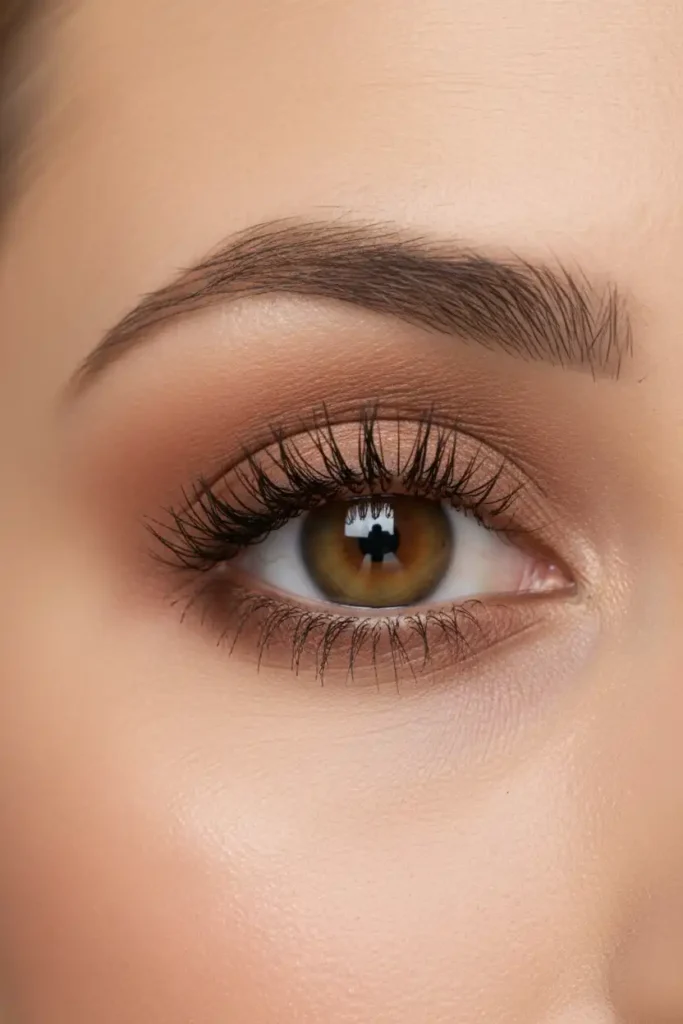
Eyeliner is one of the first things to smudge during a long day, especially if your eyes water or you rub them out of habit. Skipping it doesn’t mean skipping definition.
Use a brown eyeshadow along your lash line instead of a hard liner. It softens the same way liner does but doesn’t leave a harsh smudge if it moves. Curl your lashes and add two coats of mascara to open your eyes up further. This combination holds its shape through a full shift without the raccoon-eye risk liner carries.
The soft, effortless look that takes minimal effort
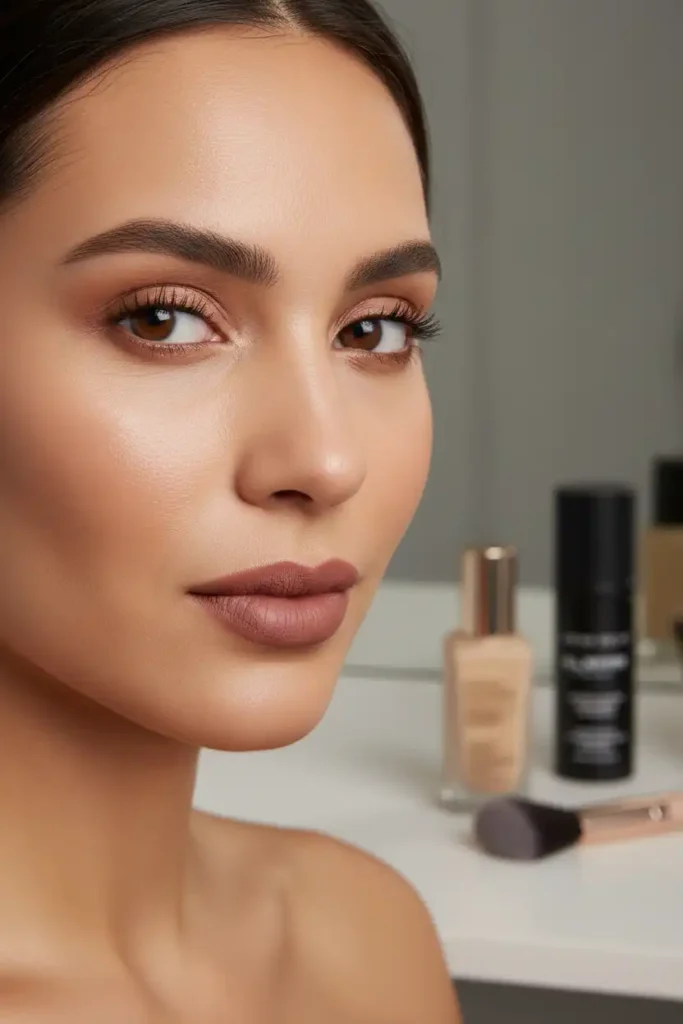
This look leans into “your skin, but better” instead of full coverage. It works for almost any setting because it doesn’t try too hard, which is exactly the point.
Use a sheer tint instead of full-coverage foundation. Add cream blush high on your cheeks and a glossy lip balm. Brush your brows up and leave them mostly bare. The whole thing takes under ten minutes and reads as put-together without looking like you spent an hour on it.
Contouring that holds its shape through movement
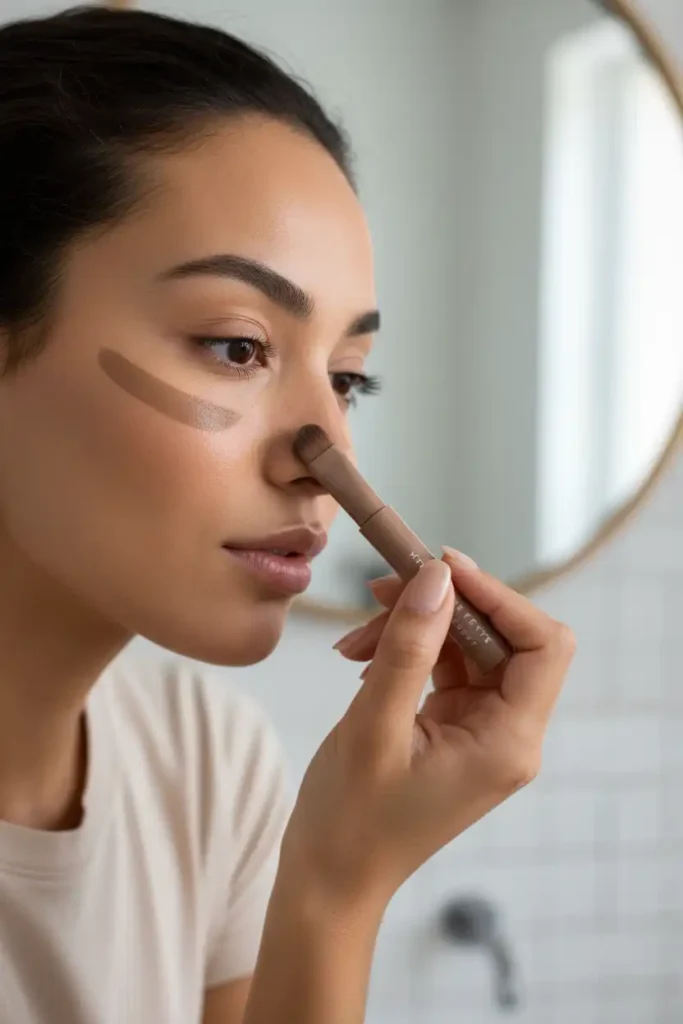
Contour is one of the first things to blur out during a long day, especially powder formulas that sit on top of oily skin. Cream contour bonds to your skin better and moves less.
Apply it before your powder products, blending with a damp sponge so there are no hard lines. Focus on the hollows of your cheeks, your jawline, and the sides of your nose. Set it with a light powder only if you’re prone to oil. This keeps your shape visible from your first hour to your last.
Blending foundation the right way, not just fast
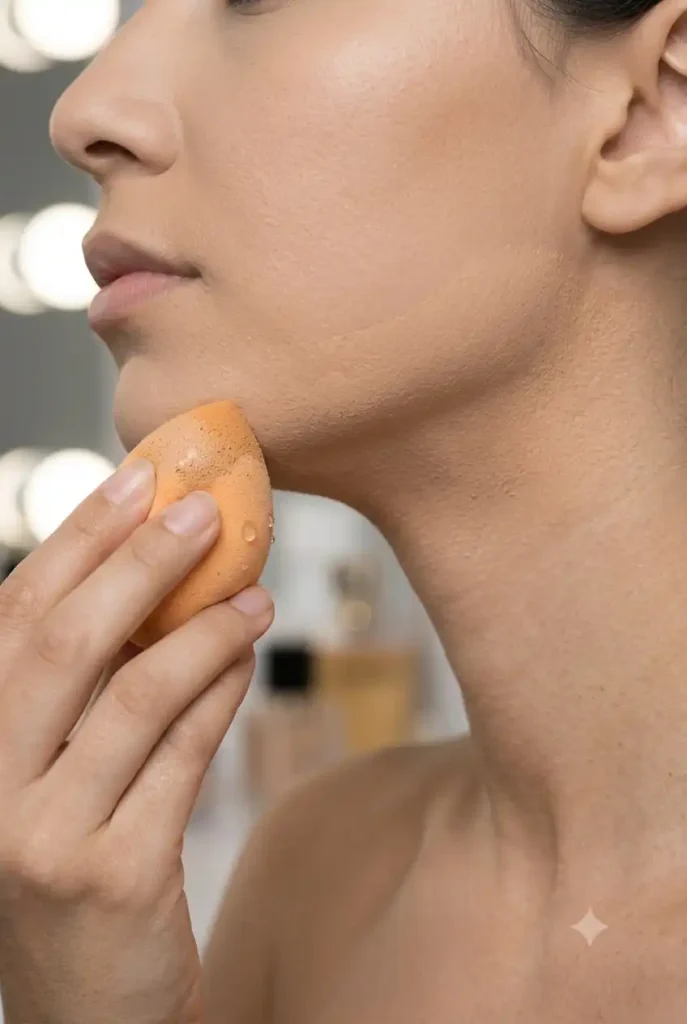
Bad blending is the number one reason foundation looks patchy by midday. It’s not the product failing, it’s usually the technique.
Dab, don’t drag. Dragging pulls foundation into fine lines and uneven patches. Use a damp sponge and bounce it across your skin, paying extra attention to your jawline and hairline so there’s no visible line where your makeup ends. Blend down into your neck slightly too. This one change makes almost any foundation last longer and look more natural.
Shaping your face without heavy products
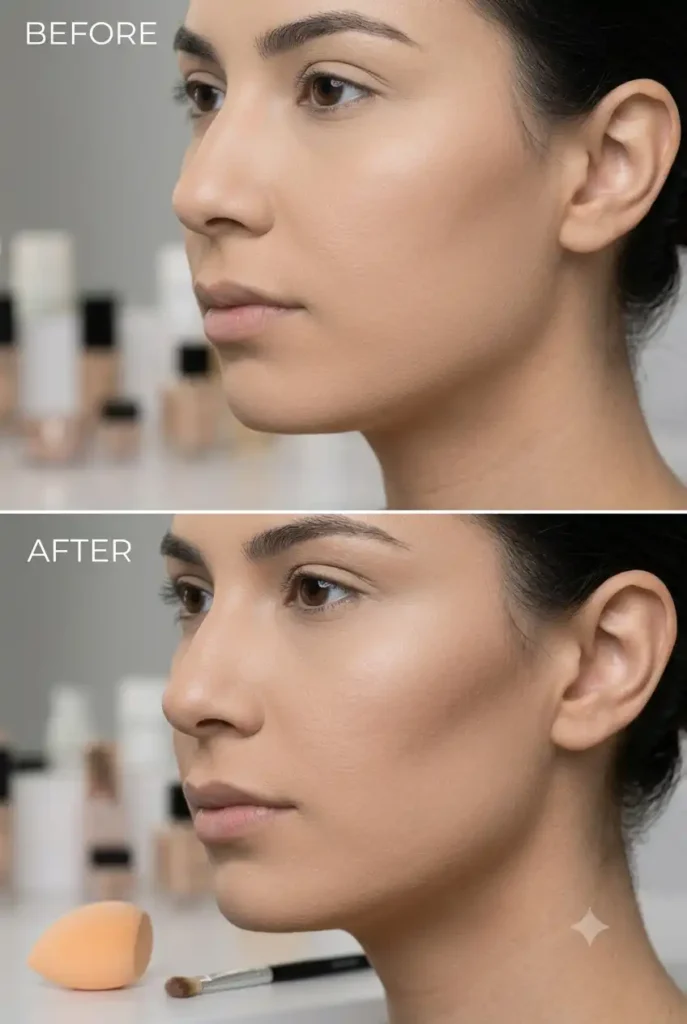
You don’t need a full contour kit to shape your face. Overdoing it is what makes contour look obvious and cakey, especially under harsh indoor lighting.
Pick one shade slightly darker than your skin and apply it only in the hollows of your cheeks and along your hairline. Blend with a clean brush until you can’t see a hard edge. A little goes further than people think, and it holds up better through a long day since there’s less product to move around in the first place.
Getting ready for a wedding when you’re on your feet all day
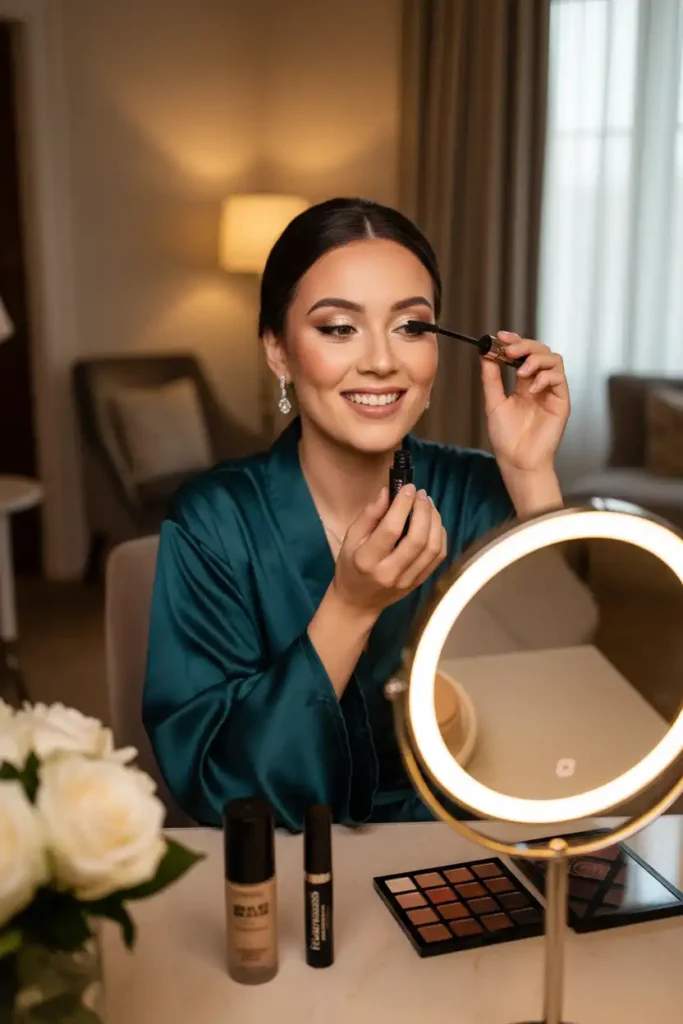
Wedding days involve hours of standing, dancing, and probably a few tears if it’s an emotional one. Your makeup needs to hold through all of it without needing constant fixing.
Waterproof mascara and a long-wear lip stain are non-negotiable here. Cream products layer better under stress than powder, so build your blush and highlight with cream first, powder only to set. Carry blotting paper in your bag instead of more makeup. It handles shine without disturbing what’s already on your face.
Getting ready for prom without overdoing it
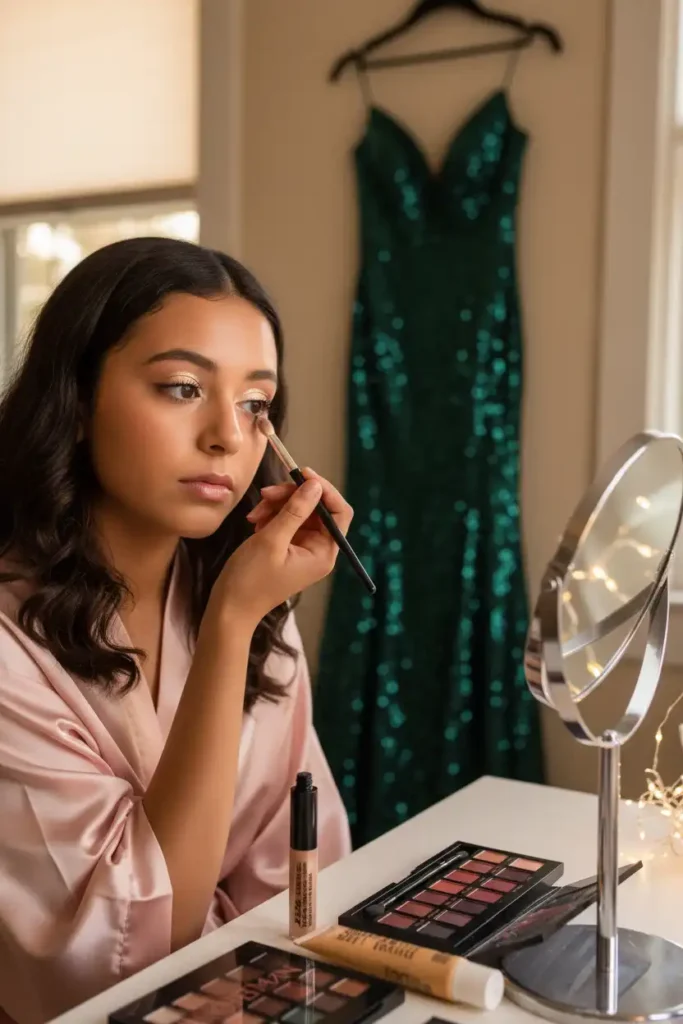
Prom makeup often gets pushed toward “more is more,” but a long night of photos, dancing, and hugging people goes better with a look that doesn’t need constant repair.
Choose a long-wear foundation and set it well before you leave the house. Add a bit of shimmer on your eyelids for evening light without going overboard on liner, which is the first thing to smudge in photos. Keep a small touch-up kit with blotting paper, lip color, and a travel mascara in your bag for later in the night.
Setting your makeup so it actually stays put
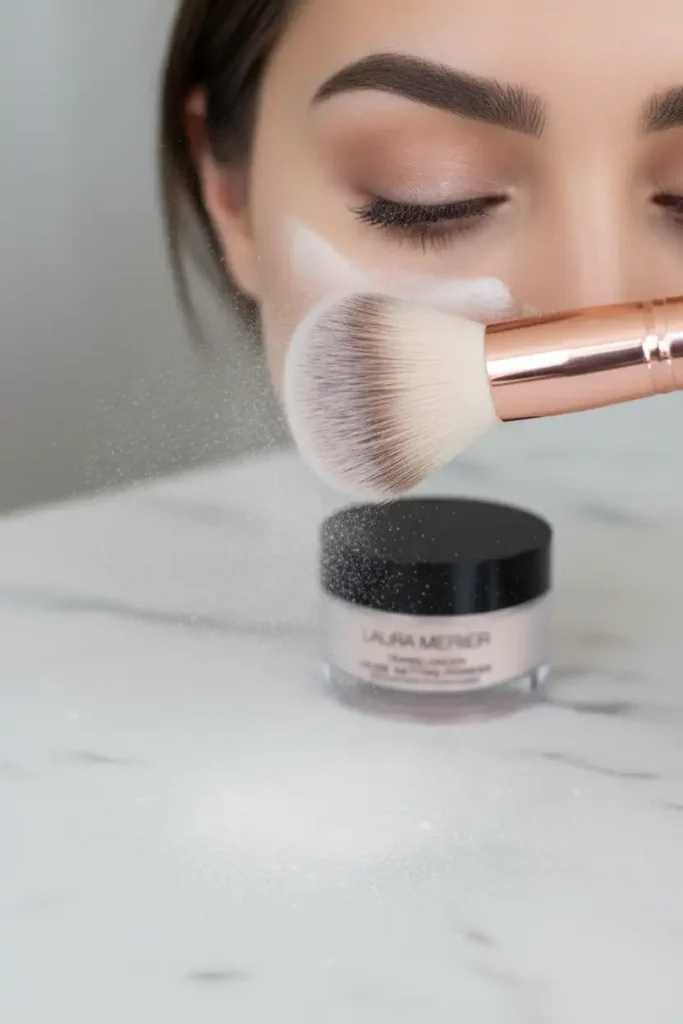
Setting products get skipped a lot, but they’re the difference between makeup that holds for two hours and makeup that holds for twelve. This step matters more the longer your day runs.
Use a translucent powder under your eyes and around your nose, the areas that move and crease the most. Follow with a setting spray over your whole face, holding it about eight inches away for even coverage. Let it dry before you touch your face. Skipping this step is usually why makeup that looked great at 8 a.m. looks tired by 2 p.m.
Packing a touch-up kit you’ll actually use
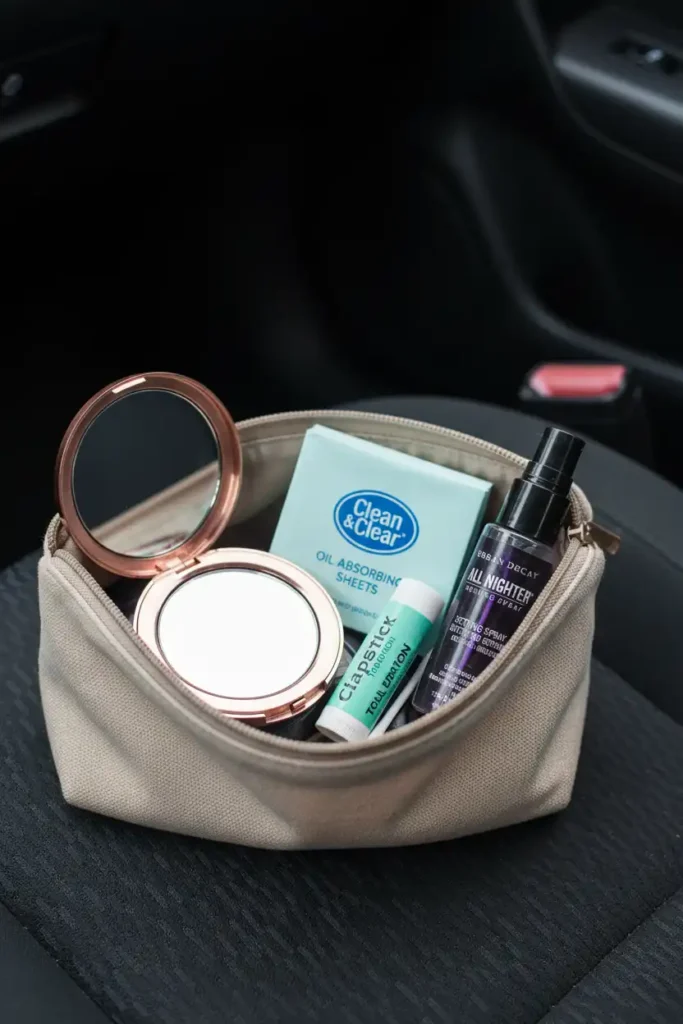
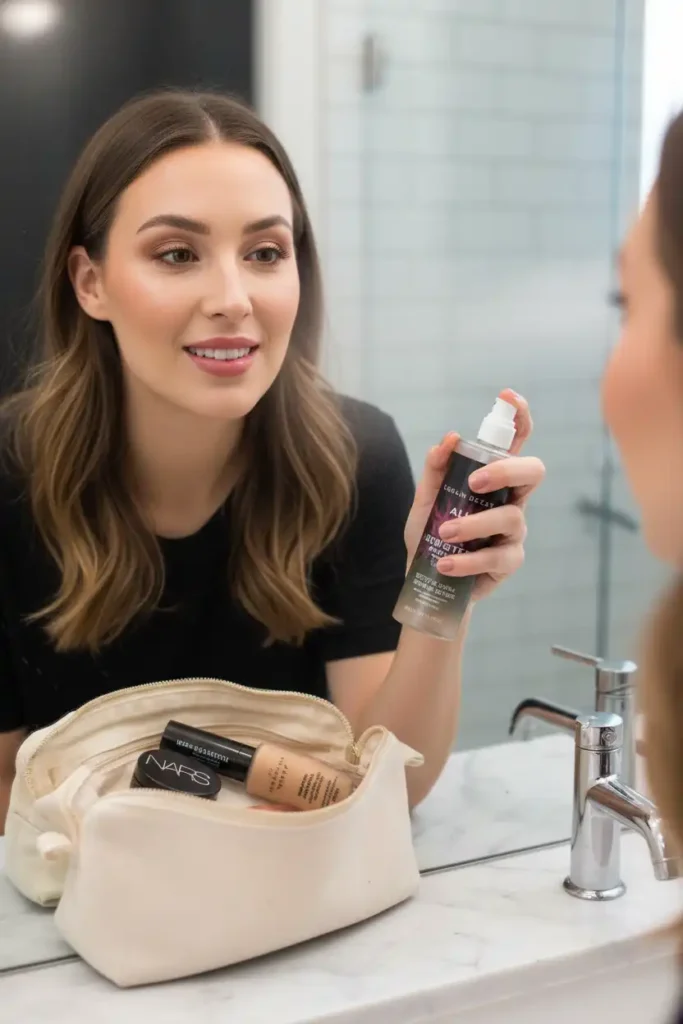
A touch-up kit only works if it’s small enough that you’ll actually carry it. Packing your entire vanity defeats the purpose and just adds weight to your bag.
Stick to five items: blotting paper, a travel setting spray, a lip product, a small concealer, and a cotton swab for cleaning up smudges. Keep it in a small pouch, not your full makeup bag. Five minutes with this kit at your break can undo eight hours of wear without you needing to start over from scratch.
Simple Makeup Looks FAQs
How do I make my makeup last through a full 12-hour shift?
Start with a primer that matches your skin type, apply foundation with a damp sponge instead of dragging it on, and set only the areas that get oily first. Cream products under powder hold better than powder alone. Carry blotting paper for a mid-shift reset instead of piling on more product.
Should I use cream or powder products for long shifts?
Cream first, powder second. Cream blush, cream contour, and cream highlighter bond to your skin better than powder versions, so they don’t slide off as fast. Use powder only to set the areas that shine, usually your forehead and nose.
Do I still need setting spray if I’ve already used setting powder?
Yes. Powder controls shine in the moment. Setting spray locks everything in place so your foundation and blush don’t move throughout the day. Skip one and you’ll likely need a bigger touch-up by the afternoon.
What’s the fastest way to fix my makeup on a break without starting over?
Blot oil first, not powder. Add a small amount of concealer back under your eyes and a swipe of cream blush. Two minutes gets your face back on track without adding layers on top of what’s already there.
Are simple makeup looks realistic for oily skin?
Yes, and they usually work better. Heavy layers give oily skin more to break down. A lightweight, mattifying base with targeted powder in your oiliest spots holds longer than a full face of thick product.
What should I skip if I know I can’t touch up during my shift?
Skip hard eyeliner and heavy powder contour, since both show wear fast. Stick to cream products, waterproof mascara, and a lip stain instead of gloss. Fewer products that are chosen well beat more products that need constant fixing.