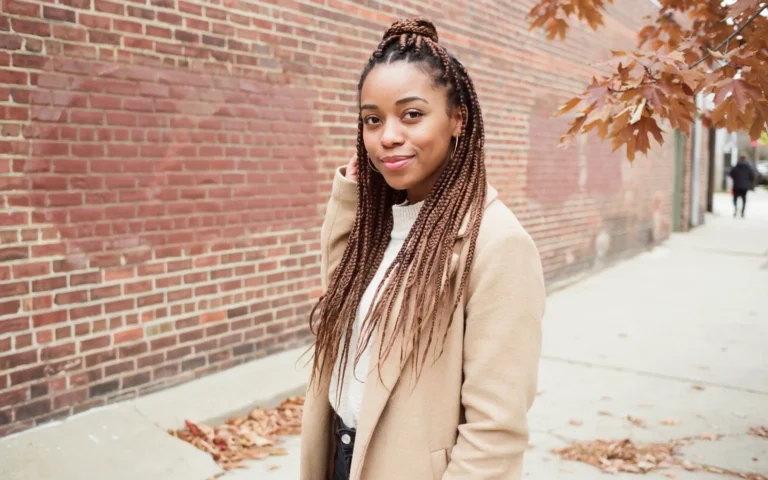
20 Auburn Hair Color Ideas That Actually Suit Every Skin Tone
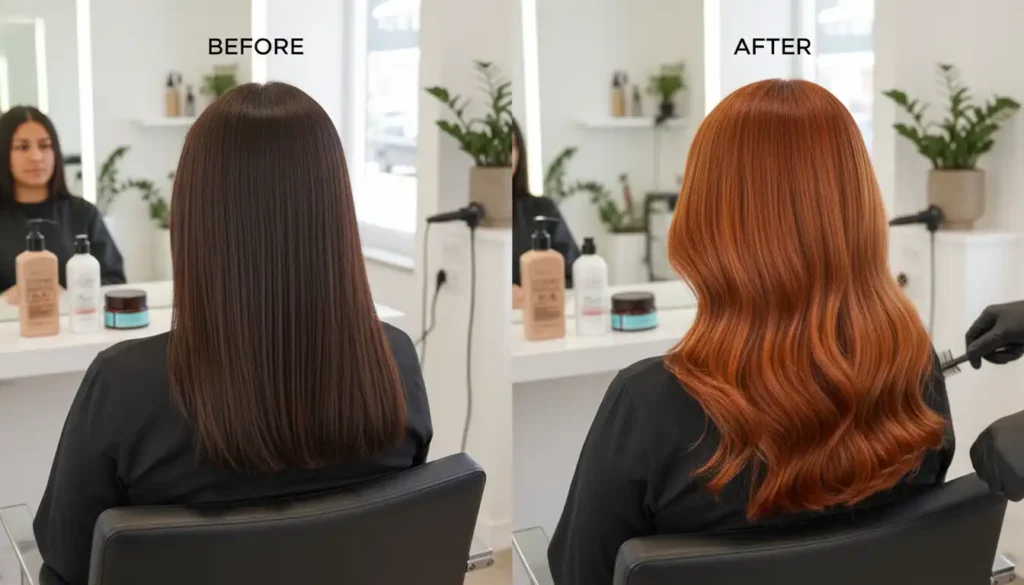
Auburn hair color looks different on everyone, and that’s exactly the problem. Pick the wrong shade and it clashes with your skin tone instead of complementing it. Pick the right one and it looks like it was made for you. This post covers 20 real, wearable auburn shades across warm, cool, and neutral skin tones. Whether you’re going to a salon or doing it at home, you’ll know exactly what to ask for before you start.
1. Auburn Hair With Caramel Highlights: The Combo That Works on Almost Anyone
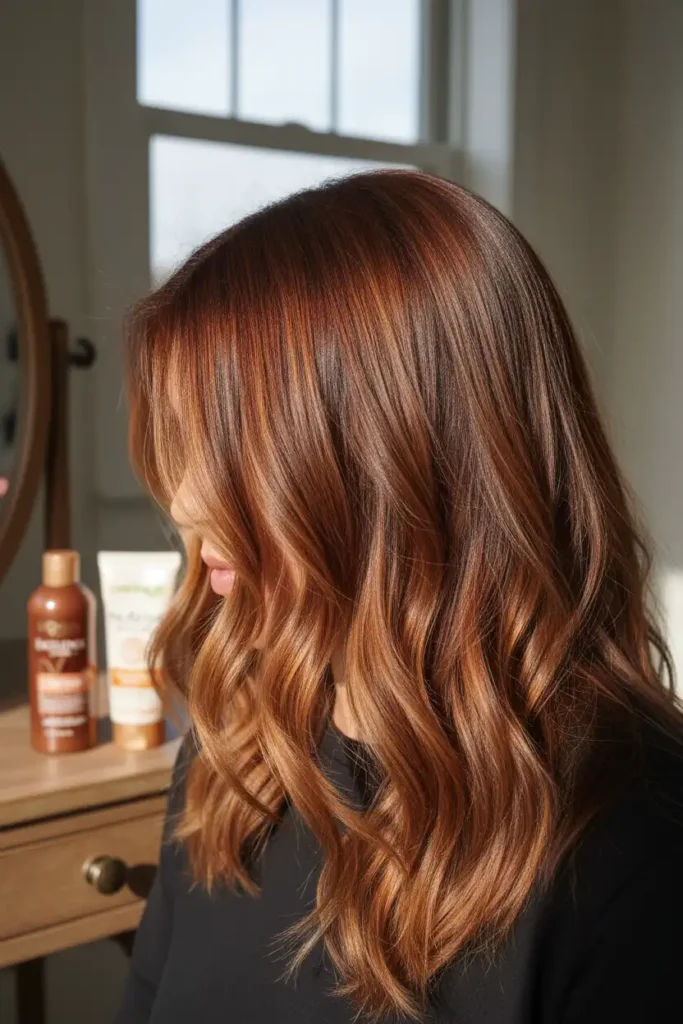
Auburn hair with caramel highlights works because the two tones share the same warm undertone family. The caramel pieces add brightness without making the color look striped or overdone. It reads natural, even when it’s not.
If your hair feels flat or one-dimensional, this is the fix. Ask your colorist for babylights or hand-painted caramel pieces concentrated around the face and ends. Brands like Wella Koleston Perfect in shade 7/43 paired with a caramel toner give that lived-in warmth without going orange. This combo is especially forgiving as it grows out cleanly.
2. Caramel Copper Hair: When You Want Warmth Without Going Full Red
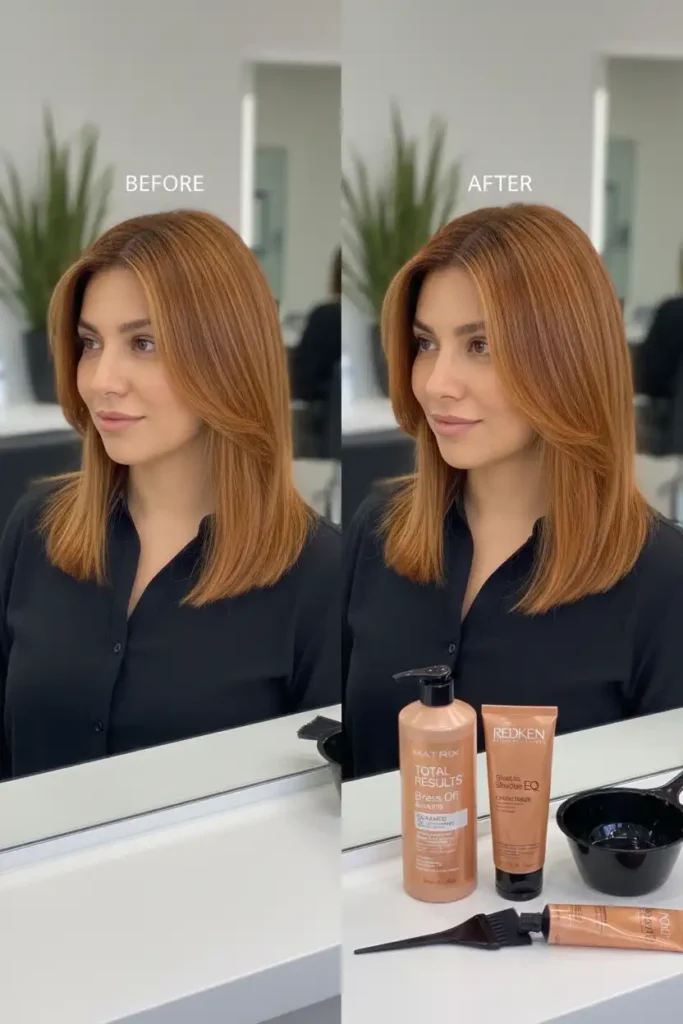
Caramel copper is the middle ground between brunette and redhead. It’s warm enough to make a statement but not so saturated that it clashes with most skin tones. If you’ve been on the fence about going red, this is a safer starting point.
The key is keeping the tone balanced. Too much orange reads brassy; too much gold reads muddy. A colorist will often use a copper base with a caramel gloss on top to get that clean, warm finish. At home, L’Oreal Paris Féria in Power Copper is a reliable option. Follow up with a color-safe conditioner every wash to keep the copper from fading too fast.
3. Cinnamon Hair Colors: The Spiced-Up Version of Basic Brown
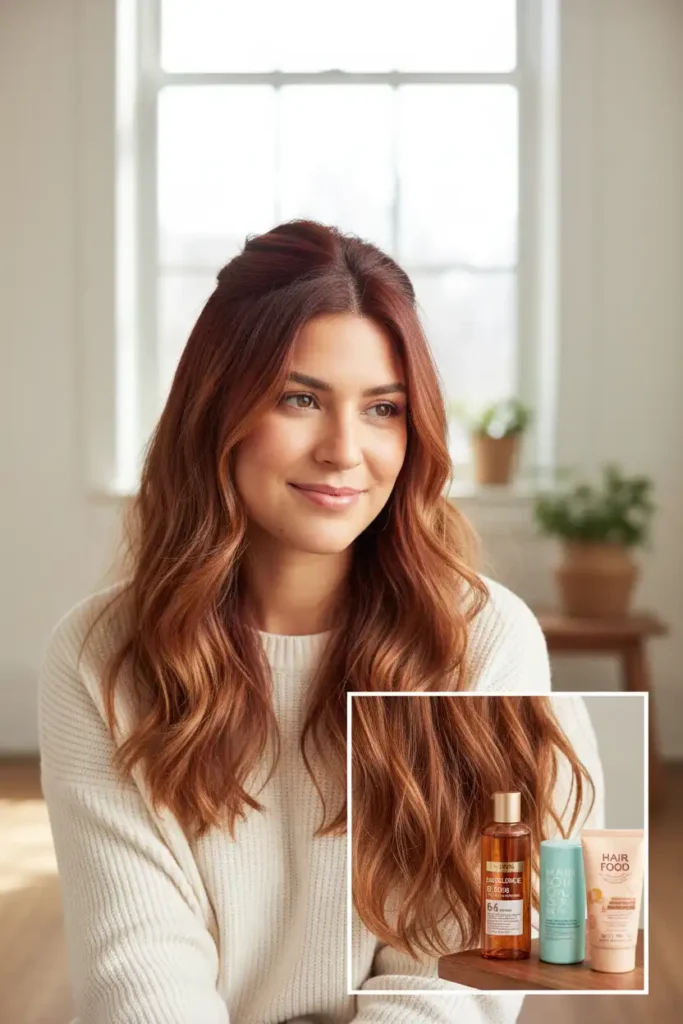
Cinnamon hair colors sit right at the intersection of brown and auburn. They’re warm, rich, and a lot more interesting than flat brown but less intense than a full red. If you want something that feels like an upgrade without a dramatic change, cinnamon is worth considering.
This tone works especially well if you have olive or medium skin. It pulls out the warmth in your complexion without washing you out. Garnier Nutrisse Cinnamon Brown (shade 460) is an accessible at-home option. For longer-lasting results, a professional demi-permanent in a cinnamon formula will give you better depth and a softer grow-out.
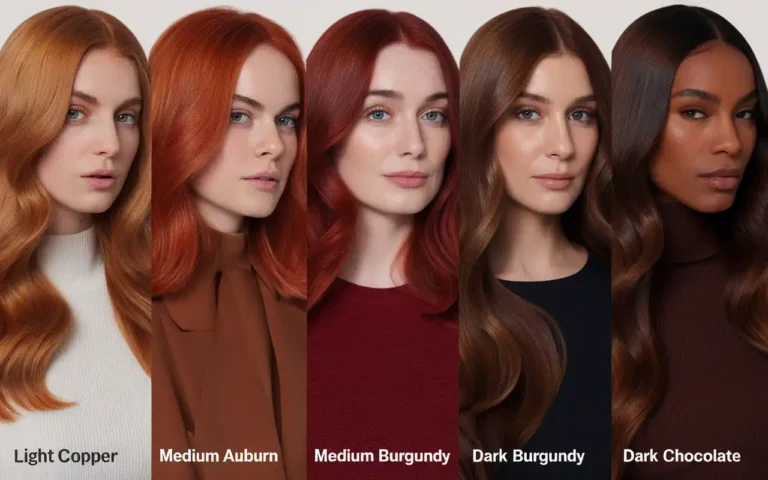
4. Medium Auburn Hair: The Most Wearable Version of the Shade
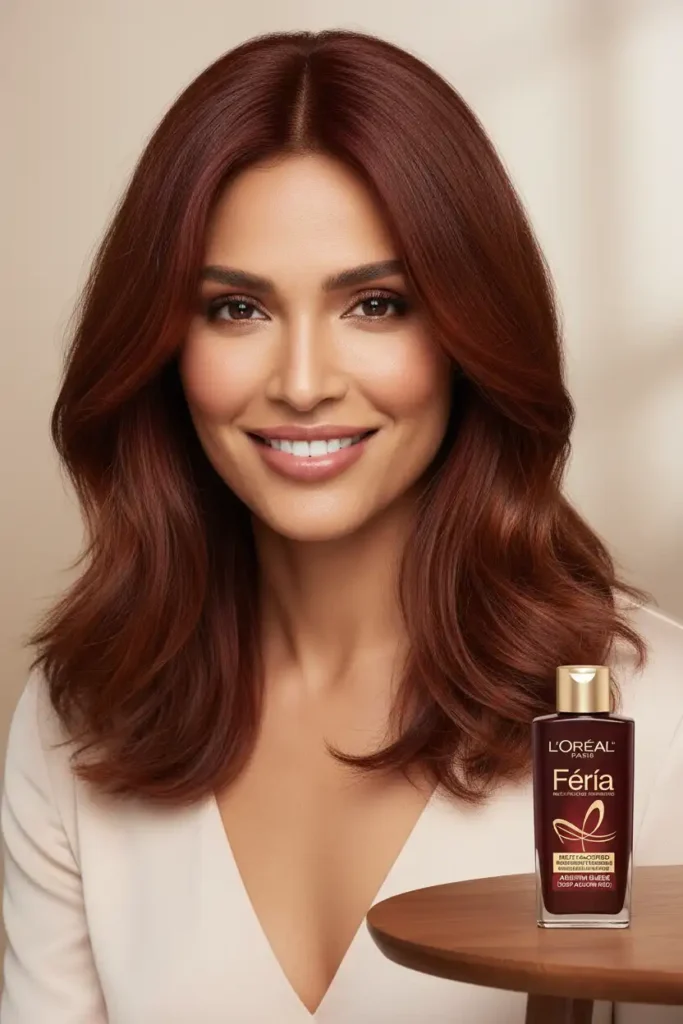
Medium auburn is the version of this color that most people can actually pull off without a dramatic color correction first. It sits in a comfortable middle range. Not as bold as a true red, not as subtle as a chestnut brown.
If you’re new to warmer hair colors, start here. It works on natural brunettes who want to add warmth and on people with naturally lighter hair who want more depth. Clairol Natural Instincts in shade 4R is a solid semi-permanent option that gives a natural result. The tone fades gracefully too, so you won’t end up with a harsh line as it grows out.
5. The Right Auburn Hair Color for Fair Skin Tones
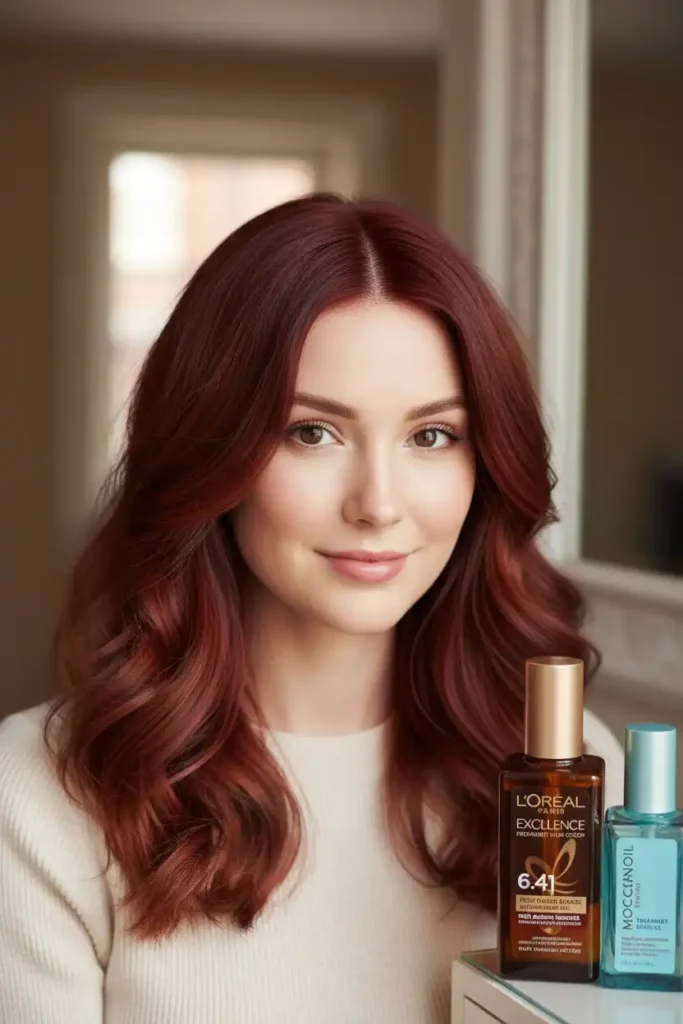
Fair skin and auburn hair look striking together, but the exact shade matters. Go too dark and the contrast feels heavy. Go too light and the color looks faded. The sweet spot for fair skin is a medium-to-light auburn with some warmth but not too much red saturation.
Shades with rose or strawberry undertones tend to complement fair complexions better than purely orange-based auburns. Ask your colorist for a “soft auburn” or “rose-toned auburn” rather than a standard copper red. If you burn easily in the sun, be aware that lighter auburn shades can fade faster outdoors, so a UV-protective hair serum, like the one from Moroccanoil, is worth adding to your routine.
6. Orange-Brown Hair: How to Make This Tricky Tone Work for You
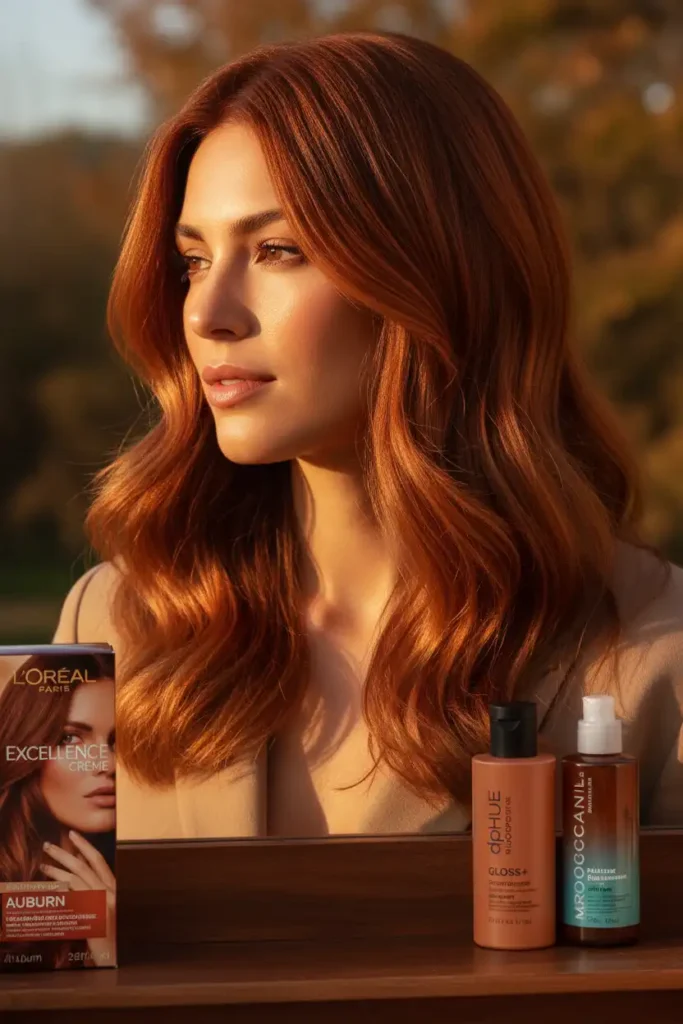
Orange-brown hair has a bad reputation because people associate it with bad bleach jobs. But when it’s done intentionally with the right tones and some depth at the roots, it actually looks good. The trick is making it look planned.
The key is adding a brown base to anchor the color so it doesn’t read too bright. A formula with equal parts copper and warm brown tones keeps it grounded. If you’re doing this at home, Revlon ColorSilk shade 46 Medium Golden Chestnut gives that orange-brown effect without going too vivid. Keep the roots a shade or two darker to add dimension and prevent it from looking flat.
7. Ginger Ash Hair: When You Want Cool and Warm at the Same Time
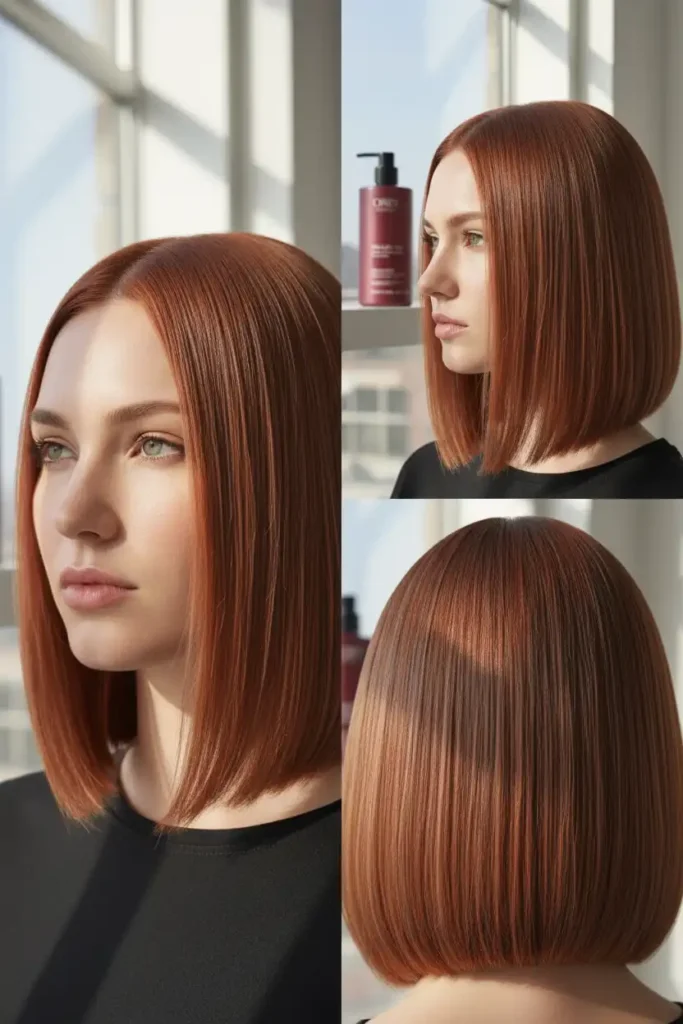
Ginger ash is one of those colors that’s hard to describe until you see it. It’s warm like ginger but softened with gray or cool ash tones so it doesn’t read orange. The result looks more editorial than your standard copper.
This one is harder to achieve at home because it requires balancing two opposing tone families. A professional colorist will typically bleach to a light orange, then apply an ash toner to knock back the warmth just enough. Olaplex No.3 before and after the process is a good idea to keep hair from going brittle. If you have naturally cool skin, this shade actually works well for you because the ash element stops the color from clashing with your complexion.
8. Chocolate Brown Ginger Hair: For When You Can’t Choose Between the Two
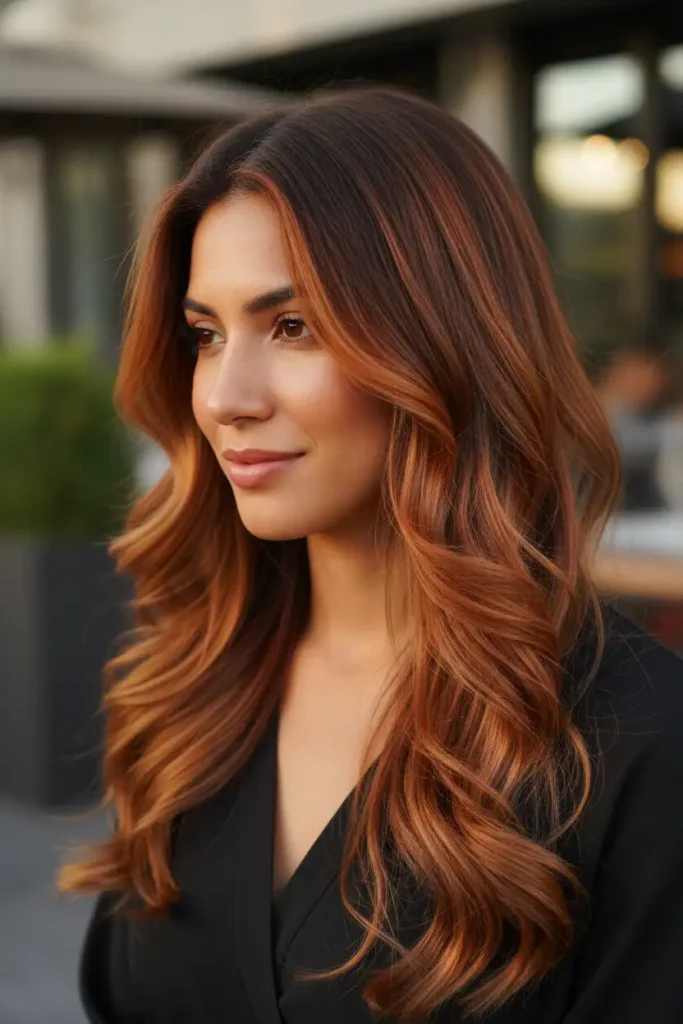
If you love chocolate brown but want more warmth, adding ginger pieces is a smarter move than going full auburn. You keep the depth of the brown base but get warmth where it counts, usually around the face and ends.
Ask your colorist for ginger babylights or a ginger balayage over a chocolate brown base. The ginger pieces should be subtle in shade 5-6 range, not neon orange, just enough to catch the light. Schwarzkopf’s IGORA Royal shade 5-77 is a professional go-to for that deep chocolate base. This combination works especially well if you have thick hair because the contrast between tones adds visible dimension.
9. Warm Brown Hair Color: The Understated Option That Still Turns Heads
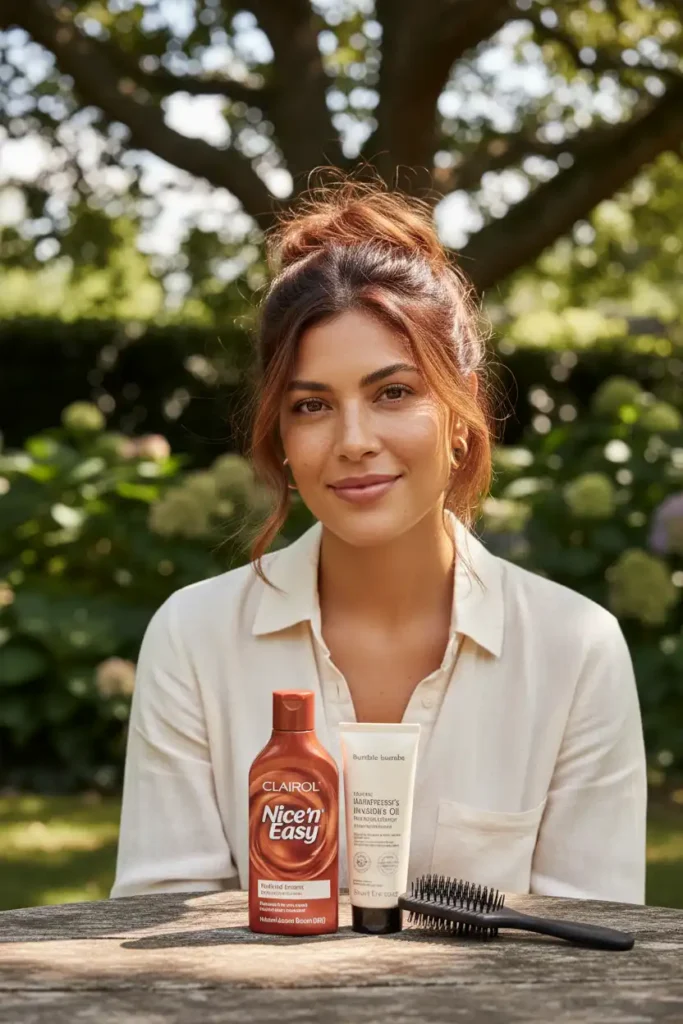
Warm brown hair color is the version of auburn that people often don’t realize is auburn-adjacent. It leans brown rather than red but carries enough warmth to look rich and intentional. It’s a good entry point if you’re nervous about committing to a full red.
This tone is especially low maintenance. It grows out naturally without a harsh line and works on most skin tones. For at-home color, John Frieda Precision Foam in shade 4R Dark Red-Brown gives a clean warm brown with just enough red to add interest. If you want to keep it subtle, mix the color with a conditioning mask before applying to sheer it out slightly.
10. Soft Red Hair Color: The Gentle Version of Red That’s Easy to Live With

Soft red is a practical shade for people who want the look of red hair without the upkeep that comes with vivid or true reds. It fades gracefully, looks natural in most lighting, and doesn’t clash with as many complexions.
The secret to keeping soft red looking intentional as it fades is using a red-tinted shampoo every couple of washes. Overtone’s Daily Conditioner in Red is good for this. It deposits just enough color to keep the tone alive between salon visits. If you’re starting from brown hair, a single-process color appointment is usually enough to get here without needing bleach.
11. Espresso Hair Color With Auburn Undertones: Deep, Rich, and More Interesting Than Basic Black
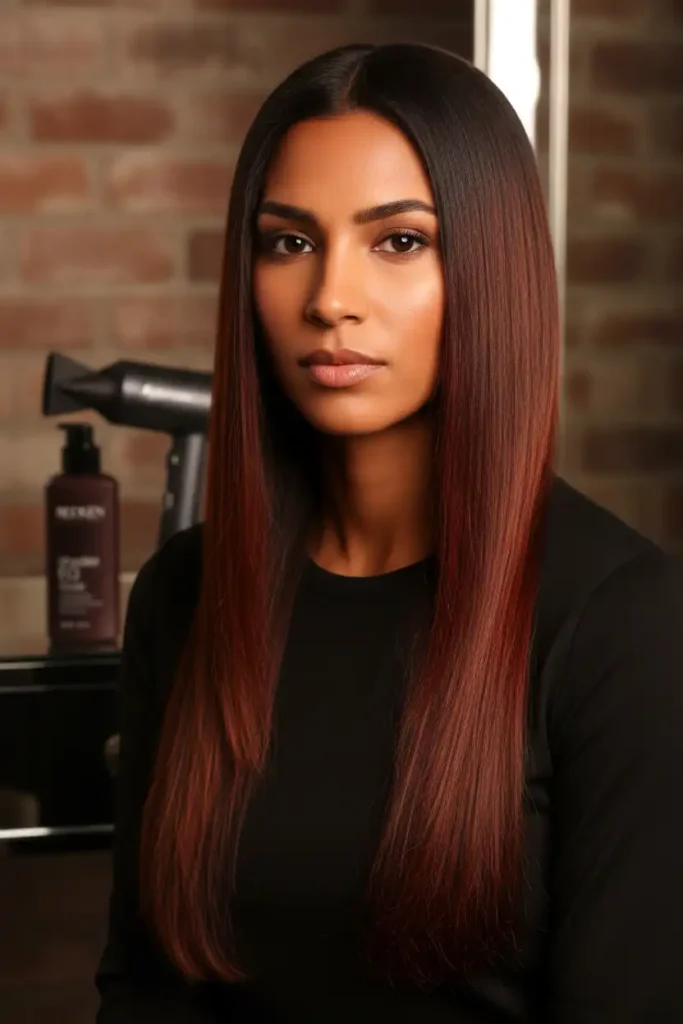
Espresso hair color looks like a very dark brown at first glance, but when the light hits it, the auburn or red undertone comes through. That’s what separates it from flat black or basic dark brown. It reads sophisticated and adds warmth to deeper skin tones without looking unnatural.
If you want depth without going full auburn, this is your option. The key is requesting warm undertones when you get this color done professionally. A shade like Redken Shades EQ 4NB gives that espresso base with a natural brown and blue balance, but adding a tiny amount of red toner, like 4R, pushes it into warm espresso territory. This color also holds up well between appointments because the dark base doesn’t show roots as aggressively.
12. Peachy Red Hair Color: Soft, Feminine, and Surprisingly Wearable
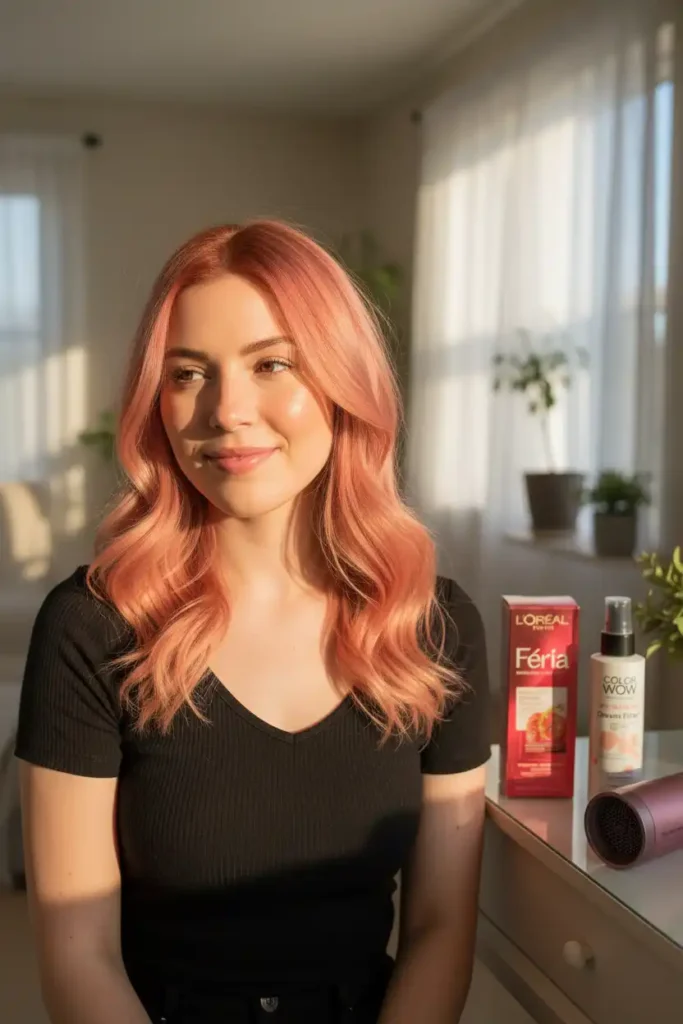
Peachy red hair sits closer to a warm strawberry blonde than a traditional auburn. It has a softness to it that makes it look natural on fair and light skin tones. If classic auburn feels too intense for you, peachy red is a gentler place to land.
To get this tone, most colorists will lighten the hair first, then apply a peach or coral toner. Wella’s Color Touch shade 7/43 diluted with the Wella Emulsion gives a soft, sheer peachy result. The downside is that lighter tones fade faster, so plan on a gloss or toner refresh every 6 to 8 weeks. A color-protecting shampoo, like Pureology Color Fanatic, makes a real difference in how long the tone holds.
13. Auburn Balayage: How to Get a Natural Sun-Kissed Effect
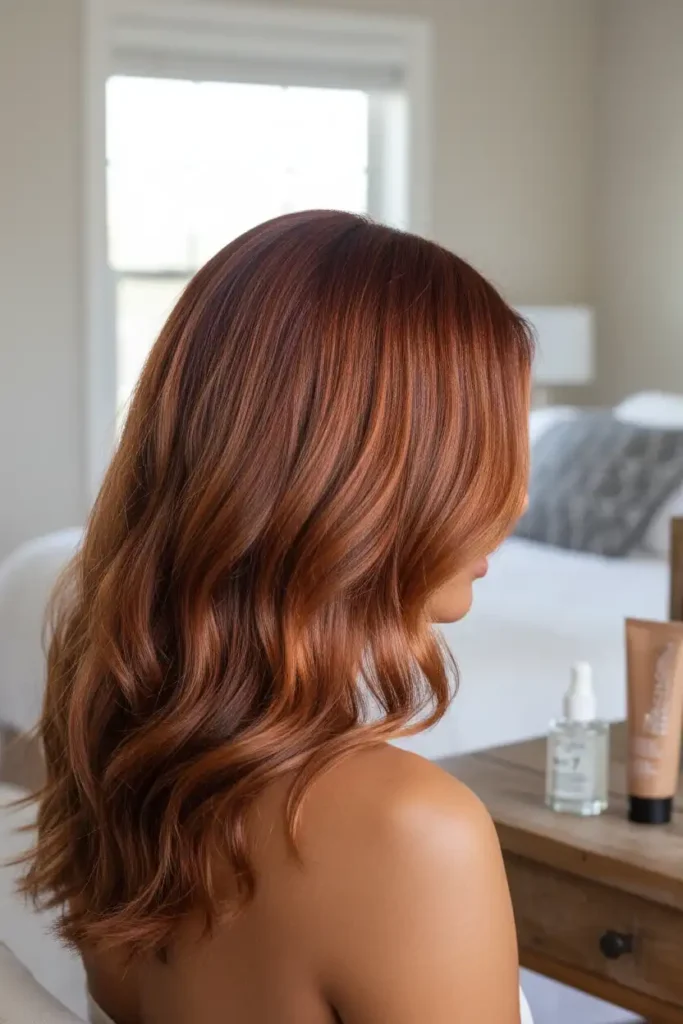
Auburn balayage gives you warmth without the commitment of all-over color. The darker roots grow out naturally, and the painted pieces keep the color looking intentional for months longer than traditional highlights.
The placement matters here. Auburn pieces should be concentrated where the sun would naturally hit, typically around the face, through the mid-lengths, and at the ends. Avoid having them too close to the scalp unless you want a more dramatic contrast. This is a color technique best left to a professional, specifically someone experienced with balayage. Budget for a toner appointment 4 to 6 weeks after your initial color to keep the auburn from going too orange as it settles.
14. Short Hair and Auburn: Why This Combination Works Better Than You Think
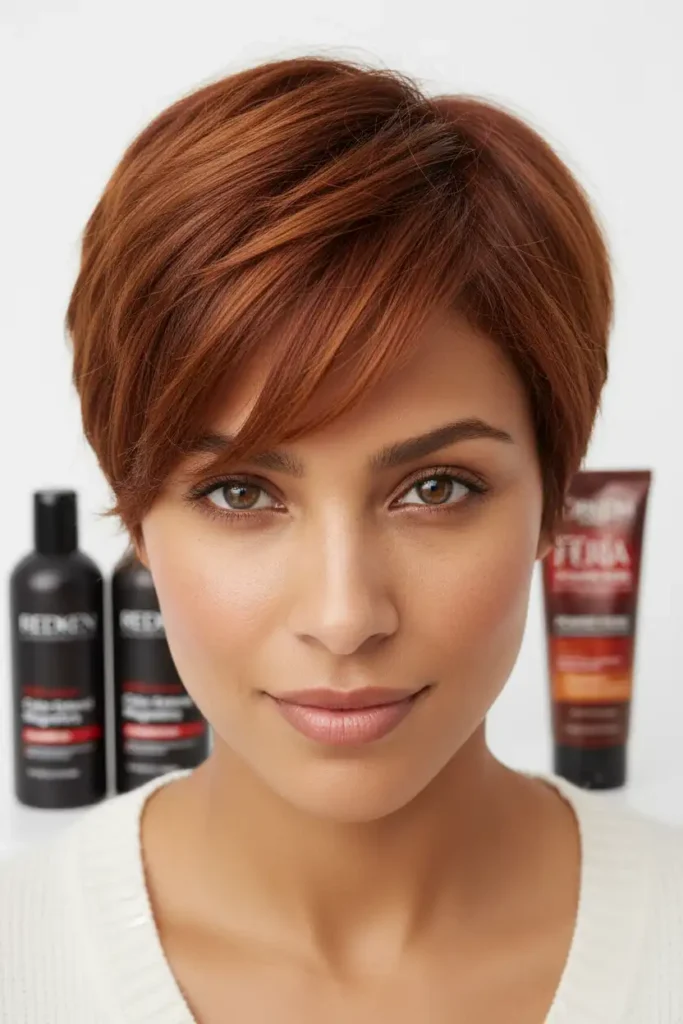
Short hair and bold color go together well because there’s less hair to dilute the impact. Auburn on a pixie or short bob looks intentional and strong without requiring constant styling to look good.
The challenge with short hair is that color fades faster because you’re washing it more frequently and the ends are more exposed. Use a sulfate-free shampoo, specifically something like Briogeo Color Me Brilliant, to extend the life of the color. If you’re growing it out, a warm brown gloss applied monthly keeps the color looking fresh during the in-between stages. Touch-ups are also quicker and cheaper on short hair, so the overall maintenance cost is actually lower.
15. Hair Transformation: Going From Dark Brown to Auburn in One Appointment
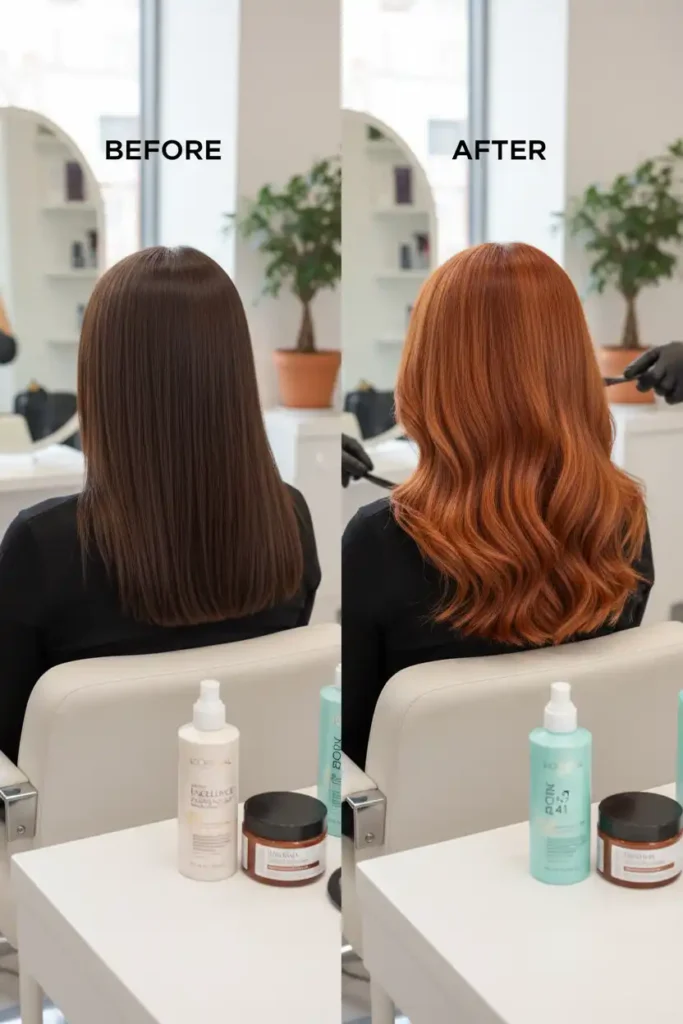
Going from dark brown to auburn in a single appointment is possible, but the result depends heavily on your starting color. If your brown is natural or a faded dye job, one session is usually enough. If you’ve been dyeing your hair a very dark or cool brown, you may need a color correction first.
The most important step is a strand test before committing. Apply a small amount of your chosen auburn formula to a hidden section and check the result after the full processing time. This tells you what the actual outcome will be on your specific hair. At home, Garnier Nutrisse Ultra Color in B2 Berry Burgundy is a popular pick for dark-to-auburn transitions. In the salon, ask for a “warm brown-to-auburn” service rather than a “red color” so the result doesn’t come out too vivid.
16. Auburn for Curly Hair: Getting the Color Right Without Damaging Your Curl Pattern
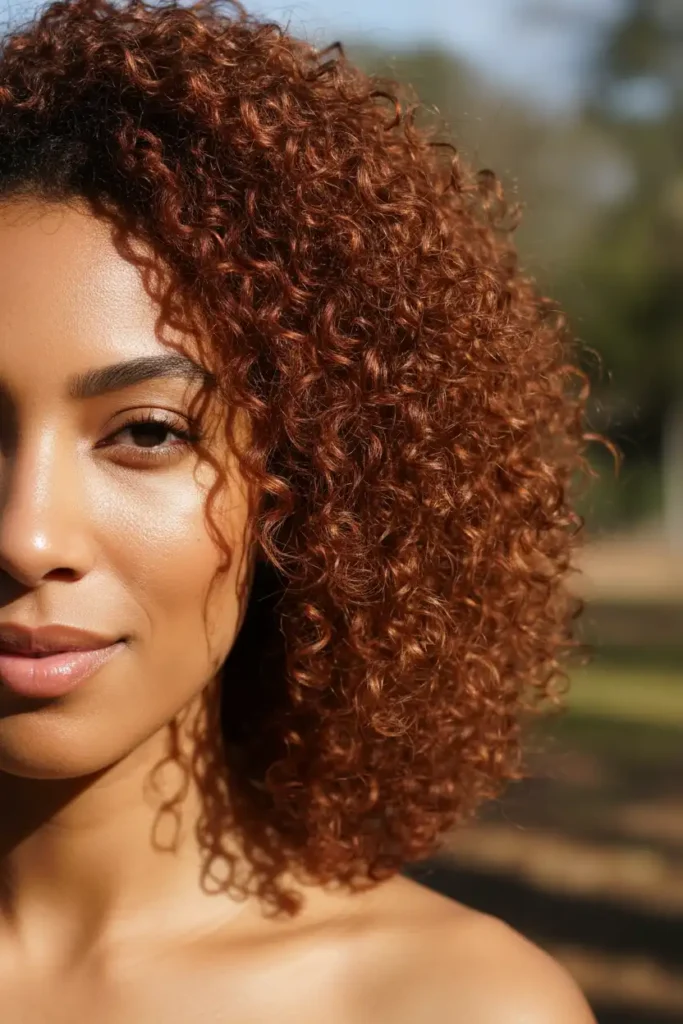
Curly hair and chemical color don’t always get along. Curls are more porous than straight hair, which means they absorb color faster and lose it faster too. Auburn on curly hair can look stunning, but you have to adjust your approach.
A few things to keep in mind:
- Go one shade lighter than your target when mixing the formula. Porous curls lift faster and absorb more pigment than flat hair.
- Deep condition with a protein treatment, like Aphogee Two-Step Protein Treatment, at least one week before coloring.
- After coloring, avoid washing for at least 48 to 72 hours to let the cuticle close and lock in the pigment.
- Use a curl-specific, sulfate-free shampoo and always follow with a rich conditioner to prevent fading.
Ask your stylist specifically about their experience with color on textured hair before you book.
17. Warm Brown Hair Color for Women Over 40: What Actually Works
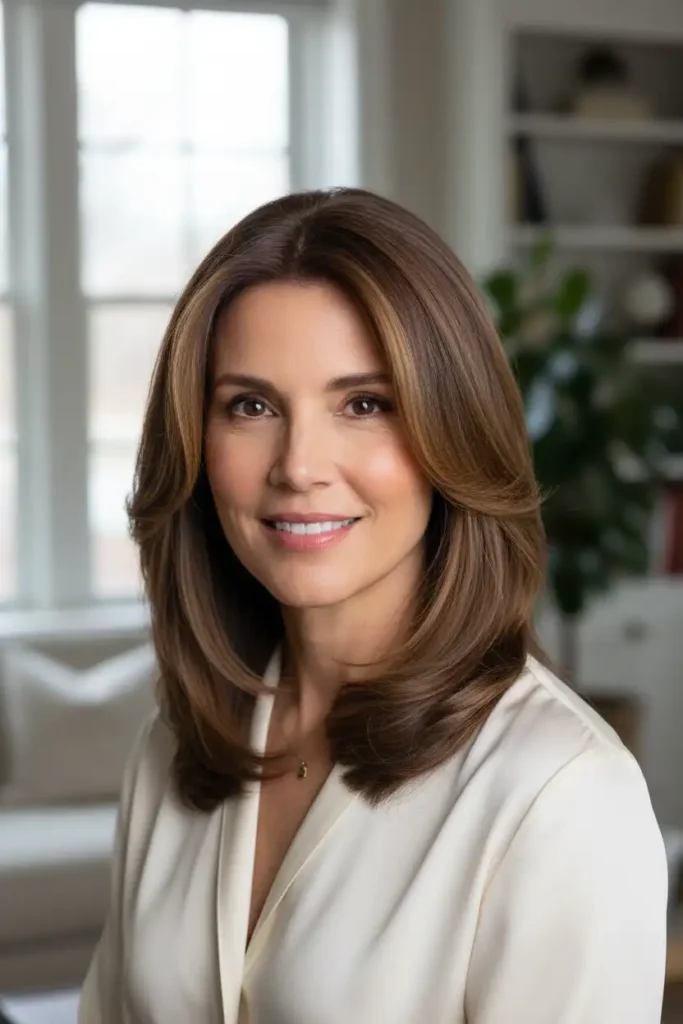
Hair in your 40s changes texture and the way it holds color. Warmer tones can actually work better than they did when you were younger because warm brown hues counter the ashy, dull effect that gray can create as it comes in at the roots.
The key adjustment for women over 40 is keeping the color slightly lighter around the face. This brightens your complexion without looking severe. Ask your colorist for a “lived-in warm brown” with face-framing highlights one to two shades lighter than your base. Avoid very dark all-over color because it can look flat and emphasize fine lines. A gloss treatment every 6 to 8 weeks keeps the color looking fresh and adds shine, which naturally becomes more important as hair texture changes with age.
18. How Lighting Affects Your Auburn Hair Color (And What to Do About It)
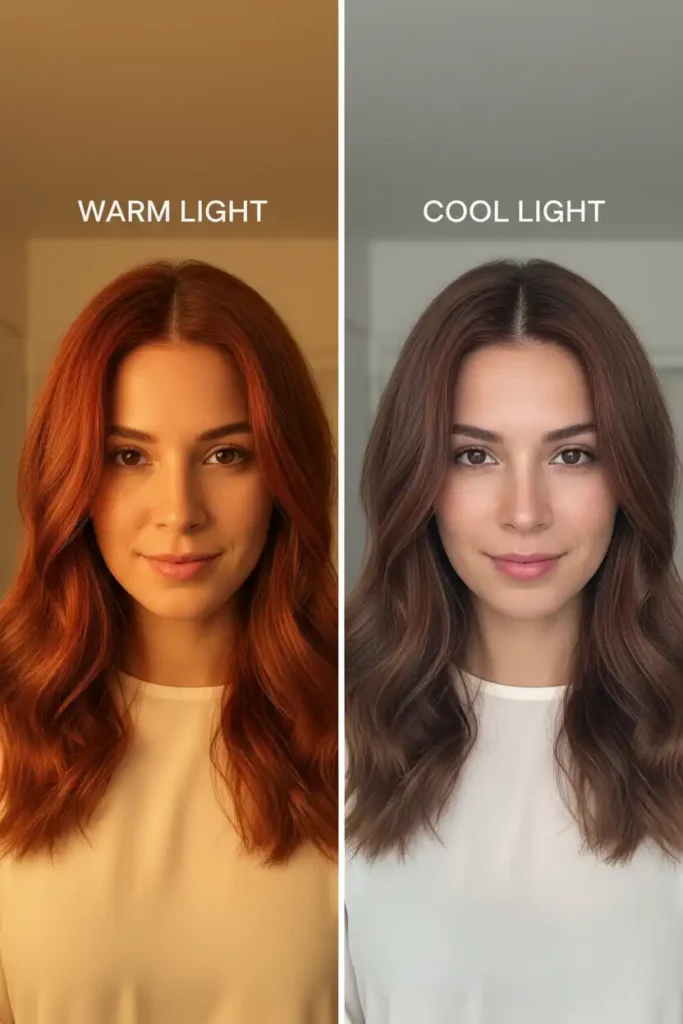
Auburn is one of the most lighting-sensitive hair colors. Under warm light, it looks rich and red. Under cool or fluorescent light, it can read flat or almost brown. This is worth knowing before you choose your exact shade.
If you want your auburn to show up in all lighting conditions, go slightly more saturated than you think you need at the salon. Color always looks more intense right after coloring under salon lighting and softens by about 10 to 15 percent after the first wash. This is why photos from your salon visit often look different from your hair at home two days later. Choosing a formula with both red and copper pigments, rather than just one, gives your color more range across different light environments.
19. DIY Auburn Color at Home: What You Need to Know Before You Start
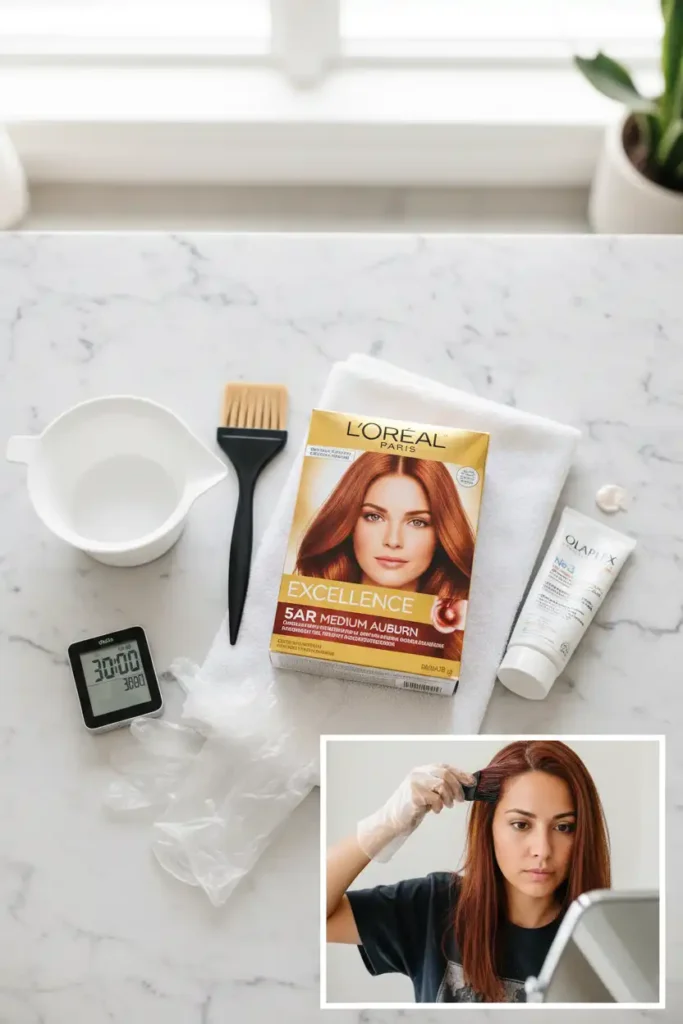
Coloring your hair auburn at home is doable, but there are a few things that make the difference between a result you love and one you need a colorist to fix.
Here’s what to do before you start:
- Wash your hair 24 to 48 hours before coloring. Clean but not freshly washed hair holds color better.
- Do a strand test. Always. Even with brands you’ve used before, since hair changes over time.
- Apply petroleum jelly or coconut oil along your hairline, ears, and neck to prevent staining.
- Section your hair before you start. Working in four quadrants prevents missed spots.
- Set a timer and don’t leave it on longer than directed. Auburn tones can go orange if over-processed.
After rinsing, apply the conditioner that comes in the box and leave it on for the full recommended time. That step is not optional.
20. Keeping Your Auburn Color Vivid: A Realistic Maintenance Routine
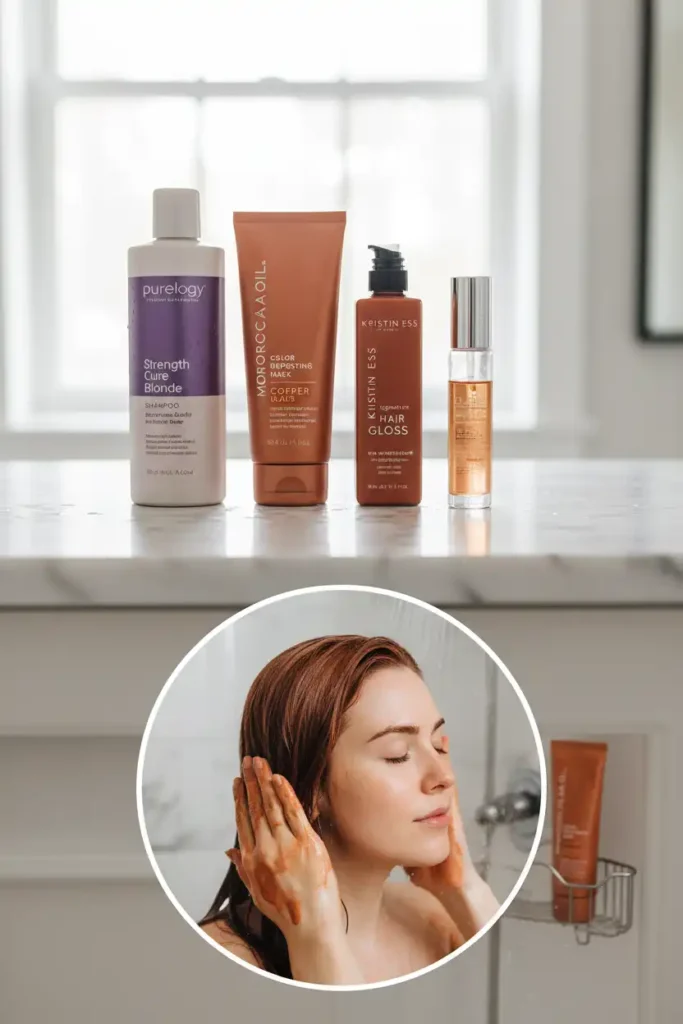
Auburn fades faster than most hair colors because red pigment molecules are larger and sit closer to the surface of the hair shaft. That’s just how the chemistry works. Accepting this and building a routine around it makes the color look intentional rather than neglected.
A practical routine that actually works:
- Wash with cool or lukewarm water. Hot water opens the cuticle and speeds up fade.
- Use a sulfate-free shampoo no more than three times a week. Overtone, Pureology, and Redken Color Extend are all solid options.
- Add a red-tinted conditioner, like Overtone Vibrant Red Daily Conditioner, once a week to refresh the tone between appointments.
- Apply a UV hair protection product, like Aveda Sun Care Protective Hair Veil, before sun exposure. UV rays break down red pigment faster than almost anything else.
- Book a gloss or toner refresh every 6 to 8 weeks, even if you’re not ready for a full color appointment.
Consistency matters more than any single product.
Conclusion:
Auburn hair color has more range than most people give it credit for. There’s a version of it that works for your skin tone, your hair type, and your maintenance schedule. Pick one shade from this list, save the image, and bring it to your next appointment. That single step saves a lot of guesswork. Your colorist will thank you for it.