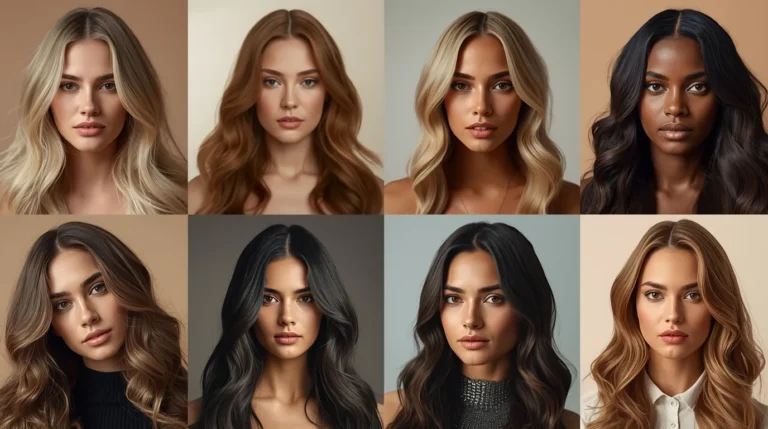
Bored With Your Blonde? Try These Fall Hair Colors for Blondes
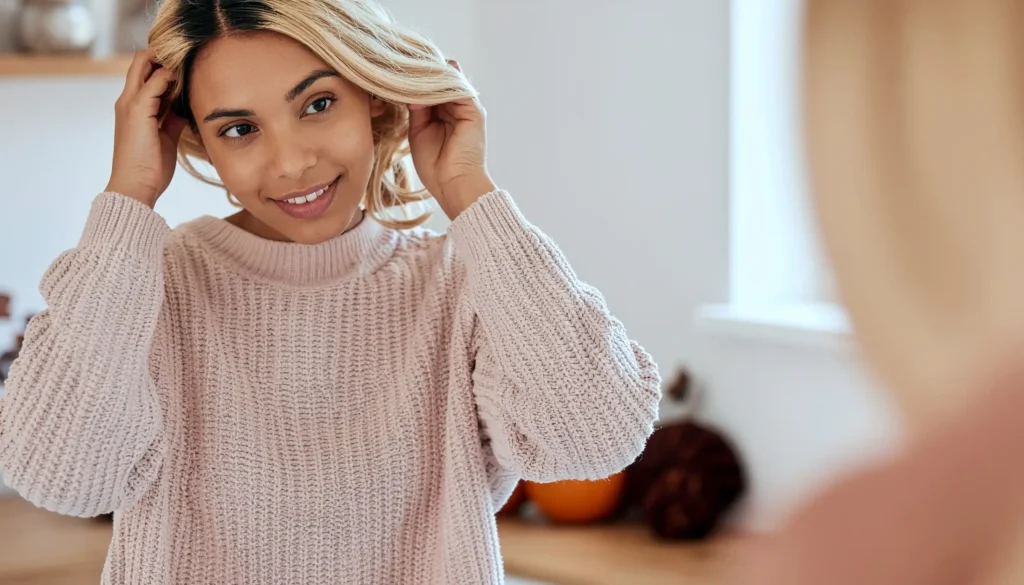
Summer blonde is great until it isn’t. When the season shifts, that bright, sun-kissed look can start feeling a little off. The good news is you don’t need a dramatic overhaul to feel like yourself again. Fall hair colors for blondes cover a wide range, from a simple gloss that adds warmth to a fuller color change that takes you somewhere new. This guide covers 23 real options with honest advice on what works, what doesn’t, and what to ask for at your next appointment.
1. Why Blondes Actually Look Great in Fall Shades
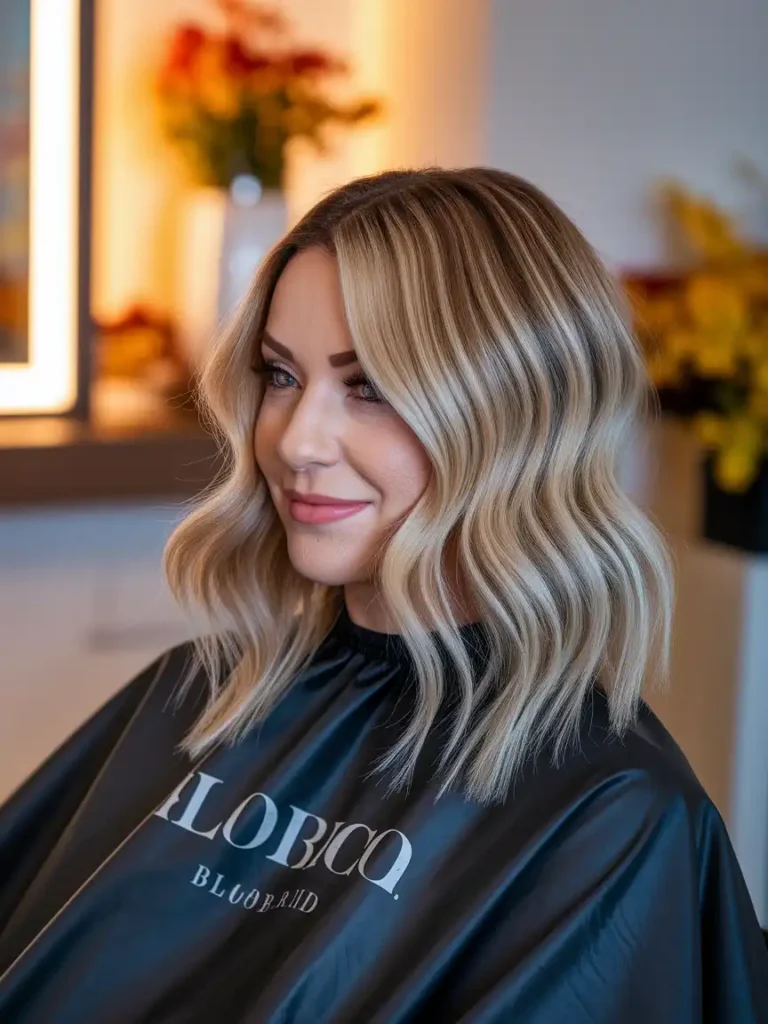
Blonde hair has a natural base that takes warm, rich tones beautifully. Whether you’re platinum, dirty blonde, or golden, your hair already has the undertones that make fall shades pop without needing a full color overhaul.
The common fear is going too dark and losing your identity. You don’t have to. A colorist can add warmth gradually using techniques like balayage or a tinted gloss that deepens your color by one or two shades. Start with a honey or caramel tint. You’ll still look like you, just a richer version heading into the colder months.
2. Caramel Balayage: The Easiest Transition Shade
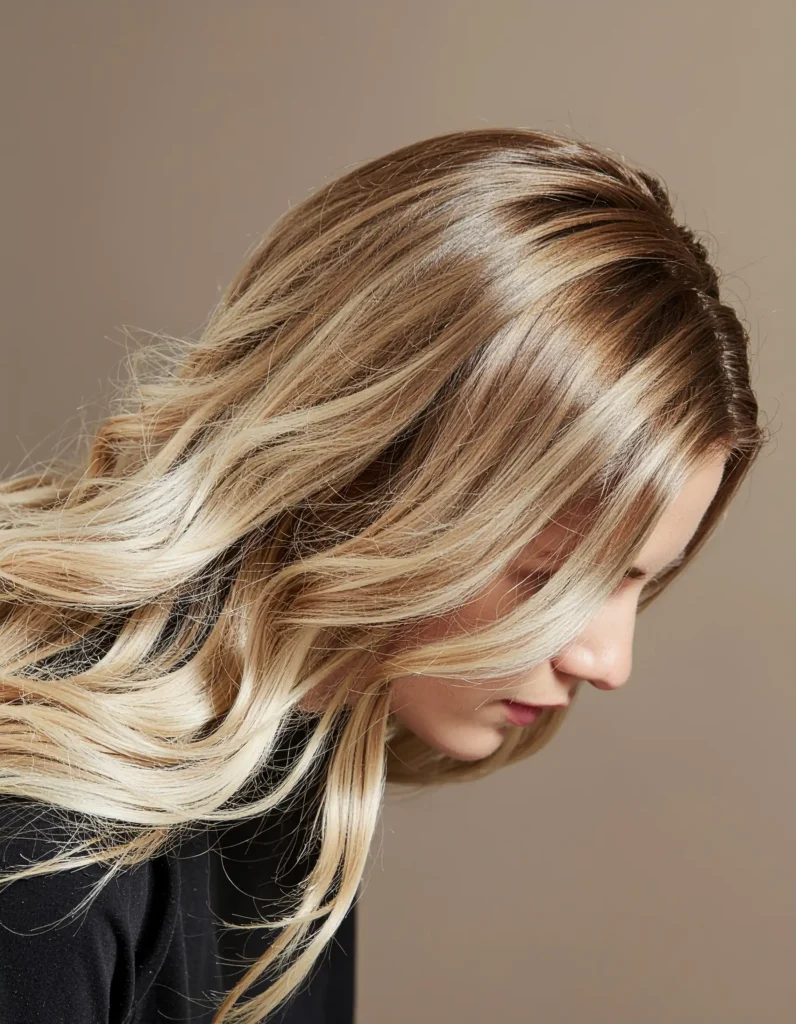
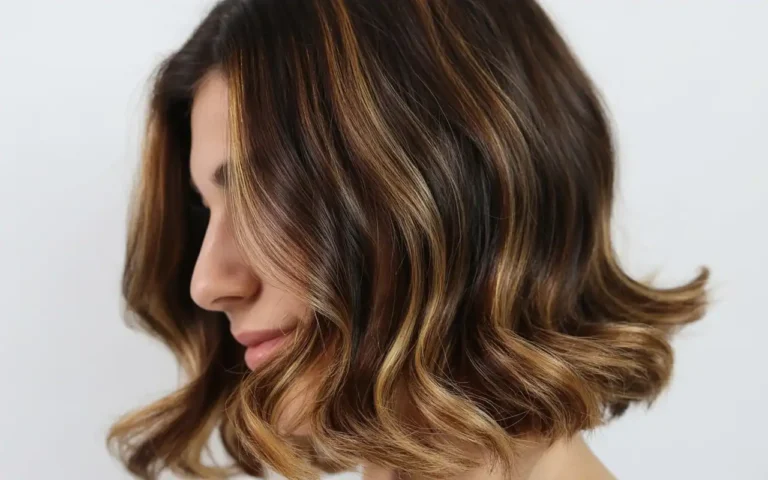
Caramel balayage is one of the most forgiving fall transitions you can make as a blonde. It adds warmth without committing to a full color change, and it grows out in a way that still looks intentional months later.
Ask your colorist specifically for “caramel tones painted through the mid-lengths and ends.” Keep your roots close to your natural base so the blend stays soft. This works on all blonde shades, from light ash to golden, and it photographs beautifully in low light, which matters more than most people think heading into fall.
3. Honey Blonde: Warm Without Going Too Dark
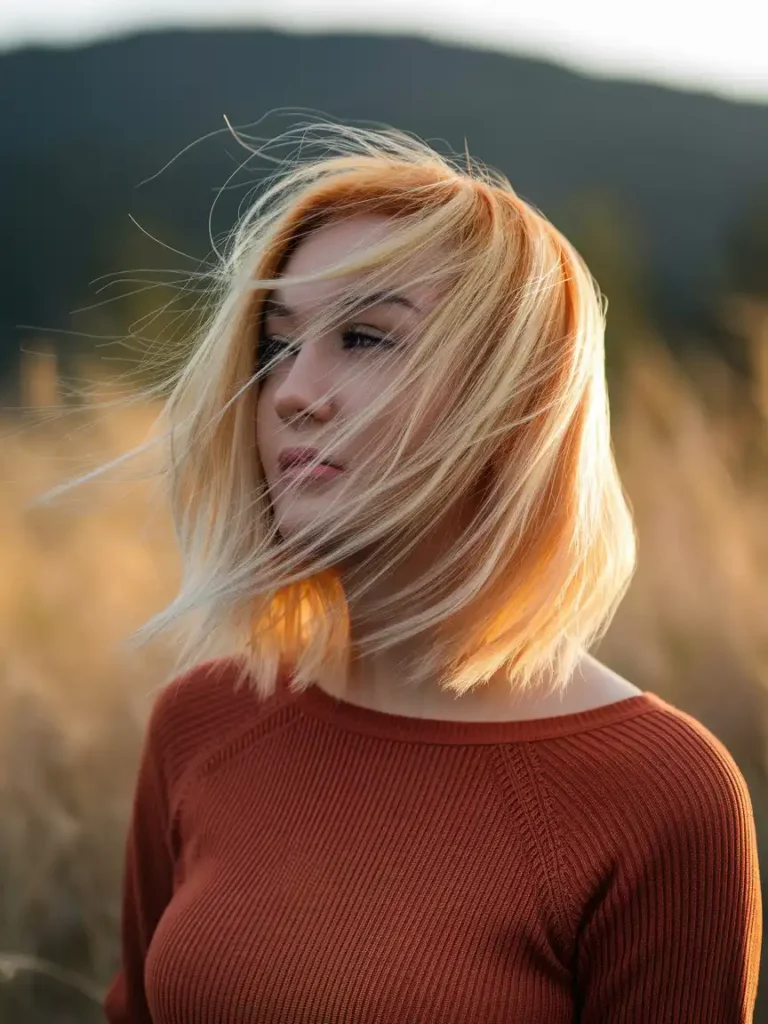
Honey blonde sits right between classic blonde and full brunette. It adds visible warmth and richness to your hair without making you feel like you’ve gone dark. For blondes who want a fall update but feel nervous about losing their lightness, this is your answer.
The color works especially well on medium and golden blonde bases. Ask for a honey gloss treatment or a tinted toner in a golden amber shade. It refreshes the color in one session and fades gracefully. If you want more dimension, ask for a few lighter pieces framed around your face to keep that brightness where it reads most.
4. Mushroom Blonde: Cool-Toned and Very Wearable
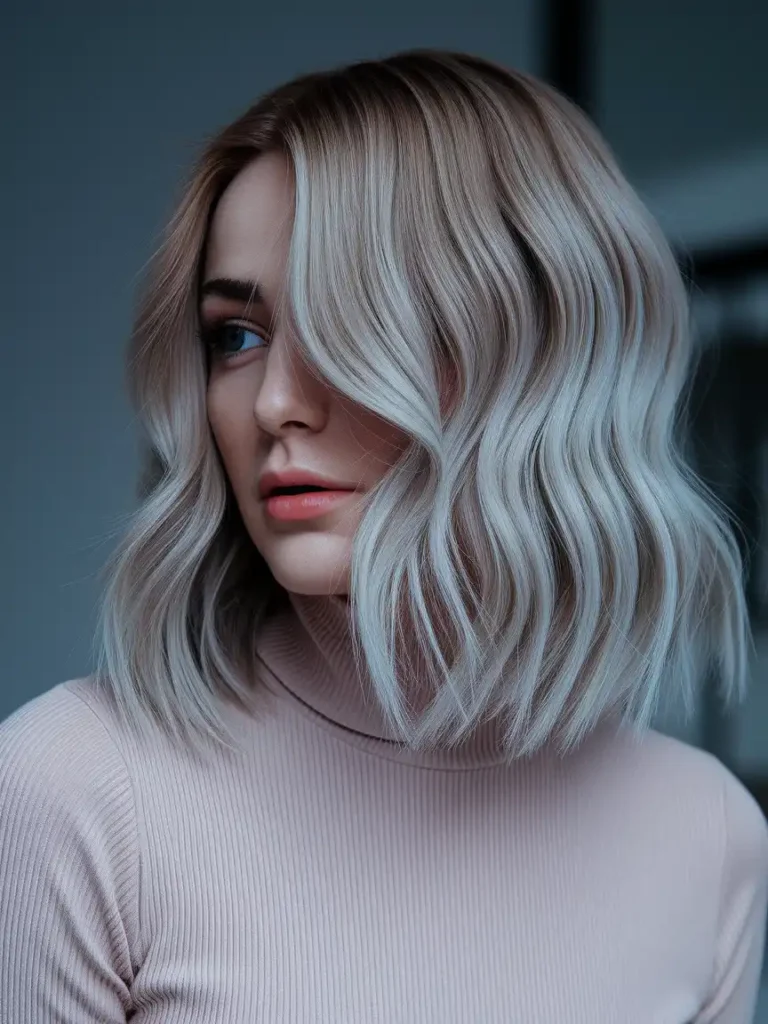
Mushroom blonde leans cooler and more muted than your standard fall shades, but it still reads seasonal. It pulls the brashness out of over-processed blonde and gives you a softer, more natural look without going warm.
This color works best if you’re already a cool or ash blonde. It’s low maintenance because it’s designed to look slightly faded and effortless. Tell your colorist you want a “lived-in mushroom blonde” with minimal contrast. Pair it with a purple toning shampoo once a week to keep it from pulling yellow or brassy. The result is a cool, understated take on fall.
5. Bronde: When You Want More Than Blonde but Less Than Brunette
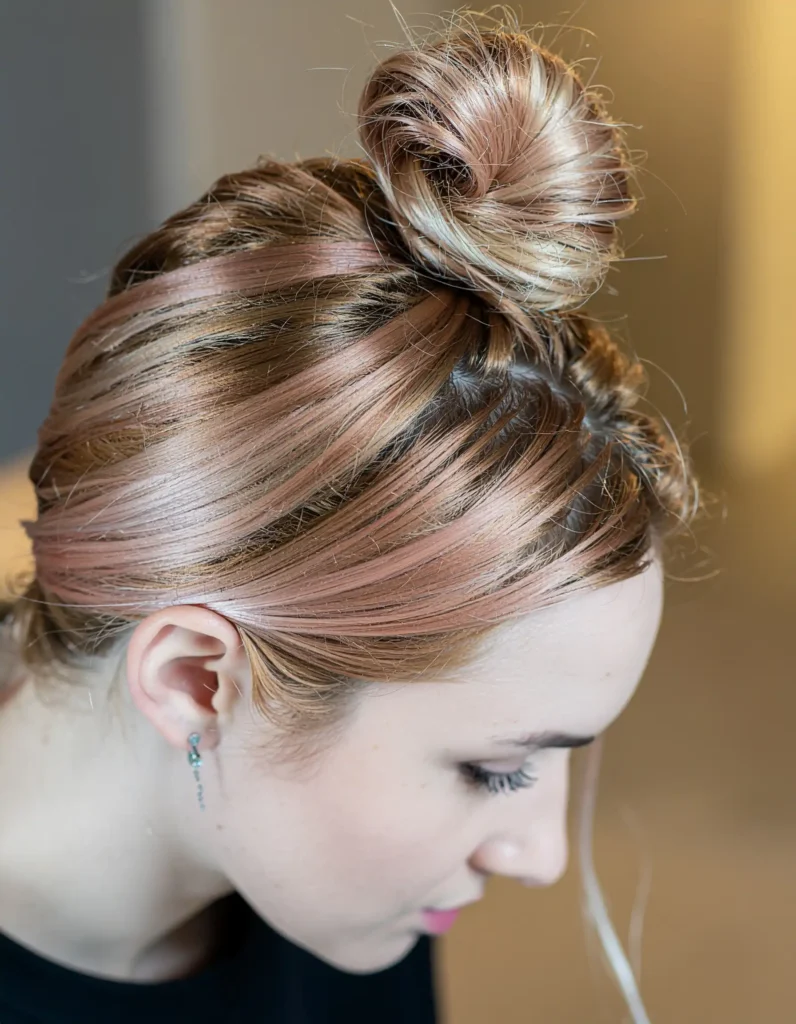
Bronde, the blend of brown and blonde, is one of the most practical transitions you can make heading into fall. It adds depth at your ends while keeping lightness at your roots, which means your color stays flattering even as it grows out.
It works especially well if you’ve been very blonde all summer and want to ease into something darker without a dramatic change. Go for a “shadow root with a bronde melt” for the most seamless result. Your colorist will darken just enough to add contrast without flattening your hair color. This is a two-season color: it looks good in fall and carries you comfortably into winter.
6. Copper Tones on Blonde Hair: Bold but Manageable
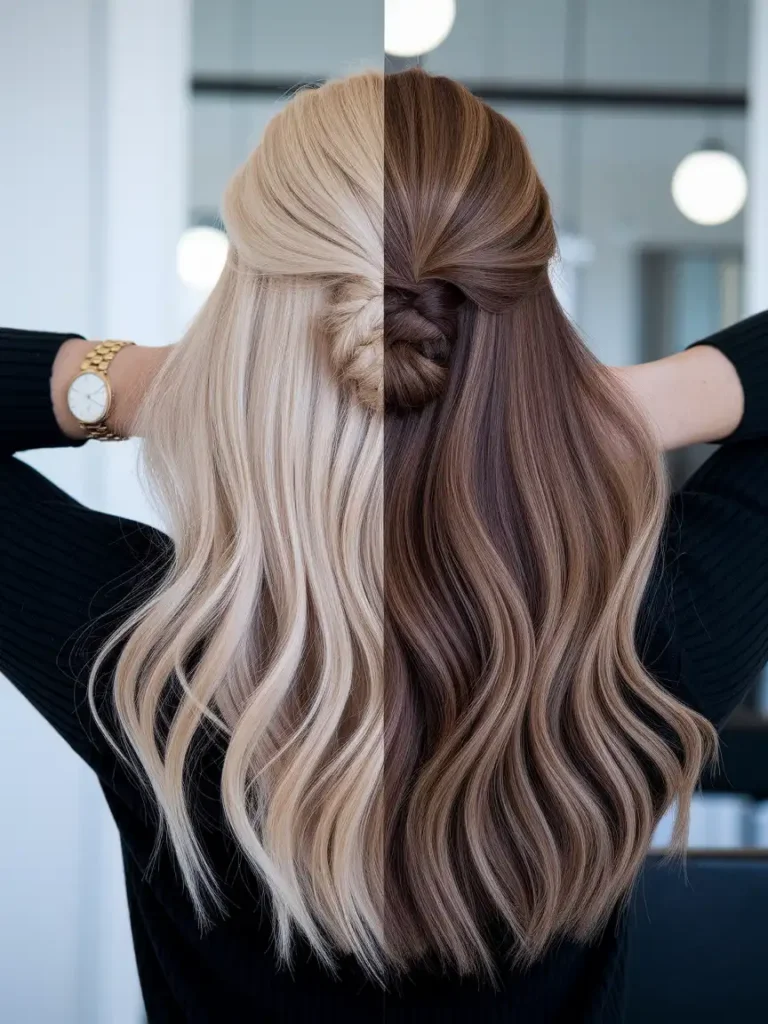
Copper is one of the most striking fall shades, and it’s more accessible on blonde hair than people assume. Because blonde is already a light base, adding copper doesn’t require heavy bleaching or lifting. A copper toner or gloss can transform your hair in a single session.
The key is choosing the right shade of copper for your skin tone. If you’re fair with pink undertones, lean toward a brighter copper or apricot tone. If your skin is warmer or olive, a deeper, more burnished copper works better. Copper does fade, so plan for a gloss refresh every 4 to 6 weeks if you want to maintain the intensity. It’s one of the more maintenance-heavy choices, so go in knowing that.
7. Strawberry Blonde: The Subtle Red Option
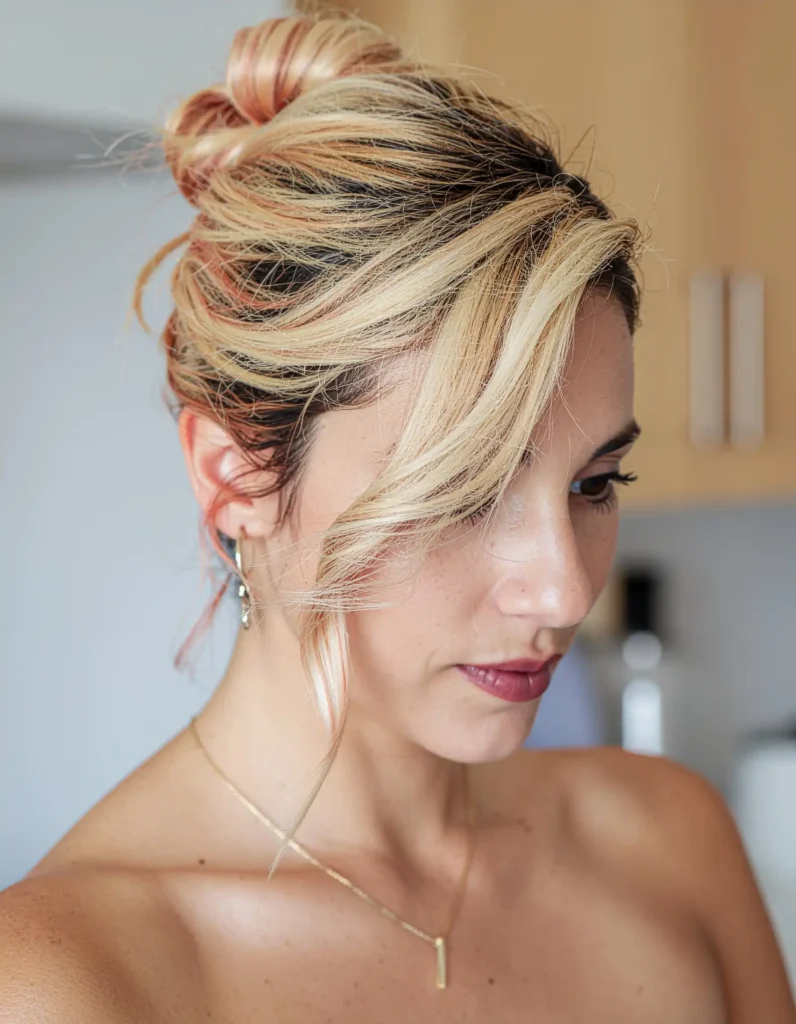
Strawberry blonde is the softer side of copper. It gives you a hint of red without reading as a full redhead, which makes it one of the most wearable fall hair colors for blondes who want warmth but not drama.
It suits a wide range of skin tones, particularly those with warm or neutral undertones. Ask for a “strawberry toner over your existing blonde” for a low-commitment version, or go for a painted strawberry balayage if you want more visible color. The color plays well in both natural and artificial light, which is a genuine plus as the days get shorter and you’re indoors more often.
8. Dark Blonde: The Low-Effort Fall Upgrade
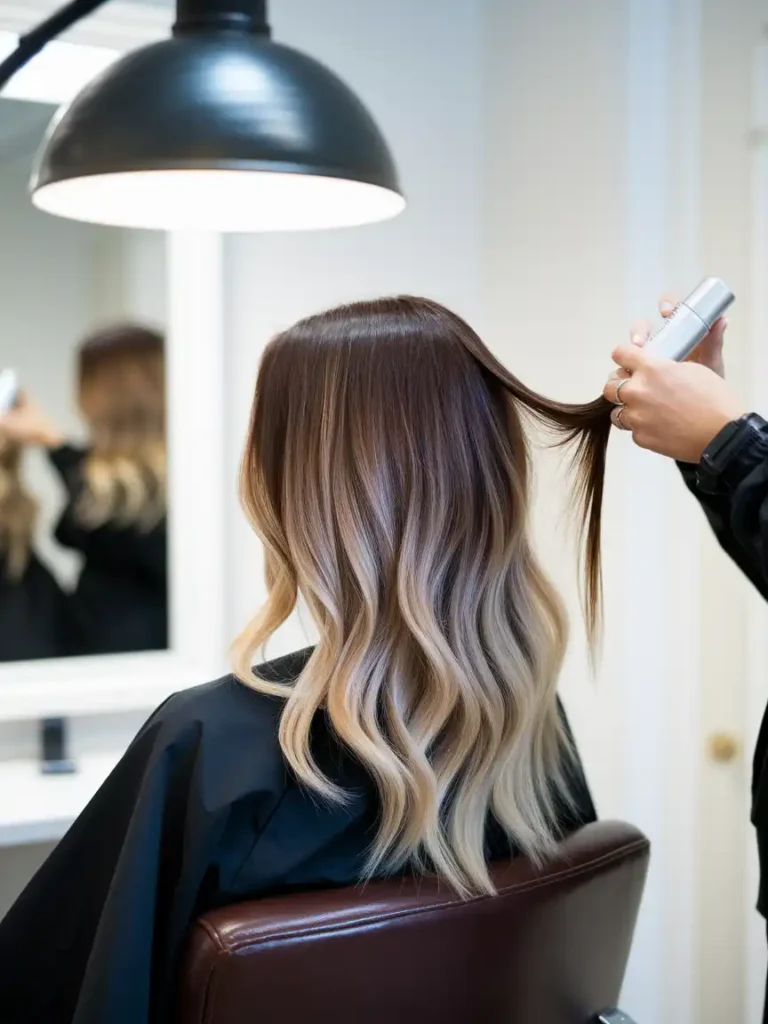
Dark blonde is underrated as a fall option. It’s not dramatic, it doesn’t require a big commitment, and it reads as natural while still giving your hair noticeably more depth and warmth than a light summer blonde.
This is a great choice if you want something low maintenance. A darkening gloss treatment can shift your light or medium blonde into dark blonde territory in under an hour. The color fades softly and doesn’t create a harsh line at the roots. It suits almost every skin tone. If you’ve been platinum or very light all summer, this is an easy first step toward a richer fall look without the upkeep of a more complex color.
9. Toffee Brown: When You’re Ready to Go Darker
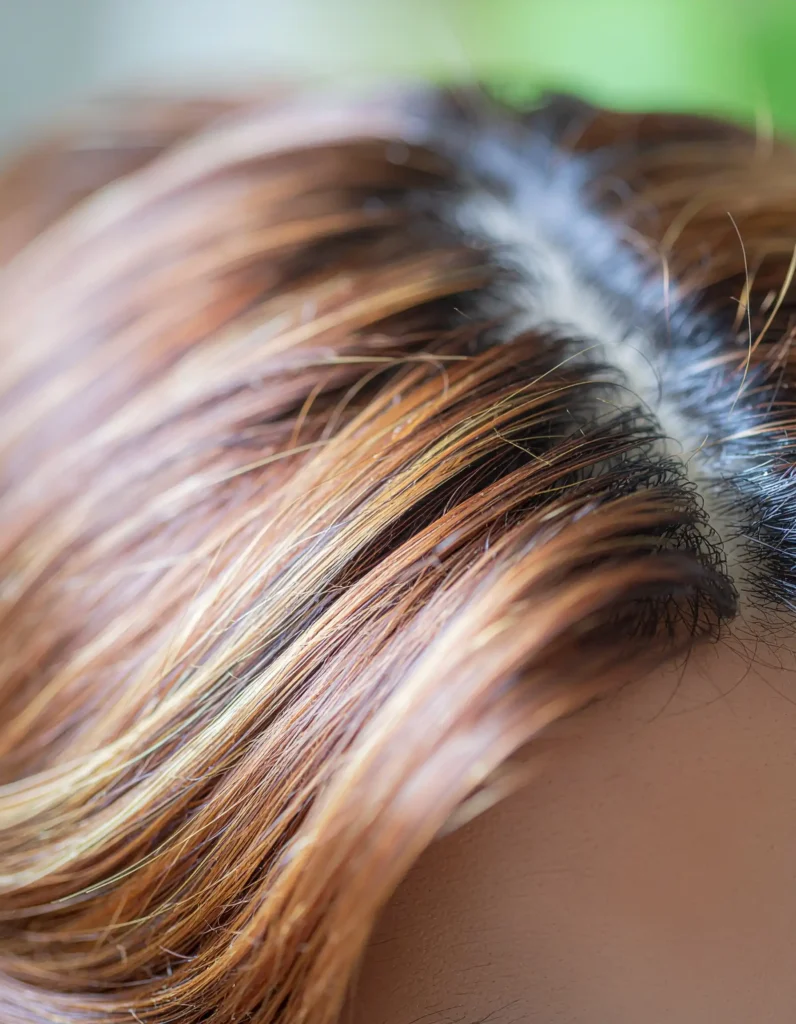
Toffee brown is the move when you’re genuinely ready to go darker but want to keep some lightness in your hair. It’s a warm, mid-depth brown with visible golden undertones, which makes it look natural even on someone who has been blonde their whole life.
Tell your colorist you want “toffee brown with lighter pieces through the top layer for dimension.” This prevents the color from looking one-dimensional or flat against your skin. The lighter pieces also make the grow-out process more forgiving. If you’re nervous about the change, start with a toffee brown gloss rather than a permanent color. You can always go darker, but it’s much harder to go lighter after a full deposit.
10. Auburn Highlights on Blonde: Dimension Without Drama
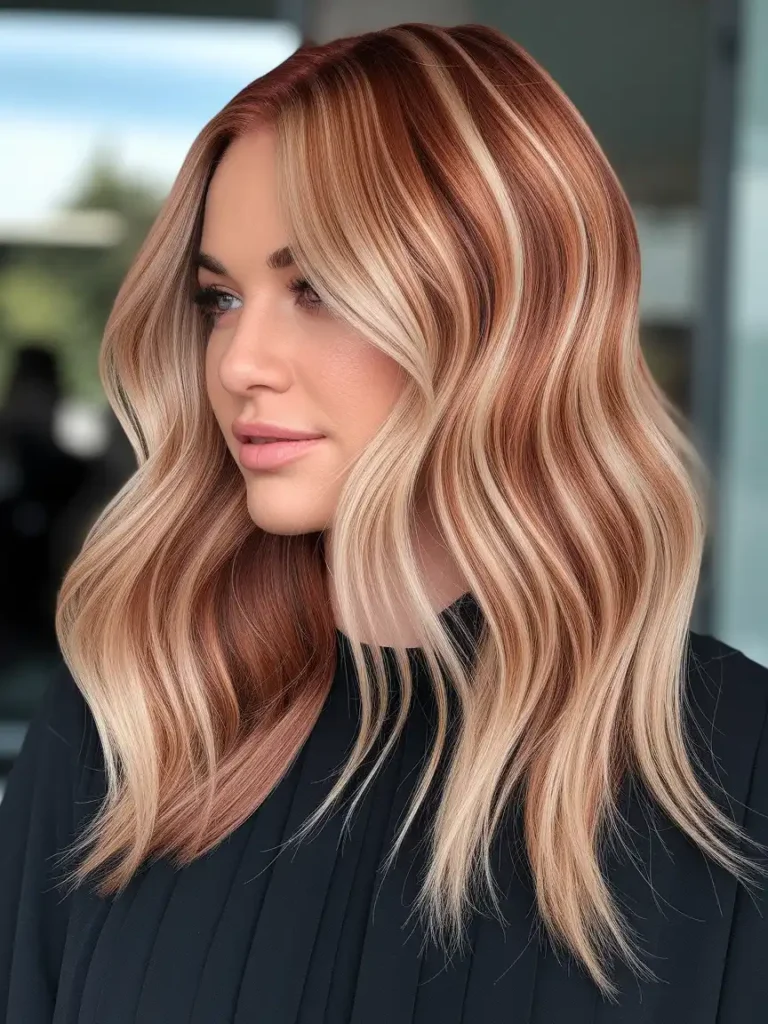
Auburn highlights are one of the smartest fall moves for blondes. Instead of changing your overall color, you’re adding warm, dimensional pieces that catch the light and give your hair a richer, more complex look for the season.
This works well if you want a change that isn’t too permanent. Auburn highlights added to a blonde base can always be adjusted or toned down later. Ask for them to be concentrated around your face and through the mid-lengths rather than placed randomly throughout. This framing technique gives the biggest visual impact with the least amount of color. It photographs well and reads as intentional, not accidental.
11. Warm Ash Blonde: Fall-Proof Without Going Fully Warm
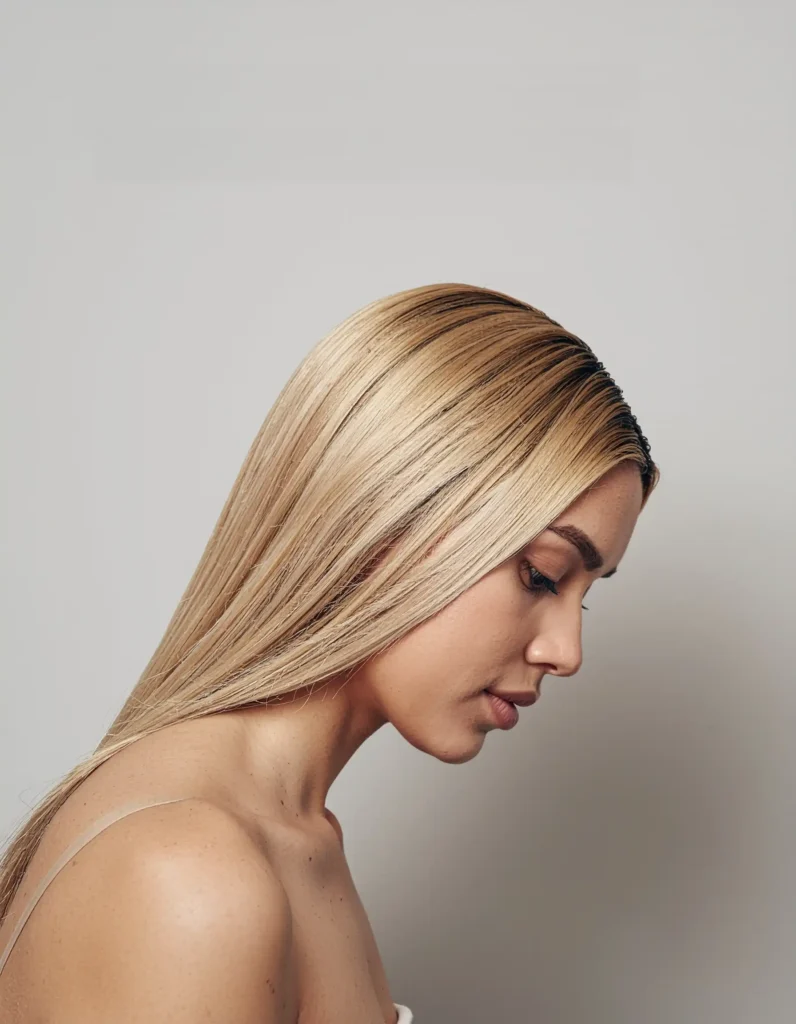
Warm ash blonde sits in a very specific sweet spot. It’s cooler than caramel or honey, but it has just enough warmth to feel seasonal. If you love your ash blonde but feel like it looks too icy or stark in fall light, a warm ash tone is the fix.
Ask your colorist to “add a touch of warmth to my ash blonde without going golden.” This usually means a toner with a slight beige or wheat base. It’s a one-step process and doesn’t require any lifting. The result is a softer, more flattering version of your current color that works in fall lighting without needing a dramatic change. It’s the kind of update that makes people say “you look great” without knowing exactly why.
12. Chunky Highlights Are Back: How to Wear Them as a Blonde
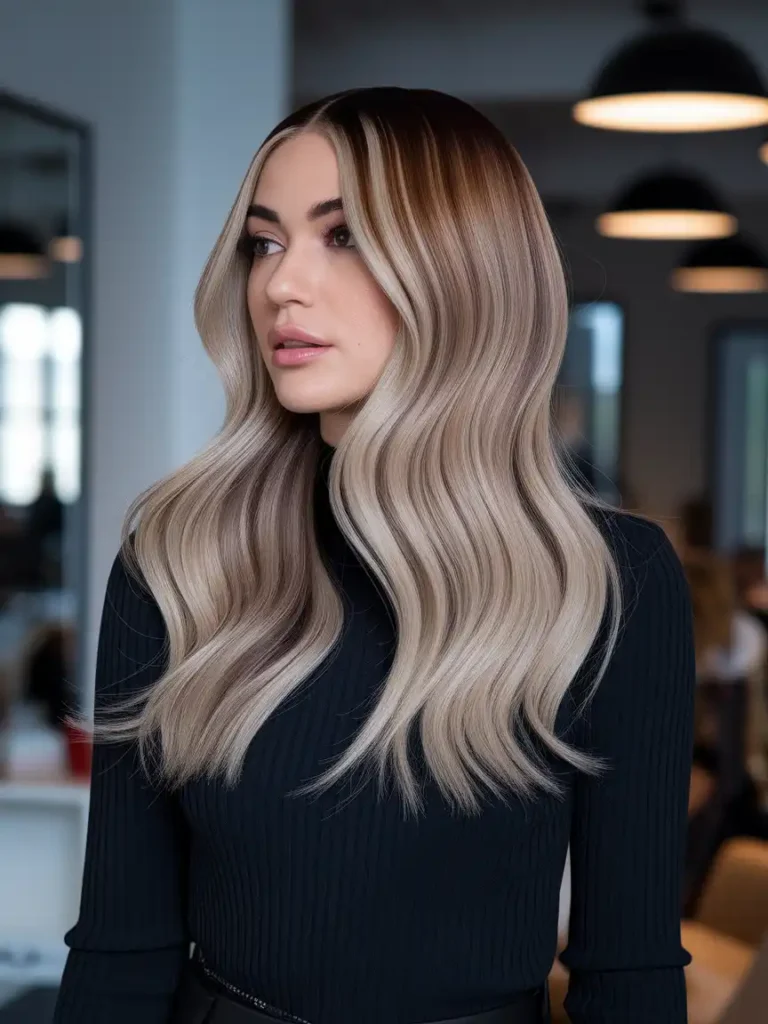
Chunky highlights came back quietly, and blondes are actually well-positioned to wear them. The technique involves placing wider sections of color rather than fine foils, which creates more visible contrast and a bolder, more graphic effect.
For fall, the most wearable version is a warm brunette or toffee tone placed over a blonde base. It gives a retro feel without looking dated. Ask for chunky pieces framed around your face and a few placed through the mid-section of your hair. You don’t need them all over to get the effect. Keep the rest of your blonde base intact so the contrast reads clean. It’s one of the more statement-making choices on this list, so go in knowing you want visible color contrast.
13. What to Tell Your Colorist Before a Fall Color Change
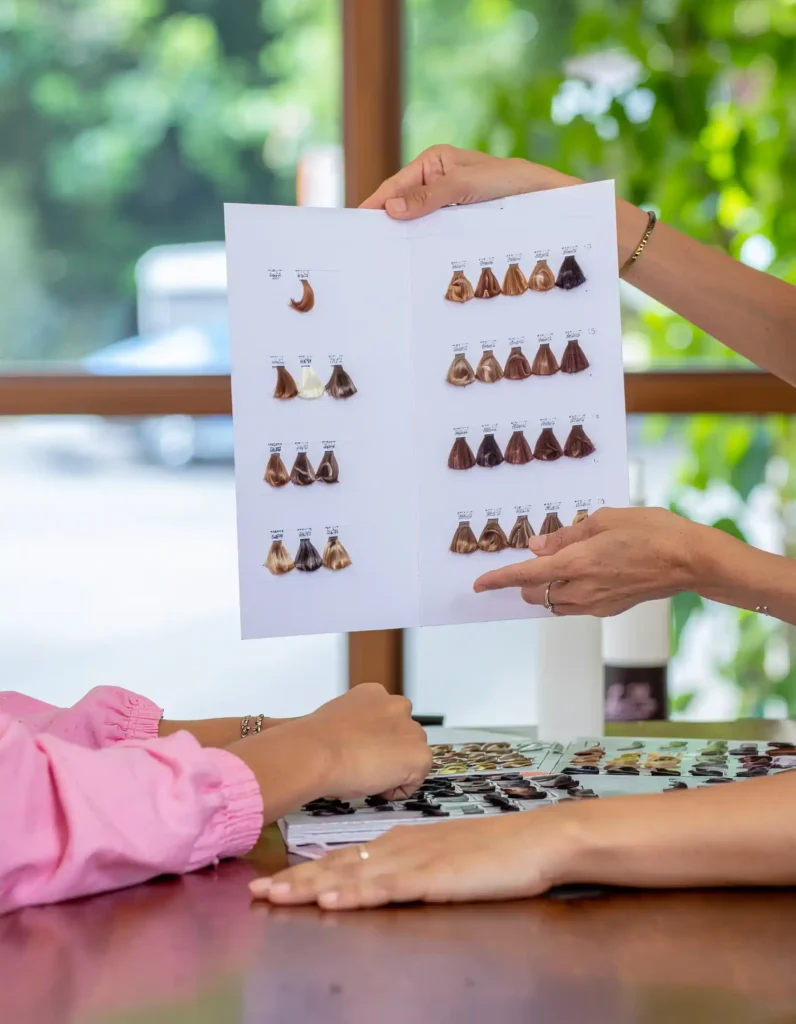
Walking into a salon without a clear idea of what you want is one of the most common ways people end up with a color they didn’t ask for. The more specific you are, the better your result.
Here’s what to prepare before your appointment:
- Bring 2 to 3 reference photos, not just one. Show your colorist what tone you like and what you want to avoid.
- Tell them your maintenance preference. If you can’t come in every 6 weeks, say that. It changes which technique they’ll recommend.
- Mention your current color history, including any box dye, bleach, or previous treatments.
- Ask specifically about the “grow-out plan.” A good fall color should still look intentional in 10 to 12 weeks.
Being direct in your consultation saves you time, money, and disappointment.
14. Fall Hair Colors for Blondes Based on Skin Tone
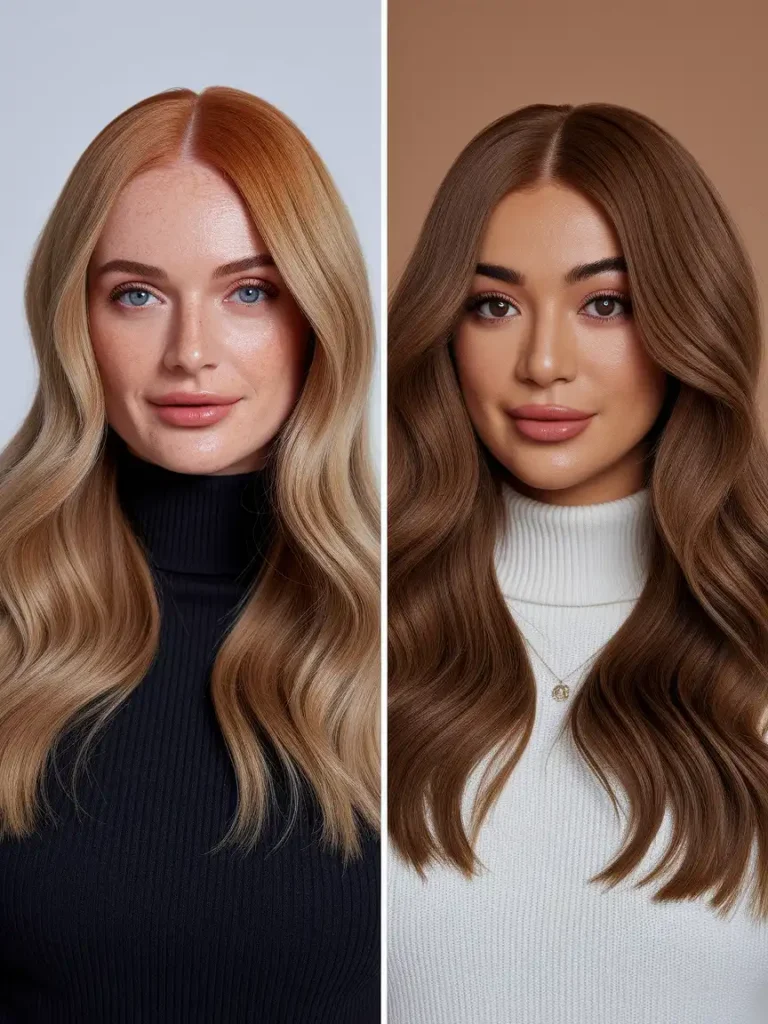
Your skin tone determines how a fall color reads on you in real life, which is different from how it looks on a reference photo. Getting this wrong is the main reason people leave the salon feeling like the color looked better on someone else.
Use this as a starting point:
- Fair, cool skin: Mushroom blonde, warm ash blonde, or strawberry blonde. Avoid very deep browns, they can look harsh.
- Fair, warm skin: Honey blonde, caramel balayage, or copper. These tones complement without overwhelming.
- Medium, neutral skin: Bronde, toffee brown, or auburn highlights. You have the most flexibility.
- Warm or olive skin: Deep copper, rich brunette-blonde blends, or dark caramel. Warmer and richer shades tend to work best.
These aren’t hard rules, but they’re a reliable starting point when you’re choosing between options.
15. Low-Maintenance Fall Colors That Grow Out Well
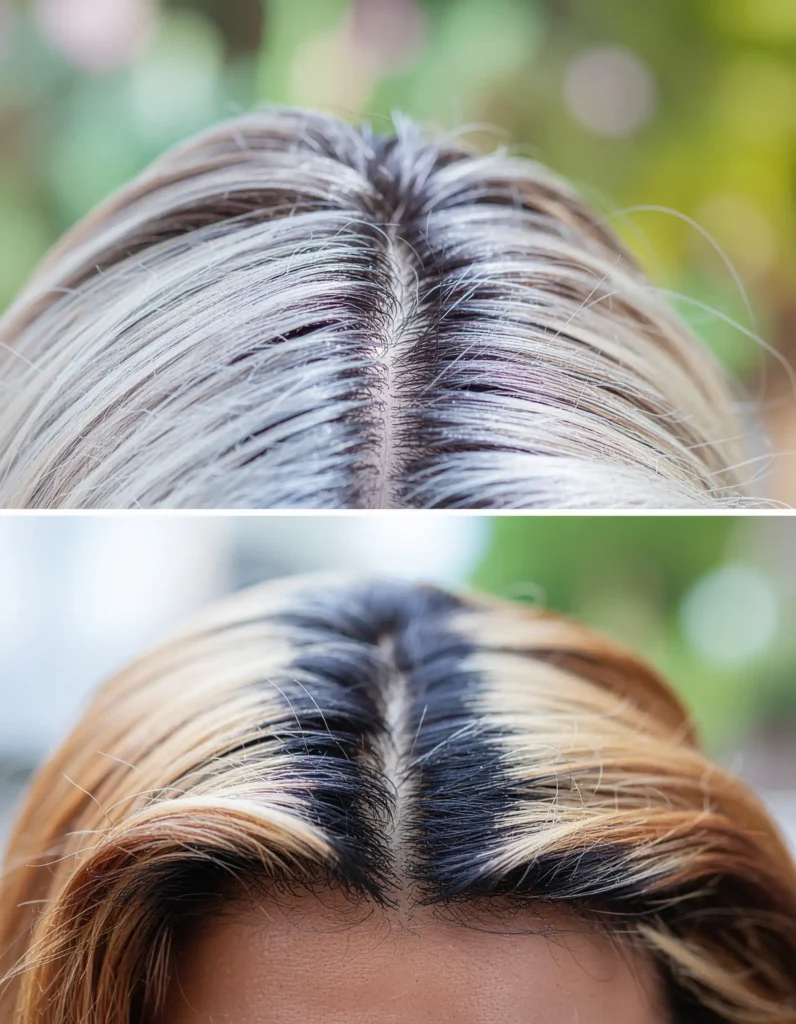
Not everyone can get to a salon every six weeks. If you want a fall color change that doesn’t demand constant upkeep, you need to pick the right technique, not just the right shade.
These are the most forgiving options for low-maintenance color:
- Balayage in any warm tone: Grown-out balayage looks natural by design.
- Gloss treatments: They fade softly and evenly over 4 to 6 weeks without leaving a visible line.
- Shadow root techniques: A slightly darker root makes grow-out invisible for longer.
- Dark blonde or bronde: Because these sit close to many people’s natural color, the grow-out is barely noticeable.
If you’re choosing between two colors you like equally, always pick the one that grows out better. It’ll save you money and stress in the long run.
16. The Difference Between a Gloss, a Toner, and a Dye
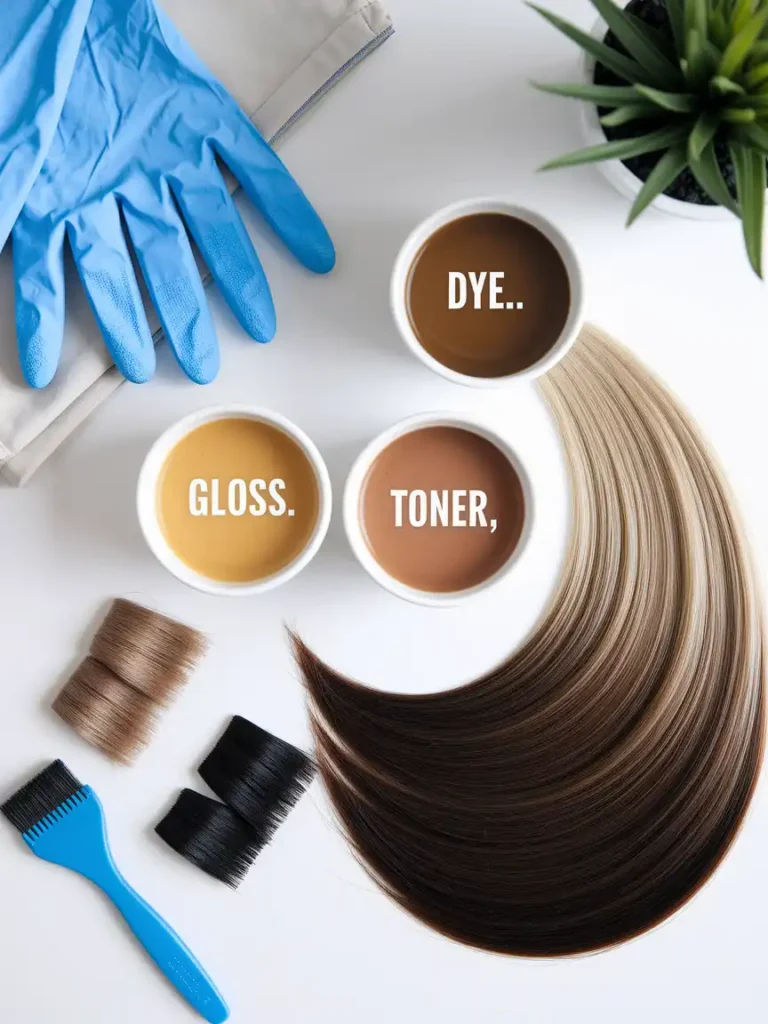
A lot of people use these terms interchangeably, but they do different things. Knowing the difference helps you ask for exactly what you want and understand what your colorist is recommending.
- Gloss: A semi-permanent treatment that adds shine, tone, and slight depth. It sits on the outside of the hair shaft, fades gently, and is the most damage-free option. Great for subtle fall transitions.
- Toner: Applied after bleach or lifting to neutralize unwanted tones or add a specific color cast. Not a standalone color treatment. It’s what removes brassiness or adds a specific hue to pre-lightened hair.
- Dye (permanent or semi-permanent): Penetrates the hair shaft and deposits or changes color more significantly. Lasts longer but requires more commitment and upkeep.
If you want a subtle fall update without major commitment, ask for a gloss. If you want a genuine color change, ask about a semi-permanent or permanent option.
17. How to Keep Your Color Looking Fresh Between Salon Visits
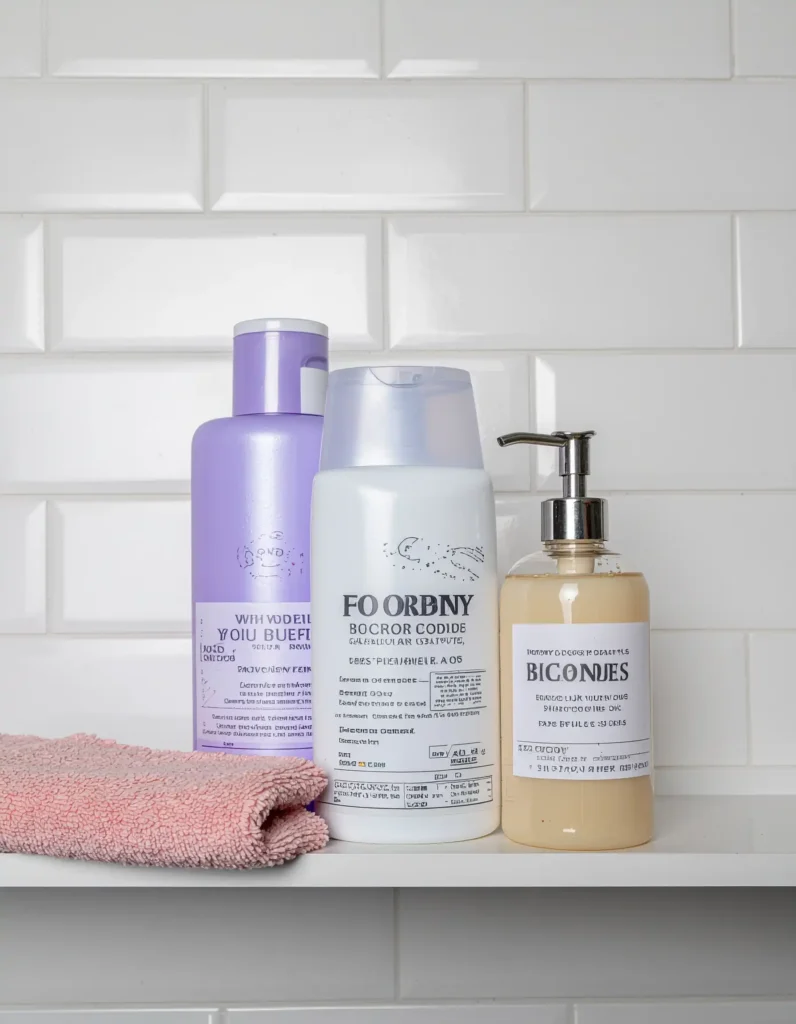
Your color doesn’t maintain itself. What you do between appointments has a real impact on how long your shade looks intentional versus faded and dull.
Here are the habits that actually make a difference:
- Wash your hair less. Frequent washing is the fastest way to strip color. 2 to 3 times a week is enough for most hair types.
- Use color-safe shampoo. Sulfate-free formulas extend color life noticeably.
- Use a toning or color-depositing product. Purple shampoo for cool blondes, a warm-toned conditioner for honey or caramel shades.
- Apply a weekly hair mask. Color-treated hair dries out faster, especially in fall. A moisture-rich mask keeps your color looking vibrant, not crunchy.
- Avoid heat without protection. Hot tools fade color faster than most people realize. Use a heat protectant every time.
Good home care can extend your color by two to four weeks. That’s worth the effort.
18. Can You DIY Fall Hair Color at Home?

The honest answer is: it depends. Some fall transitions are realistic at home. Others will cost you significantly more at the salon if something goes wrong.
Here’s a practical breakdown:
- Safe to DIY: A darkening gloss, a semi-permanent color close to your natural shade, or a color-depositing conditioner for a subtle tonal shift.
- Not worth the risk at home: Anything involving bleach, significant lightening, color correction, or complex techniques like balayage. These require a trained eye and controlled application.
- Where people go wrong: Using box dye on previously bleached or highlighted hair. The color result is unpredictable and often uneven because the porosity varies across processed hair.
If you’ve had any professional color work done in the last year, consult a colorist before applying anything at home. A $20 box dye can turn into a $200 correction appointment fast.
19. Protecting Blonde Hair During the Fall Season
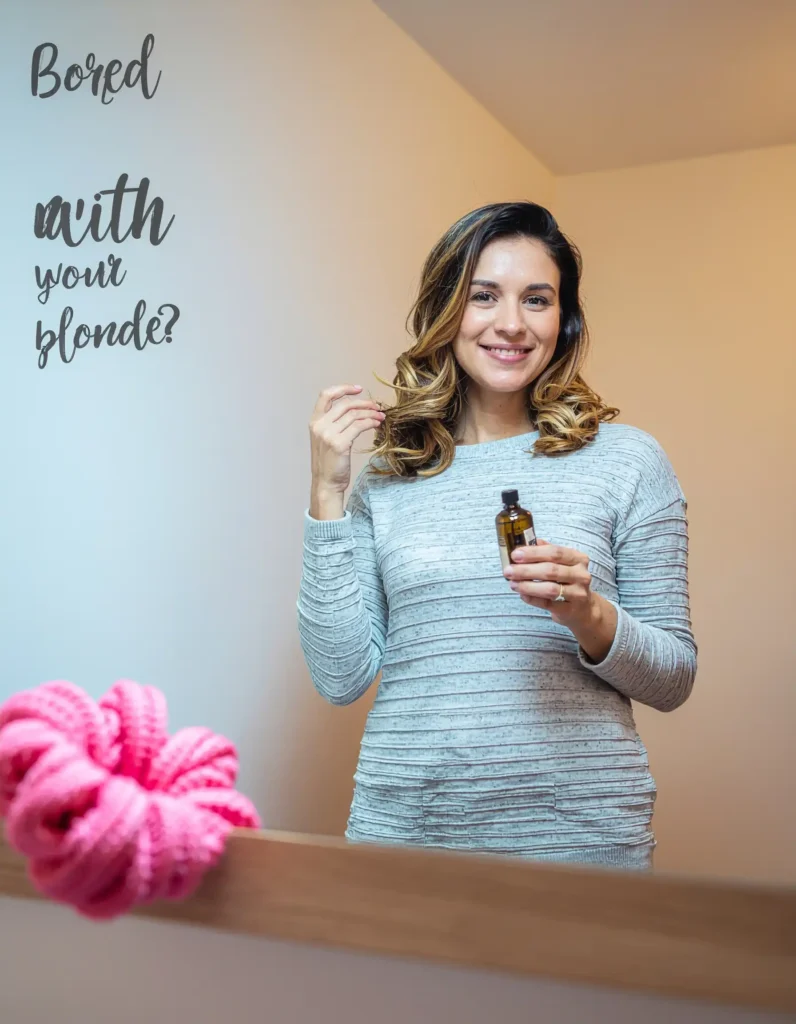
Cooler weather changes your hair’s behavior. Central heating, drier air, and heavier styling all take a toll on blonde hair specifically, which tends to be more porous and prone to dryness than darker shades.
A few adjustments to your routine make a real difference:
- Switch to a moisturizing shampoo and conditioner. Look for formulas with ingredients like keratin, argan oil, or hyaluronic acid.
- Add a weekly protein treatment if your hair feels stretchy or limp. Fall is when color-treated hair often loses elasticity.
- Use a satin pillowcase. It reduces friction and breakage, which is more noticeable on lighter, finer hair.
- Go easy on hot tools. Your hair is drier in fall. Drop your styling tool temperature slightly and use a quality heat protectant.
Healthy hair holds color better and looks better. Protecting your hair isn’t separate from protecting your color, it’s the same thing.
20. What Fall Hair Color Trends Are Actually Worth Following
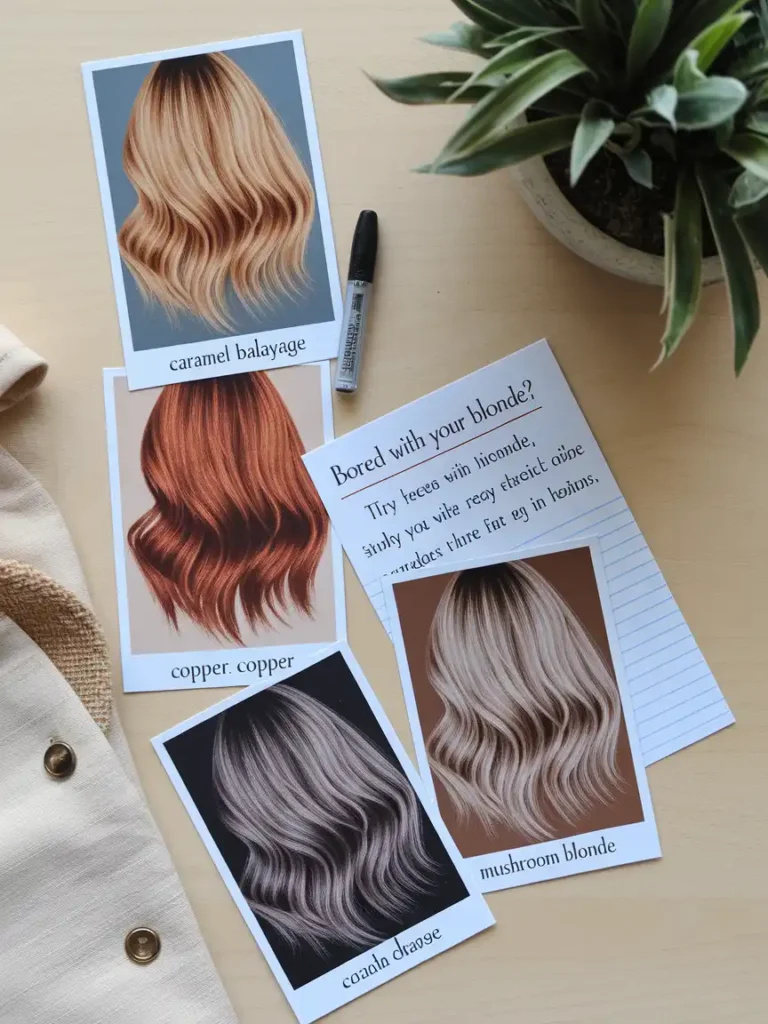
Not every trend is worth your time or money. Some fall hair color trends photograph well on Instagram but look odd in real life, fade badly, or don’t suit a wide range of skin tones and hair textures.
The ones genuinely worth considering this fall:
- Caramel balayage: Consistently popular because it suits a wide range of people and grows out well.
- Copper and strawberry tones: Trending upward and flattering on most fair to medium skin tones.
- Warm, natural-looking brunette blends: Moving away from high-contrast, heavily foiled looks toward softer, more organic color.
- Glossy, dimensional color: Shiny, healthy hair is genuinely trending as a reaction to years of heavily highlighted, dry-looking blonde.
Skip anything that requires significant bleaching to achieve. The maintenance cost and hair damage rarely matches the payoff for a trend that may shift by mid-season.
21. Transitioning Back to Blonde After Fall: What to Know
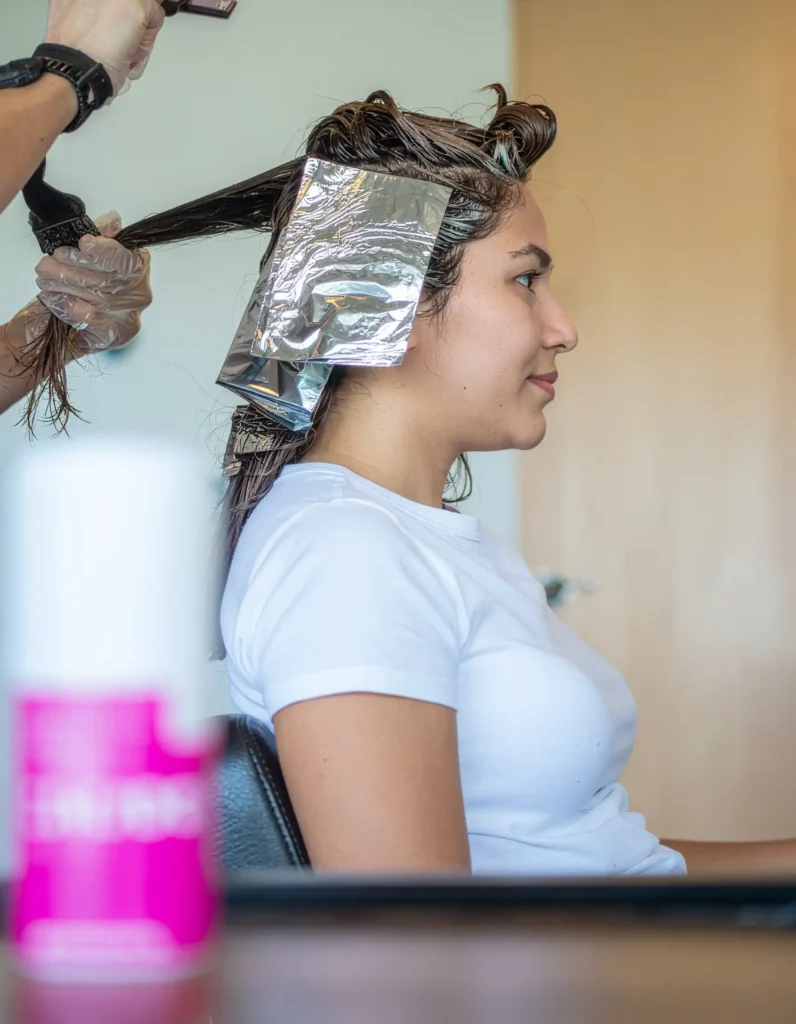
Going darker for fall is appealing. Going back to blonde afterward is where things get complicated. If you’re someone who does this seasonally, you need a plan before you go dark.
What actually matters:
- Keep any darkening treatment semi-permanent or a gloss. Permanent dye is much harder to lift later.
- Tell your colorist upfront that you plan to return to blonde in the spring. They’ll choose a formula that’s easier to remove.
- Avoid box dye entirely if you know you’ll want to go lighter. The metallic salts in some box dyes react badly with salon lighteners.
- Budget for a two-step process when you return to blonde. Removing a warm brunette or copper shade often requires a color remover session followed by a lightening and toning appointment.
The more honestly you plan for the round trip, the less damage and frustration you’ll deal with when spring comes around.
22. The Best Haircuts to Pair With Your Fall Color
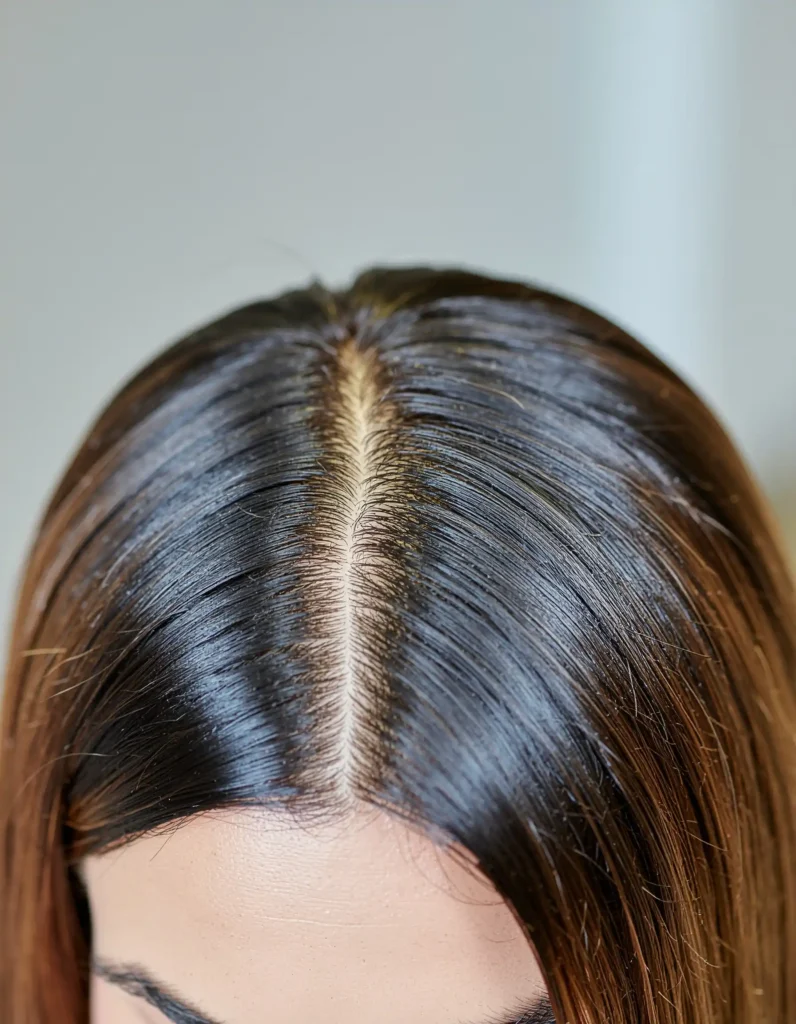
Color and cut work together. A new fall shade can look flat or unfinished on a haircut that’s grown out past its shape. Getting a trim alongside your color update makes both look more intentional.
A few cuts that work particularly well with fall color transitions:
- The lob (long bob): Clean, versatile, and shows off balayage and blended color beautifully.
- Soft layers on longer hair: Layers create movement, which makes dimensional color look richer.
- A blunt cut on medium-length hair: Works well with high-contrast color like chunky highlights or a sharp bronde.
You don’t need a drastic cut. Even a half-inch trim to clean up your ends makes colored hair look noticeably healthier and more polished. Talk to your stylist about your color plan before they start cutting so the shape complements the color placement.
23. Booking Your Fall Color Appointment: Timing and Costs
Image Description: A phone screen showing a salon booking app with an appointment for a color service scheduled for early October. The phone is held casually in someone’s hand. A planner or notebook is open in the background with some handwritten notes. The image feels practical and real, not styled.
Fall is one of the busiest times in salons. If you’re planning a color change, book your appointment earlier than you think you need to. Most good colorists fill up 3 to 4 weeks out by late September.
A rough cost guide to set realistic expectations:
- Gloss or toning treatment: $50 to $100, depending on your salon and location.
- Balayage or highlights: $120 to $250 or more, depending on hair length and complexity.
- Full color service: $80 to $180 for a single process permanent color.
- Color correction: $200 and up. Highly variable based on how much needs to change.
Ask for a consultation before committing if you’re unsure what service you need. Most salons offer these for free, and it gives you accurate pricing before you’re already sitting in the chair. Know your budget going in and be upfront with your colorist about it. They can usually work with you to get the best result within your range.
Conclusion:
Changing your hair color for fall doesn’t have to be complicated or expensive. Whether you go for a soft caramel gloss or something bolder like copper, the right shade can make a real difference in how you feel heading into the colder months. Pick one option from this list, save a reference photo, and book your consultation. That’s the whole plan. Fall hair colors for blondes give you more options than most people realize, and now you know exactly where to start.