Fall Hair Colors for Brunettes Trending This Season
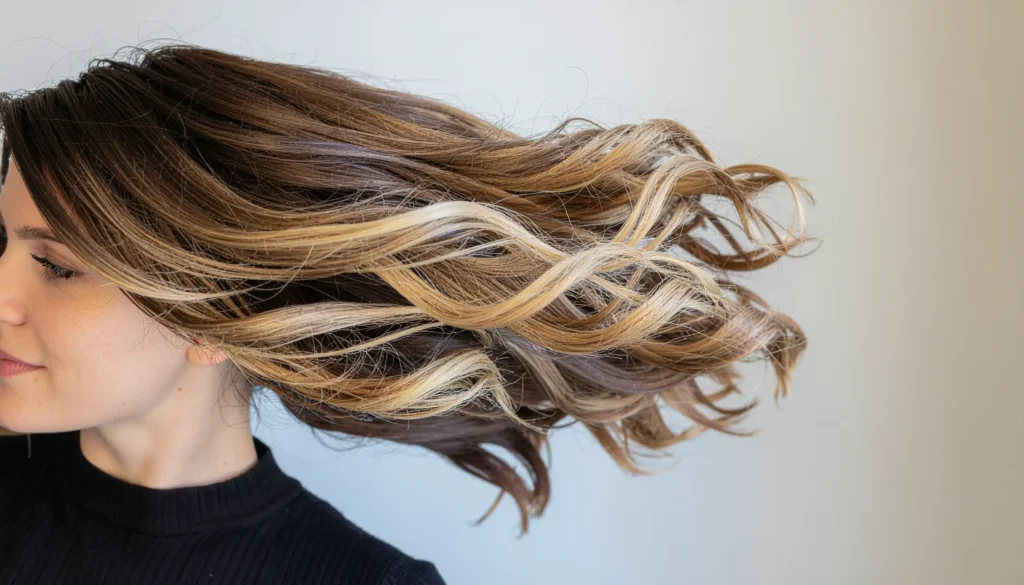
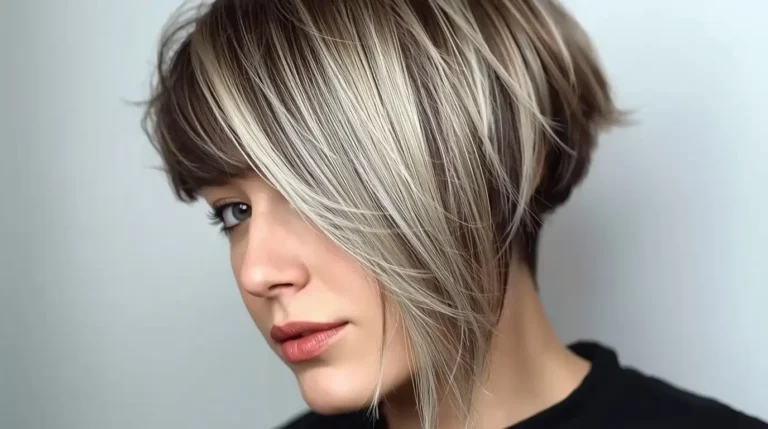
Fall is the one season where going darker, warmer, or richer actually makes sense for your hair. If you have brown hair, you’re already working with a base that takes seasonal color well. Chestnut, copper, burgundy, deep caramel, these shades all build on what you already have rather than fighting it. This guide covers the trending fall hair colors for brunettes worth considering this season, with honest advice on what works, what fades fast, and what to ask your colorist before you commit.
1. Fall Hair Colors for Brunettes That Are Actually Worth Trying This Season
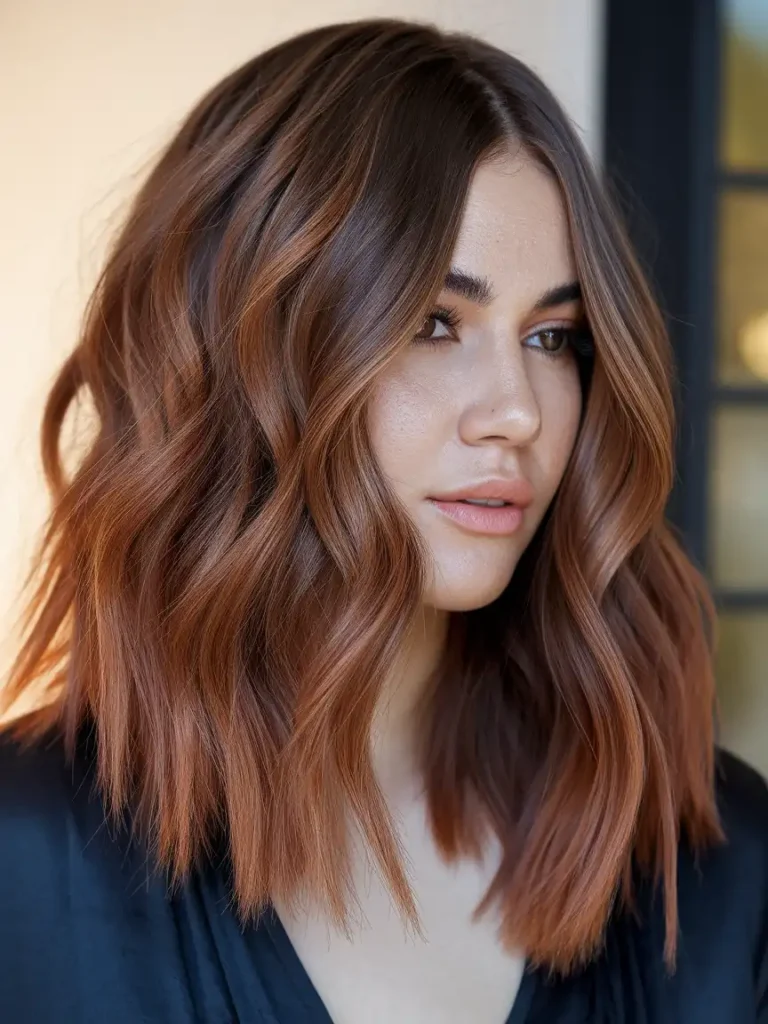
If you have brown hair and you’re tired of the same flat, one-dimensional look every fall, this season gives you real options. Warm coppers, deep chestnuts, and soft caramels are dominating salon boards right now, and they work with your natural base instead of against it. You don’t need to go platinum or make a dramatic change to feel like your hair fits the season.
The key is picking a shade that complements your skin tone. Olive and deeper skin tones tend to do well with rich auburn and copper tones. Fair skin usually looks best with honey or light chestnut. If you’re not sure where to start, ask your colorist to pull one or two tones rather than going full transformation on the first visit.
2. Warm Chestnut Brown: The Shade That Works on Almost Everyone

Chestnut brown sits in that sweet spot between dark and medium brown, with a warmth that makes it look intentional even when it’s growing out. It reads seasonal without screaming “I just came from the salon,” which is exactly what most people want in a hair color. If your natural base is a dark or cool brown, chestnut adds warmth without a full bleach process.
Maintenance is manageable. A gloss treatment every 6 to 8 weeks keeps the tone from fading flat, and a color-safe shampoo does most of the heavy lifting between appointments. If you want to try it before committing, ask for a chestnut gloss first. It’s temporary, gives you a preview, and adds shine in the process.
3. Fall Balayage for Brunettes Who Want Dimension Without the Upkeep
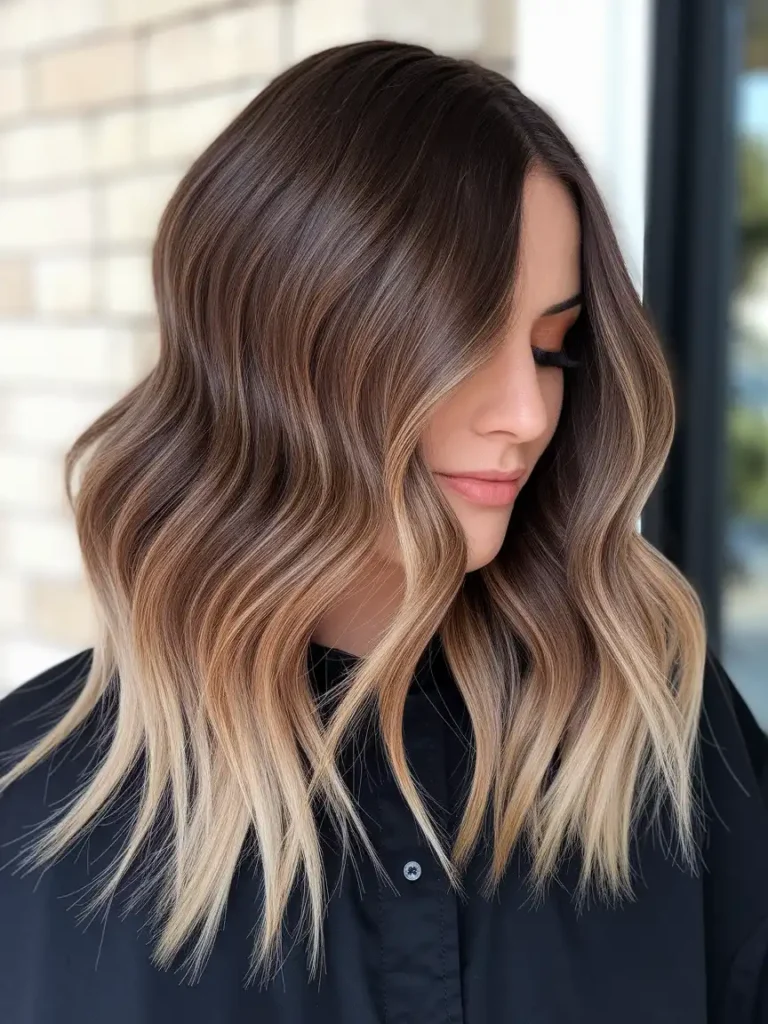
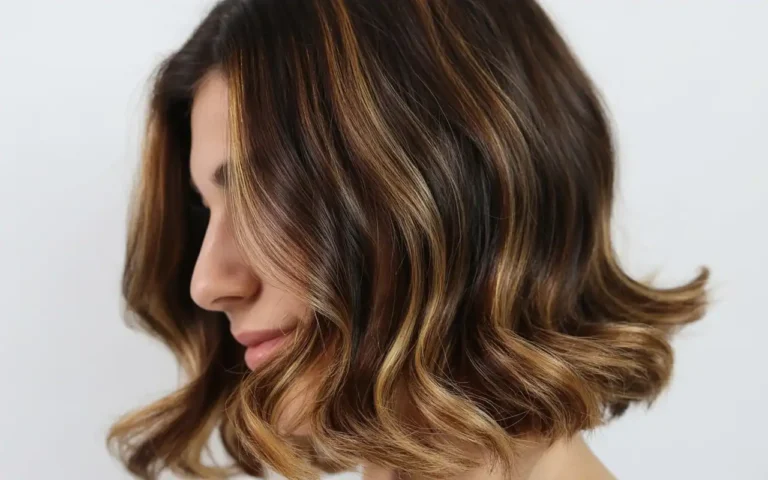
Balayage remains one of the most practical color techniques for brunettes, and fall is one of the best times to get it done. Instead of a stark contrast, you’re going for warmth, a color that looks like your hair naturally lightened in the summer sun and is now settling into a richer tone. The grow-out is gradual, so you’re not stuck on a rigid touch-up schedule.
For fall specifically, ask your colorist for caramel or toffee tones rather than blonde. These shades blend with dark brown bases in a way that looks natural and stays looking intentional for longer. If your current balayage from summer is fading brassy, a toning gloss in a cool caramel or soft auburn can reset the color and bring it back in line with the season.
4. Dark Auburn: How to Pull Off Red Tones Without Going Full Ginger
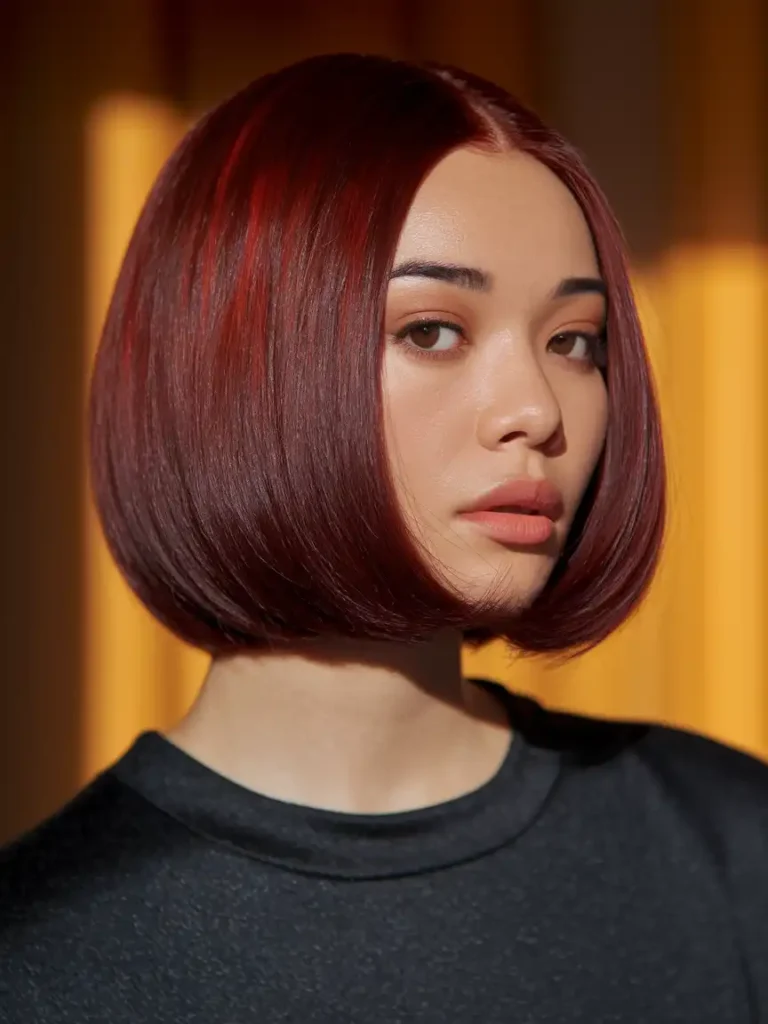
Dark auburn is one of those colors that rewards you the more light hits it. It reads as brown in most lighting, but in sunlight or warm indoor light, you see the red and copper tones come through. That subtlety is what makes it a strong fall choice for brunettes who want a change that doesn’t feel too committed.
The tricky part is keeping it from going brassy as it fades. Use a red or copper-tinted conditioner once a week to maintain the tone between appointments. Avoid clarifying shampoos, which strip color faster than anything else. If you have naturally dark hair, your colorist may need to do a slight lightening before applying the auburn shade to get true color payoff.
5. Low-Maintenance Fall Hair Color Options for Dark Brown Hair
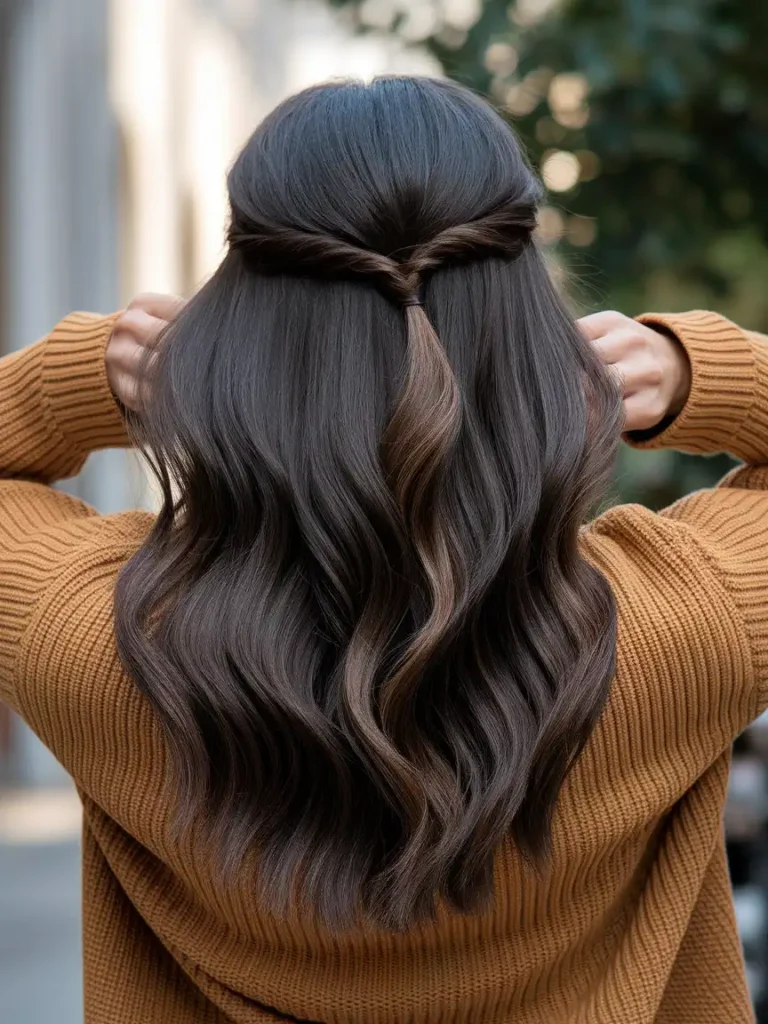
If you have dark brown or near-black hair, you don’t need highlights to make your color feel seasonal. Sometimes a gloss in a cooler or warmer tone is enough to shift the whole feel of your hair for fall. A blue-black or deep espresso gloss, for example, adds intensity and shine without any lifting or damage.
The most low-maintenance option? Stick close to your natural base and add a toning treatment in-salon. Here’s what actually works for dark brown hair without high upkeep:
- Deep espresso gloss: Adds richness and shine, zero lifting required
- Soft black with cool undertones: Great for olive or deeper skin tones going into fall
- Dark brown with a subtle burgundy tone: Visible in direct light, grows out cleanly
- Root smudge technique: Blends any existing color into your natural base for a seamless grow-out
All of these options work with your existing color and require minimal touch-up appointments through the season.
6. Mushroom Brown: The Muted Tone Getting Quiet Attention This Fall
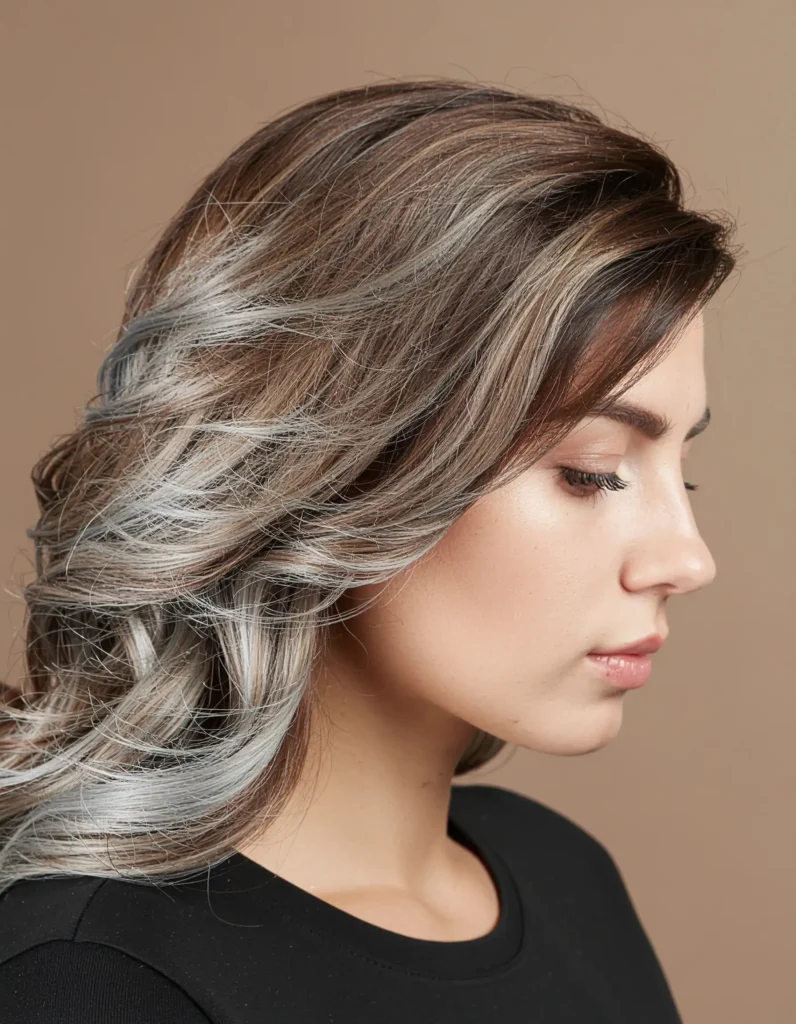
Mushroom brown is a cool, muted brown that sits somewhere between ashy and natural. It doesn’t have the warmth of chestnut or caramel, which makes it a strong choice if you run warm naturally and want balance. It’s one of the cleaner-looking shades of the season and works well on people with cool or neutral undertones.
Getting the tone right matters more than the technique here. Mushroom brown can pull green or gray if it’s not toned correctly, so make sure your colorist uses a violet or blue toner to neutralize any unwanted warmth. At home, an ash-toned purple shampoo once a week helps maintain the cool quality of the shade between appointments.
7. Copper Brown: A Fall Color That Photographs Well in Every Light
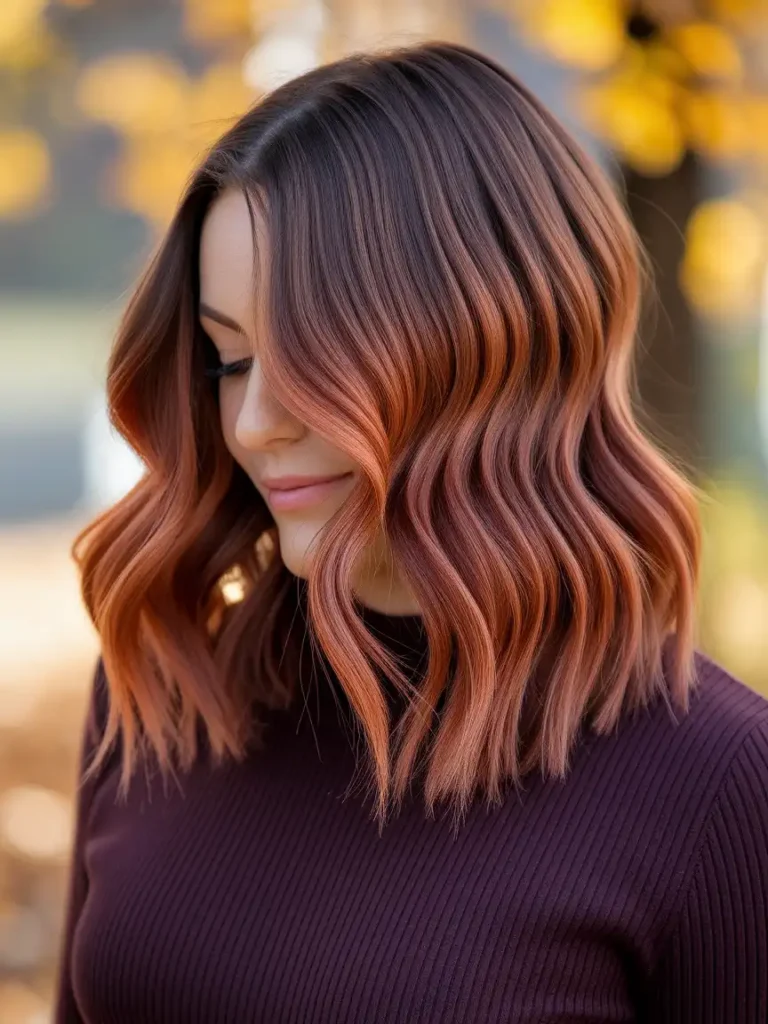
Copper brown is one of the more photogenic shades you can go for in fall, because it literally glows in warm and natural light. It’s not as bold as a full copper or red, but it’s warmer and more interesting than a flat brown. For brunettes, this usually means adding copper or burnt orange tones through a balayage or highlights technique rather than a full-color change.
The challenge with copper is fading. It tends to lose vibrancy faster than deeper shades, usually pulling orange or yellow as it fades. A color-depositing conditioner in a copper or red tone used once a week makes a real difference. Also, washing your hair in cool water instead of hot slows down the fading process significantly.
8. Cinnamon Highlights on Brown Hair: Getting the Balance Right
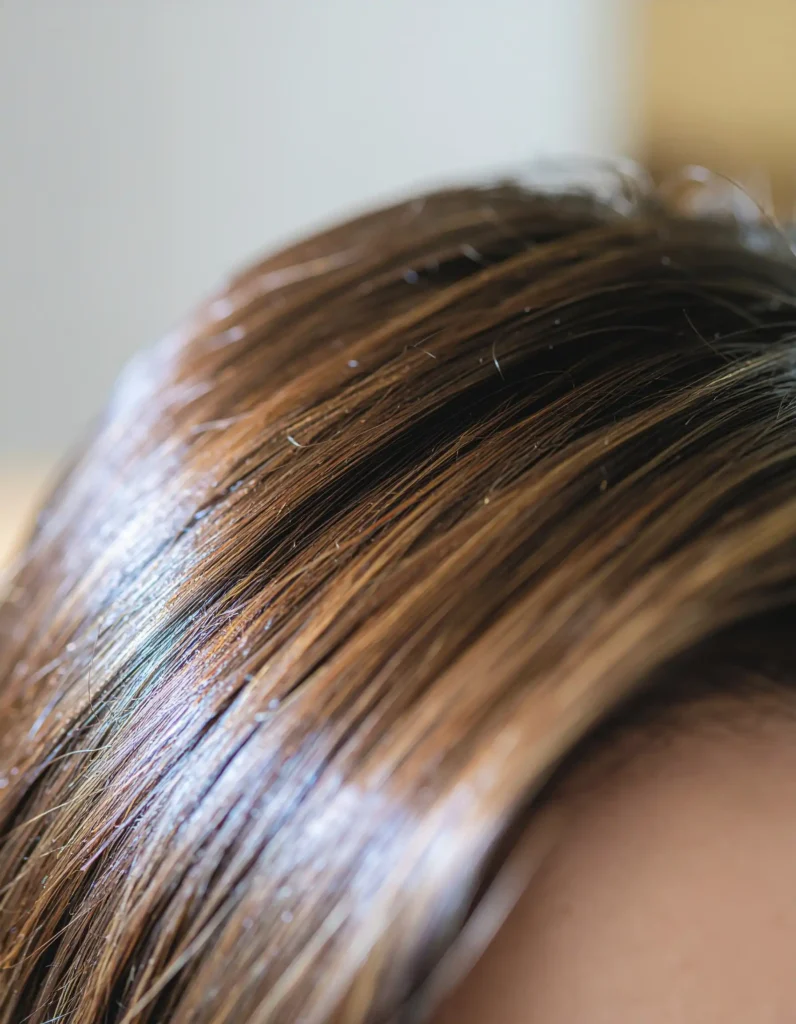
Cinnamon highlights are one of the more flattering ways to add warmth to brown hair without committing to a full color change. They sit close to the natural brown base, which means the grow-out doesn’t look abrupt. The tone itself reads warm and seasonal without being as obvious as copper or auburn.
Placement matters here. You want the highlights concentrated around the face and through the mid-lengths, not uniform from root to tip. That placement creates the most natural dimension. If you’ve had highlights before that faded brassy, a cinnamon tone is actually more forgiving than blonde because the underlying warmth doesn’t fight the fade as much.
9. Burgundy Hair for Brunettes: Dark Enough to Be Subtle, Rich Enough to Turn Heads
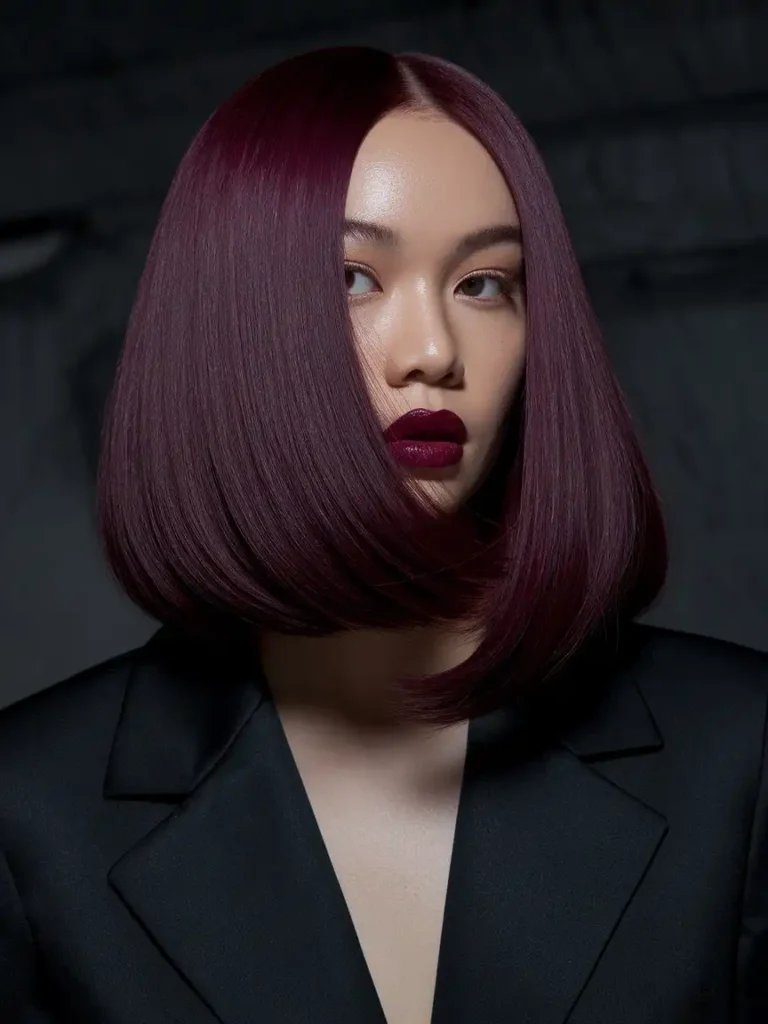
Deep burgundy is one of those fall shades that doesn’t scream for attention but definitely gets it. When done over a dark brown base, it reads as an intensified version of your natural color with a wine or plum undertone that shows up in the right light. You’re not going red. You’re going darker and richer.
For the most natural result, ask for a burgundy toner or gloss rather than a permanent dye if your hair is already dark. This gives you the tone without a heavy commitment. The color fades gradually and rarely looks patchy. If you want something more permanent and vivid, a full burgundy color works best on hair that’s been lightly lifted first so the pigment has somewhere to land.
10. The Difference Between Warm and Cool Fall Tones (And How to Choose)
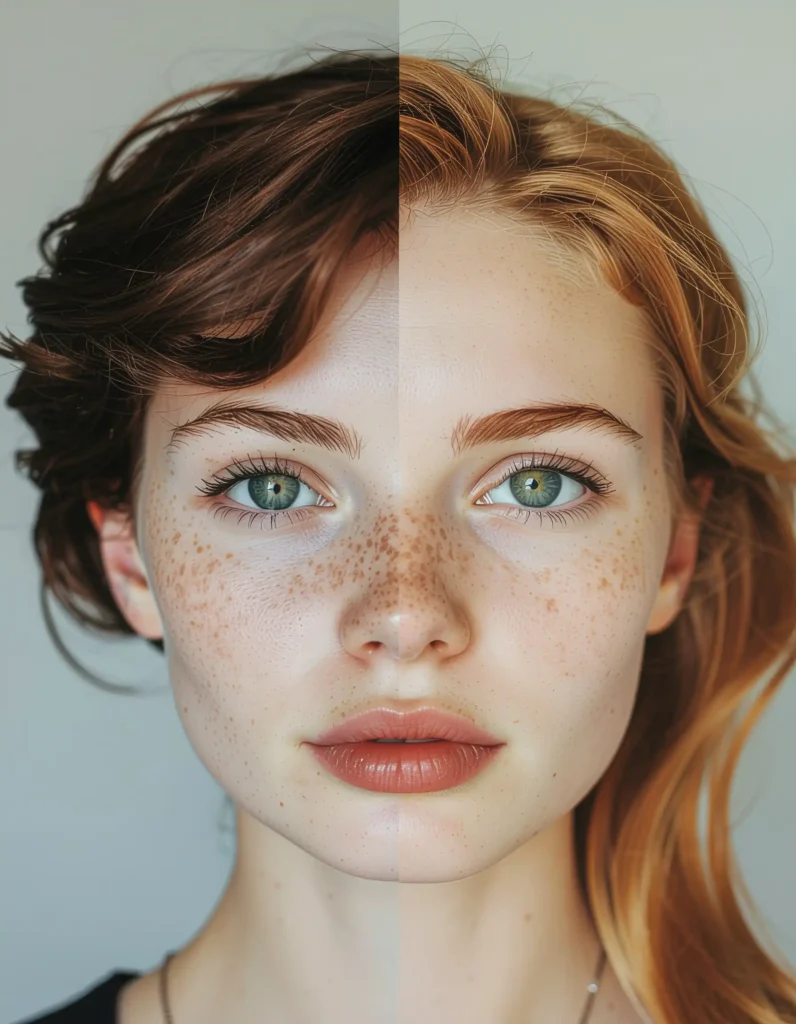
Choosing between warm and cool tones for fall comes down to your skin tone and what you want the color to do for your face. Warm shades like copper, auburn, and caramel add energy and warmth. Cool shades like mushroom brown and ashy chestnut create a more muted, refined look. Neither is objectively better. They serve different goals.
A quick way to figure out which direction works for you: look at the veins on your inner wrist. Blue or purple veins suggest cool undertones, which pair well with ashy and smoky shades. Green veins suggest warm undertones, which respond well to caramel, copper, and chestnut. If you see both, your skin tone is neutral and you can go either direction depending on the look you’re after.
11. Low-Maintenance Fall Hair Color Options for Dark Brown Hair Using Glosses and Toners
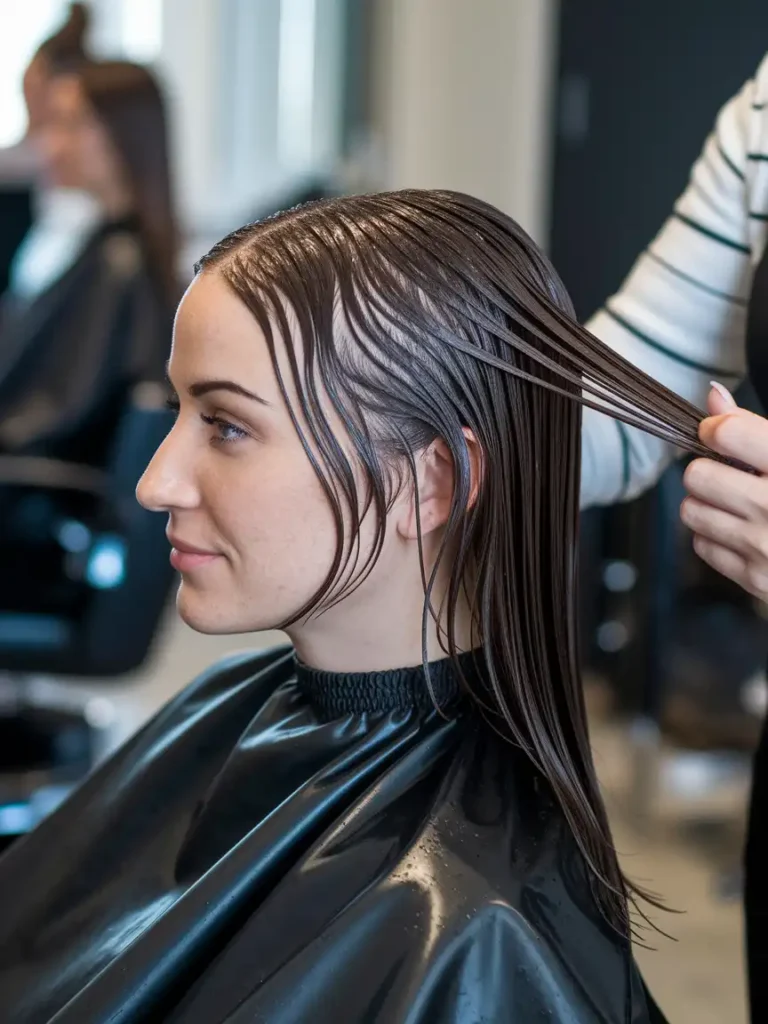
A gloss or toner is one of the most underused tools for dark brown hair in fall. It doesn’t require lifting, doesn’t damage the hair, and can shift your color temperature enough to make a real visual difference. A warm gloss adds caramel or amber tones; a cool gloss pulls the color toward ash or espresso.
In-salon glosses typically last 4 to 6 weeks. At-home toning treatments are cheaper and more accessible but require some trial and error with timing. Here’s what to ask for based on your goal:
- Want warmth without highlights: Ask for a chestnut or caramel clear gloss
- Want to neutralize brassiness: Ask for an ash or cool brown toner
- Want more depth and intensity: Ask for a deep espresso or dark mahogany gloss
- Want a subtle seasonal shift with zero damage: Ask for a color-depositing clear gloss with no developer
These are all low-commitment options that work within your natural base without a long recovery process.
12. Caramel Highlights on Brunettes: What They Actually Look Like on Dark Hair
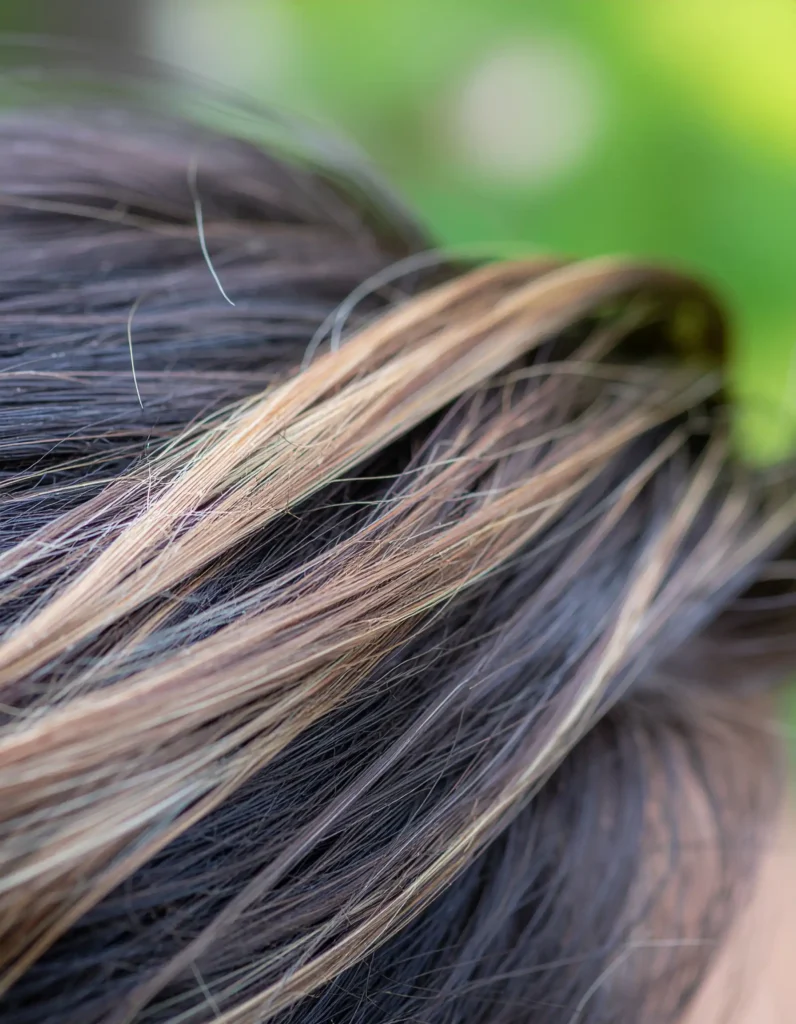
Caramel highlights on dark brown hair look different than they do on medium brown, and not always in the way people expect. On a dark base, caramel can appear subtle in low light and significantly warmer in direct sunlight. If you’re expecting a dramatic transformation, you may be disappointed. If you want a natural seasonal shift, this is one of the best options available.
For a more visible result on dark hair, your colorist may need to pre-lighten the sections first before applying the caramel tone. This takes an extra step but makes the payoff much stronger. If you’re not ready for that, opt for a caramel gloss over your natural base. It adds a warm tint that reads as dimensional without the commitment of full highlights.
13. Mocha Brown: The Safe Bet That’s Harder to Pull Off Than It Looks
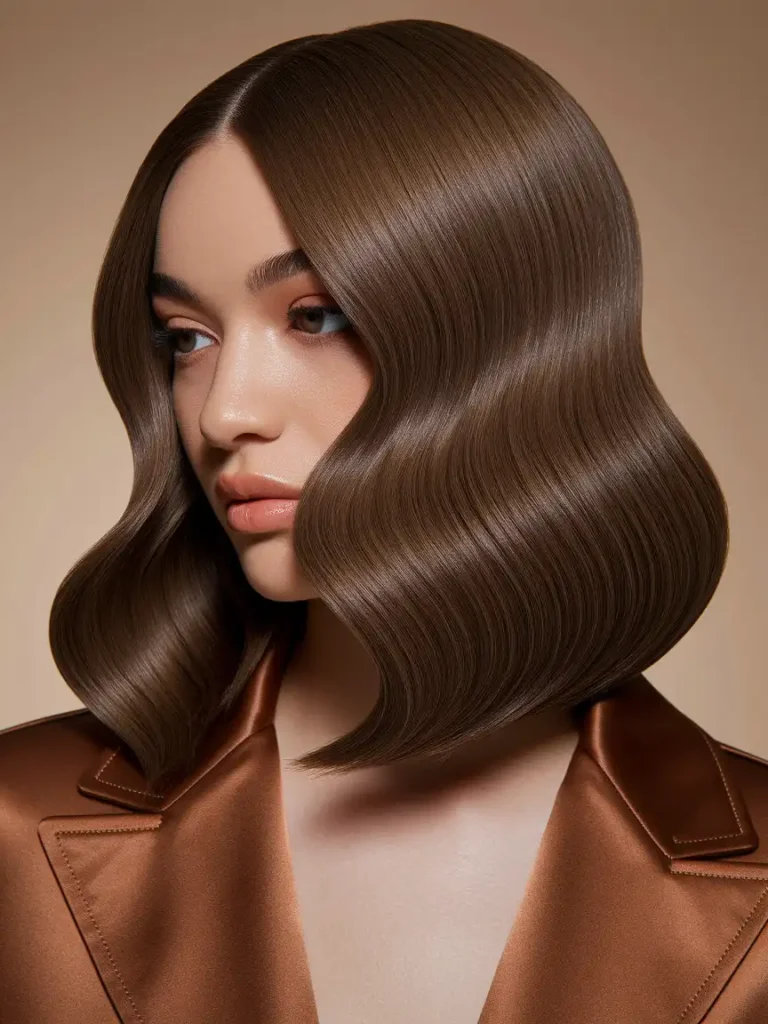
Mocha brown sounds simple, and it is conceptually. It’s a medium brown with warm undertones that hits somewhere between chocolate and chestnut. The issue is that “mocha” means something slightly different to every colorist, so you need to be specific when you request it.
Bring reference photos. Describe what you’re after in terms of warmth level and depth. If the mocha you want has richer red undertones, say that. If you want it cooler and more neutral, clarify that too. A good colorist will match the formula to your existing base and skin tone, but they need clear direction. Vague color descriptions are one of the most common reasons people leave the salon with something different than what they wanted.
14. Fall Balayage for Brunettes: Keeping It Looking Fresh Through December
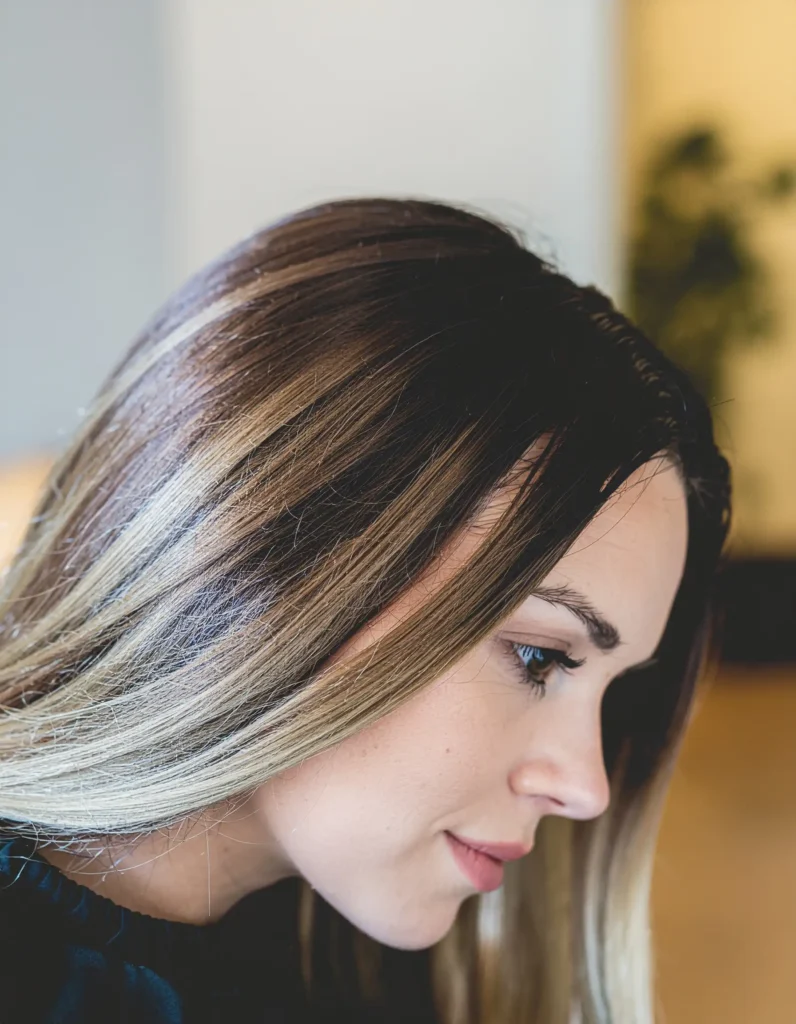
Balayage grows out more gracefully than foil highlights, but it still needs maintenance if you want it to look intentional through the fall season. The most common issue is the lightened sections going brassy or yellow between appointments. A toning gloss every 6 to 8 weeks keeps the color in range without a full salon visit.
At home, a few habits make a significant difference. Use a purple or blue shampoo once a week on the lightened sections only, not the whole head. Apply a bond-strengthening treatment monthly to keep the lifted pieces from becoming dry or brittle. And avoid heat styling on dry, unprotected hair because balayage-treated sections are more porous and absorb heat damage faster than untreated hair.
15. Dark Chocolate Hair: When Going Deeper Is the Right Fall Move
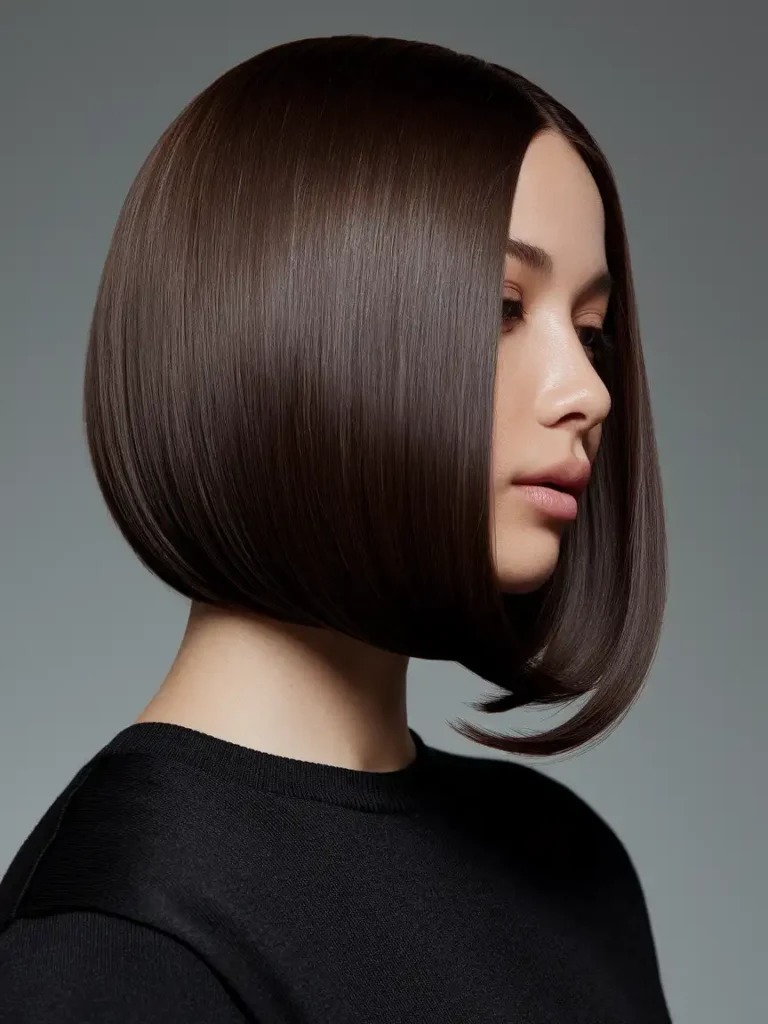
Going darker in fall is a valid strategy, and dark chocolate is one of the cleanest executions of that idea. It’s deeper than your average brown but not as stark as black, and the warm undertone keeps it from feeling harsh against most skin tones. It’s a good option if you want to reset an overprocessed look or simplify a complicated color situation.
One thing to know: going darker is easier on your hair than going lighter, but it’s not without its own challenges. Very dark permanent color can be difficult to lift later if you change your mind. If you’re not 100% sure about depth, try a dark chocolate demi-permanent or gloss first. It fades over 6 to 8 weeks and gives you a cleaner exit if the shade isn’t right for you.
16. Honey Brown Hair: The Lighter Option That Still Reads as Seasonal
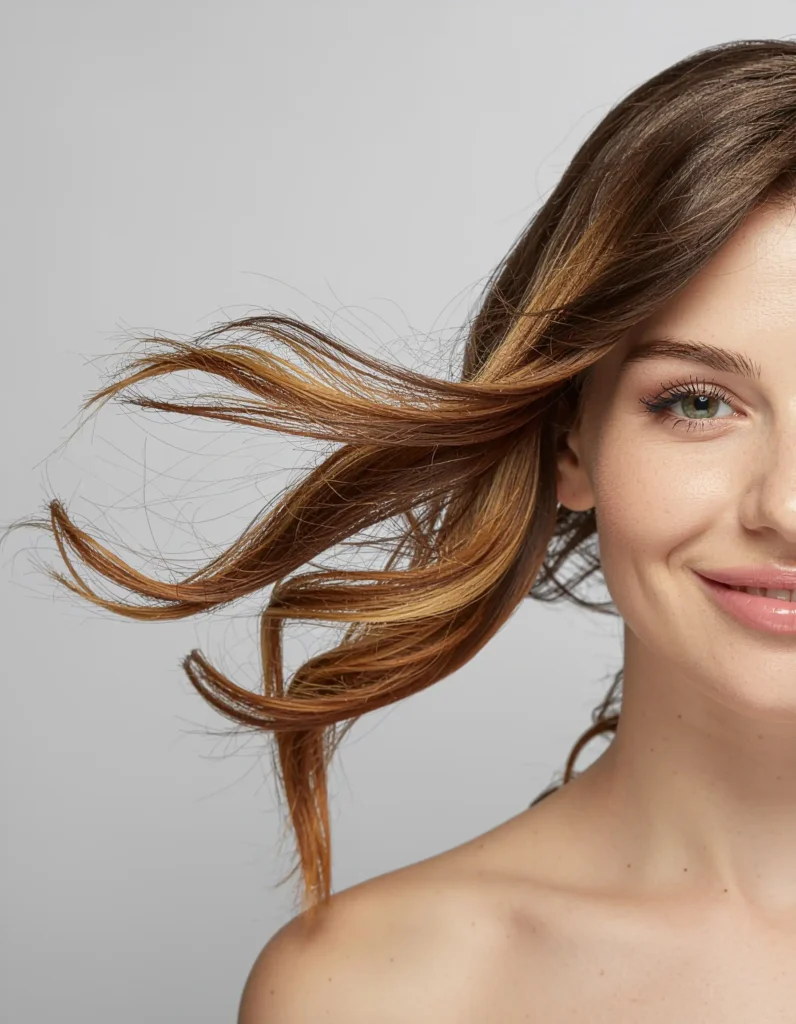
Honey brown is one of the lighter options in the fall palette, but it reads as seasonal because the warmth in the tone connects to autumn rather than summer. Where summer balayage tends to go lighter and more golden, honey brown sits in a deeper, richer version of that warmth. It works especially well on brunettes with fair or warm-toned skin.
The risk with honey tones is going too light or too yellow. The color should feel like warm brown with golden depth, not blonde with brown roots. If you’re getting this done in-salon, show reference photos and ask your colorist to stay on the deeper end of the honey range. At home, a honey-tinted gloss can add the tone over your existing color without any lifting.
17. Root Smudging: The Technique That Makes Any Fall Color Look More Natural
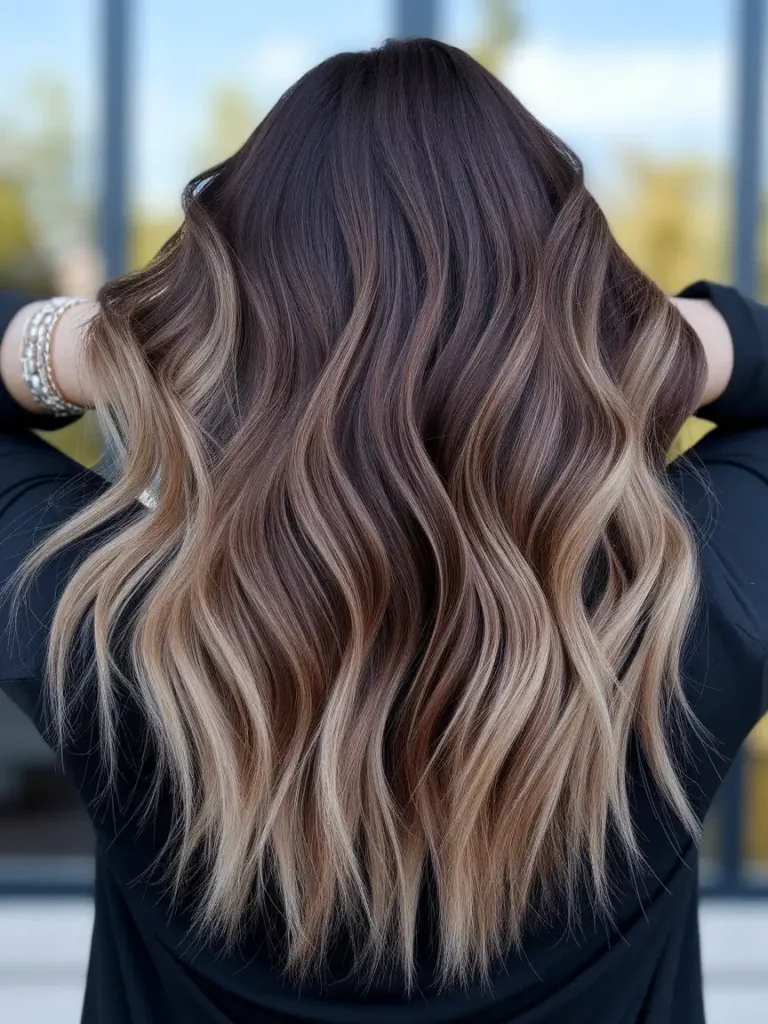
Root smudging is a technique where your colorist blends your natural root color slightly into the mid-lengths, creating a soft, graduated transition instead of a sharp line. It works on balayage, highlights, and any situation where you have visible grow-out that looks abrupt. It’s one of the more practical color services available because it’s quick, affordable, and extends the life of your existing color.
For fall, root smudging works well when you want to add depth at the roots while keeping warmth through the lengths. Ask for a smudge in a shade one or two levels darker than your mid-shaft color. The result looks like a natural shadow, and it buys you an extra 6 to 8 weeks before your next full appointment without your color looking neglected.
18. What to Tell Your Colorist When You Want a Fall Refresh on Brown Hair
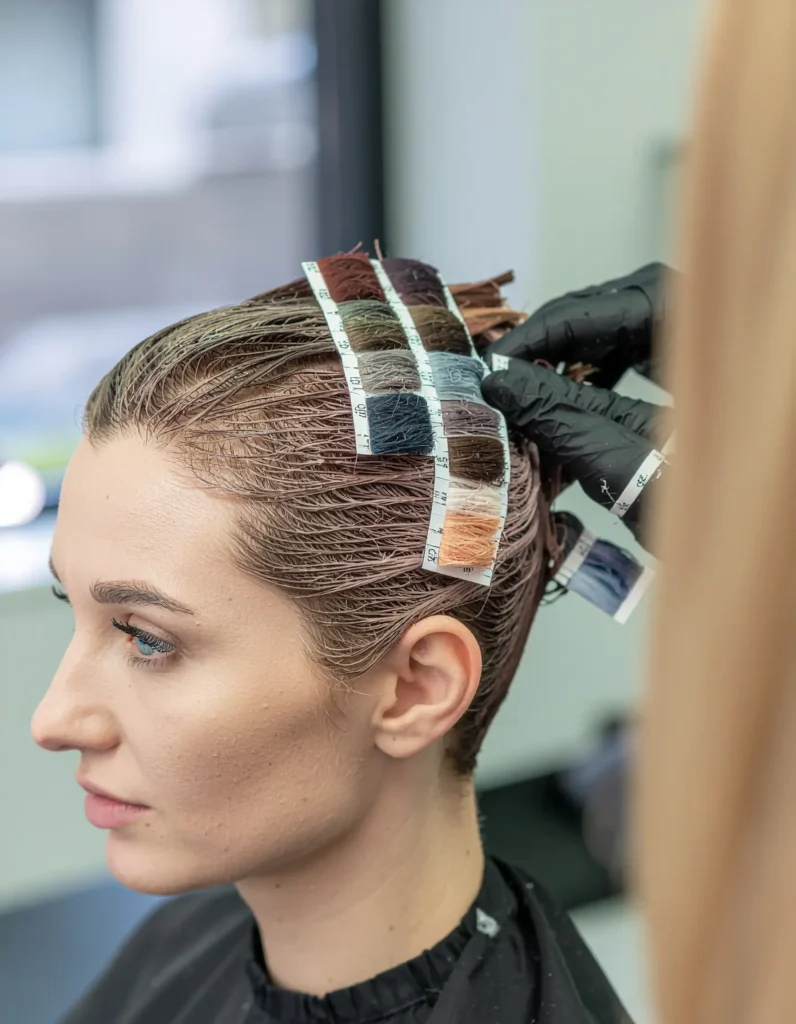
One of the biggest reasons people leave the salon with the wrong color is that they describe feelings instead of specifics. Saying “I want something warm and cozy” gives your colorist almost nothing to work with. Coming in with three to five reference photos and being clear about your maintenance budget, on the other hand, sets the appointment up for a result you’ll actually like.
Here’s what to cover before your colorist mixes anything:
- Your maintenance reality: How often you realistically come in (every 6 weeks vs. every 4 months)
- Your current color history: Box dye, previous bleach, last service, and how long ago
- The specific tones you want: Warm or cool, light or deep, subtle or noticeable
- What you don’t want: Show examples of colors you dislike as much as colors you like
- Your damage tolerance: Whether you want to avoid lifting altogether or are open to it
These five points give your colorist the context to make decisions that work for your hair, not just the reference photo.
19. How Brown Hair Color Fades in Fall (And How to Slow It Down)
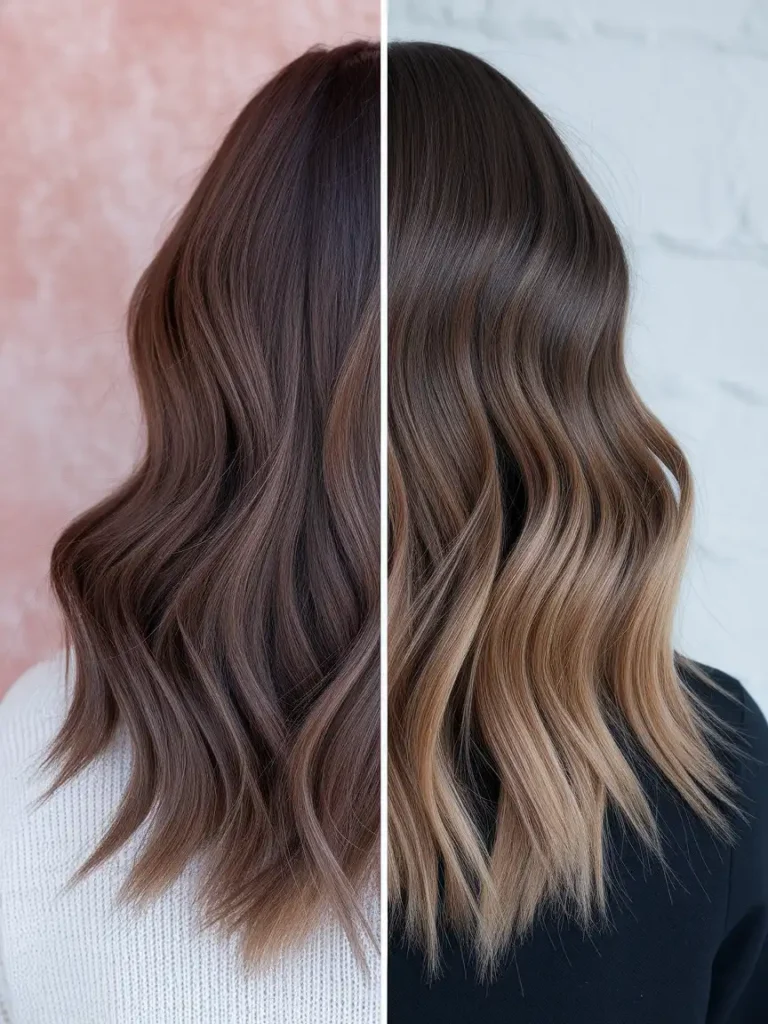
Brown hair color doesn’t vanish overnight, but it does shift over time in ways that affect how your chosen fall shade looks after week three or four. Warm tones like copper and auburn tend to fade fastest, often pulling orange or yellow as the pigment breaks down. Cooler shades like mushroom brown and dark ash fade more gradually and usually hold their tone longer.
What actually slows fading? A few specific habits:
- Wash hair 2 to 3 times a week maximum, not daily
- Use sulfate-free shampoo consistently
- Rinse with cool or lukewarm water instead of hot
- Apply a UV-protectant spray before spending time outdoors, even in fall
- Use a color-depositing conditioner in a matching tone once a week
- Avoid chlorine without a protective leave-in if you swim
Small changes in your routine make a measurable difference in how long your color looks fresh between appointments.
20. The Best Fall Hair Colors for Brunettes Based on Skin Tone
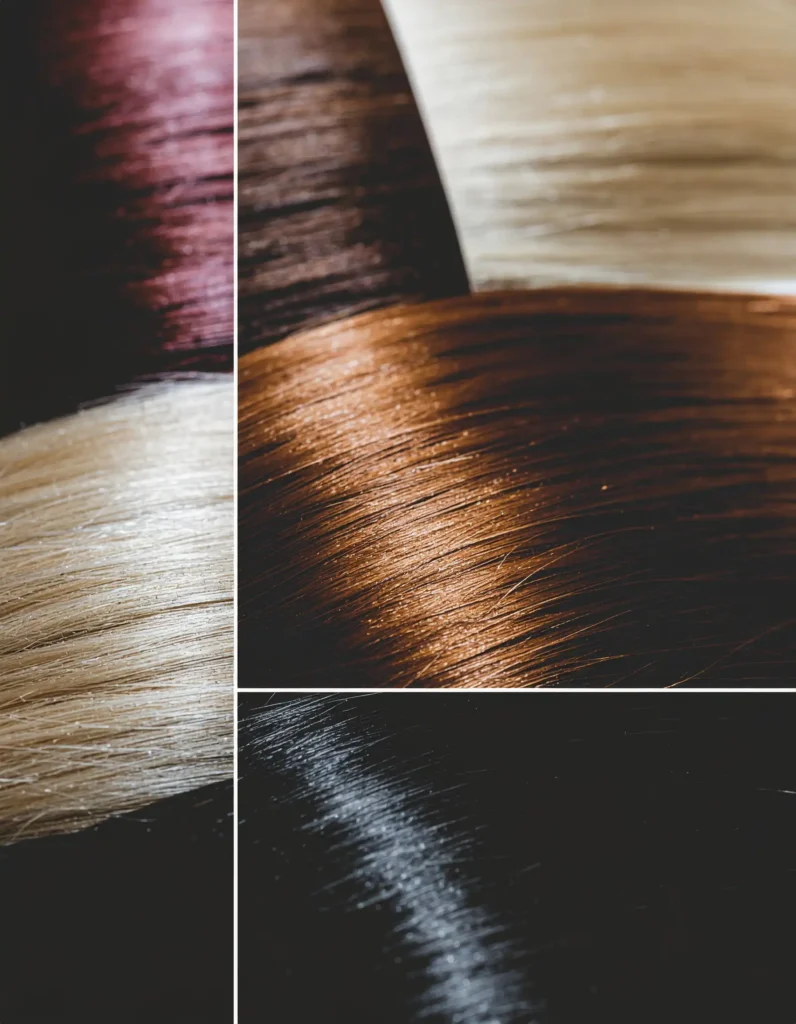
Skin tone is the most practical filter when choosing a fall shade. A color that looks stunning in a reference photo can read flat or unflattering on a different complexion because the undertones don’t interact the same way. Getting this right before you commit saves you a correction appointment.
Here’s a simple starting point by skin tone:
- Fair with cool undertones: Mushroom brown, cool chestnut, dark ash
- Fair with warm undertones: Honey brown, soft caramel, light copper
- Medium with warm undertones: Chestnut, cinnamon highlights, warm caramel balayage
- Medium with olive or neutral undertones: Dark auburn, mocha brown, toffee balayage
- Deep with warm undertones: Copper brown, rich burgundy, dark chocolate with warm tones
- Deep with cool undertones: Blue-black gloss, deep espresso, cool dark brown
These are starting points, not rules. Your natural base color and hair condition also affect how a shade lands, so always consult your colorist before making a final decision based on skin tone alone.
Conclusion:
The right fall hair color for brunettes doesn’t require a dramatic overhaul. Small shifts in tone, a well-placed gloss, or a root smudge can completely change how your hair reads for the season. Pick a shade that fits your skin tone, be honest with your colorist about your maintenance schedule, and don’t skip the toning step. Your natural brown base is already doing most of the work.