Balayage vs Highlights: What Lasts Longer on Dark Hair
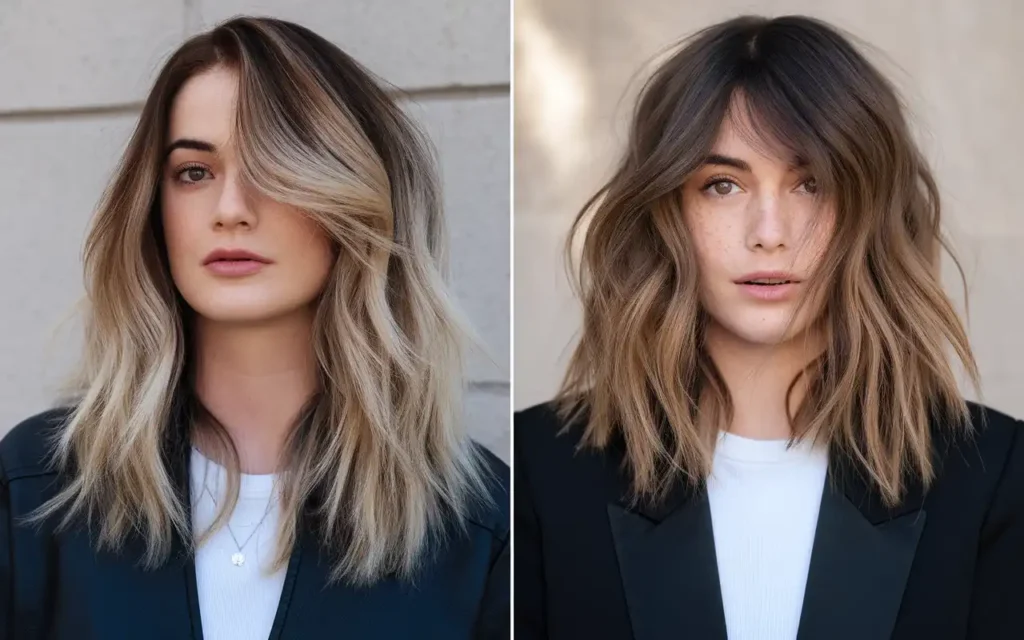
You have probably sat in a salon chair wondering whether to go with balayage or highlights, and left more confused than when you walked in. Both techniques lighten your hair, but they behave very differently on dark hair once you walk out that door. One fades faster, one grows out harsher, and one costs you more in the long run. Before you book your next appointment, here is exactly what you need to know about balayage vs highlights so you can make a choice you will not regret.
What’s the Real Difference Between Balayage and Highlights?
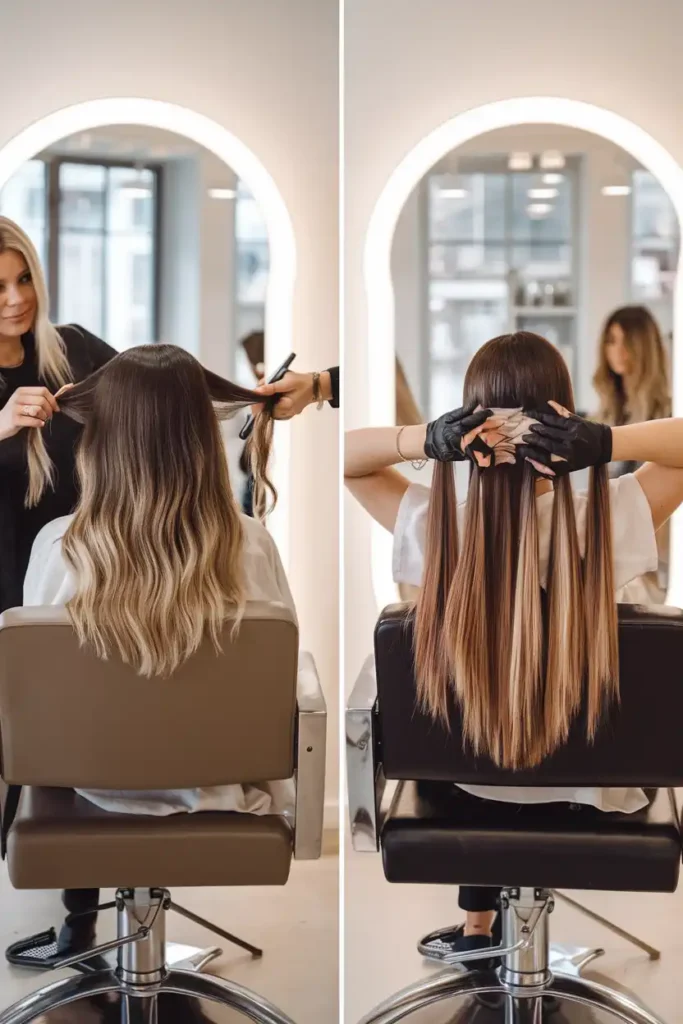
Balayage is a freehand painting technique where color is applied directly to the surface of the hair in sweeping strokes. Highlights, on the other hand, use foils to wrap sections of hair and process color from root to tip. The placement is what sets them apart.
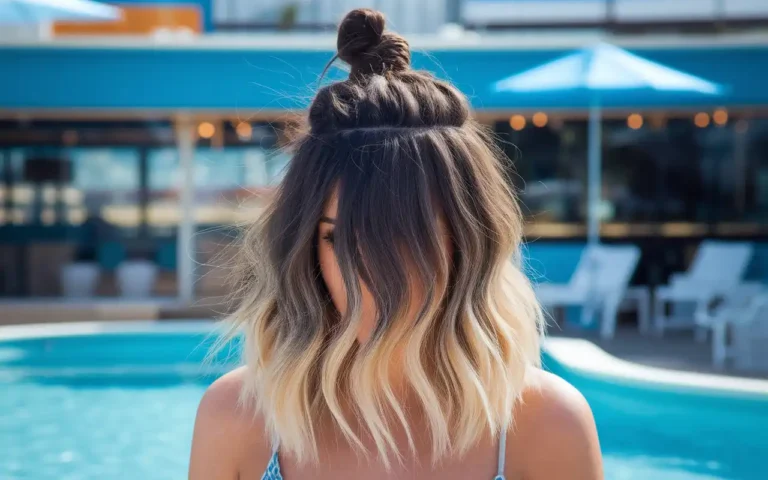
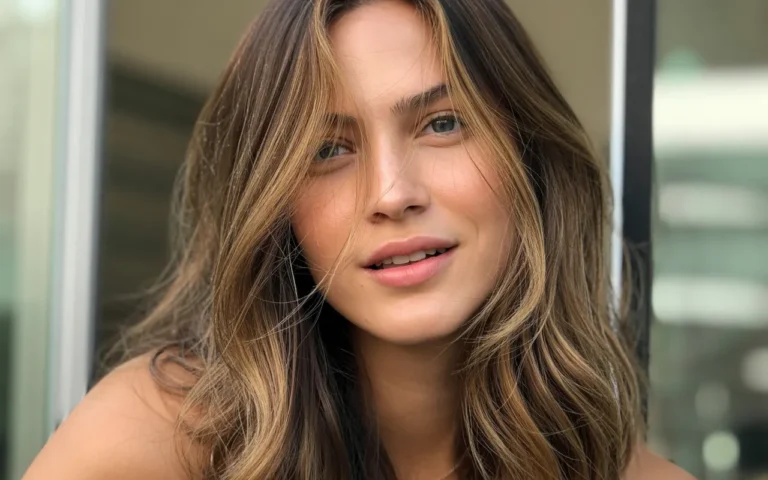
With balayage, color concentrates at the mid-lengths and ends, which creates a softer, more blended look. Traditional highlights give more uniform, consistent lightening from the root down. If you want that lived-in, sun-kissed effect, balayage is your answer. If you want bright, even coverage, highlights deliver that more precisely.
How Long Does Each Technique Actually Take at the Salon?
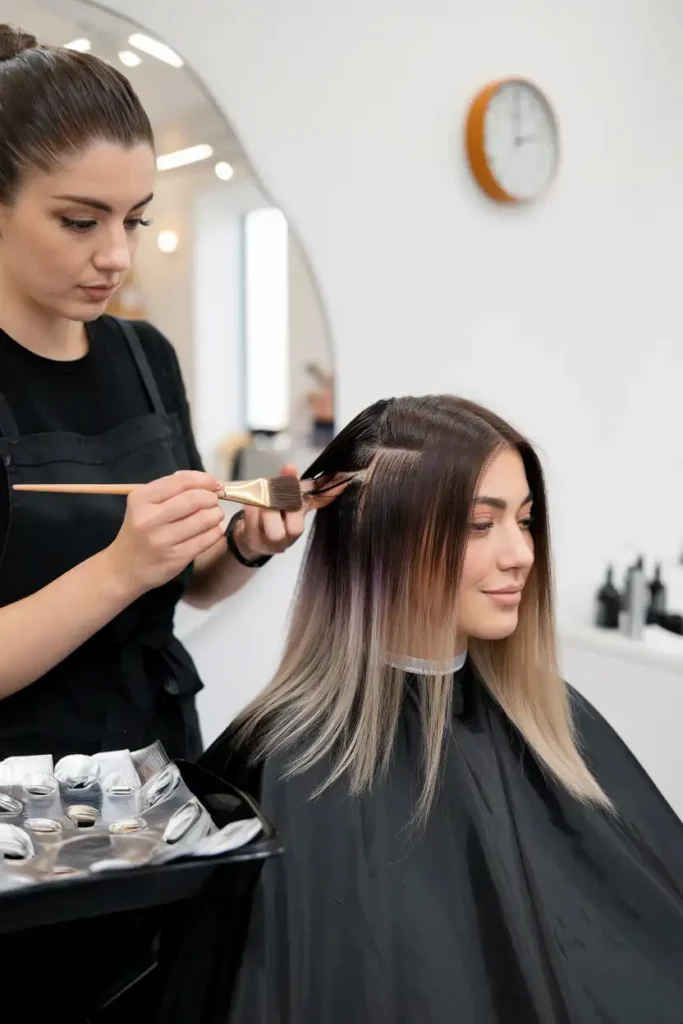
Balayage typically takes between two and four hours depending on your hair length and the level of lightness you are going for. The freehand painting process is slower because placement decisions are made section by section. Full foil highlights usually run between one and two and a half hours for most hair lengths.
If you are working with dark hair and want a significant color change, balayage can take longer because additional lightening sessions may be needed. Highlights, especially full-head foils, cover more ground faster because the foils create heat and lift more efficiently. If you are short on time, highlights get you in and out faster.
Cost Difference Between Balayage and Highlights at a Professional Salon

Balayage generally costs more than traditional highlights. In most professional salons across the US, you can expect to pay:
- Balayage: $100 to $300+ depending on location, stylist experience, and hair length
- Full foil highlights: $80 to $200 on average
- Partial highlights: $60 to $120 for a quicker, less expensive option
- Toning or gloss treatments: often added on top of either service for $30 to $80
The price gap exists because balayage is a more skill-intensive technique. It requires a trained eye and takes longer to execute well. That said, balayage can save you money over time because you go back to the salon less often. If your budget is tighter right now, partial highlights are worth considering as a starting point.
Maintenance Schedule: How Often Do You Really Need to Go Back?
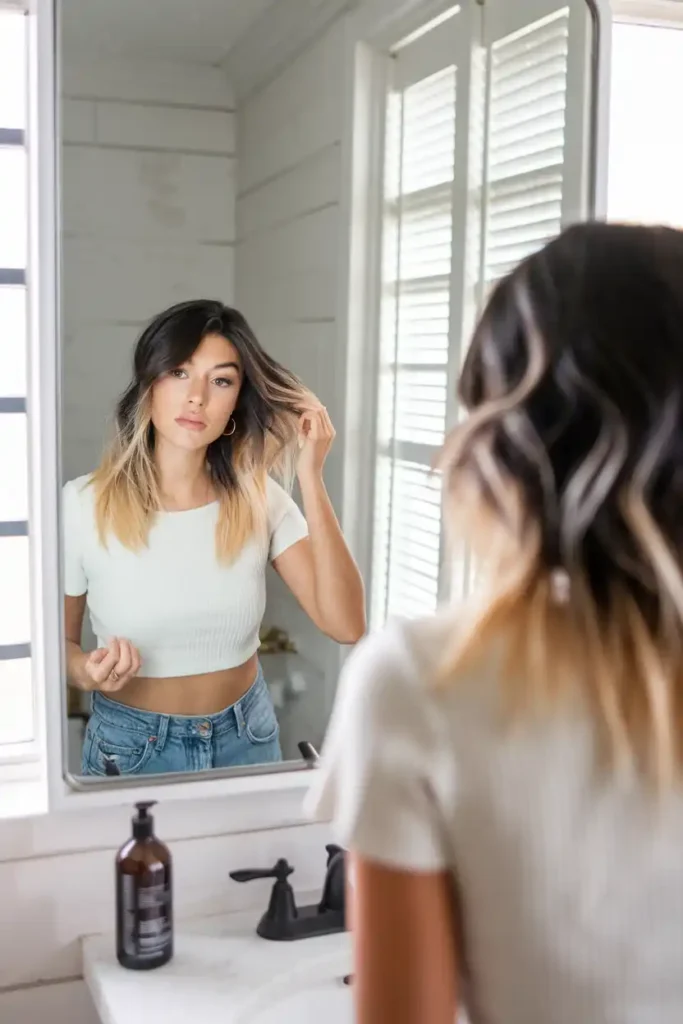
This is where balayage pulls ahead for most people. Because the color is painted away from the root, there is no hard line of regrowth to worry about. Most people with balayage can go three to six months between appointments without their hair looking neglected or grown out.
Highlights are a different story. Because foils start at the root, you will see a visible line of demarcation as your hair grows. Most stylists recommend returning every six to eight weeks for touch-ups to keep highlights looking fresh. If you tend to push appointments back or prefer a more relaxed schedule, balayage is the lower-maintenance option by a significant margin.
Which Technique Works Better on Dark Hair?
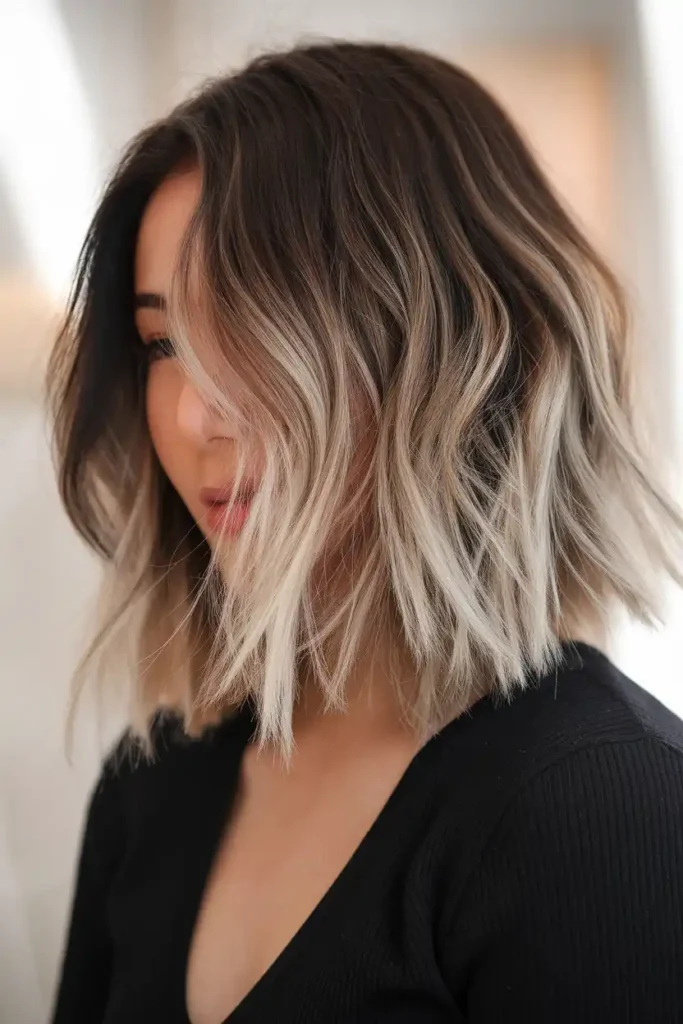
Dark hair is more resistant to lightening, which affects how each technique performs. Balayage on dark hair creates a gradual transition that looks intentional rather than unfinished. The darker roots blend into lighter ends without an abrupt line. It suits darker bases well because the natural contrast becomes part of the look.
Traditional highlights on very dark hair can sometimes look stripy or too contrasting if not done carefully. They work beautifully on dark hair when done by an experienced colorist who balances the placement thoughtfully. If your hair is naturally black or very dark brown, expect multiple sessions to reach a light blonde with either technique. Ask your colorist for a shade map before you commit.
Is Balayage a Better Option for Fine or Thin Hair?

Fine hair needs careful color placement because too much lightening can make it look washed out or weak. Balayage works well for fine hair because the color is applied selectively, avoiding over-processing fragile strands. The technique adds visual depth and dimension, which makes fine hair look fuller without adding actual weight.
Heavy foil highlights on fine hair can sometimes cause breakage if the hair is already fragile. If you have fine hair, ask your colorist for a balayage with face-framing pieces rather than all-over lightening. Keep the lightened sections spaced apart so they add contrast without thinning out your strands. A gloss treatment added at the end will boost shine and help fine hair look its healthiest.
Comparing the Damage Level of Balayage Versus Traditional Highlights
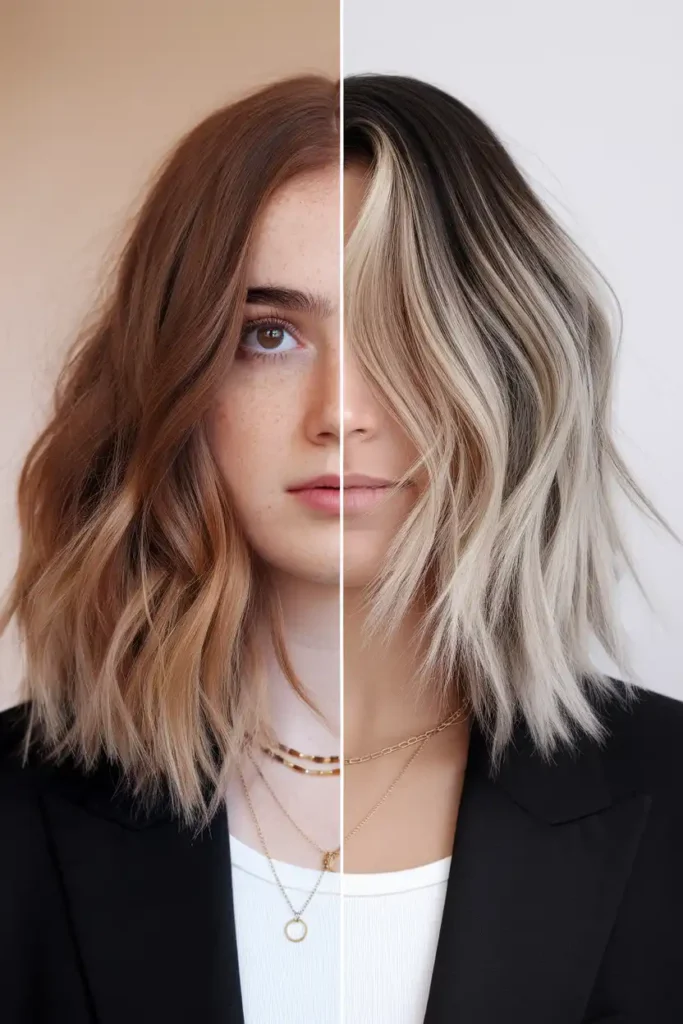
Both techniques use lightener, which means some level of chemical processing is involved either way. However, balayage typically causes less damage overall because the lightener does not touch the scalp and is only applied to select sections of hair. The hair retains more of its natural structure because fewer strands are fully saturated with bleach.
Foil highlights process more intensely because the foil creates heat and pushes the lightener deeper into the strand. Full-head foils done repeatedly every six to eight weeks adds up to significant cumulative damage over time. To protect your hair regardless of technique, use a bond-building treatment like Olaplex during your color service and follow up with a weekly deep conditioning mask at home.
What Happens When You Want to Go Lighter Over Time?
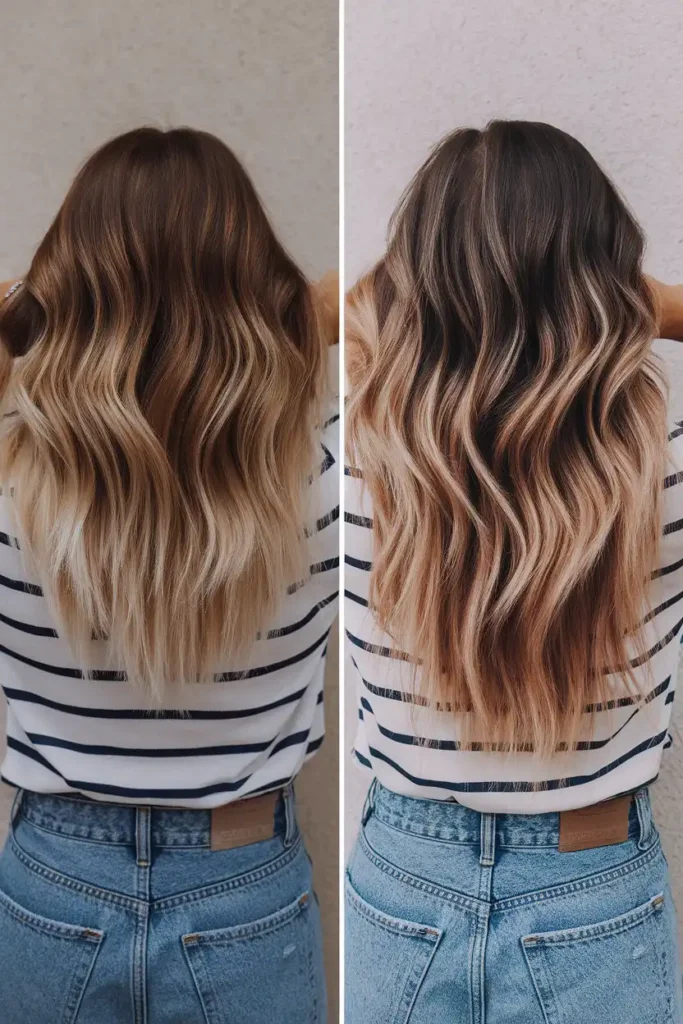
Going lighter gradually is the safest way to work with dark hair, and both techniques support this approach. With balayage, each session builds on the last, slowly lifting the mid-lengths and ends. Most colorists recommend two to three sessions spread across a year to get dark hair to a natural-looking blonde without sacrificing integrity.
Highlights can lift dark hair faster because the foil heat intensifies the lightening process. However, moving too quickly with full foils on dark hair increases the risk of breakage and uneven results. A realistic plan, whether you choose balayage or highlights, should span at least two appointments before you assess how light you want to go. Patience here protects your hair and your money.
Which One Looks More Natural Growing Out?
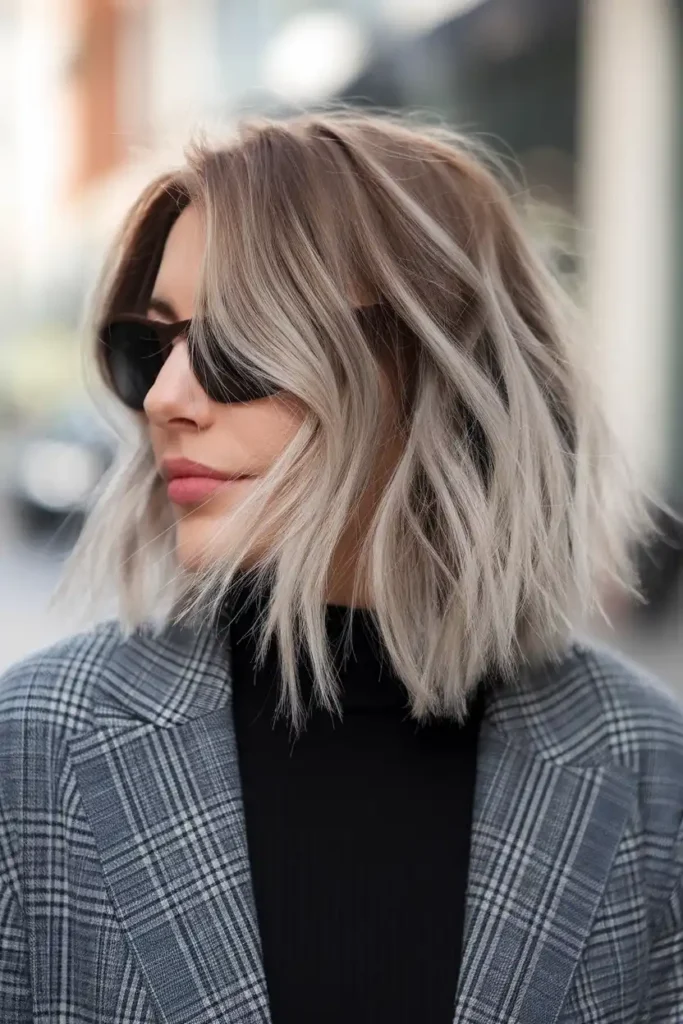
Balayage wins this one clearly. Because the color starts below the root, grown-out balayage looks like natural hair with sun-lightened ends. There is no hard line to give away that you have skipped your appointment. The grow-out phase is part of the aesthetic, not a problem.
Highlights show a clear root line once your hair grows more than half an inch to an inch past the scalp. That line is most visible when your natural hair is significantly darker than your highlighted color. If you travel often, have a busy schedule, or simply forget to book appointments, balayage is the more forgiving option. The regrowth phase will not stress you out.
Is Balayage the Right Choice for a Low-Maintenance Color Routine?
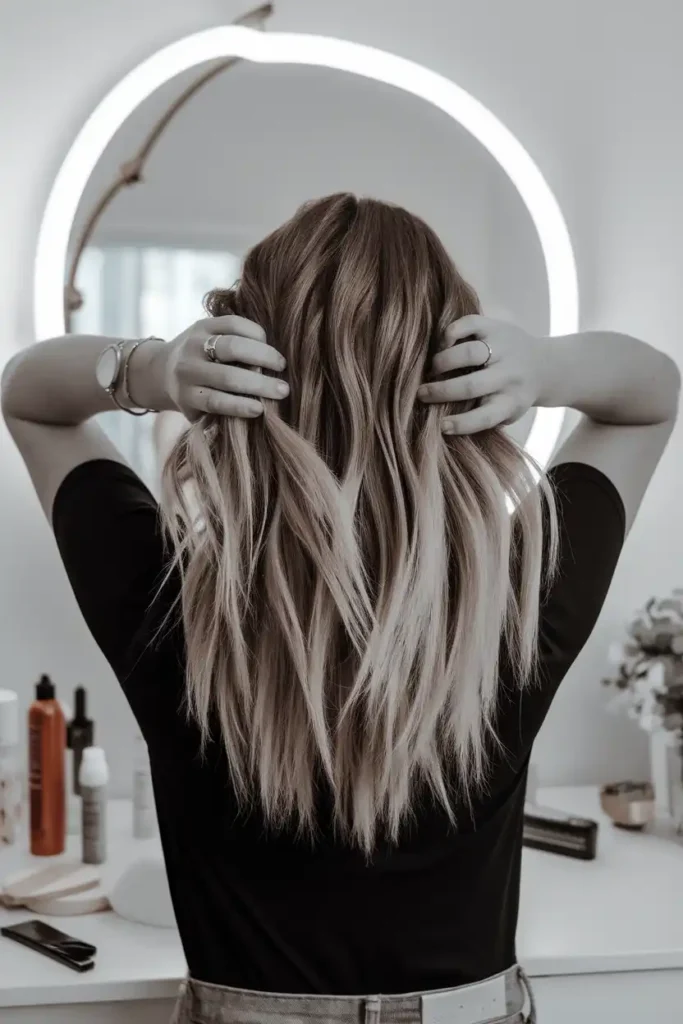
If low maintenance is your top priority, balayage is designed for exactly that. The grow-out is forgiving, the color looks intentional at every stage, and you are not locked into a six-week touch-up schedule. Many people with balayage visit their colorist just two or three times a year, making it significantly cheaper and less time-consuming in the long run.
That said, low maintenance does not mean zero maintenance. You still need a sulfate-free shampoo to protect the color, a weekly mask to keep lightened ends soft, and a toning gloss every couple of months to prevent brassiness. Balayage is simple to live with, but giving it basic care at home keeps it looking intentional rather than faded.
Do Highlights Give You Better Results for Bright, Uniform Blonde?
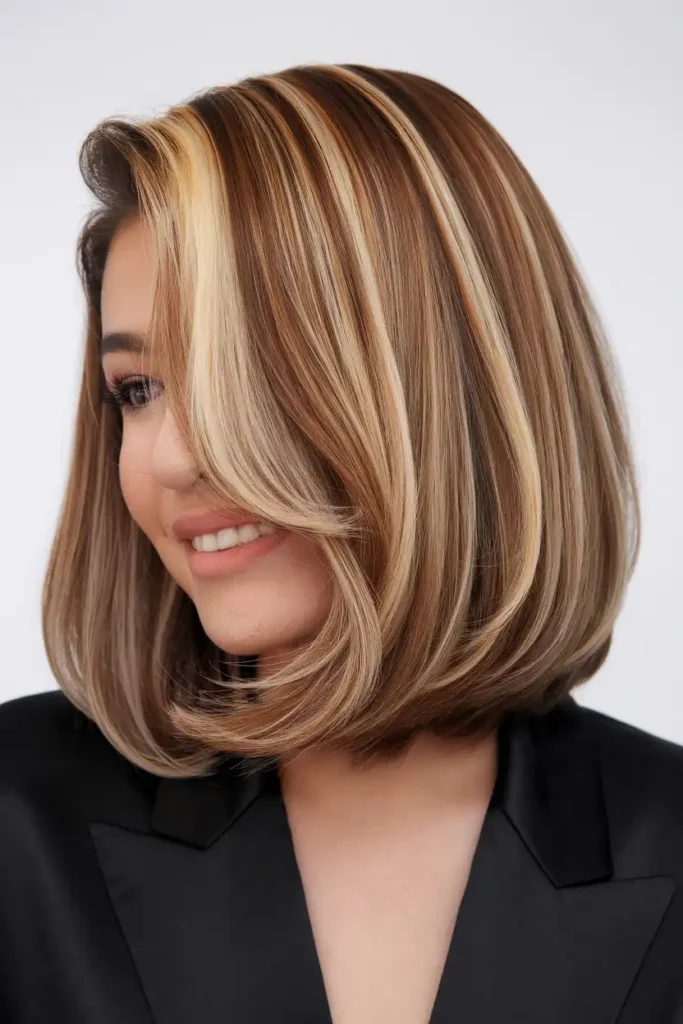
If you want a bright, full-coverage blonde look, highlights are the more effective technique. Foils allow color to be applied evenly from the root, which creates a consistent lightness across the head. This is exactly what you want if you are aiming for a true blonde transformation rather than a sun-kissed accent.
Balayage on its own rarely achieves the same coverage because it leaves the root and some sections untouched. If your reference photos show a very light, even blonde all over, discuss a full foil highlight service with your colorist rather than balayage. Your stylist may also suggest combining both techniques, using foils for overall brightness and hand-painting for softer face framing.
How Do You Choose Between the Two Based on Your Lifestyle?
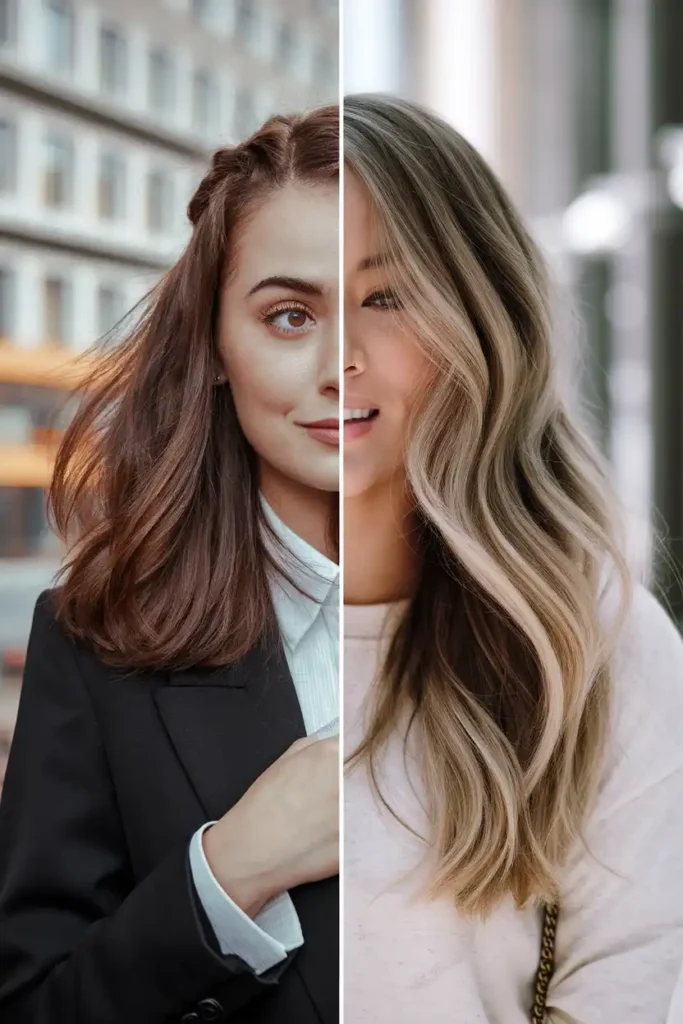
Your lifestyle should drive your color decision as much as your aesthetic preference. Ask yourself how often you realistically visit a salon. If you are someone who books and keeps regular appointments every six to eight weeks, highlights can stay looking sharp and intentional. If life gets busy and appointments slide, highlights will visibly grow out faster than balayage.
Also consider your job and daily styling habits. If you wear your hair up often, balayage gives you color that still shows through at the ends and face frame. If you almost always wear your hair down and want consistent brightness, highlights may better suit your routine. Be honest about your habits when talking to your colorist because that conversation shapes the best recommendation for you.
What Does Toning Do for Each Technique, and Do You Need It?
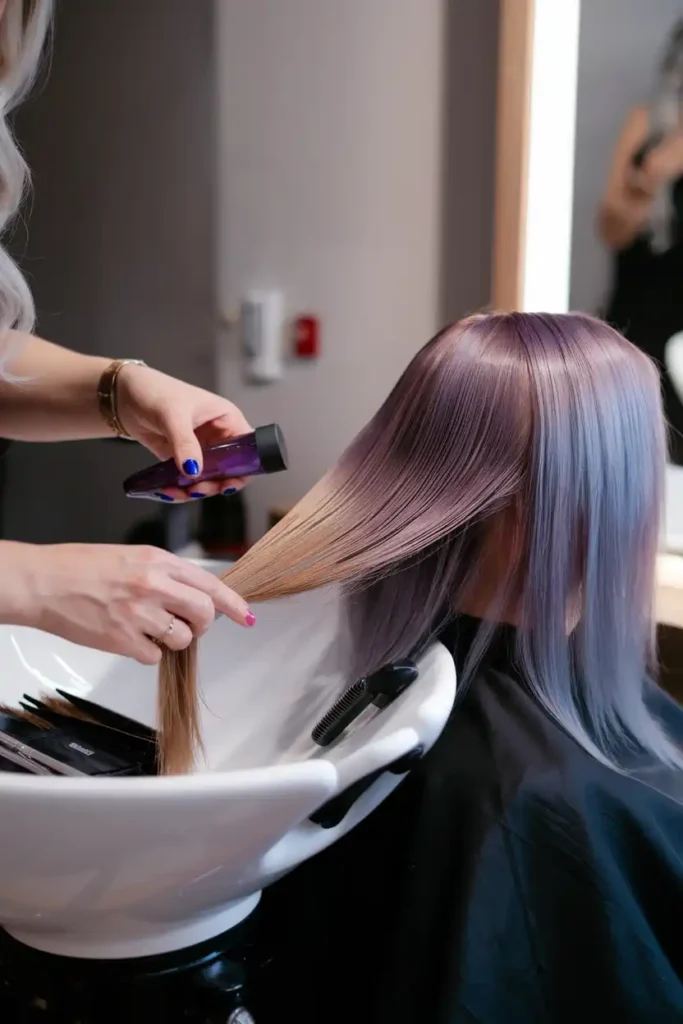
Toning is the step that neutralizes unwanted warm or brassy tones after lightening. After either balayage or highlights, your hair will likely need a toner applied to reach the cool, ashy, or natural-looking shade you are going for. Most salons include a basic toner in the service price, but always confirm this before your appointment.
Toners fade over time, usually within four to eight weeks depending on how often you wash your hair. Once the toner fades, brassiness starts to return. To extend your color between salon visits, use a purple or blue toning shampoo once a week at home. This simple step adds weeks to how fresh your color looks and reduces how urgently you need a salon appointment.
What Are the Best Hair Types for Traditional Highlights?
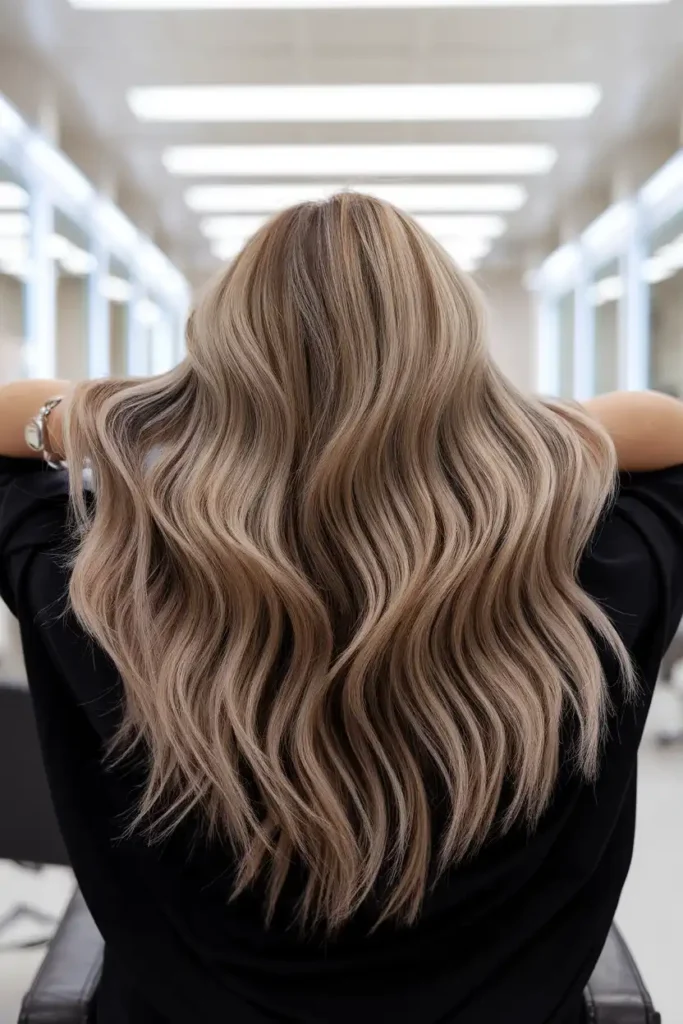
Thick, healthy hair handles the foil highlighting process very well. The density means your hair can hold a larger number of highlights without looking over-processed or thin. Hair that has not been previously chemically treated also responds better to foils because the cuticle is intact and the lightener can work predictably.
Highlights also work beautifully on wavy or curly hair because the color reveals itself differently depending on how the curl pattern falls. However, if your hair is already bleached, heat-damaged, or very porous, a colorist may advise against full foils until your hair recovers. A protein treatment or bond-builder session before your color appointment strengthens compromised hair and reduces the risk of damage during processing.
Can You Combine Balayage and Highlights for a Custom Result?
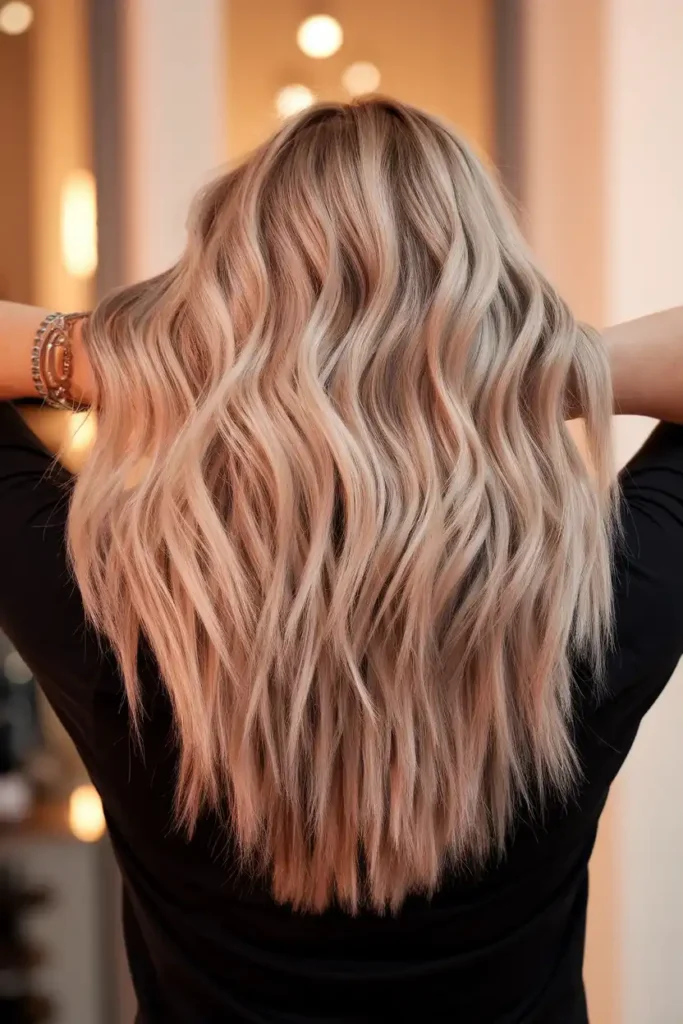
Yes, and many experienced colorists actually recommend combining both techniques for the most dimensional, natural-looking result. A common approach uses foils at the crown and hairline for brightness and pop, then switches to freehand balayage painting through the lengths for a softer blend. The result gives you coverage where you want it and softness where you need it.
This hybrid approach works especially well if your reference photos show a look that is bright overall but not stripy or uniform. Bring those photos to your appointment and ask your colorist if a combination technique matches what you are going for. Not every salon offers this as a standard package, so asking directly gives you a clearer picture of what is possible and what it will cost.
How Do You Maintain Color-Treated Hair at Home Between Appointments?

The products you use at home directly affect how long your color stays fresh. For both balayage and highlights, these steps make the biggest difference:
- Switch to a sulfate-free shampoo immediately after coloring to prevent premature fading
- Use a deep conditioning mask once a week on lightened ends, which are more porous and dry out faster
- Apply a purple toning shampoo once a week to neutralize brassiness as toner fades
- Use a heat protectant every time you blow-dry or use hot tools to prevent color-fading from heat
- Wash hair in lukewarm or cool water, as hot water opens the cuticle and strips color faster
These five habits alone can add four to six weeks to how fresh your color looks between appointments. None of them require expensive products, just consistent habits.
What Should You Tell Your Colorist Before Booking Your Appointment?

A good consultation makes the difference between getting exactly what you want and leaving disappointed. Before you sit in the chair, be ready to share:
- Your reference photos (bring at least three to show different angles and lighting)
- Your current hair history, including any previous color, relaxers, or keratin treatments
- Your realistic maintenance budget and how often you can come back
- How much time you can spend in the salon per visit
- Whether you style your hair daily or prefer a wash-and-go routine
Your colorist needs this information to recommend the right technique for your hair and lifestyle. Do not let the conversation skip this step. A five-minute consultation prevents a result you are stuck with for months.
Which Technique Should You Actually Choose for Your Hair?

The honest answer is that neither technique is universally better. The right choice depends on your hair type, your lifestyle, your budget, and what result you are actually going for. Balayage suits you better if you want a soft, low-maintenance look, you have dark hair that you want to lighten gradually, or you push salon appointments regularly. Highlights suit you better if you want bright, even coverage, your hair is thick and healthy, or you keep a consistent salon schedule.
If you are still unsure, book a consultation before committing to either. Show your colorist your reference photos and be upfront about your routine. That conversation will give you a clearer answer than any article can. You deserve a result that fits your actual life, not just the one that looks best on a mood board.
Conclusion:
Choosing between balayage vs highlights comes down to one question: what does your real life actually look like? If your schedule is packed and salon visits slip, balayage gives you the most breathing room. If you want bright, consistent color and you keep regular appointments, highlights deliver that reliably. Either way, the right technique is the one that fits your hair, your budget, and your routine. Book a consultation, bring your reference photos, and let a colorist help you land exactly where you want to be.