Chestnut, Auburn, or Copper? Choosing Your Brown Red Hair
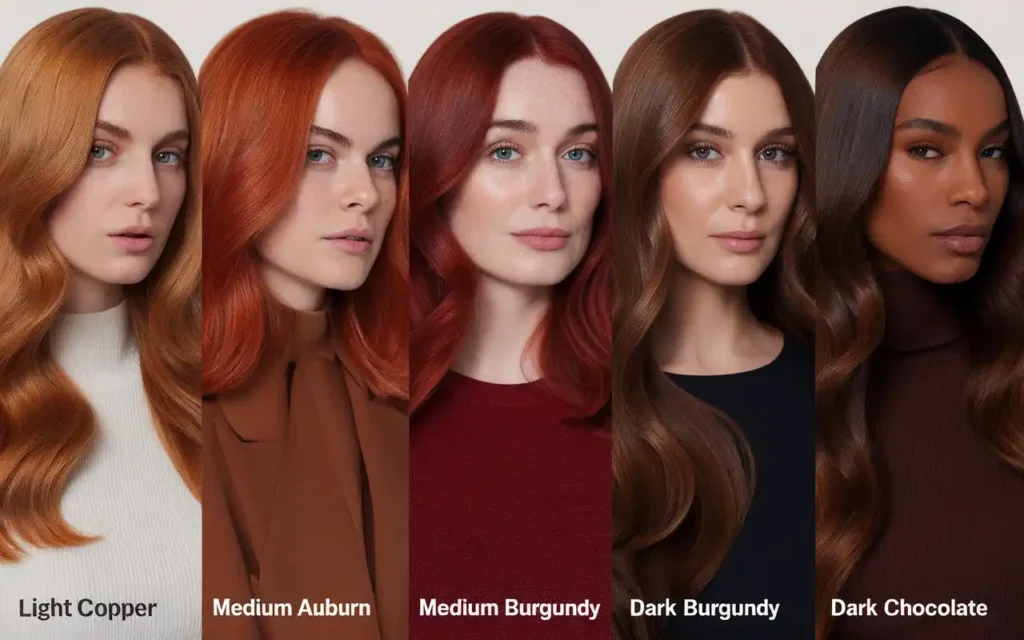
Choosing the right brown red hair shade feels overwhelming when chestnut, auburn, and copper all promise the same warm, rich look but deliver such different results. Some shades fade fast. Others clash with your undertone or demand weekly upkeep you didn’t sign up for. If you’ve left the salon disappointed before, the problem usually wasn’t the color itself but the shade selection. This guide breaks down exactly which brown red hair tones suit which skin tones, how much maintenance each one actually needs, and how to walk into your next appointment knowing precisely what to ask for.
Chestnut Undertones: Finding Your Warm Base
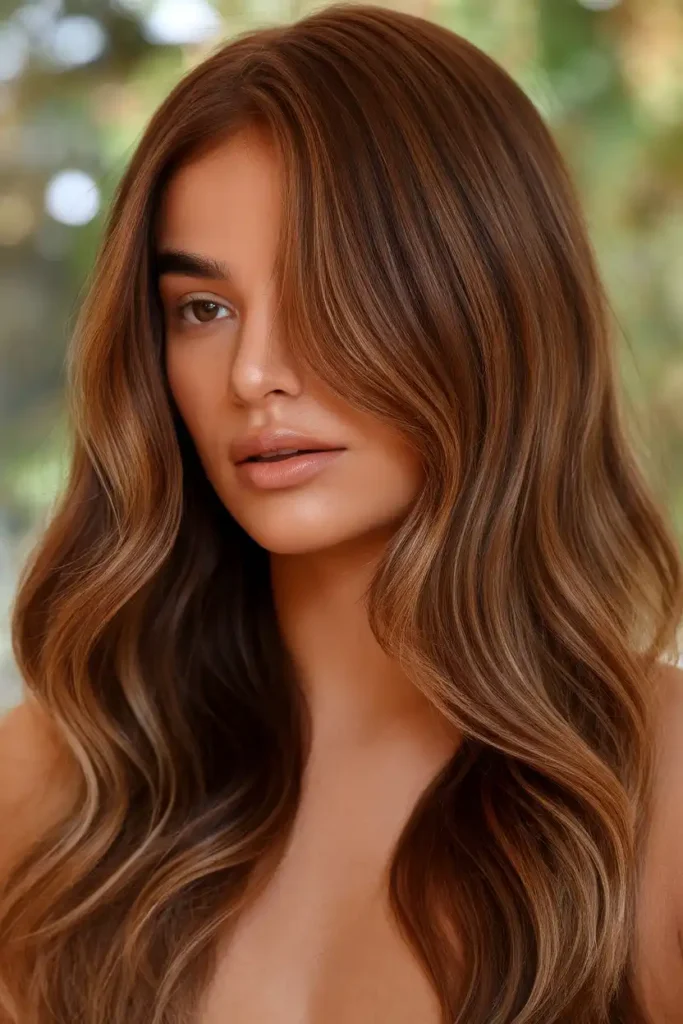
Picking a shade without checking your undertone is the fastest way to end up disappointed after a salon visit. Chestnut works because it sits between warm and neutral, so it flatters more skin tones than people expect.
If you have gold or peachy undertones, ask your stylist for a chestnut base with subtle copper glaze. Test a swatch against your jawline in daylight before committing to the full head.
Rich Auburn for Deep, Dramatic Color
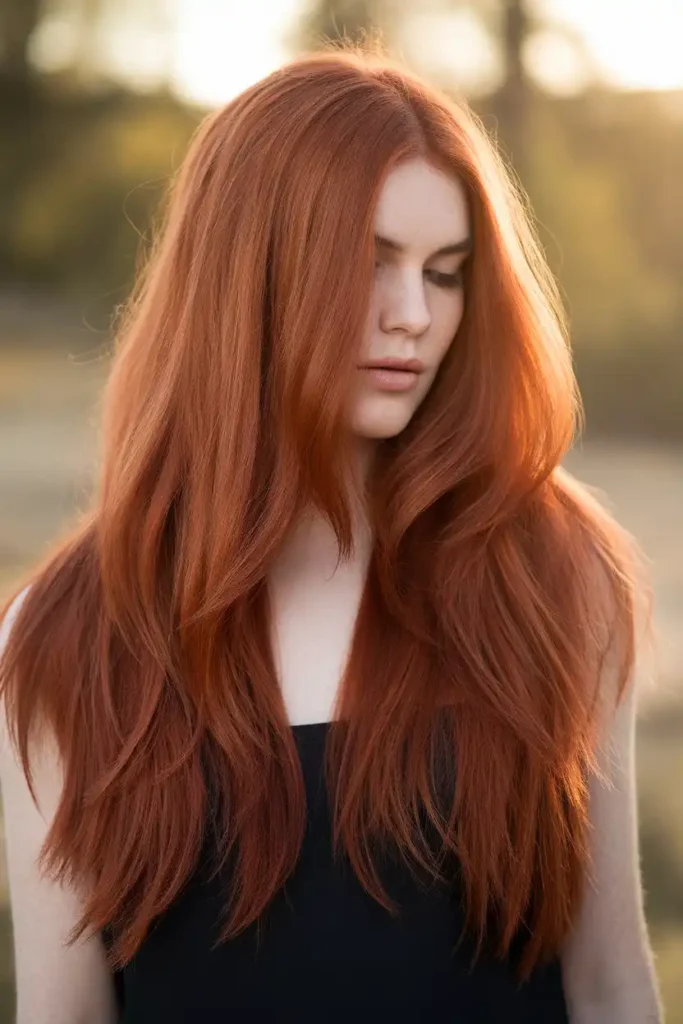
Rich auburn gets requested constantly, but a lot of people walk out with a color that reads more brown than red under indoor lighting. That gap between the photo you brought in and what you got usually comes down to underlying pigment.
Ask your colorist to build in red-violet base dye before the auburn gloss goes on top. This step keeps the red visible even under office lighting or cloudy days. Bring two reference photos, one indoors and one outdoors, so your stylist can match both.
Auburn Brown Blends That Look Natural
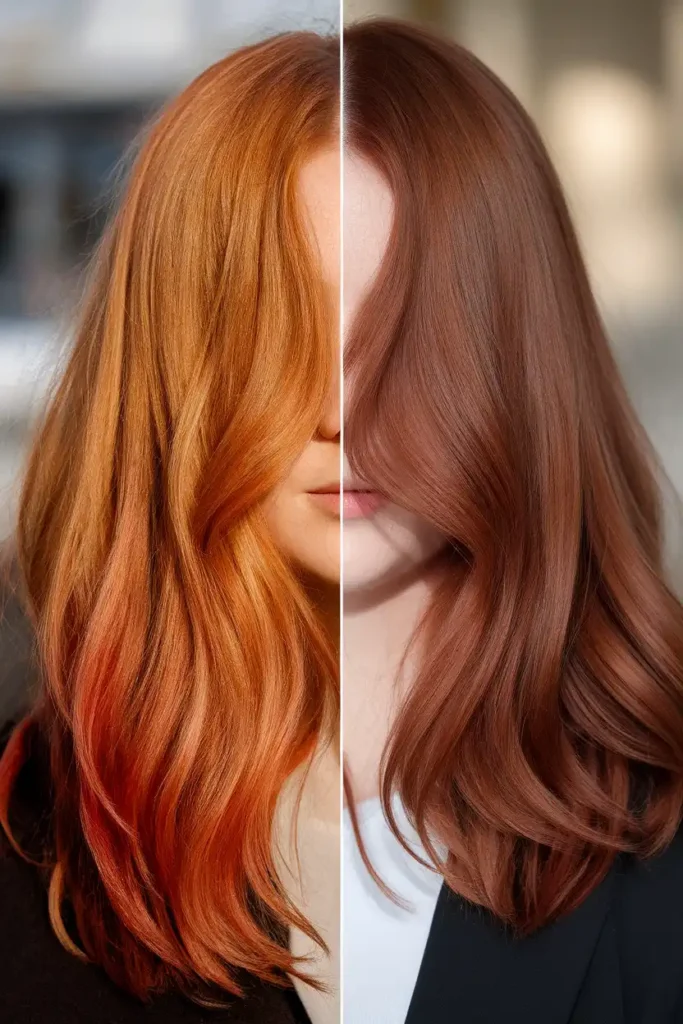
Auburn brown gets described as “natural red” for a reason. It shifts subtly depending on where you’re standing, which is exactly why people love it and why some clients get confused when their color looks different at home than in the salon mirror.
This blend works best on medium to dark brunette bases. Ask for auburn brown if you want people to ask “were you always this color” instead of noticing an obvious dye job.
Dark Red Brown Hair for Everyday Wear
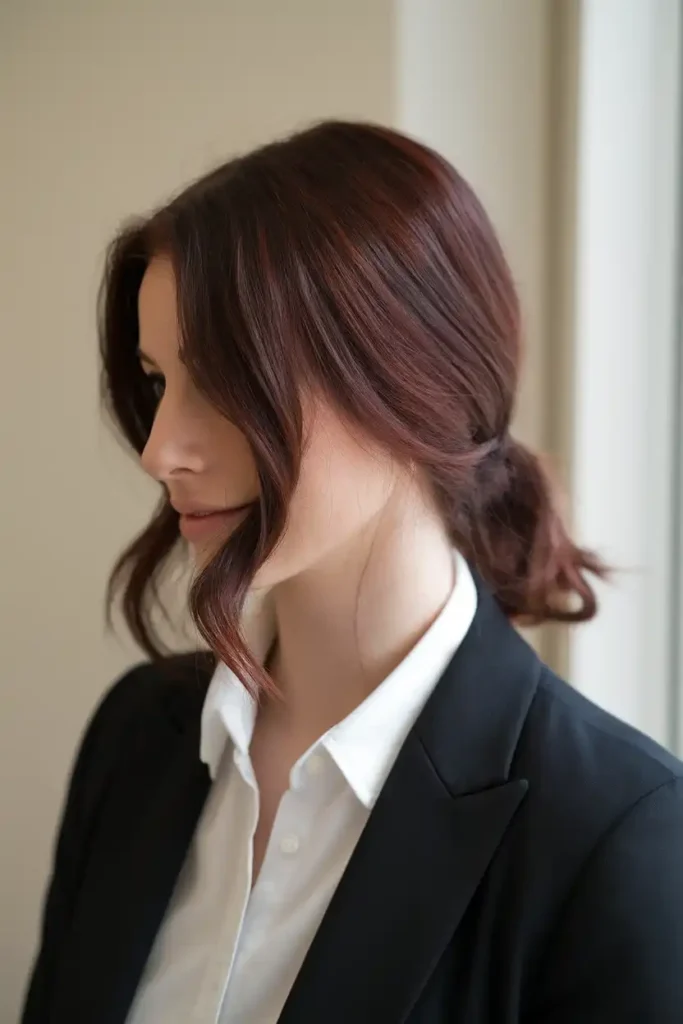
Dark red brown hair solves a common problem: wanting red without the upkeep that bright copper demands. It reads as brunette from a distance and reveals red warmth only up close.
This is the lowest maintenance option if you’re worried about brassiness or frequent salon visits. Ask for a demi-permanent dark red brown formula, since it fades gently instead of turning orange.
Dark Copper Brown for a Bold Statement
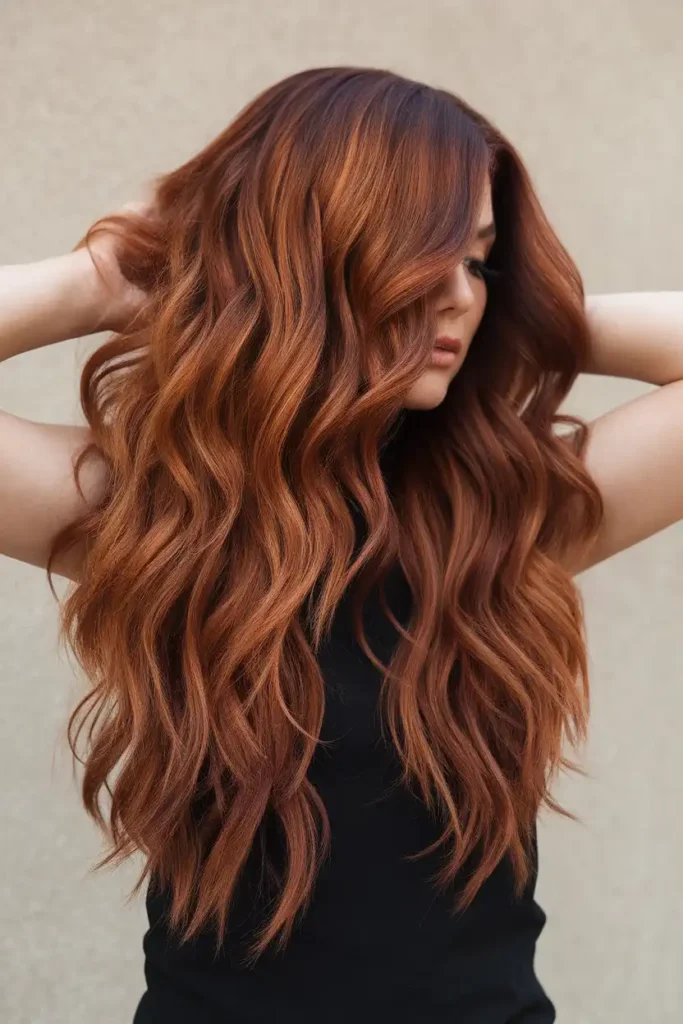
Dark copper brown gets people stopped on the street, but it’s also one of the highest maintenance shades because copper pigment molecules are large and fade fast. If you’ve tried copper before and watched it turn dull within weeks, you’re not imagining it.
Use a color-depositing conditioner every third wash to keep the copper alive between salon visits. Ask your stylist about a glaze refresh every four weeks if you want the color to stay this bold.
Understanding Red Hair Different Shades
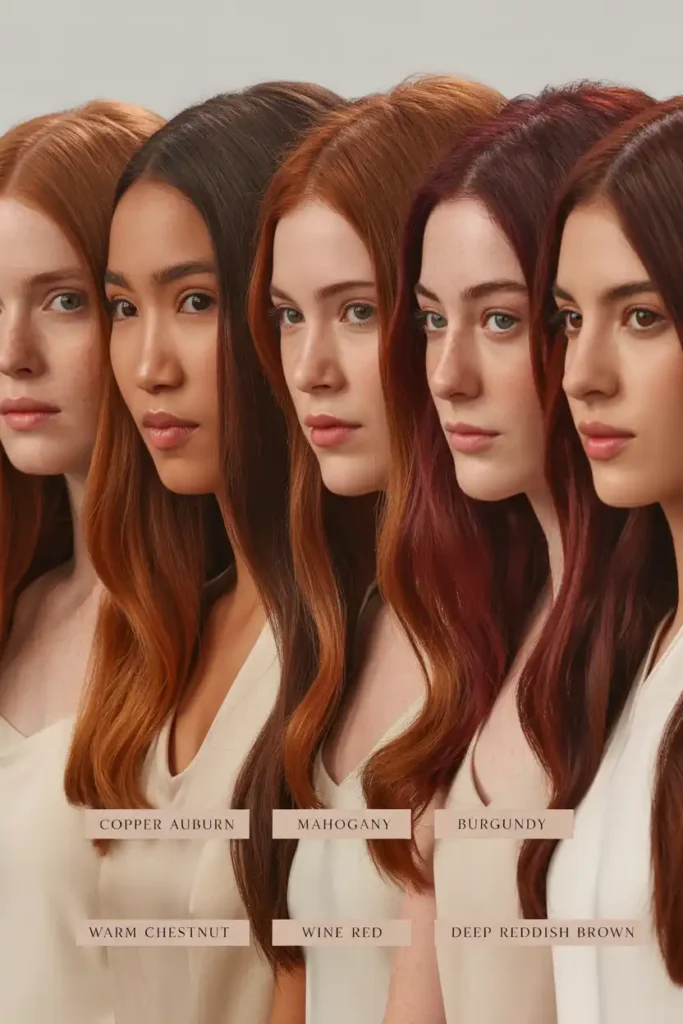
Walking into a salon saying “I want red” without more detail is how people end up unhappy. Red hair different shades range from strawberry blonde all the way to near-black burgundy, and each one behaves differently on different skin tones.
Bring specific swatch numbers or clear photos instead of vague descriptions. This one step prevents most of the miscommunication that leads to redo appointments.
Cowboy Red Hair Color for a Retro Edge
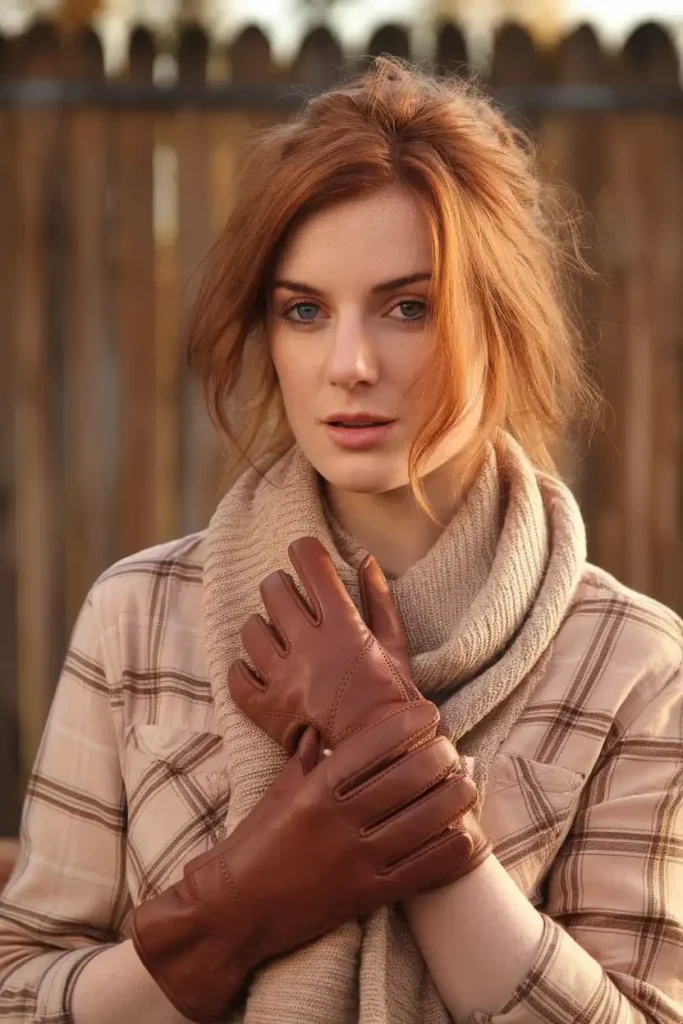
Cowboy red hair color has been trending because it feels lived-in rather than salon-perfect. It’s a muted, sun-faded red brown that looks like it happened naturally over a summer, not from a dye box.
Ask for a matte finish formula without heavy gloss to get this effect. Pair it with slightly undone styling since sleek, polished hair works against the vibe you’re going for.
Cinnamon Auburn for Warm-Toned Skin
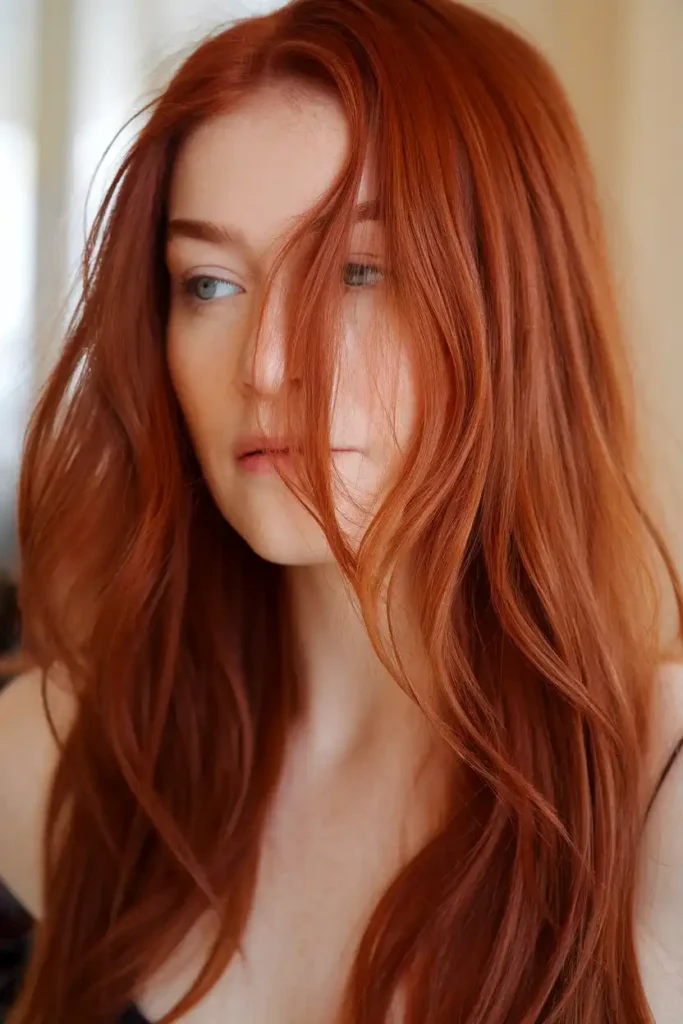
Cinnamon auburn leans spicier than classic auburn, with more orange warmth mixed into the red base. It’s a strong choice if your skin already has warm undertones, since the color amplifies rather than fights your natural coloring.
Avoid this shade if your skin leans cool or pink, since it can make redness in the skin look more pronounced. A quick undertone check with your stylist beforehand saves you from an unflattering result.
Burnt Auburn: A Softer, Muted Red
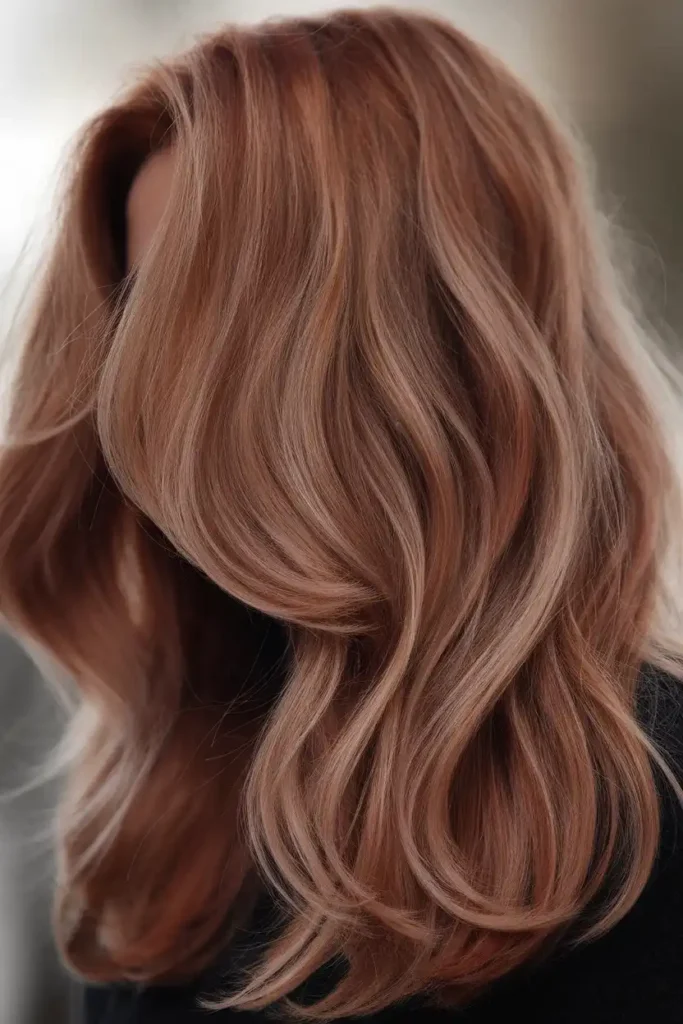
Burnt auburn takes the vibrancy of standard auburn and pulls it back a notch, adding a smoky brown base underneath the red. It’s a good middle ground if bright auburn feels like too much but plain brunette feels boring.
This shade also fades more gracefully than brighter reds since the muted tone hides regrowth longer. Ask for a root smudge technique to stretch time between touch-ups even further.
Mahogany Brown for Deep Dimension
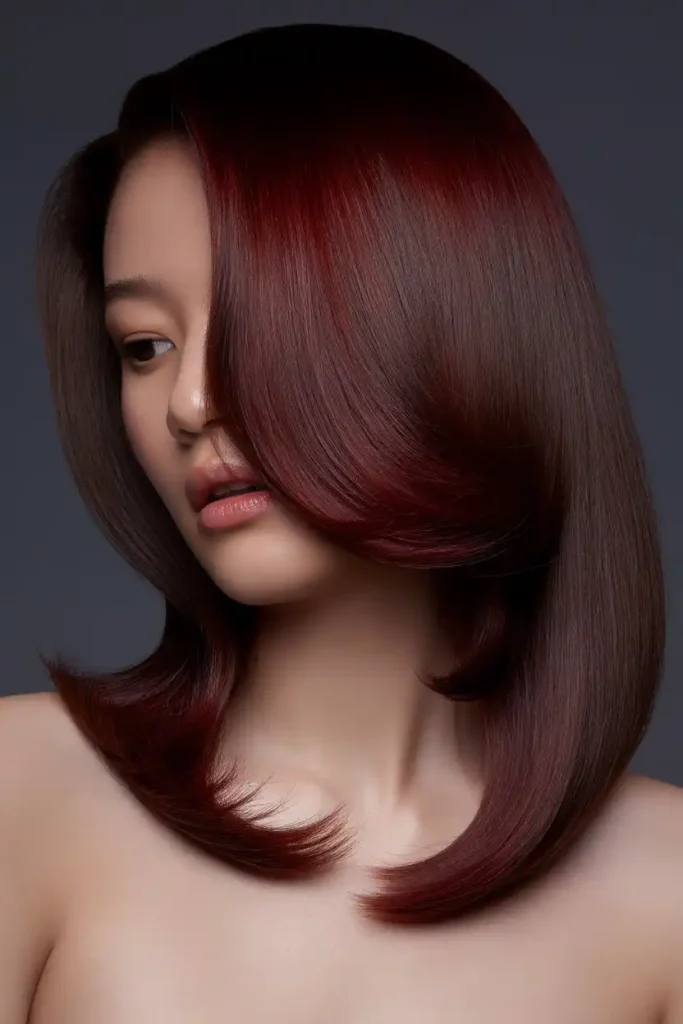
Mahogany brown is often mistaken for plain brunette in photos, but in person it has a red-purple depth that catches light beautifully. This makes it a smart pick if you want subtlety with a payoff when the sun hits your hair.
Glossing treatments matter more here than with brighter shades, since mahogany depends on shine to show its true color. Schedule a gloss refresh monthly to keep the depth from looking dull.
Brunette Bases That Support Red Tones
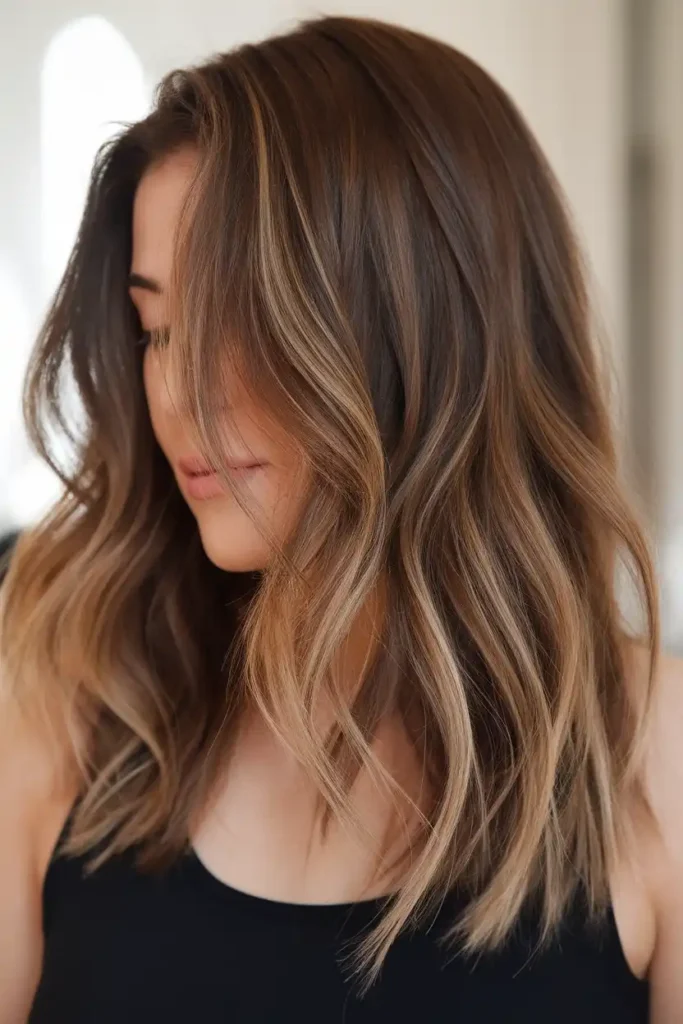
Your starting brunette shade determines how any red tone will show up on top. Light brunette bases let red glazes shine through vividly, while dark brunette bases mute the red into something more subtle.
If you’re unsure which direction to go, ask your colorist to test a strand first. This avoids surprises and helps you decide if you want a bold or understated brown red hair result.
Chocolate Brown as a Grounding Base
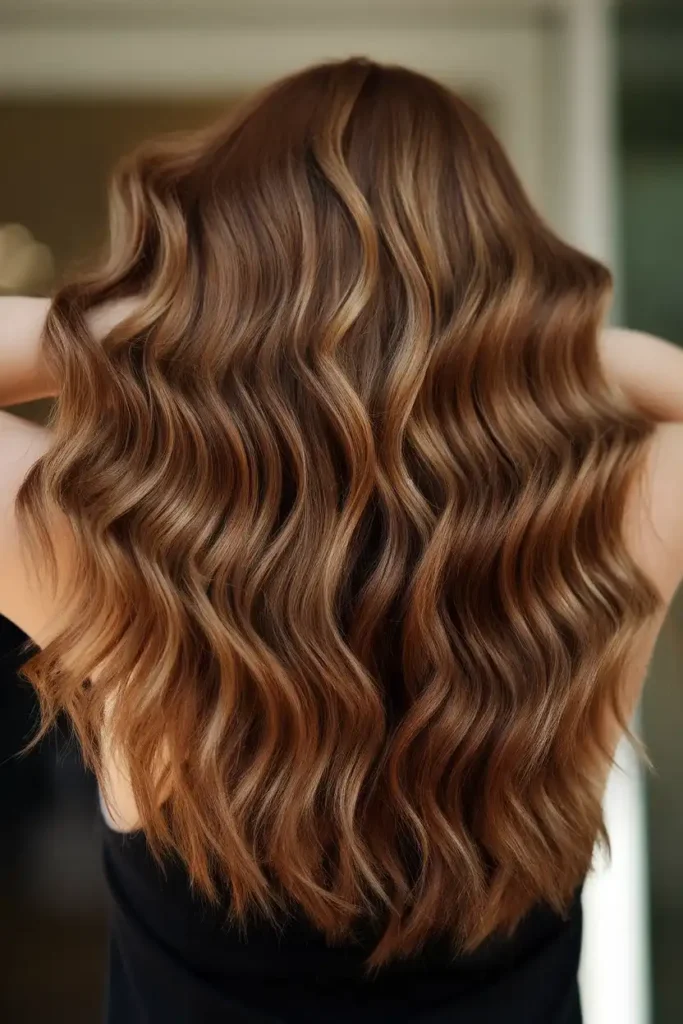
Chocolate serves as one of the most versatile bases for adding red tones later, since its warmth already complements coppers and auburns. If your natural hair leans chocolate brown, you’re already halfway to an easy red transformation.
Ask for a semi-permanent red glaze over your existing chocolate base instead of a full color change. This gives you a taste of red without long-term commitment or heavy maintenance.
Burgundy Red Hair for Cooler Undertones
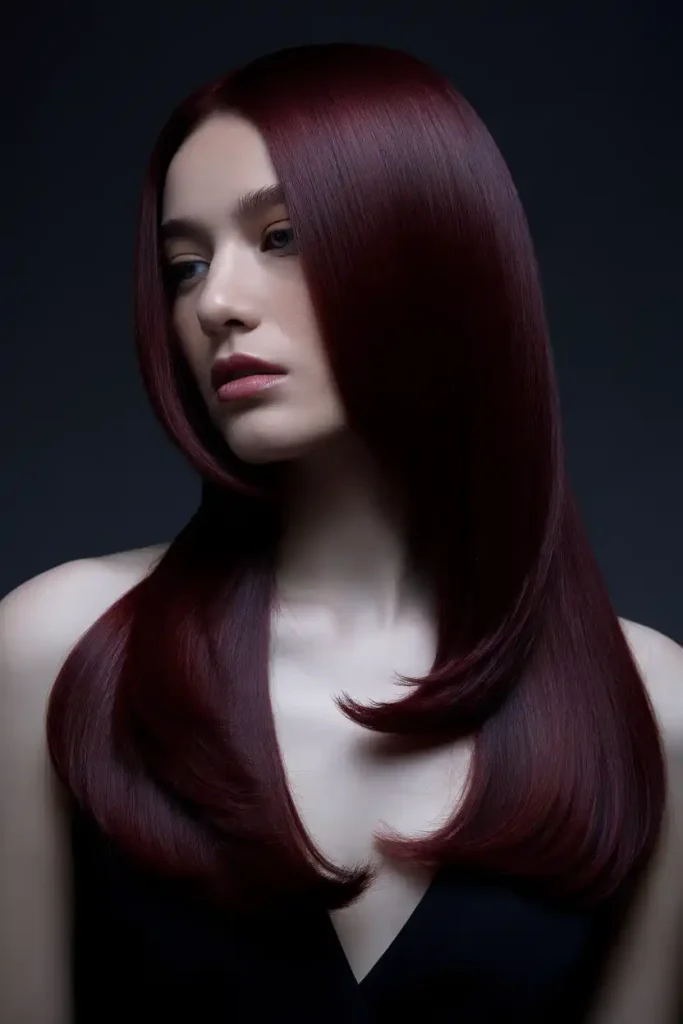
Burgundy red hair leans cooler and more purple than auburn or copper, making it the better option if your skin has pink or cool undertones. People with warm undertones sometimes find burgundy washes them out instead of complementing their coloring.
Test this shade with a temporary color spray before committing, especially if you’ve never worn cool-toned red before. It’s a quick, low-risk way to see how it photographs on you.
Cherry Hair for a Playful Pop
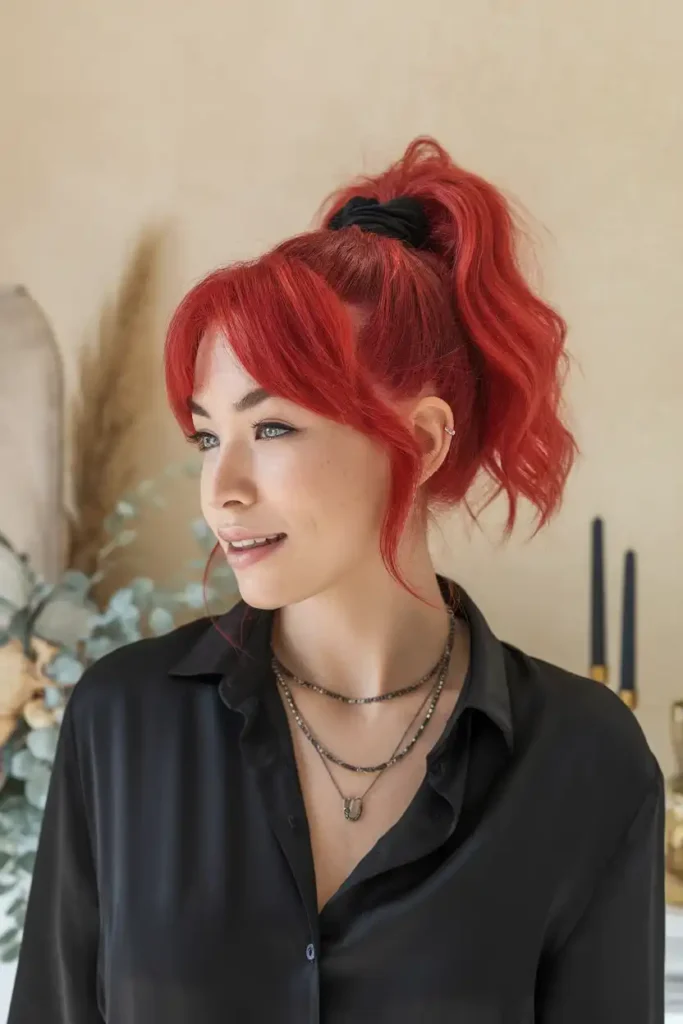
Cherry hair is bold, saturated, and unapologetic, which makes it a favorite for people who want their color to make a statement rather than blend in. It’s also one of the shades most prone to fast fading.
Wash with cool water and a sulfate-free shampoo to protect the vibrancy. Ask your stylist about a color-safe gloss every few weeks if you want cherry red to stay this bright.
Cherry Mocha Highlights for Subtle Dimension
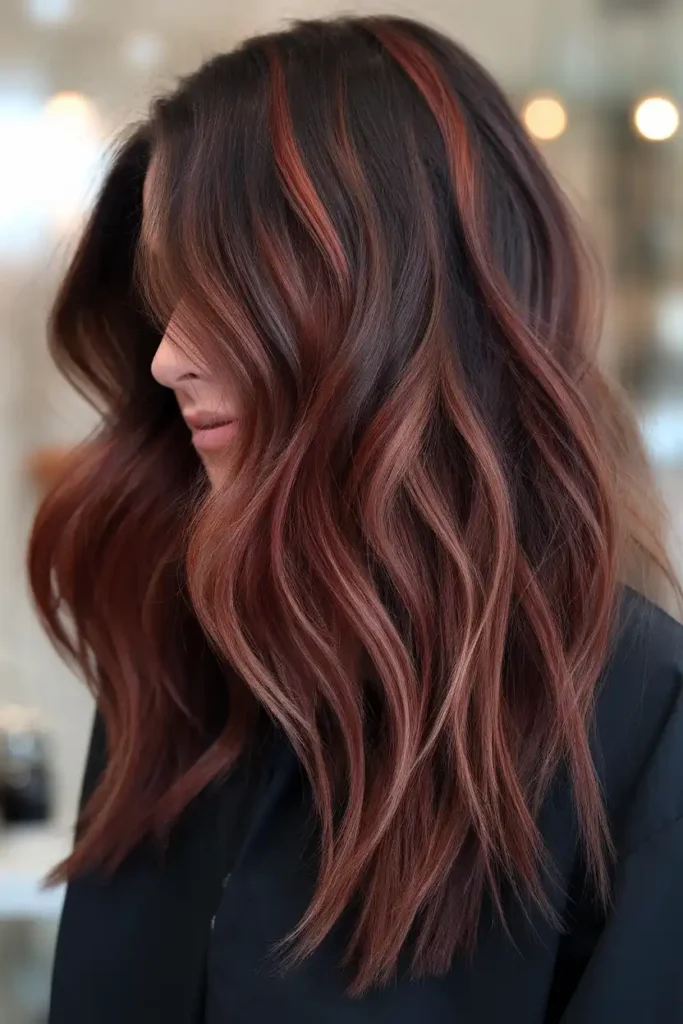
Cherry mocha highlights give you red without a full color commitment, which solves the problem of wanting to experiment without redoing your entire head. The highlights sit within a mocha brown base for a blended, natural look.
This technique works especially well for growing out previous color since the highlights soften the regrowth line. Ask for face-framing placement if you want the effect to show up most in photos.
Hair Color Ideas For Brown Skin Tone
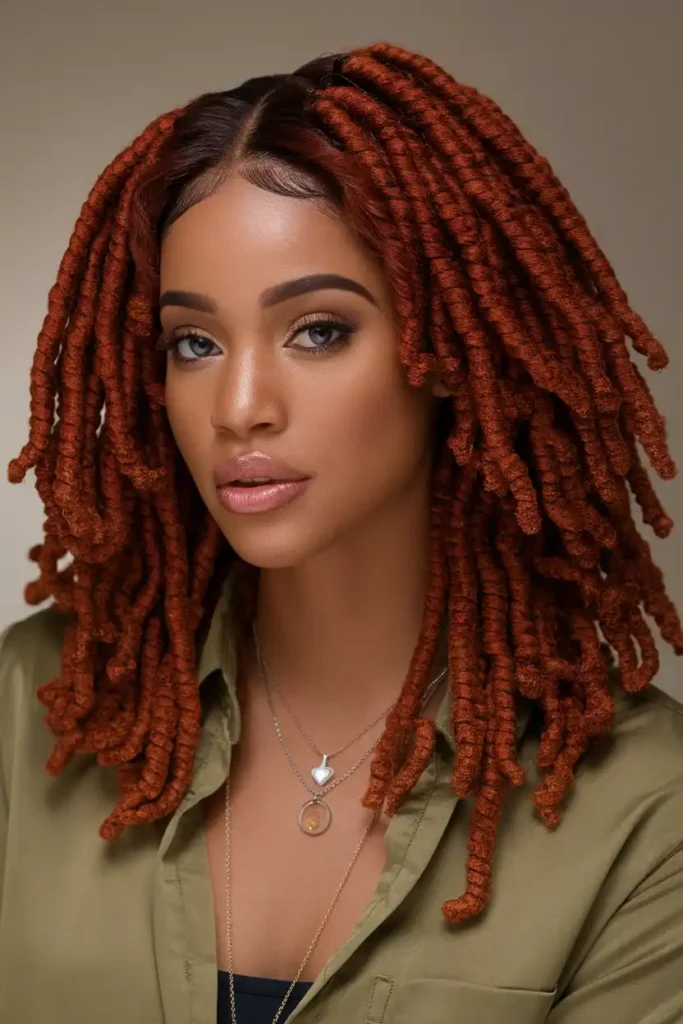
Finding hair color ideas for brown skin tone means looking for shades with enough warmth and saturation to stand out against deeper skin, rather than colors that read as muddy or washed out. Copper, mahogany, and deep auburn tend to work especially well.
Avoid ashy or overly muted tones, since they can flatten against deeper skin rather than complement it. Bring reference photos of models with similar skin tone so your stylist can adjust the formula accordingly.
Coke Hair: The Deep, Glossy Brown-Red Trend
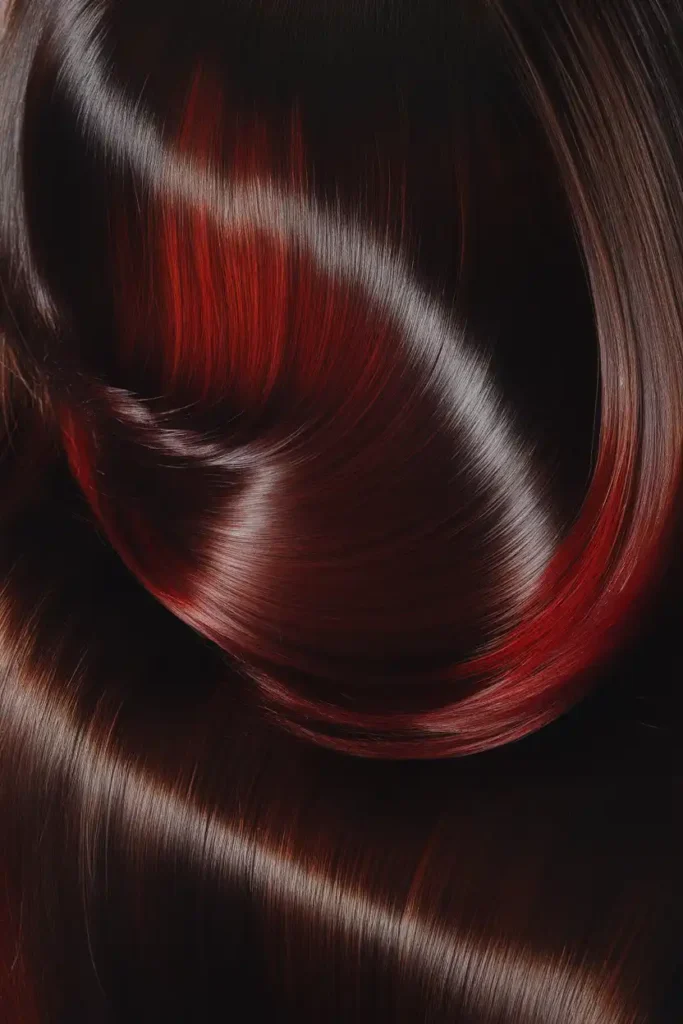
Coke hair gets its name from the deep, almost soda-colored richness that shows red only when light hits it directly. It’s a favorite for people who want red tones without it being obvious in everyday lighting.
Glossing treatments are non-negotiable for this look since the shine is what makes the color work. Ask for a clear gloss layered over a red brown base to get that signature depth.
Chestnut Blond Hair for a Lighter Alternative
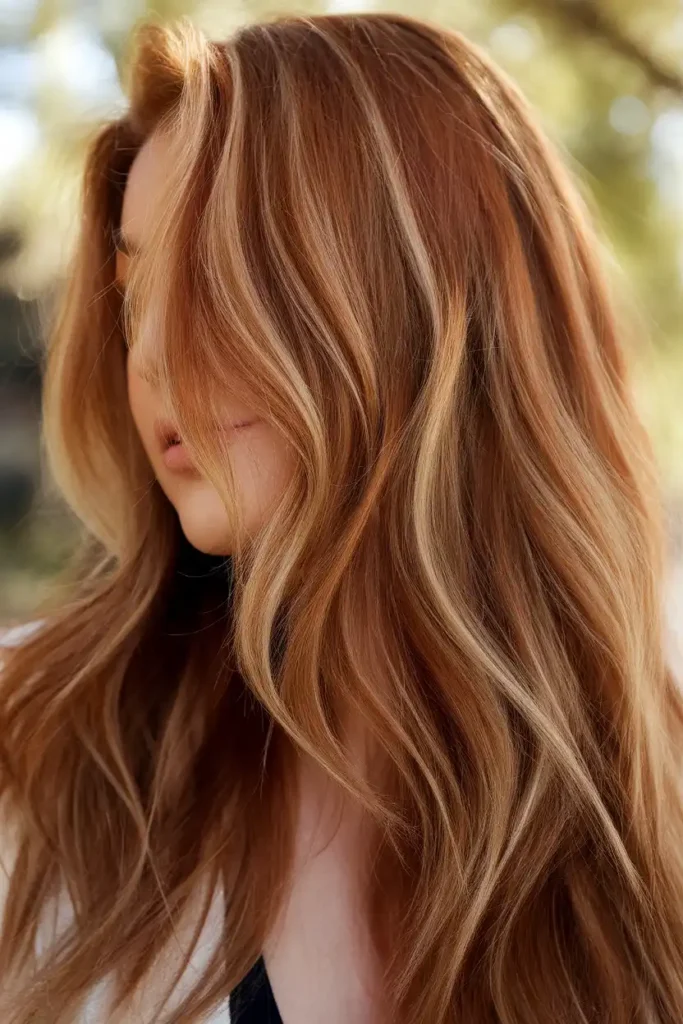
Chestnut blond hair works for people who love the reddish brown family but want something lighter than traditional auburn or mahogany. It’s especially flattering in warmer months when skin tans and hair naturally lightens.
This shade requires toner maintenance to prevent brassiness, since lighter reddish tones fade unevenly. Schedule a toning appointment every six weeks to keep the gold and red balance intact.
Cinnamon Chocolate Brown Hair for Everyday Versatility
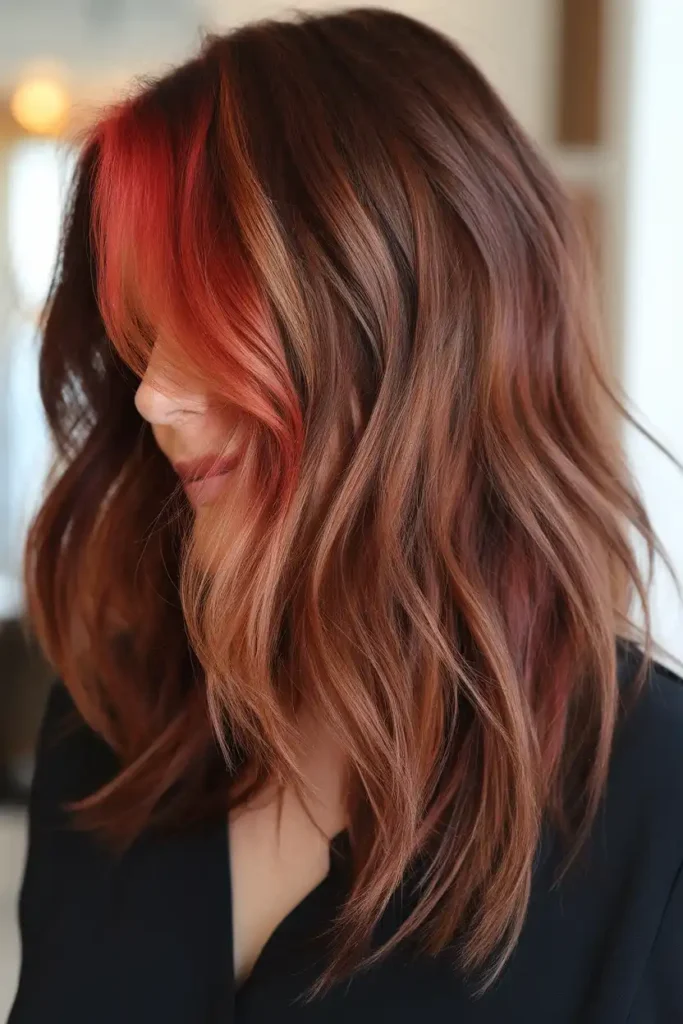
Cinnamon chocolate brown hair combines the warmth of cinnamon with the depth of chocolate, giving you a shade that works in the office and still photographs beautifully outdoors. It’s one of the most requested combinations for people wanting warmth without commitment to bright red.
This blend flatters nearly every skin tone since the chocolate base balances the cinnamon’s warmth. Ask your colorist for a two-tone formula rather than a single flat dye to get the richest result.
Brunette Reddish Hair for a Subtle Transition
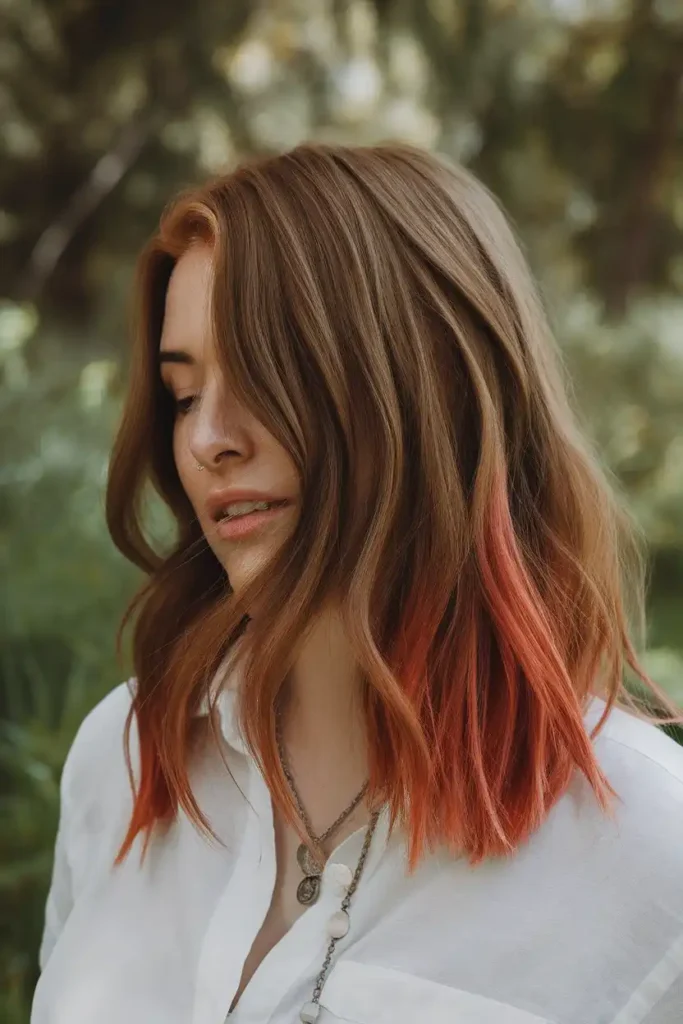
Brunette reddish hair is the easiest entry point if you’ve never colored your hair before and want to test the waters. The red is subtle enough that it won’t shock anyone, but visible enough to feel like a real change.
Ask for a semi-permanent red gloss over your natural brunette base rather than permanent dye. This lets you see how you feel about red tones before making a bigger commitment.
Red Velvet Hair Color for Maximum Richness
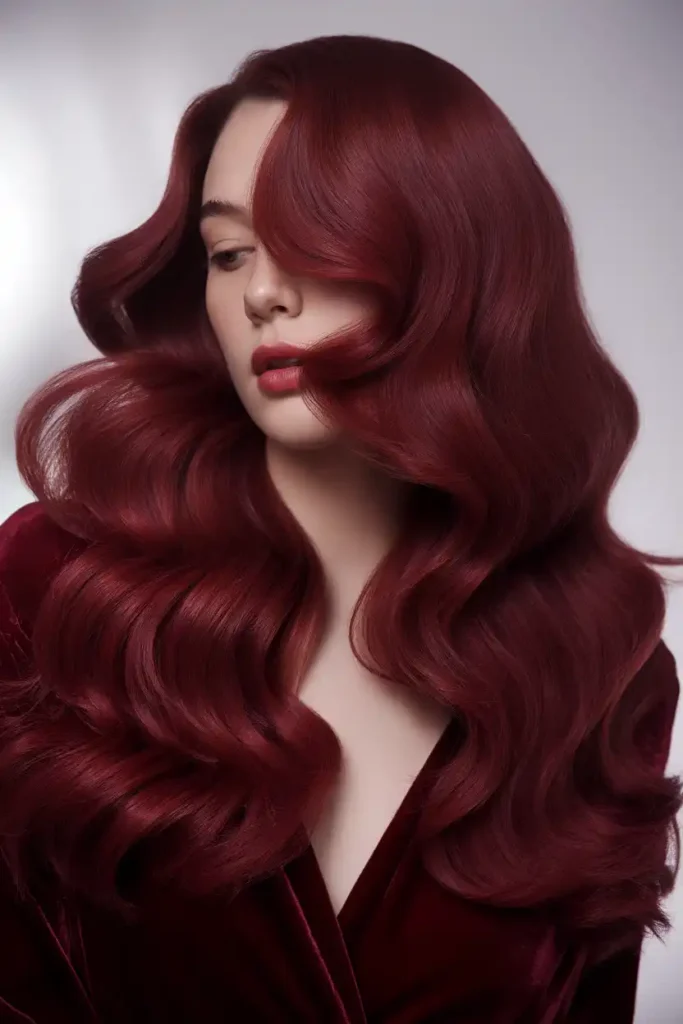
Red velvet hair color takes deep red and adds a plush, saturated quality that looks especially striking on thicker or longer hair. It’s a step bolder than burgundy but still reads as sophisticated rather than costume-like.
This shade shows regrowth quickly due to its depth, so root touch-ups every four to five weeks keep it looking intentional. Ask your stylist about root shadowing to extend time between appointments.
Brown Hair With Red Highlights Straight
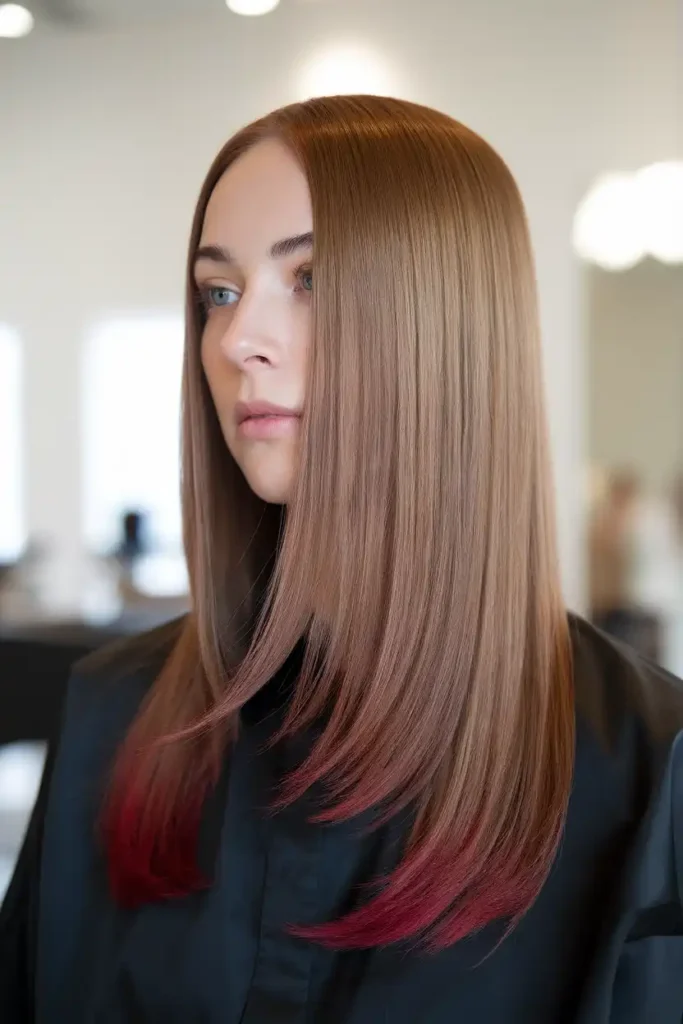
Brown hair with red highlights straight is one of the most flattering combinations because straight hair shows off highlight placement more clearly than curls or waves. If you’ve gotten red highlights before and felt like they disappeared, placement and technique were likely the issue.
Ask for face-framing and mid-length placement rather than highlights concentrated only at the ends. This distributes the red evenly and keeps it visible even when your hair is pulled back.
FAQs:
What’s the difference between auburn and copper brown red hair?
Auburn leans more brown with red undertones, while copper is a brighter, more saturated red-orange. Copper fades faster and needs more frequent toning than auburn.
Which brown red hair shade lasts the longest without fading?
Dark red brown and mahogany brown hold color longest since they use smaller dye molecules than bright coppers, which fade faster due to larger pigment particles.
How do I know if chestnut or auburn suits my skin tone better?
Chestnut flatters most undertones since it’s more neutral, while auburn works best on warm undertones. Check the veins on your wrist: green means warm (auburn), blue means cool (try burgundy instead).
Will brown red hair make my regrowth show faster?
Deeper shades like mahogany and dark copper brown show regrowth quicker due to color depth. Ask for a root smudge or shadow technique to stretch time between touch-ups.
Can I get brown red hair without permanent dye?
Yes. Semi-permanent glazes and demi-permanent formulas add red warmth to your natural brunette base and fade out gradually instead of leaving a harsh regrowth line.