22 Dark Red Hair Dye Shades for a Bold New Look
Dark red hair sits in a color range that works harder than most. It reads bold without being loud, and the right shade can look like it was made for your skin tone. Whether you want a deep burgundy, a soft auburn, or a rich mahogany, there’s a version of dark red that fits your life, your maintenance schedule, and your natural hair color. This guide covers 22 shades with real styling advice for each one.
1. Deep Burgundy Red Hair for a Rich, Dimensional Look
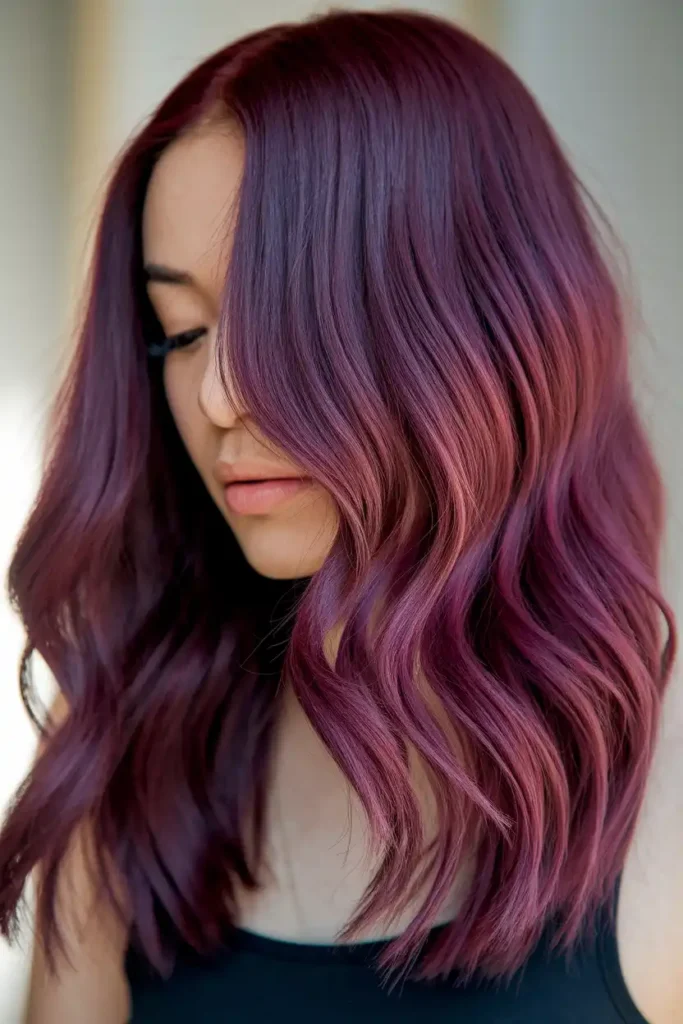
Deep burgundy sits right at the intersection of red and purple, which makes it one of the most wearable dark red shades. It reads as sophisticated in professional settings but still makes a statement. If your natural hair is dark brown or black, you can often achieve this shade with a single dye session without pre-lightening.
The key to making burgundy look rich rather than flat is asking your colorist for a tint that leans slightly cooler at the roots and warmer at the ends. This subtle shift creates dimension without a full highlight service. Try L’Oréal HiColor in Burgundy if you’re coloring at home on dark hair.
2. Dark Cherry Red Hair That Catches Light Beautifully
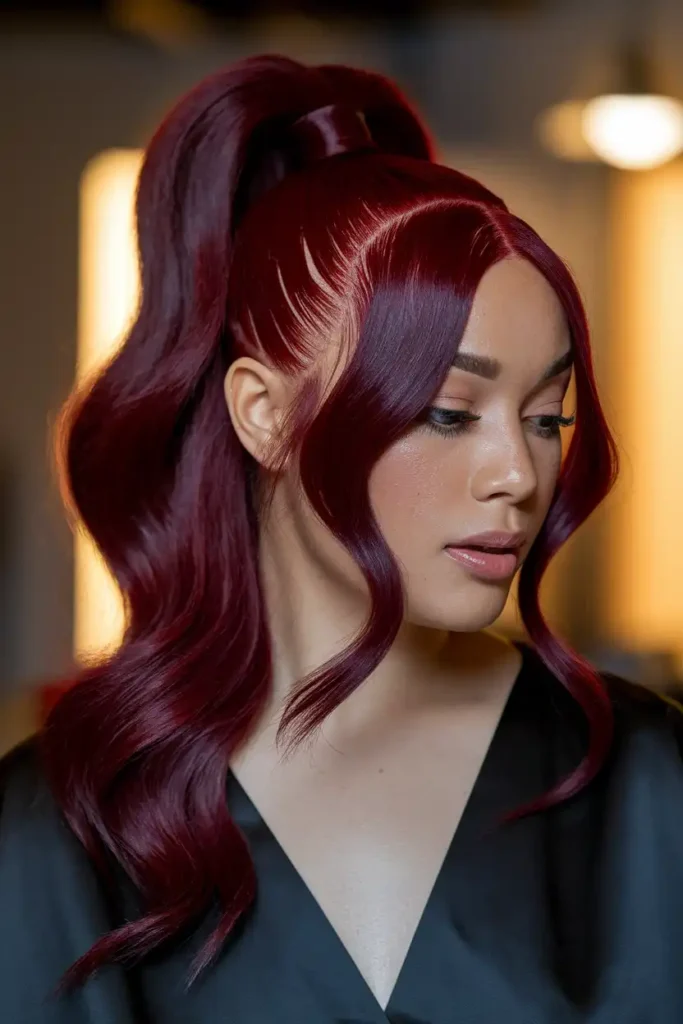
Cherry red runs deeper than a classic red but brighter than burgundy, which gives it this eye-catching quality in good lighting. On dark hair, it shows up as a glossy, jewel-toned color that looks intentional rather than overdone. It suits medium to deep skin tones especially well because the warmth in the shade complements golden and olive undertones.
To keep cherry red looking glossy between salon visits, use a color-depositing conditioner once a week. Overtone’s Deep Red for Brown Hair works well for this. It won’t dramatically change the color, but it keeps the tone from going muddy or dull between touch-ups.
3. Black Hair With Dark Red Highlights for Subtle Contrast

If you want color without committing to a full dye job, adding dark red highlights to black hair is a practical middle ground. The contrast is subtle in low light and more visible outdoors, which gives you flexibility depending on your workplace or personal style preference.
Ask your colorist for balayage-placed highlights using a dark auburn or mahogany shade rather than a bright red. Bright red on black hair can look patchy if not done carefully. Auburn-toned highlights blend more naturally and grow out without a harsh line, so your maintenance appointments can be spaced further apart.
4. Dark Auburn Hair Color for a Natural-Looking Red
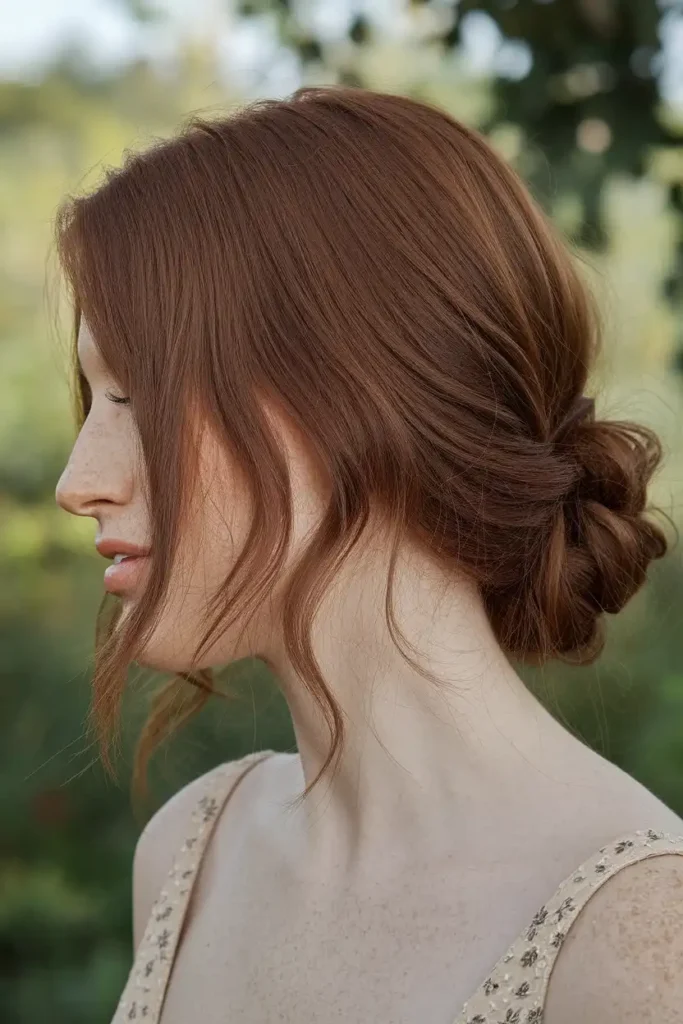
Dark auburn is the most natural-looking option on this list. It reads as a warm, reddish brown rather than an obvious dye job, which makes it a solid choice if you want red hair but prefer something that blends with your roots as it grows out. People often assume it’s your real hair color.
This shade works best on women with warm or neutral skin tones. If your skin runs cool or pink, a slightly ashier auburn will look better than a golden one. When choosing a box dye, look for shades labeled “dark auburn” or “mahogany” rather than anything with “bright” or “copper” in the name.
5. Mahogany Red Hair Dye for a Bold but Wearable Shade
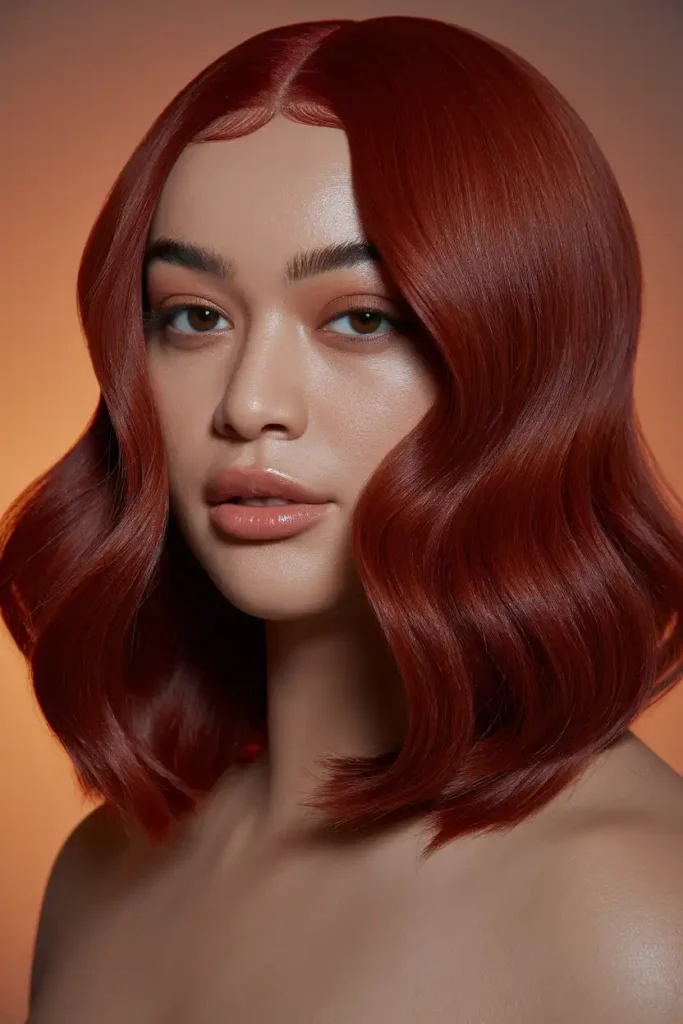
Mahogany red has enough brown in it to feel grounded and enough red to be noticeable. It’s one of the most requested shades at salons because it looks deliberate without being extreme. On dark hair, it shows up as a rich reddish-brown. On lighter hair, the red reads more vividly.
Box dye brands like Garnier Nutrisse and Revlon Colorsilk both carry reliable mahogany options that perform well on dark hair without pre-lightening. If you’re doing this at home, do a strand test first, especially if your hair has been color-treated before. Processing time affects how much red actually shows through.
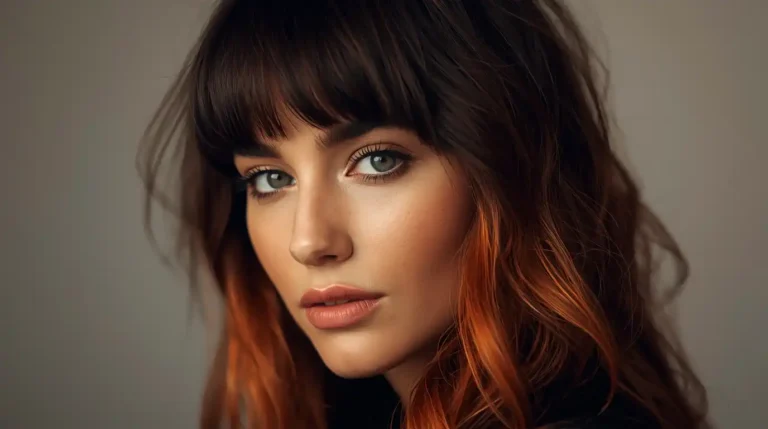
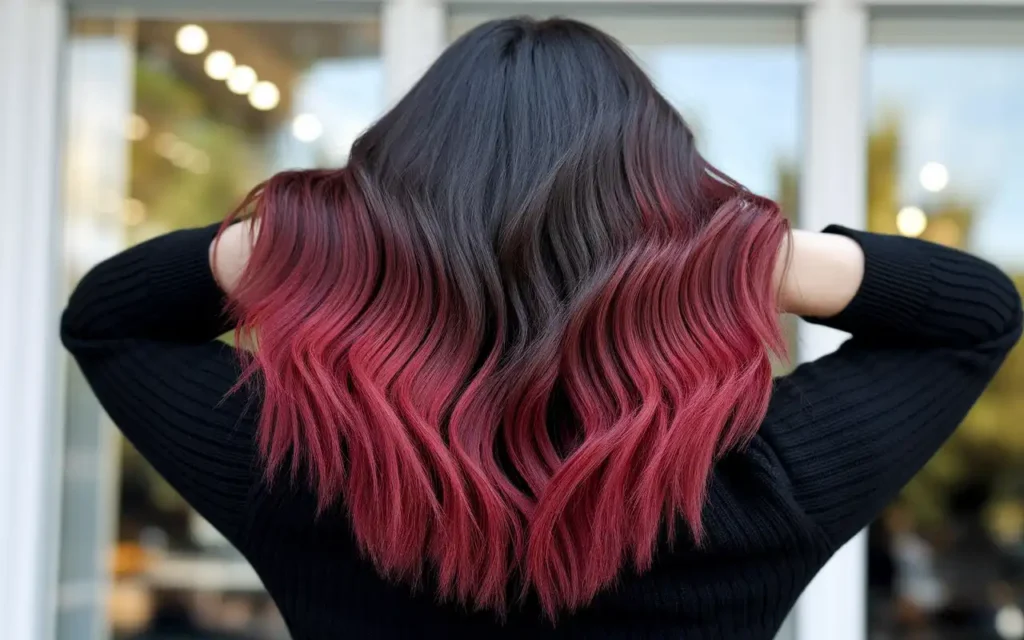
6. Dark Red Ombre Hair That Fades From Black to Red
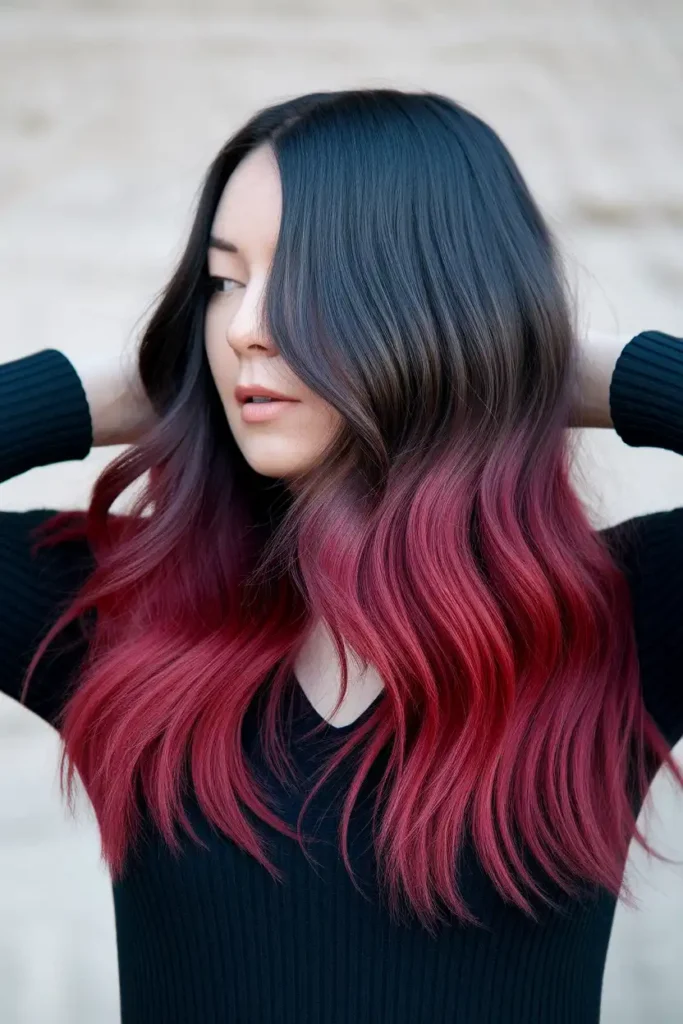
A dark-to-red ombre lets you wear red hair without touching your roots, which makes the grow-out process almost invisible. The gradient looks intentional as it grows, unlike a single-process color that leaves a noticeable line at the roots after six to eight weeks.
The most flattering version of this look keeps the dark root section long, starting the color shift at the cheekbone level or lower. Too much red too high on the head can make it look less like an ombre and more like a root regrowth situation. Bring a reference photo to your appointment so you and your colorist are aligned on where the transition starts.
7. Red Hair With Black Lowlights for Extra Depth
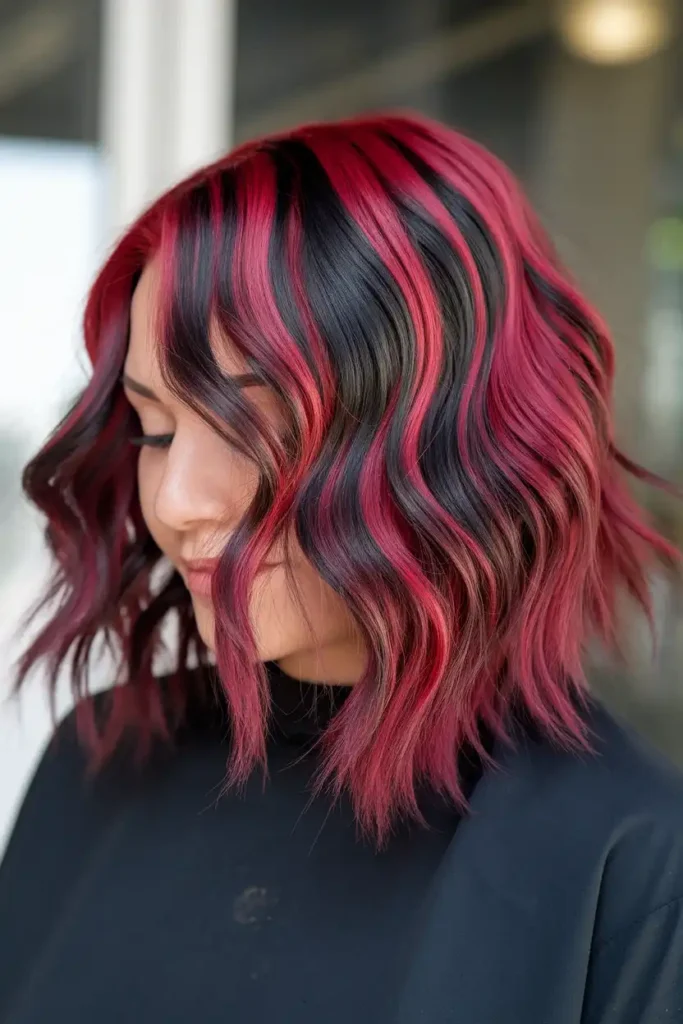
Adding black or near-black lowlights to red hair creates a dimensional look that a single-process color can’t replicate. The dark pieces add shadow and make the red tones appear richer by contrast. It’s a technique colorists use to make red hair look expensive rather than flat.
If your red hair has been looking one-dimensional or faded, lowlights are a faster fix than re-dyeing the whole head. Ask your colorist to place them selectively through the underlayers and mid-section rather than all over. That placement keeps the top layer looking bright red while the peekaboo darkness underneath adds visual interest.
8. Vampire Red Hair for a Dark, Dramatic Statement

Vampire red sits at the darkest end of the red spectrum. In low light, it can look almost black. In direct sunlight or under good indoor lighting, it reveals a deep, saturated red. If you want dramatic color that doesn’t read as obviously “dyed” in a corporate setting, this is a smart choice.
To achieve this shade, look for dyes labeled “deep red”, “dark red-violet”, or “wine”. Joico Color Intensity in Brick Red mixed with a dark brown base can get you close at home. If you want precision, a salon visit is worth it here because the balance between the dark brown and red tones is easy to get wrong without experience.
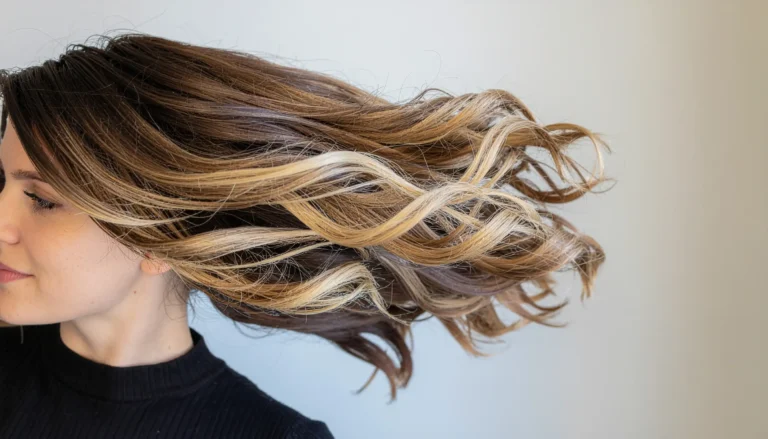
9. Dark Red Balayage for a Sun-Kissed Effect in Winter
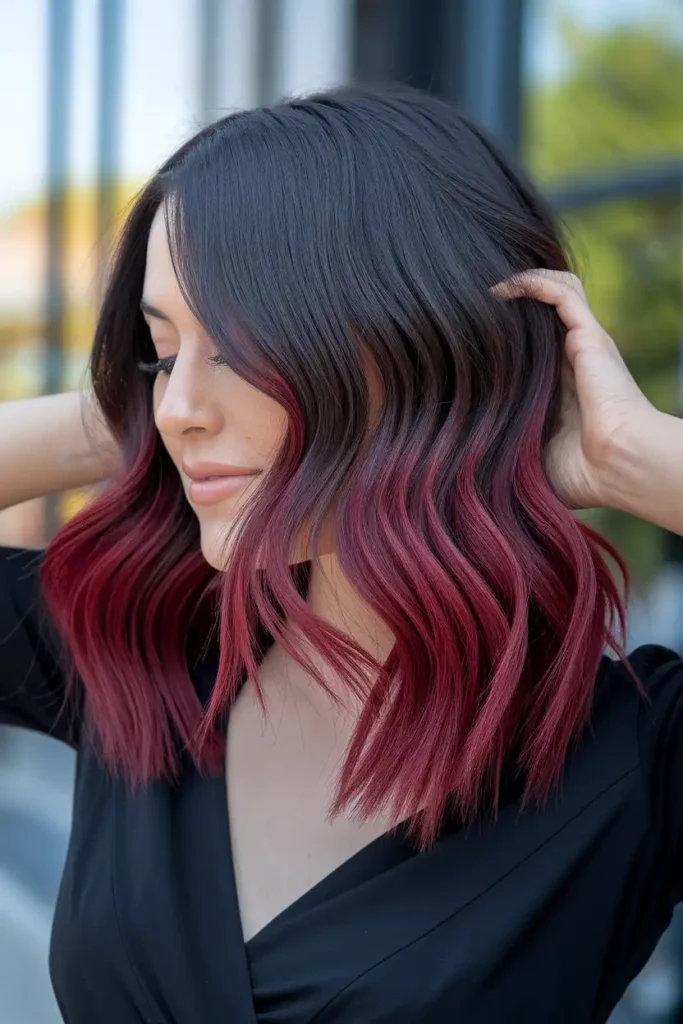
Balayage in dark red tones works year-round but has particular impact in fall and winter when warm colors feel more relevant to the season. Because the color is hand-painted rather than foiled, it has a softer, less uniform look that suits wavy and textured hair especially well.
The maintenance on red balayage is lower than full-color red because you’re only touching up the painted sections rather than the whole head. Plan on a refresh every four to five months depending on how fast your hair grows. Between appointments, a glossing treatment in a warm red shade keeps the color from going brassy or dull.
10. Plum-Red Hair Color That Sits Between Red and Purple
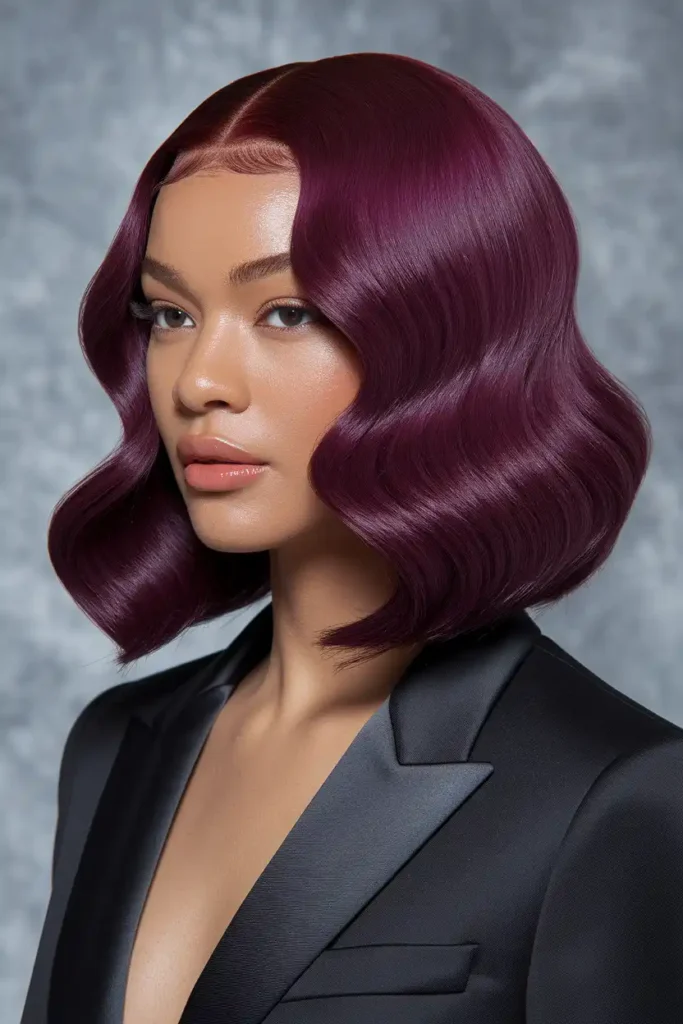
Plum-red sits in a specific color range where red and purple overlap, and it’s one of the more flattering options for women with cool or neutral skin tones. The purple undertone keeps it from looking too warm, which can clash with pink or rosy complexions. It also tends to hold color longer than a straight red because the violet pigment is more stable.
If you’re mixing shades at home, combining a dark red with a small amount of violet gives you more control over the exact tone. Brands like Arctic Fox and Manic Panic are good for this kind of mixing since they’re deposit-only and won’t cause unpredictable results on pre-colored hair.
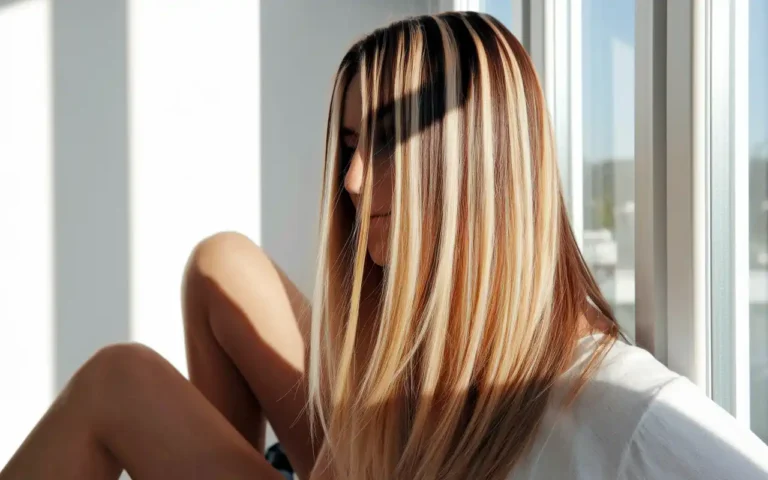
11. Dark Red Hair With Blonde Highlights for a Warm Contrast
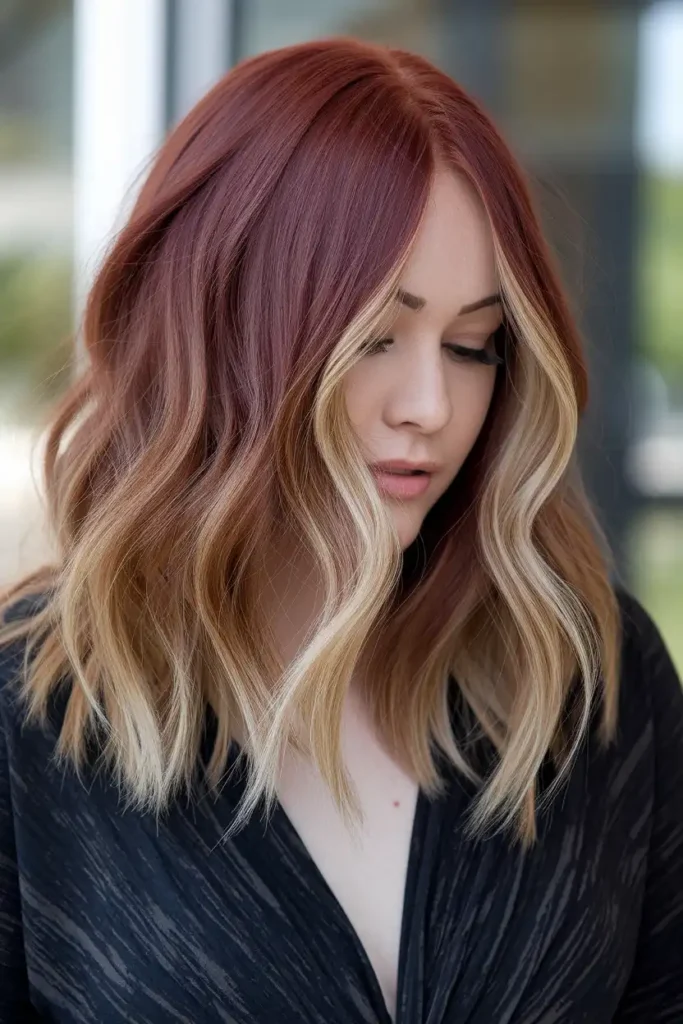
Pairing dark red with blonde highlights is less common than red alone, but the contrast works well because both colors sit in the warm family. The blonde lifts the look without creating the stark contrast you’d get with black lowlights. It suits women who want red hair but don’t want to lose all the brightness their lighter pieces provide.
This is not a DIY-friendly technique unless you’re experienced with bleaching. Blonde highlights on a red base require careful placement and developer control to avoid orange or brassy results. Book a consultation with a colorist who has portfolio examples of this specific combination before committing.
12. Dark Copper Red Hair for a Bold Warm Tone
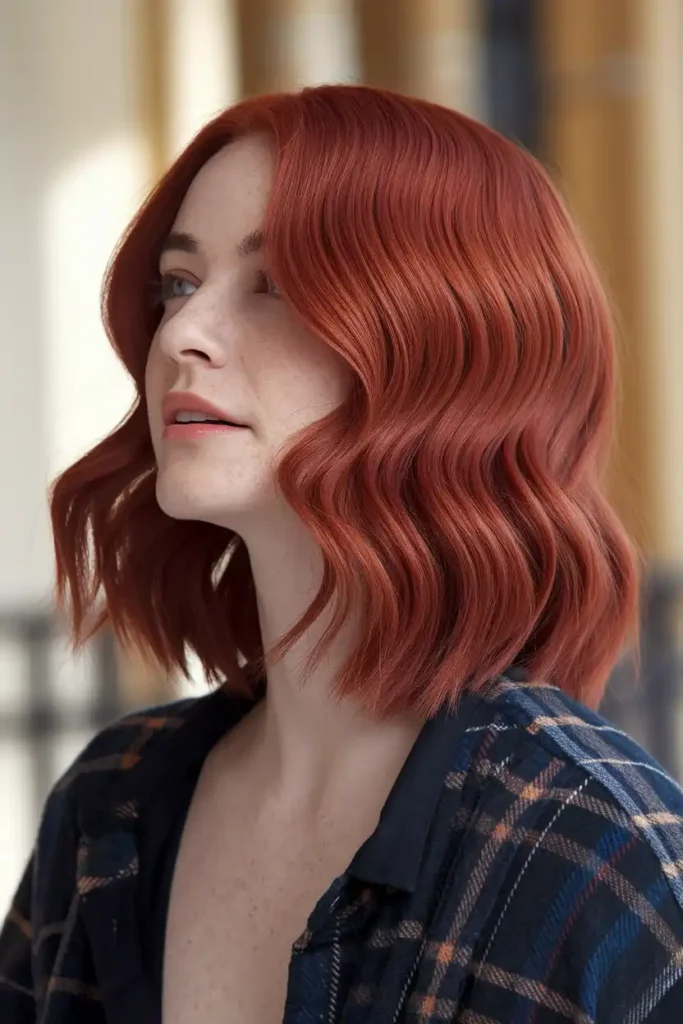
Dark copper red reads warmer than a standard red because of the orange undertone running through it. It works best on women with warm or golden skin tones since the orange-adjacent hue can intensify redness or pinkness in cooler complexions. On the right skin tone, it looks genuinely striking.
This shade fades faster than cooler reds because copper and orange pigments are less stable over time. To slow the fade, wash your hair in cool water, use a sulfate-free shampoo, and limit heat styling without a protectant. Washing twice a week instead of daily makes a real difference in how long the color lasts.
13. Soft Dark Red Hair Color for an Everyday Wearable Look
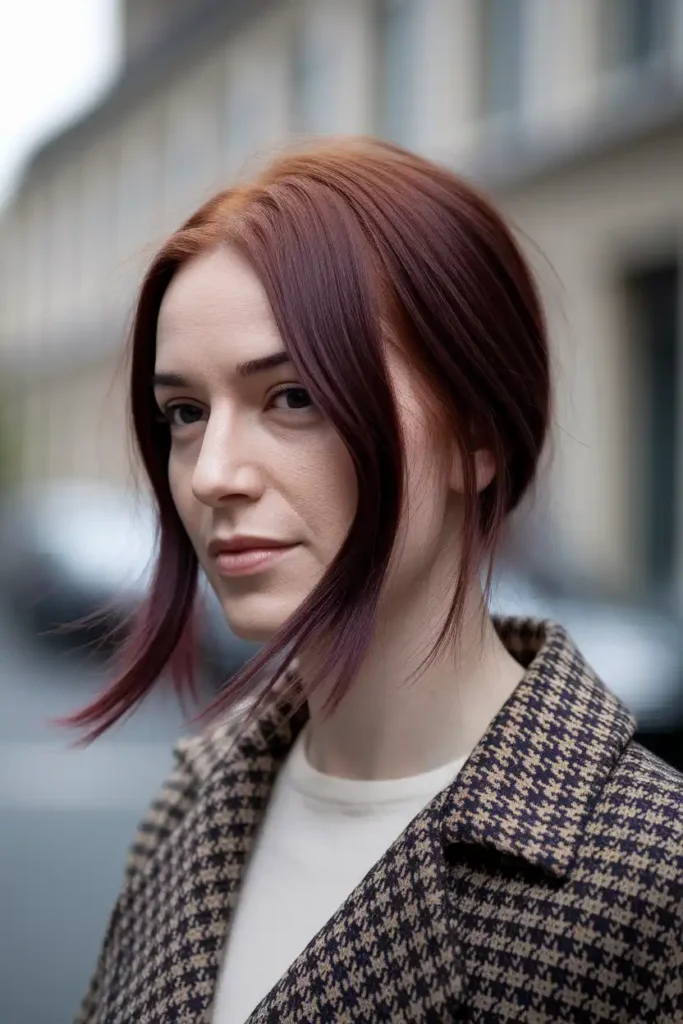
Not every red has to be bold. A soft dark red, something closer to a deep reddish-brown than a vivid scarlet, gives you color payoff without demanding attention. It’s the kind of shade that photographs beautifully without looking overdone in person. It also tends to fade gracefully, shifting into a warm brown rather than going patchy.
This is a good entry point if you’ve never colored your hair red before and aren’t sure how committed you want to be. Many drugstore shades in the “medium reddish brown” or “dark auburn” category land in this range. Clairol Natural Instincts in Clove or Garnier Nutrisse in Medium Intense Auburn are both low-commitment starting points.
14. Red to Brown Hair Color Transition Done Right
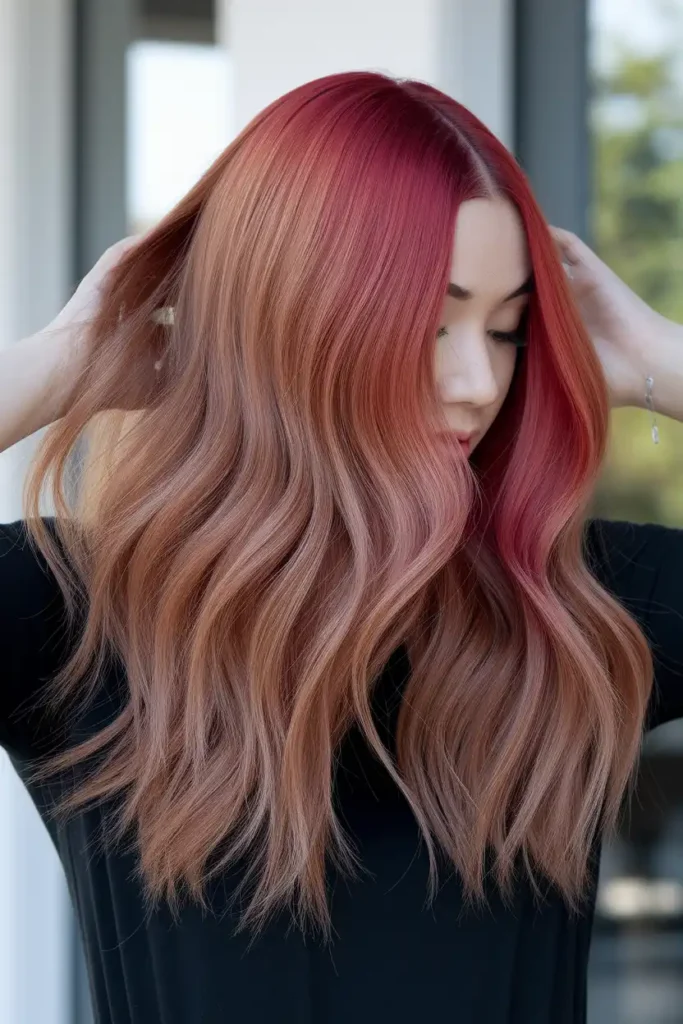
A red-to-brown transition works in both directions. You can go red at the root with brown ends for a reverse ombre, or brown roots that fade into red ends for a more traditional gradient. Both versions grow out naturally without a harsh line, which is a practical concern for anyone who doesn’t want to be at the salon every six weeks.
The most common mistake with this technique is blending the two colors too close together, which creates a muddy middle zone rather than a clean gradient. Your colorist should leave a slight gap between where the red ends and the brown begins, then blend with a dry brush or buffer. Ask specifically about this when you book.
15. Dark Red Hair on Brown Skin for a High-Impact Look
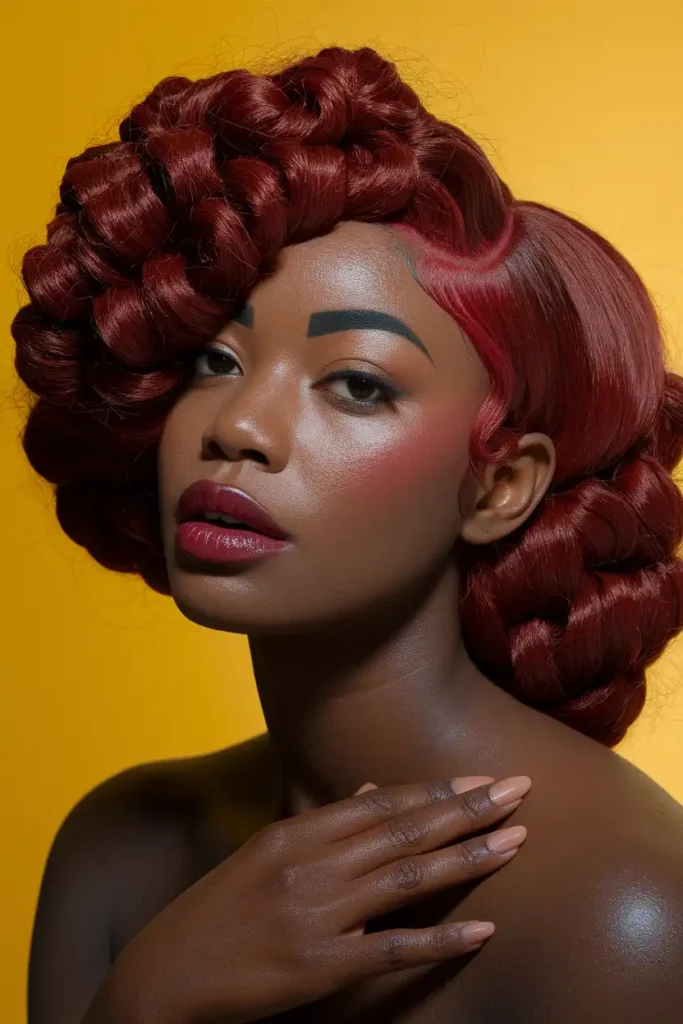
Dark red hair on deep brown skin is a combination that genuinely works, and it’s underrepresented in hair color content. The depth of dark red tones complements rather than clashes with deep skin, and the warmth of shades like burgundy or deep auburn reads as intentional rather than accidental.
If your hair is naturally textured, dark red dye applied to your natural curl pattern creates a different effect than the same shade on straight hair. Textured hair diffuses color differently, so the red may appear more dimensional and varied across the curl. Talk to a colorist experienced with textured hair specifically, since the application process differs from standard technique.
16. Dark Red Box Dye Results Worth Knowing Before You Start
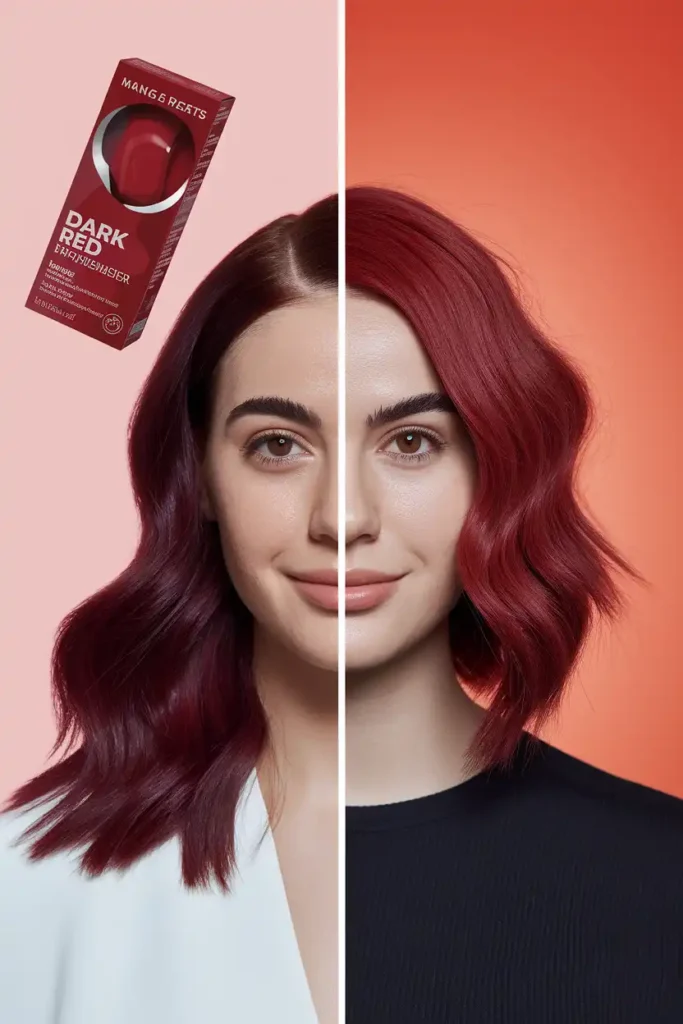
Box dye gets dismissed as a lesser option, but plenty of dark red shades perform well at home if you choose the right one and follow the instructions accurately. The main issue people run into isn’t the product itself but the application: missing sections, inconsistent timing, or using a shade that’s too light for their natural color.
For dark hair, look for boxes that specifically state they work on dark brown or black hair without bleaching. L’Oréal Excellence HiColor and Schwarzkopf Color Ultime both have dark red options formulated for this. Read through the full instructions before you start, especially the timing, because leaving red dye on longer than directed rarely gives you more color and often damages your hair.
17. Dark Red Hair That Works Without Bleaching
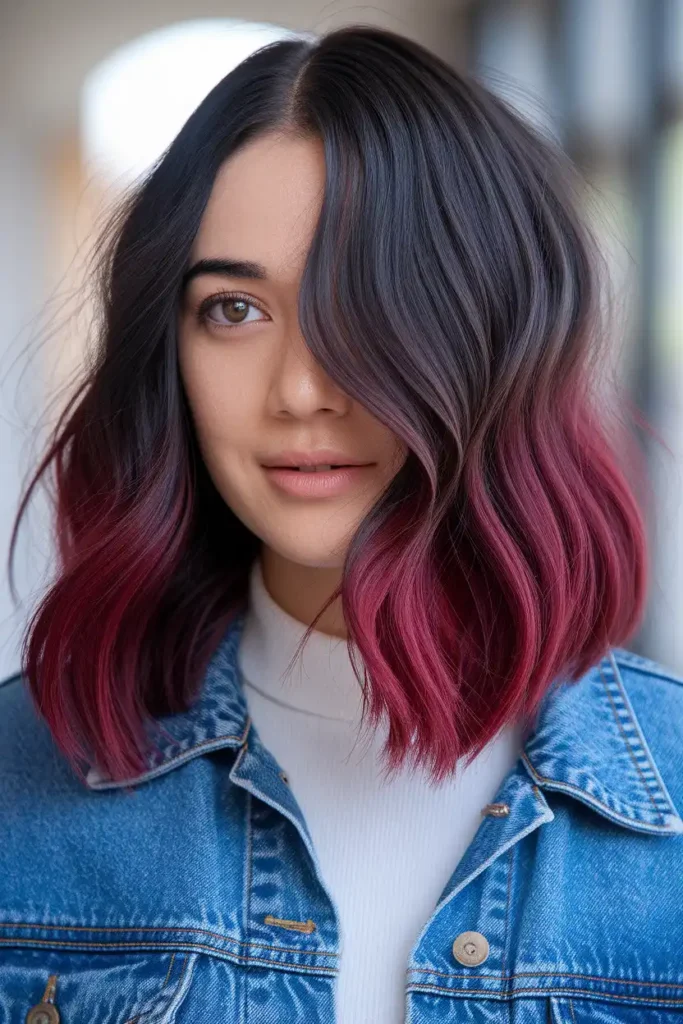
One of the most common questions about red hair is whether you need to bleach first. The honest answer is: it depends on how vivid you want the result. For deep, jewel-toned reds like burgundy, mahogany, or dark cherry, you can often skip bleach entirely, even on dark brown or black hair. The color won’t show up neon-bright, but it will show up.
The dyes most likely to work without bleaching on dark hair are those with a high red pigment concentration and a developer of 20 or 30 volume. Anything lighter than your target shade will need bleaching first. If the box says “for light to medium hair” and your hair is dark, save your money and look for a different product.
18. Red Hair Color Maintenance Tips That Actually Make a Difference
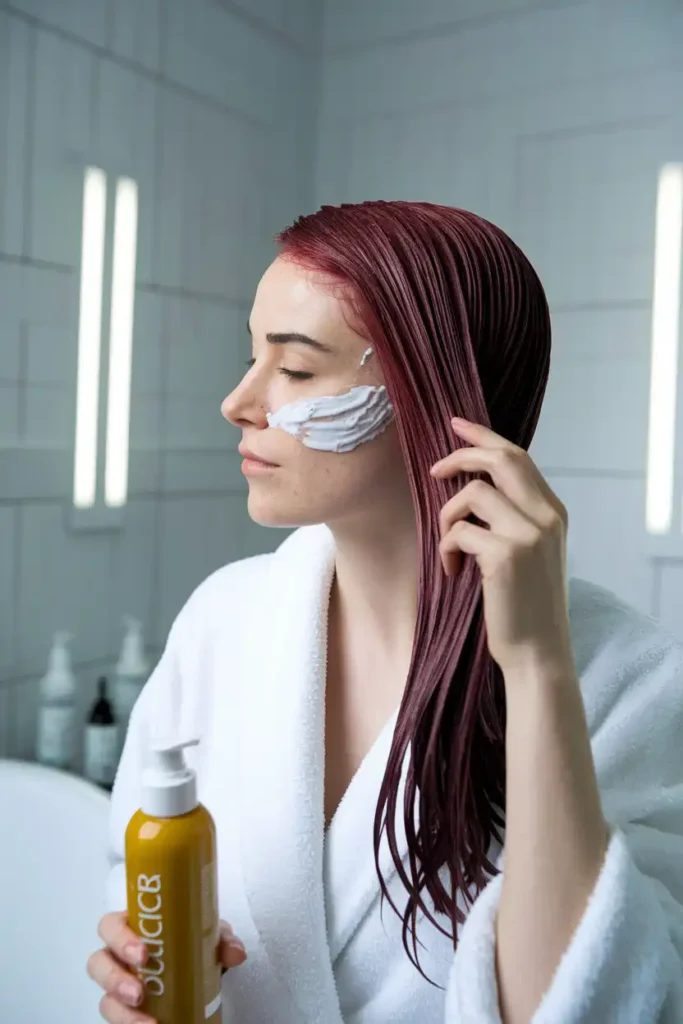
Red is one of the fastest-fading hair colors, and that’s not an exaggeration. The red pigment molecule is smaller than other color molecules, which means it washes out faster every time you shampoo. If you’re not actively maintaining it, dark red hair can start looking dull or brownish within three to four weeks of coloring.
The habits that make the most difference are washing less frequently, using cool water instead of hot, switching to a sulfate-free shampoo, and doing a color-depositing treatment every one to two weeks. Overtone, dpHUE, and Celeb Luxury all make red-specific depositing conditioners that refresh the tone between dye sessions. None of them require gloves, and most smell decent.
19. Short Dark Red Hair Styles That Make the Color Stand Out
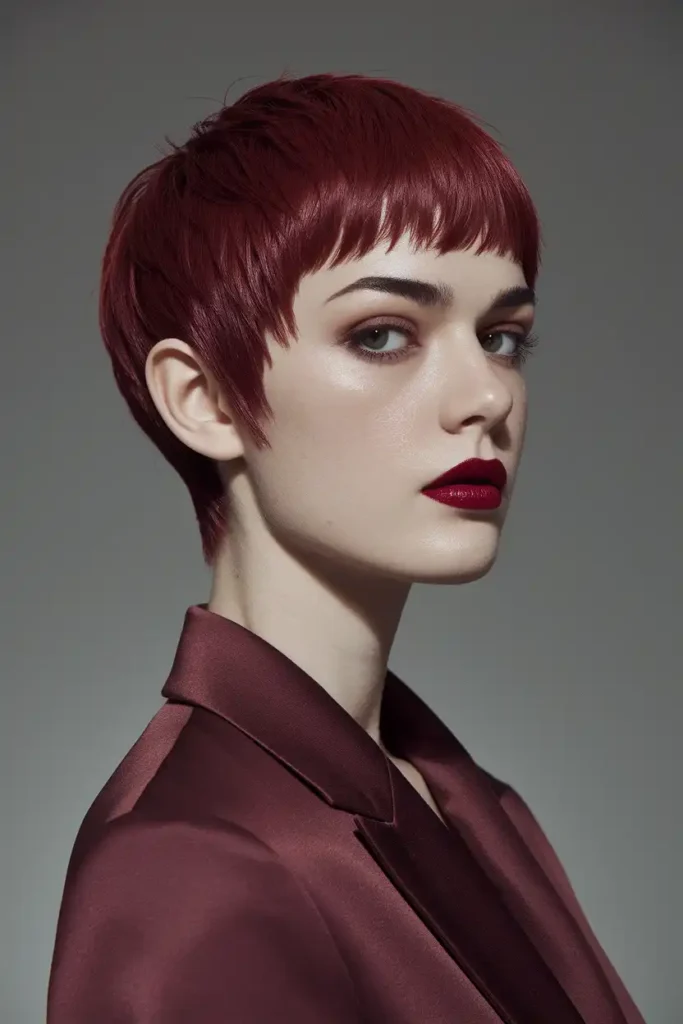
Short hair and dark red color are a strong combination because the cut shows off the color from every angle rather than just the ends. A dark red bob or pixie reads differently than the same shade on long hair. There’s less surface area, which makes the color more concentrated and visible.
If you’re considering both a cut and a color change, do the color first. That way, your colorist can see the full length when making decisions about tone and placement, and your stylist can see the final color when shaping the cut. Doing it in reverse can make it harder to adjust either one correctly.
20. Dark Red Hair for Fair Skin: What Shades Actually Work
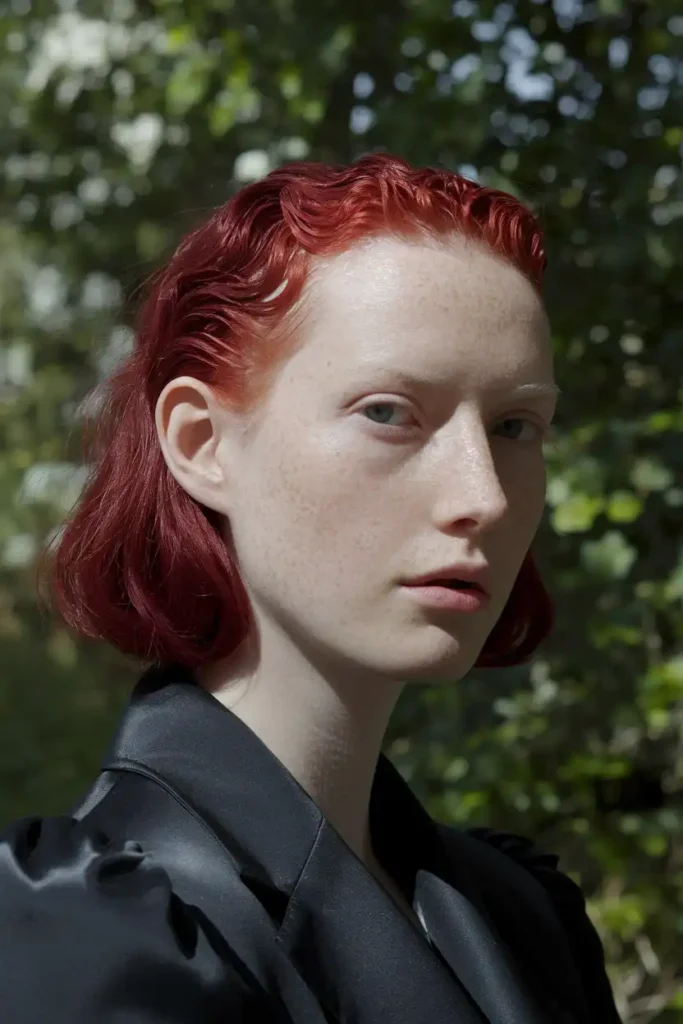
Fair skin and dark red hair is a classic combination, but the specific shade of red matters more than people realize. Cool-toned reds like burgundy, wine, and plum-red tend to work better on fair skin with pink undertones because they don’t amplify the pink. Warm reds like copper or golden auburn suit fair skin with peach or neutral undertones better.
If you’ve tried red before and felt it made your face look washed out or too pink, the problem was likely the undertone of the shade rather than the color family itself. A cooler, deeper red with some violet in it will usually solve this. Show your colorist photos of specific shades you like and let them match the undertone to your skin.
21. How to Go From Dark Red Hair Back to Brown Without Damage
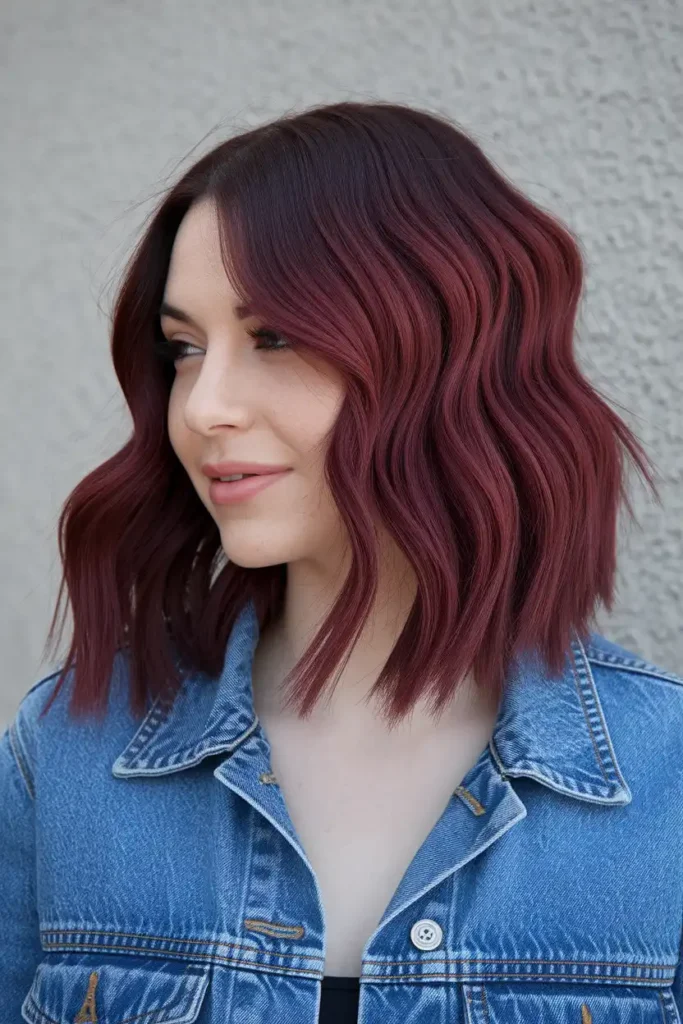
Transitioning from dark red back to brown is trickier than it sounds. Red pigment clings to the hair shaft and doesn’t lift cleanly with standard brown dye. If you apply a brown shade directly over red, you often end up with a result that’s too dark, too warm, or pulls orange rather than true brown.
The cleanest approach is a professional color correction using a color remover first, followed by a targeted toner or brown shade. At home, you can try a product like Color Oops or Colour B4 to strip the red before applying brown, but results vary. Do not apply bleach directly over red without professional guidance. That’s the fastest path to damaged, uneven hair.
22. Dark Red Hair in Fall and Winter: Why the Season Works in Your Favor
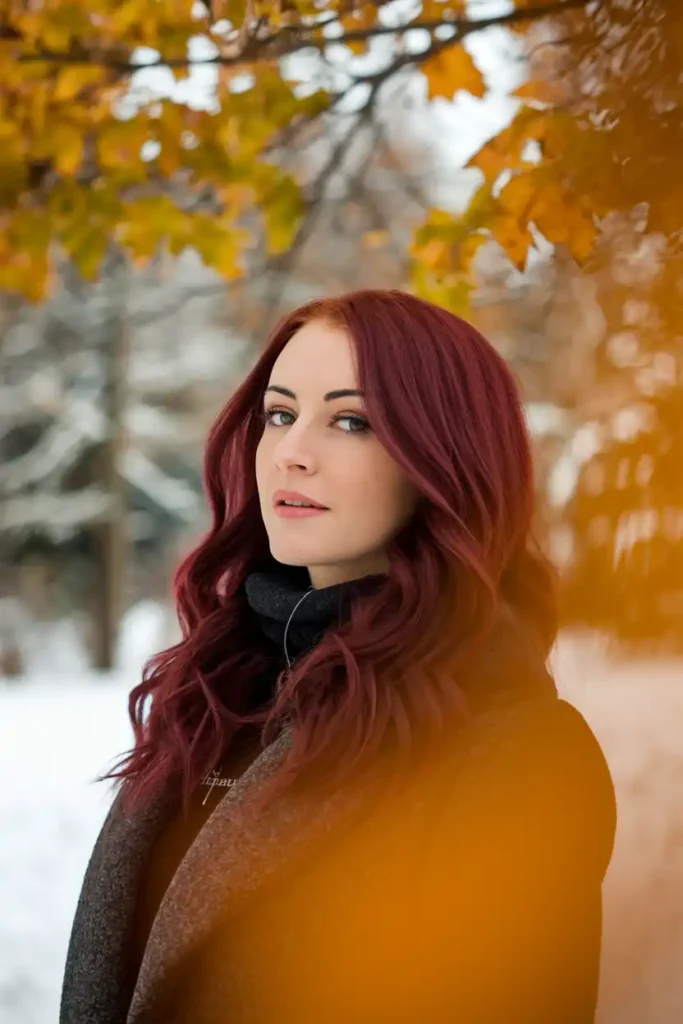
There’s a practical reason dark red hair feels so fitting in fall and winter. Cooler temperatures and lower UV exposure mean your color fades more slowly than it would in summer. You’re also washing your hair less often in cold months, which extends the life of the dye. The season genuinely works in your favor here.
The warm red tones in shades like burgundy, auburn, and mahogany also photograph well against the typical fall color palette of oranges, browns, and muted greens. If you’ve been on the fence about trying dark red, booking a color appointment in September or October gives you the best conditions for the color to look good and last.
Conclusion:
Dark red hair is one of the most versatile color choices you can make. The shade range is wide enough that there’s a version for every skin tone, hair type, and commitment level. Pick the one that fits your lifestyle first, then worry about the aesthetics. If you’re still deciding, start with a soft auburn or mahogany. Both are forgiving on dark hair, fade gracefully, and give you a real sense of whether red is the direction you want to go.