20 Shag Haircut Looks Inspired by Celebrity Trends
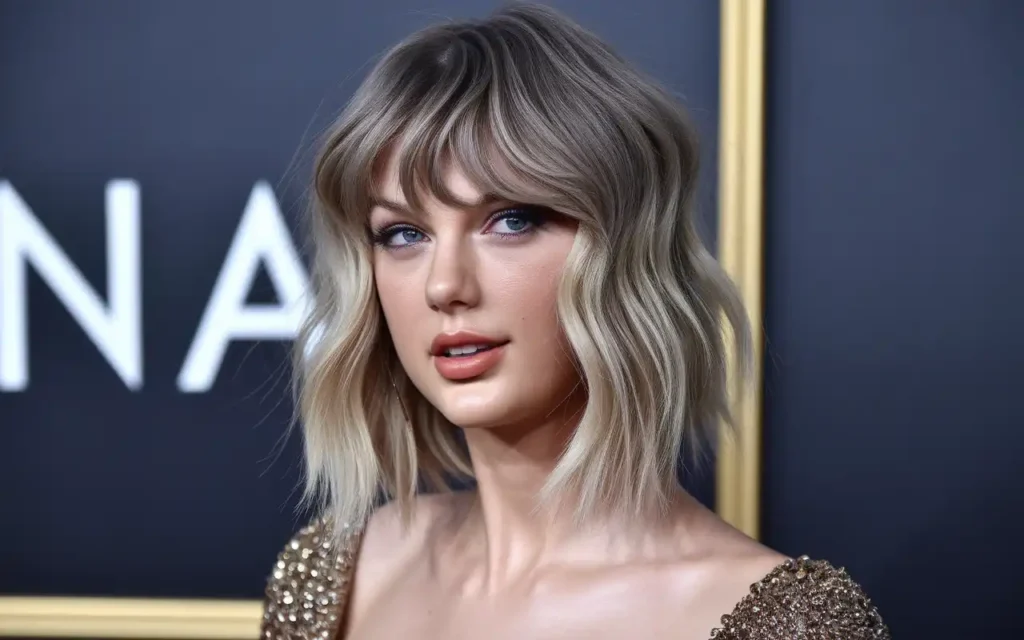
The shag haircut is having a genuine moment, and it’s not hard to see why. It works on short hair, long hair, straight, wavy, and curly. It suits fine hair that needs volume and thick hair that needs weight removed. Celebrities have been wearing variations of it for decades because the cut is genuinely versatile. This post breaks down 20 real looks, each with specific styling advice so you know exactly what to ask for at your next appointment.
1. The Classic 70s Shag Haircut with Curtain Bangs
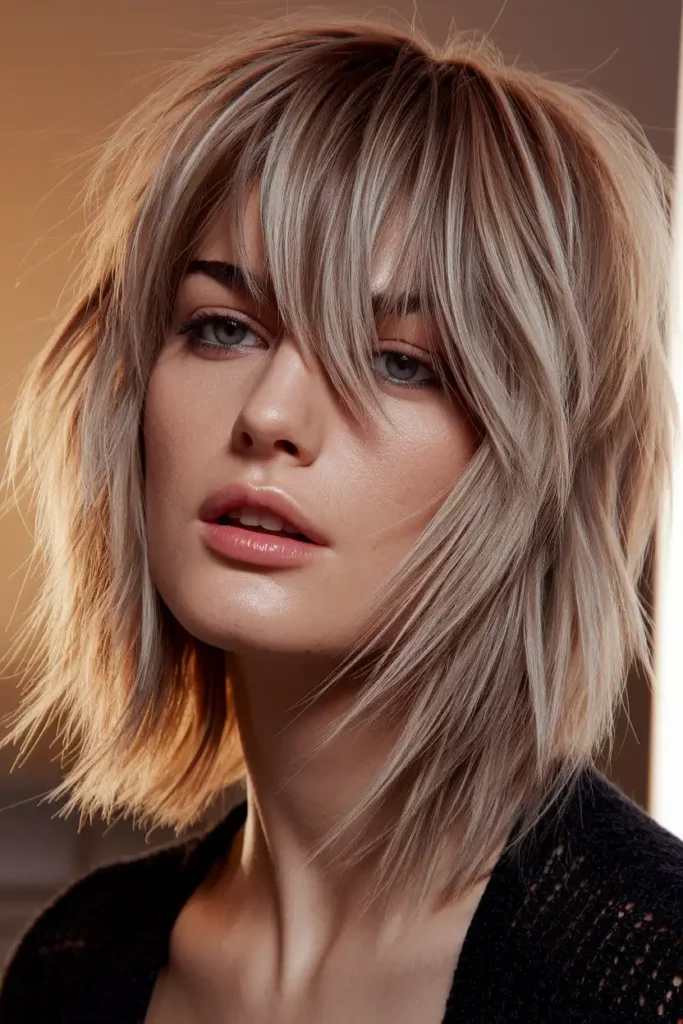
This cut works for straight and wavy hair types. The curtain bangs frame the face without requiring precision styling every morning. You part them down the middle, let them air dry, and they fall into place on their own. It’s one of the lowest-maintenance bang styles you can get with a shag.
If your hair is fine or flat, ask your stylist for extra layering through the crown. This adds volume without bulk. The 70s shag works especially well on oval and heart-shaped faces, but a good stylist can adjust the bang length to suit rounder face shapes too.
2. Short Shag Haircut for Thick Hair
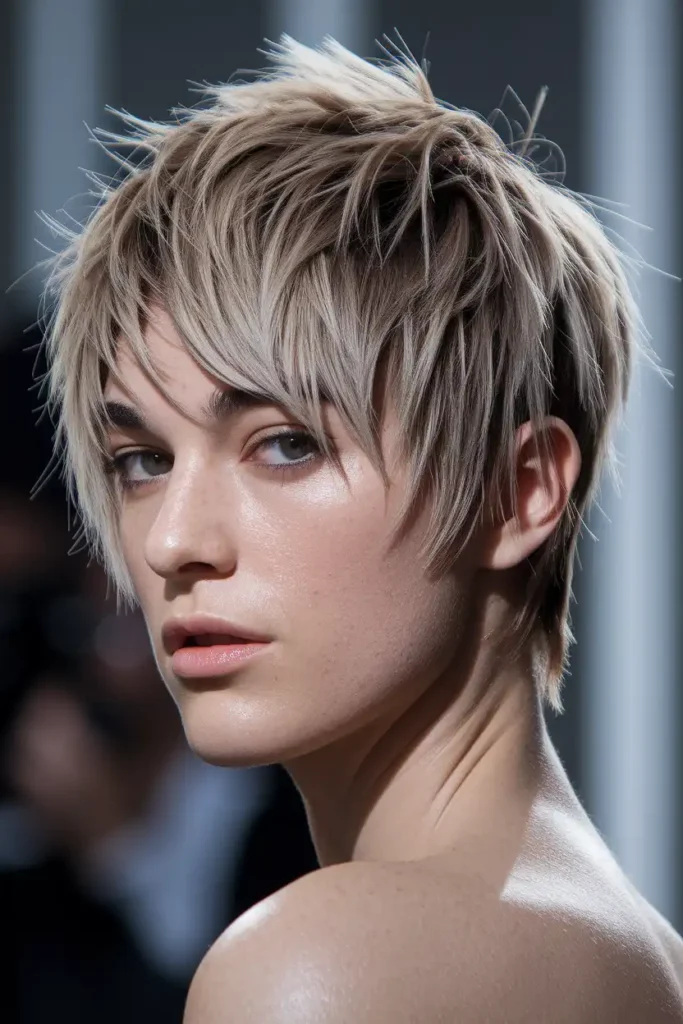
Thick hair and short cuts can go wrong fast if there’s no layering strategy. A short shag specifically addresses that problem. The layers remove weight from the bottom and sides, so your hair moves instead of sitting in a heavy block. You get shape without spending 20 minutes with a round brush every day.
Tell your stylist you want the layers to start at the cheekbone and work down. This prevents the triangle shape that thick hair tends to form. A texturizing spray on damp hair before you let it air dry will help separate the layers so they actually show up.
3. Long Shag Haircut with Face-Framing Layers
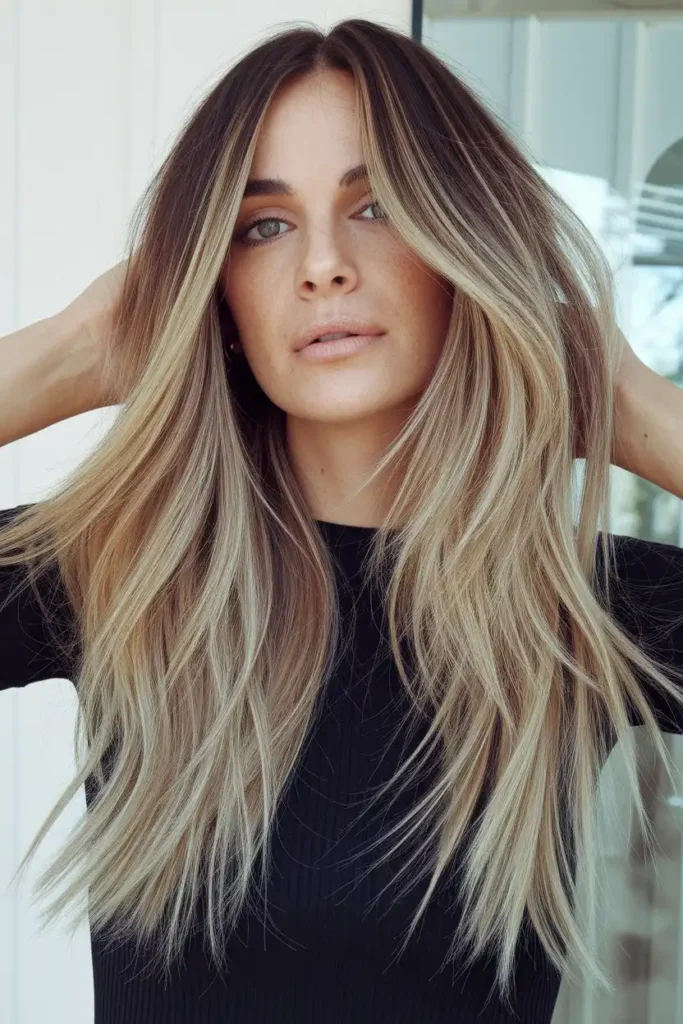
Long hair loses its shape fast when it’s all one length. Face-framing layers in a long shag give your hair a cut that reads as intentional. The layers around your face do the heavy lifting. They draw attention upward and create the illusion of a lifted, more defined look without any styling tools required.
If you have long hair and don’t want to go short, this version of the shag is your best option. Ask for soft, blended layers starting at the chin rather than blunt disconnected ones. Blunt layers on long hair can look choppy. Blended layers move better and hold up longer between cuts.
4. Curly Shag Haircut That Works With Your Natural Texture
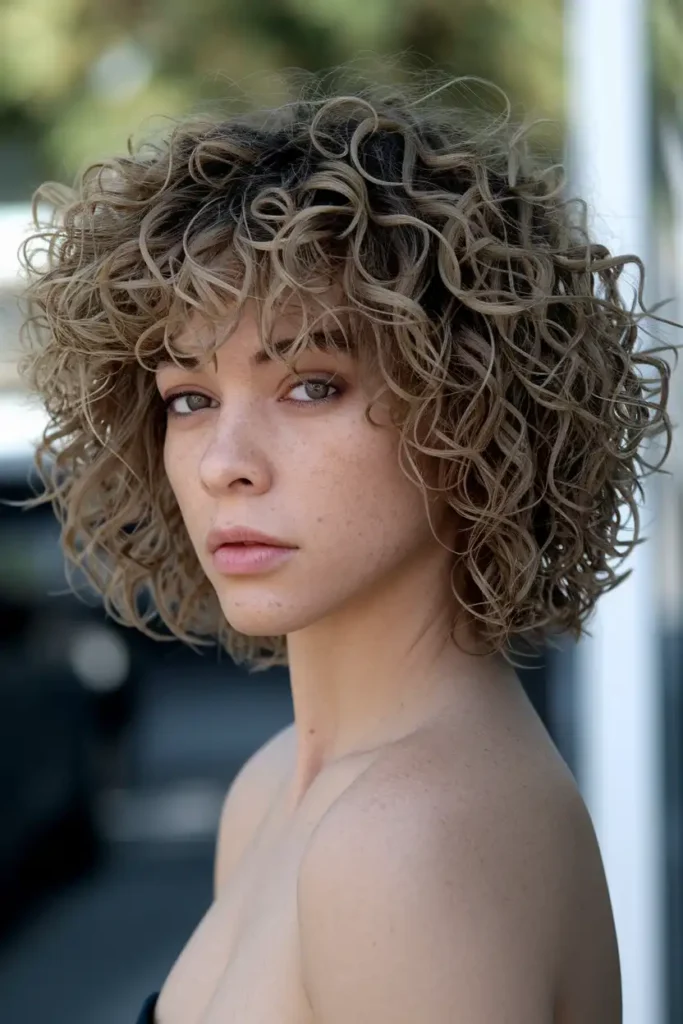
Most haircut tutorials assume straight hair. The curly shag is different because the cut has to account for shrinkage. Your stylist should cut your curls dry or stretched so they can see exactly where each layer will sit. A wet cut on curly hair almost always ends up shorter than expected once it dries.
The curly shag works because layers remove bulk and let each curl coil properly instead of being weighed down. You want layers, but not too many. Over-layering curly hair causes frizz and loses definition. Ask for medium-width layers and keep the shortest pieces no higher than your chin.
5. Shag Haircut with Bangs for Fine Hair
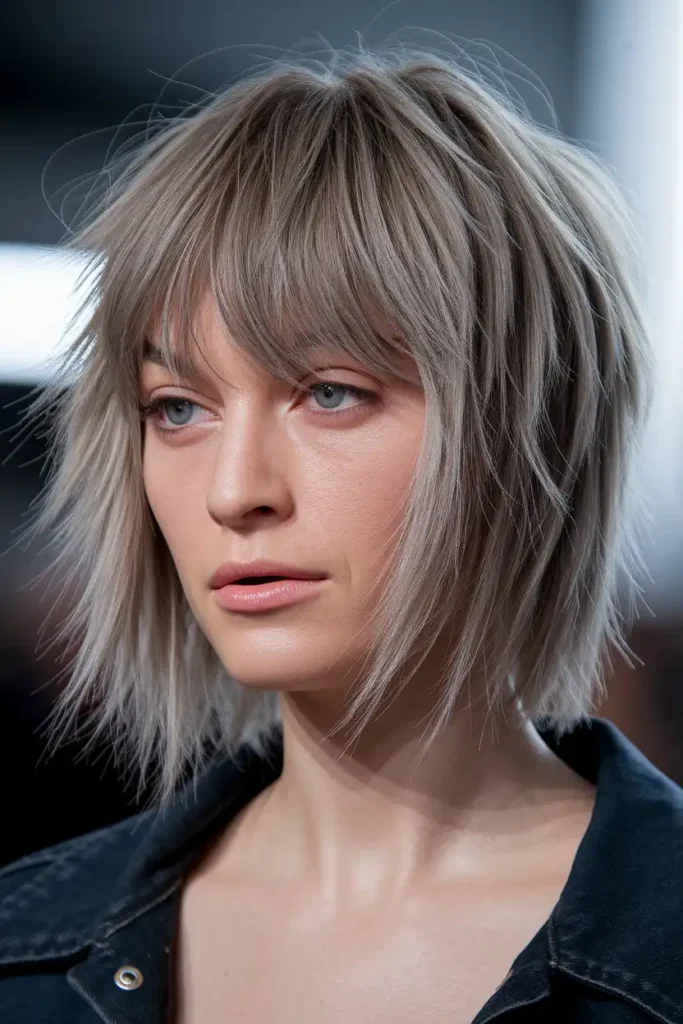
Fine hair and flat roots are a common frustration. The shag cut with bangs is one of the few styles that genuinely adds visual volume to fine hair. The layering removes length from the ends, which takes weight off and lets the roots lift. Bangs fill in the front so your hair looks fuller across the entire frame of your face.
Use a volumizing mousse on damp roots before blow-drying with a diffuser or your fingers. Skip heavy oils or serums on the roots because they will flatten the lift you just created. A light-hold hairspray at the roots after styling helps the volume last through the day.
6. The Textured Shag Haircut Inspired by Miley Cyrus
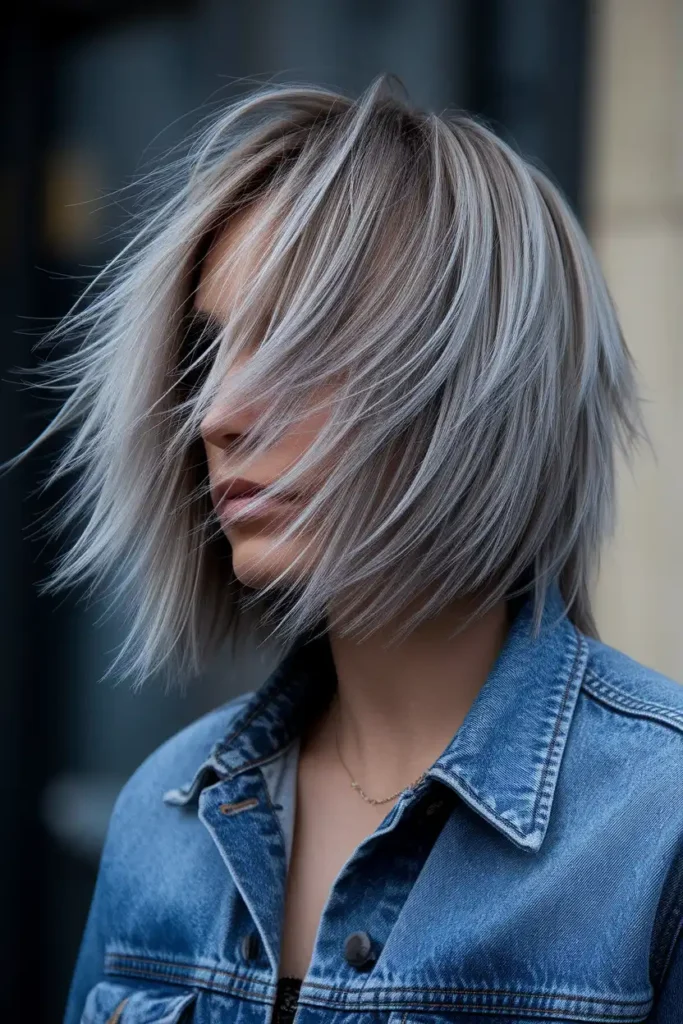
Miley Cyrus has worn variations of the shag for years and the common thread is texture. The cut is never polished. The ends are piecy, the layers are obvious, and the whole thing looks like it dried however it wanted to. That’s not an accident. It’s a cut designed to look effortless.
To get this effect, ask your stylist for point-cut ends instead of blunt ones. Point cutting creates that separated, jagged texture at the tips. At home, scrunch a small amount of sea salt spray into damp hair and let it air dry. Don’t touch it while it dries. That’s what gives you the lived-in finish.
7. Bob Shag Haircut for a Modern, Low-Maintenance Look
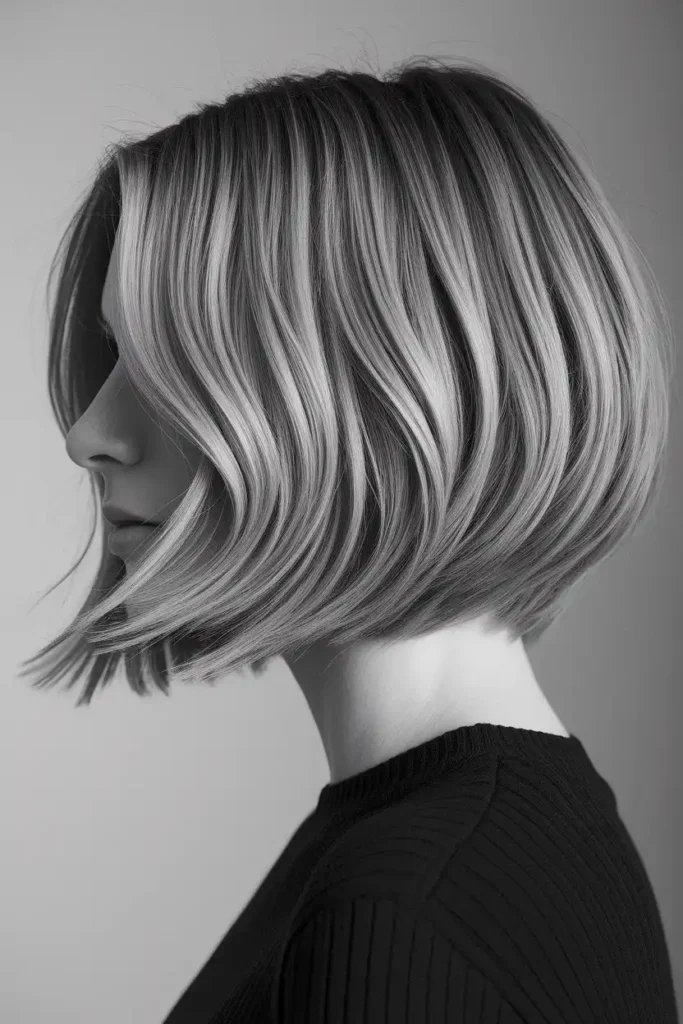
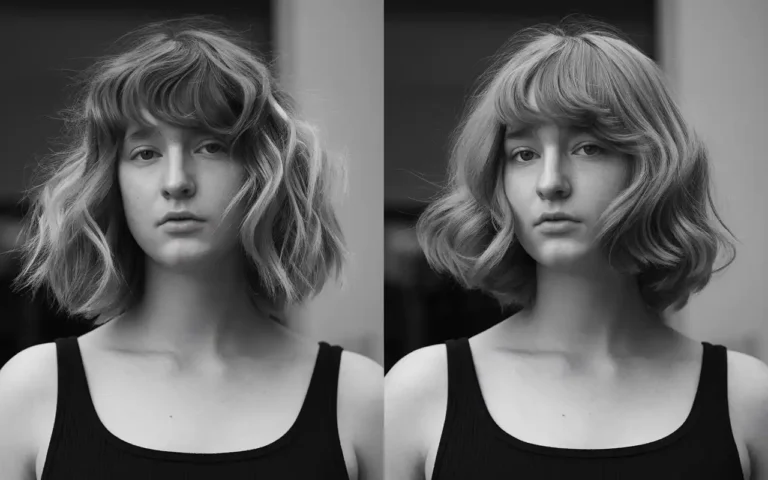
The bob shag sits in a useful middle ground. It’s shorter than a traditional shag but longer than a pixie, and it suits most face shapes. The bob silhouette gives you structure while the shag layering keeps it from looking stiff or dated. You get the best of both cuts without committing to either fully.
This works especially well if you’ve been wanting to go shorter but aren’t ready for a dramatic cut. Try a chin-length version first. It’s easy to maintain and grows out gracefully, which matters more than most people admit when choosing a haircut.
8. Shag Haircut with Money Piece Highlights
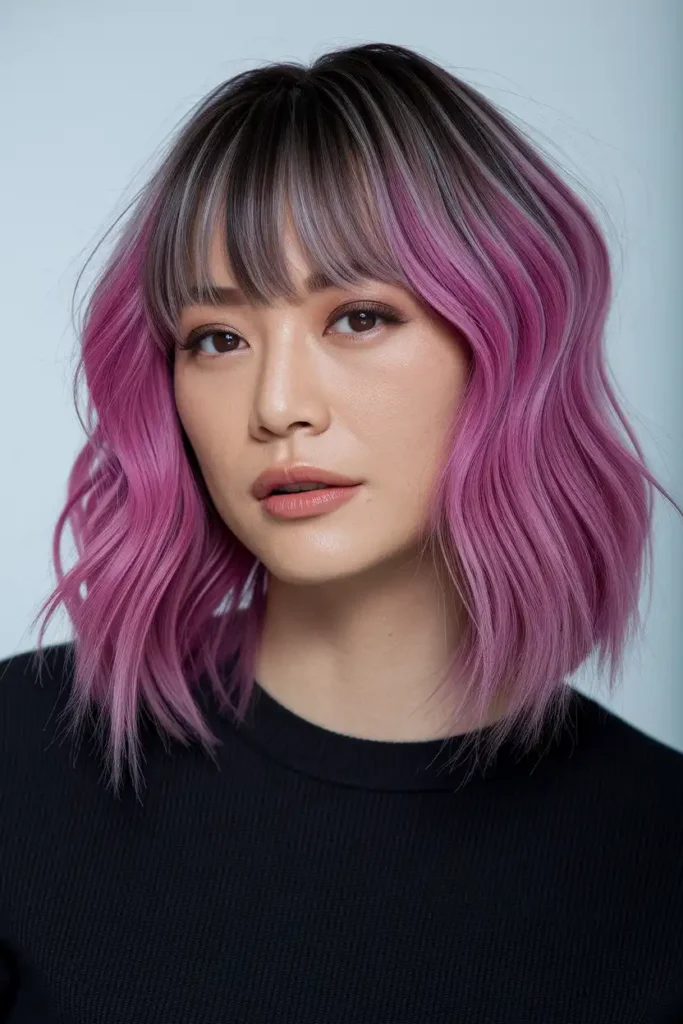
A money piece is a color technique where the sections framing your face are lightened significantly, usually 2 to 4 shades brighter than the rest of your hair. Paired with a shag cut, it draws direct attention to the face-framing layers. The combination makes your cut look more intentional and gives flat hair a more dimensional appearance.
This works on brunettes, redheads, and darker blondes where contrast is visible. If you’re going for a subtle version, ask your colorist to keep the money piece within 2 shades of your base. For a bolder look, go 4 shades lighter. The shag layers make the panels blend rather than look like a strip.
9. Shag Haircut for Shoulder-Length Hair
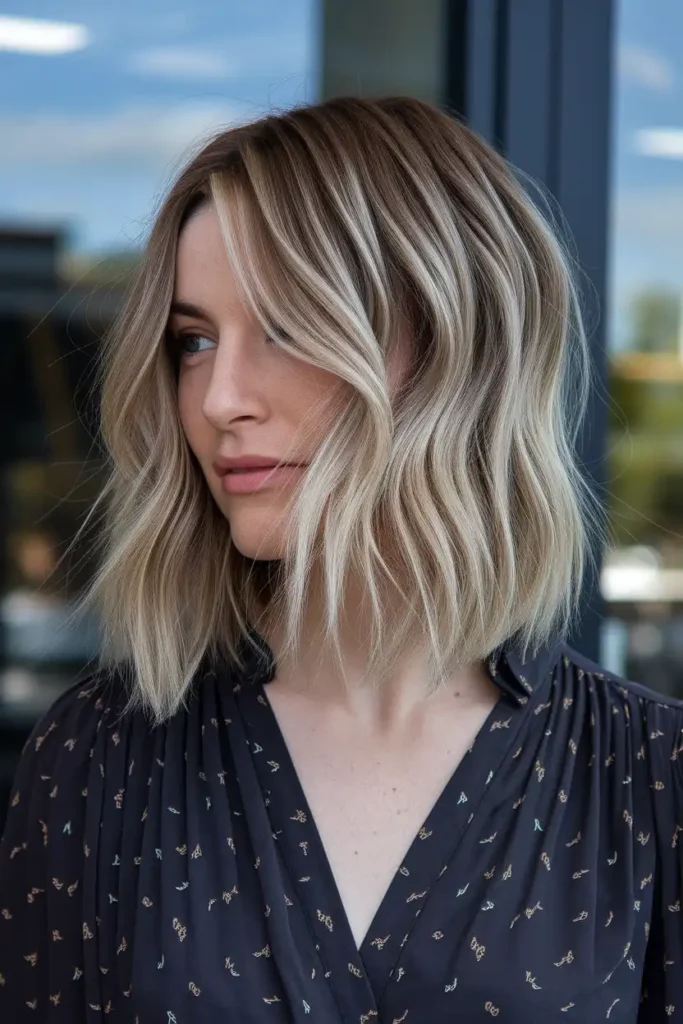
Shoulder-length hair is one of the most versatile lengths for a shag cut. The layers have room to move without the weight of very long hair pulling them down. You can wear it wavy, straight, or air-dried and it holds its shape well at this length. It’s also a practical entry point if you’re new to shag cuts and not sure how far you want to commit.
The key at this length is to make sure the shortest layer doesn’t start above the chin unless you want bangs. Layers that begin too high on shoulder-length hair can give you an accidental mullet shape. Keep the shortest pieces at chin level or below and you’ll avoid that.
10. Shag Haircut with Layers for Wavy Hair
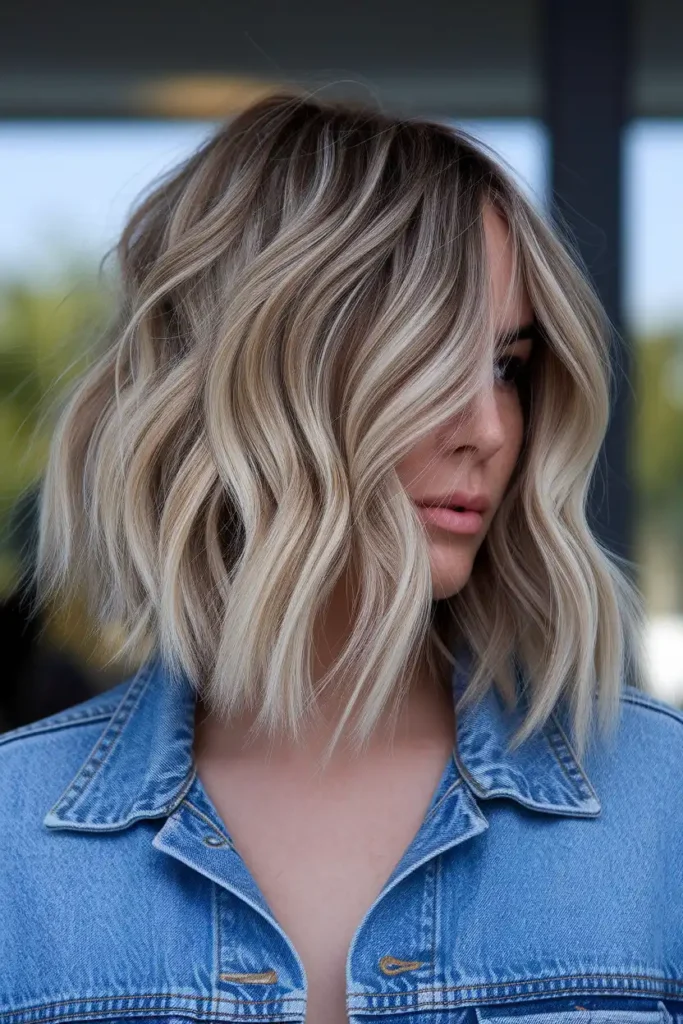
Wavy hair and shag cuts are a natural match. The layers work with the wave pattern instead of against it. Each wave gets to curl fully because there’s less length and weight pulling it down. If your waves usually drop out by midday, a shag cut with the right layering can extend how long they last.
After washing, apply a curl cream or wave-enhancing product while your hair is soaking wet. Scrunch it in and let your hair air dry without touching it. Once it’s fully dry, scrunch out the crunch if you used a gel product. The layers will do the rest.
11. Pixie Shag Haircut for a Short, Statement Cut
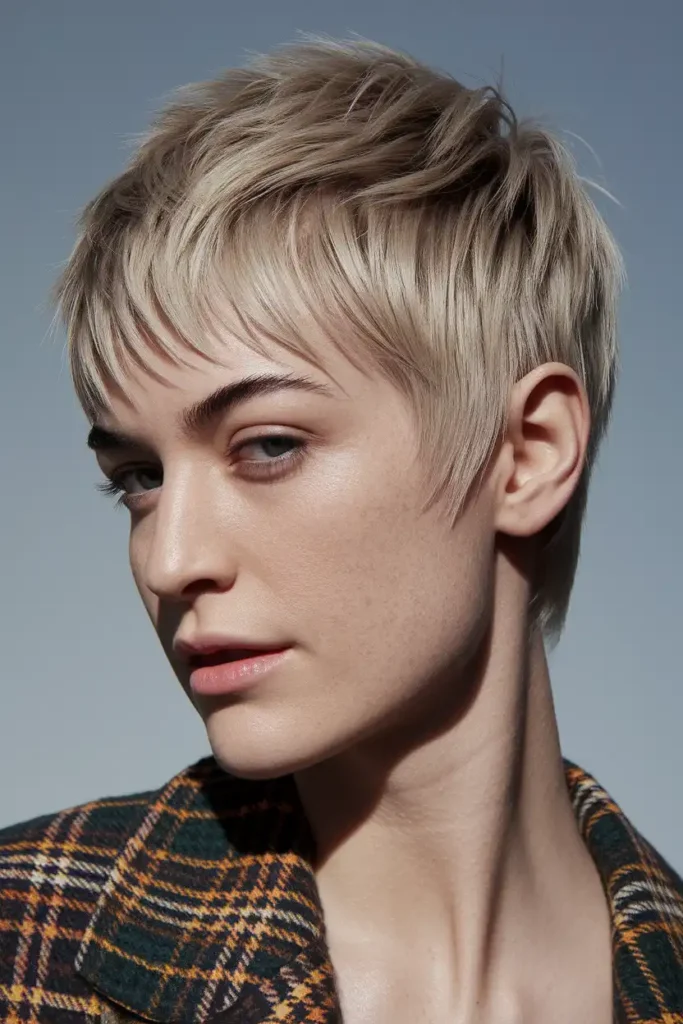
The pixie shag is shorter than most people expect when they first see it. It works on strong jaw lines and defined cheekbones. The layers through the top add softness, and the slightly longer pieces at the nape keep it from looking too severe. It’s a real commitment, but it grows out into a standard shag fairly quickly, usually within 3 to 4 months.
If you’re nervous about going this short, bring reference photos to your appointment. Be specific about what you like in each photo. Saying “I want the texture in this one but the length in this one” gives your stylist clearer direction than just one image.
12. Shag Haircut for Women Over 40

The shag works well for women over 40 because it creates movement without relying on volume products. As hair naturally thins with age, the layering in a shag cut redistributes weight and makes thinner hair look fuller. The face-framing layers also draw attention upward, which is genuinely flattering as facial structure changes with age.
Keep the layers soft and blended rather than heavily disconnected. Harsh, chunky layers can read as too edgy and don’t grow out as gracefully. Ask for a shag with a softer finish, and consider adding a few face-framing highlights to add dimension if your hair color has gone flat.
13. Shag Haircut with Blunt Bangs
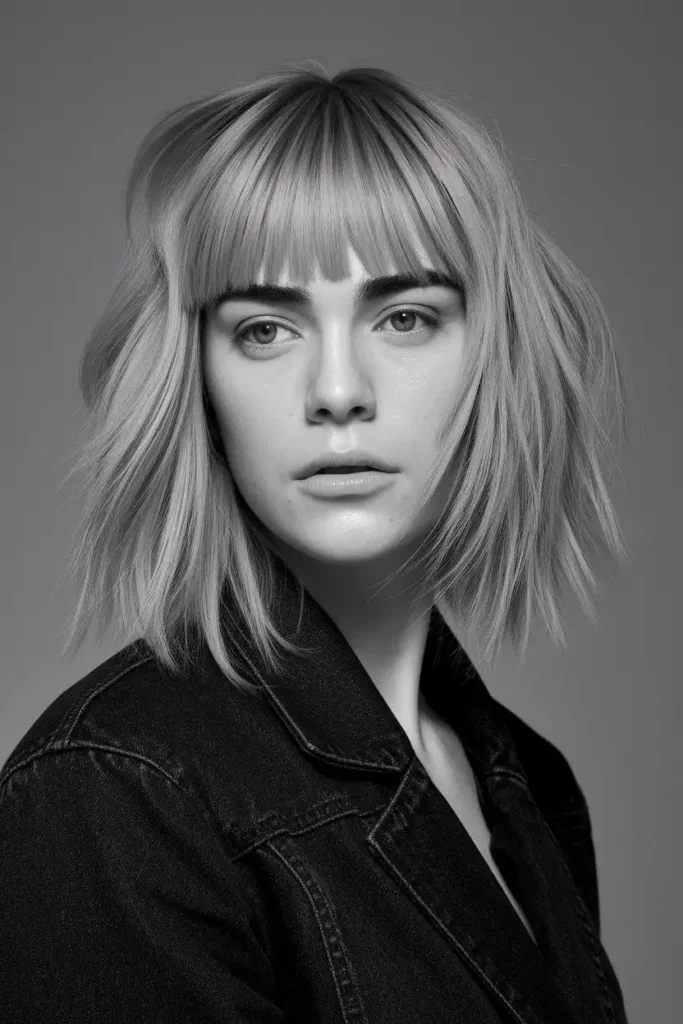
Blunt bangs with a shag cut create a strong contrast that looks very deliberate. The bangs are precise, the rest of the hair is textured and loose. That contrast is what makes this combination work. It’s not an accidental look. You’re making a clear style decision with both the cut and the bangs.
Blunt bangs require more maintenance than wispy ones. Plan for a trim every 4 to 6 weeks to keep them at the right length. If you’re not sure about full blunt bangs, ask for a slightly rounded blunt bang instead. It’s softer and more forgiving if your brow isn’t perfectly straight.
14. Shag Haircut Inspired by Taylor Swift’s Layered Look
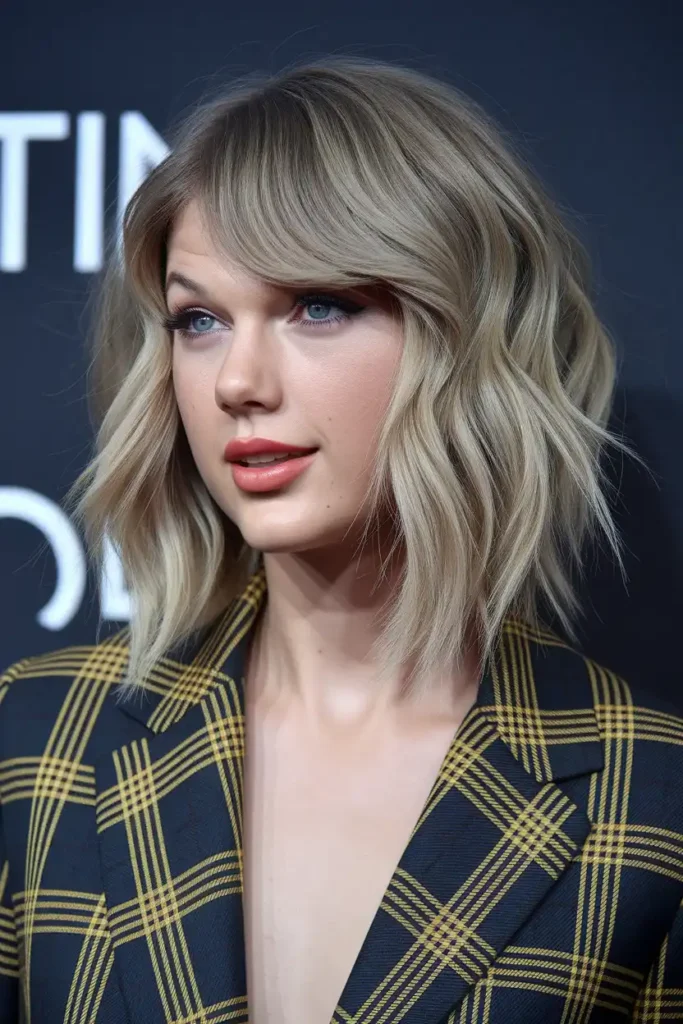
Taylor Swift has worn long, layered cuts that fall into shag territory, particularly during her more recent eras. The defining detail is the feathered layers and the way the ends are cut to flip slightly outward. It’s a flattering version of the shag for people who want the style without the rock-edge aesthetic.
To get this at home, use a large round brush while blow-drying to get the ends to curve outward. Focus the brush on the last 2 to 3 inches of each section. A medium-hold hairspray on the ends after styling keeps them in place without making the hair stiff or crunchy.
15. Shag Haircut for Black Hair with Natural Texture
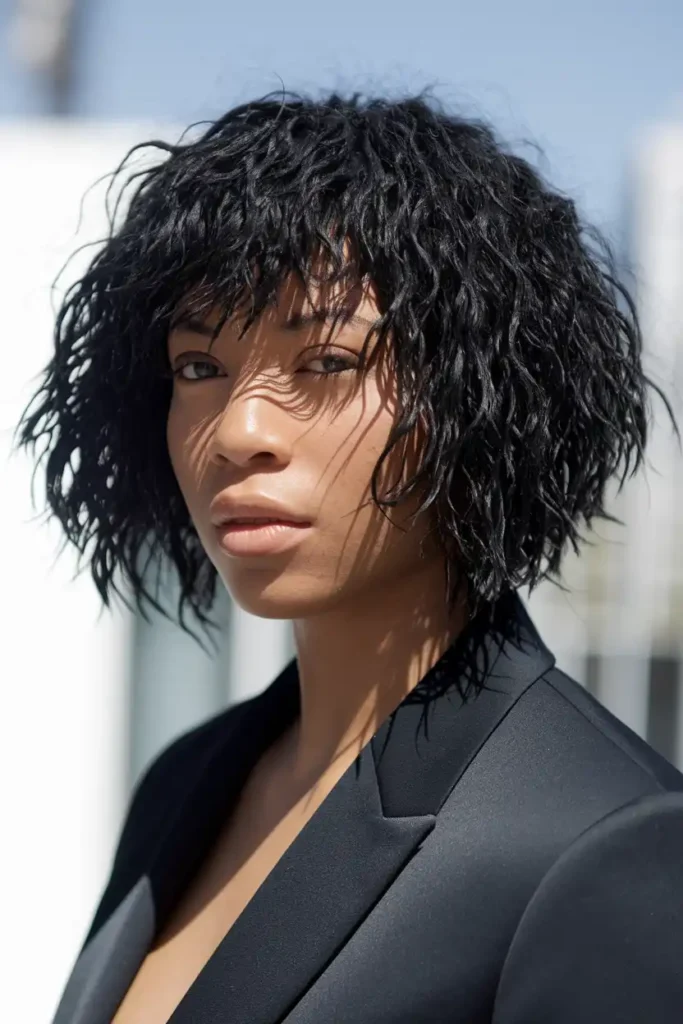
Natural black hair has its own rules when it comes to layering. The shag cut can work beautifully on natural textures, but the stylist needs experience with textured hair specifically. Layers that work on straight hair can cause uneven shrinkage and frizz on coily or kinky hair if they’re not cut correctly.
Look for a stylist who specializes in textured hair and ask to see photos of shag cuts they’ve done on similar hair types. Don’t accept a stylist who wants to blow out your hair straight before cutting. Your cut should be done in your natural state so the layers land where they need to.
16. Messy Shag Haircut for an Effortless, Undone Look
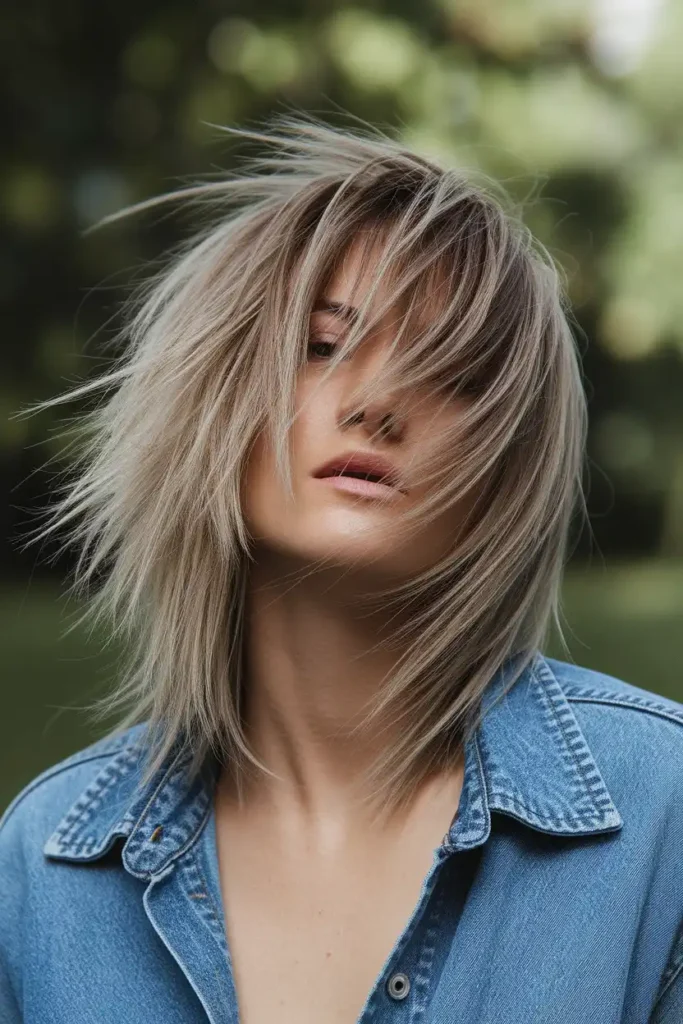
The messy shag is the version of this cut that requires the least effort to style. The whole point is that it looks undone. You’re not fighting your hair’s natural movement. You’re working with it. This is the cut for people who hate spending time on their hair but still want it to look like they thought about it.
Wash your hair, apply a small amount of texturizing cream or sea salt spray, scrunch it once, and leave it. Don’t blow-dry unless you have to. The less you do, the better this cut looks. Touch-ups between washes are easy too. A quick scrunch with damp hands revives the texture fast.
17. Shag Haircut for Straight Hair That Needs Movement
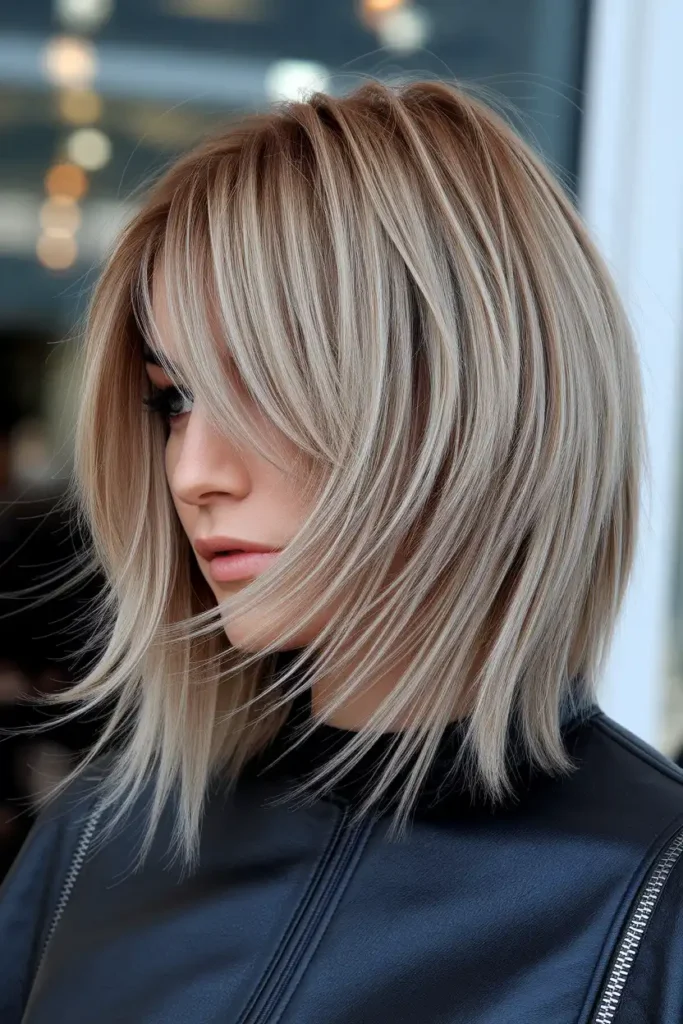
Straight hair tends to show every cut decision clearly, which makes the shag a strong choice. The layers in a shag cut create movement that straight, one-length hair completely lacks. Even without natural wave, the feathered ends and disconnected layers give your hair a shape that looks styled without effort.
If you want to add light wave to your straight shag, wrap 2-inch sections loosely around a 1.5-inch curling iron and hold for 8 seconds. Let each piece cool before releasing. Don’t brush it out. Run your fingers through it once and you’ll get a loose, natural texture that works well with shag layers.
18. Layered Shag Haircut with a Center Part
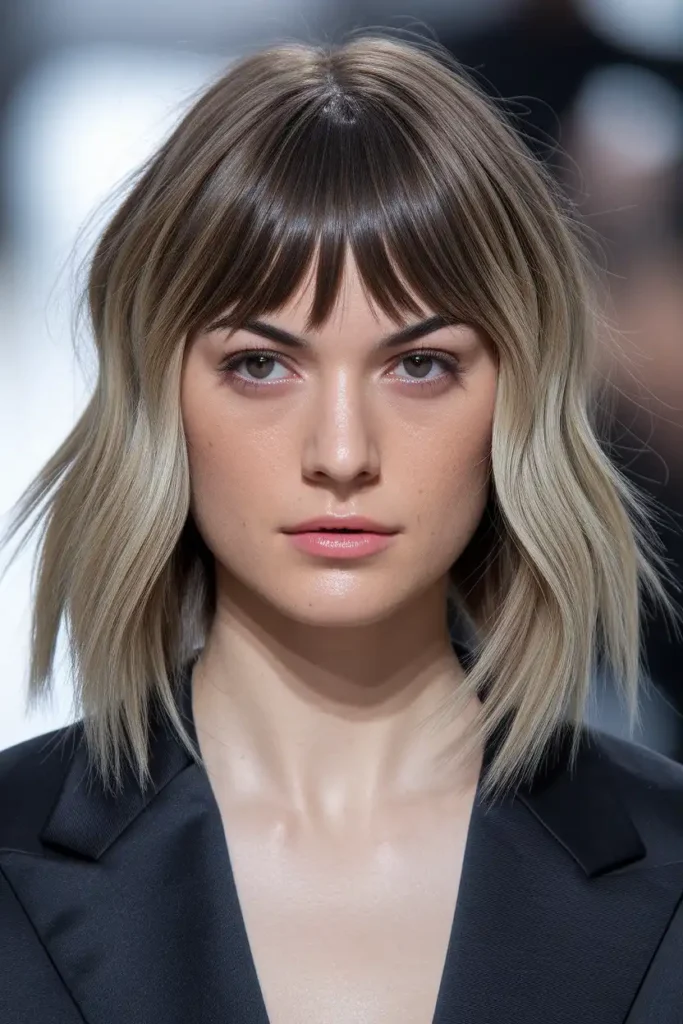
A center part works well with a shag because it shows off the face-framing layers symmetrically. Both sides fall at the same angle, which creates a balanced, intentional look. If you’ve been wearing a side part for years, a center part with a shag cut can feel like a completely different style even on the same haircut.
Use a fine-tooth comb to create a clean part from hairline to crown. Apply a small amount of lightweight serum to the face-framing pieces to keep them smooth and in place. If your hair resists a center part because of strong natural growth patterns, blow-dry it in place for 60 seconds while the hair is still warm to train it.
19. Shag Haircut for Medium Hair with Light Waves
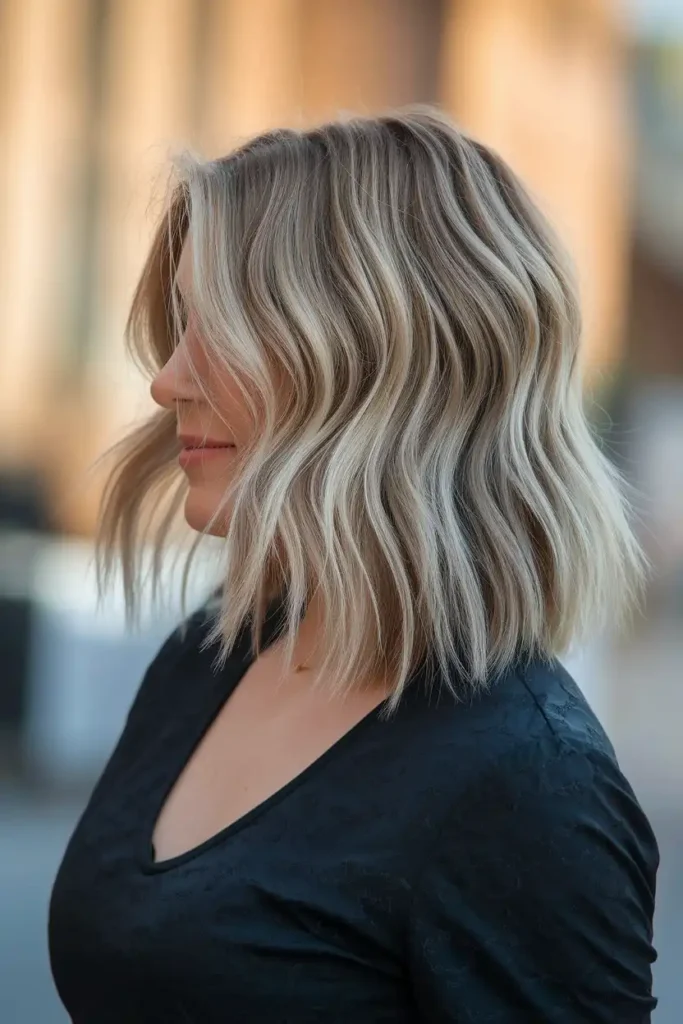
Medium-length hair with light waves is arguably the easiest starting point for a shag cut. The length gives the layers room to fall correctly and the waves add texture without requiring extra styling. If you wash your hair, add a wave cream, and air dry, this cut does most of the work for you.
Ask for layers that start at the collarbone if you’re at shoulder length or below. Starting the layers too high creates too much internal volume, which can look bulky on medium-length hair with wave. Collarbone-level layers give you movement without making the top look overdone.
20. Shag Haircut for a Grown-Out Look That Still Looks Intentional
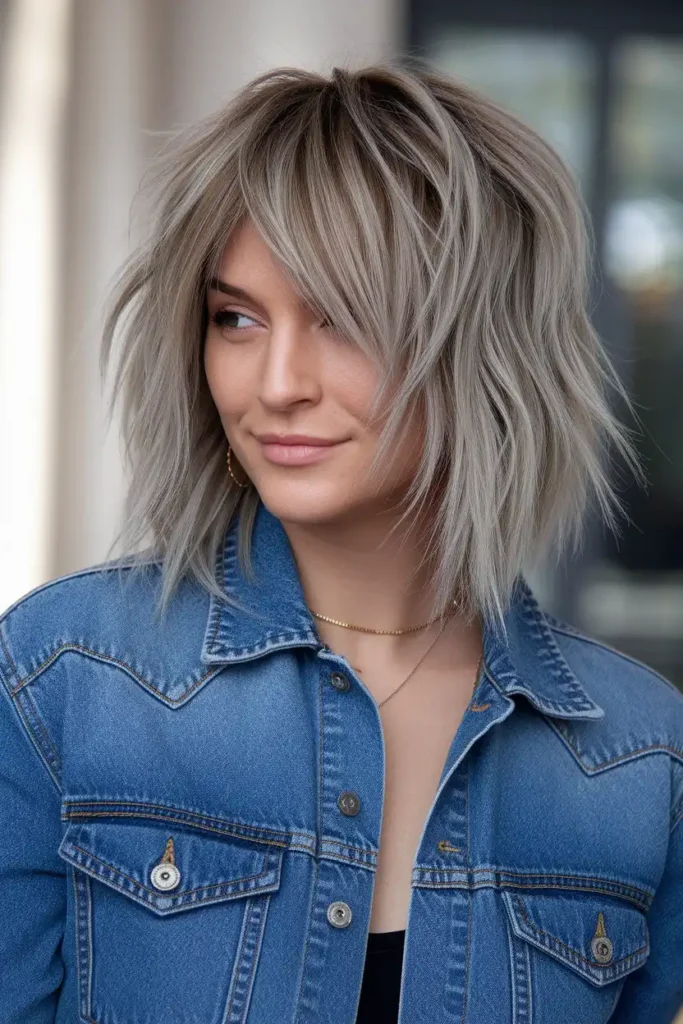
One of the practical advantages of the shag cut is how it grows out. Most cuts look messy or shapeless after 8 to 10 weeks. A shag tends to look intentional for longer because the layers grow out gradually rather than all at once. The shape stays readable even when you’ve missed a trim appointment.
To keep a grown-out shag looking neat, focus on the ends. A small amount of smoothing cream on the tips prevents split ends from making the style look ragged. If the layers start blending together too much as it grows, book a quick dusting appointment. A dusting removes just the ends without changing the length, which resets the texture without a full cut.
Conclusion:
The shag haircut covers more ground than most people expect. Whether you want something short and edgy or long and relaxed, there’s a version that fits your hair type and your lifestyle. Pick the look that matches what you’re actually working with, bring the photo to your stylist, and be specific about the details you want. That’s the part most people skip, and it’s the part that makes the biggest difference.