Winter Wedding Dresses That Keep You Warm
You found the dress, but the forecast says freezing. A winter wedding gives you snow-dusted photos and candlelit rooms, yet it also brings cold arms, numb feet, and thin fabric that does nothing against the chill. You should not have to choose between staying warm and looking incredible. This guide walks you through gowns, layers, and warm accessories that solve the cold without hiding your style. Every tip here comes from real fitting-room lessons, so you can plan a look that feels as good as it photographs.
Long-Sleeve Gowns That Handle the Cold
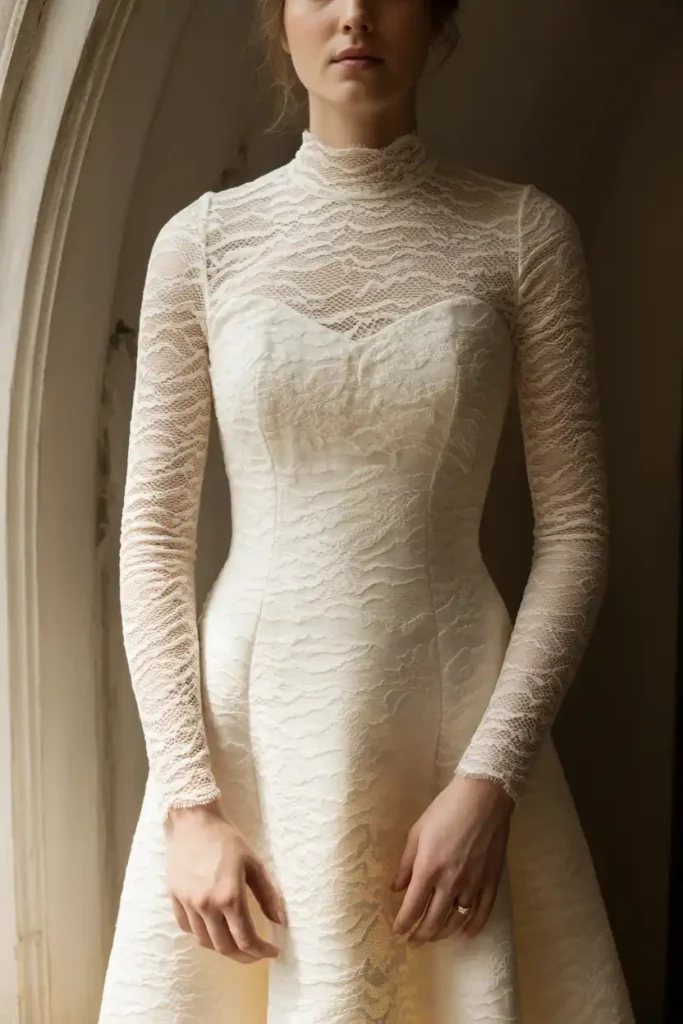
Long sleeves solve the biggest problem brides face in December and January: cold arms during photos and the ceremony. A sleeved gown covers you without adding a single accessory. You get coverage that looks intentional, not like you grabbed a jacket at the last minute.
Look for sleeves in lace over lining, crepe, or mikado rather than sheer illusion mesh alone. Illusion sleeves look pretty indoors but do almost nothing once you step outside. If you love the sheer look, ask your seamstress to add a thin lining to the arms. That one change keeps the style you want and adds real warmth. Try on at least two sleeve styles before you decide, since fitted and bishop sleeves sit very differently on the shoulders.
Layering Under Your Dress Without the Bulk
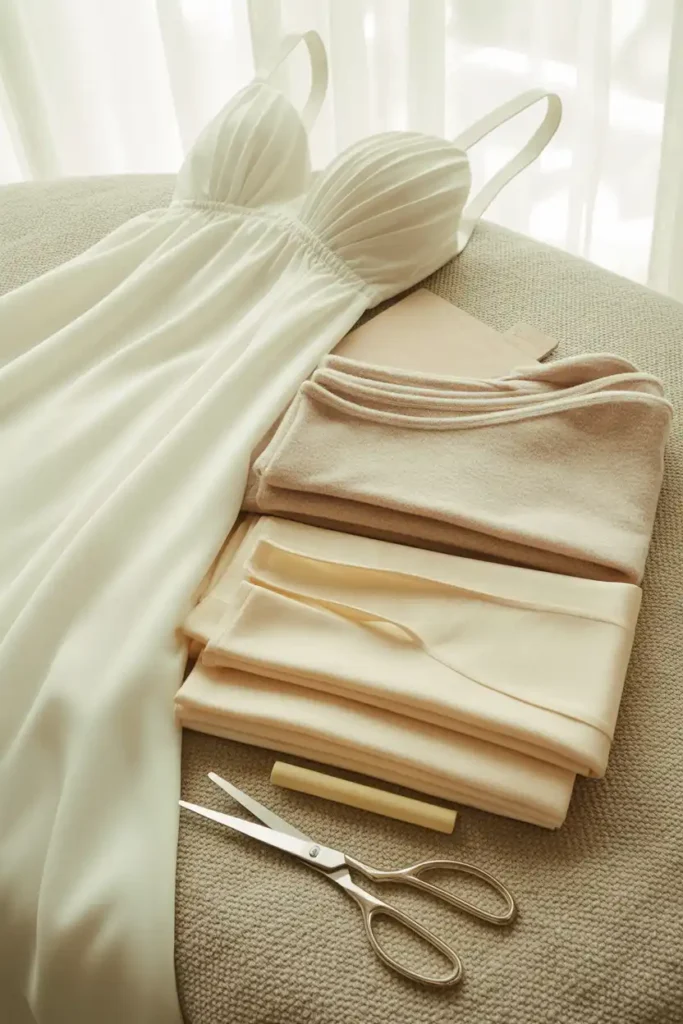
You can stay warm under almost any dress if you pick the right base layers. The trick is thin material that traps heat without showing lines. Bulky thermals ruin a clean silhouette, so skip anything ribbed or seamed in an obvious spot.
Here is what actually works under a gown:
- Seamless fleece-lined tights in nude or your skin tone
- A thin merino wool base top under a long-sleeve dress
- HeatTech-style thermal leggings for outdoor ceremonies
- Adhesive body warmers placed on your lower back, not your chest
Test your full layering setup during your final fitting. Sit down, raise your arms, and walk a few steps. If anything bunches or peeks out, your seamstress can adjust the fit while there is still time. Do this at least two weeks before the day so nothing feels rushed.
Faux Fur Wraps and Capes That Actually Work
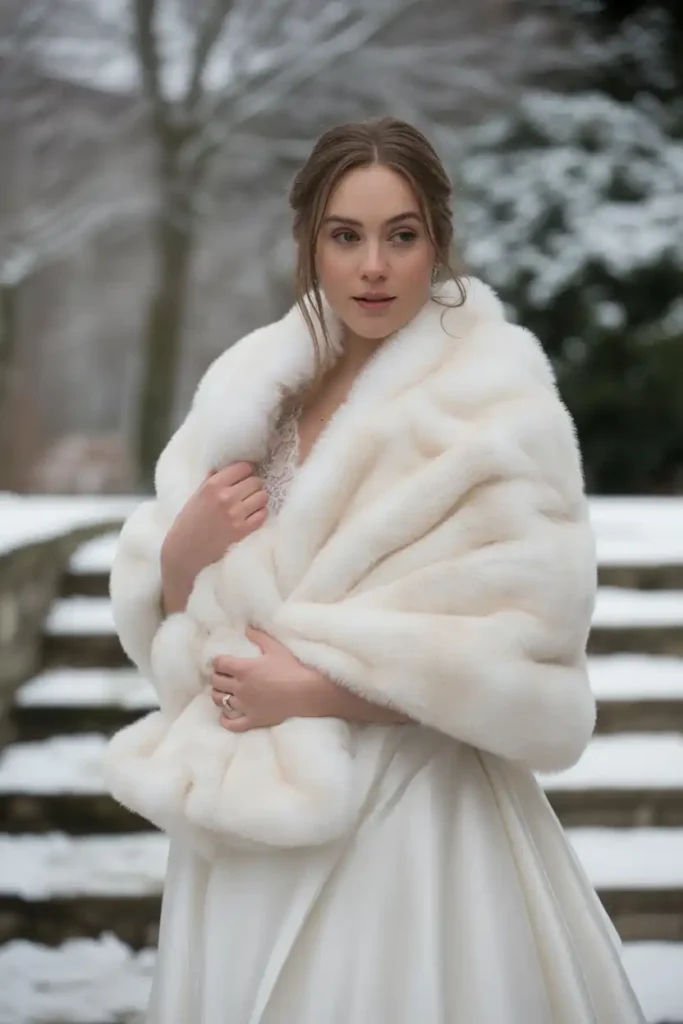
A faux fur wrap does more work than any other cover-up. It adds real warmth across your shoulders, and it photographs beautifully against snow or dark evening light. You can wear it for the ceremony, slip it off for dinner, and put it back on for outdoor exit photos.
Choose a stole or capelet over a full-length cape if you want to move easily. Full capes look dramatic but tangle when you sit or dance. For an outdoor snow wedding, size up to a wider wrap that covers your upper arms completely. Keep the color close to your gown, ivory with ivory or soft white with white, so it reads as one polished look. Order your wrap early and check it against your dress in daylight, since white tones vary more than you expect.
Velvet Dresses for Cold Weather Warmth
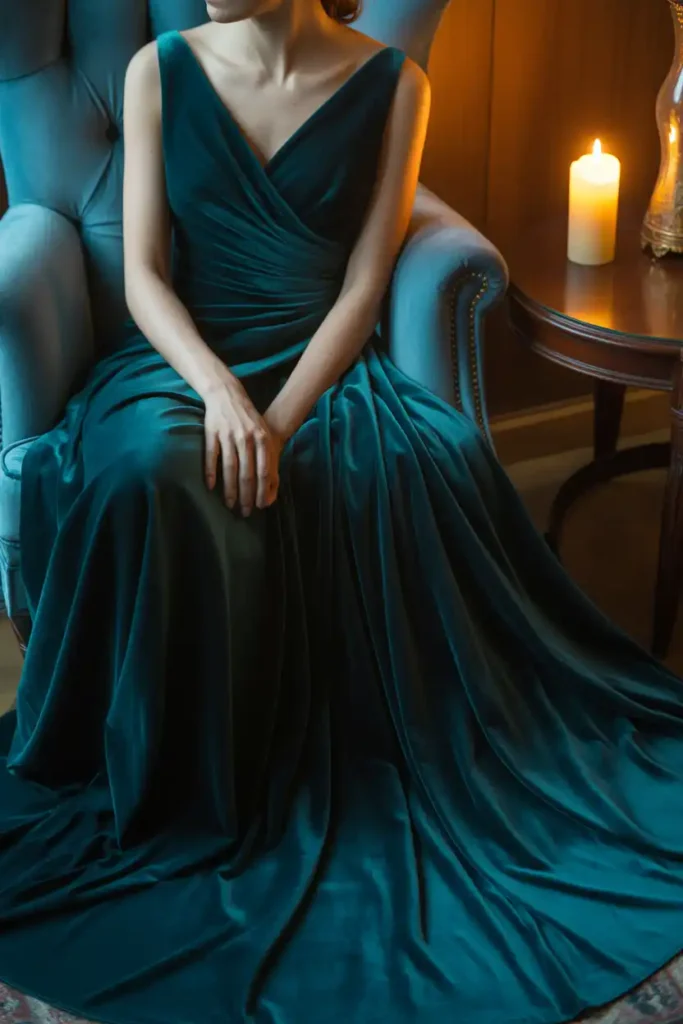
Velvet holds heat better than almost any bridal fabric, and it suits a cold weather celebration perfectly. The weight of the material sits close to your body, so you feel warmer without adding a single layer. It also looks rich in low winter light, which helps your photos read warm instead of flat.
If a full velvet gown feels like too much, choose a dress with a velvet bodice and a chiffon or crepe skirt. You get warmth where you need it across the chest and back, with movement in the skirt for dancing. Emerald, wine, and midnight blue photograph well against snow and evergreen decor. Try velvet on in a warm room first so you know how it feels after an hour, then decide if you want short or long sleeves.
A Color Palette That Suits the Season
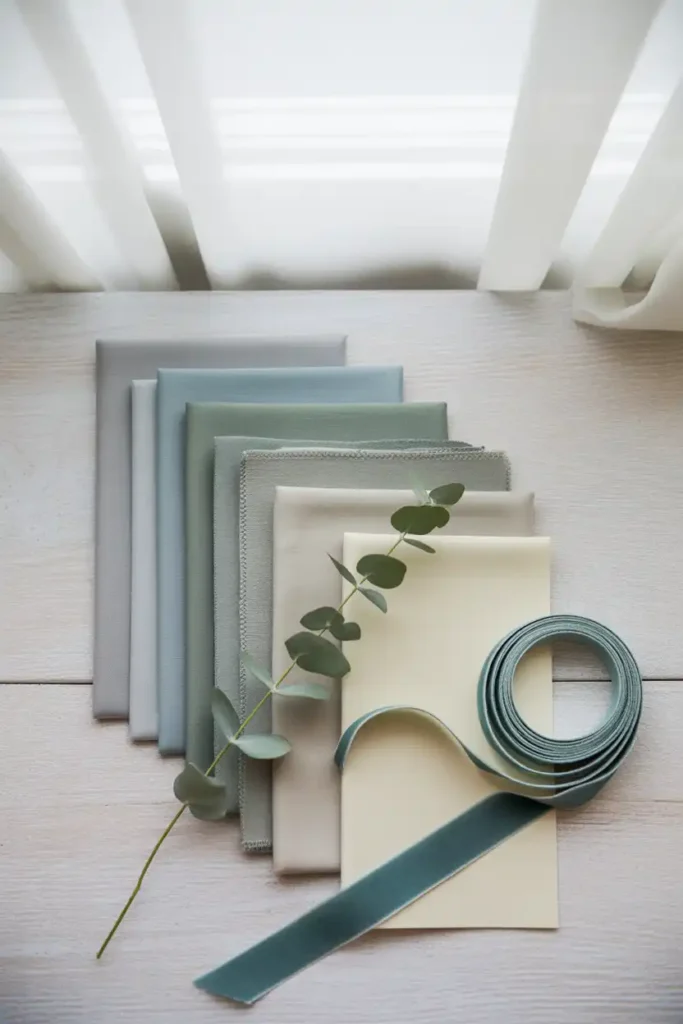
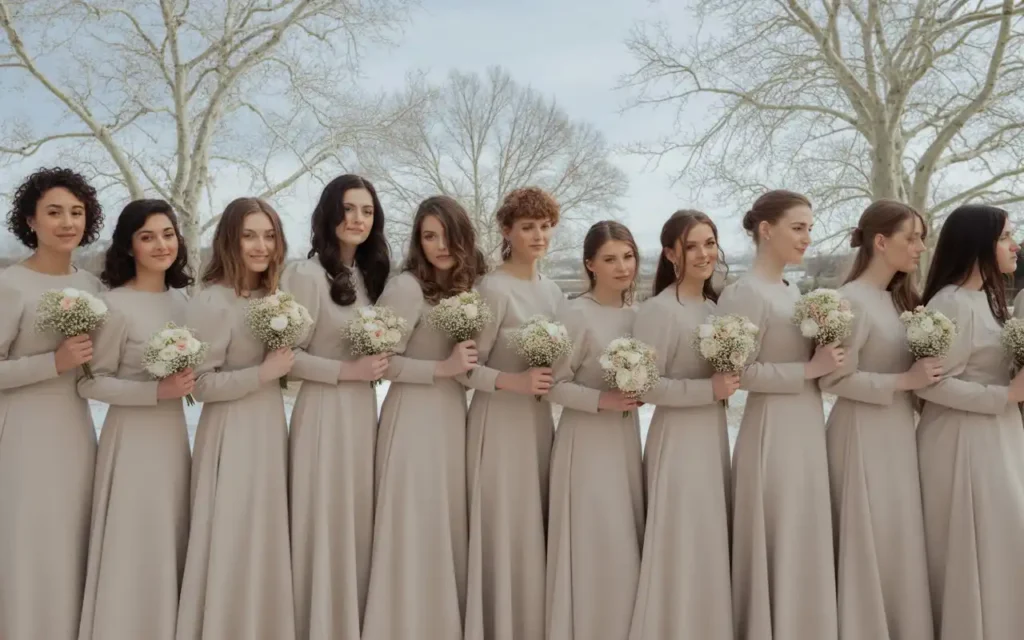
Your dress color sets the tone for the whole day, so pick it with the season in mind. A good color palette for winter leans into cool neutrals and deep jewel tones that hold up in gray daylight. Bright summer pastels wash out fast once the light drops, so save those for warmer months.
Strong options for a cold weather bridal party include:
- Icy blue and silver for a clean, frosted look
- Sage green with cream for a soft, natural feel
- Burgundy and forest green for a rich, moody palette
- Champagne and dove gray for a quiet, elegant scheme
Pull two or three swatches and hold them near your face in daylight. The right shade brightens your skin instead of dulling it. Once you find yours, share the swatches with your florist and stylist so everything matches on the day.
Wedding Color Schemes for Cold Weather Ceremonies
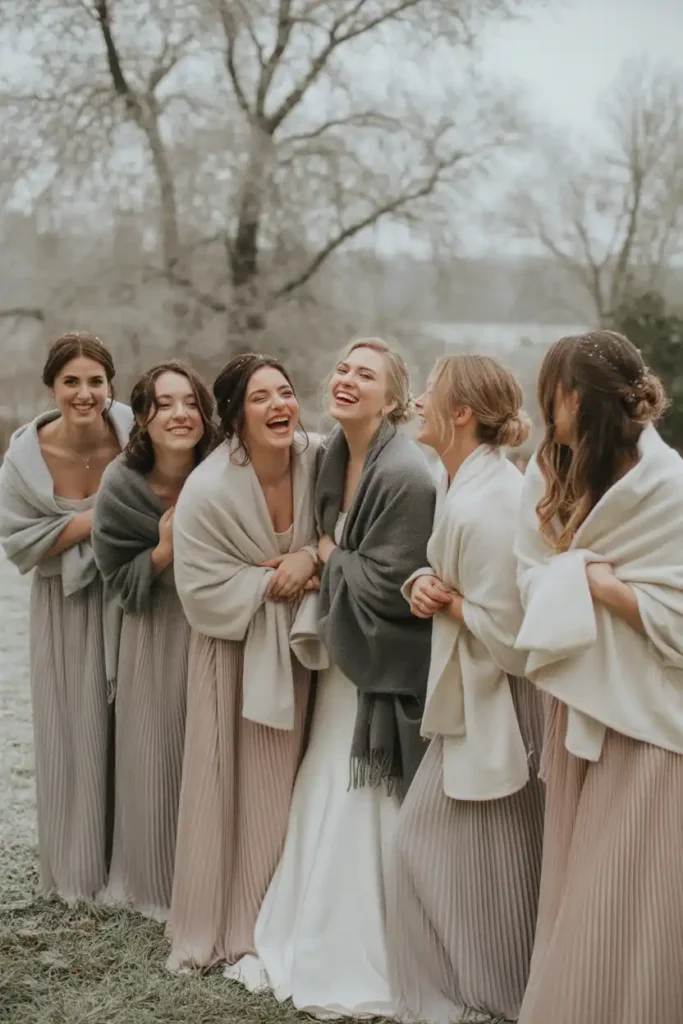
Coordinating your dress with the whole party takes more thought in cold months. Wedding color schemes for cold weather need to hold up under thick clouds and early sunsets. What looks vibrant at noon can turn muddy by 4 p.m., so plan your shades around the light you will actually have.
Warm metallics help here. A touch of gold, copper, or bronze in the bridesmaid dresses or accessories catches candlelight and adds glow after dark. Keep the base colors muted and let the metallic do the lifting. If your bridesmaids will stand outside, give them matching wraps or long sleeves in the same tone so the group still looks unified. Send everyone a photo of the final palette so no one shows up in a clashing shade.
Dressing for a Snow Wedding Portrait
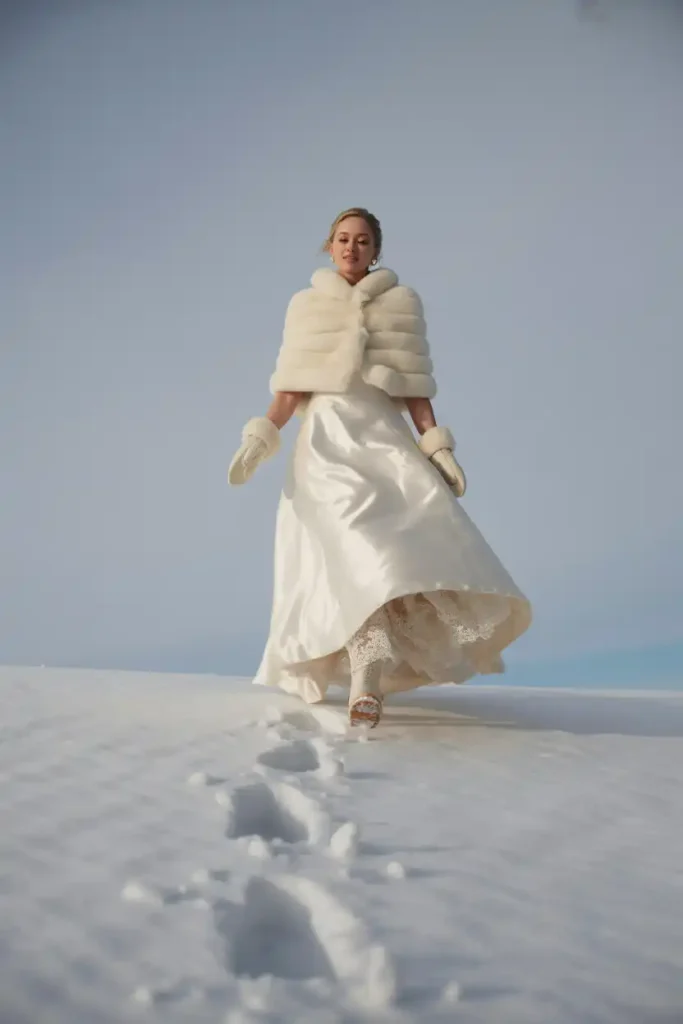
A snow wedding gives you some of the most striking photos you can get, but the setting demands preparation. Snow reflects light upward, which can blow out a white gown in pictures. Adding texture through lace, beading, or a fur trim gives the camera something to hold onto so your dress does not disappear into the background.
Protect your feet and hands, since those go numb first. Wear waterproof boots under your gown and keep warm gloves or a muff in your hands between shots. Bring a second person to hold your train off the wet ground while you walk. Plan outdoor portraits for the first 20 minutes, then head inside to warm up before you lose feeling in your fingers. Tell your photographer your limit in advance so the shot list stays realistic.
What to Wear for Your Winter Wedding Photoshoot
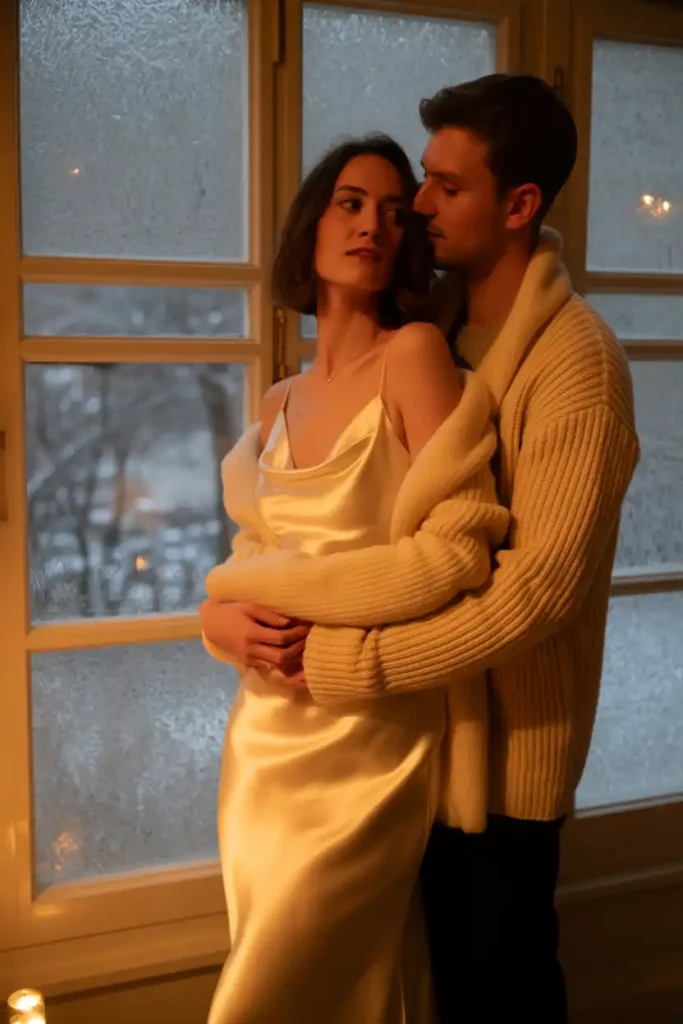
An engagement or bridal winter wedding photoshoot lets you test your cold weather styling before the real day. Use it to learn what stays warm and what does not. If a thin gown leaves you shivering after ten minutes, you will know to change your plan before it counts.
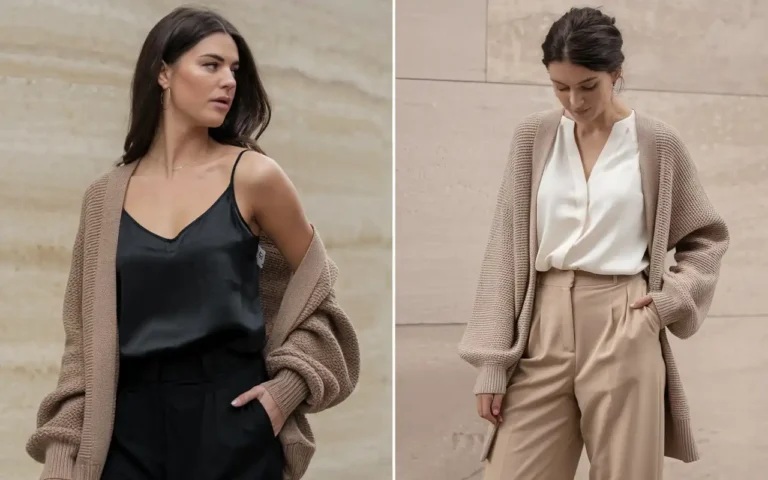
Bring layers you can add and remove between frames. A knit shrug, a wrap, or a structured coat gives you variety in the photos and warmth between shots. Choose textures that read well on camera, like cable knit, boucle, or brushed wool. Keep your color story tied to your wedding palette so the images feel connected to the day. Shoot during the golden hour before sunset, since winter light fades fast and turns cold and blue by late afternoon.
Vintage-Inspired Dresses With Warmth Built In
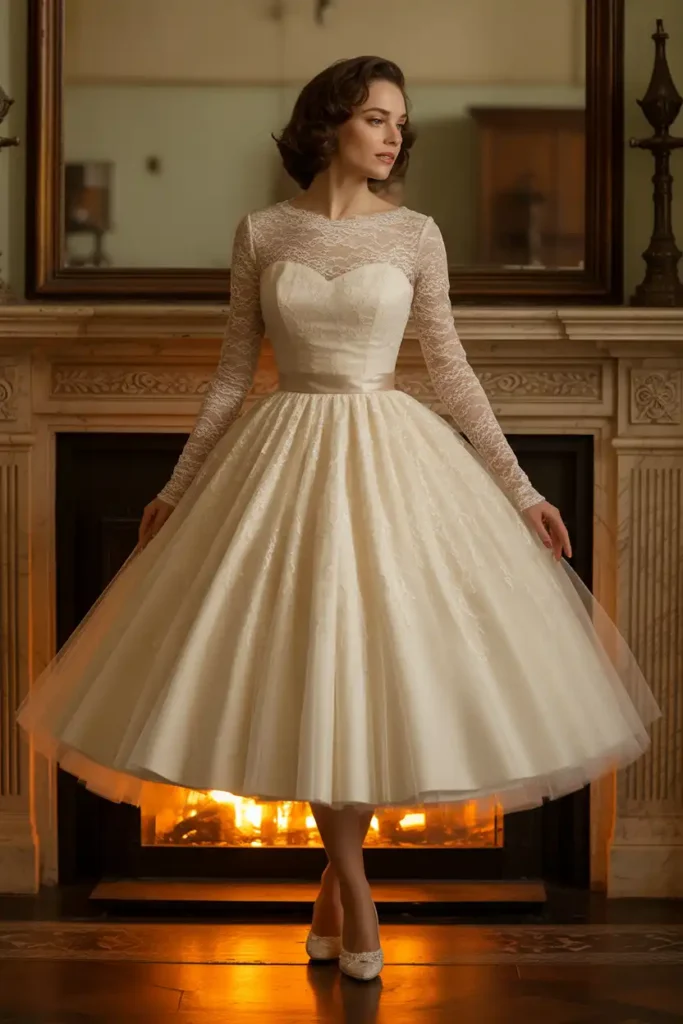
Vintage winter weddings pull from eras that already dressed for the cold. Gowns from the 1940s and 1950s came with long sleeves, higher necklines, and heavier fabrics as a matter of course. That makes vintage styling a smart choice when you want warmth without fighting the trend for bare shoulders.
Look for tea-length or full-skirt silhouettes in duchess satin, brocade, or lace over a lining. These fabrics hold their shape and hold heat. A fitted long sleeve and a covered back give you real coverage that still looks refined. If you buy a true vintage dress, budget for alterations, since older sizing runs small and delicate fabric needs careful handling. Have a tailor who works with vintage pieces check the seams before you commit.
Minimalist Gowns That Still Keep You Warm
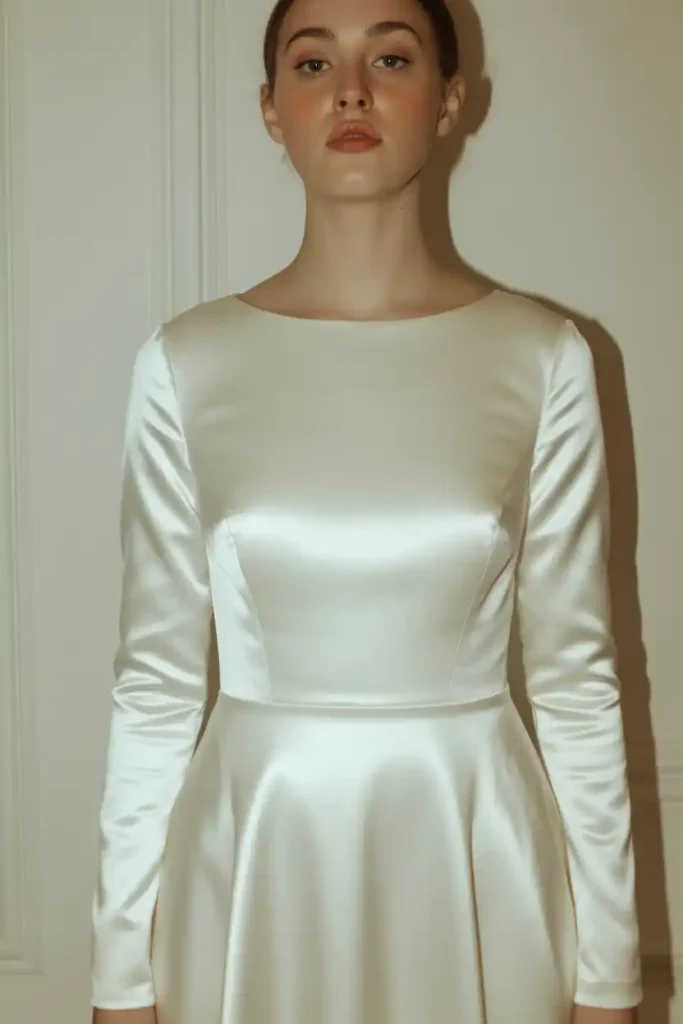
A minimalist gown proves you do not need beading or ruffles to stay warm. Clean lines and smart fabric do the work. A long-sleeve column dress in heavy crepe or satin covers you fully while keeping the look quiet and modern.
The warmth here comes from coverage and material, not decoration. Choose a high neckline, full-length sleeves, and a fabric with some weight to it. Skip thin georgette, which drapes well but does nothing against the cold. A boat neck or mock neck adds coverage across the chest where you lose heat fastest. If you want one small warm touch, add satin gloves that match the gown. Order swatches and feel the weight in your hands before you decide, since minimalist styles live or die by fabric quality.
Bridal Boots and Warm Footwear Under Your Gown
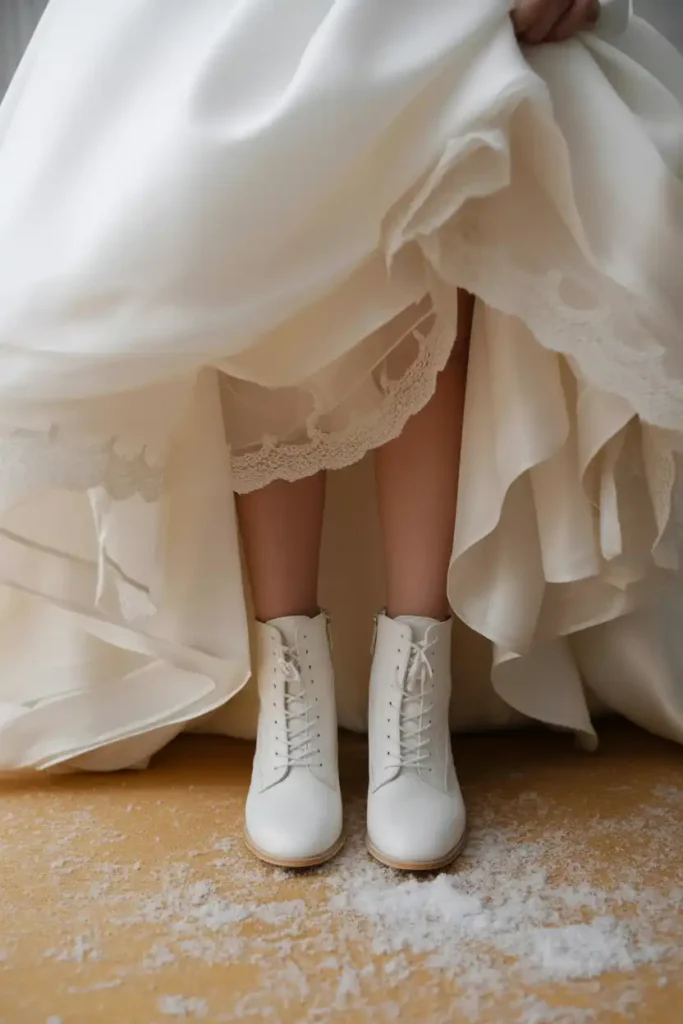
Cold feet ruin a long day faster than almost anything else. Thin heels leave your toes freezing and sink into snow or soft ground. Bridal boots fix both problems, and no one sees them under a full-length gown anyway.
Good cold weather footwear options include:
- Lined white leather ankle boots for outdoor ceremonies
- Block-heel booties for stability on ice and grass
- Faux-shearling lined flats for indoor comfort
- Waterproof boots reserved just for snow portraits
Break in your shoes for at least a week before the day. Wear them around the house with your fitting socks so the fit is right. Pack a backup pair of warm flats for the reception when your feet need a rest. Your photographer can even make the boots part of a fun detail shot when you lift your hem.
Sleeves, Gloves, and Cover-Ups for Bare Arms
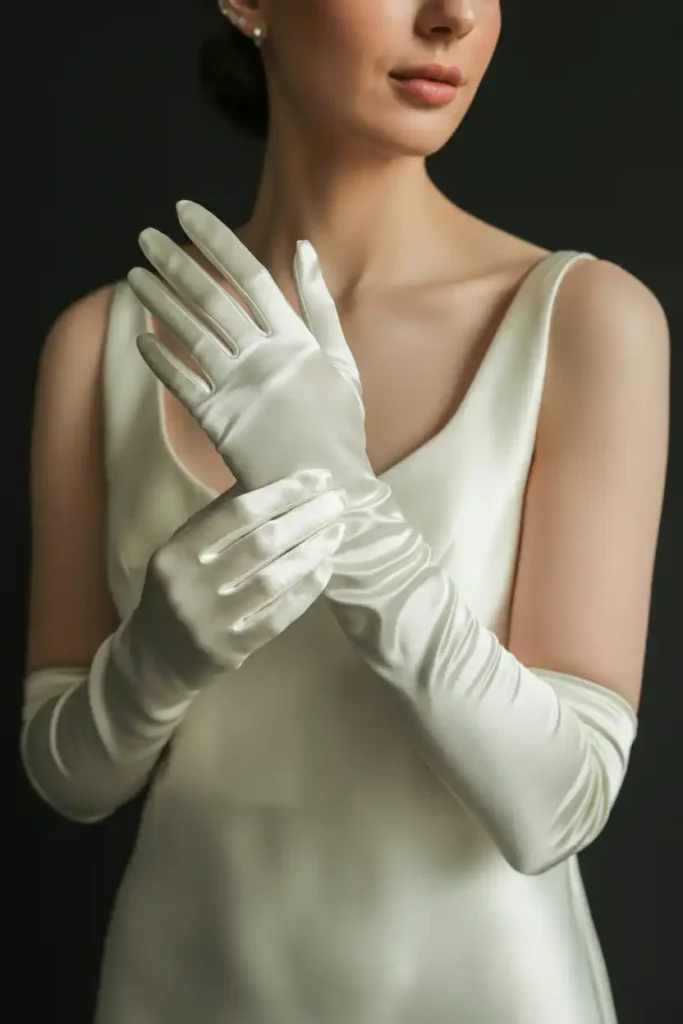
You may have already found a sleeveless dress you love. You do not have to give it up for warmth. Add-on sleeves, gloves, and cover-ups let you keep the gown and stay comfortable through a cold ceremony.
Detachable sleeves clip or button to the bodice and come off for the reception. Long opera gloves add elegance and cover your arms down to the wrist. A structured bolero or a knit shrug works well over a strapless dress for the outdoor portions. Match the tone of each piece to your gown so it looks planned rather than tacked on. Ask your seamstress about detachable options early, since custom sleeves take time to make and fit properly.
Dressing for a Winter Brunch Wedding
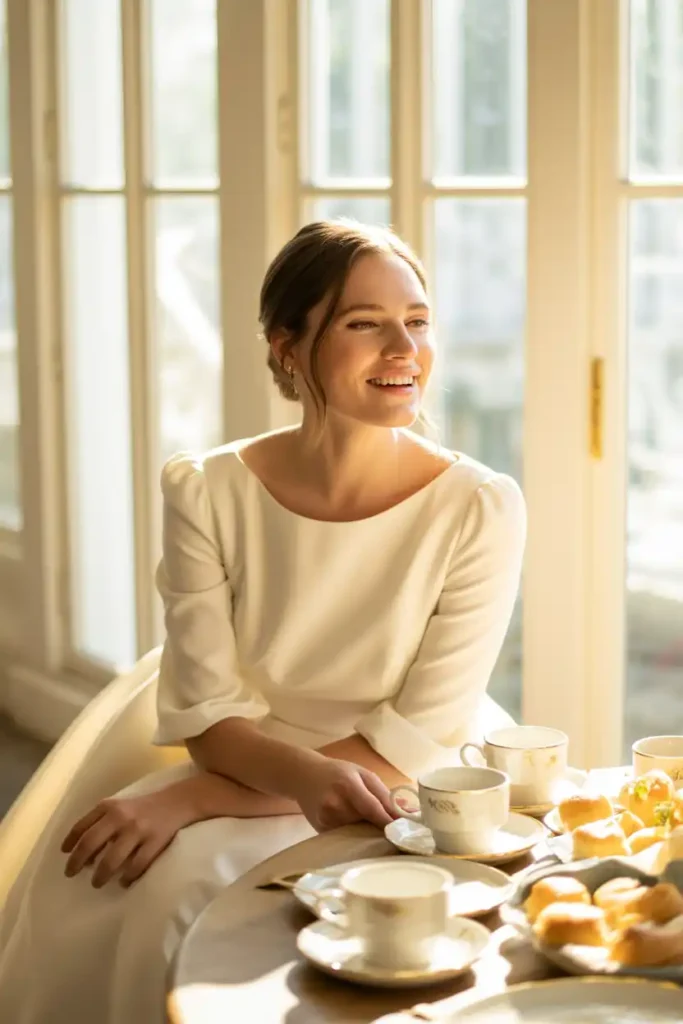
A winter brunch wedding calls for a lighter, more relaxed dress than an evening event. Daytime light is softer, and the mood is casual, so a tea-length or midi gown fits the setting better than a formal ballgown. You still need warmth, but you have room to keep things playful.
Three-quarter sleeves work well for a morning event, since they cover most of your arm while staying easy to move in. A slightly heavier fabric like crepe or ponte holds warmth without feeling stiff at a daytime party. If your brunch runs into the afternoon and cools down, keep a wrap nearby for when the light fades. Choose a hem you can move in comfortably, since brunch weddings tend to be relaxed and full of mingling.
Outfit Ideas for a Winter Wedding Shower
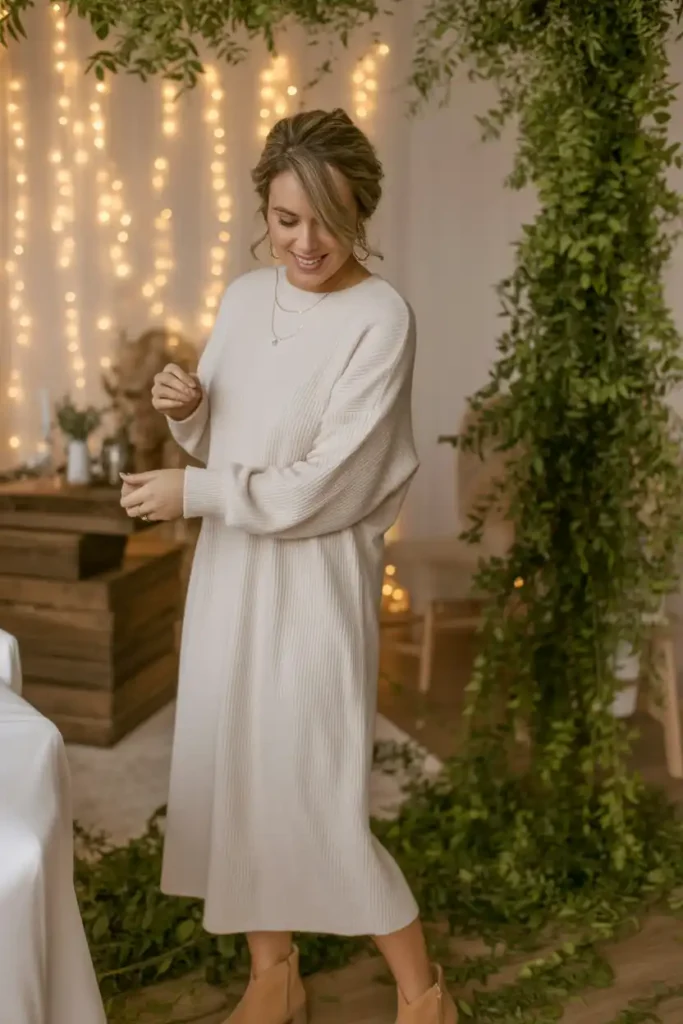
Your pre-wedding events deserve their own styling plan. Winter wedding shower themes often lean cozy and intimate, held in living rooms, cafes, or small venues. That means you want an outfit that feels put together but relaxed, and warm enough for a space that may run cool near the door.
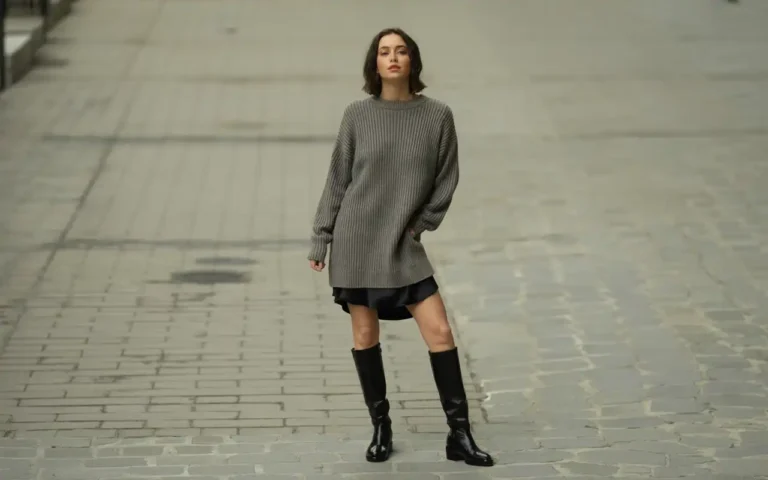
A knit midi dress in cream or blush works beautifully for the guest of honor. Pair it with ankle boots and simple gold jewelry for an easy, warm look. If the theme runs more formal, a satin slip dress with a fitted blazer keeps you warm and polished. Match your outfit loosely to the shower colors so you stand out gently as the center of attention. Pick something you can sit and open gifts in comfortably, since you will be the focus for a while.
Styling Around a Coffee Bar Reception
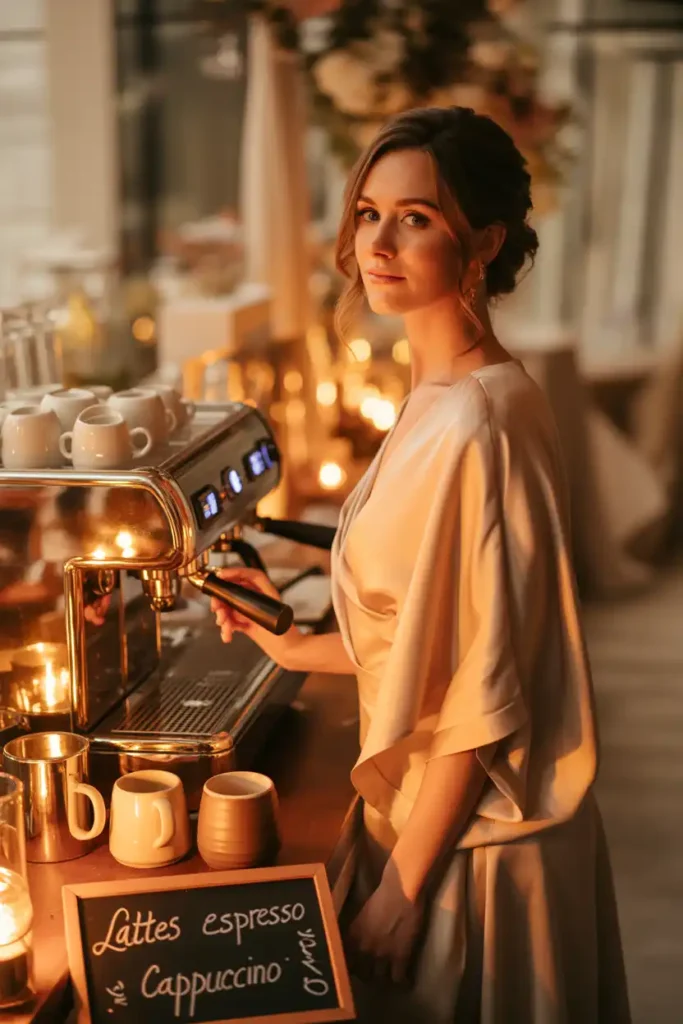
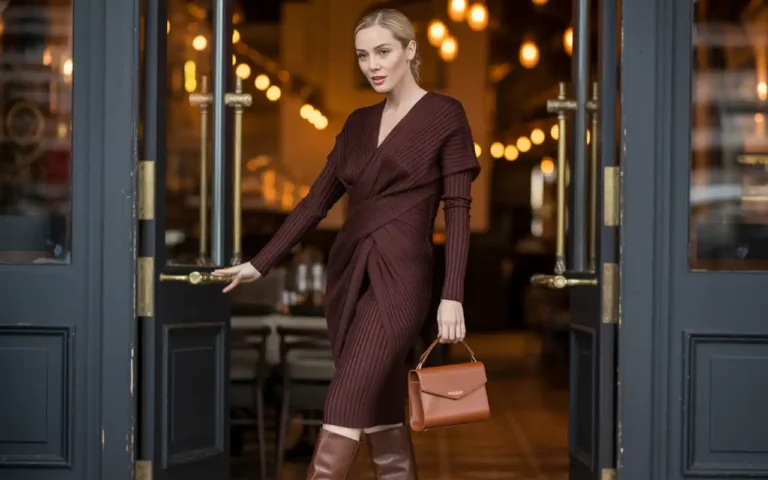
A coffee bar has become a favorite detail at cold weather receptions, and your outfit can play off that warm, cozy mood. Coffee bar aesthetics lean into rich browns, creams, and copper tones. A gown in warm ivory, champagne, or soft caramel photographs beautifully against that backdrop.
Think about where you will stand for photos. If your coffee station uses copper and warm wood, a cool blue-white gown can clash with it. A warmer ivory or champagne tone blends into the scene and keeps your pictures cohesive. Add a knit wrap in a matching warm shade for the moments you step outside. Share your dress color with whoever styles the coffee bar so the two elements sit well together in every frame.
Dresses That Match a Christmas-Themed Celebration
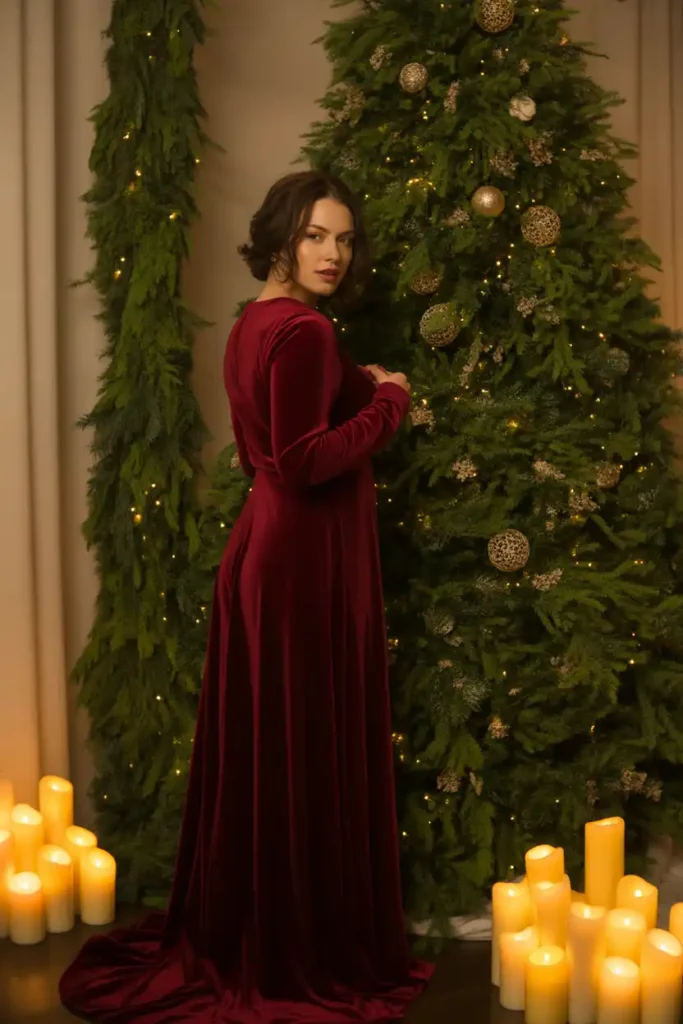
A December celebration with wedding decor on a Christmas theme gives you room to play with festive color. You do not have to wear pure white if the whole room leans red, green, and gold. A deep jewel-tone gown can look stunning against holiday decor and photographs richly in warm light.
If you prefer to stay in white, add a warm accent instead. A red velvet wrap, gold gloves, or a berry-toned bouquet ties you to the theme without changing your gown. Velvet, satin, and brocade all suit a holiday setting and hold heat well. Keep the styling balanced so the decor and your dress support each other rather than compete. Look at your venue’s holiday setup before you finalize your color so nothing clashes on the day.
Planning Your Bridal Wardrobe Timeline
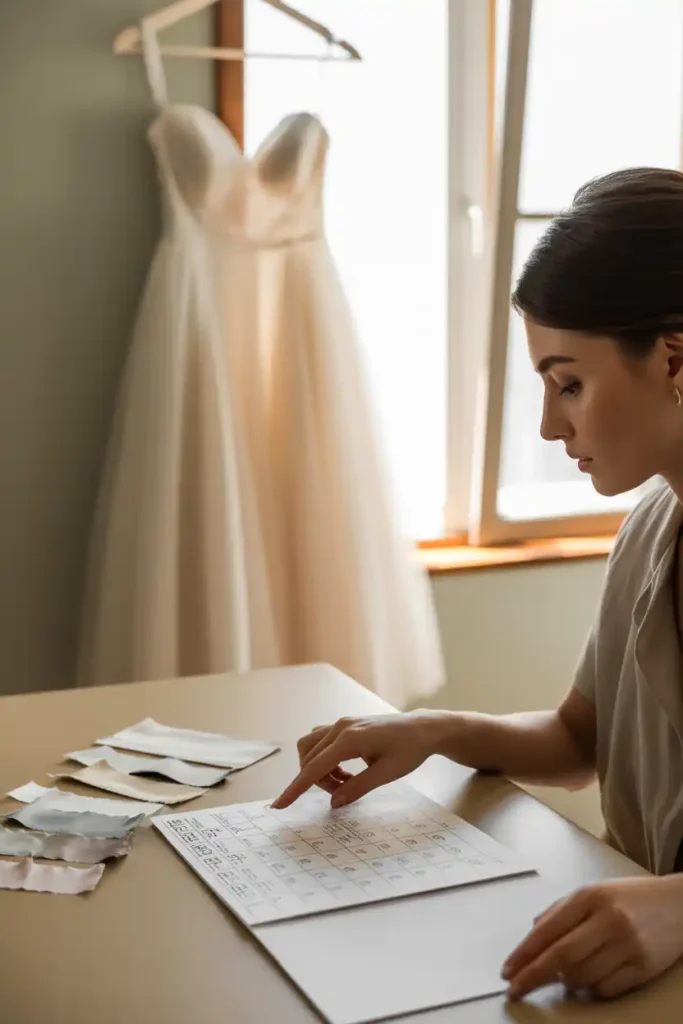
Cold weather adds steps to your dress prep, so give yourself extra time. Good winter wedding planning means ordering early, since sleeved gowns, wraps, and lined fabrics often need longer lead times than lighter summer styles. Rushed alterations show, and you want none of that stress.
Use this rough timeline for your dress:
- Order your gown 8 to 10 months out
- Book your first fitting 2 to 3 months before the day
- Test all warm layers at your second fitting
- Confirm your final fit 2 weeks ahead
Build in a buffer for winter shipping delays, which run longer around the holidays. Keep a checklist of every warm accessory, from tights to gloves, so nothing gets forgotten in the final rush. Share the timeline with your seamstress so you both stay on the same page.
Bridesmaid Dresses That Keep Everyone Warm
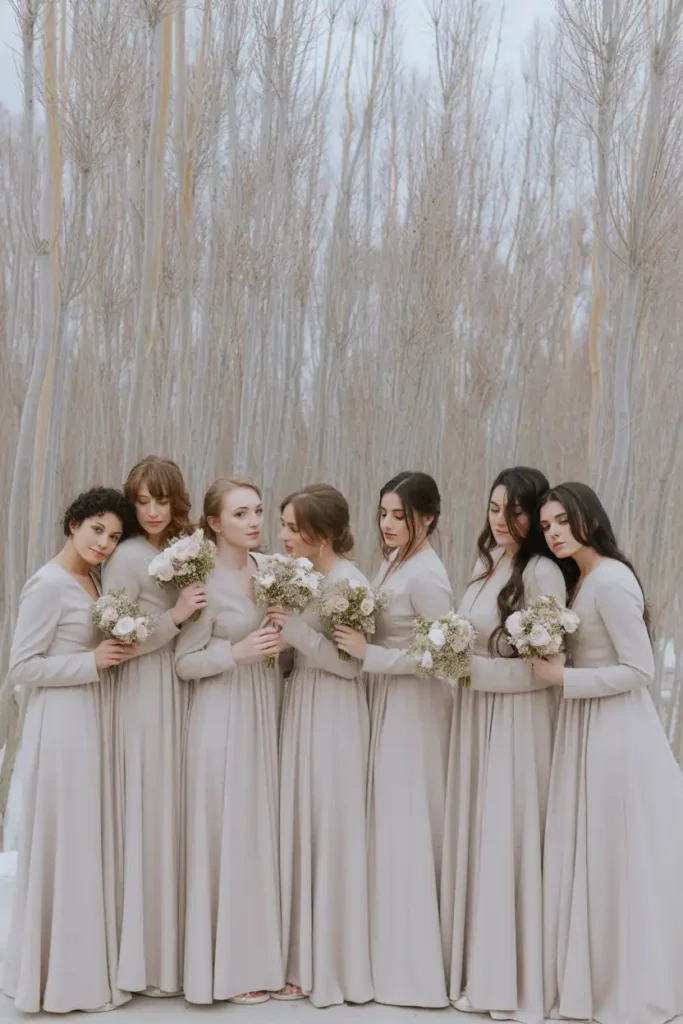
Your bridesmaids feel the cold as much as you do, so plan their dresses with warmth in mind. Sleeveless chiffon looks pretty in photos but leaves your friends shivering through an outdoor ceremony. A long-sleeve or three-quarter-sleeve style keeps everyone comfortable and looking pulled together.
Offer your party a few warm options in the same color. Some may want long sleeves, others a wrap, and giving them a choice keeps everyone happy and warm. Heavier fabrics like crepe, velvet, or satin hold heat better than thin georgette. Add matching shawls or faux fur stoles if the ceremony runs outdoors or the venue stays cool. Send your bridesmaids the fabric and color details early so they can plan their own warm layers underneath.
Conclusion:
Staying warm at a winter wedding comes down to smart fabric, the right layers, and warm accessories you plan early. Pick a gown that covers you well, test your base layers at your final fitting, and keep a wrap or boots on hand for the cold moments. You do not have to trade comfort for beauty. With a little planning, you get both. Start with one or two ideas from this guide, share them with your seamstress, and build a look that carries you through the ceremony, the photos, and the dance floor in comfort.