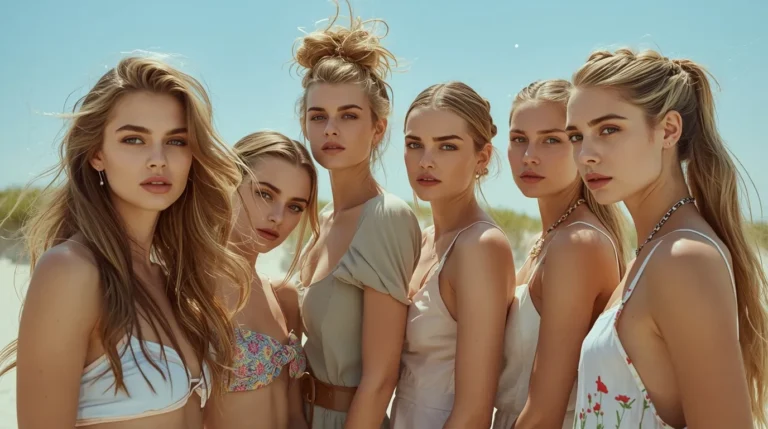
25 Chestnut Brown Hair Looks for Fall and Winter
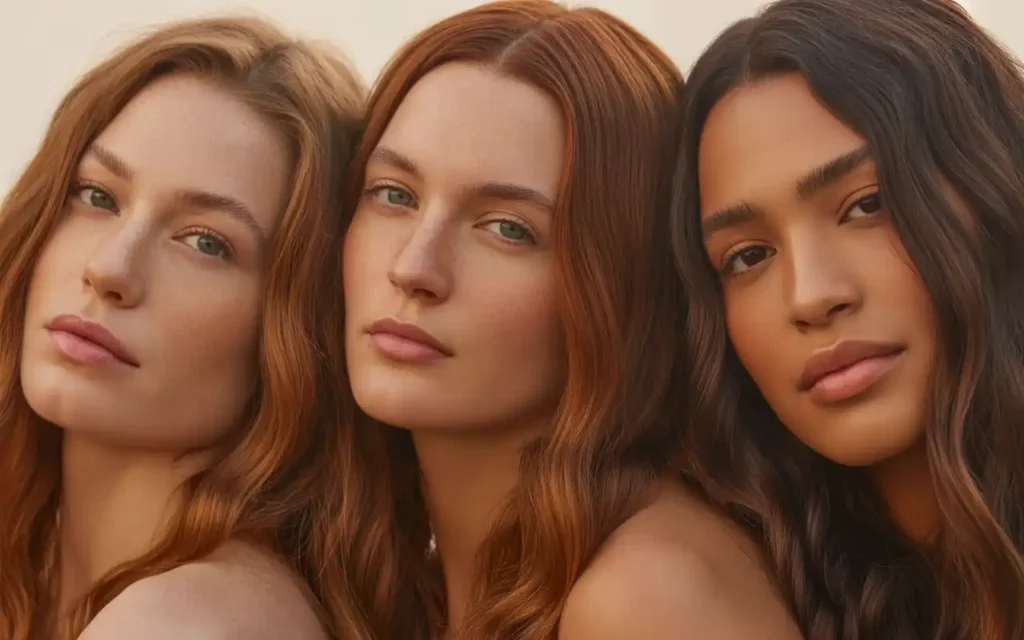
Chestnut brown hair is one of those colors that looks good on almost everyone, but getting it right takes more than asking for “brown” at the salon. If you’ve dealt with brassy fading, awkward regrowth, or color that looks flat under office lighting, you’re not alone. This list breaks down 25 chestnut brown hair looks for fall and winter, from warm balayage to deep mocha tones, with real fixes for the problems that actually show up between salon visits. Whether you want a subtle change or a bold one, there’s a shade here worth trying.
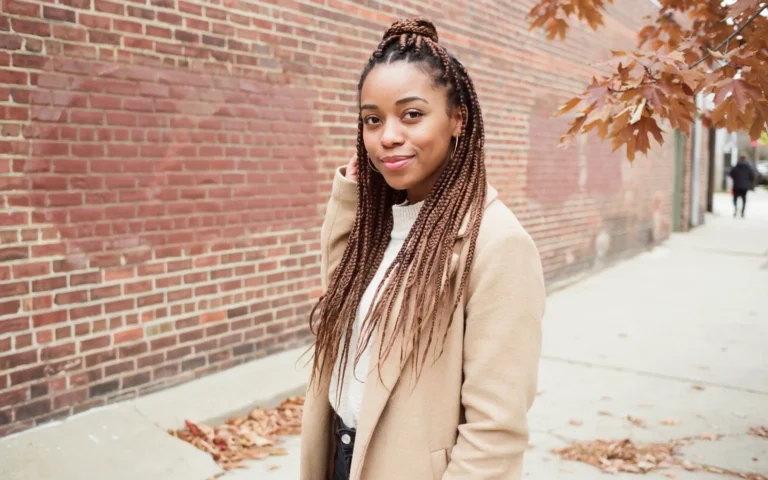
1. Classic Chestnut Brown for Effortless Elegance
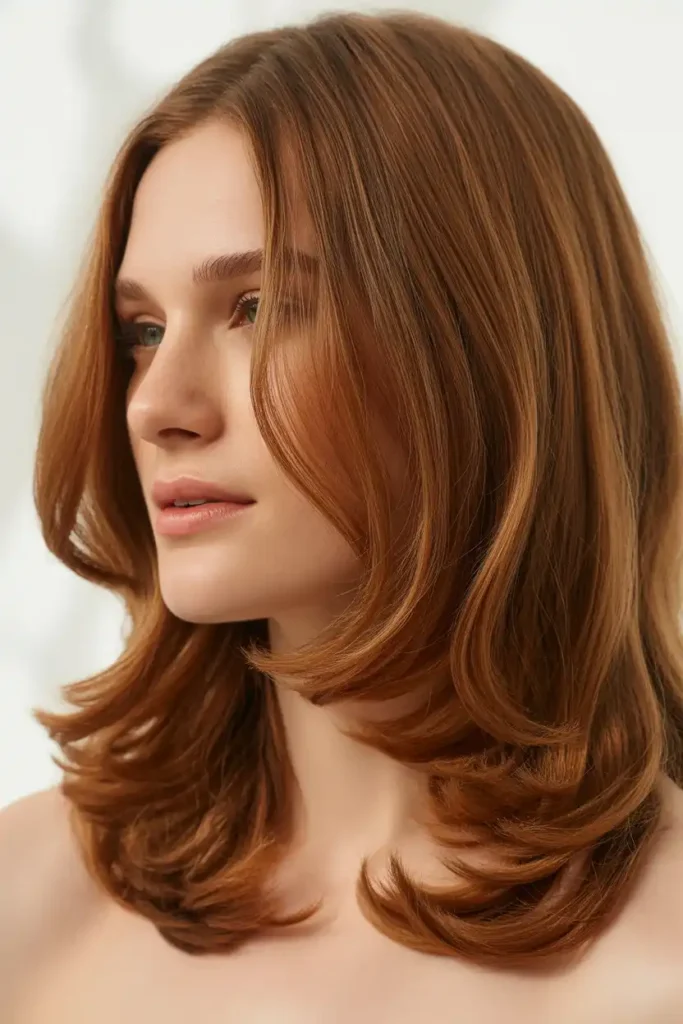
Chestnut brown hair works because it sits right between warm and cool, so it flatters more skin tones than almost any other shade. If you’ve been stuck between going too dark or too light, this is your middle ground. It reads polished at the office and relaxed on weekends without you doing anything extra to it.
The biggest mistake people make is asking for “brown” without specifying warmth. Bring a photo to your appointment and ask your colorist for a cool-toned base with warm chestnut glaze on top. That combination keeps the color from turning flat or muddy after a few washes.
2. Golden Brown Hair for a Sun-Kissed Glow

Golden brown hair gives you warmth without tipping into orange, which is the fear most people have when they ask for anything with “gold” in the name. It works especially well if your natural hair has some warmth to it already, since the color builds on what’s there instead of fighting it.
If your golden brown always fades to brassy within a month, the problem is usually your shampoo, not your colorist. Switch to a purple or blue-based toning shampoo once a week to keep the gold soft instead of orange. Ask for a demi-permanent gloss at your next visit if you want the tone refreshed without committing to a full dye job.
3. Soft Chestnut Brunette for a Natural Fade-Grown Look
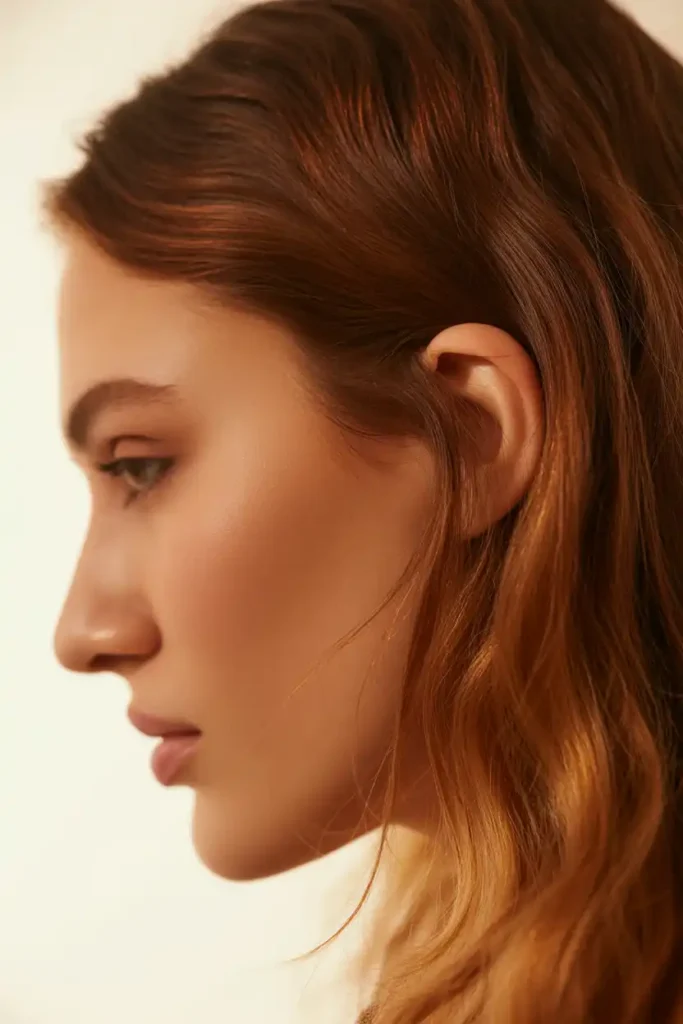
Soft chestnut brunette is the answer if you’re tired of harsh regrowth lines showing up two weeks after your appointment. This shade is built to grow out gracefully, which means fewer trips to the salon and less stress about your roots showing on a Tuesday.
Ask your colorist specifically for a root shadow technique rather than a solid all-over color. This blends your natural roots into the chestnut tone above them, so the line between “colored” and “natural” nearly disappears. Most people can stretch this look to ten or twelve weeks between touch-ups, which saves both time and money.
4. Toasted Caramel Hair for Warmth Without Boldness
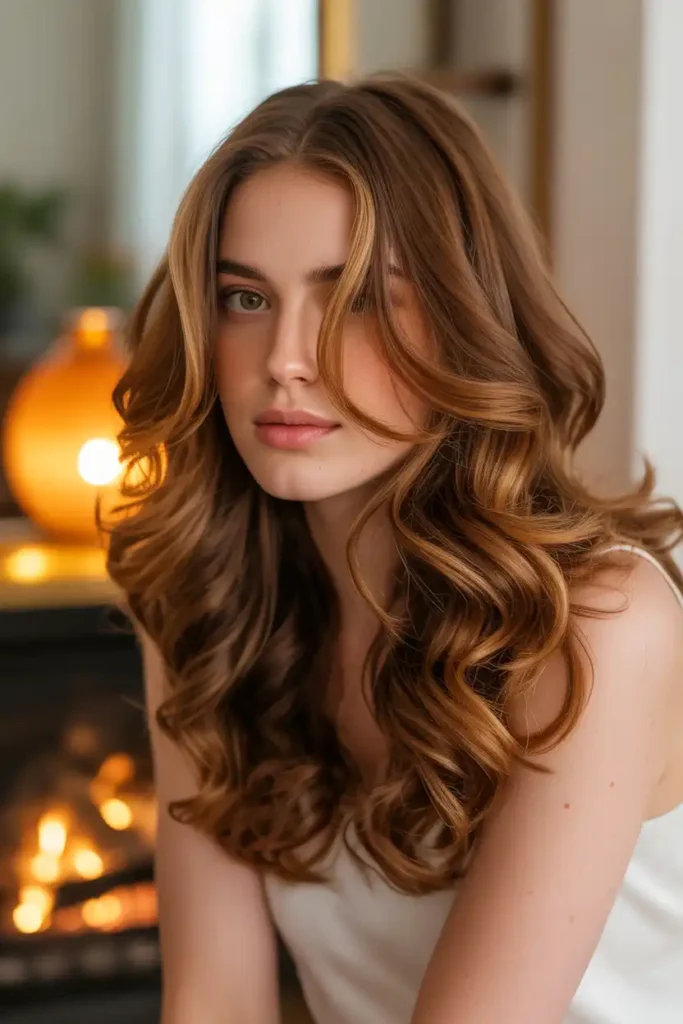
Toasted caramel hair sits closer to blonde than most brunettes are used to, but it still reads as brown from a distance, which makes it a smart in-between choice. It’s a good pick if you want to test lighter hair without fully leaving brown behind.
The trick with caramel tones is placement. Ask for the lightest pieces framing your face and around your part line, with the caramel deepening slightly toward the back. This keeps the look natural instead of looking like a solid dye job. It photographs especially well in natural light, which matters if your hair color needs to work across both in-person and online.
5. Auburn and Brown Hair for a Fiery Fall Statement
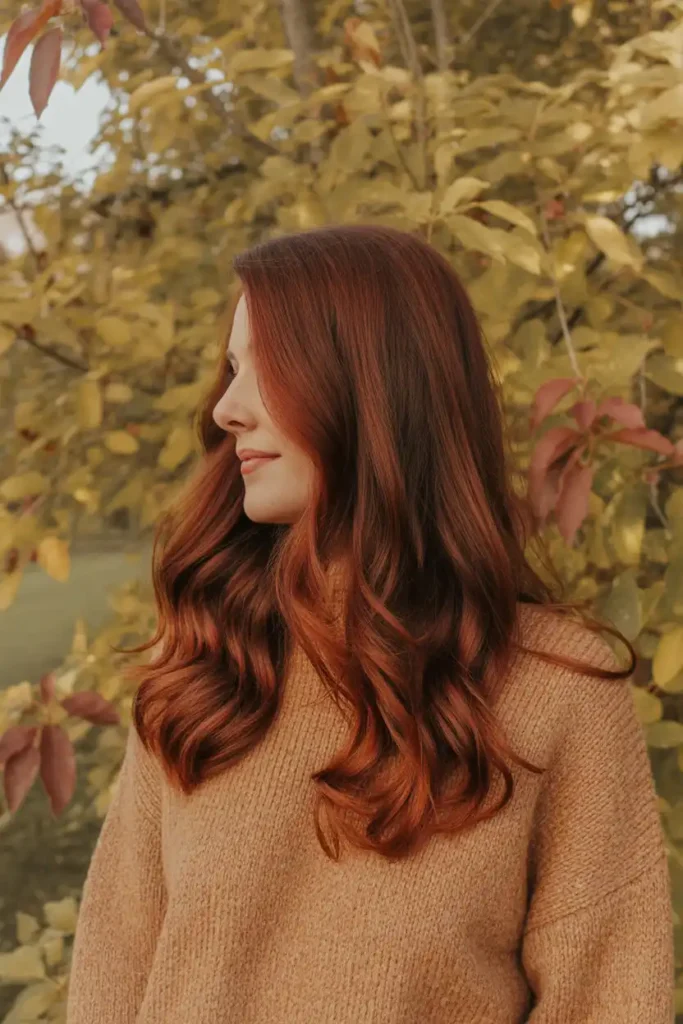
Auburn and brown hair is for anyone who wants brown hair that still turns heads. The red undertone gives it life that flat brown sometimes lacks, especially under indoor lighting where plain brown can look dull.
If you’re nervous about going too red, start with auburn as a low-light technique rather than an all-over color. Your colorist weaves thin auburn strands underneath your natural brown, so the red only shows when your hair moves or catches light. It’s a subtle way to test the tone before deciding if you want more of it.
6. Mocha Brown Hair for Deep Cozy Richness
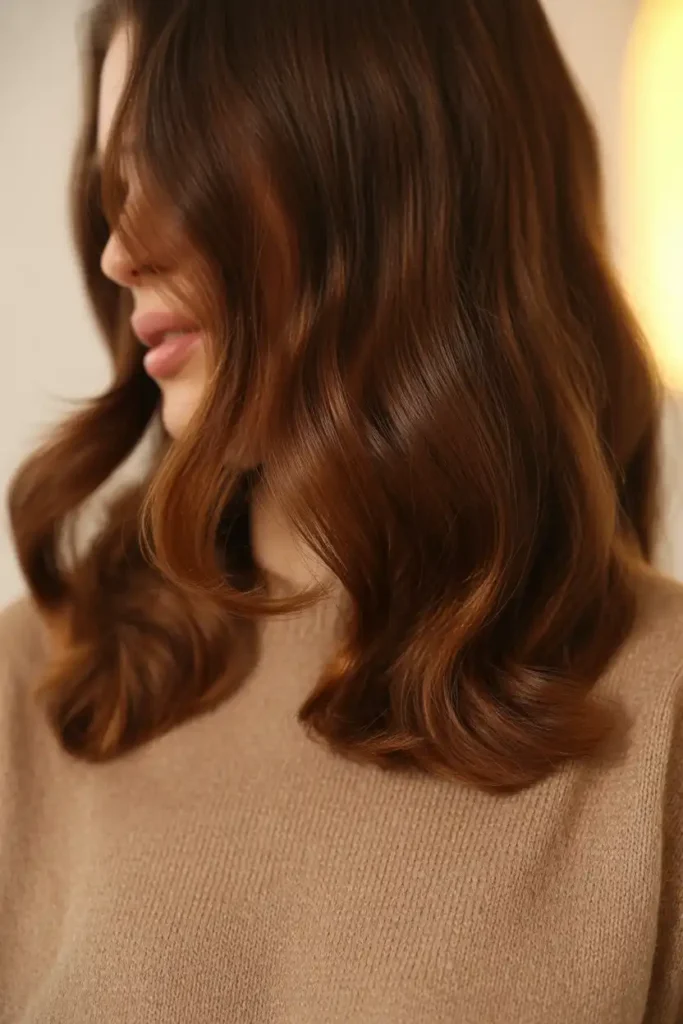
Mocha brown hair leans deeper and richer than your average chestnut, closer to a dark roast coffee than a light caramel. It’s a strong choice if you want brown hair that still feels dramatic, especially for deeper skin tones where lighter browns can sometimes wash out.
Depth this rich needs shine to avoid looking dull. Use a glossing treatment every four to six weeks, either in the salon or with an at-home gloss, to keep mocha brown looking wet and healthy rather than flat. Dry, dull ends are the fastest way to kill this color, so a weekly hair mask isn’t optional here, it’s necessary.
7. Honey Brown Hair for Subtle Sunlit Dimension
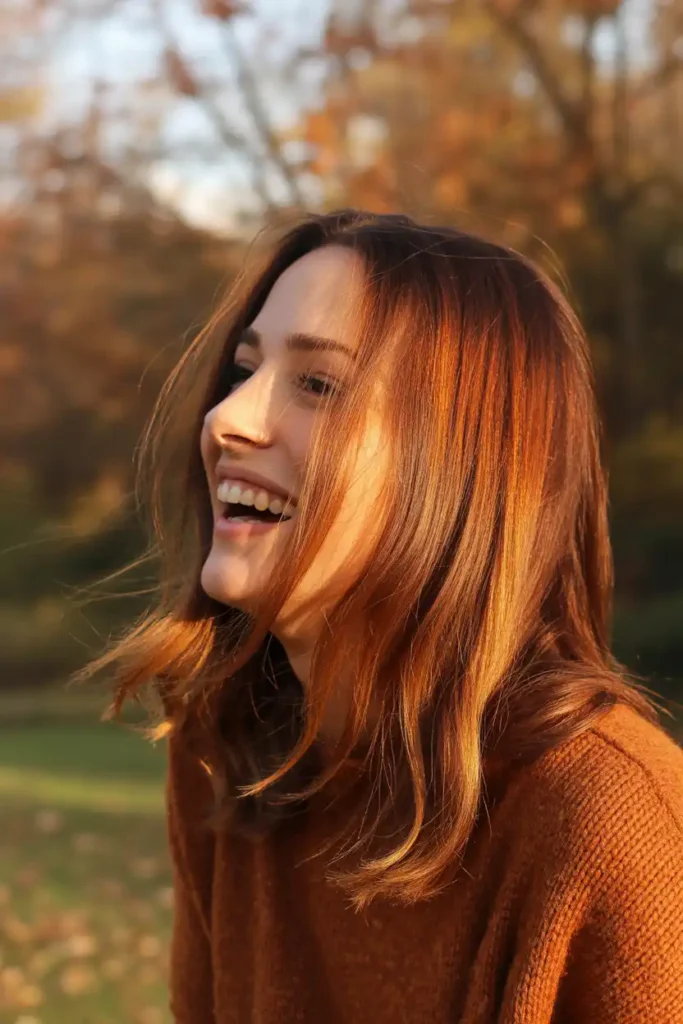
Honey brown hair is one of the lowest-maintenance color choices on this list because it’s designed to mimic what the sun naturally does to brown hair. If you spend time outdoors, this color barely needs touch-ups since the natural fade actually works in your favor.
For the best result, ask for honey brown highlights placed only in the top layers of your hair, not throughout. This creates dimension when your hair moves without looking like an even, all-over dye job. It’s a great option if you want warmth but don’t want to commit to a full color change.
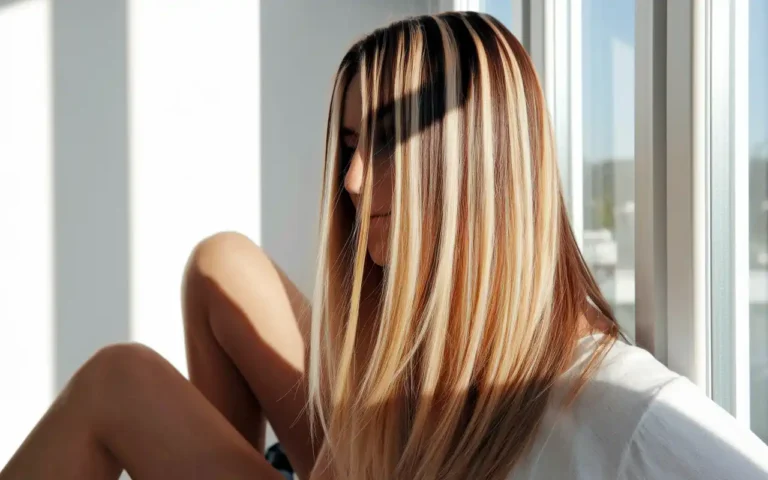
8. Brown Highlights That Brighten Without Overdoing It
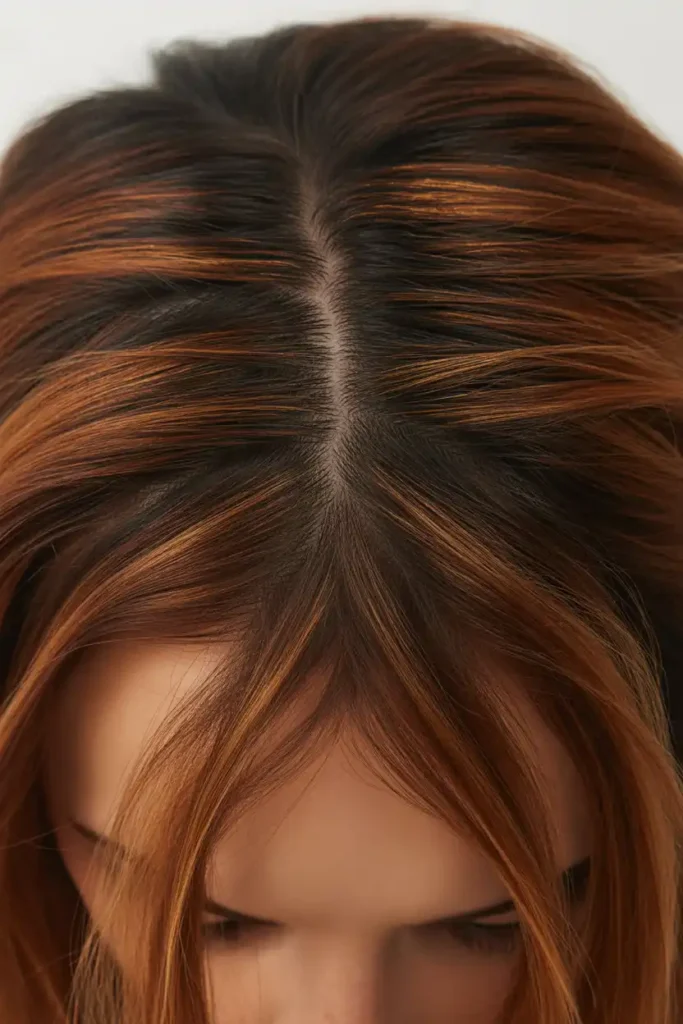
Brown highlights solve the problem of flat, one-dimensional hair without pushing you into a color you’re not ready for. They’re subtle enough for a workplace that expects a conservative look, but noticeable enough that people will ask what changed.
Placement matters more than quantity here. A few well-placed highlights around your part and hairline do more for your overall look than a head full of them. Ask your stylist for a technique called “babylights” if you want the most natural, sun-kissed result rather than obvious streaks.
9. Light Brown Red Balayage Hair for Effortless Movement
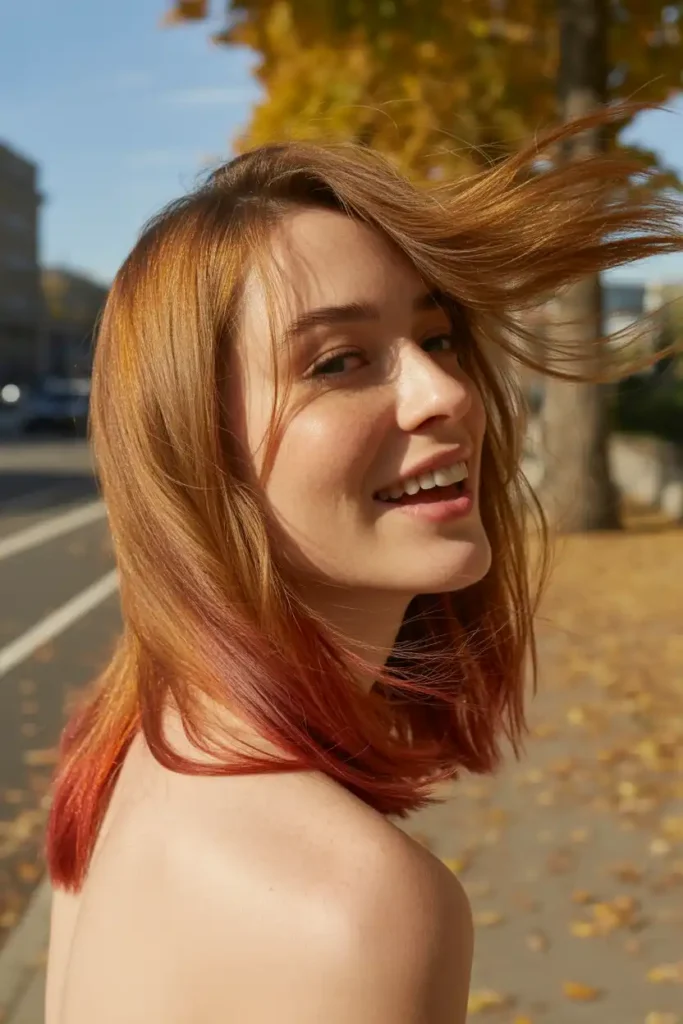
Light brown red balayage hair gives you movement in your color the same way layers give you movement in your cut. The hand-painted technique means no harsh lines, just a gradual shift from brown roots into lighter, reddish ends that looks different every time your hair catches light.
This is a great option if your hair is naturally straight and can sometimes look flat. The color creates the illusion of texture even without curling. Ask your colorist to keep the red tones concentrated in the lower half of your hair so the transition still looks intentional and not accidental.
10. Copper Golden Tones for a Warm Winter Glow
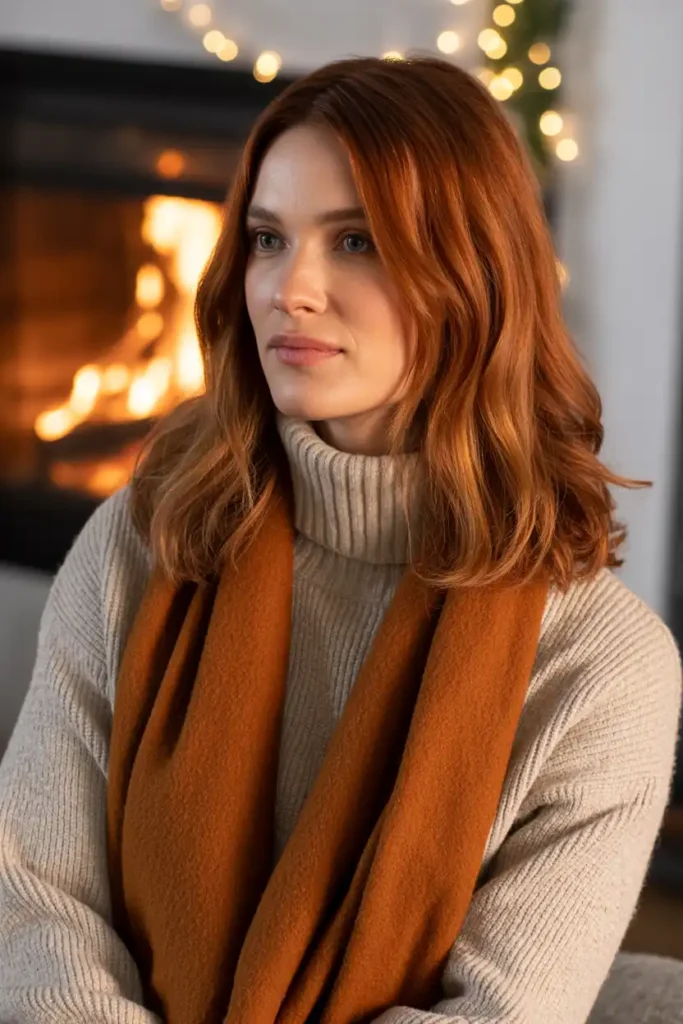
Copper golden hair color brings warmth into the colder months when everything else, including your wardrobe, tends to go darker and more muted. It’s a way to keep some brightness in your look without needing a bold red or an all-over blonde.
Copper fades faster than most brown shades because red pigment molecules are larger and wash out quicker. Wash your hair in cooler water and stretch washes to every three days if you can manage it. A color-depositing conditioner in a copper or red shade between salon visits will also help maintain the glow longer.
11. Ginger Brown for a Playful Seasonal Twist
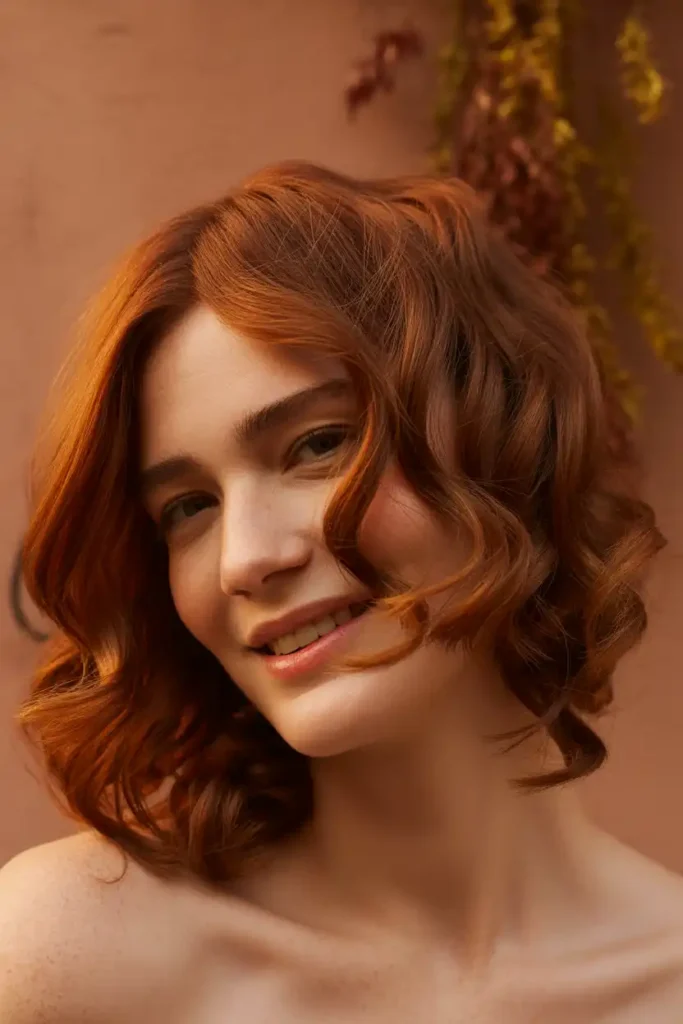
Ginger brown gives you the warmth of red hair with the wearability of brown, which makes it a good compromise if you love red but worry it’s too bold for your lifestyle. It’s brown hair with personality, not a full commitment to red.
If you’re new to ginger tones, ask for it as a gloss over your natural brown rather than a permanent dye. Glosses fade gradually and evenly instead of leaving an awkward line when you decide to go back to plain brown. This makes it a low-risk way to try the color before deciding if it’s a long-term fit.
12. Warm Balayage for Low-Maintenance Color
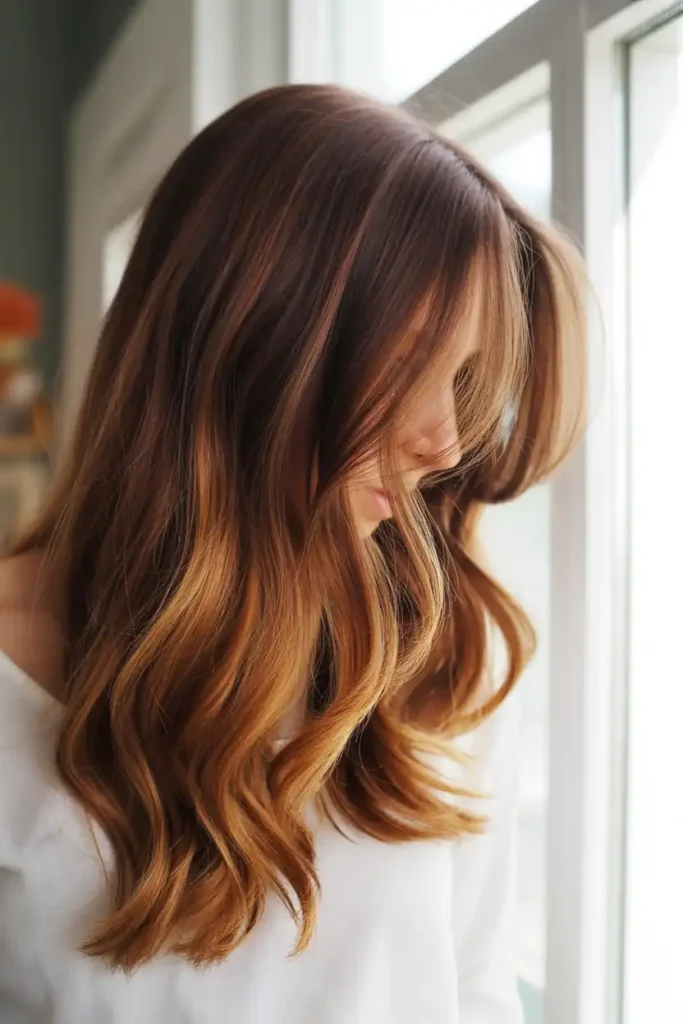
Warm balayage exists for people who want lighter, brighter hair but don’t want to sit in a salon chair every six weeks. Because the color is painted on rather than applied through foils at the root, it grows out looking soft instead of leaving a visible line.
The real advantage here is time. Most warm balayage can go three to four months between appointments if it’s done well the first time. When you do go in for a refresh, ask your colorist to only touch up the ends and face-framing pieces rather than redoing the whole head, which keeps costs down too.
13. Neutral Brown Hair Color for Cool Undertones
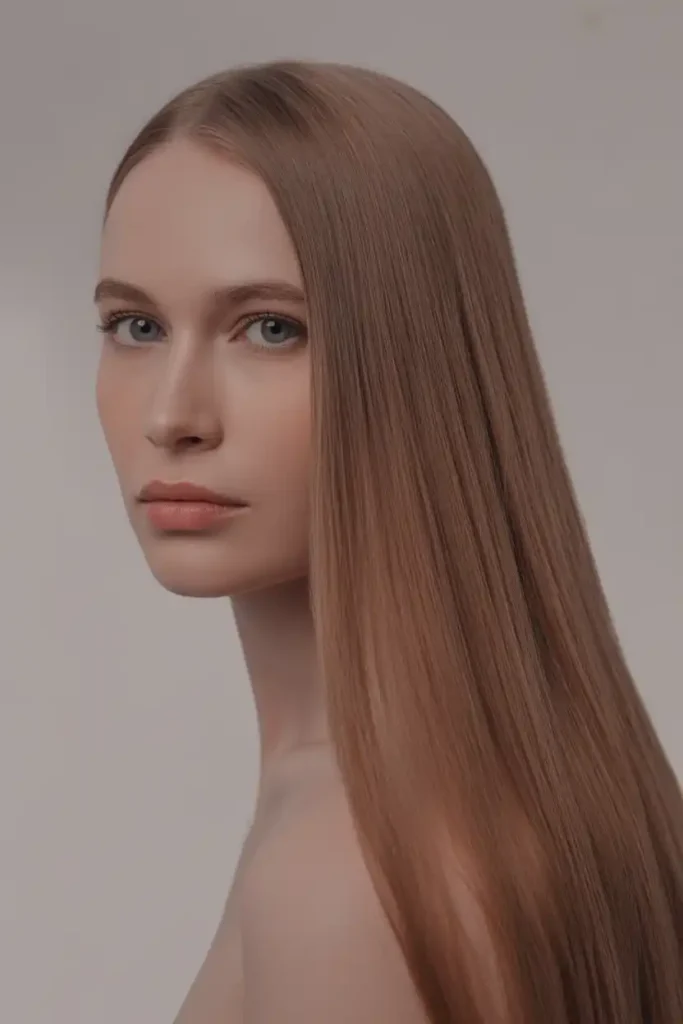
Neutral brown hair color is the fix for anyone whose hair keeps turning brassy no matter what they do. If you have cool undertones in your skin, warm brown shades can sometimes clash and turn orange faster than expected, which is frustrating after paying for a fresh color.
Ask your colorist specifically for an ash or neutral base with no gold or red added. At home, use a purple shampoo once every one to two weeks to cancel out any warmth that develops between salon visits. This keeps your brown looking true to tone instead of drifting warm over time.
14. Reddish Chestnut for a Bold Statement Look
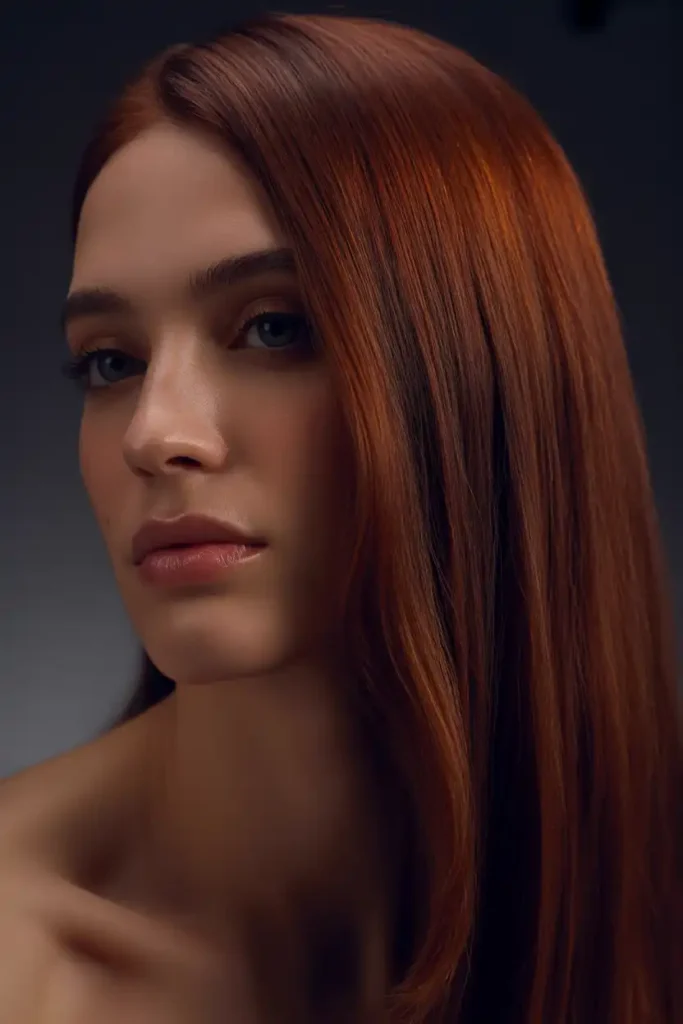
Reddish chestnut hair is for people who want their color to be part of their personality, not just a background detail. It has enough red in it to be noticed in a room but still reads as a wearable, everyday brown rather than a costume-like red.
This depth of color needs regular gloss treatments to stay vibrant, since red pigments fade the fastest of any hair color family. Plan on a refresh gloss every four weeks if you want to keep the red looking rich. Skipping this step is the main reason reddish chestnut tends to fade into a dull, muddy brown within a month.
15. Different Brown Shades of Hair for Every Skin Tone
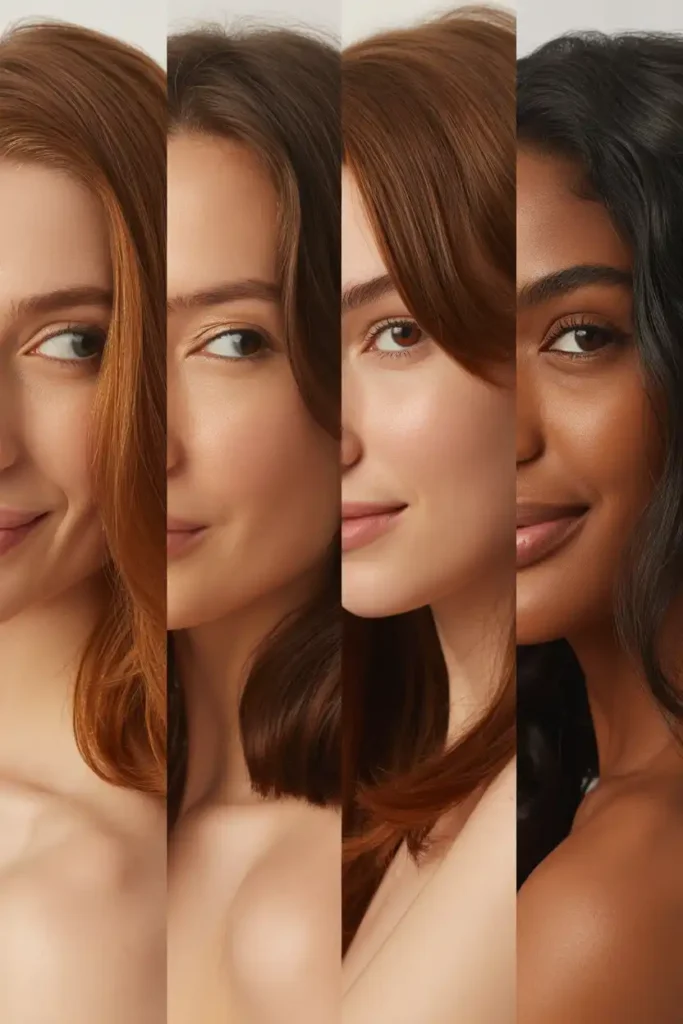
Not every brown works for every person, and that’s the part most color guides skip. Warmer skin tones with yellow or golden undertones usually look best in warm browns like chestnut or caramel. Cooler skin tones with pink or blue undertones tend to look better in ash or neutral browns.
If you’re unsure which category you fall into, check the veins on your wrist in natural light. Green-toned veins usually mean warm undertones, while blue or purple-toned veins point to cool undertones. Bring this detail up with your colorist before your appointment so they can mix a shade that actually complements your coloring instead of guessing.
16. Brunette Dyed Hair for a Fresh Salon Refresh
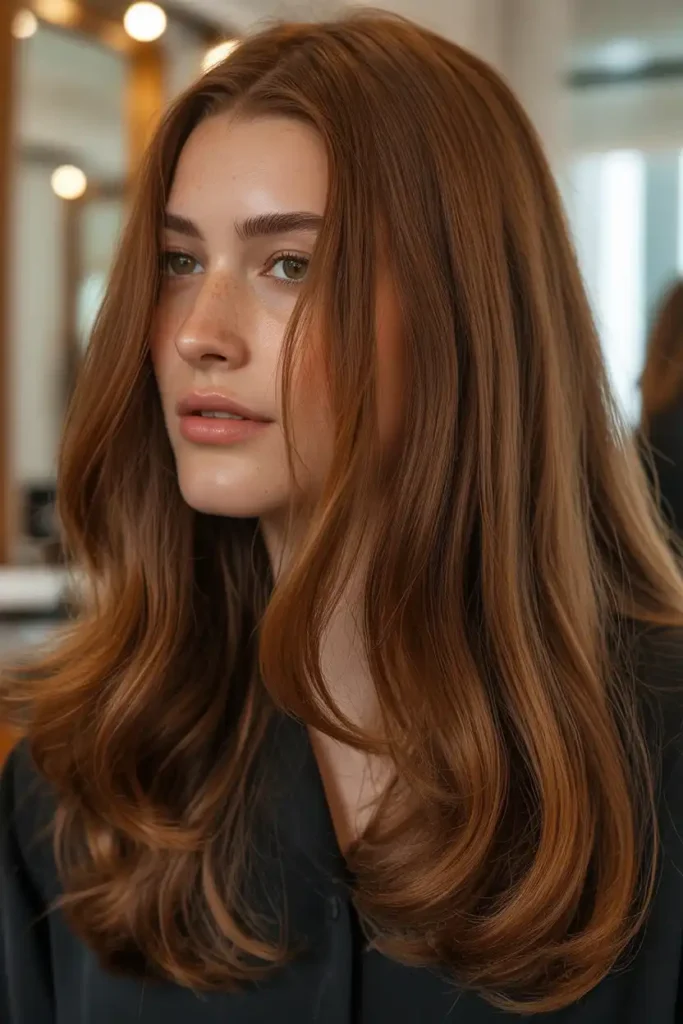
Brunette dyed hair looks its best in the first two weeks after coloring, and then it starts to fade if you’re not careful with aftercare. Most of the disappointment people feel with brown hair color comes down to poor maintenance, not a bad dye job.
Wait at least 48 hours after coloring before washing your hair, since this gives the color time to fully set into the hair cuticle. After that, use a sulfate-free shampoo, since sulfates strip color faster than almost anything else you could do to your hair. These two small habits alone will extend the life of your color significantly.
17. Chocolate vs Dark Brown: Know the Difference Before You Dye
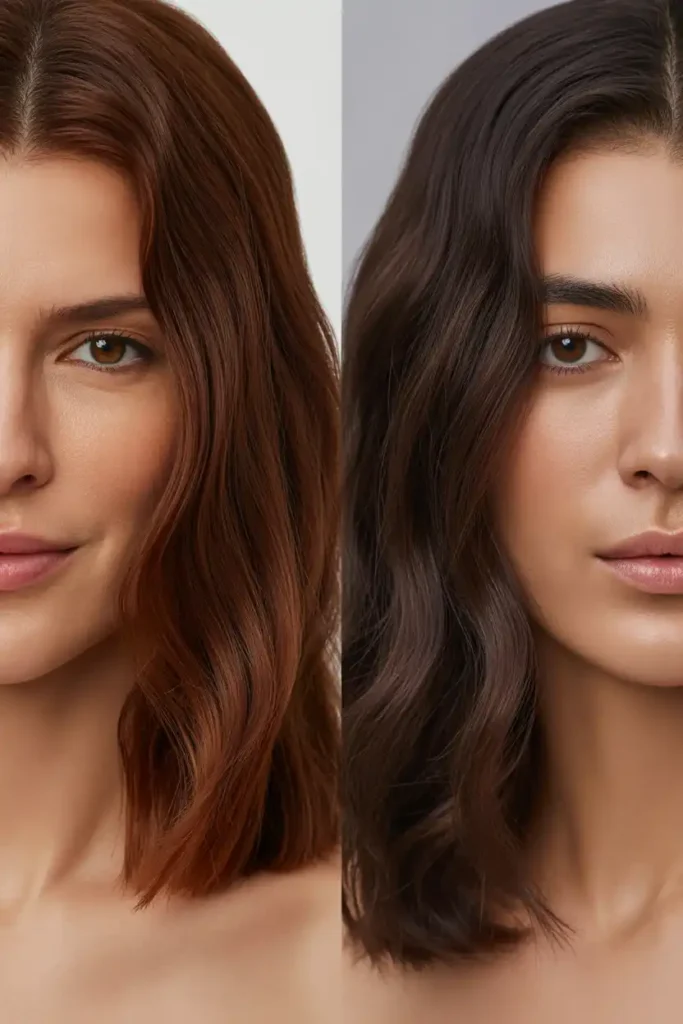
The difference between dark brown and chocolate brown hair trips up more people than you’d expect at the salon. Dark brown is a cooler, more neutral shade, while chocolate brown carries warm, reddish undertones that give it a richer, glossier appearance.
If you’ve ever left the salon disappointed because your “dark brown” looked flat or your “chocolate brown” looked too red, this mix-up is likely why. Bring a specific reference photo and use these exact terms with your colorist rather than saying “brown” alone. It removes the guesswork and gets you the tone you actually pictured.
18. Chestnut Brown Hair Tint for a Temporary Change
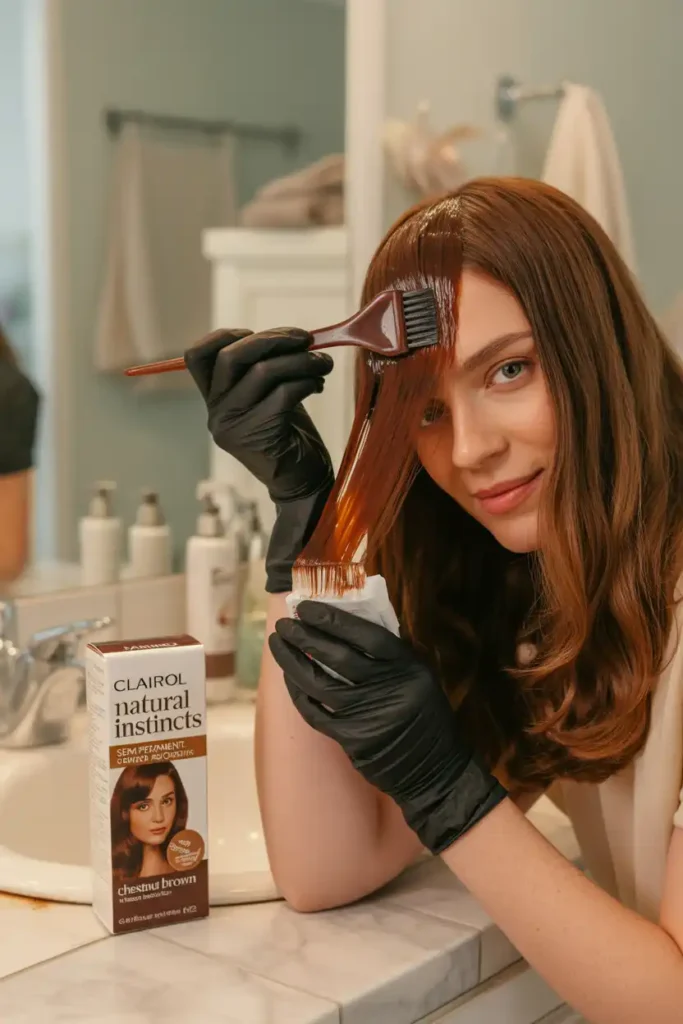
A chestnut brown hair tint is the lowest-commitment way to test this color before booking a permanent appointment. Tints typically wash out over four to eight weeks, so if you end up not loving it, you’re not stuck with it for months.
Apply tint to clean, product-free hair for the most even result, and always do a strand test first if you’re using a new brand. Leave the tint on slightly under the recommended time if your hair is naturally light, since tints deposit color faster on lighter strands. This small adjustment prevents the color from coming out darker than you intended.
19. Spice Up Brown Hair with Face-Framing Pieces
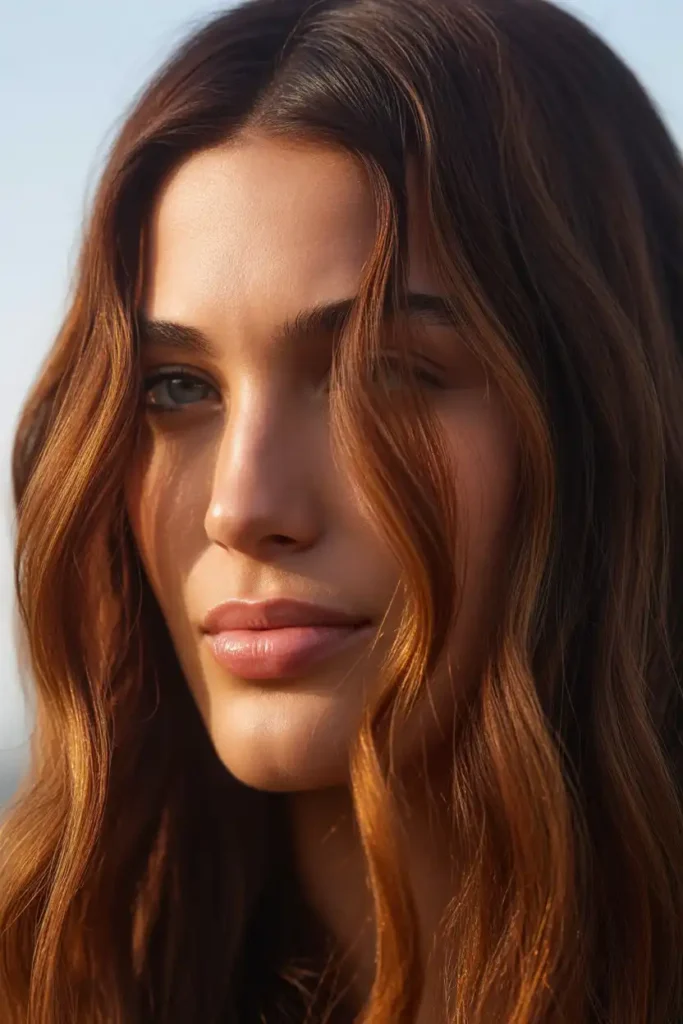
If your brown hair has started to feel one-note, you don’t need to redo your entire color to fix it. A few lighter, warmer pieces around your face can spice up brown hair instantly by brightening the areas people actually look at first, which is your face, not the back of your head.
Ask your stylist for two to four face-framing pieces, slightly lighter than your base color, blended in with a soft technique rather than a hard line. This small addition brightens your whole look without the cost or maintenance of a full color change. It’s often the easiest upgrade for hair that’s started to feel flat.
20. Hana Hair Color Inspired Multi-Tonal Brunette
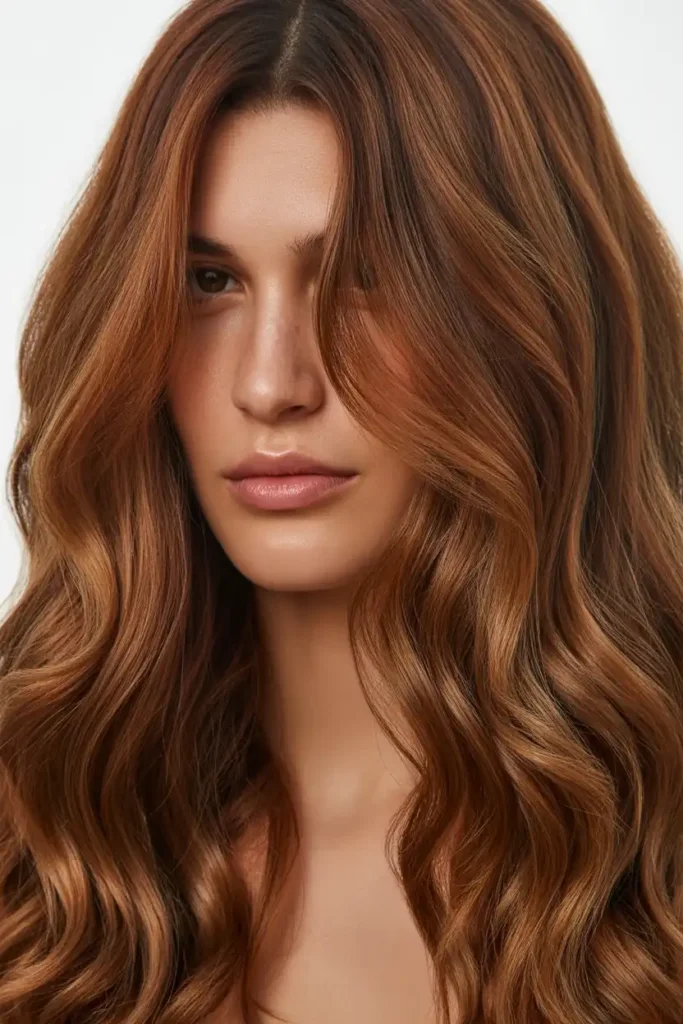
The Hana hair color trend has become popular for good reason. It layers multiple brown tones together instead of relying on one flat shade, which gives the hair depth that looks natural even in flat lighting where single-process color often falls short.
This technique works especially well on longer hair, where there’s more room for the different tones to show as your hair moves. Ask your colorist about combining three shades, a base, a mid-tone, and a lighter accent, rather than the usual two-tone approach. The extra step costs a bit more but creates noticeably more dimension.
21. Root Smudge Techniques for Grown-Out Chestnut
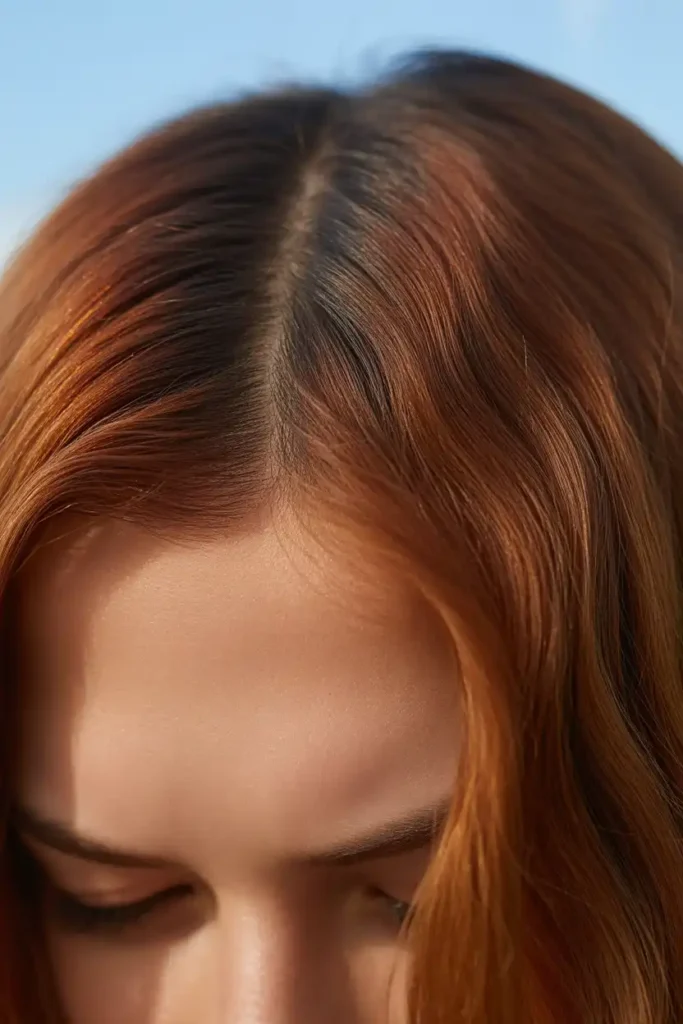
A root smudge is the single best fix if you’re tired of your chestnut brown hair looking freshly dyed for two weeks and then obviously grown-out for the next six. This technique softens the line between your natural roots and your color instead of leaving a hard edge.
Ask your colorist to apply a shade slightly darker than your base color right at the root, blending it downward for about an inch. This tricks the eye into seeing a gradual transition instead of new growth. Most people can stretch their appointments by three to four extra weeks using this trick alone.
22. Chestnut Brown for Fine Hair That Needs Depth
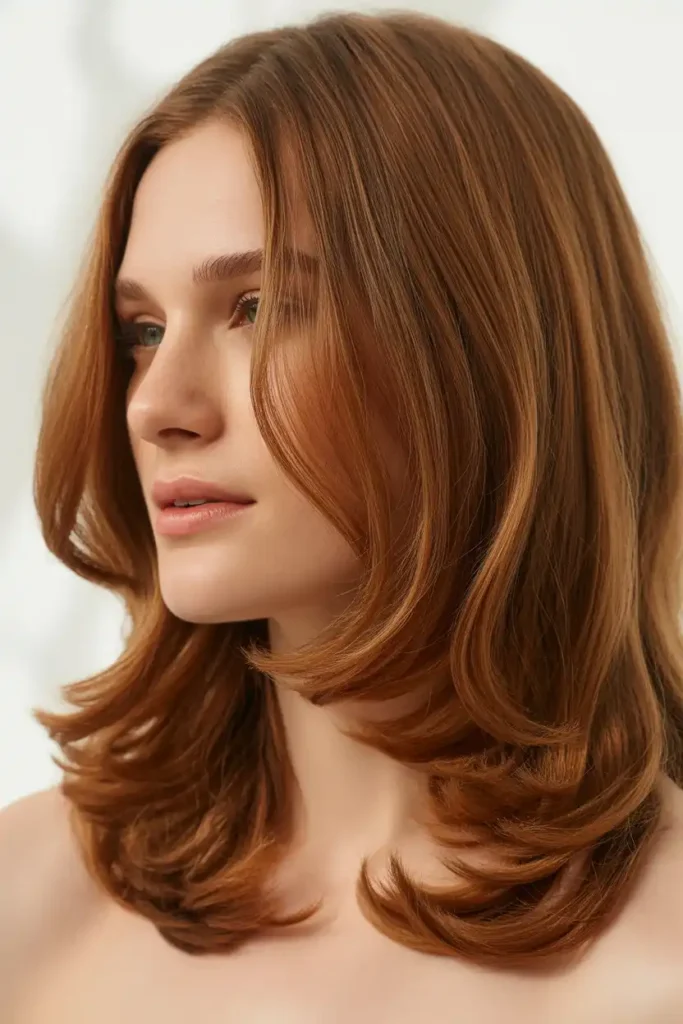
Fine hair often looks even thinner when it’s a single flat color, since there’s nothing to break up the light and create the illusion of depth. Chestnut brown, when done with subtle multi-tonal pieces, actually helps fine hair look thicker than it is.
Ask for lowlights rather than highlights if your hair is fine, since darker pieces woven through create shadow and depth more effectively than lighter pieces do. Pair this with a root-lifting spray before blow-drying for extra volume at the crown. Together, these two changes make a noticeable difference without cutting your hair shorter.
23. Chestnut Brown for Curly and Textured Hair
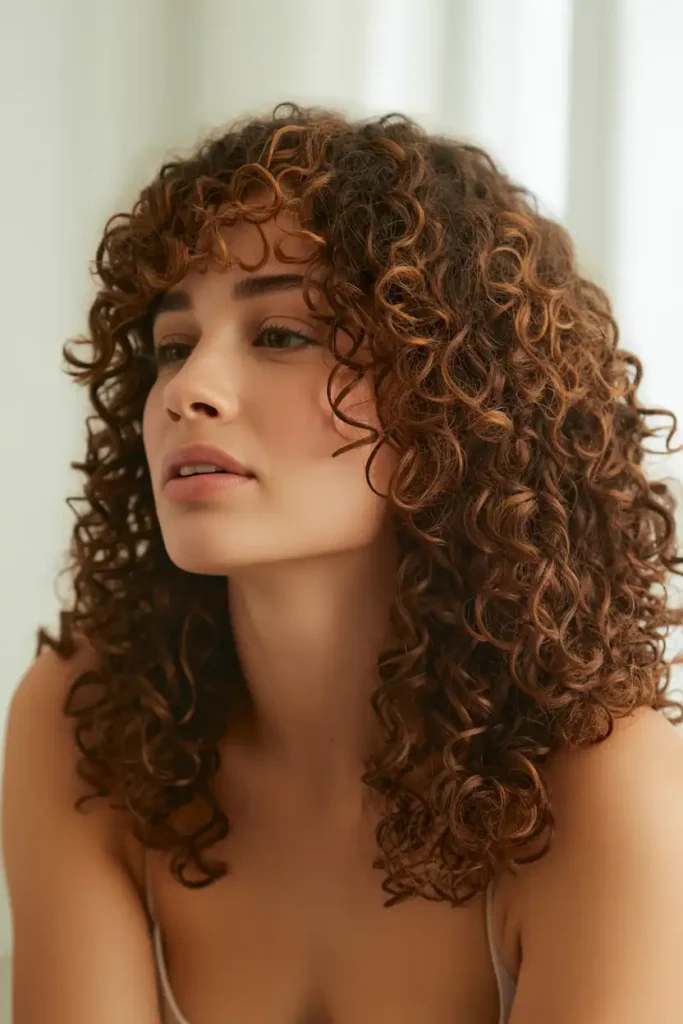
Curly and textured hair shows color differently than straight hair because light bounces off each curl at a different angle, which can make color look uneven if it’s not applied with that in mind. Chestnut brown is forgiving here since its warmth reads well across most curl patterns.
Ask your colorist to use a technique specifically suited for curls, where color is applied curl by curl rather than in flat sections, so every curl gets even coverage. This matters more for curly hair than almost any other factor in how the final color turns out. Deep condition weekly, since curly hair tends to dry out faster once it’s been colored.
24. Winter-Proofing Your Chestnut Brown Color
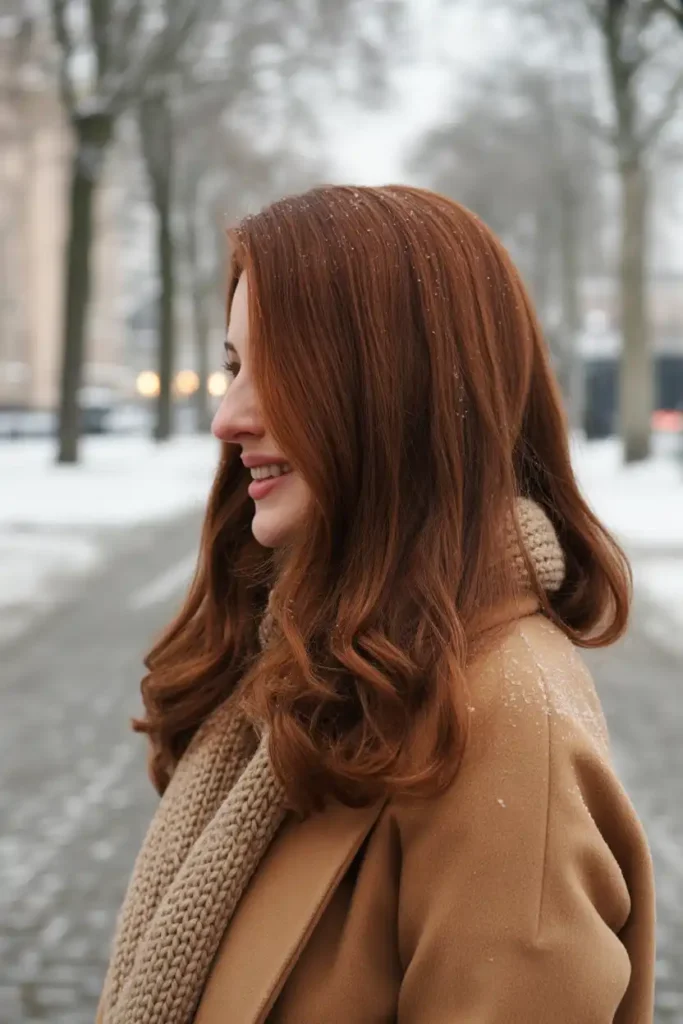
Cold weather and indoor heating both pull moisture from your hair, which makes colored hair, especially chestnut brown, fade and dull out faster in winter than any other season. If your color always looks tired by February, dry air is likely the reason.
Switch to a heavier, color-safe conditioner during winter months and add a leave-in treatment if your hair feels dry to the touch. Turn down the heat on your styling tools too, since dry winter hair is more prone to damage at high temperatures. These small seasonal adjustments keep your chestnut brown looking as rich in January as it did in October.
25. Fixing Brassy Chestnut Brown Between Salon Visits
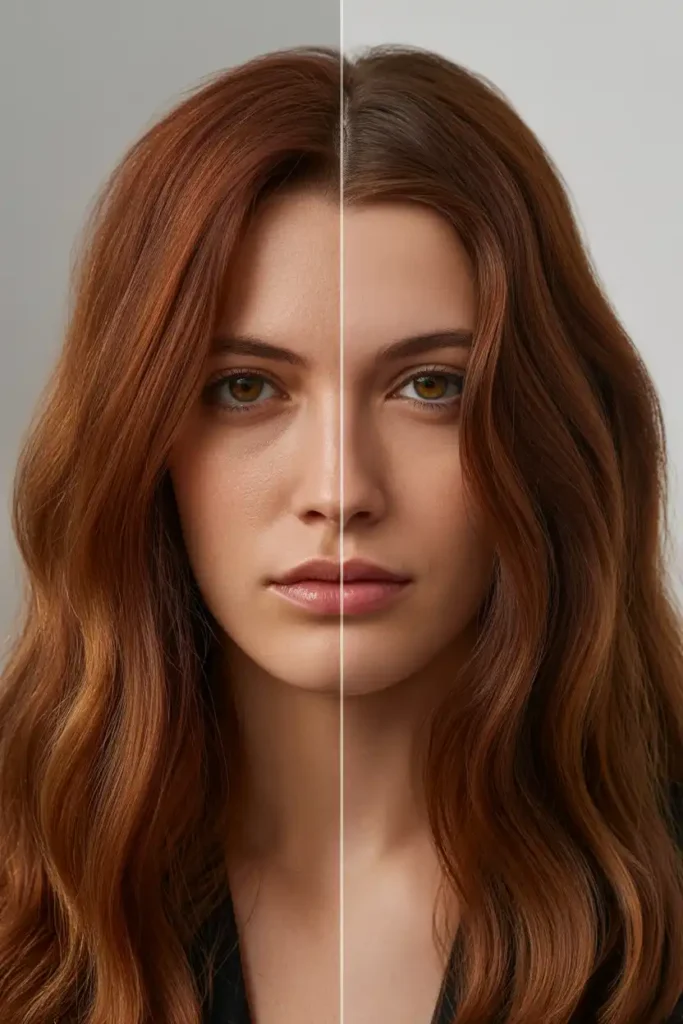
Brassiness is the most common complaint with any brown hair color, and it happens because warm pigments fade faster than cool ones, leaving an orange or copper cast behind even when you started with a balanced brown. It’s not a sign your colorist made a mistake, it’s just how hair color naturally breaks down over time.
Keep a blue or purple toning shampoo in your shower rotation and use it every seven to ten days to cancel out unwanted warmth as it develops. If brassiness shows up faster than usual, a color-depositing gloss at home between salon visits can buy you extra time. This keeps your chestnut brown looking intentional instead of accidentally orange.
FAQs
Does chestnut brown hair suit every skin tone?
Most chestnut shades work well because they sit between warm and cool, but the exact undertone matters. Warmer skin tones usually look best with golden or caramel-based chestnut, while cooler skin tones do better with ash or neutral chestnut.
How often do I need to touch up chestnut brown hair color?
It depends on the technique. Solid, all-over color needs a touch-up every four to six weeks, while balayage or root smudge techniques can stretch to ten or twelve weeks since they’re designed to grow out softly.
Why does my chestnut brown hair turn brassy so fast?
Warm pigments fade faster than cool ones, leaving an orange or copper cast behind. A purple or blue toning shampoo used weekly usually keeps this in check between salon visits.
What’s the difference between chestnut brown and chocolate brown hair?
Chestnut brown leans slightly more neutral with a hint of red, while chocolate brown carries a deeper, warmer richness. Bringing a reference photo to your appointment helps avoid confusion between the two.