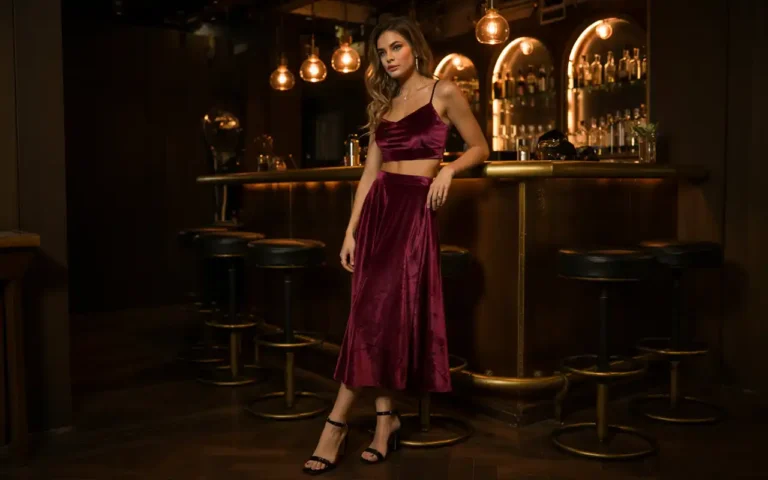
23 70s Fashion Outfit Tricks Worth Stealing
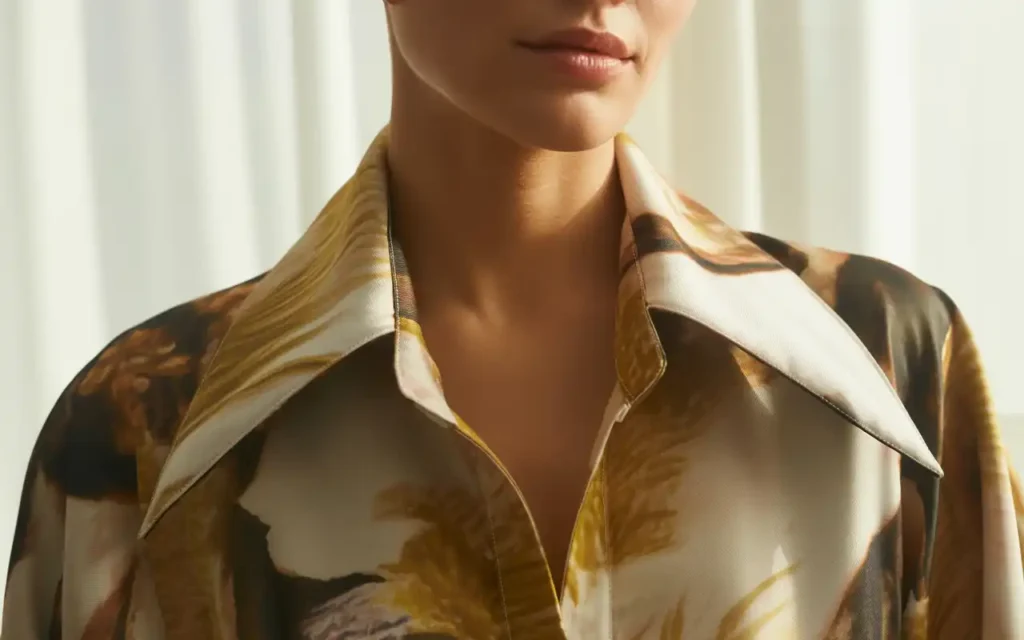
You do not need a full closet of vintage to pull off this look. Most people get 70s fashion wrong because they treat it like a costume instead of real clothing you wear on a Tuesday. The fixes are small. One good flare, the right tuck, a warm color palette, and a shoe that grounds everything. These 23 tricks come from actual trial and error, not theory. Each one solves a styling problem you have probably hit yourself. Steal the ones that fit your body, your budget, and your day, then skip the rest.
1. Start With One Statement Flare and Build the Rest Around It
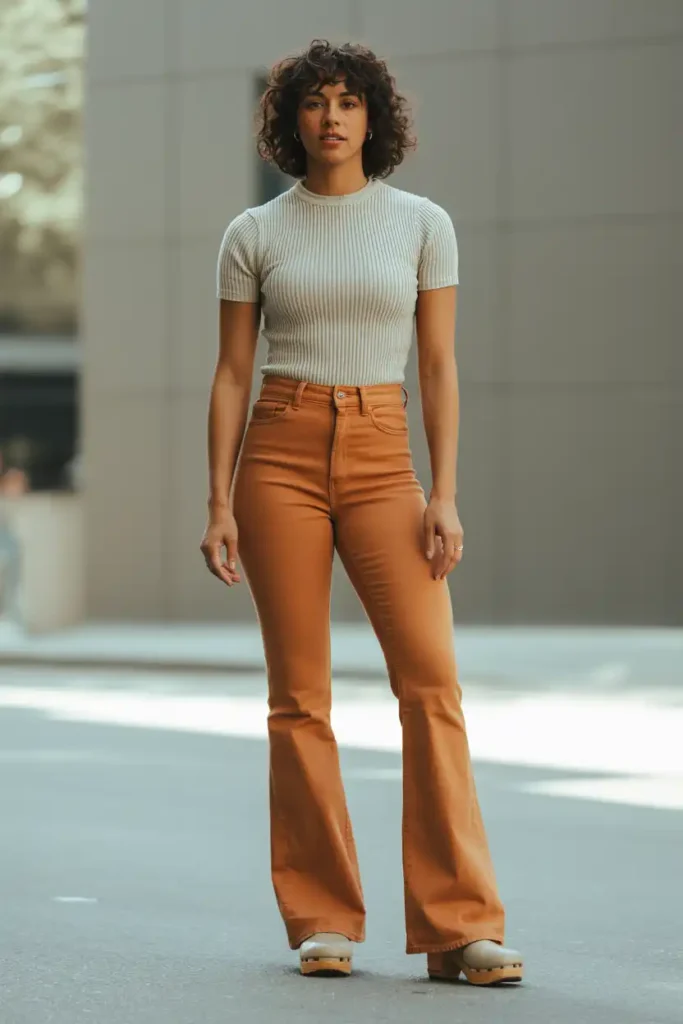
You do not need head-to-toe vintage to nail the look. Pick one flared piece and let everything else stay quiet. A wide leg jean or a 70s flare dress carries the whole outfit on its own, so pairing it with a plain tee or fitted knit keeps you from looking like you raided a costume rack.
The mistake most people make is matching a loud bottom with an equally loud top. Do the opposite. Tuck a clean, close top into the flare so your waist stays defined and the leg does the talking. Try a fitted rib knit in white or camel first, since those shades sit next to almost any retro palette. Once you trust the silhouette, swap in a printed blouse. Start with one flare and grow your confidence from there.
2. The Wide-Leg Trouser Fix for Shorter Legs
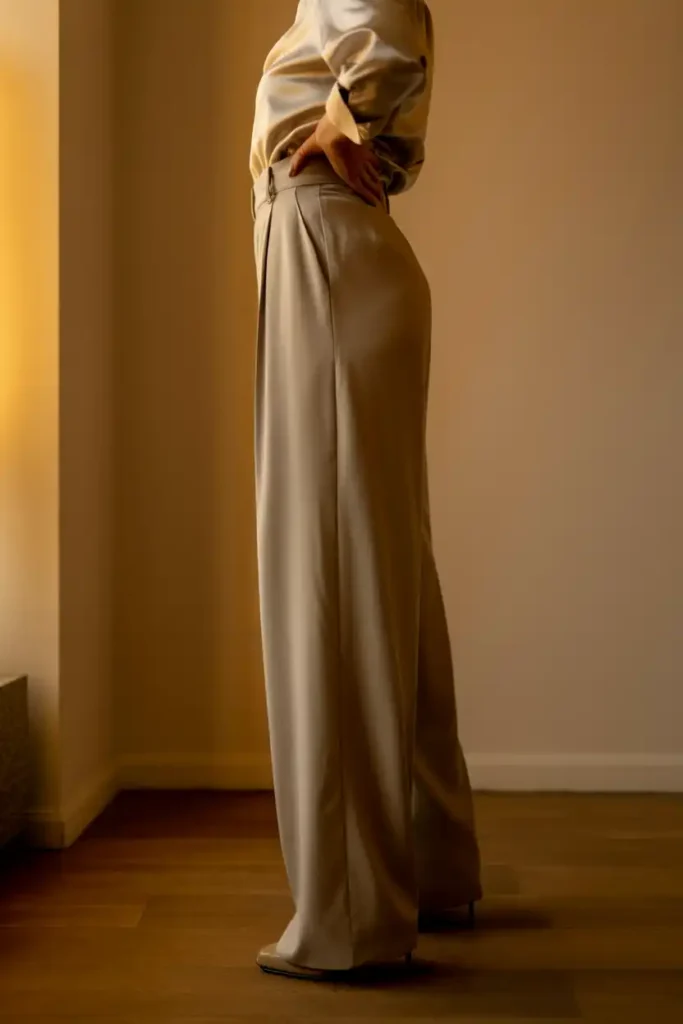
Wide-leg pants can swallow you whole if you are on the shorter side. The fix is hem length and rise. Buy the pant long enough to nearly touch the floor, then wear a heel or platform underneath so the leg line runs unbroken from waist to hem.
Height comes from proportion, not from avoiding volume. Keep these three things in check:
- Rise: go high-waisted so your legs read longer.
- Hem: cover most of the shoe, leaving only the toe.
- Top: tuck it fully, never half.
That combination stretches your frame without any tailoring tricks. If you can only fix one thing, fix the shoes and pick a platform. Try it once with your longest pair of trousers and check the mirror from the side.
3. Why a Retro Dress Beats a Full Costume
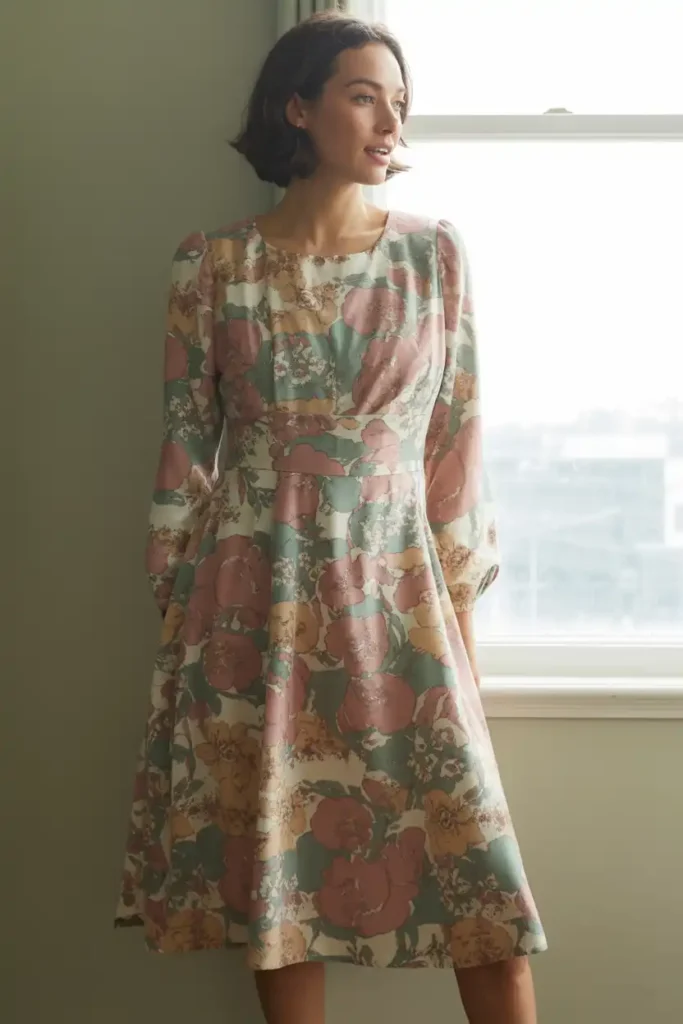
If you want the era without the effort, reach for one dress. A well-cut retro dress does the styling for you. The print, the length, and the cut already read as 70s, so you skip the guesswork of matching separates.
A theme dress works best when the shape flatters your body rather than the decade. Look for a defined waist, a midi hem, and a sleeve that suits your arms. Floral, paisley, and small geometric prints all age well and photograph clean. Skip anything with a zipper pull the size of your fist or a collar that overwhelms your face. Add simple gold hoops and a low boot, and you are done. Buy one dress you actually love before you build a wider wardrobe around it.
4. Tuck, Don’t Drown: Balancing Volume Up Top
Flowy tops from this era look great on the hanger and shapeless on the body. The trick is the tuck. Gather the fabric into a high waistband and let it blouse slightly over the top so you keep the airy feel without losing your shape.
A full tuck works with wide bottoms. A front tuck works with slim ones. Match the volume so you never wear loose on loose. If your blouse has a lot of fabric, pair it with a fitted jean or a pencil skirt. If your blouse is closer to the body, you have room to go wider below. Practice the front tuck once with your baggiest top and you will use it constantly.
5. Layering Prints Without Looking Loud
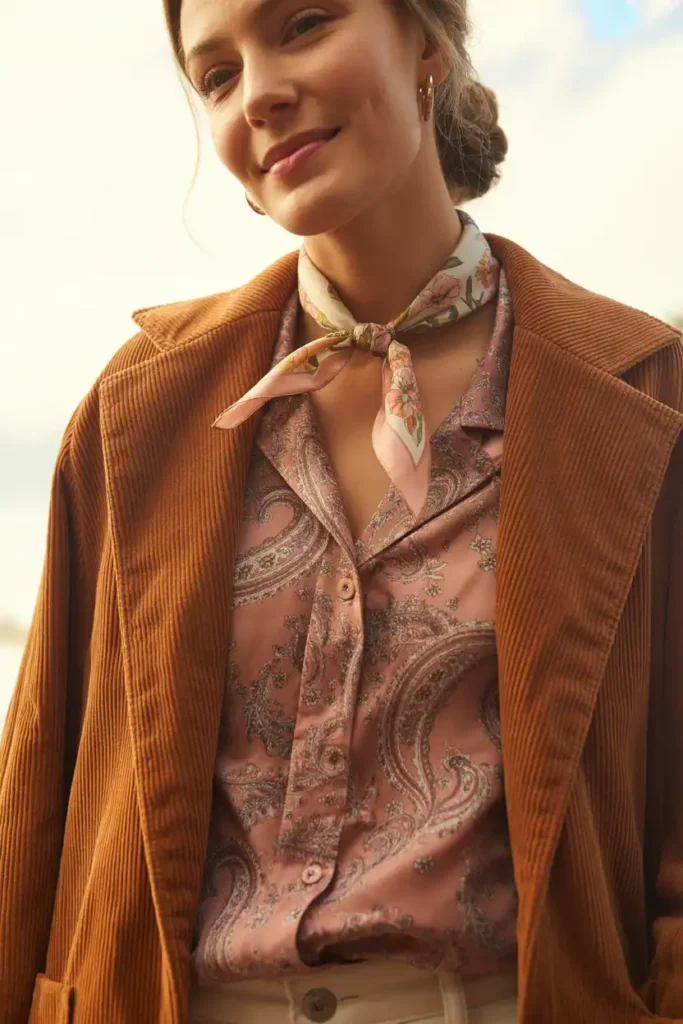
Print mixing scares most people, and for good reason. Done wrong, it reads busy. Done right, it looks intentional and pulls the whole era together. The rule is scale. Pair a small print with a large one so your eye has somewhere to rest.
Keep a shared color running through both prints. A paisley and a floral can sit together happily if they both carry the same rust or olive tone. Anchor the pair with a solid piece, like a plain jacket or trouser, so the prints feel deliberate. Start with two prints, not three. Add a solid layer, and step back before you commit.
6. Let Earth Tones Do the Heavy Lifting
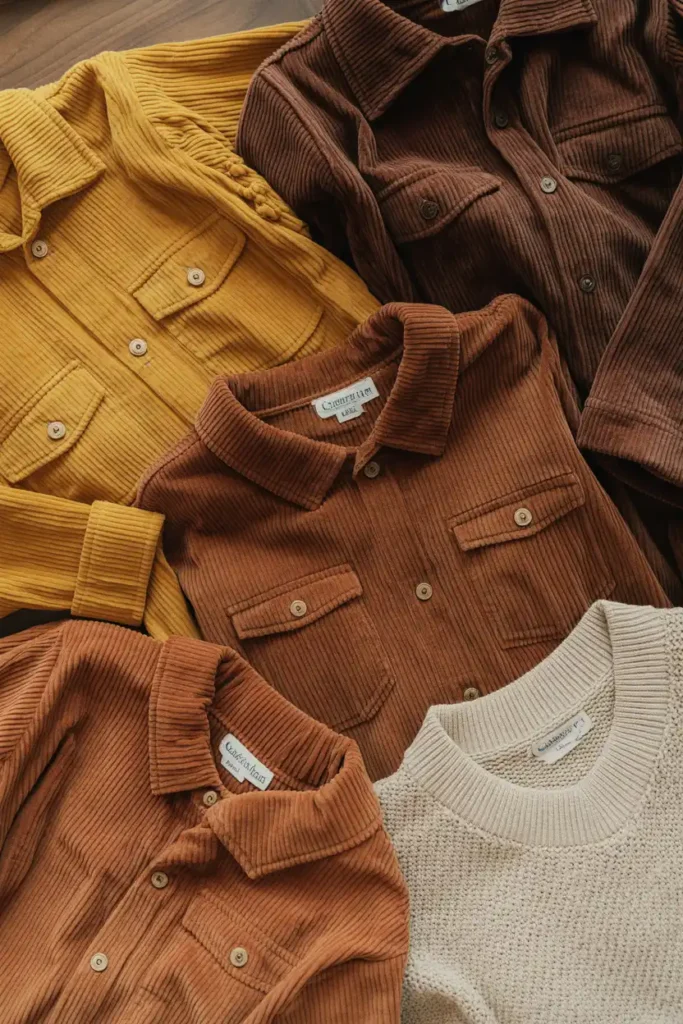
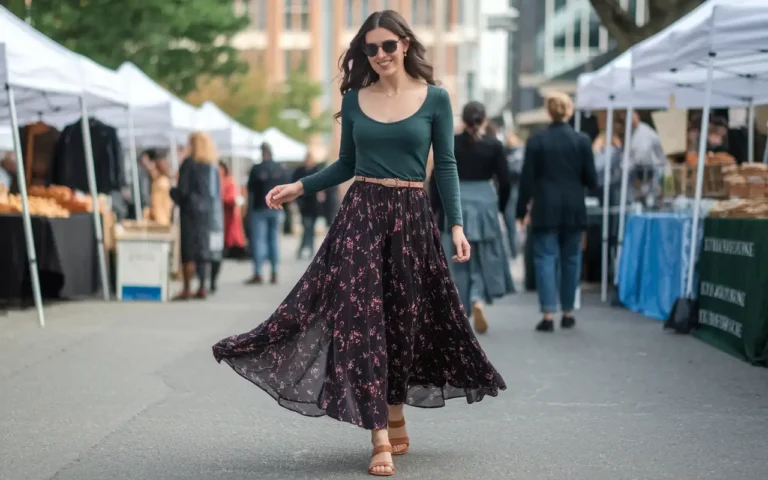
The palette does more work than any single piece. The 70s ran on warm earth tones, and leaning into them makes mismatched items look like they belong together. Mustard, rust, chocolate, olive, and cream all play nicely, so you can shop secondhand without worrying about exact matches.
Build your closet around three of these shades and almost everything you own will combine. This is the easiest way to fake a curated wardrobe on a small budget. When you thrift, grab pieces in these colors even if the cut is plain, because color coordination sells the era more than any trend detail. Pick your three shades this week and shop only for those.
7. Gogo Boots That Actually Work Past October
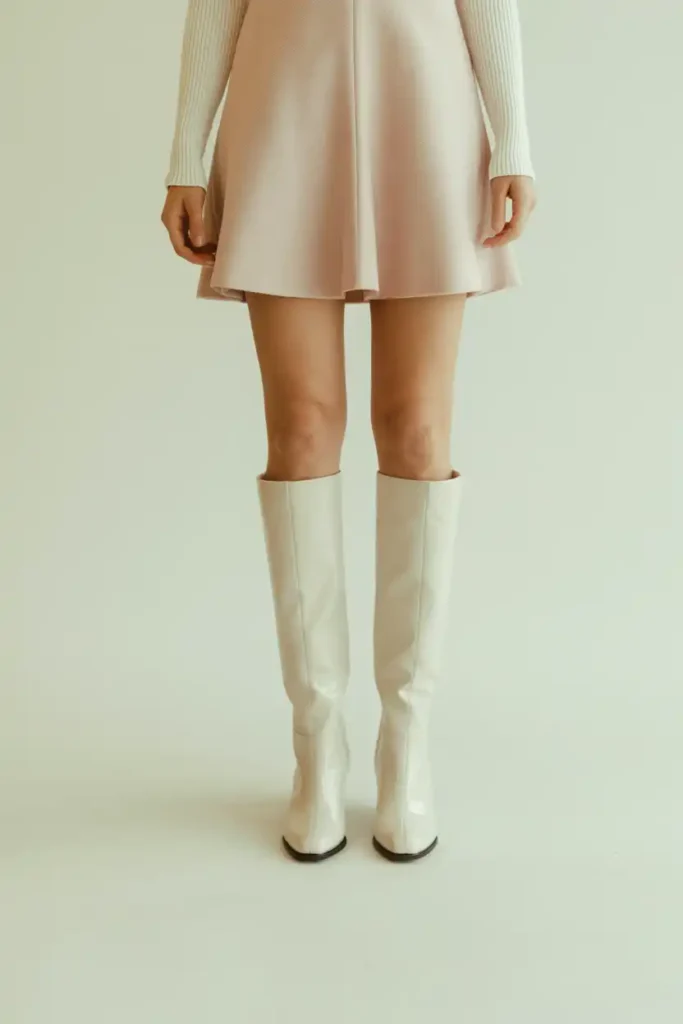
A dress with gogo boots looks fun in a photo and impractical in real life, at least at first glance. You can wear them well beyond a party if you tone down everything else. Pair the boots with a knee-length skirt and a plain turtleneck so the footwear stays the star.
Color matters here. White and cream boots read playful, while tan or black versions read like everyday wear. If you want daily use, buy the neutral pair. Keep the hemline at or just above the knee so the boot has room to show. Wear them with tights in colder months and bare legs when it warms up. Try them with one simple outfit first and see how often you reach for them.
8. Turn a Theme Dress Into Real Clothes
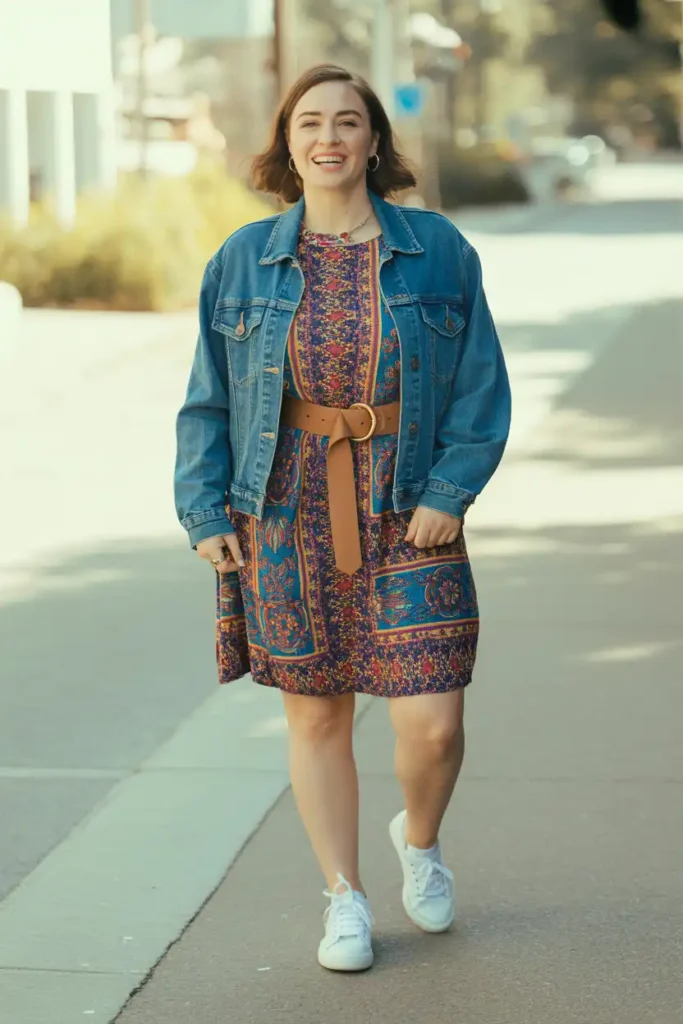
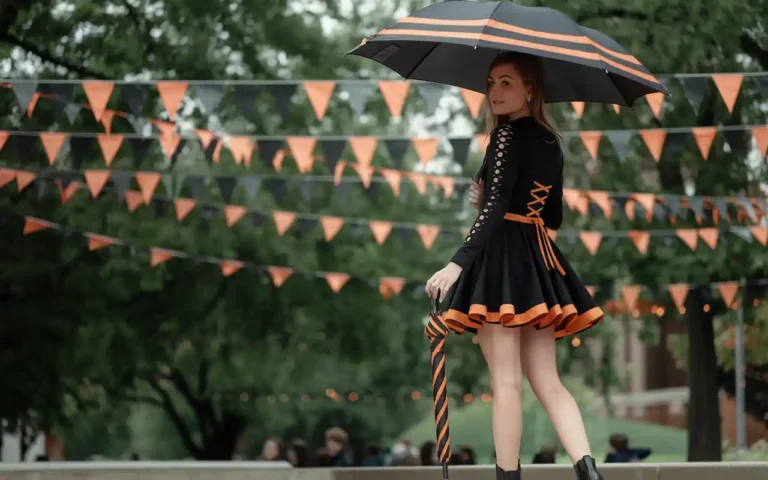
That dress you bought for a party does not need to sit in the closet. A theme dress becomes everyday clothing the moment you dress it down. Throw a denim jacket over the top, add a plain belt, and swap heels for flat sandals or clean sneakers.
The goal is to soften the drama. Anything that screams a single occasion can be pulled back with modern basics you already own. A structured jacket cuts the sweetness of a floral. A neutral shoe grounds a loud print. Belt it to break up the shape if the dress runs long or straight. Take one bold dress you never wear and restyle it with basics tomorrow.
9. The Denim Trick Nobody Mentions
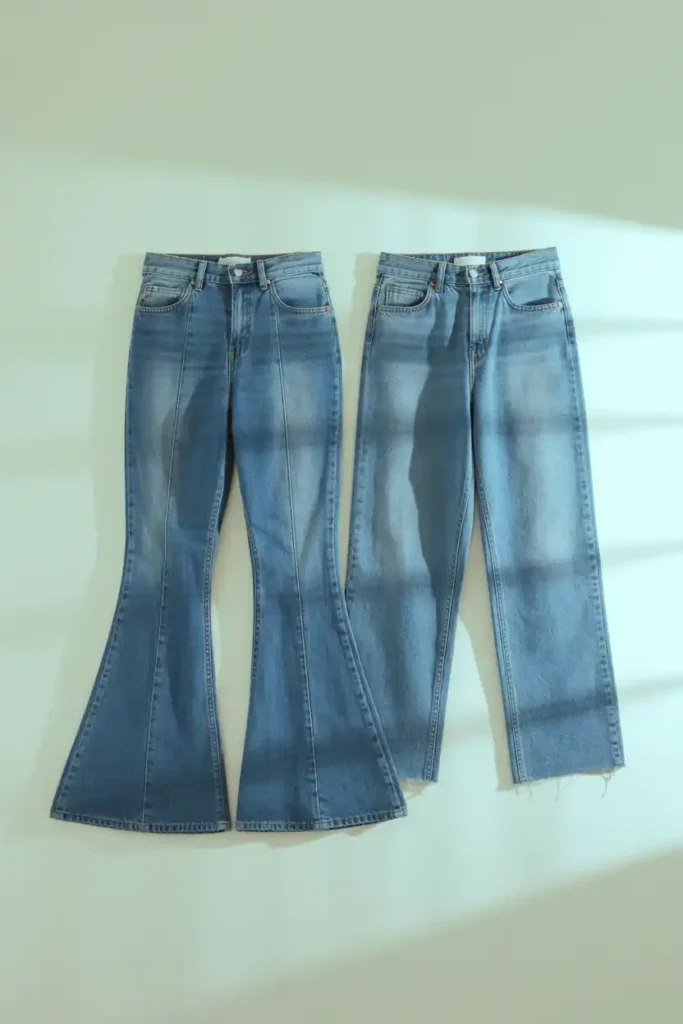
Denim carries this era better than almost any fabric, but the wash and cut decide everything. Mid-wash blue with a high rise reads authentic. Dark rinse and low rise do not. The right jean saves you from buying loads of vintage.
Look for these details when you shop:
- High waist that sits at or above the belly button.
- A flare or wide straight leg, not skinny.
- A soft mid-blue wash, not stiff dark denim.
- Minimal stretch so the shape holds.
One good pair of flares becomes the backbone of ten outfits. Spend your money here before anywhere else. Try a pair on and sit down in them before you buy, since the rise shifts when you move.
10. Suede and Corduroy Beat Any Logo
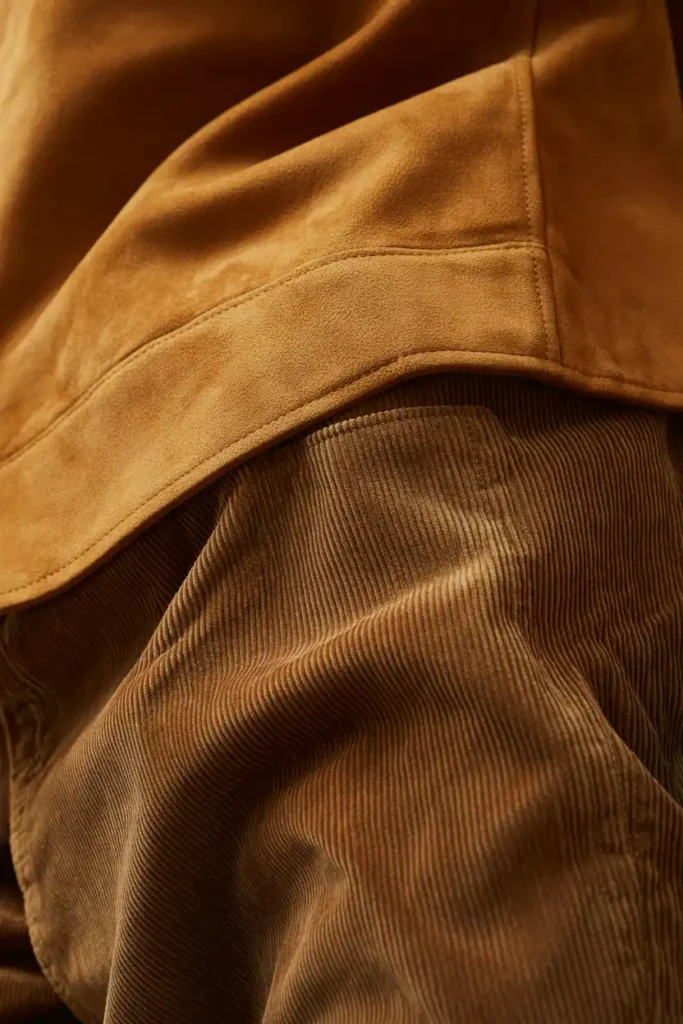
Texture sells the decade more than any print. Suede, corduroy, and knit carry a warmth that flat cotton cannot match. Reach for these fabrics and even a plain outfit reads rich and period-correct.
You do not need a full suede coat to get there. A corduroy trouser, a suede vest, or a chunky knit adds the tactile feel that photographs beautifully. Mix two textures in one outfit and stop there, since three can tip into heavy. Camel suede and rust corduroy make an easy first pairing. Add one textured piece to an outfit you already like and notice the difference.
11. Disco Style Without the Sequin Overload
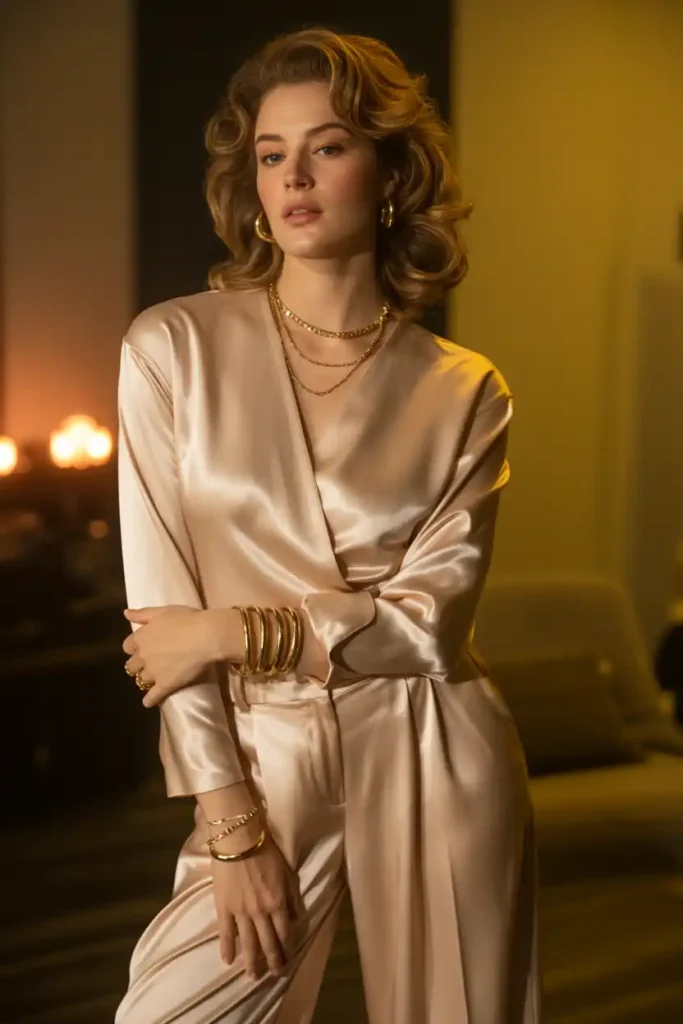
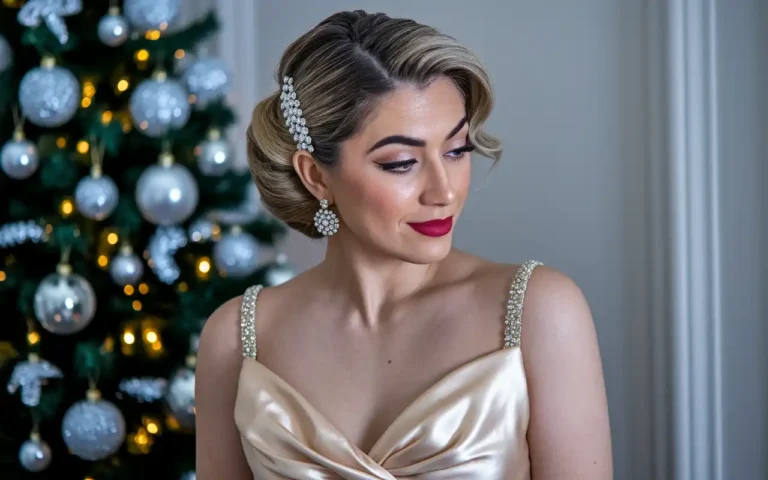
Disco does not require head-to-toe shine. One glossy piece captures the mood while the rest stays grounded. A satin wrap top or a metallic clutch gives you that Disco Era Portrait glow without turning you into a disco ball.
Balance shine with matte. Pair a satin blouse with plain wide trousers, or a metallic skirt with a simple knit. Keep the jewelry warm and gold, and stop at two pieces. A single statement item photographs far better than a full sparkle outfit. Choose your one shiny piece and build a calm outfit around it for your next evening out.
12. Belt It at the Right Spot
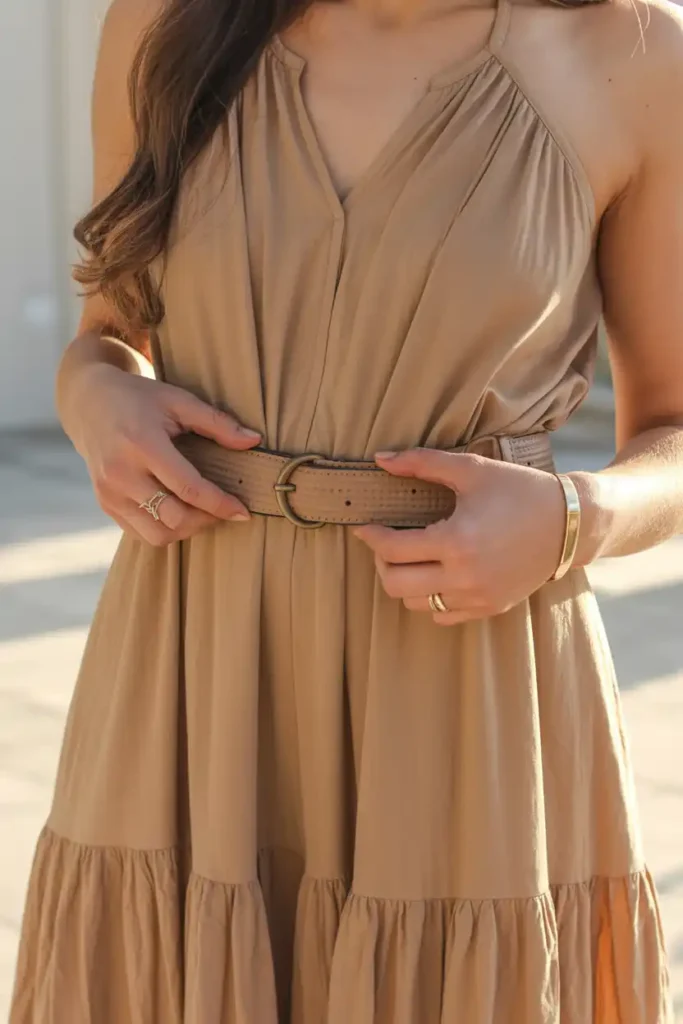
A belt fixes more outfit problems than almost any accessory. Loose maxi dresses and boxy blouses come alive the moment you cinch them. The catch is placement. Belt at your natural waist, the narrowest point, not at your hips.
A wide belt suits this era and gives you more shape than a thin one. Tan, brown, and cognac leather all work with warm palettes. Use a belt to break up a long column of fabric or to define a shift dress that hangs straight. Try belting one loose dress you rarely wear and watch it become a favorite.
13. Steal the Layering From 60s Street Style
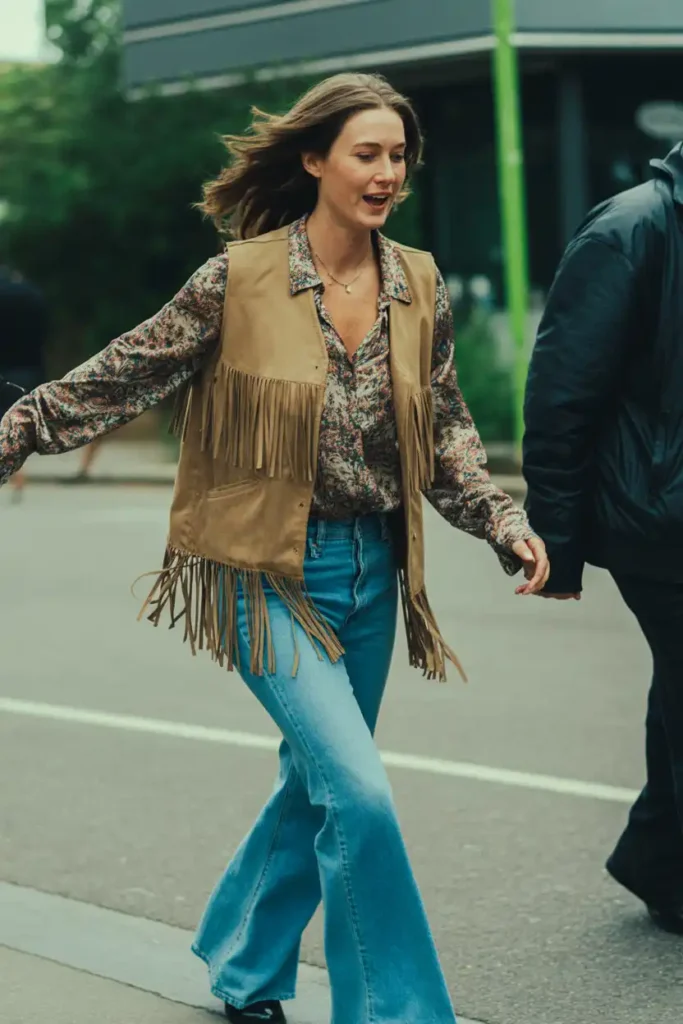
The relaxed layering of hippies from the 60s street styles carried straight into the next decade, and it still works today. The idea is soft, unstructured layers that look thrown together rather than planned. A vest over a blouse over jeans reads easy and lived-in.
Keep the layers thin so you do not add bulk. A knit vest, an open blouse, and a flared jean stack cleanly. Fringe, suede, and small prints all fit the mood. Let one layer hang open for that undone feel. Try a three-layer combo where every piece is lightweight and see how natural it looks in motion.
14. Retro Office Style You Can Wear to Work
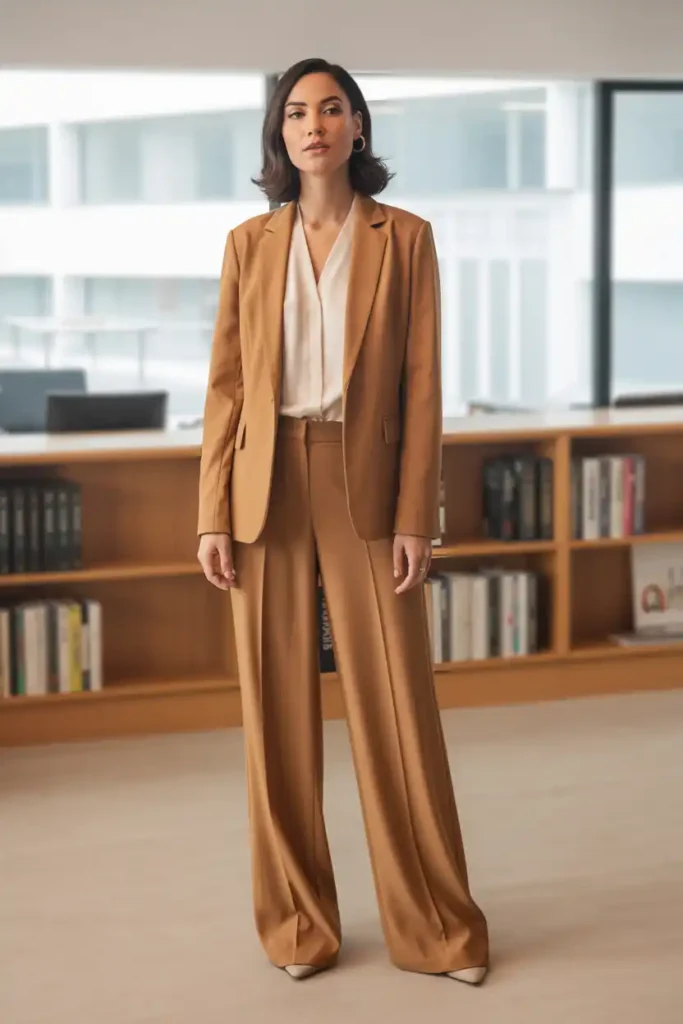
You can bring this era into the office without breaking any dress code. The key is tailoring. Swap loud prints for solid earth tones and let the cut do the vintage work. A structured blazer with wide trousers reads as smart 70s business attire while staying office-appropriate.
The line between casual attire and business attire here comes down to structure and color. For work, choose:
- Solid tones over busy prints.
- A tailored blazer over a loose cardigan.
- A pressed trouser over a soft jean.
Keep accessories minimal and shoes closed. A camel blazer over a cream blouse gives you the era in a form your boss will not blink at. Build one polished work outfit around a single tailored piece and rotate it in this week.
15. What Italian 70s Fashion Teaches About Fit
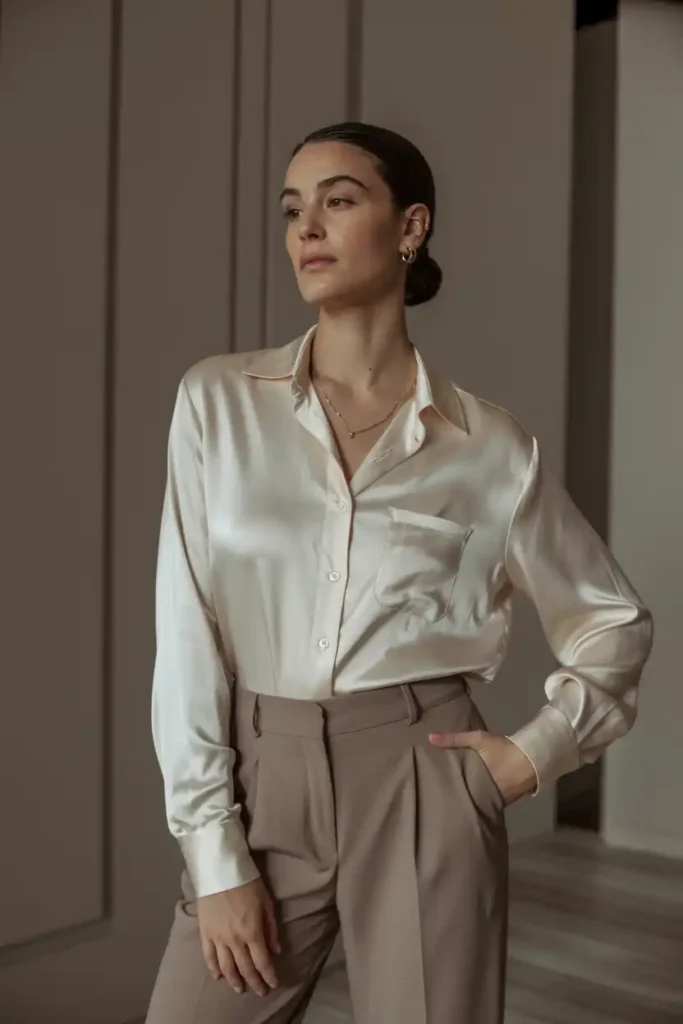
Italian 70s fashion built its reputation on fit and fabric rather than flash. The lesson holds up. Tailoring beats trend every time, and a well-fitted piece in a good fabric outshines a closet full of cheap novelty items.
Focus your money on cut. A silk shirt that sits right on the shoulders, a trouser that skims your hip without pulling, a jacket with a clean lapel. These read expensive even when they are not. Choose quality over quantity and let the fit speak. Take one piece you own to a tailor and see how much a small adjustment changes it.
16. The Collar Detail That Reads Vintage Instantly
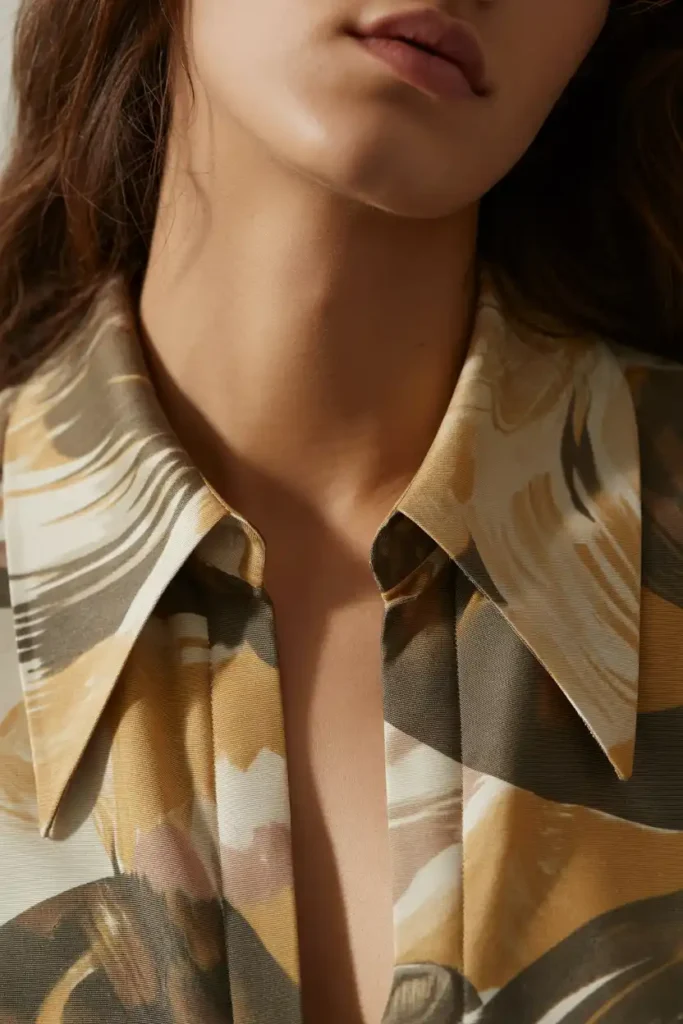
Small details signal the decade faster than a full outfit. The wide, pointed collar is one of them. A single blouse with a dramatic collar tells everyone the era you are after, no explanation needed.
Wear the collar open and let it sit outside a jacket or vest for the full effect. Pair it with a simple bottom so the neckline stays the focus. Skip anything that fights it, like a busy scarf or a high necklace. One collared blouse gives you an instant vintage signal you can layer under anything. Add one to your next thrift trip and build outfits around the neckline.
17. Mix Modern Basics With Your Vintage Finds
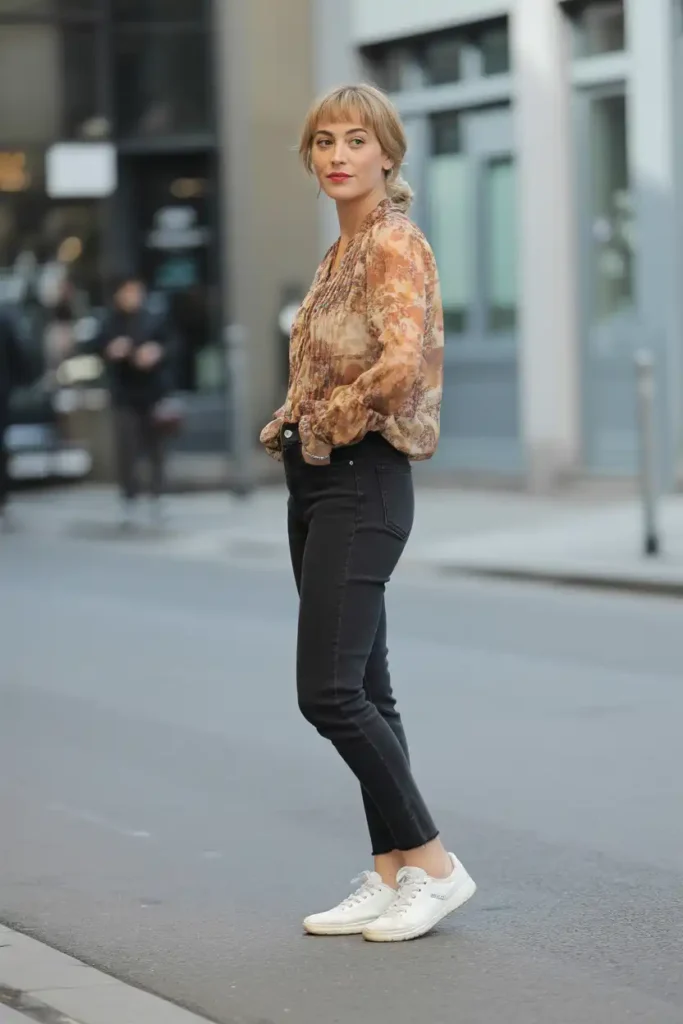
You do not have to dress in one era from head to toe. The most wearable version of this style mixes old and new. Pair a vintage blouse with modern jeans, or a retro skirt with clean sneakers, and the result looks current rather than dated.
One vintage piece per outfit is often enough. This keeps you from looking like a reenactment and makes the special item stand out. Let the old piece lead and keep everything else plain and modern. A printed 70s blouse with black jeans and white sneakers is a look you can wear on a Tuesday. Try the one-vintage-piece rule tomorrow and see how easy it feels.
18. Costume Ideas for Women That Skip the Cheap Look
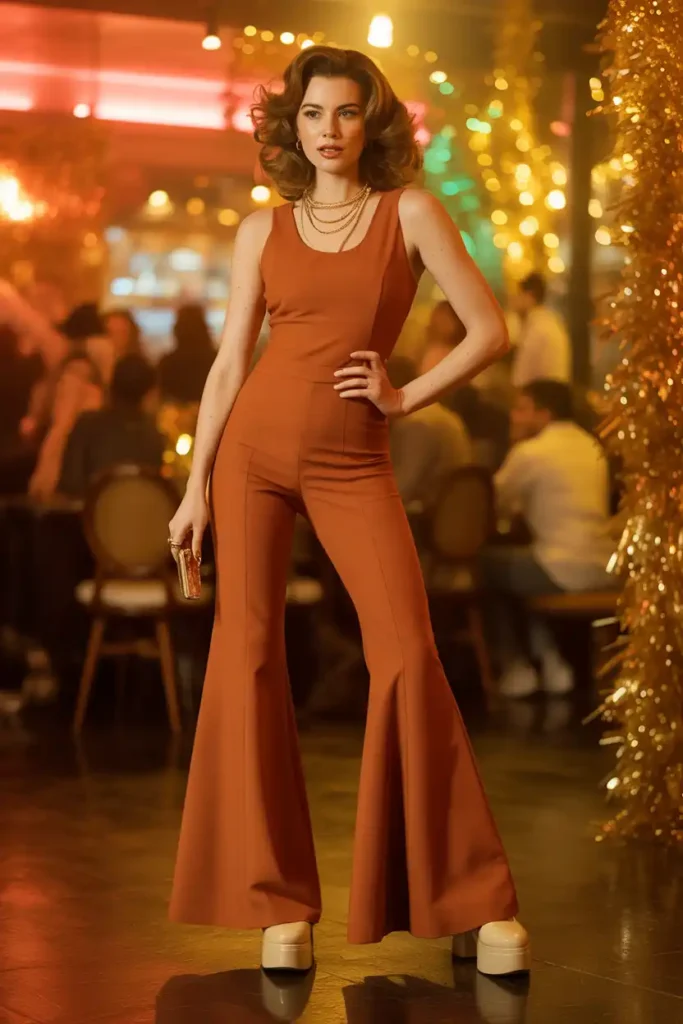
Themed events tempt you into buying flimsy costume-shop outfits that fall apart after one night. Skip them. The best costume ideas for women use real clothing you can wear again. A flare jumpsuit, platform shoes, and a headscarf beat any packaged costume.
Shop your own closet and a thrift store instead of a party aisle. Real fabric photographs better and fits better. Look for a bold flare, a wrap top, or a jumpsuit in a warm tone, then add a wide belt and gold jewelry. You get the theme and a wearable outfit in one. Plan your next themed look from real pieces and keep them for everyday rotation.
19. Groovy Party Outfit Without a Wig
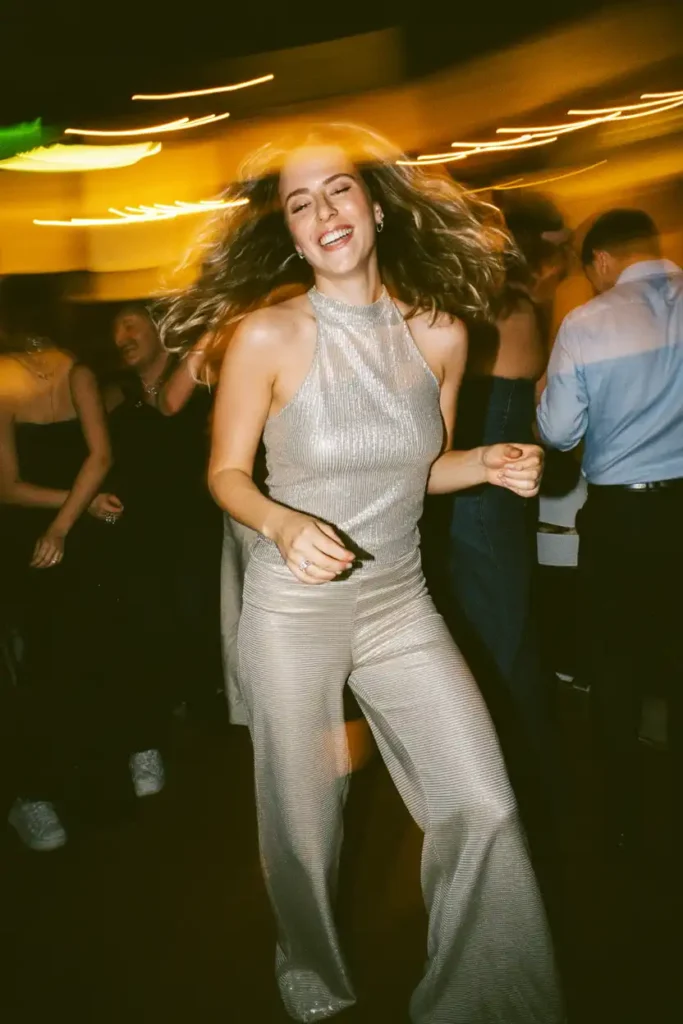
You can dress for a groovy party without a plastic wig and glued-on sideburns. Real styling beats gimmicks. A metallic top, flared trousers, and your own hair worn loose reads far better than a full costume kit.
Keep the outfit built from clothes, not props. One shiny piece, one flare, and natural hair with a center part gives you the whole vibe. Add platform shoes and gold hoops to finish. You will look styled rather than costumed, and you can wear every piece again. Pull together a party outfit from real clothing before you buy anything disposable.
20. Footwear That Grounds a Loud Outfit
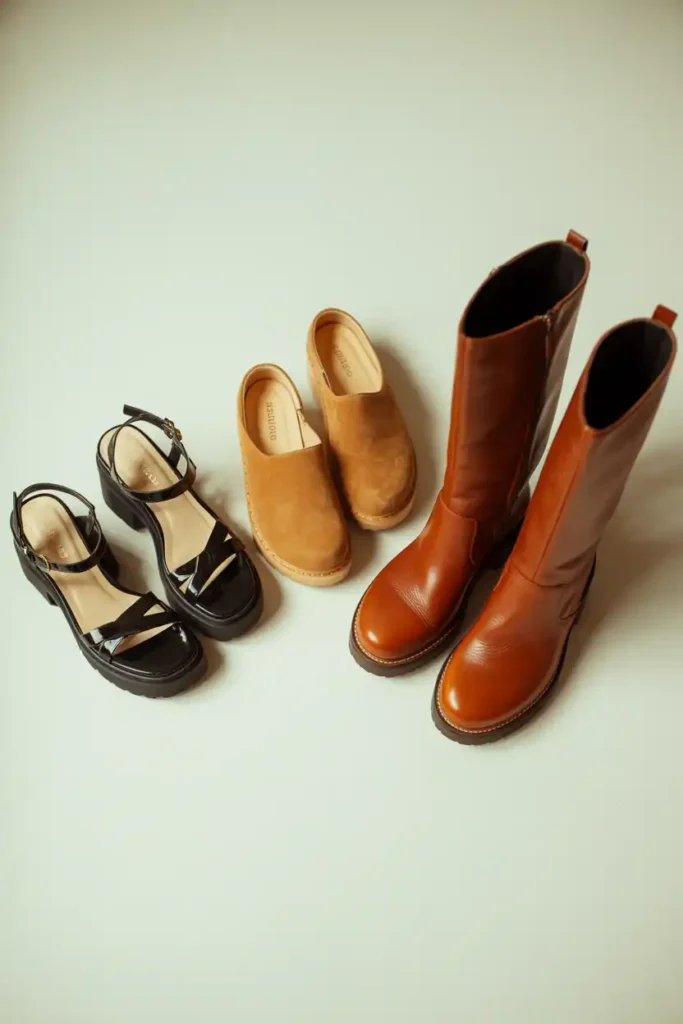
The wrong shoe can undo a great outfit. Footwear grounds the whole look, so choose it with the same care as the clothes. Platforms, clogs, and knee boots all suit the era and each changes the outfit’s mood.
Match the shoe to the occasion:
- Platforms for parties and evenings.
- Clogs for casual daytime wear.
- Knee boots for cooler weather and skirts.
Keep the color in the warm family, tan or brown, so the shoe blends rather than fights. A neutral platform works with almost everything you own. Pick one versatile pair and let it anchor your outfits before you invest in specialty styles.
21. The Accessory Edit: Use Less Than You Think
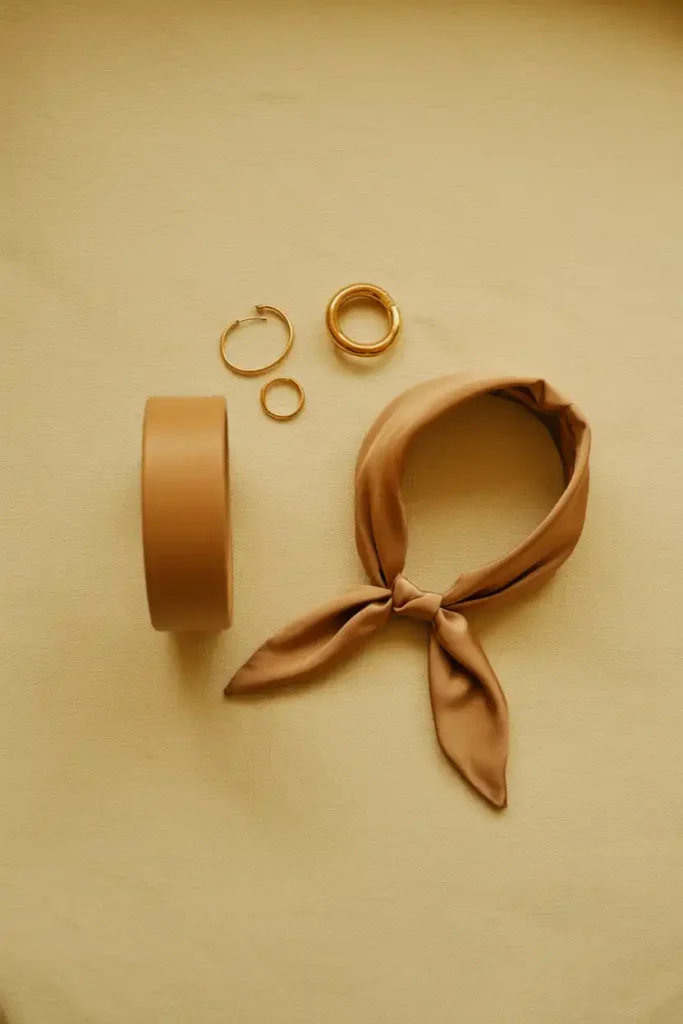
Over-accessorizing is the fastest way to look costumed. The fix is restraint. A few well-chosen pieces read stronger than a pile of trinkets. Gold hoops, a wide belt, and one scarf carry the era on their own.
Choose warm metals and natural materials. Gold, tortoiseshell, and leather all fit the palette. Pick two accessories per outfit and stop. If you add a bold headscarf, skip the statement necklace. Let one piece lead and keep the rest quiet. Edit your accessory drawer down to a handful of go-to pieces and reach for those.
22. Thrift Smart Instead of Buying New
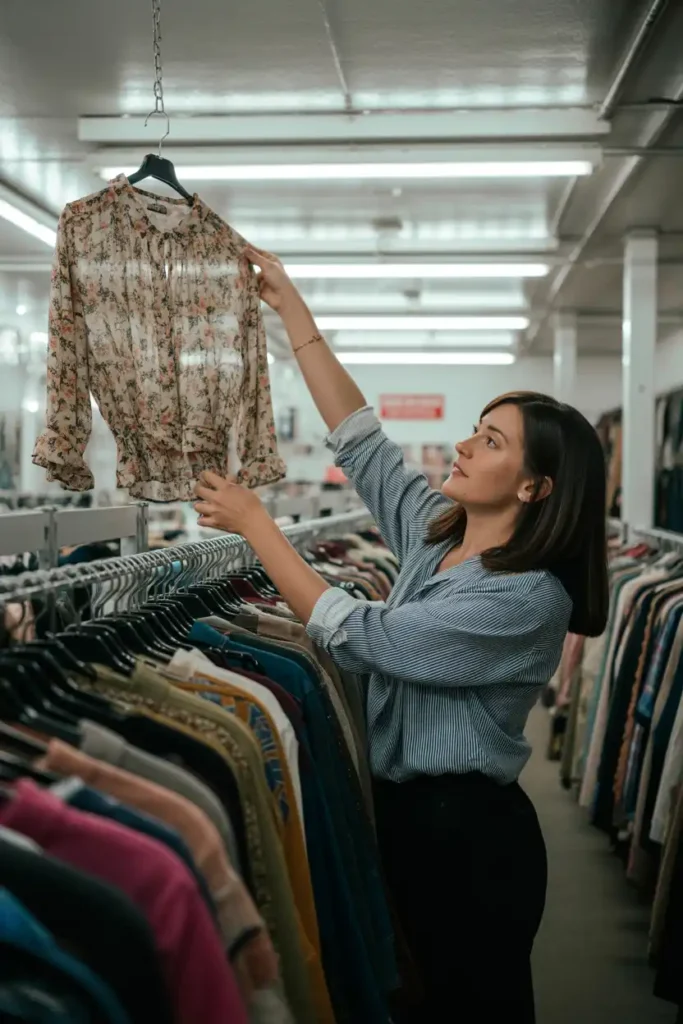
You can build this entire wardrobe secondhand and spend very little. Thrifting is the honest way to get real vintage fabric and cut. New stores sell copies, but a thrift rack holds the actual pieces, often for a few dollars.
Shop with a short list so you do not drown in options. Look for warm colors, natural fabrics, and high-waisted cuts. Check seams, zippers, and armpits before you buy, since old garments hide wear. Try things on rather than trusting the tag size, because vintage sizing runs small. Set a small budget and a color goal before your next thrift trip and stick to both.
23. Build a Capsule Around 70s Fashion
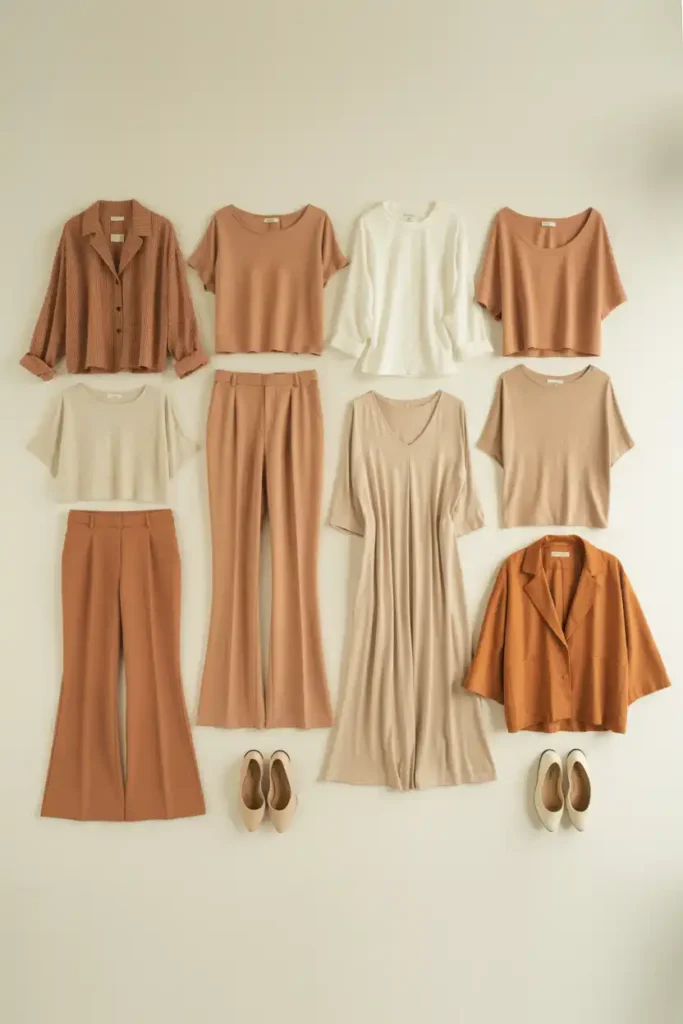
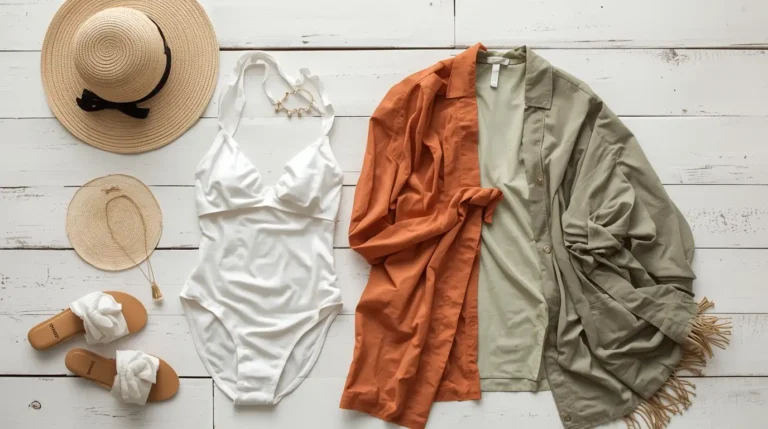
You do not need a huge closet to wear this style daily. A small capsule does the job. Choose around ten coordinated pieces in warm tones and you can mix them into weeks of outfits without repeating a full look. This is where 70s fashion becomes practical rather than occasional.
Start with the anchors: one great flare, one retro dress, a tailored jacket, and two versatile shoes. Add a few tops that all share your color palette. Every piece should work with at least three others, so shop for combinations rather than single standout items. Lay your capsule out on the bed and count the outfits before you add anything new.
Conclusion:
The whole point of 70s fashion is that you can wear it now, not just at a party. Pick a few tricks from this list and test them with clothes you already own. Start with one flare, one warm palette, and the right tuck, then grow from there. You do not need to buy much or dress head-to-toe in one era. One strong vintage piece with modern basics gets you most of the way. Try one idea this week, see how it feels, and build slowly. Your best looks come from small, honest changes you actually enjoy wearing.