70s Dress Trends Making a Comeback This Year
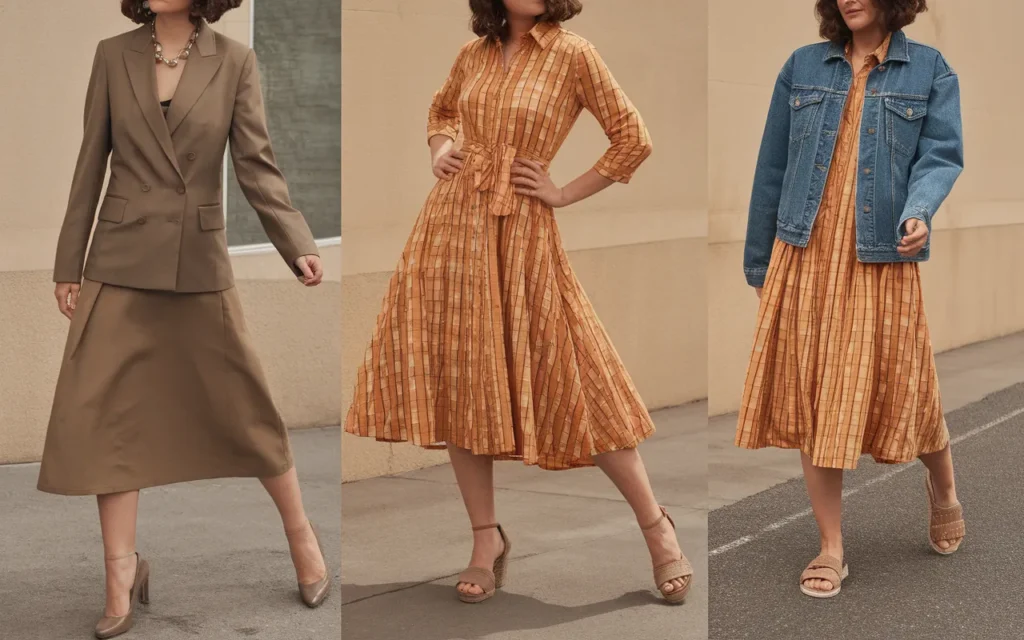
You’ve probably scrolled past a 70s dress trend post this month, and it keeps showing up. Flowing silhouettes, bold prints, and warm color palettes are working their way back into everyday closets, not just costume racks. If you’ve wondered whether a 70s dress fits into your current wardrobe, the answer is yes, and it’s easier than you think. This guide breaks down which cuts, prints, and fabrics are worth your money this year, plus how to style each one so it looks current, not costume. Ready to update your closet? Keep reading below.
Why 70s dresses are back in a big way
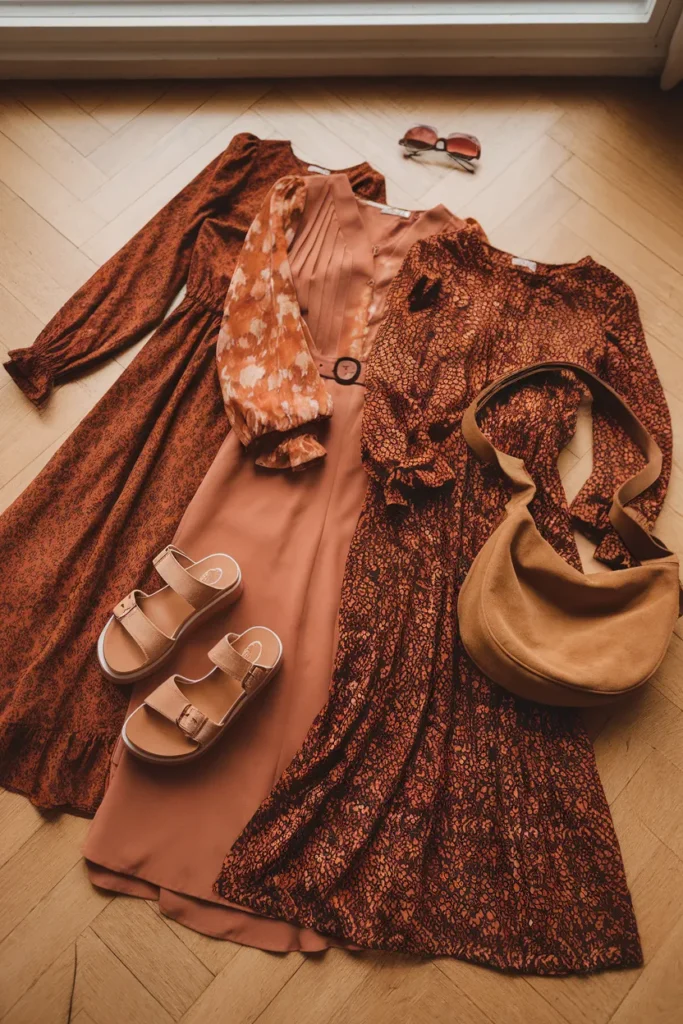
You’ve probably noticed 70s dresses showing up everywhere lately, from boutique windows to your friend’s closet. Comfort is a big part of it. After years of tight, restrictive fits, people want clothes that move with them, and the loose silhouettes and flowing fabrics from that decade do exactly that.
If you’re new to the trend, start with one piece instead of redoing your whole closet. Pick a print or cut you already like, then build around it with things you own. One good dress can anchor several outfits once you know how to style it.
The halter neck dress is the easiest trend to try
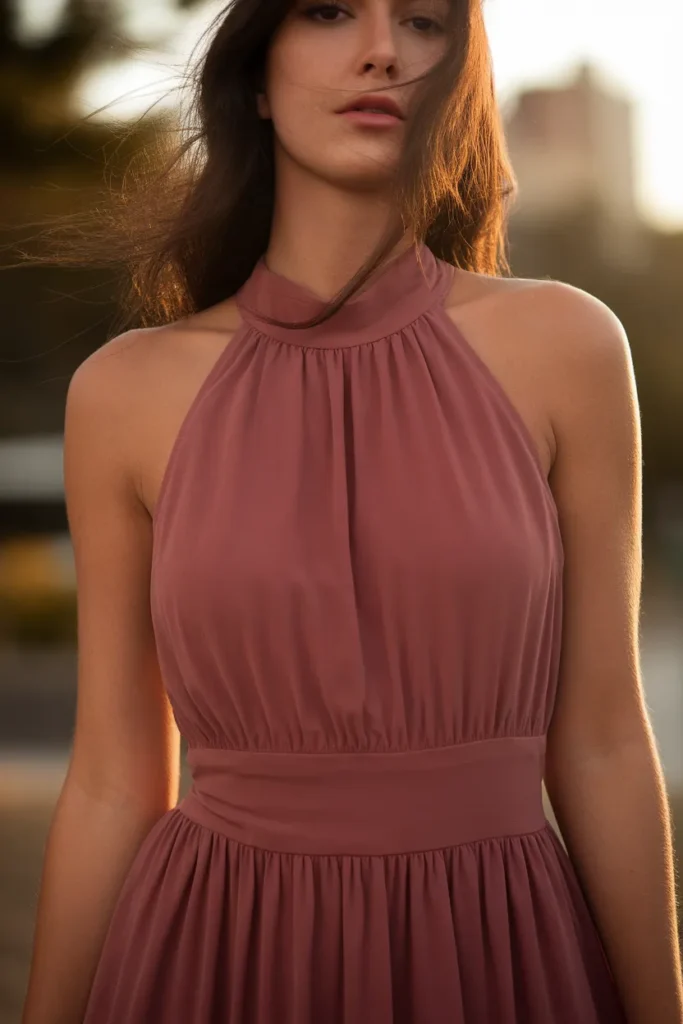
A halter neck dress looks intimidating if you’re not used to showing your shoulders and back, but it’s one of the simplest 70s pieces to wear well. The key is fit at the bust and waist. If those two points sit right, the rest of the dress does the work for you.
Worried about bare arms? Layer a cropped cardigan or a lightweight blazer over it for cooler days or office settings. A style halter dress in a solid color is the most versatile place to start before you try one with a print.
Printed dresses bring the retro mood into today’s closet
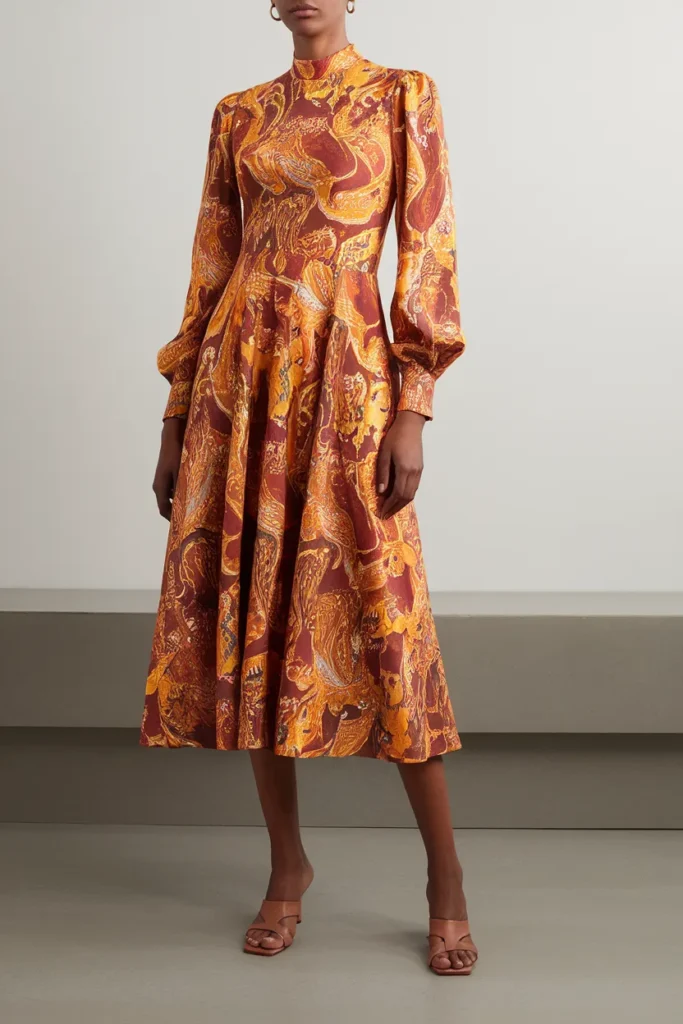
A printed dress does most of the styling work on its own, which makes it a smart pick if you’re short on time in the morning. The bold patterns from the 70s, think paisley, geometric shapes, and warm color combinations, still read as current when paired with simple, modern accessories.
If a full print feels like a lot, choose one with a smaller repeat pattern and darker background color. It reads more subtle in photos and in person, and it pairs easily with denim jackets or plain sandals without competing for attention.
Vintage print fall dresses are having a moment
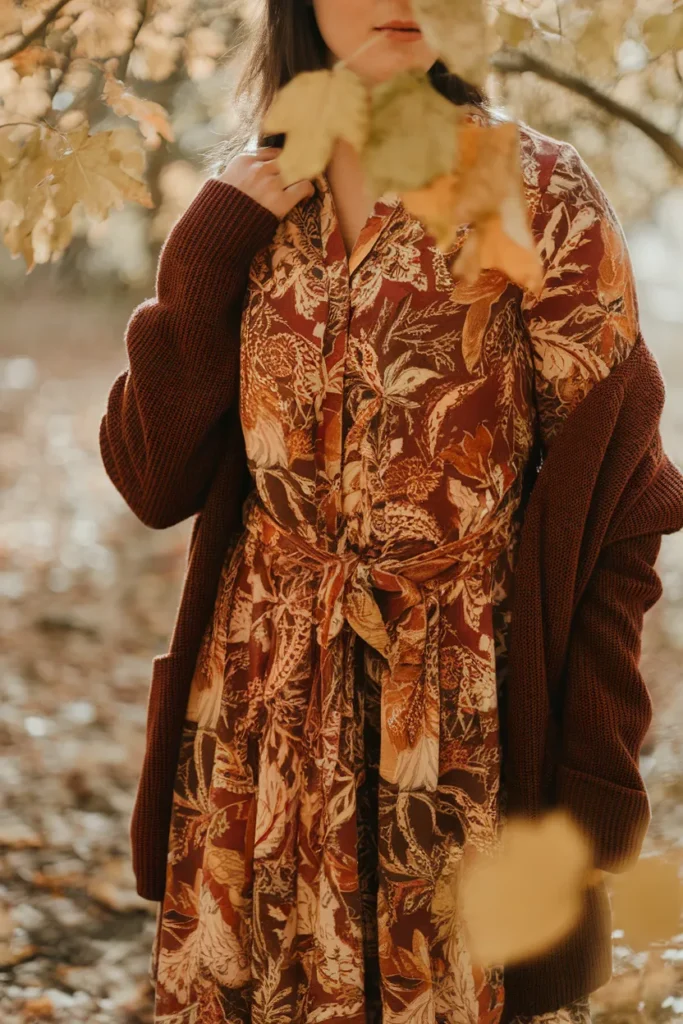
Fall is when vintage prints really earn their place in your closet. A vintage print fall dress in warm, earthy tones works with the season instead of against it, and you can wear it through several months with the right layers.
Pair it with ankle boots and a knit cardigan for daytime, or swap in tights and a leather jacket once the temperature drops further. This is a dress that rewards a small accessory change rather than needing a full new outfit each time you wear it.
Patchwork dresses add texture without trying too hard
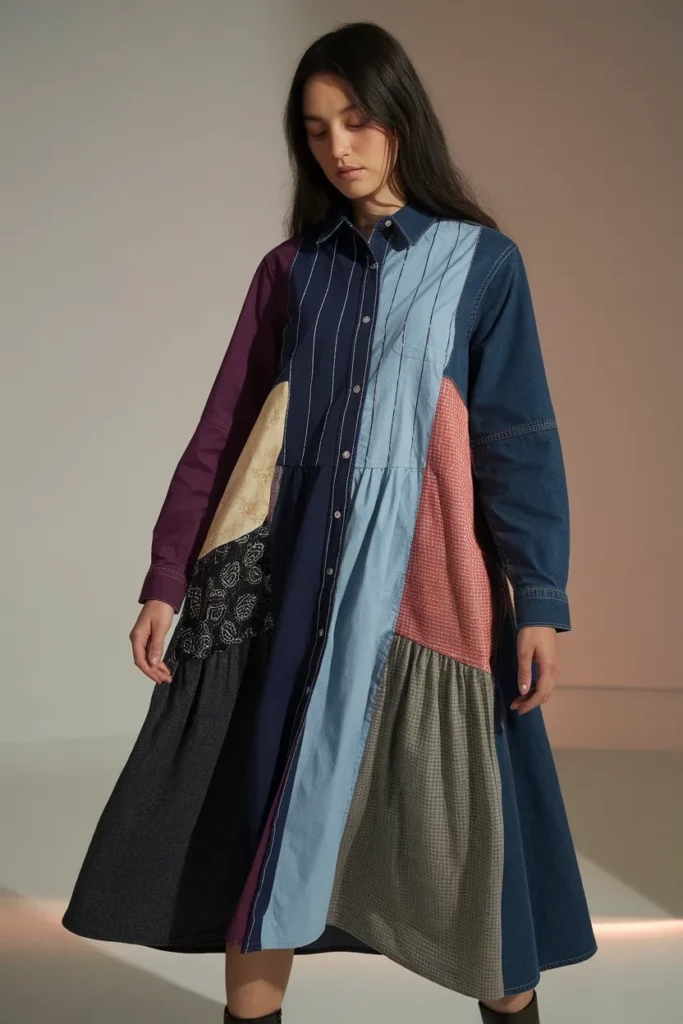
Patchwork dresses solve a problem a lot of people have with prints: choosing just one. A patchwork design mixes several fabrics and colors into a single piece, so you get variety without needing to coordinate anything else.
Keep the rest of your outfit simple when you wear one. A solid color bag and plain shoes let the dress carry the look. This is a strong option if you want to stand out without adding extra pieces to plan around.
Angel sleeves are the detail everyone is copying
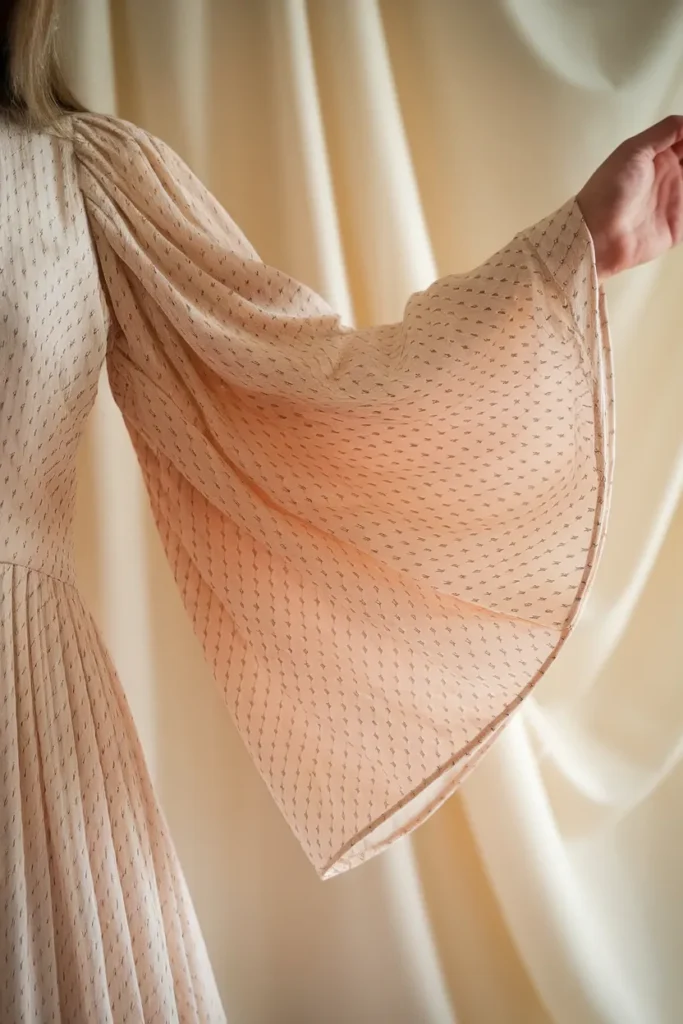
Angel sleeves are the small detail making a big difference in how a dress feels to wear. They’re loose through the arm and often flare at the wrist, which gives movement without adding bulk anywhere else on the body.
If you carry weight in your arms and usually avoid sleeveless styles, this cut is worth trying. It covers without clinging. Look for angel sleeves in lightweight cotton or chiffon so the fabric drapes instead of standing stiff.
Vintage boho dresses work for almost any day
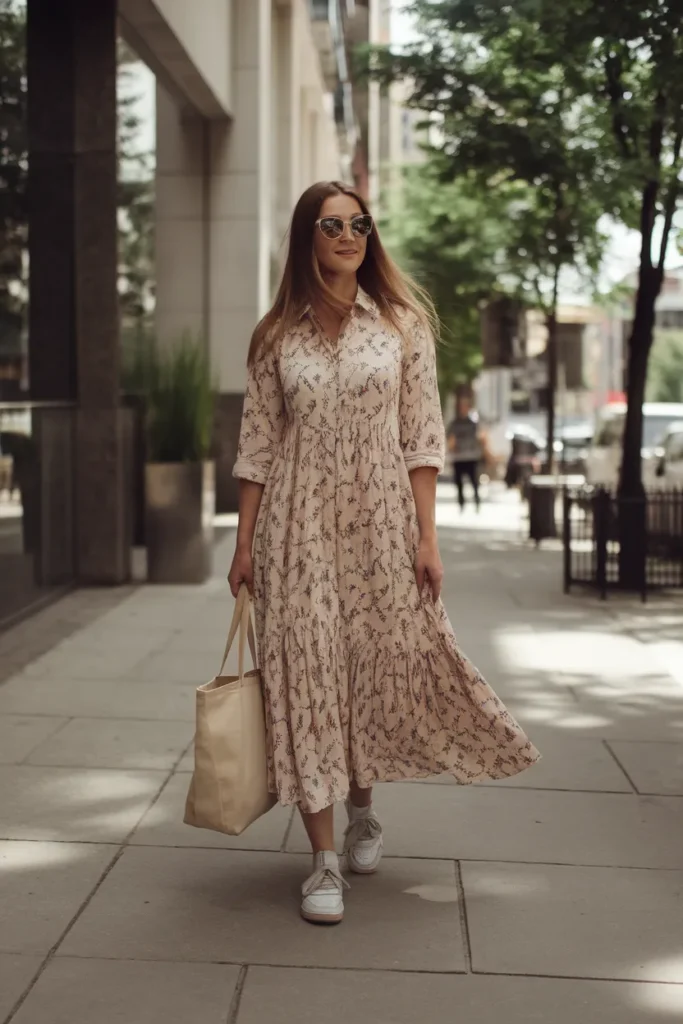
A vintage boho dress earns its place in your closet because it works for more situations than you’d expect. Swap sandals for sneakers and it goes to brunch. Add a blazer and it works for a casual office day.
The trick is choosing one in a fabric with some structure, not something too sheer or thin. That way it holds its shape through a full day of wear. This is the dress to reach for when you don’t want to overthink an outfit.
Back to school outfits get a 70s update
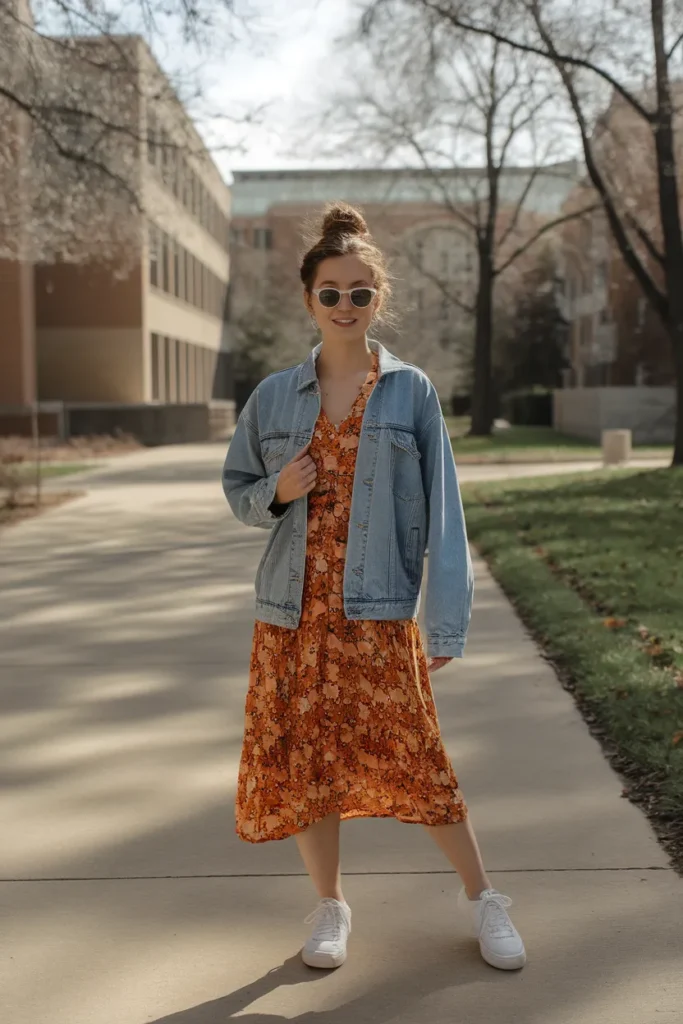
Back to school shopping doesn’t have to mean fast fashion basics. A shorter 70s dress in a simple print works just as well for class as jeans do, and it takes less thought to put together on a rushed morning.
Add sneakers instead of sandals to keep it practical for walking between classes. A denim jacket over the top handles the temperature swings you get from morning to afternoon. One dress, worn a few different ways, stretches further than you’d think.
Chiffon dresses move the way 70s fashion should
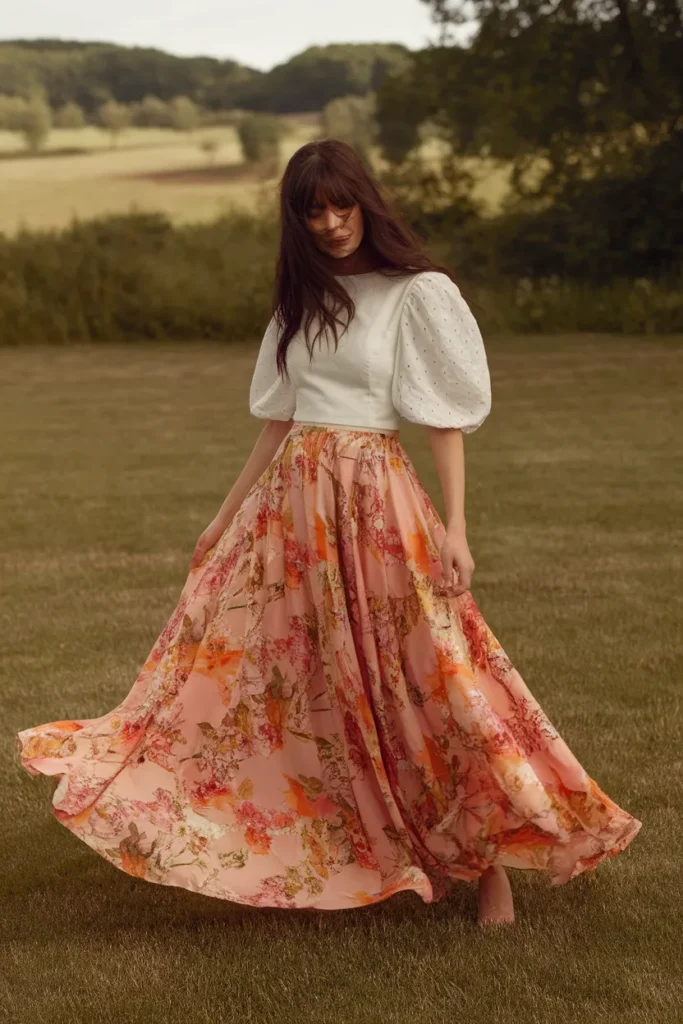
Chiffon is one of the fabrics that defines the 70s look, and there’s a reason for that. It moves with your body instead of fighting it, which is part of why the decade’s silhouettes still feel comfortable today.
The downside is that chiffon wrinkles and can feel thin in cooler weather. Layer a slip underneath for coverage and warmth, and hang the dress instead of folding it in a drawer. A steamer works better than an iron for keeping the fabric looking its best.
Bohemian maxi dresses are perfect for garden parties
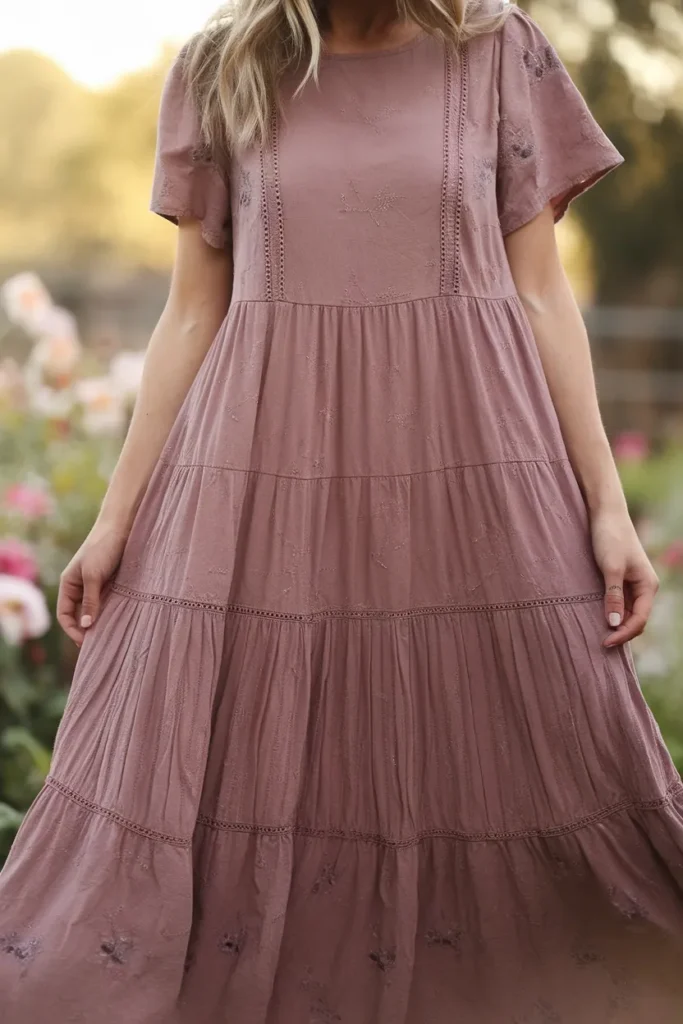
A bohemian maxi-length prairie dress for a garden party is one of those pieces that photographs beautifully and feels just as good to wear. The tiered skirt and relaxed waist mean you can eat, sit, and move without adjusting anything all day.
Choose one in a lightweight cotton if the event is outdoors in warm weather. Add a wide brim hat and flat sandals to keep the whole look practical instead of fussy. This is a dress built for standing around and talking, not standing still for photos.
Vintage long sleeve dresses solve your transitional weather problem
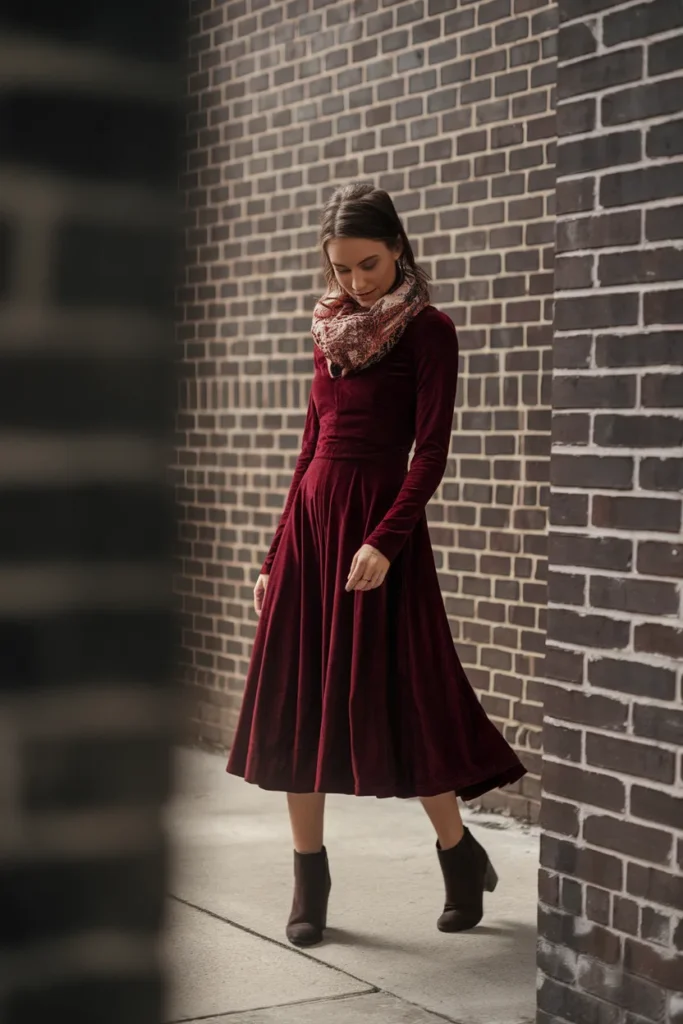
The hardest weeks to dress for are the ones between seasons, and a vintage long sleeve dress handles that better than most pieces in your closet. It gives you coverage without the bulk of a full sweater or coat.
Layer tights underneath once temperatures drop and go bare legged on warmer days, so one dress carries you through several weeks of shifting weather. Choose a mid weight fabric like cotton twill so it doesn’t feel too heavy or too thin depending on the day.
Lace maxi dresses bring softness to the trend
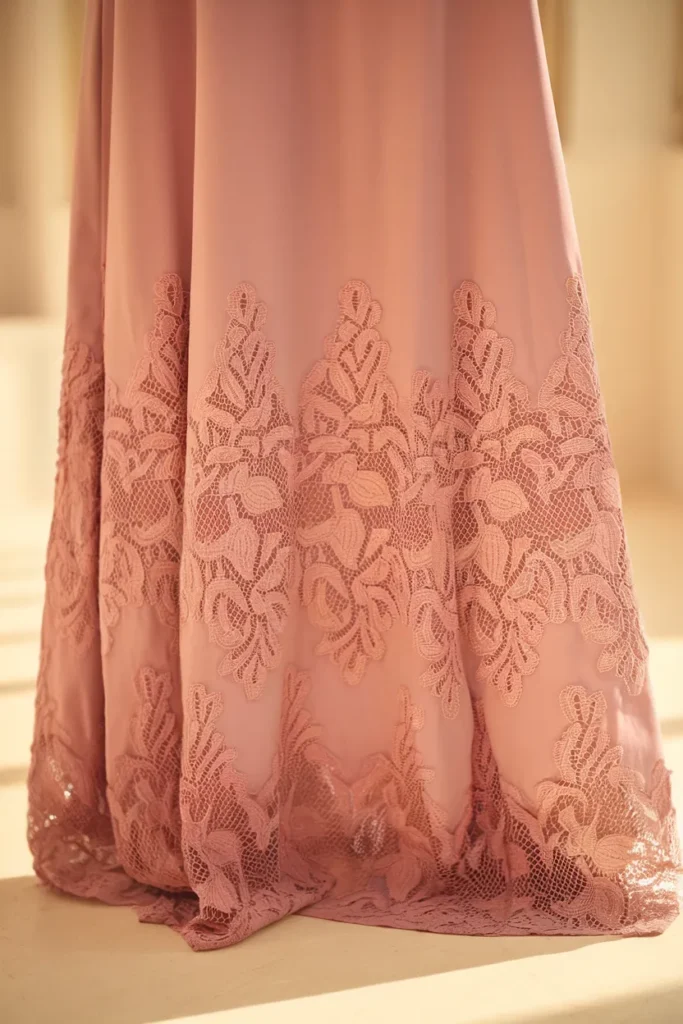
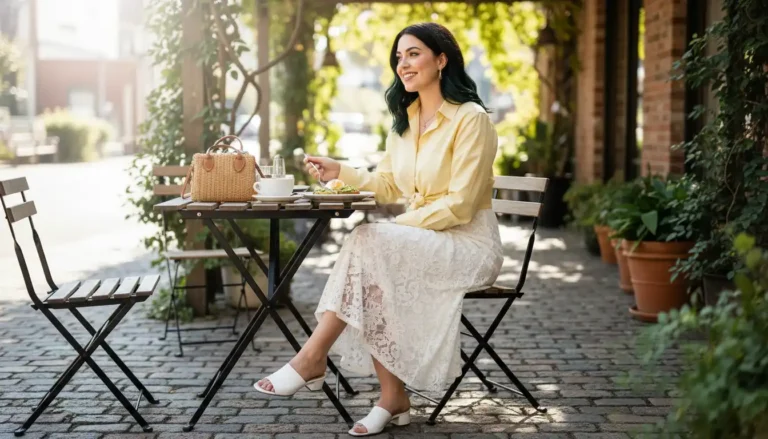
A lace maxi dress adds a softer edge to the 70s trend, without losing the vintage feel. The detail works best when it’s not the only thing going on in the dress, so look for lace panels or trim rather than lace covering the entire piece.
This style works well for evening events or dinners where you want to feel a little dressed up. Pair it with simple gold jewelry and let the lace be the statement. Avoid busy patterns underneath if the lace is sheer in any sections.
Couture vintage robes make loungewear feel special
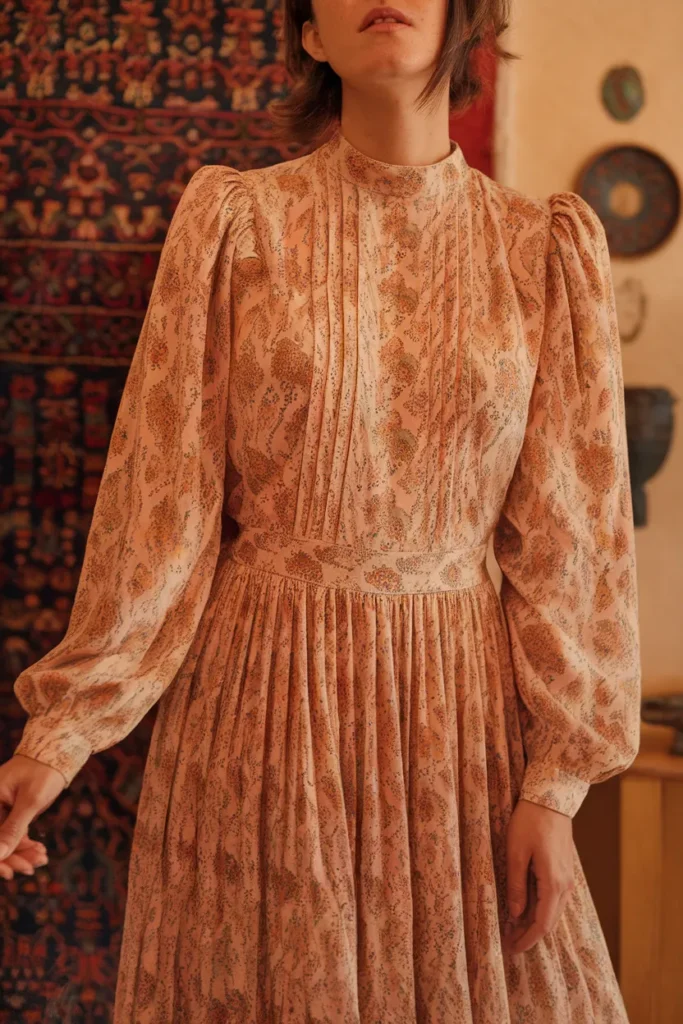
Loungewear doesn’t have to mean an old t-shirt. A couture vintage robe brings a sense of occasion to something as ordinary as your morning coffee, and the right print or fabric makes it feel worth wearing even when no one else sees it.
Look for one in silk or a silk blend if you want it to feel luxurious against the skin. Cotton versions work better for everyday wear and hold up to more frequent washing. Either way, this is a piece that makes staying home feel a little more intentional.
Vintage swimsuits bring retro shape back to the beach
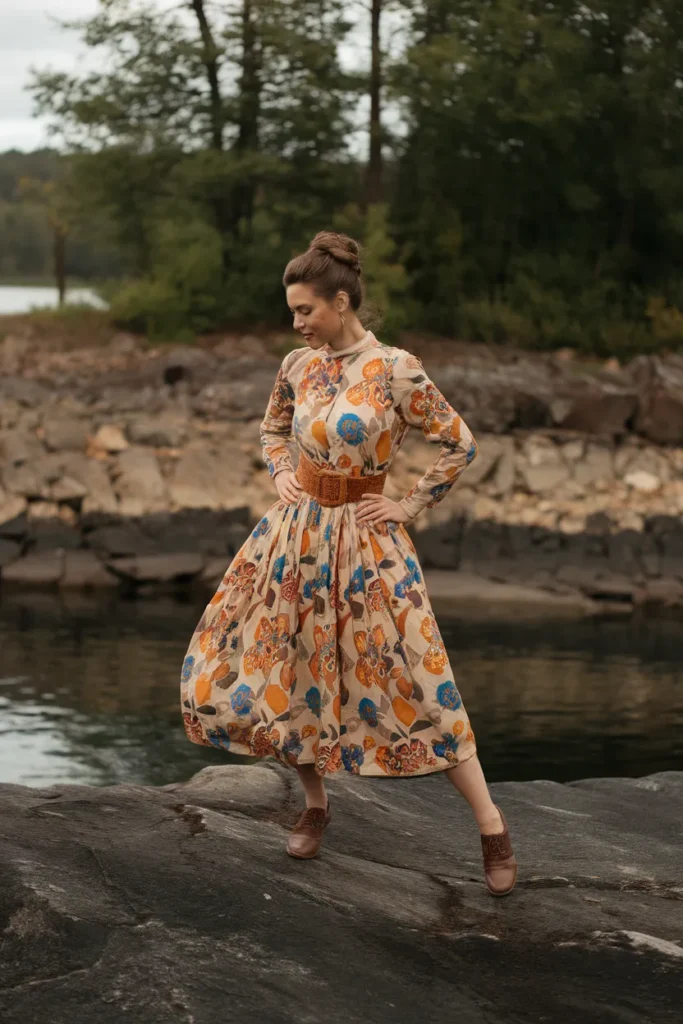
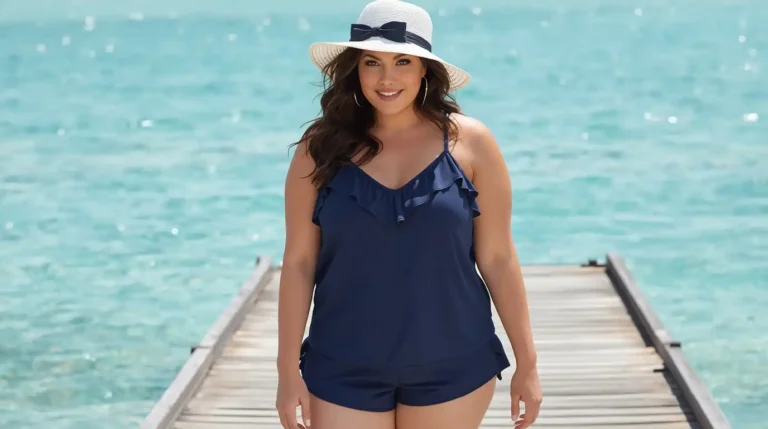
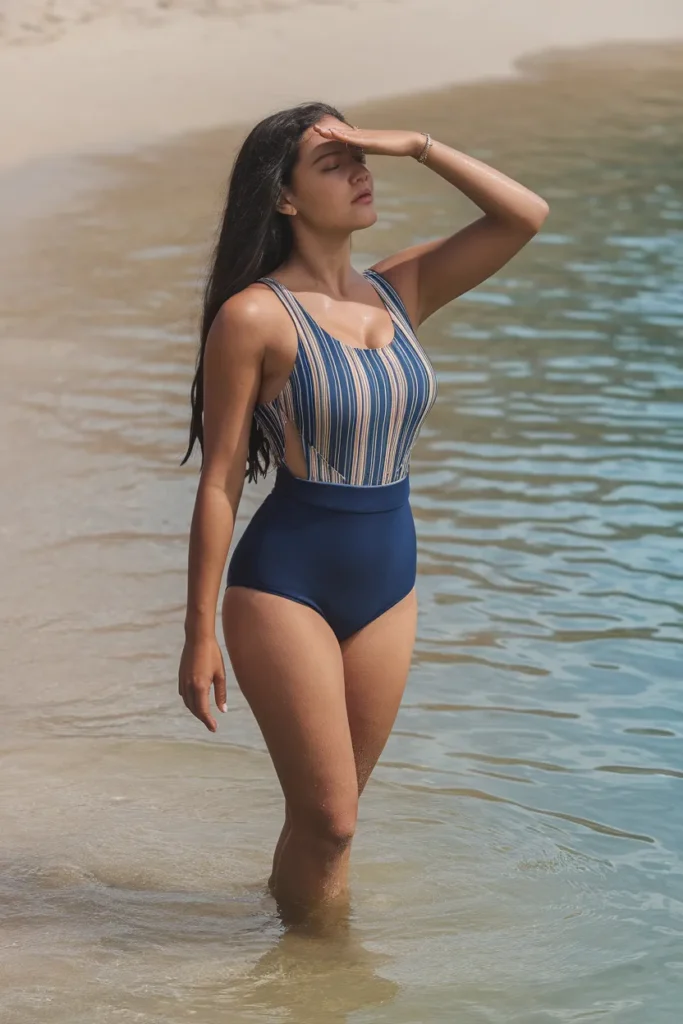
A vintage swimsuit offers more coverage through the torso and higher cut legs than a lot of modern styles, which is exactly why so many people are going back to it. It flatters a wider range of body types without sacrificing style.
If you’re self conscious about your midsection, a high waisted vintage swimsuit is worth trying before anything else. Look for one with built in structure at the bust so it holds its shape after repeated wear in salt water or chlorine.
Ruffle rompers add a playful twist to the trend
Not every 70s piece has to be a dress. A ruffle romper gives you the same retro feel with more ease of movement, which makes it a good pick for warm weather days when you’re on your feet a lot.
The ruffle detail at the shoulder or hem adds visual interest without needing extra accessories. Keep shoes simple, like flat sandals, so the outfit doesn’t feel overdone. This is a strong option for daytime events where comfort matters as much as style.
How to accessorize your 70s dress the right way
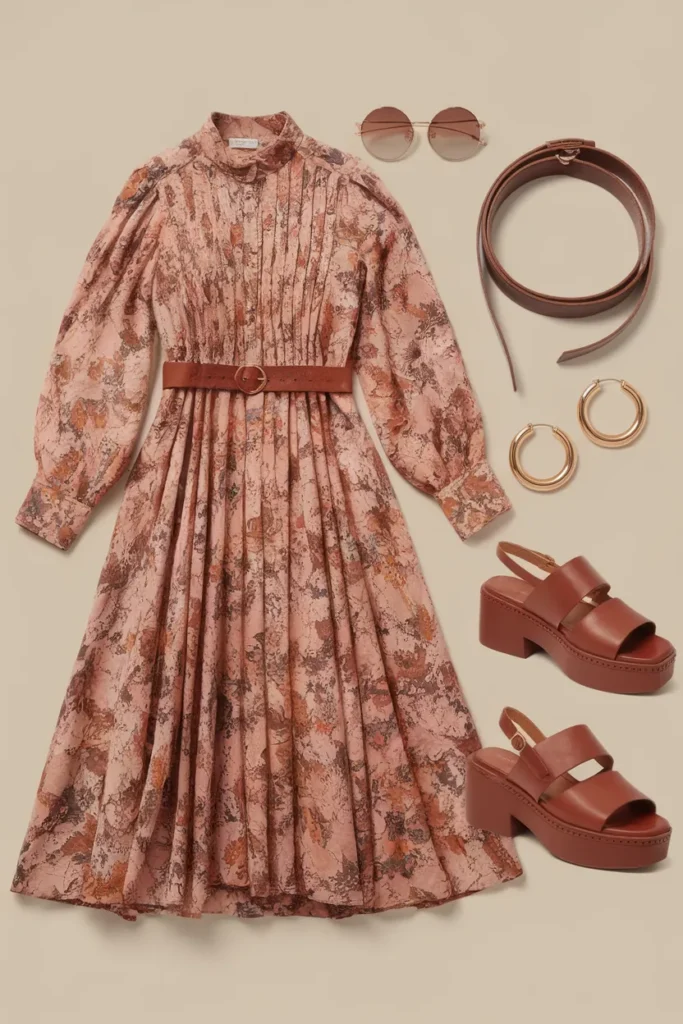
Overdoing accessories is the fastest way to make a good 70s dress feel like a costume instead of an outfit. The goal is one or two strong pieces, not five competing for attention at once.
A wide belt at the waist adds shape if the dress runs loose, and platform sandals or boots ground the look without overpowering it. Skip layering multiple necklaces if your dress already has a busy print. Let the dress lead, and choose accessories that support it instead of competing with it.
The fabrics that make 70s style look authentic
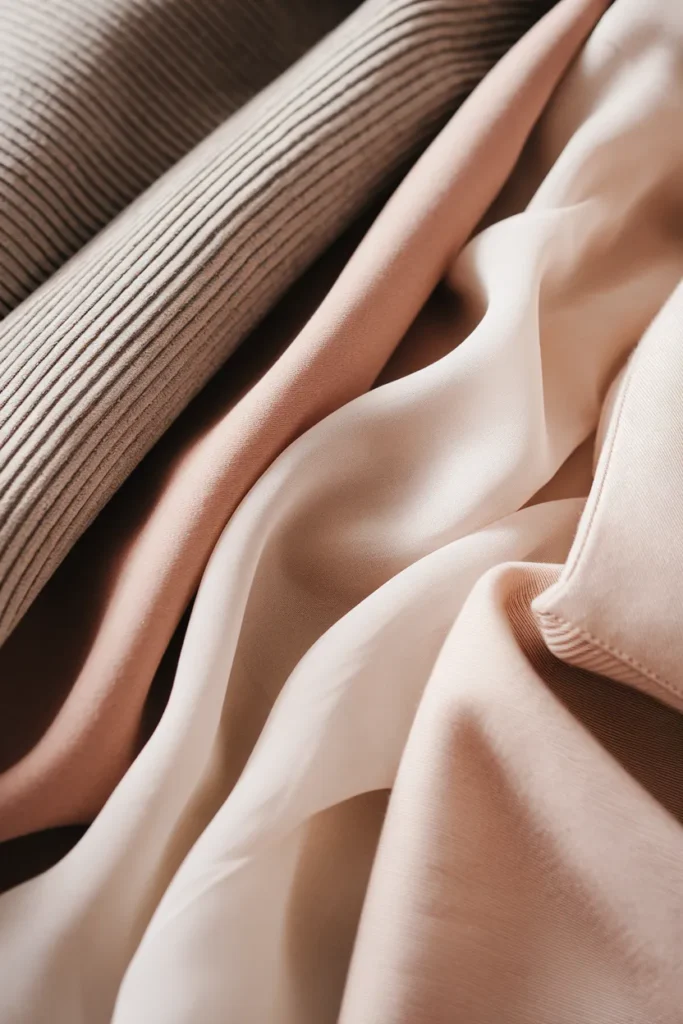
Fabric choice is what separates a dress that looks genuinely vintage from one that just borrows the silhouette. Corduroy, chiffon, and heavier cottons were common in the 70s, and they still hold up as good choices today.
Here’s what to look for when shopping:
- Corduroy for structured daywear pieces
- Chiffon for dresses meant to move and flow
- Cotton blends for everyday, easy care wear
- Polyester knits for budget friendly reproduction pieces
Check the fabric content on the tag before buying, especially online. A dress can have the right cut but feel completely wrong once it arrives if the fabric is too stiff or too thin for the style.
Where to actually find real 70s clothing dresses
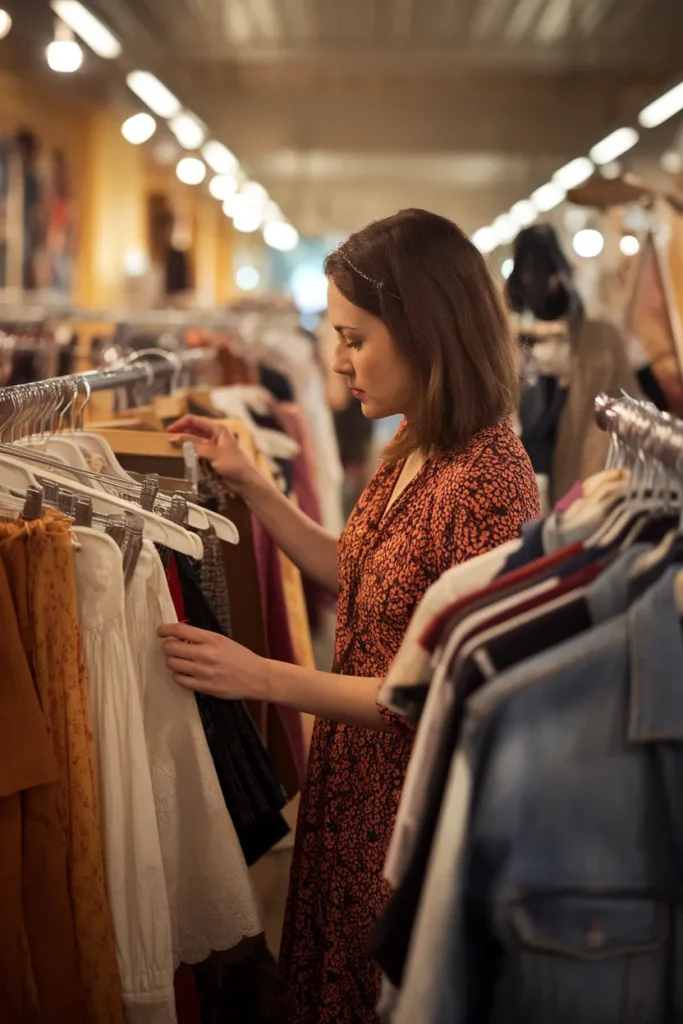
Finding real 70s clothing dresses takes more patience than shopping a regular retail store, but the payoff is a piece you won’t see on anyone else. Thrift stores, estate sales, and specialty vintage shops are your best starting points.
Online marketplaces work too, but read listings carefully and ask sellers for close up photos of any damage or repairs. Search using specific decade and style terms rather than broad ones, since that narrows results to pieces more likely to be genuine. Set a budget before you start browsing, because true vintage pieces vary widely in price.
How to tell a real vintage piece from a cheap copy
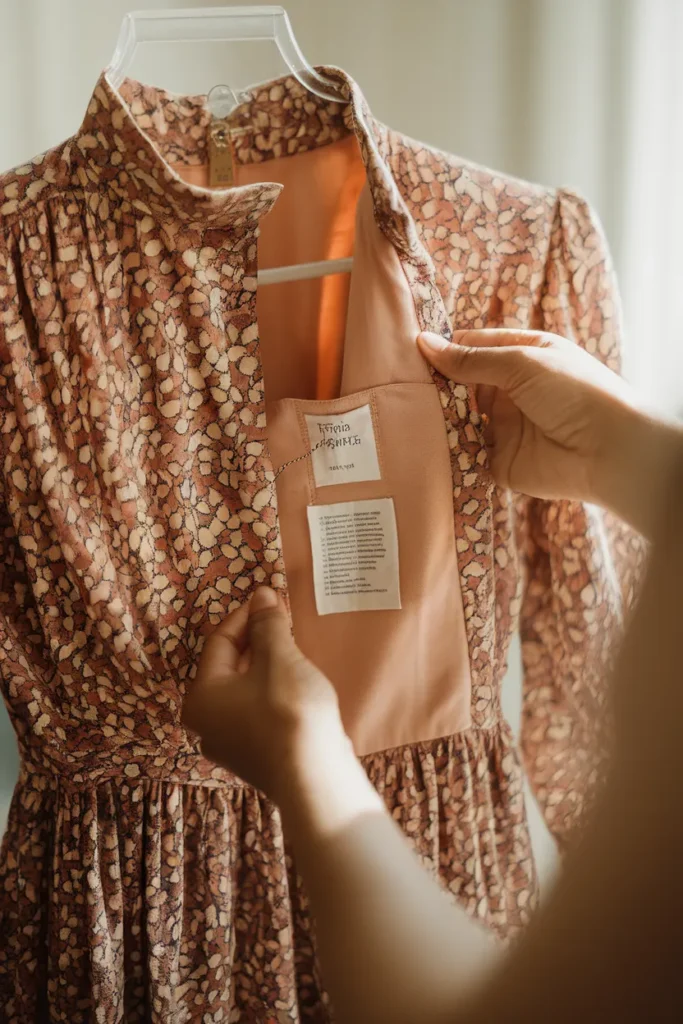
Not every dress labeled “70s style” is actually from that decade, and the price difference between real vintage and modern reproduction can be significant. Learning a few basic checks saves you from overpaying for something that isn’t what it claims to be.
Check the stitching first. Vintage pieces often have hand finished seams or overlock stitching that looks different from modern machine work. Look at the fabric content tag too. Materials like polyester blends became common later, so a dress claiming to be from the early 70s with a modern fabric blend is worth questioning before you buy.
Styling a dress from the 70s for work and weekends
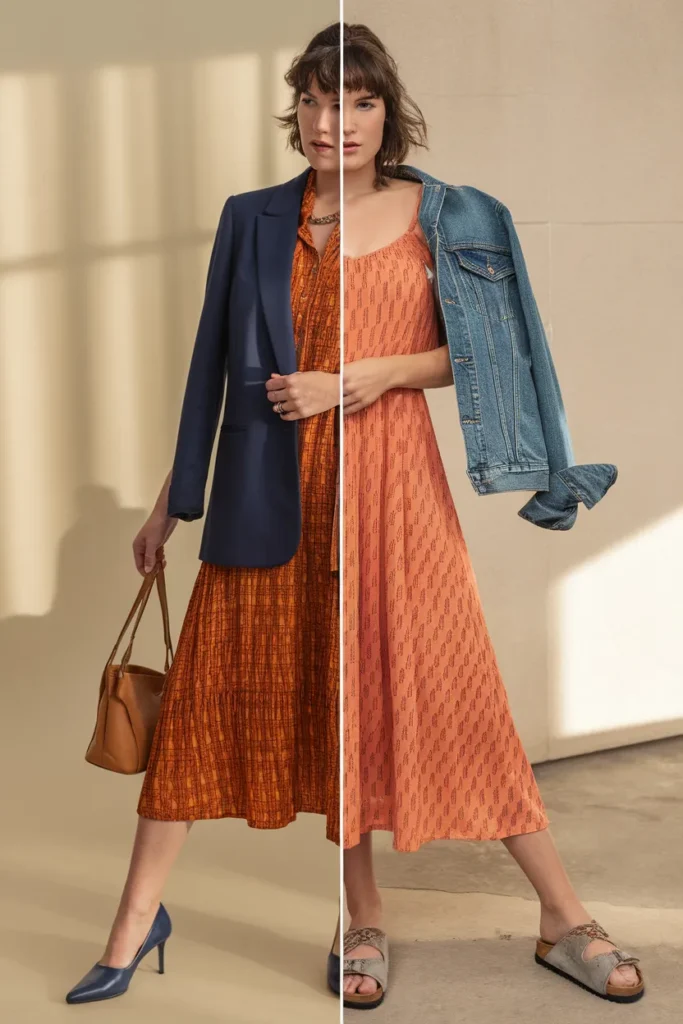
One dress doesn’t need two different closets. A dress from the 70s in a simple cut and solid color can move between your work week and your weekend plans with a few small changes.
For the office, add a blazer, closed toe shoes, and minimal jewelry to keep it polished. For the weekend, swap in sandals, a denim jacket, and a crossbody bag for something more relaxed. Buying one versatile piece instead of two separate dresses saves both money and closet space.
Styling mistakes that ruin a good vintage dress
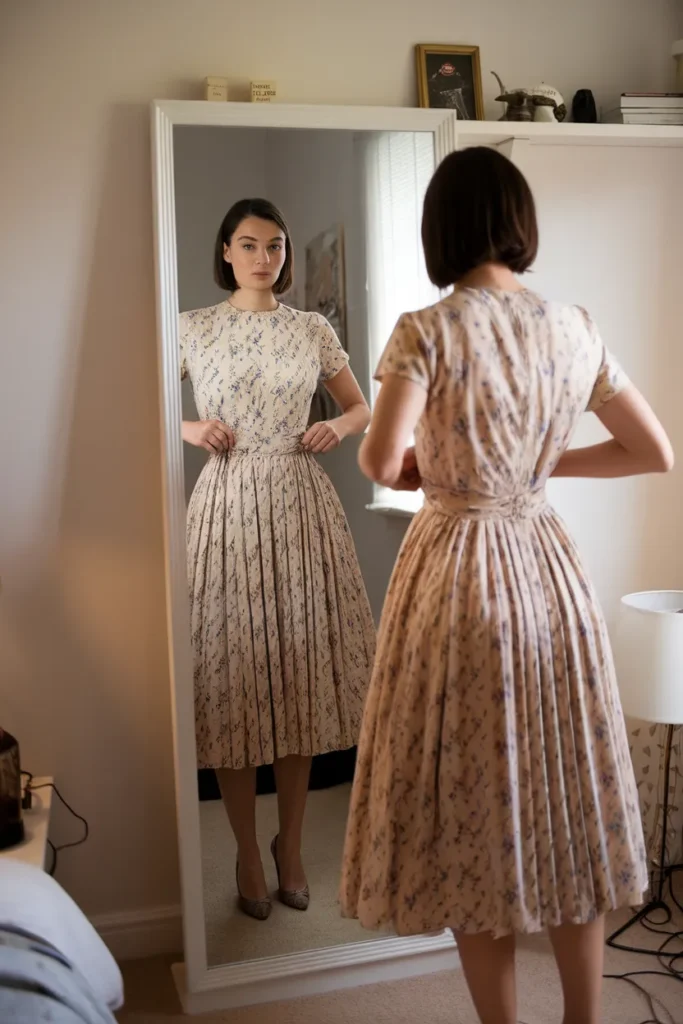
The biggest mistake people make with vintage dresses is ignoring fit. A dress can have a beautiful print and great fabric, but if the waist sits wrong or the hem hits at an awkward point, none of that matters.
Get familiar with a local tailor before you buy several vintage pieces. Most vintage dresses need small adjustments, especially at the waist or sleeves, since sizing standards were different decades ago. Also avoid pairing too many statement pieces at once. One bold dress plus simple accessories reads intentional. A bold dress plus a bold bag plus bold shoes just reads busy.
Building a small wardrobe around 70s pieces
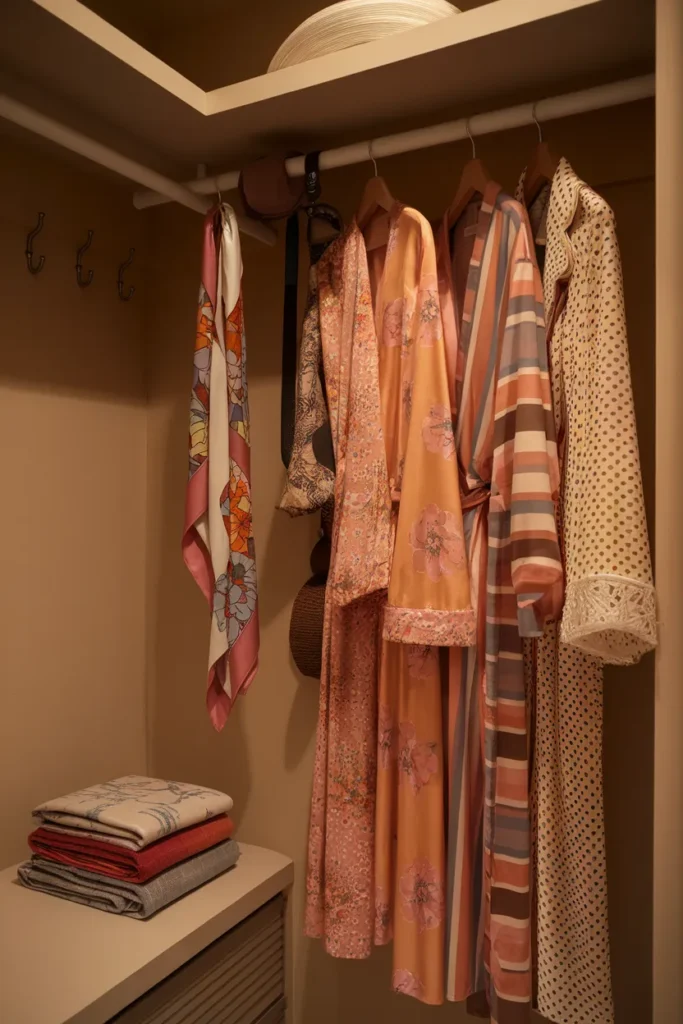
You don’t need twenty pieces to build a wardrobe with a strong 70s influence. A handful of well chosen items, one printed dress, one solid halter style, one long sleeve piece for cooler months, covers most of what you’ll actually wear.
Start with pieces in colors that work together so mixing and matching stays simple. Add one or two statement accessories rather than a full collection. Building slowly also means you can be selective about fit and fabric quality instead of rushing to fill space in your closet.
FAQs
Are 70s dresses still in style this year?
Yes. Flowing silhouettes, bold prints, and warm color palettes from the era are showing up across both vintage and new collections, which makes now a good time to add one to your closet.
How do you style a 70s dress without looking like a costume?
Keep the rest of the outfit simple. Pair a printed or patterned dress with plain shoes and minimal jewelry, and save layered accessories for a solid color piece instead.
What fabrics were common in 70s dresses?
Corduroy, chiffon, cotton, and early polyester blends were the most common. Chiffon and cotton tend to move and wear the best for everyday styling today.
Where can you find real vintage 70s dresses?
Thrift stores, estate sales, and specialty vintage shops are the most reliable places to look. Online marketplaces work too, but check the fabric tag and ask for close up photos before you buy.