Trending Hair Colors for Dark Hair This Season
Finding the right hair colors for dark hair feels overwhelming when half the shades you love won’t even show up on your base. This guide cuts through the confusion. Whether you want something subtle like a warm gloss or bold like copper highlights, every recommendation here is practical, honest, and built around what actually works on dark hair. No guesswork, no expensive mistakes. Just real color advice you can walk into a salon with today.
1. Why Dark Hair is the Perfect Canvas for Color
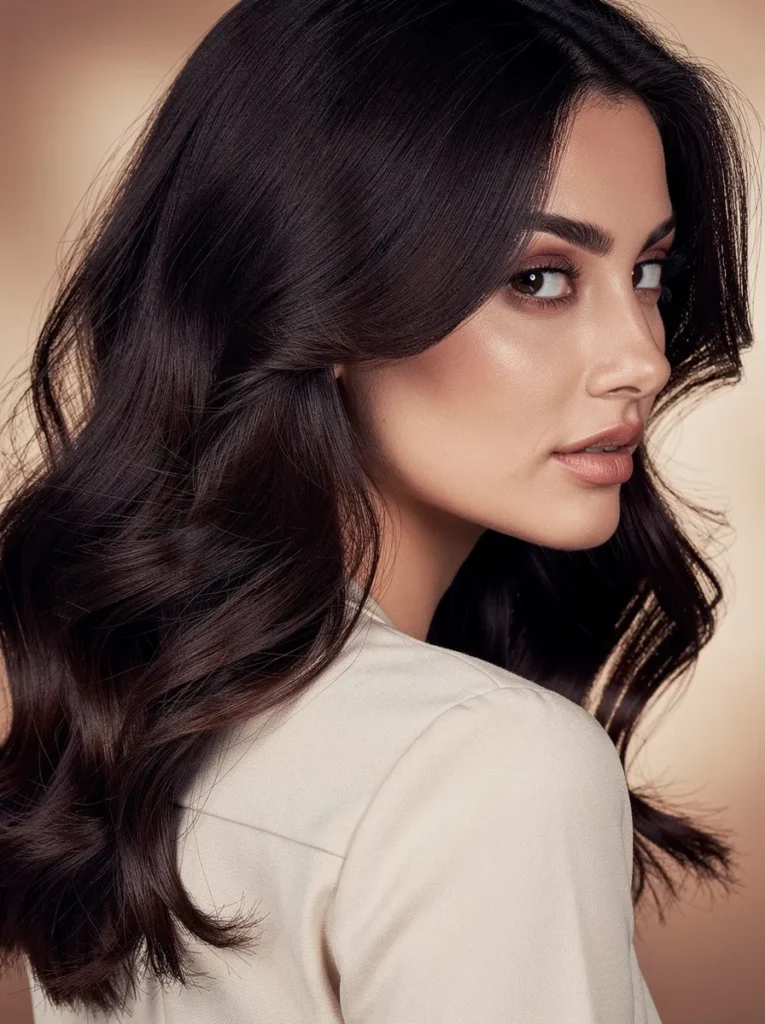
Dark hair has a natural depth that lighter shades simply don’t have. That richness in your base actually makes colors look more dimensional, more intentional, and more polished than the same shade on lighter hair.
The trick is working with that depth, not against it. Whether you go warm or cool, subtle or bold, your dark base acts as a built-in contrast layer that makes every color choice look more deliberate. That’s a serious advantage most people overlook.
2. What Counts as Dark Hair (And Why It Matters for Coloring)
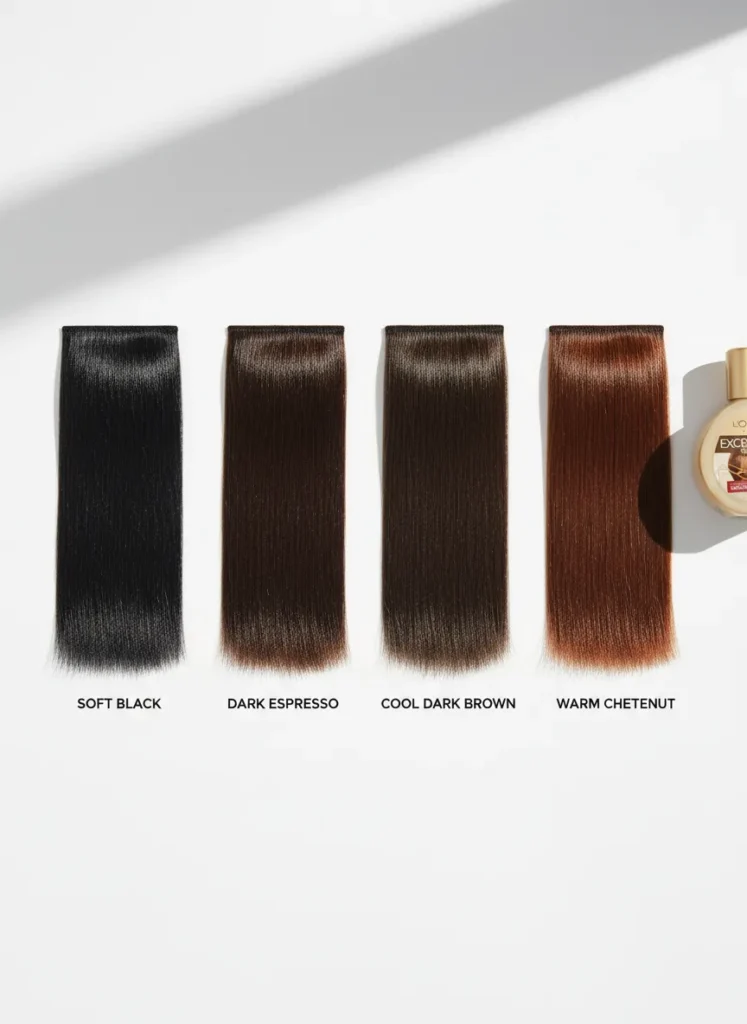
Dark hair isn’t one shade. It ranges from jet black and cool espresso to warm dark brown and deep chestnut. Knowing exactly where your hair falls on that spectrum changes which colors will actually show up and which ones will disappear completely.
If you have jet black hair, you’re working with the most saturated base, and vivid or warm tones will need either bleach or a very specific color formula to be visible. If your dark brown has warm undertones, colors like caramel or copper will pop with minimal effort. Identifying your base shade first saves you money, time, and disappointment at the sink.
3. Trending Hair Colors for Dark Hair This Season
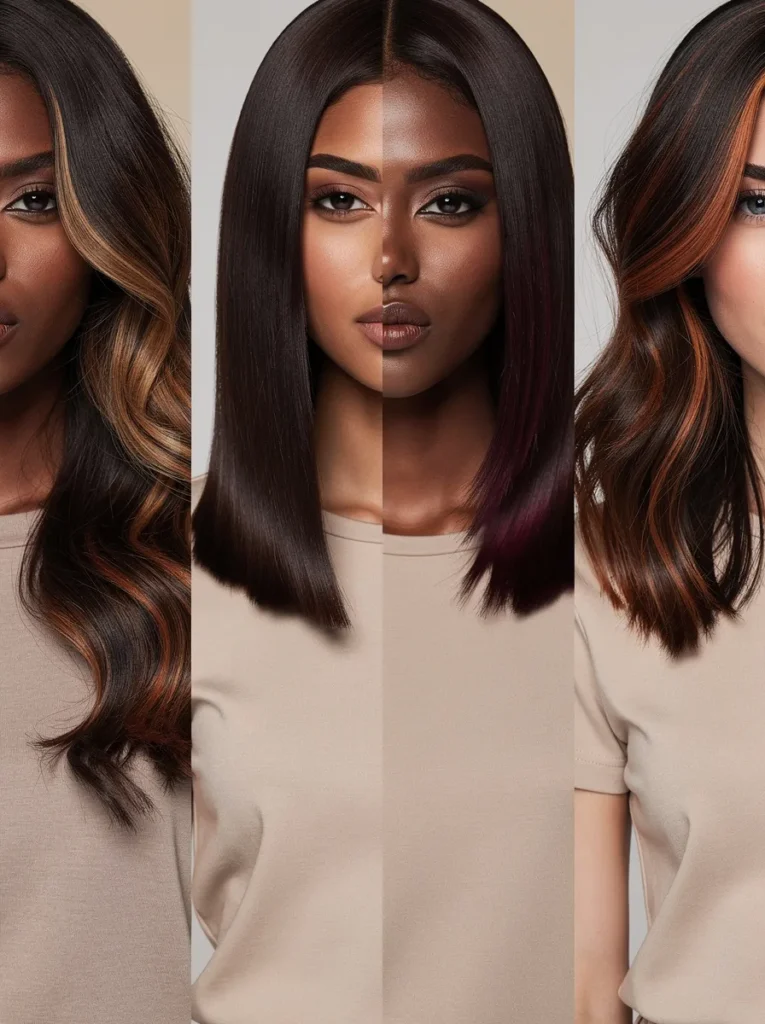
This season, the dominant trends lean warm and dimensional. Caramel tones, chocolate browns, and copper-kissed highlights are all over salons right now, and they work particularly well on dark bases because they create contrast without requiring a dramatic lightening process.
Burgundy and deep auburn are also having a moment, especially for fall and winter. These shades add richness rather than contrast, making them ideal if you want a color change that still looks natural from a distance. The common thread across all of them is that they work with your existing darkness, not against it.
4. Subtle Silver Highlights on Dark Hair
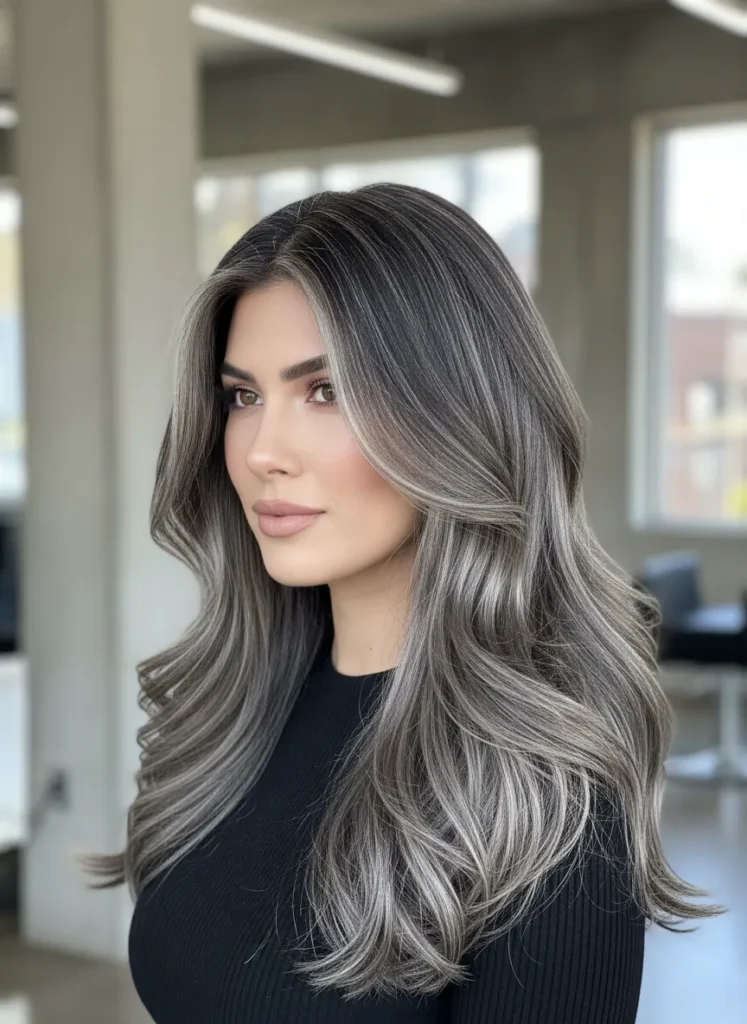
Silver highlights on dark hair sound counterintuitive, but the contrast is exactly what makes them work. When placed correctly, fine silver streaks add a cool, graphic quality to dark hair that reads more editorial than anything else this season.
This look does require pre-lightening those specific sections before the silver tone is applied, so be upfront with your colorist about your current hair health before booking. Brands like Wella Professionals and Kenra Platinum offer silver toning products that colorists frequently use to achieve this effect cleanly. Ask for “money piece” placement if you want the silver to frame your face rather than run throughout.
5. Semi-Permanent Hair Colors That Actually Work on Dark Hair
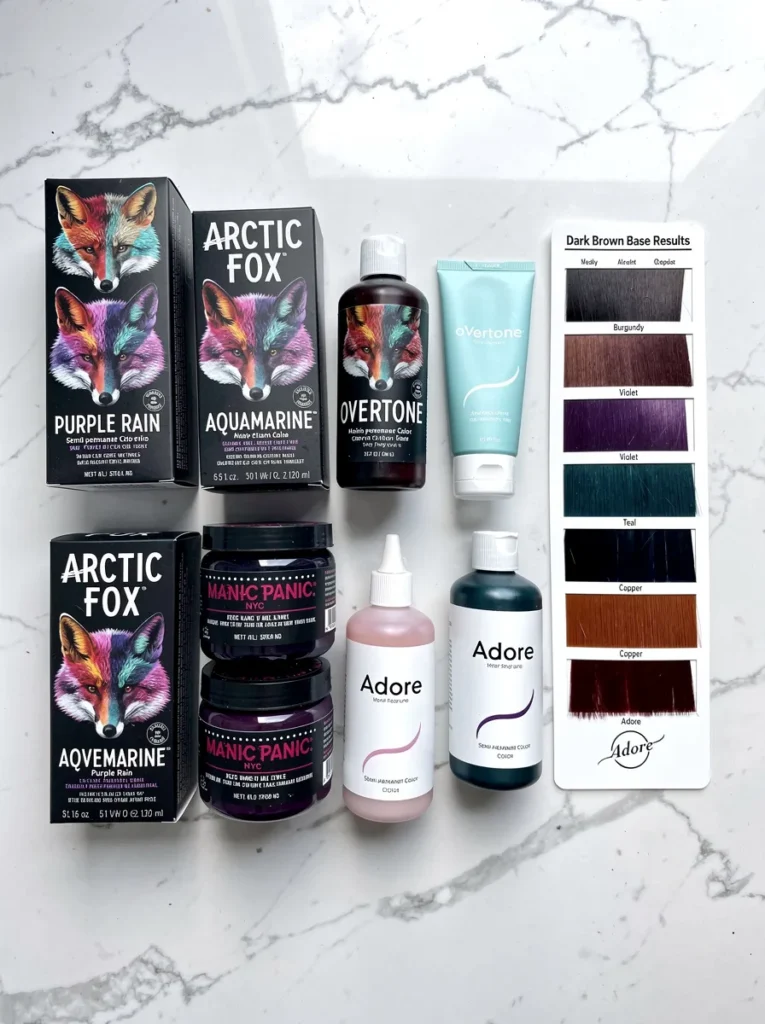
Semi-permanent color on dark hair has one real limitation: it deposits pigment but doesn’t lift your base. That means deep jewel tones like navy, plum, and forest green can show up beautifully on dark brown hair, while bright pink or yellow simply won’t be visible without prior lightening.
Here are the semi-permanent options that consistently perform well on dark bases:
- Arctic Fox works best on pre-lightened hair but their deeper shades like Phantom Green and Aquamarine show on dark brown
- Overtone is designed specifically for dark hair and offers tinted conditioners that add a warm or cool tint without bleach
- Manic Panic in shades like Vampire Red, Purple Haze, and Blue Velvet show up on very dark brown without full bleaching
- Adore has rich, deeply pigmented shades like Violet Gem and Mahogany that deposit well on dark bases
Always do a strand test first. It takes 20 minutes and saves you from a full-head regret.
6. Best Hair Dye Brands for Dark Hair
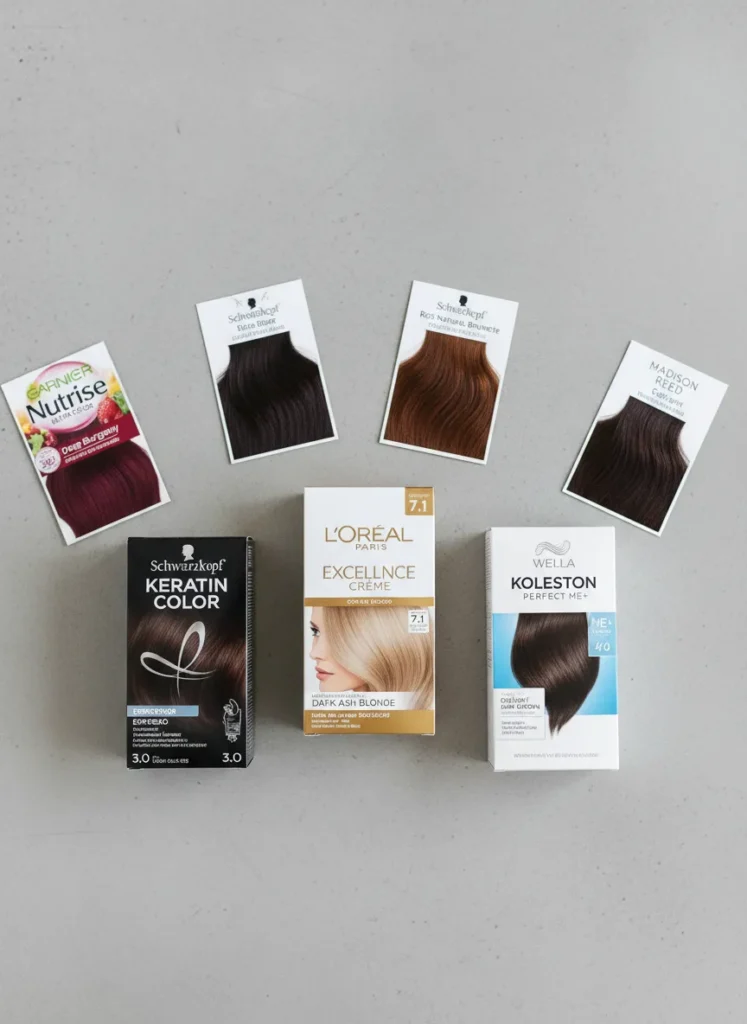
Choosing the right brand matters as much as choosing the right shade. For at-home use on dark hair, these brands consistently deliver reliable coverage, true-to-box color, and manageable at-home application:
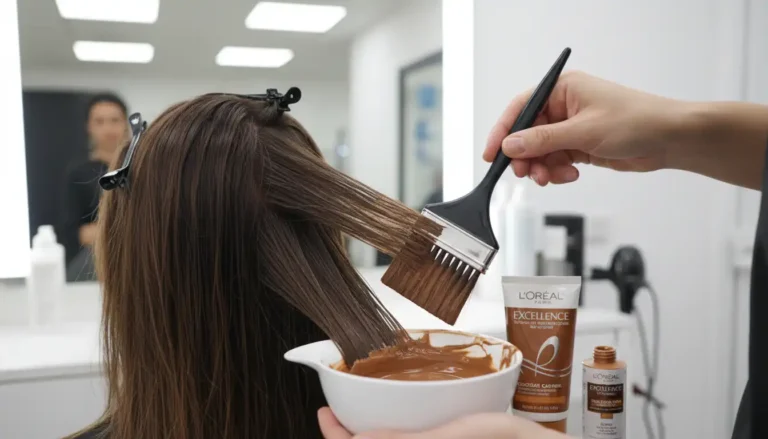
- L’Oreal Paris Excellence Creme covers gray fully and comes in a wide range of warm and neutral brunette shades; good for first-timers
- Garnier Nutrisse is a nourishing formula that works well for enhancing natural dark shades like espresso and dark chocolate
- Schwarzkopf Keratin Color gives strong color payoff and includes a bond-building treatment, which matters if your hair is already processed
- Madison Reed Radiant Hair Color Kit is ammonia-free, salon-quality at home, and their shade-matching tool is genuinely useful for dark hair tones
- Wella Color Charm is a professional-grade option available at Sally Beauty, ideal if you want more control over developer strength
For salon-level results at home, Schwarzkopf and Wella are worth the extra few dollars. If you’re new to coloring, start with L’Oreal or Garnier for a more forgiving process.
7. Best Low-Maintenance Hair Colors for Dark Hair
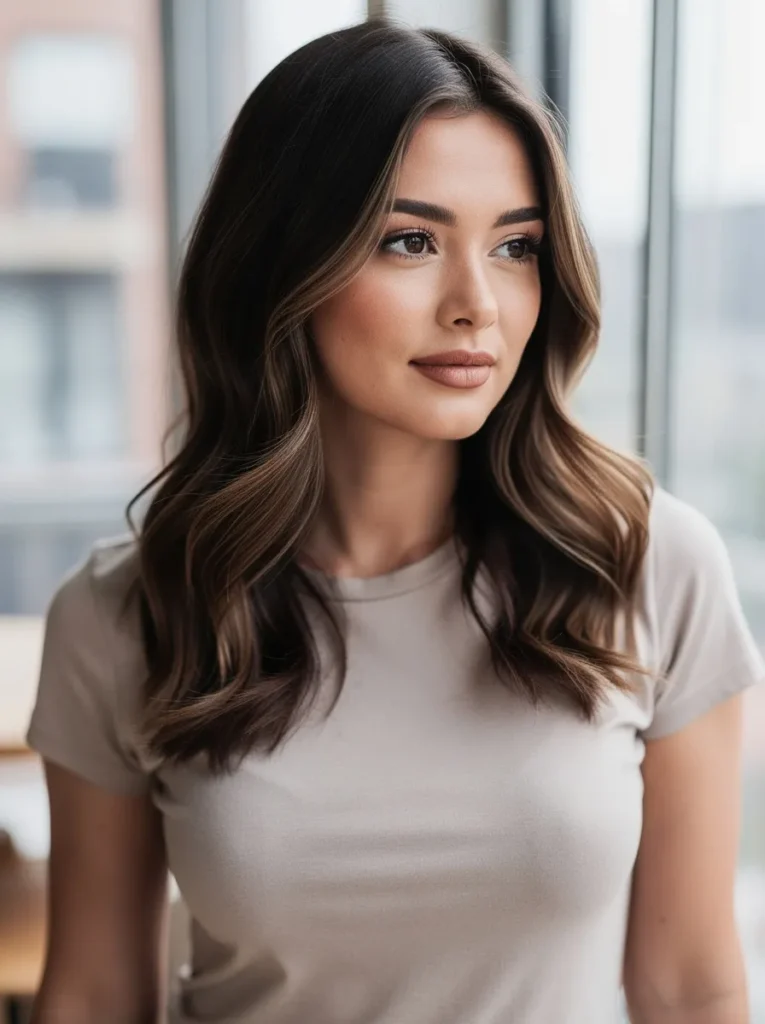
The best low-maintenance color is one that looks good growing out. For dark hair, that means choosing techniques and shades that work with your natural root rather than fighting against it.
Here are the top low-maintenance options worth asking your colorist about:
- Shadow root balayage: your natural dark root blends seamlessly into lightened mid-lengths and ends; grow-out is intentional, not obvious
- Glossing treatments: add shine and subtle tone without lifting color; Redken Shades EQ is a salon staple for this
- Chocolate or coffee brown: a single-process color close to your natural base that refreshes your color and blends grays without a dramatic contrast line
- Tinted conditioners by Overtone: maintain warmth or coolness between appointments with a product you use in the shower
- Babylights: ultra-fine highlights placed throughout that mimic natural sun-lightening; they grow out without a harsh line
Touch-up appointments every 10 to 14 weeks instead of every 6 is realistic with any of these methods.
8. Caramel Balayage on Dark Brown Hair
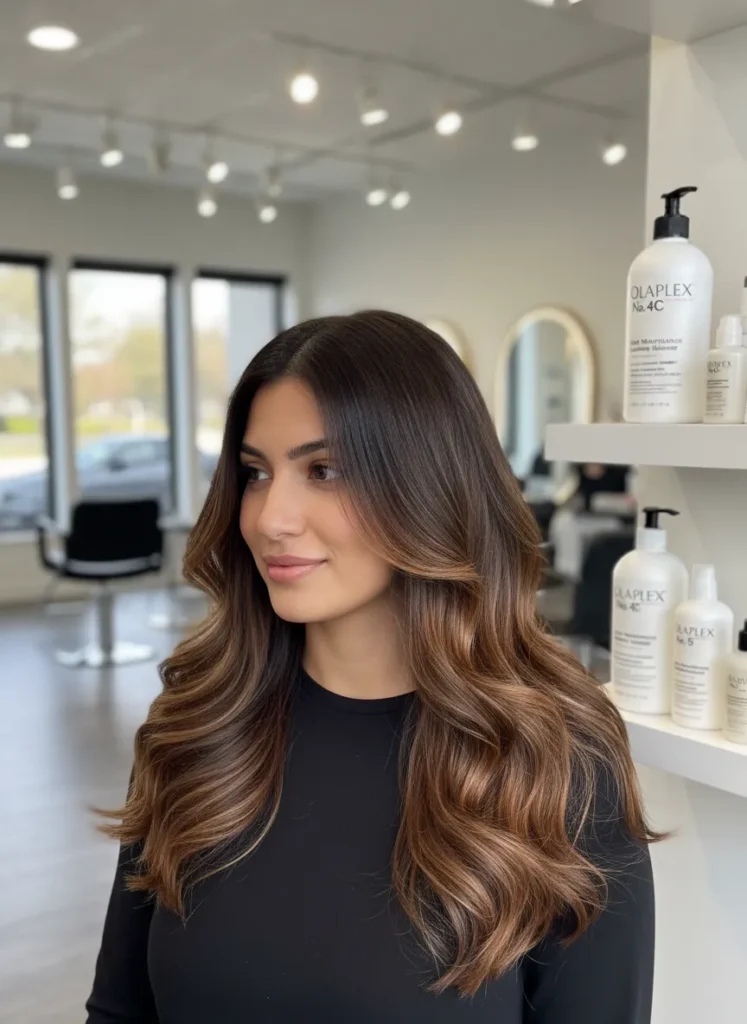
Caramel balayage is one of the most searched hair color techniques for a reason. On dark brown hair, it creates a warm, dimensional look that genuinely mimics natural sun-lightening, and because it’s painted freehand, there’s no harsh regrowth line.
The key to getting it right is shade selection. Ask your colorist for caramel tones with golden or amber undertones rather than ashy ones. Ashy caramel can look muddy on very dark bases. To maintain the warmth between appointments, use a color-depositing conditioner like Overtone Caramel or a warm-toned gloss from your salon.
9. Copper and Auburn Tones for Dark Hair
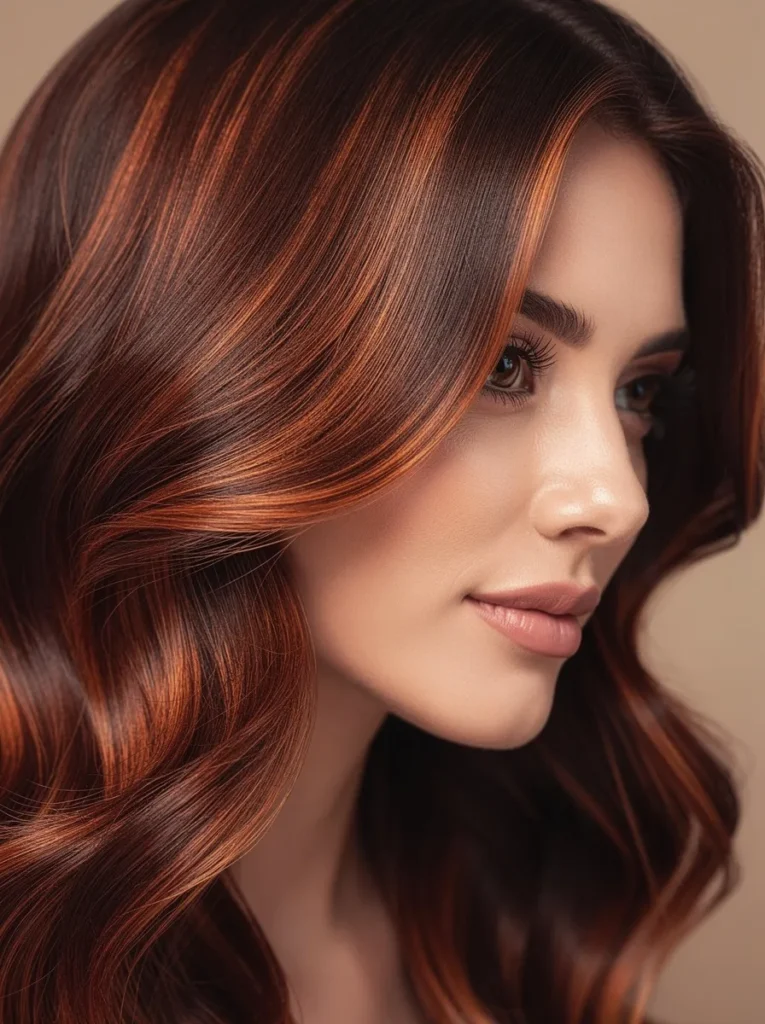
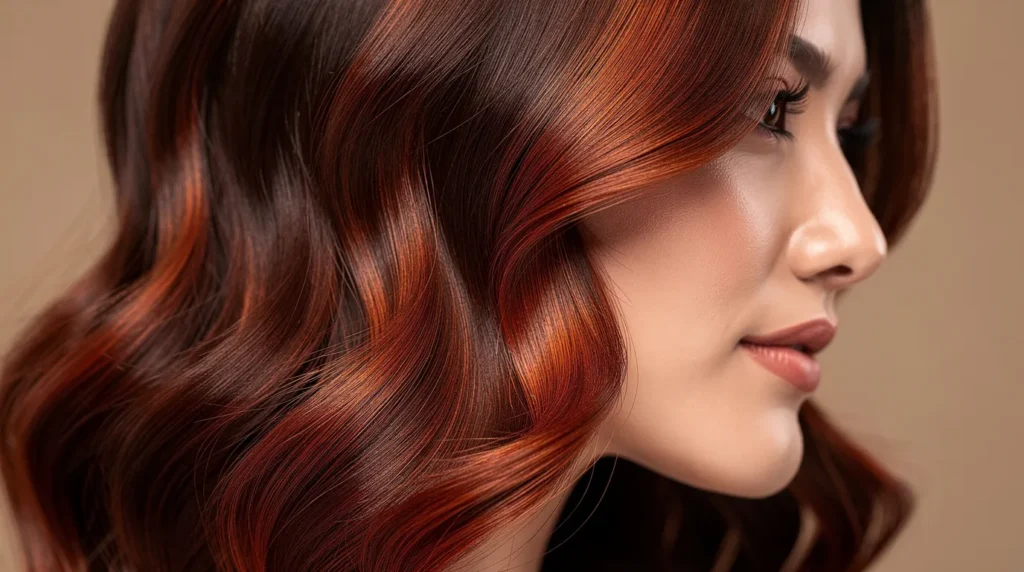
Copper and auburn are flattering on dark hair because they share warmth with most dark base tones. If your dark hair already leans warm, a copper or auburn gloss can bring that warmth forward without heavy lightening.
For a full copper transformation on very dark hair, your colorist will likely need to pre-lighten before applying the copper shade to achieve the true vivid result you see in photos. For a subtler approach, ask for copper highlights or an auburn gloss applied directly to your dark base. Ion Color Brilliance and Wella Color Charm both offer professional copper and auburn shades that hold well on dark hair.
10. Burgundy and Wine Shades: A Dark Hair Favorite
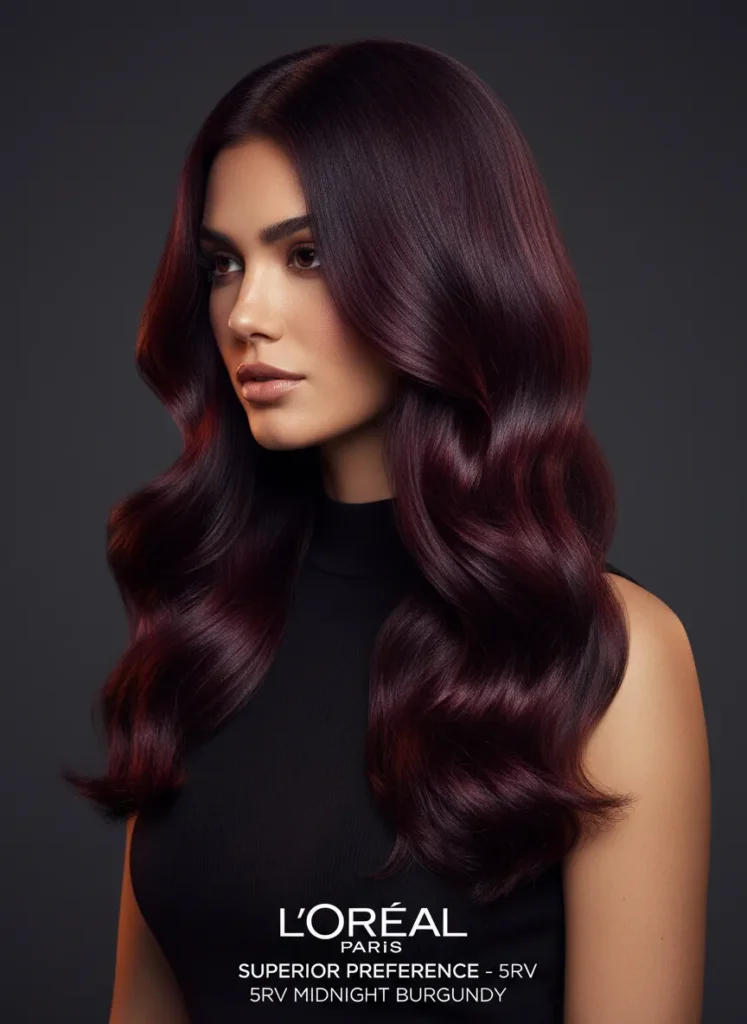
Burgundy works so well on dark hair because it adds richness without requiring significant lightening. On a dark base, burgundy reads as a deep, multi-tonal color that shifts between red and purple depending on the light.
You can achieve this shade with semi-permanent dye if your base is a dark brown, especially with brands like Schwarzkopf or Wella Color Charm in shades like Burgundy or Chianti. On black hair, you’ll get a subtle tonal shift rather than a vivid result, which many people actually prefer. Refresh the color every four to six weeks with a color-safe shampoo to keep the pigment from fading to a flat, dull red.
11. Chocolate Brown: Rich, Dimensional, and Universally Flattering
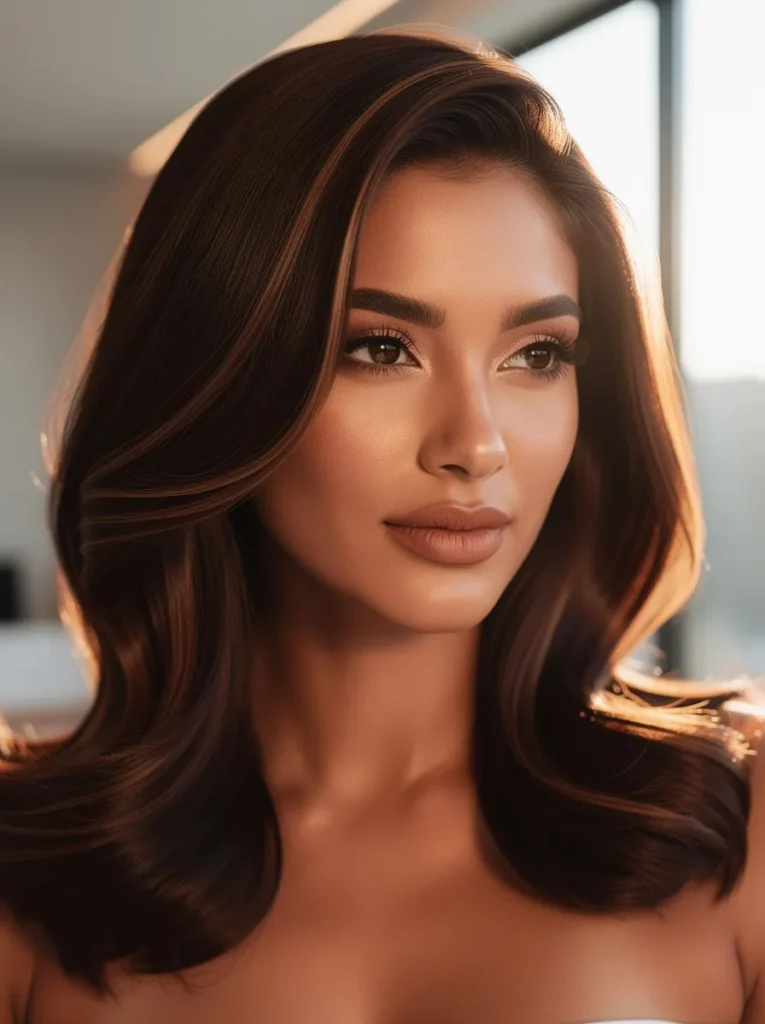
Chocolate brown is the color equivalent of a wardrobe staple. It works on almost every skin tone, it’s close enough to most natural dark bases that it blends roots gracefully, and it looks polished without requiring constant upkeep.
The difference between a flat chocolate brown and a dimensional one comes down to technique. Ask your colorist for a single-process gloss rather than a straight dye application. Brands like Redken Shades EQ applied over your existing dark base add shine and depth without the flatness that basic box color can create. If you’re going at home, Garnier Nutrisse Dark Chocolate is a consistent performer.
12. Going Platinum or Blonde from a Dark Base: What You Need to Know
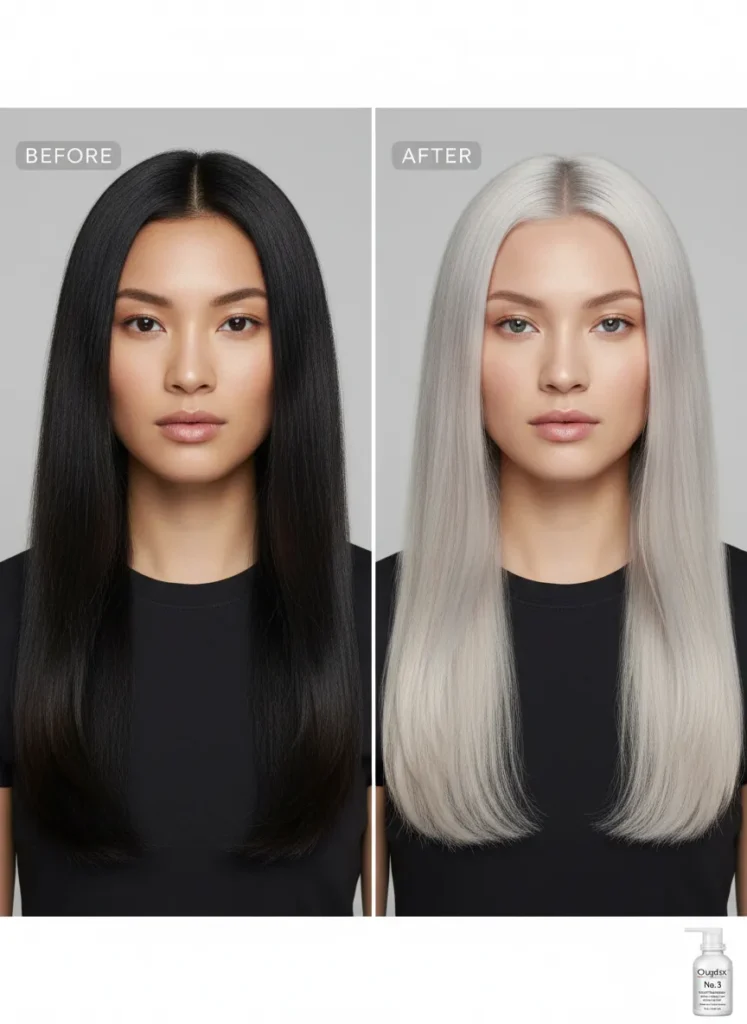
Going from dark to platinum is a multi-session process. Anyone who tells you otherwise is setting you up for damage or disappointment. Most dark hair requires two to four lightening sessions spread over several months to reach true platinum without breaking.
At each session, your colorist will assess the porosity and elasticity of your hair before deciding whether to proceed. Olaplex or K18 bond-building treatments between sessions are not optional if you want to keep your hair intact through this process. Budget realistically. A full dark-to-platinum transformation at a reputable salon can cost between $300 and $800 or more depending on your location and starting point.
13. Babylights vs. Traditional Highlights: Which Works Better on Dark Hair?
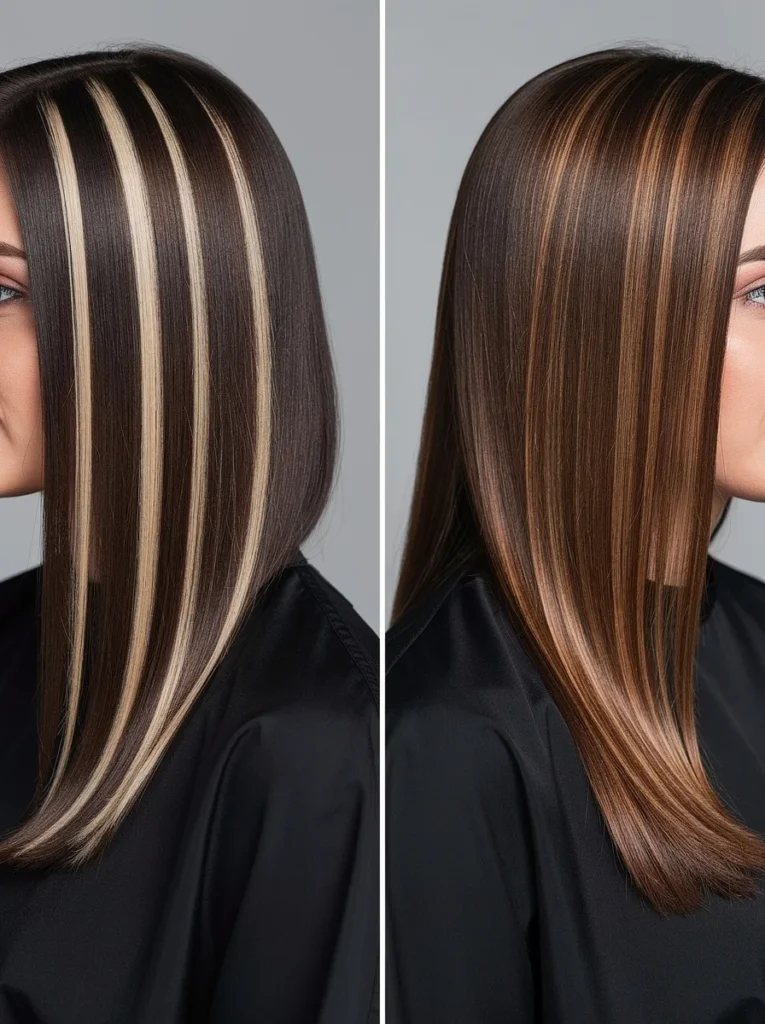
Traditional highlights create noticeable contrast lines that can look bold and striking. Babylights are much finer, placed closer to the scalp, and create a soft, natural-looking result that mimics the kind of lightness you’d get from spending a summer outdoors.
For dark hair, babylights are often the smarter starting point if you want a subtle change. The grow-out is more forgiving, the maintenance is lower, and you’re less likely to end up with a look that feels too dramatic for your lifestyle. If you want something bolder, traditional highlights placed throughout or concentrated around the face give you that punch of contrast. Ask your colorist to show you photos of both on dark hair before deciding.
14. Color Without Bleach: What’s Actually Possible
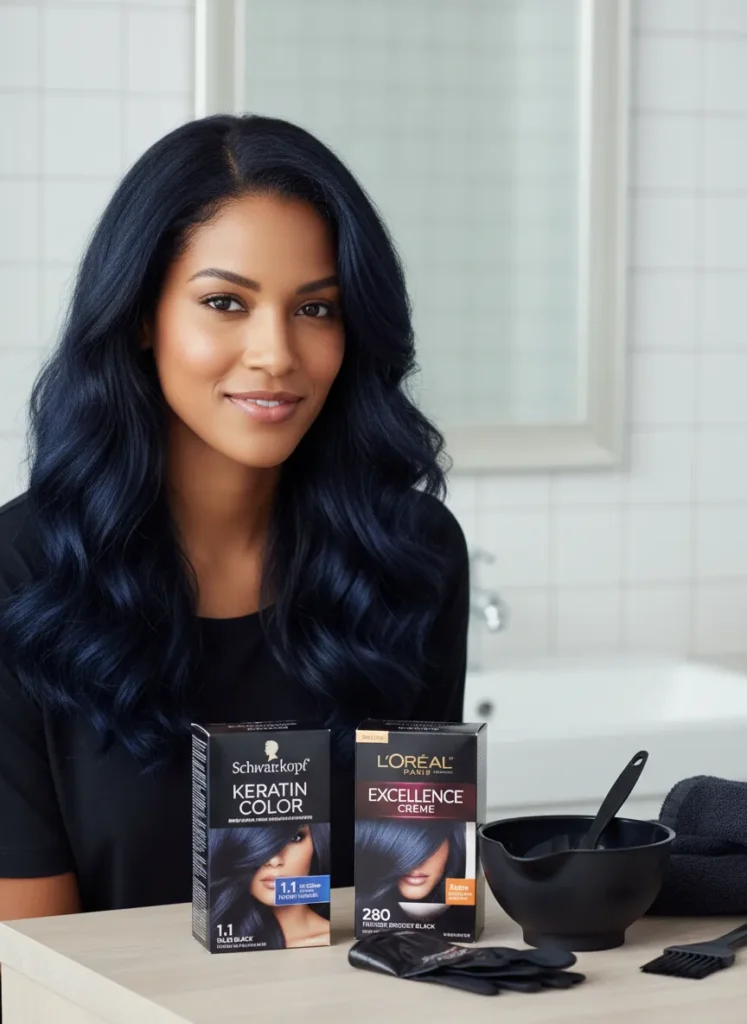
The honest answer is that without bleach, your color options on dark hair are limited to shades darker than or similar to your base, plus deep jewel tones that happen to be visible on dark backgrounds. You can go darker, add warmth, or shift your tone. You cannot go significantly lighter.
That said, there’s a lot of room to work within that range. Blue-black, deep plum, warm espresso, and dark auburn are all achievable without bleach on most dark bases. Box dyes from Garnier, L’Oreal, and Schwarzkopf all have shades formulated to work directly on dark hair without pre-lightening. Read the box carefully. Brands typically indicate the recommended starting shade range on the packaging.
15. How Skin Tone Affects Your Color Choice
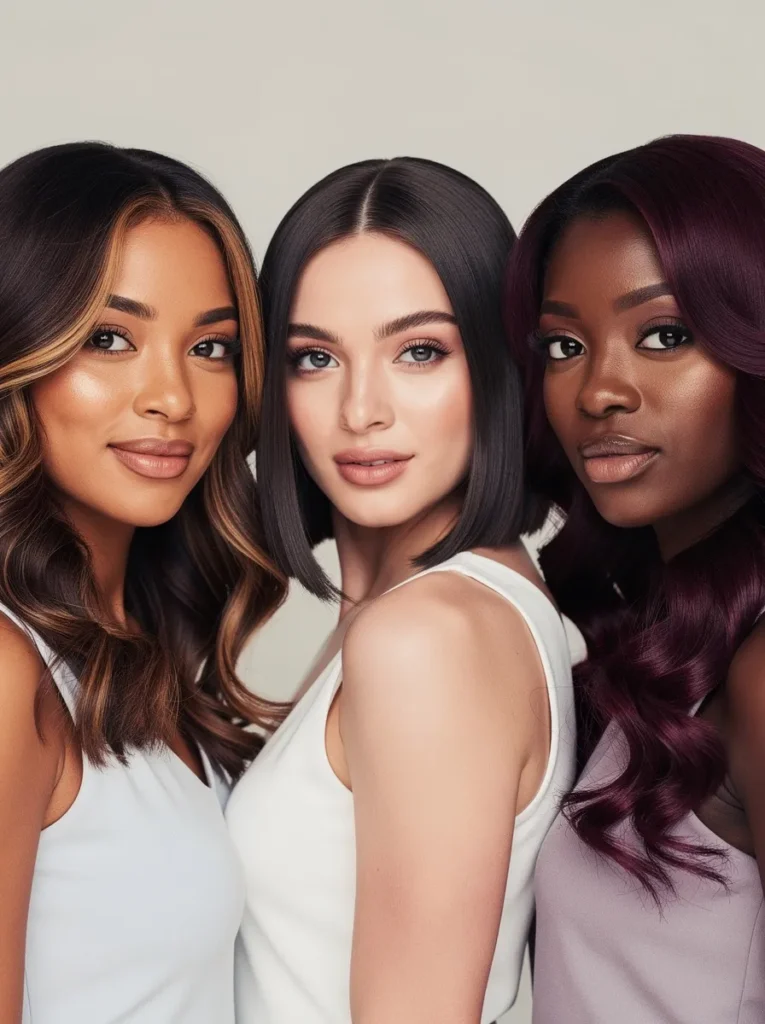
Your skin tone is the single biggest factor in whether a hair color will look flattering or off. Warm skin tones, those with yellow, golden, or peachy undertones, tend to look best with warm hair colors like caramel, copper, and golden brown. Cool skin tones with pink or bluish undertones generally suit ash brown, cool chocolate, and burgundy.
If you’re unsure of your undertone, look at the veins on the inside of your wrist. Green-tinted veins usually indicate warm undertones; blue or purple-tinted veins lean cool. Neutral undertones can pull off both warm and cool shades with ease. This one check takes 30 seconds and saves you from choosing a color that fights your complexion.
16. Protecting Your Color: Products That Actually Help
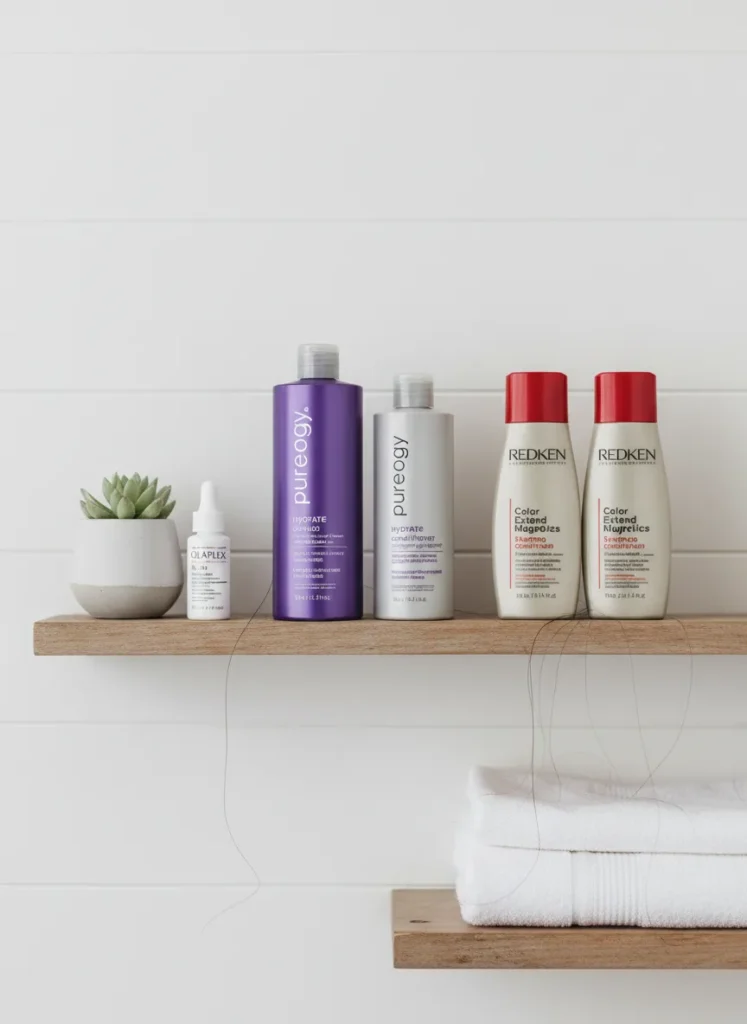
Color-treated dark hair needs a different maintenance routine than your pre-color regimen. Heat, sun, hard water, and the wrong shampoo all pull pigment from your hair faster than normal, which shortens the life of your color and your money.
A few practical rules worth following:
- Switch to a sulfate-free shampoo immediately after coloring; sulfates strip pigment aggressively
- Pureology Hydrate and Redken Color Extend are two salon-recommended options that are widely available and genuinely extend color life
- Use dry shampoo between wash days to reduce how often you shampoo, since every wash fades color slightly
- Apply a UV protectant spray before going outdoors; sun exposure breaks down artificial pigment quickly on dark hair
- Deep condition every one to two weeks with a mask like Olaplex No. 3 or K18 Leave-In Molecular Repair Mask to keep colored hair strong
Your color will last noticeably longer with these steps, often stretching salon visits from six to eight or even ten weeks.
17. How to Avoid Brassy Tones After Coloring Dark Hair
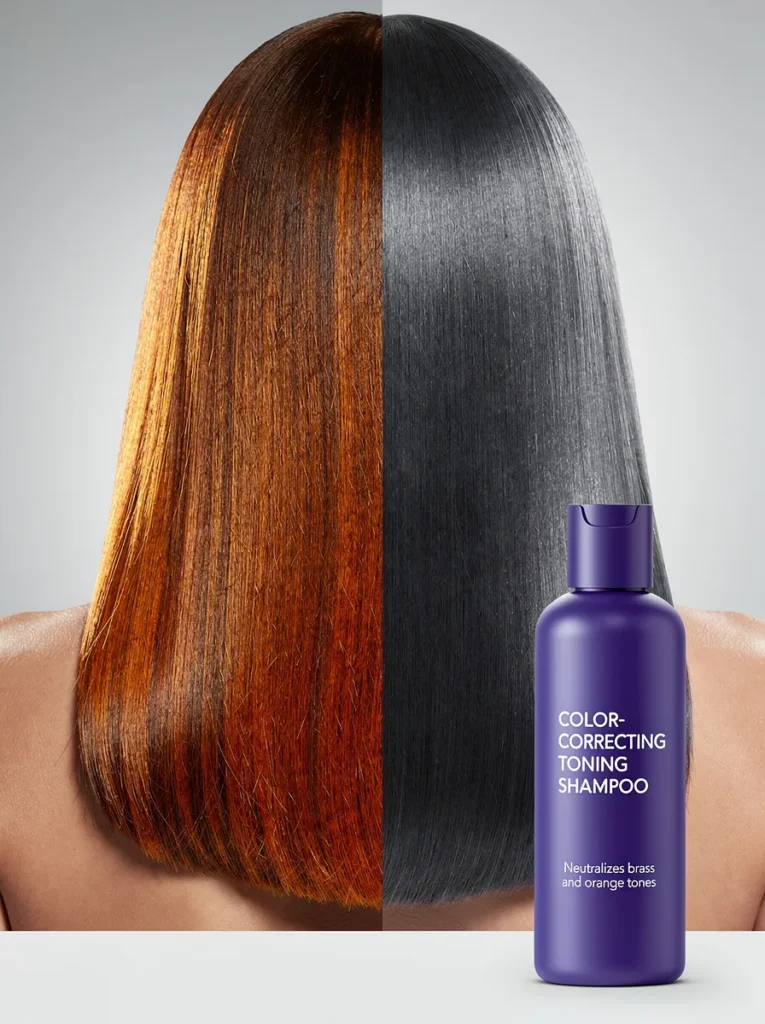
Brassiness happens when the warm underlying pigments in dark hair push through after lightening. It’s one of the most common frustrations after a coloring session, and it’s almost always correctable.
A blue or purple toning shampoo used once a week is the most accessible fix. Shimmer Lights by Clairol and Fanola No Orange are two widely available options for dark hair specifically. For a stronger result, ask your colorist for a toning gloss at your next appointment. Brands like Redken Shades EQ neutralize unwanted warmth in a single 20-minute salon session. Using a heat protectant and limiting hot tool use also helps, since heat accelerates the warm tones coming through.
18. Hair Colors for Dark Hair That Work on Every Budget
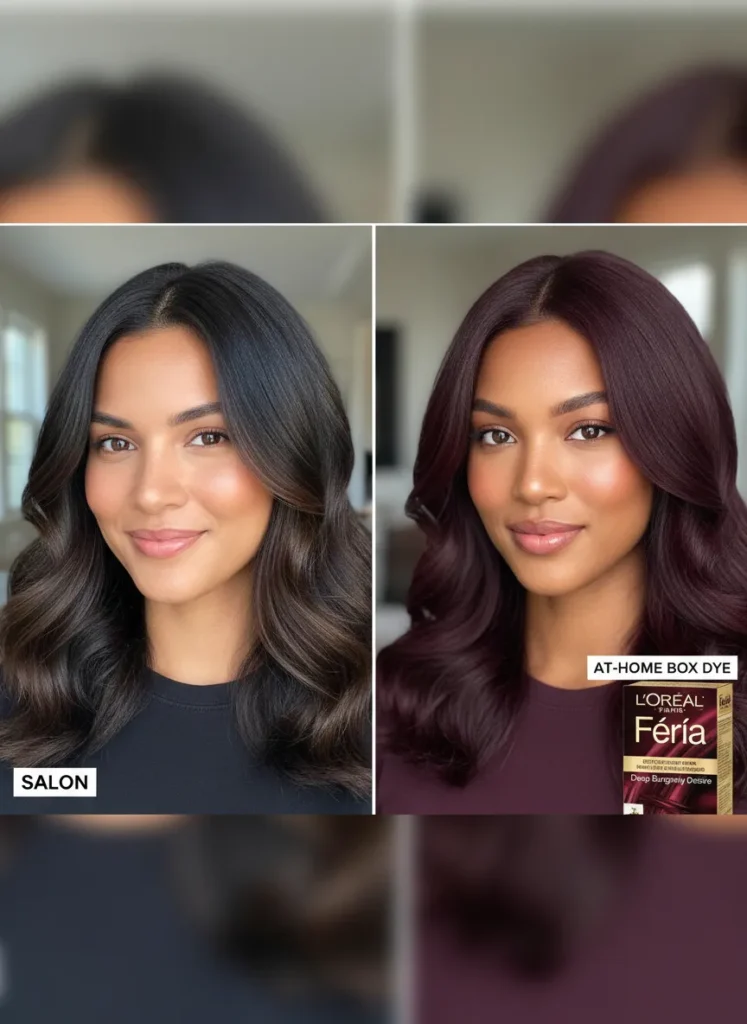
You don’t have to book a $400 appointment to get a beautiful color result on dark hair. Some techniques are genuinely DIY-friendly, and knowing which ones saves you money without sacrificing the result.
Single-process dyes in shades close to your base color are the easiest and safest to do at home. Brands like L’Oreal Excellence Creme, Garnier Nutrisse, and Revlon Colorsilk all deliver consistent, reliable results for under $15. Balayage, heavy bleaching, and anything involving multiple steps should be left to a colorist. The risk of uneven results or damage isn’t worth the savings when the process is complex. A good rule of thumb: if the technique requires foils, a mixing bowl, and developer, book the appointment.
19. The Role of Gloss Treatments in Dark Hair Maintenance
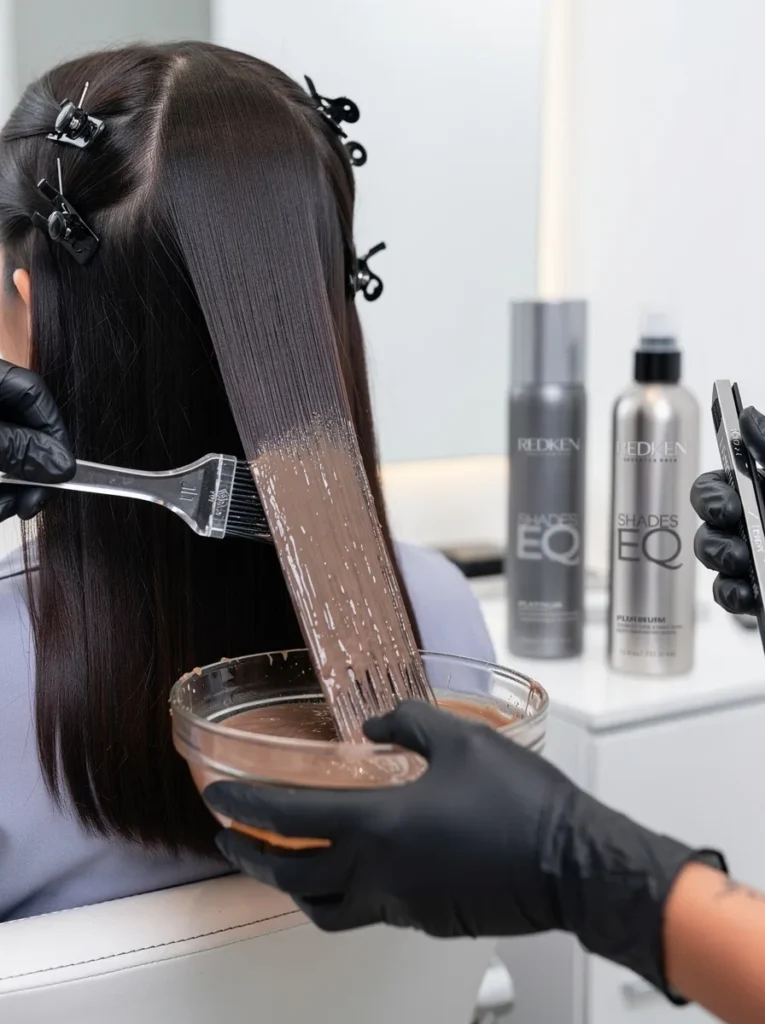
A gloss treatment is one of the most underused tools in dark hair maintenance. It doesn’t change your color dramatically, but it adds an instant layer of shine and refreshes your tone between appointments, which matters a lot if your color has started looking flat or dull.
Clear glosses work on any dark hair regardless of whether it’s been colored. Tinted glosses let you push your color slightly warmer or cooler depending on your current needs. Redken Shades EQ is the most trusted name in salon glossing treatments. If you want an at-home option, dpHUE Gloss+ and Kristin Ess Gloss are both user-friendly and genuinely effective. Use one every three to four weeks to keep your color looking fresh between salon visits.
20. Common Mistakes When Coloring Dark Hair at Home
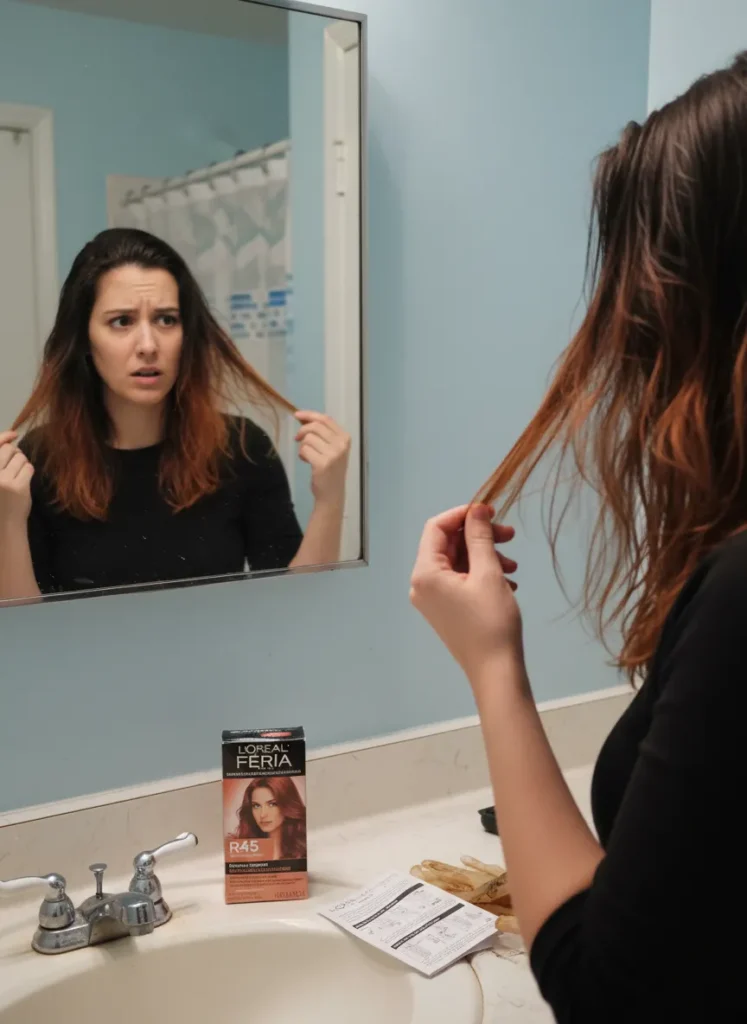
The most common mistake is choosing a shade that’s too light for your base and expecting it to show up without bleach. The second most common is leaving dye on for longer than instructed, thinking it will produce a more vivid result. Neither works the way most people expect.
A few mistakes worth knowing before you start:
- Skipping the strand test because you’re impatient is how most color disasters happen
- Using a 40 volume developer when a 20 would do causes unnecessary damage without meaningfully better results
- Applying color to dirty hair is actually fine for most dyes and can protect your scalp from irritation; always check the specific product instructions
- Choosing a shade based on the box model’s hair rather than reading the target shade range on the back of the box
- Not sectioning your hair before applying, which leads to uneven coverage and missed spots near the nape
Read the instructions fully before you open the box. That five minutes genuinely changes the outcome.
21. When to See a Colorist Instead of Going DIY
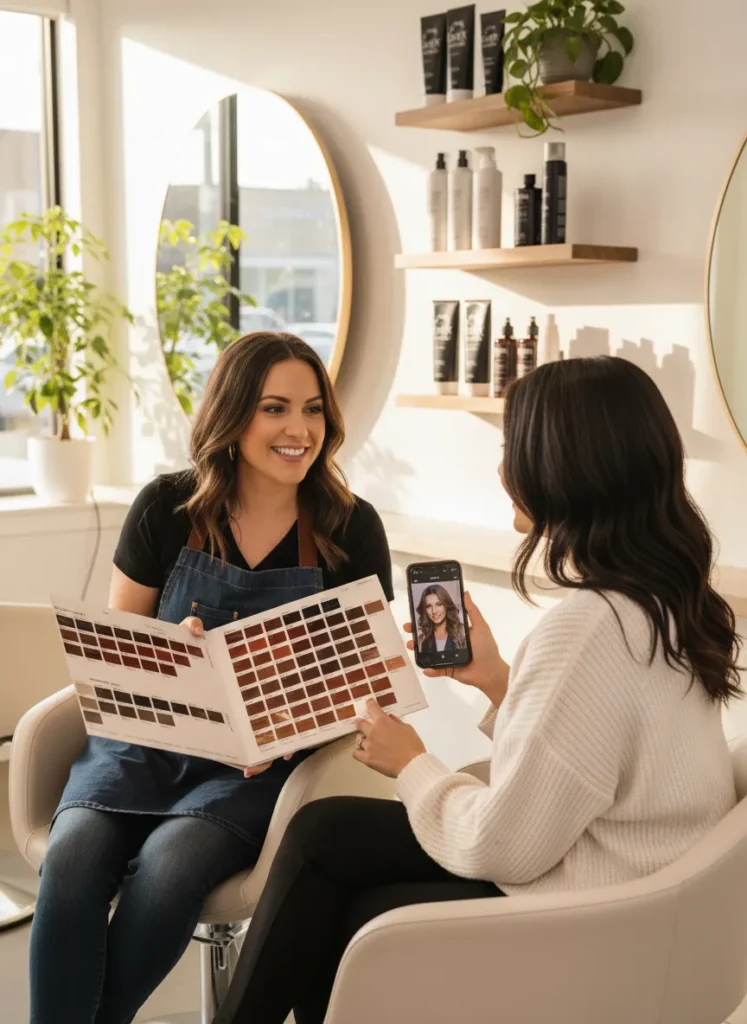
Some color goals genuinely require professional hands. If your hair has been chemically relaxed, permed, or previously colored with metallic dyes, the chemistry involved in adding new color becomes complicated in ways that are hard to manage at home.
Book a professional consultation if you want to go significantly lighter, if you’re dealing with stubborn gray coverage that box dye keeps missing, or if your hair is visibly damaged and you still want to color it. A consultation at most salons is free or low-cost, and a good colorist will tell you honestly what’s achievable in your budget and timeline. That conversation is worth more than any box dye tutorial online.
Conclusion:
Dark hair gives you more options than most people realize. The right shade, technique, and products make all the difference between a color that lasts and one that disappoints. Start with your skin tone, know your base, and choose a method that fits your lifestyle and budget. Whether you go bold or keep it natural, the best hair color is the one you can actually maintain. Pick one idea from this guide and take that first step today.