25 Back to School Everyday Makeup Ideas for a Natural Look
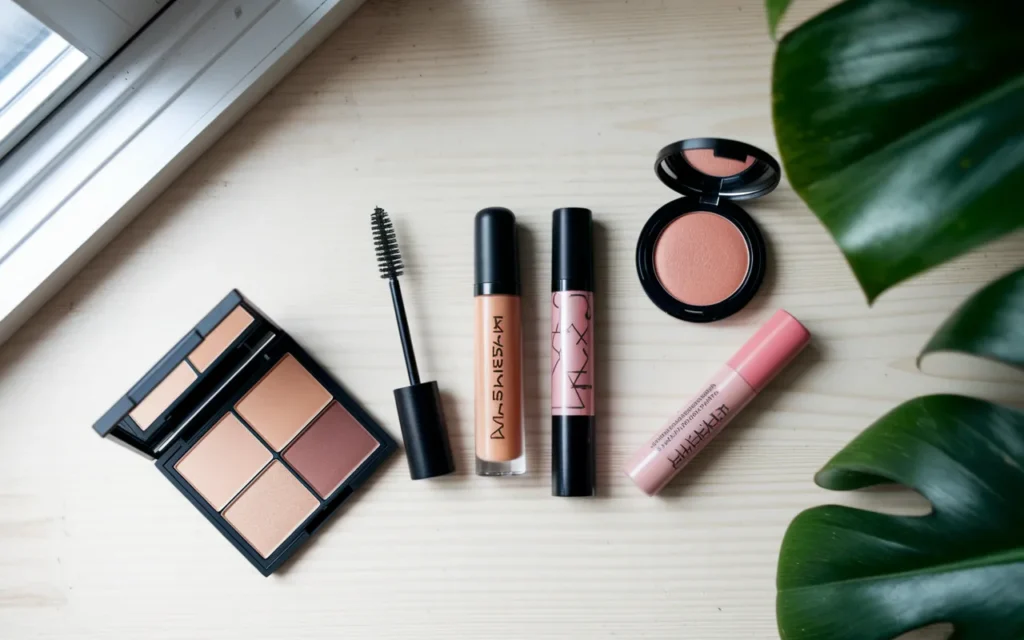
Getting your everyday makeup right before school does not have to feel complicated. Whether you are starting fresh or refining what already works, natural looks are always the right call for long school days. This guide gives you 25 real, practical ideas built around products that work, techniques that are fast, and results that last from the first period straight through after-school activities. No heavy layers, no complicated steps. Just honest advice you can use tomorrow morning.
1. Start With a Clean, Moisturized Base
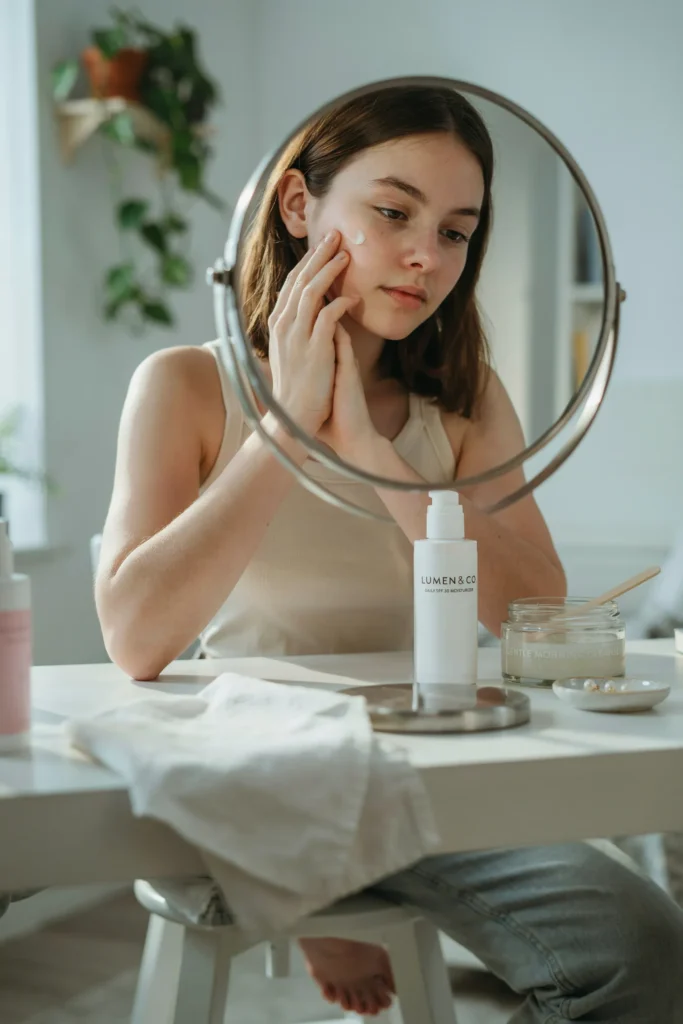
Your makeup can only look as good as the skin underneath it. If you skip moisturizer before school, your foundation will sit unevenly and your skin will look dry by third period. A lightweight, non-greasy moisturizer with SPF is all you need before applying anything else.
Give your skin 60 seconds to absorb the moisturizer before moving on. This one step makes your everyday makeup look more natural and last longer without extra effort. Try a tinted moisturizer if you want to skip foundation completely on easier mornings.
2. Choose a Lightweight Foundation or Tinted Moisturizer
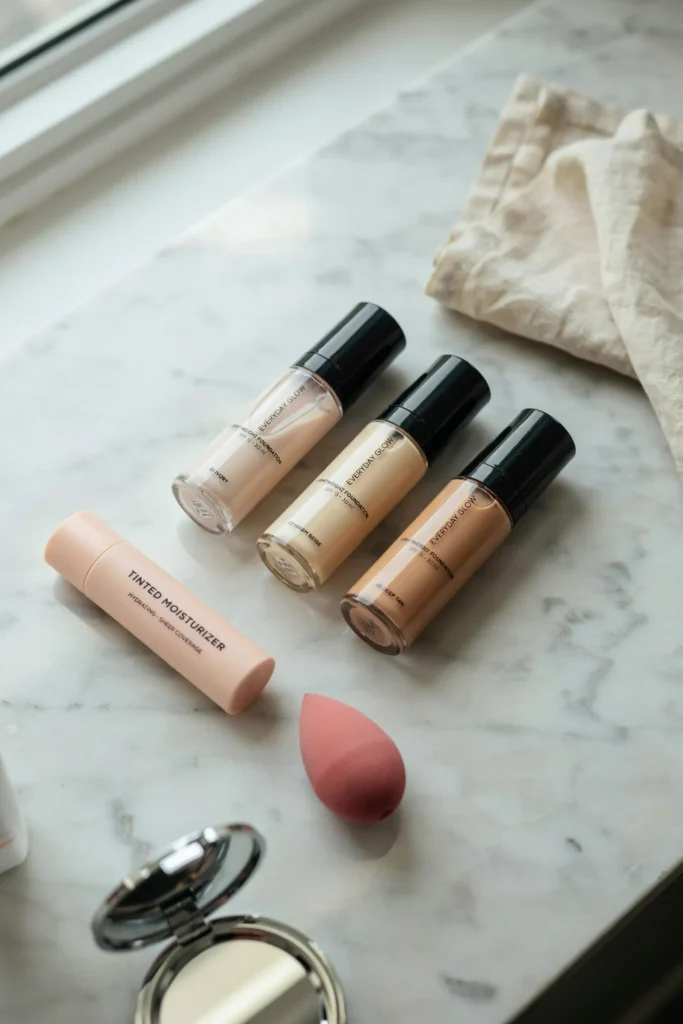
Heavy foundation looks great in photos but feels uncomfortable during a long school day. For an everyday makeup routine, a lightweight foundation or tinted moisturizer gives you just enough coverage to even out your skin tone without feeling like a mask.
Match your shade to your neck, not your face. Apply with your fingers or a damp sponge for the most natural finish. If you have oily skin, look for formulas labeled oil-free or matte to keep shine away until after lunch.
3. Concealer Placement That Looks Natural on Young Skin
Concealer used in the wrong spots or the wrong shade makes everyday makeup look cakey instead of clean. You only need it under your eyes and on active breakouts. Anything more and you are working against yourself.
Blend your concealer outward using your ring finger, which applies the least pressure and keeps the product from creasing. Set it lightly with a translucent powder if you have oily skin. Skipping this step on a rushed morning is completely fine too.
4. Setting Powder That Keeps You Fresh Through Every Class
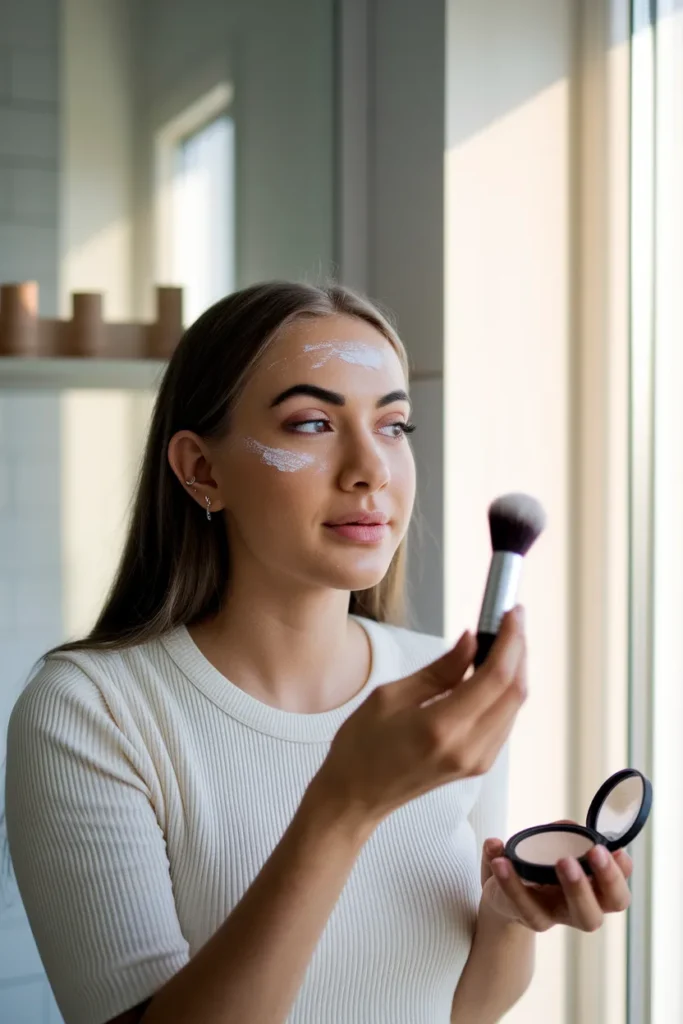
If your skin gets oily halfway through the school day, setting powder is your best solution. It locks your base in place and cuts shine without adding more coverage or weight. You do not need to powder your entire face, just the areas that tend to get shiny.
Focus on your forehead, nose, and chin. A translucent loose powder works for most skin tones, but if you have deeper skin, choose a finely milled powder made for your tone to avoid a gray cast. A small compact in your backpack for midday touch-ups is worth adding to your routine.
5. Brow Grooming That Frames Your Face Without Looking Done Up
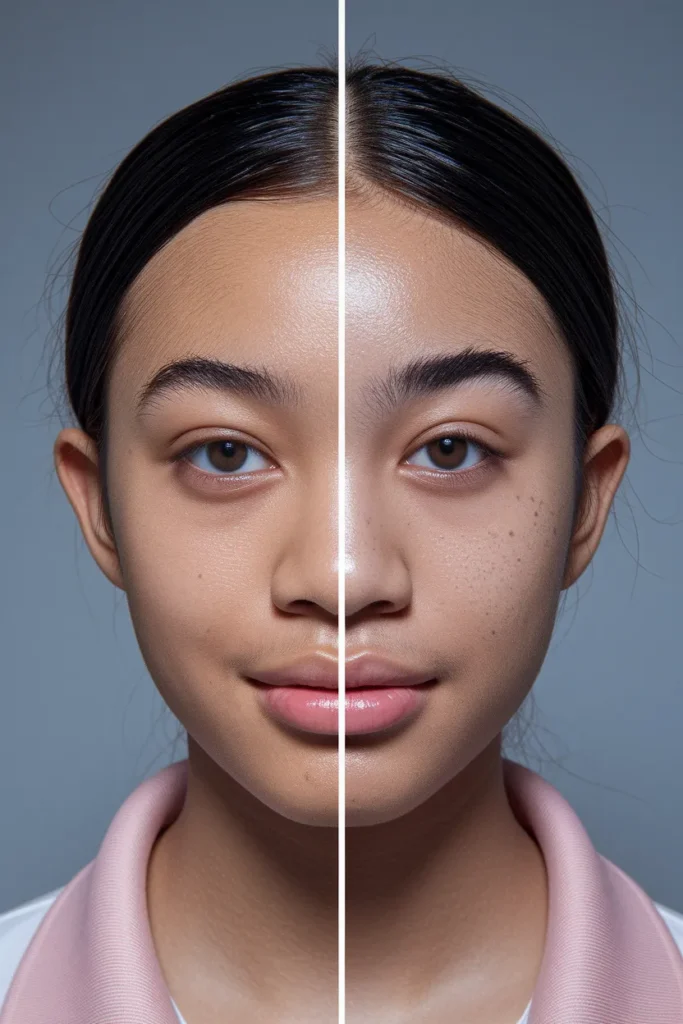
Well-groomed brows make your everyday makeup look intentional even when the rest is minimal. You do not need a full brow routine. Brushing them up with a spoolie and filling in sparse spots with a fine-tip pencil takes under two minutes.
Match your brow product to your natural hair color, not your dyed hair. Use light, hair-like strokes instead of drawing a solid line. If you have fuller brows, a clear or tinted brow gel is enough to keep them in place all day without any pencil at all.
6. Mascara That Opens Up Your Eyes Without Clumping
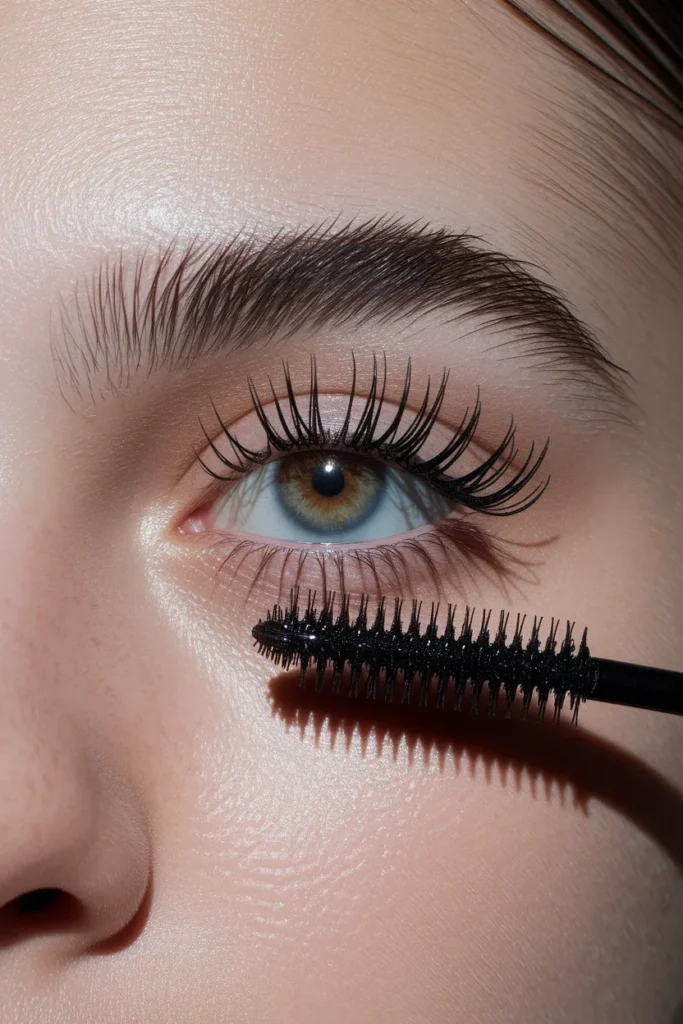
Mascara is the one product that changes your face the most with the least effort. For a natural school look, one to two coats of a lengthening or separating formula is all you need. Over-applying mascara in the morning means dealing with smudging and flaking by the afternoon.
Wiggle the wand at the root and pull upward slowly for the best lift. Brown-black mascara reads more natural than jet black, especially if you have lighter features. Keep a clean spoolie in your bag to separate any clumps that form throughout the day.
7. How to Do a Simple Eye Look in Under 5 Minutes
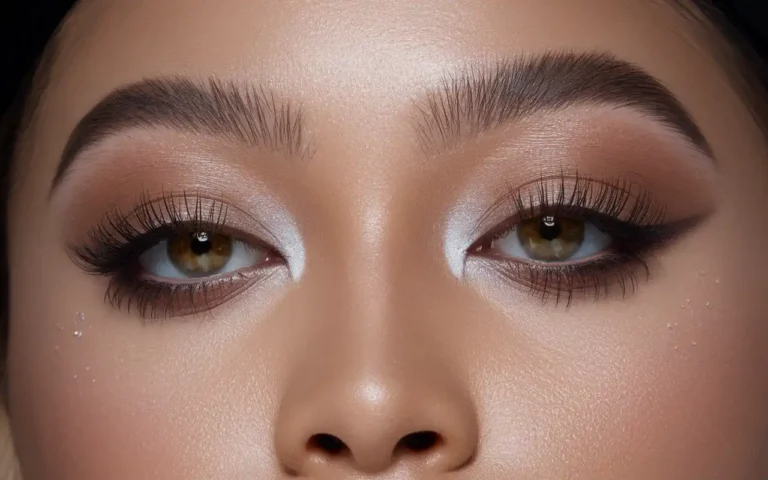
A simple eye look for everyday makeup does not require blending three shadows or a precise cut crease. One matte shade slightly deeper than your skin tone swept across the lid and into the crease reads polished and natural at the same time.
Use your finger to apply eyeshadow for the most blended, effortless finish. If you want to look slightly more awake, add a lighter shade to the inner corner of your eye. That one detail makes a bigger difference than most people expect.
8. Eyeliner Options That Work for a Natural Daytime Look
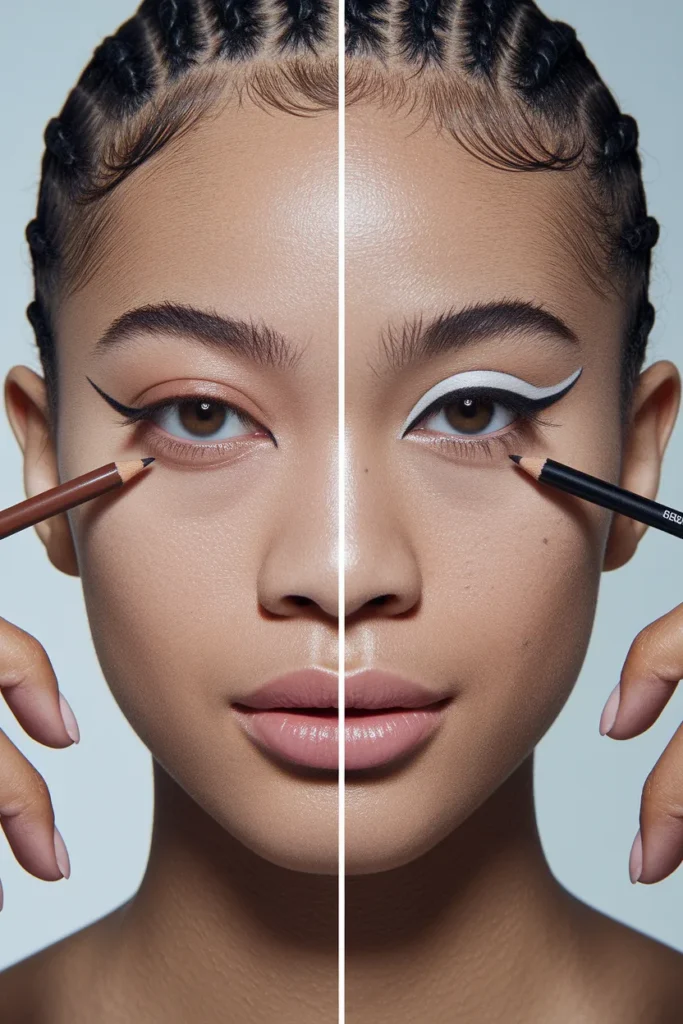
Black liquid eyeliner is a bold choice for school. For an everyday makeup look that still feels defined, a brown pencil liner or a thin line of gel liner along your upper lash line is a better fit. It defines your eyes without looking heavy under classroom lighting.
Tight-lining, which means lining the inner upper waterline between your lashes, adds definition with zero visible liner. It works on every eye shape. If your liner tends to smudge by midday, set it with a matching eyeshadow shade right on top.
9. Blush Placement for a Healthy, Natural Flush

Blush is the fastest way to look awake without effort. For a natural everyday makeup look, apply it to the apples of your cheeks and blend lightly toward your temples. The goal is to look like you just went for a walk, not like you applied makeup at all.
Cream blush works better on dry skin and blends easily with your fingers. Powder blush lasts longer on oily skin and applies better with a brush. Start with less than you think you need and build up slowly. Blush fades throughout the day, so applying a touch more in the morning than feels comfortable at home usually ends up looking perfect by the time you get to school.
10. Subtle Contour for Beginners Who Want Dimension
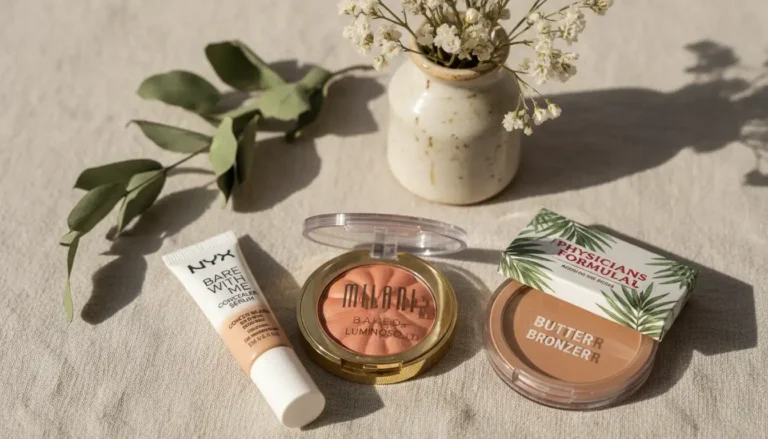
Heavy contouring looks striking on camera but reads muddy in real life, especially on younger skin. For a natural everyday makeup routine, a matte bronzer used as a soft contour is a much better tool than a traditional cool-toned contour powder.
Apply it just beneath your cheekbones, along your hairline, and lightly under your jaw. Use a fluffy brush and blend in circular motions until no harsh lines are visible. If you are new to this, less is genuinely more. You can always add, but removing product mid-routine wastes time you probably do not have before first period.
11. Bronzer Tips for a Sun-Kissed School Day Glow
Bronzer adds warmth to your face and makes minimal makeup look more intentional. Apply it where the sun would naturally hit: your forehead, the bridge of your nose, your cheekbones, and your chin. This is often called the three position, and it keeps the result looking real rather than applied.
Choose a bronzer that is only one to two shades deeper than your natural skin tone. Anything too dark looks orange in daylight, and school lighting is unforgiving. A satin or matte finish bronzer works better for everyday wear than anything with heavy shimmer.
12. Lip Products That Stay Put Through Lunch and Classes
Your lip product needs to survive talking, eating, and drinking for eight or more hours. For an everyday makeup look, a tinted lip balm or a sheer lip gloss layered over a matching lip liner is the most practical combination. It stays comfortable, does not require precision, and is easy to reapply quickly.
If you want more staying power, apply a nude lip liner all over your lip first before adding gloss or balm on top. The liner acts as a base and keeps the color from disappearing completely after eating. Look for balms with SPF if you spend time outdoors between classes.
13. Highlighter That Looks Natural, Not Blinding
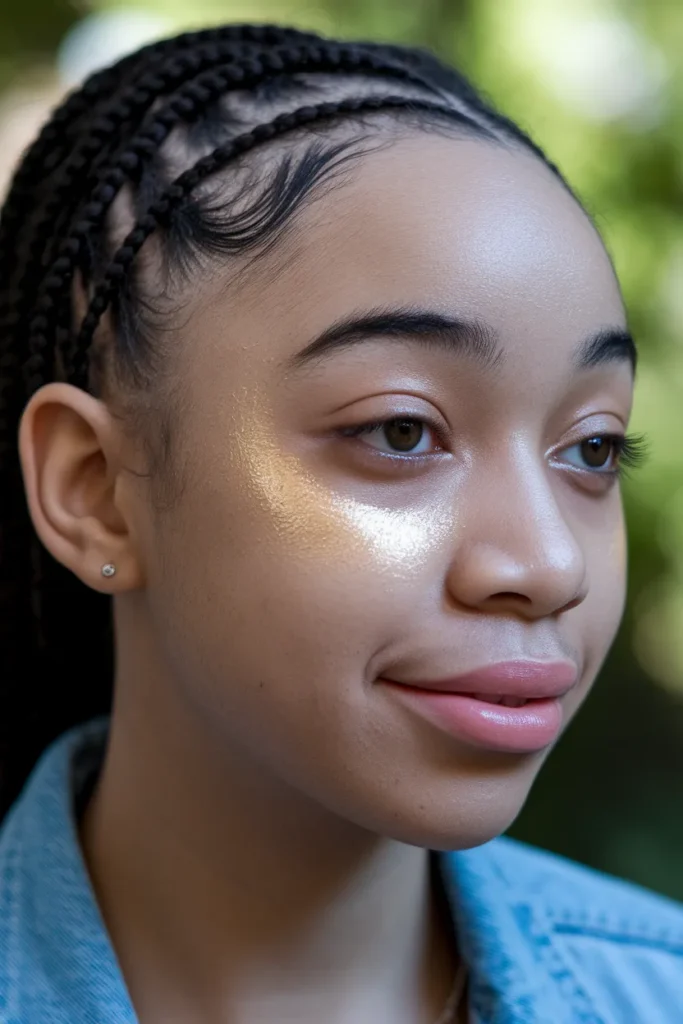
Chunky glitter highlighter is not the move for school. For an everyday makeup look, a finely milled powder highlighter or a liquid one applied with your finger gives you a realistic glow that looks like healthy skin rather than product on skin.
Apply it only to the very tops of your cheekbones, the tip of your nose if you prefer, and the inner corner of your eyes. Three spots are enough. Anything more reads overdone in a school environment. Champagne, gold, and peach tones work across most skin tones for a natural finish.
14. Setting Spray That Makes Everything Look Like Skin
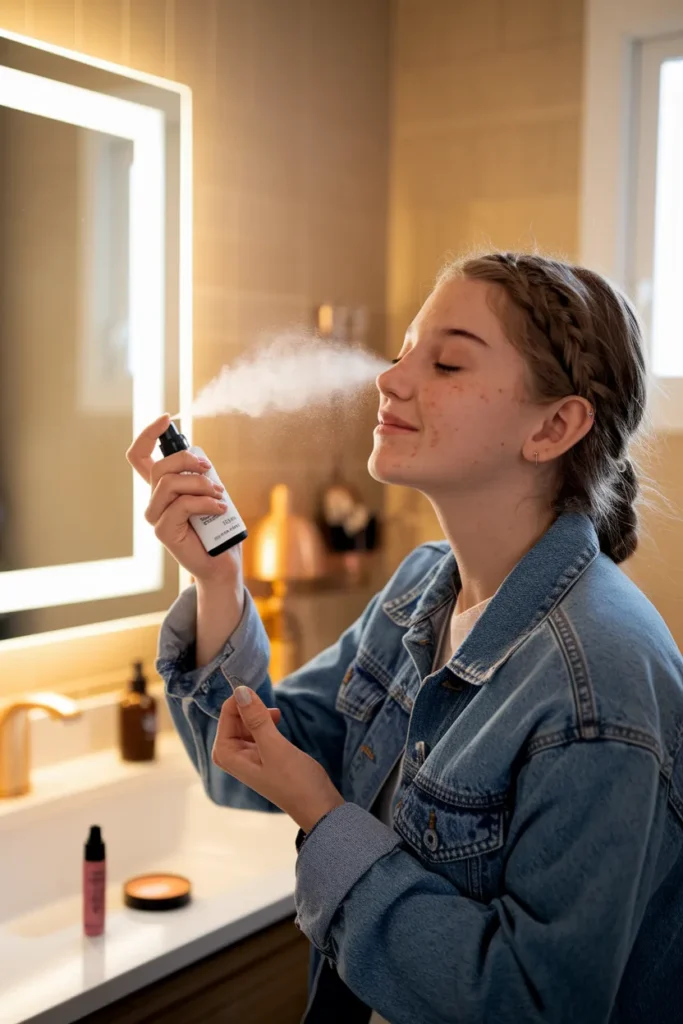
If your makeup looks powdery or mask-like after you finish, setting spray fixes that in seconds. One to two sprays across your finished face melts everything together so it reads as natural skin rather than layers of product.
Hold the bottle about 8 to 10 inches from your face and spray in a light X and T pattern. Let it dry on its own instead of touching your face while it is still wet. A travel-size setting spray fits easily in your backpack for a midday refresh that takes less than 30 seconds.
15. Building a 5-Minute Everyday Makeup Routine for School
Running late is a daily reality for most students. A five-minute everyday makeup routine is not about cutting corners. It is about knowing exactly which five products do the most work for your specific face.
The most effective five-product lineup for most people:
- Tinted moisturizer or light foundation
- Concealer on blemishes and under eyes
- One coat of mascara
- Blush on the cheeks
- Tinted lip balm
Practice this routine a few times before school starts so it becomes automatic. Speed comes from repetition, not from rushing.
16. Skincare Steps That Make Your Makeup Look Better Instantly
Your skincare routine and your makeup routine are connected. If your skin is dehydrated or flaky, no amount of foundation will fix that. Spending two extra minutes on your skin before makeup can completely change how your everyday makeup looks and how long it lasts.
A morning routine for school does not need to be complicated:
- Rinse your face with a gentle cleanser or just cool water
- Apply a lightweight moisturizer while your skin is still slightly damp
- Use a sunscreen or SPF moisturizer as your last skincare step
These three steps take under three minutes and make every makeup product you apply afterward sit better on your skin.
17. Color Correcting for Teens Who Deal With Redness or Dark Circles
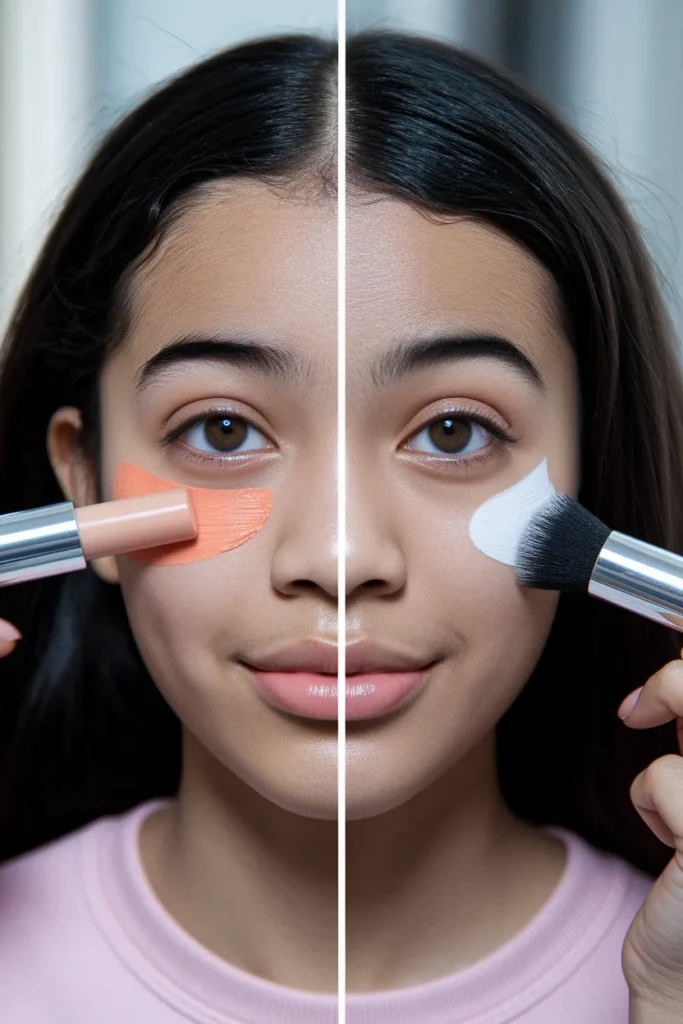
If your concealer is not fully covering dark circles or redness, a color corrector used underneath it will solve that. This is not an advanced technique. It is just understanding that makeup is layered and each layer has a job.
For dark circles with blue or purple tones, a peach or salmon corrector works best. For redness around the nose or on blemishes, a green corrector neutralizes the color before you apply concealer on top. Apply it only to the specific area, not all over. Then blend your regular concealer over it as usual. The result looks more natural than using heavy concealer alone.
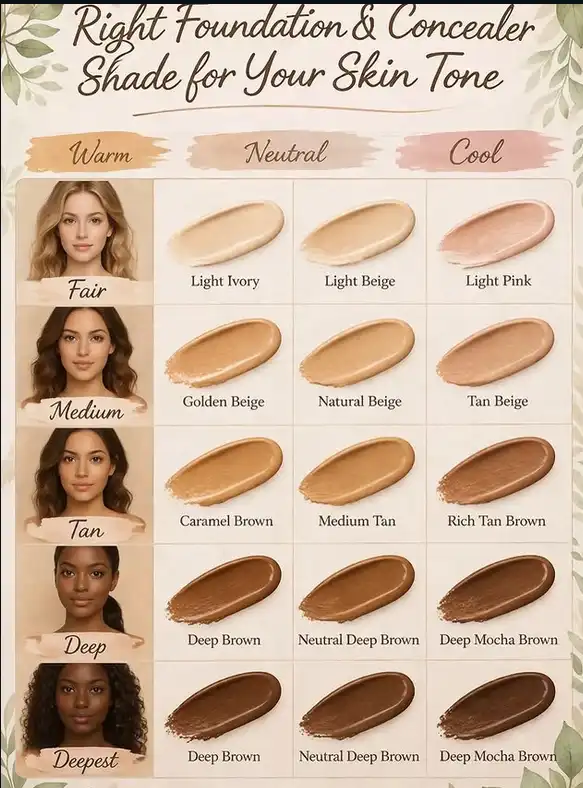
18. Makeup for Different Skin Tones: What Actually Works
Credit: Keny.Finds
Makeup advice online tends to default to one skin tone. What works as a natural blush for fair skin reads completely different on deeper skin, and that matters for building an everyday makeup routine that actually suits you.
Here are a few tone-specific tips that make a real difference:
- Fair skin: cool-toned or light peach blush, fair champagne highlight, light taupe brow pencil
- Medium skin: warm peachy-pink blush, golden highlight, medium brown brow pencil
- Deep skin: deep berry or rich terracotta blush, bronze or copper highlight, dark brown or soft black brow pencil
Start with these as a baseline and adjust based on what you see on your actual face, not what the packaging suggests.
19. Makeup That Lasts Through Sports and After-School Activities
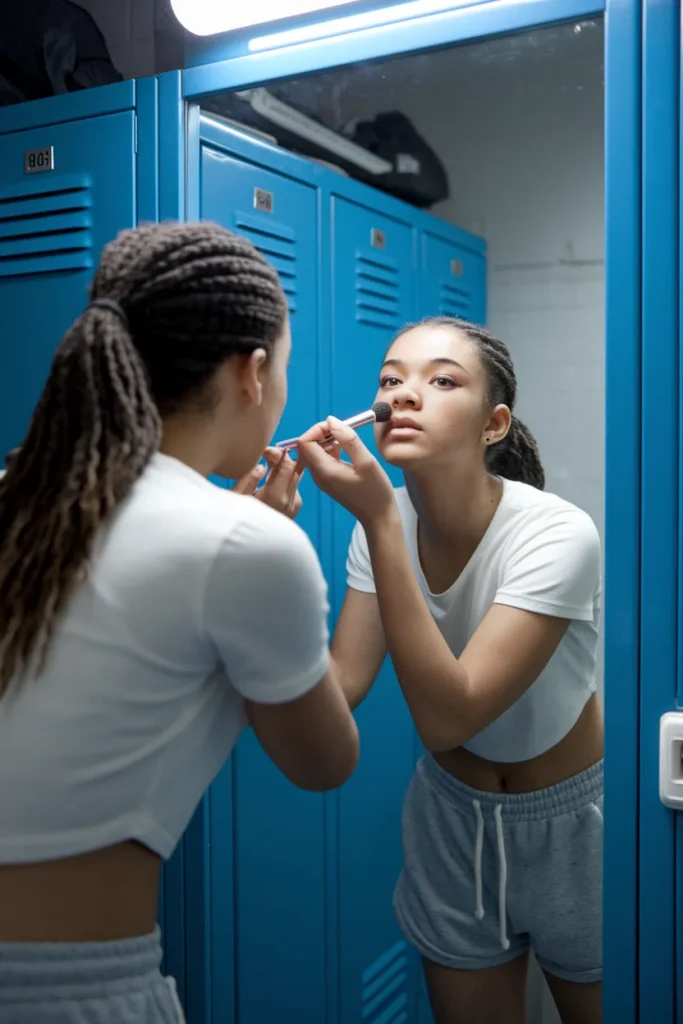
If you have practice, rehearsal, or any after-school activity, your everyday makeup needs to hold up beyond just classroom hours. The right product choices make the difference between a look that lasts and one that slides off by 3pm.
Swap your regular foundation for a long-wear or sport-friendly formula on active days. Use a waterproof mascara and waterproof eyeliner if you sweat around your eyes. Set everything with a light layer of setting powder and finish with a setting spray designed for long wear. These swaps add maybe one minute to your routine and save you from looking in a mirror after gym class and not recognizing yourself.
20. How to Pick Makeup Products That Work for Acne-Prone Skin
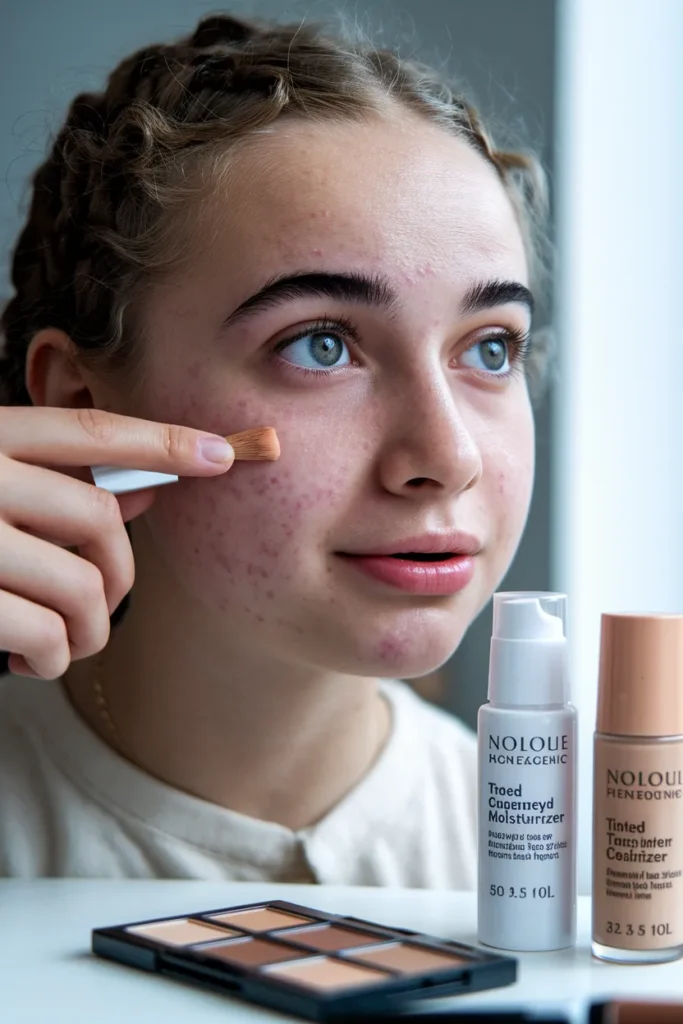
Acne-prone skin needs makeup that does not make breakouts worse. The wrong products can clog pores or irritate existing blemishes, which creates a frustrating cycle where you want to wear more makeup to cover the results of wearing the wrong makeup.
Look for these terms on product labels when building your everyday makeup routine:
- Non-comedogenic (will not clog pores)
- Oil-free (reduces excess sebum buildup)
- Fragrance-free (lowers risk of irritation)
- Dermatologist-tested (gives a basic level of safety confirmation)
Avoid heavy cream foundations and opt for lightweight, breathable formulas. Always remove your makeup fully before bed, especially on days when you have worn more than usual.
21. The Role of Primer in a Natural School Makeup Look
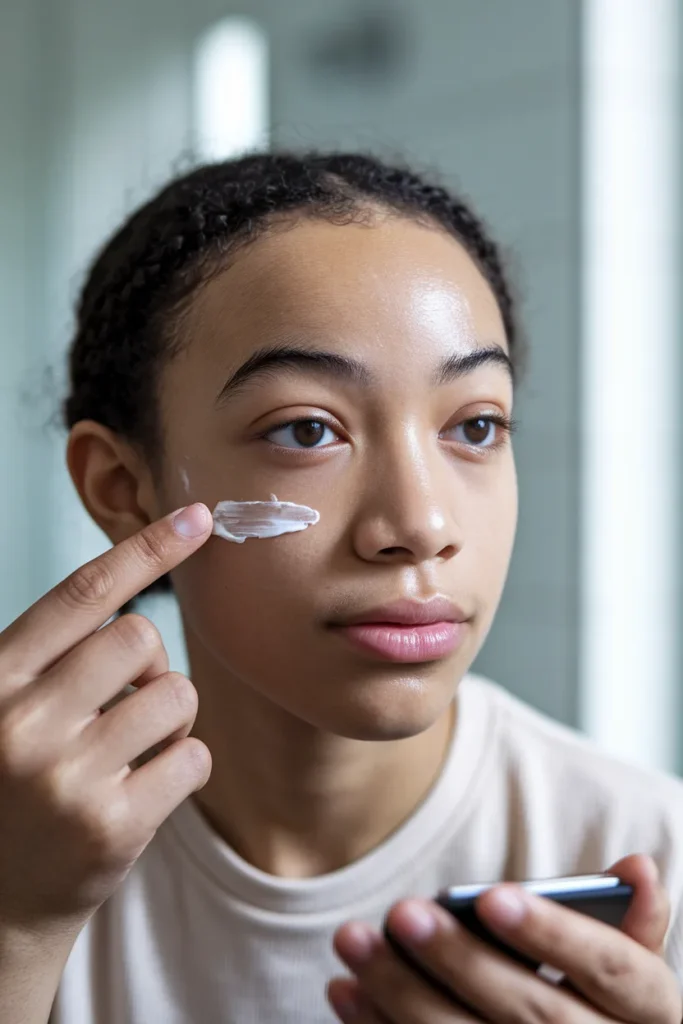
Primer divides people. Some swear by it, others skip it entirely. For an everyday makeup routine, primer earns its place if you have large pores, oily skin, or makeup that tends to fade fast. On normal or dry skin, a good moisturizer often does the same job.
If you choose to use one, apply a pea-sized amount after moisturizer and before foundation. A silicone-based primer blurs pores and extends wear. A hydrating primer works better under lightweight foundations on drier skin. You do not need to cover your entire face. Focus on areas where your makeup tends to break down first.
22. Budget-Friendly Products That Perform Like High-End Makeup
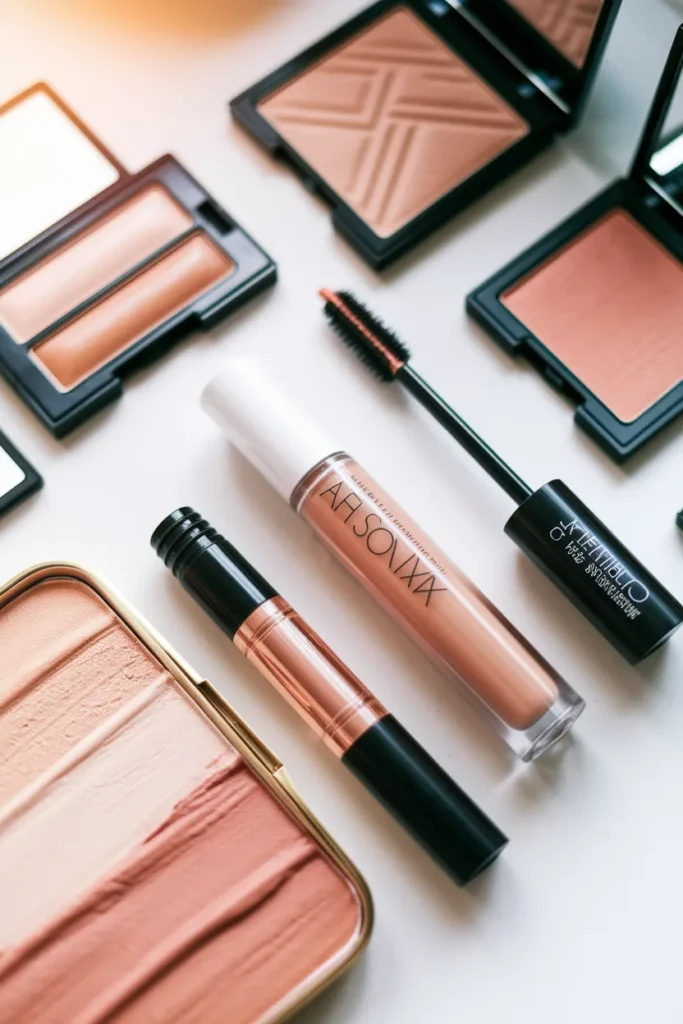
You do not need expensive products to wear everyday makeup that looks great. The drugstore has consistently strong performers in almost every category, and plenty of beauty professionals use them regularly in real routines.
A few categories where drugstore consistently delivers:
- Mascara: drugstore formulas often outperform luxury in wear time and lash separation
- Setting powder: finely milled translucent options are widely available at low price points
- Blush: pigmentation in drugstore blushes is often stronger than expected, so apply lightly
- Tinted lip balm: affordable options with SPF are genuinely practical for daily school use
Do not buy everything at once. Start with one or two new products at a time so you can actually tell what is working.
23. Morning Routine Tips That Save Time Without Sacrificing Your Look
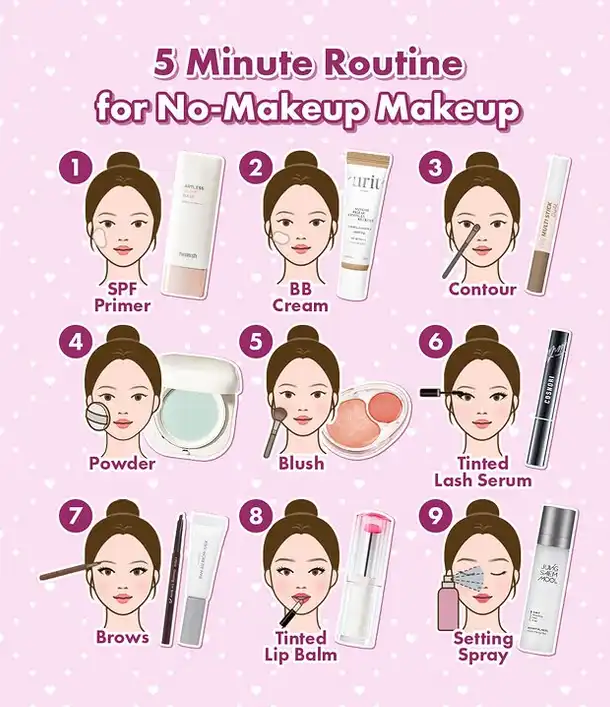
Most makeup routines run long because of poor organization, not because the routine itself is complicated. If you lay your products out the night before in the exact order you use them, your morning moves faster without any sacrifice to the final result.
A few habits that genuinely cut time:
- Prep your skin the night before with a good moisturizer to reduce morning dryness
- Keep your school makeup separate from your weekend or event makeup
- Practice your five-minute routine on a weekend morning so it feels automatic on school days
- Set a phone timer for your makeup so you do not lose track of time
Small organizational changes make more of a difference than finding faster products.
24. How to Adjust Your Everyday Makeup Look for Different Seasons
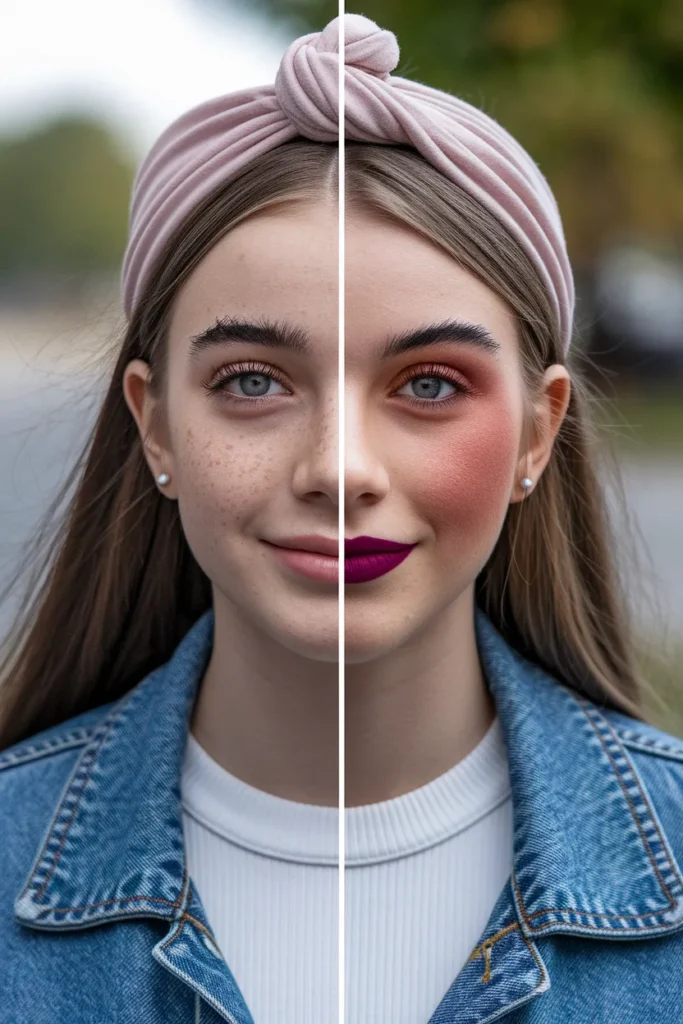
The same makeup you wear in September looks different by November. Seasonal changes in light, temperature, and your skin condition all affect how your everyday makeup reads. Adjusting slightly with the season keeps your look feeling current and appropriate without completely overhauling your routine.
In warmer months, lighter coverage, soft peachy tones, and minimal eye makeup tend to work best. When fall arrives and natural light becomes cooler, you can shift toward warmer bronzers, slightly richer lip colors, and a touch more definition around the eyes. These are small changes, not full routine swaps. Swapping one or two products per season is enough to keep your look from feeling stuck.
25. Removing Your Makeup Properly After a Full School Day
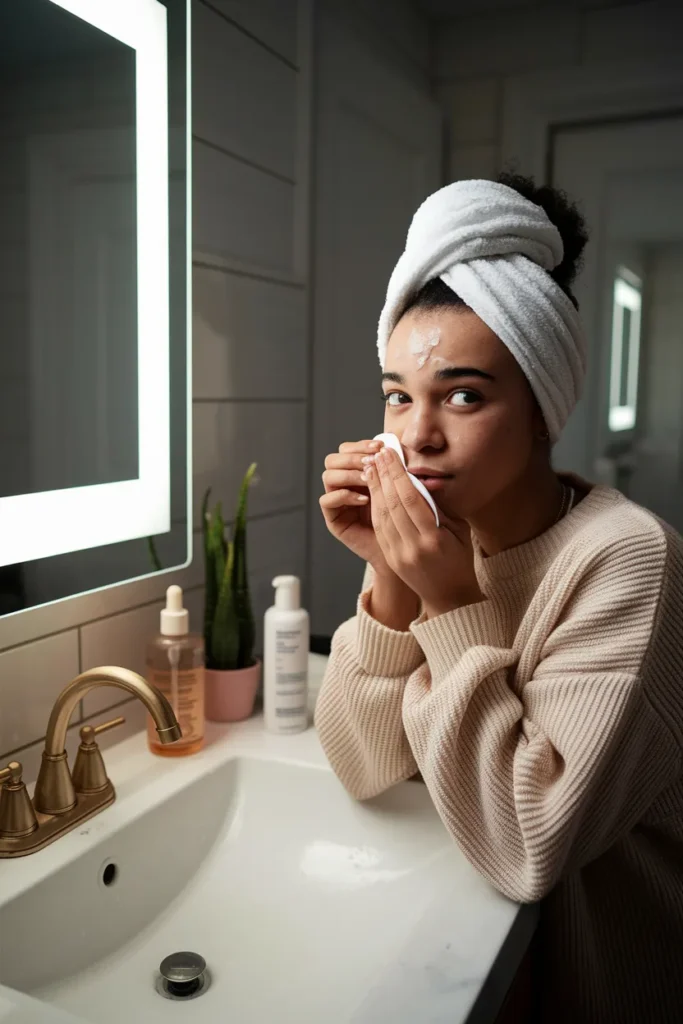
Removing your makeup at the end of the day is just as important as applying it in the morning. Sleeping in makeup, even minimal everyday makeup, contributes to clogged pores, dull skin, and accelerated breakouts. It is the one step you should not skip regardless of how tired you are.
Micellar water on a cotton pad removes most everyday makeup without needing to rinse. If you wore heavier eye makeup, a dedicated eye makeup remover dissolves it more effectively without tugging at the skin around your eyes. Follow with your regular cleanser and moisturizer. Your skin recovers overnight when it can actually breathe, which means your makeup sits better the next morning too.
Conclusion:
Your everyday makeup routine should work for your life, not against it. Start simple, build confidence with a few reliable products, and adjust as you go. The 25 ideas in this guide give you a real starting point, whether you are a complete beginner or just looking to streamline your current routine. Small changes make a genuine difference. Pick two or three tips from this list and try them this week.