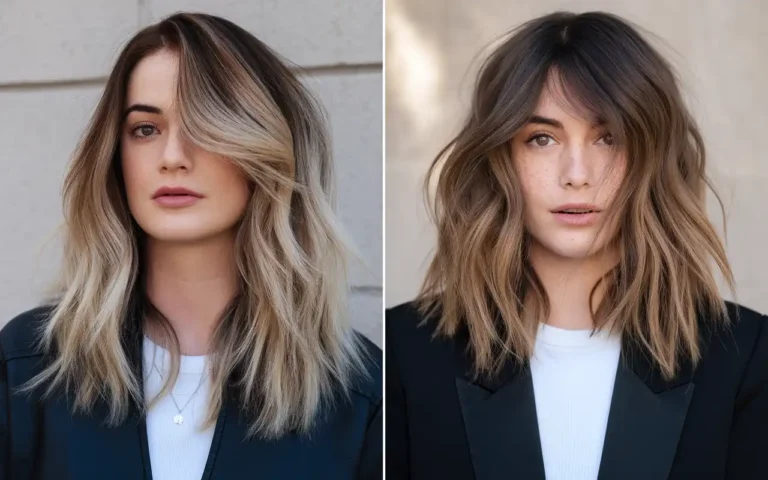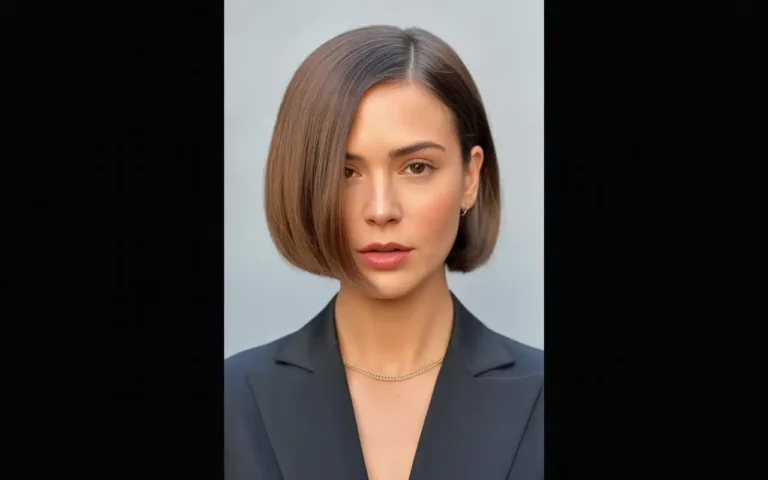
21 Salon Secrets Behind a Perfect Icy Blonde Balayage

That cool, silvery, effortlessly luminous hair you keep saving to your inspiration folder? It does not happen by accident. Behind every perfect icy blonde balayage is a colorist armed with techniques, formulas, and hard-earned knowledge that rarely makes it into the appointment conversation. Whether you are considering your first session or your fifth, understanding what actually goes into this look will change how you approach the entire process, from consultation to aftercare. These are the secrets worth knowing before you sit in that chair.
1. Your Natural Base Color Changes Everything
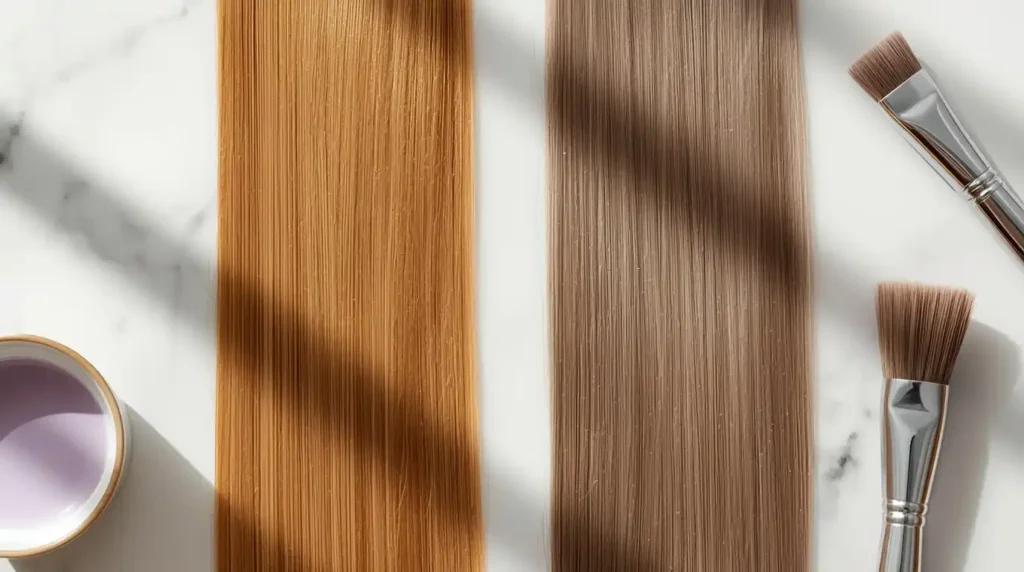
Every colorist worth their chair will tell you this before they even mix a formula: your starting base color is the single biggest factor in how your icy blonde balayage turns out. Someone with a naturally cool, ash brown base is going to lift to a much cleaner, crisper blonde than someone starting with a warm, golden or red-toned base. That is just color science, and no amount of premium product can fully override it in a single session.
This does not mean warm-based hair cannot achieve that dreamy, silver-kissed result. It simply means the journey may take longer and require a more strategic approach, possibly involving multiple appointments or a pre-toning step. A great colorist will assess your base honestly during your consultation and set realistic expectations rather than promise you an ice queen transformation overnight. That kind of transparency is always a green flag.
2. The Consultation Is Where the Magic Actually Starts

Walk into any top-tier salon and you will notice that the best colorists spend serious time in consultation before a single foil is placed. This is not just small talk. They are gathering information about your hair history, your lifestyle, how much maintenance you are realistically willing to commit to, and what your vision of icy blonde actually looks like. Because here is the thing: everyone pictures something slightly different when they say “icy blonde.”
Bringing clear, specific inspiration images to your appointment is one of the most practical things you can do. Screenshots of hair that matches your length, texture, and skin tone will give your colorist a concrete target rather than a vague concept. The more aligned your vision is before the process begins, the more satisfied you will feel when you see that final result in the mirror.
3. Not All Blonde Is Created Equal: Understanding Tones
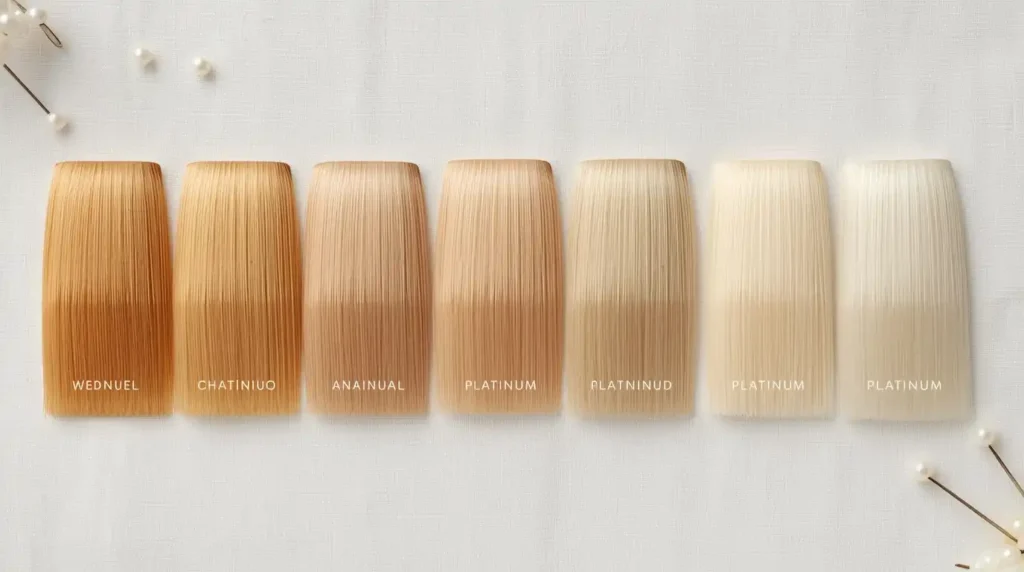
One of the most common points of confusion clients bring into salons is the assumption that blonde is simply blonde. In reality, the blonde spectrum is enormous, ranging from buttery warm creams and golden honeys all the way through to cool beiges, ash tones, and finally to that crisp, almost silver-white we associate with the icy end of the scale. Understanding where on that spectrum you want to land is crucial before any color work begins.
Icy blonde specifically lives at the cool, low-pigment end of the spectrum. It tends to have blue, silver, or violet undertones rather than yellow or golden ones. Achieving this particular tone requires not just lightening the hair but also depositing the right cool pigments afterward through toning. Skipping or rushing that toning step is one of the main reasons people end up with a result that reads more “pale yellow” than “icy silver.”
4. Sectioning Technique Makes or Breaks the Blend
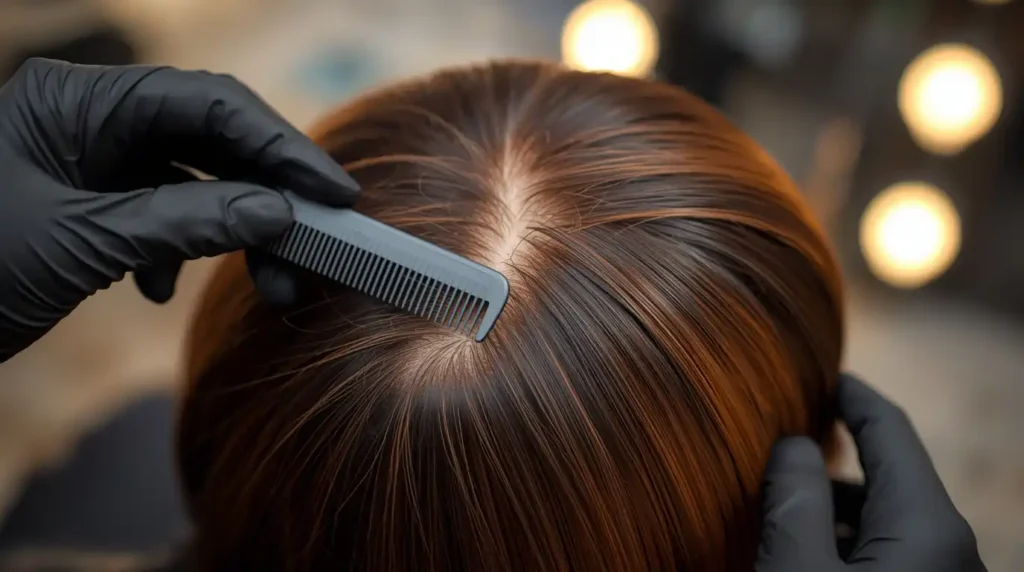
The way hair is sectioned before color is applied has a direct impact on how natural and seamless the final blend looks. Balayage as a technique relies on a specific kind of freehand application, but that freedom does not mean chaos. Skilled colorists are deliberate about where they take their sections, how thick each piece is, and which areas they prioritize for more or less saturation of color.
Thicker sections tend to produce bolder, more dramatic contrast, while finer sections allow for a softer, more diffused blend that grows out gracefully. For icy blonde balayage specifically, most colorists will opt for a careful combination, using finer sections near the face for brightness and slightly chunkier pieces toward the back for dimension. That balance is what gives the style its signature lived-in but luminous quality.
5. Why Freehand Application Sets Balayage Apart
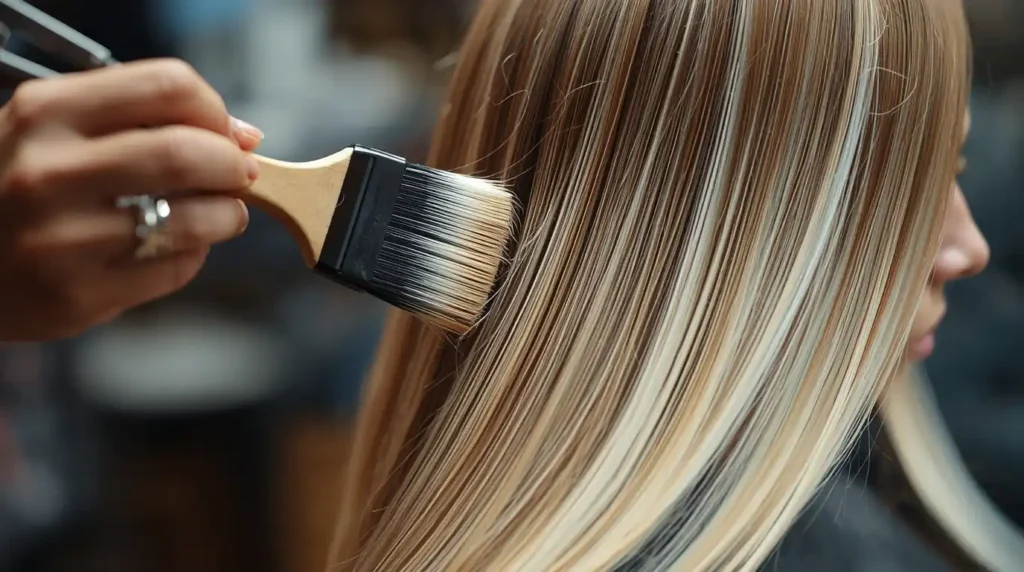
Traditional foil highlights follow a predictable pattern that, while effective, can look uniform and slightly artificial when you examine the grow-out. Balayage takes a completely different approach by painting color directly onto the hair in a sweeping, freehand motion that mimics how sunlight would naturally hit and lighten strands over time. This is the core of what makes the technique so beloved and why it tends to look so naturally dimensional.
For icy blonde results, the freehand element also allows colorists to be strategic about placement in a way that foils cannot always accommodate. They can concentrate more intensity at the ends, blend softly through the mid-lengths, and leave the roots completely untouched or with just a whisper of lightness. That graduated, organic-looking contrast is exactly what separates a beautiful balayage from a flat, all-over blonde result.
6. The Role of Lightener Strength in Achieving Icy Results
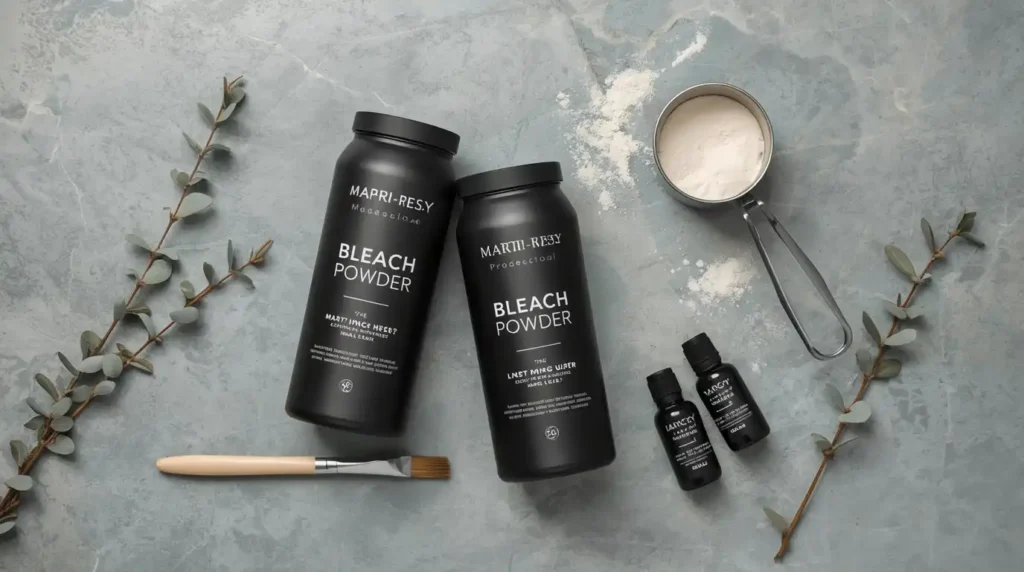
Not all lighteners perform equally, and the strength of the developer used alongside bleach powder makes a significant difference in how far the hair lifts and how much integrity it retains in the process. Higher-volume developers lift faster and more dramatically, but they also introduce more risk of damage, uneven results, and a compromised hair texture. Choosing the right combination is genuinely an art form that experienced colorists develop over years of practice.
For icy blonde balayage, the goal is to lift high enough to reach a pale yellow or near-white stage before toning, because that is the canvas you need for cool pigments to read true. Lifting to a warm orange or gold and then attempting to tone icy is not going to deliver the same result, no matter how much purple toner you apply. The lightener strength, processing time, and application technique all work together to either set you up for success or create an uphill battle.
7. Processing Time Is Not a Guessing Game
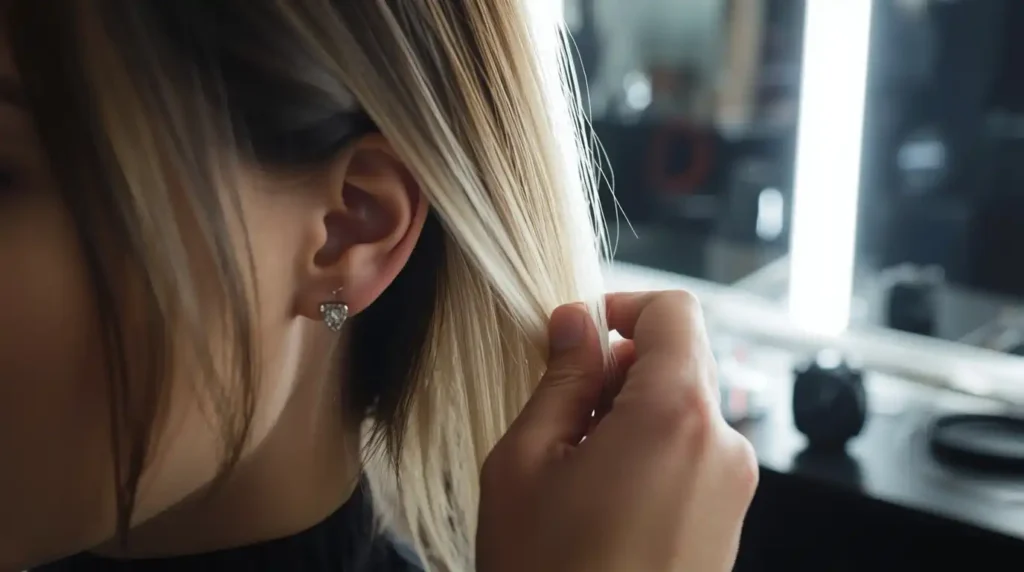
One of the most underestimated steps in any balayage appointment is monitoring the development process in real time. Processing time is not a fixed number that you set and forget. It is a dynamic variable that changes depending on the client’s hair porosity, the ambient temperature in the salon, the strength of the product being used, and even how thick the sections are. Colorists who check their work regularly and adjust accordingly produce consistently better results.
Leaving lightener on for too long in pursuit of maximum lift often leads to over-processing, which weakens the hair structure and can cause breakage, excessive dryness, or an uneven result that no toner can fully correct. On the other hand, pulling product too early means you may not reach the level of lift needed for a true icy tone. It is a balancing act that requires attention, experience, and a genuine understanding of how individual hair responds to chemical services.
8. Toning Is the Step That Creates the “Icy” Effect
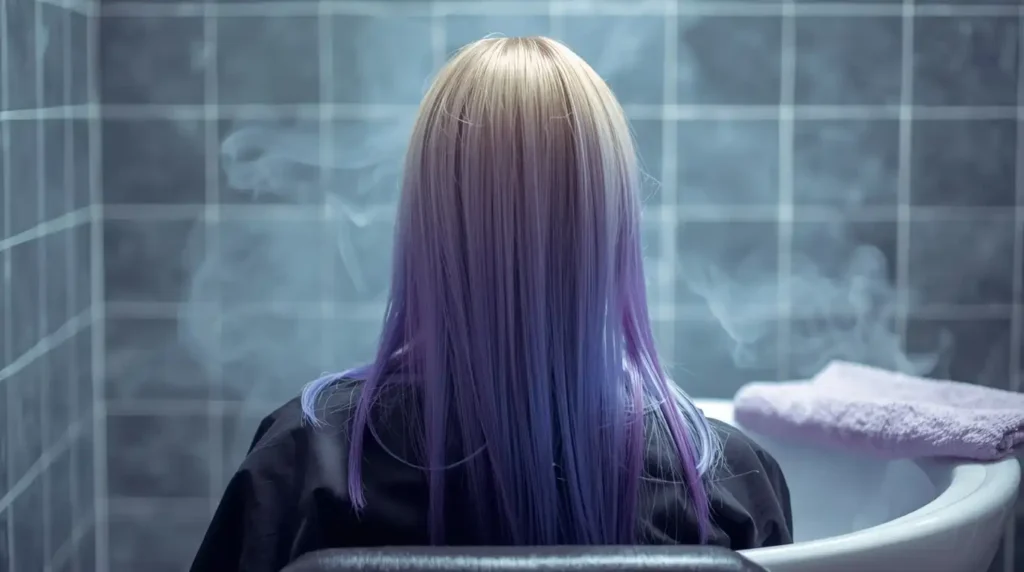
If lightening is the foundation of icy blonde balayage, toning is absolutely the architecture. You can lift hair to the palest possible yellow and still end up with a warm, brassy result if toning is skipped or done poorly. The toner is what deposits those cool, silvery, or violet-tinged pigments that transform pale yellow into true ice. And getting the toner formula exactly right for each individual client is where colorist expertise really shines.
There are many different toning options available, from glosses and demi-permanent colors to pigmented treatments and high-lift formulas, each with different staying power and intensity. The best colorist for your icy blonde will choose a toning approach that accounts for your hair’s porosity, how much warmth is still present after lifting, and how long you want that cool tone to last between appointments. This is not a step to rush or to delegate to a less experienced assistant.
9. The Importance of Hair Porosity in Color Results
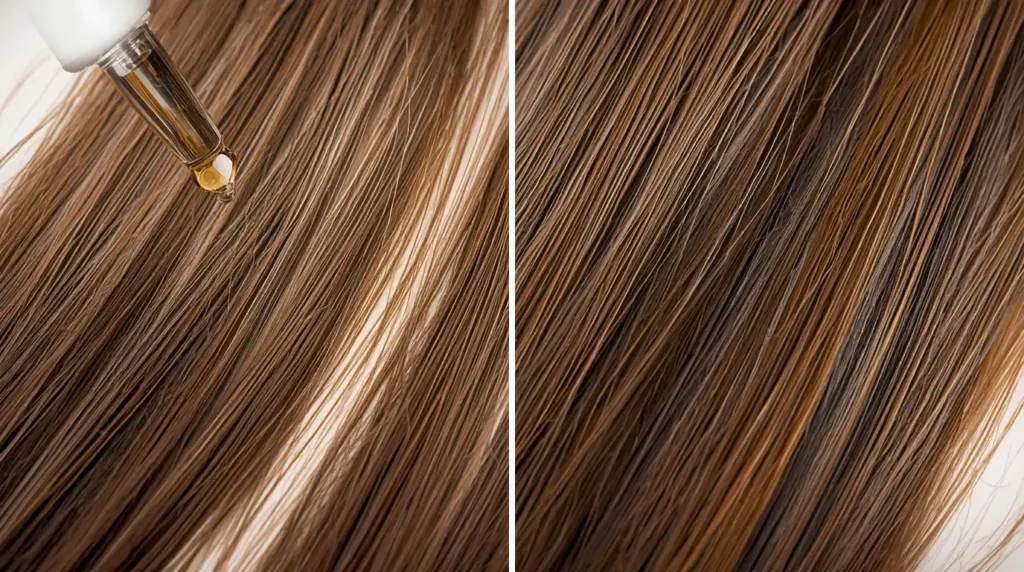
Hair porosity refers to how easily your hair absorbs and releases moisture and, by extension, color pigment. This is one of the most technically important factors in any color service, yet it is rarely discussed with clients in detail. High porosity hair, which tends to be more damaged or chemically treated, will absorb color very quickly but also release it just as fast, meaning it can look great right after the salon but fade significantly within a few weeks.
Low porosity hair, on the other hand, resists penetration and can be harder to lift and tone evenly. For icy blonde balayage, understanding your hair’s porosity helps your colorist predict how the lightener will behave, how the toner will deposit, and how long the result will realistically last. Some colorists will do a quick porosity test during consultation, and if yours does not bring it up, it is absolutely worth asking about.
10. Face-Framing Pieces Elevate the Whole Look
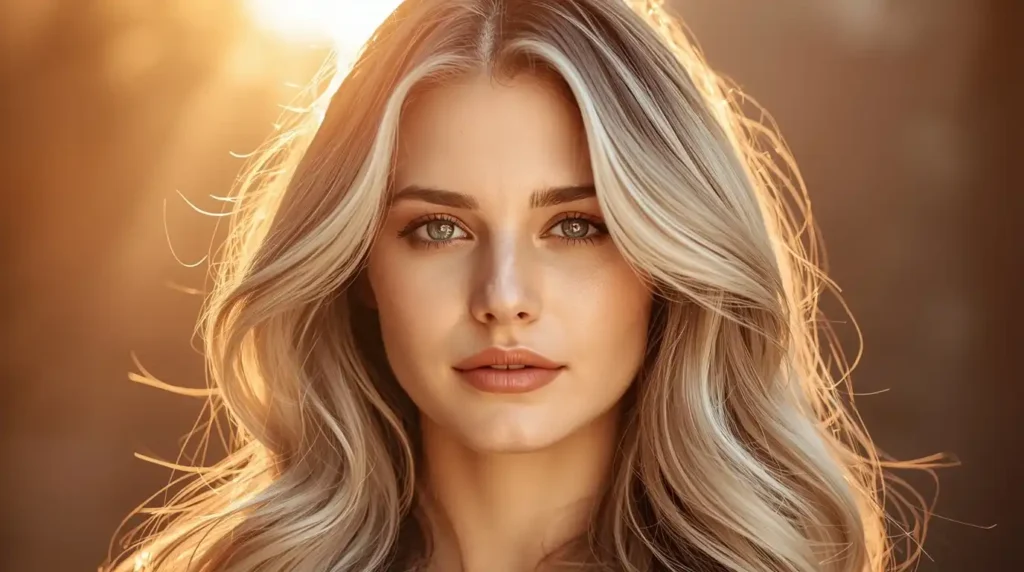
The placement of lighter pieces around the face is one of the oldest tricks in the colorist’s toolkit, and for good reason. Face-framing highlights have an almost instant brightening effect on the complexion, drawing light toward the features in a way that feels flattering and naturally sun-kissed. When those pieces are done in a cool, icy tone rather than a warm gold, the effect becomes particularly striking and modern.
For icy blonde balayage specifically, the face-framing pieces are often taken lighter than the rest of the hair, creating a focal point that reads as beautifully dimensional from every angle. Some clients opt for a few key pieces right at the hairline and temples, while others prefer a more extensive frame that wraps around the ears and through the top layers. Either approach, when done well, can feel transformative and incredibly personal to your face shape and features.
11. Root Shadowing Adds Depth Without Sacrificing Brightness
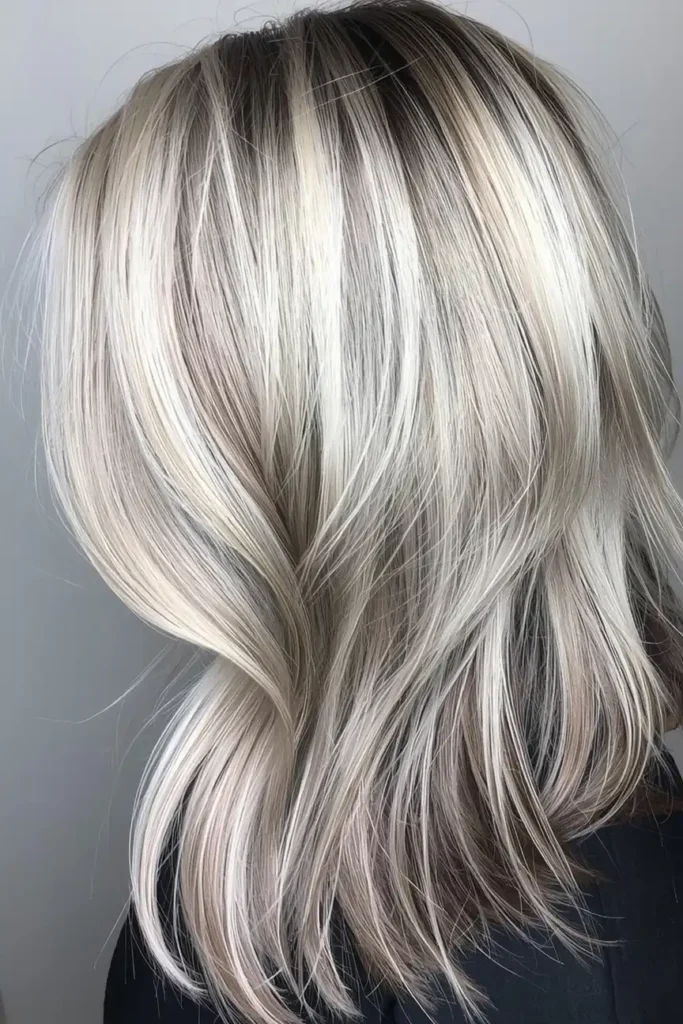
Root shadowing is a technique where a slightly darker tone is applied at the roots and blended softly into the lighter mid-lengths and ends, creating a shadow effect that adds incredible depth to an otherwise all-over light result. For people with icy blonde balayage, this step can make the difference between a look that feels flat or washed out and one that feels rich, dimensional, and intentional.
Beyond the aesthetic benefits, root shadowing also has a very practical advantage: it extends the time between appointments significantly. Because the root area already has a planned, blended darker tone, new growth is far less noticeable as it comes in. This makes it a particularly smart technique for anyone who loves the icy blonde aesthetic but knows they cannot realistically make it back to the salon every six weeks.
12. Cool Skin Tones and Icy Blonde Are a Natural Match

One of the reasons icy blonde balayage photographs so beautifully is the way it interacts with cool-toned complexions. Fair or light skin with pink, rosy, or neutral undertones tends to harmonize naturally with the silver and violet-adjacent tones of an icy blonde result. The cool palette of the hair echoes and flatters the undertones already present in the skin, creating a sense of cohesion that looks polished and intentional rather than accidental.
That said, icy blonde is not exclusively for cool complexions. Deeper skin tones with cool or neutral undertones can look absolutely stunning with strategic icy placement, particularly when the brighter pieces are concentrated around the face and the deeper tones of the base hair are preserved for contrast. The key in either case is customization, ensuring that the specific placement and intensity of the icy tones is thoughtfully adapted to the individual rather than applied as a one-size-fits-all formula.
13. Warm Skin Tones Can Rock It Too With the Right Placement
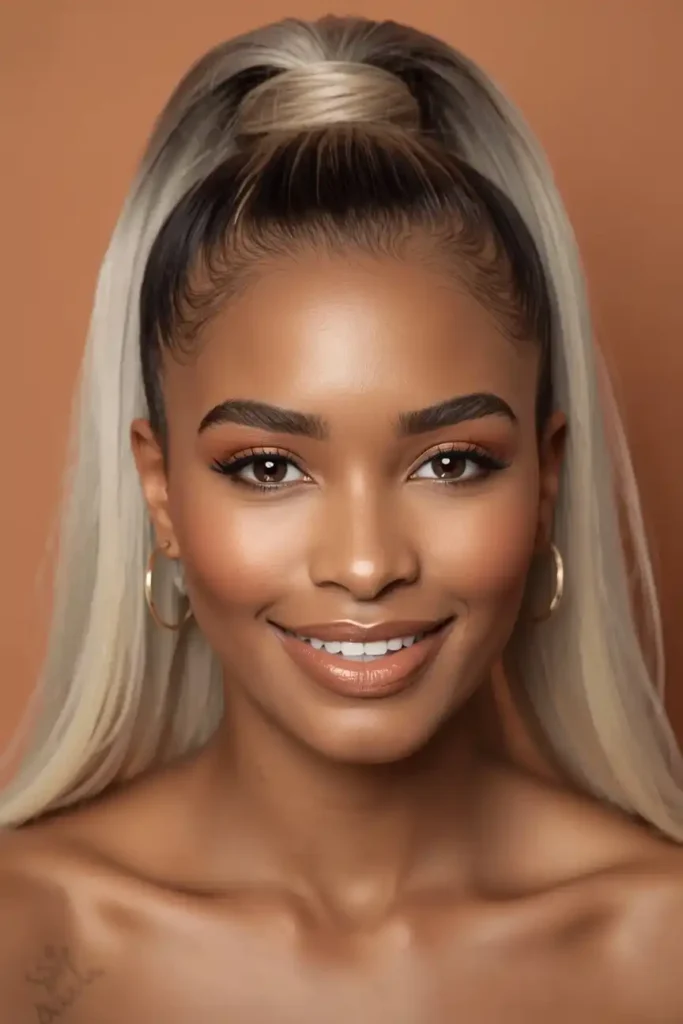
There is a persistent myth in hair color conversations that icy blonde tones simply do not work for warm skin tones. The truth is far more nuanced than that, and any colorist who tells you a flat no without considering placement or depth is not thinking creatively enough. The secret lies in how the icy tones are distributed and how much of the warm natural base is preserved throughout the look.
For warm-toned clients, keeping the roots and mid-lengths richer and deeper while concentrating the icy brightness toward the ends and throughout the top layers can create a result that feels beautifully balanced. The warmth of the skin becomes a complement to the cool ends rather than a clash, especially when the two are separated by enough depth and contrast. It is a genuinely stunning combination when it is done with intention.
14. The Purple Shampoo Conversation Every Colorist Has
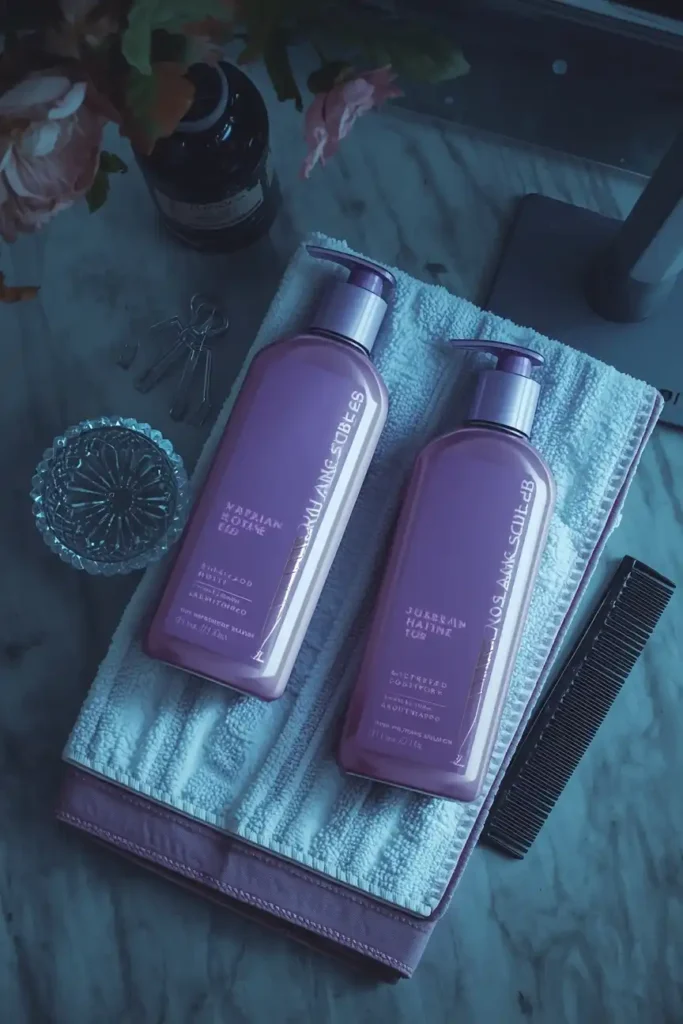
Walk out of the salon with a perfect icy blonde result and your colorist will almost certainly hand you a recommendation for purple shampoo before you reach the door. This is not upselling. It is genuinely one of the most important at-home maintenance tools for keeping cool-toned blonde looking its best between appointments. Purple shampoo works by depositing small amounts of violet pigment each time you wash, which neutralizes the yellow and brassy tones that naturally emerge as color fades.
However, there is a common mistake many people make: using purple shampoo too frequently or leaving it on for far too long. This can actually over-deposit purple pigment, leaving the hair with a lavender or even grayish cast that was not part of the plan. Most colorists recommend using it once or twice a week rather than as an everyday replacement for your regular shampoo, and keeping the processing time to a few minutes rather than a full shower cycle.
15. Heat Styling Habits That Protect Your Investment
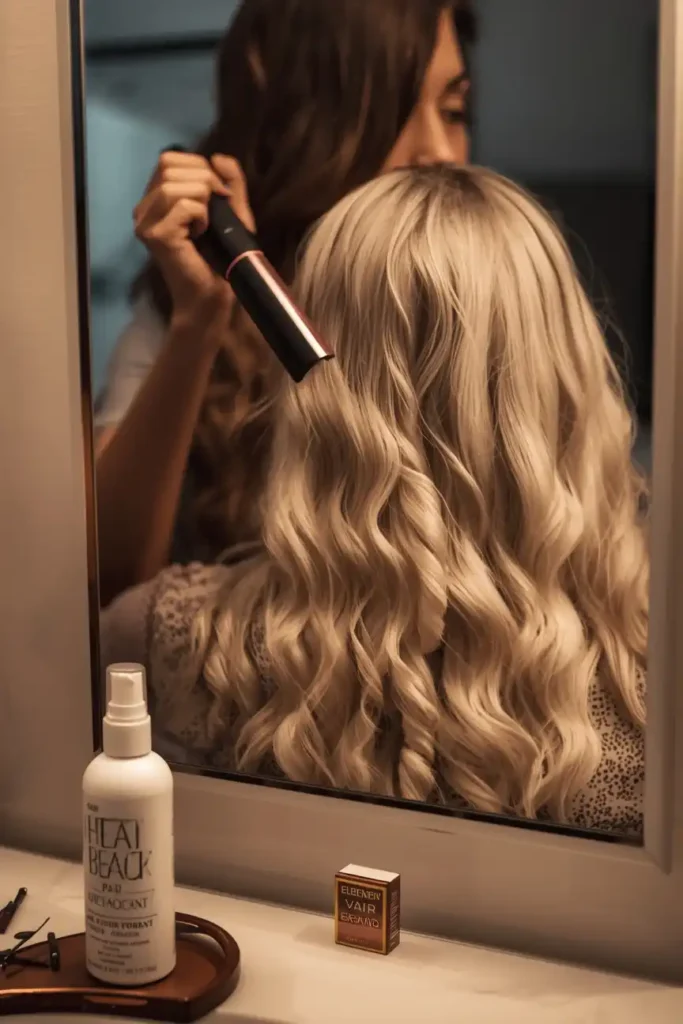
Chemically lightened hair and high heat are not natural friends, and icy blonde balayage involves a significant amount of lightening to achieve that pale, cool result. This does not mean you have to give up your curling iron or blow dryer, but it does mean that heat protection needs to become a non-negotiable step in your daily routine rather than an afterthought. A quality heat protectant applied before every heat styling session can genuinely make a measurable difference in how your color and hair health hold up over time.
Beyond just protection, the tools you choose matter too. Lower heat settings are kinder to lightened strands, and investing in a high-quality dryer or styling tool with even heat distribution will reduce the kind of localized heat stress that causes breakage. Many people find that icy blonde actually looks stunning styled at lower temperatures, where the natural texture of the hair comes through in soft, loose waves rather than overly polished curls. Leaning into that gentler approach can be both healthier and more aesthetically beautiful.
16. Bond-Building Treatments Have Changed the Game
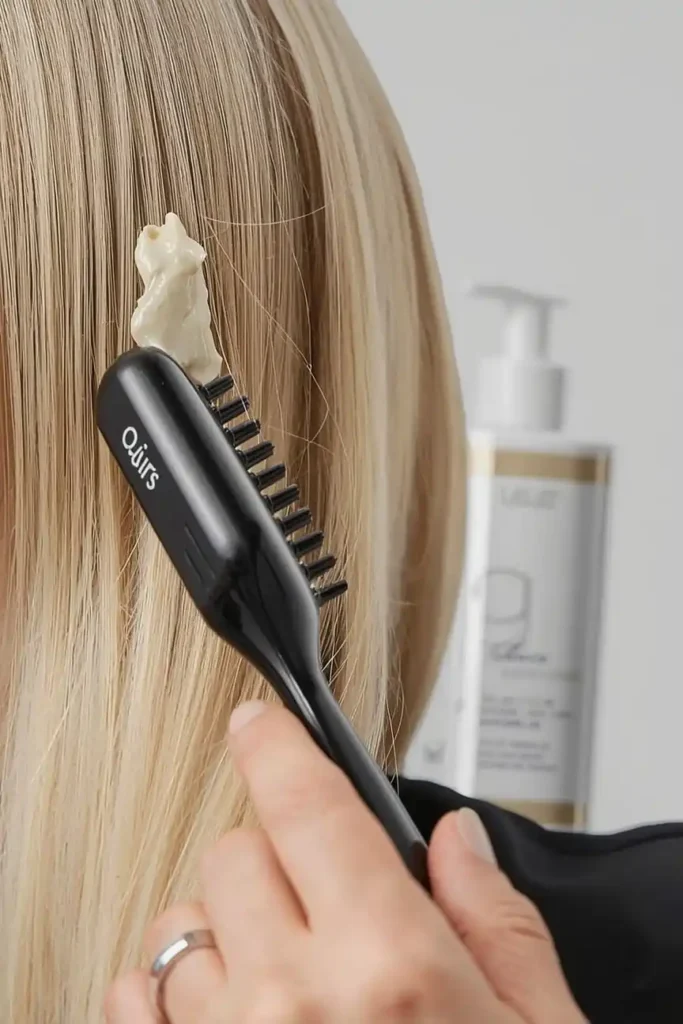
The introduction of bond-building treatments to professional color services has genuinely changed what is achievable without sacrificing hair health. Products that work to protect and rebuild the internal bonds of the hair during the lightening process have made it possible for colorists to take hair lighter, more safely, and with better long-term results than was possible just a decade ago. For icy blonde balayage, which requires significant lifting, these treatments are not a luxury. They are a genuinely worthwhile investment.
Many salons now include a bond builder as a standard part of their balayage process, adding it directly to the lightener mixture or applying it as a pre-treatment before chemical services begin. If your salon does not offer this automatically, it is worth asking about and potentially paying for as an add-on. The difference in the condition of your hair at the end of an appointment, and in the weeks following, can be significant enough to feel immediately.
17. Why Your Colorist’s Experience Level Matters More Than the Salon’s Name
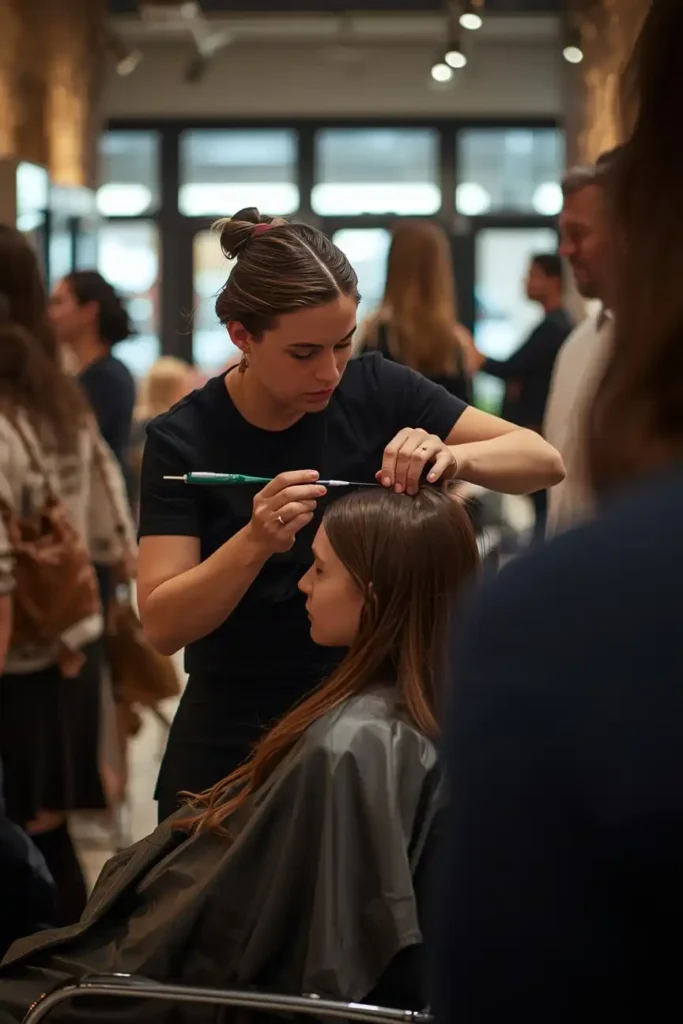
There is a temptation to associate a great balayage result with the most expensive or famous salon in your city. And while quality establishments absolutely exist, the most reliable predictor of your result is actually the individual colorist working on your hair. A highly skilled colorist at a mid-range salon will almost always outperform a less experienced one at a prestigious address, because the technique, the eye for placement, and the understanding of color science are personal skills that belong to the individual, not the building.
Before booking any major color appointment, invest time in researching specific colorists rather than just salons. Look at their personal portfolios, their consistency across different clients and hair types, and how recently their work has been shared. A colorist who regularly posts fresh, varied results with different clients demonstrates both active skill and genuine range. That is far more telling than a salon’s overall reputation or location.
18. Touch-Up Timing Affects the Look and the Hair Health
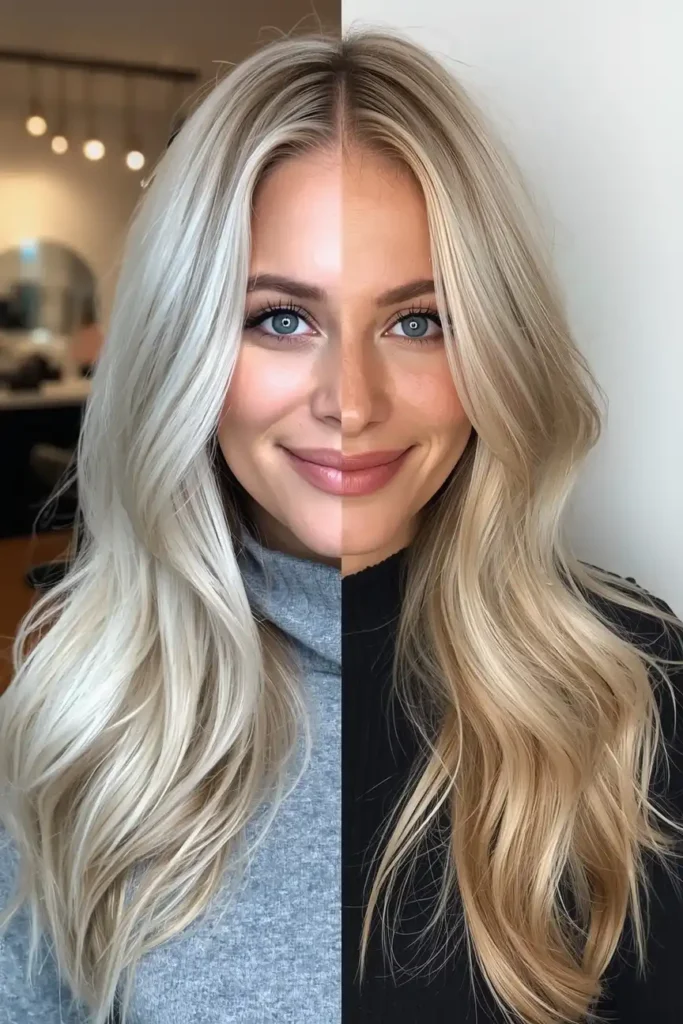
One of the practical realities of maintaining icy blonde balayage is figuring out your ideal touch-up schedule and sticking to it. Go too long between appointments and the grow-out can start to look unintentional rather than stylishly natural, especially if your natural hair is much darker than your blonde. Go too frequently and you risk over-processing the same sections of hair repeatedly, which accumulates damage over time and compromises the texture and integrity you are working hard to protect.
For most people, a touch-up cycle somewhere between eight and sixteen weeks works well, depending on how fast their hair grows, how stark the contrast between their roots and their blonde is, and how deeply they are personally bothered by visible grow-out. The beauty of balayage is that it is one of the most forgiving techniques in terms of grow-out compared to traditional highlights, and leaning into that organic quality rather than fighting it can make the whole maintenance experience feel far more relaxed and manageable.
19. Glossing Appointments Between Balayage Sessions Are Underrated
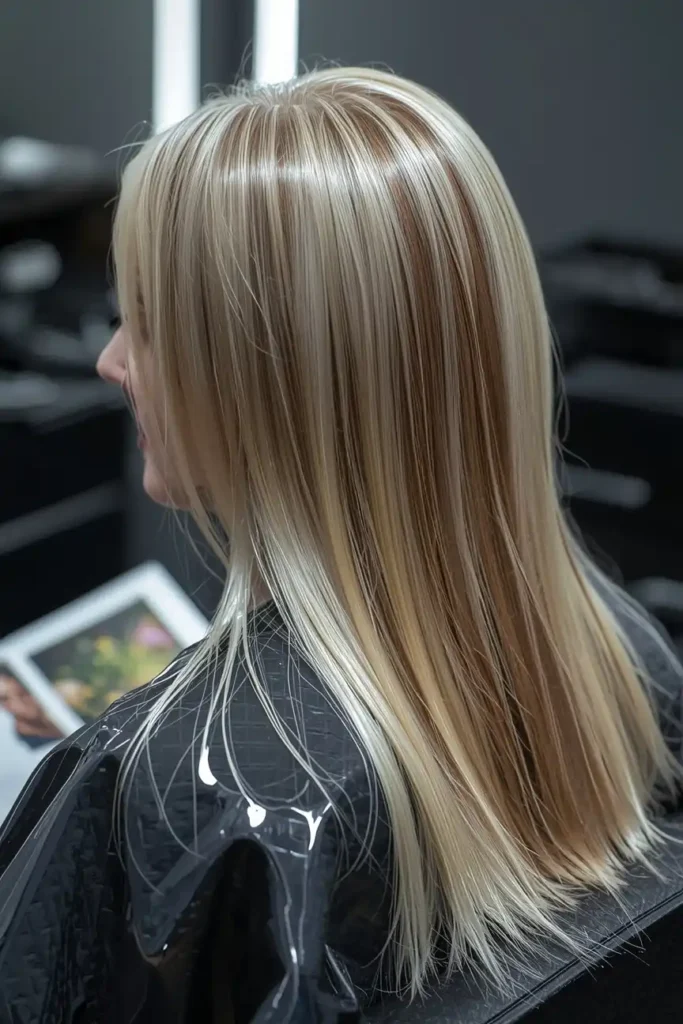
Between full balayage appointments, glossing treatments are one of the best-kept secrets in maintaining that salon-fresh look without committing to another full color service. A gloss is essentially a semi-permanent treatment that adds shine, refreshes tone, and can either neutralize any warmth that has crept in or simply add a luminous finish to hair that has started to look a little flat or matte. For icy blonde hair, a clear or cool-toned gloss can be genuinely transformative.
Most glossing appointments are relatively quick and affordable compared to a full balayage service, and many salons offer them as a standalone treatment that can be booked in as little as thirty minutes. Doing a gloss every six to eight weeks while spacing out your full balayage appointments to twelve to sixteen weeks is a strategy many colorists recommend as the sweet spot between maintaining a beautiful result and protecting the long-term health of your hair.
20. The Relationship Between Hair Cuts and Balayage Longevity
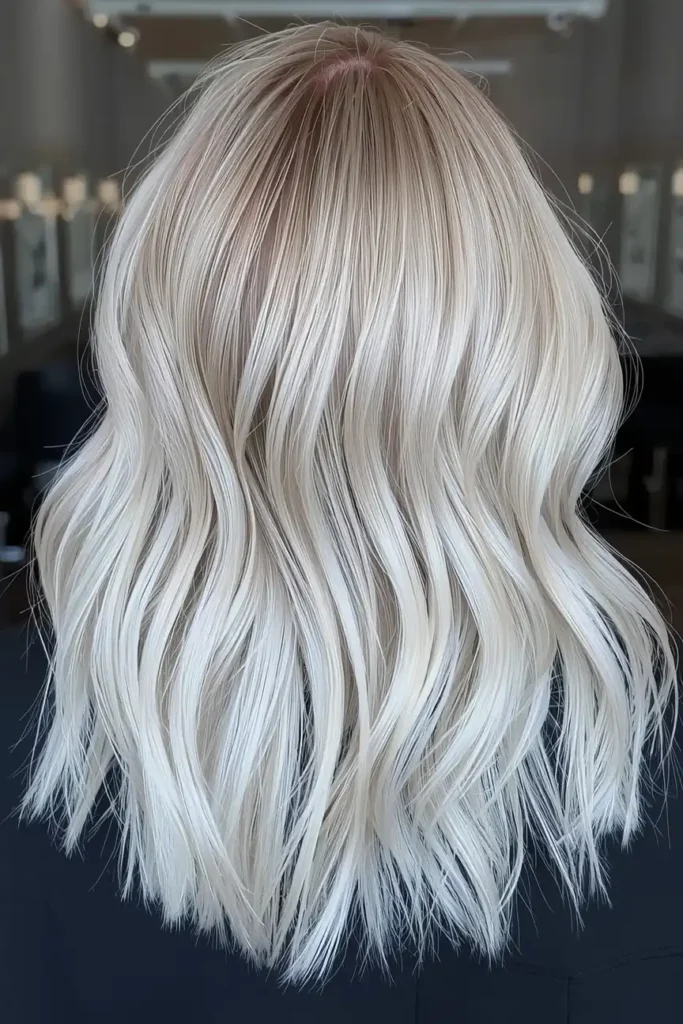
There is a surprisingly direct relationship between regular trims and how beautiful your balayage looks over time. As the ends of the hair grow older and are exposed to more environmental stress, heat, and chemical services, they tend to become drier, more porous, and more prone to fading or looking dull. Keeping the ends trimmed regularly, even just a small amount every eight to twelve weeks, removes the most compromised section of the hair and keeps the overall look fresh, healthy, and vibrant.
Layered cuts, in particular, tend to complement icy blonde balayage exceptionally well because they allow the color variation between the darker roots and the lighter ends to be visible from multiple angles. A blunt, one-length cut can sometimes flatten the dimensional quality of a beautiful balayage, while soft layers allow the color to move and reveal itself naturally as the hair falls. Discussing cut and color together with your stylist rather than treating them as separate appointments can lead to a much more cohesive and thought-out final result.
21. Long-Term Hair Health Is the Real Secret Behind Stunning Icy Blonde Balayage
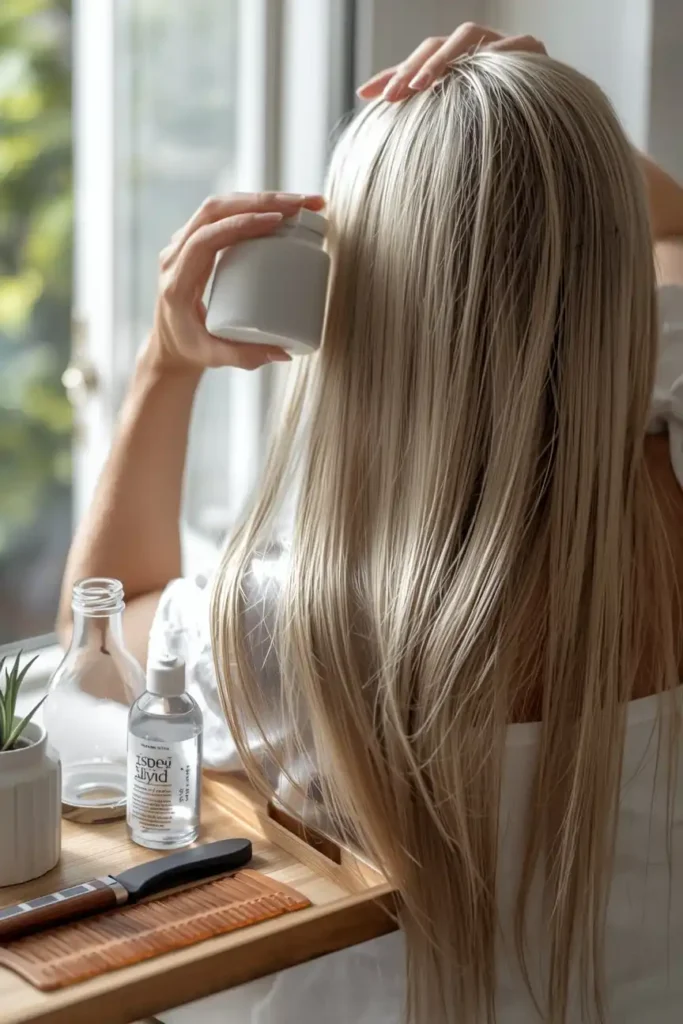
Every colorist will tell you, if you ask the right question, that the most important foundation for a stunning icy blonde result is not the formula, the technique, or even the toner. It is the condition of the hair going into the service and the ongoing care it receives afterward. Hair that is deeply nourished, properly hydrated, and regularly treated with strengthening masks will take color more evenly, hold tone longer, and simply look more beautiful than hair that is dry, brittle, or neglected.
Building a consistent hair care routine around your color investment is genuinely one of the best decisions you can make. This means using a hydrating, sulfate-free shampoo to protect color longevity, incorporating a deep conditioning mask at least once a week, limiting heat styling where possible, and protecting your hair from sun and chlorine exposure. Icy blonde balayage at its most beautiful is not just about what happens in the salon chair. It is about the care, the consistency, and the intention you bring to it every single day in between.
Conclusion:
A truly stunning icy blonde balayage is equal parts artistry and aftercare. Knowing what happens behind the scenes, from formula choices to toning steps, helps you walk into every appointment with confidence and walk out with exactly the result you envisioned. The right colorist, the right products, and a little insider knowledge make all the difference. Treat your hair well between visits, stay consistent, and that gorgeous icy result will keep turning heads long after you leave the salon.