
21 Shoes for Women That Podiatrists Secretly Love
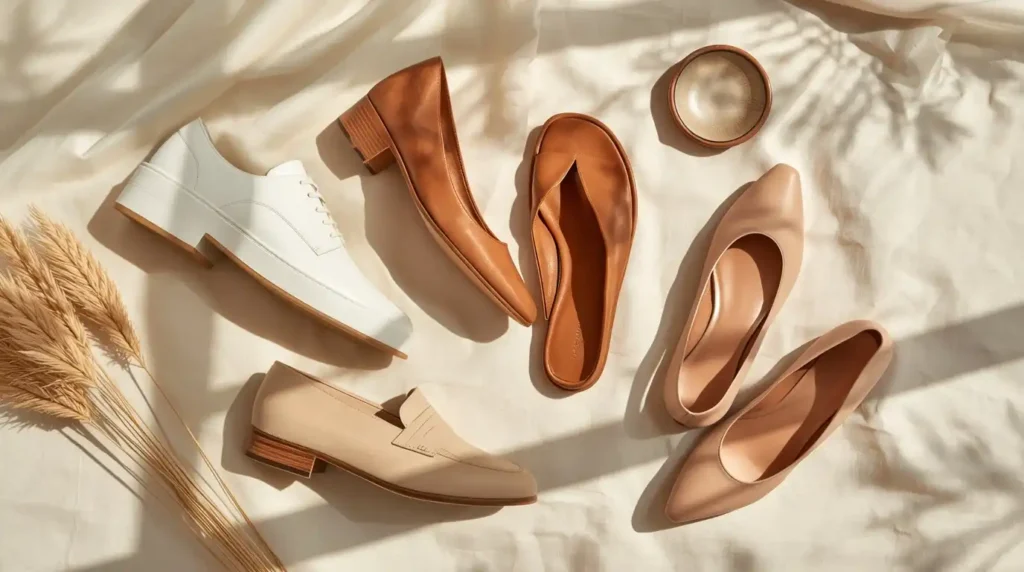
Most of us have bought shoes we loved in the store and regretted by noon. The blisters, the aching arches, the quiet walk of shame back to the car. Here is the thing though comfortable and stylish are not opposites. Podiatrists see feet all day long, and they have strong opinions about what actually works. This list brings together 21 shoes for women that foot health experts genuinely stand behind, covering everything from everyday sneakers to sandals you can actually dance in. No trade-offs required.
1. The Classic White Leather Sneaker That Goes With Literally Everything
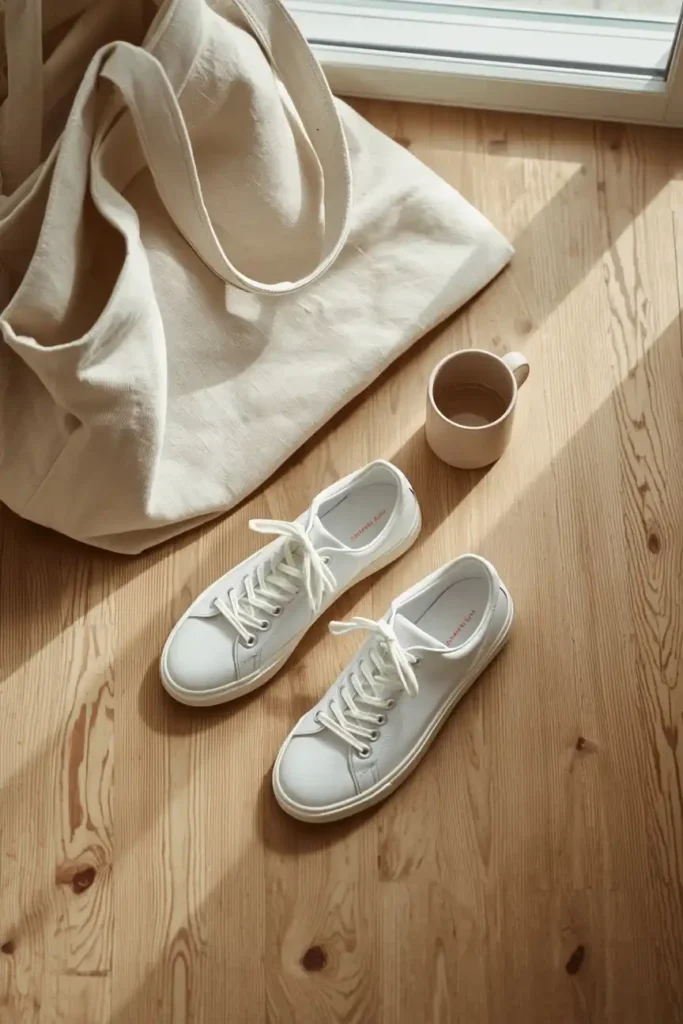
Shop the sneaker podiatrists actually recommend — and wear yourself.
White leather sneakers have been having a moment for years now, and honestly, it does not look like that moment is ending anytime soon. What makes podiatrists so fond of them is not just the look but the structure underneath. A well-made white leather sneaker tends to have a firm heel counter, adequate arch support, and a sole thick enough to absorb impact without sacrificing the clean, minimal silhouette everyone loves. Brands like New Balance, HOKA, and On Running have mastered this balance in ways that feel stylish rather than clinical.
The great thing about this style is that it pulls together almost any outfit. You can wear them with wide-leg trousers, a linen sundress, or straight-leg jeans and they always look intentional. If you have ever had a podiatrist tell you to stop wearing flimsy shoes, a quality white sneaker is usually the first swap they recommend because it does not feel like a compromise. It feels like an upgrade.
2. Supportive Block Heel Mules That Keep Your Feet Happy All Day
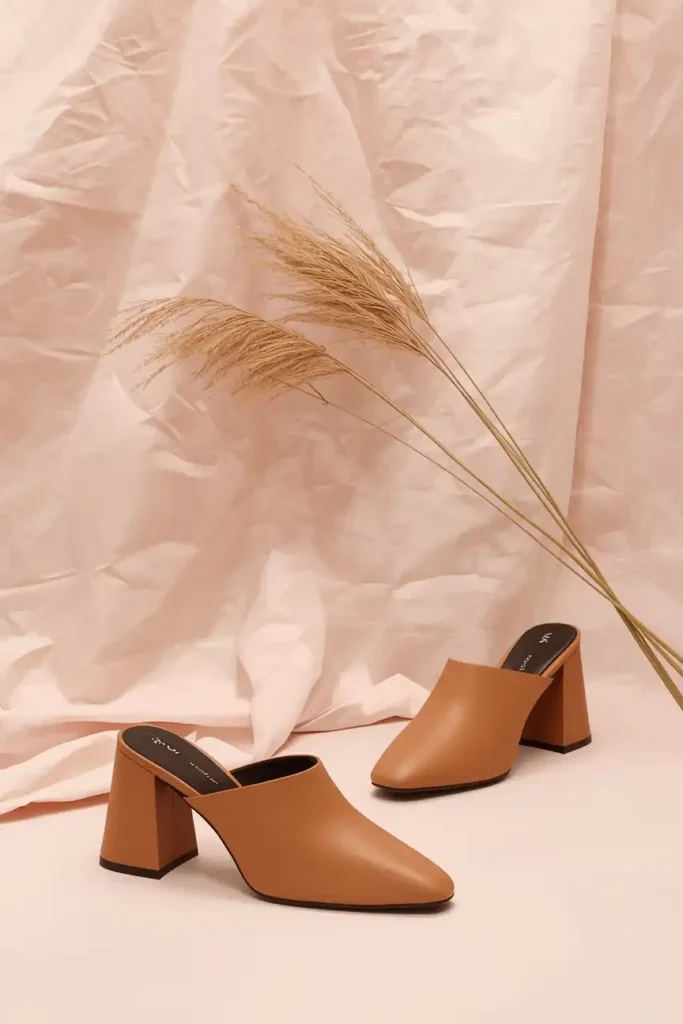
Get the heel that keeps you going from 9am to dinner without a single complaint.
Block heels have genuinely changed the conversation around wearing heels without pain. Unlike stilettos, which concentrate your full body weight onto a tiny point, a block heel distributes pressure more evenly across the foot and keeps the ankle from wobbling. Podiatrists tend to give the green light to block heels in the one to two inch range because that height is short enough to avoid pitching the foot forward dramatically while still giving you all the elevation and polish of a traditional heel.
Mule silhouettes work especially well here because they are easy to slip on and off, which reduces the stress of squeezing into stiff straps after a long day. If you gravitate toward that slightly elevated, put-together look for work or brunch without wanting to carry a pair of flats in your bag as backup, a padded block heel mule is one of those purchases that just makes sense. A neutral shade like camel, nude, or cream will take them from your work desk to dinner without missing a beat.
3. Orthopedic Sandals That Actually Look Good Now
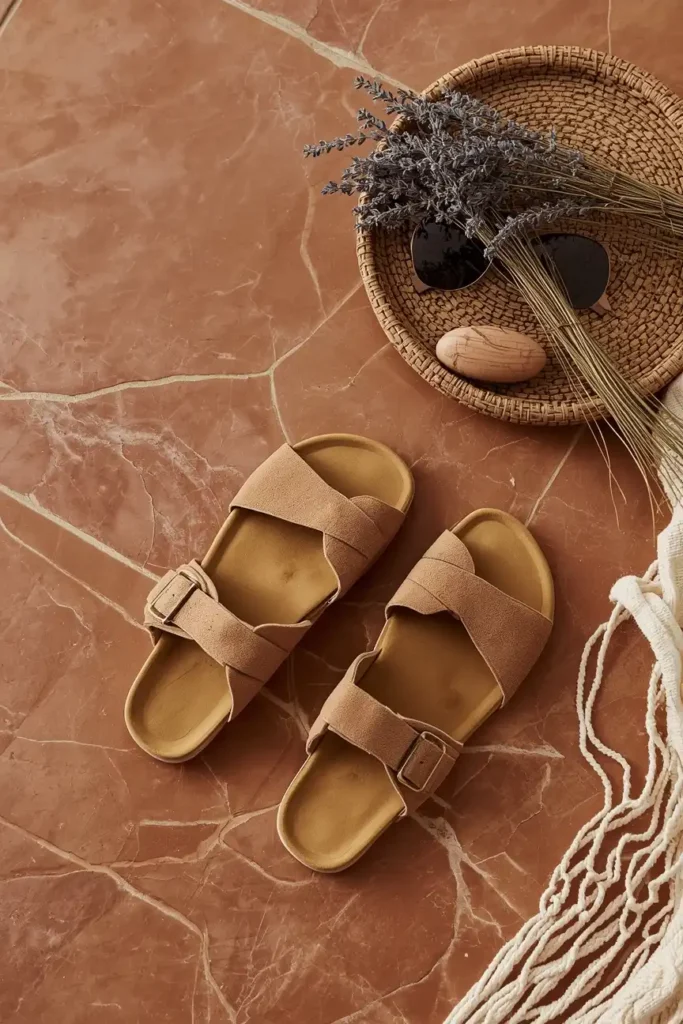
Find the sandal that finally changed what ‘comfortable’ means.
There was a time when the phrase “orthopedic sandal” was enough to make most women walk in the opposite direction. That time has passed. Brands like Birkenstock, Tatami, Naot, and Vionic have redesigned the supportive sandal from the ground up, and the result is something you would actually want to be seen in. The contoured footbed on these styles cups the heel, supports the arch, and has a slight toe bar that encourages your feet to grip naturally, which is exactly what podiatrists want to see.
What makes them feel different from older orthopedic styles is the design attention that has gone into the upper. Suede straps, gold buckles, woven leather details, and earthy colorways make these look like something you found at a market in Portugal rather than a medical supply store. Wear them with a flowy midi skirt, a linen co-ord, or even wide-leg jeans cuffed just above the ankle and they feel genuinely chic rather than purely functional.
4. Low-Heeled Mary Janes With Extra Cushioning
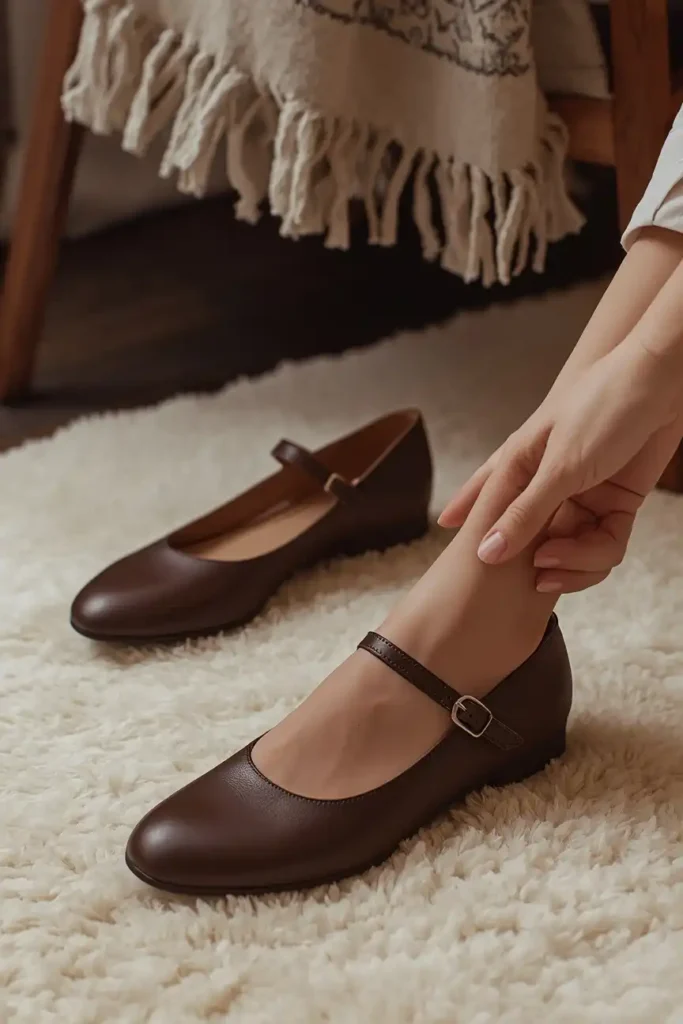
Grab the Mary Jane your feet have been waiting for all season.
Mary Janes are one of those shoe styles that somehow manage to feel both nostalgic and completely current. The ankle strap alone earns points from podiatrists because it holds the foot securely in place, which reduces the micro-adjustments your muscles constantly make in backless styles to keep the shoe on. A low kitten heel, around half an inch to one inch, keeps the heel elevated just enough to take pressure off the plantar fascia without the height that causes forefoot pain.
What has made Mary Janes so popular again is their versatility. They work with socks, which is a combination that has been everywhere on fashion week streets for the past couple of years. A sheer ankle sock in cream or a textured ribbed knee sock changes the whole mood of the same shoe. If you tend toward classic, quiet styles, a brown or black leather Mary Jane with modest cushioning is one of those footwear investments that lasts for years and never really looks dated.
5. Trail Running Shoes Dressed Up for Everyday Life
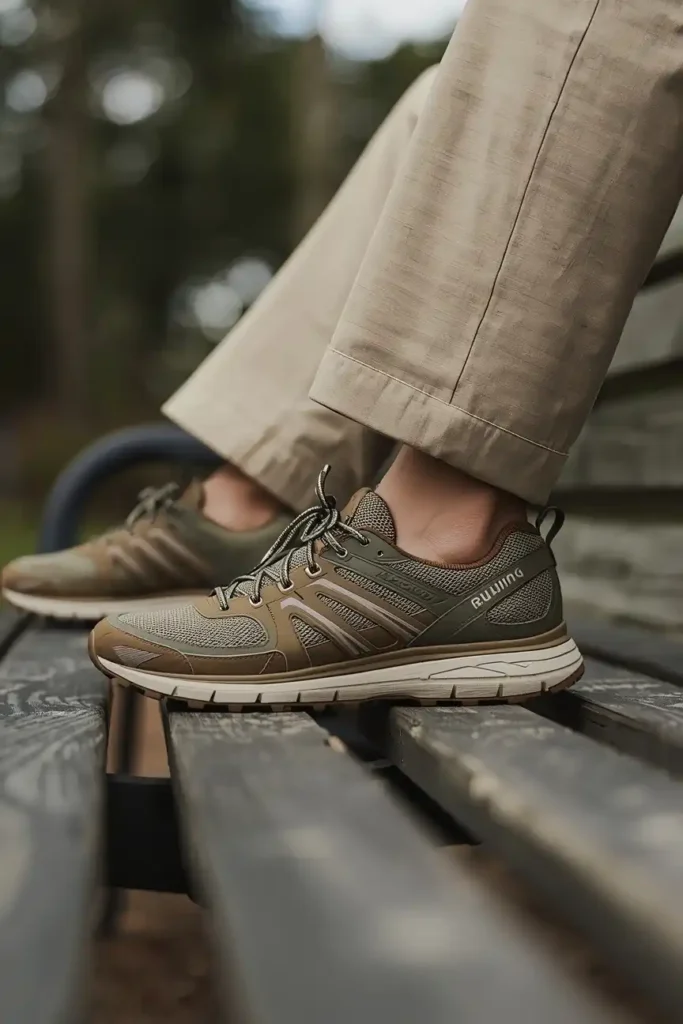
Shop the trail shoe that works just as hard on city streets.
Trail running shoes have crossed over into everyday fashion in a way that feels natural rather than forced. Part of that is the aesthetic, with earthy color palettes, textured outsoles, and rugged lug bottoms that give them visual interest beyond a standard gym sneaker. But the deeper reason podiatrists like them is the engineering. Trail shoes are built to handle uneven terrain, which means they have robust lateral support, reinforced heel cups, and thick protective midsoles that absorb impact efficiently.
When you wear these for regular city walking or errands, you are essentially wearing a shoe that is overbuilt for the task, which translates to your feet being well-supported even when you are just running between meetings or standing on your feet for a long shift. Brands like Salomon, Merrell, and Hoka have produced trail-to-street crossover styles that pair naturally with relaxed trousers, cargo pants, or even a casual skirt without looking like you wandered in from a 10K race.
6. Supportive Ballet Flats With Hidden Arch Support
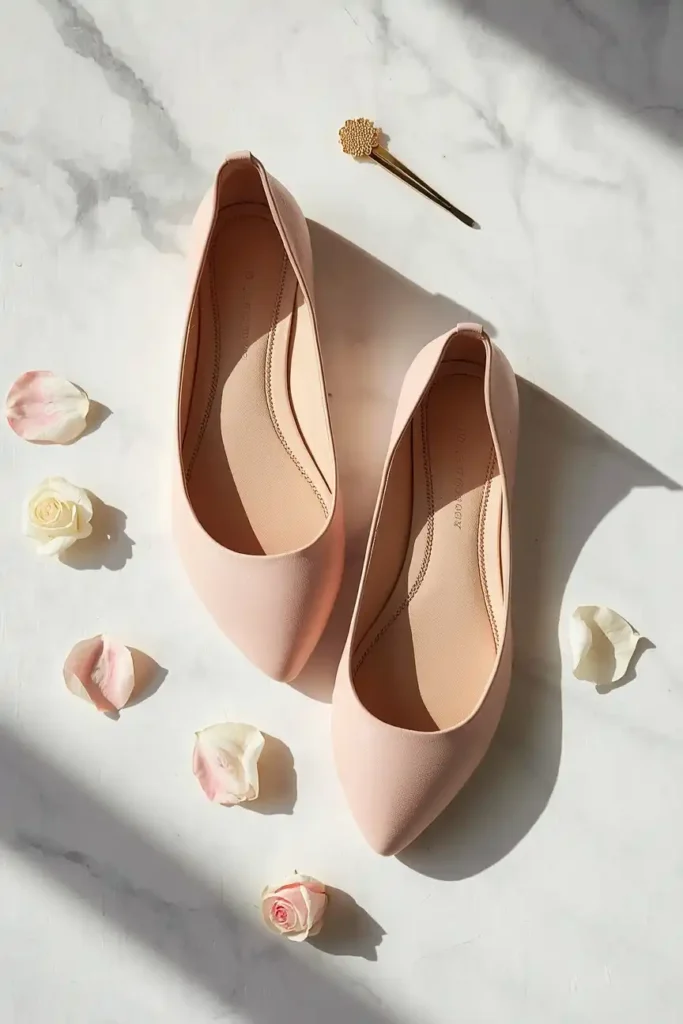
Meet the ballet flat that looks delicate and feels like walking on a cloud
Ballet flats have long been the go-to comfortable flat, but traditional paper-thin versions are one of the styles podiatrists consistently caution against. The problem is that a flat with no arch support and no cushioning can actually put more strain on the plantar fascia than a modest heel because the foot lands completely flat with no absorption. The good news is that a new generation of ballet flats has come with built-in arch support and a padded insole that you cannot see from the outside.
Brands like Vivaia, Aetrex, and Rothy’s have invested in insole engineering that keeps the sleek profile intact while adding the support that makes wearing them all day genuinely comfortable. What you get is a shoe that looks like a classic ballet flat but actually functions like something a podiatrist would approve of. If you have struggled with flat feet, plantar fasciitis, or general foot fatigue, swapping your current flats for a supportive version is probably the simplest upgrade you can make.
7. Chunky Chelsea Boots That Earn Their Keep in Winter
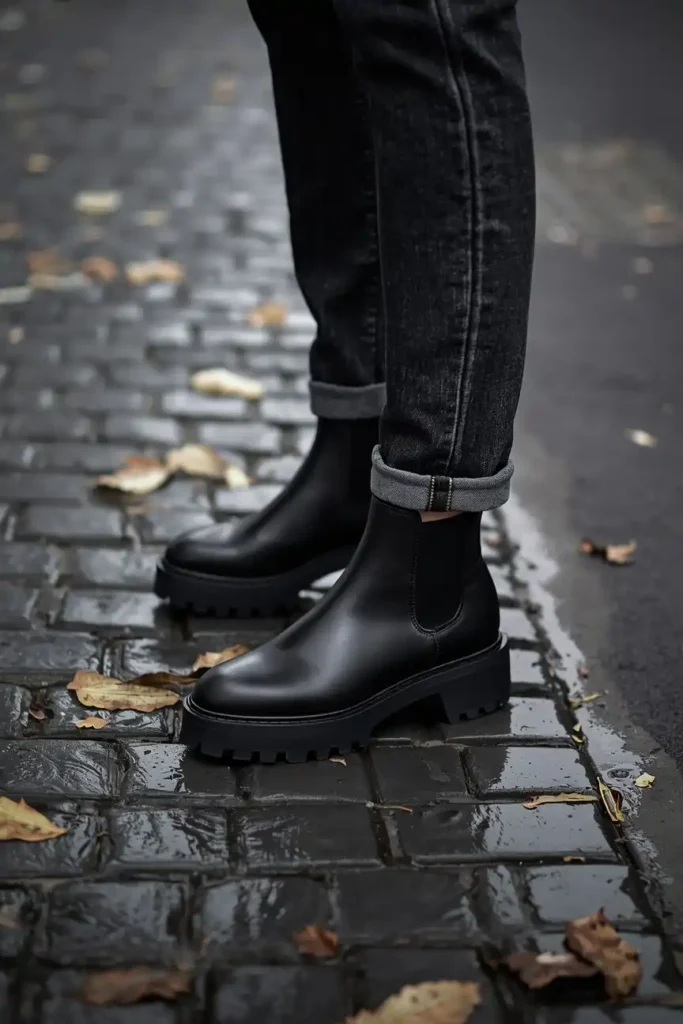
Get the boot built for real days — not just good photos0.
Chelsea boots are one of those rare designs where the aesthetic and the function line up almost perfectly. The ankle fits snugly, the elasticated side panels mean the boot holds the foot without laces that loosen throughout the day, and a chunky lug sole adds traction and cushioning that a traditional slim Chelsea boot does not have. Podiatrists appreciate anything with a defined heel that is not too high and a sole that provides real shock absorption, and chunky Chelsea boots check both of those boxes.
Styling them has never been easier. Dark jeans, leather trousers, a long coat, or even a midi skirt with thick tights all work. The chunkier sole actually makes them look more modern than the sleeker version, and the added height from a thicker platform means you get a little lift without the instability of a true heel. They are the kind of boot you can walk a full city day in without your feet staging a protest by 3pm.
8. Wide-Toe Box Sneakers That Let Your Toes Actually Breathe
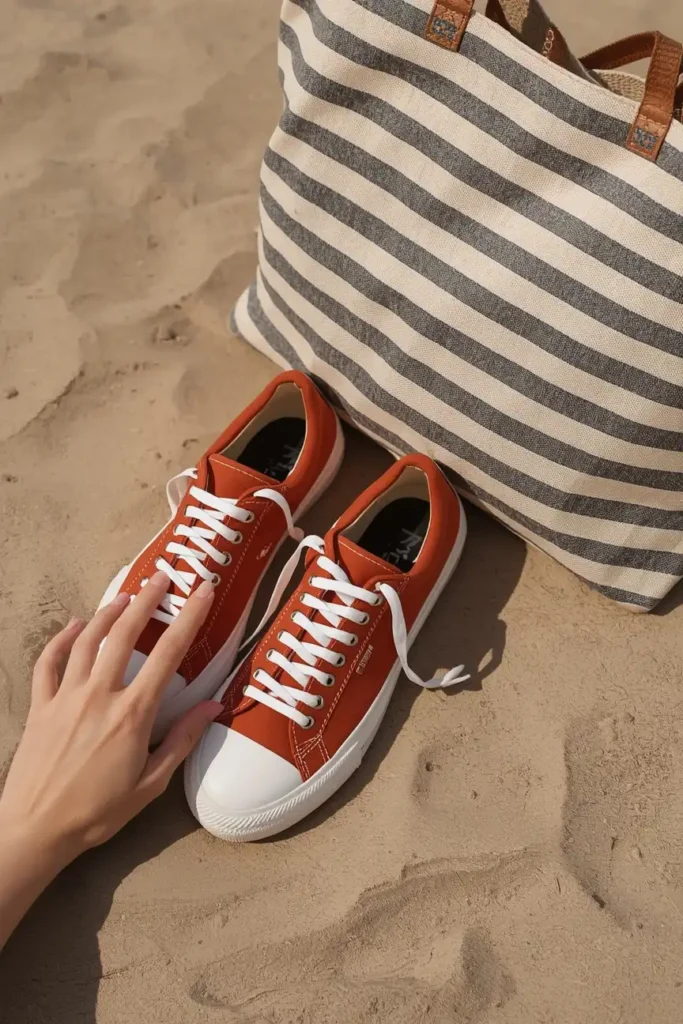
Try the sneaker that finally gives your toes the room they deserve.
The toe box is probably the most overlooked part of a shoe when women are shopping, and it is also the thing podiatrists talk about most. A cramped toe box pushes the toes together, which over time contributes to bunions, hammertoes, overlapping toes, and general forefoot pain. A wide or anatomically shaped toe box lets your toes splay naturally the way they were designed to, which distributes your body weight more evenly across the whole foot.
Brands like Altra, Topo Athletic, and Xero have built their entire identity around wide toe boxes, and the results show in how comfortable their shoes feel on longer walks and runs. But even if you are not a runner, the principle applies. A sneaker that allows your toes to sit flat and spread slightly with each step just feels better, and after a few weeks of wearing them, going back to a narrow-toed shoe starts to feel genuinely uncomfortable rather than just slightly off.
9. Loafers With a Platform That Does Real Work
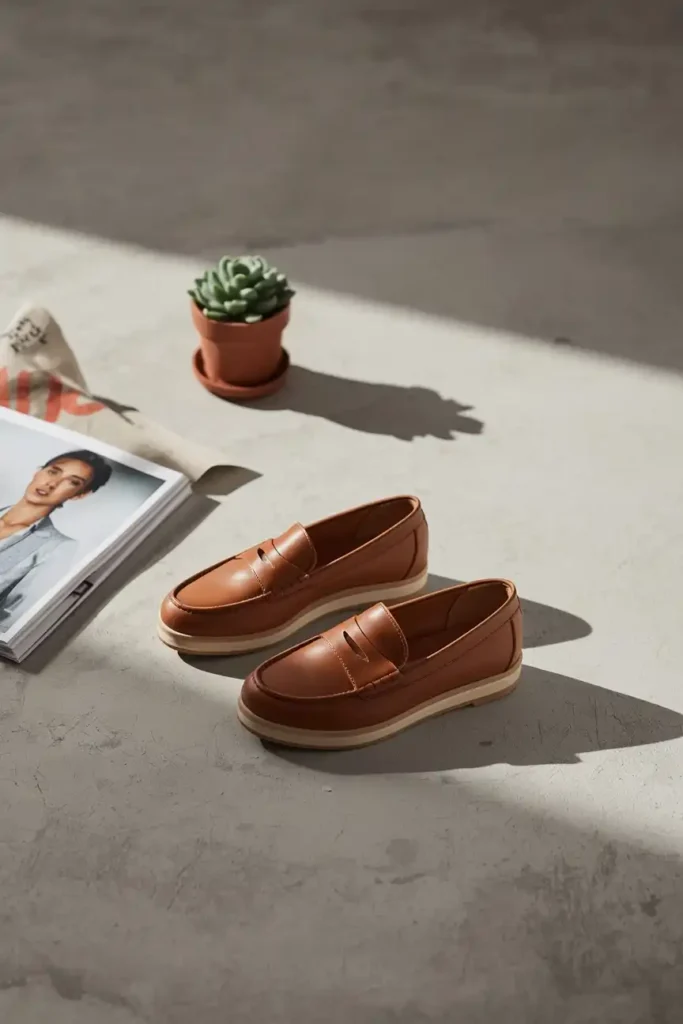
Shop the loafer that adds height without the heel headache.
Platform loafers became a staple piece partly because they look great and partly because they quietly solve a lot of foot problems. The thick platform sole essentially creates a built-in rocker effect as you walk, which reduces the amount of work the ankle and Achilles tendon have to do with each step. A platform of one to one and a half inches also takes pressure off the ball of the foot and heel simultaneously, which is something stilettos do in the worst possible way. Here, the platform helps rather than hurts.
What makes them easy to wear is how naturally they slot into so many different aesthetics. They pair well with tailored trousers and oversized blazers for a work look, with flowy midi skirts for something more feminine, or with baggy jeans and a graphic tee for a more casual street style moment. If you have been told to avoid heels but you miss that little bit of height, a platform loafer often sits in the sweet spot that a podiatrist is more comfortable with than a traditional heel.
10. Slip-On Sneakers With Structured Midsoles
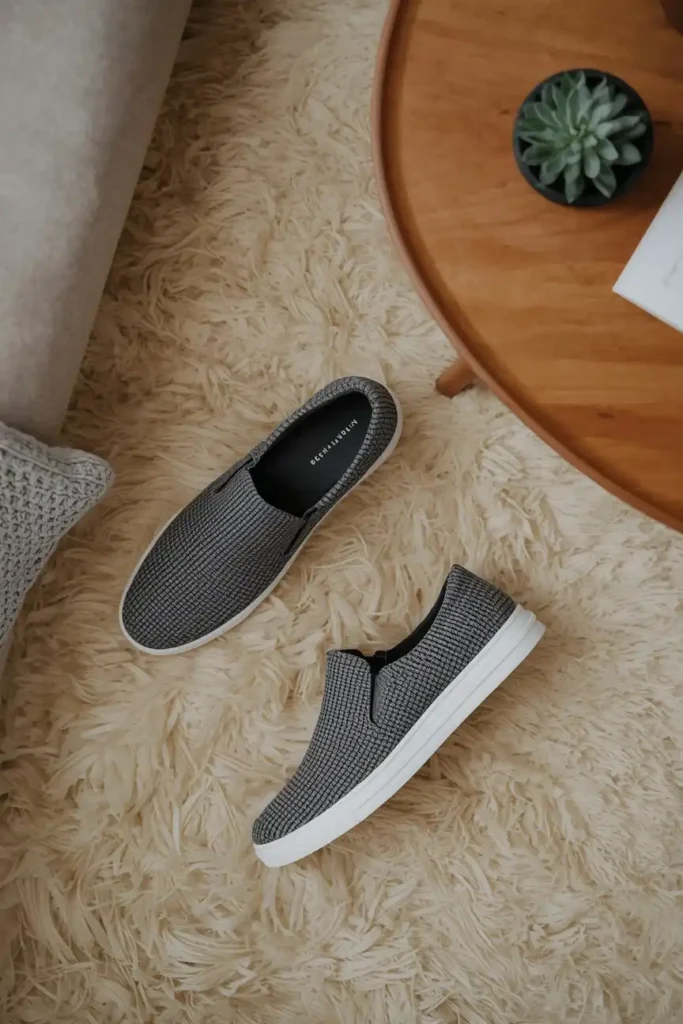
Find your new favorite grab-and-go shoe that actually supports your arch.
Slip-on sneakers are easy to dismiss as purely casual or even lazy footwear, but when the midsole is properly engineered, they can be among the most comfortable everyday shoes you own. The key difference between a good slip-on and a bad one is midsole thickness and firmness. A shoe with a substantial EVA or foam midsole absorbs impact the way a running shoe does, which matters whether you are standing in your kitchen or walking around a museum for three hours.
Podiatrists are generally more enthusiastic about slip-ons that have a defined heel cup molded into the footbed because that structure prevents the foot from rolling inward or outward without the lace system to compensate. Brands like Skechers Memory Foam, Allbirds, and ECCO have all produced slip-on styles that take this seriously. The result feels less like wearing a shoe and more like walking on something that is actually thinking about your foot.
11. Sandals With Adjustable Ankle Straps
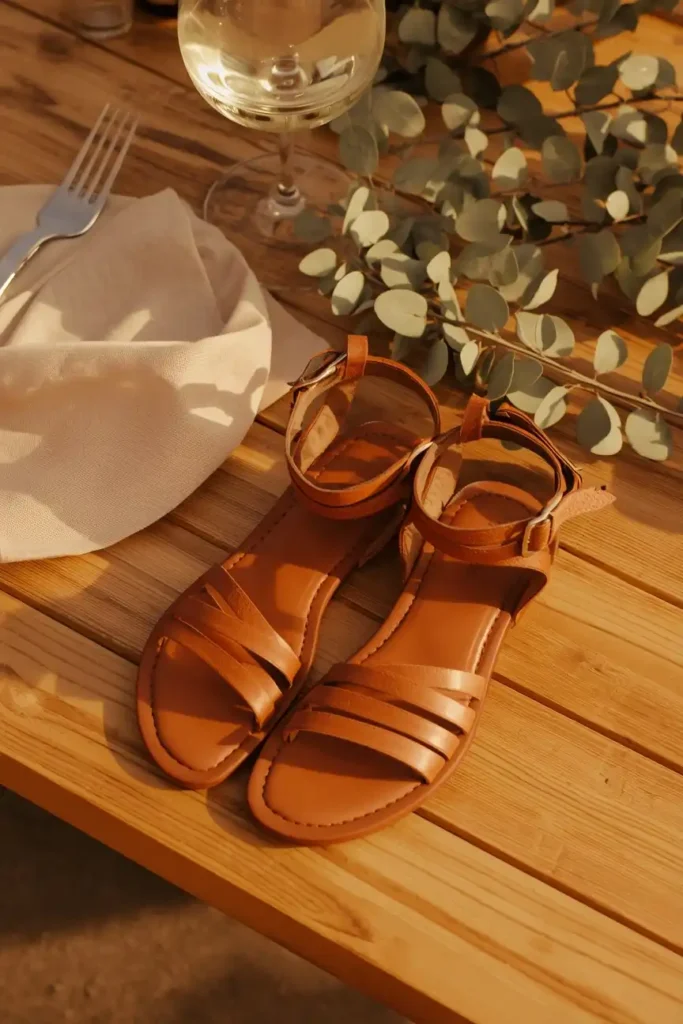
Get the sandal that stays put so your toes finally can relax.
An adjustable ankle strap sounds like a minor detail but it changes how a sandal actually fits quite significantly. A sandal that stays firmly strapped to your ankle does not require your toes to grip the footbed to stay on, and that gripping action is one of the main causes of toe cramps, metatarsal pain, and forefoot fatigue with open sandals. When the shoe stays in place without effort from your foot muscles, every step is more efficient and less tiring.
From a style perspective, an ankle strap sandal also just looks more intentional than a basic slide. It suggests effort without being fussy, and it works with a wide range of outfits from flowing vacation dresses to cropped linen trousers. Styles from brands like Sam Edelman, Steve Madden, and Madewell tend to hit this balance well and often come in neutral shades that you can wear with almost everything you already own.
12. Waterproof Walking Shoes for Real Life Adventurers
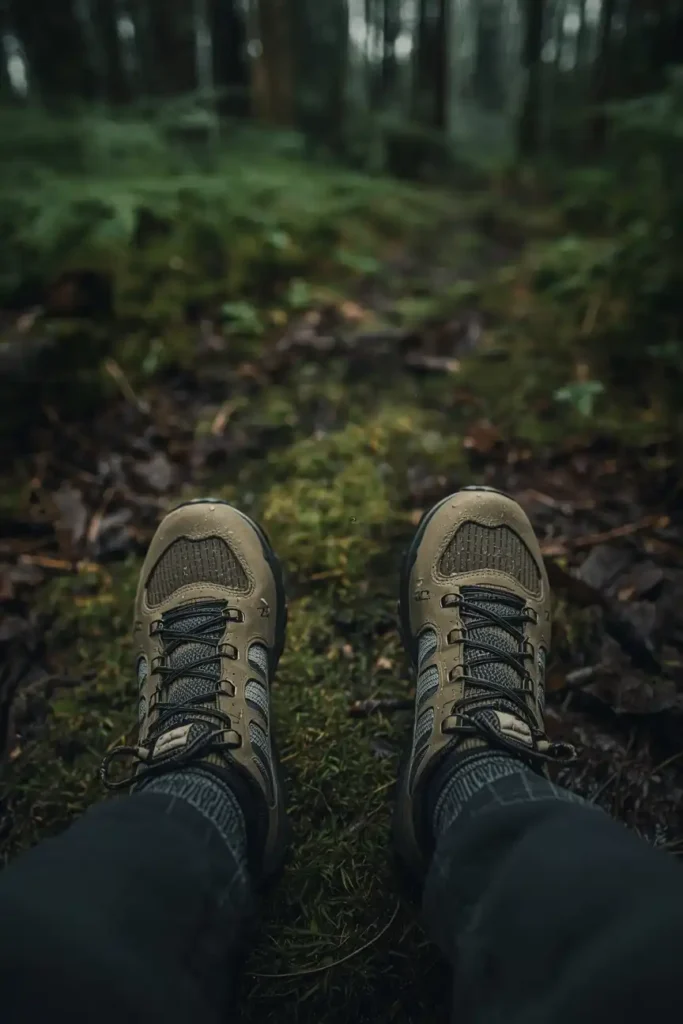
Shop the shoe you can wear in any weather without thinking twice.
Waterproof walking shoes sit in a category that podiatrists love because they tend to be built with activity and support in mind from the start rather than style first. A good waterproof walking shoe has a breathable yet sealed upper, a grippy outsole designed for varied terrain, and a midsole that cushions over long periods rather than just feeling comfortable for the first twenty minutes. These are shoes built to work, and that engineering translates well to daily use.
What has changed is how approachable they look. Merrell, Keen, and Columbia all make waterproof shoes that feel more like casually styled sneakers than hiking gear, which means you can wear them on a rainy city day or a weekend nature walk with equal confidence. If you live somewhere with unpredictable weather, or if you just want a shoe you never have to think twice about wearing outside, a waterproof walking shoe is a genuinely practical addition to your rotation.
13. Clogs With Footbed Contouring
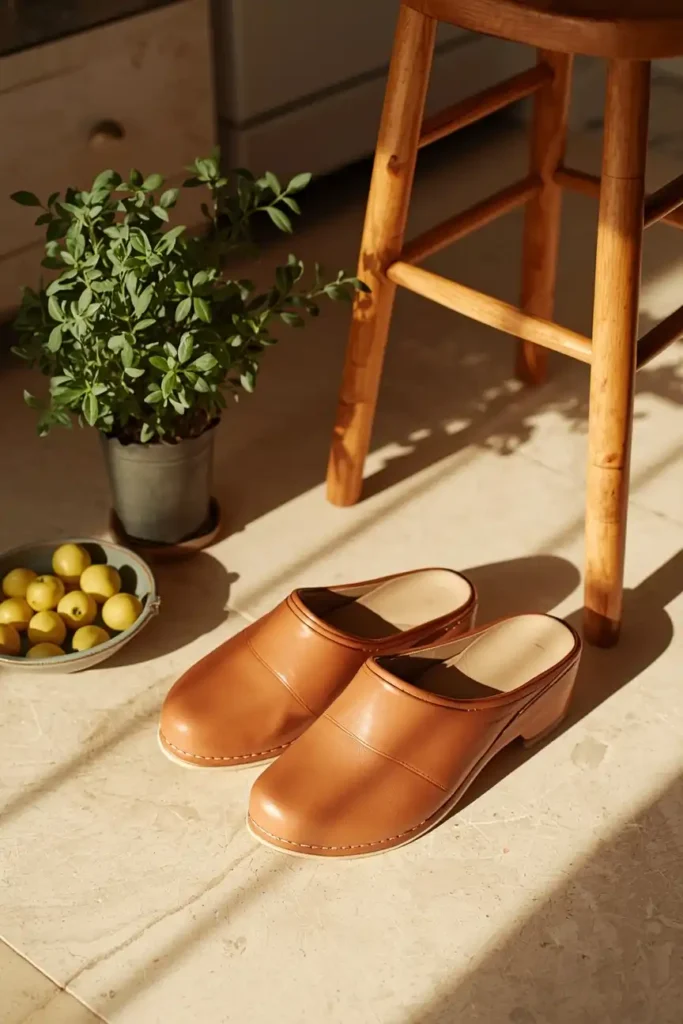
Find the clog that hospital workers swear by — now in styles you will actually love.
Clogs have cycled in and out of fashion many times over, but they have never really left the podiatry conversation. The reason is the footbed. A traditional molded clog footbed follows the natural shape of the foot’s arch and heel cup in a way that many other casual shoes do not attempt. The rigidity of the clog base also means the shoe does not flex at the wrong point, which is something flimsy flat shoes tend to do, causing strain along the plantar fascia.
Brands like Dansko, Sanita, and Swedish Hasbeens have made clogs that balance form and function so well they are practically standard issue in hospital settings, where staff spend entire shifts on their feet. But the style has genuinely crossed into everyday fashion, with chunky wooden-soled clogs in leather and suede appearing in major collections for a few seasons running. Worn with relaxed trousers, wide-leg jeans, or even a casual dress, they look like a deliberate style choice, which is exactly what they are.
14. Ankle Boots With Rocker Soles
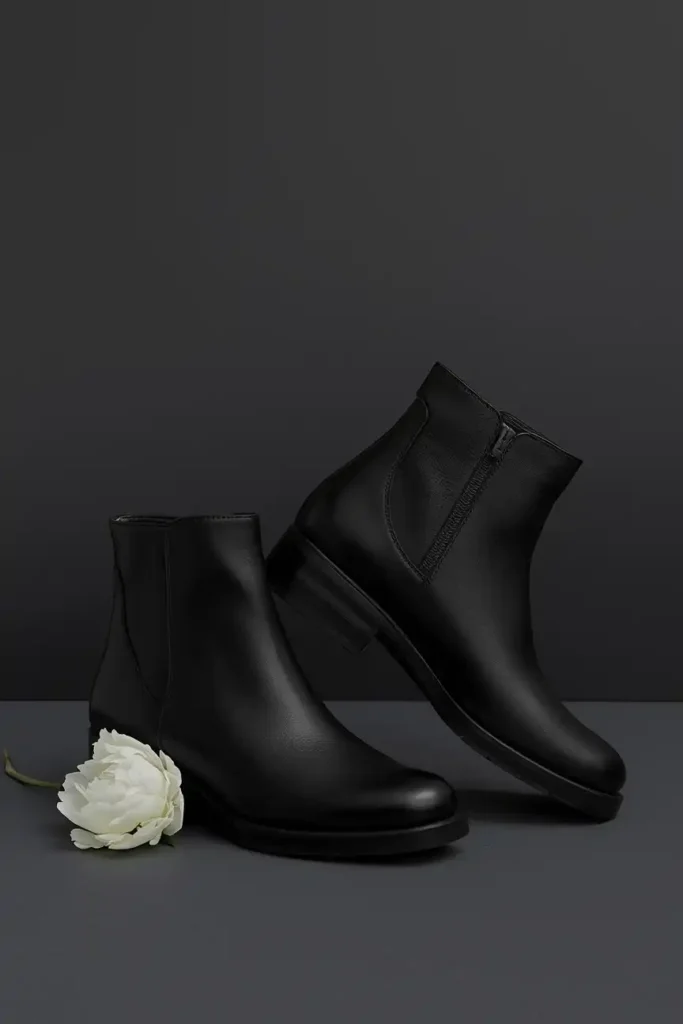
Get the boot that makes every step feel like less work.
A rocker sole might sound like a gimmick but it is one of the more genuinely useful sole designs for everyday walking. The slight curvature from heel to toe mimics the natural rolling motion your foot makes with each step, which means your muscles do less compensatory work over the course of the day. Podiatrists often recommend rocker-sole shoes specifically for people with plantar fasciitis, Achilles tendinopathy, or metatarsalgia because the design reduces peak pressure at the heel and forefoot simultaneously.
Ankle boots with rocker soles look nearly identical to standard ankle boots from a distance, which is the whole point. You get the classic polished silhouette without any of the gimmicky appearance, and your feet feel the difference by the end of the day. Brands like MBT, Alegria, and certain ECCO lines have made rocker soles a core design feature rather than an afterthought, and it shows in how easy it is to wear them for extended periods.
15. Knit Sneakers With Zero-Drop Footbeds
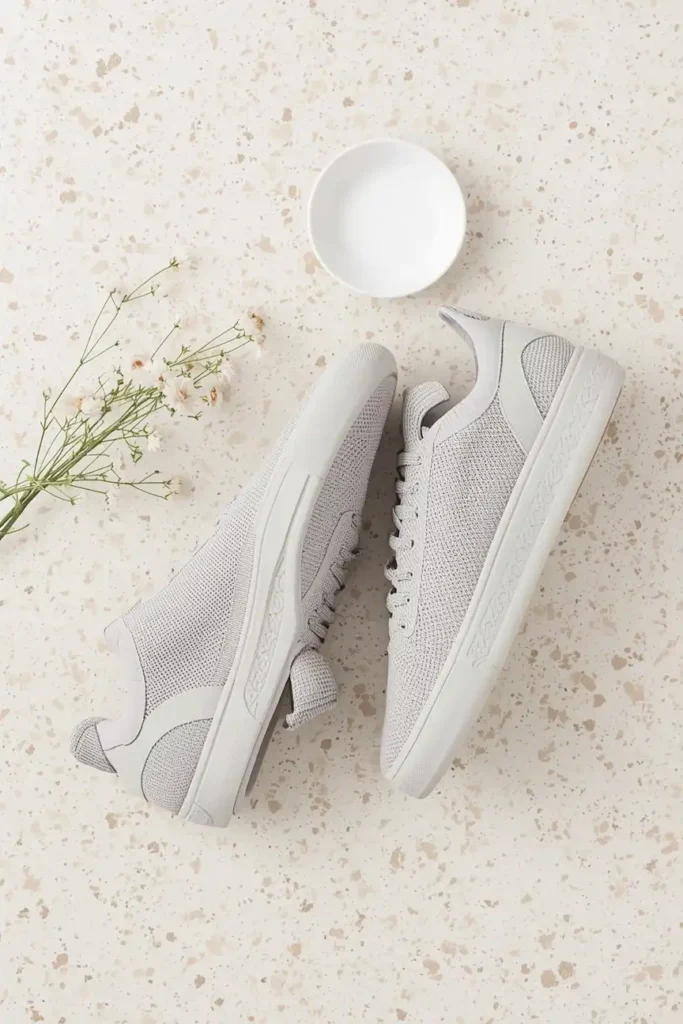
Shop the sneaker that gives your feet a reset they did not know they needed.
Zero-drop shoes, where the heel and the toe sit at the same height with no elevation, are a topic that generates real debate in the footwear world. Podiatrists tend to be cautiously positive about them for people who transition into them gradually, because they encourage the foot to work in a more anatomically natural position rather than having the heel perpetually elevated. For women who spend a lot of time in heels or in shoes with elevated heels, zero-drop sneakers can be a useful reset for the lower leg muscles and tendons.
Knit uppers make this transition easier because the material moves with the foot rather than fighting it, which means there is less of an adjustment period for the upper body of the shoe while your foot adapts to the new heel position. Vivobarefoot and Lems are the brands most associated with this category, and their styles have become progressively more refined-looking without sacrificing the functional principles. If you are curious about barefoot-style footwear but want something that still looks like a regular sneaker, knit zero-drop styles are a solid entry point.
16. Strappy Heeled Sandals With Forefoot Cushioning Pads
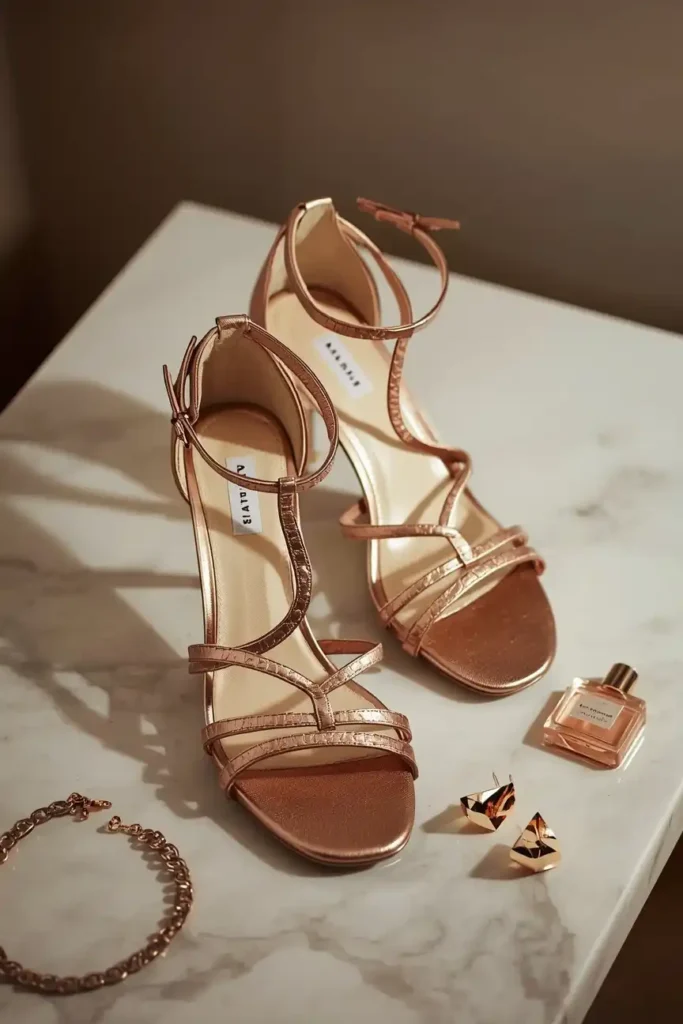
Find the heeled sandal worth every step — cushioned where it counts.
Strappy heeled sandals sit in a category where most podiatrists wince, and honestly, that reaction is fair. A thin heel, minimal cushioning, and straps that cut across the foot are not a foot-friendly combination. But here is where it gets nuanced. A sandal with a modest two-inch heel, multiple straps that distribute pressure across the foot’s surface, and a forefoot cushioning pad built into the insole is a very different shoe from a stiletto with one thin ankle strap and a leather insole that might as well be a piece of card.
The cushioning pad at the ball of the foot is the detail that makes the most difference for a heeled sandal specifically. That is where the majority of the pressure lands in any elevated shoe, and even a few millimeters of foam in the right place changes how your foot feels after two hours of standing at a party. If you are going to wear heeled sandals, which honestly many of us are going to regardless of what our podiatrists say, choosing a style with forefoot padding and multiple supporting straps is the most practical trade-off.
17. Supportive Flip Flops That Are Not Your Beach Throwaway Pair
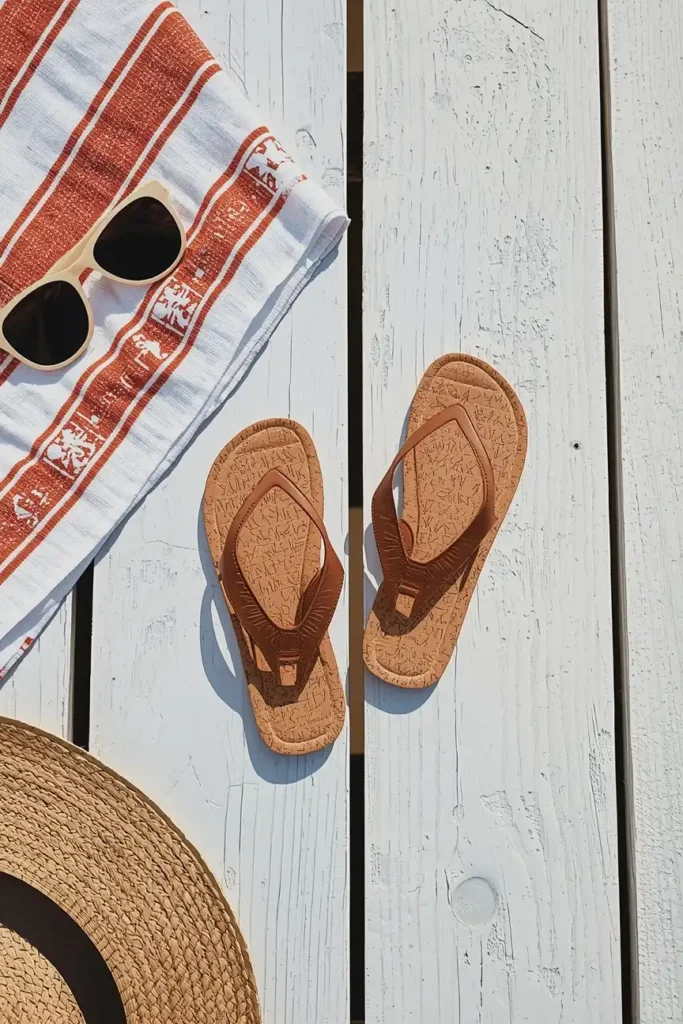
Upgrade your summer footwear to the flip flop that actually supports your arch.
Regular flat flip flops are essentially the shoes podiatrists have the most concerns about. They have no arch support, no heel cup, no cushioning, and they require your toes to grip constantly to stay on your foot. Over a summer of daily wear, they are the kind of shoe that can genuinely cause pain beyond just a hot day on the pavement. But supportive flip flops are a different thing entirely, and they deserve to be in a separate conversation.
Brands like Birkenstock, OOFOS, and Rainbow Sandals make flip flop styles with contoured footbeds that actively support the arch and cradle the heel rather than just sitting flat underneath the foot. The toe post on these styles is also designed with better materials and placement to reduce the grip reflex. They are not a medical device, but they are the kind of sandal you can wear on a beach vacation for a week without coming home with sore feet and tender heels, which is more than can be said for the $5 version in a rack near the checkout.
18. Pointed-Toe Flats That Spare the Toes
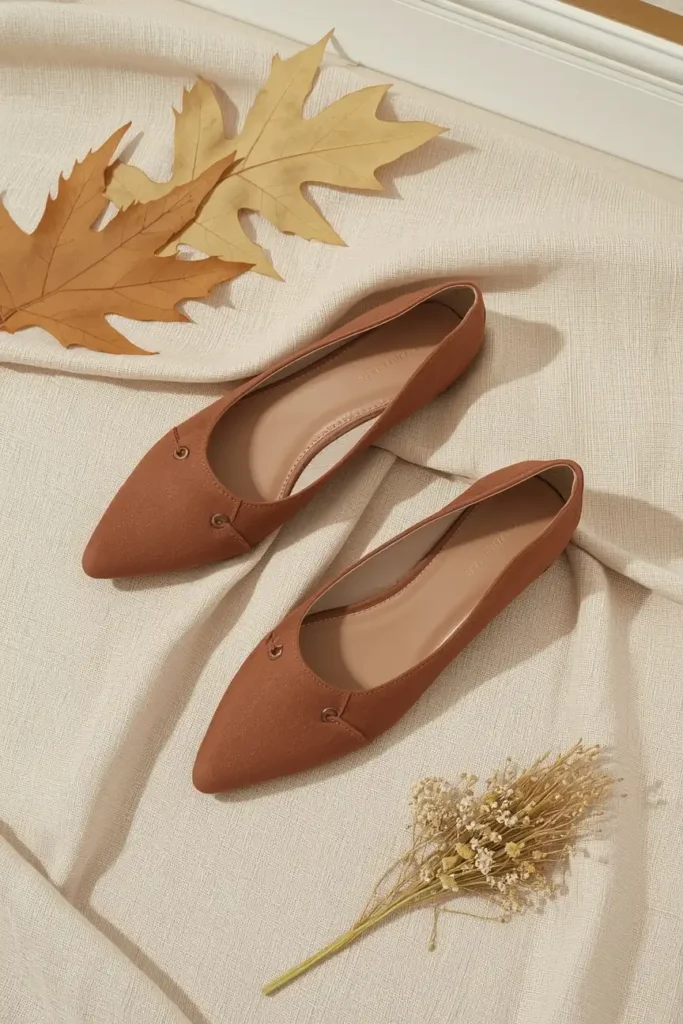
Shop the pointed flat that looks sharp without squeezing a single to
Pointed-toe flats get a complicated reaction from podiatrists. The very narrow toe box that makes them look so sleek is the same feature that pushes the toes together, which over time is a setup for bunions and pressure sores. However, a pointed toe does not necessarily mean a tight toe box, and this is an important distinction. Some pointed-toe flats taper well beyond where the toes actually sit, meaning the foot occupies the wider part of the shoe while the decorative point extends past the toe. That kind of construction actually works fine.
The way to tell the difference is to stand in the shoe and feel where your longest toe sits. If there is at least a thumb’s width of space and your toes are not being pushed sideways or compressed, the point is cosmetic and the shoe is functioning like a regular flat. Brands like Margaux, Sam Edelman, and Everlane have made pointed flats that are specifically designed with this in mind, using wider toe boxes hidden inside the narrow visual silhouette. Pair them with tailored trousers or a midi skirt and they deliver that polished, French-girl aesthetic without making your feet pay for it.
19. Recovery Slides for After the Gym
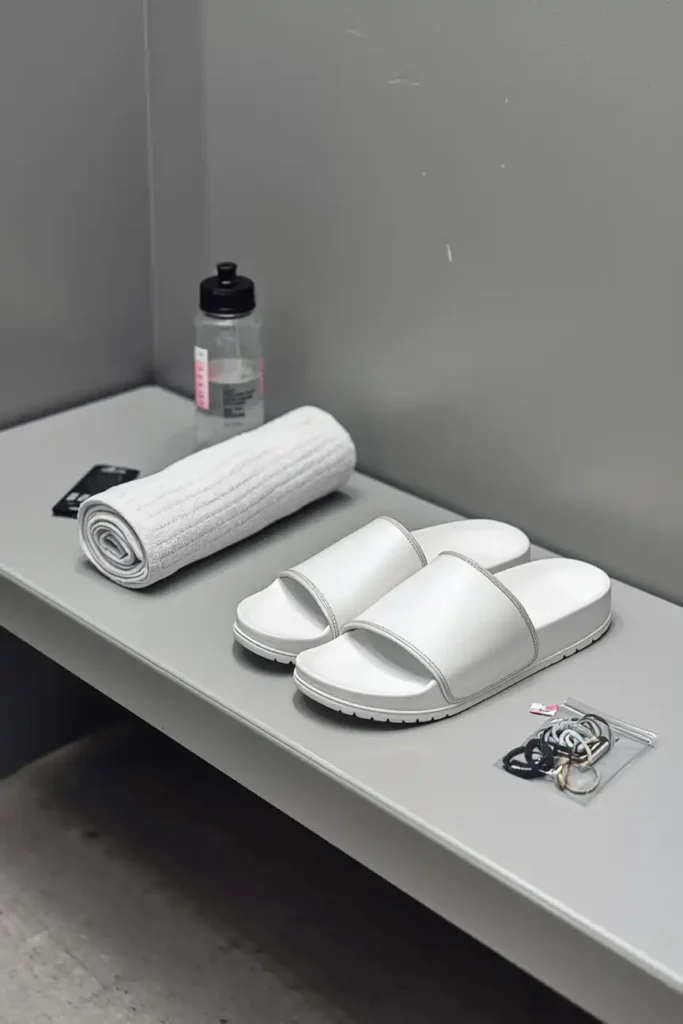
Get the slide your feet will beg for after every long day.
Recovery slides are one of those purchases that feel unnecessary until you actually own a pair and then become impossible to imagine living without. Brands like OOFOS, Hoka, and Adidas have invested seriously in slide footwear specifically designed to reduce the strain on muscles, joints, and connective tissue after prolonged activity. The foam compounds used in these slides are engineered to absorb impact and reduce the load on the plantar fascia, Achilles tendon, and knees in ways that a standard foam sandal simply does not.
What podiatrists appreciate about recovery slides is that they give the foot an active rest rather than a passive one. The slight contouring of the footbed still supports the arch while allowing the muscles that were working hard in your workout shoes to decompress. They have also quietly become acceptable casual footwear outside the gym context, partly because of their clean look and partly because people who wear them realize quickly how much better their feet feel on days when they use them. Wear them around the house, on errands, or anywhere you want your feet to feel looked after.
20. Wedge Espadrilles With Proper Arch Support
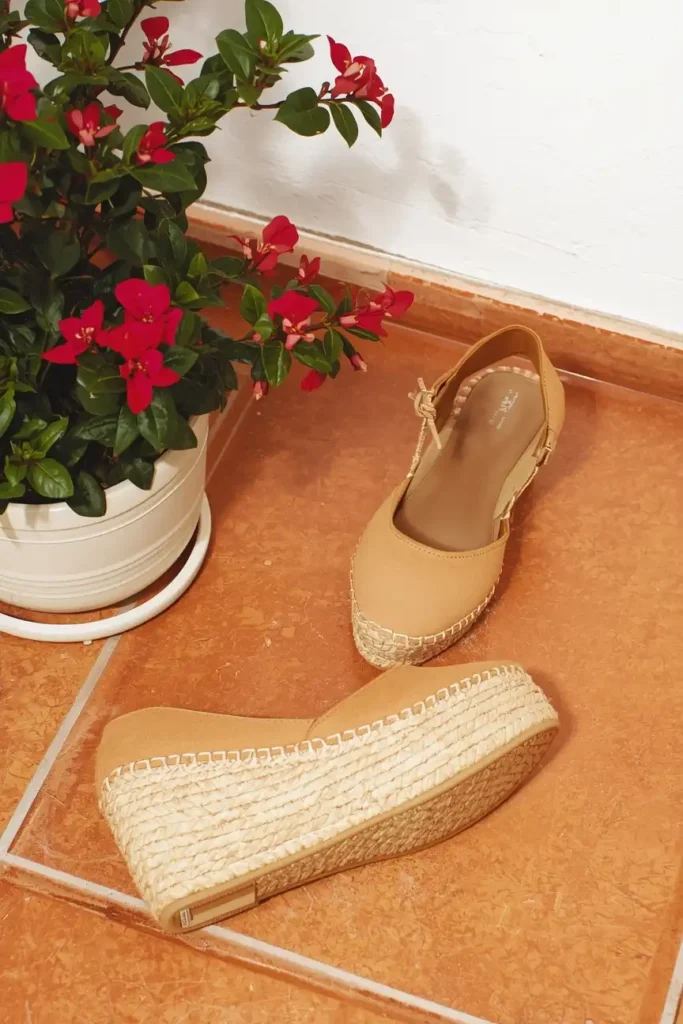
Find the espadrille built for real cobblestone — not just the Instagram version.
Wedge espadrilles have a bit of a complicated reputation in the foot health world. The platform is generally fine, and the wedge distributes weight more evenly than a stiletto does. The issue tends to be with traditional espadrilles that have very thin, flexible canvas uppers and essentially no footbed support whatsoever. Walk on uneven cobblestone in a flimsy pair for a few hours and the appeal fades quickly.
The versions worth looking at are the ones that pair the classic jute wedge exterior with a proper cushioned footbed inside. Several brands including Castaner, Soludos, and even some Toms styles have added enough structure to make the espadrille genuinely wearable beyond a beach walk. If you are planning a trip somewhere warm and want a shoe that works for daytime sightseeing and a terrace dinner in the same outfit, a well-made wedge espadrille in a neutral tan or cognac gives you that flexibility without sacrificing your feet to the cause.
21. Leather Oxford Shoes Built to Last a Decade
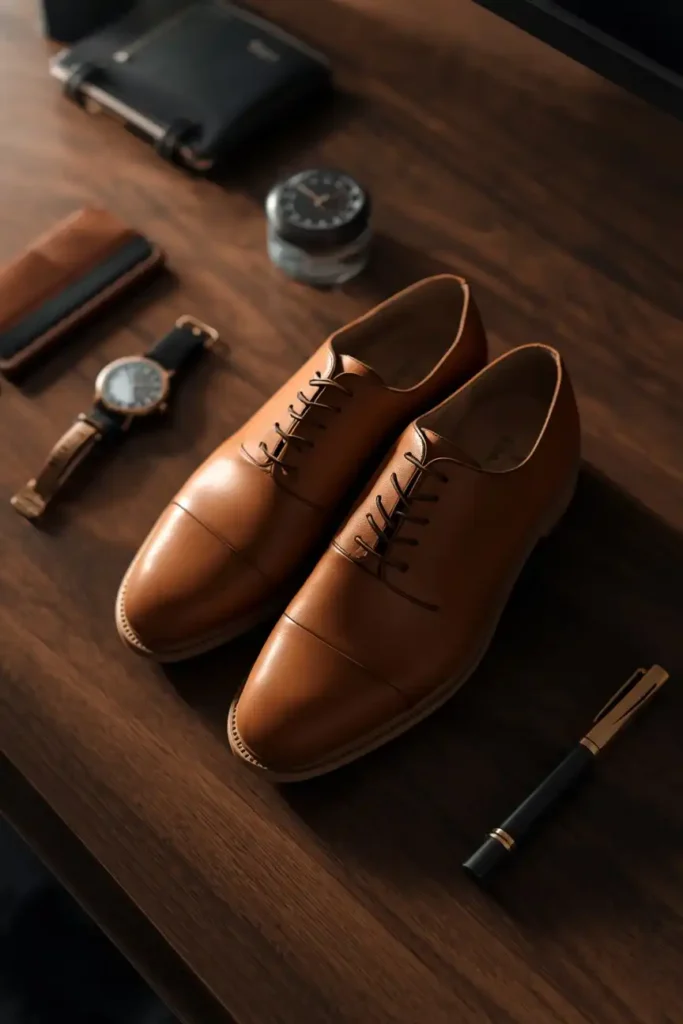
Shop the Oxford that only gets better with every year you wear it.
A well-made leather Oxford might be the best long-term shoe investment on this entire list. The reason podiatrists are fond of them comes down to construction. A properly made Oxford has a firm heel counter, a defined shank that prevents the arch from collapsing, a toe box that allows some natural movement, and a sole with enough thickness to absorb impact without being so thick that the shoe loses its sleek profile. It is a shoe built around foot mechanics in ways that most casual shoes are not.
The other factor is longevity. A leather Oxford from a quality manufacturer, worn and cared for properly, can last ten years or more. The leather molds slightly to the shape of your foot over time, making an already comfortable shoe feel custom after a few months of wear. Brands like Clarks, Red Wing, Church’s, and Allen Edmonds are all known for producing Oxfords at different price points that hold up to daily wear without losing their shape or their support. Styled with trousers for work or jeans and a wool coat for weekends, a classic leather Oxford is one of those shoes that never really needs replacing because it never really goes out of style.
Conclusion:
Your feet carry you through every single day, and the shoes you choose make a bigger difference than most people realize. Whether you are replacing worn-out flats or finally ditching the shoes that have been quietly causing problems, this list gives you real options that look great and function even better. The right pair of shoes for women does both without asking you to choose. Start with one swap and see how quickly your feet notice the difference.
All shoe recommendations are based on general podiatric wellness principles. For specific foot conditions, always consult a licensed podiatrist.