Paris Outfit Formulas French Women Actually Wear
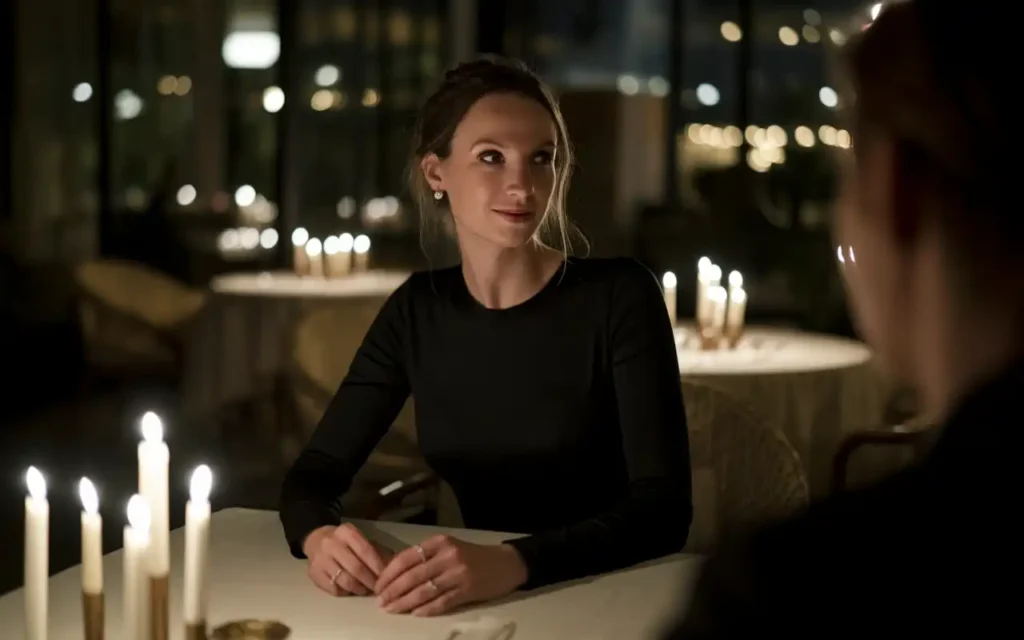
Nobody is born knowing how to dress like a Parisienne. But spend enough time paying attention and patterns start to emerge. The same silhouettes keep showing up, the same proportions, the same quiet confidence in how little is needed to look pulled together. This guide breaks down the actual Paris outfit formulas real French women reach for, not the romanticized version sold in travel guides. Practical, wearable, and worth knowing before you pack a single thing.
1. The Quiet Power of a Well-Cut Blazer
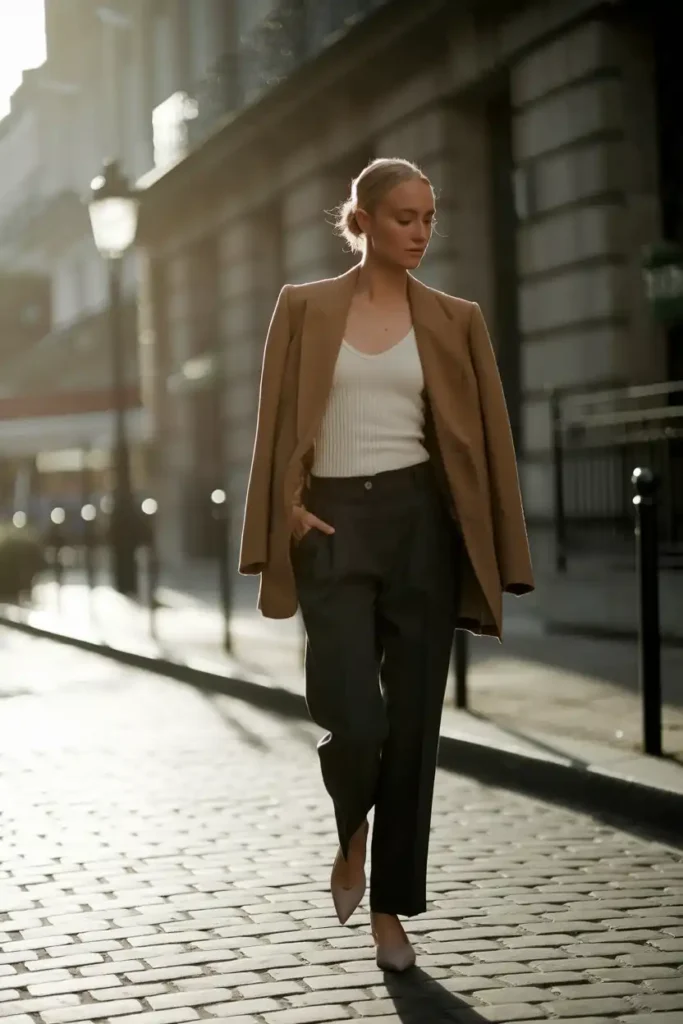
A blazer in Paris is not about power dressing. It is about proportion. French women tend to reach for one that is a half size larger than usual, giving the shoulder a slight drop and the silhouette a studied nonchalance. Camel, chalk white, and muted charcoal are the shades that show up most consistently, not because they are trendy, but because they work with everything already in the closet.
What makes this formula work is the contrast underneath. A blazer over a simple ribbed tank or a thin turtleneck reads as intentional rather than thrown together. Trousers or straight-leg jeans complete the look without competing with it. This combination travels well and photographs beautifully, which is exactly why it keeps appearing in street style shots from the Marais to Saint-Germain.
2. Straight-Leg Jeans Done the Right Way
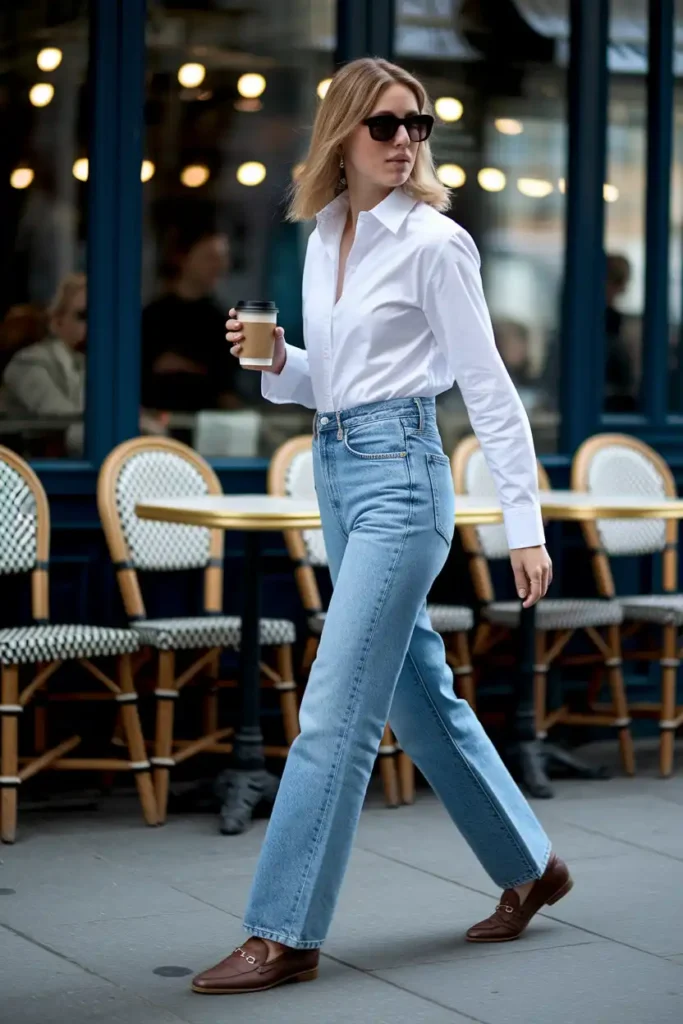
Skinny jeans rarely appear in the wardrobes of French women who dress with intention. The straight-leg cut is far more versatile because it sits well with both heels and flats, and it flatters a wider range of body types without trying too hard. 1The key detail is the rise. A mid-to-high waist keeps the proportions balanced and makes a simple tuck-in feel finished.
A true indigo or faded mid-blue wash is more wearable than anything too light or too distressed. Pair it with a tucked linen or cotton shirt, leave one button undone at the collar, and you have an outfit that works for a museum visit in the afternoon and a wine bar in the evening. The simplicity is the whole point.
3. The Everyday Trench Coat Formula
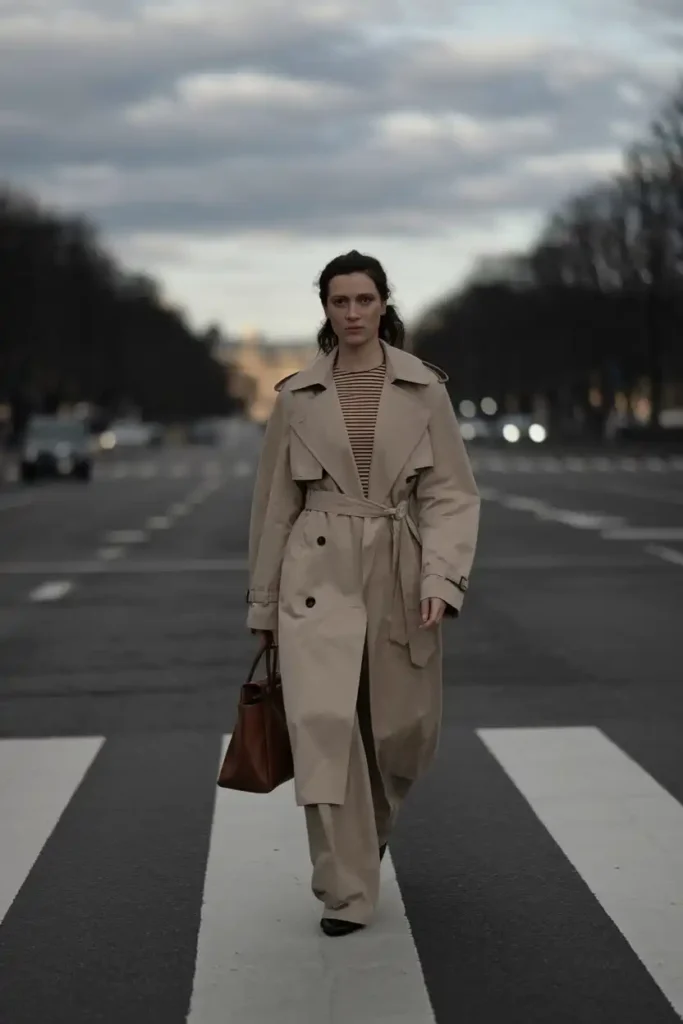
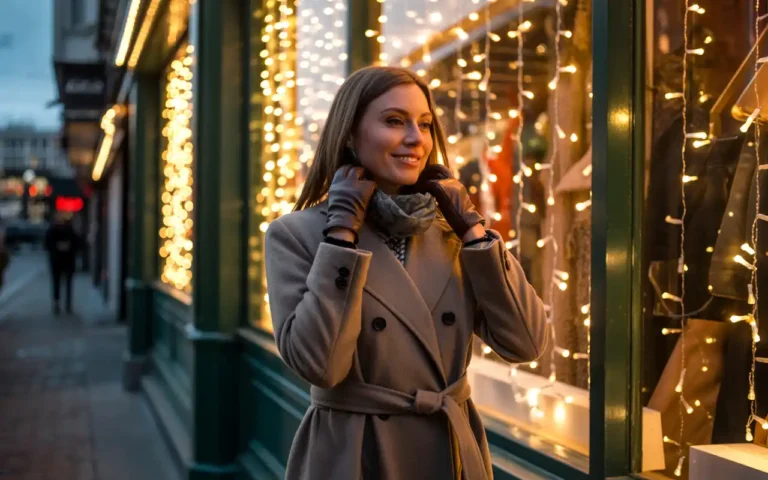
The trench coat has never left Paris, and it probably never will. But the way French women wear it has shifted slightly over the years. The belt is no longer tied in a tight bow at the front. It is loosely knotted, or left to hang, or even undone entirely. The coat is worn as a second skin rather than a formal outerwear piece.
The formula underneath is intentionally simple. A stripe mariniere top, straight trousers in a neutral, and ankle boots or loafers let the trench do all the work. The coat itself becomes the outfit, which means everything beneath it just needs to be clean and well-fitted. A classic camel or khaki shade works year-round, making it one of the most practical investments in a Paris-inspired wardrobe.
4. Striped Tops That Actually Look Current
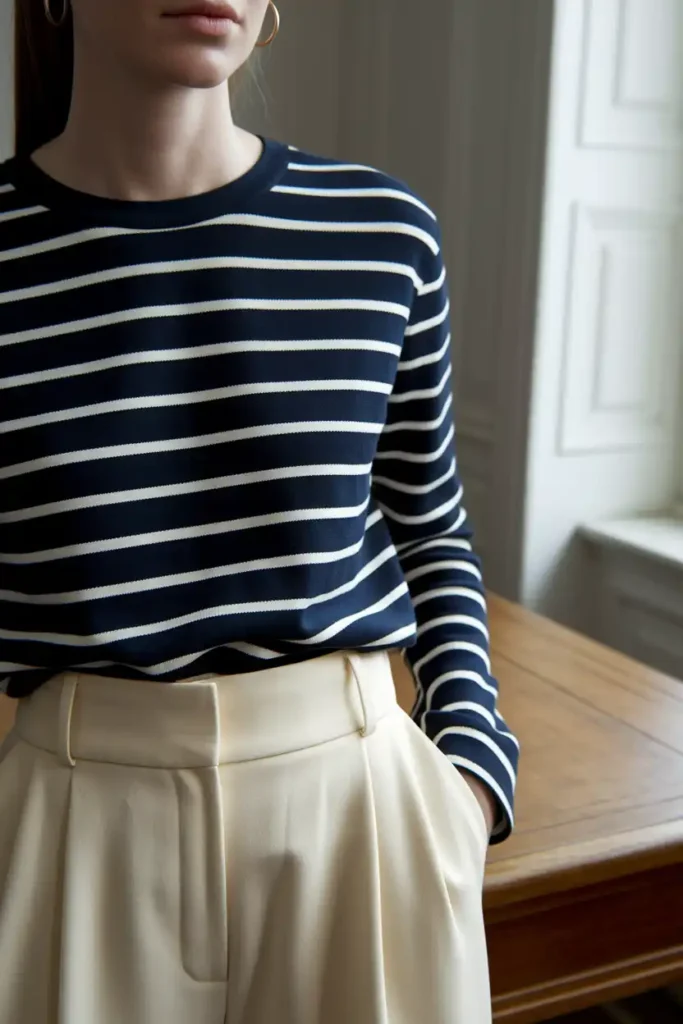
The mariniere stripe is one of those rare items that becomes dated only when styled incorrectly. Wearing it as a costume, with a beret and a crossbody bag printed with Eiffel Towers, is the trap. Wearing it as a foundational piece, tucked into wide-leg trousers or layered under a linen jacket, keeps it feeling current.
The best versions have a slightly boxy fit with a boat neckline and are made in a medium-weight cotton that holds its shape after washing. Navy on white is the classic. But slate blue on ecru or black on off-white reads just as well and feels a little more unexpected. The stripe should be a quiet detail in the outfit, not the loudest thing about it.
5. Ballet Flats and Why They Never Stopped Being Relevant
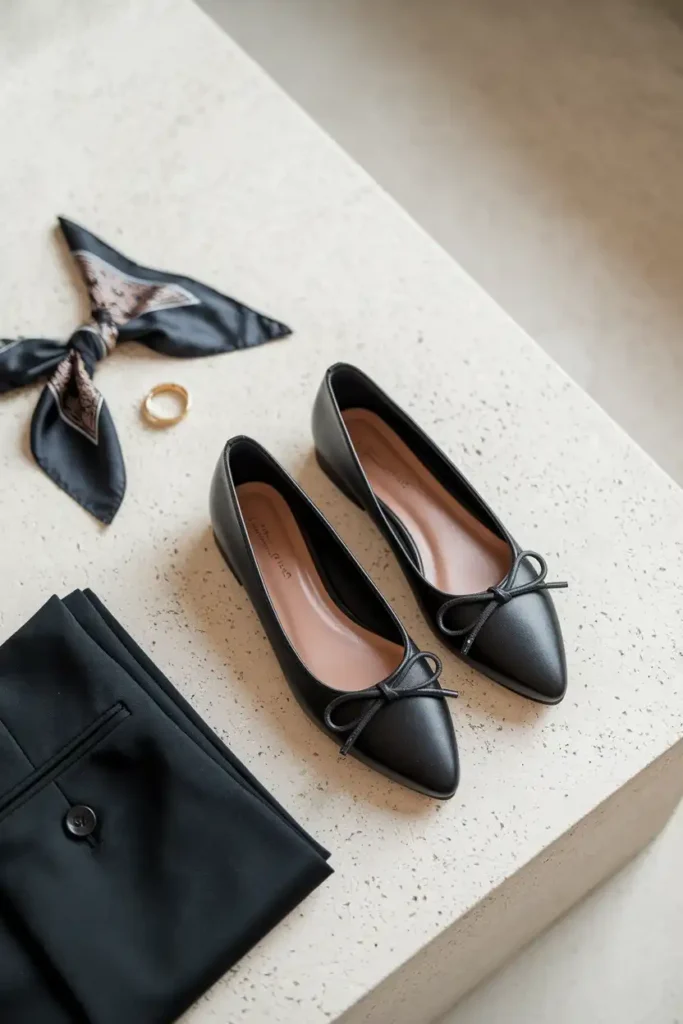
Ballet flats fell out of fashion briefly, then came back with enough momentum to make it clear they were never really gone in Paris. French women kept wearing them through the chunky-shoe years without apology. The reason is purely practical: they are comfortable enough to walk several kilometers on uneven pavement, and they make almost any outfit look more elegant without trying.
A black leather flat with a pointed or almond toe is the most versatile version. It works with cropped tailored trousers, midi skirts, straight-leg jeans, and even casual dresses. The fit matters more than anything. They should feel snug without pinching, and a sole with even a small amount of padding makes city walking far more tolerable. One quality pair will outlast several cheaper alternatives.
6. The Silk Scarf Worn in Three Different Ways
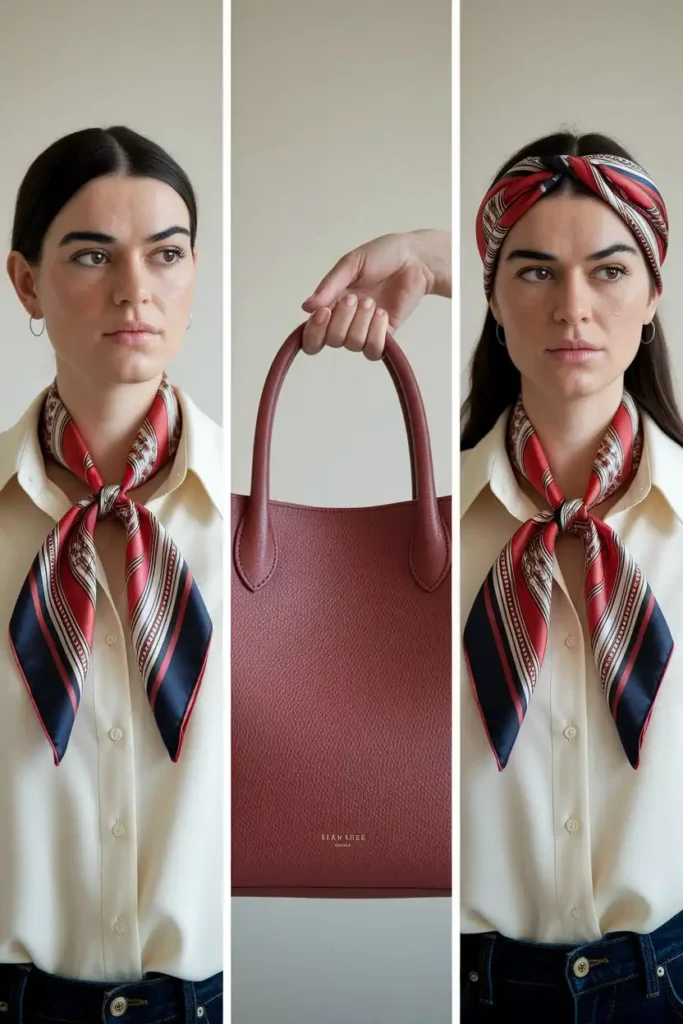
A square silk scarf is one of those accessories that looks expensive even when it is not. French women tend to own one or two they love and rotate them across different outfits rather than collecting dozens. The key is knowing more than one way to wear it so it does not feel like a novelty.
Around the neck over a simple shirt is the most classic placement, tied loosely so it falls naturally rather than being pulled tight. On a bag handle, it adds color and texture to an otherwise plain carry. As a headband, it works especially well on days when the hair is not cooperating but the rest of the outfit is. Each version changes the whole feel of the look with no additional effort.
7. High-Waisted Trousers With a Simple Top
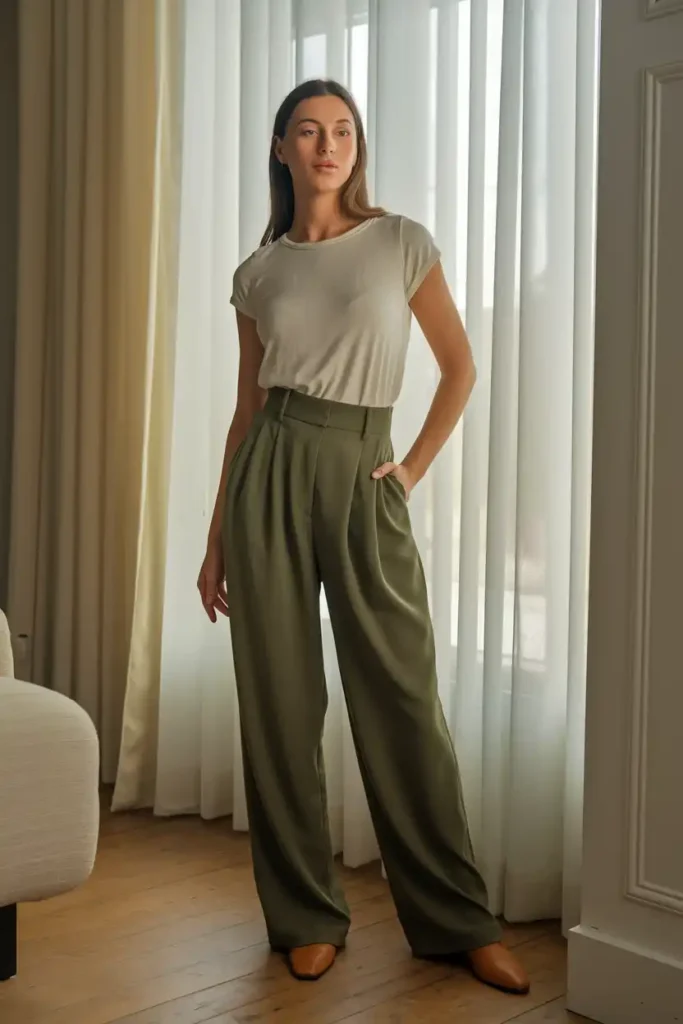
High-waisted trousers are one of the most reliable silhouettes in any Parisian wardrobe because they solve a proportion problem before it starts. The high rise lengthens the leg, defines the waist without a belt, and makes even a very basic top look like it was meant to be there. Wide or tapered leg options both work depending on the shoe.
The top tuck is non-negotiable here. A full tuck or even a half tuck at the front keeps the look intentional. Colors like olive, tobacco, dusty rose, and slate travel well from season to season and pair with the neutral basics most people already own. This is one of those outfits that takes less than five minutes to put together but reads as though it took considerably longer.
8. The Low-Key Midi Skirt Formula
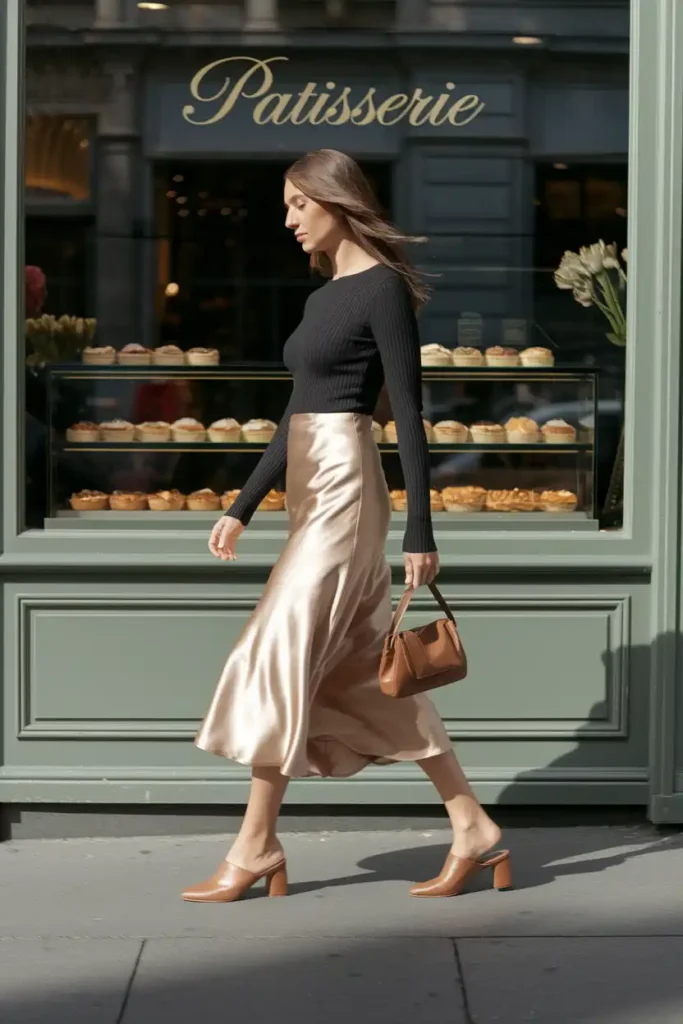
Midi skirts work in Paris because the scale of the city suits them. Walking past limestone buildings and wide avenues, a skirt that falls between the knee and ankle feels proportional in a way that shorter hemlines sometimes do not. The cut matters. Bias-cut satin or a relaxed linen drapes naturally and moves well, which makes it look more luxurious than the price tag usually reflects.
Pairing a midi skirt with a fitted top keeps the proportions balanced. A ribbed long-sleeve, a simple tank, or a thin turtleneck all work. The shoes are where the look either becomes interesting or stays safe. A block heel mule or a loafer with a slight platform adds some visual weight at the bottom without competing with the skirt. Simple jewelry and a small bag finish it without overloading the look.
9. Turtlenecks as a Foundation, Not a Statement
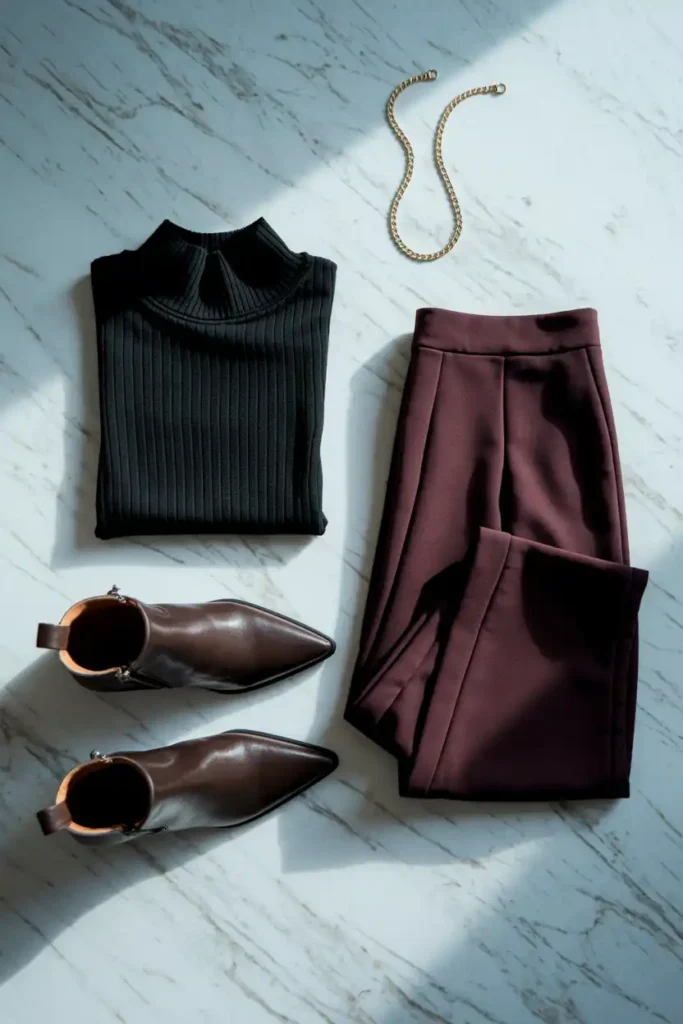
A thin turtleneck worn as a base layer rather than a centerpiece is one of the most underrated pieces in a well-edited wardrobe. French women use it the way others might use a plain crewneck, as a clean foundation that lets the trousers, coat, or outerwear become the focus. Black, ivory, and deep burgundy are the most wearable versions.
The fit should be close but not restrictive. Too fitted looks costumey. Too loose loses the clean line that makes it work. It layers well under blazers, slightly open shirt-jackets, and even sheer button-downs worn as a light layer in spring. A thin ribbed version is more versatile than a chunky knit because it works across seasons and transitions easily from day to evening.
10. Loafers for Every Occasion
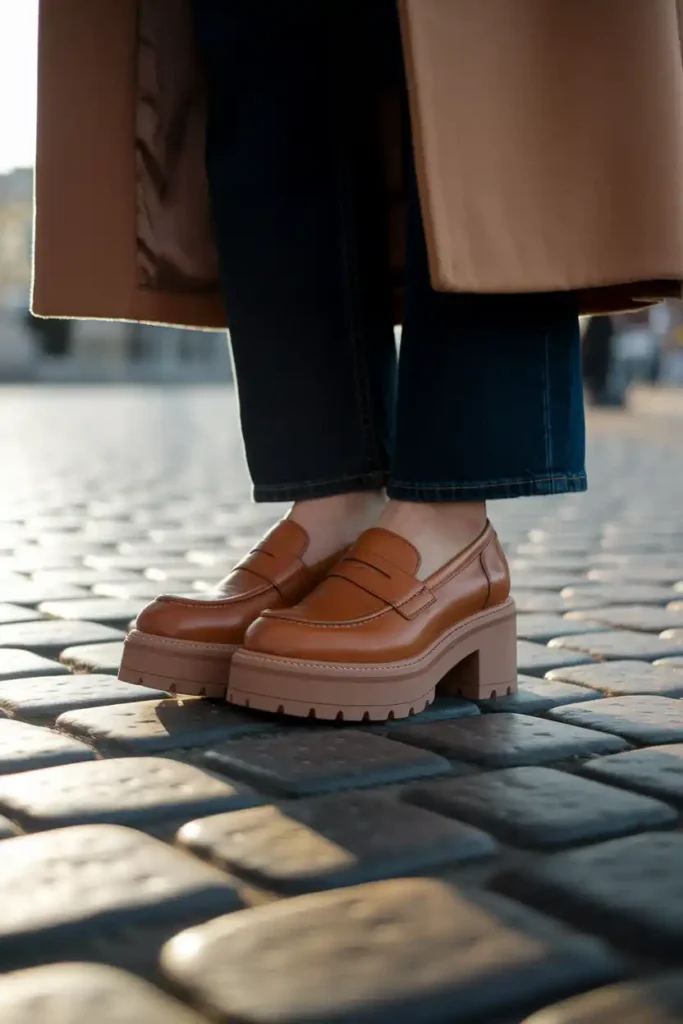
The loafer has had a significant resurgence, but French women never needed a resurgence to justify wearing them. Platform versions add a bit of height without the commitment of a heel, and the chunky sole pairs well with the straighter silhouettes that dominate Parisian street style. Cognac, black, and burgundy leather are the shades that show up most often.
What makes loafers such a strong formula piece is that they add visual interest without demanding attention. A maximalist shoe with an otherwise quiet outfit rarely lands well. A loafer with character pairs well with everything from tailored trousers to a casual slip dress. They are also far more walkable than heels, which matters enormously in a city best experienced on foot.
11. The Capsule Coat That Does Everything
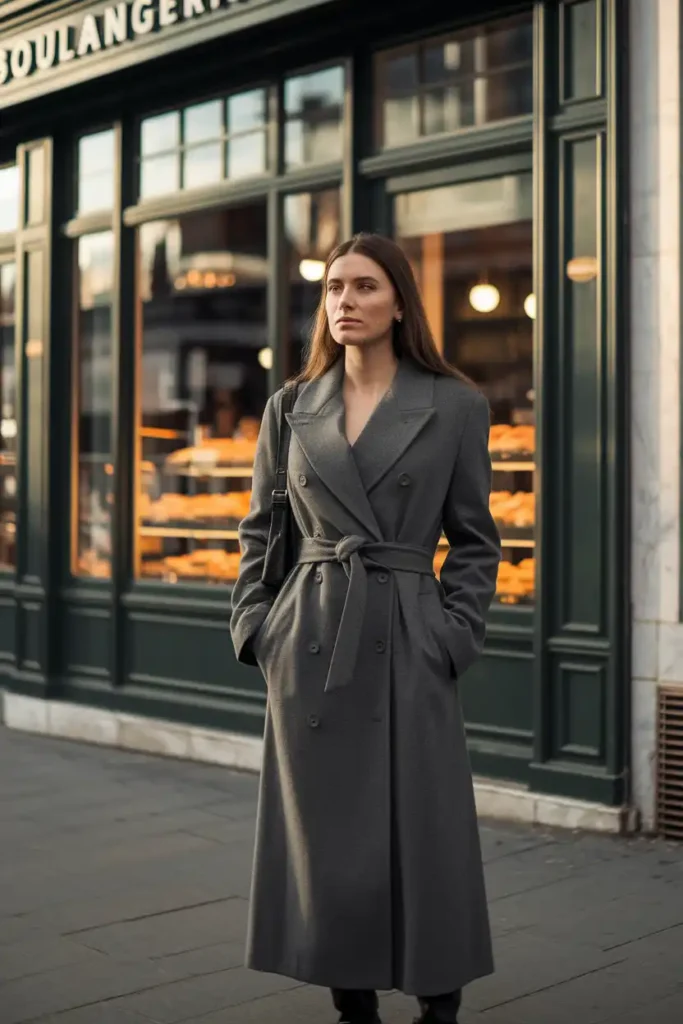
In Paris, the coat is often the outfit. When it is cold enough to require proper outerwear, the coat becomes the first thing people see, which means it carries a disproportionate amount of the visual weight. A well-cut long coat in a neutral shade handles this without any assistance from the layers beneath.
Double-breasted styles with a defined structure work especially well because they create their own waist, making a belt optional rather than necessary. Wool or a wool blend is worth the investment because it drapes better and holds its shape over time. The length should fall at mid-calf or just above the ankle for the cleanest line. A coat like this worn over anything from jeans and a sweater to a dress for a dinner works without adjustment.
12. Simple Jewelry That Earns Its Place
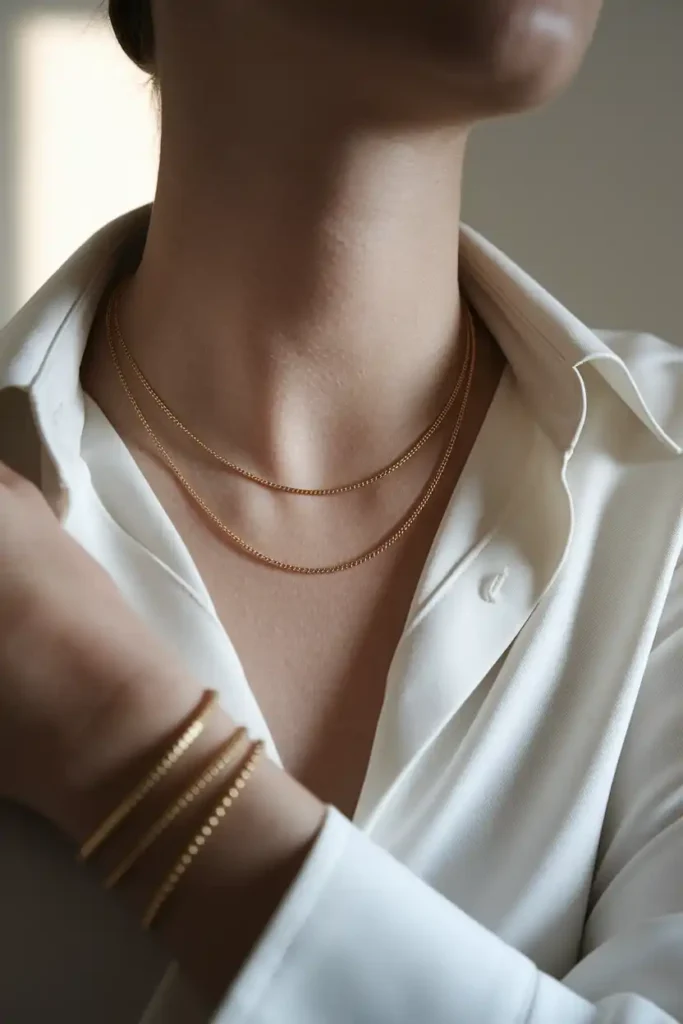
The approach to jewelry in Paris is additive rather than subtractive. Rather than starting with a full set and taking pieces away, the tendency is to start with one or two items that feel genuinely personal and stop there. Two thin gold chains of different lengths worn together create more visual interest than a single statement necklace without requiring anything bold.
A small gold cuff, a thin ring on one finger, or simple hoops at the ear work on the same principle. They read as chosen, not assembled. The materials matter in the sense that consistency between pieces matters more than price. All gold or all silver, rather than a mix, keeps the look cohesive without feeling matched in an obvious way.
13. White Shirts That Go Further Than You’d Expect
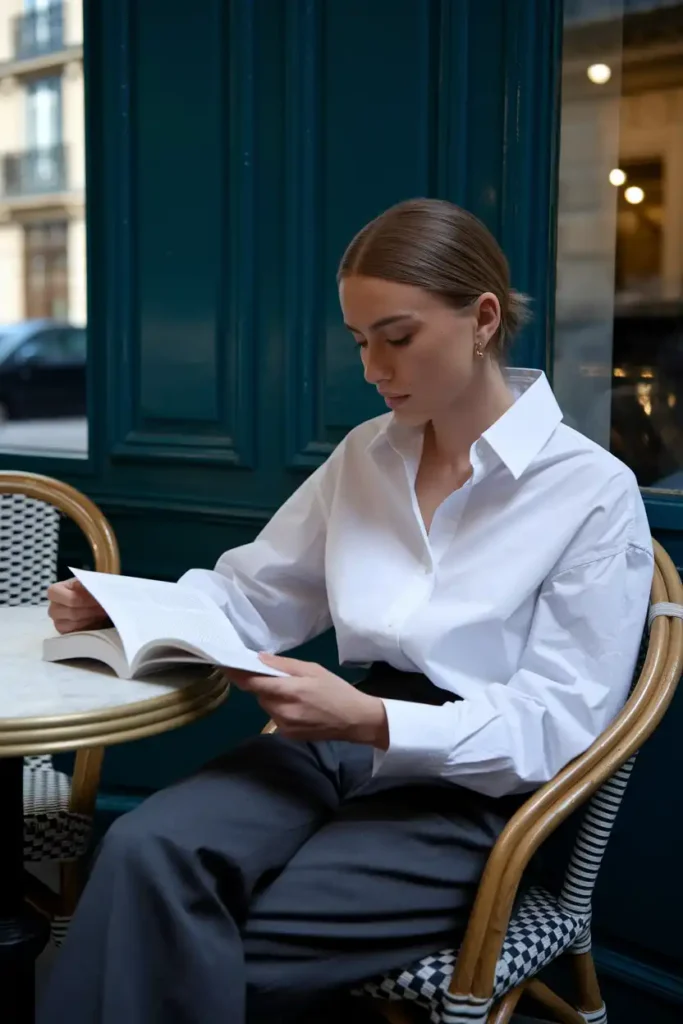
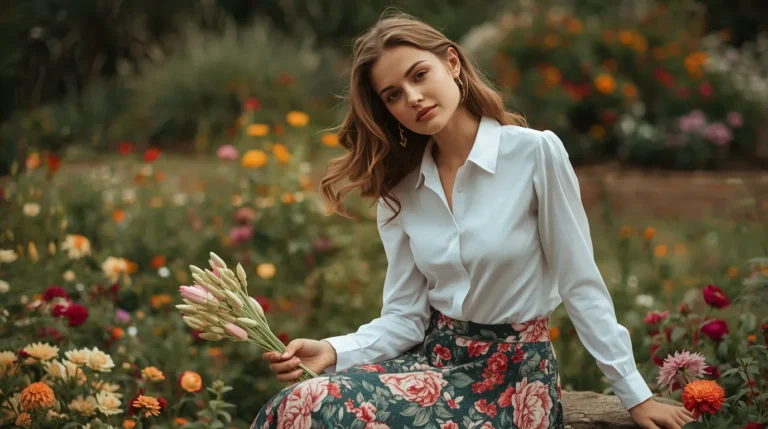
A white shirt worn correctly is one of the most powerful tools in a minimal wardrobe. The issue is that most people either overdress it or wear it too casually. The sweet spot is an oversized fit with structure at the collar, worn with the sleeves slightly pushed up and one or two buttons undone. It reads as relaxed but considered.
Good fabric makes a material difference. A poplin or a slightly crisp cotton holds its shape and looks cleaner than a soft jersey after a few hours of wearing. The white shirt works tucked into tailored trousers for a lunch meeting, worn open over a ribbed tank at a museum, or knotted at the front over a skirt on a warm afternoon. Versatility is its entire value.
14. Relaxed Knitwear That Still Looks Sharp
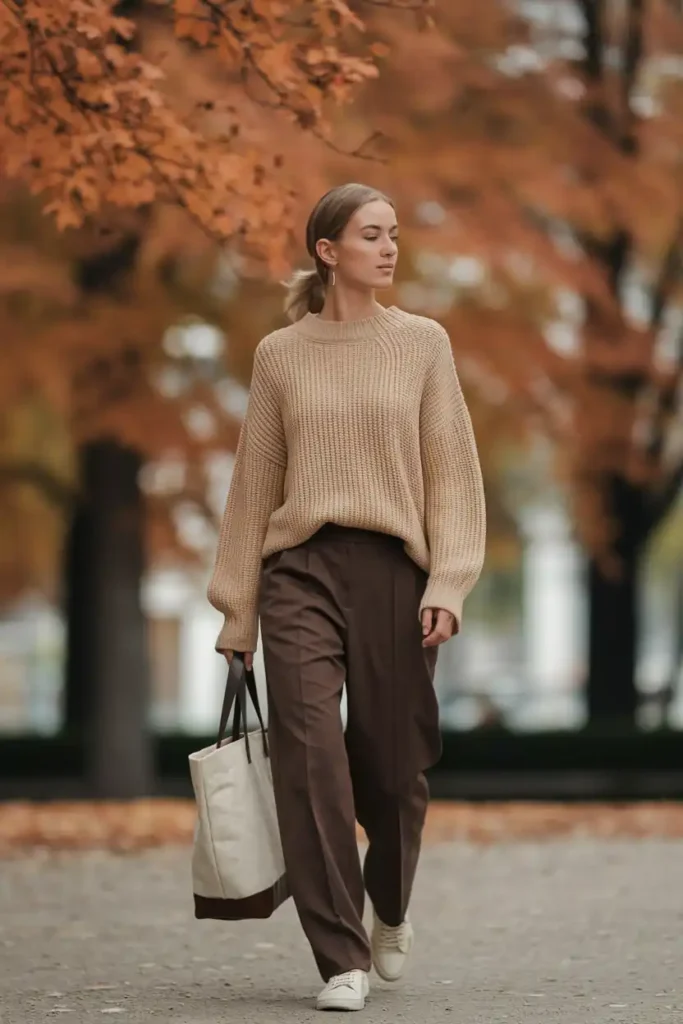
A chunky knit in Paris is not styled the same way it is elsewhere. It is not paired with another statement piece or balanced with a bold print. It is worn as a warm, grounding layer over something clean and well-fitted underneath. Oatmeal, rust, and forest green are the tones that show up most often in autumn street style, and they work because they blend into the warm palette of the city at that time of year.
The relaxed fit means it can go over a collared shirt with the collar peeking out, which is a detail that takes the look from casual to deliberately styled. The trousers or jeans underneath need to be relatively slim or straight rather than wide, so the volume stays at the top. White sneakers, loafers, or ankle boots all work depending on how dressed-up the rest of the outfit needs to be.
15. Sneakers Styled With Intention
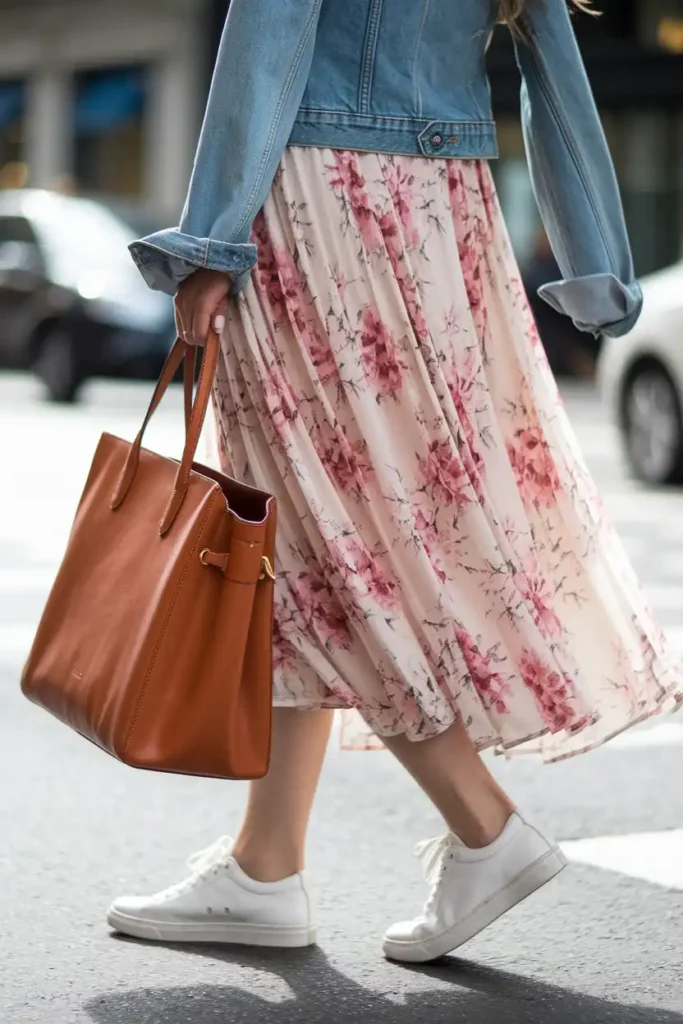
Sneakers in Paris work best when they create contrast rather than match. Wearing them with a structured or feminine outfit, like a midi dress or tailored trousers, makes both the shoe and the outfit look more interesting. The sneaker reads as a deliberate choice rather than a default. Clean white leather is the most consistent option because it is clean enough not to distract.
The trap is wearing sneakers with an entirely casual outfit and expecting the result to look effortless. It usually just looks underdressed. When the rest of the look has shape, fabric, or structure going for it, a plain sneaker at the bottom grounds the whole thing without competing. This is a formula that takes confidence to pull off well, but once it clicks, it becomes very hard to dress any other way.
16. A Dress That Requires No Accessories
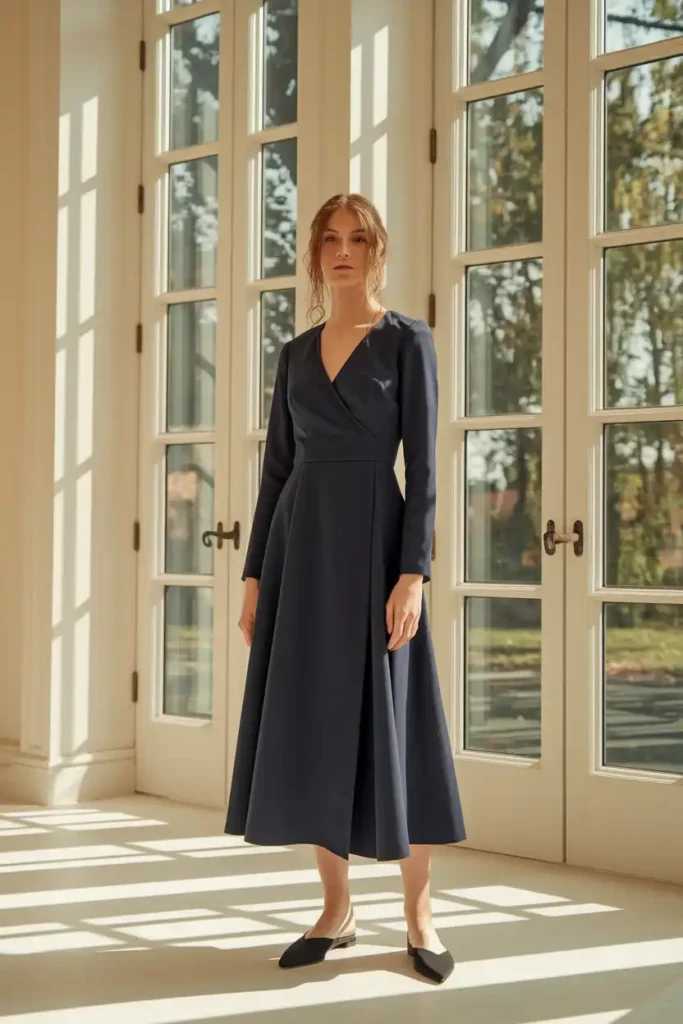
There is a category of dress that does its best work completely uninterrupted. A clean wrap dress in a dark navy or earthy tone, worn with flat shoes and very little else, has a confidence to it that layers and accessories cannot always match. The silhouette speaks for itself, and adding jewelry or a belt to fill the silence usually makes it worse.
This kind of outfit is particularly useful when traveling because it takes no effort to put together and photographs well in almost any setting. A wrap dress packs flat, adjusts to body changes throughout the day, and works from a morning market visit to a dinner reservation. The navy-to-black color range is the safest starting point because it transitions from warm to cool seasons with the right footwear.
17. Dark Washes and Why They Keep Winning
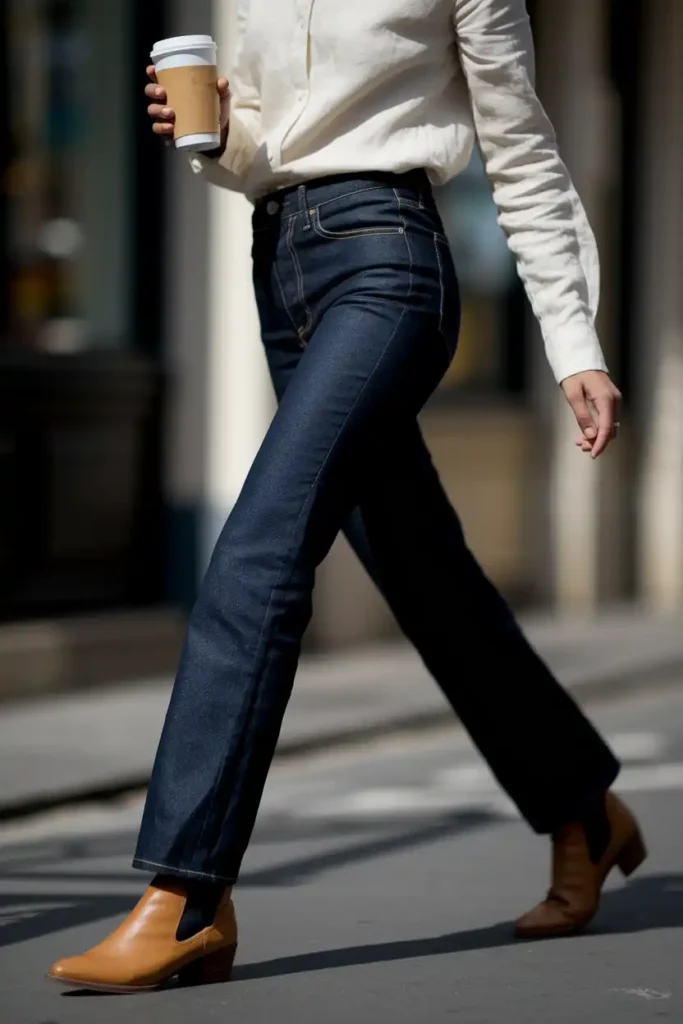
Dark denim is the format that never truly goes out of style in Paris because it functions as a neutral. A dark navy or deep indigo wash reads almost as formal as a trouser from a distance, which means it works in settings where lighter washes would feel too casual. Slim straight is the cut that appears most often because it sits well with both flat and heeled footwear.
The styling approach is the same as it is with a good trouser. Tuck in the top. Keep the shoe simple but intentional. Add one detail, a scarf, a watch, a bag with character, and leave it there. Dark denim paired with a neutral linen or cotton top and leather ankle boots is one of the most consistent Paris outfit formulas because it covers an enormous range of situations without needing adjustment.
18. Layering That Looks Unplanned but Isn’t
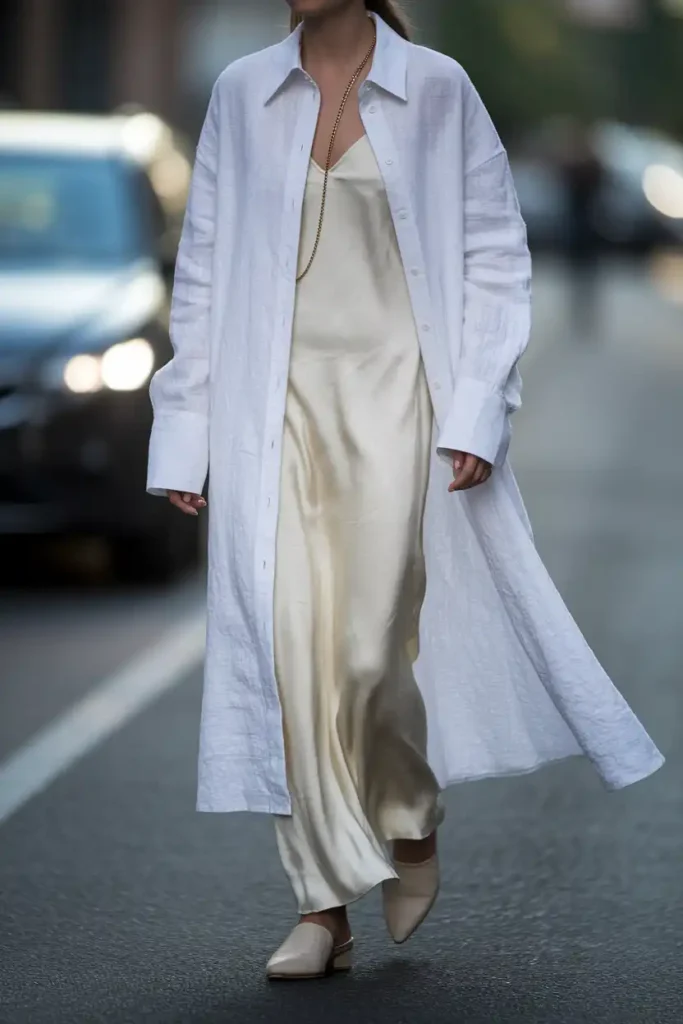
Tonal layering, where two or three pieces occupy a similar color space, is a technique that looks effortless because the contrast is reduced. An ecru slip dress worn under an open white linen shirt, or a pale grey tank layered under a slightly darker grey longline cardigan, creates depth without pattern or color blocking. The layers are visible but they harmonize.
The key to making this look unplanned is making sure the pieces are slightly different in texture or weight. Two identical fabrics layered together flatten each other. A slip in satin under a crisp linen creates enough contrast in texture that the eye reads it as intentional. The overall look is calm, which is exactly what makes it stand out in a crowded visual space.
19. The Bag That Travels From Day to Night
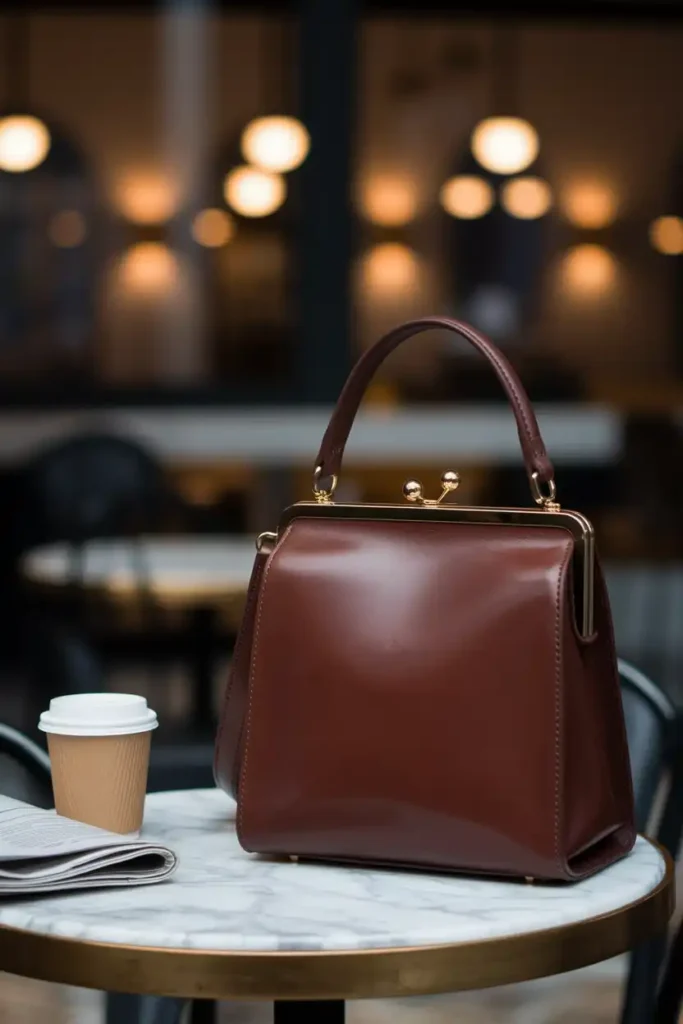
In Paris, the bag is often the most visible luxury item a woman carries, which means it does significant work in how an outfit is read. A structured leather shoulder bag or a top handle bag in a mid-size is more versatile than an oversized tote or a tiny evening bag because it holds enough to be practical without reading as casual.
The color does most of the heavy lifting in terms of versatility. A dark tan or cognac works with every neutral in the wardrobe. Black works more formally. A deep burgundy adds color without demanding coordination. The bag does not need to match the shoes, a rule many people still follow unnecessarily. The only real requirement is that the bag looks like it was chosen, not grabbed.
20. How French Women Actually Do Color
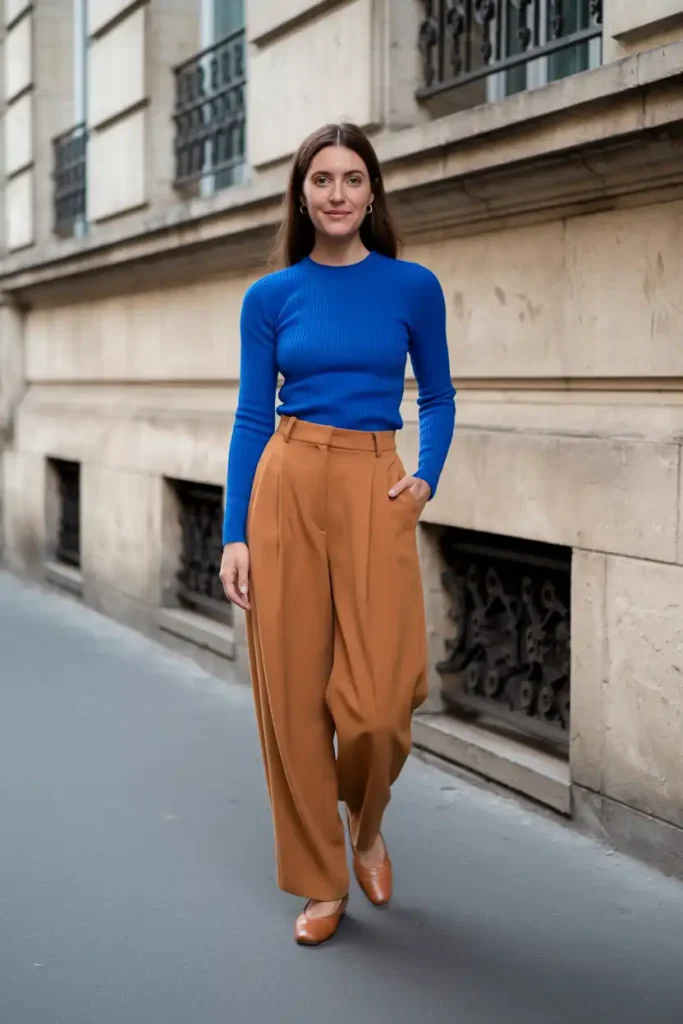
The common assumption is that French women wear only neutrals. The more accurate picture is that they use color sparingly and specifically. One saturated color piece, worn with two or three quiet neutrals, creates an outfit that reads as confident without feeling loud. Cobalt, rust, forest green, and burgundy show up frequently because they sit well against the warm stone tones of the city itself.
The rule is effectively one color at a time. If the sweater is cobalt, the trousers, shoes, and bag are neutral. If the skirt is rust, the top is white or cream. The color becomes the point of the outfit, and everything else makes space for it. This approach takes fewer pieces and produces more interesting results than trying to coordinate multiple colors at once.
21. Dressing for Dinner Without Overdressing
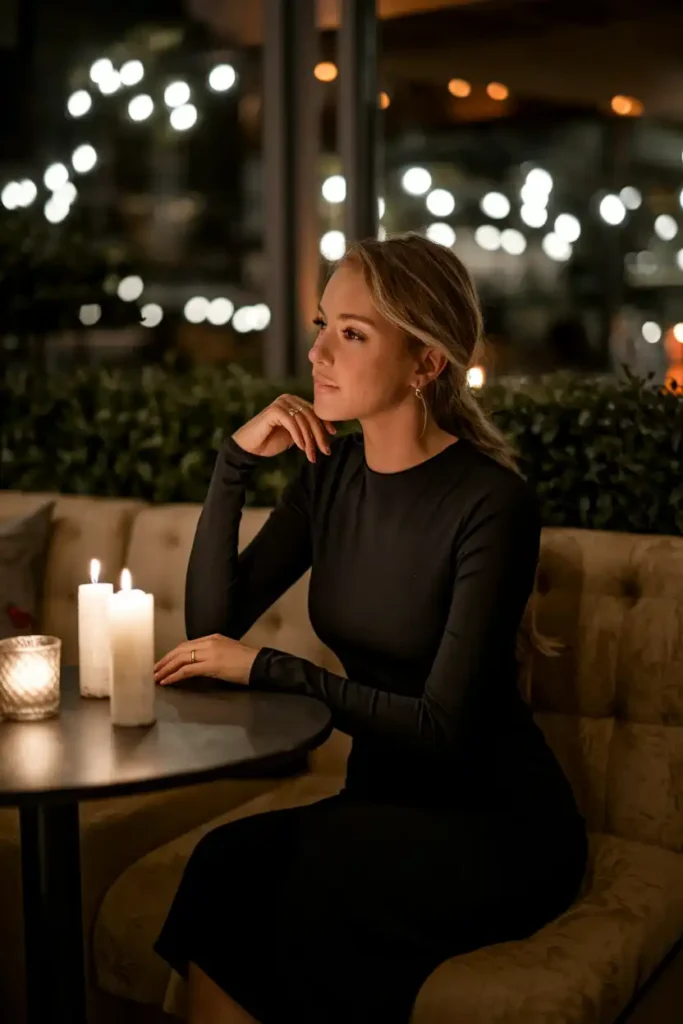
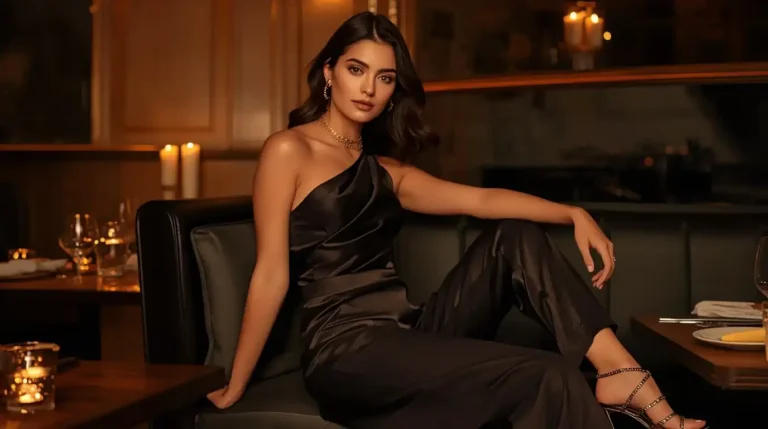
Evening dressing in Paris tends to go quieter, not louder. The dinner reservation does not signal an upgrade in accessories or a more dramatic silhouette. It signals a more careful version of the same approach: clean lines, thoughtful fabric, and restraint. A fitted long-sleeve dress in black or deep navy covers this situation almost every time.
The details are where the shift happens. Swapping flat shoes for a small block heel, adding one piece of jewelry with a bit more presence, or choosing a slightly more structured bag than the one carried during the day is usually enough. The aim is to look like the outfit was chosen with care rather than built for an occasion. The distinction is subtle but it reads clearly.
Conclusion:
Getting your Paris outfit right has nothing to do with buying more. It’s about understanding proportion, restraint, and why one well-chosen piece consistently outperforms five average ones. The women who look effortlessly dressed in this city are not following trends. They are ignoring most of them. Take what works from these formulas, leave the rest, and pack lighter than you think you need to.