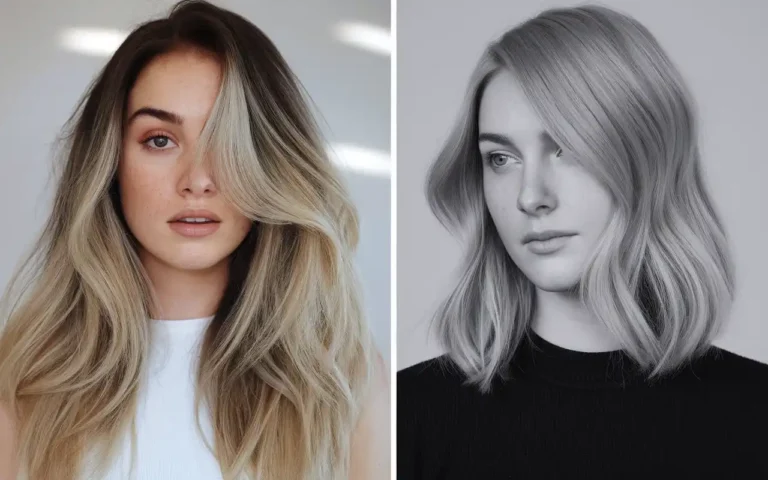
20 Haircut for Thin Hair That Actually Add Bounce
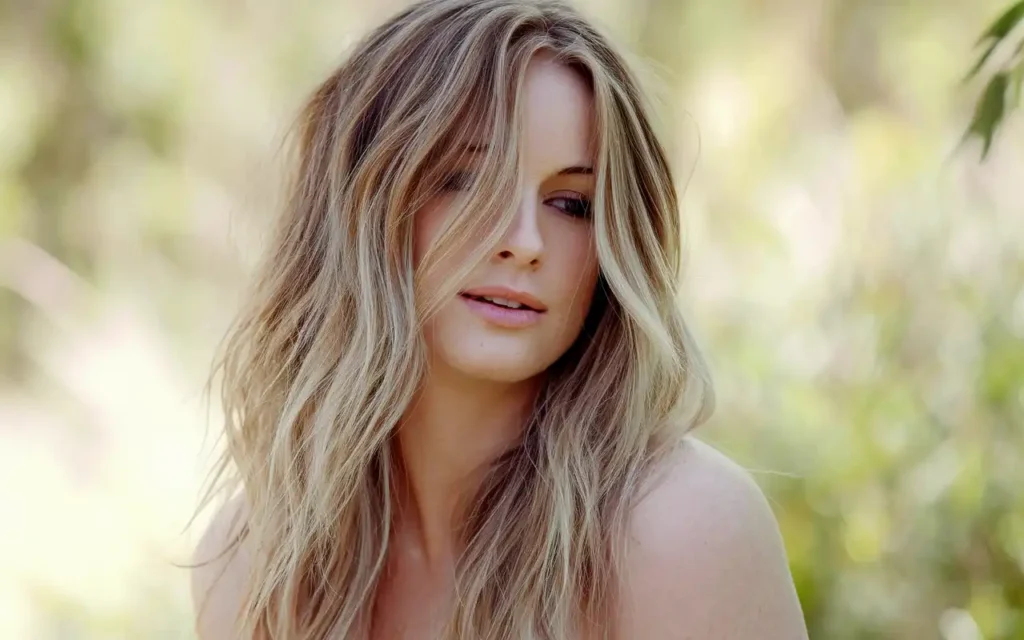
Thin hair does not have to mean flat hair. The right cut changes everything, and most people with fine hair are one appointment away from hair that actually moves. This list covers 20 cuts that work specifically because of how they interact with fine hair’s natural structure. No gimmicks, no excessive product lists. Just 20 proven options backed by real styling experience, with enough detail so you can walk into your next appointment knowing exactly what to ask for.
1. The Blunt Bob That Tricks Everyone
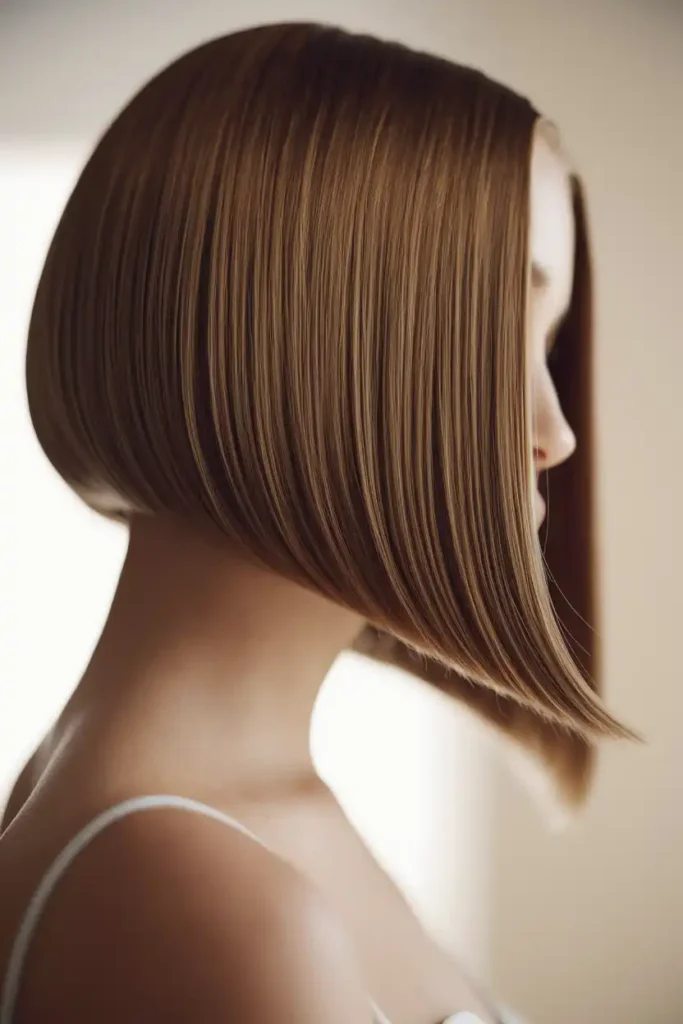
A blunt bob is one of the most reliable cuts for thin hair because the uniform length creates the illusion of more density. When all your ends fall at exactly the same point, the hair stacks visually and looks fuller than it actually is. Stylists have been recommending this for decades because it works consistently across different hair textures.
The key is keeping the ends precisely cut every six to eight weeks. Blunt bobs lose their effect fast when the ends start to split or grow unevenly. Ask your stylist to cut it dry if possible, since wet cutting on fine hair can lead to taking off more than intended and throwing off the balance.
2. Curtain Bangs on a Lob
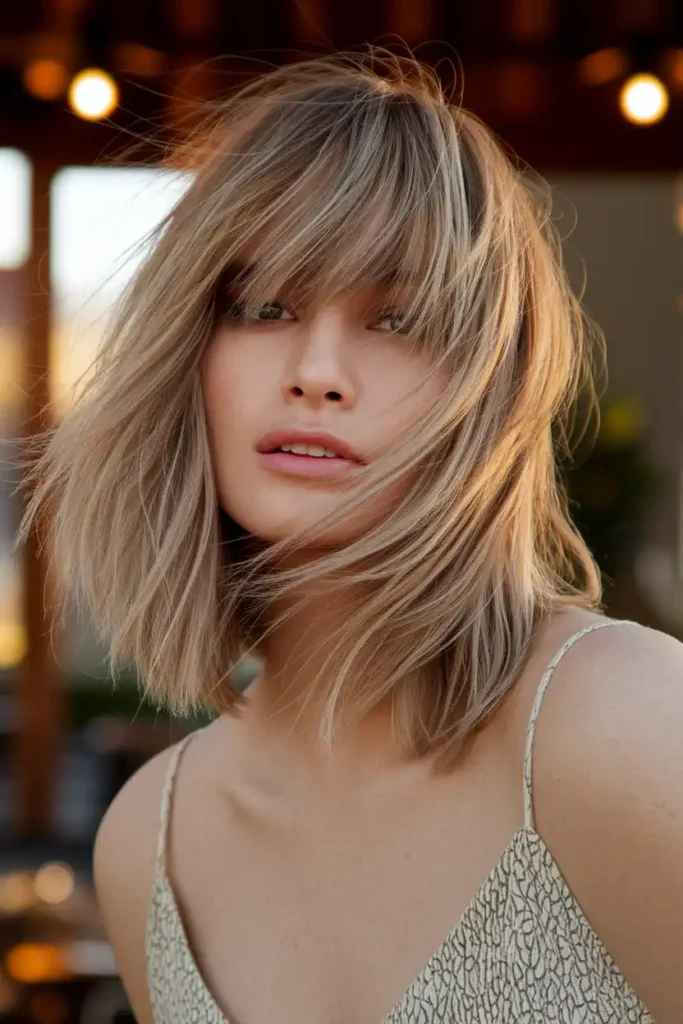
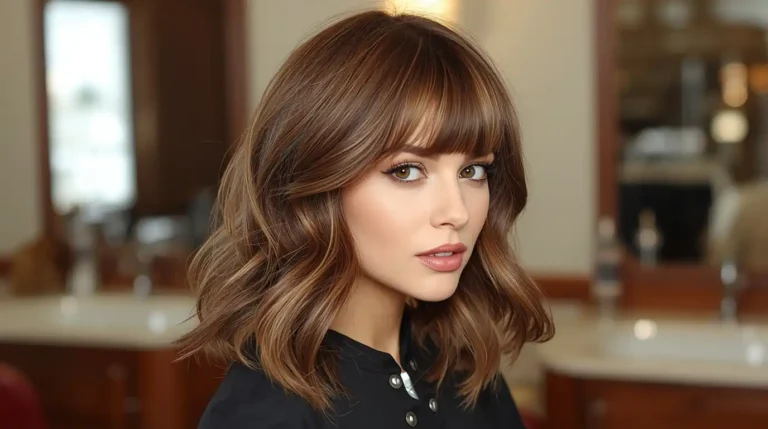
Curtain bangs paired with a lob work well on thin hair because the bangs add visual weight to the front of your face without requiring you to commit to a full fringe. They create a break in the hair that makes the whole style look more intentional and layered, even if the rest of the cut is relatively simple.
The lob length, typically landing between the chin and the collarbone, gives thin hair enough weight to move properly without going so long that it becomes stringy. This combination has been popular since around 2019 and shows no signs of stopping because it genuinely flatters a wide range of face shapes and hair types.
3. Textured Pixie Cut
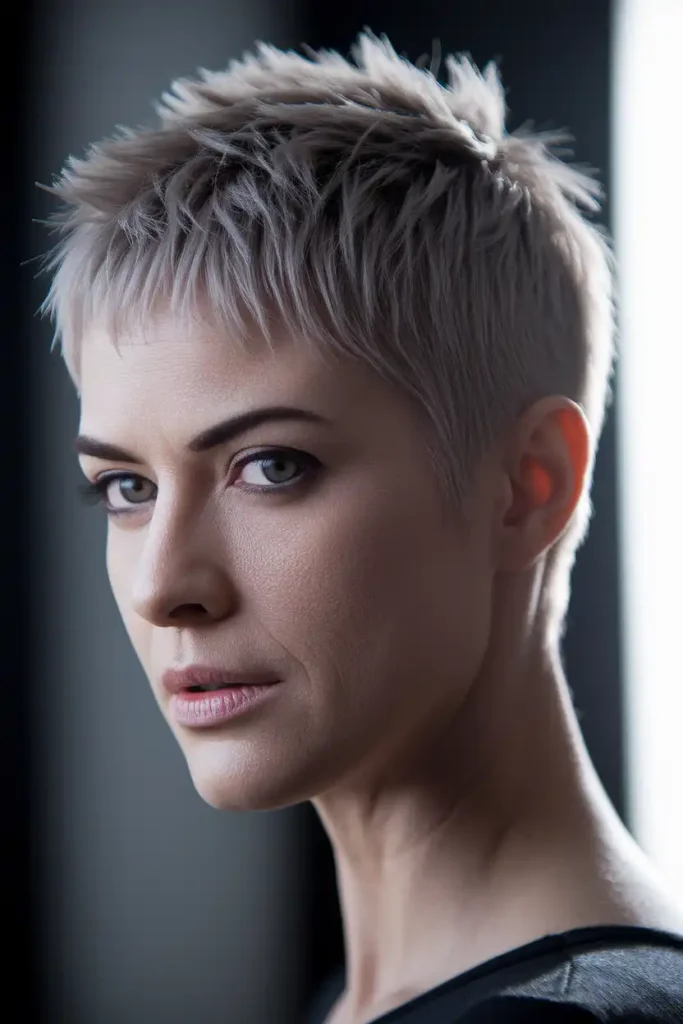
A well-executed pixie cut removes the length that weighs thin hair down, which immediately gives it more body. The texture is everything here. A pixie that is cut too smooth will look flat, but one with choppy layers and piece-y ends looks full and deliberately styled. Ask specifically for point cutting or razor work at the ends to get that broken-up texture.
This cut works especially well if your hair is fine at the temples or around the hairline, since those areas are typically the thinnest. Keeping the crown longer while shortening the sides creates contrast that reads as thickness. Styling with a small amount of matte paste or salt spray rather than shine serum will keep the texture visible throughout the day.
4. Shaggy Layers Starting at the Chin
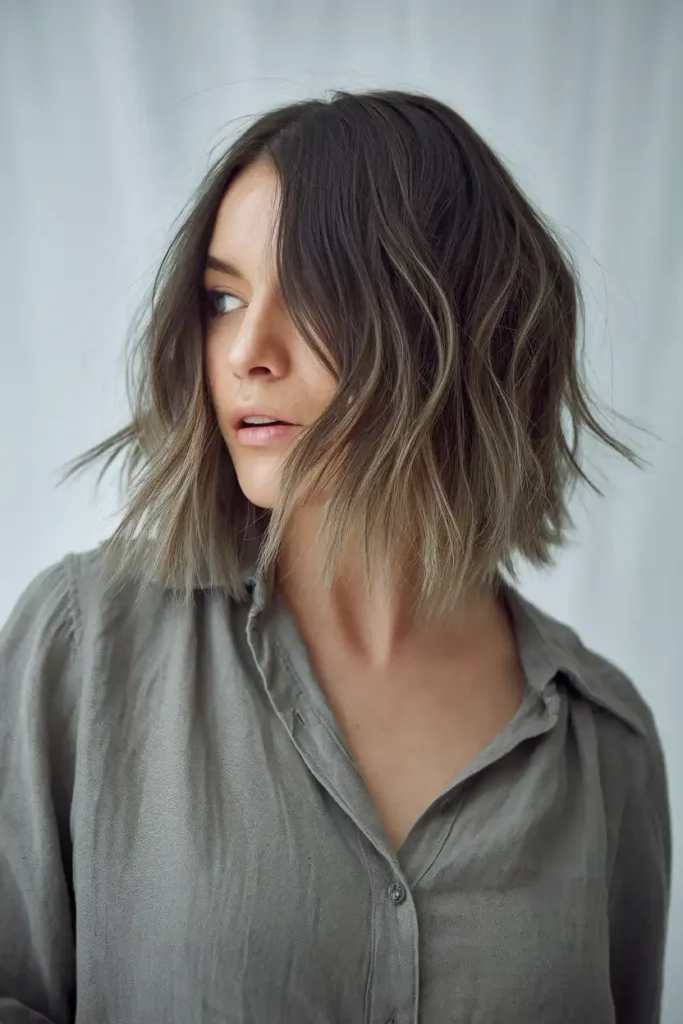
Shag cuts were popular in the 70s, came back hard around 2020, and they earned that return because they genuinely deliver volume for fine hair. The layers are cut throughout the entire head, not just at the ends, which means there is movement at every point rather than just at the bottom. That movement is what creates the visual fullness.
The defining detail of a good shag for thin hair is the curtain bang or face-framing layers at the front. These shorter pieces around the face draw attention to where your hair looks its best rather than letting the eye travel down to where thin hair tends to look its flattest. Diffusing or scrunching with a small amount of mousse keeps the layers separated and bouncy.
5. The French Bob
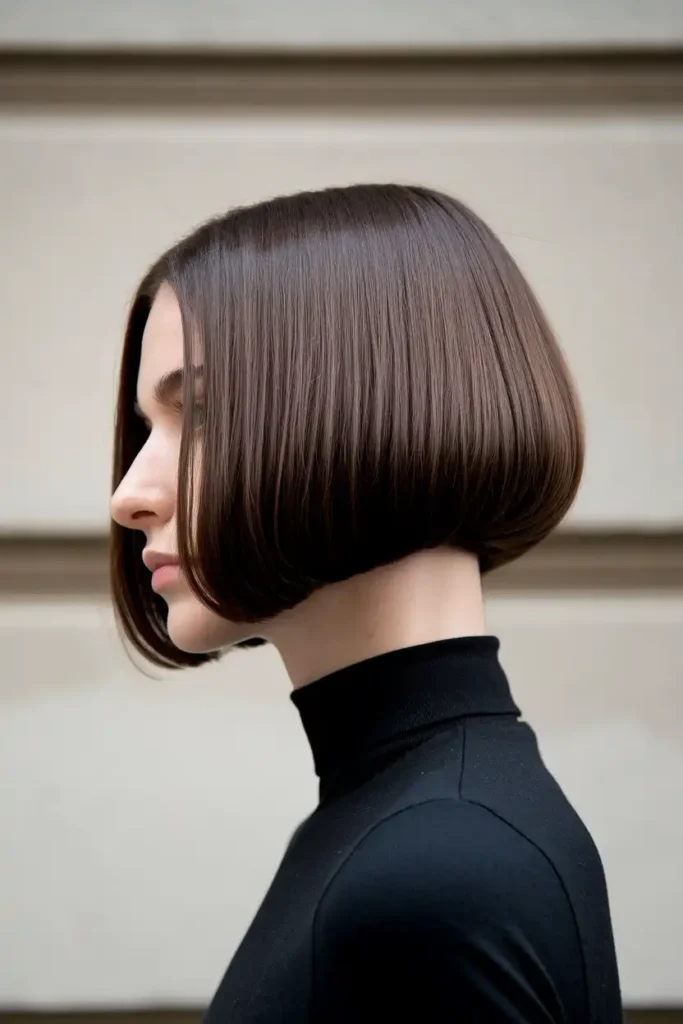
The French bob sits shorter than a classic bob, typically ending just above or at the jawline, and that extra shortness is exactly what makes it effective for thin hair. Shorter length means less weight pulling the hair down, which directly translates to more lift at the roots. The cut has a long history in Parisian styling culture precisely because it flatters a variety of hair densities.
One of the underrated advantages of the French bob is how low-maintenance it can be once it is cut correctly. Fine hair that is cropped to this length air dries faster, holds a blow-out longer, and needs less product to look intentional. A touch of volumizing spray at the roots before blow-drying, followed by a quick round brush pass, is usually enough.
6. Long Layers With Face Framing
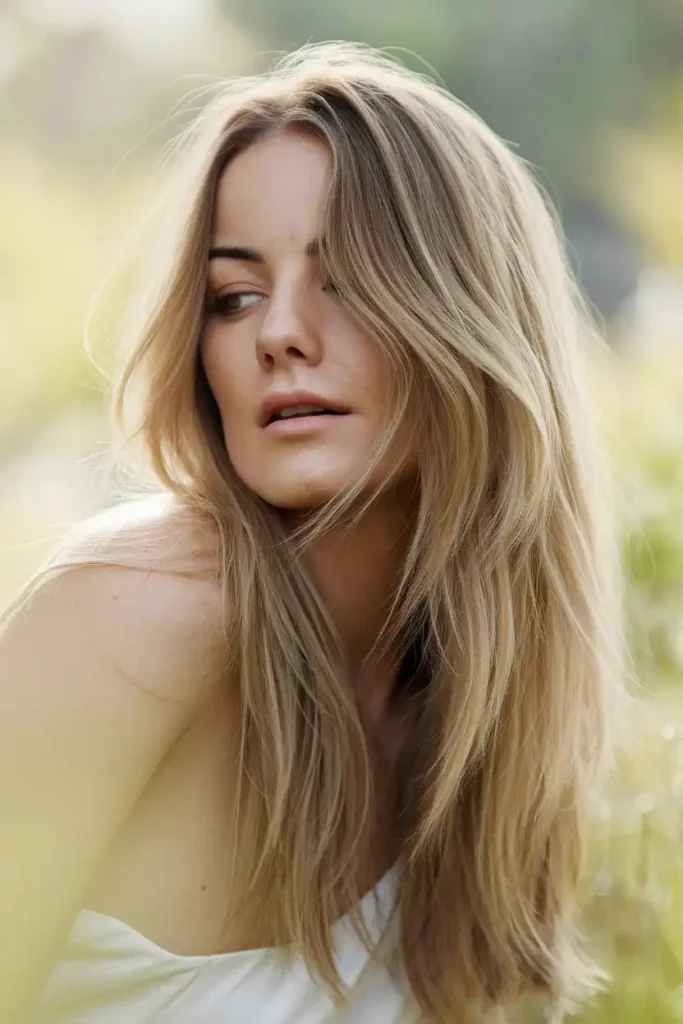
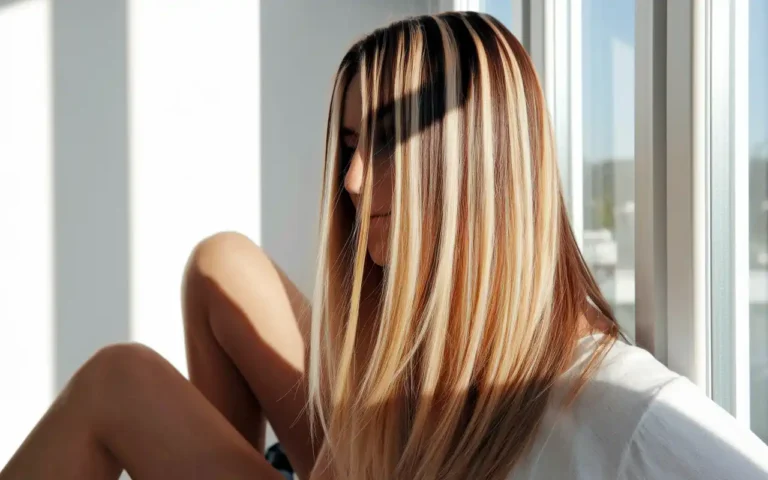
Long layers are one of the few cuts that actually work on thin hair at longer lengths. Without layers, long fine hair goes flat and rope-like. Layers introduce movement at different points throughout the hair, which breaks up that flat plane and creates the appearance of more volume. The face-framing pieces specifically add dimension right where it matters most.
The most important thing to get right with long layers on thin hair is the spacing between layers. Layers that are cut too close together, sometimes called micro-layers, can look choppy and make thin hair appear even thinner. Layers spaced at least 2 to 3 inches apart give each section room to move without looking disconnected or sparse.
7. Wavy Lob With Undone Ends

A wavy lob works so well on thin hair because the wave pattern itself creates bends in each strand, and those bends physically lift the hair away from the scalp. You get body that is built into the style rather than something you have to manufacture with product or tools. Stylists often call this the “worked-in wave,” and it has been a consistent go-to for fine hair clients.
If your hair does not naturally wave, you can get this look reliably with a 1.25-inch curling wand. Wrap random sections in different directions, leave the ends straight, and shake everything out once it cools. The deliberately imperfect result actually looks better on thin hair than a polished wave because it adds a more visible dimension.
8. Stacked Bob at the Nape
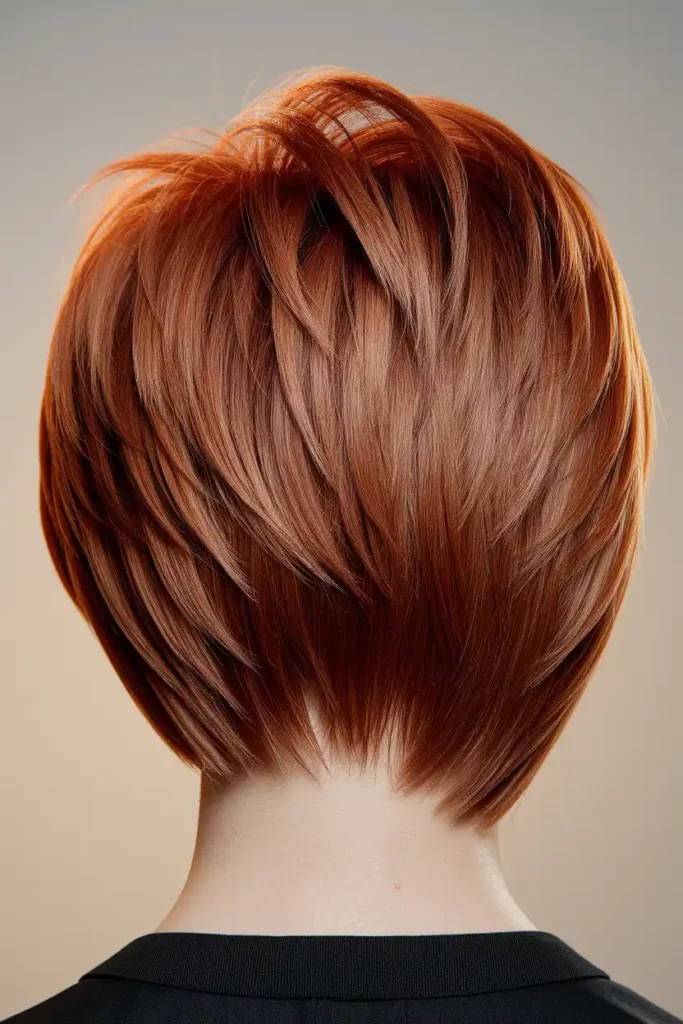
The stacked bob achieves what most volume-building techniques attempt but do not fully deliver: actual built-in structure. The graduation at the nape stacks the hair on top of itself, physically creating lift and fullness at the back of the head. This is particularly useful for thin hair because the back of the head is often where flatness is most visible from other people’s perspectives.
One reason this cut has stayed relevant for decades is that it ages well. The structure holds even as the hair grows out a bit, meaning you get a longer window between appointments. For thin hair that tends to look shapeless between cuts, this is a practical advantage worth factoring into the decision.
9. Side-Swept Pixie With Tapered Sides
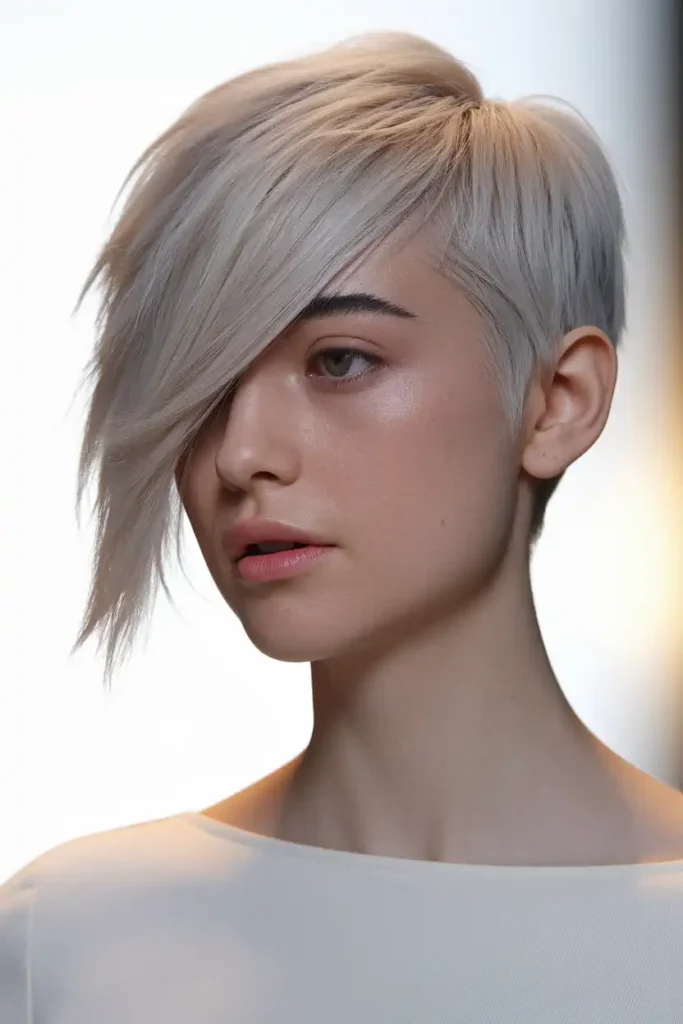
A side-swept pixie is the version of a short cut that feels most approachable, largely because the longer top section gives you something to style and adjust. That swept movement across the forehead also creates an asymmetrical silhouette, which reads as more dynamic and voluminous than a symmetrical shape. The tapered sides keep the overall look clean rather than fussy.
For thin hair specifically, the swept-over top length is a strategic tool. It covers the hairline and crown, which are typically the sparsest areas, and creates a single flowing movement that makes the whole top of your head read as full. Using a bit of volumizing mousse at the roots before blow-drying with a round brush locks that lift in place.
10. Feathered Layers in the 70s Style
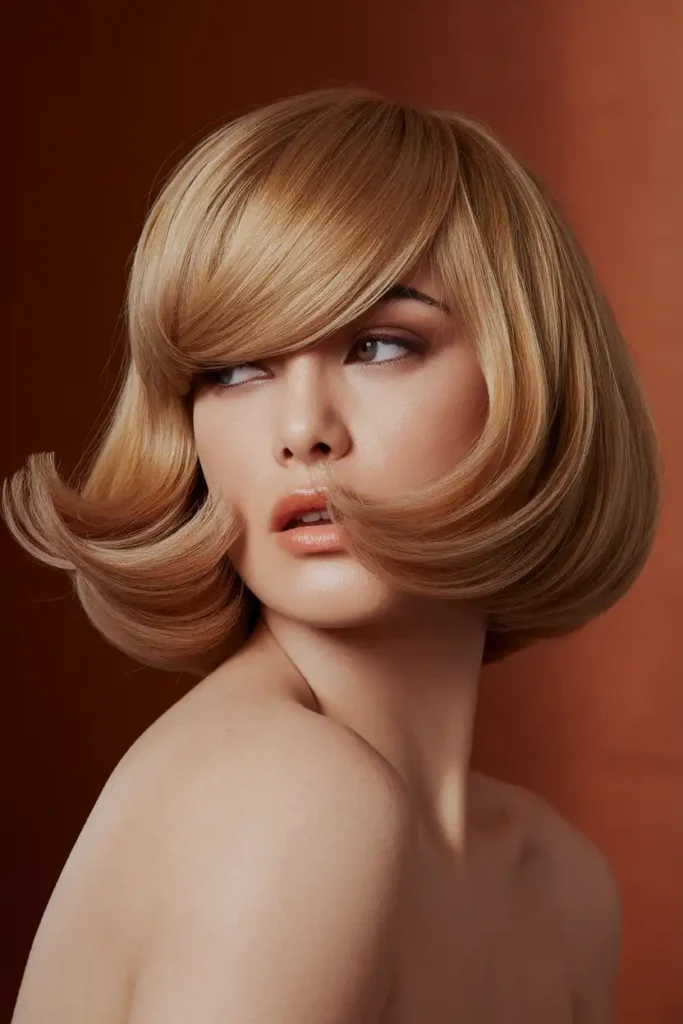
Feathered layers have real staying power because the technique is genuinely effective at creating movement and bounce in fine hair. The feathering point cuts the ends in a way that removes bulk while adding separation, which is almost the exact opposite of what most cutting techniques do. For thin hair, this is ideal because you get lift without heaviness.
The updated version of this look, as seen in recent collections from stylists like Chris McMillan, removes the extreme flip and instead lets the layers fall more naturally. A light-hold mousse and a round brush while blow-drying is enough to bring out the movement without looking like you are going to a 70s costume party.
11. Micro Bob at the Jaw
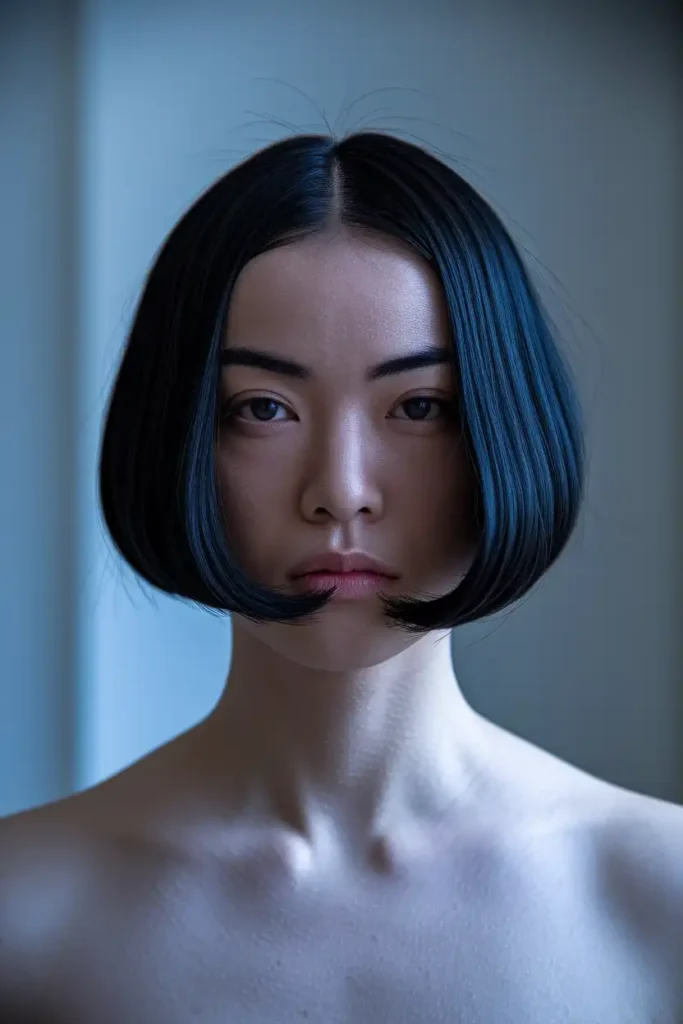
The micro bob sits right at or just below the jaw, and that specific length is almost custom-built for thin hair. It is short enough to eliminate the weight that pulls fine hair flat, but long enough to still frame the face and feel feminine and versatile. Women who have tried multiple lengths often land on this one and stay there.
Getting the most out of this cut requires a bit of attention to how your natural growth pattern behaves. If your hair grows with any kind of cowlick or wave at the nape, tell your stylist upfront. They can account for it in the cutting technique so the bob falls correctly as it grows in rather than poking out in unexpected directions.
12. Layered Wolf Cut
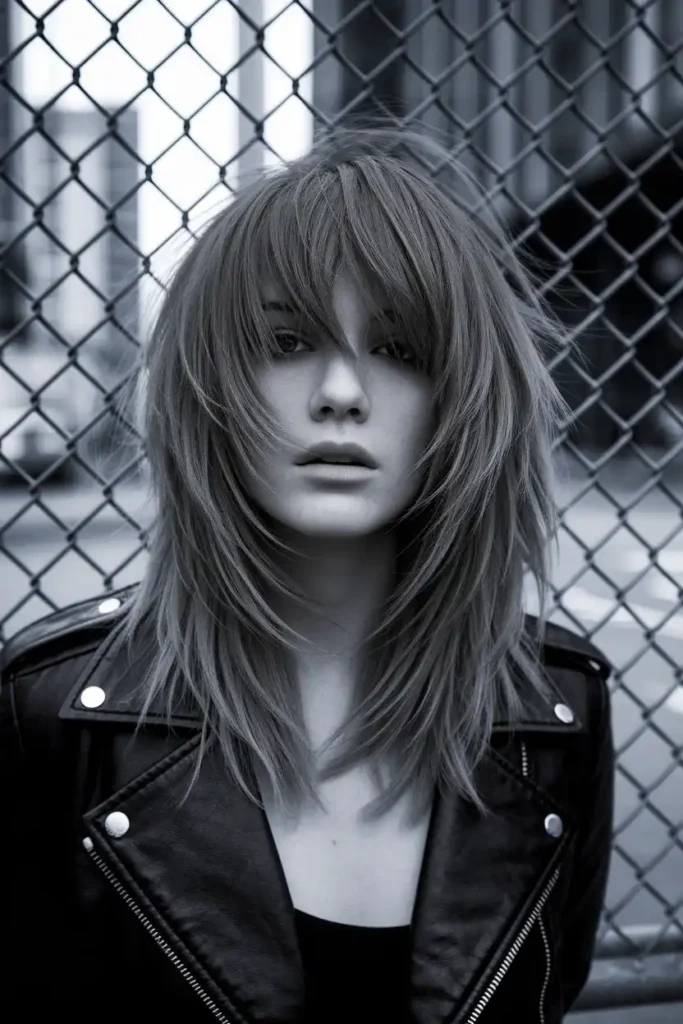
The wolf cut is a shag and a mullet merged into one, and for thin hair it is particularly effective because the heavy internal layering removes weight while adding movement at every level. Stylists in Seoul popularized it around 2021 and it spread fast because it delivers on its promise: visually thick, highly textured hair that photographs well.
The curtain bangs that typically accompany a wolf cut do significant work on thin hair by covering the often-sparse hairline area and creating a framing effect at the face. If your hairline is particularly fine, discuss with your stylist how to position the bangs so they blend rather than expose the scalp.
13. Collarbone-Length Lob With Invisible Layers
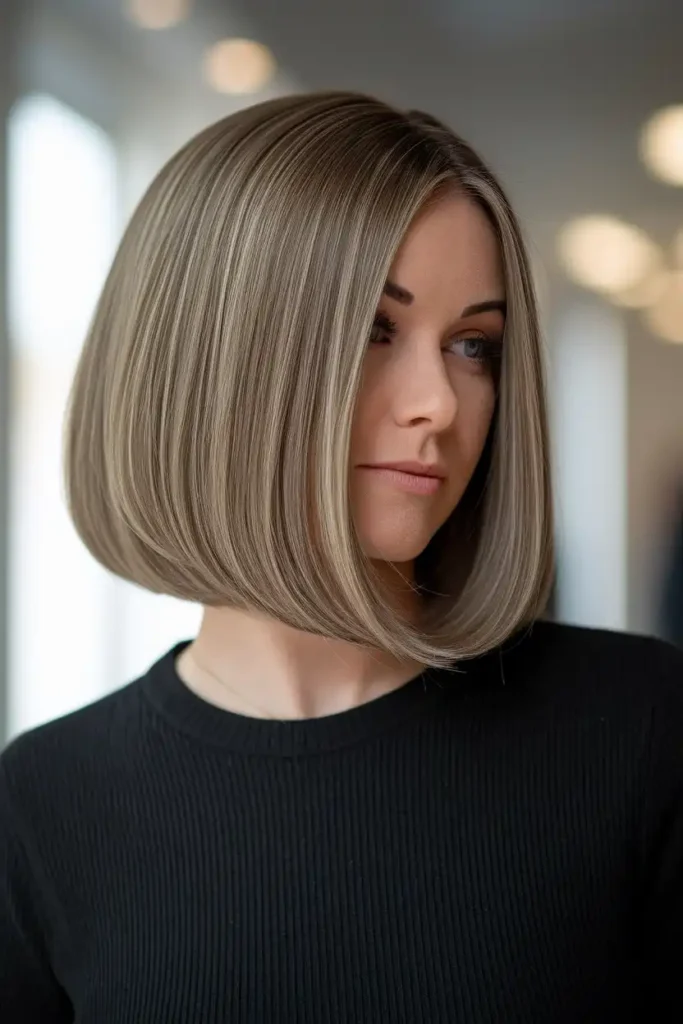
Invisible layers, sometimes called internal layers, are cut underneath the surface of the hair rather than throughout. From the outside, the hair looks smooth and blunt, but underneath there is enough layer work to reduce the weight that makes thin hair go flat. It is a subtle technique that delivers real results without changing the overall silhouette.
This cut is ideal if you want volume but also need your hair to look sleek and professional. You get the benefits of a layered cut without the visible choppy texture that some workplaces or personal aesthetics do not suit. Many clients with fine hair describe this as the cut they wish they had found sooner.
14. Textured Fringe Bob
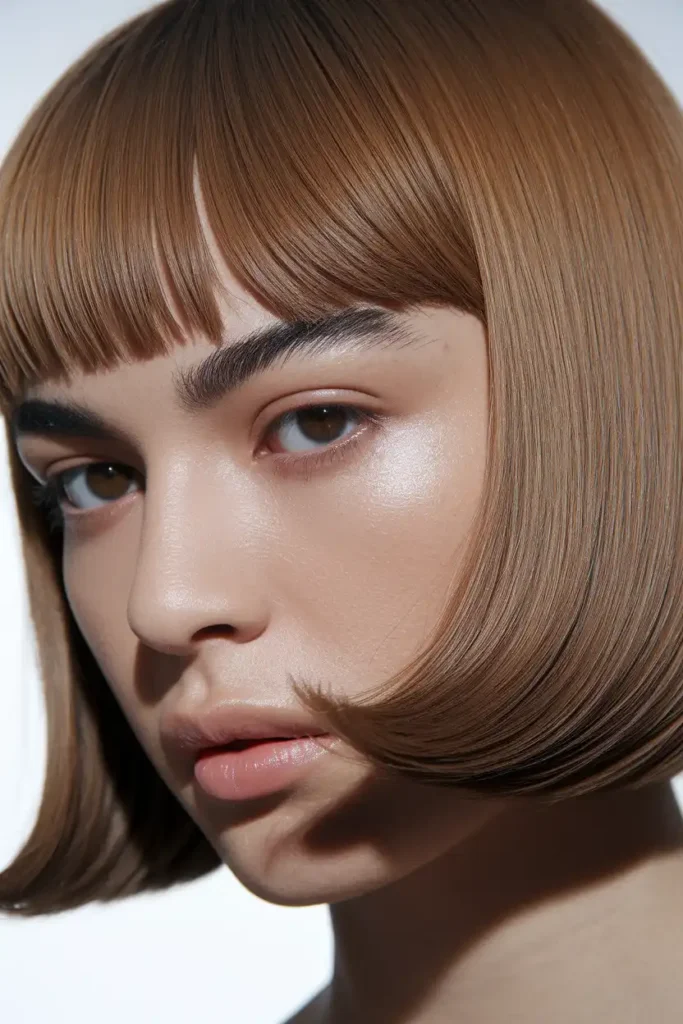
A fringe adds a visual anchor to the top of the head that creates the impression of density right where you see it first. On thin hair, that anchoring effect is meaningful because it draws attention forward and upward rather than to where the hair meets the shoulders, where fine hair often looks its flattest.
The textured version of a fringe works better on thin hair than a blunt fringe because it does not require as much hair to look intentional. A hard blunt fringe on very fine hair can look sparse if there is not enough density to fill it out from edge to edge. Soft point cuts across the fringe blend the edges and make it look fuller with less actual hair.
15. Razored Long Bob
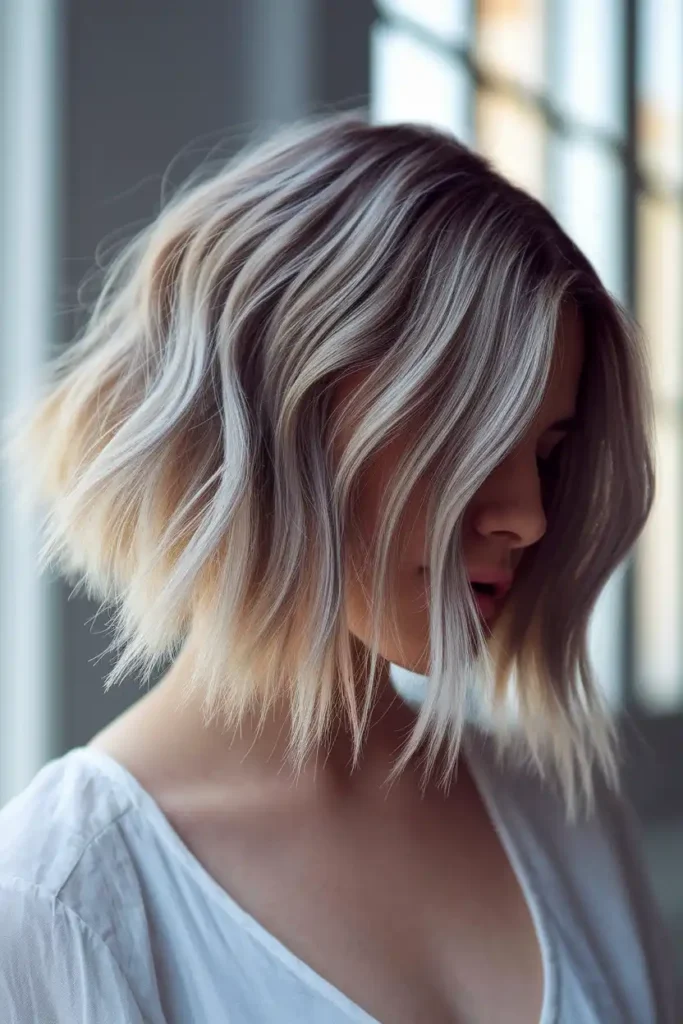
Razor cutting removes weight in a way that scissors simply cannot replicate. The razor slides along the strand and thins it internally, which means the hair moves more freely and does not clump together in heavy sections. For thin hair, this translates to more visible movement and a lighter feel that does not drag the roots flat.
The risk with razor cutting on thin hair is going too far. An overly razored cut can make fine hair look stringy or over-thinned. The best stylists who specialize in fine hair use the razor selectively, focusing on the mid-lengths and ends rather than close to the root. Always confirm your stylist has experience with razor cutting fine hair specifically before requesting this technique.
16. Short Bob With a Slight Inward Curl
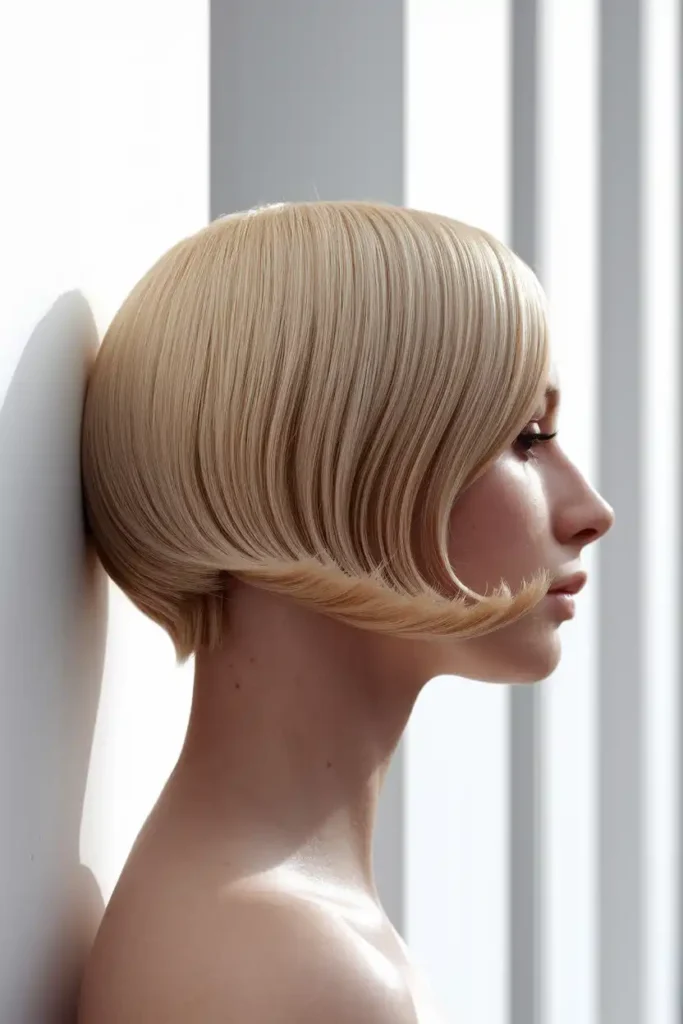
An inward curl at the ends of a bob is achieved with a blow-dry technique rather than a cut modification, but stylists build this look into the cut by shaping the ends so they naturally want to curve. The result is a silhouette that looks deliberately rounded and full rather than flat and straight. It works especially well for thin hair because the inward shape at the ends creates the optical illusion that the hair has more body throughout.
To maintain this at home, a medium-to-large round brush and a blow-dryer is all you need. Roll the ends under during the last pass of heat, hold for a few seconds, and then use a cool shot to set the shape. The whole routine takes about 10 minutes for a bob length and can genuinely double the perceived thickness of fine hair.
17. Layered Bangs on a Medium Cut
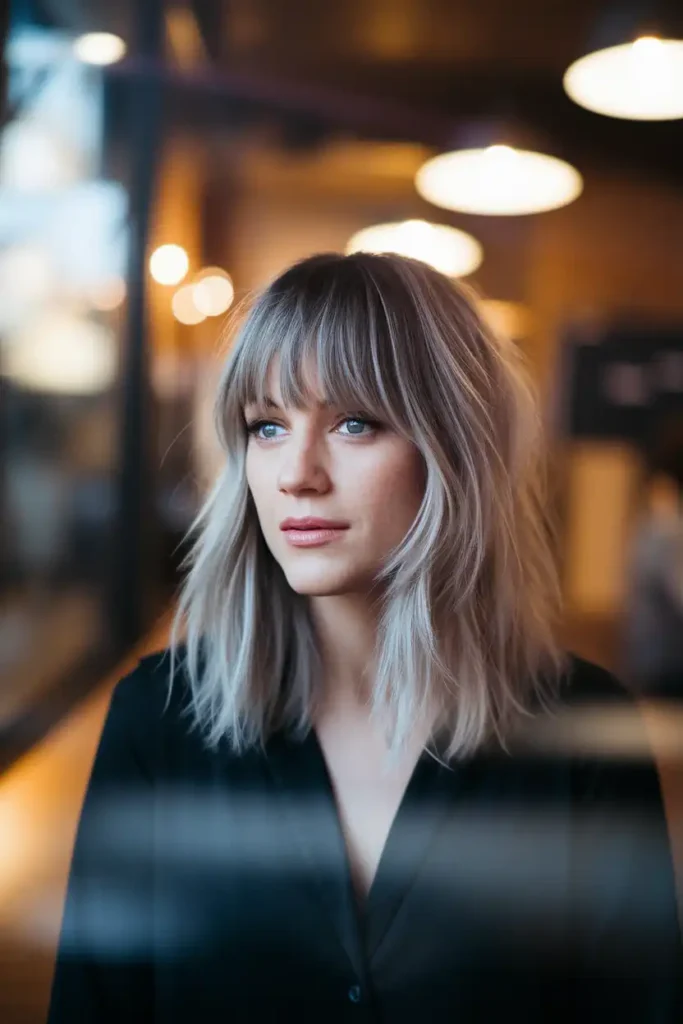
Layered bangs are different from a blunt fringe in that they integrate seamlessly into the rest of the haircut rather than sitting as a separate visual element. This matters for thin hair because layered bangs can be shaped to fill in sparse hairline areas without requiring the density that a solid blunt fringe does. They are both a style choice and a practical tool.
Combined with a medium-length layered cut, this look gives thin hair multiple points of visual interest. The layers in the body create movement, and the bangs create a frame. The combination means you are working with the hair’s natural behavior rather than fighting it. Air drying with a bit of mousse often brings out the best texture in this particular combination.
18. Graduated A-Line Bob
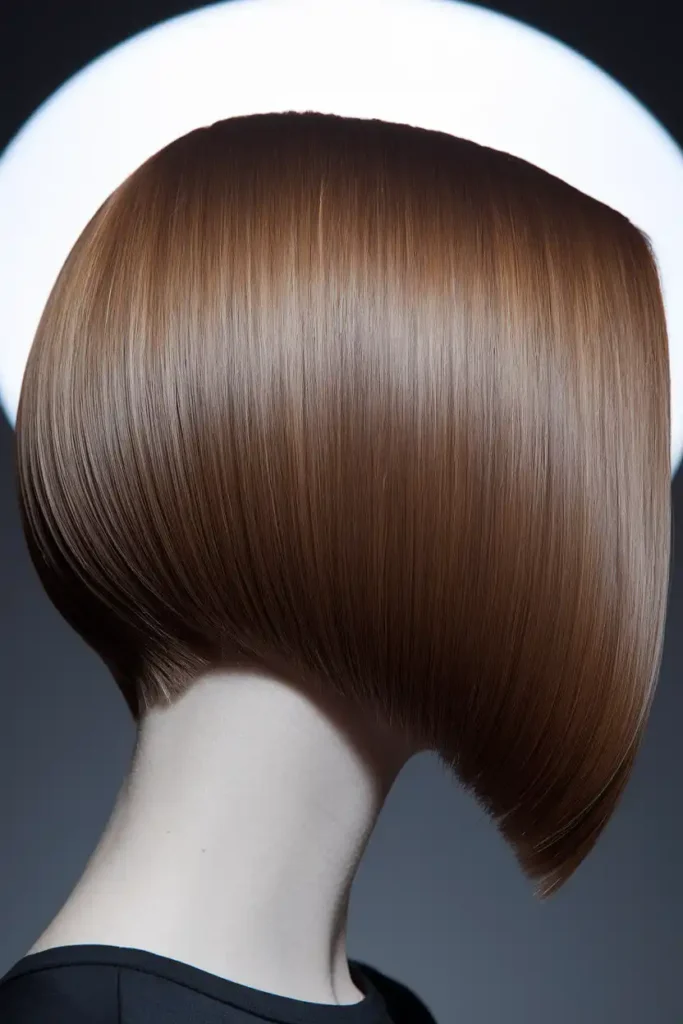
The A-line bob is one of the most consistently recommended cuts for thin hair, and the reason is structural. The shorter back creates natural lift and volume at the crown, while the longer front pieces maintain the face-framing length that most people want. You get volume where you need it most, the back and crown, without sacrificing the length at the front.
The graduation in an A-line is not just aesthetic. Each layer of hair in the stacked back sits on top of the previous one, literally building height. For someone whose hair tends to lie completely flat at the back of the head, this cut provides structure that no amount of dry shampoo or teasing can fully replicate.
19. Bixie Cut
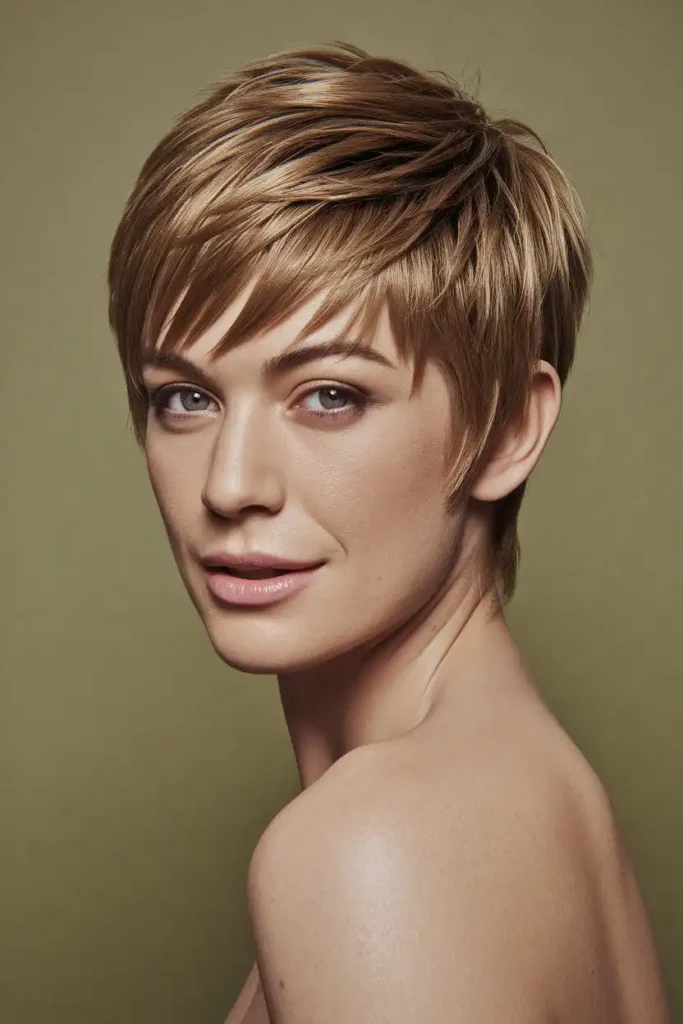
The bixie is the practical middle ground between a pixie and a bob, and for thin hair it is worth serious consideration. It is short enough to eliminate the heavy weight that collapses fine hair, but long enough to style in more than one direction. Some days you can tuck the sides behind your ears for a polished look; other days you can rough it up with texture spray for something more casual.
This cut has gained traction among hairstylists who specialize in fine hair because it offers flexibility without the maintenance demands of longer styles. Growing it out is also relatively painless, since both the pixie and the lob are natural stopping points on the way to longer lengths if you change your mind.
20. Loose, Bouncy Blowout Layers
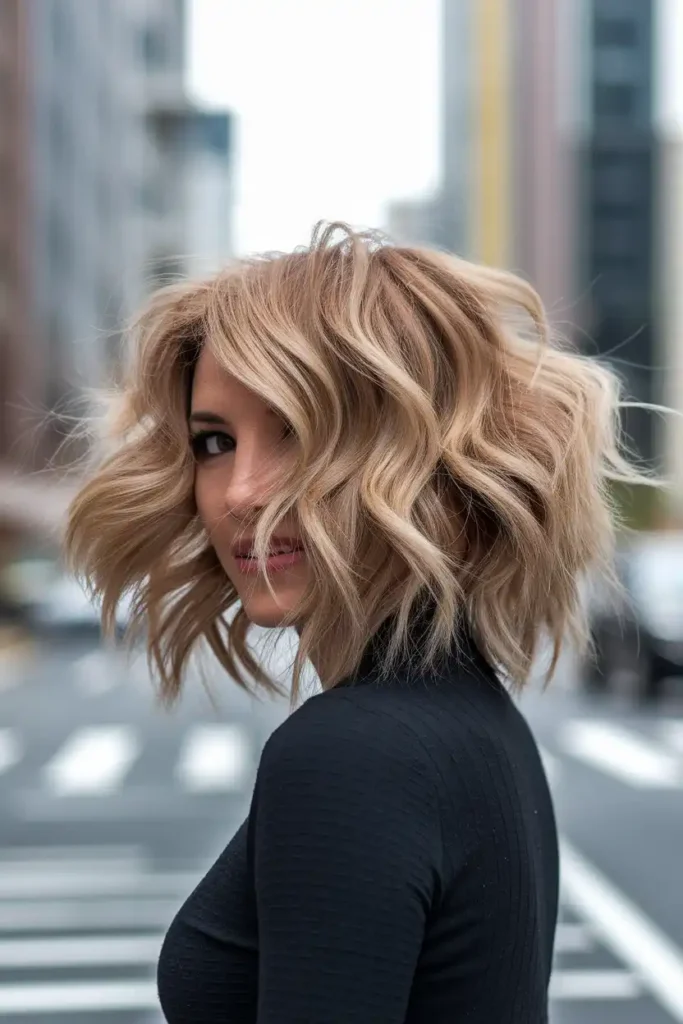
Blowout layers are layers that are designed specifically around how the hair looks when blown out rather than how they fall naturally. The stylist cuts them with a round brush in hand, shaping each section as it is dried so the layers curl under, roll over, or lift in exactly the right places. The result is a cut that performs best when blown out, which for many people is exactly how they style their hair daily anyway.
For thin hair, this approach removes the guesswork from your morning routine. The layers are already shaped to create volume in the right places. Your job is just to replicate the blow-dry technique, which your stylist can demonstrate and explain before you leave the chair. Even replicating it at 70% accuracy at home will give you noticeably more volume than you would get from a cut that was not designed with your specific styling habits in mind.
Conclusion:
Fine hair responds to structure more than anything else. The cuts on this list work because they are built around how thin hair actually behaves, not how thick hair does. Pick one that matches your lifestyle, bring a reference photo to your appointment, and be specific with your stylist about your texture and density. One good cut, executed well, will do more for your hair than any product on the market.