20 Formal Wedding Guest Attire Rules You Should Know
Getting dressed for a wedding sounds simple until you are standing in front of your closet with nothing that feels right. Formal wedding guest attire comes with unspoken expectations that nobody officially hands you a guide for. These 20 rules break down everything you actually need to know, from dress codes and fabrics to shoes, bags, and the one color you should always avoid.
1. Read the Dress Code Wording Like a Style Detective
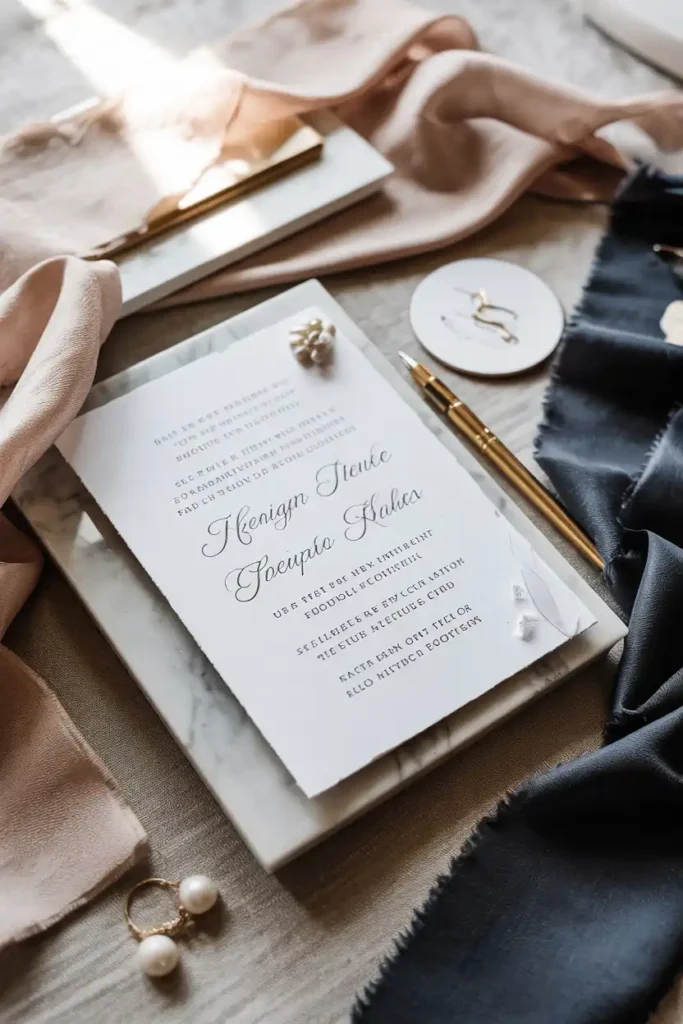
When a wedding invitation says “black tie,” it means floor-length gowns, elegant jumpsuits, or formal separates. But when it says “formal” without specifying black tie, you actually have more flexibility than most people realize. The wording is your first and most important clue, and reading it carefully can save you from either overdressing or showing up underprepared.
Pay attention to subtle differences like “festive formal,” “garden formal,” or “cocktail attire.” Each phrase carries a different visual expectation. A festive formal wedding welcomes bold colors and embellished fabrics, while a garden formal often leans toward flowy silhouettes and softer palettes. When in doubt, always dress slightly above what you think is expected rather than below it.
2. Venue Type Tells You Everything Before You Even Open Your Closet
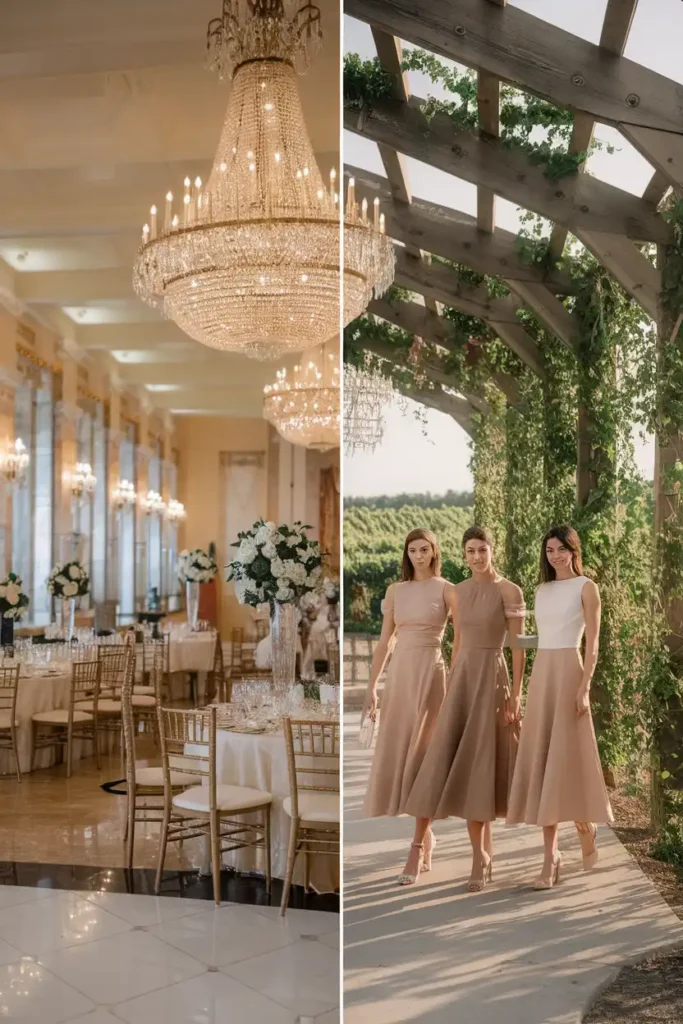
A rooftop ceremony calls for something different than a cathedral wedding, even if both are labeled formal. The venue sets the visual stage, and your outfit should complement it rather than clash with it. Ballrooms and luxury hotel weddings lean toward classic, structured silhouettes, while outdoor or vineyard settings welcome more flowy, nature-inspired choices.
Think about the practicality too. Stilettos on grass or cobblestones are a recipe for discomfort, and overly dramatic trains in tight indoor spaces can quickly become awkward. Matching your outfit to the venue is not just a style choice but a comfort one. Guests who think about the setting in advance always look and feel the most put together.
3. White, Ivory, and Cream Are Still Off the Table
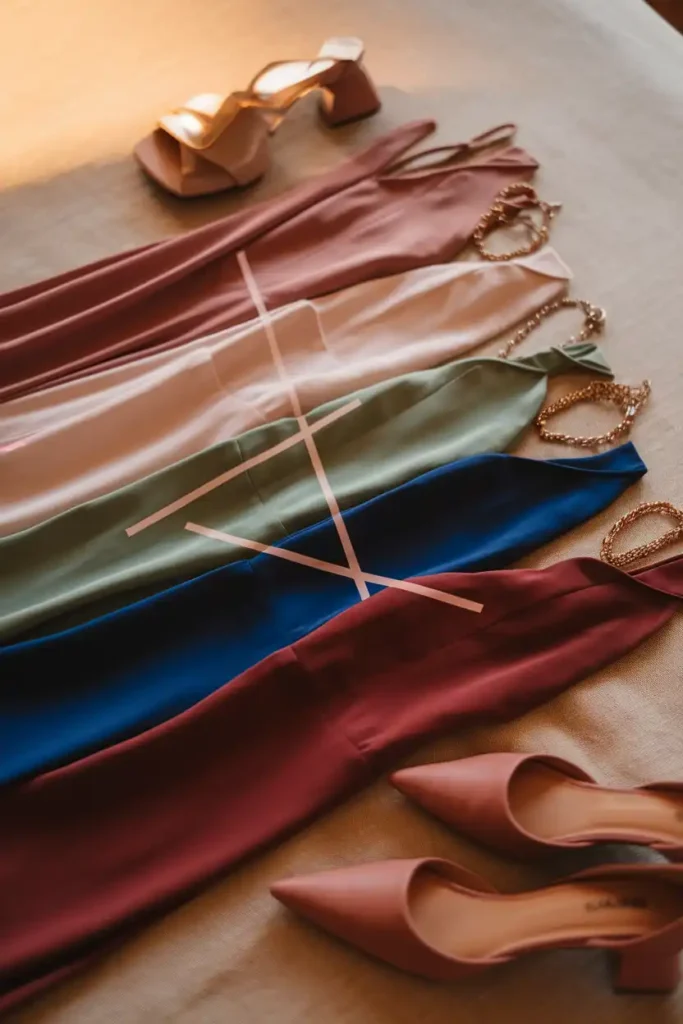
This rule has existed for decades and it still holds. Wearing white, ivory, or cream to a wedding as a guest pulls attention in a direction it was never meant to go. Even if you personally feel it is harmless, many couples and their families notice and remember it. It is one of those unspoken rules that carries significant social weight in wedding culture.
The good news is that avoiding these shades opens the door to exploring a much richer color palette. Deep jewel tones, soft mauves, earthy neutrals like camel and terracotta, or bold choices like cobalt all photograph beautifully and feel occasion-appropriate. Stepping away from white is actually an opportunity to wear something more interesting and memorable for all the right reasons.
4. Understand What “Black Tie Optional” Actually Invites You to Do
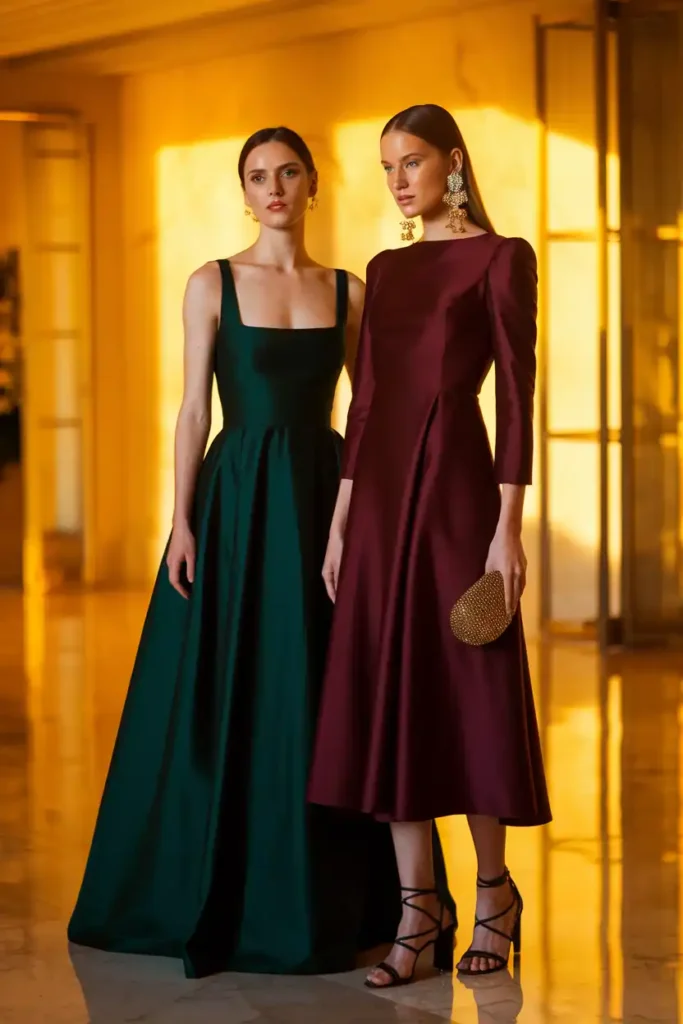
“Black tie optional” is one of the most misread dress codes in wedding etiquette. It does not mean casual. It means guests are given the choice between full black tie dressing and a slightly less formal but still very polished alternative. Think floor-length or elegant midi-length dresses, refined jumpsuits, or a sharp tailored suit paired with a luxe blouse.
The key word in that dress code is still “optional,” not “casual.” Guests who read it as permission to dress down often end up feeling out of place once they arrive. Use this invitation as a chance to experiment with something slightly bolder or more personal than your standard gown. It is actually one of the more creatively freeing dress codes to receive.
5. Color Choice Matters More Than Most Guests Think
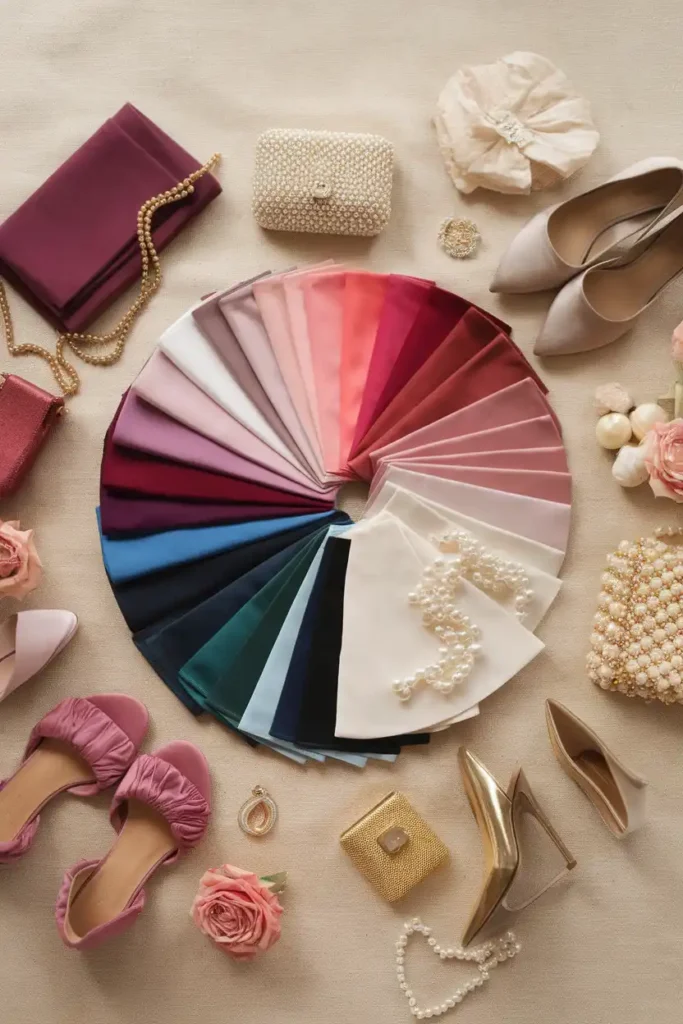
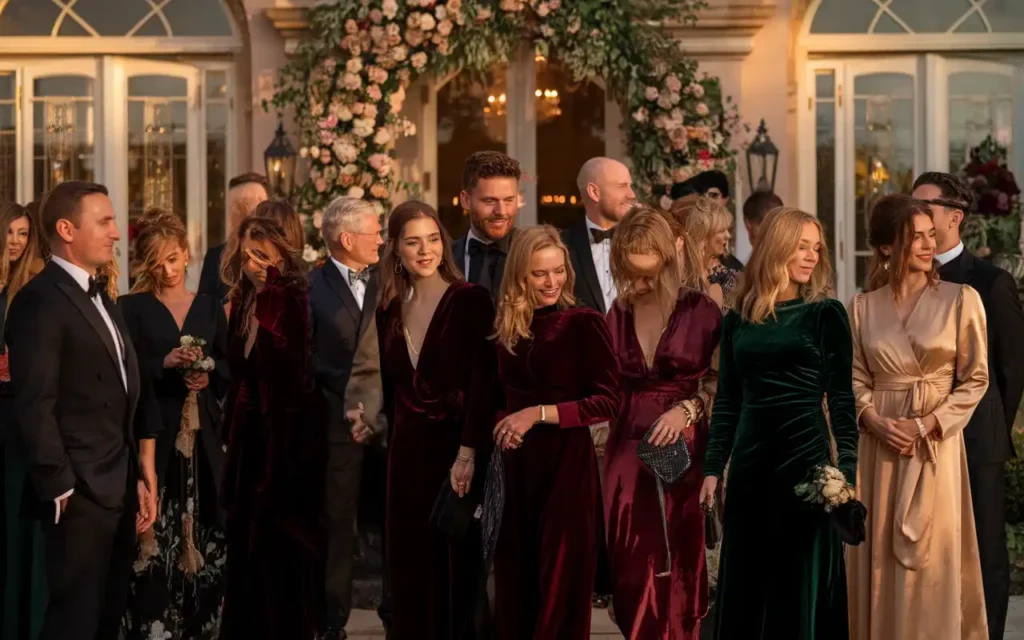
Color is one of the first things people notice when you walk into a wedding venue, and making a thoughtful choice signals that you dressed with care and intention. Beyond avoiding white, it helps to also think about the wedding’s season and overall aesthetic. Deep plums and forest greens feel natural at fall and winter weddings, while soft lavender, dusty blue, and coral work beautifully in spring and summer settings.
It also helps to consider the wedding’s color palette if you know it. Accidentally matching the bridesmaids is not the end of the world, but standing out in a way that competes with the wedding party can feel awkward in photos. Leaning toward tones that complement rather than mirror the wedding party always ends up looking more cohesive and considered in event photography.
6. Fabric and Texture Are the Secret Language of Formality
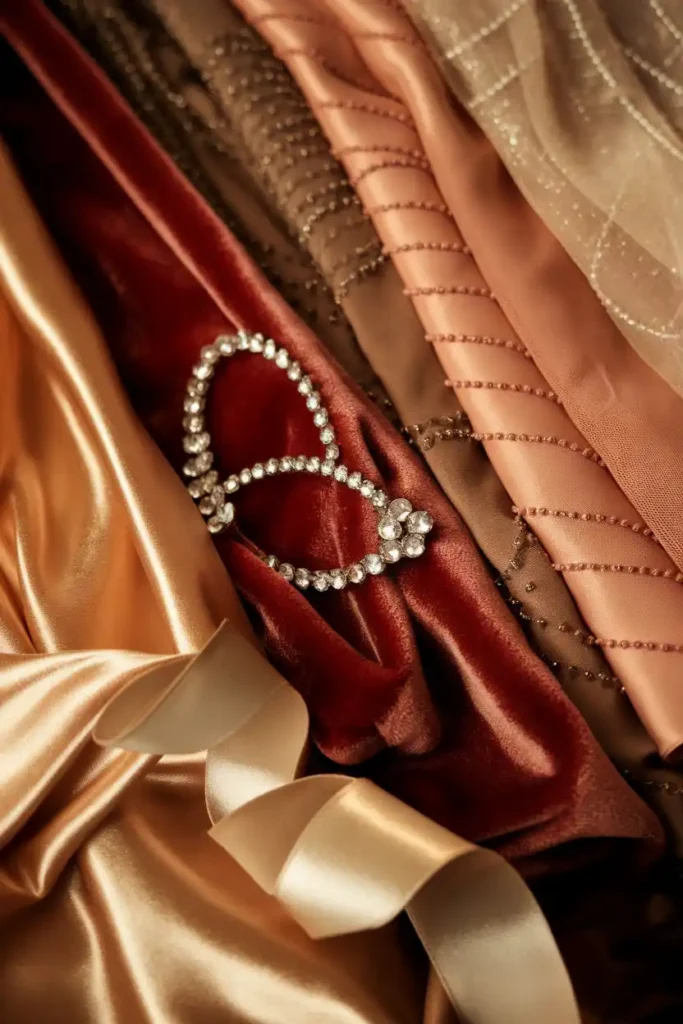
The fabric you choose communicates formality before you even step through the door. Silk, velvet, chiffon, and satin inherently feel elevated and occasion-appropriate for formal events. Structured crepe and beaded materials also read as dressy without requiring much additional styling. These are the fabrics that drape well, photograph beautifully, and hold their look throughout a long wedding day.
On the other hand, cotton, linen, denim, or casual knits tend to read as too relaxed regardless of the silhouette. Even a beautifully cut cotton midi dress can feel underdressed at a black tie or formal wedding simply because of what it is made from. When shopping for wedding guest outfits, filtering by fabric type first is one of the smartest moves you can make before even thinking about color or silhouette.
7. Midi and Maxi Lengths Are Your Most Versatile Allies
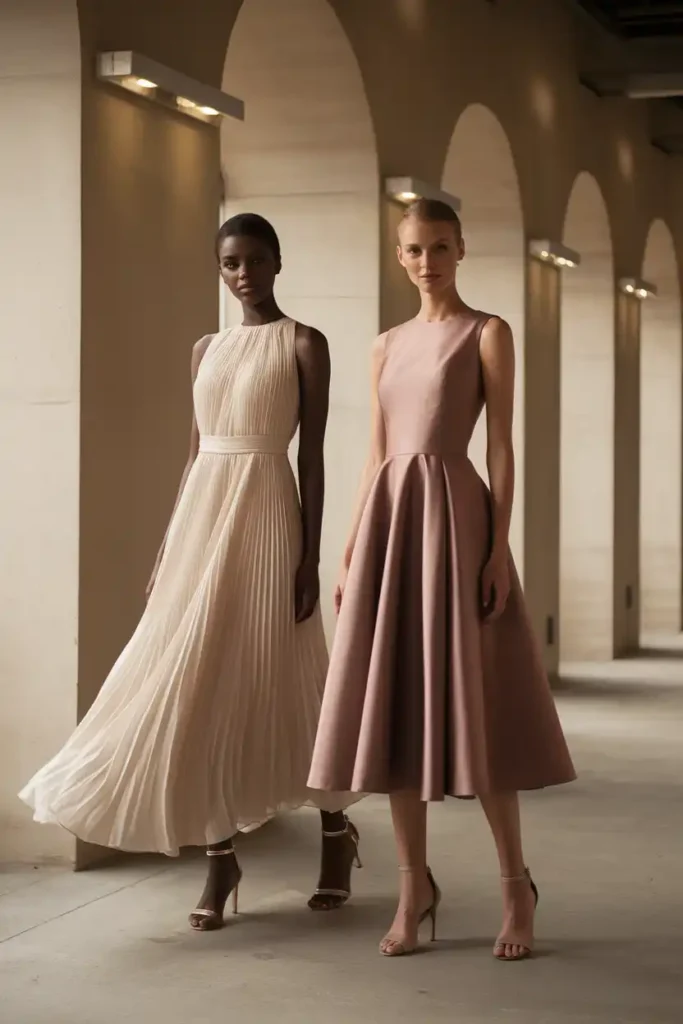
Midi and maxi lengths have become the go-to silhouettes for wedding guests over the last several years, and for very good reason. They offer coverage without sacrificing style, they work across a wide range of body types, and they translate beautifully from daytime ceremonies to evening receptions. A well-fitted midi dress in a luxe fabric can hold its own at just about any formal event.
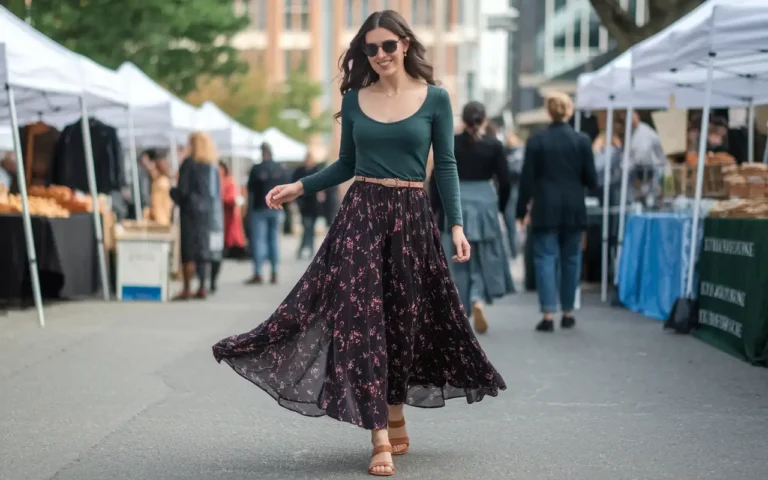
Maxi dresses and skirts carry a naturally elevated quality when styled correctly. Pair a flowing chiffon maxi with strappy heeled sandals and delicate jewelry and the result feels genuinely gown-adjacent without the formality of a full ballgown silhouette. These lengths also tend to be more comfortable for long days of standing, sitting, dancing, and celebrating, which is always worth factoring in when getting dressed for a full wedding day.
8. Jumpsuits Are a Legitimate Formal Option When Styled Right
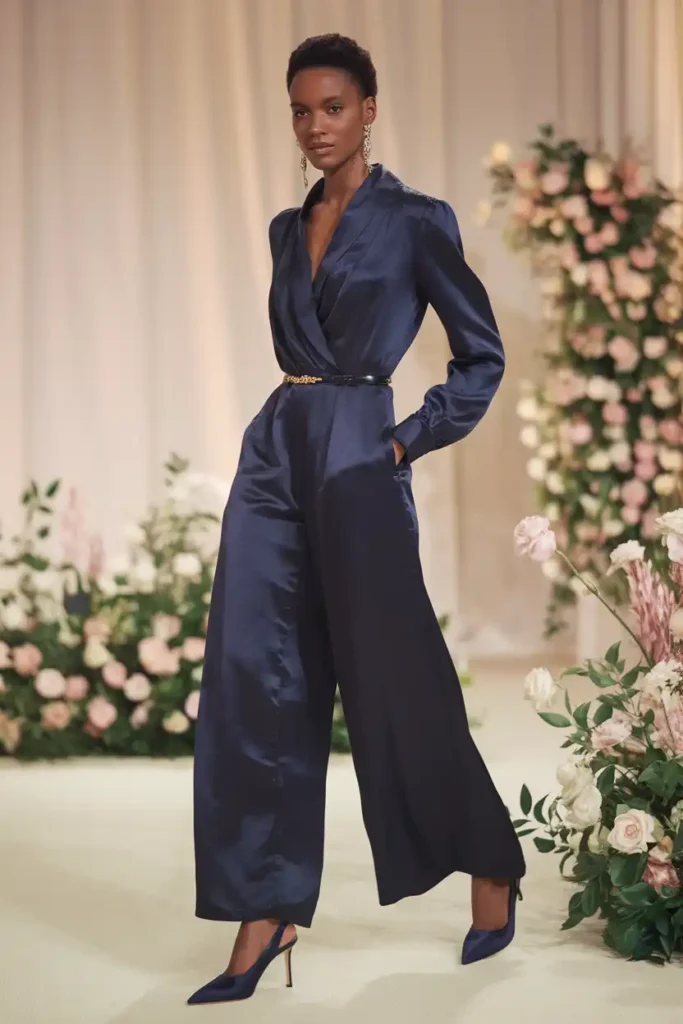
The jumpsuit has firmly earned its place in the formal dressing conversation, and weddings are no exception. A wide-leg or tailored jumpsuit in silk, crepe, or satin can look just as intentional and polished as a gown when it fits beautifully and is styled with care. The key is in the details: elevated fabric, refined accessories, and a heel that adds formality to the silhouette.
Where jumpsuits sometimes fall short is in overly casual styling or the wrong fabric choice. A linen or jersey jumpsuit reads more brunch than ballroom, but a structured crepe or fluid satin version with a cinched waist and statement jewelry tells a completely different style story. If a gown is not your preferred format for getting dressed, a beautifully cut jumpsuit is one of the most stylish detours you can take.
9. Semi Formal Wedding Attire Deserves Its Own Dedicated Approach
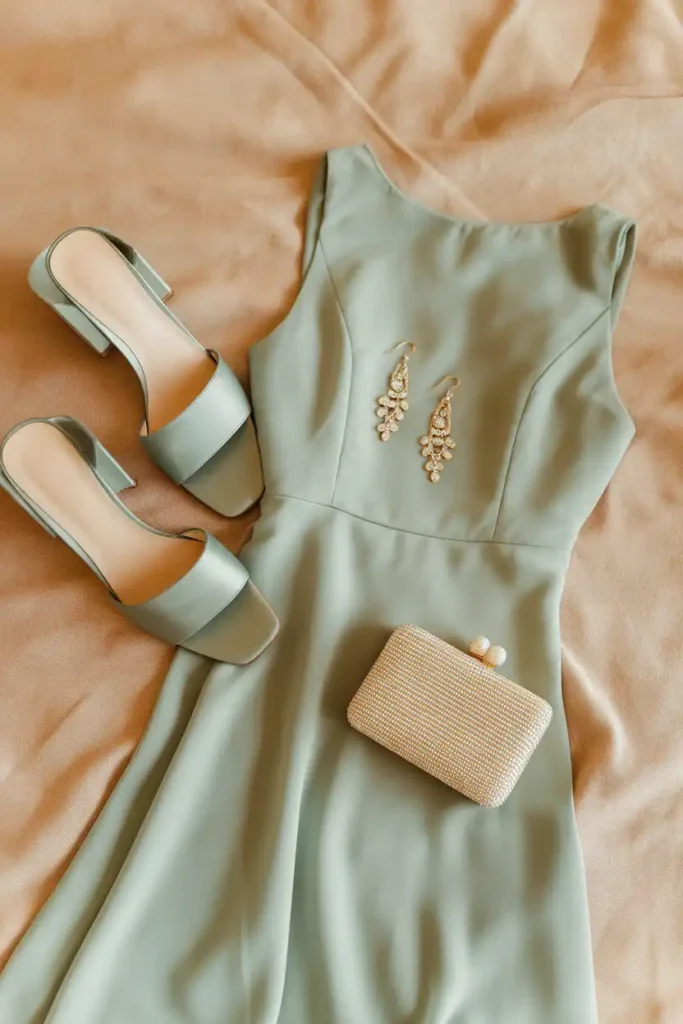
Semi formal wedding attire occupies a very specific middle ground that many guests find genuinely confusing. It is not as structured as black tie, but it is absolutely not casual either. The expectation is a cocktail-length dress, a polished midi silhouette, or tailored separates that feel intentional and occasion-ready. Think of it as your most refined going-out outfit elevated by one or two deliberate styling choices.
What sets semi formal dressing apart is that it actually gives you more creative room to play with color, print, and silhouette than stricter dress codes allow. A printed wrap midi dress with block heels and gold accessories fits perfectly here. So does a tailored wide-leg trouser paired with a luxe blouse and elegant jewelry. The goal is to look like you put real thought into the occasion while still feeling like yourself in the process.
10. The Length of the Event Affects What You Should Wear
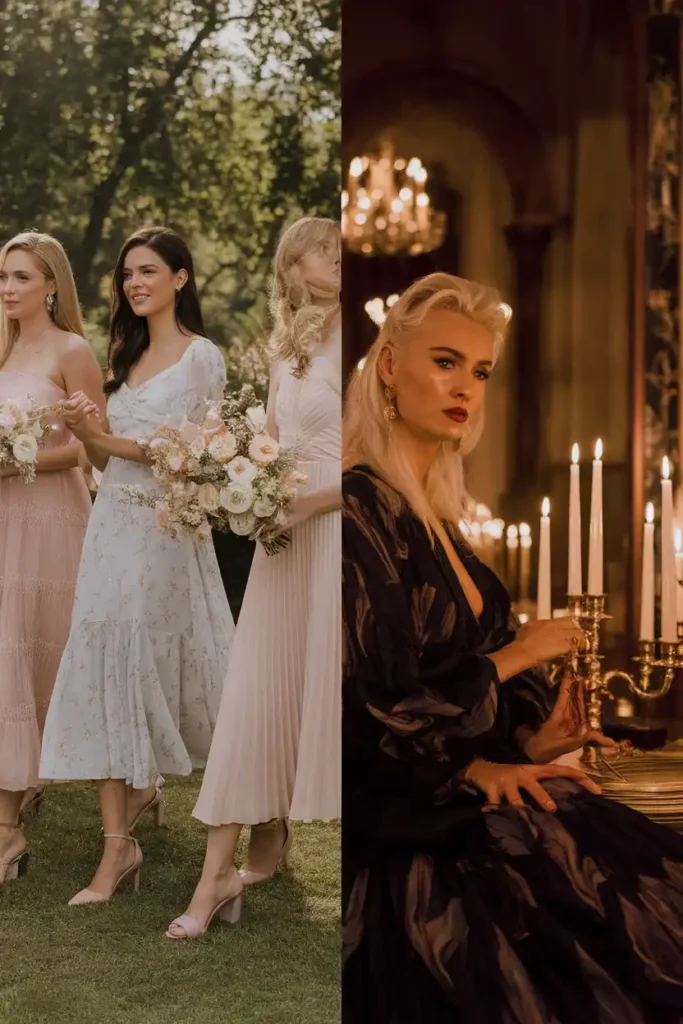
A two-hour afternoon ceremony calls for something different than a full day and evening celebration that stretches across multiple locations. When you know the event will last well into the evening, comfort becomes a more significant factor alongside style. Opting for a fabric that does not wrinkle easily, a silhouette that allows for movement, and a shoe you can genuinely wear for hours are all practical considerations that experienced wedding guests factor in early.
Daytime events tend to call for lighter fabrics, softer color palettes, and slightly less dramatic styling. Evening or candlelit receptions are where you can lean into deeper tones, more elaborate jewelry, and richer fabrics like velvet or heavily embellished chiffon. Reading the event timeline as closely as the dress code helps you show up dressed for the full experience rather than just the ceremony itself.
11. Shoes Are Not an Afterthought at a Formal Event
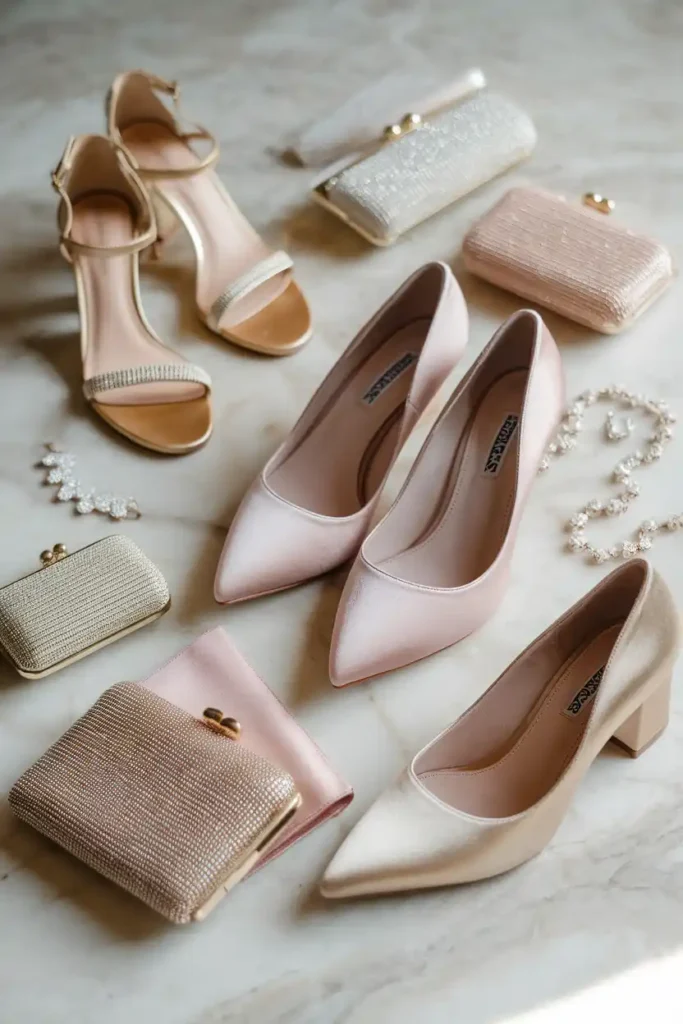
Shoes carry more styling weight at a formal event than most people give them credit for. The right pair can elevate an outfit from pretty to polished, while the wrong choice can undercut even the most carefully considered dress. For formal weddings, strappy heeled sandals, pointed-toe pumps, block heels, and kitten heels all read as appropriately elevated. Satin and metallic finishes add extra formality and photograph well in wedding lighting.
Practicality also matters more than people like to admit. If you know the venue has outdoor terrain or that you will be on your feet for the majority of the event, factor that into your shoe decision early rather than suffering through it later. Block heels and lower heel heights give you the visual elevation of a heel without the physical cost of wearing something unwearable for six hours. Looking great and feeling comfortable are not mutually exclusive.
12. Statement Jewelry Can Do the Heavy Lifting for Simpler Outfits
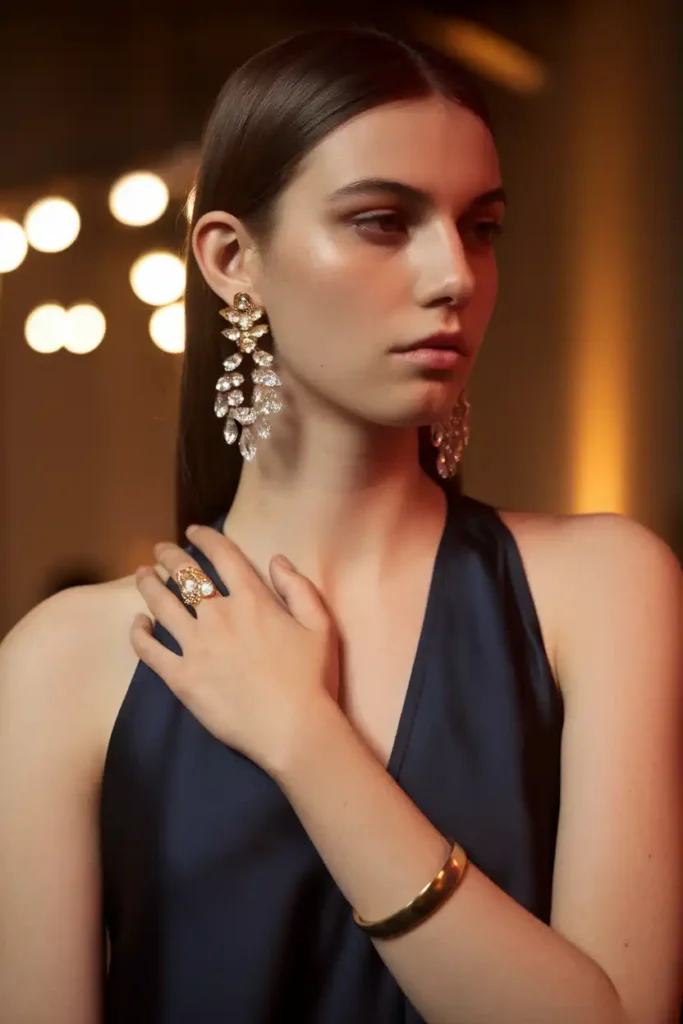
One of the most underrated styling moves for wedding guests is choosing a simpler outfit and letting a standout piece of jewelry bring the full look to life. A clean column dress or a solid-color midi silhouette becomes something else entirely when paired with bold drop earrings, a layered gold necklace, or an embellished cuff. The outfit provides the canvas, and the jewelry tells the story.
This approach also makes it easier to re-wear pieces across multiple events. A versatile dress styled with different jewelry combinations can look like three completely different outfits. For weddings specifically, jewelry choices should still align with the formality level of the event. Crystal, gold, pearl, and rhinestone details naturally read as evening-appropriate, while chunky resin or oversized fashion jewelry tends to feel more casual than the occasion calls for.
13. Bags Should Be Small, Structured, and Purposeful
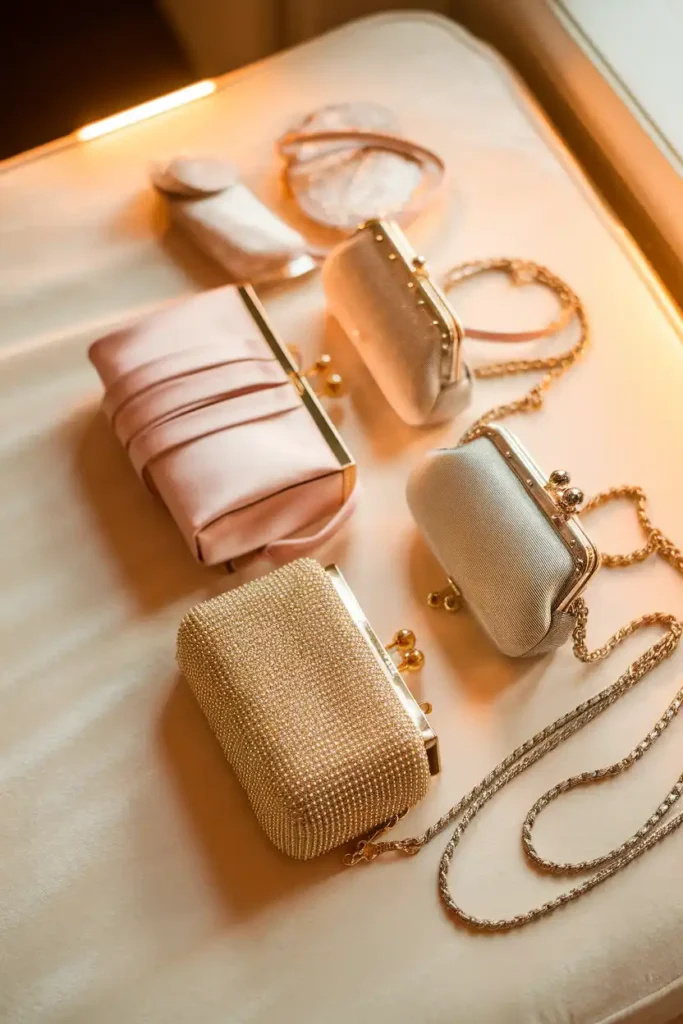
A large everyday tote or oversized crossbody bag at a formal wedding is one of those small style misses that is more noticeable than most people think. Bag size and formality are directly connected. The more formal the event, the smaller and more intentional the bag should be. A structured satin clutch, a beaded minaudiere, or a small chain-strap evening bag all signal that you dressed with the occasion in mind from head to toe.
You do not need much space in an evening bag for a wedding. A phone, a card or some cash, a lipstick, and a small personal item is genuinely all you need. If you are worried about carrying more, leaving extras in your car or a coat check is a much better solution than bringing a bag that disrupts an otherwise carefully composed look. Treating your bag as part of the outfit rather than a functional add-on makes a significant difference in how the overall look reads.
14. Coverage Preferences Can Still Look Incredibly Polished
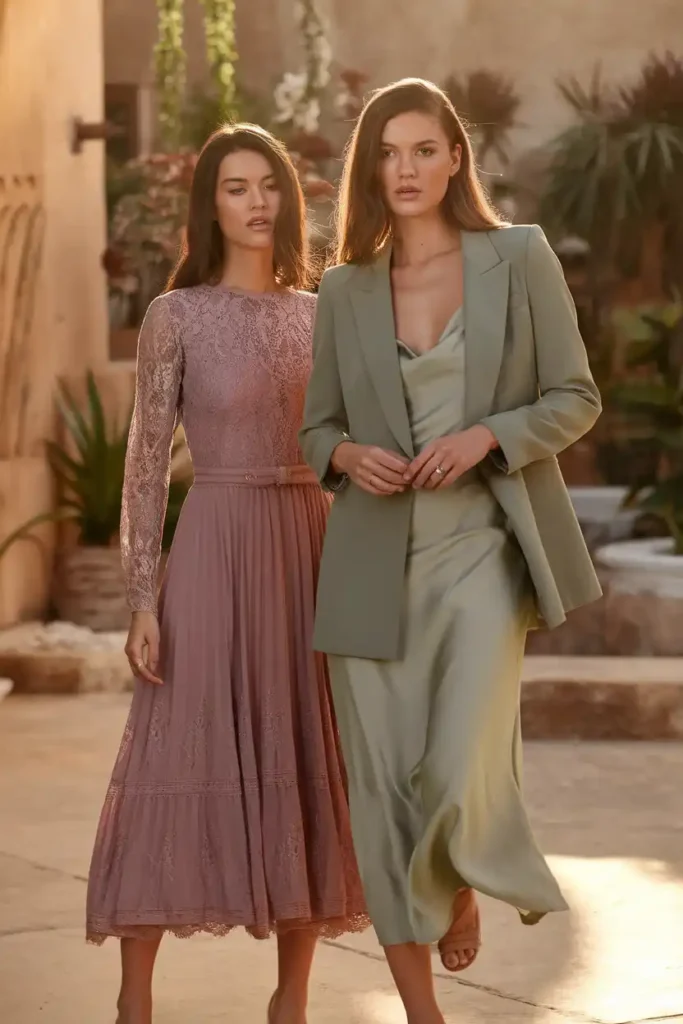
Preferring more coverage at a wedding is an entirely valid style choice, and there are genuinely beautiful ways to achieve it without your outfit reading as overly conservative or underdressed. Long-sleeve lace dresses, structured blazers styled over slip dresses, and sheer overlay options all offer coverage while maintaining the visual language of formal dressing. The key is choosing fabrics and cuts that still feel elevated and occasion-appropriate.
Layering is also one of the most underused tools in formal wedding guest dressing. A beautifully tailored blazer or a structured bolero can completely transform a sleeveless dress into something that feels both more formal and more personal. When layering pieces are chosen in the same tonal family as the dress underneath, the result looks intentional rather than like an afterthought. Coverage and elegance genuinely are not at odds when the outfit is built thoughtfully.
15. Getting Dressed for Church Ceremonies Follows Specific Unwritten Rules
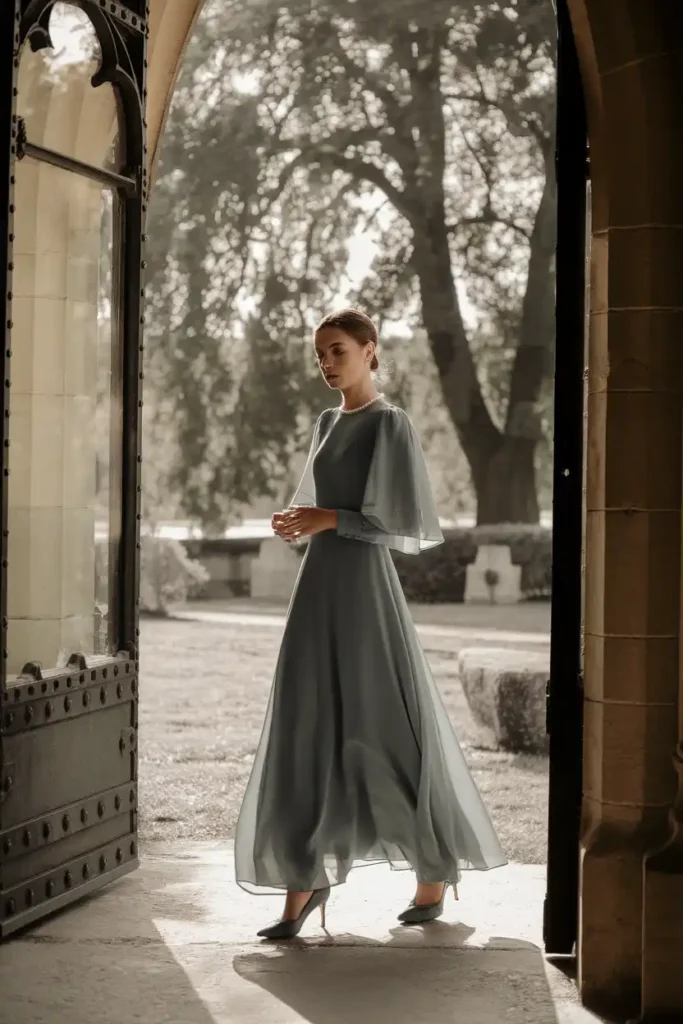
Religious ceremony venues carry their own set of expectations that go beyond the standard dress code. Churches, cathedrals, synagogues, and mosques often expect a degree of modesty that a backless gown or an extremely short cocktail dress would not meet. Covering your shoulders, choosing a modest neckline, and opting for a longer hemline shows respect for the venue and the couple’s choice to marry in a sacred space.
This does not mean your look needs to feel restrictive or uninspired. Some of the most beautiful formal wedding guest outfits are ones that combine elegance with thoughtful coverage. Long-sleeve lace dresses, chiffon flutter-sleeve gowns, and floor-length silhouettes with modest necklines all translate gorgeously in both church settings and wedding photography. When you know the ceremony will take place in a religious venue, letting that context guide your coverage choices always results in a more appropriate and effortlessly appropriate look.
16. Print and Pattern Can Work at Formal Weddings If You Follow One Rule
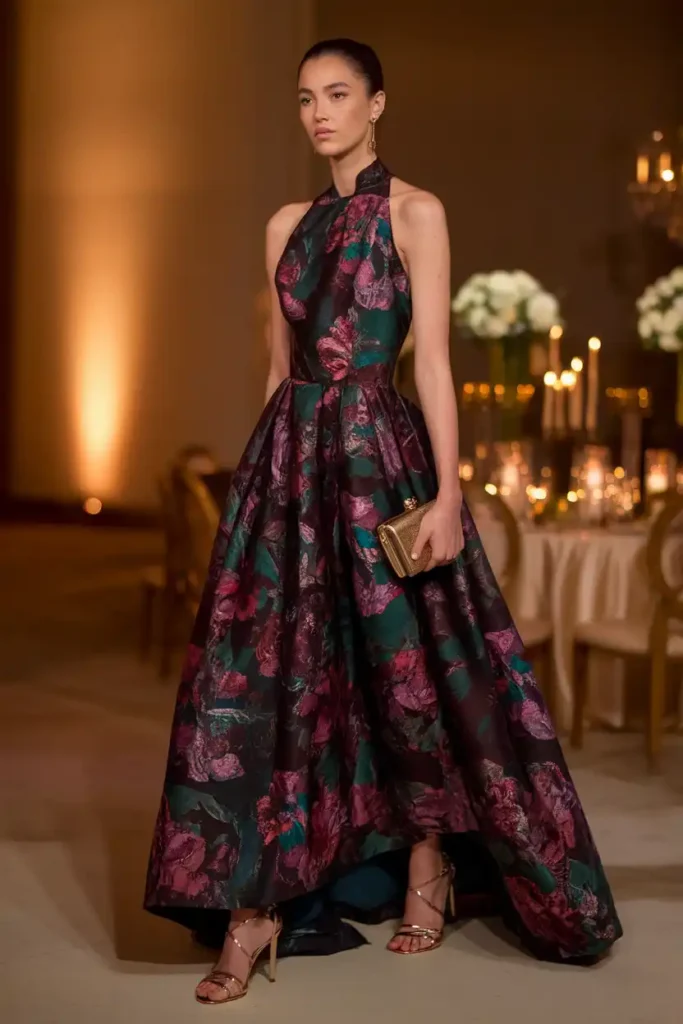
Most guests shy away from prints and patterns at formal weddings out of caution, but the reality is that a well-chosen print can look genuinely stunning in that context. The rule that makes it work is simple: keep the base tone of the print dark or rich rather than light or casual-feeling. A floor-length gown with a deep floral print in jewel tones reads as dramatic and occasion-appropriate, while a light cotton floral on a short dress would not carry the same formal energy.
Prints with small or evenly spaced patterns also tend to photograph more gracefully at formal events than large, bold graphics. The scale of the print relative to the silhouette matters too. A large abstract print on a wide-leg trouser suit reads differently than the same print scaled down on a fitted midi dress. When in doubt, treat the print the same way you would treat a solid color choice, asking whether it aligns with the formality, season, and venue of the event before committing.
17. Dressing for a Destination Wedding Adds a Practical Layer to Every Decision
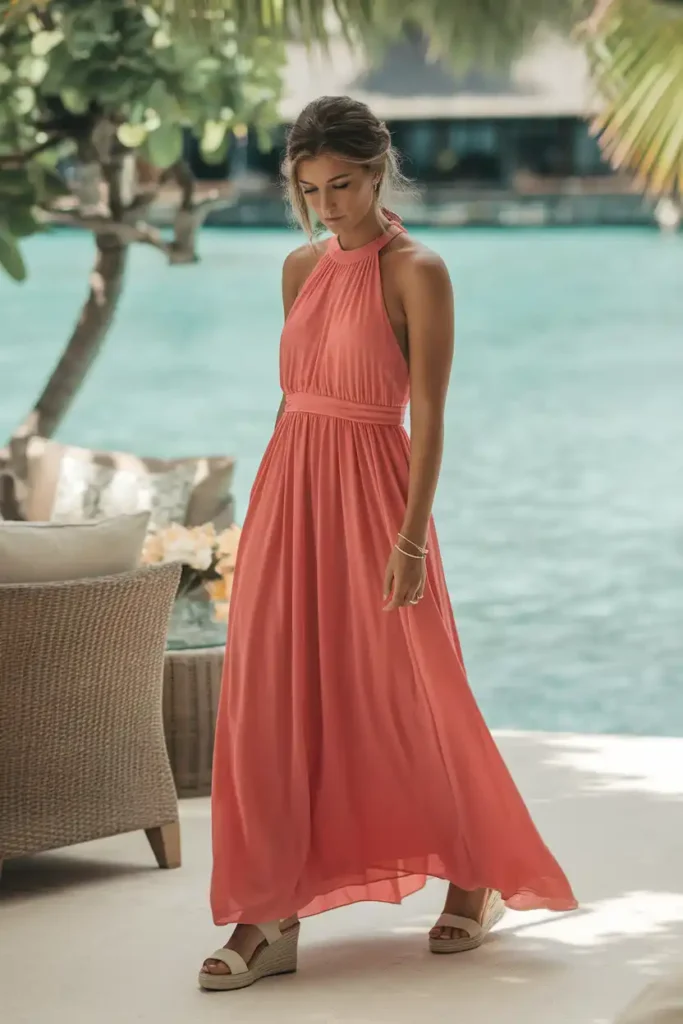
Destination weddings introduce a practical layer of thinking that standard venue dressing does not require. You are packing for travel, often dealing with climate differences, and navigating situations where your outfit needs to work across multiple days or settings. Choosing fabrics that travel well, meaning those that resist wrinkling and recover quickly from being folded in a suitcase, is one of the most important considerations you will make.
Beyond packing logistics, destination wedding settings tend to inform formality in a softer, more relaxed direction even when the dress code says formal. A beach resort formal wedding reads differently than a hotel ballroom formal event in a major city. The venue’s location and climate naturally shift what feels visually appropriate and physically comfortable. Lightweight maxi dresses, resort-inspired separates in elevated fabrics, and strappy heeled sandals tend to strike exactly the right balance in warm destination settings.
18. What You Wear to the Reception Can Differ From the Ceremony Look
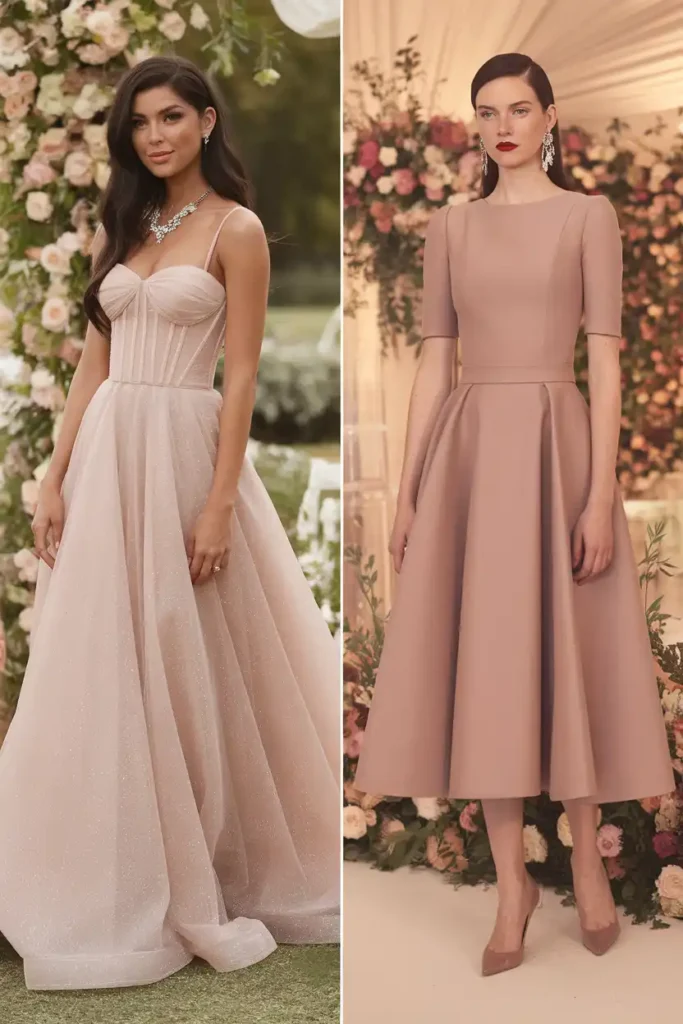
A wardrobe change between ceremony and reception is more common than most wedding guests realize, and it is a completely accepted practice at longer events. Wearing a more conservative or traditional silhouette for the ceremony and transitioning into something slightly more festive or comfortable for the reception is a perfectly valid way to dress across a full wedding day. Many guests who do this end up feeling far more present and comfortable during the dancing and dinner portions of the event.
If a full outfit change is not practical, you can achieve a similar shift through accessories. Swapping out simple jewelry for something more dramatic, changing your bag, or adding a bold lip to your ceremony look can signal a shift in energy without requiring a second outfit. It is one of those small styling moves that experienced wedding guests use to keep their look feeling fresh from start to finish without the logistical effort of a full change.
19. When the Weather Unpredictably Interferes With Your Carefully Planned Look
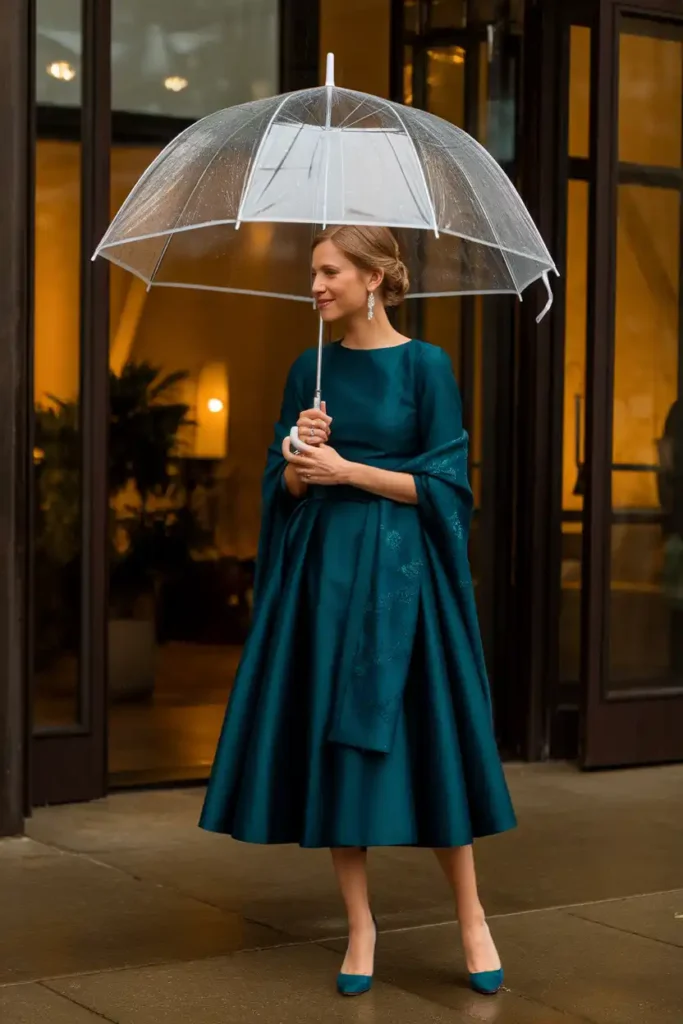
Weather is one of the least controllable variables in wedding guest dressing and one of the most worth preparing for. An unexpectedly cold evening, a sudden rain shower, or a windier-than-expected outdoor ceremony can completely derail an outfit that was not built with any contingency in mind. A beautiful wrap, a structured shawl in a complementary tone, or a coordinating evening blazer can solve most weather-related situations without disrupting the overall look.
Shoe choices also come into play here more than most guests anticipate. If there is any chance the event includes outdoor terrain, choosing a heel with a wider base or a lower height gives you stability without sacrificing the visual formality of a heeled shoe. Bringing a small rollable flat as a backup for later in the evening is also one of those veteran wedding guest moves that sounds overcautious until you genuinely need it at 10pm on a grass lawn at a summer event.
20. The Most Important Rule Is Dressing in a Way That Honors the Occasion
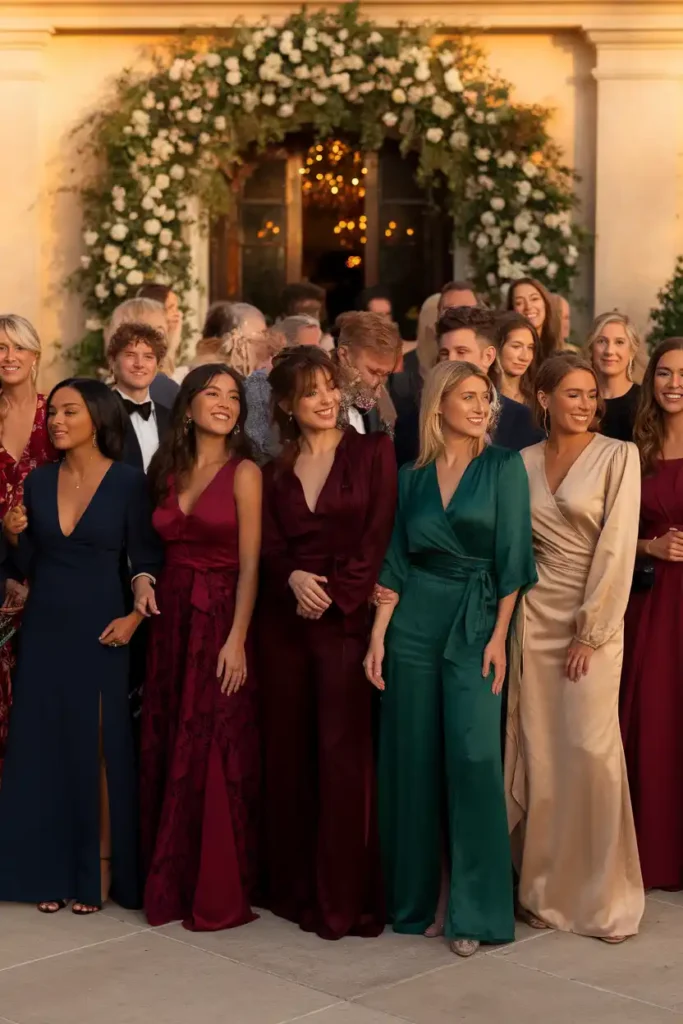
Every rule about formal wedding guest attire ultimately points toward the same principle: dress in a way that shows the couple you took their occasion seriously. Getting dressed for a wedding is one of the few times in modern life when dressing for someone else is genuinely the most meaningful choice you can make. The care you put into your outfit is a quiet form of respect, and people notice it even if they never say so directly.
That does not mean you have to sacrifice your personal style entirely. The best wedding guest looks are ones where the person wearing the outfit looks like themselves, just elevated and occasion-ready. Your personality can absolutely come through in your color choice, accessory decisions, and silhouette preferences. The goal was never to disappear into the formality of the event but to honor it while still showing up as a fully considered, confident version of yourself.
Conclusion:
Dressing well for a wedding is one of the easiest ways to show someone you genuinely care about their day. Whether you are navigating black tie, semi formal wedding attire, or something in between, these rules give you a confident starting point every time. When in doubt, lean toward slightly more formal, choose fabrics that feel elevated, and wear something that makes you feel like the best version of yourself.